

Why in News? The United Nations Environment Programme (UNEP) released its flagship report titled “State of Finance for Nature 2026,” which highlights a stark imbalance in global financial flows, revealing that for every USD 1 invested in protecting nature, nearly USD 30 is spent on activities that destroy it. Key Highlights Nature-Negative Finance (Scale of the Problem) Nature-Positive Finance (Current Status) Finance Gap for Nature-based Solutions Global Targets Driving NbS Demand (Rio Conventions) What are Nature-based Solutions (NbS)? Definition (in simple terms)Nature-based Solutions (NbS) are actions that work with nature rather than against it. They involve protecting, managing, or restoring natural or human-modified ecosystems so that they solve real problems such as climate change, food shortages, or disaster risks. At the same time, they improve human well-being and protect biodiversity. Examples What are the Challenges in Scaling NbS Finance? What are the Implications of Low NbS Finance for India? What Measures can Effectively Increase Nature-based Solutions (NbS)? Conclusion The State of Finance for Nature 2026 highlights that today’s economic systems are still channeling money toward activities that damage the environment. For India, this is a clear warning. To protect its natural resources and long-term growth, India needs to apply the Nature Transition X-Curve approach—phasing out harmful subsidies while scaling up investments that restore nature. This shift would help move the country away from an economy that unintentionally subsidises environmental damage toward one that supports nature-positive, sustainable growth, while also protecting biodiversity and supporting India’s USD 5-trillion economy ambition. FAQ’s

India–EU FTA and Strategic Realignment
In a world where global trade is increasingly disrupted by broken supply chains, sanctions, and power politics, India and the European Union have taken a strong and timely step by signing the India–EU Free Trade Agreement. With trade already at $136 billion, Europe accounting for 16% of India’s foreign investment, and the deal expected to generate another $75 billion in exports, the partnership goes beyond economics and strengthens strategic ties. For Europe, the agreement helps reduce dependence on China and the US, while for India, it guarantees better access to the world’s largest single market. Together, India and the EU are presenting themselves as reliable partners and sources of stability in a multipolar world that aims to be governed by clear rules rather than power rivalries. How India-EU Ties have Evolved Over Time? Phase I: Normative Engagement (1990s–2004)After the Cold War, India and the European Union reshaped their relationship around trade, development cooperation, and shared democratic values. This gradual engagement culminated in the declaration of a Strategic Partnership in 2004. Phase II: Institutional Optimism, Limited Convergence (2005–2013)New frameworks such as the Joint Action Plan (2005) and talks on the Broad-based Trade and Investment Agreement (BTIA) from 2007 expanded formal dialogue. However, momentum slowed due to the Eurozone crisis, regulatory differences, and weak political commitment, exposing a clear gap between big goals and actual outcomes. Phase III: Strategic Drift amid Global Uncertainty (2014–2019)Although trade continued to grow, the partnership failed to reach its full potential. Europe became more inward-looking, while India broadened its global engagements. As a result, ties stayed largely economic and transactional, with limited geopolitical depth. Phase IV: Strategic Recalibration (2020–2024)The Covid-19 pandemic, supply-chain disruptions, and China’s growing assertiveness pushed both sides closer on issues like resilience, technology, and the Indo-Pacific. This led to the revival of trade negotiations and the launch of the Trade and Technology Council in 2022. The FTA began to be seen not just as a trade deal, but as a strategic tool for diversification, resilience, and autonomy. Phase V: Strategic Consolidation (2025–present)The signing of the India–EU FTA, along with cooperation on security, defence, and mobility, marks a shift from limited sector-wise cooperation to deep strategic alignment. India and the EU now see themselves as joint partners in shaping a stable, multipolar, and rules-based global order. What are the Key Provisions of the INDIA-EU FTA? What are the Other Areas of Convergence in India-EU Relations? What are the Key Areas of Divergence in India-EU Relations? What Measures are Needed to Enhance India-EU Cooperation? Conclusion The India–European Union relationship is no longer occasional or limited—it is steadily becoming a deep strategic partnership. Both sides are coming together around shared ideas such as a multipolar world, strategic autonomy, and respect for a rules-based international system. While the Free Trade Agreement has given this partnership strong momentum, cooperation now goes far beyond trade. It includes security, technology, climate action, and the movement and development of skilled people. Differences will still exist, but handling them through dialogue and mutual understanding rather than pressure or coercion—will be essential. If managed well, India and the EU can together act as reliable pillars of stability in an increasingly divided and uncertain global order.
NABARD Grade A 2026
Introduction Every year, lakhs of aspirants put in countless hours of hard work to prepare for the NABARD Grade A examination. And it’s not without reason, the exam opens the door to a prestigious career with NABARD, a premier financial institution that plays a crucial role in regulating and supporting regional rural banks across the country. But with high aspirations comes tough competition. Only a limited number of candidates make it to the final selection, which makes the journey even more challenging. That’s why cracking NABARD Grade A requires more than just hard work, it demands focused preparation, smart strategy, and unwavering dedication. So, if you’re serious about making it to NABARD Grade A 2026, start your preparation on the right note. Begin by understanding every important detail about the exam, because knowing what lies ahead is the first step toward success. NABARD Recruitment 2026 (Grade A):The NABARD Grade A (Assistant Manager) exam is a golden opportunity for those who aspire to build a career in agricultural and rural development banking. Conducted by the National Bank for Agriculture and Rural Development, this exam is primarily held to recruit candidates for two major roles — Rural Development Banking Service (RDBS) and Rajbhasha cadre. Every year, usually around July, NABARD releases an official notification mentioning the number of vacancies, eligibility criteria, exam dates, and other key details. The recruitment process for NABARD Grade A generally involves four stages: Cracking this exam not only offers job security but also a highly respected position in the development finance sector. If you’re aiming for NABARD in 2026, now is the perfect time to start preparing! NABARD Grade A Notification 2026 The NABARD Grade A 2026 Notification, both the short notice and the detailed advertisement, will be released on NABARD’s official website. This notification is your go-to document for all important details, including eligibility criteria, how to apply, exam pattern, syllabus, key dates, and the number of vacancies. For 2026, it is expected that NABARD will once again release vacancies across these disciplines, giving candidates from diverse educational backgrounds a chance to apply. So, keep an eye on the official site and stay ready, the opportunity you’ve been waiting for might be just around the corner! NABARD Grade A Notification PDF The detailed NABARD Grade A Notification 2026 will be officially released on NABARD’s website. While we wait for this year’s notification, you can refer to the previous year’s notification PDF. NABARD Grade A Exam 2026 Overview NABARD follows a two-step process when announcing its recruitment:First, a short notification is released to inform candidates about the upcoming recruitment, and then a detailed notification follows with all the important information. Particulars NABARD Notification 2026 Details Exam Conducting Body NABARD (National Bank for Agriculture and Rural Development) Exam Name NABARD Grade A Recruitment Year NABARD Recruitment 2026 Post Name Assistant Manager NABARD Vacancy 2026 To Be Announced Application Mode Online Selection Process 1. Prelims 2. Mains 3. Interview Salary ₹1,00,000/- per month (approx.) Official Website www.nabard.org NABARD Grade A Exam Date 2026 All the important dates related to the NABARD Grade A exam — like the exam date, admit card release, result announcement, and more — will be clearly mentioned in the official notification or any updates released by NABARD. Events NABARD Dates 2026 NABARD Grade A Short Notice Release To Be Announced NABARD Grade A Notification Release To Be Announced Application Start Date To Be Announced Application Last Date To Be Announced Phase 1 Admit Card Release Date To Be Announced Phase 1 Exam Date To Be Announced Prelims Result Date To Be Announced Phase 2 Admit Card Release Date To Be Announced Phase 2 Exam Date To Be Announced Phase 2 Result Date To Be Announced Psychometric Test Date To Be Announced Final Result Date To Be Announced NABARD Grade A Vacancy 2026 Every year, NABARD announces the number of Grade A vacancies through a detailed advertisement published in leading newspapers and on its official website. These vacancies are divided into different categories like UR (Unreserved), SC, ST, OBC, EWS, and PwBD (Persons with Benchmark Disabilities). Understanding the vacancy details is important because it helps you gauge the level of competition. It also allows you to set clear goals and plan your preparation accordingly. NABARD Grade A Application Process The NABARD Grade A online application process starts as soon as the official notification is released. Candidates need to apply only during the specified application window mentioned in the notification. It’s best not to wait until the last day to apply because the website might get overloaded, causing technical issues. Here’s a simple step-by-step guide to applying online: Important things to remember: Following these instructions carefully will help ensure your application is successfully submitted. NABARD Grade A Application Fee 2026 The application fees listed below for NABARD Grade A do not include GST. Please note that these fees are expected amounts and might change. If there are any updates or changes, we will make sure to update the information here for you. Check out the fee details for all the categories below: Here’s the NABARD Grade A application fee structure in a simple table: Category SC/ST/PwBD All Others Application Fee Nil Rs. 700 Intimation Charges Rs. 150 Rs. 150 Total Fee Rs. 150 Rs. 850 NABARD Grade A Eligibility Criteria 2026 Every candidate who applies for the post must meet the mentioned eligibility criteria. If you want to know the detailed eligibility, then check out the subsections below. Also, to help you prepare for this exam, mock tests become one of the most important sources. So, do not forget to attempt NABARD Grade A Mock Test. NABARD Grade A Educational Qualification Discipline Educational Qualification General Bachelor’s Degree in any subject OR Post Graduate degree, MBA/PGDM OR CA/CS/ICWA OR Ph.D from institutions recognized by GOI/UGC C.A. Bachelor’s degree in any discipline from a recognized University/Institution with Membership of Institute of Chartered Accountants of India (ICAI), obtained on or before the reference date I.T. Bachelor’s Degree in Computer Science/Computer
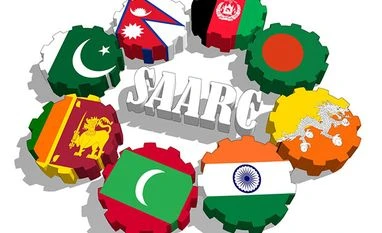
South Asian Association for Regional Cooperation (SAARC)
Introduction The South Asian Association for Regional Cooperation (SAARC) is a group formed by South Asian countries to work together and help each other grow. It was created on 8 December 1985 in Dhaka, Bangladesh with the aim of improving cooperation in areas like the economy, society, culture, and technology. SAARC has 8 member countries:India, Pakistan, Bangladesh, Sri Lanka, Nepal, Bhutan, Maldives, and Afghanistan.Its headquarters is in Kathmandu, Nepal. Over the years, SAARC has started several important initiatives. These include the SAARC Development Fund to support development projects, the South Asian University to promote higher education and regional understanding, and the SAARC Satellite to help member countries in communication, education, and disaster management. SAARC has achieved some success, especially in areas such as education cooperation, disaster response, and limited trade initiatives. However, the organisation has not reached its full potential. This is mainly because of political tensions between member countries, particularly India and Pakistan, and very low trade among South Asian nations compared to other regions. SAARC Overview The South Asian Association for Regional Cooperation (SAARC) is a regional group formed on 8 December 1985 in Dhaka to promote cooperation among South Asian countries. It has 8 members: India, Pakistan, Bangladesh, Sri Lanka, Nepal, Bhutan, Maldives, and Afghanistan. The headquarters is in Kathmandu, Nepal. SAARC works in areas like trade, education, health, and disaster management through bodies such as the SAARC Secretariat and Council of Ministers. While it has taken some useful initiatives, its progress has been limited due to political tensions among member countries. Information Details SAARC Established 8 December 1985, Dhaka (Bangladesh) Number of Member Countries 8 – India, Bangladesh, Nepal, Sri Lanka, Maldives, Bhutan, Afghanistan, Pakistan Number of Observers 9 – Australia, European Union (EU), Iran, Japan, Mauritius, South Korea, USA, China, Myanmar SAARC Headquarters Kathmandu, Nepal Launch of SAARC Satellite 2017 SAARC Specialised Bodies South Asian University (India); South Asian Regional Standards Organization – SARSO (Dhaka); SAARC Development Fund – SDF (Bhutan); SAARC Arbitration Council – SARCO 1st Secretary-General of SAARC Abul Ahsan (Bangladesh) Current Secretary-General Golam Sarwar (Bangladesh) – since 4 March 2023 Last Country to Join SAARC Afghanistan (April 2007) Historical Background SAARC Principles Objectives SAARC Countries List S.No Country Capital Population Area (sq km) 1 Afghanistan Kabul 42 million 652,230 2 Bangladesh Dhaka 170 million 147,570 3 Bhutan Thimphu 0.8 million 38,394 4 India New Delhi 1.42 billion 3,287,263 5 Maldives Malé 0.5 million 298 6 Nepal Kathmandu 31 million 147,516 7 Pakistan Islamabad 240 million 881,913 8 Sri Lanka Colombo / Sri Jayawardenepura Kotte 22 million 65,610 Structure and Composition of SAARC SAARC’s structure includes the Secretariat in Kathmandu, the Council of Ministers, and various Technical Committees. Its membership consists of eight countries: Afghanistan, Bangladesh, Bhutan, India, Maldives, Nepal, Pakistan, and Sri Lanka. SAARC’s Specialized Body SAARC Significance SAARC Achievement SAARC Challenges Way Forward To strengthen SAARC, there is a need to significantly boost intra-regional trade, which currently accounts for only about 5% of the total trade of member countries. Reducing tariffs, removing non-tariff barriers, and diversifying exports can greatly enhance regional economic integration. Improving connectivity is equally important, as only around half of South Asian countries are well connected through transport and digital networks; better roads, railways, energy grids, and internet infrastructure will ease trade and mobility. SAARC institutions such as the Secretariat and the SAARC Development Fund (USD 300 million) must be strengthened with greater authority and efficiency to ensure effective implementation of regional projects. Special attention should be given to less-developed members like Afghanistan, Bhutan, and the Maldives through targeted development programmes to reduce regional disparities and promote inclusive growth. At the political level, regular dialogue and summits can help build trust among member states, particularly India and Pakistan, contributing to regional peace and stability. Finally, closer cooperation is needed to address emerging challenges such as climate change, health crises, technology, disaster management, and sustainable development, where collective regional action can deliver substantial benefits.
NABARD Grade A Job Profile: Role, Work Life & Promotions
NABARD Grade A Job Profile: Role, Work Life & Promotions Understanding the NABARD Grade A job profile helps you clearly know what to expect after clearing the exam. It gives you a realistic picture of the role, responsibilities, and work environment of a NABARD Grade A Officer. With this clarity, you can decide whether this job matches your long-term career goals and prepare for the exam with better focus and confidence. When you know why you are preparing, your motivation naturally increases. Knowledge of the job profile is also very useful during the interview stage. The interview panel looks for candidates who are aware of the duties, challenges, and importance of the role, and this awareness creates a positive impression. So, let us understand the NABARD Grade A Officer job profile in detail—covering promotions, work-life balance, leave rules, and future career growth—to help you prepare not just for the exam, but for the career ahead. What is the Role of NABARD Grade A Officer? As a NABARD Grade A Officer, you play an important role in strengthening India’s agriculture and rural economy. Your work directly impacts farmers, rural institutions, and development programmes across the country. Your responsibilities may include supervising and regulating Regional Rural Banks (RRBs) and cooperative banks to ensure they function smoothly and follow guidelines. You may also be involved in implementing government and NABARD schemes in your allotted region, while spreading awareness about modern agricultural practices and new technologies. Another key part of the job is supporting farmers and rural communities in setting up strong cooperatives and rural banks that can meet their financial needs. Along with fieldwork, you will also handle routine administrative duties such as preparing reports, drafting proposals, and coordinating with different stakeholders. Important: The exact duties of a NABARD Grade A Officer depend on the department you are posted in. Departmental allocation is done according to NABARD’s organisational needs. NABARD Grade A Postings and Transfers Policy Posting of a NABARD Grade A Officer NABARD’s head office is located in Mumbai, Maharashtra. Apart from this, the organisation has around 30 regional offices situated in major cities across India. As a NABARD Grade A Officer, you are usually posted either at the head office in Mumbai or at one of the regional offices located in tier-1 or tier-2 cities, mostly in state capitals. This means you get the opportunity to work for rural and agricultural development while still enjoying the facilities and lifestyle of urban areas. Note: Although NABARD officers can be posted anywhere in India, they are generally posted in their home state. Transfer Policy for NABARD Grade A Officer After completing about 5–6 years at a particular posting, you become eligible for a transfer. During the transfer process, you can choose from different zones such as South, East, West, North, North-East, Andaman, and Jammu & Kashmir, and then select a preferred state within the chosen zone. This transfer policy provides flexibility while also allowing officers to gain experience in different regions of the country. NABARD Grade A Officer Promotions Duration Position Joining Assistant Manager (Grade A) After 4 Years Manager (Grade B) After Next 5 Years Grade C – Assistant General Manager After Next 4–5 Years Grade D – Deputy General Manager After Next 4 Years Grade E – General Manager After Next 4–5 Years Grade F – Chief General Manager Appointed by Government of India Deputy Managing Director Appointed by Government of India Chairperson Important Note:The duration mentioned above indicates the minimum eligibility period for promotion. Actual promotion also depends on factors such as performance, internal assessments, and availability of vacancies within NABARD. Working Abroad Opportunities for NABARD Grade A Officer As a NABARD Grade A Officer, you generally do not get postings outside India. However, as you move up the hierarchy and reach higher positions such as Grade B or Grade C, opportunities for international exposure may arise. At these levels, officers may be selected to attend short-term training programmes or study visits abroad, usually lasting between one and three weeks. NABARD nominates officers who have shown strong performance, innovative thinking, and a good professional record. Such training programmes are often conducted in countries like the USA, the Philippines, Germany, and other nations, giving officers valuable global exposure and learning opportunities in the field of rural and agricultural development. Higher Education Opportunities for NABARD Grade A Officer NABARD strongly encourages its officers to continuously upgrade their knowledge and skills. The organisation believes that well-trained officers can perform their duties better and handle work-related challenges more effectively. To support this, NABARD provides several options for higher education: Please note: To be eligible for reimbursement, Now that we have understood the higher education opportunities, let us move on to the leave policy of a NABARD Grade A Officer. Leave Policy for NABARD Grade A Officer Ordinary Leave As a NABARD Grade A Officer, you earn one day of ordinary leave for every 11 days of service. This leave can be accumulated for up to a maximum period of 10 months. Casual Leave (CL) You are entitled to 15 days of casual leave in a calendar year. This leave can be accumulated for up to three years and, if required, can be used as Special Sick Leave during this period. Medical / Sick Leave NABARD provides one day of sick leave for every month of service. There is no upper limit on how much sick leave you can accumulate. You can also take sick leave by either opting for half-pay leave or by taking two days of sick leave at full pay. Study Leave Study leave is a special provision that allows officers to pursue higher education. This leave is granted only after fulfilling certain terms and conditions laid down by NABARD. Note: Leave rules are subject to change from time to time as per NABARD’s service policies. After understanding the leave policy, let us now look at the medical allowances available to a NABARD Grade A Officer. NABARD Grade A Officer Medical Allowances Apart from allowances

NABARD Grade A 2026 Complete Information
Introduction Preparing for a competitive exam like NABARD Grade A can feel overwhelming, but don’t worry—you’re not alone in this journey. With the right guidance and planning, cracking this exam is totally achievable. I’m here to simplify everything you need to know about NABARD Grade A. Whether it’s the latest notification, exam pattern, syllabus, preparation strategy, or even salary details—we’ll cover it all, step by step. No confusion, no stress. But before we dive in, let’s first understand what NABARD is and why this exam is such a great opportunity. What is NABARD? NABARD stands for National Bank for Agriculture and Rural Development. Established in 1982, its prime focus is on supporting the agriculture and rural development sectors of India. It’s basically India’s top institution when it comes to rural development, agriculture financing, and supporting farmers. If you’re passionate about rural progress and want a stable, respected career in the government sector, NABARD is one of the best choices out there. Let’s break down everything about this exam in simple terms—because at C4S Courses, we believe in making learning easy and result-oriented. Let’s get started! NABARD Grade A 2065 Notification: Released Date, PDF Download Link The official notification for NABARD Grade A 2026 hasn’t been released yet—but don’t worry, the C4S team is on it. We’re closely tracking every update, and the moment it’s out, we’ll share the official PDF link here so you can download it easily. In the meantime, let’s not sit idle. To help you stay ahead, we’ll walk you through everything you need to know about the NABARD Assistant Manager exam based on the previous notification. This will give you a clear idea about how the exam works, what to study, and how to prepare smartly. Stay tuned—we’ll keep you updated, every step of the way. NABARD Grade A 2026 Exam Dates: Apply Online Deadline & Phase Schedule Here are the important dates of the NABARD assistant manager 2026 exam: Event Dates NABARD Grade A Notification 2026 To be announced Online Application Start Date To be announced Online Application Last Date To be announced Phase 1 (Preliminary) Exam To be announced Phase 2 (Mains) Exam To be announced Note: Don’t worry about missing any dates—C4S Courses will update you as soon as the official schedule is released. Just focus on your preparation for now! NABARD Grade A 2026 Vacancy: Category-wise Seats & Reservation Details The official NABARD assistant manager A 2026 recruitment notification is yet to be released. Once, released, we’ll update the latest NABARD assistant manager vacancies. NABARD Grade A 2026 Eligibility: Age, Qualifications & Nationality The NABARD assistant manager eligibility criteria for the 2026 exam cover key aspects such as age limit, educational qualification, nationality, and the number of attempts. It’s essential to ensure you meet all these requirements before you start your application process. NABARD Grade A Age Limit 2026: Relaxation for SC/ST/OBC/PwD Your age for the NABARD assistant manager 2026 exam is calculated as of the 1st of the month in which the notification is released. If you’re in the unreserved or general category, you need to be at least 21 years old and not older than 30 years to be eligible for the exam. For reserved categories, relaxations in the upper age limit will apply as per NABARD’s guidelines. NABARD Grade A Educational Qualification: Degree, Specializations & Marks Required To apply for the NABARD assistant manager 2026 general stream, you must meet one of the following educational qualifications: NABARD Grade A Nationality Criteria: Indian Citizenship Proof To be eligible for the NABARD Assistant Manager exam, you must be an Indian citizen. NABARD Grade A Attempt Limit 2026: Category-wise Attempt Rules Here’s some good news! NABARD doesn’t impose any restriction on the number of attempts for the assistant manager exam. As long as you meet all the eligibility criteria, you are eligible to apply for the NABARD assistant manager 2026 Assistant Manager (RDBS) exam. NABARD Grade A 2026 Exam Pattern: Phase 1 & 2 Paper Structure The NABARD Assistant Manager exam follows a structured selection process to identify the best candidates. It consists of three phases: Let’s start with understanding the official NABARD assistant manager Phase 1 2026 pattern: NABARD Grade A Phase 1 Pattern: Sections, Duration & Marking Scheme Here is the NABARD assistant manager 2026 Phase 1 exam pattern: Subject No. of Questions Maximum Marks Qualifying Sections Reasoning 20 20 English Language 30 30 Computer Knowledge 20 20 Quantitative Aptitude 20 20 Decision Making 10 10 Merit Sections General Awareness 20 20 Economic and Social Issues (ESI) 40 40 Agriculture & Rural Development (ARD) 40 40 Total 200 200 Note: Phase 1 Key Details: Negative Marking, Cut-Off Trends & Time Management Tips Let’s get into more details to help you understand the NABARD assistant manager Phase 1 pattern: NABARD Grade A Phase 2 Pattern: Descriptive Test & Interview Weightage Here is the NABARD assistant manager 2026 Phase 2 exam pattern: Paper Type No. of Questions Time (minutes) Total Marks Paper 1 General English (Online Descriptive) 3 90 100 Paper 2 Economic and Social Issues (ESI) & Agriculture and Rural Development (ARD) 50% Objective: 30 Questions50% Descriptive: 6 Questions (4 to be attempted) Objective: 30Descriptive: 90 100 Phase 2 Key Details: ARD/ESI Paper Format & Answer Writing Strategy Let’s get into more details to help you understand the NABARD assistant manager Phase 2 pattern: NABARD Grade A Interview 2026: Panel Expectations & Common Questions Phase 3 of the NABARD assistant manager exam consists of a psychometric test (subject to the discretion of NABARD) and an interview. Here’s what you need to know: Psychometric Test Interview NABARD Grade A Final Selection: Merit List, Document Verification & Joining Process To become a NABARD Assistant Manager, your final selection depends on how well you perform in Phase 2 (Mains) and the Interview. Both are equally important — your marks from Paper I and II in the Mains exam, along with your interview performance, are added together to decide your final rank. So, if you’re serious about cracking the exam, focus not just on clearing the

Reinsurance: Meaning, Types and Significance
Introduction Reinsurance helps insurance companies share their risks with another insurer. Instead of bearing the full burden of large or unexpected losses, an insurer passes on part of the risk to a reinsurance company. This helps insurance companies stay financially strong and ensures they can pay claims to policyholders even during major losses. Understanding reinsurance, its different types, and its benefits shows how the insurance industry stays stable and resilient. Understanding What is Reinsurance Insurance companies help people and businesses deal with financial risks, but some risks are so big that one company cannot safely handle them alone. This is where reinsurance becomes important. Benefits of Reinsurance The benefits of reinsurance extend beyond individual insurers and contribute to the overall resilience of the global insurance system. Some of the key advantages include: Different Types of Reinsurance Type Key Feature Best Suited For Facultative Reinsurance Covers individual risks separately and is negotiated case by case Large, unique, or unusual risks Treaty Reinsurance Covers a whole portfolio of policies under a single agreement Regular and ongoing risk-sharing Proportional Reinsurance Premiums and losses are shared between insurer and reinsurer in a fixed ratio Predictable and stable risks Non-proportional Reinsurance Reinsurer pays only when losses exceed a specified threshold High-severity or catastrophic risks Excess of Loss Reinsurance Reinsurer covers claims beyond an agreed loss limit Natural disasters and major industrial losses Facultative Reinsurance Treaty Reinsurance Proportional Reinsurance Non-Proportional Reinsurance Excess of Loss Reinsurance Conclusion Reinsurance plays a vital role in strengthening the insurance industry by allowing insurers to share risks and protect themselves from large and unexpected losses. By spreading risks across multiple companies and regions, reinsurance ensures financial stability, market continuity, and confidence among policyholders. It enables insurers to support large infrastructure and industrial projects, manage catastrophic events, and deliver predictable financial outcomes. Through its various forms—such as facultative, treaty, proportional, and non-proportional reinsurance—it offers flexibility and protection tailored to different risk profiles. Overall, reinsurance acts as a backbone of the insurance system, promoting resilience, trust, and long-term sustainability in an increasingly uncertain world.
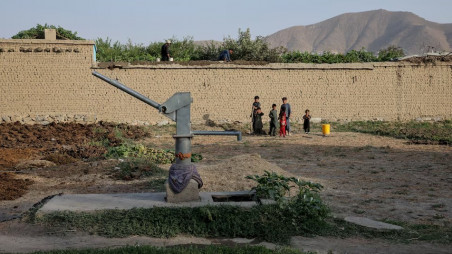
Global Water Bankruptcy
Context Recently, a report titled “Global Water Bankruptcy: Living Beyond Our Hydrological Means in the Post-Crisis Era” was released by the United Nations University Institute for Water, Environment and Health (UNU-INWEH). It was published ahead of the UN Water Conference 2026 and warns that the world is using far more water than nature can sustainably provide, pushing many regions towards severe water shortages and long-term crisis. What Is Water Bankruptcy? Water bankruptcy describes a situation where a society has used water far beyond what nature can replace over time. People keep drawing more water from rivers, lakes, glaciers, soils, and underground aquifers than is safely available, and they also pollute and damage water sources. As a result, water systems and ecosystems are permanently or nearly permanently harmed, meaning earlier levels of water availability cannot be brought back. In short, it is like spending all your savings and damaging your income source at the same time—the natural water reserves built up over hundreds of years are exhausted, leaving future generations with much less water to depend on. Condition Description Recovery Potential Water Stress Demand for water is high compared to available supply, but resources are not exhausted and can recover with conservation and better management. Reversible Water Crisis A sudden and short-term emergency such as drought, pollution, or supply disruption causing acute water shortage. Temporarily reversible Water Bankruptcy Chronic, long-term overuse and degradation of water resources where natural replenishment is exceeded and ecosystems are permanently damaged. Largely irreversible Concerns & Issues: Patterns of Water Bankruptcy Systemic Global Water Insecurity Declining Water Storage and Agricultural Stress Visible Global Consequences Challenges of Irreversibility and Equity Outdated Global Water Governance Anthropogenic Droughts and Economic Losses Cryosphere Crisis Reasons Behind Water Bankruptcy Overextraction of Water Resources Climate Change and Altered Hydrology Pollution and Water Quality Degradation Loss of Natural Water Infrastructure Unsustainable Economic and Urban Growth Poor Governance and Fragmented Water Policies Neglect of Justice and Equity in Water Distribution Key Suggestions and Recommendations Transforming Water Governance Systems Focusing on Justice and Equity Rebuilding Hydrological and Ecological Capital Integrating Water Bankruptcy into Global Frameworks

An Approach to Excellence in Descriptive English
Introduction Descriptive writing plays a crucial role in the NABARD Grade A/B and RBI Grade B exams. Many aspirants struggle with expressing ideas clearly, structuring essays, and writing within the word limit. Since these regulatory body exams test your ability to write well-structured essays, letters, and précis, having a clear strategy is essential. Exam Pattern for Descriptive Writing Before jumping into strategies, let’s understand the weightage of descriptive writing in these exams: Section Word Limit Marks Time Allotted Essay Writing 300-400 words 40-50 marks 35-40 mins Letter Writing 150-200 words 20-30 marks 15-20 mins Precis Writing 120-150 words 20-30 marks 15-20 mins Why Descriptive Writing is Important? Strategy for Descriptive Writing in NABARD & RBI Exams 1. Essay Writing Strategy A. Understanding the Topic B. Brainstorming & Structuring Essay Structure: C. Sample Essay Topics for NABARD & RBI 2. Letter Writing Strategy A. Types of Letters in Exams B. Letter Format Section Example Sender’s Address [Your Address] Date [DD/MM/YYYY] Recipient’s Address [Manager’s Name, Bank Name, City] Subject (One-line summary of the letter) Salutation Dear Sir/Madam, Body (Introduction, Purpose, Conclusion) Closing Sincerely, [Your Name] C. Sample Letter Topics 3. Precis Writing Strategy A. What is Precis Writing? A precis (summary) is a condensed version of a passage, maintaining its main idea and logical structure in fewer words. B. Steps for Writing a Good Precis C. Sample Precis Topics Common Mistakes to Avoid in Descriptive Writing Resources & Strategy for Descriptive Writing Preparation Scoring 35+ marks in the English Descriptive Essay is NOT about fancy vocabulary — it is about structure, relevance, clarity, and examiner orientation. In this video, we decode the exact strategy used by toppers to score 65+ overall in English Descriptive for RBI Grade B, NABARD Grade A/B, IRDAI, SEBI, PFRDA, IFSCA and other regulatory exams. Previous Year Question Papers: Final Tips for Success Conclusion Descriptive writing in NABARD & RBI exams is all about clarity, coherence, and relevance. By following the right structure, practicing regularly, and staying updated with current topics, you can score high marks in this section. Share this guide with fellow aspirants and help them ace the NABARD & RBI exams!

NABARD Development Assistant Previous Year Cut Off
Looking at the previous year’s NABARD Development Assistant exam cut-off is very important while preparing for the exam. It helps candidates get a clear idea of how many marks are usually needed to qualify. By checking past cut-offs, aspirants can also understand which regions had higher competition and how tough the exam has been in earlier years. This analysis guides students in planning their preparation better, focusing on important sections, improving accuracy, and aiming for a safe score to clear both sectional as well as overall cut-offs. Overall Cut-off (Prelims) State / Regional Office UR (2022-23) UR (2018) Andhra Pradesh 78.50 82 Arunachal Pradesh — 63.50 Assam 78.75 — Bihar 82.75 80 Chhattisgarh 77.50 75 Goa 59 — Gujarat 76.25 76.50 Haryana 79 79.25 Himachal Pradesh — 77.50 Jammu & Kashmir — 75.75 Jharkhand — 79.25 Karnataka 77 76.25 Kerala — 83 Madhya Pradesh 79.50 79 Maharashtra 76 77.50 Manipur 71.50 66.75 Meghalaya — 72.75 Nagaland 65 — New Delhi 84 83.25 Odisha 80.75 80.25 Punjab 80.25 83 Rajasthan 80.25 81.25 Sikkim — 47.00 Tamil Nadu 78.25 79.25 Telangana 78.50 78.50 Uttar Pradesh 83 83 Uttarakhand 82 78.75 West Bengal 82.25 — Overall Cut-off (Mains) State / Regional Office UR (2022-23) UR (2018) Andhra Pradesh 134.75 130.75 Arunachal Pradesh 77 121.75 Bihar 115.75 NA Chhattisgarh 114.25 131.50 Goa 97 NA Gujarat 119.75 134.25 Haryana 126.25 148.25 Himachal Pradesh NA 135 Jammu & Kashmir NA NA Jharkhand NA 136 Karnataka 108.25 142.75 Kerala NA NA Madhya Pradesh 111.50 137.25 Maharashtra (HO–Mumbai / NAB Mumbai) 111 135.75 Manipur 131.75 119.50 Meghalaya NA 133.25 Nagaland 105 NA New Delhi 115.75 NA Odisha 109.75 142.50 Punjab 118.75 124.25 Rajasthan 114.75 129.50 Sikkim NA 124.00 Tamil Nadu 115.75 142.75 Telangana 118 124.50 Uttar Pradesh 112 134 Uttarakhand NA 124.75 What was the NABARD Development Assistant Prelims Cut Off 2022–23? In the NABARD Development Assistant Prelims Exam 2022–23, the cut-off marks differed a lot from one region to another. The highest cut-off was in New Delhi for the UR category, where candidates needed 84 marks to qualify. On the other hand, the lowest cut-off was in Goa for the UR category, at 59 marks. This wide variation shows that the level of competition and the number of vacancies were different across states and categories. To understand this better, the table below gives a detailed break-up of cut-off marks region-wise and category-wise. Regional Office SC ST OBC EWS UR Andhra Pradesh 70.75 NA 73.75 NA 78.50 Assam NA NA 65.50 NA 78.75 Bihar NA NA 76.25 NA 82.75 Chhattisgarh NA 60.75 NA NA 77.50 Goa NA NA NA NA 59 Gujarat NA NA 64.25 65.50 76.25 Haryana 66 NA 70.50 NA 79 Karnataka NA NA 66.75 NA 77 Madhya Pradesh 70 59.75 NA 74.25 79.50 Maharashtra 70.75 61.50 69.25 68.75 76 Manipur NA NA NA NA 71.50 Nagaland NA NA NA NA 65 New Delhi NA NA 73 NA 84 Odisha NA 60.50 NA NA 80.75 Punjab 68.50 NA 70.25 NA 80.25 Rajasthan 68.50 66.75 75 NA 80.25 Tamil Nadu NA NA 74.75 43.50* 78.25 Telangana 70.50 67.25 72.25 68.50 78.50 Uttar Pradesh 71.75 NA 76.75 78.75 83 Uttarakhand 69.25 NA NA 69.75 82 West Bengal 71.25 59 70.25 72.25 82.25 What was the NABARD Development Assistant Mains Cut Off 2022–23? For the NABARD Development Assistant Mains Exam 2022–23, the cut-off was decided only on the basis of overall performance, since the prelims exam was just qualifying in nature. Among all regions, Haryana recorded the highest cut-off in the UR category, showing tough competition there. In contrast, states with fewer candidates and limited vacancies had comparatively lower cut-offs. The table below provides a detailed break-up of the cut-off marks for each category and state. State / Regional Office SC ST OBC EWS UR Andhra Pradesh NA NA 111.75 NA 134.75 Assam NA NA NA NA 77 Bihar NA 96.50 NA NA 115.75 Chhattisgarh NA NA 120.50 NA 114.25 Goa NA NA NA NA 97 Gujarat NA NA 105.75 115.50 119.75 Haryana 111 NA NA NA 126.25 Karnataka NA NA 102.75 NA 108.25 Madhya Pradesh 107.50 99.25 NA 108.25 111.50 Maharashtra (HO–Mumbai) 110 102.00 105.75 104.50 111 Manipur NA NA NA NA 131.75 Nagaland NA NA NA NA 105 New Delhi NA NA 113 106.25 115.75 Odisha 101.50 95.50 107.50 116.50 109.75 Punjab 108.50 NA 121.25 NA 118.75 Rajasthan 102.50 106.50 114.75 NA 114.75 Tamil Nadu NA NA 113 106.25 115.75 Telangana 96.75 NA 111.75 125.75 118 Uttar Pradesh 103.75 97 106 112.5 112 What was the NABARD Development Assistant Prelims Cut Off 2018? In the NABARD Development Assistant Prelims Exam 2018, the cut-off marks varied widely across regions. The highest cut-off was in New Delhi for the UR category, where candidates needed 83.25 marks to qualify. On the other hand, Sikkim had the lowest cut-off at 47 marks. This big difference shows how much regional competition matters and why candidates should not just aim for the minimum qualifying marks, but target a higher score to stay on the safe side. The complete cut-off details are given in the table below. State & UT SC ST OBC EWS UR Andhra Pradesh NA NA 72.75 NA 82 Arunachal Pradesh NA NA NA NA 63.50 Bihar NA NA NA NA 80 Chhattisgarh 61.25 56.25 NA NA 75 Gujarat NA NA 61 NA 76.50 Haryana NA NA NA NA 79.25 Himachal Pradesh 62.50 NA NA NA 77.50 Jammu & Kashmir NA 35.75 NA NA 75.75 Jharkhand 62 63.75 NA NA 79.25 Karnataka NA NA 66.25 NA 76.25 Kerala NA NA NA NA 83 Madhya Pradesh 67.50 58.75 NA NA 79 Maharashtra (HO–NAB Mumbai) 73.25 62.75 74.75 72 77.50 Manipur NA NA NA NA 66.75 Meghalaya NA NA NA NA 72.75 New Delhi NA NA NA NA 83.25 Odisha 66.50 NA 72.75 NA 80.25 Punjab 71 NA NA NA 83 Rajasthan NA NA 74.50 NA 81.25 Sikkim NA NA NA NA 47.00 Tamil Nadu 70.00 NA NA NA 79.25 Telangana NA NA 73.50 NA 78.50 Uttar Pradesh 73.25 NA NA NA


