
Introduction In an era where efficiency, transparency, and ease of doing business are key to a thriving economy, digital transformation plays a vital role in governance. To further strengthen the regulatory environment and improve interaction between regulated entities and the Reserve Bank of India (RBI), the central bank launched a new initiative — the PRAVAAH Portal. PRAVAAH, which stands for “Platform for Regulatory Application, Validation And AutHorisation”, is an end-to-end digital platform aimed at streamlining the approval and clearance processes required by individuals and entities regulated by the RBI. What is the PRAVAAH Portal? The PRAVAAH Portal is a centralized web-based application developed and maintained by the Reserve Bank of India (RBI) to facilitate various types of regulatory approvals, licenses, and authorizations in a paperless, time-bound, and user-friendly manner. Full Form of PRAVAAH: Platform forRegulatoryApplication,ValidationAndAutHorisation Objectives of the PRAVAAH Portal Objective Description Simplification To streamline and simplify the process of obtaining regulatory approvals from the RBI. Transparency To enhance visibility into application status and reduce opacity in the system. Timeliness To ensure time-bound disposal of applications through automated workflows. Efficiency To minimize manual intervention and paperwork, thereby improving operational efficiency. Inclusivity To provide a single-point digital interface for all stakeholders. Key Features of the PRAVAAH Portal Feature Description Online Application Filing Entities can file applications for regulatory approvals digitally. Centralized Dashboard Provides a unified platform to track, manage, and monitor application status. Status Updates Real-time updates and alerts on the progress of applications. Document Upload Facility to upload and manage all required documents online. Application History Complete history of past and current applications accessible in one place. Query Management Respond to RBI’s queries and clarification requests within the platform. Who Can Use the PRAVAAH Portal? The portal is designed for: Types of Applications Handled on PRAVAAH As per RBI, the portal will initially host over 60 application forms covering different regulatory and supervisory departments. Here are some common examples: Department Application Types Department of Regulation NBFC registration, bank branch authorization, change in shareholding pattern Department of Supervision Fit and proper criteria approvals, appointment of directors Department of Payment and Settlement Systems Authorization for payment systems, white-label ATM approvals Foreign Exchange Department (FED) Compounding applications, FDI-related approvals Consumer Education and Protection Department Resolution and redressal-related applications How to Register on PRAVAAH Portal? Step-by-Step Registration Process: Note: Only authorized persons from the regulated entities can register on behalf of the organization. How to Submit an Application? After Logging In: Documents Typically Required Document Type Examples Identification PAN, Aadhaar, Certificate of Incorporation Financials Audited financial statements, CA certifications Declarations Compliance forms, management undertakings Business Plans Roadmaps, revenue models, future projections Note: Required documents vary depending on the type of application. Benefits of the PRAVAAH Portal Benefit Explanation Faster Approvals Automated workflows reduce manual delays. Paperless Process Digital submission minimizes physical documentation. Streamlined Interaction All communication is centralized and trackable. Reduced Compliance Burden Eliminates repetitive documentation for similar approvals. Better User Experience Intuitive interface and guided application journey. Real-Time Tracking Transparency in processing status for applicants. Legal and Regulatory Framework Behind PRAVAAH The PRAVAAH Portal is not just a technological upgrade but also a regulatory initiative under the RBI’s supervisory framework. It aligns with the following: The PRAVAAH platform ensures that these statutory mandates are implemented in a transparent, uniform, and traceable manner. Traditional vs PRAVAAH Process Feature Traditional Method PRAVAAH Portal Application Mode Physical / Email Fully Online Status Tracking Manual follow-ups Real-time Dashboard Document Submission Physical Copies Digital Upload Query Resolution Email/Letters In-platform Interaction Processing Time Delayed due to manual checks Time-bound workflows Expected Impact on the Financial Sector Improved Regulatory Compliance Entities will find it easier to meet timelines and requirements set by RBI. Boost to Ease of Doing Business Foreign and domestic investors benefit from smoother approval processes. Encouragement to FinTech & Startups Simplified regulatory pathways are expected to promote innovation and new entrants in the financial ecosystem. Reduction in Pendency Clear timelines and system-driven workflows will reduce backlogs in approval cases. Security & Confidentiality Measures PRAVAAH Portal in the News Conclusion The PRAVAAH Portal is a groundbreaking initiative that promises to redefine how regulatory approvals are managed in India. By bringing all processes under a unified digital umbrella, the RBI has taken a giant leap toward enhanced transparency, faster service delivery, and improved compliance. As India continues its digital transformation journey, platforms like PRAVAAH will be instrumental in building a smart, agile, and responsive financial regulatory ecosystem.

Sovereign Gold Bond (SGB) Scheme
Introduction Gold has always held a special place in Indian households—as a symbol of wealth, security, and tradition. However, investing in physical gold has its own set of challenges like storage risks, making charges, and purity concerns. To counter these issues and reduce the country’s dependence on gold imports, the Government of India, in collaboration with the Reserve Bank of India (RBI), launched the Sovereign Gold Bond Scheme in 2015. The SGB scheme offers a modern and safe alternative to investing in physical gold. Backed by the government, these bonds not only track the market price of gold but also provide annual interest income, making them a lucrative and tax-efficient investment tool. Historical Background of Sovereign Gold Bonds India has a long-standing cultural affinity with gold. However, this love for physical gold has resulted in: In 2015, the Government of India introduced the Sovereign Gold Bond Scheme as part of a three-pronged strategy to reduce the reliance on physical gold: The SGB scheme was seen as the most investor-friendly and widely accessible of the three. Key Features of Sovereign Gold Bonds Feature Description Issuer Reserve Bank of India (RBI) on behalf of the Government of India Denomination Grams of gold (minimum 1 gram) Tenure 8 years with an exit option after 5 years Interest Rate 2.50% per annum (paid semi-annually) Investment Limit 4 kg for individuals, 4 kg for HUFs, and 20 kg for trusts per fiscal year Mode of Holding Demat or certificate of holding (paper form) Tradability Can be traded on stock exchanges after a notified date Redemption Price Based on the simple average of closing price of 999 purity gold of last 3 days Tax Treatment No capital gains tax on redemption after maturity; interest is taxable Objectives of the SGB Scheme Who Can Invest in SGBs? SGBs are open to: Non-Resident Indians (NRIs) are not eligible to invest in SGBs. How Does SGB Work? Example: If an investor buys 10 grams of gold through SGBs at ₹5,500 per gram, the total investment is ₹55,000. Benefits of Investing in SGBs Capital Appreciation: SGBs provide returns in line with the market price of gold. Fixed Annual Interest: Investors receive 2.5% per annum interest, paid semi-annually. No Storage Hassle: Unlike physical gold, there’s no worry about theft or locker charges. Tax Advantages: Loan Collateral: SGBs can be used as collateral for loans, just like physical gold. Transparency: Priced based on India Bullion and Jewellers Association (IBJA) rates, ensuring fairness and uniformity. How to Buy Sovereign Gold Bonds? You can purchase SGBs through: Channel Examples Banks SBI, HDFC, ICICI, Axis Bank, etc. Post Offices Designated post offices across India Stock Exchanges NSE and BSE via brokers Online Platforms Internet banking, mobile apps, Demat portals Online purchases usually come with a discount of ₹50 per gram over the issue price. SGB Issue Calendar The Government announces the SGB issuance schedule in tranches every financial year. Each tranche is open for 5 days, and the dates are pre-notified. Tranche No. Subscription Dates Issuance Date Tranche I June 19–23, 2023 June 27, 2023 Tranche II September 11–15, 2023 September 20, 2023 (Indicative Dates – change annually) Redemption and Early Exit Risks Involved While SGBs are considered safe and low-risk, there are some risks to keep in mind: SGB vs Physical & Gold vs Gold ETFs Feature SGB Physical Gold Gold ETFs Safety Very safe (Govt-backed) Risk of theft or loss Safe (held in Demat) Returns Gold price + 2.5% interest Only gold price Gold price Storage No storage needed Needs secure storage Demat account Liquidity Medium (via exchanges, exit option) High (jeweler resale) High (stock exchange) Tax Benefits No LTCG after 8 years LTCG applicable LTCG applicable Purity Concerns None Must be verified No purity issues Performance of Past SGB Issues (Indicative) Issue Year Issue Price (₹/gm) Gold Price in 2024 (₹/gm) Approx Return 2016 ₹2,900 ₹6,400 ~120% + Interest 2018 ₹3,200 ₹6,400 ~100% + Interest 2020 ₹5,100 ₹6,400 ~25% + Interest Conclusion The Sovereign Gold Bond Scheme is a smart, safe, and rewarding way to invest in gold without holding it physically. With assured interest income, tax benefits, and government backing, SGBs are ideal for long-term investors looking for capital protection with inflation-beating returns. As India moves towards formalizing savings and promoting digital investments, schemes like SGBs serve as a bridge between traditional wealth preferences and modern financial instruments. Frequently Asked Questions (FAQs) Q1. Can I redeem SGBs before 8 years? Yes, after 5 years on interest payment dates, or anytime via stock exchange if held in Demat. Q2. Is interest from SGBs taxable? Yes, the 2.5% annual interest is taxable as per the investor’s tax slab. Q3. Are SGBs better than gold jewelry? Yes, as they offer additional interest, no making charges, and no purity issues. Q4. What happens if I lose my bond certificate? You can request a duplicate certificate from the issuing authority.
Special Rupee Vostro Account
Introduction In the evolving landscape of global trade and finance, Special Rupee Vostro Accounts (SRVAs) have emerged as a significant instrument in facilitating international trade in Indian Rupees (INR). Introduced by the Reserve Bank of India (RBI), SRVAs are designed to settle international trade transactions in INR rather than relying on foreign currencies like USD or EUR. This move not only promotes the use of the rupee globally but also helps countries with foreign exchange constraints to continue trade with India. Policy Background & Strategic Vision The concept of trading in domestic currencies is not new, but the Special Rupee Vostro Account gained momentum post-2022 when Western sanctions on Russia disrupted traditional trade payment systems like SWIFT and USD-based settlements. In response, India’s Ministry of Finance, along with the Reserve Bank of India, devised the SRVA framework to: This aligns with the “Atmanirbhar Bharat” (Self-Reliant India) vision and global south cooperation initiatives. What is a Special Rupee Vostro Account? A Special Rupee Vostro Account (SRVA) is a type of bank account held by a foreign bank with an Indian bank, wherein the account is denominated in Indian Rupees (INR). When a foreign trader exports goods or services to India, the Indian importer pays in INR, which is credited to this Vostro account. This account is then used to pay Indian exporters or service providers in INR for goods and services supplied to that foreign country. Understanding the Term: Vostro Account Term Definition Vostro A Vostro Account is an account that a foreign bank holds with a domestic bank in the domestic currency (INR, in this case). Nostro A Nostro Account is an account that a domestic bank holds in a foreign bank in foreign currency (e.g., USD in the USA). SRVA Special type of Vostro account maintained by foreign banks to facilitate INR trade settlements. How Does the Special Rupee Vostro Account Work? Step-by-Step Transaction Flow Key Stakeholders Involved Stakeholder Role Reserve Bank of India Issuer of guidelines, regulator of accounts Authorized Indian Banks Open and manage SRVA with foreign banks Foreign Partner Banks Maintain SRVA with Indian banks to settle trade in INR Ministry of External Affairs Involved in geopolitical coordination and country-level agreements DGFT (Directorate General of Foreign Trade) Ensures proper import/export policy alignment Importers & Exporters Trade participants who settle payments via SRVA Countries Using SRVA with India As of 2024, more than 20 banks from 18 countries have been approved to open Special Rupee Vostro Accounts. Some key countries include: Country Banks Approved / Partnered Russia Sberbank, Gazprombank (for rupee-ruble trade due to sanctions) Sri Lanka Bank of Ceylon, People’s Bank Mauritius SBM Bank Mauritius Tanzania CRDB Bank Germany Deutsche Bank Nepal Nepal SBI Bank Benefits of Special Rupee Vostro Accounts For India For Partner Countries Use Cases & Real-World Impact India-Russia Trade Due to sanctions post Russia-Ukraine conflict, Russia couldn’t access USD. The SRVA allowed seamless INR-Ruble trade for oil and defense equipment, bypassing SWIFT restrictions. India-Sri Lanka Trade Faced with an economic crisis, Sri Lanka lacked forex to pay for imports. SRVAs allowed it to import food, fuel, and medicines from India in INR. Comparison with Traditional Forex Trade Feature Traditional Forex Trade Special Rupee Vostro Account Currency Used USD, EUR, GBP, etc. Indian Rupee (INR) Forex Dependency High Low Settlement Mechanism SWIFT, international banking networks Indian banking system Vulnerability to Sanctions High Low (as it avoids USD networks) INR Internationalization No Yes Impact on India’s Economy The SRVA mechanism holds significant implications for India’s macro-economic stability, trade resilience, and global financial diplomacy. Economic Impacts: Area Positive Impact Forex Reserve Saving Reduces outflow of USD and strengthens RBI’s foreign currency buffer Export Promotion Facilitates smoother payment channels, especially for sanctioned or debt-ridden countries Rupee Internationalization Enhances global visibility and acceptance of INR Geopolitical Leverage Enables India to maintain trade relations with countries under Western sanctions Banking Innovation Promotes adaptation of Indian banking systems to newer global trade mechanisms Challenges in Implementation Challenge Description Lack of INR convertibility INR is not fully convertible in capital account, limiting global adoption Limited partner willingness Many countries still prefer USD due to its universal acceptability Regulatory hurdles Need for extensive RBI and DGFT approvals delays process Surplus INR usage dilemma Foreign countries may find limited avenues to use surplus INR Way Forward With increasing geopolitical volatility and de-dollarization efforts, India is likely to expand the SRVA framework further. Key future developments may include: Conclusion The Special Rupee Vostro Account (SRVA) is a pivotal innovation in India’s financial and trade strategy. It not only strengthens the rupee’s global position but also provides a resilient framework for international trade in uncertain economic environments. By promoting INR trade settlements, India is strategically placing itself at the center of a changing global financial order. For businesses, policymakers, and financial institutions, understanding SRVAs is crucial to leverage upcoming opportunities in cross-border trade and finance. FAQs Q 1: How is the Special Rupee Vostro Account (SRVA) different from the already existing Rupee Vostro Account provided for under Foreign Exchange Management (Deposit) Regulations, 2016? Answer: The settlement of International trade through Indian Rupees (INR) is an additional arrangement to the existing system of settlement. SRVA requires prior approval before opening unlike Rupee Vostro account. 2. Whether RBI approval is required for opening such Special Rupee Vostro Accounts? Answer: Yes, for opening of Special Rupee Vostro Account, prior approval of RBI would be required. The bank willing to open Special Rupee Vostro Account for bank of the partner country should have a good level of business resilience and financial health. Second, they need to have experience in facilitating trade/investment transactions and capability to provide other financial services. Third, AD banks should have good correspondent relationships with banks in partner countries. 3. What is the procedure for opening a Special Rupee Vostro Account with an Indian AD bank? Answer: The AD bank approaching RBI for seeking approval for opening of Special Rupee Vostro Account must submit the following information along with their proposal/request: 4. Is the Indian branch of foreign

Insolvency and Bankruptcy Code (IBC), 2016
Introduction The Insolvency and Bankruptcy Code (IBC), 2016 is a landmark legislation in India that consolidates and amends existing insolvency laws to provide a time-bound process for resolving insolvency for companies, partnerships, and individuals. Enacted by the Parliament of India and enforced by the Insolvency and Bankruptcy Board of India (IBBI), the IBC seeks to simplify and expedite the process of insolvency and bankruptcy proceedings, thereby improving India’s business climate and ensuring creditor confidence. Background and Evolution of IBC Timeline Development 2001 J.J. Irani Committee formed to reform insolvency laws 2014 Bankruptcy Law Reforms Committee (BLRC) constituted May 2016 IBC enacted by Parliament December 2016 IBBI (Insolvency regulator) established 2017-2023 Multiple amendments for MSMEs, homebuyers, pre-packaged insolvency Objectives of IBC Key Features of the Insolvency and Bankruptcy Code Feature Description Single Law Unifies insolvency laws under one framework Time-Bound Resolution Corporate insolvency resolution to be completed in 180 days (extendable to 330 days) Insolvency Resolution Professional (IRP) Independent professionals manage resolution Committee of Creditors (CoC) CoC of financial creditors decides resolution Moratorium Legal protection period to halt legal actions against the debtor Information Utilities (IUs) Store financial information of firms to facilitate process Adjudicating Authority NCLT for companies; DRT for individuals and partnerships Process of Corporate Insolvency Resolution Step Action Time Limit 1 Application by financial/operational creditor or debtor – 2 Admission/Rejection by NCLT Within 14 days 3 Appointment of IRP & Moratorium begins Within 7 days 4 Formation of CoC & appointment of Resolution Professional (RP) Within 30 days 5 Submission of Resolution Plan Within 180 days (extendable to 330 days) 6 CoC votes on plan (≥66%) – 7 Approval by NCLT or Liquidation – Key Institutions under IBC Institution Role Insolvency and Bankruptcy Board of India (IBBI) Regulates insolvency professionals and agencies National Company Law Tribunal (NCLT) Adjudicates insolvency of companies Debt Recovery Tribunal (DRT) Adjudicates insolvency of individuals/partnerships Insolvency Professionals (IPs) Manage resolution/liquidation processes Information Utilities (IUs) Store debtor-creditor information IBC and Different Stakeholders Stakeholder Benefit Under IBC Creditors Time-bound recovery mechanism Debtors Opportunity for business revival Investors Improved transparency and exit options Banks/NBFCs Reduced NPAs, better recovery rates Employees Protection of jobs in resolution phase IBC and Homebuyers (Amendment 2018) Pre-Packaged Insolvency Resolution Process (PIRP) Introduced in 2021 to facilitate insolvency of MSMEs quickly and cost-effectively. Feature Details Eligibility MSMEs with defaults ≤ ₹1 crore Initiated By Debtor with approval from 66% of unrelated financial creditors Duration Completion in 120 days Objective Minimize disruption to business and reduce cost Impact of IBC on India’s Economy Indicator Before IBC After IBC Average Recovery Rate 25% 45-50% Average Time to Resolve Case 4.3 years ~1.6 years Ease of Doing Business Rank (2016 to 2020) 130 → 63 – Confidence in Credit Market Low Significantly Improved Challenges Faced by IBC Amendments and Reforms under IBC Amendment Year Key Provisions Introduced 2017 Banned wilful defaulters/promoters from bidding 2018 Included homebuyers as financial creditors 2019 Mandated resolution within 330 days 2021 Introduced Pre-Pack Insolvency for MSMEs 2023 Fast-track mechanism for startups and small companies proposed Way Forward Conclusion The Insolvency and Bankruptcy Code, 2016 has revolutionized India’s insolvency landscape. By shifting the focus from “debtor in possession” to “creditor in control,” IBC has made debt recovery more efficient and transparent. Despite facing implementation hurdles, IBC stands as a critical reform toward a robust and resilient financial ecosystem in India. As it continues to evolve, the code holds the potential to not just clean up bad debts but also foster a more responsible credit culture.

Financial Stability and Development Council
Introduction The Financial Stability and Development Council (FSDC) is an apex-level body constituted by the Government of India to strengthen and institutionalize the mechanism for maintaining financial stability, financial sector development, inter-regulatory coordination, and monitoring macro-prudential regulation of the economy. Since India has a multi-regulatory framework, the FSDC serves as a central coordination mechanism for all major financial regulators and ministries. Background and Evolution Parameter Details Formation December 2010 Formed By Government of India (not statutory) Recommendation Raghuram Rajan Committee (2008) First Chairman Pranab Mukherjee (then Finance Minister) Current Chairperson Union Finance Minister (as of 2025: Nirmala Sitharaman) Nature of Body Non-statutory Apex Council Headed by Union Finance Minister Objectives of FSDC Structure of the FSDC The FSDC is composed of the key decision-makers in the financial sector. Composition of FSDC Member Position Chairperson Union Finance Minister Member Governor, Reserve Bank of India (RBI) Member Finance Secretary and/or Secretary, Department of Economic Affairs Member Secretary, Department of Financial Services Member Chief Economic Adviser, Ministry of Finance Member Chairman, Securities and Exchange Board of India (SEBI) Member Chairman, Insurance Regulatory and Development Authority of India (IRDAI) Member Chairman, Pension Fund Regulatory and Development Authority (PFRDA) Member Chairperson, Insolvency and Bankruptcy Board of India (IBBI) Special Invitees (as needed) Others from public/private sector, regulators, etc. Key Functions and Responsibilities Function Details Financial Sector Supervision Oversight of systemic risks and financial stability Regulatory Coordination Helps in effective coordination among RBI, SEBI, IRDAI, PFRDA, IBBI, etc. Financial Literacy Promotes investor education and financial awareness programs Financial Inclusion Drives policies to bring more individuals into the formal financial sector Crisis Management Assesses stress scenarios and prepares coordinated responses Macroprudential Regulation Evaluates risks affecting the broader financial system Sub-Committee of FSDC The FSDC Sub-Committee is headed by the Governor of the Reserve Bank of India and undertakes specific responsibilities: Key Focus Areas: Recent Developments and Activities of FSDC Year Key Initiative / Action 2020 Monitoring of COVID-19 impact on Indian financial institutions 2021 Addressed crypto assets and fintech regulation 2022 Reviewed rising NPAs and macroeconomic vulnerabilities 2023 Introduced discussions on Central Bank Digital Currency (CBDC) 2024 Coordinated responses on global financial tightening and its impact on India Importance of FSDC in the Indian Financial System The FSDC plays a pivotal role in India’s financial architecture. With increasing complexity in financial markets, regulatory overlaps, and risks like fintech disruptions and global crises, the need for a unified and agile decision-making body is critical. FSDC acts as the nerve center where all major financial regulators align their priorities, share intelligence, and draft cohesive strategies. The Council is also responsible for facilitating India’s push towards financial inclusion, enhancing investor protection, and addressing systemic vulnerabilities. Statutory vs Non-Statutory Nature Aspect Current Status Proposed Reform Legal Status Non-statutory Make it a statutory body via legislation Accountability Ministry of Finance Clear legislative mandate Binding Nature Advisory Empower with some binding enforcement power Funding & Secretariat Ad-hoc Institutionalized funding and dedicated secretariat Challenges Faced by FSDC India’s FSDC vs Similar Bodies Worldwide Country Financial Coordination Body Nature USA Financial Stability Oversight Council (FSOC) Statutory (Dodd-Frank Act) UK Financial Policy Committee (FPC – Bank of England) Statutory EU European Systemic Risk Board (ESRB) Statutory India FSDC Non-statutory Role in Crisis Management: The COVID-19 Example During the COVID-19 pandemic, the FSDC: Way Forward Conclusion The Financial Stability and Development Council (FSDC) is not just a coordination mechanism — it is India’s financial watchdog, policy guide, and crisis responder. As India’s financial ecosystem evolves, the role of the FSDC becomes more crucial. Its effectiveness lies in its ability to adapt, coordinate, and lead reforms in the ever-dynamic landscape of financial regulation.
State Contingent Debt Instruments
Introduction Managing sovereign debt has always been a tightrope walk for governments, particularly in developing countries where revenue streams are volatile. One innovative solution proposed to make sovereign borrowing more sustainable and shock-absorbent is State Contingent Debt Instruments (SCDIs). These instruments offer a dynamic structure where repayments are linked to predefined macroeconomic variables or events, such as GDP growth, commodity prices, or natural disasters. As the global financial system evolves and the need for resilient public finance strategies grows, SCDIs are gaining prominence. What are State Contingent Debt Instruments (SCDIs)? State Contingent Debt Instruments (SCDIs) are a class of debt instruments whose repayment terms (interest or principal) are tied to specific state variables or economic indicators. In simple words, the payment obligations vary depending on the performance of a country’s economy or other specified conditions. Key Characteristics Economic Theory Behind SCDIs SCDIs are based on the principle of state contingency in economic theory, which asserts that economic decisions and contracts should adjust depending on the state of the world. This idea, championed by economists like Kenneth Arrow and Gérard Debreu, suggests that risk-sharing mechanisms improve economic efficiency. Types of SCDIs Type Description Example GDP-linked Bonds Payments vary according to GDP growth rate. If GDP falls, payments reduce. Commodity-linked Bonds Linked to prices of commodities like oil, copper, etc. Used by resource-rich countries. Disaster-linked Bonds (Catastrophe Bonds) Payment suspension in the event of natural disasters. Useful for climate-vulnerable countries. Revenue-linked Bonds Repayments linked to government revenue or tax collections. Suitable for federal countries. Sectoral Applications of SCDIs SCDIs aren’t just for national governments. They can be tailored for use by state governments, municipalities, and even public sector enterprises (PSEs). Use Cases Across Sectors Sector State Variable Type of SCDI Outcome Agriculture Monsoon Index / Crop Yield Weather-Contingent Bonds Risk absorption for agri-financing. Urban Infrastructure Property Tax Collection Revenue-Linked Bonds Aligns debt servicing with revenue generation. Health Pandemic Triggers Catastrophe Bonds Provides liquidity during public health crises. Education Enrolment Rates Output-Linked Bonds Used in social impact bonds. Energy Global Oil Prices Commodity-Linked Bonds Helps stabilize state oil subsidy bills. How SCDIs Work ? Let’s break it down step-by-step using a GDP-linked bond as an example: Global Examples of SCDIs Country Instrument Details Argentina (1990s, 2005) GDP Warrants Payments tied to GDP performance post-restructuring. Barbados (2020) Natural Disaster Clause Allowed debt suspension for 2 years post-hurricane. Greece (2012 Restructuring) GDP-linked Bonds Interest adjusted with real GDP growth. Mexico Oil Price-Linked Bonds Tied to oil export revenues. Benefits of SCDIs 1. Counter-cyclical Debt Servicing SCDIs reduce payment obligations in bad times and increase them during boom periods, avoiding fiscal strain. 2. Increased Fiscal Resilience They provide fiscal space during downturns or crises like pandemics or climate disasters. 3. Attract Impact Investors They appeal to development-focused investors looking for innovative financing instruments. 4. Better Debt Sustainability By aligning repayments with ability to pay, SCDIs contribute to long-term sustainability. 5. Encourages Economic Transparency Issuing SCDIs pushes governments to maintain credible data on GDP, fiscal performance, etc. Challenges and Risks Challenge Explanation Valuation Complexity Pricing these bonds is tricky due to unpredictable variables. Investor Appetite Investors may demand high-risk premiums for uncertainty. Data Integrity Investors may doubt the credibility of macroeconomic data in some countries. Moral Hazard Governments might underreport economic data to reduce payments. Liquidity These instruments may lack active secondary markets. SCDIs in the Indian Context India has not yet implemented SCDIs on a large scale, but the idea has gained attention among policy think tanks and economists, especially after the COVID-19 pandemic. Why India Should Consider SCDIs: Potential Use Cases: Sector Possible SCDI Type Benefits Agriculture Weather-indexed Bonds Compensation to lenders during crop failure. States Revenue-linked Bonds States with GST shortfalls get relief. Disaster-prone regions Catastrophe Bonds Immediate fiscal relief post-cyclone/flood. SCDIs vs Traditional Debt Instruments Feature Traditional Bonds SCDIs Fixed Payments Yes No Linked to Economic Conditions No Yes Risk for Investors Low to Medium Medium to High Benefit in Crisis No Yes Market Familiarity High Low Customization Limited High Barbados’ Natural Disaster Clause (2020) In 2020, Barbados became a pioneer by embedding a natural disaster clause in its sovereign debt restructuring. Here’s how it worked: Lesson: SCDIs can be successfully implemented when supported by strong institutions and transparent data systems Future Outlook and Policy Recommendations What Needs to Be Done: Support from Multilateral Agencies Conclusion State Contingent Debt Instruments (SCDIs) represent a promising frontier in public financial management and sovereign debt restructuring. By linking repayments to real economic conditions, they offer countries like India the flexibility to manage debt without sacrificing development goals during downturns. As the global economy becomes increasingly uncertain—owing to climate risks, pandemics, and geopolitical tensions—SCDIs could play a crucial role in ensuring fiscal sustainability and economic resilience.
RBI Grade B Previous Year Questions – Phase 1 & Phase 2 (2024, 2023, 2022)
Introduction The RBI Grade B Exam is one of the most prestigious exams in the banking sector, conducted by the Reserve Bank of India (RBI) for the recruitment of Officers in Grade ‘B’ General (DR). To excel in this competitive exam, analyzing previous year question papers is one of the most effective strategies. This blog provides a comprehensive collection of memory-based questions from Phase 1 and Phase 2 of RBI Grade B 2024, 2023, and 2022 to help aspirants understand the exam pattern, difficulty level, and important topics. RBI Grade B Exam Pattern Overview Phase 1 – Preliminary (Objective Type) Section Number of Questions Marks Duration General Awareness 80 80 English Language 30 30 Quantitative Aptitude 30 30 Reasoning Ability 60 60 Total 200 200 120 minutes Phase 2 – Mains Paper Type Marks Duration Paper I: Economic & Social Issues (ESI) Objective + Descriptive 100 90 mins Paper II: English (Writing Skills) Descriptive 100 90 mins Paper III: Finance & Management (FM) Objective + Descriptive 100 90 mins RBI Grade B 2024 Phase 1 & 2 – Memory-Based Questions Phase 1 2024 (Memory-Based) RBI Grade B 2023 Phase 1 & 2 – Memory-Based Questions Phase 1 2023 Phase 2 2023 RBI Grade B 2022 Phase 1 & 2 – Memory-Based Questions Phase 1 2022 Phase 2 2022 Difficulty Level Analysis (2022–2024) Year Phase 1 Level Phase 2 ESI Phase 2 FM English (Mains) 2024 Moderate to Tough Tough Moderate Moderate 2023 Moderate Moderate Moderate Moderate 2022 Moderate Moderate Tough Moderate How to Use PYQs Effectively Conclusion Going through RBI Grade B Previous Year Question Papers (2024, 2023, 2022) is a golden strategy for serious aspirants. Not only does it help in understanding the exam pattern and weightage, but also in gaining confidence through practice. Whether it’s Phase 1 or Phase 2, analyzing these questions provides clear insights into the depth and application-based nature of the exam.
Domestic Systemically Important Banks (D-SIBs)
Introduction In the modern financial ecosystem, some banks grow so large and interconnected that their failure could threaten the entire financial system. These banks are not just “too big to fail” — they are central to a country’s economic well-being. In India, such entities are recognized as Domestic Systemically Important Banks (D-SIBs) by the Reserve Bank of India (RBI). What are Domestic Systemically Important Banks (D-SIBs)? A Domestic Systemically Important Bank (D-SIB) is a bank whose failure can cause significant disruption to the broader financial system and the economy due to its size, interconnectedness, complexity, and lack of substitutes. These banks are so vital that they must maintain a higher level of resilience to ensure continuity of essential services, even in times of crisis. Definition (RBI):“D-SIBs are those banks whose failure would have a significant impact on the domestic financial system. These banks are perceived as ‘Too Big To Fail’ (TBTF).” Global Context: Systemically Important Banks The Financial Stability Board (FSB), in coordination with the Basel Committee on Banking Supervision (BCBS), introduced the concept of Systemically Important Financial Institutions (SIFIs) after the 2008 global financial crisis. These include: While G-SIBs have a global impact, D-SIBs are critical within their respective countries. Why Are D-SIBs Important? RBI’s Framework for Identifying D-SIBs The Reserve Bank of India follows a systematic framework, in line with international standards, to identify and regulate D-SIBs. Key Criteria for D-SIB Identification Parameter Explanation Size Total assets in relation to GDP Interconnectedness Exposure to other financial entities Substitutability Difficulty in replacing services provided by the bank Complexity Involvement in derivatives, cross-border operations, etc. Cross-jurisdictional activity Not common for D-SIBs (more for G-SIBs) Classification Buckets The RBI classifies D-SIBs into five buckets (Bucket 1 to 5) depending on their Systemic Importance Score. Each bucket corresponds to a higher capital surcharge requirement. Additional Capital Requirements for D-SIBs To enhance resilience, D-SIBs must maintain additional Common Equity Tier 1 (CET1) capital, over and above the minimum capital requirements. Bucket Additional CET1 Requirement Bucket 1 0.20% of risk-weighted assets Bucket 2 0.40% Bucket 3 0.60% Bucket 4 0.80% Bucket 5 1.00% List of D-SIBs in India (As of 2024) The RBI has identified the following banks as D-SIBs: Bank Name Year of D-SIB Classification Bucket State Bank of India (SBI) 2015 3 HDFC Bank 2022 1 ICICI Bank 2016 1 Note: SBI is in Bucket 3, requiring the highest additional capital, reflecting its systemic importance. D-SIB vs Non-D-SIB Banks Feature D-SIBs Non-D-SIBs Capital Requirements Higher (due to systemic risk) As per Basel III norms Regulatory Scrutiny Intensive, frequent stress testing Standard regulatory oversight Impact of Failure Severe economy-wide consequences Contained within sectoral impact Access to Liquidity Support More likely to receive emergency support Limited or no support from the RBI Public Perception High trust, “too big to fail” image Varies depending on performance Benefits of D-SIB Classification Challenges for D-SIBs D-SIBs and Financial Stability in India The classification of D-SIBs has greatly contributed to India’s financial system in the following ways: D-SIBs in Times of Economic Crisis During the COVID-19 pandemic, D-SIBs played a critical role in: Their ability to absorb shocks helped India maintain macroeconomic stability and avoid systemic collapse. Conclusion The D-SIB framework is a key pillar of India’s financial safety net. As the Indian economy continues to grow and integrate with global markets, the importance of having a well-regulated group of resilient, systemically important banks cannot be overstated. The RBI’s strategy to fortify these banks with higher capital buffers, intensive supervision, and market discipline ensures that they serve as anchors of the Indian financial system — both in times of prosperity and crisis. In the evolving landscape of fintech, digital banking, and rising credit demands, D-SIBs will remain essential for nation-building, economic security, and financial inclusion. FAQs Q1. What happens if a D-SIB fails?If a D-SIB fails, it can destabilize the financial system. Hence, such banks are closely monitored and regulated to avoid failure. Q2. Can the D-SIB list change?Yes, RBI reviews and updates the list annually based on systemic importance scores. Q3. Are D-SIBs too big to fail?Yes, D-SIBs are considered “too big to fail” due to their importance to the economy. Q4. Do D-SIBs get government support in a crisis?While not guaranteed, D-SIBs are more likely to receive emergency liquidity or bailouts to protect the financial system. Q5. Are cooperative banks or NBFCs ever classified as D-SIBs?No. D-SIBs only include scheduled commercial banks regulated by the RBI.

Card Tokenization in India
Why in News? Over 91 crore tokens were issued by December 2024 and has enabled nearly 98% of e-commerce transactions to be processed without actual card data, reducing the risk of data breaches. Introduction In the digital age, convenience and speed in financial transactions come with an equally pressing need for robust cybersecurity. With online frauds, data breaches, and phishing scams on the rise, it became essential for regulators to intervene. The Reserve Bank of India (RBI) took a crucial step in this direction by introducing Card Tokenization—a powerful solution to secure digital card transactions. What is Card Tokenization? Card Tokenization is a security process that converts a consumer’s sensitive card details (card number, CVV, expiry date) into a unique, non-sensitive digital identifier called a token. This token can be used for transactions without revealing actual card details, significantly reducing the risk of misuse. Why Was Tokenization Introduced in India? The introduction of tokenization in India was driven by several key concerns: RBI’s Regulatory Timeline on Tokenization Date Regulatory Development Jan 8, 2019 RBI permits Tokenization for mobile and wearable devices. Sep 7, 2021 RBI extends tokenization to Card-on-File (CoF) transactions. Dec 23, 2021 Deadline extended to June 30, 2022 for merchants to delete stored card data. Sep 30, 2022 Final compliance date. Merchants no longer allowed to store actual card details. 2023 onwards Banks and fintechs continue implementation across POS, QR code, and UPI-based interfaces. How Does Card Tokenization Work? Here’s a detailed workflow of how tokenization works in India: Step-by-Step Workflow Types of Tokenization Type Description Device-Based Tokenization Token is generated and tied to a specific device (e.g., smartphone, smartwatch). Merchant-Based Tokenization Token valid only for a specific merchant. Card-on-File (CoF) Tokenization Used by apps like Zomato, Swiggy, Amazon, Flipkart for saved card payments. Benefits of Card Tokenization Security Benefits User Experience Regulatory Compliance Industry-Wide Ecosystem Uplift Key Stakeholders in the Tokenization Ecosystem Entity Function Customer Authorizes token generation and saves the card digitally. Merchant/App Initiates the tokenization request, stores the token. Token Requestor A PCI-DSS certified platform that interacts with card networks. Card Network Issues the token and maps it to the card details securely. Issuer Bank Validates the token transaction and settles it. Tokenization vs Traditional Card Storage Parameter Traditional Card Storage Tokenization Data Stored Actual card number, CVV, expiry Randomized token, no card data Security Risk High (prone to breaches) Low (token has no intrinsic value) RBI Compliance Not allowed after October 1, 2022 Fully compliant Device Dependency Can be used across devices Device + merchant-specific Major Platforms Using Tokenization in India Platform Tokenization Integration Google Pay Tokenization for both Visa and Mastercard cards PhonePe Offers tokenized payments via RuPay, Visa, Mastercard Paytm Supports tokenization across its app and wallet Amazon, Flipkart All saved cards now tokenized with consent Zomato, Swiggy Use tokenized card data for food delivery transactions Challenges in Card Tokenization Implementation Despite its advantages, several challenges exist: Impact on Indian Payment Landscape Statistics Post-Implementation (RBI and NPCI data) Metric Before Tokenization After Tokenization (2024) Data Breach Incidents 50+ per year <10 per year Card-on-File Storage 100 crore+ cards stored 0 (as per RBI mandate) Repeat Transactions 30% drop post-rule Recovered by Q1 2023 Customer Trust Score (Survey) 68/100 85/100 Future of Tokenization in India The journey of tokenization in India is far from over. Upcoming developments include: Conclusion Card Tokenization is not just a regulatory compliance measure—it is a transformative move that will redefine digital payment security in India. With RBI’s proactive policies and growing consumer awareness, tokenization is steadily becoming the gold standard for safe, seamless, and smart transactions. As India’s digital economy grows, card tokenization ensures we do so with trust and security at the core. FAQs 1. Is card tokenization mandatory in India?Yes. As per RBI, merchants must delete stored card details and use tokenization instead. 2. Can I opt out of tokenization?Yes. But then you’ll need to manually enter card details for every transaction. 3. Is tokenization chargeable?No. RBI has mandated that tokenization must be free of charge for customers. 4. Can I view or manage my saved tokens?Yes. Merchants and banks provide a dashboard to view and delete tokens. 5. Are international cards supported?Yes, provided the card network supports tokenization for cross-border use.
Grameen Credit Score
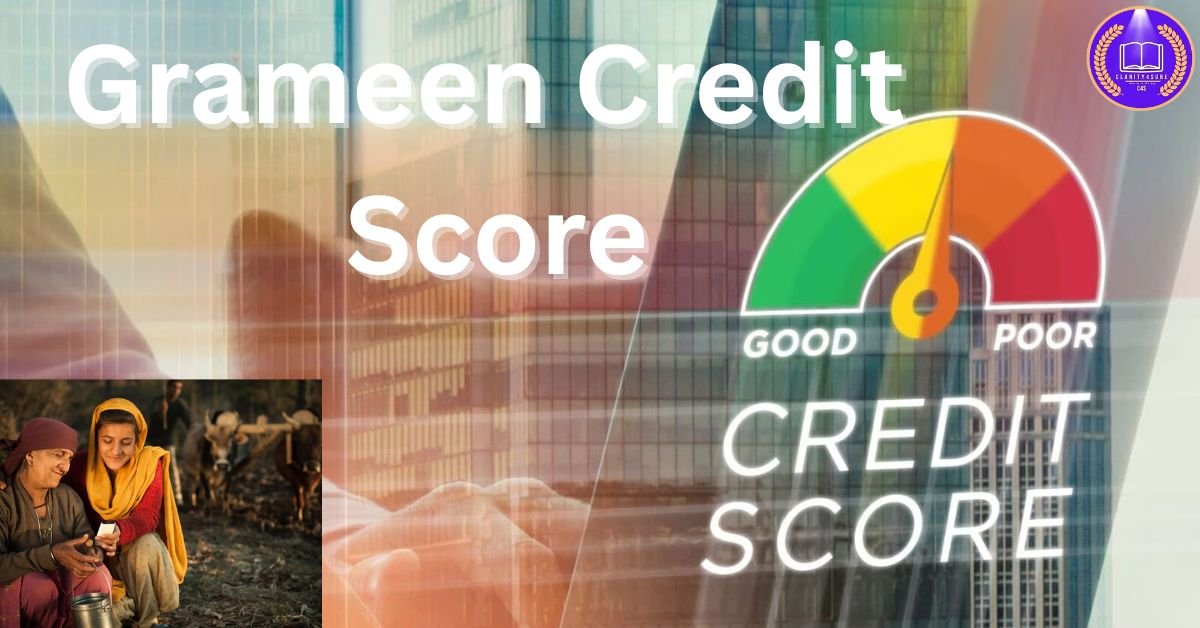
Why in News ? The Union Budget 2025, contained an announcement on Grameen Credit Score, a framework to be developed by the public-sector banks to cater to the credit needs of the members of rural Self-Help Groups (SHGs) and people in rural areas. Introduction Access to credit is a fundamental pillar for inclusive rural development. However, in India, a major challenge has been the lack of formal credit history among rural borrowers—especially those in unbanked or underbanked regions. To bridge this gap and enable better financial inclusion, the Grameen Credit Score was introduced. This innovative credit evaluation tool is tailored specifically for rural India, leveraging alternative data to assess the creditworthiness of individuals who have limited or no access to traditional banking services. What is the Grameen Credit Score? The Grameen Credit Score (GCS) is a non-traditional credit assessment system designed to evaluate the creditworthiness of rural and low-income borrowers using alternative data such as mobile usage, utility payments, savings habits, self-help group (SHG) participation, and other behavioral indicators. Unlike traditional credit scores generated by bureaus like CIBIL or Experian, which rely on formal financial history, the GCS provides a more inclusive approach to assess risk in rural populations. Objectives of the Grameen Credit Score Components of Grameen Credit Score The Grameen Credit Score is built on a multidimensional framework of data, enabling a holistic assessment of creditworthiness. Below are the core components: Component Description Behavioral Data Mobile usage patterns, recharge frequency, call duration, and location data SHG Participation Regularity in meetings, savings, and internal lending practices Utility Payments Electricity and water bill payment consistency Livelihood Tracking Seasonal income, farming patterns, and agri-yield data Repayment History Informal repayment behavior in SHGs, MFIs, chit funds Digital Footprint UPI transactions, wallet usage, and SMS-based financial activity Socio-Economic Impact of Grameen Credit Score The introduction of the Grameen Credit Score holds the potential to create transformative socio-economic changes across rural India. Empowerment of Rural Women Most SHG members in India are women. By building credit profiles through SHG participation, GCS directly contributes to women’s financial empowerment, enabling them to access loans for: Boost to Rural Entrepreneurship Access to microloans based on GCS allows first-time entrepreneurs in rural areas to: Community Development As more rural individuals gain access to credit, entire communities benefit from: Stakeholders Involved Stakeholder Role in Grameen Credit Score System NABARD Conceptual support and pilot programs through SHGs and JLGs RBI Regulatory framework and data governance guidelines Fintech Companies Develop scoring algorithms using AI/ML and alternative data Banks & MFIs Use GCS to assess creditworthiness and disburse loans Self-Help Groups (SHGs) Provide community-based insights and records Credit Information Companies May integrate GCS into mainstream credit reporting How Does the Grameen Credit Score Work? The Grameen Credit Score leverages alternative and behavioral data from various sources to compute a score. Here’s how it typically functions: 1. Data Collection 2. Data Analysis Using AI/ML models, these data points are analyzed to identify patterns and score risk levels. 3. Score Generation The score is generated in a simplified form, often accompanied by risk buckets like: 4. Integration Lenders integrate the score into their loan origination and approval systems to make informed decisions. Features of Grameen Credit Score Feature Description Inclusivity Caters to individuals with no formal credit history Data Sources Alternative sources: SHG records, mobile data, utility payments Tech-Enabled Uses AI, Machine Learning, and Data Analytics Real-Time Updates Dynamic score updating as new data becomes available Risk Profiling Segmentation into low/medium/high risk to assist lenders Potential for Integration with Government Schemes The Grameen Credit Score can be a strong enabler for government schemes such as: Scheme Integration Benefit PM Jan Dhan Yojana Help identify eligible individuals for zero-balance accounts MUDRA Yojana Assess creditworthiness for small and micro business loans DAY-NRLM (SHG promotion) Strengthen SHG-linked credit delivery through score-based loans PM-KISAN & KCC Use GCS to evaluate repayment capacity for farmers Stand Up India Boost funding access to SC/ST and women entrepreneurs Benefits of the Grameen Credit Score For Borrowers: For Lenders: For the Economy: Grameen Credit Score vs Traditional Credit Score Feature Traditional Credit Score (e.g., CIBIL) Grameen Credit Score Data Basis Credit card & loan history Alternative data & behavior Coverage Urban & semi-urban Rural, unbanked & underbanked Source of Data Banks, NBFCs, financial institutions SHGs, telecoms, utility providers Digital Footprint Needed Yes Minimal or none Score Usage Personal loans, credit cards, housing Microloans, agri-loans, small biz Challenges and Limitations While the Grameen Credit Score is a promising initiative, it faces several hurdles: Way Forward To fully realize the potential of Grameen Credit Scores, the following steps are essential: Conclusion The Grameen Credit Score is not just a tool—it is a movement toward inclusive finance. By redefining creditworthiness using local context and alternative data, it empowers millions of rural Indians to step into the formal financial ecosystem. As technology, regulation, and rural digitization mature, the GCS will be a game-changer in India’s journey toward equitable financial access.


