

Introduction Descriptive writing plays a crucial role in the NABARD Grade A/B and RBI Grade B exams. Many aspirants struggle with expressing ideas clearly, structuring essays, and writing within the word limit. Since these regulatory body exams test your ability to write well-structured essays, letters, and précis, having a clear strategy is essential. Exam Pattern for Descriptive Writing Before jumping into strategies, let’s understand the weightage of descriptive writing in these exams: Section Word Limit Marks Time Allotted Essay Writing 300-400 words 40-50 marks 35-40 mins Letter Writing 150-200 words 20-30 marks 15-20 mins Precis Writing 120-150 words 20-30 marks 15-20 mins Why Descriptive Writing is Important? Strategy for Descriptive Writing in NABARD & RBI Exams 1. Essay Writing Strategy A. Understanding the Topic B. Brainstorming & Structuring Essay Structure: C. Sample Essay Topics for NABARD & RBI 2. Letter Writing Strategy A. Types of Letters in Exams B. Letter Format Section Example Sender’s Address [Your Address] Date [DD/MM/YYYY] Recipient’s Address [Manager’s Name, Bank Name, City] Subject (One-line summary of the letter) Salutation Dear Sir/Madam, Body (Introduction, Purpose, Conclusion) Closing Sincerely, [Your Name] C. Sample Letter Topics 3. Precis Writing Strategy A. What is Precis Writing? A precis (summary) is a condensed version of a passage, maintaining its main idea and logical structure in fewer words. B. Steps for Writing a Good Precis C. Sample Precis Topics Common Mistakes to Avoid in Descriptive Writing Resources for Descriptive Writing Preparation Previous Year Question Papers: Final Tips for Success Conclusion Descriptive writing in NABARD & RBI exams is all about clarity, coherence, and relevance. By following the right structure, practicing regularly, and staying updated with current topics, you can score high marks in this section. Share this guide with fellow aspirants and help them ace the NABARD & RBI exams!
Cooperative Banks in India
Introduction Cooperative banks play a crucial role in India’s financial system by providing affordable banking services to rural and urban populations. Unlike commercial banks, cooperative banks focus on serving their members rather than maximizing profits. These banks operate on the principles of cooperation, mutual assistance, and financial inclusion, making them an essential part of India’s banking sector. Whether you’re a farmer, small business owner, or salaried professional, cooperative banks offer loans, deposits, and banking services tailored to your needs. What is a Cooperative Bank? A cooperative bank is a financial institution that operates on a cooperative basis, meaning it is owned and managed by its members. Unlike commercial banks, which aim for profit maximization, cooperative banks focus on community welfare and financial support for their members. Key Features of Cooperative Banks: These banks primarily provide agriculture loans, small business loans, personal banking services, and financial support for lower-income groups. History of Cooperative Banks in India Today, cooperative banks serve millions of customers and are an integral part of India’s banking system. Types of Cooperative Banks in India Cooperative banks in India are broadly classified into two categories: 1. Rural Cooperative Banks These banks focus on agriculture financing and rural development and are further divided into: 2. Urban Cooperative Banks (UCBs) These banks operate in cities and towns, serving small businesses, traders, and salaried employees. Urban Cooperative Banks offer savings accounts, fixed deposits, personal loans, and business loans similar to commercial banks. Structure of Cooperative Banks Cooperative banks follow a three-tier structure in India: This structure ensures funds flow smoothly from the state level to rural farmers and businesses. Functions of Cooperative Banks Benefits of Cooperative Banks Challenges Faced by Cooperative Banks Despite these challenges, cooperative banks continue to play a crucial role in India’s financial ecosystem. Cooperative Banks vs. Commercial Banks Feature Cooperative Banks Commercial Banks Ownership Owned by members Owned by shareholders Objective Welfare of members Profit-making Target Customers Farmers, small businesses, rural customers Businesses, salaried individuals, large corporations Regulation RBI + State Government Fully regulated by RBI Loan Interest Rates Lower Higher Digital Services Limited in rural areas Advanced online & mobile banking While commercial banks provide better technology and capital, cooperative banks excel in community banking and rural development. Future of Cooperative Banks in India With modernization and government support, cooperative banks will continue to be a key part of India’s financial landscape. Conclusion Cooperative banks are a pillar of India’s banking system, offering affordable financial services to rural and urban communities. They focus on financial inclusion, agricultural support, and small business growth, making them essential for India’s economy. Despite facing challenges like governance issues and limited capital, cooperative banks are evolving with digital banking and fintech partnerships. With proper reforms and modernization, they will continue to play a vital role in India’s financial sector. Frequently Asked Questions (FAQs)
National Payments Corporation of India (NPCI)
Introduction The National Payments Corporation of India (NPCI) is the backbone of India’s digital payment system. It plays a crucial role in shaping the country’s payment infrastructure, making transactions faster, more secure, and accessible to millions of people. From UPI (Unified Payments Interface) to RuPay cards, NPCI has introduced multiple innovations that have transformed the way Indians handle money. Whether you’re a business owner, a bank customer, or someone interested in digital payments, understanding NPCI is essential. What is NPCI? National Payments Corporation of India (NPCI) is a not-for-profit organization that develops and manages India’s retail payment systems. It was founded in 2008 under the guidance of the Reserve Bank of India (RBI) and the Indian Banks’ Association (IBA). The main goal of NPCI is to provide a secure, efficient, and innovative payment infrastructure that benefits banks, businesses, and consumers. NPCI’s Key Functions: NPCI is responsible for popular payment solutions like UPI, RuPay, IMPS, BHIM, AEPS, and many more. History and Evolution of NPCI Today, NPCI handles billions of transactions every month, making India one of the world leaders in digital payments. Key Payment Systems Managed by NPCI 1. Unified Payments Interface (UPI) UPI is the most popular payment system in India, allowing instant bank-to-bank money transfers using a mobile number, UPI ID, or QR code. 2. RuPay Card RuPay is India’s domestic debit, credit, and prepaid card network developed as an alternative to Visa and Mastercard. 3. Immediate Payment Service (IMPS) IMPS is a real-time interbank money transfer service that works 24/7, even on bank holidays. 4. BHIM (Bharat Interface for Money) BHIM is NPCI’s official UPI app, launched in 2016 to promote digital payments. It allows users to send, receive, and request money using UPI. 5. Aadhaar Enabled Payment System (AePS) AePS allows banking transactions using Aadhaar authentication at micro-ATMs and banking correspondents (BCs). 6. National Electronic Toll Collection (NETC) – FASTag NPCI introduced FASTag, an electronic toll collection system, to reduce congestion at toll plazas. FASTag is now mandatory for all four-wheelers in India. Impact of NPCI on India’s Digital Economy Future of NPCI and Digital Payments in India With continuous innovation, NPCI is set to make India a global leader in digital payments. Conclusion The National Payments Corporation of India (NPCI) has revolutionized India’s financial landscape with groundbreaking payment systems like UPI, RuPay, IMPS, BHIM, and AePS. Its secure, fast, and inclusive digital payment solutions have empowered millions, from businesses and banks to individuals and government programs. As digital payments continue to evolve, NPCI remains at the heart of India’s fintech revolution. Frequently Asked Questions (FAQs)
Bharat Interface for Money (BHIM)
Introduction In today’s digital era, India is moving towards a cashless economy, and one of the biggest contributors to this transformation is BHIM (Bharat Interface for Money). BHIM is a revolutionary mobile payment app developed by National Payments Corporation of India (NPCI) to enable fast, secure, and seamless transactions using Unified Payments Interface (UPI). Whether you’re a business owner, student, or working professional, BHIM makes it incredibly easy to send and receive money instantly using just a mobile number or UPI ID. In this detailed blog, we’ll explore everything about BHIM, its features, benefits, security, and how you can use it to simplify your daily transactions. What is BHIM? BHIM is a mobile-based digital payment application launched by Prime Minister Narendra Modi in December 2016. The app is built on UPI (Unified Payments Interface) technology, which allows instant bank-to-bank transfers without needing account details like IFSC codes or lengthy account numbers. BHIM works on both Android and iOS platforms and is available for download on the Google Play Store and Apple App Store. Key Features of BHIM 1. Instant Money Transfer You can send and receive money instantly using mobile numbers, UPI IDs, or scanning QR codes. No need to enter long bank details! 2. No Need for a Wallet Unlike mobile wallets like Paytm or PhonePe, BHIM directly connects with your bank account. This eliminates the need for adding money to a separate wallet. 3. Secure Transactions BHIM is backed by NPCI and follows two-factor authentication (UPI PIN and device binding), ensuring complete security. 4. Supports Multiple Banks BHIM supports all major banks in India, allowing transactions from any bank that supports UPI. 5. 24/7 Availability The app works 24/7, including bank holidays and weekends, making it convenient for users to make payments anytime. 6. QR Code Payments Merchants and individuals can generate and share QR codes for easy and fast payments. 7. Multi-Language Support BHIM is available in multiple Indian languages, making it easy to use for people across different regions. 8. Bill Payments and Recharges Users can pay utility bills like electricity, water, gas, and mobile recharges directly from the BHIM app. How to Set Up and Use BHIM? Step 1: Download and Install Step 2: Registration Step 3: Link Your Bank Account Step 4: Start Transacting Benefits of Using BHIM Is BHIM Safe? Yes! BHIM follows high-level encryption and security measures to protect users from fraud. Here are a few security tips: If you ever face fraud or issues, you can contact BHIM customer support or your bank for help. BHIM vs Other UPI Apps (PhonePe, Google Pay, Paytm) Feature BHIM Google Pay PhonePe Paytm Direct Bank Transfer ✅ ✅ ✅ ✅ Requires Wallet? ❌ ❌ ❌ ✅ UPI QR Code Payments ✅ ✅ ✅ ✅ Cashback & Rewards Limited Yes Yes Yes Government-Backed ✅ ❌ ❌ ❌ BHIM is a simple and secure choice for direct bank transfers, while apps like Google Pay, PhonePe, and Paytm offer additional rewards and cashback programs. Conclusion The BHIM app is a game-changer in India’s digital payment revolution. Its simplicity, security, and government backing make it one of the most reliable UPI payment apps. Whether you need to pay bills, transfer money, or check balances, BHIM does it all with ease. If you haven’t used BHIM yet, download it today and experience a fast and secure way to manage your transactions. Frequently Asked Questions (FAQs)
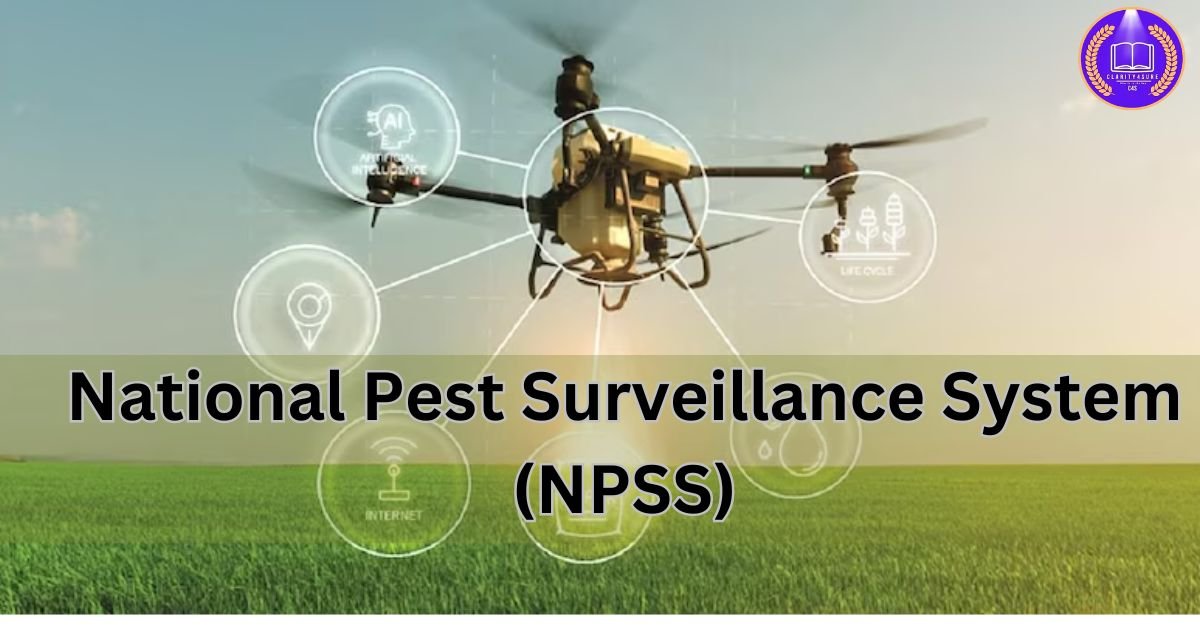
National Pest Surveillance System (NPSS)
Introduction Agriculture plays a vital role in India’s economy, employing over 50% of the workforce and contributing nearly 18% to the country’s GDP. However, pest infestations remain a major challenge, leading to significant crop losses and threatening food security. According to FAO (Food and Agriculture Organization), nearly 40% of global crop production is lost annually due to pests and plant diseases. To tackle this problem, the Government of India launched the National Pest Surveillance System (NPSS) on August 15, 2024. This technology-driven initiative aims to provide real-time pest monitoring and advisory services to farmers using Artificial Intelligence (AI), Machine Learning (ML), and Remote Sensing Technologies. The goal is to reduce crop damage, optimize pesticide use, and ensure sustainable farming practices across India. Need for NPSS in Indian Agriculture India’s agriculture sector is diverse, with various climatic zones and soil types, making it vulnerable to different pest species. Traditionally, pest control has relied on manual surveillance and reactive interventions, often leading to excessive pesticide use and environmental degradation. Some major concerns include: To overcome these challenges, NPSS was introduced as an advanced digital surveillance system that provides accurate, timely, and location-specific pest control advisories. Objectives of NPSS The National Pest Surveillance System (NPSS) aims to: How NPSS Works: Implementation & Functioning The National Pest Surveillance System (NPSS) functions through five key components: 1. AI-Driven Pest Identification & Monitoring 2. Smart Pest Forecasting & Early Warning System 3. NPSS Mobile App & Web Portal 4. Ground-Level Pest Surveillance Teams 5. Integration with National Databases Crops & Pest Management Under NPSS The NPSS currently focuses on major crops and their pest infestations: Crop Major Pests Monitored Pest Control Strategies Provided Rice Brown Planthopper (BPH), Rice Stem Borer, Gall Midge Biopesticides, Water Management Wheat Wheat Aphid, Armyworms, Rust Fungus Fungicides, Natural Predators Cotton Pink Bollworm, Whiteflies, Spotted Bollworms Neem Extracts, Pheromone Traps Maize Fall Armyworm, Pink Stem Borer, Shoot Fly Bio-Control Agents, Trichogramma Pulses Pod Borers, Aphids, Leaf Miners IPM Practices, Crop Rotation Chilies Thrips, Mites, Root-Knot Nematodes Neem Oil, Trap Crops Sugarcane Top Shoot Borer, Scale Insects, White Grubs Sticky Traps, Chemical Control Benefits of NPSS for Farmers & Agriculture 1. Economic Benefits 2. Environmental Benefits 3. Technological Advancements Challenges in NPSS Implementation While NPSS is a game-changing initiative, it faces some challenges: To overcome these challenges, the government plans extensive farmer training programs, subsidized smartphone distribution, and robust cybersecurity frameworks. Conclusion & The Future of NPSS The National Pest Surveillance System (NPSS) is a pioneering step in India’s transition towards digital agriculture. By integrating AI, remote sensing, and expert advisory services, NPSS provides scientific, data-driven pest control solutions. With strong government backing, AI-driven technology, and farmer participation, NPSS has the potential to transform Indian agriculture, ensuring higher productivity, sustainable farming, and national food security.

National AYUSH Mission (NAM)
Why in News? The Ministry of Ayush is implementing the Centrally Sponsored Scheme of National Ayush Mission (NAM) through State/UT Governments. Under NAM, as per the proposals received from State/UT Governments through their State Annual Action Plans (SAAPs) during the last five years, a consolidated amount of Rs. 276529.87 Lakhs has been released as financial assistance to them for different activities and overall promotion of Ayush systems as per the provision of NAM guidelines. Budget Allocation 2025-26 For the fiscal year 2025-26, the Ministry of AYUSH received a budget allocation of ₹3,992.90 crore, representing a 14.15% increase compared to the previous year’s revised estimate of ₹3,497.64 crore. Introduction The National AYUSH Mission (NAM) is a significant initiative by the Government of India aimed at promoting traditional and alternative healthcare systems such as Ayurveda, Yoga & Naturopathy, Unani, Siddha, Sowa-Rigpa, and Homeopathy (AYUSH). Established in 2014, NAM seeks to integrate these ancient healing practices into modern healthcare, ensuring their accessibility, quality, and effectiveness for all. With the rise in lifestyle diseases, stress-related disorders, and increasing healthcare costs, traditional medicine has gained renewed importance. People worldwide are recognizing the benefits of natural, preventive, and holistic healthcare, making the AYUSH sector more relevant than ever. The National AYUSH Mission not only promotes these practices but also strengthens infrastructure, enhances education, fosters research, and ensures the availability of safe and high-quality AYUSH medicines. Overview of National AYUSH Mission (NAM) Feature Details Full Name National AYUSH Mission (NAM) Launched In 2014 Governing Body Ministry of AYUSH, Government of India Objective To promote and integrate traditional healthcare systems like Ayurveda, Yoga & Naturopathy, Unani, Siddha, Sowa-Rigpa, and Homeopathy (AYUSH) into mainstream healthcare Key Focus Areas 1. Strengthening AYUSH healthcare services 2. Upgrading AYUSH hospitals & dispensaries 3. Enhancing AYUSH educational institutions 4. Promoting research & development (R&D) 5. Improving quality control of AYUSH medicines 6. Expanding AYUSH Health & Wellness Centers (HWCs) Major Components 1. AYUSH Health & Wellness Centers (HWCs) 2. Strengthening AYUSH hospitals & dispensaries 3. National Medicinal Plants Board (NMPB) 4. Strengthening AYUSH educational institutions 5. Information, Education, and Communication (IEC) Programs Funding Pattern – 60:40 (Central & State Governments) – 90:10 for hilly and northeastern states Implementation Agencies – Central Government (Policy-making, funding) – State Governments (Execution, management) – Private sector & NGOs (Research support, awareness) Achievements – Over 12,000+ AYUSH Health & Wellness Centers established – Boosted research in Ayurveda, Unani, Siddha, and Homeopathy – Expansion of yoga and naturopathy programs – Increased global recognition of AYUSH therapies Future Prospects – More AYUSH Health & Wellness Centers – Stronger integration with modern medicine – Increased investment in AYUSH R&D – Greater international presence of Indian AYUSH products Challenges – Need for standardization and quality control – Scientific validation of AYUSH therapies – Limited public awareness in some regions – Regulatory issues in integration with modern medicine What is the National AYUSH Mission (NAM)? The National AYUSH Mission (NAM) is an initiative under the Ministry of AYUSH, established to revive, regulate, and expand traditional healthcare systems in India. It aims to strengthen the existing infrastructure, promote AYUSH therapies alongside modern medicine, and make traditional healing accessible to a wider population. Why Was NAM Introduced? Before NAM, AYUSH therapies were often seen as complementary or alternative treatments rather than mainstream healthcare. There was also a lack of proper regulation, infrastructure, and research in the field. Recognizing the potential of traditional medicine to improve public health, the government launched NAM to: NAM follows a decentralized approach, where the central and state governments work together to implement its objectives. Objectives of the National AYUSH Mission (NAM) The National AYUSH Mission is designed with several key goals in mind: A. Strengthening AYUSH Healthcare Services B. Boosting AYUSH Educational Institutions C. Improving AYUSH Medicine Quality and Safety D. Encouraging Research & Development (R&D) Key Components of the National AYUSH Mission To achieve its objectives, NAM has been structured into different focus areas: 1. AYUSH Health & Wellness Centers (HWCs) 2. Strengthening AYUSH Hospitals & Dispensaries 3. National Medicinal Plants Board (NMPB) 4. Enhancing AYUSH Educational Institutions 5. Information, Education, and Communication (IEC) Programs Implementation Strategy and Funding The implementation of NAM follows a collaborative approach involving: Funding Structure Achievements and Impact of NAM Since its inception, the National AYUSH Mission has made remarkable progress: The COVID-19 pandemic further accelerated the adoption of AYUSH therapies, with many people using herbal and immunity-boosting remedies. Future Prospects of AYUSH in India With growing awareness and global interest, the AYUSH sector is set for massive growth. Some expected developments include: Challenges and Way Forward Despite its progress, NAM faces some challenges: How Can These Challenges Be Overcome? Conclusion The National AYUSH Mission (NAM) is revolutionizing traditional healthcare in India by integrating ancient healing practices with modern medicine. By expanding access, improving infrastructure, and encouraging research, NAM is ensuring that AYUSH therapies remain relevant, effective, and accessible for all. As India moves towards a healthier and more holistic future, AYUSH will play a key role in preventive and natural healthcare. The mission’s success depends on continued research, regulation, and awareness, ensuring that India remains a global leader in traditional medicine.

Genome Editing
Introduction Genome editing is transforming the world of science and medicine in ways we never thought possible. The ability to precisely modify DNA has opened doors to curing genetic diseases, improving agricultural productivity, and even preventing future pandemics. However, as with any groundbreaking technology, genome editing also raises important ethical, legal, and social concerns. What is Genome Editing? Genome editing, also known as gene editing, is a scientific technique that allows researchers to modify an organism’s DNA. This process enables scientists to make targeted changes to genetic material, either by removing, adding, or altering DNA sequences. With genome editing, researchers can fix genetic mutations, create disease-resistant crops, and even engineer bacteria for industrial and environmental benefits. The most well-known genome-editing tool is CRISPR-Cas9, but several other methods exist as well. The History of Genome Editing The idea of altering DNA isn’t new. Scientists have been modifying genes for decades, but earlier methods were slow, expensive, and imprecise. Let’s take a look at some major breakthroughs that led to modern genome editing: How Does Genome Editing Work? Genome editing works by using special enzymes called nucleases to cut DNA at specific locations. Once the DNA is cut, cells naturally repair the damage, allowing scientists to introduce changes during the repair process. Key Genome Editing Techniques Genome Editing and Its Connection to DNA & RNA Applications of Genome Editing Genome editing has potential applications in various fields, including medicine, agriculture, and environmental conservation. 1. Medical Breakthroughs Treating Genetic Disorders Cancer Treatment Infectious Disease Prevention 2. Agricultural Advancements Genome editing is revolutionizing farming by creating: One exciting example is golden rice, which has been genetically modified to produce vitamin A, helping prevent blindness in children in developing countries. 3. Environmental Applications Genome editing is being explored for environmental conservation: Ethical Concerns and Controversies Despite its potential benefits, genome editing raises important ethical questions: 1. Designer Babies 2. Unintended Consequences 3. Who Regulates Genome Editing? Genome Editing in India Genome editing is an emerging technology in India with significant potential in medicine, agriculture, and biotechnology. Indian scientists and researchers are actively working on CRISPR-based gene editing to address genetic disorders, improve crop yield, and contribute to global scientific advancements. Genome Editing Research in India India is investing in genome editing through various research institutions and government initiatives. Some of the key areas of research include: A. Medical Applications B. Agricultural Applications C. Livestock and Dairy Industry Regulations and Ethical Concerns in India A. Government Regulations B. Ethical Concerns Future of Genome Editing in India Way Forward The future of genome editing is both exciting and uncertain. Some of the developments we can expect include: Scientists believe that genome editing could one day be as common as vaccines, providing personalized medicine and preventive treatments for genetic conditions. Conclusion Genome editing is one of the most powerful scientific tools of our time. While it offers incredible potential to cure diseases, improve food security, and even combat climate change, it must be used responsibly. As research progresses, we must balance innovation with ethics to ensure that gene editing benefits all of humanity—without creating unintended consequences.

DNA and RNA
Introduction DNA (Deoxyribonucleic Acid) and RNA (Ribonucleic Acid) are the fundamental molecules of life. They play a critical role in genetics, heredity, and protein synthesis. These nucleic acids are responsible for storing, transmitting, and expressing genetic information in all living organisms. While both DNA and RNA share some similarities, they also have distinct structures and functions that make them unique. What is DNA? DNA is a double-stranded molecule that carries the genetic instructions necessary for the growth, development, functioning, and reproduction of all known living organisms and many viruses. It serves as the blueprint for life, containing information passed from generation to generation. Structure of DNA DNA is composed of nucleotides, which are the building blocks of nucleic acids. Each nucleotide consists of three components: The nucleotides form a double-helix structure, where: The sugar-phosphate backbone holds the structure together, while the bases interact through hydrogen bonding, forming complementary base pairs. Functions of DNA What is RNA? RNA is a single-stranded nucleic acid that plays a vital role in protein synthesis and gene expression. Unlike DNA, RNA is more versatile and can function both as a genetic material (in some viruses) and as a molecular machine in cells. Structure of RNA RNA is composed of nucleotides, similar to DNA, but with some key differences: Key differences from DNA: Types and Functions of RNA There are several types of RNA, each with distinct roles in cellular processes: Differences Between DNA and RNA Feature DNA RNA Structure Double-stranded Single-stranded Sugar Deoxyribose Ribose Bases A, T, C, G A, U, C, G Stability More stable Less stable, degrades easily Location Nucleus (mostly) Nucleus and cytoplasm Function Genetic storage, heredity Protein synthesis, gene regulation Replication Self-replicating Synthesized from DNA DNA Replication: The Process of Copying DNA DNA replication is a semi-conservative process, meaning each new DNA molecule consists of one old and one new strand. The process occurs in three key steps: RNA Transcription and Translation: Protein Synthesis DNA plays a critical role in protein synthesis through transcription and translation: The Role of DNA and RNA in Genetic Disorders Mutations in DNA or RNA can lead to genetic disorders, such as: Applications of DNA and RNA in Biotechnology The study of DNA and RNA has revolutionized medicine, agriculture, and forensic science. Some key applications include: Conclusion DNA and RNA are the foundation of all life, playing crucial roles in heredity, evolution, and cellular function. While DNA serves as the genetic blueprint, RNA acts as a messenger and executor of genetic instructions. Advances in genetics and molecular biology continue to deepen our understanding of these nucleic acids, leading to groundbreaking discoveries in medicine, biotechnology, and life sciences. As research in genetics and molecular biology expands, the potential of DNA and RNA in treating diseases and improving human health becomes even more promising.
International Financial Services Centres Authority
Introduction In an increasingly globalized world, financial services have expanded beyond national borders, creating a need for dedicated regulatory frameworks to govern cross-border financial transactions. Recognizing this necessity, India established the International Financial Services Centres Authority (IFSCA) to regulate and promote financial services within International Financial Services Centres (IFSCs). This move positions India as a major player in the global financial landscape, attracting investors, businesses, and financial institutions to its shores. What is IFSCA? The International Financial Services Centres Authority (IFSCA) is a statutory regulatory body established by the IFSCA Act, 2019. It serves as the unified authority to regulate financial services, products, and institutions in India’s International Financial Services Centres (IFSCs), the first and foremost being GIFT City (Gujarat International Finance Tec-City) in Gujarat. Prior to IFSCA, multiple regulators such as SEBI, RBI, IRDAI, and PFRDA governed different aspects of financial services in IFSCs. With IFSCA in place, there is now a single-window regulatory approach, ensuring efficiency and streamlined governance. Objectives of IFSCA IFSCA’s primary goal is to establish a world-class financial ecosystem that fosters international trade, innovation, and economic growth. Its key objectives include: Key Functions of IFSCA IFSCA is responsible for regulating and promoting financial services within IFSCs. Its key functions include: 1. Regulatory Oversight 2. Promoting Innovation and FinTech 3. Developing International Trade and Investment Ecosystems 4. Sustainable and Green Finance Promotion GIFT City: India’s First IFSC GIFT City (Gujarat International Finance Tec-City) is India’s first operational IFSC and serves as a hub for offshore banking, capital markets, insurance, and asset management services. IFSCA governs all financial activities within GIFT City, making it a strategic destination for global investors. Advantages of GIFT City IFSC Key Sectors Regulated by IFSCA IFSCA regulates multiple financial segments, ensuring a comprehensive financial ecosystem within IFSCs. The key sectors include: 1. Banking 2. Capital Markets 3. Insurance and Reinsurance 4. Asset and Wealth Management 5. FinTech and Digital Banking Recent Developments and Initiatives by IFSCA IFSCA has introduced several initiatives to boost IFSCs in India: 1. IFSCA (Banking) Regulations, 2020 2. IFSCA FinTech Regulatory Sandbox 3. Aircraft Leasing and Financing 4. Unified Regulator for IFSC Capital Markets Challenges and Future Prospects Despite its rapid growth, IFSCA faces certain challenges: Future Roadmap Conclusion The International Financial Services Centres Authority (IFSCA) plays a pivotal role in shaping India’s financial landscape, making the country a global hub for offshore banking, investment, and FinTech innovation. With progressive regulations, state-of-the-art infrastructure, and government support, IFSCA is poised to drive India’s emergence as a key player in the international financial sector. As India continues to position itself as a preferred destination for global financial services, IFSCA will be instrumental in bridging domestic financial markets with international investors, ensuring long-term economic growth and stability.
Agritourism in India
Why in News? Himachal Pradesh (HP) is promoting agri-tourism to strengthen its economy where tourism contributes around 7% to the State’s GDP. Introduction Agritourism in India is not just a new travel trend but a bridge connecting urban dwellers with the heart of rural India. It offers an authentic, immersive experience into the lives of farmers, showcasing their agricultural practices, traditional customs, and sustainable lifestyles. With agriculture forming the backbone of the Indian economy, agritourism has immense potential to boost rural incomes, preserve cultural heritage, and promote eco-friendly travel. What is Agritourism? Agritourism, also known as agro-tourism, is a form of tourism where visitors experience farm life firsthand. This includes participating in farming activities, staying in rural homestays, engaging in organic food cultivation, and understanding local traditions. It blends agriculture with tourism, creating opportunities for experiential learning, sustainable development, and cultural exchange. Unlike traditional tourism, agritourism promotes sustainability, enhances local economies, and educates visitors about rural livelihoods. It provides an alternative income source to farmers, reduces urban-rural disparity, and fosters appreciation for the farming community. Why is Agritourism Gaining Popularity in India? 1. A Break from Urban Life Modern city life is stressful, fast-paced, and disconnected from nature. Agritourism offers a peaceful escape, allowing visitors to reconnect with nature, breathe fresh air, and embrace a slower lifestyle. 2. Growing Interest in Sustainable and Responsible Tourism Travelers are increasingly aware of their environmental impact. Agritourism promotes eco-friendly travel through organic farming, water conservation, and minimal carbon footprint tourism. 3. Educational and Cultural Exchange It provides hands-on learning about organic farming, dairy farming, indigenous crop cultivation, and traditional cooking techniques. Schools and universities also promote agritourism for educational field trips. 4. Government Support and Policies The Indian government encourages agritourism through subsidies, training programs, and tourism development schemes, helping farmers transform their lands into tourist destinations. 5. Rise of Organic and Farm-to-Table Movement The demand for organic produce has surged in India. Visitors are keen to learn about pesticide-free farming, organic cultivation, and self-sustaining agricultural practices. Top Agritourism Destinations in India Agritourism is flourishing across India, from the spice plantations of Kerala to the lush vineyards of Maharashtra. Here are some top destinations: 1. Maharashtra – India’s Agritourism Pioneer Maharashtra has over 300 agritourism centers, thanks to initiatives by the Maharashtra Tourism Development Corporation (MTDC). Top locations include: 2. Punjab – The Land of Prosperous Farming Punjab’s agritourism offers vibrant farm stays where visitors can experience: 3. Kerala – Spice and Tea Plantations Kerala’s agritourism revolves around its lush plantations: 4. Rajasthan – Desert Agritourism Rajasthan combines agritourism with cultural heritage: 5. Sikkim – India’s First Organic State Sikkim is a haven for organic farming enthusiasts: 6. Uttarakhand – Himalayan Agritourism Uttarakhand’s scenic farm retreats include: Government schemes for agritourism in India Agritourism in India is gaining momentum, thanks to several government initiatives aimed at promoting rural tourism and supporting farmers. Here are some key government schemes that facilitate agritourism in India: 1. Ministry of Tourism’s Rural Tourism Scheme Launched under the Swadesh Darshan and PRASAD schemes, this initiative promotes rural tourism, including agritourism, by developing infrastructure, training local communities, and providing financial assistance to rural entrepreneurs.States like Maharashtra, Kerala, Punjab, and Rajasthan have benefited from this scheme to enhance agritourism facilities. 2. Maharashtra Agritourism Policy (2020) Maharashtra became the first state in India to implement a dedicated Agritourism Policy to encourage farm tourism.Key benefits:Farmers can set up agritourism centers without needing commercial land conversion.50% subsidy on infrastructure development for registered agritourism centers.Financial assistance for setting up farm stays, traditional activities, and rural handicraft promotion. 3. Rashtriya Krishi Vikas Yojana (RKVY) A centrally sponsored scheme that supports innovative agricultural businesses, including agritourism.Provides financial aid for farm infrastructure, organic farming, and rural entrepreneurship. 4. NABARD (National Bank for Agriculture and Rural Development) Assistance NABARD offers loans and subsidies for agritourism projects under schemes like:Agri-Clinics and Agri-Business Centers (ACABC) – Encourages agripreneurs to set up tourism-based agricultural businesses.Rural Infrastructure Development Fund (RIDF) – Funds infrastructure improvements for agritourism centers. 5. State-Specific Agritourism Initiatives Several states have launched their own policies to support agritourism:Kerala – Promotes farm tourism through its Responsible Tourism Mission, offering subsidies to farmers for setting up eco-friendly farm stays.Punjab – Encourages agritourism through financial aid to farmers hosting visitors for organic farming experiences.Madhya Pradesh – Offers incentives under its Rural Tourism Scheme, integrating agritourism with heritage tourism. 6. Atmanirbhar Bharat and MSME Schemes Agritourism businesses can avail benefits under MSME (Micro, Small, and Medium Enterprises) schemes, including loans, skill development, and marketing support.The Atmanirbhar Bharat Abhiyan encourages rural entrepreneurship, including agritourism startups. 7. Pradhan Mantri Gram Sadak Yojana (PMGSY) Focuses on improving rural road connectivity, making agritourism destinations more accessible to tourists. 8. Skill India and Rural Entrepreneurship Programs Training programs under Skill India help farmers develop hospitality, marketing, and business management skills to operate agritourism ventures successfully.Deen Dayal Upadhyaya Grameen Kaushalya Yojana (DDU-GKY) offers training for youth in agritourism-related services. Experiences to Enjoy in Agritourism Agritourism offers diverse activities catering to all age groups: Benefits of Agritourism for Farmers and Rural Communities Challenges and Way Forward Despite its potential, agritourism in India faces challenges: Future Potential Conclusion Agritourism in India offers a perfect blend of adventure, education, and cultural immersion. Whether you’re looking for a peaceful retreat, an insightful farming experience, or an eco-friendly vacation, India’s agritourism destinations have something unique to offer. The Indian government is actively working on integrating agritourism into mainstream tourism policies, ensuring better funding, training, and marketing support for farmers.Digital platforms are being developed to promote agritourism destinations and connect farm owners with potential tourists. By supporting agritourism, we contribute to rural development, environmental sustainability, and cultural preservation.


