RBI Grade BNABARD ESISEBI
In one lineMore on this exam
Source: BS
“RBI MPC Unpacked: Key Theory Meets Today’s Macro Trends”Tap to play · from the C4S channel
Context:
Long-duration debt mutual funds (MFs) have seen a sharp fall in returns due to a surge in government securities (g-sec) yields. Investors in dynamic bond funds and g-sec funds with exposure to long-maturity papers bore the maximum impact.
What are Long-Duration Debt Mutual Funds (MFs)?
- Debt mutual funds that invest primarily in long-term fixed-income instruments like government securities (G-secs), corporate bonds, debentures, etc., with a maturity period of more than 7 years.
- Objective: They aim to generate stable, predictable returns over the long term, mainly through interest income and potential capital gains from bond price appreciation.
- Risk Profile: These funds are highly sensitive to interest rate changes (measured by duration). A small movement in interest rates can cause significant changes in their Net Asset Value (NAV).
What are Government Securities (G-secs)?
- Debt instruments issued by the Government of India to borrow money.
- Types:
- Treasury Bills (T-bills) – short-term (<1 year).
- Government Bonds – long-term (5–40 years).
- Safety: Considered risk-free as they carry a sovereign guarantee.
- Yield: The return an investor earns from holding the security (interest/coupon + capital appreciation).
Current Situation?
- Recently, g-sec yields have surged (gone up) due to:
- Higher inflation concerns.
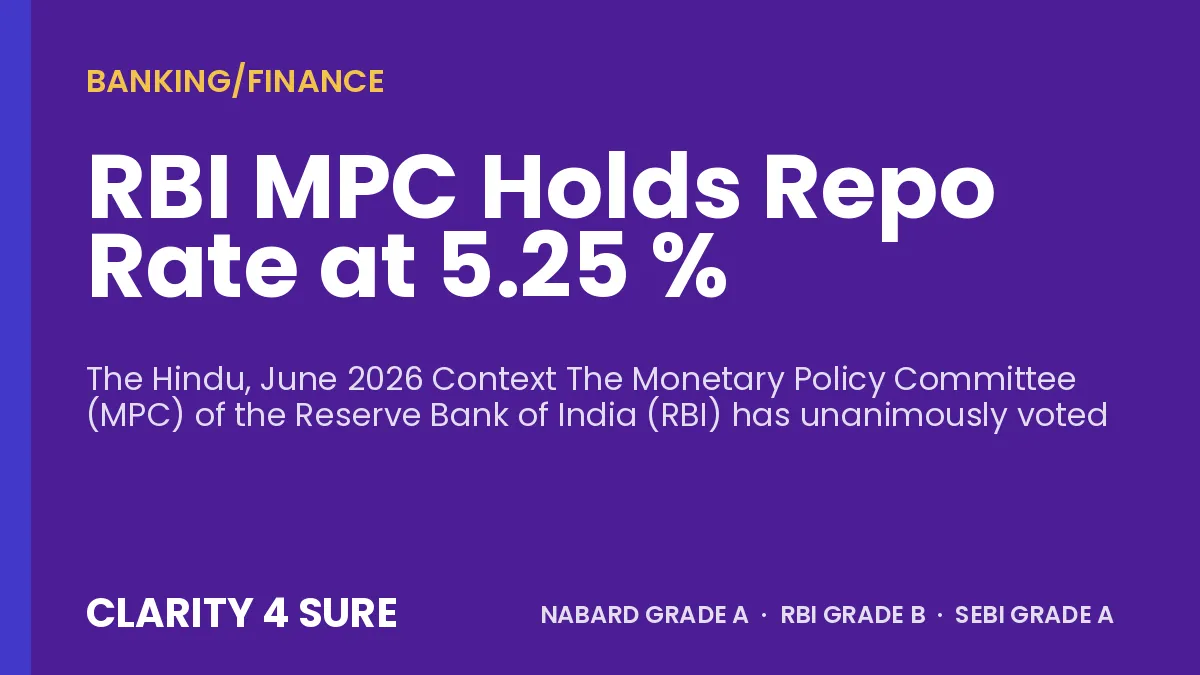
- RBI’s monetary stance (less chance of rate cuts soon).
- Higher government borrowing needs.
- When bond yields rise, bond prices fall. Since long-duration funds are most sensitive to yield changes, their returns have dropped sharply.
Impact of Rising G-sec Yields on Long-Duration Debt MFs
On Investors
- NAV Decline: The market value of bonds in these funds falls, leading to lower NAV and poor short-term returns.
- Higher Volatility: Long-term funds face larger mark-to-market (MTM) losses.
- Better Entry Opportunity: For new investors, higher yields mean future potential returns improve, as funds can reinvest at higher interest rates.
On Economy
- Higher Borrowing Cost: Government pays more to borrow, which may crowd out private sector credit.
- Bond Market Adjustment: Investors may prefer safer g-secs over risky debt, tightening liquidity for corporates.
On Mutual Fund Industry
- Possible redemptions from risk-averse investors.
- Fund managers may adjust portfolios by reducing duration to limit volatility.