NABARD ARDNABARD Grade AState AAO
In one line
Eight grama panchayats in Kerala’s Kasaragod district are preparing to restore traditional Surangam underground water tunnels, to strengthen groundwater conservation, rainwater harvesting and drought resilience.
Context of the News
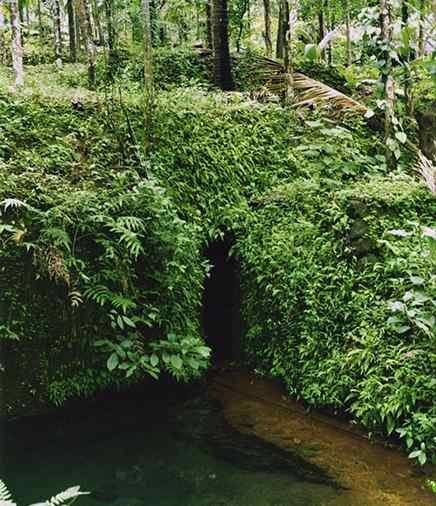
What Is a Surangam?
India’s marine fisheries sector witnessed a major transformation in 2025!Tap to play · from the C4S channel
- An indigenous underground water-harvesting system
- Found mainly in Kasaragod district, Kerala
- It consists of horizontal tunnels dug into laterite hills
- These collect groundwater that seeps naturally through the rock
Free PDF · print or read offline
Download this page as a PDF
A clean PDF of this page with the C4S header — it opens right away, and the link comes to your WhatsApp too.
How Does It Work?
The tunnels
- Narrow, horizontal passages cut into laterite hills
- They intercept seeping groundwater and guide it to collection points
- No pumping is involved
Gravity does the work
- The passages slope gently downward
- Water flows out on its own
- No electricity, pumps or complex equipment needed
The seasonal cycle
Free live session
NABARD Grade A 2026: 45-Day Final Revision Plan + Daily Targets
 🔒 Register to watchLast Sunday’s session · recording
Recording out · Watch it whenever you like
- During the monsoon, rainwater soaks into the laterite
- This recharges underground reserves
- Those reserves then feed the surangams through the dry summer
Important Facts for Examsmost asked
- Surangam — horizontal tunnels dug into laterite hills, found in Kasaragod district, Kerala
- Eight grama panchayats are restoring them
- Works by gravity, with no pumps or electricity
- Recharged by the monsoon; supplies water through the dry summer
- It is also found in parts of Dakshina Kannada, Karnataka, where it is called thurangam or suranga
- The system resembles the qanat of Iran and the karez of Afghanistan and Balochistan — all are gravity-fed underground water tunnels
- Other traditional Indian water systems: johad (Rajasthan), kuhl (Himachal), zing (Ladakh), ahar-pyne (Bihar), eri (Tamil Nadu), bamboo drip irrigation (Meghalaya), khadin (Rajasthan) and baolis or stepwells
- India is the world’s largest user of groundwater