RBI ESINABARD ESISEBI
In one line
Context:
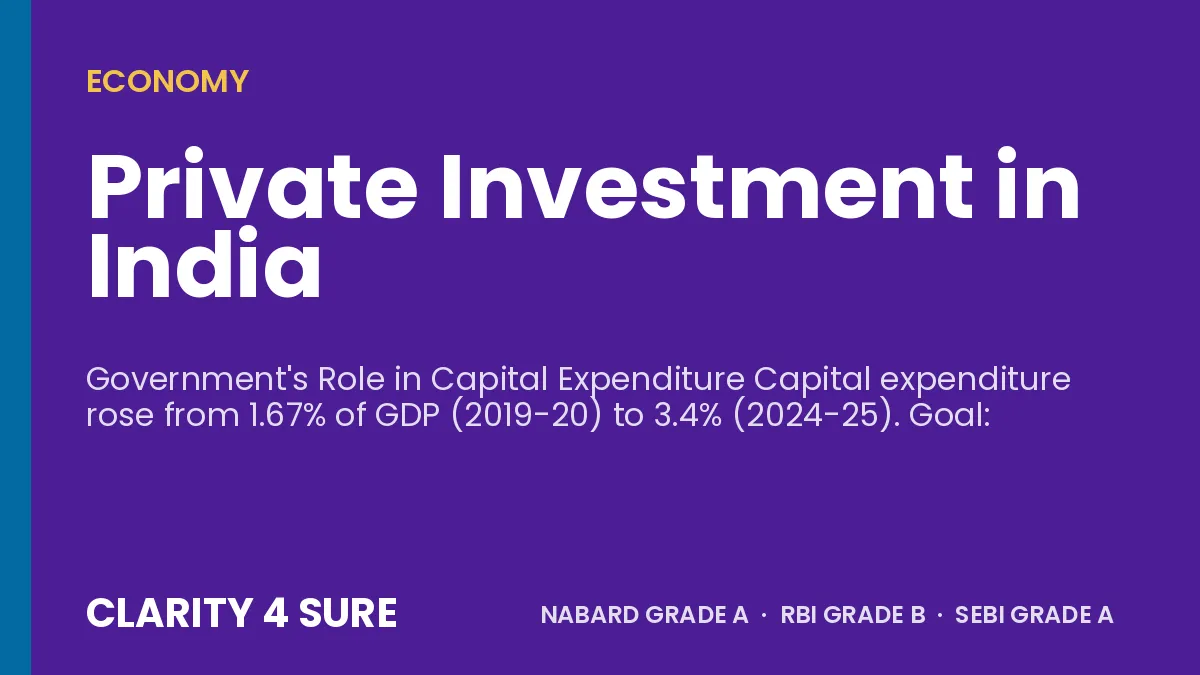
Recent GDP estimates reveal that India’s economic growth is weaker than projected. Capital expenditure continues to increase but private consumption and investment remain sluggish. We look at economic trends since 1991 and compare them with the high growth period of 2004-2011 to understand this slowdown.
What is Economic Slowdown?
An “economic slowdown” is described as a period where the rate of economic growth drops dramatically; such a period has been generally marked by growth in GDP at a country, largely associated with declining consumer spending, lower business investments, and increasing unemployment though without the full ferocity of a recession; it describes a halt in economic activity compared to previous periods.
Key Observations on Growth Trends
- 1991-2004
- Post liberalization growth with rising income inequality.
- 2004-2011
- High growth with a decline in absolute poverty due to social sector spending.
- 2011-2023
- Economic slowdown worsened by major shocks like demonetization, GST and COVID19.
What Drives Growth during 2004-2011?
- The bottom 80 rising consumption led to sustained demand growth.
- Increase in social spending with MNREGA rural development schemes and welfare Rising rural wages raise the consumption of mass consumption goods.
Current Economic Challenges
- Weak Private Investment
- Firms are reluctant to invest due to low demand Capex oriented policies. The government has been focusing on big ticket infrastructure projects but that hasnt triggered the economy as expected..
- Declining Social Sector Spending
- Fiscal expenditure has become skewed away from direct income support.
What Needs to Be Done?
- Increase Revenue Expenditure
- More spending on social services such as education health and welfare to raise demand.
- LabourIntensive Capital Investment
- Infrastructure projects should have employment generation as the top priority.
- Expand Welfare Programs
- Safety nets of income transfers and employment programs have to be strengthened.