

Aphids
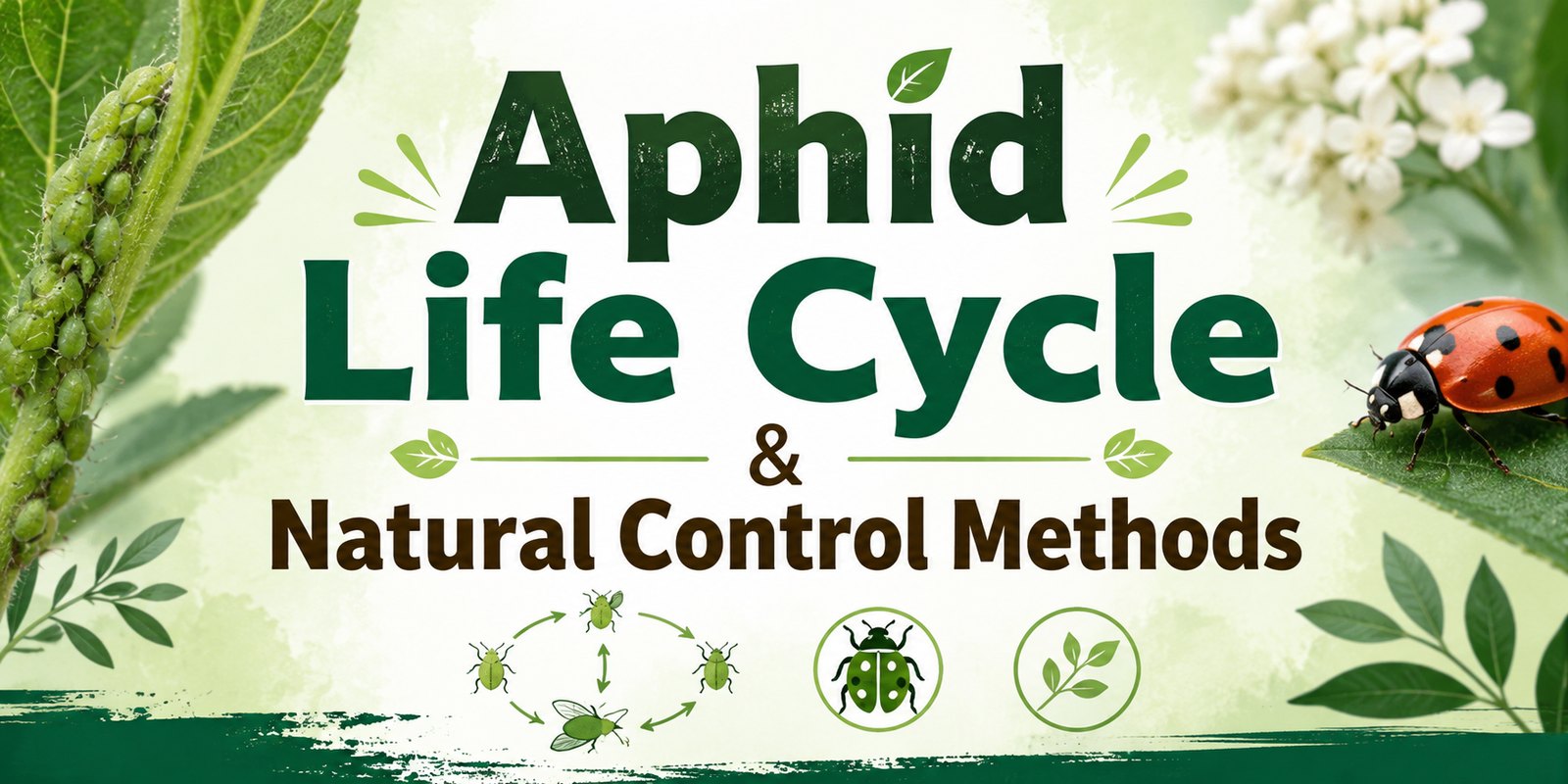
Aphids are tiny, soft-bodied insects that feed on the sap of plants. They are commonly known as greenflies or blackflies, although they can also be green, yellow, pink, white, or black in color. These pests are found in home gardens, farms, and commercial growing areas, where they can cause significant damage to a wide variety of plants.
Because of their small size, aphids often go unnoticed until their population grows rapidly. They reproduce very quickly, allowing a few aphids to turn into a large infestation within a short time.
Aphids damage plants by sucking out their sap, which weakens the plant and can lead to:
- Curled, distorted, or yellowing leaves
- Stunted plant growth
- Reduced crop yields
- Premature leaf drop
As they feed, aphids produce a sticky substance called honeydew, which attracts ants and encourages the growth of sooty mold, a black fungus that interferes with photosynthesis.
Some aphid species can also spread plant viruses, making them even more harmful to crops and ornamental plants.
Understanding the aphid life cycle is important for controlling them effectively. Most aphids reproduce without mating, which allows their numbers to increase rapidly. Under certain conditions, some aphids develop wings and fly to new plants, spreading infestations to other areas.
Fortunately, aphids can be managed through environmentally friendly methods such as encouraging natural predators, planting aphid-repelling plants, and using safe insecticides when necessary.
What Are Aphids?
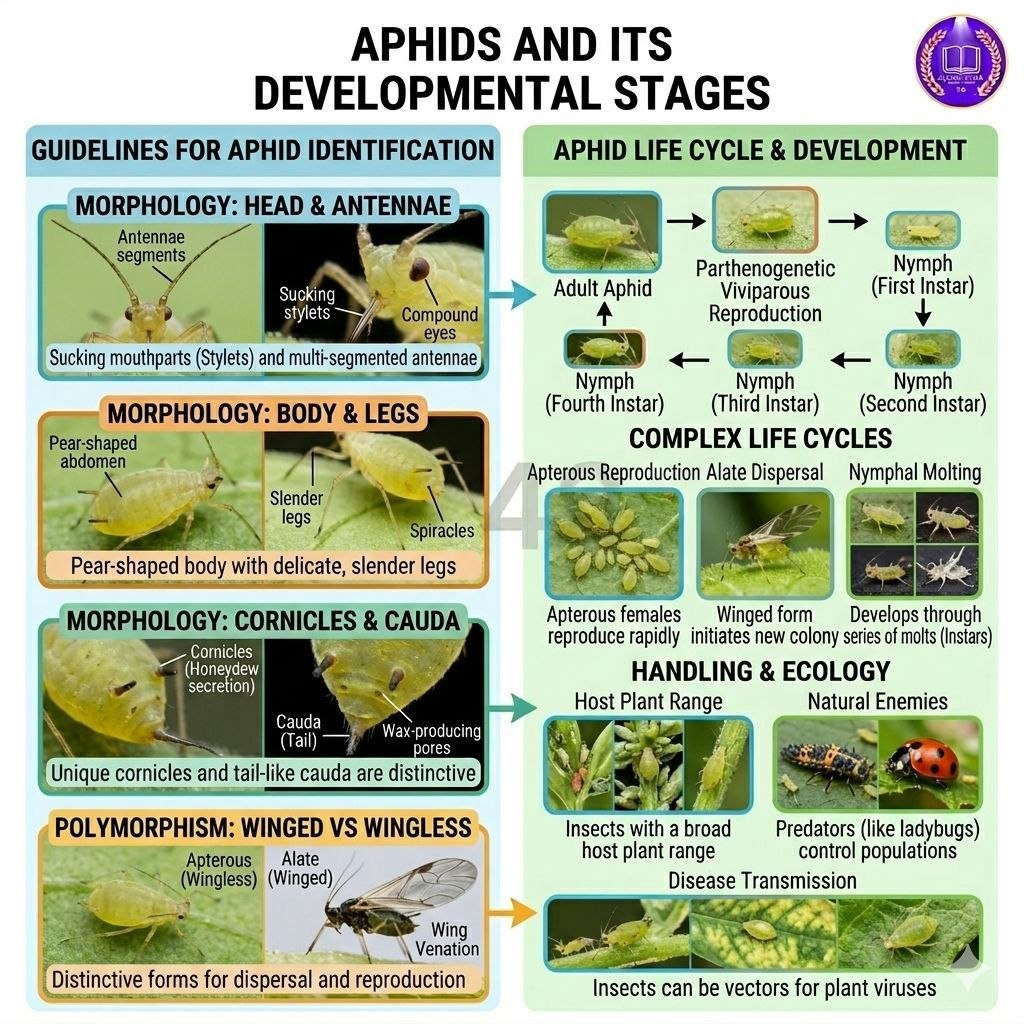
Aphids are tiny insects that feed on plant sap. They usually measure between 1 and 7 mm in length and are commonly known as greenflies or blackflies. Depending on the species, aphids can be green, black, yellow, pink, white, or even have mixed colors. Some species, such as the woolly aphid found on apple trees, produce a white, waxy coating that makes them look similar to mealybugs or whiteflies.
How Do Aphids Affect Plants?
Although aphids are a food source for many beneficial insects, they can still cause serious damage to plants when their numbers increase.
Some of the main ways aphids harm plants include:
- Sap Feeding: Aphids suck sap from leaves, stems, and young shoots, weakening the plant and causing curled leaves, yellowing, and stunted growth.
- Honeydew Production: As they feed, aphids release a sticky substance called honeydew. This attracts ants and encourages the growth of black sooty mold on plant surfaces.
- Skin Shedding: Aphids regularly shed their skins, which can accumulate on leaves and indicate a growing infestation.
- Disease Transmission: Certain aphid species can spread plant viruses and diseases, putting nearby plants and crops at risk.
Because aphids reproduce quickly, even a small infestation can become a major problem if left untreated. Early detection and proper management are essential to protect plant health and productivity.
The Aphid Life Cycle Explained
The life cycle of aphids varies depending on the species and environmental conditions such as temperature, food availability, overcrowding, and the type of host plant.
Spring and Summer Colonies
During spring and summer, most aphid populations consist of wingless female aphids. These females reproduce without mating and give birth to live young that are exact copies of themselves. This process allows aphid numbers to increase very quickly, often leading to large infestations within a short period.
Development of Winged Aphids
When aphid colonies become overcrowded, food sources begin to decline, or seasonal changes occur, some aphids develop wings. These winged aphids can fly to new plants, helping the colony spread and establish infestations in other areas.
Winter Survival
Most aphid species survive the winter as eggs, which are usually laid on trees, shrubs, or other woody plants. These eggs remain dormant during cold weather and hatch when temperatures rise in spring. In warmer climates or on indoor plants, some aphids may remain active throughout the year.
Changing Host Plants
Many aphid species move between different host plants during the year. They typically spend the winter on woody plants, where eggs are laid. In spring, the young aphids feed on fresh growth. As these plants mature and become less suitable, winged aphids migrate to softer plants such as vegetables, fruits, and flowering plants, where they continue feeding and reproducing.
Exceptions
Not all aphids switch host plants. Some species spend their entire lives on a single type of plant, although they may only be active during certain seasons.
How Long Do Aphids Live?
The lifespan of an aphid depends on its species and environmental conditions, but most live from a few weeks to a few months. Female aphids generally live for about 25 days and can produce up to 80 offspring during their lifetime. This high reproductive rate is one of the main reasons aphid populations can grow so rapidly and become difficult to control if left unmanaged.
Aphid Control Measures
There are several effective ways to manage and control aphid infestations. The best approach often combines preventive measures, natural solutions, and targeted treatments when necessary.
1. Use Aphid-Repelling Plants
Certain plants naturally deter aphids because of their strong scent or chemical properties. Growing these plants near vulnerable crops can help reduce aphid activity.
Examples include:
- Garlic and other allium plants
- Chives and onions
- Marigolds
- Chrysanthemums
These plants act as natural repellents and can be a useful part of an integrated pest management strategy.
2. Encourage Natural Predators
Many beneficial insects feed on aphids and help keep their populations under control naturally.
Common aphid predators include:
- Ladybugs (ladybirds)
- Lacewings
- Hoverflies
Encouraging these beneficial insects in gardens and farms can significantly reduce aphid infestations without the need for chemicals.
3. Use Pesticides When Necessary
In commercial farming and professional growing environments, severe aphid infestations may require pesticide treatment. Before applying pesticides, growers should consider their environmental impact and choose the most suitable option for their situation.
Managing Aphids Without Systemic Pesticides
It is possible to break the aphid life cycle without relying on systemic pesticides. Non-systemic insecticides can effectively control aphids while minimizing risks to plants, beneficial organisms, and the surrounding environment.
These products target pests directly without being absorbed throughout the entire plant, making them a more environmentally responsible option in many cases.
Benefits of High-Performance Non-Systemic Insecticides
Modern non-systemic insecticides can offer several advantages:
- High effectiveness against aphids and other common pests
- Fast action, often controlling insects within hours
- Easy application at different stages of plant growth
- Ability to target multiple insect life stages, including eggs, larvae, and adults
- Lower risk of pest resistance developing over time
- Minimal residue and reduced environmental impact
Conclusion
Successful aphid control relies on a combination of prevention, monitoring, and timely action. Using deterrent plants, encouraging natural predators, and applying suitable pest-control products when needed can help protect crops and ornamental plants from damage. An integrated approach not only controls aphids effectively but also supports long-term plant health and environmental sustainability.







