Why in News?
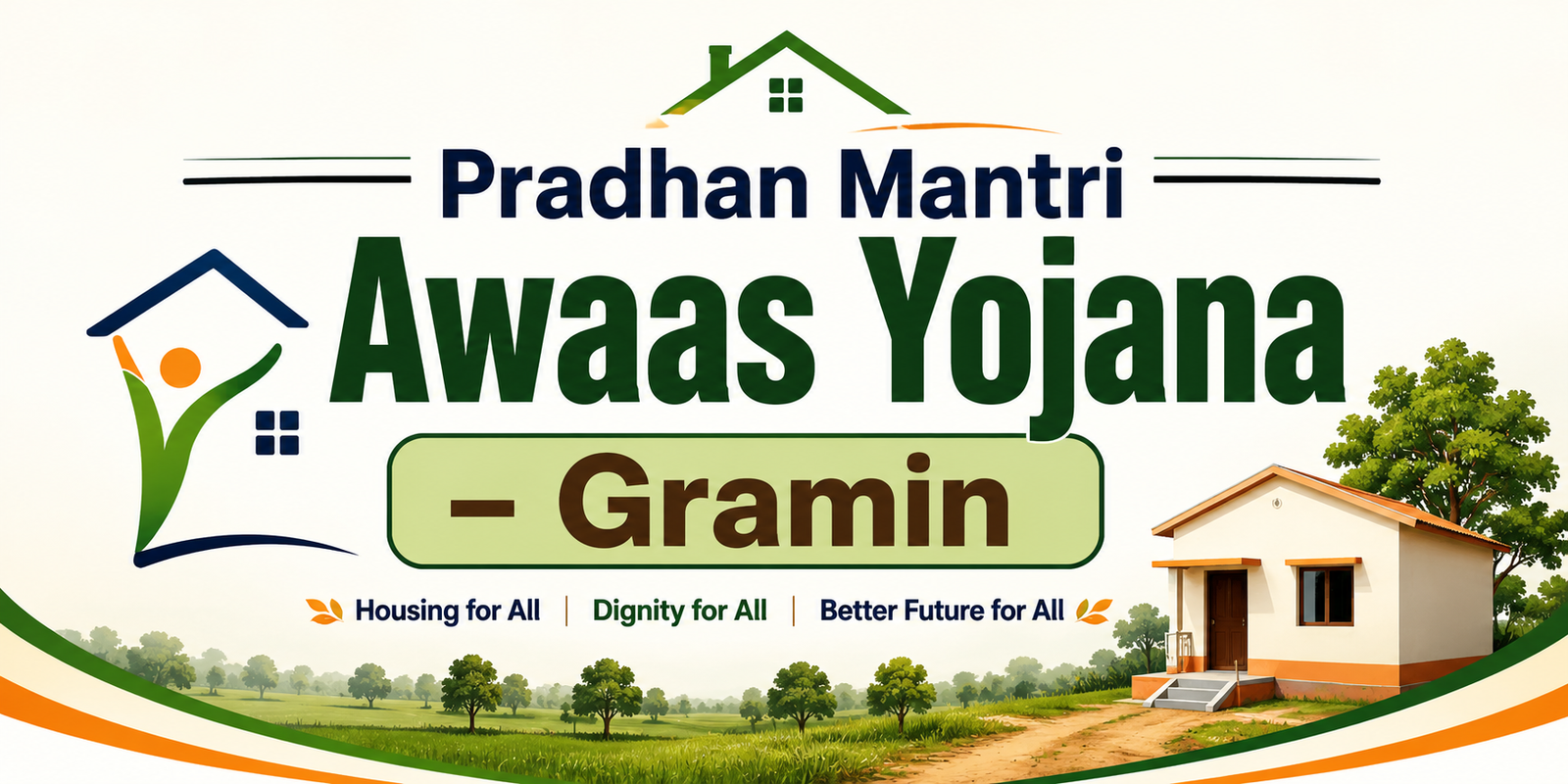
As of March 2026, the Pradhan Mantri Awaas Yojana–Gramin (PMAY-G) has completed nearly 3 crore houses for rural families, marking significant progress in improving housing conditions in rural India.
The government aims to construct 4.95 crore houses by 2029. The scheme focuses on providing safe and permanent homes to poor rural households, helping improve their living standards and supporting the broader goal of “Housing for All” in rural India.
What is the Pradhan Mantri Awas Yojana-Gramin (PMAY-G)?
- About: The Pradhan Mantri Awaas Yojana–Gramin (PMAY-G) aims to provide a permanent (pucca) house with basic facilities to rural families who are homeless or living in kutcha or damaged houses. The scheme was launched in 2016 by restructuring the earlier Indira Awaas Yojana (IAY). It is implemented by the Ministry of Rural Development (MoRD) and supports the goal of “Housing for All.”
- Selection of Beneficiaries: Beneficiaries are identified through a three-step verification process. Their eligibility is checked using Socio-Economic Caste Census (SECC) 2011 data, followed by approval by the Gram Sabha and geo-tagging of the house/location. This helps ensure that benefits reach the families who need them most.
- Cost Sharing: The cost of the scheme is shared between the Central and State Governments:
- Plain areas: Centre and States share the cost in a 60:40 ratio.
- North-Eastern and specified Himalayan States and J&K: Cost is shared in a 90:10 ratio.
- Other Union Territories, including Ladakh: The Central Government bears 100% of the cost.
Implementation and Transparency
- Direct Benefit Transfer (DBT): Financial assistance is transferred directly to the beneficiary’s bank account, reducing the role of middlemen and helping prevent leakages.
- Multi-Level Inspection: Construction is regularly monitored at different levels. Block and district officials inspect houses at various stages, while national-level monitors also conduct field visits.
- Social Audit: Gram Panchayats and local communities review the implementation of the scheme at least once a year. This promotes transparency and accountability.
- AwaasSoft MIS: AwaasSoft is an online system that keeps track of the entire process, from identifying beneficiaries to releasing funds and monitoring construction.
- Local Support: Each sanctioned house is linked with a local functionary who helps the beneficiary with the construction process and ensures that the house is completed on time.
Use of AI and Technology
- AI-Based Monitoring: Artificial intelligence is used to analyse photographs of houses and identify important features such as walls, roofs and doors. This helps officials monitor construction more efficiently.
- Fraud Detection: Machine-learning tools compare photographs of houses in the same area to identify duplicate or suspicious cases, helping reduce fraud.
- Face Authentication and e-KYC: The Awaas+ 2024 app uses Aadhaar-based face authentication to verify the identity of beneficiaries digitally.
- Liveliness Detection: Features such as eye-blink and movement detection help confirm that the actual beneficiary is present during authentication and reduce the chances of impersonation.
- Digital Geo-Tagging: Photographs of the house are taken and uploaded at different stages of construction along with location, date and time information. This allows authorities to track the progress of construction digitally and improves transparency.
Impact on Rural Households
- Better Living Conditions: PMAY-G helps rural families shift from temporary or damaged houses to permanent, safe and weather-resistant homes, improving their security, comfort and dignity.
- Sanitation and Health: Through Swachh Bharat Mission–Gramin (SBM-G), beneficiaries receive ₹12,000 for toilet construction, improving sanitation and reducing health risks.
- Clean Energy and Water: PMAY-G connects families with PM Ujjwala Yojana for LPG, PM Surya Ghar for solar electricity, and Jal Jeevan Mission for piped drinking water.
- Women’s Empowerment: Houses are encouraged to be registered in women’s names or jointly with women, strengthening their ownership rights, financial security and decision-making power, while supporting gender equality.
- Employment and Skills: The scheme provides 90–95 days of unskilled wage employment through the rural employment programme, formerly known as MGNREGA. It has also helped train and certify over 3 lakh rural masons, improving construction quality and creating skilled employment.
What are the Issues Affecting PMAY-G?
- Old Beneficiary Data: PMAY-G still relies heavily on SECC 2011 data, which is quite old. As a result, some families who are now eligible may be left out, while some people who are no longer poor may continue to receive benefits.
- Financial Assistance Is Not Enough: The amount provided under the scheme may not be sufficient to meet today’s rising construction costs and inflation. Because of this, some beneficiaries have to borrow money or struggle to complete their houses.
- Problems with Geo-Tagging and Monitoring: There have been cases where houses were geo-tagged at locations far from their actual sites. Such weaknesses in monitoring can allow funds to be misused even when construction has not taken place properly.
- Bribery and Middlemen: Some beneficiaries have reported being asked to pay bribes or give a portion of their assistance to officials or middlemen for approval or release of instalments. Such practices reduce the actual benefit reaching poor families and weaken the purpose of the scheme.
Conclusion
PMAY-G is not just about building houses; it is about providing safe living conditions, dignity, security and better opportunities to rural families. To make the scheme more effective, there is a need to update beneficiary data, increase financial assistance according to rising construction costs, improve digital and physical monitoring, and ensure greater transparency. These steps can help ensure that the benefits reach the right families on time and that the vision of “Housing for All” in rural India becomes a reality.
Frequently Asked Questions (FAQs)
1. What is Pradhan Mantri Awaas Yojana–Gramin (PMAY-G)?
PMAY-G is a rural housing scheme launched in 2016 to provide permanent (pucca) houses with basic facilities to homeless rural families and those living in kutcha or damaged houses.
2. How are beneficiaries selected under PMAY-G?
Beneficiaries are selected through a three-step process. Their details are checked using SECC 2011 data, verified by the Gram Sabha, and supported by geo-tagging to ensure that the benefits reach the right families.
3. What is the funding pattern of PMAY-G?
The cost is shared between the Centre and States in a 60:40 ratio for plain areas and 90:10 for North-Eastern and Himalayan States. For Union Territories, the Central Government provides 100% of the funding.
4. How does PMAY-G ensure transparency?
The scheme uses Direct Benefit Transfer (DBT), geo-tagging, AwaasSoft, social audits and AI-based monitoring to track beneficiaries, construction progress and fund transfers, helping reduce misuse and improve accountability.
5. What are the major benefits of PMAY-G?
PMAY-G has helped improve housing conditions, sanitation, access to clean energy and drinking water. It also supports women’s ownership of property and creates employment and skill-development opportunities in rural areas.