NABARD ARDNABARD Grade AState AAO
In one line
Rampant destruction of Neelakurinji blooms across unprotected hill ranges in Munnar — including Lakshmi Hills and Chinnakkanal — triggered serious concern among Kerala Forest Department officials.
Context
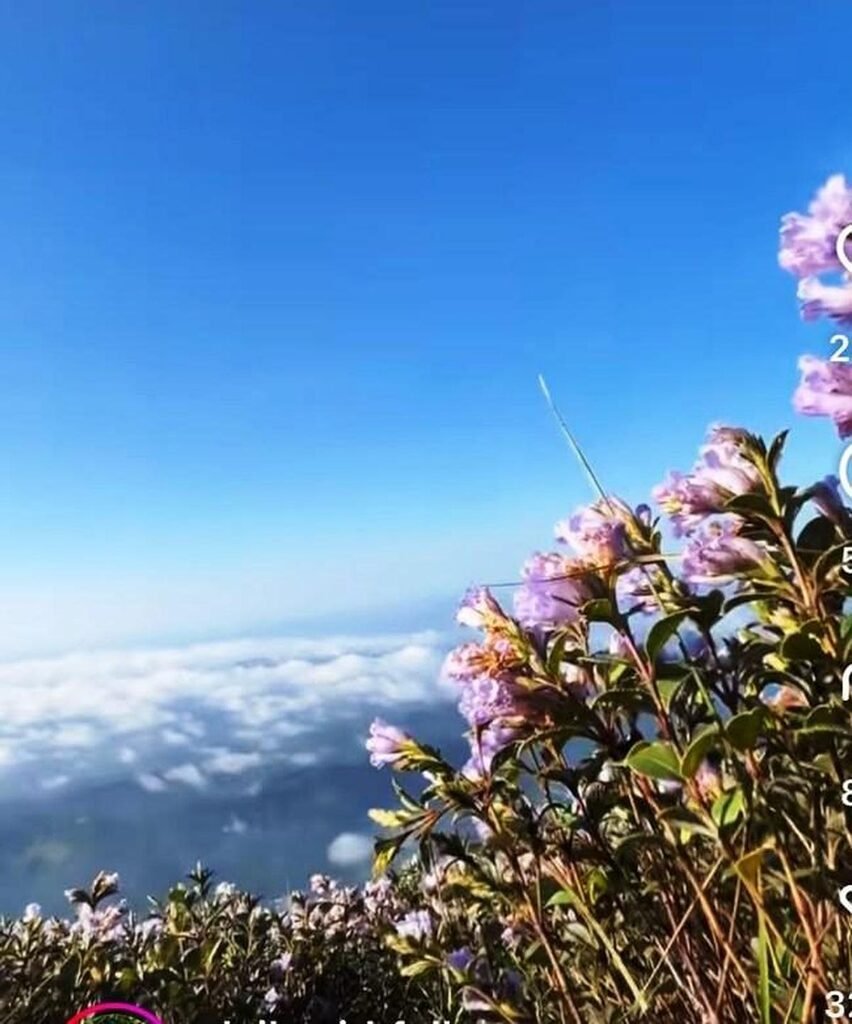
What It Is
India’s marine fisheries sector witnessed a major transformation in 2025!Tap to play · from the C4S channel
- A purplish-blue flowering shrub of the genus Strobilanthes, family Acanthaceae
- The most famous species is Strobilanthes kunthiana
- Renowned for synchronised mass gregarious flowering every 12 years
Free PDF · print or read offline
Download this page as a PDF
A clean PDF of this page with the C4S header — it opens right away, and the link comes to your WhatsApp too.
Habitat and Distribution
- Exclusively adapted to montane shola-grassland ecosystems of peninsular India
- Typically at 1,000 to 2,500 metres above sea level
- Kerala — Munnar, Eravikulam National Park
- Tamil Nadu — Nilgiri Hills, Palani Hills
- Karnataka — Mandalpatti (Kodagu), Baba Budangiri and Mullayanagiri (Chikkamagaluru)
- Kurinjimala Sanctuary was notified by Kerala specifically to protect its habitat
Key Characteristics
- Plietesial lifecycle and mast seeding — flowers synchronously after long vegetative cycles of 3 to 16 years (12 years for S. kunthiana), sets seed and dies
- Shrub morphology — erect, 0.5 to 3 metres; some species up to 8 metres; opposite, stalked leaves containing mineral deposits called cystoliths
- Tubular hooded inflorescence — two-lipped flowers in dense spikes or panicles, in purplish-blue, violet and pale pink
- Pollination and honey — mass flowering attracts Indian honeybees and giant rock bees, producing Kurinjithen, a dark honey valued for medicinal properties
- Statutory protection — S. kunthiana is listed under Schedule III of the Wildlife (Protection) Act, 1972; unlawful collection or destruction may attract imprisonment and fines
Important Facts for Examsmost asked
- Strobilanthes kunthiana, family Acanthaceae; blooms once in 12 years
- Genus: about 450 species globally, 160+ in India, 72+ endemic to the Western Ghats
- Kurinjimala Sanctuary (Kerala) protects its habitat; Eravikulam National Park is the other key site
- The Nilgiris (“blue mountains”) are named after it
- Added to Schedule III, Wildlife (Protection) Act, 1972 in 2024
- Plietesial — grows vegetatively for years, flowers en masse once, sets seed and dies
- Mast seeding — synchronous mass seed production, which overwhelms seed predators
- Cystolith — a calcium carbonate deposit in leaf cells, characteristic of Acanthaceae
- Kurinjithen — the honey produced from Neelakurinji nectar