Context:
“RBI MPC Unpacked: Key Theory Meets Today’s Macro Trends”Tap to play · from the C4S channel
The Reserve Bank of India (RBI) is expected to increase liquidity in the banking system before the end of the financial year to prevent short-term interest rates from rising sharply. This move comes amid currency market interventions to stabilize the Indian rupee, which has weakened due to geopolitical tensions in West Asia.
Why RBI May Inject Liquidity
The RBI has been selling dollars in the foreign exchange market to prevent a sharp fall in the rupee. Since the beginning of the Iran–West Asia conflict, the RBI has reportedly sold about $12 billion.
Such interventions reduce rupee liquidity in the banking system.
To offset this tightening effect, the central bank may inject liquidity through monetary operations.
Tools Used by RBI to Increase Liquidity
The RBI can use several instruments:
1. Open Market Operations (OMOs)
- RBI purchases government bonds from the market.
- This injects money into the banking system.
2. Dollar–Rupee Buy–Sell Swaps
- RBI buys dollars now and sells them later.
- This temporarily injects rupee liquidity into the banking system.
Objective: Control Short-Term Interest Rates
- RBI aims to keep short-term interest rates stable, particularly the call money rate.
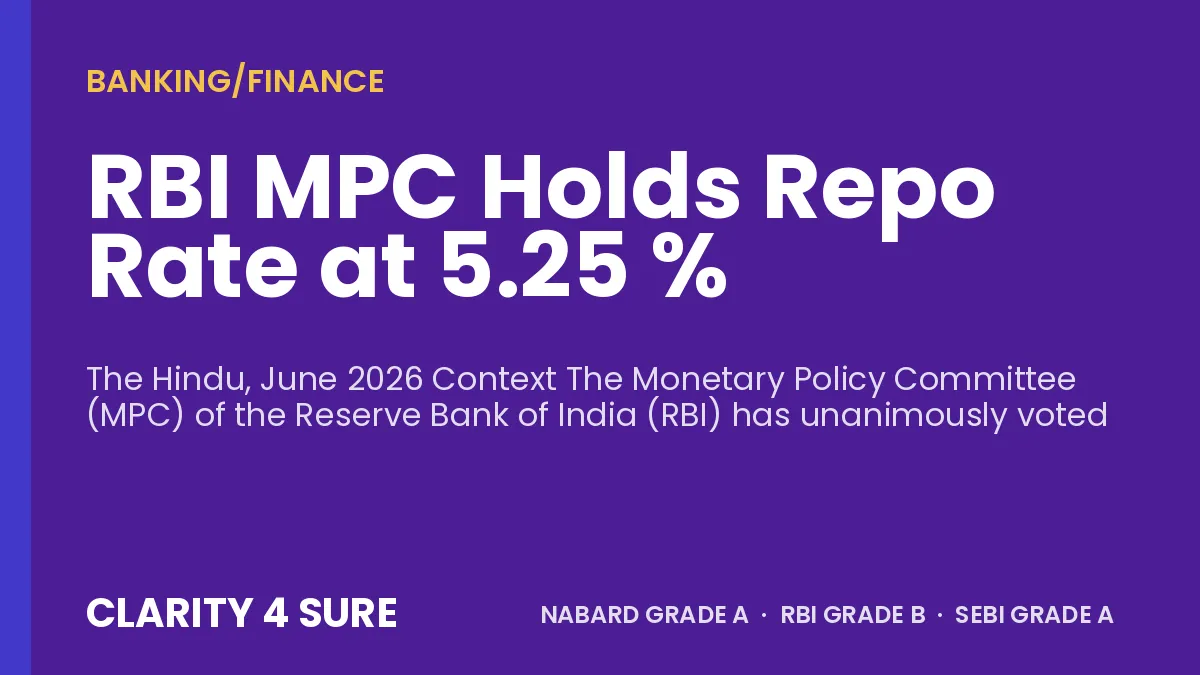
- The call money rate should remain near the policy repo rate, which is currently 5.25%.
- These rates are within the Liquidity Adjustment Facility (LAF) corridor, indicating comfortable liquidity.
Why Controlling Short-Term Rates Matters
Maintaining stable short-term rates helps:
- Reduce borrowing costs for banks
- Prevent sudden increases in bond yields
- Maintain financial market stability.
If liquidity becomes tight, banks may face higher overnight borrowing costs, affecting lending rates across the economy.