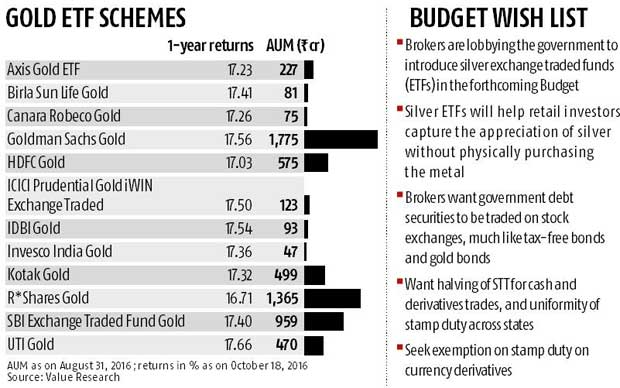
Exchange Traded Funds (ETFs) are financial products that track the price of underlying assets, such as commodities, stocks, or bonds, and can be bought or sold on the stock exchange like any other security. Gold and Silver ETFs are particularly popular among investors looking to gain exposure to these precious metals without having to buy and store the physical metals.

What are Gold and Silver ETFs?
Gold and Silver ETFs are investment funds that hold physical gold or silver or financial contracts that derive their value from the underlying metals. These ETFs allow investors to buy shares that represent a claim to the underlying commodity, offering an easy and liquid way to invest in gold or silver without the need for physical storage or insurance.
How Do Gold and Silver ETFs Work?
NABARD 2021-2024 Cutoff Analysis | What we can Learn? #nabard_grade_a_exam #nabard_cutoffTap to play · from the C4S channel
- Physical-backed ETFs:
- These ETFs hold actual gold or silver in secure vaults. Each share of the ETF represents a fixed amount of the physical metal. For example, one share of a gold-backed ETF might represent 1/10th of an ounce of gold.
- Futures-backed ETFs:
- These ETFs do not hold physical metals but instead invest in futures contracts (agreements to buy or sell the metals at a future date at a set price). These ETFs track the price movements of gold or silver futures.
The value of the ETF shares is directly linked to the price of the underlying metal. As gold or silver prices go up or down, the value of the ETF shares moves in tandem.
A clean PDF of this page with the C4S header — it opens right away, and the link comes to your WhatsApp too.
Benefits of Investing in Gold and Silver ETFs
TomorrowNABARD Sprint 60: the 2025 cut-offs and your 60-day Phase I planRegister free →- Liquidity:
- Gold and Silver ETFs can be bought and sold throughout the trading day just like stocks. This makes them more liquid and accessible than buying physical metals, which can involve higher transaction costs and require secure storage.
- Diversification:
- Precious metals like gold and silver are often viewed as safe-haven assets, particularly in times of economic uncertainty or inflation. By including gold and silver ETFs in a portfolio, investors can diversify their holdings and reduce risk.
- Lower Fees:
- Compared to owning physical gold or silver, ETFs generally come with lower management and storage fees. Physical gold and silver require safe storage and insurance, both of which can add to the cost of ownership.
- No Physical Storage Concerns:
- When buying physical gold or silver, investors need to arrange for secure storage. With ETFs, the metals are held in vaults by the fund, eliminating these concerns.
- Access to Global Markets:
- Investing in gold and silver ETFs gives you exposure to global metal markets, even if you are located in a region where direct access to the physical markets may be limited.
- Tax Benefits:
- In some jurisdictions, capital gains tax rates for commodities like gold and silver can be more favorable compared to other investments.
Risks of Gold and Silver ETFs
- Tracking Error:
- Gold and Silver ETFs, especially futures-backed ones, may not always perfectly track the price of the underlying metals. The performance of the ETF could be impacted by management fees, transaction costs, and other factors that create a “tracking error” when compared to the spot price.
- Volatility:
- Precious metals can be volatile investments. While they are seen as a store of value during economic downturns, they can also experience sharp price fluctuations, especially in response to changes in market sentiment, interest rates, or geopolitical events.
- No Income Generation:
- Unlike dividend-paying stocks or bonds, gold and silver ETFs do not generate income (such as dividends or interest). They rely purely on price appreciation for returns, which means investors should be prepared for the possibility of holding assets with no income generation for extended periods.
- Management Fees:
- While generally lower than the cost of owning physical metals, ETFs come with management fees that can reduce returns over time. These fees can range from 0.1% to 1% annually, depending on the ETF.
- Market Risk:
- As with any investment, gold and silver ETFs are subject to overall market risk, including changes in investor sentiment, economic data, or global events that could drive prices up or down.
Popular Gold and Silver ETFs
Gold ETFs
- SPDR Gold Shares (GLD)
- One of the largest and most well-known gold ETFs, GLD holds physical gold in vaults.
- It is highly liquid and widely traded, making it an excellent option for both retail and institutional investors.
- Expense Ratio: 0.40%
- iShares Gold Trust (IAU)
- Another popular gold ETF, IAU also holds physical gold.
- It is cheaper than GLD in terms of the expense ratio, which makes it an attractive option for cost-conscious investors.
- Expense Ratio: 0.25%
- VanEck Merk Gold Trust (OUNZ)
- This ETF provides investors with the ability to redeem shares for physical gold, offering a unique feature not available with all gold ETFs.
- Expense Ratio: 0.40%
Silver ETFs
- iShares Silver Trust (SLV)
- The most popular silver ETF, SLV holds physical silver.
- It is highly liquid and closely tracks the price of silver.
- Expense Ratio: 0.50%
- SPDR Silver Trust (SIVR)
- SIVR is another prominent silver ETF that holds physical silver.
- It tends to have lower management fees compared to SLV, making it a cost-effective alternative.
- Expense Ratio: 0.30%
- VanEck Vectors Silver Miners ETF (SIL)
- This ETF does not hold physical silver but invests in the stocks of silver mining companies.
- It offers indirect exposure to silver prices but with added company-specific risks.
- Expense Ratio: 0.55%
How to Invest in Gold and Silver ETFs?
Investing in Gold and Silver ETFs is straightforward. Here’s a basic step-by-step guide:
- Choose an Online Brokerage Account:
- You need a brokerage account to buy and sell ETFs. Many platforms offer easy access to gold and silver ETFs.
- Research and Select the ETF:
- Based on your investment objectives (e.g., direct exposure to the price of gold/silver, lower fees, or diversification into mining stocks), choose an ETF that aligns with your goals.
- Fund Your Account:
- Deposit funds into your brokerage account via wire transfer, check, or another method.
- Place an Order:
- Once your funds are available, place an order to buy shares of your chosen ETF. You can place a market order (buying at the current price) or a limit order (buying at a price you specify).
- Monitor Your Investment:
- Keep track of the performance of the ETF and the underlying gold or silver market to decide whether to hold or sell.
Conclusion
- Gold and Silver ETFs are an excellent way to gain exposure to precious metals, offering liquidity, lower fees, and the convenience of not having to manage physical storage. However, they come with risks, such as tracking errors, price volatility, and management fees. By carefully selecting the right ETF and considering your investment goals, you can make a smart decision that fits your financial strategy.
- Always perform thorough research or consult with a financial advisor before investing in any ETF, especially one tracking commodities like gold and silver.