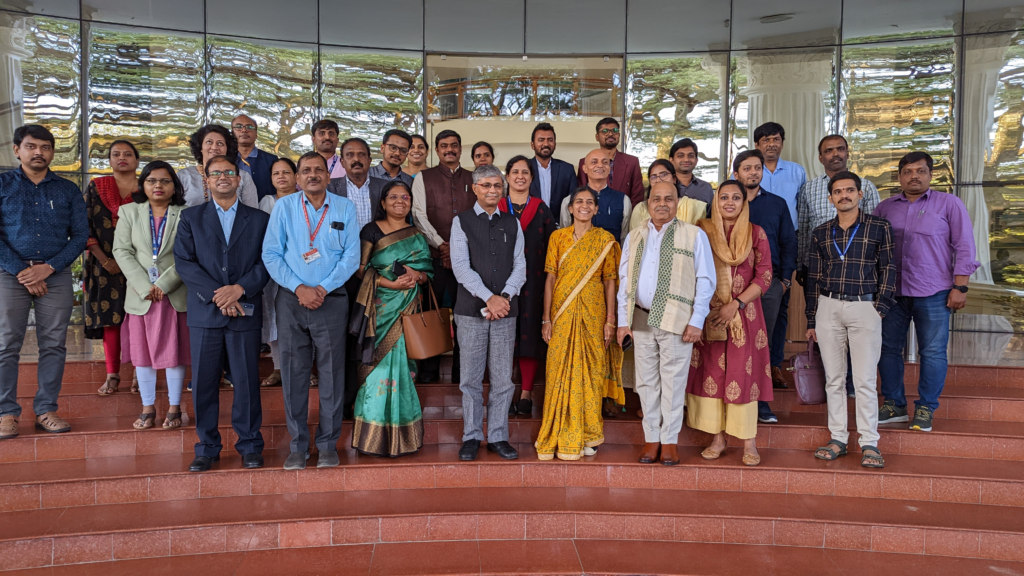
The Ministry of Ayush is implementing the Centrally Sponsored Scheme of National Ayush Mission (NAM) through State/UT Governments. Under NAM, as per the proposals received from State/UT Governments through their State Annual Action Plans (SAAPs) during the last five years, a consolidated amount of Rs. 276529.87 Lakhs has been released as financial assistance to them for different activities and overall promotion of Ayush systems as per the provision of NAM guidelines.
Why in News?
Budget Allocation 2025-26
NABARD 2021-2024 Cutoff Analysis | What we can Learn? #nabard_grade_a_exam #nabard_cutoffTap to play · from the C4S channel
For the fiscal year 2025-26, the Ministry of AYUSH received a budget allocation of ₹3,992.90 crore, representing a 14.15% increase compared to the previous year’s revised estimate of ₹3,497.64 crore.
ARD notes, the monthly current affairs PDF and a descriptive English sample — all free, on WhatsApp.
Get it on WhatsApp — one tap or just leave your numberIntroduction
The National AYUSH Mission (NAM) is a significant initiative by the Government of India aimed at promoting traditional and alternative healthcare systems such as Ayurveda, Yoga & Naturopathy, Unani, Siddha, Sowa-Rigpa, and Homeopathy (AYUSH). Established in 2014, NAM seeks to integrate these ancient healing practices into modern healthcare, ensuring their accessibility, quality, and effectiveness for all.
With the rise in lifestyle diseases, stress-related disorders, and increasing healthcare costs, traditional medicine has gained renewed importance. People worldwide are recognizing the benefits of natural, preventive, and holistic healthcare, making the AYUSH sector more relevant than ever. The National AYUSH Mission not only promotes these practices but also strengthens infrastructure, enhances education, fosters research, and ensures the availability of safe and high-quality AYUSH medicines.
Overview of National AYUSH Mission (NAM)
| Feature | Details |
|---|---|
| Full Name | National AYUSH Mission (NAM) |
| Launched In | 2014 |
| Governing Body | Ministry of AYUSH, Government of India |
| Objective | To promote and integrate traditional healthcare systems like Ayurveda, Yoga & Naturopathy, Unani, Siddha, Sowa-Rigpa, and Homeopathy (AYUSH) into mainstream healthcare |
| Key Focus Areas | 1. Strengthening AYUSH healthcare services 2. Upgrading AYUSH hospitals & dispensaries 3. Enhancing AYUSH educational institutions 4. Promoting research & development (R&D) 5. Improving quality control of AYUSH medicines 6. Expanding AYUSH Health & Wellness Centers (HWCs) |
| Major Components | 1. AYUSH Health & Wellness Centers (HWCs) 2. Strengthening AYUSH hospitals & dispensaries 3. National Medicinal Plants Board (NMPB) 4. Strengthening AYUSH educational institutions 5. Information, Education, and Communication (IEC) Programs |
| Funding Pattern | – 60:40 (Central & State Governments) – 90:10 for hilly and northeastern states |
| Implementation Agencies | – Central Government (Policy-making, funding) – State Governments (Execution, management) – Private sector & NGOs (Research support, awareness) |
| Achievements | – Over 12,000+ AYUSH Health & Wellness Centers established – Boosted research in Ayurveda, Unani, Siddha, and Homeopathy – Expansion of yoga and naturopathy programs – Increased global recognition of AYUSH therapies |
| Future Prospects | – More AYUSH Health & Wellness Centers – Stronger integration with modern medicine – Increased investment in AYUSH R&D – Greater international presence of Indian AYUSH products |
| Challenges | – Need for standardization and quality control – Scientific validation of AYUSH therapies – Limited public awareness in some regions – Regulatory issues in integration with modern medicine |
What is the National AYUSH Mission (NAM)?
The National AYUSH Mission (NAM) is an initiative under the Ministry of AYUSH, established to revive, regulate, and expand traditional healthcare systems in India. It aims to strengthen the existing infrastructure, promote AYUSH therapies alongside modern medicine, and make traditional healing accessible to a wider population.
Why Was NAM Introduced?
Free live session
NABARD Grade A 2026: what the 2025 cut-offs changed, and the 90-day plan
In 8 days · Sun, 4 Oct at 7:30 PM IST
Before NAM, AYUSH therapies were often seen as complementary or alternative treatments rather than mainstream healthcare. There was also a lack of proper regulation, infrastructure, and research in the field. Recognizing the potential of traditional medicine to improve public health, the government launched NAM to:
- Enhance the availability of AYUSH treatments in public healthcare
- Encourage scientific research and validation of traditional therapies
- Improve the quality and production of AYUSH medicines
- Promote integration of AYUSH with modern medical practices
NAM follows a decentralized approach, where the central and state governments work together to implement its objectives.
Objectives of the National AYUSH Mission (NAM)

The National AYUSH Mission is designed with several key goals in mind:
A. Strengthening AYUSH Healthcare Services
- Expanding AYUSH hospitals and dispensaries in rural and urban areas
- Establishing AYUSH Health & Wellness Centers (HWCs)
- Encouraging preventive and holistic healthcare approaches
B. Boosting AYUSH Educational Institutions
- Upgrading AYUSH colleges, universities, and research centers
- Ensuring high-quality teaching and training for AYUSH practitioners
- Supporting new research initiatives in Ayurveda, Homeopathy, Siddha, and Unani
C. Improving AYUSH Medicine Quality and Safety
- Strengthening quality control of herbal and natural medicines
- Ensuring compliance with Good Manufacturing Practices (GMP)
- Promoting medicinal plant cultivation for a sustainable supply of raw materials
D. Encouraging Research & Development (R&D)
- Conducting clinical trials to validate the effectiveness of AYUSH treatments
- Supporting innovation in herbal and alternative medicine
- Developing scientific documentation for AYUSH therapies
Key Components of the National AYUSH Mission
To achieve its objectives, NAM has been structured into different focus areas:
1. AYUSH Health & Wellness Centers (HWCs)
- Converting existing AYUSH dispensaries into modern Health & Wellness Centers
- Offering preventive, curative, and rehabilitative healthcare services
- Promoting yoga, naturopathy, and lifestyle modifications
2. Strengthening AYUSH Hospitals & Dispensaries
- Upgrading infrastructure of AYUSH hospitals
- Expanding availability of specialized AYUSH treatments
- Enhancing healthcare services in rural and tribal areas
3. National Medicinal Plants Board (NMPB)
- Encouraging commercial farming of medicinal plants
- Providing financial incentives to farmers growing herbs for AYUSH medicines
- Ensuring sustainable harvesting and conservation of medicinal flora
4. Enhancing AYUSH Educational Institutions
- Improving research labs, libraries, and training facilities in AYUSH universities
- Supporting Ph.D. and postdoctoral research in traditional medicine
- Establishing collaborations with international universities
5. Information, Education, and Communication (IEC) Programs
- Conducting awareness campaigns on AYUSH therapies
- Promoting yoga, meditation, and healthy living practices
- Encouraging digital outreach through telemedicine and e-learning
Implementation Strategy and Funding
The implementation of NAM follows a collaborative approach involving:
- Central Government –
- Policy-making, funding, and monitoring
- State Governments –
- Execution and local-level management
- Private Sector & NGOs –
- Research support and awareness programs
Funding Structure
- 60:40 ratio between Central and State Governments
- 90:10 ratio for hilly and northeastern states
- Special grants for medicinal plant cultivation and research
Achievements and Impact of NAM
Since its inception, the National AYUSH Mission has made remarkable progress:
- More than 12,000 AYUSH Health & Wellness Centers (HWCs) established
- Increased research in Ayurveda, Unani, Siddha, and Homeopathy
- Expansion of yoga and naturopathy programs for disease prevention
- Growth of the AYUSH industry, benefiting farmers and small businesses
- Boost in international recognition and exports of AYUSH products
The COVID-19 pandemic further accelerated the adoption of AYUSH therapies, with many people using herbal and immunity-boosting remedies.
Future Prospects of AYUSH in India
With growing awareness and global interest, the AYUSH sector is set for massive growth. Some expected developments include:
- More AYUSH Health & Wellness Centers nationwide
- Stronger collaboration between AYUSH and modern medicine
- Rise in digital healthcare platforms integrating AYUSH
- Greater investment in R&D for herbal and alternative medicine
- India becoming a global hub for traditional healthcare
Challenges and Way Forward
Despite its progress, NAM faces some challenges:
- Lack of standardization in AYUSH medicines
- Need for more scientific validation of traditional treatments
- Limited awareness and trust among certain populations
- Regulatory hurdles in integrating AYUSH with modern medicine
How Can These Challenges Be Overcome?
- Strengthening clinical research and scientific documentation
- Expanding quality control measures for AYUSH medicines
- Increasing government and private sector investment
- Enhancing global collaborations for wider acceptance
Conclusion
The National AYUSH Mission (NAM) is revolutionizing traditional healthcare in India by integrating ancient healing practices with modern medicine. By expanding access, improving infrastructure, and encouraging research, NAM is ensuring that AYUSH therapies remain relevant, effective, and accessible for all.
As India moves towards a healthier and more holistic future, AYUSH will play a key role in preventive and natural healthcare. The mission’s success depends on continued research, regulation, and awareness, ensuring that India remains a global leader in traditional medicine.