All exams GA
In one line
Context:
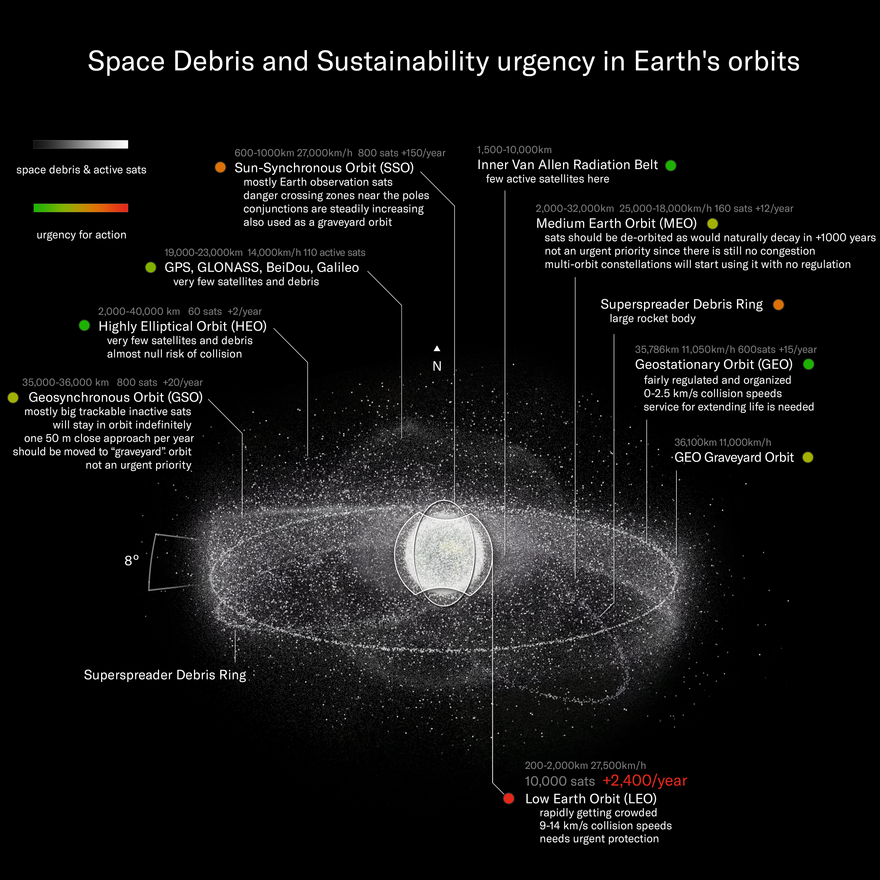
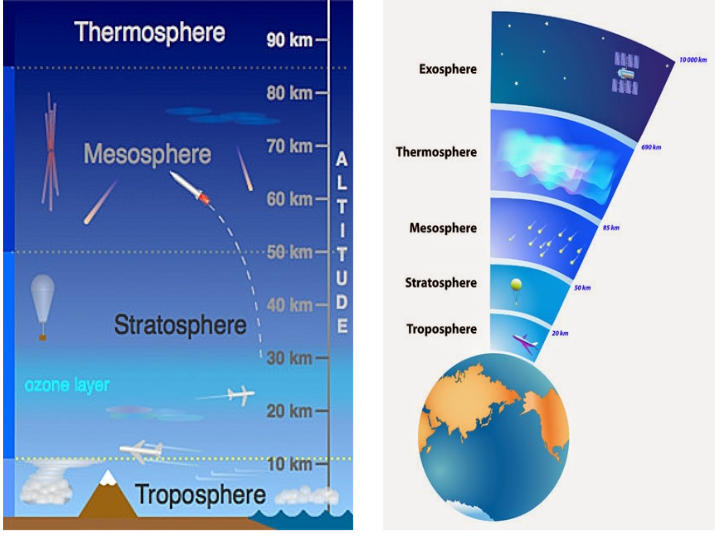
Increasing anthropogenic greenhouse gas emissions will shrink the mesosphere and thermosphere of the Earth, reducing the safety carrying capacity of satellites from 50% to 66% by the year 2100.
Greenhouse Gas Emission
Greenhouse gas emissions are the release of gases like carbon dioxide, methane, and nitrous oxide into the atmosphere, which trap heat and contribute to the greenhouse effect, leading to global warming and climate change.
- What are Greenhouse Gases?
- Greenhouse gases (GHGs) are gases in the Earth’s atmosphere that trap heat and prevent it from escaping into space.
- This natural process, known as the greenhouse effect, is essential for maintaining a habitable planet, but increased emissions from human activities are causing the effect to intensify, leading to climate change.
- Major Greenhouse Gases
- Carbon Dioxide (CO2): The most abundant GHG, primarily from burning fossil fuels (coal, oil, and natural gas).
- Methane (CH4): A potent GHG, emitted from sources like livestock, landfills, and natural gas production.
- Nitrous Oxide (N2O): Emitted from agricultural activities, industrial processes, and burning fossil fuels.
- Fluorinated Gases: Synthetic gases used in refrigeration, industrial processes, and other applications.
- Sources of Greenhouse Gas Emissions
- Fossil Fuel Combustion: Burning coal, oil, and natural gas for energy production, transportation, and industry.
- Industrial Processes: Manufacturing, cement production, and other industrial activities.
- Agriculture: Livestock farming, fertilizer use, and rice cultivation.
- Deforestation: Removal of trees, which absorb CO2 from the atmosphere.
- Waste Management: Landfills and waste incineration.
Major Highlights of the Study
- In a high emission scenario (SSP5 8.5), the number of satellites that can be safely sustained in low Earth orbit (LEO) may decrease to as few as 25-40 million.
- Constriction of Earth’s upper atmosphere reduces the atmospheric drag, seemingly letting space debris linger longer in orbit, increasing the chance of collisions.
Modelling Insights
- The researchers from MIT Cambridge, led by Dr. William Parker, laid down atmospheric models to estimate the sustainable satellite limit under different emissions scenarios.
- The study compared contemporary circumstances with predicted ones in the light of greenhouse gas levels from the year 2000 baseline.
- It showed evidence of comparing the number of sat re entry rates declining significantly with increasing carbon dioxide emission statuses from moderate to high levels.
Implications and Recommendations
- Increasing debris in space will pose longer term threats to operations of satellites and exploration in space.
- Reducing those greenhouse gas emissions complicity goes beyond clime into the long term usability of Earth’s orbital space.
- Improved debris management strategies and international policies on satellite end of life decommissioning will be needed to address the challenges posed by a shrinking upper atmosphere.
Source: TH