Current Affairs March 2025
Tap below — WhatsApp opens with the message already written. Just press Send and the link arrives straight away.
Get the March 2025 full compilation on WhatsAppFree live session
NABARD Grade A 2026: what the 2025 cut-offs changed, and the 90-day plan
The 2025 cycle was the toughest on record at every stage. This session reads those numbers properly and turns them into a week-by-week plan for Phase 1.
In 2 days · Sun, 27 Sep at 7:30 PM IST · 75 minutes · free
The six highest scorers in NABARD Grade A 2026 were all in one classroom
Every one of them was enrolled in the NABARD Mentorship Complete Course at Clarity 4 Sure. The same descriptive training and the same current affairs notes you are reading now.
- 1Suraj Ravindra Jatkar188.75
- 2Lokesh Ram Chandran185
- 3Vivek Kumar185
- 4Kapil Patlya184.75
- 5Siddhant Khesarwani183.75
- 6Lalit182.5

- 1 March, 2025
- 2 & 3 March, 2025
- 4 March, 2025
- 5 March, 2025
- 6 March, 2025
- 7 March, 2025
- 8 March, 2025
- 9&10 March, 2025
- 11 March, 2025
- 12 March, 2025
- 13 March, 2025
- 14 March, 2025
- 15 March, 2025
- 16&17 March, 2025
- 18 March, 2025
- 19 March, 2025
- 20 March, 2025
- 21 March, 2025
- 22 March, 2025
- 23&24 March, 2025
- 25 March, 2025
- 26 March, 2025
- 27 March, 2025
- 28 March, 2025
- 29 March, 2025
Pulled straight out of this month's own facts. If a figure here is new to you, go back and read that item in full.
1 March, 2025
International Affairs
1. The India-European Union Free Trade Agreement
Context:
India and the EU plan to conclude the long standing Free Trade Agreement (FTA) negotiations by the end of 2025. Simultaneously, discussions about a new strategic security and defense partnership to succeed the existing Strategic Roadmap (2020-2025) continue.
Next Summit: The subsequent EU India Summit is anticipated in 2025 to formalize key agreements.
Key Areas Under Discussion
- Trade and Investment
- Technology and Innovation
- Green Growth
- Security and Mobility
EU’s Demand for Lower Tariffs on Key Sectors
- The EU needs import lower duty on cars, wines, and spirits or otherwise they term them as non negotiable.
- Agriculture market access involves processed European products, especially from France & Italy.
India’s Concerns Regarding EU Sustainability Norms
- Both Carbon Border Adjustment Mechanism (CBAM) and other deforestation rules will become non tariff barrier dealing in limiting India’s export gains.
- India welcomed the lenient CBAM compliance norms; however, concerns remain.
Government Procurement & Trade Barriers
- India has to deal with sensitive issue demands for greater access to public procurement sector possessed by the EU in India.
Trade Dynamics Between India-EU
- EU is India’s largest trading partner (12.2% share in total trade) followed by the US (10.8%) and China (10.5%).
- India is the 9th largest trading partner to the EU, accounting for 2.2% of the total trade in the EU 2023.
- Trade Volume in 2023-24
- India’s Exports to EU: $75.9 billion (contributes to 17.4% of total exports).
- India’s Imports from EU: $61.5 billion (9% of total imports).
Challenges and the History of Negotiations
- Long standing Negotiations
- Negotiations were first started in 2007 and later were re launched in 2022. Rather than any progress, the negotiations have faced delays due to differences on tariffs, intellectual property, and labor standards.
- Political Pushes
- The newer deadline is supposed to kick start the negotiations, which will now see the next round of talks in Brussels between March 10 and 14.
A successful FTA could ensure increased trade, investment flow, and economic cooperation between India and the EU. Challenges still remain on significant issues concerning market access, sustainability standards, and regulatory alignment.
Source: The Hindu
2. Trump, Zelenskyy and Vance’s Heated Argument in the Oval Office
Context:
An access found heated Oval Office exchange of U.S. President Donald Trump with Ukraine President Volodymyr Zelenskyy spoke about how deeply divided conditions remain regarding U.S. support for Ukraine.
Key Highlights:
- U.S. Conditions for Support
- Trump would ask for a deal granting America preferential access to Ukraine’s mineral resources as the quid pro quo for the continued American backing.
- Ramping Pressure on Kyiv
- Increasing acceptance of diplomacy with Russia by the U.S. has met resistance from Ukraine against their signatures on pre mature peace agreements.
- European Intervention
- France and Britain leaders had to negotiate with the U.S. to convince them to not pull back support from Kyiv.
- Uncertain Security
- The ambiguity remains with Trump not providing security guarantees for Ukraine regarding future commitments by the U.S.
Geopolitical Significance
- Is U.S. Strategy Changing?
- Trump essentially sealing a quid pro quo would mean a leaving of the U.S. with earthly irregularities in their diplomacy toward Ukraine.
- There will be less unconditional military and financial assistance in future.
- Concern for Ukraine’s War Efforts
- Increased uncertainty about U.S. support emboldened Russia.
- More pressure for Kyiv to negotiate with Moscow on less favorable terms may follow.
- Europe in Response
- An increasing pressure of sorts from France and Britain for even stronger European military and financial support to fill the gap that any potential U.S. disengagement would leave.
- Global Markets & Energy Security
- Implicit in U.S. attention to Ukraine’s mineral wealth will be the strategic targeting of rare earth sources and their supply chains into and from the global economy.
The Oval Office face off is the landmark moment marking the evolution in U.S. Ukraine relations. Trump’s insistence on resource based concessions to cover support and wavering on security commitments could well change the equation in the ongoing tussle. Kyiv now has to negotiate a fine diplomatic line as it weaves its dependence on Western support while still not giving in to pressure to settle with Moscow.
Source: Business Standard
3. China’s Retaliation After Trump Imposes New Tariffs on Chinese Imports
Context:
President Donald Trump announced a 10% tariff on Chinese imports due to take effect on March 4.
The linkage justified the move as being to do with drug flows from the North American neighbors into the territory of China.
Key Highlights:
- Response from China
- “All necessary measures” will be taken by the Ministry of Commerce against the legitimate rights and interests.
- It would take a tougher posture in responding, which means a greater risk of full-scale trade war.
- There was no advance discussion before the US announcement by the two countries.
Market Impact
- Chinese Stocks Tumble
- Hong Kong-listed Chinese shares plummeted to as low as 3.9% today, marking the biggest and most recent biggest single-day fall reaching this month as analysts blamed it on the trade dispute.
- The stocks on the onshore CSI 300 Index keep slides down 1.9%, the first weekly loss that has been recorded in a month.
Political & Economic Implications
- Timing & Strategic Considerations
- Tariffs are timed just prior to China’s National People’s Congress, at which time President Xi Jinping’s team would announce the details of the 2025 economic blueprint.
- Xi’s Politburo pledged to support domestic consumption and stabilize the housing and stock markets.
- There are tensions but both sides apparently do not agree a complete break in diplomatic relations.
High Level Diplomatic Engagements
- Chinese Vice Premier He Lifeng had met US Treasury Secretary Scott Bessent on the second occasion since Trump took office.
- The Defense Ministry of China confirmed it will hold consultation with the military of the United States.
With the US-China trade war hovering near rebound, market volatility is at its highest, and the channels of diplomatic engagement are at their narrowest. If at all Beijing were to shift its hitherto constraining approach to adroitness in counteraction, it would have deep ramifications, both at a global supply chain and perception economic levels.
Source: Business Standard
National Affairs
1. Aditya L1 Captures Photo of first Solar Flare Kernel
Context:
A solar flare “kernel” has been photographed by Aditya L1’s SUIT (Solar Ultraviolet Imaging Telescope) for the first time in photosphere and chromosphere. Flare Class is X6.3 class solar flare (among the most intense classes).
Scientific Importance
- Unprecedented Resolution
- The first ever observation of solar flare brightening in the Near Ultraviolet (NUV) range (200-400 nm).
- Energy Distribution
- Confirms how flare energy spreads through different layers of the Sun’s atmosphere.
- Temperature Linkage
- Directly related to an increase in plasma temperature in the solar corona with regard to the localized brightening in the lower solar atmosphere.
Implications for Solar Physics
- Validates existing theories on solar flare energy deposition and temperature evolution.
- Anew Data for Refined Understanding of Solar Eruptions and Space Weather.
- Enhancement in the forecasting of solar storms that affect Earth satellites and communications.
Mission Overview
- Launch Date: September 2, 2023
- Positioning Orbital: Aditya L1 was really placed in a halo orbit around the Earth Sun Lagrange Point L1 on January 6, 2024.
Source: The Hindu
2. Wetlands Conservation in India

What Are Wetlands?
- Wetlands are areas of land that are saturated with water either permanently or seasonally.
- Wetland areas include both fresh water and marine and coastal ecosystems, they support various plant and animal species and render quite a few benefits to humans.
Types of Wetlands
- Coastal Wetlands
- Occur between land and the open sea, excluded from influences like rivers.
- Incorporate shorelines, beaches, mangroves, and coral reefs.
- For example, mangrove swamps in sheltered tropical coastal environments.
- Shallow Lakes and Ponds
- Areas of permanent or semi-permanent water with little flow.
- Include vernal ponds, spring pools, salt lakes, and volcanic crater lakes.
- Marshes
- Soaked, flooded, or pooled by water periodically.
- Dominated by herbaceous (non woody) vegetation.
- Types
- Tidal Marshes – Affected by ocean tides.
- Non Tidal Marshes – Occupy inland areas.
- Swamps
- Grounded surfaces water inputs; a forest of trees and shrubs covers them.
- Freshwater floodplains or saltwater floodplains.
- Bogs
- Waterlogged peatlands in old lake basins or depressions in the landscape.
- Water here is derived mainly from rain.
- Estuaries
- The mixing point of rivers and the ocean, thus fresh and salt waters mixed.
- Deltas, tidal mudflats, and salt marshes are included.
- It is rich in nutrients and hence possesses immense biodiversity.
Benefits of Wetlands
- Water Quality: They function as natural filters, improving water quality.
- Flood Control: They reduce flooding and erosion.
- Wildlife Habitat: They are home to diverse animals, including fish, birds, and mammals.
- Combating Climate Change: They sequester carbon and thus help in curbing greenhouse gases.
- Tourism & Education: They serve as a facility for tourism, research, and environmental education.
Threats to Wetlands
- Loss of Natural Water Filtration
- Results in bigger bucks for the cities on water treatment.
- Increased Flood Risks
- Wetlands siphon off the water, and it’s their absence that makes the floods more extreme.
- Climate Change Threats
- Rising sea levels and storm surges are especially detrimental to wetland ecosystems.
- Global Decline
- 50% of wetlands lost since 1900.
- 35% loss of wetland surface area (1970 2015).
- 81% decline of inland wetland species and 36% of coastal/marine species.
- Major Causes
- Urbanization & Industrialization
- Conversions of land use to facilitate agriculture & infrastructures
High Court Intervention in Meghalaya
- Suo Motu PIL
- Meghalaya High Court to take initiative in monitoring wetland conservation.
- Focus on Wetlands
- Attention is drawn back to the importance of wetland ecosystems.
Much of the World is Wetlands
- World Wetlands Day: Observed annually on February 2 since 1971, when the Ramsar Convention was opened for signature.
- Global Coverage: Wetlands cover 12.1 million km² (~6% of Earth’s surface).
- Ecosystem Services: Contributes among the total 40.6% of global ecosystem services to water filtration, carbon sequestration, biodiversity conservation, and many others.
Conservation Efforts
- Ramsar COP14 (2022)
- Integrated wetland conservation into Sustainable Development Goals (SDGs), Global Biodiversity Targets and Climate Change frameworks.
- Stress the requirement for wetland protection beyond stand alone initiatives.
Wetlands in India
- Ramsar Sites
- 75 designated wetlands (~1.33 million ha, 8% of India total wetland area).
- National Wetland Trends
- 66.6% natural wetlands (43.9% inland, 22.7% coastal).
- Loss of wetlands in urban regions
- Mumbai: 71% loss (1970 2014).
- Kolkata East: 36% loss (1991 2021).
- Chennai: 85% lost.
- Total natural wetland loss in last four decades: 30%.
Economic & Environmental Impact
- Ecosystem Services Lost
- Cali, Colombia: $76,827/ha per year in urban areas and $30,354/ha in peri urban areas.
- Climate Change Role
- Wetlands are sinks and sources of carbon, requiring very good monitoring.
Way Forward
- Beyond Ecological Focus: Managing wetlands requires physical, social and economic considerations.
- Ecosystem Based Approach: Aligns wetland conservation in planning for development.
- Strengthening Governance: Integration of wetland protection is into climate policies, urban planning, and sustainable water management.
UPSC Civil Services Examination Previous Year Question (PYQ)
Prelims
Q. If a wetland of international importance is brought under the ‘Montreux Record’, what does it imply? (2014)
(a) Changes in ecological character have occurred, are occurring or are likely to occur in the wetland as a result of human interference.
(b) The country in which the wetland is located should enact a law to prohibit any human activity within five kilometers from the edge of the wetland.
(c) The survival of the wetland depends on the cultural practices and traditions of certain communities living in its vicinity and therefore the cultural diversity therein should not be destroyed.
(d) It is given the status of ‘World Heritage Site.’
Ans: (a)
Mains
Q. What is wetland? Explain the Ramsar concept of ‘wise use’ in the context of wetland conservation. Cite two examples of Ramsar sites from India. (2018)
3. India’s Warmer March Prediction
Context:
India will have above-average temperatures in March 2025 across most regions following a warmer February, the weather office forecast, conditions that could threaten winter-sown crops such as wheat, chickpea and rapeseed.
Warmer March
- Above be predicted from usual to high temperatures in March following February warmest period.
- Severe heatwaves are showing distress in central India, northern regions of southern India, and a few parts of the northeast and east.
- In fact, winter sown crops are included: wheat, chickpea, and rapeseed are at risk.
Implications for Wheat Production and Policy
- Indicate that wheat harvest in India would be of great importance by 2025 after three consecutive years of poor harvests.
- Rising temperatures would be likely to produce conditions that lead to lower yields for the fourth consecutive year, raising concerns regarding supply.
- Possible policy shift
- Reduce import duty or remove the 40 percent import tax and thus allow private traders to import wheat as domestic production does not suffice.
- Banning wheat exports since 2022 may continue into the next fiscal year.
Wheat prices soared to record heights in February as a result of tight supplies and sell exports have mixed performance over the past three months.
Reservoir Storage and Water Crisis
- Total storage across 155 reservoirs (CWC monitored)
- 180.85 BCM (70.15 percent of total capacity).
- Storage levels improved
- 119 percent of last year and 115 percent of normal levels.
- But regional disparities
- water in most of the northern states (Himachal Pradesh, Punjab, and Rajasthan).
Harsh weather threats will jeopardize food security and may affect inflation and trade policies.
Wheat import changes in policy will also be expected, as heat waves could potentially reduce domestic production.
Source: BS
Banking/Finance
1. SEBI Launches Bond Central
Context:
SEBI has launched ‘Bond Central‘, a centralized database for corporate bonds. Developed by the Online Bond Platform Providers Association with Market Infrastructure Institutions.
Objectives
- To provide a single and authentic source of information on corporate bonds.
- To increase transparency in the bond market.
- To assist investors and market participants to make informed decisions.
Expected Impact
- Better Access: Investors can have access to all bond-related data together.
- Market Efficiency: Thus the information flow from here might improve liquidity and pricing.
- Regulation: It also helps in the monitoring and compliance of the corporate bond world.
Source: The Hindu
2. Tuhin Kanta Pandey Takes Charge as the SEBI Chief
Context:
Tuhin Kanta Pandey appointed as the SEBI Chairman for three years, taking the reins from Madhabi Puri Buch.
Previously:
DIPAM Secretary (2019 2024), responsible for India’s overall disinvestment strategy. Revenue Secretary in the Ministry of Finance prior to SEBI. Holds a Master’s in Economics from Panjab University and an MBA from the University of Birmingham.
The Big Challenges for SEBI’s 11th Chief
- Continuity in Regulation vs. Moderation
- Choose between either continuing aggressive reforms that the previous incumbent had set in motion or adopting a more measured approach.
- Striking a balance between investor protection and ensuring stability in the market.
- Revival of the Market and IPOs
- Confidence boosters will be key as sell offs increase in the markets.
- Support IPO‘s and near capital market fundraising.
- Rise in Motivation of SEBI Employees
- Dealing with internal grievances for career growth, remuneration, and a touted “toxic work culture.”
- Stakeholder Management
- SEBI has been targeting a lot for overregulation ship demands for the right policy balance.
Formulating coordination with RBI, IRDAI, and market participants.
- SEBI has been targeting a lot for overregulation ship demands for the right policy balance.
- Regulatory Consistency
- Conducting impact study of the past policy changes to ensure long term effectiveness.
- Handling Corporate Rivalries & Conflicts
- Mediate between National Stock Exchange and Bombay Stock Exchange.
- Track corporate governance feuds and regulatory arbitral.
- Transparency & Conflict of Interest Management
- Disclosing personal investments to avoid any chance of perceived bias.
- Closure on the Adani Debate
- A situation where the credibility of SEBI is ensured through an investigation that is transparent and restores market trust.
- Innovation Balance & Market Growth
- Encourage new financial vehicles such as small REITs, corporate bonds, and alternative assets.
- Market Manipulation Crackdown
- Stringent regulation of Finfluencers and unauthorized stock advisory services.
- Industry Friendly Regulations
- Implement pro business policies, that would not interfere with existing market framework.
According to Pandey, a more pragmatic and rule driven approach could lead to handing SEBI more stability and predictability in its regulatory approach. His experience in finance, disinvestment, and economic policy makes him very well suited to balancing investor protection with market growth.
3. RBI’s Auction on Dollar Rupee Swap of $10 Billion
Context:
RBI conducted a buy sell swap auction of $10 billion USD/INR with a three year tenure.
Strong demand: Received bids amounting to $16.23 billion, accepted bids amounting to $10.06 billion from 161 out of 244 bids.
Cutoff premium: Not fixed with ₹6.55 as compared to lower than market expectations (₹6.62).
Average premium: ₹6.73.
Market Reaction and Liquidity Deficit
- Patterned on Banking system liquidity deficit: ₹1.81 trillion (now 11th consecutive week).
- Rupee depreciation: Closed at ₹87.51/$ compared with ₹87.20 at the previous session.
- Intervention by RBI: Selling dollars through PSU banks to try and curb the volatility.
- Dollar Index: Surged to 107.37 from 106.62, making a mark on the currencies across the globe.
- Forex Reserves: Increased by $4.7 billion to $640 billion, mainly due by foreign currency asset gains ($4.2 billion).
Market Participants’ Learnings
- Corporate sector demand was strong, banks however wanted much higher premiums.
- Banks viewed RBI as a safer counterparty, therefore they did not take into consideration capital charge considerations.
- Forward premiums declined after the auction results.
- Key resistance levels: Downward supports for rupee are at ₹86.6 and resistance is at ₹87.5.
In efforts to moderate rupee volatility while continuing to address liquidity constraints, RBI now resorts to swap auctions. As global trade tensions continue to escalate and U.S. tariff policies change, it is suspected that in the future RBI’s interventions will continue to be closely watched.
4. IRDAI Permits Insurers to Use Derivatives in Equities for Hedging Purposes.
Context:
In order to hedge against market volatility, the IRDAI has allowed insurers to use equity derivatives. The predominant aim of this is to hedge against the erosion of the market value of equity investments, as well as mitigating the portfolio risks primarily emerging from greater participation of insurers in equity markets.
Regulatory Guidelines and Conditions Prescribed
- Instruments allowed
- Regulatory stock and index futures and options on shares will be specifically for hedging any currently existing equity exposures.
- Prohibited
- All OTC (Over the Counter) exposures to equity derivatives are prohibited.
- Corporate Governance
- A Hedging Policy is thus mandated for approval by the Board. Risk Management Policy Framework, IT Infrastructure, and Conduct of Periodic Audits among the foremost. Contracts will protect the interest of policyholders.
- Reporting Requirements
- Details regarding any derivative contracts will have to be in the ULIP sales brochures. They are to submit quarterly reports regarding turnover, unwinding of contracts, or profit loss.
Impacts on the Insurers
- Increased advantage for life insurers because the larger exposure to equity markets (ULIPs primarily).
- A process to be put in place but which may take months due to the need for board approval and upgrading of internal systems.
- Already dealing with fixed income derivatives (FRAs, Interest Rate Swaps, Credit Default Swaps as Protection Buyers).
A Look at Strengthening Risk Management in Insurance Investments
- This step allows insurers to wield heavier instruments to modulate high volatility, hitherto increased holding stability in insurance investments with sanity on governance. This is a very big leap forward towards risk management for the Indian insurance business.
Source: BS
Facts To Remember
1. Starmer to host Ukraine summit tomorrow; NATO leaders to attend
U.K. Prime Minister Keir Starmer will host a Sunday summit with over 45 European leaders to bolster support for Ukraine and discuss security. Ukrainian President Volodymyr Zelenskyy will attend, alongside NATO and EU leaders.
2. F1 Academy signs the 10-year-old Atiqa for its driver programme
Atiqa Mir, the 10-year-old karting sensation, became the first Indian and Asian to be signed by Formula 1 Academy for its driver programme, a testament to her rapid growth in the world of motorsports.
3. Apple launches ´ age assurance´ tech
Apple said it will introducea way for parents to share the age ofa child with app developers without revealing sensitive information such as birthdays or government identificationn numbers.
4. Fiscal deficit hits ₹11.7 tn in April-Jan period of FY25
India’s fiscal deficit for the April-January (FY25) period stood at₹11.70 trillion, 74.5% of the estimate for 2024-25, according to the data released by the Controller General of Accounts (CGA).
5. PM Modi says India is becoming new factory of the world by transforming itself from Work force to World force
Prime Minister Narendra Modi has said that the world is keenly looking towards 21st-century India. Addressing the NXT conclave 2025 at Bharat Mandapam in New Delhi today, Mr Modi said that people from across the world want to come to India to know this country.
6. Union Ministers J P Nadda, Anupriya Patel flag off chariot, 10 other vehicles of Pradhan Mantri Bhartiya Janaushadhi Pariyojana
Union Minister for Health, Family Welfare, Chemical and Fertilizers Jagat Prakash Nadda along with Minister of State for Health, Family Welfare, Chemical and Fertilizers Anupriya Patel today flagged off the chariot and ten other vehicles of Pradhan Mantri Bhartiya Janaushadhi Pariyojana in New Delhi.
7. IMF approves and completes 3rd review of Sri Lanka’s 48-month Extended Fund Facility
The International Monetary Fund (IMF) has approved and completed the third review of Sri Lanka’s 48-month Extended Fund Facility (EFF), enabling an immediate disbursement of approximately 334 million US dollars.
8. Centre amends Passport Rules, making birth certificates only proof of date of birth for applicants born on or after 1st of October, 2023
The Centre has amended the Passport Rules, making birth certificates issued by appropriate authorities the only proof of date of birth for passport applicants born on or after 1st October 2023. An official notification has been issued in this regard effecting the amendment to the Passport Rules of 1980.
2 & 3 March, 2025
International Affairs
1. Trump-Zelensky Clash at White House
Context:
European leaders have rallied behind Volodymyr Zelensky after Donald Trump’s furious exchange with the Ukrainian president in the White House. The leaders of Germany, France, Spain, Poland and the Netherlands were among those who posted social media messages backing Ukraine – with Zelensky responding directly to each one to thank them for their support.
Culminations
- Cruel meeting with Trump and Vance
- An abrupt aborting of his visit to the Oval Office by Ukrainian President Volodymyr Zelenskyy without signing a vital minerals deal. From reports, the indication is that he either left willingly or was asked to leave.
- European Solidarity
- Ursula von der Leyen (EU Commission President): “You are never alone, dear President Zelenskyy.”
- Donald Tusk (Polish PM)
- Addressed Ukrainians and Zelenskyy, affirming, “…You are not alone.”
- Other Leaders (Macron, Scholz)
- Reiterated their support for Ukraine’s sovereignty.
- U.S. Europe
- Recent verbal attacks and tariff threats of Trump against Europe have made relations strained.
- The U.S. did not invite Ukraine or European nations to its February 18 talks with Russia, raising concerns in Europe.
- Frontiers of Future Alliances
- Increasing uncertainty over military aid from the U.S. to Ukraine.
- Europe is looking for other ways to increase support to Ukraine during its war with Russia.
The Meteoric Rise: A President Forged in War
- The famous TV actor Volodymyr Zelenskyy, running on the platform of fighting corruption and achieving peace for Ukraine in its conflict with Russia, became the President of Ukraine in the 2019 presidential election.
- On the Russian Invasion of 2022
- Rather than flee, he stayed in Kyiv whilst giving hope to the Ukrainians and galvanizing the Western powers. His audacity displayed leadership reminiscent of that of Churchill.
- Western Parameters
- Billions of dollars’ worth of military aid were sent from the U.S. and Europe for the defense of Ukraine.
Turning Points: A War That Has Stalled
- Military Stalemate & Failed Counteroffensive
- Returning hopes for Ukrainian counteroffensive operations were dashed in 2023 with no recovery of land lost. After February, Russia assured the continued occupation of territory gained against Ukraine.
- The war strategy for Moscow was hence turned into an unwise long attrition war plan that wears down Ukrainian resources and morale.
- Political Earthquake: Trump to Power(2025)
- Trump will take place of Biden and will signal a sea change in U.S. priorities.
- No more open ended support Trump pushes for a deal with Russia instead.
- Confronting at the White House(28 FEB 2025)
- Zelensky was in Washington under the hope of continual display of solidarity.
- Instead, Trump bundled him back to reality
- “You are not in a very good position. You are not winning this…”
- There was no ambiguity here: Should Ukraine not actually come on the negotiating table, it is by itself.
Where To From There?
- Ukraine’s Battlefield Position Weakens
- Losing ground, short on weapons, politically side lined.
- NATO Membership Out of the Window
- All the once zealously held commitments of the West have been sacrificed for the sake of pragmatism.
- Trump’s New Ukraine Policy
- Wants peace talks over prolonged war, with a cut of Ukraine’s resources in return.
- Zelenskyy’s Dilemma
- Enter negotiations and face a backlash at home?
- Refuse negotiations and risk further international support?
- Final Judgement
- The face of resistance, Zelenskyy now encounters a war he cannot win and allies unwilling to fight it for him. The hero of 2022 is now a leader running out of options.
Zelensky Tries to Fix Things After the Showdown at the White House
Fallout: When U.S. Ukraine Tensions Burst
- The Outrage
- Rare public diplomacy when Trump shouted out at Zelenskyy for rejecting peace from Russia in their Oval Office conversation.
- It was an unfinished Meeting
- The early departure of the Ukrainian leader from streams was without a minerals sharing agreement, which was considered a significant component in negotiation for settlement towards the United States.
- Europe’s Response
- After the conflict, European leaders swooped in to reassure Kyiv of continued support.
Zelenskyy’s Response: Damage Controlling Starts
- He’s addressed on Fox News that is Trump’s preferred television for downplaying the quarrel bringing the evidence to bear that relations between the U.S. and Ukraine transcended personal differences.
- He acknowledged Ukraine’s dependence on Washington, stating:
- “It will be difficult without help on your part.”
- His tone signified an attempt to patch things up rather than encourage argument.
What’s Next?
- American Aid in Peril: The rift raises uncertainty on future U.S. military and financial support.
- Trump’s Push for Peace: The White House now prioritizes ending the war possibly on Russia’s terms.
- Balancing Act for Zelenskyy
- Be stubborn? Runs risk of being deprived of U.S. support.
- Think about a settlement? May stir backlash at home and with European allies.
2. Firefly Aerospace Blue Ghost Lunar Mission
Context:
On Sunday, March 3, 2024, Firefly Aerospace, a U.S. based company, successfully landed its Blue Ghost Mission 1 spacecraft on the moon. It made the second private mission to reach this goal. Unlike their first private mission in February, which crashed on its side, Blue Ghost made an upright landing. It is a huge technical achievement.
Details About the Landing
- Time
- The spacecraft landed at 3:34 AM Eastern Time (02:04 IST).
- Location
- The landing site was Mons Latreille, a volcanic formation located in Mare Crisium, a basin on the northeastern near side of the moon.
- Mission Control
- The team was gathered in Austin, Texas, where they celebrated after confirmation that everything is fine with the spacecraft. Firefly CEO Jason Kim and NASA’s Nicky Fox confirmed the lander was in healthy condition.
Technical Aspects of the Mission
- Autonomous Landing
- The spacecraft had to independently travel across the rocky, uneven terrain, slowing down from thousands of miles per hour to just 2 mph before touchdown.
- Size and Design
- Blue Ghost is golden and is about the size of a hippopotamus.
- Launch Date
- The lander was launched on January 15, 2024, with a SpaceX Falcon 9 rocket and travelled 2.8 million miles to arrive at the touchdown point.
- Launch
- Rideshare Mission: It was carrying a Japanese lunar lander, set on attempting its own moon land in May 2024.
Scientific Objectives and Payloads
- Blue Ghost carries 10 scientific instruments, like
- Lunar soil analyzer – Composition of the moon surface will be analyzed.
- Radiation tolerant computer – Testing of how well a computer system can function in space radiation.
- GPS like Navigation Experiment – To examine whether Earth’s global satellite navigation system is usable for positioning on the Moon.
Major Future Observations
- March 14, 2024 Blue Ghost will capture high definition imagery of a total eclipse, when the Earth blocks the Sun from the Moon’s horizon.
- As of March 16, 2024 The lander will record a lunar sunset, providing insights into how dust levitates above the moon’s surface due to solar radiation. This phenomenon was first observed by Apollo astronaut Eugene Cernan.
Mission Significance
- Part of NASA Artemis Programme
- The mission falls under NASA’s strategic plans to partner with private businesses aimed at cutting costs and aiding the future human exploration of the moon under the Artemis program.
- Increased Private Space Exploration
- Set to be the latest in growing trends of commercial missions to the moon, following other private and international efforts.
National Affairs
1. UGC Draft Regulations, 2025
Introduction of “Caste-Based Discrimination”
- This has reference to the discrimination that is exclusively targeted towards members of Scheduled Castes (SCs) and Scheduled Tribes (STs).
- A more general definition of “discrimination” would include unfair treatment, differential treatment or bias against one religion rather than another, on grounds of race, caste, sex or place of birth.
Broader Scope Than Under 2012 Regulations
- Definition of discrimination in 2012 was ‘distinction, exclusion, limitation or preference’ affecting equality of treatment, while this draft extends the extended protection to all “stakeholders” and not just students.
Regulatory framework & compliance
- Equity Committee
- Complaints of discrimination would be addressed by the equal opportunity centres.
- It would comprise civil society representatives, students, faculty and head of institution.
- Also, UGC shall be empowered to derecognise institutions.
- Issues and Missing Links
- “False Complaints” Clause: It would impose penalties and disciplinary action for false complaints but without defining the term false complaint.
- No Mention of Anti-Reservation Bias:
- Activists and student groups talk of discrimination relating to exam ranks and reservation status, but that’s not an issue in the draft.
Next Steps
- Public consultation
- The draft has been open for public feedback until March 28, 2025, by the UGC.
- Supreme Court oversight
- Drafting of these regulations was an outcome of petitions challenging caste discrimination cases, and the said draft has been presented to the SC for review.
The draft regulations of 2025 broaden the meaning of discrimination and provide for stricter enforcement. They would still require clarity and coverage about anti-reservation bias in universities.
UGC Regulations, 2025
Source: The Hindu
2. Maple Syrup Urine Disease (MSUD)
Context:
Maple syrup urine disease (MSUD) is a rare genetic disorder that prevents the body from processing certain amino acids. This leads to a characteristic odor of maple syrup in the urine. Hope has been renewed for Maple Syrup Urine Disease (MSUD) with the introduction of a new gene therapy.
Key Findings
- Successful Gene Replacement Therapy for MSUD
- Scientists developed gene therapy using an adeno associated viral vector to deliver functional copies of the BCKDHA and BCKDHB genes.
- This prevented the recurrence of fatal neurological signs in animals that had received the therapy.
- Breakthroughs in the Animal Trials
- Mice Trials: Therapy had action in knockout cells, was safe in wild type mice, and prevented death in genetically deficient mice.
- Cow Calf Experiment
- A newborn calf with MSUD received the therapy and grew normally for two years. The animal was able to transition to a high protein diet, unlike untreated MSUD cases.
Meaning for the Human Patient
- Current Problems
- Patients with MSUD either need strict low protein diets or liver transplantation to avoid life-threatening complications.
- Application for Humans
- The therapy might provide a less invasive and sustainable treatment for MSUD patients harboring mutations in BCKDHA or BCKDHB.
Long-term Assessment: Assess how the therapy affects BCKDH levels in the brain.
Cognition and Behavior Assessment: Check for neurological and cognitive advantages for longer periods.
Source: The Hindu
3. Sources and Health Effects of PM2.5 Pollution in Northern India
What is PM 2.5?
PM2.5, or fine particulate matter, is a type of air pollution that can cause serious health problems. It’s made up of tiny solid particles and liquid droplets that are 2.5 micrometers or less in diameter.
Main Highlights from Study Published in Nature Communications
- Sources of PM2.5 vary with sites
- Delhi: Major sources include ammonium chloride and organic aerosols from vehicles, residential heating, and fossil fuel use.
- Beyond Delhi, bulk contribution includes ammonium sulfate, ammonium nitrate, and biomass burning organic aerosols.
Oxidative Potential and Health Risks
- PM2.5 oxidative potential has much to do with health risk indicators mainly due to organic aerosols from inefficient biomass and fossil fuel burning.
- By the same measure, traffic emissions contribute only 40% to organic aerosols at urban roadside locations.
- Hitherto, the toxicity of PM2.5 was five times worse in India compared to that of Chinese and European cities.
Air Quality Variations from Season to Season
- Winter
- Poor ambient air quality from burning cow dung for heating and cooking has increased cold season organic aerosols, especially at night.
- This winter shows increases in concentration up to 10 fold in comparison with the warm months, mainly due to much more emissions and a shallower boundary layer.
- All of the year Wind Blend
- Consistent seasonal characteristics: hydrocarbon like organic aerosols from vehicular emission.
- Urban oxygenated organic aerosols resulted from both fossil (vehicles) and non fossil (cooking) sources.
Policy Recommendations and Implications
- It will significantly reduce exposure to PM2.5 by reducing primary emissions due to incomplete combustion.
- Spatially and specially target strategies for urban and rural areas to address vehicle emissions, residential heating, and industrial pollution.
The study revealed the necessity for local air pollution control in Northern India, especially in high traffic and biomass burning areas, to prevent the most severe health impacts.
Source: The Hindu
4. Advocates (Amendment) Bill, 2025
Context:
The Centre withdrew the Bill on February 22, declaring that it needed to have public consultation and present a new draft of the same for reintroduction. The Bar Council of India (BCI) opposed the Bill vehemently, asserting that it jeopardizes the bar’s autonomy and independence.
Key Provisions & Impasse
Strike & Boycott by Lawyers Banned
- Section 35 A
- Forbade advocates and bar associations from striking or boycotting courts, making it such violations would constitute misconduct and cause disciplinary proceedings to ensue.
- Concerns
- Opponents maintain that strikes are a legitimate instrument for objection, especially in situations of state abuse.
Government Control Over BCI Widened
- Three government nominees were proposed in the BCI other than the Attorney General and Solicitor General.
- Section 49B
- Dictated that the Central Government could issue binding directions to the BCI.
- Concerns
- This threatens to infringe upon judicial independence and decrease institutional autonomy of the legal fraternity.
BCI’s Powers Greatly Enhanced
- In Section 45B, the BCI was permitted to address disciplinary complaints at a national scale and was empowered to terminate the practice of lawyers at its mere discretion.
- Section 48B endowed the BCI with powers to abrogate the State bar councils when they are unable to perform their functions in a satisfactory manner.
- Concerns
- Critics argue that this actually goes against the federal structure of legal regulations.
Recognition of Corporate Lawyers and Foreign Law Firms
- The extended definition of “legal practitioner” would include in house counsel and foreign lawyers.
- Gave the Centre the power to regulate the entry of foreign law firms into India.
- Concerns
- Ambiguities concerning in house counsel having right of audience in courts and whether their advice would be covered by legal privilege.
Way Forward
- The withdrawal gives way to further consultations with bar associations, High Courts, and legal professionals.
- Any future amendments should strike a balance between reforming provisions and maintaining judicial independence and bar autonomy.
The Bill sought to create reforms for the legal profession and was heavily criticized for attempting to undermine bar autonomy, government overreach, and unclear provisions for corporate lawyers.
5. ERONET (Electoral Roll Management System)
Context:
Complaints were being made about voter ID numbers (EPICs being the same) for voters in different states. The Election Commission (EC) clarified that the voter’s right would be exercised solely at the polling station designated by him in the state of his enrollment in that electoral roll irrespective of the EPIC number.
Thus, the 10 digit EPIC number is a means of identification, and its exercise beyond the designated constituency would not be permitted.
Comments and Remedial Actions by EC
- It has been committed to removing duplication and ensuring that an EPIC number is issued to an individual voter only once.
- It also accepted that implications of past manual, decentralized systems led to some EPIC duplication across states.
- These discrepancies are expected to be systematically amended with the transition to the ERONET system.
What is ERONET?
- ERONET (Electoral Roll Management System) is an internet based platform made available to the election officials.
- ERONET is a web-based system for Electoral officials, in 14 languages and 11 scripts, to handle all processes pertaining to Form 6/6A/7/8/8A/001.
- It allows registration, migration, and deletion of the names of voters in order to help keep a cleaner and more transparent electoral roll.
- It is likely to rid itself of duplication from the past and represents an attempt to standardize voter data across states and Union Territories.
The Election Commission has further reassured voters that duplications will not come in the way of voting rights, and systematic correction processes are taking their course. However, this giving rise to political slanging matches over election integrity.
Credit: The Hindu
6. Gulf Coast Communities in Kerala Rebel Against Offshore Mining Plans
Context:
Coastal communities in Kerala have been agitating against the Centre’s offshore mining plans, fearing destruction to marine ecosystems and loss of livelihoods. The agitation gained momentum after the 2023 amendment to the Offshore Areas Mineral (Development and Regulation) Act, 2002, which opened offshore mining to private players.
The Kerala Fisheries Coordination Committee has been formed to lead the resistance, with a Parliament march planned for March 12.
Government Plans and Identified Mineral Reserves
- In particular, geological surveys have identified substantial mineral deposits within
- 745 million tonnes of construction grade sand offshore of Kerala.
- Lime mud, heavy mineral placers, and polymetallic nodules in excess of the other offshore regions.
- Tranche 1 of the auctions includes 13 offshore blocks
- Three blocks of construction sand offshore of Kerala.
- Three blocks of lime mud offshore of Gujarat.
- Seven blocks of polymetallic nodules offshore of the Great Nicobar Island.
- The mining zone in Kerala is Kollam Parappu (Quilon Bank), a key fishing hub and a marine biodiversity hotspot.
Fisheries and Scientific Concerns
- Destruction of Marine Ecosystems
- Kollam Parappu supporting commercially valuable marine species, heavily frequented by traditional and mechanised fishers.
- Mining is expected to damage fish habitats, lead to depletion of fish stocks, and neutralise biodiversity.
- Fishing conflict escalation
- The end of fishing grounds will push vessels further to the nearshore waters and escalate conflict among traditional mechanised fisher folk.
- Environmental Risks
- According to a study done by the University of Kerala, “sediment plumes emanating from mining will aggravate turbidity, thereby compromising water quality, food chains, and spawning grounds.”
- Extraction drilling will entail a heavy toll on freshwater used to wash the sand, adding woes to environmental concerns.
- Unclear Long Term Impact
- There are no defined boundaries for marine ecosystems, thus making it unpredictable for any mining initiated impacts.
- The destruction of habitats could incur food insecurity and economic instability for coastal dwellers.
Call for a ‘Right to the Sea Act’
N.K. Premachandran, MP, who is leading the RSP’s protest march, demanded that the Centre introduce a ‘Right to the Sea Act’, similar to the Right to Forest Act, to protect the rights of India’s coastal communities.
He accused the Union government of pushing ahead with the project in a unilateral and opaque manner and raised several critical questions:
- Has the Centre conducted an environmental impact assessment (EIA)?
- Has a social impact study been undertaken?
- Has any effort been made to consult coastal communities and organizations?
After acquiring protection from truckers, the Kerala government and local fishing communities want the entire offshore mining process to stop until a thorough environmental impact study is conducted. With protests intensifying and ecological ruin reckoned as a possibility, the controversy is far from closure.
7. Einstein Ring
Contemporary research into the existence and properties of heat has remained a vital part of gravitational lensing. For over a century, one of the most powerful members of physics, Alfred Einstein, shared his brilliant ability by predicting that massive objects such as galaxies and galaxy clusters might bend light from distant objects through their gravitational influence. This effect, called gravitational lensing, can produce arc like distortions or, on rare occasions, a perfect Einstein ring, should their alignment be perfect.
What is an Einstein Ring?
A rare optical phenomenon where light from a distant object encircles a massive foreground object.
The stunning effect is produced with the help of strong gravitational lensing. By bending spacetime more than its delineation, it distorts and magnifies light.
Discovery of Altieri’s Ring
How was it found?
- The Euclid space mission, launched by European Space Agency (ESA), discovered the Einstein ring in the galaxy NGC 6505 in September 2023.
- This galaxy sits at a relatively close distance from Earth at 590 million light years.
- Bruno Altieri, an astronomer, first detected the ring in fuzzy pictures of the Euclid test.
- Confirmation came by sharp images, resulting in its being christened Altieri’s Ring in his honour.
What is its highlight?
- The lensed object being viewed through NGC 6505 is a galaxy that lies 4.5 billion light years away.
- Only five other gravitational lenses have been found at almost the same distance.
- Showcases how new telescopes can uncover hidden phenomena in familiar galaxies.
How Gravitational Lensing Works
How does it work?
- Therefore, according to Einstein’s General Theory of Relativity, large massive objects curve space time, or rather, like a heavy object twisting the surface of a trampoline.
- When light nears this great mass, it in turn actually takes on that curved path, thereby altering its route.
Why are Einstein Rings formed?
- When the conventionally distant object, lensing galaxy, and observer all become perfectly aligned, the light distorts symmetrically and creates a ring like structure.
- A common outcome will be numerous distorted images instead of a complete ring.
Why Einstein Rings Matter
- By means of bending light, they provide useful insights into the expansion of the universe.
- A means of testing purportedly Einsteinian notions, that is, it provides an insight into how gravitational forces stretch space time.
- Einstein rings act as a gigantic lens for far off galaxies to aid astronomers in their hunt for faint objects.
- Einstein rings support investigations of dark matter since lensing exhibits mass that is not otherwise observable.
How was the discovery confirmed?
- The Keck Cosmic Web Imager (KCWI) data (March 2024) confirmed the lensing effect.
- Data from the Canada France Hawaii Telescope and Dark Energy Spectroscopic Instrument were used to determine:
- The mass of NGC 6505.
- The lensed galaxy is an old, inactive galaxy no longer forming stars.
8. Cheetahs Vulnerability
Context:
Not more than two years after the introduction of cheetahs in India, prey shortage and the competition posed by leopards has been a major concern to authorities monitoring the survival of and well being of the big cats. They became extinct from India in 1952. Cheetahs have been reintroduced at Kuno National Park in Madhya Pradesh via the translocation of:
- Eight cheetahs from Namibia on September 17, 2022
- Twelve cheetahs from South Africa on February 18, 2023
Up until now, according to government sources, ten cheetahs have died, and the current number of cheetahs in the park is 26.
Concerns Over Prey Scarcity
- The Cheetah Project Steering Committee (CPSC) has raised concerns regarding the insufficient prey bounty available for cheetahs on various occasions. In its spur 10th meeting numbering August 23, 2024, the committee noted that:
- Prey density varies widely within Kuno’s distinctive sections as follows:
- Within the 350 sq. km core sanctuary area, there exists a deer density of 17.5 per sq. km.
- The surrounding area of 400 sq. km has a much lesser density of just 1.5 per sq. km.
- This faces no new issue
- In fact, during the very first meeting of the CPSC convened on May 30, 2023, the very committee had concluded that prey augmentation must be a continuing effort.
- When asked about initiatives over the last six months on this issue, CPSC Chairman Rajesh Gopal said:
- Increasing prey populations translocated to this area
- In situ revival methods by which species like deer breed under conditions where their protectors are nourished and benefit from protection but don’t have threats immediately from predation
- Monitoring cheetahs’ hunting behavior because ALL evidence points to the fact that they are making natural kills which indicates some improvement
Competition from Leopards: Another Challenge
- Deprivation of prey coupled with intense competition from about 26 leopards per 100 sq. km densifies the problem for cheetahs, further complicating their chance of survival after reintroduction.
The already low prey base, reduced further through predation from the leopards and other natural causes, threatens to be so minuscule that it will be incapable of natural recovery.
Project Cheetah
Source: BS
Banking/Finance
1. The Matched Plan of SEBI on Mutual Fund Insurance
Context:
The mutual fund insurance combo has again found itself in deep trouble with the industry. This is primarily due to worries regarding product complexity and operational tangle, leading generally to shelving the idea.
Industry Reservations & Challenges
- True to Label Investment Concern
- SEBI’s MF advisory committee believes that MFs should remain pure investment products without additional insurance features.
- Operational Burden
- The inclusion of insurance would complicate claim processing, increasing workload for fund houses and distributors.
- Past Experience
- Earlier, many such combo products were available till June 2022, when SEBI banned them on account of structural concerns.
SEBI’s Intent & Market Expansion Goals
- Proposed by Former SEBI Chairperson Madhabi Puri Buch (January 2025) to make investments more affordable and accessible.
- MF Industry Growth & Challenges
- Despite rapid expansion, mutual fund penetration remains concentrated in top cities.
- Investor Base Expansion Efforts
- Such initiatives like reducing the minimum investment from ₹500 to ₹250 are meant to attract a large retail market.
Current Status & Future Outlook
- “Work in Progress”
- SEBI had been evaluating recommendations from the Association of Mutual Funds in India (AMFI).
- Impact of Leadership Transition
- With Tuhin Kanta Pandey replacing Buch as SEBI Chairperson, the possible fate, of the combo product, remains uncertain.
- Regulatory Landscape
- Under Buch, fast track regulatory changes shaped the MF industry—her exit might slow down or alter policy directions.
The MF insurance combo product literally seems to have gone onto a candle shelf, failing to kindle support from the industry. Operational and regulatory challenges, though, count for more than pros that SEBI could throw behind broadening MF adoption. Therefore, it would be doubtful whether revival could take place with changed leadership.
Source: BS
2. SEBI to Appeal Against Court Order on Alleged Listing Permission Irregularities
Context:
The Securities and Exchange Board of India (SEBI) has expressed that it will now appeal an injunction of the Higher Court directing the police in the alleged listing irregularities regarding a company’s BSE listing in 1994.
Court Order & Allegations
- The Anti Corruption Bureau Court in Mumbai issued the order following an unrelated miscellaneous application.
- The institution’s focus is on former SEBI chairperson Madhabi Puri Buch, three current whole time members, and two BSE officials.
- The complaints levelled against the accused have to do mostly with irregularity in granting listing permission almost 30 years ago.
SEBI’s Response & Legal Stance
- No Due Process
- SEBI claims that the court robed without notice to it and without giving an opportunity to be heard in the matter.
- Doubtful Applicant
- SEBI calls the complainant a frivolous and habitual litigant; they are in the know that similar matters of previous applications being dismissed.
- Officials Not in Position at That Time
- SEBI notes that the named officials were not in their current positions when the alleged battery of irregularities occurred.
Legal Route & Proceeding Forward
- SEBI would want to challenge the court injunction through legal proceedings.
- The matter shall see action at higher judicial fora for being dismissed, which SEBI views as without any merit whatsoever.
The dispute underscores concerns about regulatory oversight that has occurred in the bygones, but at the same time stands to show SEBI’s strong position against what it sees as a legally flawed decision. The implications of this ruling could also set precedents for the smattering of similar allegations in the financial regulatory environment in India.
Source: BS
3. RBI’s Harsh Accommodative Stance Under Governor Sanjay Malhotra
Context:
Since Sanjay Malhotra assumed charge as Governor of the RBI in December, the Reserve Bank of India has shifted a little more on the accommodative policy stance to hold support towards the banking and economy, which is facing a slowdown in growth itself.
Key Measures Taken by RBI
Interest Rate & Liquidity Measures
- First rate cut in five years
- The Monetary Policy Committee (MPC) cut the repo rate by 25 basis points (bps) in February, which marks the beginning of a move towards a less restrictive monetary policy.
- Frequent liquidity injections
- To ease the tightness within the banking system, RBI undertook:
- Open Market Operations (OMO) auctions (for the first time in years)
- USD/INR buy sell swap auctions
- Daily Variable Rate Repo (VRR) auctions
Postponement of Regulatory Norms Implementation
- To provide relief to banks, RBI has delayed a number of key regulations, like:
- Liquidity Coverage Ratio (LCR) norms
- Expected Credit Loss (ECL) framework
- Project finance regulations
Catalysts for Banking & NBFC Sector
- Relaxed risk weightings on loans to NBFCs & Microfinance Institutions (MFIs) from 125% to 100% → Injecting ₹40,000 crore into banking (~₹4 trillion in loanable funds).
- Removed regulatory restrictions on multiple financial entities, including:
- Kotak Mahindra Bank
- Arohan Financial Services
- Asirvad Microfinance
- DMI Finance
The “cease and desist” order still remains on Paytm Payments Bank.
Economic Context and Impact
- Addressing Growth Slowdown
- India’s GDP growth fella at 5.4% (seven quarter low) in July September.
- Global uncertainties & rupee depreciation, leading to RBI action intervention in forex markets which struck liquidity.
- Liquidity deficit soared up to ₹3 trillion in January, highest since April 2010.
Market & Analyst Reactions
- Macquarie Research: The RBI action becomes balance of growth support & regulatory flexibility.
- Nomura Report: Coordinated policy approach finally adopted by India but more easing on the cards.
- Emkay Research: Recent policy measures seem credit positive for banks in the medium to long term.
Under Governor Sanjay Malhotra, RBI has adopted a policy growth oriented shift towards easing liquidity and delaying certain regulatory measures. Although analysts cheer the steps, they also seek the necessity for continued policy easing in order to maintain momentum in the economy.
Source: BS
4. Irdai’s Move toward Equity Derivatives
Context:
At Irdai’s direction, insurers could hedge their equity exposure on derivatives, providing a tool for better market volatility management and protection of policyholder returns. This step seems to enhance risk management, but experts suggest it is not going to drastically affect the insurers’ particular investment strategy.
Current Regulatory Setup
- Prior to this decision, Irdai permitted the insurers to hedge:
- Interest rate derivatives in rupees, consisting of:
- Forward Rate Agreements (FRAs)
- Interest Rate Swaps
- Exchange Traded Interest Rate Futures (IRFs)
- Credit Default Swaps (CDS) for protection to buyers.
- Interest rate derivatives in rupees, consisting of:
Due to the increasing investment in equities by insurers and market volatility, Irdai realized the need to allow the hedging of equity derivatives.
Impact on Life Insurers
- Life insurers generally assign 30-35% of their portfolio to equities, with the remaining portion in fixed income instruments. This is probably higher than general insurers and hence gives them more exposure to equity market risks.
Equity Exposure in Policy Types
- Unit linked policies could be fully equity based or a mix of equity and debt.
- Traditional Fund has fixed equity allocation or flexible equity allocation.
- The average equity to debt ratio is 35:65, with substantial variation across insurers.
- Equity market experts believe Irdai’s decisions will provide liquidity in single stock options.
Guidelines & Next Steps
- Key Features of Irdai’s New Guidelines
- Permitted instruments for hedging:
- Stock and index futures
- Stock and index options
- Permitted instruments for hedging:
- Only for hedging
- The equity derivatives can be used for risk management purposes. No speculation.
5. Financial Frankenstein
Context:
Banks have been aggressively selling mutual funds and insurance policies as substitutes for traditional deposits, primarily to boost fee income. These actions have led to the downfall of low cost deposits, which banks now feel sorry for as costs of borrowing rise.
Did bankers act as Frankenstein?
- Recently, a senior banker told that the financial industry has created many of these creatures.
- Drowning under constant for fee based income, banks persuaded heavily into mutual fund and insurance sales through their branches. By the time they realized their folly, it was all too late.
- Now that they want deposits to feed the loan book growth, they quarrel with their bad choice of these non banking financial products.
Banking Challenges Today
- Banks, even after lowering policy rates, cannot afford to do the same to deposit rates because the costs to the liabilities are high.
- Banks are having issues in attracting savings when competing with higher payoff avenues for investment.
- The CASA ratio has gone down among all major banks, resulting in them being pushed toward high rate Certificate of Deposits (CDs).
Strategies in Response
- Public Sector Banks (PSBs)
- Continue to maintain low interest rates on savings accounts and depend on government backing.
- Private Banks
- Offer higher interest rates (up to 8%) to lure depositors.
- Innovative Approaches
- Banks are exploring giving incentives like insurance covers, discounts for retail loans, and premium banking benefits.
Future Outlook
- Banks must build deposit strategies in segments such as students, professionals, and retirees.
- Just good interest rates will not suffice, with perks and extra service being equally important.
- The industry must balance income from fees with interest based income to avoid the same mistakes from the past.
Deposit strategy reconsideration is needed in banks instead of playing into the hands of fee income.
Otherwise, sooner or later, they could face financial instability as experienced by Frankenstein’s uncontrolled creation.
Current and savings accounts (CASA)
- Current and savings accounts (CASA)
- Term deposits
- NRI deposits
- Tapping into State and Central Governments
Current accounts do not accrue any interest, while savings yield meager returns largely in public sector banks (PSBs):
Importance of CASA Deposits
- The CASA Ratio of a bank determines its ability to keep its cost of funds low. A healthy CASA balance can ensure a bank gives a net interest margin (NIM) of around 4% without posing a threat to asset quality.
- The Decline in CASA Deposits
- Most of the banks have recorded a fall in CASA deposits over the last year:
Credit: BS
Economy
1. EU-India FTA
Bilateralism Rises in Global Trade
- During Business Standard Manthan, held last week, Sitharaman, Union Finance Minister, mentioned how bilateral negotiations are becoming increasingly important as multilateralism is in decline.
- “Multilateralism is sort of out,” said Sitharaman, “and I think India should be looking more toward bilateral agreements in trade, investment and strategic relations.”
- This statement came at a time when the European Commission President was visiting India, leading to an expedited schedule for an EU-India Free Trade Agreement (FTA) in sync with India’s newly emerging trade policy.
The signing of such FTAs is indeed becoming critical for India in the arena of economic and strategic reorientation in the context of a changing global order.
Evidence for the Decline: Anti Multilateralism
Erosion of Global Institutions
- The WTO is weak
- It has not been able to deal with China’s covert export subsidies and has failed to provide a level playing field.
- Crisis of credibility for the WHO
- An increasing influence of major powers like China has raised concern over its credibility among others.
Retreat from Global Leadership by the U.S.
- Under Donald Trump, the U.S. left the Paris Climate Agreement and crippled the WTO’s appellate body, refusing to appoint new members.
- Tariff wars cargoed the global trade norms and coalesced country specific protectionist agonies.
All these changes, particularly chipping away at the national economy, as multilateralism, by its very design, had been offering protection to the weaker economies from the devours of the mightier cities. Since the status of multilateralism has veered toward a trajectory of fragmentation, bilateral agreements have become mainstream.
India’s Challenge: Strengthening Bilateral Enagements
Expand Bilateral & Plurilateral Engagements
- It ought to engage with plurilateral mechanisms, such as the Multi Party Interim Appeal Arbitration Arrangement (MPIA), at the WTO.
- Increased focus on engaging in regional and sectoral agreements would provide India leverage and better trade terms.
Strengthening the Capabilities for Negotiation
- The capacity and expertise of negotiators must be strengthened to work for India.
- Government ministries need to improve their interdepartmental cooperation in terms of streamlining the entire process of negotiation and implementation for trade.
Competitively Weighted Concessions
- India should actively work toward bilateral negotiations where it can offer strategically weighted concessions, rather than simple mechanisms that allow India to play veto politics with multilateral negotiations.
- Ultimate priority must be given here to wants put on market access.
Facts To Remember
1 . Madhya Pradesh farmers to get permanent electricity connection for ₹5
In Madhya Pradesh, farmers will now be provided a permanent electricity connection for 5 rupees. At a Kisan Aabhar Sammelan organized in Bhopal yesterday, Chief Minister Dr. Mohan Yadav said that this facility will be made available to farmers in the entire state in a phased manner.
2. HM Amit Shah to inaugurate workshop on sustainability, circularity in dairy sector
Union Home and Cooperation Minister Amit Shah will inaugurate the workshop on sustainability and circularity in the dairy sector in New Delhi today. The workshop will focus on policies and initiatives of the Ministry of Cooperation and the Ministry of Animal Husbandry, Dairying and Fisheries aimed at promoting sustainable dairy farming while ensuring economic growth with environmental responsibility.
3. PM Modi to chair NBWL meeting at Sasan Gir on World Wildlife Day
Prime Minister Narendra Modi will chair a meeting of the National Board for Wildlife (NBWL) at Sasan Gir in Junagadh district of Gujarat on the occasion of World Wildlife Day today. The NBWL has 47 members, including the Chief of Army Staff, members from different states, representatives from NGOs working in this field, chief wildlife wardens and secretaries from various states.
4. Jaipur to host 12th Regional 3R & Circular Economy Forum from March 3-5
Pinkcity Jaipur is all set to host the 12th Regional 3R and Circular Economy Forum in Asia and the Pacific. This three-day Event kicks off today at the Rajasthan International Centre, Jaipur. The forum focuses on “Realizing Circular Societies Towards Achieving SDGs and Carbon Neutrality in Asia-Pacific.
5. PM Modi urges commitment to biodiversity conservation on World Wildlife Day
Prime Minister Narendra Modi has urged everyone to reaffirm their commitment to protect and preserve the incredible biodiversity of the planet. On the Occasion of World Wildlife Day today, Mr Modi emphasized that every species plays a vital role and highlighted the importance of safeguarding their future for generations to come.
6. Sri Lanka gets fourth tranche of bailout package from IMF
The IMF has agreed to release the fourth tranche of $334 million from its $2.9 billion bailout package to Sri Lanka to strengthen the island nation’s recovery from its 2022 bankruptcy.
7. Yuki and Popyrin win doubles title in Dubai
Yuki Bhambri and Alexei Popyrin of Australia beat second seeds Harri Heliovaara of Finland and Henry Patten of Britain 3-6, 7-6(12), [10-8] in the doubles final of the $3,415,700 ATP tennis tournament in Dubai.
8. NCLAT rejects petitions on admissibility of SFIO report
Appellate tribunal NCLAT has dismissed petitions by Deloitte Haskins and Sells and its two associates, challenging the admissibility of the second interim investigation report by the Serious Fraud Investigation Office (SFIO) on Infrastructure Leasing and Financial Services (IFIN).
4 March, 2025
Daily Current Affairs Quiz
4 March, 2025
International Affairs
1. India-Australia Economic Cooperation
Context:
Australia expressed continuing faith in the economic ascent of India, backing its aim to become the third largest global economy by 2030, and supporting India’s permanent membership in the United Nations Security Council. Recently, Prime Minister Anthony Albanese of Australia announced the New Roadmap for Australia Economic Engagement with India to expand cooperation in various sectors ranging from trade to investment to geostrategic partnership.
Trade Surge between India and Australia
- The export markets of India grew by 35% over the last five years, while exports to Australia surged by 66%, the latter nearly double the speed showing complementary economic strengths.
- The trade between the two nations has experienced a fillip largely due to the Economic Cooperation and Trade Agreement (ECTA).
Focus Areas under the Roadmap
The roadmap identified four “Superhighways of Growth”:
- Clean Energy
- Australia stands at the forefront as a producer of lithium, nickel, and cobalt and thus will be the fountain of India’s green transition and EV manufacturing goals.
- Education & Skills
- Australian universities are exporting to India (GIFT City, Noida) to skill 20 million Indians every year.
- Agribusiness
- Food security and trade enhancement through sustainable agriculture solutions.
- Tourism
- Enhance cultural ties and promote travel between two nation states.
The other visible path of prosperity will come alive through the seven ‘Major Economic Roads’ including investments, technology, sports, arts & culture, resources, defence, space, and health.
Harnessing the Indian Diaspora
People to people ties are at an all time high with the 1 million strong Indian diaspora, the fastest growing population group in Australia.
Australia is investing ₹132 crore in the Centre for Australia India Relations and ₹22 crore in the Maitri grants program to further strengthen this ‘human bridge’ between the two nations.
Going Forward: CECA
- As enterprises seek new opportunities for investment and trade, progress on the CECA will therefore be critical to expanding market access and deepening economic collaboration.
Implications
The New Roadmap indicates Australia’s long term commitment to enhancing India’s economic strength, putting forth a clear, structured approach to an intensified partnership.
2. The White House Clash

Context:
A day after the heated exchange at the Oval Office between President Donald Trump, Vice President J.D. Vance, and Ukrainian President Volodymyr Zelenskyy, protests for Ukraine erupted across numerous cities in the U.S. Meanwhile, a survey by the PEW Research Center highlights an increasing partisan divide regarding U.S. aid to Ukraine and NATO issues.
Moulding Attitudes on U.S. Support for Ukraine
- Now, more Americans think the U.S. is giving too much aid (30%, up from 27% immediately prior to the November elections).
- 22% feel the U.S. is not providing enough, a 4% increase since the elections.
- While 23% believed the U.S. was providing the right amount of aid, acceptability of this view is waning across all political affiliations.
Party Split (Chart 1 and 2)
- 50% of Republicans are in the opinion that the U.S. is giving too much support to Ukraine, whereas fewer than 15% of Democrats concur.
- The share of Democrats who perceive aid to Ukraine as “just right” has dropped dramatically (by 12 points), whereas Republicans only saw a minor 3 point drop.
Concerns Based on National Security
- 39% of Americans maintain that aiding Ukraine benefits U.S. national security; 27% contend it has no impact at all.
- Partisan Split (Chart 3):
- Democrats are universally in favor of considering Ukraine aid beneficial to U.S. security, particularly those 65 and older.
- Republicans, especially young Republicans, are relatively more inclined to say that it harms national security.
NATO Membership of the U.S.: Eroding Faith
- 63% of Americans think NATO helps the U.S., down from 66% in 2024 (Chart 4).
- Partisan Split
- 82% of Democrats support NATO membership, whereas only 47% of Republicans agree.
- The majority of Republicans now think that the U.S. doesn’t benefit much from NATO, if at all.
Decreasing Support for Additional European Defense Spending
- A smaller share of Americans (39%) now believes that European allies ought to increase their defense spending, down from 47% in 2024 (Chart 5).
A deepening partisan divide over aid to Ukraine, NATO and national security means that greater challenges could loom for U.S. foreign policy in the future. With the Trump administration signaling a shift in priorities, the role of the U.S. in general security alliances continues to remain controversial.
Source: TH
3. India-Belgium Defence Ties
Context:
India and Belgium deliberated upon defence engagements in Indo Pacific with a view to the maritime domain and, by extension, industrial cooperation. Defence Minister Rajnath Singh met Belgian Defence Minister Theo Francken and Princess Astrid in New Delhi to discuss boosting Belgium’s defence investments in India.
An “institutionalised defence cooperation mechanism” is likely in further discussions between the two sides.
India-EU Defence Collaboration
- India and the EU committed to deepening security ties and consider a Security of Information Agreement (SoIA).
- India has expressed interest in becoming part of the European Union’s Permanent Structured Cooperation (Pesco) framework for joint defence projects.
- European defence companies are making overtures to Indian firms in order to bump up production and take India somewhere in the global supply chain.
Strategic Importance
- With Russia Ukraine war and changing global security dynamics pushing Europe to enhance its defence capabilities.
- India’s below par defence manufacturing base makes it an important player as part of EU defence supply chains.
- Boosted maritime cooperation in the Indo Pacific is in alignment with the cherished Act East Policy for India and EU Indo Pacific strategy.
This promising India Belgium and India EU partnership will open a new chapter in global defence cooperation for security in the Indo Pacific but beyond.
Source: TH
National Affairs
1. The Sacred Orans
Context:
In pursuance of the judgment of the Supreme Court of India, all sacred forests in Rajasthan known as orans were, from December 2024, protected under a High Court order recognising the socio-ecological and cultural significance of orans in T. N. Godavarman Thirumulpad v. Union of India. The ruling brought orans under the purview of the biodiversity-related laws, but the issue remains whether formalisation undermines community governance.
The meaning of Orans
- These are sacred groves maintained by local communities from time immemorial, each dedicated to some deity and with a complete ban against cutting trees.
- The ecological and economic functions they serve, among others, include:
- Support biodiversity
- Enhance sources of water by trapping runoff and raising underground water levels
- Community efforts at watershed management
Yet, despite the concern for mere empowerment of communities that the Court expressed, the whole idea of formalisation, as presented, makes one apprehensive:
Declare Orans as Forests under the Forest (Conservation) Act, 1980
- There is protection, but there are exceptions within the Forest Conservation Amendment Act, 2023 even for diversion of forest land for zoos, safaris and ecotourism-related activities.
- This may interfere with the age old practices of the communities, resulting in the limited access of local communities.
Declare Orans as Community Reserves under the Wildlife (Protection) Act, 1972.
- With regard to this Act, the governance committees would have a very limited capacity to make effective decisions with the control virtually being that of the State.
- This would risk undermining informal community institutions that are currently managing the orans.
Orans may become ‘Common Forest Land’ under the Forest Rights Act, 2006.
- Only eligible communities/individuals can claim rights, in all likelihood excluding informal governance structures preserving orans at present.
- There is a risk that bureaucratic obstacles may delay recognition of traditional rights.
Strengthening Community Led Governance
- It will not annul community institutions, but replace them with its own.
- There should be identifying functioning informal governance models for replication in similar contexts.
- Collaboration should be ensured between local communities, civil society, and the government.
- The State would be a backstop support while communities are fully entrusted with decision making authority.
While the Supreme Court’s ruling acknowledged the cultural and ecological significance of orans, the formalization could disturb traditional governance systems.
2. Cities Coalition for Circularity (C-3)
Context:
India launched the Cities Coalition for Circularity C-3, a multi national platform for city to city collaboration, knowledge sharing, and partnership with the private sector in support of sustainable urban development.
Key Objectives of C-3
- To encourage circular economy principles of reduce, reuse, and recycle (3R).
- Enable and encourage collaboration among policymakers, industry leaders, and researchers.
- Develop sustainable waste management and resource efficiency across Asia Pacific.
Prime Minister’s Vision
- In a special written message, PM highlighted:
- India’s leadership in advocating a Pro, Planet and People (P3) approach.
- Importance of 3R and circular economy principles to sustainable urban growth.
- Indication of India to share expertise and experience in circular economy initiatives.
To further strengthen the coalition, he proposed the formation of a working group to develop the structure and operational framework for the coalition.
Key Signing of the CITIIS 2.0 Agreement
A key Memorandum of Understanding (MoU) for CITIIS 2.0 was signed at the time of the launch in the city of Jaipur.
- ₹1,800 crore in agreements were announced under the initiative.
- The funds will reach 18 cities across 14 states.
- The selected projects would serve as lighthouse models for other urban areas.
C-3 will play a very crucial role in making Indian cities sustainable and resource efficient, said Manohar Lal, Union Minister of Housing and Urban Affairs.
3R and Circular Economy Forum
Previous Development
- The Regional 3R and Circular Economy Forum in Asia and the Pacific was inaugurated in 2009 with the objective of promoting:
- Sustainable waste management
- Resource efficiency
- Circular economy policies
A Milestone: The Hanoi 3R Declaration (2013-2023)
- Outlined 33 voluntary goals to transition towards a resource efficient and circular economy.
- Addressed challenges such as rapid economic growth, resource depletion, and rising waste generation.
The launch of C 3 marks a significant step in India’s commitment to sustainability. Through this initiative, India aims to lead global efforts in circular economy practices, ensuring a greener, more resilient urban future.
Source: TH
3. Gangetic Dolphins First Survey
Context:
A very large survey has brought out the figure of 6,327 Gangetic dolphins inhabiting the waters of the Ganga and its tributaries, it is the very first standardized assessment of their population. At present, because of varied previous counting methodologies, this number cannot yet indicate trends in population over time.
Distribution of Dolphin Population
- Main stem Ganga: 3,275 dolphins
- Tributaries of Ganga: 2,414 dolphins
- Main stem Brahmaputra: 584 dolphins
- Tributaries of Brahmaputra: 412 dolphins
- Beas River: 101 dolphins
- Indus River Dolphins: 3 Individuals
This survey is the first step undertaken in scientific conservation efforts, covering a huge expanse of river stretches that totals 8,507 km.
Difficulties in Counting the Dolphins
- For dolphins found in the rivers, the population statistics were difficult to include:
- Submerged in water for an inordinate time, only coming up occasionally for a breath.
- Without any most distinctive feature to indicate individuals, like stripes in tigers.
New Survey Methodology
- Acoustic Hydrophones (Underwater microphones), which capture dolphin echolocation clicks from underwater, will be used to create sounds that can be together used by the observers to triangulate dolphins locations, thus preventing duplicate counting.
Threats of Gangetic Dolphins
- For entangling fishnets is one of the leading causes of death.
- Further studies are being conducted to detect how pollution and environmental degradation would affect dolphin survival.
Roadmap for Conservation in the Future
- For four years next survey with the very same improved devices methods will be used.
- Prime Minister had stressed local community participation in conservation while releasing the report in the National Board for Wildlife meeting in Gujarat.
- Compulsory educational outreach programs with students attached to raise awareness concerning dolphin habitats.
State Wise Dolphin Population
- Uttar Pradesh (UP) is the state, which, taken as a whole, boasts the highest number of Gangetic dolphins.
- Next comes Bihar, West Bengal, and Assam.
With standardized survey methods, simple and focused conservation strategies, India is gearing up for a major leap in the direction of ensuring a favorable future for the Gangetic dolphin, one of the most relevant indicators of river ecosystem health.
Source: TH
4. Aditya-L1 Mission Update
Context:
The Indian Space and Research Association has announced the second set of scientific data released by ISRO‘s solar observation mission Aditya L1, providing crucial information regarding the Sun’s photosphere, chromosphere, and corona, as well as in situ particle and magnetic field measurements at the first Earth Sun Lagrange Point (L1).
The Scientific Journey of Aditya L1
- Launch Date: September 2, 2023 using PSLV C 57.
- Insertion in Halo Orbit: January 6, 2024, in Lagrange Point (L1), at 1.5 million km from the Earth toward the Sun.
- Current Status: It has been in its third revolution around L1, continuously observing the Sun.
The mission serves as a treasure trove of data for solar parameter studies and helps augment the understanding of solar activity, space weather, and their effect on Earth.
5. Bose Metal
What Is Superconductivity?
- Metals are materials that provide resistance to the flow of current.
- Superconductors would conduct current without any resistance (e.g., zinc at 272.3ºC) due to the fact that they host Cooper pairs, which are two electrons bound together at low energy states.
- So the older theory has it that, at 0K, the metals can either be very good insulators (zero conductivity) or good superconductors (infinite conductivity).
What Are the Bose Metals?
- A peculiar metallic state in which
- Cooper pairs form (like in superconductors).
- But superconductivity doesn’t set in the material conducts better yet never attains zero resistance.
- It stands against all existing theories of superconductivity and quantum behavior.
Niobium Diselenide (NbSe₂) A Bose Metal?
The Experiment
- Material: Ultra thin Niobium Diselenide (NbSe₂).
- Situation: Applied under particular magnetic fields.
- Results:
- Cooper pairs formed.
- Hall resistance was zero (which proved that Cooper pairs were indeed charge carriers).
- No superconducting state occurred.
Significance
- Strong evidence for the existence of the Bose metal.
- Proves to challenge theories on superconductivity, yet it can forge new avenues in physics modeling.
Applications
- No direct applications to date, but:
- Enhances the understanding of quantum materials.
- May impact the future generation of superconductors and electronics.
- Pours knowledge into disordered metals and quantum phase transitions.
There may be some forsaken few who saw the glimmer of a new state of matter meeting neither the perceived classical nor the microscopic rules and potentially on a path to a new physics in condensed matter.
Source: TH
6. Obesity Crisis in India
Context:
As per National Family Health Survey, there is such a five fold increase in overweight and obesity cases in India as revealed by a new study published in The Lancet over the past three decades. The number of overweight or obese individuals increased from 53 million in 1990 to 236 million in 2021, projected to surpass 521 million by 2050 in urgent action failure, Making India the second most affected country in the world after China.
This includes the key findings of the study
- 1990: 53 million overweight or obese Indians.
- 2021: 236 million.
- 2050 (Projected): Over 521 million (second highest in the world).
- Slide: Comparison Between Nations:
- China: Had 464 million overweight/obese individuals in 2021 and projected to increase to 696 million by 2050.
What is Obesity?
Obesity is a chronic disease that occurs when there is too much body fat. It can lead to many health problems, including heart disease, type 2 diabetes, and some cancers.
Definitions of BMI
Body mass index (BMI) is a calculation that estimates body fat and compares weight to height. It’s a quick and inexpensive way to screen for weight categories like underweight, overweight, and obesity.
- Overweight: BMI between 25-30 kg/m².
- Obese: BMI of 30 kg/m² or higher.
- Younger Generations Affected More:
- People are gaining weight faster than the earlier generation.
- Earlier onset of obesity is more likely to have higher boluses of Type 2 diabetes, increased high blood pressure, cardiovascular illnesses, and cancers.
Need for Urgent Action: 5 Year Plan (2025-30)
The study’s authors call for global and national policy interventions in order to curb the obesity crisis.
- Balancing Overnutrition & Undernutrition
- India is paradoxical: 180 million Indians suffer from obesity while 35% of under five children are malnourished (NHFS 5, 2019 21).
- Key Policy Recommendations
- Regulating ultra processed foods.
- Improving maternal and child health by nutritional diets & breastfeeding supports.
- Encouraging physical activity & healthier living environments.
- Cut back on cooking oil consumption (as per PM Narendra Modi).
According to Dr. Jessica Kerr, co lead author of the study, preventing obesity should come at top priority among low and middle income countries. The absence of an action plan could transform into a dramatic rise in an obesity related health care in the next decades. That holistic policy must advocate healthier diets and physical exercise, and improved urban planning to reverse the current trend.
Source: TH
Banking/Finance
1. Virtual Digital Assets (VDAs)
With the evolution of blockchain technology and expansion of digital economies, countries all over the world have begun amending their regulations in view of ensuring that Virtual Digital Assets (VDAs) are properly governed. India’s Income Tax Bill, 2025, sets forth a clear legal structure for VDAs under Section 2(111), and the country’s tax policies thus have corresponded to global standards.
What are Virtual Digital Assets (VDAs)?
- According to the Income tax act, ‘virtual digital asset’ refers to any information, code, number, or token (not being Indian currency or foreign currency) generated through cryptographic means or otherwise and can be called by whatever name.
- It can be transferred, stored, or traded electronically. The definition of VDA also specifically includes a non-fungible token, i.e., NFT, or any other token of similar nature, by whatever name is called.
VDAs as Property and Capital Assets
- Legal Classification & Taxation
- For the first time, the VDAs have been explicitly classified in India as:
- Property (Section 92(5)(f))
- Capital Assets (Section 76(1))
This means that any gains resulting from the transactions involving the VDAs will be taxed in a manner analogous to property deals or transactions involving stocks and bonds.
Tax Features
- Fixed 30% tax on income arising from the transfer of VDAs (no deductions allowed, except for the cost of acquisition).
- No deductions will be allowed for mining, transaction fees, or platform commissions.
- Tax Deducted at Source (TDS) at the rate of 1% will be applicable to all transactions involving VDAs, including peer to peer (P2P) transactions.
- The exemption limit is ₹50,000 for small traders and ₹10,000 for others.
Global Comparison
| Country | Legal Status of VDAs | Tax Treatment |
|---|---|---|
| U.K. | Property | Subject to Capital Gains Tax (CGT) |
| U.S. | Securities | Regulated under SEC financial market laws |
| New Zealand | Property | Subject to income tax on trades |
| UAE | Regulated by VARA | 0% personal income tax on certain gains |
Compliance and Reporting Requirements
Heightened Regulation over Crypto Transactions
- Failure to report VDA holdings will lead to an assumption of classified as undisclosed income (Section 301).
- The tax authorities are permitted to confiscate the VDAs under investigation (Section 524(1)), along with any cash, gold, or real estate.
- VDA dealers (such as exchanges, wallet providers, and traders) must report transactions in a prescribed format (Section 509).
- To enable better financial monitoring, VDAs must still be reported in Annual Information Statements (AIS).
Challenges and Road Ahead
- While the Income Tax Bill, 2025 goes a long way toward laying down taxation, there are grave regulatory gaps to fill:
- No investor protection laws.
- No standard market regulation.
- No effective enforcement mechanism against fraud.
India’s taxation approach, therefore, goes so far as to reaffirm that VDAs are a non shadow asset class. For a robust, safe digital economy, the demand for stronger financial regulation, consumer protection, and standardized compliance guidelines has become urgent.
Source: TH
2. Slow IPO Market
Context:
Just 14 companies filed Draft Red Herring Prospectus (DRHP) forms in February as opposed to 29 in January, the lowest ever to show since November 2024.
Decline in Fundraising: The overall amount being sought for IPOs dipped to ₹9,695 crore, which is a low of 9 months.
What is Slow IPO Market?
The condition called the Slow IPO Market is attributed to the low DRHP applications, which observed a new low of 3 months.
What is Initial Public Offerings?
What is Behind the Slowdown?
- Market Volatility
- Since the beginning of October, companies have been extra cautious because of fluctuations in the market.
- Political Uncertainty
- The apprehension of investors has heightened since the likely return of Donald Trump to the White House in January.
- Wait and Watch mode
- IPO filings have been stopped by companies, in the hope that more stability and bullishness would follow.
Wider Market Effect
- Brokerage Stocks Suffered
- An onslaught of selling for a long period combined with possible SEBI changes in regulations related to the derivatives markets meant declines of up to 18% in a couple of brokerage stocks.
- RIL Weakens
- Stock of reliance industries (RIL) fell tracking weak earnings.
Source: BS
3. Bank Deposit Insurance
Context:
The Indian government is actively considering increasing the deposit insurance limit from Rs 5 lakh to Rs 15 lakh. This move comes after the recent scam at New India Co-operative Bank, which raised concerns about the safety of depositors’ money.
Plays a key role in ensuring depositor safety: Deposit Insurance and Credit Guarantee Corporation (DICGC).
Understanding Bank Deposit Insurance
Bank deposit insurance is a financial safety net that protects depositors from losses if their bank fails. It helps stabilize the financial system and prevent panic.
- Current Coverage
- Deposit insurance covers “principal + interest” up to ₹5 lakh per bank.
- If ₹5 lakh is principal, forfeiture of interest in a bank failure.
- Risk Management Strategies for Depositors
- Distributing deposits among multiple banks reduces risk exposure.
- Different sequences of joint accounts: They will be insured separately for ₹5 lakh each.
How DICGC Works?
Established in 1978 with the merger of Deposit Insurance Corporation with Credit Guarantee Corporation.
- Collects insurance premiums from banks, not depositors.
- Premium rate: 0.12% per annum (₹0.12 per ₹100 of assessable deposits).
- Deposit Insurance Fund (DIF) stood at ₹1.98 trillion in FY24.
Change coming in Deposit Insurance
- Risk Based Premiums
- RBI Deputy Governor Swaminathan J suggests connecting the insurance premium with the risk profiles of individual banks.
- High risk banks will end up paying more in insurance premiums encouraging better risk management.
Raising Awareness
- 97.8 percent of the deposit accounts fully insured but only 43.1 percent of the total deposits protected.
- To ensure greater awareness among depositors about the benefits of deposit insurance, targeted awareness campaigns are planned by DICGC.
In a scenario of financial uncertainty, a higher deposit cover of ₹15 lakhs could become a great boon for depositors and inspire confidence in the banking system of India.
Source: BS
Economy
1. India’s GDP growth rate for Q3FY25 at 6.2%
Context:
India’s real GDP grew by 6.2% in Q3FY25, which is improved against the revised 5.6% in Q2FY25, but still among one of the slowest growth rates since Q4FY23. The poor performance of manufacturing activities and the services sector amid uncertainties surrounding global trade is rendering the government’s 6.5% full year growth target increasingly difficult to attain.
Key Highlights
- Sectoral Performance
- Growth was mainly due to the primary sector, which grew sharply to 5.2% from 1.8% last year.
- However, manufacturing (4.8%) and services (7.4%) slowed sharply relative to 12.4% and 8.3% in the previous year.
- Global Trade Challenges
- Proposed 25% U.S. import tariffs on steel and pharmaceuticals might pose a major risk.
- About 31% of India’s $8.7 billion pharma exports go to the U.S., and any potential shifts in the production towards the U.S. will be detrimental to trade revenue.
- Consumption & Spending
- Not to forget, government consumption saw a tremendous rise of 8.3% (against 2.3% last year), as did private consumption, meanwhile, grew 6.9% (against 5.7%), aided by moderating inflation.
- Inflation & RBI Outlook
- For its part, the Reserve Bank expects inflatory pressure to average around 4.8% in FY25, easy to 4.2% the following year in FY26, in keeping with its 4.0% medium term target. Questions remain over data veracity, though.
- NSO’s Data Revision
- The National Statistical Office (NSO) has done some tinkering with its data collection methods, in order to allow some “industry wise/institution wise detailed information.” Data reliability, however, is under serious doubts, given the lack of transparency on the actual consequences.
While strong government spending and improved consumption provide some respite, there are severe challenges from global trade pressures, slow industrial growth, and worries concerning data credibility. Therefore, the 6.5% full year growth target will require a show of greater strength against external economic shocks and engagement of domestic demand.
2. Manufacturing PMI
Context:
The Manufacturing PMI in India has fallen to a 56.3 in February from a earlier figure of 57.7 in January.
Such a figure is currently below 14 month but still well above contractionary territory. The Purchasing Managers’ Index (PMI) is the barometer for an economy’s manufacturing activity a reading above 50 implies expansion, the below value indicates contraction.
Main Features
- Slower Growth
- The February PMI is the most feeble since December 2023 but still indicates overall a positive business outlook.
- Sector Performance Figures
- Consumer, intermediate, and investment goods were reported.
- Employment
- Manufacturing firms expanded their workforce with job creation at its second highest level in survey history.
Demand and inflation trends
- New Orders & Exports
- Strong domestic and global demand kept new business intakes rising for the 44th consecutive month.
- Pricing Pressure
- Easing input costs notwithstanding, firms increased prices owing to increased labour and material costs (e.g., bamboo, leather, rubber, telecom).
Chief India Economist, HSBC
- According to an expert insight from Pranjul Bhandari, Chief India Economist, HSBC, At its current pace of slowdown, India’s manufacturing is still rather strong, carrying optimistic business outlooks.
- Global demand is also sustaining such growth, encouraging businesses to increase purchasing activity and hire new employees.
Purchasing Managers’ Index (PMI)
The Purchasing Managers’ Index (PMI) is a leading economic indicator that controls business activity over the manufacturing and services spectrums. Monthly based surveys of companies on economic trends and market conditions provide a base for it.
Types of PMI
- Manufacturing PMI – It measures the performance of the manufacturing sector.
- Services PMI – It assesses the activities present in the services sector.
- Composite PMI – It is an index that aggregates manufacturing and services activities.
How is the Manufacturing PMI Derived?
PMI is calculated from the survey responses provided by manufacturing companies based on five key variables:
- New Orders (30%)
- Output (25%)
- Employment (20%)
- Suppliers’ Delivery Times (15%)
- Stock of Items Purchased (10%)
PMI values are interpreted as follows:
- Above 50 is the expansion of business activity.
- Below 50 is the contraction of business activity.
- Closer to 50 is little change in business conditions.
- Growth or decline rates are determined by comparison of month over month PMI values.
Global PMI Measurement
The Purchasing Managers’ Index (PMI) was first published in 1948 by the Institute for Supply Management (ISM), USA. The Singapore Institute of Purchasing and Materials Management (SIPMM) compiles PMI for Singapore. IHS Markit is known to be producing PMI for 30 countries, with India being one of them. The Manufacturing PMI in India dates back to survey responses from 500 manufacturing companies.
Why is PMI Important?
- Early Economic Indicator
- The PMI itself is released even before other major economic indicators such as GDP or industrial output., making it exceedingly handy for forecasting economic trends.
- Helps Businesses Plan
- Manufacturers and suppliers use PMI data to adjust production levels and anticipate demand.
- Investor confidence
- The stock market investors use PMI to assess the economic health to make investment decisions confidently.
Even though some momentum waned within India’s manufacturing sector, it is still in expansion mode, with booming job creation and resilient demand. Looking ahead, however, some inflationary pressures and uncertainties in the global context would dent this momentum in future growth.
Source: BS
3. India to Overtake Japan as the Fourth Largest Economy
Key Highlights:
- It is estimated that India’s GDP would grow by 6.5% in FY25, marginally greater than the earlier projection of 6.4%.
- Revised one percentage point up for FY24 GDP growth as its economy began showing stronger performance.
- So, India now stands as having economy of ₹331 trillion ($4.2 trillion in FY25) and thus is getting closer to Japan’s $4 trillion GDP (2024).
- Looking at Japan’s steady and slow growth, it appears that India would soon overtake Japan’s economy in 2025.
India’s GDP Growth vs. Other Major Economies
| Country | 2017 | 2018 | 2019 | 2020 | 2021 | 2022 | 2023 | 2024* |
|---|---|---|---|---|---|---|---|---|
| India | 6.8 | 6.5 | 3.9 | -5.8 | 9.7 | 7.6 | 9.2 | 6.5* |
| US | 2.4 | 3.0 | 2.6 | -2.2 | 6.0 | 2.5 | 2.9 | 2.8 |
| China | 6.9 | 6.7 | 5.9 | 2.2 | 8.4 | 2.9 | 5.2 | 5.0 |
| Japan | 1.7 | 0.6 | -0.4 | -4.2 | 2.7 | 1.1 | 1.5 | 0.1 |
India’s figures are based on financial years (April-March).
India’s Economic Expansion in Dollar Terms
| Year | GDP ($ Trillion) |
|---|---|
| 2017-18 | 2.65 |
| 2018-19 | 2.70 |
| 2019-20 | 2.84 |
| 2020-21 | 2.67 |
| 2021-22 | 3.17 |
| 2022-23 | 3.35 |
| 2023-24 | 3.64 |
| 2024-25 | 3.91 |
Revised estimates and exchange rate fluctuations have been accounted for in this projection.
Major Issues
- Middle income trap
- Though growth is rapid, India is still trapped in the lower middle income category.
- Rupee depreciation may get a real iGDP effect if it shows annual decline of about 2.25% against the dollar.
- Sustained growth is needed
- Policy support, infrastructure investment, and strong domestic demand are the means needed to drive continuity.
With steady growth along with favorable conditions in the world, India is going to overtake Japan, which will become the fourth largest economy by 2025. Only the US, China, and Germany will then be ahead of it.
Source: BS
4. Recommendations by RBI for MSME Lending
Context:
The Deputy Governor Swaminathan J mostly appealed for greater empathy from the banks toward MSEs who face financial deprivation. Digital solutions, alternative credit models, and wider acceptance of TReDS should be considered in order to improve MSME finances.
Delayed payments, information scarcity, and financial illiteracy were brought forward as the major issues.
The 29th meeting of the Standing Advisory Committee (SAC) took place in Ahmedabad concerning the review of MSME credit flow.
Recommendations by RBI for MSME Lending
- Empathy should lead the process
- Instead of strict measures, banks should show compassion and embrace MSEs in distress.
- Digitally enable
- Fintech solutions should be the order of the day for immediate credit access.
- A new horizon in credit appraisal
- Move from traditional parameters to dynamic lending based on trustworthiness in terms of repayment.
- Continuous use of TReDS
- TReDS be relied upon by banks for maintaining liquidity.
Hence, their take on ABI is that with MSMEs being the backbone of the Indian economy, the RBI advocacy for such innovative and inclusive banking solutions leads to financial stability and growth in that sector.
5. Single Nodal Agency (SNA) System
Context:
The SNA system aims at not only improving the transparency of centrally sponsored schemes (CSS), but also improving their efficiency. The current system reserves funds in several accounts to ensure “Just in Time” release. So far, it has helped the Union government save ₹11,000 crores.
Why Use of Fund Must Be Made Efficient?
- Averts wasteful interest servicing, Avoids idle funds and associated fiscal deficits with market, borrowing costs.
- Changes Transparency
- In terms of the most recent Budget statement, ₹1 trillion from CSS happened to remain in state accounts unspent.
- Facilitates cash float management
- Thus, punctual fund availability will be ensured for projects such as Jal Jeevan Mission, Pradhan Mantri Awas Yojana, and Swachh Bharat Mission.
Issues & The Way Forward
- States possess unspent funds
- to identify bottlenecks which inhibit spending.
- Contention for CSS rationalization
- State demands greater spending flexibility and recommends that funds should flow freely from the Centre.
- Future reforms
- Better balancing state authority and central supervision for better economic outcomes may be suggested by finance commissions.
The SNA system is bound to improve governance and fiscal governance through resource trade-off in the country.
Source: BS
6. MGNREGA Work Demand Remains High
Context:
As of February 2025, MGNREGA has a total of 21.8 million households seeking work, which is a minor increase of 3% from February of the previous year. There has been a sustained demand growth for the work that is always higher than the previous year towards the end of November 2024.
Funding Shortfall: MGNREGA has a net negative balance amount of ₹18681.24 crore as of the 3rd of March, 2025.
Financial Scenario
- Pending dues in total: ₹14,239.17 crore.
- Unskilled wages: 929.14 crore (6.52% of total dues).
- All other pending dues relate primarily to material costs.
- States with highest negative balances:
- Tamil Nadu: ₹3,443 crore
- Uttar Pradesh: ₹2,817 crore
- Maharashtra: ₹2,758 crore
- Bihar: ₹2,082 crore
Work Demand Trend
- MGNREGA demand continues to stay high indicating both rural distress as well as dependency on employment.
- Even though demand remains high, funds are in shortage which raises concerns over timely payments for wage and material procurement.
More likely further fund allocation might be needed to cater demands on rise.
Delayed payments could have repercussions on rural livelihoods as well as project completion.
Sustained increase in demand may signal wider economy or employment issues in rural India.
Facts To Remember
1. Tiger Zeenat to be released into larger enclosure soon
Tiger Zeenat, which had strayed into Jharkhand and West Bengal in December before being tranquillised and brought back to Odisha’s Similipal Tiger Reserve (STR), is expected to be released into a larger enclosure as part of a phased acclimatisation process.
2. Govt launches 5 projects for hydrogenfuelled vehicles
The government has launched five pilot projects to deploy hydrogenbased vehicles for trial as part of the National Green Hydrogen Mission, the Ministry of New and Renewable Energy said. As many as 37 hydrogenfuelled vehicles, including buses and trucks, will be deployed for trial run under the pilot projects across the country.
3. Set up centralised digital verification for QCOs: GTRI
The government should set upa centralised digital verification system before issuing new quality control orders (QCOs) with an aim to prevent fraud and ensure the integrity of certification processes, think tank Global Trade Research Initiative (GTRI) said. QCO´s are issued to contain imports of lowquality products and protect consumers. GTRI claimed that India is facinga growing problem of substandard imports falsely claiming to have Bureau of Indian Standards certification.
4. Uttarakhand approves ‘Mukhyamantri Ekal Mahila Swarozgar Yojana’
The Uttarakhand government has approved the “Mukhyamantri Ekal Mahila Swarozgar Yojana,” aimed at empowering unmarried, divorced, abandoned, destitute, and differently-abled single women by providing them with financial assistance of up to 2 lakh rupees.
5. Govt working with vision of self-reliant India, MSMEs play transformative role in growth: PM Modi
Prime Minister Narendra Modi today said that the government is working with the vision of a self-reliant India and has accelerated the pace of reforms.
6. India’s R&D spending doubled in last decade: Union Minister Jitendra Singh
Union Minister Dr. Jitendra Singh has said that the country’s Research and Development spending has doubled in the last decade, from more than sixty thousand crore in 2013-14 to 1.27 Lakh Crore rupees.
7. Over 1.4 million women associated with Panchayati Raj Institutions: Union Minister Rajiv Ranjan Singh
Union Minister of Panchayati Raj Rajiv Ranjan Singh, alias Lalan Singh, has highlighted that nearly 1.4 million women across the country are associated with Panchayati Raj Institutions today.
8. Health Minister JP Nadda chairs 9th Mission Steering Group Meeting of NHM
Union Minister for Health and Family Welfare, Jagat Prakash Nadda, today chaired the 9th meeting of the Mission Steering Group of the National Health Mission (NHM) at Bharat Mandapam in New Delhi.
9. Bombay HC stays FIR order against ex-SEBI chief, 5 others
The Bombay High Court today granted a stay on the order of a special PMLA court directing the Maharashtra Anti-Corruption Bureau (ACB) to file an FIR against former Securities and Exchange Board of India (SEBI) Chairperson Madhabi Puri Buch and other SEBI and Bombay Stock Exchange (BSE) officials in connection with a listing fraud case.
5 March, 2025
International Affairs
1. U.S.-Taiwan Relations

Context:
This updated edition of the U.S. State Department factsheet on Taiwan has raised discussions on the developments in U.S. Taiwan relations, particularly with regard to the updated factsheet which omitted the former declaration that the U.S. does not support Taiwan’s independence. Instead, added new affirmation of support for Taiwan’s membership in international organizations, which has been met with strong protest from China and regarded as a policy regression on the part of the United States.
Key Aspects of U.S. Taiwan Relations
Taiwan Relations Act (TRA), 1979
- The bedrock of U.S. Taiwan relations.
- Promotion of robust commercial, cultural, and defence ties.
- Mandates the U.S. provision of defensive arms to Taiwan.
- Induces constant arms sales from the U.S. to Taiwan, angering China.
Donald Trump’s Attitude Toward Taiwan
- Instability in U.S. China Relations
- Trump’s tariff and trade policies are often held responsible for increased strain in U.S. China relations while having a bearing on Taiwan.
- Concerns Over Taiwan’s Semiconductor Industry
- He has explained that Taiwan has robbed the U.S. chip industry.
- Demand for Elevated Defense Spending
- He demands Taiwan to contribute more to guarding itself and obliges it to inflate the defense budget (currently slightly above 2.5% of GDP).
- Weapon Deals Through and Political Support
- Approved arms sales worth USD 10 billion in his final stint.
- Enacted Taiwan legislative acts including the Taipei Act and the Taiwan Assurance Act.
- Ambiguous Commitment Toward Taiwanese Security
- Suggested that he would be too far away to help if China invaded Taiwan.
Taiwan’s Vulnerability
- Increasing aggressiveness coming from China
- Frequent military maneuvers across the Taiwan Strait.
- Spy balloons and cyber attacks against Taiwan.
- Diplomatic isolation:
- Taiwan has lost a few of the countries that had been its diplomatic allies under the Democratic Progressive Party (DPP) government.
- At present, Taiwan is recognized officially by only 12 countries.
- Impact upon Taiwan by the U.S. China Conflict
- For China, Taiwan is a major part of their national reunification and President Xi Jinping’s dream.
- For the U.S.: Taiwan is important because of
- Its semiconductor industry (Taiwan Semiconductor Manufacturing Company, TSMC, is a world leader).
New U.S. policy on Taiwan heightens tension with China. Trump has issued mixed signals on Taiwan’s ability to defend itself, sowing doubt in Taipei about U.S. government intentions. Pressure on Taiwan is increasingly military and diplomatic by China.
2. Strengthening India-U.K. Relations
Context:
External Affairs Minister S. Jaishankar is commencing his visit to the United Kingdom (U.K.) in pursuit of bilateral ties. Meetings at London have been engaged in trade, security and diplomatic engagement, where issues such as India-U.K. Free Trade Agreement (FTA), talent mobility, security cooperation, and technology partnerships have been discussed.
Discussions for India U.K. Free Trade Agreement (FTA)
- Meeting with the Trade and Business Secretary Jonathan Reynolds: Progress made in the India U.K. FTA, a long awaited trade deal facilitating improved economic cooperation.
- The FTA has been high priority for both countries where market access, tariff, and investment issues were discussed.
Discussions of Security and Mobility with U.K. Home Secretary: Yvette Cooper
Topics include
- Flow of talent and people to people exchanges.
- Counter trafficking and tackling extremism.
- Enhancing collaboration in these areas has a considerable impact on India and U.K. relations, especially under the concerns of illegal migration and security threats.
Expansion of India’s Diplomatic Presence
- New Indian consulates will be opened in Belfast on March 7 and Manchester on March 8. It is expected to:
- Foster trade and investment ties.
- Improve support to the Indian diaspora in the U.K..
- U.K. Foreign Secretary David Lammy, therefore, bartered that this would enhance economics and community relations.
High Level Talks at Chevening House
- Jaishankar and Lammy to deliberate on information technology security initiative birthed during David Lammy’s visit to Delhi in July 2024.
- Areas of collaboration include
- Critical minerals (Important for technology and renewable energy industries).
- Artificial Intelligence (AI) and telecommunications.
- Resilient supply chains and affordable healthcare.
India U.K. relations are being expanded across the board, in trade, technology, security, and diplomatic outreach. Negotiation of the India U.K. FTA continues to be a major emphasis, as both sides are keen to have a closure to it.
3. India-Belgium Relations
Context:
A high profile economic delegation from Belgium comprised Princess Astrid and Deputy Prime Minister Maxime Prévot, visiting New Delhi to amplify Belgium India ties. Discussion points were strategic autonomy in defense, economic cooperation, and the resultant geopolitical shifts caused by the U.S. policy change on Ukraine.
Major Points from the visit
Belgium’s Call for Strategic Autonomous Defense
- European concerns over shifted U.S. policy on Ukraine gave rise to a demand for an independent defense strategy for Europe.
- Belgium plans to build its defense sector by virtue of Indian collaboration.
- India and Belgium are to sign an MoU on defense cooperation between them by the end of 2025.
Top Level India Belgium Meetings
- Princess Astrid met Prime Minister Narendra Modi and discussed matters boosting bilateral cooperation.
- Deputy PM Prévot & Defense Minister Theo Francken illustrated the support of Belgium for Ukraine and furthered the India Belgium defense ties.
- Belgium will post a Defense Attaché in India for further working together in defense.
Indian Diplomacy on Russia Ukraine Issue
- MoFA consultations for Foreign Secretary Vikram Misri to Moscow.
- Preparations for the Modi Putin bilateral talks are made as Putin may visit India in 2025.
- Modi was also invited to the Victory Day celebrations of Russia on May 9.
Economic and Technological Cooperation
- Belgium’s business delegation of 300 members has come to expand economic cooperation.
- 24 MoUs signed across core sectors, which include:
- Defense technology – Belgium will assist “Make in India” initiative by India.
- Food processing, health, engineering, and education.
- Belgium intends narrower economic ties with India as Europe will become used to a shift in global geopolitics.
India Belgium Joint Venture in Defense
Belgium has partnered with Pune based Electro Pneumatics and Hydraulics (EPH) Pvt. Ltd. to create a Joint Venture (JV) in India. The JV is targeted primarily at India’s light tank program particularly the Zorawar light tank, developed by DRDO and Larsen & Toubro (L&T).
This JV promotes the employment of major stats in India Belgium defense, coinciding with their most recent global defense cooperation memorandum of understanding which is to be signed by the end of 2025.
Key Features of the Joint Venture
Targeting Zorawar Light Tank for Indian Army
- The Zorawar light tank was developed as a counter against China’s military threats in eastern Ladakh.
- Zorawar’s undergoing advanced trials, where the turrets from JCD & EPH will be used.
- Projected demand: may ultimately come to 700 light tanks for India.
Beyond the Light Tank: Larger Defense Programs
- Such cooperation will go beyond Zorawar, extending to India’s many defense programs.
- JCD is counting on India’s skills in AI and electronics to produce the next generation turret systems.
- Some collaboration opportunities include
- Technologies related to advanced combat vehicles.
- Turret modernization for armored forces.
- AI driven battlefield systems.
Electro Pneumatics & Hydraulics
- 25 years experience in the defense sector, especially simulators and missile launchers.
- Generate revenues of ₹300 crores, having its manufacturing facility at Chakan based in Pune.
- About 35-40% of total revenue comes from the defense sector.
Strategic Importance of the Partnership
- It directly strengthens the Make in India initiative and PATs simply foreign dependence.
- Most certainly strengthens the Indo-Belgian defense ties in light of the fact that it precedes the signing of the MoU on defense cooperation (2025).
- Also makes India’s military preparedness stronger against that backdrop of border tensions.
- It certainly positions India as a global defense manufacturing hub with AI and electronics innovations in the arsenal.
Growing Belgium India relations will mainly focus on defense, trade, and strategic autonomy. Belgium needs a more independent defense in Europe while there’s still a fair degree of uncertainty regarding American commitments towards Ukraine. India continues to engage diplomatically with both Russia and Europe for a balanced foreign policy. Defense cooperation and economic investments show the deepening India Belgium partnership.
4. Tariffs on Canada, Mexico, and China by Trump
Context:
President Trump of the United States has imposed sweeping tariffs on Canada, Mexico, and China, raising barriers against possible trade wars and threats of worldwide economic instability. Besides, the newly introduced tariffs will come into effect on Tuesday, i.e.
- a tariff of 25% on imports from Canada and Mexico
- a 10% tariff on energy products imported from Canada
- and an increase of another 10% on tariffs with respect to goods from China
These steps have incurred hurt feelings among respective nations, which put inflation as a cause for concern, volatility in markets, and tensions in international diplomacy on the front burner.
Key Tariff Measures & Global Responses
- U.S. Tariffs & Immediate Economic Consequences
- Canada & Mexico: 25% tariffs on imports, including Canadian energy products (10%).
- China: Previous 10% tariff on imports doubled to 20%.
- Economic Consequences for the U.S.
- U.S. consumers facing escalated prices due to increased import costs.
- Disturbance in the market as globally investors remain anxious.
- A possible surge in inflation could jeopardize domestic economic stability.
Retaliatory Actions by Trade Partners
- Canada’s Response
- Within 21 days, $100 billion in tariffs on American goods.
- Trudeau’s statement: Trump wants to diminish Canada’s economy, so it becomes easier for the U.S. to annex it.
- Likely to affect U.S. exports in agriculture, manufacturing, and technology sectors.
- China’s Response
- Tariffs of 5% to 15% on an array of U.S. farm exports.
- Further export controls and other trade restrictions on over two dozen U.S. companies.
- Chain reaction in retaliation could affect U.S. agriculture and technology industries.
- Mexico’s Response
- President Claudia Sheinbaum announced tariffs in retaliation on goods imported from the United States.
- Complete list of goods targeted yet to be announced.
- A longer delay would suggest Mexico seeks to negotiate a solution instead of escalating tension.
Wider Implications
- Risk of Full Paying Trade War
- Higher costs for consumers across the globe.
- Possible disruption of supply chains into significant industries.
- Higher tensions in North America affecting USMCA trade relations.
- Political and Diplomatic Ramifications
- Canada U.S. relations with a lot of strain, accentuated by Trudeau’s charge of annexation.
- Erosion of China U.S. relations as Beijing doubles down on its own economic countermeasures.
- Anything goes for Mexico U.S. trade relations, hanging on the balance of Sheinbaum’s tariff plans.
- Domestic U.S. Economic Threats
- Higher inflation and cost of living.
- Economic uncertainty may pose a threat to the 2026 elections.
- Possible loss of access to markets for U.S. exporters.
Almost certainly, Trump-initiated tariff measures on Canada, Mexico, and China will raise tensions and disrupt world trade. In the U.S., the immediate economic fallout means higher prices for consumers, inflation risk, and volatility in the market. Retaliatory tariffs from the nations involved will likely follow, aggravating diplomatic relations.
5. The Blue Ghost
Context:
U.S. private firm Firefly Aerospace succeeded in the landing of its uncrewed Blue Ghost spacecraft on the Mare Crisium area of the moon. The compact car sized lunar lander is carrying ten scientific payloads for a two week research mission and is a significant achievement in the commercial space race.
The Important Aspects of the Mission
- Size of Lander: Compact car.
- The site of landing: Mare Crisium an ancient volcanic basin on the northeastern Earth facing side of the moon.
- Scientific Goals
- To conduct lunar surface investigation for NASA and commercial clients.
- To test new technologies for future moon missions.
- To investigate volcanism and lunar surface composition.
NASA’s Strategic Vision and Space Dominance
- According to NASA’s acting administrator, Janet Petro, the U.S. plans to dominate space to maintain its global leadership.
- The mission serves the goals of NASA’s Artemis program, which aims to build sustainable lunar exploration.
- The U.S. is in a race against China, Russia, and private enterprises to take the lead in lunar exploration and deep space exploration.
The Role of Private Space Companies
- Firefly joins the ranks of other private companies in moon commercialization.
- The mission is being managed through NASA’s Commercial Lunar Payload Services (CLPS) program to foster public private partnerships in space.
Broader Implications
- The New Moon Race
- U.S. vs. China: China has ambitious plans for a lunar base by 2030.
- Rise of Private Companies
- Private firms are now playing a leading role in space exploration.
- Scientific and Economic Potential
- The moon holds resources (helium 3, water ice) that could serve as potential for future space industries.
- National Security and Geopolitical Implications
- According to the U.S., any lunar domination will be critical to sustaining space supremacy.
- Possible military and economic rivalry over lunar resources.
- The heightened militarization of space can lead to new international regulatory ripples.
With its successful moon landing, Firefly Aerospace has become a historic milestone in the private sector of space. A lunar dominance is U.S. policy now, while the commercial space race has grown even hotter with China and others racing to establish a long term presence on the moon.
6. US Strategic Cryptocurrency Reserve
Context:
The announcement from US President Donald Trump on forming a strategic cryptocurrency reserve has already caused a sharp increase in the crypto market and put serious concerns among economists. The reserve will comprise Bitcoin, Ethereum, Ripple, Solana (SOL), and Cardano (ADA).
Major features of the strategy for the strategic crypto reserve
Purpose & Structure
- The reserve is modeled around the US Strategic Petroleum Reserve, intended to stabilize markets during disruptions.
- Unlike products like oil, which have a supply demand basis for these actions, cryptocurrency cannot be said to have that same basis.
- The move could signal official recognition of cryptocurrencies as a legitimate financial asset.
Expected Effects on Markets
- The estimated seized cryptocurrencies in the USA sum up to about $17 billion, while China boasts an approximate $19 billion.
- An actual reserve might act as a precursor to more central banks and sovereign wealth funds adding crypto assets to their portfolios, sustaining price increases over a long term.
- US interference in cryptocurrency markets will bring heightened price “volatility” sensitive enough in nature to contribute to sky high gains.
Concerns & Controversies
Undermining the US Dollar
- The USA issues the world reserve currency (USD) and can invoke printing money as a means for global transaction settlement.
- Such a development might weaken confidence in the dollar and raise questions concerning the US government faith in its own currency as it creates a crypto reserve.
Market Manipulation Potential
- In case the President controls the reserve instead of being administered under the Federal Reserve, it may allow Trump intense leverage over crypto markets.
- A huge buy or sell operation from the US government would probably cause huge price fluctuations favoring those who are privy to inside information.
- Trump and his close allies, including Elon Musk, are known to have personal crypto interests, raising conflict of interest concerns.
Centralization Risks
- In contrast to Bitcoin and Ethereum, which are still considered decentralized, companies like Ripple, Solana, and Cardano are run by private entities.
- This could be politically complicated and regulatory if certain government linked entities own substantial amounts of money.
The US strategic cryptocurrency reserve may, in consequence, herald a new global financial landscape by accelerating the mainstream acceptance of the economic phenomenon. However, it also raises serious issues regarding potential financial instability, conflict of interest, and the role of the US dollar.
National Affairs
1. Offshore Mining
Context:
The Kerala Assembly has unanimously passed a resolution against the country’s decision regarding offshore mining along the coastline of the State. Chief Minister Pinarayi Vijayan moved it, with much apprehension on the consequences regarding the environmental, economic, and security implications.
What is Offshore Mining?
Offshore mining is the process of extracting minerals and precious stones from the seabed. It can involve pumping the material to the shore and leaving tailings on the beach.
Critical Concerns Raised
- Environmental Damage to Marine Ecosystems
- Destruction of the fragile marine ecosystem would be a consequence of deep sea mining.
- Impacts Kerala’s electrifying fisheries sector as it threatens fish resources and biodiversity.
- Economic Effects on Fishing Community
- Fishing is an important livelihood for thousands of people in Kerala.
- Decrease in fish stock would harm employment and income due to offshore mining activities.
- Threat to National Security
- The amended Offshore Areas Mineral (Development and Regulation) Act, 2002 allows private people to access strategic deep sea minerals.
- The aspect of security risk is raised from the government of the State due to the control of important resources.
- Worries over Central Government Policy
- Under the 2023 amendment of the Act, the Union Ministry of Mines can auction deep sea mineral blocks.
- Kerala clearly states that this sort of measure is taken without proper consultation and disregard to the interests of the State.
Expert Warnings and Way Forward
- Marine experts and environmentalists keep revealing the long term ecological impacts they are predicting.
- The State government demands for the reconsideration of the move and advocates for sustainable marine resource management.
- More inclusivity from Kerala places the demands of local livelihoods and environmental concerns before putting such policies into action.
By standing firm and united against offshore mining, Kerala would make strides towards protecting her coastal line, the economy, and marine biodiversity from potentially irreversible damages.
Source: TH
2. Issues Related To Income Tax Bill, 2025
Context:
The Income Tax Bill, 2025, introduced in Parliament, seeks to repeal the Income Tax Act, 1961, ostensibly to put in simple tax laws for easier compliance and administration. But, while the Bill brings some structural changes, it does not tackle issues that are more complex, in fact, in some areas, it further empowers the government by expanding the contours of its power.
Key Issues with the Bill
Lack of True Simplification
- The Bill uses dense arcane language making comprehension by taxpayers hard.
- Changing a legal term from “notwithstanding” to “irrespective” does not make much of a clearer statement.
- Global standards favor plain language in legal drafting, and this Bill does not follow that practice.
Cosmetic Changes Without Policy Reform
- The basic philosophy of taxation remains unchanged, giving the impression of a revamped version of the 1961 Act.
- Some redundancies have been cleared, but to have amended these through amendments instead of a completely fresh law detracts from the spirit of this new law.
- Cross referencing of older legislation (for example, designing “income” by reference to the 1961 Act) negates any reason for a new statute.
Risk of Increasing Litigation
- The 1961 Act has seen several court decisions interpreting different provisions, thereby providing clarity to taxpayers.
- Such changes to the Bill could reopen a lot of the settled legal debates now causing lengthy litigation and uncertainty.
Reassessment Powers Very Wide
- Income tax authority would previously reopen completed assessments on the grounds that “reason to believe” that some income has escaped the tax net.
- In 2021, this was diluted to reopen on the grounds of “information”, a vague term.
- The Bill doesn’t repair this ambiguity, allowing much room for the discretion of tax officials.
Unprecedented Digital Intrusion
- The search and seizure laws are immensely broadened under this Bill.
- Officials shall inspect electronic devices, cloud storage, e mails and social networking accounts, and other digital platforms.
- If the taxpayer denies access, authorities are allowed to override access codes and enter the system.
- The law of the land does not provide judicial oversight, and tax authorities can keep the reasons for the search private.
What the Bill has Achieved?
- Elimination of some obsolete provisions.
- Collation of compliance timelines into tables/schedules.
What the Bill has Failed to Achieve?
- Truly simple tax laws accessible to all.
- Addressing issues concerning excessive governmental power.
- Create legal certainty using unintended unnecessary changes.
Rather than repealing and reenacting the tax law, a more prudent approach would be to refine the existing Act by eliminating complexities and reducing discretionary powers. If passed in its current form, the Bill risks increasing litigation, reducing transparency, and expanding state surveillance in unprecedented ways.
Source: TH
3. Delimitation Debate in India
Context:
After a considerable hiatus, delimitation has returned to the fore when the Tamil Nadu Chief Minister voiced his concern over changes in Lok Sabha and State Legislative Assembly constituencies. The delimitation exercise would next be conducted after the first Census post 2026. Meanwhile, arguments have flared across party lines on the impacts of the 2021 Census delay on federalism and political representation.
Constitutional Provisions Regarding Delimitation
- Definition
- Delimitation process is the fixing of number and boundaries of constituencies for the Lok Sabha and the State Assemblies.
- Authority
- The Delimitation Commission constituted under an Act of Parliament carries out this process.
- Historical Background
- The delimitation exercises were held on the basis of the 1951, 1961, and 1971 Census.
- Present Scenario
- The number of Lok Sabha seats was stopped at 543, as per the outcome of the 1971 Census, when the population of India was counted at 54.8 crore. This freeze aimed for population control enhancement, revised after the completion of the first Census after 2026.
Delimitation Issues
- Population growth uneven
- Higher population growth has recorded for the Northern States (like UP, Bihar, MP, Rajasthan).
- On the contrary, Southern and small northern States (like Kerala, Tamil Nadu, Punjab, Himachal Pradesh, Uttarakhand, Northeast) grew slowly due to the effective population control measures.
- Newly apportioned seats based on Census will soon deny representation from southern and smaller States.
- Two Possible Scenarios Indicated for Delimitation
- Scenario 1: Retain the number of seats at 543 and redistribute these among states based on latest population figures.
- Scenario 2: Bring in an increment of Lok Sabha seats to 848, proportionately increasing all states.
- Federal Imbalance Possibilities
- If a population based criterion exists, then larger northern states will gain political weight through more seats while the southern and smaller northern states become politically weaker.
- The above could transform the representation of southern states from 24% into near 19%, creating a reduced voice in national policymaking.
- This could undermine the federal structure, therefore causing discontentment among states with a successful population management.
Possible Solutions and Way Forward
- 543 Cap for Lok Sabha Seats
- Similar to the U.S. House of Representatives, which has capped its seats at 435 since 1913, despite population growth.
- It has had 543 MPs in India over the last five decades, whereas the population spoke from 55 crores to 145 crores.
- India, which expects its population to peak at 165-170 crore and will subsequently decline, should retain this number.
Increase Number of State Assembly Seats
- While seats in Lok Sabha stay the same, the number of MLAs in each State can be increased according to demographics for better local representation.
- Representation through an alternative model
- Weighted voting system: MPs could have different voting weights based upon the population so that the bigger States may not have lesser representation.
- Additional Rajya Sabha representation: Smaller States could, through increased representation in the Rajya Sabha, be compensated for their disability.
Source: TH
Banking/Finance
1. Multi-Asset Allocation Fund (MAAF)
Context:
In the recent equity market corrections, the flexible asset allocation plans found their fullest expression in the higher differentiated, debt oriented MAAF returns thus demonstrating their very much needed relevance today.
Multi-Asset Allocation Fund
A “Multi Asset Allocation Fund” is a mutual fund that invests in a mix of different asset classes like equity, debt, gold, real estate, and commodities, with the objective of diversifying an investor’s portfolio and reducing overall risk by spreading investments across various markets that may react differently to economic changes; essentially, it allows investors to gain exposure to multiple asset types through a single fund, managed by a professional fund manager who adjusts allocations based on market conditions.
Key Points
- Diversification
- Multi asset funds come with a huge advantage of risk diversification. By spreading investments across several classes of assets the fund has to build stability more so during market fluctuations. This diversified exposure may help in minimizing the potential impact of poor performance of one class of assets.
- Hybrid Nature
- Multiasset funds are usually categorized under hybrid funds. They vary between different kinds of assets by blending equities, bonds, commodities, and much more into a single portfolio, which makes them more versatile with changing market conditions.
- Allocation Flexibility
- Such funds have flexibility in asset allocation. The proportion between various asset classes could be changed with respect to specific fund and the needs of investor. This is what allows an investor to select a mix based on his personal tolerance for risk as well as personal objectives while investing.
Few Examples of the Asset Classes Incorporated
- Equity Stocks
- Exposure of the performance by companies and overall market growth.
- Bonds
- Generates income in the form of interest payments with lower volatility.
- Gold
- An inflation hedge and store of value REITs Investments in real estate, properties and associated assets.
- Commodities.
- Those include physical assets like oil and gas and agricultural products.
Investment Strategy and Taxation Considerations
- Risk Appetite Matching MAAF Selection
- Investors with higher risk tolerance might prefer an equity oriented scheme with a longer investment horizon.
- Those who are conservative and are looking for a shorter time frame would have gone for debt heavy MAAFs.
- The Taxation Impact on Asset Allocation
- Equity taxation: Requires minimum 65% allocation to equities.
- Hybrid taxation: Requires at least 35% equity exposure.
Factors Driving Recent MAAF Performance
- Higher exposure to gold, silver, and debt instruments boosted returns.
- Investments in REITs, InvITs, and arbitrage strategies provided additional diversification.
- Foreign equities allocation (DSP Mutual Fund) helped mitigate downside risks.
The rise of flexible, debt oriented MAAFs suggests that adaptive asset allocation is gaining ground. In the course of the larger growth of multi asset funds, investors should think of matching their own selection of MAAFs based on risk appetite, taxation stipulations, and investment objectives and not get stuck with immediate past performance.
Source: BS
2. SEBI Consultation Paper Regarding Market Regulations
Context:
There was a sharp decline of almost 20% in BSE Ltd’s stock price following the issuance of SEBI‘s consultation paper regarding market regulations. Initially, fears rose regarding a possible plunge in trading volumes, but analysts believe that some of the SEBI proposals might be less damaging than anticipated.
The paper is comprised of two parts.
Part-A Index Derivative Changes (Mainly Affected by the Market)
- Change from Notional Value to Delta Based Open Interest Calculation
- Open interest (OI) calculation will shift from the current notional value calculation mode to one based on delta based future equivalent approach.
- SEBI has proposed a limit of ₹500 crore net future equivalent for each entity.
Reality Check
- SEBI states that 89% of index derivative positions in November were within the proposed limit, meaning only 11% exceeded it.
- The intention behind the ruling is to prevent systemic risks should OI exceed ₹10,000 crore, which is a rare occurrence.
- This points towards the fact that perhaps trading volumes will not be impacted as much as originally feared.
Part-B Non Benchmark Indices Rules (Nifty Bank, BSE Bankex, etc.)
- New eligibility criteria for non benchmark indices derivatives (excluding Nifty 50 & Sensex)
- Minimum 14 constituents (vs. Nifty Bank’s current 12)
- Top stock weight capped at 20% (vs. HDFC Bank’s present 33% in Nifty Bank)
- Combined weight for the top 3 stocks capped at 45%
Reality Check
- It is quite simple for exchanges (NSE, BSE) to modify index composition to fulfil the newly imposed requirements. Hence derivatives based on those indices are highly unlikely to be discontinued.
- The measure really puts bounds on stock price manipulations by large players, thereby improving market integrity.
Effect on Single Stock Derivatives
- SEBI states that the revised position limits would apply for single stock derivatives
- 15% of free float market cap (down from 20%).
- 60x average daily delivery value (up from 30x).
- Reality Check
- The net impact is uncertain, but it probably impacts a few low liquidity F&O stocks.
Market concerns are exaggerated; actual trading volume impact could be limited. SEBI’s new rules tackle systemic risk & manipulation risk in the market rather than restricting trading activity.
Source: Mint
3. Mitraa Platform
Context:
There are millions of investors in India who have lost touch with old mutual fund (MF) investments owing to dead accounts. One solution paving the way to this issue is Mitraa (Mutual Fund Investment Tracing and Retrieval Assistant), a platform launched by the Securities and Exchange Board of India (SEBI) to assist investors in tracking and recovering dormant MF folios.
What is Mitraa?
- A centralized online platform assisting investors in locating and recovering lost mutual fund investments.
- Developed in collaboration with KFin Technologies and CAMS, India’s largest qualified registrar and transfer agents (QRTAs).
Why Was Mitraa Developed?
- Pre 2006 MF Accounts Lacked PAN Requirement
- Prior to PAN becoming a mandatory requirement in 2006, a number of mutual fund investors opened accounts unlinked to PAN.
- Consequently, such accounts practically became dormant, leaving them difficult to trace.
Definition of Inactive Folios
- Under this definition, SEBI termed an inactive folio wherein the investor has not initiated any transactions (financial or otherwise) for 10 years but still holds units.
- There are an estimated over 7.5 million inactive folios throughout the industry.
How Does Mitraa Work?
- Investors can search for old mutual fund folios using any of several identifiers rather than restricting themselves to PAN only.
- Search Parameters
- Primary Identifiers: PAN, registered phone number, email, or bank account number.
- Additional Identifiers: Name, address, PIN code, city or nominee details.
- Investors can visit MFcentral.com to access Mitraa.
Challenges & Reactions from the Industry
- Verification Problems
- Investors may find it a challenge to prove ownership if they opened accounts prior to PAN being compulsory.
- Having SEBI’s policy of fixing inaccuracies with multiple unique identifiers such as being able to punch in different PIN codes actually works in favor of those trying to work this out.
Source: Mint
Economy
1. FTAs and Customs Duty Impact in India
Context:
India’s ongoing negotiations for trade deals with developed economies like the U.S., EU, and UK could further pressure customs duty collections that are expected to grow only 2.1% to ₹2.4 trillion in FY26.
Growing Revenue Loss Due to FTAs
- Customs duty foregone in FY25: ₹94,172 crore.
- Major revenue losses by region
- ASEAN: ₹37,875 crore
- Japan: ₹12,038 crore
- South Korea: ₹10,335 crore
- FTAs with Australia (₹5,234 crore) and UAE (₹4,841 crore) also impacted revenue considerably.
New Trade Agreements on the Rise for India
- India U.S. Trade Deal
- Negotiations for “mutually beneficial” bilateral trade agreement (BTA) to commence within 7 8 months.
- India EU-FTA
- The deadline is set for December 2025.
- India UK FTA
- No fixed deadline; Commerce Minister Piyush Goyal emphasized speed but not haste.
Challenges and Considerations
- Impact on Customs Revenue
- India’s high tariffs require substantial reductions in FTAs, which would lead to greater customs revenue loss.
- Currently, only 25% of India’s imports come under FTAs.
- After FTAs with U.S., UK, and EU, this is expected to be 60-65%, further increasing revenue forgone.
India’s expanding free trade agreements with larger economies will continue to erode customs revenue. While this will help the growth of trade and industry, the policymakers need to find a balance between trade liberalization and the domestic industry protection.
2. India Financial System Stability Assessment: IMF
Context:
The International Monetary Fund (IMF), in its report titled “India Financial System Stability Assessment,” expresses concerns about the risks of Non Banking Financial Companies (NBFCs) for the financial system of India. The report identified:
- The overexposure of NBFCs to power and infrastructure sectors
- Interconnectedness of NBFCs with other financial markets
- Possible banking risks in case of stagflation
Key Findings
NBFC Risks Due to Power Sector Exposure
- 63% of power sector loans in FY24 came from just three large infrastructure financing NBFCs, rising from 55% in FY20.
- 56% of NBFC lending was financed through market instruments, the remainder by bank borrowings (which have increased since FY19).
- State owned NBFCs (e.g. IREDA) are in even greater risk.
Interconnectedness with Banks & Market Instruments
- With massive reliance on market instruments and bank borrowings, NBFCs become vulnerable to liquidity shocks.
- Any stress on the NBFCs may cause spillover to the entire financial system, affecting banks and investors.
Stagflation Stress Test on Banks
- IMF simulated a stagflation scenario (low growth + high inflation).
- Public sector banks (PSBs) may struggle to maintain the minimum requirement of the 9% Capital Adequacy Ratio (CAR).
- IMF suggests PSBs strengthen capital reserves by retaining earnings instead of paying dividends to the government.
Conclusion & Recommendations
- For NBFCs: Reduce overdependence on power & infrastructure sectors and enhance risk management.
- For Banks: Strengthen capital buffers in order to withstand shocks in case of economic downturns.
- For Policymakers: Ensure financial stability within the purview of NBFC bank linkages and preparations for potential external risks.
Source: TH
3. RBI Likely to Cut Repo Rate Again!
Context:
Economists project a cut in the repo rate by 25 basis points (bps) in April in support of economic growth.
The February meeting of the MPC saw the policy repo rate cut by 25 bps to 6.25%, this was the first cut after nearly five years.
Key Highlights:
Liquidity is tight, with the banking system remaining in a ₹1.09 trillion deficit for 11 weeks consecutively. Concerns abound that cuts in rates may actually not mean cuts in lending rates due to liquidity.
GDP growth is expected to slow down to around 6% in FY25, following a revision of 9% in FY24.
Economic & Monetary Policy Outlook
- Reasons for Rate Cut Expectations in April
- The inflation trends are getting softer, especially in respect of food prices.
- Economic growth is slowing, requiring policy stimulus.
- The macroeconomic measures are put in place to assist recoveries.
- The MPC’s dovish bias frankly gives space for further easing.
- Leading economists and institutions will have the following views
- DBS Bank: Expects a 25 bps cut in April and possibly thereafter shift towards an accommodative stance.
- UBS: Forecasts a 50 bps reduction of the repo rate in this cycle and some measures aimed at interbank liquidity.
- HDFC Bank: The rationale for further rate cuts is supported by moderate Q3 GDP growth.
Challenges
- As of Monday, the deficit in banking system liquidity stood at ₹1.09 trillion for the last 11 continuous weeks.
- Poor transmission of rate cuts means lending rates that do not link to an external benchmark may not go down.
- Some economists argue that more liquidity problems take precedence over rate cuts
In April, a cut is anticipated but liquidity will likely hinder the cut’s effectiveness. RBI may be required to inject liquidity into the system to facilitate financial conditions. Except for tepid credit growth, continued liquidity tightening may be another constraint.
4. Trump’s Reciprocal Tariff Threat
Context:
President Donald Trump’s threat to impose reciprocal tariffs on India does evoke certain economic concerns. Beyond that, such a threat seems to provide an opportunity for India to revisit its protectionist trade policies and adopt a more liberal approach toward enhancing manufacturing and exports.
Challenges in the Indian Trade Regime Today
High Tariffs & Protectionism
- India has one of the highest tariff structures in the world.
- Manufacturing tariffs: 13.4% greatly over 3x higher in comparison to the US (3.6%) and EU (3.8%).
- Agricultural tariffs: 40%, far exceeding that of the US (7.1%) and EU (9.4%).
- Many goods are subject to tariffs greater than 50%, restricting the Indian trade policy.
Unpredictable Trade Policies
- India would hardly ever raise applied tariffs less than WTO bound rates.
- The passing of dated Quality Control Orders (QCOs) on various items, polyester and viscose included, creates non tariff barriers that add uncertainty to the business climate.
Complexity & Administrative Drudgery
- 65 different ad valorem tariff rates and 145 unique specific tariffs as per 2024.
- These issues are compounded by an array of cess and duties.
- Recent cases like Volkswagen’s $1.4 billion penalty for classification issues highlight complexity costs.
Possible US Retaliations and Consequences
- To retaliate, Trump has imposed 100% tariffs on Indian export, which can effectively cripple these industries like textile, engineering goods, and auto components.
- This might result in eroding investor confidence, thereby damaging India’s global trade reputation.
- This might put India’s China+1 opportunity in jeopardy: Global firms will be discouraged from diversifying their supply chains into India.
Two Possible Options for India
An Approach of Bargaining Using Transactions (Risky)
- Proceed with bilateral negotiations to reduce some tariffs and give concessions to the USA.
- This, on the other hand, could trigger a sustained period of uncertainty, postponing investment decisions.
- Increased risk of post agreement monitoring by the USA, which will burden the businesses with compliance.
Structural Trade Reforms (Recommended Course)
- Tariffs should be unilaterally rationalized to uplift competitiveness and manufacturing exports.
- Key Reforms Required
- Introduce a uniform tariff in the range of 5 10%% to simplify the structure.
- Remove QCOs and non tariff barriers restricting imports.
- Make low cost inputs accessible, enhancing competitiveness for Indian exports.
Agriculture
1. India’s Agricultural Exports Amid U.S. China Trade War
Context:
There may be only a few advantages to India’s agricultural exports in the ongoing trade war between the U.S. and China, with cotton as the biggest gainer. On the other hand, domestic farmers will be threatened if U.S. agricultural products flood the Indian market.
Key Developments
China’s Retaliatory Tariffs on U.S. Agricultural Imports
- As of March 10, China imposed duties on imports from the U.S., including:
- Chicken, wheat, corn, cotton, sorghum, meat, soybeans, and dairy products.
- The new tariffs followed the announcement of increased U.S. import duties on Chinese goods to 20%.
Gains to India
- Cotton is the only major Indian export that is likely to benefit.
- Soybes and wheat will lose out due to limited surpluses and export restrictions.
- Exports of agricultural products from India for FY24:
- China: $3.54 billion
- U.S.: $5.52 billion
Risk of U.S. Surplus Entering India
- U.S. farmers could export surplus (e.g., maize and soybeans) to India, thereby depressing prices for domestic products.
- From the other end, China cut back on imports from the U.S., down 14% in 2024 following a 20% drop in 2023.
Challenges for Indian Agricultural Exports
- Trade Barriers Globally
- Developed countries apply non tariff measures in markets i.e. EU’s carbon tax; deforestation regulations, etc.)
- Structure of Challenges
- Minimum integration into global value chains.
- Indian high import duty further restricts export trade competitiveness.
- Technology lag behind that of other countries.
- Indian logistics cost: 8 9% vs. 5 6% in developed countries.
India’s capacity to benefit from the present agri export bargain due to the U. China given dynamics is however appallingly narrow; the primary beneficiary being cotton. On the other hand, the threat of U.S. surplus imports would be deleterious to half a dozen domestic farmers, especially on maize and soybeans. On top of that, continued imposition of trade barriers and logistics have crippled India’s competitive standing as an export player.
2. Benefits of the MSP
Context:
As the Union government and farmers debate over the legally assured Minimum Support Price, regarding a recent study conducted by the ICAR National Institute of Agricultural Economics and Policy Research (NIAP) regarding the unequal benefits of the Minimum Support Price.
The Limited Scope of MSP
- Only 15% of paddy farmers and 9.6% of wheat farmers avail of MSP enabled procurement.
- Small and marginal farmers, who form the majority of the country’s farming community, get disproportionately smaller benefits.
Large Farmers Dominate the MSP Procurement Part
- 31.3% of total paddy farmers and 23.5% of total wheat farmers sell in the market a big portion of their surplus through MSP.
- In contrast, only 10.5% of small paddy farmers and 4.5% of small wheat farmers are in the fold of MSP procurement.
The Productivity & Income Effects
- Farmers selling at MSP enjoy
- Yield in paddy higher by 13.5%
- Yield in wheat higher by 5%
- Better price realization for MSP than open markets
- Paddy: 13.2% price over advantage
- Wheat: 3.5% price advantage
- Total income increase
- 23.2% higher in paddy cultivation
- 9.6% income increase from wheat cultivation
Problems and Concerns
- The majority of MSP benefits are heavily skewed towards larger farmers who provide higher marketable surpluses.
- Small and marginal farmers become disadvantaged due to lack of access to procurement.
Policy Suggestions
The study recommends the following for an inclusive MSP:
- Increase in the reach of Price Deficiency Payment Scheme for price support.
- Targeted procurement of small and marginal farmers for equitable distribution.
- MSP access be widened so that all farmers categories enjoy the benefits.
Facts To Remember
1. Bangladesh: Chowdhury Rafiqul Abrar sworn in a 23rd Advisor, given charge of Education
In Bangladesh, Chowdhury Rafiqul Abrar, a retired Professor of Dhaka University’s International Relations (IR) Department, took oath as an adviser on Wednesday, expanding the advisory council of the interim government.
2. NITI Ayog releases strategic paper on implication of quantum computing on national security
Niti Aayog today released a strategic paper on the rapid evolution of quantum computing and its implications on national security in New Delhi. NITI Frontier Tech Hub (NITI-FTH), in partnership with the Data Security Council of India, released the paper with the aim of accelerating the country’s transition into a Frontier Tech Nation.
3. Cabinet approves 𝐫𝐨𝐩𝐞𝐰𝐚𝐲 𝐩𝐫𝐨𝐣𝐞𝐜𝐭s, Revision of Livestock Health and Disease Control Programme
The government has approved the development of the Sonprayag to Kedarnath ropeway with a length of 12.9 kilometres. Briefing media in New Delhi today, Information and Broadcasting Minister Ashwini Vaishnaw said, the total cost of the project will be over four thousand crore rupees.
4. Govt launches Model Women-Friendly Gram Panchayat initiative in New Delhi
Minister of State for Panchayati Raj Prof. S. P. Singh Baghel and Minister of State for Health and Family Welfare Anupriya Patel today launched the Model Women-Friendly Gram Panchayat initiative of the Ministry of Panchayati Raj at a National Convention in New Delhi.
5. Arab leaders adopt Egypt’s Gaza reconstruction plan
Arab leaders have approved a 53 billion dollar reconstruction plan for Gaza, that aims to avoid displacing Palestinians from the enclave. The plan was accepted at the closing of the emergency Arab summit in Cairo yesterday with full support from participating Arab leaders. Egyptian Foreign Minister Badr Abdelatty said that the plan includes the establishment of a seaport and an airport in the Gaza Strip and the recycling of the rubble left by the destruction in Gaza.
6 March, 2025
International Affairs
1. Trump on Tariffs
Context:
Former U.S. President Donald Trump has gone out on a limb to criticize high tariffs charged by India and other countries as being “very unfair.” He announced that beginning April 2, he would level reciprocal tariffs against any nation that imposes high duties on American goods.
Key Highlights:
- Tariff Policy
- Trump claimed that any foreign product entering under his government would bear tariffs, some leisure rates.
- Target Countries
- He said that European Union, China, Brazil, India, Mexico, and Canada all charge higher tariffs on the U.S.
- Tariffs on India
- He attacked India over auto tariffs, which, he claimed, are actually over 100%.
- Reciprocal Tariffs
- Trump makes it clear again that retaliatory tariffs would be launched against countries like India and China, restating what he had said during the visit of Indian Prime Minister Narendra Modi to the United States.
- Firm Stance
- He made it clear that no country, India included, was going to be let off the hook, and he stated that the tariff structure was non negotiable.
Trump’s Comments on Ukraine and U.S. Aid
Former U.S. President Donald Trump mentioned the gratitude expressed by Ukrainian President Volodymyr Zelenskyy for the U.S. assistance provided to Ukraine in its war against Russia and expressed readiness for negotiations for peace and an agreement on critical minerals with the U.S.
Key Highlights:
- Zelenskyy’s Letter
- Trump quoted Zelenskyy as saying that Ukraine is ready to negotiate a peace deal with Russia as soon as possible and no one wants peace more than Ukrainians.
- U.S. Support
- The letter from Zelenskyy acknowledged America’s contribution toward maintaining Ukraine’s sovereignty and independence.
- Critical Minerals Agreement
- Trump said that Ukraine is ready to sign an agreement on critical minerals with the U.S. for the future support of America.
- Vice President J.D. Vance’s Contribution
- Vance, who took a prominent role in the tense White House meeting last week, made a skeptical commentary on the British French idea of an international security force for postwar Ukraine, thus further estranging bilateral diplomatic talks.
Former President Donald Trump’s strong stance on tariffs and U.S. foreign policy continues to create waves. Tariff measures against reciprocating nations, such as India and China, were a clear indication of his hard position against international trade fairness. His remarks regarding Ukraine indicate existing complexities in diplomacy, with special regard to U.S. support and agreements over critical minerals.
2. Space Debris
Context:
Two days ago in Makueni County, Kenya, a metal object weighing 500 kg fell from the sky on the date of December 30, 2024. The Kenya Space Agency has termed this to be a separation ring from a rocket going into space, but some experts have voiced skepticism.
That is, the present case showcases the growing concern over space debris alongside other notable past incidents in the USA and Australia.
The Increase in Space Debris Problems
- The more access there is to space, the greater the number of rockets, satellites, and spacecraft launched into this environment.
- Falling debris raises serious questions about accountability, liability, and safety.
- Unfortunately, with the lack of clear legal definitions, this becomes harder with regard to enforcement and responsibility.
International Space Laws Existing Legal Frameworks and Their Shortcomings
- The Outer Space Treaty (1967) states that states are responsible for space activities, whether conducted by government or private entities.
- The 1972 Liability Convention establishes “absolute liability” for damages caused by space objects on Earth, meaning that launching states are automatically responsible for any such damage.
Enforcement Challenges
- The issue of whether or not the debris can be considered a “space object” under liability laws raises the possibility for legal disputes.
- An example of these past cases is:
- Soviet satellite Cosmos 954 (1978) crashed with a nuclear reactor into Canada. After years of negotiations, Canada received only $3 million of the $6 million cleanup costs as compensation.
- Unidentified or decades old debris would complicate holding the original launching state accountable.
Space Governance Gaps
Uncontrollable Reentries and Their Severity
- In July 2024, China’s Long March 5B rocket core stage (23 tonne metal structure) crashed into the Pacific Ocean, narrowly avoiding populated areas.
- Modern rockets usually have disposal mechanisms for such events, but Long March 5B lacks one and involves dangerous reentry.
- A SpaceX Falcon 9 rocket debris fell in Poland in March 2024, while no clear authority owns responsibility after loss of control.
Super Constellations Add to the Risk
- The likes of SpaceX Starlink, Amazon Kuiper, and Eutelsat OneWeb would reportedly be launching more than 100,000 satellites by 2030.
- Older satellites without deorbiting plans will worsen debris accumulation in space.
- Thus, voluntary UN guidelines (such as the 25 year deorbit rule) have maximum 30% compliance, hence weak in enforcement.
Necessary Changes
- Binding Global Regulations
- The UN‘s COPUOS must enforce mandatory requirements that will be utilized to accomplish controlled reentries.
- Certain penalties, including launch bans should be instituted against such non compliance.
- Stronger National Policies
- Governments should include debris mitigation strategies as conditions for launch licenses.
The launching bodies should have to come out with debris mitigation strategies as a prerequisite for applying for launch license. Controlled reentry systems can be made available for the spacecraft however, they can also be transferred to a graveyard-orbit.
- Advanced Tracking Systems
- To improve the activity of monitoring as well as into early predictions of reentry, expansion of tracking tools like that of U.S. Space Fence expected to be included.
- Sustainable Space Practices
- In that way promote destruction nullifying technologies and re-useable rockets culture for dirtless clutter and, later on, improves safety within space.
- Updating the 1972 Liability Convention.
- Create an independent international tribunal with powers of binding enforcement to bring into accountability responsible parties.
Space is not without law. It may soon become the space where uncontrol reentry turns into more frequent occurrences and with it, danger. The era of self-governing guidelines is over; it is now time for collective action by all nations in putting in place strong enforceable laws and mechanisms for accountability before the sky starts falling.
National Affairs
1. Discovery of largest Buddha head in Odisha’s Ratnagiri
Context:
On December 1, 2024, archaeologists excavating Ratnagiri, Odisha (Jajpur district), discovered important Buddhist artifacts, including a large Buddha head, which indicates the presence of a major statue. This revive six decades of interest in the Buddhist heritage of the area.
Key Discoveries
- Buddha Sculpture
- A large Buddha head, palms, and fingers from what is likely a meditating Buddha statue, Khondalite in stone.
- Other Artifacts
- Three sculpted heads of various sizes.
- A monolithic elephant sculpture.
- Hundreds of votive stupas, varying from the simplest to the most ornate.
- Brick and stone masonry structures.
- Stone carved votives depicting divinities arranged into a Vajrayana Buddhist offering practice.
- Two granite stone tablets inscribed with Sanskrit in Kutila (Siddhamatrika) script.
- Ceramic artifacts, mostly of fine grey ware, in a variety of shapes and sizes.
- Importance
- It is significant that so many votive stupas point to this site as a major pilgrimage center for Vajrayana Buddhism.
- The niches in the votive stupas probably housed male and female Buddhist divinities.
- Further study will determine if this is the largest Buddha head found in India.
The excavation will continue until March before work is halted due to extreme summer heat.
More studies will help determine the influence of Buddhism in the area and the importance of these discoveries.
Source: TH
2. Supreme Court Ruling on Domicile Based Medical Reservations
Context:
In Dr. Tanvi Behl vs. Shrey Goyal (2025), the Supreme Court struck down domicile based reservations for post graduate medical admissions. The ruling held that State specific quotas are unconstitutional under Article 14 (Right to Equality), claiming that merit should prevail over the State’s right to decide.
Article 14 (Right to Equality)
The State shall not deny to any person equality before the law or the equal protection of the laws within the territory of India, on grounds of religion, race, caste, sex or place of birth.
Impact on State Health Planning
Loss of Medical Workforce Stability
- Domicile quotas ensure that trained doctors remain in their States, which are being used to address many chronic specialist shortages.
- The post graduate education case is the primary case for qualification for medical specialist education, as MBBS degree programs are mainly for general training.
- The absence of reservations means that States will invariably have to look at external recruitment, which is unreliable and inefficient.
Erosion of Competitive Federalism
- States invest enormous funds into medical colleges, while expecting these graduates would help serve the states’ healthcare systems.
- The moment the states feel secure about the local specialist workforce, they may downgrade their financial commitment into medical education, and this will worsen their healthcare infrastructure.
- Central institutions such as AIIMS, PGIMER, JIPMER enjoy selection autonomy, while State run medical colleges are denied the same creating an unfair disadvantage.
Implications for Public Health & the Constitution
- Article 21 (Right to Life) denotes access to healthcare, making medical education more of a public health issue than an academic one.
- State medical colleges are not merely institutions of institutional learning but vital links in the public healthcare system.
- The health sector, centralised beyond reason, confisei States of autonomy, and in return, deny them the adjustments necessary for dealing with local health care needs.
Absolute Meritocracy Is a Fallacy
Flaws of NEET PG
- Meritocracy is not absolute: entrance tests do not provide full consideration of regional disparities and socio economic barriers.
- Any inconsistencies in merit assessment were exposed in 2023 when the NEET PG qualifying percentile was brought down to zero by the National Medical Commission (NMC) for filling vacant seats.
- If regional and socio economic factors were to be taken into account in undergraduate admissions, how could post graduate admissions be exempt?
Court Interpretations on Merit & Equity
- Earlier Supreme Court cases(Jagdish Saran (1982), Pradeep Jain (1984), Neil Aurelio Nunes (2022), Om Rathod (2024))have ruled that:
- Merit must be defined in a social context.
- What matters are public service outcomes and not exam results.
- Domicile quotas would ensure that communities get access to healthcare services, in the context of social justice.
Source: TH
3. Supreme Court Calls for Regulation of Digital Humour
Context:
The Supreme Court has recommended that the Government introduce regulatory measures to prevent vulgarity and perversion in the name of humour on digital platforms.
The Court suggested that any such regulation should meet the following criteria:
– Respect freedom of speech and expression.
– Stay within the parameters of “reasonable restrictions” under the Constitution.
Freedom of Speech – Article 19(1)(a)
Freedom of speech is the right to express ideas and opinions without fear of censorship, retaliation, or legal action. It applies to many forms of expression, including speech, writing, pictures, and performances.
How is freedom of speech protected in India?
- In India, Article 19(1)(a) of the Constitution guarantees freedom of speech and expression.
- This includes the right to express oneself through speech, writing, pictures, movies, banners, and more.
- However, there are reasonable restrictions that can be imposed on this right.
Existing Legal Frame: Is There a Need for Fresh Regulations?
While the Supreme Court now calls for configurations on new laws, there already exist certain existing laws which tackle digital obscenity, such as:
- Bharatiya Nyaya Sanhita (BNS)
- Defines obscene digital content as such which is “lascivious or appeals to prurient interest”.
- Punishable under criminal law.
- Information Technology (IT) Act
- Contains similar penal provisions for obscene online content.
- Cable Television Network Rules (Programme Code)
- Prohibits programmes which are offensive to decency.
- Information Technology (Intermediary Guidelines and Digital Media Ethics Code) Rules, 2021
- Provides an age based classification of contents.
- Has a grievance redressal mechanism as follows:
- Platform level complaint handling.
- Self regulatory body.
- Government inter departmental committee.
Challenges & Concerns
- Overreach of Law Enforcement
- Frequent FIR filings due to complaints against digital content overburden courts with judicial intervention.
- Universal reach of the Internet does not allow justification on universal jurisdiction where one complaint can cause widespread legal consequences.
- Risk of Over Regulation
- Such legal threshold will entertain all creative expression and set up barriers to digital freedoms. The prevailing regime of laws is beyond sufficient, and any further legislation might lead censorship and abuse.
- Need for a Balance Approach
- The offensive content will be addressed, but the response should be compiled.
- Mature societies should weigh legal consequences against artistic freedom and public sensibilities.
4. Quantum Computing and National Security
Context:
Quantum computing is dual use technology significant for defense, intelligence, and cybersecurity. The advancements may lead India highly open to technological surprises and strategic blind spots, posing national security risks.
Threats include:
– Breaking encryption & compromising banking systems.
– Disturbance and dislocation of financial markets & infrastructures supporting digital payments.
India’s Readiness for Quantum Preparedness
- Current Global Investments in Quantum Computing
- China: $15 billion
- US: $5 billion
- Europe: $1.2 billion
- India: $0.75 billion (Lagging far behind global leaders)
- Investment Rise in 2024: 50 deals of $1.5 billion invested (2x YoY growth).
NITI Aayog Recommendations
- Bolster India’s Quantum Ecosystem to maintain comparability.
- Evolve early warning systems for tracking advancements across the globe in quantum technology.
- Identify vulnerabilities within critical national systems.
- Establish guidelines for crypto agility with reference to digital security.
- Cultivate bilateral collaborations for working together on quantum technology.
Strategic Vision
- Strategic vision for leadership in quantum technology includes
- Strong policy frameworks.
- Advanced research & talent cultivation.
- Quantum capabilities at a large scale.
- Those who prepare today will shape the future; those who fail to prepare risk falling behind.
Banking/Finance
1. RBI to Inject Rs. 1.9 Trillion in Banking System
Context:
The Reserve Bank of India (RBI) announced on Wednesday its its plan to infuse Rs 1.9 lakh crore into the banking system through open market purchases of government securities and USD/INR swaps in March.
Liquidity Issues & RBI Measures
- Liquidity Measures By RBI
- “OMO Auctions” of 60,000 crores worth of buying government securities in 3 tranches.
- Forex Swaps
- A USD/INR buy sell swap of $5 billion (January 2025).
- A USD/INR buy sell swap of $10 billion (February 2025).
- Banks are feeling the strain of liquidity due to certain challenging conditions prevailing in the market and have approached the RBI for some additional measures.
Rupee Performance & Forex Market Trends
- Rupee Gains in a Weaker Dollar
- On March 5, 2025, the rupee appreciated by 0.36% from 87.27/USD to 86.96/USD.
- Yet other factors pushing the rupee higher
- USD weakness amid US economic concerns, RBI intervention through state owned banks, and global positive vibes aiding Asian currencies.
- General Performance of the Rupee
- Depreciation during FY25 stood at 4.09%.
- CY25 depreciation stood at 1.55%.
- An expected range for the rupee: ₹88~89 per USD anticipates a rate cut in April.
Global Issues Affecting Both INR and Dollar Index
- On an import specific note
- The 25% tariffs imposed on imports from Mexico & Canada.
- Chinese import duties doubled to 20%.
- The slew of protectionist measures has cast an uncertainty cloud over US economic growth & inflation.
Outlook
Short Term: INR should trade keeping an appreciation bias.
Long Term: INR may depreciate toward ₹88 89/$ with an April rate cut.
Liquidity Watch: The RBI’s intervention will play a key role in managing liquidity stress and stabilizing the money markets.
Source: TOI
2. RBI Announces G-Sec Purchases
Key Announcements made by RBI
Open Market Purchase of Government Securities (G-Secs) worth ₹1 Lakh Crore.
Liquidity injection to be conducted in two tranches:
– ₹50,000 crore on March 12
– ₹50,000 crore on March 18
Forex Swap of $10 billion (36 month tenor) on March 24.
Objectives of the Move
- The decision was taken after a careful review of the current and evolving liquidity conditions in the banking system.
- The objectives of the RBI are to keep sufficient liquidity in the financial markets and to support economic stability.
- The RBI specifically stated that it is monitoring liquidity and market conditions continuously and would take necessary action to keep the financial flows smooth.
Possible Implications
- The G-Sec purchase will inject liquidity into the banking system, making it easier for funds to flow.
- The Forex swap may help with the currency volatility management and the stabilization of rupee with respect to the dollar.
- All these actions show that the RBI is acting reactively on financial liquidity management and supporting economic growth.
The latest measure of the RBI is a signal for strategic intervention to boost liquidity and stabilize the financial system, thereby ensuring smooth market operations under evolving economic conditions.
3. Fintech Engagement by RBI
Context:
Interaction is part of the ongoing engagement of RBI with the payments and fintech ecosystem. RBI Governor Sanjay Malhotra met with fintech firms, payment system operators, and self regulatory organizations to emphasize responsible innovation and compliance. This recognition has been given by RBI for a very crucial importance that fintechs play in the overall financial ecosystem and economy in India, like payment systems, account aggregators, and digital lending service providers.
Key discussion Points
- Strengthening the digital public infrastructure.
- Developing a unified lending interface similar to UPI.
- Expansion of use cases for central bank digital currency (CBDC).
- It has also been discussing fraudulent transactions and mule accounts.
Finquery Portal & CBDC Initiatives
- RBI launched the Finquery portal for direct engagement with fintech for promoting transparency, innovation, and regulatory clarity.
- CBDC Use Cases
- Bank of Baroda modeled a small merchant loyalty program on CBDC for banks.
Clarifications on Regulatory Actions
- RBI reaffirmed its commitment to innovation and clarified that the regulatory actions taken recently were addressed to non compliance in critical areas and not against innovation.
- The discussions saw participation from the Deputy Governors M. Rajeshwar Rao, T Rabi Sankar, Swaminathan J., and executive directors.
New RBI Executive Director: Ajit Joshi
- Appointment: Ajit Joshi as Executive Director, RBI.
- Will supervise:
- Department of Statistics and Information Management.
- Financial Stability Department.
Source: BS
Economy
1. India Push for Simplified Trade Norms
Challenges Faced by EU Companies in India
- Existing regulations and trade barriers
- Quality Control Orders (QCOs) and Customs procedures are overly complicated and should be simplified or done away with totally.
- Streamlining the labelling, testing, and import processes is of utmost importance.
- Facilitate cross border digital transactions without data localisation restrictions.
- Issues relating to labour and intellectual property
- The hindrance of complexity in the process of visa and work permits has been detrimental to mobility of talents.
- Weak enforcement of intellectual property (IP) laws exposes businesses to risks of counterfeit goods and data.
Investment Outlook & Business Sentiment
- Strong confidence in the growth of the Indian market
- 92% of European businesses feel that there will be a positive impact of the proposed EU-India Free Trade Agreement (FTA).
- 72% will most likely invest more in India within two years.
- 80% view India as an expanding sales market and 61% view it as an emerging production hub.
EU Investors Focus on Key Sectors
More technology driven and sustainable industries can be expected as India improves trade practices.
76% of firms surveyed plan to invest beyond pre 2025 levels.
Why India?
- 66% said political stability was an advantage.
- 60% said India gained from its geopolitical position.
- 60% liked having a skilled labour force.
- 59% said that India is gradually easing the way of doing business.
Proposed FTA: A Game changer for EU India Trade
- Historically, the EU is India’s primary trading partner, emanating 12.2% of the trade share in total Indian trade in 2023.
- The EU-India FTA is expected to grow trade in goods & services, bringing economic growth.
It reflects as the EU firms remain optimistic about India’s market potential while identifying regulatory hurdles to be cleared. There will be more investment and trade opportunities under the EU India FTA once the aforementioned major trade, taxation, and regulatory barriers are addressed.
2. World Bank Report on India’s Growth
Context:
India needs an annual GDP growth of 7.8% for the following twenty years to achieve high income status.
Historical judgments: South Korea achieved similar results by means of consistent reforms.
Key Reforms Needed
- Investment & Capital Formation
- 40% investment to GDP ratio by 2035.
- Strengthen private sector participation & financial markets.
- Reduced investment friction and increased infrastructure spending.
- Productivity & Industrialization
- Technology adoption & innovation are needed.
Raise the ease of doing business and encourage R&D.
Focus on maintaining the competitiveness of labour intensive sectors.
- Technology adoption & innovation are needed.
- Human Capital & Regional Development
- Forge a path to women accounting for only 55% by 2050 in the suitable workforce.
- Target the laggard states with the implementation of resources in addressing regional disparity.
- Improve public expenditure efficiency in these low income areas.
- Trade & Global Integration
- Reduce tariffs and non tariff barriers to provide greater trade openness.
- Build upon participation in global value chains.
- Formulate policies in alignment with changing global economic and geopolitical forces.
Outlook & Policy Implications
- Disruptions to global trade & realignment of investment pose risks.
- India will need to sustain high growth underpinned by accelerated reforms, facing challenges from the external environment.
- Multi pronged strategies need to be carved out by policymakers in the fields of trade, investment, and human capital.
3. Rupee Gains and Dollar Weakens
Context:
Rupee appreciations of 0.36%, closing at ₹86.96/USD (previous close ₹87.27/USD). Highest gain in a single day since February 11.
Rupee Up on These Factors
- Weakness of the Dollar
- Dollar index down by 0.6% to 104.9 (lowest since Nov 2024).
- Market fears regarding US economic growth & trade tariffs.
- RBI Intervention
- State owned banks sold dollars for the RBI.
- Providing support to stabilise rupee volatility.
- Positive Global Cues:
- Asian currencies stronger to help rupee.
Trade Tariffs and Uncertainty
- US Tariffs Update
- 25% on imports from Mexico & Canada.
- Import duties on China now doubled to 20%.
- Trump said India would be hit by reciprocal tariffs from April 2.
- Market Reaction
- Initially, the rupee was expected to weaken.
- Talks of tariff removal on Canada created uncertainty, which led to rupee appreciation instead.
Outlook
Short Term: The rupee is expected to remain positive for appreciation.
Long Term: It is expected to start depreciating towards ₹88–89/USD with an expected cut in April.
Volatility is high on account of the developing US trade policies.
Agriculture
1. India’s Gene Bank
What is a Gene Bank?
- A Gene Bank is an institution where seeds, pollen, and tissue samples are stored for conservation purposes to keep plants from extinction.
- First Gene Bank in India (Established 1996)
- Under the auspices of ICAR NBPGR, New Delhi, which has 12 Regional Stations.
- Maintains 0.47 million accessions of cereals, millets, legumes, oilseeds, and vegetables.
Announcement of India’s Second National GenBank
- Provided in the Budget 2025-26 by the Ministry of Finance.
- Capacity: 1 million lines of germplasm to strengthen agricultural biodiversity.
- Note
- Contribute towards the preservation of crop diversity and food security.
- Assist the public and private sectors alike in managing genetic resources.
- Support India’s role in global biodiversity conservation.
- International Scope
- Importance Against Global Challenges
- To alleviate threats posed by climate crisis, natural calamities, and geopolitical risks.
- To provide a guarantee for the long term sustainability of India’s germplasm.
Discussions conducted during the Webinar marry the long term vision of India in the Viksit Bharat 2047 through economy, innovation, and workforce empowerment.
With the commissioning of the new National GenBank, this is strategically aimed at improving food security, conservation of biodiversity, and global agricultural resilience.
Source: PIB
Facts To Remember
1. DRDO conducts trial of life support system for LCA Tejas
The Defence Research and Development Organisation (DRDO) on Wednesday announced the successful high-altitude trial of an indigenous integrated life support system (ILSS) for the light combat aircraft (LCA) Tejas.
2. RBI names Joshi as executive director
The Reserve Bank said it has appointed Ajit Ratnakar Joshi as Executive Director (ED) who will look after the Department of Statistics and Information Management and Financial Stability Department.
3. HDFC Bank Launches Project HAKK to Support IAF Pensioners and Veterans
The bank signed an MoU with the IAF (through the office of the Assistant Chief of Air Staff – Accounts & Air Veterans) and CSC Academy. HDFC Bank has introduced Project HAKK (Hawai Anubhavi Kalyan Kendra) to offer support and services to Indian Air Force (IAF) pensioners, veterans, and their families.
4. President Murmu to inaugurate “Nari Shakti Se Viksit Bharat” conference on Women’s Day
President Droupadi Murmu will inaugurate a national conference in New Delhi on International Women’s Day on the 8th of this month. The Conference is being organised on the theme of “Nari Shakti Se Viksit Bharat” by the Women and Child Development Ministry.
5. RBI Governor engages with Fin-Techs, Payment System Operators
Reserve Bank of India’s Governor Sanjay Malhotra held an interaction with non-bank Payment System Operators and FinTechs along with their associations and SROs yesterday.
6. DoSJE Secretary Amit Yadav inaugurates Rashtriya Karmayogi Jan Seva Programme
Department of Social Justice and Empowerment (DoSJE) Secretary Amit Yadav said that the fundamental purpose of government service is to bring meaningful change to people’s lives.
7. India condemns security breach by separatists during EAM Jaishankar’s UK visit
India has condemned the security breach by separatists and extremists during the visit of External Affairs Minister Dr S Jaishankar to the United Kingdom.
8. Israel’s new military chief takes office, vows to strike enemies with ‘tremendous force’
Eyal Zamir has taken over as the 24th Chief of the Israel Defense Forces (IDF). He has warned that Israel’s multi-front conflict would be ongoing and vowed to strike its enemies with tremendous force
7 March, 2025
Daily Current Affairs Quiz
7 March, 2025
International Affairs
1. India-Australia Defence Cooperation
Context:
Chief of Defence Staff (CDS) General Anil Chauhan’s visit to Australia has reinforced defence collaboration between India and Australia. This historic visit focused on enhancing interoperability, maritime security, and reciprocal deployments, marking a significant step in bilateral military cooperation.
Key Highlights of the Visit
First-ever Visit by an Indian CDS
- General Chauhan was hosted in Canberra by Australian Chief of Defence Force Admiral David Johnston.
- Discussions centered on long-term defence and security collaboration.
Enhanced Defence Cooperation
- Key focus areas:
- Maritime Domain Awareness
- Reciprocal Information Sharing
- Deployments from Each Other’s Territories
- Strengthening interoperability through joint exercises across maritime, land, and air domains.
Strategic Importance
Australia’s Perspective
- India is considered a top-tier security partner.
- Both nations are committed to regional stability in the Indo-Pacific.
- Collaboration is taking place under the Comprehensive Strategic Partnership and through trilateral and quadrilateral frameworks such as the QUAD.
Admiral Johnston’s Statement
- Emphasized the importance of the India-Australia defence partnership.
- Stressed strengthening people-to-people links and engaging with key regional partners.
This visit underscores India and Australia’s growing defence cooperation, aimed at fostering regional security and stability. The partnership is evolving towards deeper interoperability, information sharing, and strategic deployments, ensuring a stronger Indo-Pacific defence framework.
2. COP-30
Key Highlights
- COP30 Dates & Location: Scheduled for November 10-21, 2025, in Brazil.
- Key Focus Areas:
- Global Ethical Stocktake (GST) to track progress on the 1.5°C target.
- Transition from fossil fuels and deforestation.
- Tripling renewable energy and doubling energy efficiency.
- Scaling up climate finance to $1.3 trillion annually.
- Climate adaptation measures for vulnerable communities.
- Implementation of COP28 agreements.
Global Temperature Trends
- January 2025 was the warmest on record, with global temperatures 1.75°C above pre-industrial levels.
- Copernicus Climate Change Service (C3S) reported:
- Global avg. temp in Jan 2025: 13.23°C.
- 0.09°C warmer than Jan 2024.
- 0.79°C above the 1991-2020 avg., despite La Niña’s cooling effect.
The Role of the Global Ethical Stocktake (GST)
- Assessing Climate Progress: A review mechanism under the Paris Agreement conducted every five years.
- Led by Brazil’s President Lula da Silva & UN Secretary-General Guterres.
- Six global dialogues planned, covering regions like the Arctic, involving:
- Youth, women, scientists, religious leaders, business leaders, activists, indigenous communities, and traditional societies.
- Goal: Align global behaviors and decisions with the 1.5°C target.
Brazil’s Adaptation Strategy
- National Adaptation Plan with 16 sub-programs targeting:
- Vulnerable urban communities affected by heatwaves and wildfires.
- Food security systems impacted by extreme weather.
- Early warning systems for climate disasters.
IPCC Chair’s Perspective
- Jim Skea (IPCC Chair):
- Achieving Sustainable Development Goals (SDGs) is impossible without climate action.
- Article 2 of the Paris Agreement is crucial:
- Keep global temp rise below 2°C, aim for 1.5°C.
- Enhance adaptation capacity and climate resilience.
- IPCC’s stance: Science-driven, not political.
COP30 aims to accelerate climate finance, enforce fossil fuel transition, and strengthen climate adaptation efforts. The Global Ethical Stocktake will serve as a critical accountability mechanism to ensure countries align their policies with the 1.5°C target, reinforcing global climate commitments.
National Affairs
1. U.S.-India Relations Under Trump: A Detailed Analysis
Context:
The external affairs minister S. Jaishankar in his address at Chatham House, London, spoke of the changing dynamics of U.S.-India relations during those days under President Donald Trump. He touched upon the changing geopolitical landscape, spurring strategic cooperation and the emergence of economic and connectivity initiatives which reflect Indian interests.
Geopolitical Shifts & Multipolarity
- U.S. Moving Toward a Multipolar World
- Jaishankar noted that the policies of the Trump administration reflect a shift toward multipolarity that favors India from the standpoint of its global positioning.
- Historically, the United States was seen as a member of the Western bloc (post 1945), but under Trump, its self perception is taking the shape of a country first approach, defined against the backdrop of traditional Western alliances.
- India’s Strategic Advantage
- Accordingly, the shift in U.S. policy allows India to emerge as a far more equal partner in dialogue with Washington, advancing India’s own vision of a balanced world order.
- Changes in the Trump administration’s policies thus open new avenues of Indo U.S. collaboration across a wide array of sectors.
Strengthening Strategic & Security Partnerships
- The Quad: A Shared Strategic Enterprise
- Jaishankar underscored the importance of the Quadrilateral Security Dialogue (Quad) with the participation of India, the U.S., Japan, and Australia.
- Unlike NATO, where burden sharing is a contentious issue, Quad members offer each contributor fair share in return, enabling better cooperation among themselves.
- This strategic alignment matters for the stability of the Indo-Pacific region.
Connectivity, Energy & Economic Collaboration
- Trump’s Brief for Connectivity Initiatives
- Jaishankar affirmed that the Trump administration stands somewhat positively disposed toward connectivity projects that involve joint ventures in consonance with board Indian interests.
- An example in this respect is the India-Middle East Europe Corridor (IMEC), an intricate connectivity initiative that was discussed in Trump’s meeting with Prime Minister Modi at the White House.
- Potential Payoffs for India
- Through these connectivity projects, India would acquire:
- Enhanced spice routes passing through India, the Middle East, and Europe.
- Strengthened ties with the U.S. and allied countries through economic partnership.
- Improved cooperation in infrastructure and technology of strategic importance.
- Through these connectivity projects, India would acquire:
Broader Implications for Indo U.S. Relations
- Windows for Deeper Cooperation
- Energy, defense, and technology under Trump presented India with strategic and economic opportunities.
- By espousing multipolarity, therefore, the U.S. has surprisingly provided support to India’s global aspirations.
2. Balancing Federal Principles & Democratic Representation
Context:
The recent all-party meeting chaired by Tamil Nadu Chief Minister M.K. Stalin in Chennai has reignited the debate over delimitation, urging a freeze on the strength of the Lok Sabha and State Assemblies until 2056. This proposal reflects concerns over regional representation disparities, particularly for southern States, if seat allocation is strictly based on population growth.
Key Issues in Delimitation
Population Growth & Representation Imbalance
- Since the last delimitation exercise (2002-2008), India’s electorate has grown by 45%, leading to significant malapportionment in many constituencies.
- Example: Bangalore North (3.2 million voters) vs. Udupi Chikmagalur (1.6 million voters)—showcasing disproportionate voter representation within Karnataka itself.
North-South Divide in Seat Allocation
- Southern States, which have successfully controlled population growth, fear a loss of Lok Sabha seats if representation is strictly based on numbers.
- CM Stalin warns that using 2026 Census data could lead to an “indelible injustice” against progressive States.
Federalism vs. Democratic Representation
- The Constitution allows apportionment to be done “so far as practicable”, implying that factors beyond population (such as governance efficiency and development) should be considered.
- Some suggest State-wise delimitation (adjusting constituencies within States without altering national seat distribution), but this may disadvantage large, rapidly growing States.
Need for a Balanced Approach
Building a Consensus
- The Union government must ensure inclusivity in setting the terms for the next Delimitation Commission.
- A transparent, federal approach can prevent distrust between the ruling party at the Centre and regional stakeholders.
Respecting Federalism While Ensuring Fair Representation
- Delimitation should not penalize States that have achieved population control and economic progress.
- A flexible, data-driven model balancing population numbers, governance efficiency, and regional concerns is necessary.
The delimitation debate is a crucial test of India’s democratic ethos and federal structure. A premature, rigid implementation could deepen regional imbalances, while an overextended freeze may worsen malapportionment. The key lies in consensus-building, policy flexibility, and equitable representation, ensuring that no region is unfairly disadvantaged in shaping India’s political future.
3. INSV Tarini
Departure & Voyage Details
- Vessel: INSV Tarini
- Departure: March 5, 9:10 a.m. (local time) from Port Stanley, Falkland Islands
- Next Destination: Cape Town, South Africa
- Expedition: ‘Navika Sagar Parikrama-II’ – A global circumnavigation
Crew & Mission
- Sailors: Lieutenant Commander Dilna K. and Lieutenant Commander Roopa of the Indian Navy
- Current Leg: Fourth phase of the circumnavigation
- Objective: Showcasing India’s maritime capabilities and promoting women’s participation in ocean sailing
INSV Tarini
- Background
- INSV Tarini is the Indian Navy’s second sailboat.
- Built at Aquarius Shipyard Goa.
- Commissioned for operation on 18 February 2017 after intensive sea trials.
- Design Features
- Type Cruising sloop designed for long range sailing.
- Hull sandwich wood core and fibre glass ensures the durability needed.
- Sails Fitted with six sails including a mainsail genoa stay downwind and storm sail.
- Windvane monitoring for emergency steering
- Capability Designed to withstand extreme conditions and support long duration voyages.
- Builder
- Aquarius Shipyard Private Limited
Navika Sagar Parikrama-II
Two Indian Navy women officers Lt Cdr Roopa A and Lt Cdr Dilna K, will set sail on a globe circumnavigating expedition aboard INSV Tarini. This expedition named Navika Sagar Parikrama-II is to repeat the first version of the circuit and showcase India’s maritime potential and work towards the vision of equipping women to sail in the ocean.
Previous Indian Navy Expeditions
- Transoceanic voyage from Goa to Rio de Janeiro via Cape Town and back.
- Sailing expedition from Goa to Sri Vijaya Puram formerly Port Blair and back.
- Sortie from Goa to Port Louis Mauritius performed in a dual handed mode.
Significance
- Symbol of Women Empowerment: Highlights the role of women officers in high-seas missions
- Maritime Excellence: Strengthens India’s presence in global sailing expeditions
- Next Phase: The voyage continues towards Cape Town, further advancing India’s naval capabilities in ocean navigation
INSV Tarini’s journey exemplifies resilience and skill as it moves forward in this historic expedition.
4. AI Kosha: India’s New AI Dataset Platform
Overview of AI Kosha
- Launched by: Union Government of India
- Purpose: A repository of non-personal datasets to aid AI model and tool development
- Current Dataset Count: 316 datasets
- Primary Focus:
- Language translation tools for Indian languages
- Other datasets include:
- Health data from Telangana’s Open Data Initiative
- 2011 Census data
- Satellite imagery from Indian satellites
- Meteorological and pollution data
AI Kosha as Part of IndiaAI Mission
- IndiaAI Mission: A government-backed initiative with a budget of ₹10,370 crore
- Seven Pillars of IndiaAI Mission:
- AI Kosha is part of the Datasets Platform pillar
- Other pillars include Compute Capacity, which provides shared access to GPUs
Boosting Compute Capacity for AI Development
- Government Initiative:
- Commissioned 14,000 GPUs for shared AI model training and execution (earlier target was 10,000 GPUs)
- Additional GPUs to be added quarterly
- Foundational AI Model Development:
- Inspired by DeepSeek (China’s AI model built at low cost)
- Growing interest from Indian start-ups to develop a homegrown foundational AI model
Government’s Open Data Strategy
- Existing Open Data Platforms:
- data.gov.in – Over 12,000 datasets from various government agencies
- Government has appointed Chief Data Officers across Ministries to encourage dataset contributions
- Past Efforts to Leverage Non-Personal Data:
- 2018 Committee led by Kris Gopalakrishnan explored mandatory data-sharing by private firms
- Proposal (2020): Access to non-personal data from private firms (e.g., ride-sharing traffic data) for start-ups & policymaking
- Pushback from private sector: Concerns over competition and proprietary data protection
Key Takeaways
- AI Kosha strengthens India’s AI ecosystem by providing crucial public datasets for model development.
- Increased GPU access supports start-ups and researchers in AI innovation.
- Government’s data-sharing policies face challenges, especially regarding private-sector data.
- India aims to develop its own foundational AI models to reduce reliance on foreign technology.
AI Kosha marks a significant step towards self-reliant AI development in India, but its success will depend on dataset expansion, private sector cooperation, and regulatory clarity.
4. India Semiconductor Mission (ISM) Phase 2
Context:
The Central government has finalized the framework for Phase 2 of ISM and is holding internal discussions before the official rollout.
Key Highlights:
- The scheme will focus on:
- Strengthening semiconductor design and innovation.
- Supporting raw materials, equipment, gases, and specialty chemicals for semiconductor manufacturing.
- Enhancing the fabless semiconductor ecosystem by modifying the Design Linked Incentive (DLI) scheme to support more ambitious projects.
- Government’s Goal: To build a sustainable and competitive semiconductor ecosystem while moving up the value chain.
Key Challenges Identified
- Risk of overcapacity in legacy nodes due to global supply chain dynamics.
- Need for localized supply chains to reduce dependency on other geographies.
CDIL-Infineon Partnership
- CDIL Semiconductors (India) & Infineon Technologies (Germany) have signed an MoU to explore collaboration opportunities in India’s semiconductor market.
- Key Aspects of the Partnership:
- Infineon will supply bare die wafers to CDIL.
- CDIL will package and produce discrete & module semiconductor products for Indian customers.
- Focus areas include e-mobility, renewable energy, and energy-efficient appliances.
- Industry Impact:
- The partnership is expected to accelerate semiconductor manufacturing in India under the “Make in India” initiative.
- India is being positioned as a hub for semiconductor innovation and excellence.
Future Outlook
- Upcoming ISM Phase 2 Announcements will determine the scale and scope of government incentives and industry participation.
- Increased localization of semiconductor supply chains will be a priority to reduce import dependencies.
- More international partnerships like CDIL-Infineon may emerge as India strengthens its semiconductor ecosystem.
Banking/Finance
1. SEBI Issues Warning Against Sunshine Global Agro Property Transactions
Key Highlights
- Markets regulator SEBI has warned the public against buying or dealing with properties owned by Sunshine Global Agro and its directors.
- Reason for Warning: SEBI discovered that some individuals/entities are illegally purchasing, encroaching, or trespassing on the company’s properties.
- Legal Consequences: SEBI has made it clear that unauthorized possession or trespassing will lead to legal action under applicable laws.
Background
- 2014 Ban: SEBI prohibited Sunshine Global Agro (formerly Sunshine Forestry Pvt. Ltd.) from raising funds from investors or launching any new schemes. The company was found to be running an unauthorized Collective Investment Scheme (CIS) involving the sale of Jatropha Bush Groups and plant/trees.
- 2019 Directive: SEBI barred the company and its directors from selling or disposing of assets, except for refunding investors.
- Non-Compliance & Recovery Action: After Sunshine Global Agro failed to comply, SEBI initiated recovery proceedings against the company and its directors.
Public Advisory
- Avoid transactions involving properties linked to Sunshine Global Agro.
- Verify ownership records before engaging in any property deals.
- Unauthorized dealings may lead to legal action by SEBI.
Source: The Telegraph
2. RBI Moves to Boost Liquidity
Key Highlights
- Liquidity Injection: RBI to infuse ₹1.87 trillion into the banking system to ease financial year-end liquidity constraints.
- Policy Transmission Focus: Despite a 25 bps repo rate cut in February, tight liquidity has kept interest rates elevated in some segments.
- Open Market Operations (OMO): RBI will purchase ₹1 trillion in government securities in two ₹50,000 crore tranches on March 12 and March 18.
- USD/INR Swap Auction: A $10 billion buy-sell swap with a 36-month tenor announced to manage forex liquidity.
Current Liquidity Situation
- Banking system liquidity was in a deficit of ₹55,000 crore as of March 6.
- Deficit persisted for 11 consecutive weeks, despite previous RBI measures:
- ₹60,000 crore OMOs
- $5 billion and $10 billion forex swaps in Jan-Feb
- Liquidity swung from a ₹1.35 trillion surplus in Nov 2024 to a ₹2.07 trillion deficit in Jan 2025, improving to ₹1.59 trillion deficit in Feb 2025.
Market Reactions & Expert Views
- Nomura Report: RBI’s actions suggest a proactive approach to shift the system into surplus, ensuring effective policy transmission.
- Harsh Dugar (Federal Bank ED): Banks may lower deposit rates, improving lending rate transmission.
- Treasury Head (Private Bank): RBI aims to stabilize short-term rates ahead of major outflows.
- Radhika Rao (DBS Bank): Measures reflect an accommodative stance, boosting market confidence.
- Suyash Choudhary (Bandhan Mutual Fund):
- Underlying liquidity conditions have not been conducive for rate transmission.
- These measures signal RBI’s intent to sustainably move liquidity into surplus.
Potential Impact
- Lower Deposit Rates: With improved liquidity, banks might cut deposit rates, easing funding costs.
- Bond Market Relief: Corporate bond spreads and state government security yields could stabilize.
- Forex Market Stability: Active RBI intervention in forex markets may ease rupee depreciation concerns.
- Policy Transmission Boost: Lending rates, especially marginal cost of funds-based lending rate (MCLR) loans, could see better transmission.
Upcoming OMO Auction – March 12
RBI will buy ₹50,000 crore worth of government securities, including:
- 7.10% GS 2029
- 7.18% GS 2033
- 7.10% GS 2034
- 7.40% GS 2035
- 7.41% GS 2036
- 7.23% GS 2039
The RBI’s liquidity measures are larger than market expectations and could shift the banking system to surplus, ensuring better monetary policy transmission and stabilizing short-term rates.
Source: BS
3. Digital Footprint-Based Credit Assessment Model for MSMEs
Key Highlights
- Launched by: Union Finance Minister Nirmala Sitharaman
- Event: Post-Budget interaction in Visakhapatnam
- Announced in: Union Budget 2024-25
- Objective: Enable Public Sector Banks (PSBs) to conduct in-house MSME credit assessment, reducing reliance on external agencies.
How the New Credit Model Works
- Uses MSME Digital Footprints to determine creditworthiness.
- Automated loan assessment for both:
- Existing to Bank (ETB) borrowers
- New to Bank (NTB) borrowers
- Data Sources for Credit Scoring:
- PAN authentication via NSDL
- Mobile & email verification (OTP-based)
- GST data via service providers
- Bank statement analysis through Account Aggregators
- Income Tax Return (ITR) verification
- API-enabled commercial & consumer credit bureau checks
- Fraud detection & hunter checks via APIs
Significance & Expected Impact
- Faster, automated loan approvals for MSMEs.
- More objective & transparent credit decisions.
- Boosts financial inclusion by facilitating credit for small businesses.
- Strengthens PSBs’ capability to evaluate MSME loans without external dependency.
Government’s Vision
- Encourage digital transformation in MSME lending.
- Ensure easier access to credit, fostering growth in the MSME sector.
- Improve efficiency & reduce fraud risks in loan approvals.
This initiative is expected to enhance financial accessibility for MSMEs, supporting their expansion and contribution to the Indian economy.
Economy
1. India’s Bigger Share in US Electronics Market
Key Highlights
- Bilateral Trade Agreement (BTA): India is negotiating a BTA with the US to boost electronics exports, particularly in smartphones, air conditioners, colour TVs, wearables, and audio devices.
- Current Market Share: In 2023, India accounted for only 1.9% of the US’s $520 billion electronics imports, with total exports valued at $10 billion.
- Tariff Advantage:
- The US has imposed a 20% tariff on smartphones, while India’s tariff stands at 16.5%, creating an opportunity for Indian exports.
- Mexico lost its Free Trade Agreement (FTA) benefits, now facing a 25% tariff, providing India a chance to expand its presence in desktops, servers, colour TVs, and air conditioners.
US Electronics Import Landscape (2023)
| Category | Total US Imports ($B) | China | Vietnam | Mexico | India |
|---|---|---|---|---|---|
| Smartphones | 60 | 45 (75%) | 8 | 5 | – |
| Switching & Routing | 51 | 7.9 | 11 | 8.4 | 1.2 |
| Laptops & Tablets | 46.3 | 35.9 (77%) | 7.9 | 0.1 | – |
| Desktops & Servers | 37.1 | 0.65 | 0.09 | 25 (67%) | – |
| Colour TVs | 12 | 1.19 | 1.13 | 9.2 (76%) | – |
| Air Conditioners | 14 | 3 | 0.06 | 6.8 (48%) | 0.04 |
| Wearables & Audio | 12.4 | 5.4 (43%) | 3.3 | 1.8 | – |
Challenges & Opportunities for India
- Dominance of China, Vietnam & Mexico:
- China leads in smartphones (75%), laptops (77%), and wearables (43%).
- Vietnam is a strong player in switching & routing systems (21%).
- Mexico dominates in desktops, colour TVs, and air conditioners, benefiting from past FTAs.
- India’s Strategy:
- Push for zero-duty imports for smartphones under the BTA, as the US lacks local manufacturing.
- Reduce or eliminate tariffs on colour TVs & air conditioners to stay competitive.
- Leverage US tariff hikes on China & Mexico to expand India’s export footprint.
The ongoing BTA negotiations and tariff shifts could significantly boost India’s electronics exports to the US market, provided the right policy measures are implemented.
2. Private Investment in India
Government’s Role in Capital Expenditure
- Capital expenditure rose from 1.67% of GDP (2019-20) to 3.4% (2024-25).
- Goal: Stimulate demand & eventually pass investment leadership to the private sector.
Private Investment Trends & Challenges
- Tepid private investment, despite post-pandemic economic recovery.
- Pre-COVID weakness in investment due to the twin balance sheet problem (stressed corporate & bank balance sheets).
- Balance sheets now healthy, but private firms remain cautious about expansion.
- Capacity Utilization:
- Stands at ~75% (just above long-term average).
- Typically, firms expand at this level, but investment hesitancy persists.
Key Factors Limiting Private Investment
- Global Economic Uncertainty
- Geopolitical risks, including Donald Trump’s return as US President, impact confidence.
- China’s Overcapacity
- Excess Chinese supply limits India’s export growth potential.
- Weak Export Performance
- Exports-to-GDP ratio fell from 25% (2013) to 18.7% (2019), now recovering but still below peak.
- Investment & economic expansion closely tied to export performance.
Government’s Efforts to Boost Investment
- Simplification of regulations:
- 42,000+ compliance rules removed since 2014.
- 3,700+ legal provisions decriminalized.
- Proposed Deregulation Commission to improve business climate.
- Infrastructure Spending & Incentives
- Major public investments in infrastructure to encourage private participation.
Policy Outlook & Future Growth
- India’s high-growth period in the 2000s was fueled by 1990s reforms & strong exports.
- Structural reforms to boost ease of doing business will take time to yield results.
- Additional steps needed:
- Enhancing global trade competitiveness.
- Creating domestic demand certainty to drive private sector confidence.
- Strengthening state-level business policies in coordination with the Centre.
While the government is laying the foundation for private investment through deregulation & infrastructure development, global & domestic uncertainties remain key hurdles. India must revitalize exports & create a stable economic environment to encourage large-scale private sector participation in growth.
3. India’s Economic Growth Forecast for FY26 – Crisil Report
Growth Projection
- India’s economy is projected to grow at 6.5% in FY26.
- Growth driven by strong domestic demand despite global uncertainties (geopolitical issues, US-led trade actions).
Key Assumptions & Drivers
- Normal monsoon & stable commodity prices.
- Cooling food inflation expected to ease cost pressures.
- Tax benefits from the budget to boost consumption.
- Lower borrowing costs encouraging spending and investment.
Sectoral Outlook
- Manufacturing Growth: Expected to average 9% annually between FY25-FY31 (compared to 6% pre-pandemic).
- Manufacturing’s GDP share to increase to 20% by FY31, driven by investments and efficiency improvements.
- Services sector remains primary growth driver, albeit at a slower pace.
Economic Resilience
- India has built “safe harbours” against external shocks:
- Healthy economic growth.
- Low current account deficit & external public debt.
- Adequate forex reserves, providing policy flexibility.
- Short-term growth: Driven by urban and rural consumption.
- Medium-term growth: Supported by investments and efficiency gains.
Inflation Outlook
- Inflation softened in FY25, mainly due to lower non-food inflation.
- Food inflation remained high but is expected to decline further in FY26.
- This will help lower headline inflation and support economic stability.
Source: Mint
4. Pradhan Mantri Mudra Yojana (PMMY) – Disbursement Update (2015–2025)
Total Disbursement & Demand for Credit
- ₹31.85 trillion disbursed out of ₹32.61 trillion allocated under PMMY (April 2015 – Feb 2025).
- Indicates strong credit demand among micro and small businesses.
Top Beneficiary States (Disbursal Amounts)
- Tamil Nadu – ₹3.21 trillion
- Uttar Pradesh – ₹3.07 trillion
- Karnataka – ₹2.98 trillion
- West Bengal – ₹2.78 trillion
- Bihar – ₹2.77 trillion
- Maharashtra – ₹2.69 trillion
Scheme Overview
- Launched: 8 April 2015.
- Objective: Provide collateral-free institutional credit via banks, NBFCs, and microfinance institutions.
- Eligibility: Individuals with a business plan for small enterprises in:
- Manufacturing
- Trading
- Services
- Allied agriculture sectors
Impact & Revisions
- Financial Inclusion & Job Creation: The scheme has empowered small businesses and entrepreneurs, contributing to grassroots economic growth.
- Loan Limit Increase: Raised from ₹10 lakh to ₹20 lakh, effective October 2024 (as per Union Budget 2024-25).
Recent Trends & Performance
- Q3 FY25: Record disbursement of ₹3.39 trillion (highest quarterly since inception).
- H1 FY25: Loan disbursements declined to ₹1.86 trillion (from ₹1.92 trillion in H1 FY24) – first dip since COVID-19.
- Loan Accounts Approved (2015–2025):516 million, with the highest numbers in:
- Bihar – 58 million
- Tamil Nadu – 57 million
- Uttar Pradesh & West Bengal – 50 million each
- Karnataka – 49 million
Source: Mint
Facts To Remember
1. Sudan files case against UAE at the ICJ over ‘complicity in genocide’
Sudan has filed a case against the UAE arguing that the Gulf state is complicit in genocide over its alleged support for Sudan’s paramilitary Rapid Support Forces, the International Court of Justice announced on Thursday. Khartoum contends that the UAE is complicit in the genocide of the Masalit community in Sudan.
2. Trump delays tariffs on most imports from Mexico until April
U.S. President Donald Trump said on Thursday that he has postponed 25% tariffs on most goods from Mexico for a month amid widespread fears of the impact of a broader trade war. No details were released about what led to the move. No change was announced regarding the new tariffs imposed on Canada.
3. South Korean fighter jets accidentally drop bombs, civilians among 15 injured
Two South Korean Air Force fighter jets accidentally dropped eight bombs on a village during a joint training exercise with U.S. forces on Thursday, officials said, with civilians among 15 persons injured.
4. PM Narendra Modi launches various development projects at Silvasa in UT of Dadra & Nagar Haveli and Daman and Diu
Prime Minister Narendra Modi inaugurated and laid the foundation stone for various projects worth 2,587 crore rupees at Silvasa in Daman, Diu, and Dadra Nagar Haveli.
5. Bihar boosts dairy exports: CM flags off Ghee, Gulab Jamun & Makhana shipments to USA, Canada
In a major boost to the export of dairy products from Bihar, three consignments of Ghee, Gulab Jamun and Makhana worth over 48 lakh rupees were today flagged off to the USA and Canada.
6. India finds increasing convergences with Europe, hopes for FTA conclusion by year-end: EAM Jaishankar
External Affairs Minister Dr S Jaishankar has said that India today finds increasing convergences with Europe and highlighted the growth of the Indian economy.
7. Jan Aushadhi Diwas being celebrated to promote affordable generic medicines
Today is Jan Aushadhi Diwas. The day is celebrated to raise awareness about the scheme and promote the use of generic medicines. Pradhan Mantri Bhartiya Janaushadhi Pariyojana (PMBJP) aims to make quality generic medicines available at affordable prices to all.
8. RBI likely to cut rates by 50-75 bps in 2025-26 to support consumption: CRISIL Report
The Reserve Bank of India (RBI) is expected to cut benchmark rates by 50-75 basis points during 2025-26 to support consumption and lower borrowing costs, credit rating Agency Crisil’s India Outlook 2025 report has said.
9. Aravindh Chithambaram leads Prague Chess Festival 2025 Masters
At the 7th Prague International Chess Festival 2025 Masters, Indian Grand Master Aravindh Chithambaram drew with David Navara in the penultimate round and made a sole lead of 5.5/7 yesterday.
8 March, 2025
Daily Current Affairs Quiz
8 March, 2025
International Affairs
1. India-China Relations
Context:
Chinese Foreign Minister Wang Yi emphasized the need for India and China to support rather than undermine each other, likening their relationship to a ballet between the elephant and the dragon. He acknowledged positive strides in bilateral ties following the resolution of the Eastern Ladakh military stand-off.
Key Diplomatic Developments
- The Xi Jinping-Narendra Modi meeting in Kazan (October 2024) provided strategic guidance for better bilateral ties.
- Since then, both sides have:
- Strengthened exchanges at various levels.
- Increased practical cooperation.
- Achieved several positive diplomatic outcomes.
China’s Position on Border Disputes
- Wang Yi reiterated China’s view that:
- Border differences should not define bilateral relations.
- The two nations should prevent disputes from escalating into larger conflicts.
A Unified Global South Against Hegemony
- Wang Yi positioned India and China as key leaders of the Global South, advocating for:
- Opposition to hegemonism (a veiled reference to the U.S.).
- Strengthening global democracy in international relations.
- Greater cooperation to enhance the influence of the Global South.
2. U.S.-Iran Nuclear Tensions
Context:
U.S. President Donald Trump has written to Iran’s Supreme Leader Ayatollah Ali Khamenei, urging negotiations to prevent nuclear weapon development. Warned that military action is an option if Iran refuses to negotiate. Shift in approach from his hardline first-term stance, which could create tensions with Israel, a key U.S. ally.
Iran’s Response
- Foreign Minister Abbas Araghchi rejected direct talks as long as the U.S. continues its “maximum pressure” campaign.
- Stressed that Iran’s nuclear program cannot be dismantled through military action.
Background: JCPOA & U.S.-Iran Relations
- 2015 JCPOA (Iran Nuclear Deal)
- Imposed restrictions on Iran’s nuclear program in exchange for sanctions relief.
- Trump withdrew the U.S. in 2018, reimposing harsh sanctions.
- Iran’s reluctance to return to diplomacy stems from the breakdown of trust post-JCPOA collapse.
Geopolitical Implications
- Potential rift with Israel: Israel has opposed diplomacy with Iran and conducted airstrikes on Iranian sites.
- Tensions in the Middle East: Iran’s nuclear ambitions remain a flashpoint in regional security.
Way Forward
Trump’s outreach signals a possible diplomatic opening, but Iran remains firm on not engaging under pressure. The situation remains delicate, with military confrontation still a possibility.
3. U.S.-India Free Trade Agreement (FTA)
Context:
U.S. Secretary of Commerce Howard Lutnick emphasized the need for a broad-based FTA instead of a product-by-product trade deal, which could take years. Urged India to lower tariffs across the board in exchange for greater trade opportunities with the U.S.
Key Highlights from Lutnick’s Address
- Advocated for a comprehensive tariff reduction policy between India and the U.S.
Background & Current Negotiations
- Commerce Minister Piyush Goyal visited Washington (March 4-6) ahead of the April 2 implementation of U.S. reciprocal tariffs.
- India seeks a reprieve, but President Donald Trump has indicated reluctance to offer concessions.
- Both nations are negotiating a Bilateral Trade Agreement (BTA) by October 2025, which may serve as a precursor to an FTA.
Implications
- If India agrees to an FTA, it could open doors to greater access to U.S. markets but might also require significant tariff reductions.
- The U.S. remains firm on enforcing “reciprocal tariffs” if negotiations do not lead to favorable outcomes.
This development signals a high-stakes trade discussion, with India balancing strategic economic interests while seeking trade concessions from the U.S.
National Affairs
1. Duplicate Voter ID Issue
Context:
- The Election Commission (EC) acknowledged the issue of duplicate voter ID numbers and committed to resolving it within three months by ensuring a unique national EPIC number for all voters.
Background of the Controversy
- The controversy surfaced after the Trinamool Congress (TMC) raised concerns, alleging that voters from other states were being added to West Bengal’s electoral roll.
- The EPIC (Electors Photo Identification Card) is a 10-digit unique number issued by the EC to every voter.
EC’s Response and Explanation
- The EC conducted a sample inquiry of over 100 electors, concluding that those with duplicate EPIC numbers were still genuine voters.
- It explained that since 2000, some Electoral Registration Officers (EROs) had mistakenly used the wrong EPIC series, leading to duplicate numbers across states.
- Because each State/UT managed its own voter database, the issue remained undetected for years.
- To fix this, the EC will:
- Assign a unique EPIC number to all voters with duplicate numbers.
- Ensure that future voters receive unique EPIC numbers.
Appeal Process for Affected Voters
- First Appeal: File a complaint with the District Magistrate/District Collector/Executive Magistrate under Section 24(a) of the Representation of the People Act, 1950.
- Second Appeal: If unsatisfied, escalate the matter to the Chief Electoral Officer of the respective State/UT.
Key Questions Raised
- If voter IDs were always supposed to be unique, why were duplicate EPIC numbers issued?
- Why did it take decades for the EC to acknowledge and attempt to fix the issue?
- Was the EC misrepresenting facts when it previously claimed all voter IDs were unique?
The EC’s initiative to assign a unique national EPIC number is a crucial step toward electoral transparency. However, the delay in addressing the issue has led to political backlash, raising concerns about electoral integrity and voter list management.
2. Deciphering the Indus Valley Script
The recent claim by cryptographer Yajnadevam (Bharath Rao) regarding the successful decipherment of the Indus Valley script is a groundbreaking development in linguistics, archaeology, and historical narratives. His methodology—using cryptographic techniques based on Claude Shannon’s information theory—offers a fresh approach to a puzzle that has eluded scholars for decades.
This decipherment, if validated, could fundamentally alter our understanding of the Indus Valley Civilization (IVC), its linguistic heritage, and its connection to later Indian history.
Methodological Breakthrough in Decipherment
Why Previous Attempts Failed
- Traditional approaches relied on assigning meanings to symbols in short inscriptions, but the inconsistency of symbol meanings in longer texts led to multiple conflicting interpretations.
- The lack of a bilingual inscription (like the Rosetta Stone for Egyptian hieroglyphs) made conventional linguistic comparisons difficult.
Cryptographic Approach to Decipherment
- Rao applied Shannon’s principle that once enough coded messages are read, the correct solution will emerge uniquely.
- By analyzing symbol frequency and positional patterns, he reconstructed the linguistic structure of the script.
Establishing Sanskrit as the Indus Script’s Language
- Eliminating Agglutinative Languages:
- Indus inscriptions contained tripled symbols, which do not occur in agglutinative languages like Dravidian or Sumerian but do appear in Vedic Sanskrit.
- Indus script had complex compound words, similar to Sanskrit but unlike agglutinative languages.
- Flexible word order in the script matched Sanskrit’s grammatical structure, unlike the rigid prefixes and suffixes in agglutinative languages.
- Validation through Brahmi:
- The physical similarity of Indus script symbols to Brahmi script and the existence of mixed inscriptions (Indus + Brahmi) suggest that Brahmi evolved from the Indus script, indicating an unbroken linguistic tradition.
Historical Implications of Decipherment
Impact on the Aryan Invasion Theory
- The widely accepted Aryan migration theory states that Sanskrit entered India around 1,500 BCE via steppe migrants.
- However, if the Indus script is Sanskrit-based and dates back to 4,000 BCE, this suggests Sanskrit was already present in the subcontinent thousands of years earlier.
- This would disprove the idea that Sanskrit was imposed by invaders and instead point to indigenous linguistic and cultural continuity.
Rethinking the North-South Divide
- A major argument supporting a historical north-south divide is that northern Indians descend from Aryans, while southerners descend from the original Dravidian inhabitants of the IVC.
- If the Indus script is Sanskrit-based, this undermines the claim that the IVC was Dravidian-speaking.
- Instead, it suggests cultural and linguistic unity between ancient and modern Indian civilization, rather than an imposed northern culture.
Confirming the Maritime & Economic Power of the IVC
- Indus inscriptions mentioning the ocean as ‘home’ correlate with archaeological evidence of extensive Indus trade networks, especially with Mesopotamia.
- References to deities, rituals, and daily life indicate a sophisticated spiritual and social structure, potentially linked to later Hindu traditions.
Challenges & Skepticism in the Academic Community
While Rao’s findings are highly significant, they will inevitably face rigorous academic scrutiny. Some key challenges include:
- Lack of independent verification: No other cryptographers or epigraphists have confirmed Rao’s decipherment.
- Absence of universally accepted translations: The Indus script is still largely undeciphered, and Rao’s work must be tested against multiple inscriptions to gain acceptance.
- Contradictions with existing linguistic models: Mainstream scholars argue that linguistic continuity over thousands of years is rare, requiring further evidence.
Despite these challenges, if Rao’s decipherment holds up under peer review, it could revolutionize Indian history, linguistic studies, and cultural identity.
A Paradigm Shift in Understanding the Indus Valley Civilization
The potential decipherment of the Indus script in Sanskrit challenges long-standing historical narratives about India’s linguistic and cultural evolution. If validated, it could:
- Refute the Aryan migration theory by proving Sanskrit’s existence in India since at least 4,000 BCE.
- Establish a direct link between the Indus Valley Civilization and later Indian traditions.
- Redefine India’s historical identity as an unbroken civilization rather than one shaped by external conquests.
While more validation is needed, this breakthrough offers an exciting avenue for rewriting ancient history with new, data-driven insights.
Source: TOI
3. India’s Defence Deals
Context:
India has recently undertaken major defence upgrades across its Army, Air Force, and Navy, reinforcing its military capabilities amid regional security challenges.
Army Strengthens T-72 Tank Fleet with Russian Engines
- Contract Signed: India has inked a $248 million deal with Russia’s Rosoboronexport (RoE) for the procurement of 1,000 HP engines for its T-72 tanks.
- Technology Transfer: The deal includes local integration and licensed production at Armoured Vehicles Nigam (Heavy Vehicles Factory, Avadi, Chennai) under the ‘Make in India’ initiative.
- Upgraded Mobility & Firepower:
- Current T-72 tanks are fitted with 780 HP engines; the new 1,000 HP engines will significantly boost battlefield mobility and offensive capability.
- India has 2,400 T-72 tanks and is also inducting 1,300 T-90S ‘Bhishma’ tanks (out of 1,657 being produced under Russian license).
- Indigenous tank projects:
- 118 Arjun Mark-1A tanks (with major upgrades) ordered for ₹7,523 crore in 2021.
- 354 light tanks under Project Zorawar (₹17,500 crore) to enhance high-altitude warfare capabilities, especially for the Ladakh standoff with China.
IAF’s C-17 Globemaster Lands at Kargil for the First Time
- Strategic Airlift Milestone: The Indian Air Force’s C-17 Globemaster-III aircraft made its first-ever landing at Kargil airfield, near the Line of Control (LOC) with Pakistan.
- Trial Run:
- Took off from Hindon airbase (Delhi NCR) and successfully landed at Kargil’s 9,700-feet-high airstrip (surrounded by mountains).
- Next step: Conducting night landings at Kargil.
- Significance: Enhances logistical and operational capabilities in forward areas, crucial for rapid troop and equipment deployment in conflict scenarios.
Indian Navy Wraps Up Major Combat Exercise in Indian Ocean
- Tropex 2024 Concludes:
- A three-month-long naval exercise tested India’s maritime war-fighting readiness.
- Participation:
- 65-70 warships
- 10 submarines
- 80+ aircraft and helicopters
- Joint participation from the Army, IAF, and Coast Guard
- Focus Area: Indian Ocean Region (IOR), amid growing China-Pakistan naval cooperation.
- Objective: Strengthening combat readiness, interoperability, and maritime security.
As India faces evolving security challenges, these measures reinforce its strategic deterrence and operational preparedness.
Source: TOI
Banking/Finance
1. SEBI’s New Chairperson Prioritizes “Optimum Regulation”
Context:
SEBI’s new chairperson, Tuhin Kanta Pandey, emphasized the need to remove outdated and redundant regulations. Stressed that capital markets are dynamic, requiring adaptive and efficient regulation. SEBI will focus on “optimum regulation” rather than maximum regulation.
Background
- Former SEBI Chairperson Madhabi Puri Buch faced scrutiny over alleged offshore fund holdings and a stake in an advisory firm, raising concerns about SEBI’s objectivity.
- Pandey, in his first public address, emphasized that transparency must extend to SEBI itself.
Key Themes in SEBI’s Approach
A. Governance & Ethical Standards
- Regulatory bodies and corporations must uphold the highest standards of governance, transparency, and ethics.
- SEBI aims to review and modernize outdated norms to ensure regulations remain relevant.
B. Shift Towards Balanced Regulation
- Pandey rejects overregulation, advocating for “optimum regulation” instead.
- SEBI will employ a mix of incremental and bold reforms, rather than large-scale disruptive changes.
- Regulatory clean-up: Unnecessary or outdated laws may be scrapped, making compliance easier.
C. Market Accessibility & Investor Confidence
- Encouraging both domestic & foreign investments:
- SEBI acknowledges the stability provided by domestic institutional investors (DIIs) while recognizing the need to attract Foreign Portfolio Investors (FPIs).
- A conducive investment climate will be promoted to ensure sustained foreign capital inflows.
- Simplifying processes at all touchpoints (entry, transactions, and exit) to enhance market participation.
D. Technology & Financial Inclusion
- SEBI aims to leverage technology for transparency and efficiency in market operations.
- Financial inclusion initiatives include:
- Low-value mutual fund SIPs (to encourage retail investment).
- SME REITs (to widen investment options for small investors).
- Specialized investment funds (catering to niche investor segments).
- Investor education remains a key pillar of SEBI’s approach, ensuring informed decision-making and risk awareness.
Potential Impact on the Financial Ecosystem
For Investors
- Retail investors may benefit from a more investor-friendly ecosystem, with better transparency, investor education, and accessible investment options.
- A stable regulatory environment will boost confidence among institutional investors and encourage long-term investments.
For Corporations & Market Participants
- Reduced compliance burden due to the review of outdated laws.
- Greater ease of doing business, making India’s markets more attractive for both domestic and global players.
For the Indian Capital Markets
- A balanced mix of domestic and foreign capital could strengthen India’s growth trajectory, ensuring market stability.
- The focus on technology-driven reforms and governance standards may enhance market efficiency and global competitiveness.
Way Forward
Pandey’s vision for SEBI marks a departure from excessive regulation towards a more dynamic and market-responsive approach. By focusing on governance, investor awareness, financial inclusion, and a balanced regulatory framework, SEBI aims to create an efficient, transparent, and resilient capital market that can sustain India’s economic growth.
2. RBI’s Gold Reserves
Context:
The Reserve Bank of India (RBI) has been aggressively increasing its gold reserves since 2020, making it the second-largest buyer globally after China. This shift signals a deeper strategic and economic intent beyond mere diversification.
Key Highlights:
India is the second-largest gold buyer (post-2020), trailing only China. Total gold added (2020-2024):
- India: 244 tonnes
- China: 336 tonnes
In Q4 2024:
- India added 22.54 tonnes (second-largest buyer globally).
- China added only 15.24 tonnes.
- Singapore reduced holdings by 7.65 tonnes.
- Poland topped the list with 28.53 tonnes.
As of Jan 31, 2025, India’s gold reserves stand at 879 tonnes after adding 3 tonnes in 2025.
Key Reasons Behind RBI’s Gold Accumulation
- Hedging Against Global Economic Uncertainty
- The post-pandemic world has been marked by high inflation, currency volatility, and rising geopolitical tensions.
- Gold serves as a safe-haven asset in times of economic instability, insulating India’s reserves from fluctuations in the US dollar and other foreign currencies.
- Geopolitical Strategy & De-dollarization Trends
- The Russia-Ukraine conflict and resulting sanctions exposed vulnerabilities in relying too heavily on the dollar-based global financial system.
- BRICS nations, including India, have been increasing their gold reserves, possibly as a long-term hedge against potential shifts in global trade and financial settlements.
- While India officially denies any de-dollarization policy, its growing gold stockpile suggests a cautious move toward greater monetary sovereignty.
- Balancing Forex Reserve Composition
- Gold as a proportion of India’s total forex reserves has been rising, indicating an RBI strategy to reduce reliance on US Treasuries and other fiat-denominated assets.
- Unlike fiat currencies, gold is not subject to credit risk and holds intrinsic value, making it a long-term store of wealth.
- Central Bank Behavior & Market Sentiments
- Emerging market central banks have been increasing gold reserves in response to US monetary tightening and interest rate volatility.
- The RBI’s continued buying reflects a belief that gold prices will remain strong due to sustained central bank demand globally.
- India’s accumulation pattern aligns with a broader trend of diversification away from dollar-heavy reserves.
Potential Implications of This Strategy
- Increased Financial Stability
- A well-balanced reserve mix strengthens India’s financial resilience during economic downturns or global liquidity crises.
- Holding gold reduces exposure to external shocks, such as rapid currency depreciation or global credit risks.
- Stronger Bargaining Power in Global Trade & Finance
- Countries with larger gold reserves often enjoy greater credibility and financial leverage in international trade negotiations.
- This accumulation could signal India’s intent to play a more assertive role in global financial policymaking.
- Impact on India’s Policy Direction
- While RBI remains committed to a diversified forex strategy, its gold-buying pattern suggests a long-term shift toward asset-backed reserves rather than purely fiat-based holdings.
- This trend could influence future monetary policies, trade agreements, and financial stability measures.
The RBI’s continued gold accumulation is a strategic response to geopolitical risks, economic volatility, and changing global financial dynamics. While India officially maintains that it has no de-dollarization agenda, the steady increase in gold reserves points to a long-term strategy of diversification, risk mitigation, and financial autonomy.
3. Nestlé India Receives SEBI Warning Over Insider Trading Breach
Context:
SEBI has issued a warning to Nestlé India for a breach of insider trading regulations by a designated person of the company.
Key Highlights:
- Compliance Officer Notified: Nestlé India’s compliance officer received the administrative warning letter from SEBI on Thursday.
- No Financial Impact: The company clarified that the incident had no material impact on its financials, operations, or other activities.
- Limited Disclosure:
- Nestlé India did not disclose the findings of the letter.
- The identity of the person involved remains undisclosed.
- No Immediate Response: Nestlé India has yet to provide an official comment to Reuters.
This incident underscores SEBI’s strict enforcement of insider trading laws, reinforcing the need for corporate transparency and compliance.
4. RBI’s VRR Auctions Signal Easing Liquidity Tightness
Context:
Recent variable rate repo (VRR) auctions by the Reserve Bank of India (RBI) have seen subdued demand, signaling a significant shift in banking system liquidity. This trend suggests that the central bank’s recent measures to inject liquidity are beginning to take effect, potentially altering its policy stance in the near term.
Falling Demand for VRR
Despite offering substantial funds, banks have shown reduced appetite for liquidity through VRR auctions. This shift implies that the liquidity crunch, which had been a major concern since late 2024, is easing. The banking sector appears to have sufficient funds, diminishing the need for borrowing from RBI.
Implication
- Banking system stability: Lower demand for short-term funds suggests banks are managing liquidity better, reducing dependency on RBI’s repo window.
- Easing financial stress: The reduced strain indicates that prior liquidity injections are working, making room for smoother credit flow.
RBI’s Strategic Moves: Preemptive or Reactive?
RBI’s recent interventions—open market operations (OMOs) and forex swaps—are designed to ensure surplus liquidity, especially ahead of the fiscal year-end. These moves reflect a proactive stance rather than a reactionary measure.
Why This Matters
- Ensuring Policy Transmission: RBI’s priority is to make sure the recent repo rate cut (first in 5 years) translates into lower borrowing costs.
- Managing Forex Volatility: By engaging in dollar-rupee swaps, RBI balances currency stability with liquidity needs.
- Preventing Seasonal Squeeze: March typically sees liquidity tightening due to tax outflows, but RBI’s actions seem to have preempted severe constraints.
The Bigger Picture: A Shift in Policy Stance?
With liquidity constraints easing, the RBI might shift focus from aggressive interventions to a more measured approach. This opens up critical questions:
- Will RBI reduce further liquidity injections?
- Given the improving situation, RBI may not need additional large-scale OMOs.
- How does this impact future rate cuts?
- A more liquid system supports the case for further rate cuts if inflation remains controlled.
- What about external risks?
- While domestic liquidity is stabilizing, global market fluctuations and capital outflows could still pose risks.
Future Outlook
- Dividend Transfers from RBI (May 2025)
- Expected to further boost liquidity, potentially allowing for more accommodative monetary policies.
- Global Dollar Strength vs. Rupee Stability
- Reduced forex market interventions could signal RBI’s confidence in the rupee’s resilience.
- Banking Sector Response
- If banks continue to show weak demand for repo funds, RBI might reconsider its liquidity injection pace.
RBI’s recent actions highlight a fine-tuned approach to liquidity management, balancing the need for surplus funds with inflation risks. While the liquidity situation seems under control for now, external shocks and fiscal year-end pressures could still influence RBI’s next moves. How the central bank adapts to these evolving conditions will shape India’s financial stability in the coming months.
Source: Mint
Economy
1. India’s Services PMI Rebounds Amid Economic Challenges
Context:
Services PMI in February rose to 59, up from 56.5 in January, marking a strong rebound from a 25-month low.
Highlights:
- Manufacturing PMI, however, fell to 56.3, a 14-month low, but both sectors remain in expansion mode (PMI > 50).
- GDP Growth (Q3FY25): The National Statistical Office (NSO) reported 6.2% real GDP growth, reinforcing economic resilience despite capital outflows.
- Sensex Performance: Strong Q3FY25 corporate earnings indicate long-term economic strength.
Challenges Ahead
- Trade Tensions & Tariffs
- U.S. President Donald Trump’s reciprocal tariffs (effective April 2) pose risks for India’s manufacturing sector.
- Global protectionism could impact exports and economic growth.
- AI Disruption in Services
- The IT sector’s growth forecast: Expected to rise 5.1% in FY25 (from 3.8% in FY24), but below its historical 16% CAGR.
- AI is reshaping the industry, reducing earnings from new contracts and changing hiring & training practices.
- Geopolitical & Economic Risks
- NASSCOM’s 2025 Strategic Review highlights geopolitical instability & rising tariffs as major concerns.
- A potential U.S. recession could hurt India’s economy, given America is India’s largest trading partner.
The Way Forward
To mitigate these challenges, India must:
- Diversify its trade partnerships beyond traditional markets.
- Adapt to AI-driven disruptions in the IT sector.
- Strengthen domestic demand to offset external risks.
Agriculture
1. Govt Extends Subsidised Loan Scheme to Cooperative Sugar Mills
Context:
The Centre notifies a scheme allowing cooperative sugar mills to access subsidised loans for upgrading ethanol distilleries to dual-feed units. The move is expected to benefit 63 cooperative sugar mills with attached distilleries. Ethanol production can now use grains and corn, alongside traditional molasses-based production.
Loan Subsidy Details
- Cooperative sugar mills will get a 50% interest subvention on project loans or 6%—whichever is lower.
- The subsidy is applicable for five years, including a one-year moratorium.
- Impact on borrowing costs:
- Most cooperative mills secure loans through National Cooperative Development Corporation (NCDC), which charges ~8.5% interest.
- Effective interest rate after subvention: ~4.25%.
- For a ₹200 crore loan, this is a highly attractive rate, said Prakash Naiknavare, MD, National Federation of Cooperative Sugar Factories.
Economic & Operational Impact
- The move extends distillery operations by 2-3 months, beyond the usual 4-5 month molasses supply window.
- Investment requirement:
- Converting molasses-based distilleries into dual-feed units requires ₹50-60 crore per plant.
- With lower interest rates, investments will be smoother.
- Until now, only private sugar companies had access to similar incentives.
Ethanol Blending & Future Prospects
- The scheme aligns with the Ethanol Blending Program (EBP), helping India achieve higher ethanol production targets.
- Diversifying feedstock will reduce dependence on sugarcane and ensure year-round ethanol production.
- Strengthens India’s energy security and promotes the biofuel economy.
The scheme marks a major policy shift, supporting cooperative sugar mills and reinforcing India’s ethanol strategy.
Source: BS
Facts To Remember
1. At least one Jan Aushadhi Kendra to be set up near every hospital: Delhi CM
Delhi Chief Minister Rekha Gupta said at least one Jan Aushadhi Kendra will be opened within a 500-metre radius of every hospital in the city.
2. South Korean court orders release of impeached Yoon to stand trial
A South Korean court ordered impeached President Yoon Suk Yeol to be released from jail, a move that could allow Mr. Yoon to stand trial for his rebellion charge without being physically detained. Mr. Yoon was arrested and indicted in January over the December 3 martial law decree that plunged the country into turmoil.
3. Sri Lanka signs deal worth $2.5 bn with Japan to restructure debt
Sri Lanka signed a deal with Japan on Friday to restructure $2.5 billion in loans, marking the first agreement with official creditors who had pledged debt relief to the cash-strapped nation last year. Japan said it was granting concessions on a 369.45 billion yen ($2.5 billion) loan under a comprehensive debt treatment plan.
4. Philippines set to sign agreement for troop deployment with Canada
The Philippines and Canada have negotiated a deal for the deployment of troops, Manila said. While the two parties held talks, no timetable was given for the deal. Manila already has similar pacts with the United States, Australia and Japan, against a backdrop of China’s actions in the disputed South China Sea.
5. U.S. cancels $400 million in grants to Columbia
U.S. President Donald Trump has cancelled grants and contracts totalling $400 million to Columbia University due to “inaction in the face of persistent harassment of Jewish students”, the Education Department said.
6. Pranav is World junior champion
V. Pranav is the World junior chess champion. He won the title after drawing his 11th and final round game with Matic Lavrencic of Slovenia at Petrovac (Montenegro). The draw took Pranav’s tally to nine points. He had begun the campaign as the second seed behind Daniel Dardha of Belgium.
7. IndusInd Bank MD & CEO gets 1 yr extension
The Reserve Bank of India (RBI) has granted only a one yearr extension to Sumant Kathpalia, managingg director (MD) and chief executive officer (CEO), IndusInd Bank.
8. International Women’s Day
International Women’s Day (IWD) is a holiday celebrated annually on 8 March as a focal point in the women’s rights movement.
9. President Droupadi Murmu inaugurates national conference on ‘Nari Shakti Se Viksit Bharat’
A day long conference on ‘Nari Shakti Se Viksit Bharat’ began in New Delhi today to mark the International Women’s Day.
10. President, Vice Prez and PM extend greetings to people on International Women’s Day
President Droupadi Murmu, Vice President Jagdeep Dhankhar and Prime Minister Narendra Modi have extended greetings to the people on the occasion of International Women’s Day.
11. Indian Grandmaster Pranav Venkatesh becomes World Junior Chess Champion 2025
In chess, 18-year-old Indian Grandmaster Pranav Venkatesh dominated the FIDE World Junior Championship 2025 to claim the title in Montenegro last night. Pranav becomes the fourth Indian to win the World Junior title, following Viswanathan Anand, Pentala Harikrishna, and Abhijeet Gupta.
12. India Clinch 5th Asian Women’s Kabaddi Title, Defeat Iran 32-25 in Final
The Indian Women’s Kabaddi Team has been crowned Asian Champions for the fifth time. The defending champions, India, defeated hosts Iran, 32-25, in the final of the 6th Asian Women’s Kabaddi Championship at Tehran this afternoon.
9&10 March, 2025
Daily Current Affairs Quiz
9&10 March, 2025
International Affairs
1. OIC’s Rejections Against Trump’s Gaza Takeover Plan
Context:
The Organization of Islamic Cooperation (OIC) has officially accepted an Arab League backed counter proposal to the controversial American proposal for Gaza by President Donald Trump. It signals the regional resistance to external control over Gaza and heralds an alternate view led by Arab states.
Key Developments
OIC Endorsing the Arab League Plan
- The Egyptian drafted plan proposes Gaza’s reconstruction under the Palestinian Authority (PA) rather than a U.S. administration.
- OIC’s 57 member states called for international and regional financial support for this to happen.
- The Arab League had ratified the proposal in Cairo three days earlier.
Rejection of Trump’s Proposal
- Trump’s plan involved U.S. control over Gaza, calling it the “Riviera of the Middle East [West Asia].“
- The plan faced widespread global condemnation, especially for its move to displace Palestinians to Egypt or Jordan.
- The adoption of this Arab League plan by the OIC, thus, is a very strong rejection of Trump’s vision.
Strategic & Diplomatic Implication
Regional Unity against U.S. & Israeli Proposals
- OIC and Arab League will present a coordinated alternative to Western backed plans for Gaza.
- Egypt will lead diplomatic efforts to internationalize this plan and seek support from the US, Japan, Russia, and China.
- This move could strengthen Palestinian diplomatic leverage.
U.S. and Israeli Opposition to the Arab Plan
- Washington rejected the plan stating it “does not meet expectations”.
- U.S. envoy Steve Witkoff, however, called it a “good faith first step”, probably hinting at future diplomatic engagement.
- Israel has not yet endorsed any long term governance plan about post war Gaza, rendering implementation very difficult.
Financial/Political Challenges in Rebuilding Gaza
- The plan’s success, therefore, depends heavily on international funding.
- Hamas’ exclusion from governance brings doubts about its practical viability on the ground.
- Long term stabilization in Gaza remains uncertain without an agreed on political settlement.
What is Next?
This move by the OIC signifies a very harsh geopolitical stance against U.S. proposals for Gaza. However, gaining broad international support and political intricacies such as the role of Hamas with the plan will be key challenges in actualizing the Arab League plan.
The Organisation of Islamic Cooperation (OIC)
The Organisation of Islamic Cooperation (OIC), formerly the Organisation of the Islamic Conference, is an intergovernmental organization founded in 1969.[1] It consists of 57 member states, 48 of which are Muslim-majority.
- Secretary-General
- Hissein Brahim Taha
2. India-Mauritius Relations
Context:
PM Modi will visit Mauritius (March 11-12, 2025) as the Guest of Honour for its Independence Day celebrations on March 12.
Political Context
- Mauritius has a new government led by Navinchandra Ramgoolam (Labour Party), who won a landslide victory in November 2024 elections.
- India-Mauritius relations have remained strong regardless of party leadership in either country.
- Modi’s visit will reaffirm India’s support for Mauritius’ security and economic prosperity.
Historical & Cultural Ties
- Shared Colonial Past: Mauritius’ first PM, Sir Seewosagur Ramgoolam, worked with Netaji Subhas Chandra Bose in London (1919-21).
- Indian Diaspora:
- Nearly 70% of Mauritius’ population is of Indian origin, descended from indentured laborers.
- Major linguistic groups: Bhojpuri, Tamil, Telugu, Marathi.
- Mahatma Gandhi Institute & World Hindi Secretariat promote Indian culture and languages in Mauritius.
- Diplomatic Challenge:
- Mauritius is a multi-ethnic society, including influential French-origin elites who dominate business sectors.
- India’s diplomacy must balance ties with all communities, beyond just the India-origin population.
Economic & Trade Relations
- Rapid trade growth: India-Mauritius bilateral trade reached $554 million (2022-23).
- Strategic Business Hub:
- Mauritius has preferential trade agreements with Africa and is bilingual (English & French).
- Well-developed finance & banking sector makes it a gateway to Francophone Africa.
- Investment & Financial Sector:
- Mauritius is a major source of foreign investment into India due to the Double Taxation Avoidance Agreement (DTAA).
- Has emerged as an international financial hub, leveraging its strong legal framework.
Maritime Security & Strategic Cooperation
- Mauritius’ Strategic Role:
- Exclusive Economic Zone (EEZ): 2.3 million sq. km.
- India has installed coastal radar stations and redeveloped Agaléga island as a joint surveillance facility.
- Mauritius has access to India’s Information Fusion Centre for the Indian Ocean Region (IFC-IOR) for enhanced maritime security.
- Regional Security Alliances:
- Colombo Security Conclave (India, Sri Lanka, Maldives, Mauritius, Bangladesh) ensures a safe & secure Indian Ocean region.
- INS Sarvekshak recently mapped 25,000 sq. km of Mauritius’ ocean territory.
- China Factor:
- With China’s increasing presence in the Indian Ocean, India-Mauritius security cooperation has gained strategic importance.
Outlook
- PM Modi’s visit will reinforce India’s historical, economic, and strategic ties with Mauritius.
- Discussions will focus on:
- Deepening economic partnerships
- Strengthening maritime security
- Ensuring Mauritius remains India’s reliable ally in the Indian Ocean
India-Mauritius ties must remain a strong and stable anchor in an increasingly uncertain geopolitical landscape.
Source: TH
3. India Raises Concerns Over Pakistan’s Investment in NDB
Context:
IMF is conducting its first review of a $7 billion bailout granted to Pakistan in 2023. India has previously abstained from voting on Pakistan’s IMF loan requests but took a stricter stance in January 2024. India urged the IMF to ensure “stringent monitoring” of funds provided to Pakistan to prevent diversion towards defense spending or external debt repayment.
Pakistan’s Plan to Invest in NDB
- Pakistan’s Economic Coordination Committee (ECC) has approved a $582 million investment in the New Development Bank (NDB) for a 1.1% stake.
- NDB, founded by BRICS nations (Brazil, Russia, India, China, South Africa) in 2015, finances infrastructure and sustainable development projects.
- Pakistan argues that the investment will:
- Strengthen its economic ties with BRICS.
- Reduce reliance on Western lenders like the IMF.
India’s Objection & Concerns
- India is set to red-flag Pakistan’s investment in NDB when the second tranche of the IMF loan is reviewed.
- The key concerns India will raise:
- Contradiction: A nation seeking emergency funds from IMF should not simultaneously invest hundreds of millions in another financial institution.
- Use of IMF funds: India wants to ensure that Pakistan does not divert IMF aid for non-priority expenditures.
- Lack of financial discipline: Pakistan is in a debt crisis, yet it is using forex reserves for investments rather than economic stabilization.
India’s Prior Stand on Pakistan’s IMF Loans
- In January 2024, during the review of Pakistan’s $3 billion Stand-By Arrangement (SBA), India demanded:
- Strict monitoring of IMF funds.
- Checks to prevent misuse for repaying third-country debts or boosting military spending.
Implications & Next Steps
- If India raises formal objections, the IMF board might tighten oversight on Pakistan’s loan utilization.
- Pakistan may have to justify its financial priorities and face scrutiny over its economic strategy.
- The issue could impact Pakistan’s IMF funding prospects and its diplomatic standing in BRICS nations.
This development adds another layer to India-Pakistan tensions and raises questions about Pakistan’s financial strategy amid its ongoing economic crisis.
New Development Bank (NDB)
The New Development Bank (NDB), formerly referred to as the BRICS Development Bank, is a multilateral development bank established by the BRICS states (Brazil, Russia, India, China, and South Africa). According to the Agreement on the NDB, “the Bank shall support public or private projects through loans, guarantees, equity participation and other financial instruments.”
- Headquarter
- Shanghai, China
- President
- Dilma Rousseff
- Member Countries
 Algeria
 Brazil
 China
China Egypt
Egypt India
India Russia
 South Africa
 United Arab Emirates
 Uruguay
National Affairs
1. Geo Mapping of Plantations in Kerala by the Rubber Board
Context:
The Rubber Board of India will commence geo mapping rubber plantations in Kerala from next week to enable the growers to have more market access for better price realization and compliance with international sustainability norms.
It is at the initiative overview:
- Objective
- Better and improved market access.
- It verifies the material under the certification towards Indian Sustainable Natural Rubber (iSNR) framework.
- Compliance
- On the European Union Deforestation Regulation (EUDR).
- Implementation
- Phase 1: 10 of the major rubber growing districts of Kerala.
- Other regions: Will be covered after this.
- Partnered by: Trayambu Tech Solutions Pvt. Ltd., Hyderabad.
What is Geo Mapping?
- Means digital recording of
- Land ownership details.
- Area and boundary of the plantation.
- Techniques for supply chain mapping and traceability.
This gives clear origin tracking, thus making Indian rubber products more competitive in world markets.
Why is This Important?
- EUDR Compliance
- This requires that all commodities that go into the EU must be deforestation free (post Dec. 31, 2020).
- Rubber must be derived lawfully and according to environmental sustainability.
- International Trade and Marketability
- It fortifies the Indian position in international rubber markets.
- Supports the sustainable and transparent production of rubber.
- iSNR Certification and Due Diligence
- Certification will imply compliance with EUDR regulations.
- Due Diligence Certificate will be issued after the risk assessment and legality analysis.
- Facilities
- Access to essential traceability certificates and documents.
- Get Due Diligence Declarations and Geolocation datasets.
- Compliance to the world deforestation free regulations.
This geo mapping initiative lays an important milestone in determining the sustainable production of rubber in India. Integrating into a status of digital tracking and certification with long term commitment towards global regulatory compliance gives better prices, improved trade access, and long term sustainability to Indian rubber growers and exporters.
Source: TH
2. TB Elimination Campaign
Context:
The 100 day intensified TB elimination campaign, which began on December 7, 2024, covered 33 States and Union Territories, with 455 intervention districts. It tried to find symptomatic and asymptomatic TB cases among high risk groups by way of chest X ray screening and bacteriological confirmation through molecular tests.
Key Highlights of the Campaign
Objectives
- Screening of vulnerable populations including diabetics, smokers, alcoholics, people living with HIV, past TB patients, elderly individuals, and household contacts of TB patients.
- Identification of subclinical/asymptomatic TB cases through AI assisted chest X ray screening.
- Case detection efforts are being genuinely expedited to reduce the time to diagnosis.
TB Notification Data
The increase in TB notifications compared to last year is slight(+220 cases). Increased notifications between Dec 7, 2024, and Feb 22, 2025, against same intervals of last year: +44,585 cases.
- These increments cannot be considered solely as the impact of the intensified campaign, because TB notifications have been hardly escalating for some years now:
- 2021: 21,35,830 cases
- 2022: 24,22,121 cases
- 2023: 25,37,235 cases
- 2024: 26,18,499 cases
Challenges and Limitations
Overclaim of Campaign Efficacy
- The government’s assumption that all 3.5 lakh cases in intervention districts were detected solely due to the campaign is dubious.
- The near statistics of total TB notifications across India only suggests that many of these cases would have been identified in the absence of the campaign.
Low Utilization of X Ray Screening
- Though the campaign claimed a new strategy to early detection using chest X rays, only 3.8 lakh of the 10 crore (100 million) people screened (3.8%) were reported to have undergone an X ray.
- The National TB Prevalence Survey (2019-2021) estimates that 42.6% of TB cases might have been missed without an X ray, thus making it a very useful tool.
- This was a further dampener on campaign efficacy: if not all the 3.8 lakh X ray screenings were meant for asymptomatic cases in the campaign, the campaign did not have other tools for intervention.
Poor Infrastructure
- Deployment was limited to 836 portable X ray vans across 455 districts, affecting coverage.
- Meanwhile, AI assisted chest X ray interpretation tools remain untested and unapproved by Health Technology Assessment (HTA).
Short Duration & Unrealistic Goal
- The 100-day campaign is too brief to achieve meaningful long-term TB reduction.
- Given India’s high TB burden, eliminating TB by 2025—as envisioned by Prime Minister Narendra Modi—appears overly ambitious without sustained and improved interventions.
While the 100-day intensified TB elimination campaign likely improved case detection to some extent, its overall impact has been overstated. Key limitations, including low X-ray screening coverage, inadequate infrastructure, and a short intervention period, undermine the effectiveness of the initiative.
Source: TH
India’s Tuberculosis (TB) Elimination Program
3. River Dolphin Conservation in India
Context:
The recent population study released by the Ministry of Environment, Forests and Climate Change reports 6,327 river dolphins in India, highlighting the critical status of these freshwater mammals. The study also raises concerns regarding their threats, ecological role, and conservation strategies. A deeper analysis is essential to understand whether existing efforts are sufficient or if stronger intervention is needed.
River Dolphins
River dolphins are categorized into facultative and obligate species, each with unique habitat preferences and conservation concerns.
Facultative River Dolphins (Both Freshwater and Marine)
- Irrawaddy dolphin (India: 155 in Chilka Lake; also found in Sunderbans).
- Tucuxi (Amazon and Orinoco Rivers).
- Yangtze finless porpoise (China).
Obligate River Dolphins (Exclusively Freshwater)
- Ganges river dolphin (found in Ganges and Brahmaputra).
- Indus river dolphin (State aquatic animal of Punjab; only 3 spotted in Beas River, India; 1,800 survive in Pakistan).
- Yangtze river dolphin (China; presumed extinct since 2007).
Key Analytical Insights
- The Indus river dolphin’s numbers in India are critically low, raising concerns about its survival.
- The Yangtze river dolphin’s extinction serves as a warning for India’s conservation efforts.
- Irrawaddy dolphins have stable populations in Chilka Lake, driven by eco-tourism, highlighting the role of conservation-linked tourism.
Adaptations
The Ganges and Indus river dolphins have evolved unique adaptations to survive in muddy, freshwater environments with low visibility.
Sensory Adaptations
- Echolocation-based navigation (biosonar system for detecting objects).
- Melon (forehead mass) as a sound lens for focusing ultrasonic waves.
- Poor eyesight:
- Eyes only 1 cm across, lacking an eye lens.
- Limited to detecting light direction rather than forming images.
- Small visual processing areas in the brain but enhanced hearing regions.
Key Analytical Insights
- The shift from vision to echolocation highlights their dependence on acoustic signals for survival.
- Increasing water pollution (chemical contaminants, noise pollution) could disrupt their echolocation ability, threatening their survival.
Conservation Challenges
Despite their legal protection under the Wildlife Protection Act (1972), river dolphins in India face multiple anthropogenic (human-induced) threats.
1. Habitat Destruction & River Pollution
- Dam construction (e.g., Farakka Barrage) disrupts water flow and isolates populations.
- Chemical pollutants from industries and agriculture contaminate rivers, affecting dolphin health.
2. Overfishing & Bycatch Mortality
- Declining fish populations reduce dolphin food supply.
- Accidental entanglement in fishing nets (bycatch) leads to high mortality rates.
3. Poaching & Use in Traditional Medicine
- Dolphin oil and body parts are used in folk medicine for arthritis and muscular strains, fueling illegal hunting.
Key Analytical Insights
- Dams and pollution are systemic threats, requiring long-term solutions like habitat restoration and sustainable water management.
- Bycatch reduction measures (modified fishing nets, dolphin-safe zones) are urgently needed.
- Stronger enforcement against poaching is necessary to curb illegal hunting.
4. Conservation Efforts: Are They Sufficient?
Current Strategies
- Project Dolphin (Launched 2020): Aims to protect river dolphins through habitat conservation and awareness campaigns.
- Ganges Dolphin Conservation Action Plan (2010-2020): Focused on reducing pollution, promoting eco-tourism, and improving research.
- Biosphere reserves & dolphin sanctuaries:
- Vikramshila Gangetic Dolphin Sanctuary (Bihar).
- Chambal National Sanctuary (MP, UP, Rajasthan).
Limitations & Gaps
- Lack of effective monitoring: The actual population trends remain unclear, despite advancements in tracking methods.
- Limited expansion of conservation areas: No new protected zones have been added in recent years.
- Weak enforcement against poaching & habitat destruction.
Analytical Insights
- While conservation frameworks exist, implementation gaps reduce their effectiveness.
- More dolphin sanctuaries should be designated to protect critical habitats.
- Stronger pollution control and stricter enforcement of conservation laws are needed.
Way Forward
1. Expansion of Protected Areas & Dolphin Reserves
- Increase the number of dolphin sanctuaries along the Ganges and Brahmaputra rivers.
- Designate protected zones in the Beas River to prevent Indus river dolphin extinction in India.
2. Stricter Regulation of Fishing Practices
- Promote dolphin-safe fishing gear to prevent bycatch.
- Impose seasonal fishing bans in high-risk zones.
3. Pollution Control & Sustainable Water Management
- Reduce industrial effluents & agricultural runoff in dolphin habitats.
- Implement stricter wastewater treatment laws for rivers.
4. Community Involvement & Eco-Tourism
- Successful model: Chilka Lake’s Irrawaddy dolphins attract eco-tourists, boosting conservation efforts.
- Community-driven conservation programs should be expanded to other regions.
4. The IndiaAI Mission
Context:
The IndiaAI Mission, worth ₹10,371.92 crore, aims at driving India’s artificial intelligence development and reducing the dependence on foreign AI models through indigenous capacity building. In this sense, the mission has aims in compute infrastructure, datasets, model development, safety, and skill building. It is a mission, too, that stands of great importance in light of rapid advances in AI technology across the globe and a rapidly emerging necessity for developing culturally and linguistically relevant AI tools for India’s diversity.
Key Pillars and Their Strategic Impact
AI Kosha
- Aim: Creating a national dataset platform for supplying quality Indian data, non personal, for the purpose of conducting AI research.
- Initiatives Underway: Initial datasets contain translation models for Indian languages.
- Barriers
- Very few,” annotated high quality datasets for several Indian languages.
- AI models developed hitherto have a bias toward English language content.
- Impacts: A “major enabling factor” for AI models which train on Indian languages, dialects, and local contexts, leading to much higher accuracy and relevance in India.
Democratizing AI Infrastructure
- Aim: Provide GPU access to startups and researchers who cannot afford costly AI hardware for themselves.
- Current Progress: 14,000 GPUs deployed through empaneled data centers; expansion is planned quarterly.
- Hurdles
- Because they include allocation management in the ongoing analysis—fairness of allocation and efficiency of distribution will be very important in this regard.
- Scalability issues because of the increasing demand for AI across the world, with the rise of GPU shortages.
- Impact: Levels the playing field for Indian AI startups, helping them compete with their wealthy global AI counterparts.
AI Safety & Governance
- Aim: Setting up the AI Safety Institute of India to manage risks in deploying artificial intelligence and develop ethical guidelines.
- Current Progress: Awaiting a formal launch.
- Barriers
- Lack of a formal regulatory framework for AI in India.
- Threats of misinformation, deepfakes, algorithmic bias, etc., due to AI adoption.
- Impact: This is making AI secure, transparent, and explainable a must have condition for public trust and sectoral adoption in areas like healthcare and finance.
Indigenous AI Model Development
- Aim: Develop India’s own artificial intelligence foundation models instead of relying on OpenAI, Google, or Meta.
- Current Progress: 67 proposals were received concerning AI models supported by the government.
- Challenges
- Mining cost. Large artificial intelligence models with localized training require enormous computing resource availability.
- Deep expertise is needed in the area of AI development.
- Impact: Diminish reliance on foreign AI models, thereby boosting the sovereignty of Indian AI and strengthening its global competitiveness.
AI Innovation & Skill Development: Building a Talent Pipeline
- Objective: Support AI research through the IndiaAI Innovation Centre and FutureSkills initiative.
- Current Progress: Plans to set up AI labs in Tier-2 & Tier-3 cities.
- Challenges:
- Bridging the gap between industry needs and academic research.
- Addressing brain drain—keeping top AI talent in India.
- Impact: Ensures a strong domestic talent base, crucial for sustaining AI innovation.
Assessment of the IndiaAI Mission
| Initiative | Progress | Challenges | Strategic Impact |
|---|---|---|---|
| AI Kosha (Data Infrastructure) | Launched, initial datasets | Scaling high-quality, diverse datasets | Enables AI models adapted to India |
| Common Compute (GPU Access) | 14,000 GPUs deployed | Allocation, expansion amid global shortages | Lowers barriers for AI startups |
| AI Safety Institute | Planned | No clear regulatory framework yet | Essential for responsible AI use |
| Indigenous AI Models | 67 proposals received | Costly, high expertise required | Strengthens AI independence |
| Innovation & Skills Development | AI labs planned in smaller cities | Talent retention, industry-academia gap | Expands India’s AI talent pool |
Source: Mint
5. Centre’s Special Assistance Scheme
Context:
Almost 97% of the entire financing of ₹1.25 trillion, provided by the Special Assistance scheme for states, has been approved by the Centre making interest free loans for a period of 50 years available to the states for enhancing capital investments and reforms.
Key Features
Fund Allocation & Utilization
- Total Revised Allocation (FY25): ₹1.25 trillion (originally ₹1.5 trillion).
- Approved Amount (First 10 months): ₹1.22 trillion (~97% of allocation).
- Breakdown of Fund Usage
- ₹55,000 crore: Allocated based on states’ share of central taxes & duties.
- ₹95,000 crore: Linked to reform implementation upon such reforms as:
- Iconic tourism destination development.
- Vehicle scrappage incentives.
- Development of industry.
- Advancement of NCR development.
Desirable Conditions for Assistance
- As in other Centrally Sponsored Schemes (CSSs).
- Transparency in fund management.
- Capital expenditure renderable additional, not alternative, to state budget expenditure.
- Others: Land reforms.
Genesis of the Scheme
- Initiated in FY21, with the initial allocation of ₹12,000 crore.
- FY22: Enhanced to ₹15,000 crore.
- FY23: Increased manifold to ₹1.07 trillion, with ₹27,000 crore contingent on state-specific reforms.
- FY24: Allocation of ₹1.3 trillion, out of which ₹30,000 crore constitutes the outcome-based assistance.
Strategic Implications
- For States
- Increase capital investments in infrastructure, tourism, and industrial development.
- Long-term fiscal space with no immediate debt burden on the states.
- Encourages adherence to central policies & transparency in fund utilization.
- For the Centre
- Ensures uniform economic development across states.
- Encourage state-level structural reforms in governance and urban planning.
- Augment public investment in capital projects aiding economic recovery.
The Special Assistance scheme ensured capital investments biennially, and with reforms implemented, have been a sharper focus on the development of states. The fact that 97% of the funds have been approved is itself a testimony to the efficiency of the scheme in its disbursement, and to the strong fiscal coordination between the Centre and states.
6. India’s Semiconductor
Domestic Semiconductor Production Initiative
- Government Announcement:
- India’s first domestically manufactured semiconductor chip will roll out in 2025.
- Aim: Reduce import dependency and boost domestic production.
- Key Manufacturing Facilities Under Construction:
- Tata Semiconductor Assembly and Test facility (Morigaon).
- Dholera Semiconductor Fabrication Facility (fab) by Tata Electronics & Taiwan’s Powerchip Semiconductor Manufacturing Corporation.
Semicon India Programme (2021)
- Objective: Develop semiconductor & display manufacturing ecosystem.
- Budget and Expenditure Trends:
- FY23: Budgeted ₹200 crore → Spent ₹13 crore.
- FY24: Budgeted ₹3,000 crore → Revised ₹1,503 crore → Spent ₹681 crore.
- FY25: Budgeted ₹6,903 crore → Revised ₹3,816 crore.
- RE for FY25 doubled compared to FY24, indicating better implementation focus.
Rising Import Dependency on Semiconductor Chips
- Import Trends (FY16–FY24):
- Monolithic Integrated Circuits (ICs): ₹1.05 lakh crore in FY24 (2,000% increase from FY16).
- Memory Chips: 4,500% increase from FY16.
- Amplifiers: 4,800% increase from FY16.
- Share of Semiconductor Chips in Total Imports:
- Monolithic ICs: Increased from 0.19% (FY16) to 2.09% (FY25, April-November).
Key Semiconductor Suppliers to India
- Major Suppliers (Past 10 Years):
- China (Dominant supplier, except FY19).
- Hong Kong, Japan, South Korea, Singapore, Taiwan.
India’s Role in the Global Semiconductor Value Chain
- Strengths:
- Growing capabilities in assembly, testing, packaging (ATP), and fabrication (fab).
- Challenges & Gaps:
- No major breakthroughs in critical areas such as:
- EDA (Electronic Design Automation) software (chip design tools).
- Core IP (patents & licensing).
- Wafers & fab tools (raw semiconductor materials & manufacturing machinery).
- Advanced chip design.
- No major breakthroughs in critical areas such as:
Way Forward
- India’s semiconductor industry is growing but faces challenges in core R&D, materials, and high-end manufacturing.
- The Semicon India Programme needs better execution to reduce reliance on imports.
- With increasing investments and strategic partnerships, India is positioning itself as a key player in semiconductor assembly and fabrication.
7. India’s Startup Boom
Context:
India has witnessed an unprecedented startup boom, fueled by government enthusiasm, incubators, and a growing tech ecosystem. However, concerns remain about whether this momentum can be sustained without unintended negative consequences, similar to India’s past import-substitution policies.
The Scale of India’s Startup Ecosystem
- India is the world’s third-largest startup ecosystem (after the US and China), with over 120,000 startups registered in the last decade.
- Incubation centers across IITs, IIMs, and Nasscom are fostering innovation.
- Atal Tinkering Labs in 10,000 schools are encouraging early innovation among students.
Despite these positive trends, structural challenges exist that could hinder long-term success.
Challenges Facing Indian Startups
A. Limited Early Adopters and Price Sensitivity
- Indian consumers are highly price-sensitive (“paisa vasool” mindset).
- Even with interest in new tech, affordability is key.
- Adoption of new technologies tends to be cautious, with many preferring a “wait and see” approach.
- Consumers expect products to be priced at “Indian market prices”, making profitability difficult for startups.
B. High Startup Failure Rate and Funding Gaps
- 90% of startups fail globally—India is no exception.
- Indian startups struggle with limited domestic venture capital.
- Income tax policies may not be adequately supporting startup investment.
C. Lessons from UPI: A Blueprint for Scaling Startups
Despite these challenges, India has demonstrated tech-driven success stories—the most striking example being Unified Payments Interface (UPI).
Why did UPI succeed?
- Government Support: Developed by NPCI (a not-for-profit entity backed by RBI and Indian Banks’ Association).
- Part of a Broader Digital Stack: Integrated with Aadhaar, eKYC, and DigiLocker for seamless transactions.
- Incentives for Adoption: Mandates (Aadhaar-bank linking), cashbacks, and zero charges for small transactions boosted adoption.
- Open API Architecture: Enabled banks and fintechs to innovate freely, increasing competition.
- Gradual Cultural Shift: Over time, digital payments became a norm, even for rickshaw drivers and fisherwomen.
Policy Tweaks to Ensure Startup Success
To replicate UPI’s success in startups, India may need policy interventions such as:
- Government-backed innovation platforms (similar to NPCI).
- Startup-specific incentives (e.g., tax breaks, subsidies, zero-cost incubation).
- Encouraging domestic venture capital investment through tax benefits.
- Building trust and familiarity with technology through public awareness initiatives.
The UPI model demonstrates that policy, infrastructure, and incentives can drive mass adoption of new technology. If India applies similar principles to its startup ecosystem, it could unlock world-scale success and avoid the pitfalls of past policy missteps.
Source: BS
8. Bridging the Gender Gap in Entrepreneurship and Finance
Introduction
While India has made significant progress in women’s economic participation, gender disparities in entrepreneurship, employment, and access to finance remain stark. Despite increased participation in SHGs (Self-Help Groups) and government-backed loan schemes, women entrepreneurs still face funding and credit access challenges.
Gender Disparities in Finance and Entrepreneurship
A. Startup Funding Gap
- Male entrepreneurs raised $10.8 billion for tech startups in 2004, while women-founded firms secured only $1 billion.
- India ranks 57th out of 65 countries in female entrepreneurship progress.
- Women-led enterprises account for just 13.76% of all businesses, contributing 17% to GDP (global average: 37%).
B. Employment and Workforce Participation
- Only 19.2% of Indian women participated in the workforce in 2022 (ILO data).
- In financial markets, the gender ratio is 20:1 in equity dealing rooms.
- Female Labour Force Participation Rate (LFPR) rose from 23.3% in FY18 to 37% in FY23, driven by rural employment initiatives.
Government Initiatives Supporting Women Entrepreneurs
A. Lakhpati Didi Scheme
- Ensures ₹1 lakh minimum annual income for SHG women members.
- 11.5 million women have become ‘Lakhpati Didis’ through the initiative.
B. Financial Inclusion and Credit Access
- Pradhan Mantri Jan Dhan Yojana (PMJDY): 303.7 million of 545.8 million bank accounts belong to women (as of January 2025).
- Pradhan Mantri Mudra Yojana (PMMY):
- 68% of loans sanctioned to women entrepreneurs.
- 77.7% of Stand Up India beneficiaries are women.
- However, while women hold 67.92% of Mudra loan accounts, they receive only 44.46% of total credit sanctioned.
Declining Trends in Women’s Access to Credit
A. Decline in Women Borrowers under Mudra Scheme
- SFBs (Small Finance Banks): Women borrowers dropped from 1.8M (FY22) to 700K (FY24).
- Private Banks: Women borrowers declined from 4.5M (FY22) to 1.1M (FY24).
B. Fluctuating Loan Disbursements
- Public Sector Banks (PSBs): Loans to women fell by ₹4,000 crore (FY22), rose by ₹41,000 crore (FY23), then fell ₹21,000 crore (FY24).
- SFBs: Declined from ₹10,000 crore (FY22) to ₹7,000 crore (FY24).
- Microfinance Institutions (MFIs): Fluctuated from ₹2,000 crore (FY22) to ₹18,000 crore (FY23), then dropped to ₹10,000 crore (FY24).
Past Efforts and Challenges in Women-Centric Banking
- Bharatiya Mahila Bank, a dedicated women’s bank, failed due to limited outreach and operational inefficiencies.
- Women-led cooperative banks (e.g., SEWA Bank, Mann Deshi Bank) remain geographically restricted.
- Jan Dhan Plus (2019) by Bank of Baroda and Women’s World Banking (WWB) aims to improve women’s savings habits.
Bridging the Gender Gap
- Increase Gender-Specific Financial Products
- Expand Jan Dhan Plus across banks.
- Introduce higher credit limits for women-led startups under government schemes.
- Improve Credit Disbursement to Women
- Address funding disparities in Mudra loans by revising lending policies.
- Encourage higher investment from private VCs in women-led businesses.
- Enhance Women’s Entrepreneurial Ecosystem
- Set up women-focused startup incubators.
- Strengthen mentorship networks for female entrepreneurs.
- Scale Up Successful Models
- Expand SHG-led entrepreneurship programs like Lakhpati Didi.
- Improve financial literacy and digital banking access for rural women.
If India aims to achieve developed nation status by 2047, narrowing the gender gap in entrepreneurship, employment, and finance is critical. While progress is evident, sustained policy action, better access to credit, and cultural shifts are essential for women to thrive in India’s economy.
Source: BS
9. India: The Prime Target for Hacktivist Attacks in 2024
Context:
India has become the top global target for hacktivist attacks, accounting for 13% of worldwide incidents in 2024, as per the High Tech Crime Trends Report – 2025 by Group-IB. It also ranks among the top three countries for data leaks, advanced persistent threats (APTs), and attacks by Initial Access Brokers (IABs).
Key Findings from the Report
A. Hacktivist Attacks
- India leads globally in hacktivist attacks (13%), followed by Israel (7%).
- In the Asia-Pacific (APAC) region, India alone accounted for 49.3% of such attacks, with Indonesia trailing at 14%.
- Education institutions suffered the most, followed by government, military, and financial sectors.
- Key reasons for the surge:
- Regional geopolitical tensions with neighboring countries.
- India’s diplomatic stance on Palestine and Israel.
- Retaliatory cyberattacks from domestic and foreign hacktivist groups.
- Increased coordination of politically motivated cyber activities.
B. Data Leaks & Cybercrime
- India ranked third globally for public data leaks, behind the US and Russia.
- 60 data breaches in India contributed to 1,107 global instances of public data exposure.
- Most commonly exploited data:
- Email addresses
- Phone numbers
- Passwords
- 2024 Dark Web statistics:
- 248.9 crore unique email addresses leaked and sold.
C. Advanced Persistent Threats (APTs)
- India leads APT attacks in APAC (10.3%), but globally, its share is only 2%.
- The US, Israel, Egypt, and GCC nations face a higher global share (3–6%).
- APTs are highly sophisticated cyberattacks, often state-sponsored, targeting governments and large enterprises.
D. Initial Access Brokers (IABs) Attacks
- India leads IAB attacks in APAC (20%), but globally, it ranks lower at 2.3%.
- The US (35.5%) dominates worldwide, followed by Brazil (6.3%) and several European nations.
- IABs gain access to corporate networks and sell this access on the Dark Web.
E. Compromised Hosts
- India ranked second globally for compromised hosts (106,312), behind Pakistan (108,674) in 2024.
The Growing Cybersecurity Threat
- Hacktivist attacks are undermining trust in India’s digital infrastructure.
- A lack of robust cybersecurity measures makes key sectors (education, government, finance, military) highly vulnerable.
- The rise of politically motivated cyber warfare highlights India’s need for stronger defensive strategies.
Strengthening Cyber Defenses
- Enhance Cybersecurity Infrastructure
- Implement AI-driven threat detection systems.
- Increase cyber awareness training for organizations.
- Strengthen Policy & Regulation
- Update cybercrime laws to address evolving threats.
- Increase international cooperation on cyber intelligence.
- Improve Enterprise Security Measures
- Mandate multi-factor authentication (MFA) and stronger encryption.
- Establish real-time threat monitoring systems.
- Public-Private Collaboration
- Encourage collaboration between government agencies and private firms to combat cyber threats.
India’s rising cyber vulnerabilities demand urgent action from policymakers, businesses, and cybersecurity experts. With hacktivism, data breaches, and cyber warfare increasing, strengthening national cyber resilience is critical to securing India’s digital future.
Source: BS
Banking/Finance
1. Futures and Options (F&O) Trading
Context:
Leading financial services firm Motilal Oswal Financial Services will bar its clients from taking intraday short-selling position on stocks that are not part of the futures and options (F&O) segment. Motilal Oswal Financial Services, with 10.3 lakh clients at the end of January, is the first large brokerage to undertake such a move at a time when the markets have been battered for five straight months.
Futures and Options (F&O) Trading
Futures and Options (F&Os) are derivatives which can be traded in financial markets for all and sundry. They are primarily used to hedge risk, speculate outcomes, and diversify portfolios.
Futures Contracts
- Definition
- An agreement legally binding between two parties in contract to buy or sell an asset (stocks, commodities, indices, or currencies) at a predetermined price, at a specific future date.
- Obligation
- Buyer and seller must fulfill the contract. It applies in the event where there exist movements in the market price.
- Profit & Loss
- If the market price rises above the agreed price, the buyer profits while the seller incurs a loss.
- The seller profits and the buyer incurs loss if the market price tumbles.
- Use Cases
- Traders and institutions use it frequently for hedging against price fluctuations or speculating about their possible price changes in the future.
Options Contracts
- Definition
- The contract refers to a financial contract which entitles the buyer, but does not obligate the buyer, to the right to buy (Call Option) or sell (Put Option) an asset at a predetermined price before or on expiration of the contract.
- Types of Options
- Call Option: Grants the bearer the right to purchase the asset at a set price. Profitable when the market price is higher.
- Put Option: Grants the bearer the right to sell the asset at a set price. Profitable when the market price is lower.
- Risk & Reward
- Losses incurred by a buyer are maximally equal to the price of the option. However, profits can be very high when the market moves favorably.
- The seller or writer of the option can incur losses that may be of unlimited possible amounts.
- They Use This For
- Hedging against price risk, sources of income, as well as tactical trading methods.
Major Differences between Futures and Options
| Feature | Futures | Options |
|---|---|---|
| Obligation | Buyer and seller must execute contract | Buyer has a choice; seller is obligated if exercised |
| Risk | Unlimited for both parties | Limited for buyer, unlimited for seller |
| Profit Potential | Depends on price movement | Buyer’s profit depends on market movement, seller gains limited to premium |
| Flexibility | No flexibility; must settle at expiry | High flexibility; can expire worthless or be exercised |
| Cost | No upfront premium, margin required | Buyer pays a premium, which is the maximum loss |
Benefits and Risks Associated with F&O Trading
- Benefits
- Leverage increases the sensitivity ratio, allowing owners to expose larger amounts of money without raising their liability.
- Hedged against adverse price movements.
- Highly liquid in major financial markets.
- Risks
- Very high volatility may lead to severe losses.
- Understanding high market and having a strategized plan are required before making an entry.
- Margin calls in futures trading often mean financial distress.
2. Issues for the New SEBI Chief to Address
Investor Protection as the Primary Goal
- SEBI’s Preamble outlines three objectives: market development, regulation, and investor protection. However, investor protection should take precedence.
- Small investors’ participation is crucial for market stability, and their education must be prioritized.
- Investor education has been underfunded, with only ₹2.8 crore allocated in 2023-24.
- The National Institute of Securities Markets (NISM) was originally meant to have a dedicated School for Investor Education, but its focus has shifted towards training SEBI officials and intermediaries.
Expanding Investment Advisory Services Nationwide
- India lacks a strong network of trained and ethical investment advisors, particularly in rural areas.
- The SMARTS program, aimed at training advisors, needs more momentum to replace product pushers.
Improving Quality of SEBI’s Adjudication Orders
- Adjudicating Officers (AOs) often lack judicial training, leading to weak orders that get overturned at the Securities Appellate Tribunal (SAT).
- Some officers are appointed as AOs due to underperformance elsewhere—this must change.
- SEBI should consider judicial officers on deputation for better enforcement.
Speeding Up Enforcement Actions
- Surveillance, investigation, and enforcement take years, allowing market manipulators to profit unjustly.
- SEBI must focus on speed and exemplary punishment to deter wrongdoers.
Ensuring Regulatory Stability & Market Orderliness
- Conflict of interest and asymmetry of information remain major risks in the securities market.
- Frequent amendments to Insider Trading Regulations and Related Party Transaction norms create instability. Regulatory clarity and consistency are key.
Rethinking the ‘Independent Director’ Definition
- The definition of ‘Independent Directors’ should not be frequently changed.
- Independence is a state of mind and cannot be legislated or overregulated.
The new SEBI Chief is encouraged to lead with decisiveness, balancing regulation with market growth. The letter expresses good wishes and high expectations for a productive tenure.
3. SBI Asmita Digital SME Loan & Nari Shakti Debit Card
Empowering Women in Business & Banking
- State Bank of India (SBI) has launched two women-centric financial products:
- ‘SBI Asmita’: A collateral-free digital SME loan for women entrepreneurs.
- ‘Nari Shakti’ Platinum Debit Card: A RuPay-powered debit card catering to women’s financial needs.
SBI Asmita: Digital Loan for Women Entrepreneurs
- Objective: Provide hassle-free digital financing for women-led MSMEs.
- Key Features:
- No collateral required.
- Uses APIs (Application Programming Interface) to automate data verification (GSTIN, bank statements, CIC database).
- No physical document submission.
- Quick loan assessment & sanction based on business requirements.
- Special Add-On:
- Top-performing women entrepreneurs under the scheme will receive entrepreneurial and management training.
‘Nari Shakti’ Platinum Debit Card
- Eco-friendly card: Made from 100% recycled plastic.
- Benefits across multiple sectors:
- Entertainment, shopping, travel, lifestyle, insurance, etc.
- RuPay-powered, offering exclusive discounts & privileges.
SBI’s Vision & Leadership Statements
- Challa Sreenivasulu Setty (Chairman, SBI):
- SBI Asmita is designed for fast, easy finance for women-led MSMEs through a fully digital, self-initiated process.
- The ‘Nari Shakti’ debit card enhances financial inclusion and caters to diverse financial needs of women.
- Vinay Tonse (MD – Retail Banking & Operations, SBI):
- SBI Asmita is a comprehensive solution for MSMEs, covering working capital and capital investment needs via digital mode.
Additional Initiatives in Women’s Banking
- Bank of Baroda (BoB) Initiatives for Women NRIs:
- ‘bob Global Women NRE & NRO Savings Account’:
- Auto sweep facility for higher interest earnings.
- Concessional home & auto loan rates, reduced processing fees.
- 100% locker rent concession.
- Customized debit card with free domestic & international airport lounge access.
- Free Personal & Air Accident Insurance coverage (first among PSBs to offer NRI insurance benefits).
- ‘bob Global Women NRE & NRO Savings Account’:
A Step Towards Women’s Financial Inclusion & Empowerment
- SBI’s Asmita loan & Nari Shakti debit card align with the broader goal of financial empowerment for women entrepreneurs.
- Tech-driven finance solutions will enhance access to capital & banking services for women-led MSMEs.
- Bank of Baroda’s exclusive NRI women’s banking products offer premium benefits to female customers abroad.
These initiatives strengthen financial inclusion and women’s participation in India’s banking and business ecosystem.
Source: Business Line
4. US Creates Strategic Crypto Reserve
Context:
On March 2, 2025, US President Donald Trump announced the creation of a US Crypto Strategic Reserve comprising Bitcoin (BTC), Ethereum (ETH), XRP, Solana (SOL), and Cardano (ADA). This landmark move is expected to legitimize cryptocurrencies further and potentially fuel a major bull run in the market.
Market Impact
- Trading Volume Surge: The announcement led to an inflow of nearly ₹300 billion overnight in the crypto market.
- Institutional Adoption:
- Balaji Srihari (CoinSwitch VP) believes the move could spark a global crypto accumulation race.
- Bitcoin and Ethereum are expected to retain dominance due to institutional backing and security.
- The inclusion of XRP, Solana, and Cardano could boost their adoption significantly (Raj Karkara, COO, ZebPay).
- ETF Influence:
- US Bitcoin Exchange-Traded Funds (ETFs) have driven massive institutional inflows.
- BlackRock now recommends cryptos as part of its model portfolio.
Risks and Challenges
A. Market Volatility
- Crypto assets remain highly volatile due to their nascent market stage and sentiment-driven trading (Abhishek Kumar, SEBI-registered RIA).
- Only investors with high risk tolerance should increase exposure.
B. Regulatory Uncertainty
- India’s Crypto Regulation:
- Cryptos exist in a regulatory grey area, with potential prohibitions through pending legislation.
- Conflicting oversight from RBI and SEBI increases uncertainty.
- Regulatory Gaps:
- Lack of centralized oversight enables misleading practices and security vulnerabilities.
- No traditional consumer protections like deposit insurance or circuit breakers.
- Liquidity Risks:
- Regulatory shifts or market downturns may reduce liquidity, making it harder to buy/sell assets.
C. Investment Guidelines
- Exposure Limit: Crypto allocation should not exceed 15% of an investor’s portfolio.
- Investment Horizon: A minimum 5-year holding period is recommended.
- Leverage Warning: Excessive leverage should be avoided.
Security Considerations
- Exchange Selection: Choose platforms with a strong security track record and regular audits.
- Multi-Factor Authentication (MFA): Protects against unauthorized access.
- Cold Storage: Significant portions of holdings should be kept offline to prevent hacking.
- Phishing Awareness: Avoid suspicious links and emails.
Taxation and Compliance
- Flat 30% Tax on crypto profits, plus surcharge and cess.
- Tax Deducted at Source (TDS) of 1% applies to most transactions.
- Losses cannot be offset against other gains or carried forward.
- Classification:
- Long-term holding → Capital Gains Tax.
- Frequent trading, mining, or arbitrage → Business Income Tax.
- ITR Disclosures:
- Virtual assets must be reported under Schedule VDA.
- Holdings on foreign exchanges require disclosure under Foreign Asset Schedule.
- Individuals with ₹50 lakh+ income must declare holdings under Schedule AL (Assets and Liabilities).
Best Practices for Securing Crypto Assets
- Use a Hardware Wallet: Offline storage for private keys.
- Safeguard Private Keys: Never store digitally; keep written copies in a secure place.
- Create Strong Passwords: Unique passwords for each crypto account.
- Enable 2FA/MFA: Adds extra security against unauthorized access.
- Beware of Phishing Attacks: Avoid unknown links and attachments.
- Keep Software Updated: Regularly install security updates.
The US Crypto Strategic Reserve is a major milestone in mainstream crypto adoption, potentially driving global regulatory acceptance and institutional investment. However, investors must carefully assess risks, follow security measures, and ensure compliance before increasing exposure to digital assets.
Economy
1. India’s Bilateral Investment Treaty (BIT) Framework
Context:
The 2015 model BIT of India did not deliver, since it came into existence with only five agreements (Belarus, Kyrgyzstan, Brazil, UAE, Uzbekistan). Foreign Direct Investment (FDI) inflows have only marginally increased from $60.2 billion (2016 17) to $70.9 billion (2023-24) because of investors’ citing legal unpredictability and restrictive dispute resolution mechanisms.
The current BIT framework adopted to avert the legal challenges as seen in the Cairn Energy and Vodafone cases turned out to be too restrictive for global investors.
Key Highlights:
- Excessive Dispute Resolution Requirements
- The five years’ local remedy exhaustion rule delays, deferring international arbitration for investors.
- Introducing a Fork in the Road (FITR) clause or providing a short period of exhaustion should further boost investor confidence.
- Narrow Definition of ‘Investment’
- It adopts a rigid enterprise based definition, with exclusion of intangible assets and portfolio investments as well as digital investments.
- This entails moving towards a broader asset based definition regarding attracting much of the investment in tech and the service sectors.
- Omission of MFN Clause
- India omitted MFN clauses to avoid ‘treaty shopping.’
- A clearly defined MFN clause provides same substantive protections with respect to MFN clause but not procedural benefits could make investments attractive.
- Weaknesses of Protection under ISDS
- Indian BIT leaves out the standard of Fair and Equitable Treatment in the lilt and which investors worry about.
- A balanced FET provision like EU treaties can protect an investor from arbitrary actions of the state while preserving regulatory autonomy.
- No ESG Provisions
- Most of the current BITs such as EU Canada and Morocco Nigeria embed environmental, social and governance commitments for sustainable investments.
- India should adopt a calibrated ESG approach to avoid excessive compliance burdens.
- Instability of Policies
- Uncertainty emerged following the abrupt termination of 77 BITs in 2016.
- The new framework shall ensure consistency and predictability through transparent stakeholder consultations.
India shall make changes in its BIT framework not bringing it back to the favor of investors, which was the scenario before the year 2016. A balance will boost credibility along with deep integration into the global value chains and rapid economic growth.
Agriculture
1. Makhana: India’s Superfood Revolution
Makhana’s Rise as a Superfood
- Traditionally valued in Ayurveda for its medicinal properties.
- Also known as lotus seeds or fox nuts, it has gained global recognition for its health benefits.
- Nutritional profile:
- 14.5% fibre and 9.7% protein per 100g.
- Gluten-free, low-calorie, and suitable for vegan & low-carb diets.
- Its versatility has fueled its adoption in modern cuisine and the clean eating movement, especially in the West.
Makhana’s Global Superfood Status
- Health-conscious consumers are willing to pay a premium for nutrient-rich foods.
- Global superfood market projected to reach $209.1 billion by 2026.
- Makhana is growing in popularity in roasted snacks, protein bars, and smoothies.
- India is positioning itself as a leading producer & global supplier of superfoods.
Economic Impact on India’s Agriculture
- Bihar produces 90% of the world’s makhana.
- The industry generates:
- ₹100.3 billion in revenue annually.
- 500,000+ employment opportunities (farmers, processors, traders).
- Government support:
- Union Budget 2025-26: Announced the Makhana Board to enhance production & exports.
- Investment in processing facilities & export promotion to improve competitiveness.
Makhana’s Sustainability Factor
- Eco-friendly crop: Requires minimal fertilisers & pesticides, supporting sustainable farming.
- Grows in shallow water bodies, helping:
- Prevent soil erosion.
- Maintain biodiversity & improve water quality.
- A low-impact, high-value crop aligning with the global shift to sustainable agriculture.
Makhana’s Future
- Once a traditional snack, now a global superfood.
- A key player in India’s agricultural transformation, impacting health, economy, and sustainability.
- Growing international demand will further boost India’s exports and economic growth.
- With strong government support & increasing consumer interest, makhana is set to shape the future of superfoods worldwide.
Source: BL
2. Women-Led Farming Cooperatives in the Eastern Himalayan Region (EHR)
Women’s Role in EHR Agriculture
- Women contribute over 70% of agricultural labor in the region.
- Active in horticulture, sericulture, and livestock farming.
- Shifting cultivation (Jhum) involves extensive female participation in sowing, weeding, and harvesting.
- Challenges faced:
- Gender biases & socio-economic barriers.
- Limited access to credit, land ownership & decision-making power.
- Lack of institutional support restricting their entrepreneurial potential.
Women-Led Cooperatives: Empowerment through Collective Action
- Solution to gender disparity: Women’s cooperatives provide leadership roles, economic opportunities, and financial independence.
- FAO Insights: Women-led cooperatives contribute to three Sustainable Development Goals (SDGs):
- No poverty (SDG 1)
- Gender equality (SDG 5)
- Economic growth (SDG 8)
- How cooperatives help:
- Resource pooling & skill-building.
- Market linkages for better profits.
- Improved access to institutional support & training.
Women’s Leadership in Cooperatives
- Traditional community cooperatives in EHR were male-dominated due to resource control.
- Recent shift: Women-led models like SEWA Bharat & Prabhavana demonstrate success in tackling gender-based barriers.
- Government Support:
- Multi-State Cooperative Societies Act (2002) & Ministry of Cooperation (2021) have encouraged women’s participation.
- Assam’s Mahila Kisan Sashaktikaran Pariyojna (MKSP) (2016-17) empowered 12,500 Self-Help Groups (SHGs).
- Meghalaya’s Pla Tangka Cooperative Society (PTCS) (2025) aims to strengthen financial access for SHGs.
Impact of Women-Led Cooperatives
- Manipur (Ukhrul District): Ringyuichon Vasum organized SHGs, providing microcredit for organic farming, poultry, embroidery, and weaving. Over 13,000 women benefited, reducing reliance on illicit logging.
- Nagaland (Chizami Village): Seno Tsuhah, a social activist, promoted handloom weaving among local women, providing a steady income & upward mobility.
- Tripura: Jana Unnayan Samiti Tripura (JUST), through the FARM Northeast program, enabled women farmers to gain autonomy in food production and strengthened food security.
Challenges and the Way Forward
- Persistent barriers:
- Infrastructure gaps & limited credit access.
- Traditional societal norms restricting leadership roles.
- Policy Enhancements Needed:
- Strengthen regional coordination: Ministry of Cooperation (MoCOOP) should collaborate with the Ministry of Development of the North Eastern Region (MDONER) & North Eastern Council (NEC).
- Capacity building: Training in modern farming techniques, financial literacy, and leadership.
- Market integration: Facilitating direct producer-market linkages to reduce middlemen.
- Encouraging Progress:
- Women’s participation in cooperatives increased from 2021-2024.
- Localized training programs needed to further enhance equitable access.
Women-Led Cooperatives as a Force for Change
- Beyond agriculture: These cooperatives serve as agents of social transformation & economic resilience.
- Key to EHR’s growth: In agrarian-dependent states, scaling the cooperative movement can:
- Boost economic resilience & food security.
- Enhance gender equity & leadership opportunities.
- Drive sustainable rural development.
- Future Outlook: With strong policy backing & grassroots empowerment, women-led cooperatives can become the cornerstone of EHR’s socio-economic progress.
3. Rural Co-operative Credit (RCC)
Context:
NABARD’s ₹1,000 Crore Initiative to Modernize Rural Co-operative Credit (RCC) System.
Rural Co-operative Credit (RCC)
Rural Co-operative Credit (RCC) is a system of credit cooperatives that provide credit and savings accounts to rural areas. RCCs are an institutional mechanism that helps address rural poverty and indebtedness.
How RCCs operate
- RCCs are made up of State Co-operative Banks (StCBs), District Central Co-operative Banks (DCCBs), and Primary Agricultural Credit Societies (PACs).
- RCCs are intended to provide credit and savings accounts to families and collective enterprises.
- RCCs are intended to provide credit to marginalized areas and activities at affordable costs.
Enhancing Technology for RCCs
- Key Players: Government of India, NABARD, and short-term Rural Co-operative Credit (RCC) entities.
- Objective: Establish a shared services entity to modernize technology infrastructure in RCCs, ensuring service parity with commercial banks.
- Investment: Approximately ₹1,000 crore will be invested collectively.
RCC Ecosystem & Its Challenges
- RCC operates on a three-tier system:
- State Co-operative Banks (StCBs): 34 entities with 2,140 branches (March 2024).
- District Central Co-operative Banks (DCCBs): 351 entities with 13,759 branches.
- Primary Agricultural Credit Societies (PACS): 1,06,955 societies across 6.5 lakh villages (March 2023).
- Primary Services:
- Crop loans & working capital loans for farmers and rural artisans.
- Major financial support system for rural India.
- Challenges Faced:
- RCC banks lack loan origination & management systems, credit underwriting standards, and fintech collaborations.
- Limited individual capacity to invest in technology unlike commercial banks.
Purpose & Structure
- Proposed Structure:
- Co-owned by Government of India, NABARD, and RCC banks.
- Non-deposit-taking, non-banking financial company (NBFC) model.
- Technology investments: Digital banking solutions, fintech integration, transparency in loan underwriting.
- RBI Involvement:
- In-principle approval granted.
- Awaiting final clearance in 6-7 months.
Declining RCC Market Share in Agriculture Credit
- RCC share in total agriculture credit:
- 13% in FY22 → 11% in FY23 → 9.5% in FY24.
- Reason: Commercial banks expanding reach via technology and branch network growth.
Expected Outcomes & Way Forward
- Modernization of RCC banks: Comparable services to commercial banks.
- Greater transparency & efficiency in loan underwriting.
- Boost rural credit penetration, reducing dependence on commercial banks.
- Enhanced financial inclusion for farmers and rural entrepreneurs.
This initiative marks a significant step in digitizing rural credit infrastructure, ensuring that cooperative banks remain competitive and relevant in India’s evolving financial landscape.
4. State Governments’ Farmer Incentives
Overview of Recent State Announcements
Several state governments have announced additional incentives for farmers, complementing the Centre’s PM-KISAN disbursement. These incentives include:
- Topping up PM-KISAN funds with additional state allocations.
- Providing per-hectare cultivation benefits.
- Offering bonuses over the Minimum Support Price (MSP).
While these measures aim to support farmers, they also increase the financial burden on state exchequers.
Key State-Level Initiatives
| State | Additional Support for Farmers |
|---|---|
| Madhya Pradesh | ₹ 4,000 per hectare for paddy growers (₹ 480 crore burden); ₹ 125 per quintal bonus for wheat (₹ 2,600 per quintal total price). |
| Rajasthan | PM-KISAN top-up to ₹ 9,000 per annum; ₹ 150 per quintal wheat bonus. |
| Chhattisgarh | Krishak Unnati Yojana (₹ 10,000 crore) includes ₹ 19,257 per acre subsidy and paddy purchase bonus. |
| Odisha | CM-KISAN scheme (₹ 2,020 crore allocation); ₹ 10,000 per annum (₹ 4,000 under CM-KISAN + ₹ 6,000 under PM-KISAN); ₹ 12,500 livelihood support for landless farmers. Paddy procurement at ₹ 3,100 per quintal (vs. ₹ 2,300 MSP). |
Challenges and Concerns
- Increased Fiscal Burden: States must allocate additional resources, straining budgets.
- Limited Crop Diversification: Most incentives focus on wheat and paddy, discouraging a shift to pulses, oilseeds, and horticulture.
- Storage & Procurement Issues: High MSP-based procurement leads to surplus stocks and logistical challenges.
Alternative Approaches for Supporting Farmers
Economists have debated three key policy mechanisms:
- Enhancing MSP-based procurement – Ensuring direct government purchases at MSP.
- Direct Benefit Transfers (DBT) – Providing fixed financial support to farmers via PM-KISAN.
- Deficiency Price Payment (DPP) – Compensating farmers when market prices fall below MSP.
A study by C.S.C. Sekhar at Delhi University estimated that a combination of MSP procurement and DPP would cost the government ₹ 2.65 lakh crore to ₹ 3.4 lakh crore annually (based on 2019-20 prices).
Direct Benefit Transfers (DBT) as a Sustainable Alternative
- The study suggests an annual per-hectare payment of ₹ 19,875–₹ 25,980, ensuring direct farmer income support.
- Current PM-KISAN disbursement (₹ 6,000 per year) is much lower than this estimate.
- If the Centre covers ₹ 10,000–₹ 12,500 per farm, the cost would be ₹ 1.44–₹ 1.89 lakh crore per year—cheaper than MSP-based procurement.
Trade-offs & Policy Recommendations
- MSP-based procurement is essential for wheat and paddy, ensuring food security.
- For other crops (pulses, oilseeds, etc.), direct income transfers (DBT) may be a better alternative.
- Tenant farmers are left out of DBT schemes since payments are linked to land ownership.
- A hybrid model (MSP for key crops + DBT for others) may be the best solution.
While state governments are increasing direct transfers and MSP bonuses, the long-term fiscal sustainability of these incentives is in question. A balanced approach—with a mix of targeted procurement and direct income support—could help secure farmer incomes while minimizing budgetary strain.
Awards
1. Sahitya Akademi Awards 2024
The Sahitya Akademi Awards 2024 were conferred on 23 distinguished writers at a ceremony during the ongoing “Sahityotsav: Festival of Letters”. The annual awards, recognizing excellence in Indian literature across various genres, were announced in December 2023.
Key Awardees and Their Works
Poetry & Novels
- Gagan Gill (Hindi) – Main Jab Tak Aai Bahar (Poetry)
- Easterine Kire (English) – Spirit Nights (Novel)
- Sohan Koul (Kashmiri) – Psychiatric Ward (Novel)
- Paul Kaur (Punjabi) – Sun Gunvanta Sun Budhivanta: Itihaasnama Punjab (Poetry)
- Aron Raja Basomatary (Bodo) – Swrni Thakhai (Novel)
Short Stories
- Yuva Baral (Nepali) – Chhichimira
- Hundraj Balwani (Sindhi) – Purzo
Other Notable Awardees
- K. Jayakumar (Malayalam)
- Haobam Satyabati Devi (Manipuri)
- Dileep Jhaveri (Gujarati)
- Sameer Tanti (Assamese)
- Mukut Maniraj (Rajasthani)
- Dipak Kumar Sharma (Sanskrit)
Each awardee received a plaque, a shawl, and ₹1 lakh.
Facts To Remember
1. Myanmar will hold elections in January, says Min Aung Hlaing
Myanmar’s junta chief General Min Aung Hlaing said he would hold an election in December or January, the first in the war-torn nation since the military staged a coup in 2021.
2. North Korea unveils nuclear-powered submarine in a first
North Korea unveiled for the first time a nuclear-powered submarine under construction, a weapons system that can pose a major security threat to South Korea and the U.S.
3. India Wins ICC Champions Trophy after defeating New Zealand
India entered the ICC Champions Trophy as firm favourite and in a nail-biting final, the Men in Blue held their nerve to edge past New Zealand by four wickets with an over to spare at the Dubai International Cricket Stadium.
4. Madhav National Park Declared India’s 58th Tiger Reserve
It is the 9th tiger reserve in Madhya Pradesh, which has the highest number of tiger reserves in the country. Madhav National Park in Madhya Pradesh has been designated as India’s 58th Tiger Reserve.
5. 54th National Safety Week being observed with theme ‘Safety & Well-being Crucial for Viksit Bharat’
The 54th National Safety Week is being observed across the country. The week is celebrated between the 4th to 10th of March annually in the country, to raise awareness about safety precautions across various sectors.
6. India has 3rd-largest operating metro system, set to expand to 29 cities: Union Minister Hardeep Singh Puri
India has the third-largest operating metro system in the world, after China and the United States. Replying to a supplementary question in the Rajya Sabha, Petroleum and Natural Gas Minister Hardeep Singh Puri stated that more than one thousand kilometres of metro rail is currently operational in 23 cities across the country.
7. India imposes anti-dumping duty up to $986/tonne on water treatment chemical from China, Japan
India has imposed an anti-dumping duty of up to 986 US dollars per tonne for five years on a chemical, used for water treatment, imported from China and Japan to protect the domestic industry from cheap inbound shipments
8. Former central banker Mark Carney to become Canada’s next PM
Former central banker Mark Carney will become Canada’s next Prime Minister after the governing Liberal Party elected him as its leader.
9. Madhya Pradesh to get its 9th Tiger Reserve today
Madhya Pradesh Chief Minister Mohan Yadav will inaugurate the state’s ninth tiger reserve – Madhav National Park – by releasing a tiger and tigress today. The Chief Minister will also inaugurate a 13-kilometre-long stone safety wall inside the park.
10. Khelo India Winter Games symbolize ‘Ek Bharat Shreshtha Bharat’: J&K LG
Jammu & Kashmir Lt Governor Manoj Sinha has said that the Khelo India Winter Games symbolizes the spirit of “Ek Bharat Shreshtha Bharat”.

11 March, 2025
Daily Current Affairs Quiz
11 March, 2025
International Affairs
1. India U.S. Bilateral Trade Agreement (BTA)
Context:
On February 13, 2025, during Indian Prime Minister Narendra Modi’s visit to the United States, the two nations agreed to start negotiations for a Bilateral Trade Agreement (BTA) by fall of 2025.
While the details regarding the scope and provisions of the BTA remain vague, it contemplates the BTA to have a multisector perspective rather than to be one primarily oriented toward the liberalization of trade, a feature of the FTA.
The agreement would be bilaterally permissible under WTO trade laws, and with respect to India and the U.S., both being members of WTO, especially the General Agreement on Tariffs and Trade (GATT), whatever concerns compliance with WTO trade laws.
Key Legal Considerations Under WTO Law
Most Favoured Nation (MFN) Principle & Free Trade Agreements (FTAs)
- In other words, preferential trade agreements are banned unless they have been legalized under the WTO.
- Under Article 24.8(b) of GATT, agreements such as these have to eliminate tariffs and barriers on
substantially all the tradeamong them. - The proposed India U.S.-BTA will break the WTO law if it reduces tariffs to selected products unless it can somehow qualify as a Free Trade Agreement.
Interim Agreements Under GATT
- Article 24.5 would permit interim agreements leading to FTAs to be concluded within a reasonable time frame (which would be 10 years at most).
- If India and the U.S. wish to refer to the BTA as an interim agreement, then there must be a strong timetable for moving to real FTA status.
- An agreement relying on this provision that is incompatible with MFN could undoubtedly be testable in court.
The Enabling Clause: Preferential treatment for developing countries
- This clause allows developed countries to provide preferential treatment to developing countries, but it does not say the contrary.
- Since the BTA requires India to cut tariffs on imports from the United States, it could fall under this exception.
Challenges & Compliance with WTO Law
- It is necessary for India to make sure that under the BTA only selective tariff reductions are made with the understanding that Indo US tariff structures are transitioning to an FTA.
- Policies of the U.S. under previous administrations such as Trump’s idea of “reciprocal tariffs” were counter to the principles of MFN and Special & Differential Treatment (S&DT) of WTO.
- As a proponent of a rules based trading system, India must resist any pressures to deviate from the principles for the sake of concluding the BTA.
The India U.S. BTA will have to be drawn up strictly with a view to WTO conformity as an FTA or at least as a genuine interim agreement. Any selective reductions involved without adherence to the standards set out by the WTO may trigger the legal challenges raised against these reductions.
2. India on Tariff Reduction Claims by the US
Context:
The Indian government denied making any commitment on a tariff reduction in the face of US President Donald Trump’s assertion. Discussions continue since India wants an extended time frame until September 2025 to negotiate the Bilateral Trade Agreement (BTA).
Selective Tariff Reductions Possible
- India may lower tariffs on select items, for example, nuts, but it will protect its dairy industry.
- Tariff concessions, where applicable, are restricted to the bilateral format, and in no way constitute an MFN concession.
India’s Trade with the US is Different Than With Canada and Mexico
- Commerce Secretary Sunil Barthwal distinguishes that India’s trade and security ties with the US are distinct from those in the case of Canada and Mexico.
- Trade issues for India will, however, not concern immigration and national security effects as with its border sharing neighbors.
Challenges Against US Claims
- Trump’s Remarks (March 8, 2025)
- Trump said that India agreed to bring down tariffs while diplomatic talks were held.
- Trump claimed huge tariffs imposed by India restricted exports to that nation.
- Trump further stated that foreign goods tariff would be reciprocally applied by the US from April 2, 2025.
- Counter by the Indian Government
- India had received no official deadline from the US about any tariff reductions.
- Trade discussions have been held with focus on mutually beneficial ends immediate tariff cuts are not part of this.
Inputs Made to the Parliamentary Panel
- Commerce Secretary Sunil Barthwal and Foreign Secretary Vikram Misri briefed the 30 member panel, headed by Congress MP Shashi Tharoor.
- The subjects discussed included:
- India-US trade negotiations and tariff issues.
- Reports of China’s plans regarding a mega hydropower dam on the Brahmaputra River.
In its negotiations, India stands steadfast to pursue its terms, keeping in mind the protection of strategic sectors like dairy. Despite the pressure from the US, India would insist that tariff reductions would be bilaterally negotiated, and there is no confirmed deadline of April 2.
3. US Economic Outlook & Trump’s Trade Policies (2025)
Policy Indecision & Market Confusion
- Since Donald Trump was re elected in January 2025, his policy decisions have swayed and now create uncertainty.
- Tariffs imposed, withdrawn, or put on hold created confusion in markets.
- It becomes increasingly difficult to predict economic impact with uncertainty regarding breadth, applicability, and time of tariffs.
Rising Tension Surrounding the Imminent Recession
- The August 2025 reading of the New York Federal Reserve’s Recession Probability Gauge is the third highest in decades, rivaling the downturns of the 1970s and 1980s.
- Bond yields signal worry
- Two year US Treasury yields declining: Expectation of economic deceleration, which could lead to Federal Reserve rate cuts.
- Contrast with 2024: In the previous year, the opposite was true increasing yields reflected optimism toward the business policies.
Market Sentiment Transition
- So, were the initial assumptions
- Optimism in light of the 2024 election: Tax cuts first, tariffs later leading to growth and inflation.
- Current events in reality
- No longer confident in Trump’s economic strategy.
- Their sentiments are moving negative mostly based on poor communication from the administration.
Response of Trump to Recession Risks
- Trump, uninterested in what happens in the future downturn, calls it a “period of transition” in economic restructuring.
- Commerce Secretary’s statement
- Must be “detoxing” from over reliance on government expenditure by the US economy.
- Effects of tariffs on the longer term
- More often than not, bad for growth and inflation.
- Benefits potentially short term uncertain.
Global & Industry Effects
- The recession threat of the US affects global economies, including
- The IT sector of India, heavily dependent on the US markets, would have to take the possible slowdown into consideration.
- Second term of Trump
- More aggressive trade policies than in first term.
- Prepared, willing to risk the economy going downhill if it means he gets to put his tariff driven policy into effect.
The rising potential for recession in the US economy increases as Trump’s trade policies continue to usher uncertainty. Markets are adjusting completely to new economic expectations, and businesses must prepare themselves for effects that may take place as far as a downturn goes.
4. China’s Deflation Crisis
Why in News?
Even though policymakers in Beijing may be putting up a sanguine show, not all is well with China’s economy. Its latest official data reveals that prices in China fell 0.7% from a year earlier in February, marking the first time in more than a year that the economy is in the grip of deflation.
Economic Indicators Signaling Deflation
- Consumer Prices Declined:
- Prices in China fell 0.7% YoY in February, marking the first deflationary period in over a year.
- Producer Prices Also Dropped:
- 2.2% decline in producer prices indicates weakening industrial demand.
What is Deflation?
- Definition
- Deflation is the opposite of inflation—a sustained and general decrease in overall price levels of goods and services.
- How it Works
- In a deflationary environment, the purchasing power of money increases over time, allowing consumers to buy more for the same amount.
- Causes of Deflation
- Reduced Consumer Demand: Low consumer spending leads to falling prices.
- Oversupply of Goods: Excess production without sufficient demand.
- Technological Advancements: Lower production costs reduce prices.
- Tight Monetary Policy: Central banks restricting money supply.
- China’s Case: Mainly driven by economic slowdown and weak consumer demand.
Impact of Deflation
Positive Effects
- Lower Interest Rates
- Central banks may cut interest rates to encourage borrowing and investment.
- Can stimulate economic activity and boost spending.
- Improved Savings Incentives
- Since money gains value over time, savers benefit from higher purchasing power.
- Encourages long-term financial stability.
- Economic Efficiency
- Companies innovate and reduce costs to stay profitable.
- Leads to higher productivity and competitiveness.
- Favorable for Fixed-Income Beneficiaries
- Retirees and those with fixed incomes gain purchasing power.
- Their savings and pensions become more valuable.
Negative Effects
- Downward Economic Spiral
- Consumers delay purchases, expecting further price drops.
- Leads to decreased demand, lower production, job losses, and economic slowdown.
- Lower Business Revenue & Investment
- Falling prices reduce business profits, discouraging expansion and hiring.
- Can lead to higher unemployment and financial instability.
- Increased Debt Burden
- Debt remains constant in nominal terms, but as incomes decline, repayment becomes more expensive in real terms.
- Harder for individuals, businesses, and governments to manage loans and financial obligations.
Why Deflation is a Concern
- Consumer Spending Declines:
- Consumers delay purchases expecting further price drops, weakening overall demand.
- Credit Becomes Riskier:
- Loans become costlier in real terms, discouraging borrowing and investment.
- Economic Growth Slows:
- Weak demand and cautious lending hamper overall economic expansion.
China’s Policy Response
- Fiscal Stimulus:
- Government plans to raise the fiscal deficit to 4% of GDP (up by 1 percentage point).
- Intended to boost consumption and economic activity.
- Challenges to Stimulus Effectiveness:
- US Tariff Barriers: May shrink Chinese exports, reducing trade-driven growth.
- Risk of Overproduction: Factories may continue producing excess goods, exacerbating global concerns about Chinese dumping.
- Potential Supply Cutbacks: Could help stabilize markets and alleviate fears of oversupply globally.
China’s Delicate Balancing Act
- Policymakers face a tough challenge: stimulating domestic demand while managing external trade pressures.
- The effectiveness of fiscal measures remains uncertain amid trade restrictions and global economic slowdown.
- Careful supply-side adjustments may be necessary to prevent worsening deflationary trends.
UPSC Prelims PYQ
Q. Which one of the following statements is an appropriate description of deflation? (2010)
(a) It is a sudden fall in the value of a currency against other currencies
(b) It is persistent recession in both the financial and real sectors of economy
(c) It is persistent fall in the general price level of goods and services
(d) It is a fall in the rate of inflation over a period of time
Ans: (c)
Source: Mint
National Affairs
1. Obesity in India
Context:
An analysis of the earnings data for salaried workers, casual labourers, and self-employed persons from Periodic Labour Force Survey (PLFS) reports shows that when adjusted for inflation, wages for salaried workers in India have stagnated since 2019.
Tackling Obesity in India
Background
- Dramatic obesity and diabetes crisis, wherein
- 1 in 4 adults are obese.
- 1 in 4 adults are diabetic or pre diabetic (National Family Health Survey 5).
- The Economic Survey 2025 put forth a suggestion for levying a health tax on ultra processed foods (UPFs) in opposition to their high consumption.
- However, weak food marketing regulations counter any credible action taken in this regard.
Food Labelling and Advertisement Dilemmas
Flawed Labelling System
- FSSAI’s Indian Nutrition Rating (INR) (2022)
- Modeled loosely on Australia’s ineffective health star system.
- Deceptive star ratings
- Making UPF look good.
- Conflict of interest
- Policymaking was heavily influenced by the food industry.
- Traffic light warning labels (2021 draft regulations) were scrapped due to pressures from the industry.
Problems of INR System
- These UPFs continue to be rated ‘healthy’
- 2 Stars for Biscuits (high fat, sugar, salt).
- 2 Stars for Soft Drinks (high sugar).
- 3 Stars for Cornflakes (high sugar, sodium).
- International Best Practice
- Warning labels (Chilean way ‘high in’ black labels), have reduced consumption by UPFs by 24%.
- The Way Ahead: Shift INR into mandatory ‘high in’ warning label implementation according to WHO or Indian Council of Medical Research (ICMR) guidelines.
Weak Advertising Regulations
- Four existing laws try to halt the misleading advertising HFSS/UPF, but none are effective.
- 2017 National Multisectoral Action Plan called for restricting HFSS food ads, however, no action has been taken.
- Consumer Protection Act, 2019
- Defines ‘misleading ads’ but does not compel nutritional information to be declared in food ads.
- For instance: A cola drink is free to advertise sugar per bottle, which is 9 10 teaspoons.
- Gaps in FSSAI Regulations
- No clear definition of HFSS/UPFs.
- There are no nutritional disclosure requirements in ads.
- Impact
- Marketing for unhealthy foods is directed at children & youth that aggravate the rates of obesity & diabetes.
- Global evidence: Banning junk food ads is shown to effectively reduce childhood obesity rates.
Recommendations: The Way Forward
- Inevitably disband Indian Nutrition Rating systems, compulsorily introduce mandatory ‘high in’ warning labels under WHO and ICMR guidelines.
- Specify threshold limits for sugar/salt/fat applicable to HFSS food products in conformity with the WHO SEARO and ICMR NIN guidelines.
- Close advertising loopholes by
- Either amending the existing laws or making a new consolidated HFSS/UPF ad ban.
- Restrict junk food ads, especially targeting children.
- Launch a national campaign against UPFs and their risks through multiple languages.
Source: The Hindu
2. Global Arms Trade Trends (2020-2024): SIPRI Report
Context:
Ukraine, involved in a war with Russia for the past four years, was the largest importer of major arms in the world in the 2020-24 period, clocking a nearly hundredfold rise in imports compared with the figures for 2015-19.
Key Highlights
- Ukraine became the largest importer of major arms, with a 100-fold increase compared to 2015-19, due to its ongoing war with Russia.
- India ranked as the second-largest arms importer, despite a 9.3% decline in imports.
- China dropped out of the top 10 arms importers for the first time since 1990-94, reflecting its growing domestic defense industry.
- Russia’s arms exports fell by 64%, dropping to third place behind the U.S. and France.
- France’s arms exports surged, making India its largest customer (28% of exports), followed by Qatar (9.7%).
- Pakistan’s arms imports increased by 61%, with China providing 81% of its weapons.
India’s Arms Imports: Changing Trends
Global Arms Export & Import Trends
- Top 3 Arms Exporters (2020-24):
- United States (43% of global exports) – Maintained dominance.
- France (9.6%) – Overtook Russia as the second-largest exporter.
- Russia (7.8%) – Significant decline in global share.
- Key Regional Trends:
- Europe’s arms imports increased by 155%, largely due to rearmament in response to Russia.
- Italy rose to sixth place among arms exporters, securing a 4.8% share.
- Saudi Arabia, India, and China saw declining import volumes for varied reasons.
Ukraine’s Arms Imports
- Received 8.8% of global arms imports in 2020-24.
- At least 35 countries supplied weapons to Ukraine since 2022.
- Major supplies came from France, U.S., and European allies.
Conclusion
- The Russia-Ukraine war has reshaped global arms trade, with Europe increasing imports and Russia losing market dominance.
- India is diversifying its suppliers, relying more on France and reducing dependence on Russia.
- China is self-sufficient, reducing its arms imports significantly.
- Pakistan remains heavily reliant on China, while Ukraine has rapidly become the world’s top arms importer.
Source: The Hindu
3. Ultra-High Energy Particles in Space
Key Discovery
- Researchers from Johns Hopkins University (U.S.) and Northumbria University (U.K.) found that collisionless shock waves act as powerful cosmic particle accelerators.
- Their study, published in Nature Communications, helps solve the long-standing electron injection problem—how electrons initially reach high speeds before being further accelerated.
Understanding Shock Waves in Space
- What are Collisionless Shock Waves?
- Unlike regular shock waves (which transfer energy through particle collisions), collisionless shock waves transmit energy via electromagnetic interactions in plasma.
- Found near pulsars, black holes, and supernova remnants.
- Plasma Role:
- Plasma is a charged gas where particles rarely collide but interact through electric and magnetic fields.
- Shock waves in plasma can energize electrons without direct particle collisions.
Key Findings from Space Missions
- Data was collected from NASA‘s MMS, THEMIS, and ARTEMIS missions, observing interactions between the solar wind and Earth’s magnetosphere.
- Bow Shock Region:
- Where solar wind slows and transfers energy to Earth’s magnetic field.
- This is where researchers identified the electron acceleration mechanism.
- December 17, 2017 Event:
- Scientists detected electrons in the foreshock region reaching 500 keV of energy (~86% the speed of light).
- A huge leap from the typical 1 keV energy levels in that region.
The Electron Injection Problem Solved?
- Previously, scientists struggled to explain how electrons initially accelerate to 50% of the speed of light, a necessary condition for further acceleration by diffusive shock acceleration.
- New data suggests:
- Multiple plasma interactions in Earth’s foreshock region enabled electrons to reach ultra-high speeds.
- This could apply universally, explaining high-energy cosmic rays seen in distant astrophysical environments.
Implications for Cosmic Ray Research
- Potential Source of Cosmic Rays
- Previously attributed mainly to supernova explosions.
- New findings suggest planetary bow shocks (e.g., from gas giants orbiting close to stars) might also contribute to cosmic rays.
- Broader Astrophysical Impact
- The study highlights that planetary systems, not just extreme cosmic events, might play a role in accelerating high-energy particles.
- Calls for further research into stellar astrophysics and particle acceleration.
Next Steps
- The study provides a major breakthrough in understanding high-energy cosmic particles.
- Researchers call for further studies to confirm the role of planetary systems in cosmic ray generation.
- Findings enhance our understanding of plasma physics in both our solar system and deep space.
Source: TH
4. The Challenges of Tribunalization in India
What is a Tribunal?
A tribunal is a person or institution that has the authority to settle disputes or claims. Tribunals can be used to resolve administrative or tax-related disputes. In India, tribunals are quasi-judicial bodies that are an alternative to the traditional court system.
Tribunals: A Solution That Hasn’t Delivered
- Purpose: Tribunals were set up to ease the burden on courts, offering faster, specialized adjudication.
- Reality: Many have become inefficient and slow, mirroring the very problems they aimed to resolve.
Key Challenges Across Tribunals
A. Overburdened & Inefficient Tribunals
- National Company Law Appellate Tribunal (NCLAT)
- Overloaded after merging with the Competition Appellate Tribunal (COMPAT) in 2017.
- Handles Companies Act, Insolvency & Bankruptcy Code, and Competition Law cases—leading to delays.
- Result: Slower case resolution, loss of competition law specialization.
- Debt Recovery Tribunal (DRT)
- Created to expedite loan recoveries but now has 215,431 pending cases.
- Recovery rates fell to just 9.2% (2022-23), undermining its purpose.
- Appellate Tribunal for Electricity (APTEL)
- Struggles with vacancies, delaying key regulatory reforms in the power sector.
B. Judicial Intervention: Undermining Tribunal Authority
- Supreme Court Overruling Tribunals
- Example: The AGR case (TDSAT ruling overturned by SC), affecting the telecom industry.
- Impact: Tribunals lose credibility if major rulings are routinely challenged and overturned.
C. Economic & Legal Ramifications
- Delays create regulatory uncertainty, discouraging investment and affecting industries like finance, energy, and telecom.
- Merging tribunals with courts hasn’t improved efficiency—it adds more cases to an already burdened judiciary.
Core Issues Behind Tribunal Inefficiency
A. Poor Selection & Lack of Infrastructure
- Retired judges and bureaucrats dominate tribunals, raising concerns about:
- Lack of technical expertise in specialized areas.
- Post-retirement placements that may lack accountability.
B. Lack of Structural Oversight
- No central regulatory authority to streamline tribunal functioning.
- Law Commission (272nd Report, 2017) suggested a central nodal agency, but it hasn’t been implemented.
C. Appeal System Undermines Finality
- High Courts & Supreme Court frequently override tribunal decisions, leading to:
- Increased judicial workload (e.g., CAT cases appealed under Articles 226/227).
- Reduced tribunal effectiveness and longer case timelines.
Potential Reforms & Solutions
A. Strengthening Tribunal Autonomy
- Implement SC recommendations from L. Chandra Kumar (1997) for an independent oversight authority.
- Set up a National Administrative Appellate Tribunal to handle CAT & SAT appeals, reducing HC workload.
B. Improving Efficiency & Reducing Backlogs
- Double-shift working hours (discussed in 2011 but never implemented).
- Better case management systems & digitalization to streamline dispute resolution.
C. Overhauling Appointment Process
- Inclusion of domain experts, not just retired judges and bureaucrats.
- Merit-based selection to ensure technical expertise.
D. Addressing Government Apathy
- The government must prioritize tribunal reforms to ensure they serve their intended purpose rather than becoming a burden.
Tribunals were meant to fast-track justice, but inefficiency, poor oversight, and excessive judicial intervention have made them part of the problem. Without structural reforms, better appointments, and stronger independence, tribunalization will remain an incomplete solution rather than a true alternative to courts.
Banking/Finance
1. SEBI’s Proposed Short selling Reforms
What is Short Selling?
Short selling is a trading strategy in which a trader aims to profit from a decline in a security’s price by borrowing shares and selling them, hoping the stock price will then fall, enabling them to purchase the shares back for less money.
- At Present
- Short selling is conducted under F&O(Future & Options) stocks).
- Proposed
- Broaden short selling to cover all stocks except for the ones in the Trade to Trade(T2T) segment.
Abrogation of Short Sale Reports
- At Present
- The institutional trader must disclose upfront any transaction qualifying as a short sale.
- The retail trader must report by the end of the day.
- Weekly short sale position reporting is done by brokers and exchanges.
- Proposed
- Scrap any disclosure rules since these are already redundant under developments in clearing and settlement progress.
Alteration to the Delivery and Settlement Regime
- Direct payout of securities will
- Short Term Strategies like Buy Today Sell Tomorrow (BTST) will go for a toss.
- Shares pending delivery shall traditionally not be treated as short sales to protect against disturbances.
Modifications to Penalties and Enforcement
- Current Provision
- Penalty leviable 0.05% on the value of shortages for failed deliveries.
- The exchange must initiate action against brokers for the failures related to settlements.
- Proposal
- Once direct payout kicks in, the enforcement role should be removed from the exchange.
- Double penalties should be avoided by letting clearing corporations deal with short deliveries.
Reasons for the Changes
- Short sales of nonfuture option stocks would happen through intraday squaring.
- The present state of affairs regarding Securities Lending and Borrowing (SLB) mechanism kill any reason to keep the disclosure requirement.
- Securities Lending and Borrowing (SLB) is a process that allows investors to lend or borrow securities for a set period of time. It’s also known as stock lending and borrowing.
- Thus, fetches walking for exchange enforcement eliminating inefficiencies from operations.
What Comes Next?
- A consultation paper will be given by SEBI, latest by next week.
- The regulatory authority has not officially responded to the proposal yet.
If adopted, SEBI’s proposed amendments will enhance liquidity and efficiency in the market due to an expansion in the options available for short selling and a reduction in regulatory hurdles. But projecting the risks of market volatility and settlement failures will require attention.
Source: BL
2. SEBI Tightens Rules on SME IPOs
Context:
These regulations have been mauled by a stricter Securities and Exchange Board of India (SEBI) for small and medium enterprise initial public offer (SME IPOs) transparency as well as better investor protection.
Introducing the Regulation Changes
- Profitability Requirement
- Previous SMIEs were required to demonstrate profitability for public funds.
- Capping Offer for Sale (OFS) to 20%
- Existing shareholders are prevented from offloading greater than 20 percent of shares within the context of an SME-IPO limitation.
- Ensure the company will raise fresh capital rather than just allowing early investors to exit.
Intentions of Such New Measures
- Encouragement for Quality Listings
- With a good financial history, the SMEs can now seek going public in the public market.
- Creating Better Investor Protection
- Reduced chances for speculative influxes into IPOs triggered by huge promoter exits.
- Addressing Surge in SME-IPOs
- In response to the increased investor interest and participation in SME issues, the new framework will respond.
Impacts Expected
- Enhanced Credibility Towards SME-IPOs
- Increased scrutiny could heighten investor confidence over SME listings.
- Reduced Speculation & Volatility
- Large promoter exits should help stabilize SME stocks post listing.
- More Sustainable Fundraising for SMEs
- IPO proceeds are used for business growth rather than exit of existing shareholders.
The new SEBI regulations will balance both the interests of SME growth and those of the investor by ensuring that only financially strong will be able to access public funds. This is expected to enhance the long term sustainability of SME IPOs while curbing excessive speculation.
Source: TOI
3. SME-IPO Boom Amid Mainboard Slowdown
Context:
While the mainboard IPO market has slowed down significantly due to market volatility and cautious investor sentiment, SME-IPOs continue to thrive. The resilience of the SME segment reflects a shift in investor preference towards smaller, high-growth companies that offer promising returns despite broader market challenges.
SME vs. Mainboard IPOs: 2024 Trends
| Month | SME IPOs | Funds Raised (₹ Cr) | Mainboard IPOs | Funds Raised (₹ Cr) |
|---|---|---|---|---|
| January | 20 | 880 | 6 | 4,845 |
| February | 20 | 930 | 3 | 10,878 |
| March (as of March 11) | 6 | 170 | 0 | 0 |
SME IPO Market: Yearly Growth
| Year | No. of Issues | Funds Raised (₹ Cr) |
|---|---|---|
| 2018 | 141 | 2,287 |
| 2019 | 51 | 624 |
| 2020 | 27 | 159 |
| 2021 | 59 | 746 |
| 2022 | 109 | 1,875 |
| 2023 | 182 | 4,686 |
| 2024 (YTD) | 240 | 8,761 |
Why Are SME IPOs Gaining Momentum?
- Investor Appetite for High-Growth Companies
- SMEs, often in emerging sectors, present high-growth opportunities that attract investors willing to take calculated risks.
- The retail investor base, particularly in Tier 2 and Tier 3 cities, is increasingly participating in SME IPOs, fueling demand.
- Easier Market Entry & Regulatory Support
- SME listing requirements are less stringent compared to mainboard IPOs, making it easier for companies to raise funds.
- Recent regulatory reforms by SEBI, including restrictions on Offer-for-Sale (OFS) and profitability requirements, aim to enhance transparency while supporting strong SME listings.
- Liquidity & Strong Listing Gains
- Many SME IPOs have delivered impressive post-listing returns, encouraging more retail and institutional participation.
- Despite lower liquidity compared to mainboard stocks, SME IPOs are seen as lucrative investment avenues in the current market.
- Cautious Approach by Mainboard Companies
- Larger companies are delaying IPO plans due to market volatility, higher interest rates, and valuation concerns.
- Investors remain selective about mainboard IPOs, focusing on profitability and sustainability rather than mere growth prospects.
What This Means for the Broader Market
- The continued success of SME IPOs suggests that investor confidence remains intact, albeit directed towards smaller, more agile businesses.
- If market conditions stabilize, mainboard IPOs could see a revival, but for now, SMEs remain the dominant players in the primary market.
- The growing participation of retail investors in SME IPOs could lead to deeper market penetration and a more diverse investor base.
Outlook
The current SME IPO boom is driven by a combination of regulatory ease, strong investor interest, and market adaptability. However, whether this trend sustains depends on broader economic conditions and how mainboard companies respond to evolving investor expectations.
Source: BS
4. Regulatory Concerns in the SME IPO Segment
Context:
Retail investor enthusiasm has been the primary factor behind the robust fundraising in the SME (Small and Medium Enterprise) IPO segment. Strong post-listing performances of SME stocks have encouraged continued investor participation.
- Exponential Growth in Retail Participation
- The average number of retail applications per SME IPO surged from 297 in 2020 to 188,000 in 2024.
- This increase is largely driven by listing gains that have jumped from 1% to 60% in the same period.
- BSE SME IPO Index Growth
- The BSE SME IPO index (tracking prices of SME-listed stocks) rose 2.5 times in 2024, compared to a 32% increase in the BSE IPO index for mainboard companies.
- Recent Performance
- However, despite past success, SME IPOs have recently experienced a sharp correction. On a year-to-date basis, the BSE SME IPO index is down by 26%, while the mainboard index has declined by 19%.
Concerns About SME IPO Risks
- High Risk and Illiquidity
- SMEs tend to be riskier and illiquid investments, which could be problematic for small retail investors.
- Some experts argue that investors may not fully understand the inherent risks of investing in the SME segment.
- Regulatory Warning
- Pranav Haldea from Prime Database emphasized that although SME IPOs have attracted attention due to high returns, these stocks are extremely volatile.
- He expects a potential drop in issuances unless overall market sentiment revives.
Sebi’s New Regulatory Measures
The Securities and Exchange Board of India (Sebi) tightened the regulatory framework for SME IPOs in response to investor exuberance, introducing measures to ensure only companies with strong track records can list:
- Profitability Requirement
- Companies must show an operating profit of at least ₹1 crore over the last two to three financial years before launching an IPO.
- Offer-for-Sale (OFS) Cap
- The OFS size by selling shareholders is now capped at 20% of the total issue size, and individual selling shareholders can’t sell more than 50% of their holdings.
Ticket Size and Retail Accessibility
- Minimum Application Size
- The minimum application size for SME IPOs is ₹1 lakh, which was initially intended to deter retail participation.
- However, as investor incomes have increased over the years, many are now comfortable investing in SME IPOs without full understanding of the associated risks.
- Call for Stricter Controls
- Some experts, including Ambareesh Baliga, suggest raising the minimum lot size for SME IPO applications to ₹2 lakh to limit uninformed retail participation.
Future Outlook and Challenges
While SME IPOs have been a significant fundraising avenue, regulatory tightening and increased market volatility may temper future enthusiasm. Experts predict a potential slowdown in the number of issuances unless market sentiment improves and investor awareness grows about the risks associated with these high-risk stocks.
5. Indian Banks Struggle to Boost Deposit Growth Amid Rising Loan Demand
Loan Growth Outpacing Deposit Growth
- Banks are lending more than they are accumulating in deposits, leading to a rising Loan-to-Deposit Ratio (LDR).
- As of February 7, 2025, the incremental LDR (rolling 3-month basis) hit 126%, meaning banks are loaning out ₹126 for every ₹100 in fresh deposits.
- Overall, fiscal year LDR stands at 103%, signaling a persistent weakness in deposit mobilization.
Trends & Statistics
Loan & Deposit Growth
- Credit growth (YoY): 11.3%
- Deposit growth (YoY): 10.6%
- Since FY22, deposit growth has consistently lagged behind loan growth by an average gap of 416 basis points (bps).
System-wide LDR
- Reached 80.4% in the first half of FY25, the highest in the past five years.
- This has led to increased reliance on alternative funding sources, such as infrastructure bonds and bulk deposits.
Challenges Facing Banks
CASA (Current Account Savings Account) Struggles
- Customers prefer locking funds in high-interest term deposits, reducing CASA growth.
- Banks need to attract more CASA deposits, which provide a cheaper source of funds than fixed deposits (FDs).
Competition for Deposits
- Public Sector Banks (PSBs) are becoming more aggressive in deposit mobilization, intensifying competition.
- A high deposit growth rate (12-13%) is expected in FY26, but at the cost of increased competition and higher interest payouts.
Alternative Funding Pressure
- Banks rely more on bonds and market borrowings as deposit growth remains sluggish.
- Higher borrowing costs could reduce banks’ profit margins in the long run.
Implications for the Banking Sector
Risk of Funding Shortfalls:
- If deposit growth remains weak, banks may face constraints in future lending.
- Higher reliance on non-deposit funding sources could lead to liquidity mismatches.
Higher Borrowing Costs:
- Banks may increase deposit rates to attract funds, affecting net interest margins (NIMs).
- More funds locked in term deposits could make the banking system less flexible.
Regulatory & Policy Considerations:
- The Reserve Bank of India (RBI) may intervene if LDR continues to rise unchecked.
- More incentives for CASA growth could be introduced to encourage stable deposit flows.
Future Outlook & Possible Solutions
Deposit Growth Expected at 12-13% in FY26:
- Similar to FY25, but will require intensive efforts from banks.
Strategies for Banks:
- Enhance CASA Ratios through innovative savings and current account products.
- Offer attractive term deposit rates while balancing interest costs.
- Explore alternative deposit structures (e.g., sweep-in accounts, retail bonds).
Regulatory Measures Could Be Introduced:
- RBI may consider policy actions to ensure liquidity stability.
- A balance between credit expansion and sustainable deposit growth will be crucial.
Source: The Economic Times
6. MDR on UPI & RuPay Debit Card Transactions
Context:
The government is evaluating a proposal to bring back merchant charges on transactions conducted through Unified Payments Interface (UPI) and RuPay debit cards.
What is MDR (Merchant Discount Rate)?
- MDR is a fee paid by merchants to banks for processing digital transactions in real time.
- Currently, UPI and RuPay debit card transactions have zero MDR, meaning merchants do not pay any charges.
- The cost of maintaining the UPI infrastructure is currently borne by banks and the government.
Key Proposal Details
- MDR to be reintroduced for “large merchants”.
- Threshold for applicability: Merchants with GST-based annual turnover of more than ₹40 lakh.
- Current Status: The proposal has been sent to the Union government and is under consideration.
- Proposed by: The banking industry, which has been lobbying for MDR to improve revenue and cover operational costs.
Rationale Behind Bringing Back MDR
- Sustainability of the UPI Payment Ecosystem
- Banks bear the cost of real-time transaction processing without any revenue.
- MDR can help cover infrastructure costs and encourage further innovation in digital payments.
- Alignment with Global Payment Models
- Other card-based payment systems (Visa, Mastercard) charge MDR.
- Bringing MDR back could help banks invest in improving the digital payment network.
- Targeting Only Large Merchants
- Ensures that small businesses and MSMEs remain unaffected, preventing disruption in digital payment adoption.
- Focuses on businesses that already have high transaction volumes.
Potential Implications
- Impact on Merchants:
- Large businesses may pass the MDR cost onto consumers via higher prices.
- Some merchants may discourage UPI transactions in favor of cash or other low-cost alternatives.
- Possible Resistance from Merchants & Consumer Groups:
- UPI adoption has been high due to zero-cost digital payments for merchants.
- MDR introduction may face pushback from businesses that have already integrated UPI widely.
- Revenue Boost for Banks & Payment Service Providers:
- Encourages sustainable growth of the digital payments ecosystem.
- Provides an incentive for banks to enhance UPI services and security measures.
Open Questions & Future Considerations
- What MDR percentage will be charged?
- Industry speculation suggests 0.3% to 1%, but no official figure has been proposed yet.
- Will there be sector-specific exemptions?
- Certain industries (e.g., government services, essential goods) may be exempted.
- How will the government balance merchant interests with banking sector needs?
- A phased introduction or government incentives could soften the impact.
Source: The Economic Times
7. Software as a Service (SaaS)
Context:
B2B SaaS company Perfios, a provider of software services to banks and other financial services companies, has acquired CreditNirvana, a debt management and collections platform.
B2B
B2B stands for business-to-business, which refers to the exchange of products, services, or information between businesses. It’s different from business-to-consumer (B2C), which is when a business sells to an individual.
How does B2B work?
- B2B transactions can involve the purchase of raw materials, outsourcing tasks, or enhancing products.
- B2B transactions are part of the supply chain, which moves goods and services from supplier to customer.
- B2B transactions are often driven by cost-effectiveness, quality, reliability, and long-term business relationships.
Overview of the Acquisition
- Acquirer: Perfios (a B2B SaaS provider for financial services)
- Target: CreditNirvana (AI-powered debt management platform)
- Financial Terms: Not disclosed
- Strategic Focus: Strengthening Perfios’ end-to-end financial lifecycle solutions
Software as a Service (SaaS)
Software as a Service (SaaS) is one of the cloud computing models, allowing users to access applications over the internet with a subscription or pay-as-you-go model. Under a SaaS model, the service provider maintains the software, infrastructure, and data, and the user needs to access the application.
Earlier, companies used to install software in the clients’ localised hardware so that they could use the application. So, this meant customers have to pay for the usage of the software beforehand, and also for the hardware on which the software would run.
- The key features of SaaS are
- Subscription-based pricing:
- Users pay a set monthly or yearly fee for access to the software.
- Pay-per-use:
- Costs depend on the consumption of software usage. It is like paying per number of transactions or data.
- Scalability:
- The dynamic provision of more resources will tackle more workload with SaaS applications.
- Multi-tenancy:
- This means one version of the application will be run by all the subscribers from host servers.
- Automated update:
- All the patches and updates for the software will automatically be updated by the service provider.
- Subscription-based pricing:
- Some examples include email, Calendaring, Office tools, customer relationship management (CRM), and project management software.
- SaaS offers a more cost-effective as well as more flexible way by which organizations will access software products without having to manage the infrastructure or software maintenance.
Credit: The Economic Times
Economy
1. Rupee Down again
Context:
The rupee plummeted to a two-week low upon closing at 87.34 to the US dollar, down 0.52% from the previous close of 86.88.
Reasons Behind Rupee Depreciation
On-Going Strong Demand for Dollars in the NDF Market
- In the NDF market, there was strong demand for the dollars without deliverability due to maturities of $34 billion against the rupee.
- This was downward historical rupee pressure in weakness, as it became the worst-performing currency in Asia.
Limited Effect from RBI Intervention
- The aforementioned RBI intervention was carried out in the morning between 87.30 Rs. and 87.35 Rs. in order to manage the rupee volatility and to gainfully exit the market for the time being on this subject.
- However, the further weakening of the rupee was sustained as no intervention was visible during the day.
General Broader Market Trends and Other Global Factors
- The dollar index, meanwhile, declined near a 4-month low (103.7) in response to soft US employment data and uncertainties arising from geopolitical vulnerabilities to the global markets.
- The offshore Chinese yuan was down 0.2% on the back of deflationary worries emanating from China, thus pouring further negative weight on the Asian currencies.
- Added to this was the concern over any retaliatory tariffs that the U. S. may impose on the imports from India, further compounding the downside risks.
Consequences for the Indian Markets and Economy
- Increased Import Costs
- While the expense of import items such as crude oil is nearly doubled by depreciation of the rupee, inflationary considerations come into play.
- Action on the Part of the RBI
- The interventions of the RBI would be more pronounced in the presence of hovering volatility.
- FII Outflows
- Continuous FII sales are limiting rupee appreciation in the near term.
Outlook
In contrast, any intervention on the part of the RBI will stabilize the rupee if global risk sentiment improves. Debt holders will closely monitor U.S. trade policy and FII trends, since they will play a critical role in determining the movement of the rupee in the coming weeks.
2. Government Seeks ₹6.79 Trillion in Additional Expenditure
Context:
The Government requested Parliamentary approval for gross additional expenditures of ₹6.79 trillion and a total net cash outgo of ₹51,463 crore. Most of this expenditure will be completely offset by savings not exceeding ₹6.27 trillion from other ministries, and the resultant enhanced receipts and recoveries will ensure that there is no impact on the fiscal deficit.
So as to provide the possibility of absorbing such savings where a new service or instrument is involved, a token provision of ₹6,700,000 has also been incorporated.
Expenditure?
Expenditure is the act of spending money on goods, services, or activities. It can also refer to the total amount of money spent.
How is expenditure recorded?
- Expenditure is recorded at the time of purchase.
- An accountant or bookkeeper records an expenditure by showing proof of the sale, such as a sales receipt or invoice.
Allocations Behind Any Additional Spending
Over and above 85% of the total net cash outgo, other spending allocations include:
- Fertiliser Subsidy: ₹12,000 crore for the Department of Fertilisers.
- Unified Pension Scheme (UPS): ₹7,000 crore under the overall limit of ₹13,449 crore allocated for pensions.
- Telecom and Defence: Noteworthy allocations for telecom and defence related pensions.
The first supplementary grant already provided for a net cash outgo of ₹44,123 crore earlier in FY25.
Fiscal Impact and Government Strategy
- The nominal GDP estimate has been revised upwards by 2.1% and has created some fiscal room for the economy, which has helped in restraining the fiscal deficit to GDP ratio currently at 4.8% for FY25.
- Such additional spending, though, will push up the fiscal deficit number beyond the revised estimate of ₹15.7 trillion, although analysts expect the deficit to remain at around 4.7% of GDP.
Fiscal Outlook
- Aditi Nayar (ICRA) opines that savings in expenditure from other ministries will provide a cushion to contain the total government spending from going out of control in FY25.
- The revised target for fiscal deficit is still well placed due to higher revenue collection and controlled expenditure in other areas, despite the fresh outgo.
The second supplementary demand for grants signifies the Government’s strategic approach toward managing fiscal preferences, maintaining allocations of utmost priority while keeping a perspective of general fiscal discipline.
3. AI in Inflation Forecasting
The Evolution of Inflation Challenges
- Historical Shift in Central Bank Policy
- Pre-Global Financial Crisis: Struggled to control inflation (fear of wage hikes, fiscal expansion).
- Post-Pandemic (2022-2025): Struggling to push inflation down amid volatile global trends.
- Factors Influencing Inflation Forecasting:
- Globalization & Labor Markets: Entry of low-wage workers complicates wage-inflation dynamics.
- Macroeconomic Uncertainty: Geopolitical issues (e.g., trade wars, oil price fluctuations) impact inflation.
RBI’s Approach to Inflation Forecasting
- India’s Inflation Landscape:
- CPI inflation highly impacted by food prices, global commodity trends, and gold purchases by central banks.
- Emerging monetary policy challenges require advanced forecasting techniques.
- AI’s Role in Enhancing Economic Research:
- RBI Governor has emphasized the need for advanced tools in forecasting inflation trajectories.
How Large Language Model (LLM) Can Revolutionize Inflation Forecasting
A. Nowcasting & Real-Time Data Analysis
- Traditional forecasting relies on numerical data, whereas AI-driven LLMs analyze:
- News articles, reports, social media trends to identify inflationary trends.
- “Nowcasting” short-term inflation predictions more accurately.
B. AI-Driven Forecasting Accuracy
- Studies like Faria-e-Castro & Leibovici (2024) at the Fed show that LLMs:
- Provide lower mean-squared errors in inflation forecasts.
- Outperform traditional Survey of Professional Forecasters methods.
- Bybee (2023) used GPT-3.5 to simulate economic expectations successfully.
C. AI Agents in Inflation Expectation Surveys
- AI-driven survey simulations can provide insights into household inflation expectations:
- Households’ expectations are crucial for monetary policy but are costly to survey.
- AI agents can simulate consumer responses, providing cost-effective alternatives.
AI’s Expanding Role in Economic Decision-Making
- Rise of Generative AI (GAI):
- 40% of US adults (by Aug 2024) use AI, with 28% using it at work (Bick et al., 2024).
- Half of US households now use AI tools (Aldasoro et al., 2024).
- AI’s Influence on Policy:
- As AI-assisted decision-making increases, central banks must adapt AI-driven forecasting models.
Challenges & Limitations of LLMs in Forecasting
- Data Control Issues:
- LLMs are trained on external datasets; central banks lack control over training data.
- Training data is not timestamped, making real-time retraining difficult.
- Model Replicability Issues:
- Publicly available LLMs are retrained periodically, posing challenges in maintaining consistent results.
- Despite these caveats, LLMs offer a new frontier in economic forecasting.
AI Success Story: Predicting Indian Elections (2024)
- AI-based election forecasting outperformed traditional exit polls:
- Kcore Analytics used AI-driven analysis of social media trends to predict results.
- Incorporated economic sentiment, including inflation, into its predictive model.
- Lesson: AI can enhance economic and political forecasting, influencing decision-making.
The Future of AI in Inflation Forecasting
- AI-driven inflation forecasting is a game-changer, offering:
- Faster, more accurate predictions using real-time data.
- Cost-effective alternatives to traditional surveys.
- Enhanced economic policymaking tools for central banks.
- Despite limitations, integrating LLMs into monetary policy is a logical next step.
Source: BS
Agriculture
1. AAHAR 2025
Context:
The Agricultural and Processed Food Products Export Development Authority (APEDA) took center stage at the 39th edition of AAHAR 2025, held from March 4–8, 2025, at Bharat Mandapam, New Delhi. The event, organized by the India Trade Promotion Organization (ITPO), underscored India’s growing influence in the global agriculture and food processing industry.
Diverse Participation Reflecting India’s Agri-Food Strength
APEDA facilitated the participation of 95 exhibitors, including:
- Farmer Producer Organizations (FPOs) and Farmer Producer Companies (FPCs)
- Entrepreneurs and manufacturing firms from 17 states and multiple Union Territories
This broad representation highlighted India’s regional agricultural diversity and its evolving food processing sector, emphasizing innovation, sustainability, and quality standards.
Focus on Sustainable and Plant-Based Food Innovations
During the ‘India Plant-Based Foods Show’, APEDA Chairman Shri Abhishek Dev emphasized:
- India’s expanding agricultural and processed food exports
- The rising global demand for plant-based food as a sustainable alternative
- The potential of millets and organic products to meet international sustainability goals
Showcasing India’s Processed Food Diversity
The APEDA Pavilion featured a wide array of organic and processed food categories, including:
- Millets & value-added products
- Frozen & canned foods (vegetarian & non-vegetarian)
- Dehydrated onions & garlic
- Flavored cashews, confectionery & chocolates
- Edible oils, cereals, spices & health-centric beverages
The Pavilion served as a hub for industry professionals, fostering networking and trade collaborations.
Culinary Showcase & Live Demonstrations
A wet sampling area, led by an Indian chef, provided live demonstrations of healthy millet-based cuisines such as:
- Millet mathri pie, foxtail corn risotto, ragi & mango smoothie
- Aromatic biryani, brown rice porridge, and other nutritious dishes
This interactive segment attracted strong footfall, offering attendees a first-hand experience of India’s evolving culinary innovations.
Key Inaugurations & Industry Engagement
- The event was inaugurated by Hon’ble Union Minister of Food Processing Industries, Shri Chirag Paswan.
- The APEDA Pavilion was launched by APEDA Chairman, Shri Abhishek Dev, alongside officials from FSSAI and other regulatory bodies.
Their participation reinforced India’s commitment to exporting high-quality, sustainable food products, positioning the country as a key player in global food markets.
Strategic Takeaways & Future Outlook
- Enhanced international trade collaborations through APEDA’s export-ready product showcase.
- Strong investor and buyer interest in plant-based, organic, and processed foods.
- Emphasis on sustainability, with a growing focus on millets and plant-based food innovation.
- Potential regulatory refinements to further facilitate the export of Indian agricultural products.
APEDA’s participation at AAHAR 2025 marked a significant milestone in India’s food export strategy, demonstrating its agricultural prowess and commitment to sustainable food production. The event further cemented India’s role as a global leader in processed and organic food exports, opening doors for enhanced trade partnerships and investment opportunities.
Source: PIB
Facts To Remember
1. Following review, U.S. to scrap 83% of USAID programmes, says Rubio
Secretary of State Marco Rubio said on Monday that after a six-week review, the U.S. was cancelling 83% of programsmes at USAID. “The 5,200 contracts that are now cancelled spent tens of billions of dollars in ways that did not serve, (and in some cases even harmed), the core national interests of the U.S”.
2. Former banker Carney to be Canada PM
Former central banker Mark Carney claimed a landslide victory to be elected chief of Canada’s Liberal Party and the country’s next PM.
3. President appoints Justice Bagchi to SC
The President on Monday appointed Calcutta high court’s Justice Joymalya Bagchi to Supreme Court. Justice Bagchi is scheduled to become the Chief Justice of India on May 26, 2031, the second from Calcutta HC to rise to the top post in 40 years.
4. Govt advertises for Irdai chief post
Finance ministry has invited applications for the post of chairman of the Insurance Regulatory and Development Authority of India (Irdai), with the position set to fall vacant on March 13, 2025, after Debasish Panda’s tenure ends.
5. RBI to conduct $10 billion forex swap on March 24
The Reserve Bank of India on Monday said it would conducta forex swap of $10 billion later this month to inject liquidity into the banking system. The USD/INR BuySell swap auction of $10 billion fora tenor of thirty six months would be conducted on March 24, the RBI said ina statement.
6. Sun Pharma to buy US oncology firm for $355 million
Sun Pharmaceutical Industries Ltd has agreed to buy US-based immunotherapy and oncology firm Checkpoint Therapeutics Inc. for an upfront payment of $355 million, as India’s largest drugmaker bolsters its specialty therapy portfolio.
7. ICICI Securities Delisting Upheld by NCLAT
Delhi Bench of NCLAT: Rejected all appeals challenging ICICI Securities’ delisting.
Reason for Appeal: Concerns over minority shareholder interests and share-swap ratio fairness.
8. PM Modi praises Indian diaspora for performing Geet-Gawai during his welcome in Mauritius
Prime Minister Narendra Modi today expressed his profound gratitude for the warm welcome from the Indian community in Mauritius.
9. Govt to open daycare cancer centres in every district within 3 years: Health Minister
The Union Government will open daycare cancer centres in every district of the country within the next three years. Replying to a supplementary in Rajya Sabha.
10. Indian Wells Open: Yuki Bhambri & André Göransson advance to pre-quarterfinals in Men’s Doubles
In Tennis, India’s Yuki Bhambri and his companion André Göransson of Sweden have advanced to the Men’s Doubles pre-quarterfinals of the Indian Wells Open in California, United States.
11. Saudi Crown Prince meets Ukrainian President Zelensky, US Secretary of State Rubio
Saudi Crown Prince Mohammed bin Salman met with Ukrainian President Volodymyr Zelenskyy and US Secretary of State Marco Rubio in Jeddah last evening. Both Zelenskyy and Rubio arrived in Saudi Arabia ahead of the US-Ukraine talks, reportedly scheduled.
12 March, 2025
Daily Current Affairs Quiz
12 March, 2025
International Affairs
1. India-Mauritius Relations
Context:
Prime Minister Narendra Modi, during his visit to Mauritius, emphasized the deep-rooted familial ties between the two nations, highlighting their shared cultural and historical heritage.
Key Highlights
- Girmitiya Struggles
- Modi recalled the hardships of indentured Indian laborers, who were taken to Mauritius by British colonizers. He noted their resilience, drawing strength from Lord Ram and the Ramcharitmanas.
- 1998 Ramayan Conference
- Modi reminisced about his earlier visit to Mauritius for the International Ramayan Conference.
- Ayodhya Ram Mandir
- He appreciated Mauritius’ decision to declare a half-day holiday to mark the Ram Mandir consecration in Ayodhya.
Honors and Diplomatic Engagements
- Highest Civilian Award
- Mauritius PM Navin Ramgoolam announced that Modi would receive the ‘Grand Commander of the Order of the Star and Key of the Indian Ocean (GCSK)’, the nation’s highest civilian honor, during National Day celebrations.
- OCI Card Expansion
- Modi personally handed over OCI (Overseas Citizen of India) cards to Ramgoolam and his spouse Veena Ramgoolam. He also announced a special provision for Mauritius allowing OCI status up to the seventh generation of Indian-origin Mauritians.
Economic and Strategic Cooperation
- Development Partnership
- Modi reiterated India’s commitment to supporting Mauritius’ development projects.
- Agreements Signing
- High-level delegation talks are scheduled, followed by the signing of multiple bilateral agreements.
- India’s SAGAR Vision
- Modi highlighted the India-Mauritius partnership as a key component of India’s Security and Growth for All in the Region (SAGAR) initiative and its broader engagement with the Global South.
Source: TOI
2. US-Canada Trade War
Context:
U.S. President Donald Trump announced massive new tariffs on Canadian steel and aluminium (March 11, 2025), while threatening to “shut down” its auto industry and saying the best way to end the trade war was for Washington’s ally to be absorbed into the United States.
Why is This Happening?
- Ontario imposed a levy on electricity exports to the US.
- Trump retaliates, claiming the move could cripple Canada’s auto sector.
Background
- Previous US Tariffs
- Trump imposed 25% tariffs on all Canadian goods but delayed enforcement.
- Last week, he exempted USMCA-covered goods after markets reacted negatively.
- Upcoming April Tariffs
- US plans to set “reciprocal” tariffs matching Canada’s trade barriers, including its 5% sales tax.
Canada’s Countermeasures
- 25% surcharge on electricity exports to New York & Michigan.
- Tariffs on orange juice, footwear, motorcycles, and more.
- Dairy Tariffs Stand Firm: Canada protects its domestic supply management system.
What This Means
- Strained US-Canada Trade Relations
- Uncertainty in Auto & Manufacturing Sectors
- Potential USMCA Agreement Breakdown
- Market Instability & Investor Worries
- Higher Costs for US Industries Dependent on Canadian Metals
Source: TH
3. Brazil’s COP-30
Context:
Brazil hosts COP30 in Belem (November 10-21, 2025), near the Amazon rainforest. Calls for a shift from negotiations to a decade of action and implementation.
Key Highlights
- COP-30 President-designate Andre Correa do Lago emphasizes urgency, using football analogy of “virada” (turnaround).
- Goal
- Mobilize $1.3 trillion annually by 2035 for developing nations.
- New initiative
- ‘Baku to Belem Roadmap to 1.3T’ to enhance climate finance.
- Brazil proposes an interim stocktake of global climate progress before 2028.
- Formation of ‘Circle of Presidencies’ to integrate biodiversity, land restoration, and climate action.
Brazil’s Climate Leadership & Objectives
- Urgency of Action
- Climate change is an inevitable force—either by choice (proactive policies) or catastrophe (unchecked warming).
- The current trajectory is insufficient, with emissions reductions and financial commitments lagging.
- Mobilizing Climate Finance
- Target: $1.3 trillion annually by 2035 for developing nations.
- Current commitment (COP29 Baku): $300 billion—Brazil seeks alternative financing solutions.
- ‘Baku to Belem Roadmap to 1.3T’ will guide global efforts and secure new funding sources.
- Stocktaking Climate Action Progress
- The first Global Stocktake (GST) occurred at COP28 Dubai (2023).
- The next is scheduled for 2028, but Brazil wants an earlier assessment to identify implementation gaps.
- Creating the ‘Circle of Presidencies’
- Brings together COP hosts from COP21 (Paris) to COP29 (Baku).
- Also includes leaders of Convention on Biological Diversity (CBD) & Convention to Combat Desertification (CCD).
- Focus: Enhance global climate ambition through integrated strategies across climate, biodiversity, and land restoration.
Global Climate Context & Challenges
- U.S. disengagement from climate agreements under Donald Trump raises concerns.
- Shortfall in emissions reductions & insufficient financial support threaten progress.
- Brazil’s COP30 strategy: Move beyond stalled negotiations and drive decisive action.
Brazil’s COP30 vision aims to transform the climate conference into a launchpad for bold, coordinated action. By securing climate finance, tracking progress, and integrating efforts across environmental conventions, Brazil seeks to catalyze a global turnaround in climate policy.
Source: The Indian Express
National Affairs
1. WHO’s Report on Compassion
Context:
On February 7, 2025, the World Health Organization (WHO) released a report, “Compassion and primary health care”, which recognises compassion as a transformative force in primary health care.
WHO’s Stand
- Dr. Tedros Adhanom Ghebreyesus, WHO Director-General, urges a global focus on compassion’s impact on health-care quality.
- Calls for systematic integration of compassion in medical practice.
Why Compassion Matters in Health Care
For Patients
- Faster Recovery: Compassionate care reduces hospital stays (Stanford University study).
- Improved Mental Health: Cancer patients show reduced anxiety with compassionate communication (Johns Hopkins Hospital study).
- The 40-Second Rule: A simple “We are in this together” statement significantly aids patient recovery.
For Health-Care Providers
- Less Burnout: Compassion helps reduce stress and prevent emotional fatigue.
- Job Satisfaction: Stronger doctor-patient relationships lead to better medical outcomes.
Compassion vs. Empathy vs. Sympathy – Key Differences
| Term | Definition | Impact on Health Care |
|---|---|---|
| Sympathy | Feeling pity for someone | A momentary reaction, no real impact. |
| Empathy | Deeply feeling others’ pain | Can cause emotional exhaustion for caregivers. |
| Compassion | Feeling pain but with problem-solving focus | Leads to sustainable caregiving and better patient care. |
Compassion allows doctors to care deeply without getting overwhelmed.
The Urgent Need for Compassion in Mental Health
Depression: The Next Global Pandemic?
- Mental health professionals stress that depression’s impact could rival major global crises.
- A compassion-driven approach is critical for effective intervention.
Case Study: Pradeep’s Story
- Rescued from a superstitious ritual as an infant.
- Labeled a “cursed child”, abandoned, and left with deep emotional scars.
- At Bal Ashram, caregivers used compassion-based rehabilitation.
- Transformation: From a withdrawn child to an expressive, thriving individual.
Lesson: Compassion is not just an emotion, it’s a force for healing.
How to Implement Compassionate Health Care
Step 1: Make Compassion a Priority
- Hospitals & policymakers must integrate compassion into decision-making.
- Compassionate health care should be a core metric of success, not an afterthought.
Step 2: Train Health-Care Professionals
- Introduce compassion training in medical schools.
- Teach the difference between empathy & compassion to prevent burnout.
Step 3: Ensure Equitable & Accessible Care
- Compassion must extend to all, regardless of socioeconomic status, gender, or caste.
- A people-first approach ensures long-term impact on global health care.
The Future: A Compassion-Driven Health System
- Health care goes beyond treating diseases. It’s about nurturing well-being.
- Compassion is the foundation of a fair, effective, and humane medical system.
- Final Call: It’s time to globalize compassionate health care for a healthier, more connected world.
Source: TH
2. The Pitfalls of Toponymous Disease Naming
Understanding Toponymous Diseases
Toponymous diseases derive their names from geographical locations, such as towns, rivers, islands, forests, countries, or continents. Examples include:
- Spanish flu
- Delhi boil
- Madura foot
- West Nile Virus
However, such names often lead to misinformation, stigma, and racial prejudice. They can politicize science and unfairly tarnish entire nations or communities, especially when the true origins of the disease remain unclear.
The Case of the Spanish Flu
- The 1918–1920 influenza pandemic was labeled the Spanish flu, despite not originating in Spain.
- Reason for the misnomer:
- Spain was neutral during World War I and did not censor reports on the outbreak.
- Other countries, involved in the war, suppressed news to avoid lowering morale.
- As a result, the pandemic, which affected 500 million people and caused over 20 million deaths, was inaccurately associated with Spain.
The Shift Towards Scientific Naming
Recognizing the harmful effects of geographical disease names, the World Health Organization (WHO) took action in 2015. It urged scientists to use names based on scientific characteristics rather than location.
Examples of Renaming Diseases
- Congenital Zika Syndrome (2016)
- The Zika virus was named after the Zika Forest in Uganda, where it was first isolated.
- To avoid geographical stigma, the WHO recommended the term Congenital Zika Syndrome to describe the fetal condition caused by the virus.
- Mpox (Monkeypox) – 2022
- The WHO renamed monkeypox as mpox due to concerns over racist and stigmatizing language linked to the disease’s name.
The Controversy Over Trichophyton indotineae
Despite WHO guidelines, misleading disease naming continues. A recent example is the fungal species Trichophyton (T.) indotineae, which causes widespread skin infections resistant to antifungal treatments.
Why the Name is Problematic
- The term ‘indotineae’ unfairly links the disease to India and South Asia, even though its origin remains uncertain.
- The fungus has been reported in over 40 countries.
- The Japanese dermatologists who first identified it in Indian and Nepali patients proposed the name, ignoring WHO recommendations.
- Indian medical experts objected, publishing an article in the Indian Journal of Dermatology, Venereology, and Leprology, arguing that the name is inaccurate and prejudicial.
Scientific Concerns
- The fungus causes ringworm and is resistant to terbinafine, a key antifungal drug.
- Research on the resistance gene was first conducted in India by:
- Dr. Ram Manohar Lohia Hospital, Delhi
- Postgraduate Institute of Medical Education and Research, Chandigarh
- Misleading names do not aid in treatment or research but can fuel discrimination.
The WHO’s Role in Disease Naming
The WHO is responsible for assigning names under the International Classification of Diseases (ICD). Key naming principles include:
- Scientific accuracy
- Ease of pronunciation
- Avoidance of geographical or zoological references
- Consideration of current usage and historical relevance
Correcting Past Mistakes: The Case of Reiter’s Syndrome
- Previously named after Hans Reiter, a German physician who described reactive arthritis in 1916.
- Post-World War II, Reiter was exposed as a Nazi involved in unethical medical experiments.
- The syndrome was renamed reactive arthritis to remove association with his legacy.
The Need for Precision and Unity
Lessons from COVID-19
The SARS-CoV-2 pandemic underscored the global interconnectedness of health crises. It reinforced the need to:
- Focus on scientific accuracy rather than stereotypical labels.
- Promote collaborative global research instead of politicization.
A Call to Action
- The WHO and global scientific communities must prioritize accurate, neutral disease naming.
- Naming should be rooted in science, not assumptions, stigma, or nationalism.
- Microbes do not recognize borders, and disease prevention should unite rather than divide people.
Toponymous disease names mislead, stigmatize, and create unnecessary divisions. The WHO’s push for scientific, neutral naming is crucial in ensuring global cooperation, accurate disease tracking, and effective medical responses. By choosing precision over prejudice, the scientific community can foster a more inclusive and responsible approach to public health.
3. Foreign Aid
What is Foriegn Aid?
The term foreign aid refers to any type of assistance that one country voluntarily transfers to another, which can take the form of a gift, grant, or loan. Most people tend to think of foreign aid as capital, but it can also be food, supplies, and services such as humanitarian aid and military assistance.
Broader definitions of aid include any assistance transferred across borders by religious organizations, non-governmental organizations (NGOs), and foundations. U.S. foreign aid usually refers to military and economic assistance provided by the federal government provides to other countries.
The Role of Foreign Aid
- Foreign aid programs played a major role in the polio fight.
- Moreover, government funding played a mostly dominant role in the late 1990s and early 2000s by covering more than 80% of eradication efforts.
- Recently, private donors have been stepping up and providing a significant share of funding.
The Fight Against Polio: A Success Tale
- In the early 1980s, polio paralyzed almost half a million people a year, mostly children. Fast forward to 2023, and the number of polio cases worldwide translated to just two days’ worth of cases in 1981.
Broader Foreign Aid Effects on Health Across the Globe
- This has been polio and much more regarding how foreign aid has saved millions from death. Other examples include:
- HIV/AIDS
- Over 25 million lives have been saved by the PEPFAR program rolled out by the U.S.
- Malaria
- Just providing bed nets and antimalarial treatments reduced infections and deaths by leaps and bounds.
- Tuberculosis
- Significant reduction in the number of TB deaths has been achieved by the Global Fund and USAID.
The Scale of Foreign Aid
- In 2023, total global foreign aid is about $240 billion.
- This is a small fraction of most rich countries’ economies.
- U.S. aid spending: Just 0.24% of its Gross National Income (GNI).
- Norway is the only country exceeding 1% of GNI in aid spending.
Who Finances Foreign Aid
- Is global aid funded by governments or by billionaire philanthropies? Here are the figures:
- Over 95% of the global foreign aid in 2023 derives from national governments.
- Private philanthropic grants contributed just $11 billion (4.5% of total aid).
Why Government Support Matters
- A tiny decrease in government aid can leave an altogether different mark.
- In 2023, the U.S. contributed $62 billion to foreign aid.
- A reduction of 20% would cut its contribution by $13 billion, more than the entire global private aid sector.
- Building public support for government aid budgets is crucial to increasing global assistance.
The UN’s Target for Aid Spending
- The United Nations (UN) recommends that developed countries allocate 0.7% of their GNI to foreign aid.
- Only five countries met this target in 2023
- Norway, Luxembourg, Sweden, Germany, and Denmark.
- If all developed countries were to meet this target, the additional global aid could easily rise to over $216 billion, almost doubling the current budget.
Public Perception vs. Reality
Despite the relatively low levels of foreign aid spending, public perception is wildly inaccurate:
- A 2015 survey asked Americans how much of the U.S. federal budget went to foreign aid.
- The correct answer was under 1%.
- The average guess was 31%—a massive overestimation.
- When asked how much should be spent, respondents suggested 10%, which is 10 times more than actual spending.
Foreign aid has saved millions of lives at a relatively small cost to donor nations. However, global support remains fragile and misunderstood by the public. If developed countries met the UN’s 0.7% GNI target, the impact on global health, poverty reduction, and crisis response would be transformative.
4. Immigration and Foreigners Bill
Context:
The introduction of the Immigration and Foreigners Bill in the Lok Sabha aims to streamline and strengthen existing immigration laws by consolidating four important pieces of legislations and imposing stricter punishments on violations.
Purpose and Scope of the Bill
- The Bill merges and updates the following laws
- Foreigners Act
- Passport (Entry into India) Act
- Registration of Foreigners Act
- Immigration (Carriers’ Liability) Act
It makes stricter compliance measures for foreigners entering, staying, and exiting India.
Why is Immigration a Problem in India?
Immigration, both internal and international, poses a range of challenges to India, including issues with resource allocation, social stability, and law enforcement, as well as concerns about illegal migration and the exploitation of migrant workers.
Key Provisions
Burden of Proof on Foreigners
- Section 16 states that burden of proof of nationality lies on the individual, while similar laws exist for:
- Prevention of Money Laundering Act (proving assets are untainted)
- Prevention of Corruption Act (proving income legality)
- Customs Act (legal acquisition of goods)
Stronger Registration Requirements
- Presently, foreign tourists need to register with the local FRRO by filling up C form (details of passport, visa, and disembarkation).
- New provision: Hosts, including private homeowners, must also report guest details to the FRRO, probably through an online system.
- New reporting requirements shall now be imposed upon educational institutions, hospitals, and medical centers admitting foreigners.
Carrier Responsibility for Deportation
- Transport carriers (airlines, ships, etc.) should ensure compliance by the foreigners with the Indian immigration laws.
- In case a foreigner is detected violating immigration laws, the carrier must deport the individual at its own cost.
Implications of the Bill
- Heightened monitoring of foreign visitors for enhancing national security.
- Clearly fixing accountability for hosts, institutions, and carriers.
- Stricter punishment for illegal immigration and overstaying.
The Bill promises strengthening of immigration framework in India whilst assuring better enforcements and compliance expediencies. Once passed, the proposed Bill will impose greater accountability, both on foreigners and their hosts.
Source: TOI
5. ASHAs to Receive Higher Remuneration
Context:
Union Health Minister J.P. Nadda announced in the Rajya Sabha that Accredited Social Health Activists (ASHAs) will receive enhanced remuneration, addressing growing demands for better pay.
Introduction
- The Pradhan Mantri Annadata Aay SanraksHan Abhiyan (PM-AASHA) is a flagship initiative launched by the Government of India in September 2018 to ensure that farmers get fair prices for their produce and are protected from market fluctuations.
- The scheme is focused on enhancing farmer incomes and ensuring the government’s commitment to doubling farmers’ income by 2022 (a target proposed earlier by the government).
Origin
- The Pradhan Mantri Annadata Aay SanraksHan Abhiyan (PM-AASHA) was launched in September 2018.
- It is a central sector scheme of the Ministry of Agriculture & Farmers Welfare.
Objective of PM-AASHA
- The primary goal of PM-AASHA is to provide remunerative prices to farmers for their produce and ensure they are safeguarded against distress sales.
- It aims to cover major agricultural crops and ensure that Minimum Support Prices (MSP) are accessible to farmers, thus protecting them from market volatility.
6. Bharti Airtel Alliance with SpaceX’s Starlink
Context:
Bharti Airtel announced a distribution agreement with SpaceX’s Starlink, thus enabling the operator to sell Starlink services in India. The event symbolises a great breakthrough for the satellite Internet firm of Elon Musk in the Indian market.
What is SpacesX’s Starlink?
Starlink is a satellite internet constellation operated by Starlink Services, LLC, an international telecommunications provider that is a wholly owned subsidiary of American aerospace company SpaceX, providing coverage to over 100 countries and territories. It also aims to provide global mobile broadband. Starlink has been instrumental to SpaceX’s growth
General Information
- Operator: Starlink Services, LLC (a subsidiary of SpaceX)
- Type: Satellite-based internet service provider
- Coverage: Over 100 countries and territories
- Goal: Global mobile broadband & high-speed internet in remote areas
Service Offerings
- Residential & Business Internet: High-speed broadband with speeds up to 250 Mbps
- Mobile & Maritime Services: Internet access for RVs, ships, and aircraft
- Government & Defense: Used for military and emergency communications in war zones and disaster-struck areas
- Enterprise Solutions: High-speed, low-latency internet for businesses in remote locations
Key Highlights
- Regulatory Approvals Needed
- Starlink needs to secure clearance from the Department of Telecommunications (DoT) and the Ministry of Home Affairs before it can commence its services.
- Cooperation Scope
- Airtel and SpaceX would look at, and possibly pursue sale through Airtel retail:
- Starlink equipment
- Starlink services to enterprises through Airtel
- Connection for communities, schools, and health centers in rural areas.
Once regulatory approvals are in place, this deal could change the face of Internet connectivity in India, especially the rural and underserved areas.
Source: BS
7. PM Surya Ghar Scheme
PM Surya Ghar Muft Bijli Yojana has installed 10.09 lakh rooftop solar system since its launch in February 2024. The Ministry of New and Renewable Energy (MNRE) has received 47.3 lakh applications so far, the government said.
PM Surya Ghar: Muft Bijli Yojana
The Indian government launched the PM Surya Ghar: Muft Bijli Yojana, seeking to enhance the solar rooftop capacity and empower the residential households with the ability to generate their electricity. The program is to be implemented by a National programme Implementation Agency and State Implementation Agencies.
- Launch Date
- 29th February, 2024
- Budget Allocated
- Rs 75,021 crore.
- Ministry
- Ministry of New and Renewable Energy (MNRE)
- Features
- Subsidies 60% of solar unit cost, if the systems capacity is within 2kW.
- 40% subsidy on additional system cost for systems between 2 to 3kW capacity.
- Capacity capped at 3kW.
- Eligibility
- Indian citizens, suitable-roofing houses, valid electricity connection, no other solar panel subsidies.
Banking/Finance
1. Household Debt in India
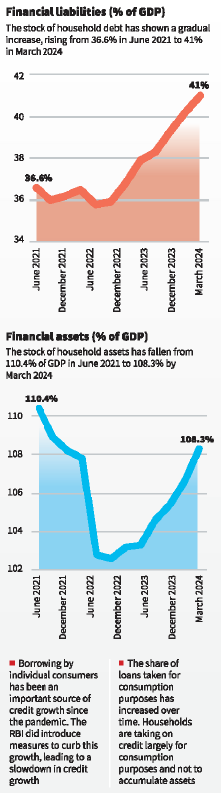
Context:
The Financial Stability Report (FSR) 2024 released by the Reserve Bank of India (RBI) increasingly expresses concern over household debt and rising consumption loans. The household debt to GDP ratio of India is quite low in comparison with most emerging economies, yet it is steadily increasing from 36.6% in June 2021 to 42.9% in June 2024.
Shift from Asset Creation to Consumption Borrowing
- On one hand, household borrowing is increasing, but on the other hand, household assets are on the decline (110.4% of GDP in 2021→108.3% in 2024).
- This means that most of the borrowing is for consumption rather than asset creation (homes, cars, education, etc.).
- While the RBI states that borrowers are getting healthier, the rising consumption loans might signal weakness in the macroeconomy.
Is Borrowing Becoming Healthier?
- The increase in debt is driven by more borrowers, not increased indebtedness per borrower.
- Sub prime borrowing has declined, while two thirds are now prime or super prime borrowers.
- Super prime borrowers use loans primarily for asset acquisitions, whereas sub prime borrowers are increasingly using loans for consumption.
- Since September 2023, credit control measures introduced by the RBI have had the effect of tightening borrowing among sub prime borrowers.
Growing Concern Over Consumption Loans
- Prime Borrowers
- 64% of their loans are for asset utilization.
- Sub prime borrowers
- Almost half of their loans are taken for consumption purposes.
- Low income households (whose income is <₹5 lakh/year) usually incur borrowings through credit cards and unsecured loans, while rich households borrow for the purchase of houses.
- Delinquencies in personal loans and credit cards rose in September 2024, which indicates financial stress is rising.
- If most of the borrowers usually borrow multiple loans, thus a default on a small loan (credit card debt, etc.) can trigger defaults on bigger loans (housing loans, etc.).
Macroeconomic Risks of Rising Consumer Debt
What’s Driving the Surge?
- Economic Insecurity Post Pandemic: Because of income instability, households are borrowing against consumption, which points to economic weakness.
- Easier Credit Accessibility: Financial innovations may be ensuring that lower income households are taking unsustainable debt.
- Regardless of the cause, more debt for consumption are threats to the stability of economy:
- Low income households have a higher income multiplier, which means they spend more on immediate consumption, thereby stimulating the economy.
- This is not good news because if they are heavily indebted, more of their income will go towards debt repayments, reducing consumption and subsequent economic growth.
- Tax cuts may have limited impact if household debt remains in high territory.
Key Policy Recommendations
- Strengthen credit regulations to prevent excessive debt.
- Encourage asset-based borrowing for financial stability.
Enhance financial literacy programs to help borrowers manage debt. - The RBI’s measures have slowed risky borrowing, but policymakers must remain vigilant about rising consumer debt and its broader economic impact.
2. Alternative Investment Funds (AIFs)
Context:
The new SEBI whole time member, Ananth Narayan, calls for the financial sector to develop a trust based relationship with regulators and to maintain absolute transparency. At a CII event, he spoke about self regulation and proactive reporting of malpractices, especially within the Alternative Investment Funds (AIFs) sector.
- Misuse by Alternative Investment Funds (AIF) faces regulatory concerns
- SEBI has acted against AIF structures set up to evade the regulations.
- Certain funds were reported to have been utilized for bypassing the NPA (Non Performing Asset) recognition norms and thus threatening financial stability.
- The greater reprobation for SEBI came from internal reports that did not flag any violation pertaining to the industry as a whole.
What Are Alternative Investment Funds (AIFs)?
Alternative Investment Funds (AIFs) are privately pooled investment vehicles that differ from traditional investment options such as stocks and mutual funds. These funds are typically preferred by High-Net-Worth Individuals (HNIs) and institutional investors due to the high capital requirement.
AIFs operate under the SEBI (Alternative Investment Funds) Regulations, 2012 and can be structured as a company, Limited Liability Partnership (LLP), trust, or other legal entities.
Types of AIFs in India
SEBI classifies AIFs into three categories based on their investment objectives:
Category 1: Growth-Oriented and Impact Investments
These funds primarily invest in start-ups, SMEs, and socially responsible businesses.
- Venture Capital Funds (VCFs)
- Provide financing to new-age startups with high growth potential.
- Suitable for investors with a high-risk, high-return mindset.
- Angel Funds
- Invest in early-stage start-ups that lack access to venture capital.
- Minimum investment per angel investor: ₹25 lakh.
- Infrastructure Funds
- Focus on companies involved in railway, port, and urban development projects.
- Attract investors optimistic about India’s infrastructure growth.
- Social Venture Funds
- Invest in businesses with social impact objectives, such as healthcare and education.
- Offer philanthropic benefits while aiming for moderate returns.
Category 2: Private and Debt-Focused Investments
These funds invest in a range of private and debt instruments without leveraging.
- Private Equity (PE) Funds
- Invest in unlisted private companies with high growth potential.
- Typically have a lock-in period of 4-7 years.
- Debt Funds
- Primarily invest in debt securities of unlisted firms.
- Target companies with strong corporate governance but lower credit ratings.
- SEBI guidelines prohibit the use of funds for direct lending.
- Fund of Funds (FoFs)
- Invest in other AIFs rather than directly into securities.
- Suitable for investors seeking diversified exposure.
Category 3: Market-Driven and High-Risk Investments
These funds employ aggressive strategies and often invest in listed securities.
- Private Investment in Public Equity (PIPE) Funds
- Acquire publicly traded shares at discounted rates.
- Less regulatory burden than traditional secondary issues.
- Hedge Funds
- Invest in both domestic and global equity & debt markets.
- Use complex strategies like derivatives and leverage for high returns.
- Typically charge high fees (e.g., 2% management fee + 20% of profits).
Who Can Invest in AIFs?
AIFs cater to sophisticated investors with substantial capital.
- Eligible investors: Resident Indians, NRIs, and foreign nationals.
- Minimum investment: ₹1 crore (₹25 lakh for fund managers, employees, and directors).
- Lock-in period: Minimum 3 years.
- Investor cap per scheme: Maximum 1,000 investors (except Angel Funds, which allow up to 49).
Benefits of Investing in AIFs
- High Return Potential – AIFs enable fund managers to deploy strategic, high-growth investment models.
- Lower Volatility – These funds are less affected by stock market fluctuations, making them more stable.
- Diversification – AIFs provide exposure to alternative assets, reducing risk during market downturns.
AIFs present a lucrative investment opportunity for HNIs seeking higher returns with controlled risk. However, investors should conduct thorough research and align their financial goals with the right AIF category before investing.
3. IndusInd Bank Stock Crashes 27%
Context:
IndusInd Bank (IIB) stock slipped 27%, at the NSE, to ₹656.80 on March 11 2025, a day after the bank flagged an adverse impact on its net worth due to a discrepancy on accounting for derivatives holdings. IIB estimated the impact to be at 2.35% of the bank’s net worth.
Key Highlights
- Stock Plunge
- IndusInd Bank’s shares crashed by 27%, which meant market value being wiped away worth ₹19,000 crores.
- Regulatory Action
- The RBI asked the bank to disclose its estimated losses, leading to panic among investors.
- Accounting Violation
- There are delays in rectifying discrepancies associated with derivatives. That raised concerns.
- Estimate of Losses
- The bank recorded a 2.35% hit to its net worth as of December 2024 due to derivative losses.
CEO’s Tenure and RBI’s Decision
- Extension of One Year
- An extension of only one year was given to CEO Sumant Kathpalia by RBI instead of the three years recommended by the board.
- In Expectation of New Leadership
- According to sources, RBI wants the bank to submit at least two candidates for CEO succession.
- End of Kathpalia’s Tenure
- March 23, 2026.
Impact on Investor and Market
- Delayed Classifying Loss
- Criticism was over the bank’s eventual classification to a derivative loss.
- Market Downgrades
- Downgrade notices have also flooded in for IndusInd Bank, thus tightening the pressure on its stock.
Next Steps
- Governance Practices
- RBI might review further governmental practices at IndusInd Bank.
- Stock Volatility
- Volatile conditions are cautionary for the investors amidst different political and risk management concerns.
- Findings of Audit by PwC India
- Findings should come before April 2025; results will be crucial for investor sentiment.
Source: BS
4. Unified Lending Interface (ULI)
Context:
Bengaluru-based Namma Yatri auto drivers are participating in pilot projects for small-ticket, unsecured loans on the Unified Lending Interface (ULI). UPI mandates are being explored for automated monthly or bi-monthly collections, ensuring better credit behavior.
About the Unified Lending Interface (ULI)
- Seamless Credit Underwriting
- ULI integrates financial and non-financial data, making lending processes frictionless.
- Standardized APIs
- A “plug-and-play” model allows easy access to borrower data from sources like land records, GSTN, satellite imagery, and other databases.
- Developed by RBI
- Conceptualized by the Reserve Bank of India (RBI) and developed by the Reserve Bank Innovation Hub (RBIH).
Current Progress & Future Potential
- 0.6 million loans worth ₹27,000 crore disbursed via ULI as of December 2024.
- 36 lenders, including banks and NBFCs, onboarded.
- Dynamic Recollection Models
- Exploring variable repayment plans based on weekly/monthly earnings of borrowers.
Industry Impact & Future Outlook
- Transformation of Lending
- Former RBI Governor Shaktikanta Das compared ULI’s potential impact on credit to how UPI revolutionized digital payments.
- Financial Inclusion
- ULI enables faster loan approvals with minimal documentation, making borrowing more accessible and personalized.
Source: BS
5. IRDAI Allows Bond Forwards for Insurers
Context:
Insurance companies can now trade in bond forwards for hedging interest rate risks, as per a new IRDAI circular. Move aligns with the Reserve Bank of India’s (RBI) directive, expanding hedging options beyond forward-rate agreements (FRAs), interest rate swaps, and exchange-traded futures.
Bond Forwards vs. Forward-Rate Agreements (FRAs)
| Feature | Bond Forwards | Forward-Rate Agreements (FRAs) |
|---|---|---|
| Settlement Type | Actual bond delivery at maturity | Cash settlement based on yield difference |
| Market Availability Risk | Lower risk (bond is pre-contracted) | Higher risk (insurers must procure bond separately) |
| Preferred By Insurers? | Yes, due to reduced settlement risks | Becoming less attractive |
Industry Reactions
- Experts believe bond forwards could replace FRAs, making them redundant for insurers.
- Banks’ eligibility for FRAs in the future remains uncertain.
- Insurers can only take long positions in bond forwards and must report transactions quarterly.
Restrictions
- Bond forwards not permitted for unit-linked insurance plans (ULIPs).
Implications for the Insurance Sector
- More efficient risk management: Direct bond delivery ensures better liquidity planning.
- Regulatory compliance: Quarterly reporting increases transparency.
- Potential market shifts: Increased adoption of bond forwards may lead to phasing out of FRAs.
Source: BS
6. SEBI Reduces Rights Issue Processing Time
Context:
Markets regulator Sebi reduced the processing time for a rights issue of equity shares to 23 days in a bid to make it a preferred route of fundraising.
- Faster Rights Issue Timeline
- Reduced from an average of 317 days to just 23 working days.
- Faster than preferential allotment, which takes 40 working days.
- Ease of Doing Business
- No need to file a draft offer with SEBI for its observation.
- Instead, filing will be done with stock exchanges for in-principle approval.
- Flexibility in Allotment
- Companies now have more freedom to allot shares to specific investors in a rights issue.
Impact on Fundraising
- Makes rights issues a more attractive route for companies looking to raise capital.
- Enhances market efficiency by streamlining regulatory processes.
- Encourages more listed entities to opt for rights issues over other fundraising options.
7. RBI Investigates Unhedged Forex Liabilities in Banking System
Context:
RBI is assessing whether lapses in unhedged forex liabilities extend beyond IndusInd Bank to the broader banking system.
- Banks asked to provide details on:
- Foreign currency liabilities (including FCBR(B) deposits and foreign currency bonds).
- Hedging effectiveness and positions in forex derivative markets.
- Quarterly testing of hedging strategies for compliance.
- Regulator seeks assurances that banks adhere to hedging guidelines in both letter and spirit.
IndusInd Bank’s Net Worth Erosion
- Internal review uncovered discrepancies in derivative portfolio, potentially impacting 2.35% of net worth (~₹1,600 crore loss in Q4 FY24).
- Issues stemmed from internal trades using low-liquidity forex instruments:
- 3 to 6-year yen borrowings and 8 to 10-year dollar borrowings.
- Instead of hedging directly with external counterparties, the bank used internal desks.
- Discrepancies arose due to differences between swap valuations and mark-to-market pricing.
- Review triggered by an RBI circular (Sept 2023), prompting scrutiny of derivative practices.
Potential Industry-Wide Implications
- If systemic gaps are found, RBI may tighten forex hedging regulations.
- Greater scrutiny on risk management practices in banks’ derivative portfolios.
- Banks may face higher compliance costs and stricter monitoring.
RBI’s investigation could uncover systemic risks related to unhedged forex liabilities. IndusInd Bank’s case highlights risks of internal hedging mechanisms without external counterparties. Tighter oversight and possible regulatory interventions could reshape forex risk management practices in the banking sector.
8. The Credit-Deposit (CD) Ratio
Context:
HDFC Bank repurchased nearly ₹7,000 crore worth of its high-cost bonds in the last six months. Move aimed at lowering its credit-deposit (CD) ratio, which surged to 110% post-merger with Housing Development Finance Corp (HDFC) in July 2023. Bond buyback represents a small fraction of HDFC Bank’s ₹4 lakh crore outstanding borrowings (March 2024).
The Credit-Deposit (CD) Ratio
The Credit-Deposit (CD) ratio measures the proportion of a bank’s total deposits that have been disbursed as loans, reflecting how efficiently a bank uses its deposits to generate income and indicating its liquidity and credit risk.
The credit-deposit ratio (CD ratio) is a measure of how much a bank lends out of its total deposits. It’s calculated by dividing the total loans by the total deposits and multiplying by 100.
What does the CD ratio indicate?
- High CD ratioIndicates that the bank is lending out a large portion of its deposits, which could be due to high demand for loans
- Low CD ratioIndicates that the bank is lending out a smaller portion of its deposits, which could be due to low demand for loans
How does the CD ratio affect the bank?
- A high CD ratio could indicate that the bank may not be able to mobilize enough deposits to meet the demand for credit
- A low CD ratio could indicate that the bank has conservative lending practices
How does the Reserve Bank of India (RBI) encourage banks?
- The RBI has encouraged banks to adopt innovative strategies to get more funds and narrow the gap between credit and deposit growth
What is an ideal CD ratio?
Some experts say that an ideal CD ratio would be between 65% and 75%
- Definition:The CD ratio is calculated by dividing the total loans outstanding by the total deposits, expressed as a percentage.
- Significance:
- Bank Health: It’s a crucial indicator of a bank’s liquidity and ability to cover loan losses and withdrawals.
- Liquidity & Risk: A high CD ratio might mean a bank is lending a significant portion of its deposits, potentially increasing liquidity and credit risks.
- Profitability: A low CD ratio may suggest the bank is not fully utilizing its resources, potentially impacting profitability.
- Factors Influencing the Ratio:
- Credit Demand: Strong demand for loans can raise the CD ratio.
- Deposit Mobilization: Higher deposit growth can lower the CD ratio, especially if lending doesn’t keep pace.
- Economic Conditions: Booms or recessions can affect both loan demand and deposit growth, influencing the CD ratio.
- Example: A bank with a CD ratio of 75% means that three-fourths of its deposits have been used for lending.
Economy
1. India Plans New Export Promotion Schemes to Counter US Tariffs
Context:
New support measures are being finalised by the government for exporters against proposed US tariffs and reciprocal duties. The schemes will be finalised within a month’s period under the Rs 2,250 crore Export Promotion Mission announced in the Budget.
Objectives of the Schemes
- Support for Small Exporters: Special focus on MSMEs.
- Collateral Free Loans: Access to finance has become easier for exporters.
- Compliance Assistance: Exporters shall be assisted in compliance with non tariff regulations of developed countries.
- Alternative Financing Instruments: Encouraging cross border factoring.
- Support on Risky Markets: Aid for exports to volatile areas.
Concerns Among Exporters
- Orders On Hold: Buyers are waiting and watching due to uncertainty over the US tariffs.
- Timid Procurement: Export volumes have fallen, with buyers reluctant to put down their commitment.
- Effect of Tariff in the US: This has set in motion US tariffs on steel, aluminium, and other goods coming from March 12.
Global Trade Dynamics
- Some Exporters Benefit from China Tariffs:
- Indian exporters in labor intensive sectors have benefited from US tariffs on China.
- But it is clear, too early to put a number on benefits.
2. GDP Revisions in India
NSO’s Statistical Reform: Reducing GDP Revisions
- Change Implemented:
- The National Statistical Office (NSO) reduced GDP estimation cycles from six to five iterations.
- The final GDP estimate is now available in two years instead of three.
- Objective:
- Streamline economic data reporting.
- Improve timeliness of GDP estimates.
Persistent Challenges in GDP Estimations
- Significant Variations in GDP Estimates:
- Final GDP figures differ sharply from First Advance Estimates (FAE).
- Example:
- 2020-21 (COVID year): Final GDP grew 1.9 percentage points higher than initial estimates.
- 2016-17 (Demonetization year): GDP revised up from 7.1% to 8.3%.
- 2018-19 (Election year): Revised down from 7.2% to 6.5%.
- Possible Causes of Divergences:
- Delayed data updates from government agencies and state-owned enterprises.
- Overestimation in weak economic years and underestimation in stronger years.
- Political considerations—FAEs often appear more optimistic before elections.
Latest GDP Data (2023-24 & 2024-25)
- 2023-24
- First Revised Estimate (FRE) pegged GDP growth at 9.2%, up from 7.3% in the FAE (a 1.9 percentage point increase).
- Manufacturing sector growth doubled, alongside higher government and private consumption expenditures.
- 2024-25
- Second Advance Estimate revised GDP up from 6.4% to 6.5%.
- Fiscal deficit revised downward, improving government’s fiscal consolidation performance.
Implications of Large GDP Revisions
- Impact on Fiscal Deficit
- Fiscal deficit for 2023-24 revised from 5.6% to 5.5% of GDP.
- 2024-25 target lowered to 4.7%, improving fiscal outlook.
- Political and Economic Consequences
- Modi government’s second-term GDP growth now looks stronger at 5% vs. earlier 4.6%.
- Raises concerns about data reliability and transparency.
The Need for Further Statistical Reforms
- Reduce the extent of GDP revisions.
- Shorten the timeline for final GDP estimates (align with global best practices).
- Improve data collection efficiency from government agencies and enterprises.
- Enhance transparency to prevent political influence on economic data.
While recent reforms have improved GDP reporting timelines, large and frequent revisions remain a concern. Strengthening statistical integrity is crucial for credible economic policymaking and investor confidence.
Agriculture
1. Turning Waste into Wealth
Context:
In the 17th century, German alchemist Hennig Brand believed urine contained gold. While he was mistaken about the metal, his experiments led to the discovery of phosphorus, an essential nutrient for plants.
Today, scientists refer to urine as “liquid gold” because it contains nitrogen, phosphorus, and potassium, the key ingredients of commercial fertilizers. However, the challenge has always been efficiently extracting these nutrients from wastewater.
A recent study published in Nature Catalysis has introduced a revolutionary technique to address this issue. Researchers have developed an electrochemical method to convert urea—a nitrogen-rich compound in urine—into percarbamide, a crystalline peroxide derivative with practical applications.
This innovation achieves two major goals:
- Sustainable urine treatment in urban wastewater
- Efficient recovery of nitrogen for use as fertilizer
The Science Behind Urea Extraction: Why Is Urea Important?
Humans consume nitrogen through food, convert it into urea, and excrete it via urine. In theory, if we could extract urea efficiently, we could recycle it as a natural fertilizer, completing the nitrogen cycle. However, extracting pure urea from urine has been a longstanding challenge due to interference from salts and other compounds.
How Does the New Process Work?
The research team overcame this challenge by leveraging hydrogen bonding properties in urea.
- Urea reacts with hydrogen peroxide to form percarbamide, a white crystalline solid that can be easily separated from urine.
- Percarbamide has two major advantages:
- It releases active oxygen, making it valuable for chemical reactions.
- It facilitates the recovery of urea from urine with high purity.
- The researchers developed a graphitic carbon-based catalyst that enables an electrochemical process to convert urine into percarbamide with nearly 100% purity.
A Win-Win Discovery
Initially, the researchers were focused on stabilizing hydrogen peroxide in liquid form. They then realized that urea could be used within urine itself, solving multiple challenges at once.
The Role of Activated Graphitic Carbon
The team designed a specialized catalyst to enhance two chemical pathways:
- Pathway I: Urea reacts directly with hydrogen peroxide.
- Pathway II: Urea binds to a reactive hydroperoxyl intermediate before forming percarbamide.
This approach allows efficient extraction of percarbamide while simultaneously treating wastewater.
Potential Impact and Future Applications
- Sustainable Fertilizer Production: Percarbamide combines the nitrogen benefits of urea with the oxidative power of hydrogen peroxide, making it ideal for slow-release fertilizers.
- Eco-Friendly Wastewater Treatment: This method could transform how urban wastewater is managed, turning waste into a resource.
- Resource Recovery and Circular Economy: The process aligns with global efforts toward sustainable recycling and nitrogen cycle restoration.
Lead researcher Xinjian Shi emphasized the significance of this discovery:
This breakthrough technology turns human waste into a valuable resource, paving the way for sustainable agriculture and innovative wastewater management. By harnessing natural cycles, scientists are closing the loop on nitrogen use, making our world a little greener—one flush at a time.
Source: TH
2. MSP: Balancing Farmer Support & Market Efficiency
The Role of MSP in India’s Agriculture
- MSP ensures food security and protects farmers from price fluctuations.
- However, it leads to crop overproduction, environmental concerns, and low market diversification.
- Some farm groups demand a legally enforced MSP, but this could disrupt market price discovery.
Challenges with MSP Implementation
- Limited Outreach
- Only 15% of paddy farmers and 9.6% of wheat farmers benefit from MSP procurement.
- Mostly large farmers benefit, while small & marginal farmers (producing 53.6% of paddy and 45% of wheat) face low participation.
- High Fiscal Cost
- MSP leads to excess government spending on procurement & storage.
- Environmental Issues
- Overproduction of water-intensive crops (e.g., paddy & wheat) in water-stressed regions.
- Market Distortions
- Price-deficiency payments (compensating farmers for MSP-market price gaps) could lead to manipulated market prices, increasing fiscal pressure.
- Example: Madhya Pradesh’s Bhavantar Bhugtan Yojana was abandoned after one season due to inefficiencies.
The Way Forward: Strengthening Market Mechanisms
- Invest in Infrastructure: Build efficient value chains to reduce price gaps between farmers and consumers.
- Encourage Private Procurement: Reduce dependence on government intervention.
- Promote Crop Diversification: Shift focus from MSP-dependent crops to high-value and climate-resilient crops.
- Expand Agri-Derivatives Markets: Help farmers hedge against price risks.
- Enhance Agri-Research & Technology: Improve farm productivity beyond MSP-backed crops.
India needs competitive agricultural markets where farmers earn a larger share of consumer spending. MSP is not a permanent solution; alternative income support & market-driven policies are required. Growth in agriculture is driven by non-MSP crops—aligning production with changing demand patterns is key.
Source: BS
3. Pradhan Mantri Matsya Kisan Samridhi Sah-Yojana (PM-MKSSY) Launched Under PMMSY
Key Highlights
- New Central Sector Sub-scheme under Pradhan Mantri Matsya Sampada Yojana (PMMSY).
- Implemented for four years (FY 2023-24 to FY 2026-27).
- Total outlay: ₹6,000 crore (₹3,000 crore public finance + ₹3,000 crore private investment).
Major Components of PM-MKSSY
- Component 1-A: Formalization of fisheries sector & access to Government programs.
- Component 1-B: Promotion of aquaculture insurance.
- Component 2: Support for fisheries microenterprises to enhance value chain efficiency.
- Component 3: Expansion of fish and fishery product safety & quality assurance systems.
- Component 4: Project management, monitoring, and reporting.
Launch of National Fisheries Digital Platform (NFDP)
- Launched on 11th September 2024 under PM-MKSSY.
- Aims to formalize the Indian fisheries sector by creating a digital identity and database.
- Key Features:
- One-stop solution for institutional credit access.
- Strengthening of fisheries cooperatives.
- Incentives for aquaculture insurance.
- Performance-based incentives for farmers.
- Fisheries traceability systems.
- Training and capacity building.
Aquaculture Insurance Under PM-MKSSY (Component 1-B)
Types of Insurance
- Basic Insurance
- Covers yield losses due to natural calamities, pollution, riots, malicious acts, farm structural damage, etc.
- Comprehensive Insurance
- Covers all Basic Insurance perils + losses due to diseases.
Incentive Structure
- 40% of premium paid with a ceiling of ₹25,000 per hectare or ₹1 lakh per farmer (for 4 hectares WSA).
- Intensive Aquaculture Systems (RAS, bio-floc, cage culture, raceways, etc.): 40% incentive with a ceiling of ₹1 lakh per farmer (for 1,800 m³ system).
- Additional 10% incentive for SC/ST and women beneficiaries.
Current Status of NFDP Implementation
- Aquaculture module is live on the NFDP portal.
- 262 lead applications submitted, covering 710 hectares of farms.
- Applications forwarded to insurance companies via the portal.
Official Announcement
- Union Minister of State, Shri George Kurian, provided this information in Rajya Sabha on 12th March 2025.
PM-MKSSY aims to boost the fisheries sector through digitalization, insurance incentives, and value chain improvements. The NFDP portal will play a crucial role in formalizing the sector and improving financial accessibility. The success of aquaculture insurance implementation will determine the effectiveness of risk mitigation for fish farmers.
Source: PIB
Facts To Remember
1. PM Modi Honoured with Mauritius’ Highest Award
Prime Minister Narendra Modi has been conferred Mauritius’ highest honour, the Grand Commander of the Order of the Star and Key of the Indian Ocean, as announced by Mauritian PM Navinchandra Ramgoolam on Tuesday.
2. EU chief calls for defence ‘surge’, says the ‘time of illusions’ is over
EU chief Ursula von der Leyen called for a “surge” in European defence spending, as the 27-nation bloc faces an aggressive Russia and faltering U.S. support.
3. Ex-Philippine President held for ‘crimes against humanity’
Former Philippines President Rodrigo Duterte was arrested on Tuesday in Manila by police acting on an International Criminal Court warrant tied to his deadly war on drugs.
4. RBI ex dy guv M K Jain to join RIL as advisor
MK Jain, former deputy governorr of the Reserve Bank of India (RBI), is set to join Reliance Industries (RIL) as advisor.
5. Abhinav sets a new heptathlon record
Kerala’s Abhinav Sreeram broke the boys’ heptathlon record in the 20th National youth athletics championships at the Patliputra Sports Complex in Patna.
6. India, Qatar sign MoU for economic cooperation
India and Qatar have signed an agreement to promote and develop mutual collaboration in publicprivate partnership framework and investment, use of financing tools, as well as economic policies, the finance ministry said.
7. Fitch upgrades viability rating for PNB, Union Bank
Global rating agency Fitch upgraded the viability ratings (VR) for two public sector lenders, Punjab National Bank and Union Bank of India, from “b+” to “bb-”, on the back of improvement in their risk profile. It also affirmed longterm issuer rating of “BBB-” for New Delhibased PNB and Mumbaibased Union Bank. Fitch said that there isa supportive operating environment for Indian lenders in the country, which has strong mediumterm growth potential witha large and diversified economy.
13 March, 2025
International Affairs
1. India-Mauritius Relations
Context:
India is widening its scope of role vis à vis Mauritius security, economy, and culture much in the same manner as its larger Indian Ocean strategy. The latest agreements convey geopolitical maneuvering, economic integration, and soft power diplomacy.
Indian Influence in the Indian Ocean
- Police Academy and Maritime Information Sharing Center
- India helps establish Mauritius’ Police Academy and Maritime Information Sharing Centre, as part of its regional security architecture.
- Aim
- Strengthen counter piracy efforts, intelligence sharing, and maritime domain awareness in the Western Indian Ocean area.
- Impression
- Measures India in terms of security presence in the region, countering thereby Chinese maritime expansion.
- Enforces Mauritius as a regional security hub, thus strengthening the Colombo Security Conclave.
- Chagos Dispute: India’s Diplomatic Leverage
- India strengthening Mauritius on the sovereignty of Chagos boosts India’s leadership in Indian Ocean governance.
- Significance of Chagos
- Renter of Diego Garcia under control of U.S. military from U.K., which makes it a geopolitical hotspot.
- India’s Angle
- Amplifies through Colombo Security Conclave, Indian Ocean Rim Association, and Indian Ocean Conference.
- Strategic neutrality by not offending Western allies.
- Implication
- Increased credibility of India among small island nations, mostly seeing military bases as evil.
- Balances Western strategic partnerships and yet shows the regional influence.
Economic and Financial Integration: Ties Made Stronger on Both Sides
- Currency Agreement: The national currency agreement between India and Mauritius is designed to
- Promote local currency usage in current and capital account transactions.
- Establish an Indian rupee clearing centre in Mauritius, extending to COMESA (Common Market for Eastern and Southern Africa) countries.
- Implication
- Positions Mauritius as India’s financial gateway to Africa.
- Eases dependence on USD, establishing a multipolar trade ecosystem.
- Greater investment flows, enhanced trade efficiency, and economic stability in bilateral engagements.
- Development Assistance: New Indian sponsored development projects worth Mauritian rupee 500 million would strengthen India’s commitment to
- Infrastructure and socio economic development.
- Strengthening Mauritius’ dependence more on Indian funding than Chinese funding.
- Implication
- Solidifies India’s role as a developmental partner in Africa and the Indian Ocean region.
- Counters China’s Belt and Road Initiative.
Source: TH
2. Jio Signs Deal to Bring SpaceX’s Starlink Internet to India
Context:
Within a day of the announcement of the partnership between Bharti Airtel and Elon Musk’s SpaceX for Starlink broadband services in India, Reliance Jio Platforms Ltd (JPL) announced a similar agreement with SpaceX for its services.
What is SpacesX’s Starlink?
Starlink is a satellite internet constellation operated by Starlink Services, LLC, an international telecommunications provider that is a wholly owned subsidiary of American aerospace company SpaceX, providing coverage to over 100 countries and territories. It also aims to provide global mobile broadband. Starlink has been instrumental to SpaceX’s growth.
Significant Aspects
- Jio will make Jio Starlink available after SpaceX has obtained all approvals to operate in India.
- Jio will offer retail sales of Starlink equipment via its physical locations and online portals.
- Jio will create support processes for Starlink consumers.
- Starlink will be further used to boost JioAirFiber and JioFiber to provide high speeds in places that tend to miss out on broadband.
- Jio and SpaceX are looking into additional partnership opportunities to improve India’s digital infrastructure.
Since both Jio and Airtel tied up with SpaceX, India’s satellite broadband sector will be developing significantly in the near future and help in better connectivity to remote locations.
Source: TH
3. US Tariffs of 25% Extra on Steel & Aluminium: Impact on India
Context:
U.S. President Donald Trump officially increased tariffs on all steel and aluminum imports to 25% on Wednesday (March 12, 2025), promising that the taxes would help create U.S. factory jobs at a time when his seesawing tariff threats are jolting the stock market and raising fears of an economic slowdown.
Overview of US Tariffs
- Effective Date: Wednesday
- Additional Duty: 25% on steel & aluminium imports
- Mutant Scope of Impact: This time there are no exemptions for any country unlike previous tariffs under Trump’s first term.
Effects on Indian Steel & Aluminium Exports
- Total Exports to US: 5 billion dollars (Steel & Aluminium)
- Exports of Steel Products (Chapter 73): 3 billion dollars (Mainly MSME sector)
- Immediate Effects:
- $1 billion worth of goods in transit crossing higher tariffs 60 days’ voyage to the US.
- A greater impact on Stainless steel & industrial use of steel fasteners.
Government & Industry Response
- Steel Secretary Sandeep Poundrik
- A limited impact of such tariffs on large carbon steel producers since their exports to the US are very minimal.
- Exports of steel to the USA from India are less than 100,000 metric tonnes, that is a very small fraction of the 145 million tonnes produced in 2024.
International & Policy Reactions to the Tariff Imposition
- The response of the EU: Retaliatory tariffs on agricultural and industrial goods from the US.
- India’s Trade Position
- In fact, India imports more raw iron and steel & aluminium from the US than it exports finished goods.
- Such retaliation might hurt the US far more than India.
- Trade Expert Ajay Srivastava: Trade ties with the US need to be reconsidered and countermeasures like those in 2019 could be reinstated.
Important Takeaways
- Limited impact on large Indian steel companies due to very little export of carbon steel.
- MSMEs will face severe impact when it comes to the export of stainless steel & industrial use steel.
- India’s muted response arises several questions over its trade strategy as contrasted to the swift retaliation from the EU.
- Counter tariffs seem likely to affect the USA, raw materials exports to India in turn.
National Affairs
1. Palk Bay Fisheries Dispute
Context:
The recent remarks by Sri Lankan Leader of the House Bimal Rathnayake highlight the deep-rooted complexities of the Palk Bay fisheries dispute, a long-standing issue between India and Sri Lanka. His strong demand for “decisive action” underscores the growing frustration of Sri Lankan Tamil fishermen over illegal fishing and bottom trawling by Indian fishermen.
Key Issues in the Fisheries Dispute
a) Environmental Concerns: The Impact of Bottom Trawling
- Bottom trawling is ecologically destructive, leading to:
- Over-exploitation of fish stocks.
- Damage to marine biodiversity and habitats.
- Disruptions in fish breeding cycles.
- While banned in Sri Lanka, it is still practiced by Indian fishermen, worsening tensions.
b) Economic Asymmetry: Wealth Disparity Among Fishermen
- Indian fishermen (Tamil Nadu & Puducherry)
- Have larger, mechanized vessels and access to financial resources.
- Are driven by economic necessity, as their available fishing area in Indian waters is limited by coral reefs and regulatory constraints.
- Sri Lankan Tamil fishermen (Northern Province)
- Are still recovering from the civil war.
- Primarily rely on traditional, small-scale fishing and lack the resources to compete with their Indian counterparts.
c) Geopolitical Sensitivities and Policy Challenges
- The International Maritime Boundary Line (IMBL) between the two countries is often breached by Indian fishermen.
- The Sri Lankan Navy has taken action (arrests, boat seizures), but this escalates diplomatic tensions.
- Sri Lanka’s strong stance under NPP signals a potential policy shift toward stricter enforcement.
The Policy Dilemma
a) The Challenge of Weaning Fishermen Off Bottom Trawling
- Deep-sea fishing has been suggested as an alternative, but its adoption remains slow due to:
- Higher costs (longer voyages, advanced vessels).
- Traditional mindset (generational fishing practices).
- Lack of adequate financial support (₹1,600-crore deep-sea fishing scheme has seen limited success).
- Policy Proposal:
- Merging Palk Bay Deep-Sea Fishing Scheme with Pradhan Mantri Matsya Sampada Yojana (₹20,050 crore fund) to increase financial incentives for deep-sea fishing adoption.
b) The Role of Alternative Livelihoods
- Sustainable fishing models must be explored, including:
- Seaweed farming
- Open-sea cage aquaculture
- Ocean ranching
- These options would reduce over-reliance on Palk Bay fishing while ensuring economic stability.
c) Diplomatic and Negotiation Imperatives
- The Sri Lankan government’s silence on resuming fishermen talks is a policy gap.
- Talks were last held in 2016, and India has consistently supported dialogue.
- Strategic Timing for Negotiations:
- The April fishing ban on India’s east coast (2-month duration) provides a window for discussions.
- Prime Minister Modi’s visit to Sri Lanka in April presents an opportunity for Colombo to proactively engage in resolving the dispute.
The Way Forward: A Multi-Level Resolution Approach
a) Short-Term Actions
- Immediate resumption of fishermen-level talks, hosted by Sri Lanka, to build trust and cooperation.
- Strict regulation of bottom trawling in Tamil Nadu, with penalties and monitoring mechanisms.
- Strengthening of alternative livelihood programs with financial and technical support.
b) Long-Term Solutions
- Deep-sea fishing adoption incentives must be expanded through a merged financial scheme.
- Bilateral fisheries management framework: A structured approach for sustainable resource sharing.
- Maritime security cooperation: Coordinated patrolling mechanisms to prevent border violations.
A Diplomatic and Policy-Driven Resolution is Needed
The Palk Bay fisheries dispute is a multi-dimensional issue that requires a balanced approach between environmental sustainability, economic security, and geopolitical stability. While Sri Lanka is within its rights to demand stronger enforcement, a collaborative resolution through structured dialogue and policy innovation remains the most viable path forward.
Source: TH
2. Indian Railways’ Role in Mission Amrit Sarovar
Context:
The Indian Railways’ involvement in Mission Amrit Sarovar marks a strategic move to integrate water conservation efforts with infrastructure development. By leveraging railway construction activities to rejuvenate waterbodies, the initiative aims to enhance water security, promote environmental sustainability, and optimize resource utilization.
Understanding Mission Amrit Sarovar
a) Objectives
- Water conservation and rejuvenation: Address water scarcity by constructing or reviving 75 ponds per district.
- Strengthening groundwater levels: Improve surface and groundwater availability in drought-prone and water-stressed regions.
- Community participation (Jan Bhagidaari): Ensure public involvement for long-term sustainability.
- Climate resilience: Mitigate climate change impacts by enhancing water storage and recharge capacity.
b) Progress So Far
- Launched: April 2022.
- Ponds completed (as of October 2024): 68,000+.
- Phase 2 focus: Strengthening climate resilience and ensuring long-term water availability.
Role of Indian Railways in Mission Amrit Sarovar
a) Key Contributions
- Excavation & Desilting: Railways will dig or rejuvenate waterbodies in areas near railway lines.
- Identifying Suitable Sites: In collaboration with district authorities, potential pond locations will be selected near railway construction sites.
- Utilizing Excavated Material: The soil and material extracted during pond creation will be repurposed for railway embankments, reducing waste and cost.
- Coordination with the Rural Development Ministry: Ensuring efficient implementation by working in tandem with state and local governments.
b) Expected Impact
- Water Security Enhancement: Increased surface water storage capacity will boost irrigation, drinking water availability, and groundwater recharge.
- Cost-effective Infrastructure Development: Repurposing excavated soil for railway projects minimizes waste disposal costs and material procurement expenses.
- Community and Ecological Benefits:
- Improved rural livelihoods through better water access.
- Reduced soil erosion and enhanced ecological balance.
- Increased agricultural productivity in adjacent areas.
- Sustainability and Climate Adaptation:
- Supports climate-resilient infrastructure.
- Helps mitigate drought effects in vulnerable areas.
Challenges and Implementation Hurdles
a) Land and Site Identification Issues
- Availability of suitable land near railway sites might be limited.
- Potential conflicts over land usage between railway construction and water conservation needs.
b) Quality of Excavated Soil
- Not all excavated soil will be suitable for embankment construction.
- Additional processing may be needed, increasing logistics and operational costs.
c) Coordination Between Agencies
- Multiple stakeholders involved (Railways, Rural Development Ministry, State Governments, Local Communities) may create bureaucratic delays.
- Ensuring smooth collaboration and fund allocation is crucial.
d) Maintenance and Long-Term Sustainability
- Preventing pond encroachments and silt accumulation requires continuous monitoring and community engagement.
- Lack of regular desilting and maintenance mechanisms could reduce long-term effectiveness.
Policy and Strategic Recommendations
a) Strengthening Interagency Coordination
- Establish joint task forces between Railways, Rural Development Ministry, and State Governments for efficient execution.
- Digital monitoring systems to track site selection, excavation progress, and fund utilization.
b) Ensuring Soil Suitability Before Excavation
- Conduct preliminary geotechnical analysis to determine soil quality before excavation.
- Develop alternative usage strategies for excavated material unfit for embankments.
c) Community Involvement for Sustainable Maintenance
- Engage local stakeholders in pond maintenance and upkeep through village-level water committees.
- Introduce incentive-based models for community participation.
d) Periodic Impact Assessments
- Conduct regular water availability assessments to measure the effectiveness of rejuvenated ponds.
- Use satellite mapping and AI-driven analytics to monitor water retention and ecosystem restoration.
A Model for Infrastructure-Integrated Water Conservation
The Indian Railways’ role in Mission Amrit Sarovar represents a synergistic approach to combining water conservation with infrastructure development. While challenges such as land availability, soil suitability, and interagency coordination exist, strategic planning and community engagement can ensure long-term success.
Source: TH
3. Automated Permanent Academic Account Registry (APAAR) ID
Context:
The Automated Permanent Academic Account Registry (APAAR) ID intends to standardize student records with DigiLocker and the Academic Bank of Credits (ABC). The Education Ministry says that enrolments are voluntary, but CBSE has instructed all schools to get a 100% registration, making it difficult for them to opt out.
Key Highlights:
- Compulsory imposition
- School and state (e.g. Uttar Pradesh) pressure students to enroll which contradicts the volunteer status claim.
- Data privacy risks
- Sensitive student data is collected without adequate legal protections.
- Aadhaar dependency issues
- Linking APAAR with Aadhaar has delayed enrolment owing to document mismatch and compulsorily made it an indirect requirement for school benefits.
- Illegalities
- The Supreme Court (K.S. Puttaswamy v. Union of India, 2019) said Aadhaar cannot be mandatory for education, yet APAAR is making it virtually so.
Public Push back and Advocacy
- Organizations such as the Internet Freedom Foundation (IFF) and Software Freedom Law Centre (SFLC) appeal that APAAR violates privacy rights.
- Some parents have resisted the enrolment, however, the pressure of the states may restrict future ceasing of enrollment.
Recommendations
- Ensure real voluntariness by disallowing coercion at schools.
- Pass robust data protection legislation for the students’ information protection.
- Provide alternative ways of enrollment (like school ID instead of Aadhaar).
- Make Aadhaar verification easier to avoid bureaucratic obstacles.
While APAAR intends digitization of education, people are compelled, concerned about the data, and dependent on Aadhaar raising more serious issues. The government should strike a balance in between education reforms and protecting students’ rights to ensure voluntary participation and legal compliance.
Source: TH
4. Oilfields (Regulation and Development) Amendment Bill, 2024
Context:
The Oilfields (Regulation and Development) Amendment Bill, 2024 introduces key structural changes aimed at enhancing ease of doing business, clarifying legal definitions, and streamlining petroleum operations. The bill replaces outdated laws from 1948 (last amended in 1969) and adapts India’s regulatory framework to modern technological and commercial realities.
Key Reforms Introduced in the Bill
| Reform Area | Key Change |
|---|---|
| Delinking Petroleum from Mining | Introduces “Petroleum Lease” as a separate category from a mining lease, removing legal ambiguities. |
| Clear Granting & Extension of Leases | Provides legal clarity on how petroleum leases are issued and extended. |
| Expanded Hydrocarbon Scope | Uses the term “mineral oils” instead of just “oils,” bringing more hydrocarbons under regulation. |
| Dispute Resolution Mechanism | Introduces a new mechanism for resolving disputes in exploration and production (E&P) activities. |
Implications for India’s Energy Sector
Enhanced Ease of Doing Business
- By removing outdated mining references, the bill aligns India’s petroleum regulations with global industry standards.
- The move will attract greater foreign investment and encourage more private players to enter the exploration & production (E&P) sector.
- Reducing regulatory uncertainty will accelerate approvals and streamline lease extensions, making it easier for companies to operate.
Boost to Domestic Oil & Gas Production
- The bill comes at a time when India relies heavily on imports for 85% of its crude oil needs.
- By clarifying lease terms and broadening hydrocarbon categories, the government aims to stimulate domestic production and reduce import dependence.
- The introduction of “mineral oils” expands exploration opportunities beyond just conventional crude oil.
Improved Investor Confidence
- Clear lease terms and dispute resolution mechanisms will lower risks for energy companies.
- Private and public sector parity ensures that no undue advantage is given to state-owned enterprises, making the sector more competitive.
Alignment with Energy Transition Goals
- While the bill focuses on fossil fuels, it aligns with India’s medium-term energy security needs.
- As renewables scale up, ensuring stable hydrocarbon supplies remains critical for energy transition stability.
- The bill provides a regulatory framework for newer forms of hydrocarbons like unconventional gas.
Challenges & Potential Risks
| Challenge | Impact |
|---|---|
| Implementation Efficiency | Faster approvals will depend on bureaucratic responsiveness and coordination among ministries. |
| Balancing Fossil Fuels & Renewables | The bill prioritizes fossil fuel expansion at a time when India is trying to increase its renewable energy share. |
| Regulatory Clarity in Execution | While the bill provides a framework, interpretation and execution by regulatory bodies will determine its success. |
The Oilfields (Regulation and Development) Amendment Bill, 2024 is a long-overdue reform that modernizes petroleum regulations, improves investor confidence, and aims to boost domestic oil & gas production. However, effective implementation and balancing fossil fuel development with clean energy commitments will be key to ensuring its long-term success.
Source: The Indian Express
5. PM-KUSUM 2.0
Context:
PM-KUSUM 2.0: The Ministry of New and Renewable Energy (MNRE) is working on an updated version of the Pradhan Mantri Kisan Urja Suraksha evam Utthaan Mahabhiyan (PM-KUSUM) scheme. The proposal is being prepared for approval by the Expenditure Finance Committee (EFC). National Bioenergy Programme – Phase II: MNRE is also developing a proposal for the second phase, even as Phase-I runs until March 2026.
Parliamentary Panel Observations & Recommendations
Expectations for PM-KUSUM 2.0
- Should be more robust and flexible than the current version (launched in March 2019).
- Needs to incorporate learnings from the first phase.
Concerns on Bioenergy Programme
- The ministry has not synchronized targets and allocations for Phase II, despite Phase I nearing completion.
PM Suryaghar Muft Bijli Yojana
- The committee urges MNRE to accelerate actual installations under this scheme.
Thermal & Hydro Power Capacity Expansion
- The Power Ministry should coordinate with states & agencies to resolve challenges in meeting capacity addition targets.
Future Outlook
- PM-KUSUM 2.0 could enhance renewable energy adoption among farmers through solar and decentralized energy projects.
- Efficient execution of Phase-II of the Bioenergy Programme is crucial for sustained progress.
- Faster execution of PM Suryaghar Muft Bijli Yojana is necessary to achieve solar power targets.
- Timely thermal & hydro power expansion will help in energy security & grid stability.
The success of these initiatives will depend on effective implementation, inter-agency coordination, and financial approvals.
Banking/Finance
1. Self-Regulatory Organization (SRO)
The Reserve Bank of India (RBI) invited applications from entities to becomea self regulatory organization (SRO) in the account aggregator (AA) space by June 15. According to RBI, the AA ecosystem is distinct in its complexity, involving exchange of data amonga diverse array of regulated entities (REs) operating under varied regulatory environments.
What is an SRO?
A Self-Regulatory Organization (SRO) is a non-governmental entity with the authority to establish and enforce industry regulations and professional standards. These organizations operate independently but may be subject to governmental oversight to ensure compliance with broader policies.
In financial markets, SROs—such as stock exchanges—aim to protect investors by enforcing ethical standards and professional integrity.
Key Takeaways
- Independent Authority: SROs set industry-specific rules and regulations.
- Enforcement Mechanisms: They ensure compliance through penalties or expulsion.
- Governmental Oversight: Though independent, SROs often operate under regulatory supervision.
- Industry-Driven: Businesses and professionals can form SROs to maintain standards and competitiveness.
- Financial Sector Examples: FINRA, NYSE, and IIROC regulate financial markets and member institutions.
How SRO Functions?
Though privately operated, SROs exercise regulatory influence within their industries. Their power comes from internal governance and agreements among industry players, rather than direct government mandates.
Authority and Responsibilities
- Regulation & Compliance
- Members must adhere to established rules.
- Violations can lead to penalties or expulsion.
- Membership Standards
- Entry requirements (e.g., education, experience) are set.
- Ethical conduct is mandated.
- Investor & Consumer Protection
- Educating investors on best practices.
- Safeguarding against fraud and unethical behavior.
- Dispute Resolution
- Many SROs provide arbitration services for disputes.
Note: Governmental regulations take precedence over SRO policies.
Examples of SROs
Financial Industry SROs
- Financial Industry Regulatory Authority (FINRA) – Regulates broker-dealers in the U.S.
- New York Stock Exchange (NYSE) – Maintains trading rules and investor protections.
- Investment Industry Regulatory Organization of Canada (IIROC) – Oversees Canadian securities markets.
- Chicago Board of Trade (CBOT) – Regulates commodity trading.
Professional & Industry-Specific SROs
- American Bar Association (ABA) – Sets legal ethics and professional standards.
- American Institute of Certified Public Accountants (AICPA) – Regulates accounting practices.
- Association of Mutual Funds in India (AMFI) – Governs mutual fund operations in India.
Example: FINRA’s Role
- Licenses securities dealers.
- Conducts audits to ensure compliance.
- Oversees arbitration in financial disputes.
- Operates under SEC oversight, meaning federal regulations override FINRA rules.
SROs in Business & Trade
How They Operate?
- Members create and enforce their own rules.
- Violators face fines, reprimands, or expulsion.
- While autonomous, they may be subject to government regulation.
Comparing SROs & Government Regulators
| Feature | SROs | Government Regulators (e.g., SEC) |
|---|---|---|
| Authority | Industry-based | Legislative mandate |
| Oversight | Self-governed, with some external regulation | Fully government-controlled |
| Compliance Enforcement | Member-driven | Legally binding |
| Examples | FINRA, NYSE, AMFI | SEC, RBI, EU regulators |
SROs play a vital role in regulating industries by setting standards, ensuring compliance, and protecting stakeholders. While they function independently, they remain subject to government oversight where applicable. Their role is crucial in industries where government intervention is minimal or slow, allowing for self-governance, innovation, and ethical business practices.
Source: BS
2. Corporate Bond Market Sees Heavy Issuances
Context:
The corporate debt market is witnessing aggressive fundraising despite rising yields and liquidity constraints, reflecting a complex interplay of funding needs, market conditions, and policy expectations. Major issuers including REC, NTPC, Canara Bank, and PFC are set to collectively raise ₹ 22,000 crore, pushing total issuances to over ₹ 25,000 crore in the next 7–10 days.
Why Are Corporates Rushing to Raise Debt?
- Liquidity Tightening & Advanced Tax Outflows
- System liquidity deficit exceeds ₹ 1 trillion, exacerbated by tax outflows and sustained credit demand.
- The RBI’s ₹ 50,000 crore OMO may provide short-term relief, but liquidity constraints will likely persist.
- Surge in State Borrowing
- State Development Loan (SDL) auctions could surpass calendar estimates, adding further supply pressure on the debt market.
- This intensifies the competition for funds, pushing yields higher.
- Rising Bond Yields & Market Expectations
- Heavy issuances, negative liquidity, and global uncertainties have led to higher yields on corporate bonds.
- Market participants do not expect any meaningful softening in yields before the RBI’s April policy review.
- Front-Loading of Fundraising
- With macro risks (inflation, global rate cycles, oil prices) persisting, corporates may be locking in funds early to avoid further yield spikes.
Sector-Specific Implications
- Banking & Financial Services
- Canara Bank’s ₹ 4,000 crore Tier-II bond issuance signals that banks are securing capital buffers amid regulatory shifts and potential asset quality risks.
- The credit-to-deposit ratio at 79% suggests sustained credit growth pressure on deposits, making bond financing a strategic move.
- Infrastructure & Power Sector
- REC and PFC’s combined ₹ 14,000 crore issuance reflects continued funding demand in power financing.
- NTPC’s ₹ 4,000 crore, 15-year bond issuance indicates long-term project financing needs, aligning with India’s infrastructure push.
Market & Policy Outlook
- RBI’s April Policy Meeting Is Crucial
- Markets will closely watch RBI’s stance on liquidity management and rate guidance.
- If policy signals remain neutral-to-hawkish, yields could stay elevated, impacting future bond pricing.
- Global & External Factors
- U.S. Federal Reserve’s rate trajectory remains a key risk—higher U.S. yields could trigger outflows from Indian debt markets.
- Geopolitical risks (oil prices, global trade tensions) could add to inflationary pressures, influencing policy decisions.
Balancing Act Between Funding Needs & Market Risks
The current surge in bond issuances highlights a strategic push by corporates to secure funding amid liquidity constraints and uncertain market conditions. However, with higher yields, external headwinds, and fiscal pressures, the coming months will be critical in determining how corporates navigate the evolving debt landscape. Investors and issuers alike will closely track RBI’s policy signals, global rate movements, and liquidity trends to assess further borrowing strategies.
3. SEBI’s New RPT Disclosure Norms
Context:
On February 14, 2024, the Securities and Exchange Board of India (SEBI) issued stricter disclosure requirements for Related-Party Transactions (RPTs) to
- Enhance transparency in corporate governance.
- Ensure fairness in RPT approval processes.
- Standardize compliance under Listing Obligations and Disclosure Requirements (LODR).
These guidelines were formulated by the Industry Standards Forum (ISF) which includes Assocham, CII, and Ficci in consultation with SEBI and stock exchanges.
Key Disclosure Requirements
Companies must now
- Provide extensive financial details of RPTs.
- Justify missing data, if any.
- Submit valuation reports and peer comparisons.
- Explain the benefits of RPTs in shareholder approval statements.
- Obtain audit committee and shareholder approval for RPTs.
Industry Concerns & Criticism
a) Compliance Burden & Operational Delays
- Stricter documentation requirements may increase compliance costs for businesses.
- Operational delays could arise due to extensive approvals and data submissions.
b) Criticism by Former SEBI Chairperson M. Damodaran
- Described the guidelines as an “elaborate document with inconsistencies.”
- At a March 5 governance and risk management event, he remarked:
“If you take these rules seriously, you will have a problem. It is better to read them, laugh at them, and move on.” - In a newsletter by Excellence Enablers, his governance advisory firm, he questioned:
“Are these rules a procedural prescription to eliminate RPTs in the future? Wouldn’t it have been better to simply state that RPTs will not be allowed except in rare circumstances?”
c) Perceived Regulatory Overreach
- RPTs are legitimate business activities under the Companies Act and LODR.
- However, SEBI’s complex documentation requirements may hinder normal business operations.
Implications for Corporates & Investors
a) Positive Aspects
- Increased transparency
- Stricter disclosures may reduce conflicts of interest and protect minority shareholders.
- Stronger corporate governance
- Improved compliance could lead to greater investor confidence.
b) Negative Aspects
- Higher costs and compliance burden
- Companies may struggle to meet the detailed reporting standards.
- Risk of overregulation
- Excessive disclosure requirements could discourage legitimate business transactions.
- Impact on business growth
- Companies reliant on intra-group transactions (e.g., conglomerates) may face delays in decision-making.
A Need for Balance
SEBI’s new RPT guidelines reflect a strong push for transparency, but their complexity and compliance costs could hinder businesses. The real challenge is ensuring accountability without stifling legitimate transactions. Whether SEBI will revise these norms based on industry concerns remains to be seen.
Source: Mint
4. RBI Examines Banks Derivatives Exposures
Context:
India’s central bank, the Reserve Bank of India (RBI), has launched a review of derivatives exposures at both private and state-run banks. This follows IndusInd Bank’s recent disclosure of lapses in its forex derivatives accounting, leading to a 2.35% hit to its net worth. The RBI seeks to determine whether this issue is isolated or part of a broader risk across the banking sector.
RBI’s Investigation Focus
The RBI has asked banks to submit details on:
- Overseas borrowings and deposits.
- Forex hedge positions and effectiveness.
- Accounting and valuation methods for derivatives transactions.
Key Concern
- The central bank is reviewing whether banks have properly accounted for hedging costs in forex transactions.
- It aims to ensure that IndusInd’s underestimation of hedging costs is not a sector-wide issue.
IndusInd Bank’s Disclosure
- On March 11, 2024, IndusInd Bank admitted a forex derivatives accounting lapse.
- This resulted in a 2.35% reduction in its net worth, prompting regulatory scrutiny.
Regulatory Context
- Before April 1, 2024, banks were allowed to engage in internal swaps, where one cash flow is exchanged for another.
- With new investment norms in effect, the RBI is keen to prevent systemic risks from poor derivatives risk management.
Industry Implications
For Banks
- Stricter oversight of forex and derivatives trading.
- Potential regulatory changes to improve transparency in hedging practices.
For Investors & Market Stability
- Short-term volatility in banking stocks amid regulatory scrutiny.
- Increased confidence in risk management if the RBI strengthens oversight.
Strengthening Risk Controls
- The RBI’s proactive review signals enhanced vigilance over financial risks in the banking system.
- If systemic issues are identified, the central bank may introduce stricter regulations on forex hedging and derivatives accounting.
Source: BS
5. LIC, New India Assurance, GIC Re remain D-SIIs
Context:
State-owned insurers LIC, The New India Assurance, and GIC Re have retained their D-SIIs designation for 2024-25, as per IRDAI. Implications of D-SIIs Status:
- These insurers are considered crucial to financial system stability due to their size and market influence.
- They are subject to enhanced regulatory supervision to prevent systemic risks.
Approval for Valueattics Reinsurance – First Private Reinsurer
- Valueattics Reinsurance received IRDAI’s approval for registration to operate exclusively in reinsurance.
- Key Promoters:
- Prem Watsa-backed FAL Corporation (majority stakeholder).
- Kamesh Goyal (Go Digit founder) through Oben Ventures LLP.
- Significance:
- First private reinsurer licensed under the revamped regulatory framework.
- ₹210 crore initial paid-up capital for operations.
- Strengthens competition in India’s reinsurance sector.
Other Regulatory Discussions & Initiatives
- Bima Sugam (Insurance e-Marketplace): Reviewed progress on this digital insurance platform.
- Indian Risk-Based Capital (RBC) Framework & Risk-Based Supervision: Ongoing regulatory reforms for a more risk-sensitive approach to capital requirements.
- State Insurance Plan:
- Decentralized model involving governance at State, district, urban, and gram panchayat levels.
- Aims to identify protection gaps and improve coverage at the grassroots level.
Impact & Future Outlook
- Strengthening Financial Stability:
- Retention of D-SIIs status ensures stringent oversight on key insurers.
- Boost to Reinsurance Market:
- Entry of Valueattics Re enhances competition and risk diversification in the reinsurance industry.
- Digital & Localized Insurance Expansion:
- Bima Sugam & State Insurance Plan could improve insurance accessibility and penetration, especially in rural India.
The Indian insurance sector is witnessing significant regulatory advancements, with a focus on risk-based supervision, digital transformation, and fostering competition in reinsurance.
Economy
1. India’s Retail Inflation Eases
Context:
India’s retail inflation eased to a seven-month low of 3.61 per cent in February 2025, down from 4.31 per cent in January, as food price pressures softened, according to government data released on Wednesday. This brings inflation below the Reserve Bank of India’s (RBI) medium-term target of 4 per cent for the first time since August 2024.
Key Highlights:
- Retail Inflation Falls
- The number came down to a 3.61% in February, which is a 7 month low, primarily attributed to a fall in food prices.
- Food Inflation Cools
- Slumping from 6% in January to 3.75%, with price drops seen in vegetables ( 1.07%), pulses ( 0.35%), and eggs ( 3.01%).
- Industrial Growth Soars
- 5% grew IIP in January, an eight month high, and this was driven by 5.5% growth in manufacturing.
- Inflation in Rural vs. Urban
- Rural inflation: 3.79% (down from an earlier 4.59%)
- Urban inflation: 3.32% (down from an earlier 3.87%)
- Graves Concerns
- The price surges are, however, sharp as building up on edible oil (+16.36%) and fruits (+14.82%), in part due to currency depreciation.
- Policy Effect
- It strengthened the repo rate cut anticipation in the forthcoming April 7 MPC meeting, with inflation below the RBI target.
Source: BS
2. India’s GDP Growth & Economic Trends
Context:
The latest national accounts data provide crucial insights into India’s economic trajectory, highlighting both positive momentum and potential constraints. A closer look at growth drivers, sectoral performance, investment trends, and policy implications reveals key challenges for achieving a sustained 6.5%+ growth trajectory.
Understanding Q3 2024-25 GDP Growth
- GDP Growth (Q3 2024-25): 6.2%, up from 5.6% in Q2, but lower than 6.5% in Q1.
- Sectoral Breakdown
- Agriculture: Strong 5.6% growth, likely driven by better monsoons & rural demand, but not a sustainable long-term driver.
- Manufacturing: Weak at 3.5%, despite an improvement from 2.1% in Q2. High input costs, weak external demand, and slow capex cycles continue to dampen momentum.
- Services (Trade & Hospitality): Gained 6.7% vs. 6.1% in Q2, benefiting from consumer recovery & festive season demand.
The marginal recovery in Q3 raises questions about the sustainability of a projected 7.6% Q4 growth, which appears optimistic given weak private investment and fiscal constraints.
Why Did GDP Growth Dip in Q2? Can Q4 Meet the 7.6% Target?
Private Consumption (PFCE)
- Consumption Contribution to GDP Growth
- Q1: 4.3 pp | Q2: 3.3 pp | Q3: 4.1 pp | Q4 Target: 5.3 pp
- Key Insight: Q2 slowdown was driven by weaker consumption growth, which fell to 3.3 percentage points from 4.3 in Q1.
- Challenge for Q4: PFCE must grow at 9.9% to sustain a 7.6% GDP growth rate, a level not seen in recent years.
- Structural Headwind: Consumption growth is tied to wage growth, employment, and rural demand, all of which remain uneven.
A 9.9% PFCE growth target is unrealistic given past trends, making the 7.6% Q4 GDP growth target unlikely.
Will Government Capex Bridge the Gap?
- Investment Contribution to Growth (GFCF)
- Q1: 2.3 pp | Q2: 2.0 pp | Q3: 1.8 pp | Q4 Target: 2.1 pp
- Key Concern: Government capital expenditure is the only major lever that can bridge the investment gap.
- Capex Execution Challenge
- Government has spent ₹7.57 lakh crore (till Jan 2025).
- Needs to spend ₹2.61 lakh crore in Feb-Mar, but past trends show only ₹1.81 lakh crore average spending in these months.
- Shortfall in capital expenditure could lower Q4 GDP growth, requiring a downward revision of the 6.5% full-year estimate.
If capex falls short, Q4 GDP growth will likely be lower than 7.6%, potentially dragging full-year growth below 6.5%.
Revised GDP Data: What Do Upward Revisions Reveal?
- Upward revisions indicate higher economic momentum, but also raise questions about past estimates’ reliability.
- 2023-24 GDP Growth Revised to 9.2% (from 8.2%)
- Manufacturing growth revised up by 2.4 pp → Indicates underestimated industrial activity.
- Financial & real estate sector revised up by 1.9 pp → Stronger-than-expected services rebound.
- 2024-25 GDP Growth at 6.5% (sharp 2.7 pp fall vs. 2023-24)
- Key cause: Gross capital formation (investment) growth fell from 10.5% to 5.8%, highlighting slower investment momentum.
Frequent sharp revisions impact policy-making by creating uncertainty in investment planning and fiscal forecasting.
Medium-Term Growth: Can India Sustain 6.5%+?
- Economic Survey 2025-26 Projection: 6.3% – 6.8% growth (midpoint: 6.55%)
- Investment-Led Growth Remains Key
- Real Investment Rate (GFCF/GDP): 33.4% in 2024-25, supporting a 6.5%+ potential growth rate.
- ICOR (Incremental Capital-Output Ratio): 5.1 (Avg. 2022-25) → Higher ICOR suggests diminishing investment efficiency, raising concerns about capital productivity.
- Savings Rate Challenge
- 2023-24 nominal savings rate: 30.7%, below the pre-COVID avg. of 31.2%.
- Policy Dilemma: Raising PFCE (consumption) to boost growth can lower savings, restricting investment capacity.
India’s medium-term strategy must focus on boosting savings & investment rather than relying on short-term consumption spikes.
Policy Implications & Key Risks
- Government capex must accelerate to sustain growth in 2025-26 & beyond.
- Manufacturing revival is crucial, given its weak momentum despite past revisions.
- Savings must rise to finance investment, avoiding excessive dependence on consumption-led growth.
- ICOR efficiency must improve to maximize output from investments.
- Consumption-driven growth is unsustainable without corresponding investment growth.
- Under-execution of capital spending poses a risk to Q4 GDP & long-term growth.
Growth Momentum at a Crossroads
While India’s GDP growth remains strong, the Q4 target of 7.6% appears overly optimistic due to weak private consumption, fiscal constraints on capex execution, and a slow manufacturing revival. Sustaining 6.5%+ medium-term growth requires a structural push in investment efficiency, savings growth, and industrial productivity, rather than short-term fiscal stimulus.
3. Moody’s Outlook on Indian Banks
Context:
Despite concerns regarding rising bad loans, Moody’s remains firm on the stable outlook for Indian banks.
Key Highlights of the Report
- Asset quality is under pressure
- NPLs are expected to rise somewhere in the range of about 2.5 3.0% within 12 18 months.
- Stress on unsecured retail loans microfinance and lending to small businesses is bringing in that increase.
- Corporate Loan Quality Remains Strong
- Corporate loans are in good shape, supported by deleveraging and earnings growth.
Current State of NPLs
- Stark Decline in NPLs
- Systemwide NPL ratio collapsed from 7.3% (in March 2024) to 2.6% (in September 2024).
- Mostly because of recoveries and write offs of legacy bad loans.
- Factors supporting expected NPL increases
- Slower economic growth in recent quarters.
- Impact of past interest rate hikes
- Aging unsecured retail loans.
- Nonetheless, unsecured retail loans constitute only 10% of total banking loans, and banks have good reserves against defaults.
Favorable Operating Conditions for Banks
- The Institute’s executive director foresees a supportive banking environment influenced by:
- Government capital expenditures (capex) to boost infrastructure and industrial growth.
- Tax cuts for the middle class households that would increase consumption.
- Potential monetary easing that might reduce borrowing costs.
Loan Growth & Deposit Trends
- Balanced Growth Expected
- Loan and deposit growth are expected to remain in tandem, while the Loan to Deposit Ratio (LDR) is expected to remain stable at ~80%.
- Key Banking Numbers (RBI) for Balance Date February 21, 2025
- Credit to Deposit Ratio: 79% (last year 78%).
- Growth in Bank Credit: 11.0% YoY.
- Growth in Deposit: 10.3% YoY.
Economic Outlook & Conclusion
- GDP Growth of India
- Likely to support banking growth as more than 6.5% in FY26 (ending March 2026) is expected.
- The Bottom Line
- While moderate asset quality deterioration is expected, banks will remain stable on the balance between strong capital buffers and favorable economic conditions.
- Loan quality by companies remains strong, while banks are well fortified against potential shocks.
4. India’s Digital Economy
Context:
India has established itself as a global leader in digital infrastructure and economic digitalization, ranking third globally in the overall digital economy. However, its user-level digital adoption lags significantly behind, ranking 28th out of 32 countries analyzed by ICRIER. This presents both challenges and opportunities for India’s digital expansion.
Key Findings
| Metric | India’s Score (%) | Median Score (32 Countries) | Gap |
|---|---|---|---|
| Internet Access | 58% | 93% | -35% |
| Smartphone Usage | 49% | 82% | -33% |
| E-commerce Adoption | 28% | 52% | -24% |
| Wireless Coverage | 99% | 100% | -1% |
Strengths of India’s Digital Economy
- Third-Largest Digital Economy
- India’s overall digital economy score (35.9) is ahead of most developing nations but behind the U.S. (68.5) and China (62.5).
- It has the second-largest mobile and internet network by number of users.
- India leads in digital transactions volume and ICT service exports.
- Strong Digital Infrastructure
- 99% of the population is covered by wireless internet, ensuring connectivity potential.
- Digital public infrastructure (e.g., UPI, Aadhaar, ONDC) has enabled rapid economic digitization.
Challenges
- Digital Access Gap
- Only 58% of Indians have internet access, leaving over 40% of the population digitally excluded.
- In contrast, the median score for other countries is 93% internet access, meaning India has one of the largest digital access gaps globally.
- Low Smartphone Penetration
- With 49% smartphone usage, India trails significantly behind the median (82%).
- Limited affordability, digital literacy, and patchy connectivity in rural areas contribute to this gap.
- Slow E-commerce Adoption
- Only 28% of Indians engage in e-commerce, well below the global median of 52%.
- This suggests limited trust in digital payments, logistical constraints, and a preference for traditional retail.
Policy Implications & Growth Opportunities
India’s digital economy is expected to contribute nearly 20% of GDP by 2030, but user-level adoption needs to accelerate. Bridging the digital gap could unlock:
- Higher economic participation, especially for rural and underserved populations.
- More job creation in digital services, fintech, and e-commerce.
- Stronger domestic consumption via e-commerce and digital payments.
Recommendations for Accelerating Digital Adoption
- Expand Affordable Internet Access
- Drive 5G expansion in rural areas.
- Subsidize low-cost smartphones and data plans.
- Improve Digital Literacy
- Scale up grassroots digital education initiatives to boost internet adoption.
- Encourage public-private partnerships to promote online skills training.
- Enhance Digital Financial Inclusion
- Strengthen consumer trust in digital payments and e-commerce.
- Expand digital banking services to rural areas and small businesses.
A Digital Economy with Untapped Potential
India’s digital economy is booming, but it risks leaving large sections of its population behind due to low internet penetration, smartphone access, and e-commerce adoption. Closing these gaps will be critical to sustaining economic growth and maximizing India’s digital potential. With targeted policies and infrastructure expansion, India can bridge this divide and fully leverage its digital transformation.
5. The Global Challenge of Tax Evasion
Context:
Tax evasion and avoidance by multinational corporations (MNCs) and high-net-worth individuals (HNIs) pose significant challenges to governments worldwide, particularly in developing countries. These nations require tax revenues to:
- Improve infrastructure and human development.
- Address environmental challenges.
- Manage debt and fiscal deficits, which have worsened due to global economic disruptions like the pandemic and supply chain shocks.
What Is Tax Evasion?
Tax evasion is an illegal activity in which a person or entity deliberately avoids paying a true tax liability. Those caught evading taxes are generally subject to criminal charges and substantial penalties. To willfully fail to pay taxes is a federal offense under the Internal Revenue Service (IRS) tax code.
Common Strategies for Tax Avoidance
MNCs and HNIs exploit legal loopholes to shift profits to low-tax jurisdictions using tactics such as:
- Transfer Pricing Manipulation
- Inflating service costs from subsidiaries in tax havens to shift profits.
- Artificially High Interest Payments
- Taking loans from related entities in low-tax countries at excessive interest rates.
- Use of Intangible Assets
- Registering trademarks, patents, and intellectual property (IP) in tax havens, forcing high-tax subsidiaries to pay royalties.
- Real Estate Investments
- With the introduction of multilateral financial information exchange in 2017, tax evaders shifted wealth from offshore bank accounts to real estate to avoid financial scrutiny.
Case Study: Dubai has become a major destination for tax-related real estate holdings, with Indians reportedly owning 20% of foreign-owned properties some of which may be linked to tax evasion.
Global Policy Responses and Their Challenges
Major International Initiatives
- OECD’s BEPS Framework (2013)
- The G20 tasked the OECD with addressing Base Erosion and Profit Shifting (BEPS).
- A 15-point action plan was developed, with 140 countries working towards international tax coordination.
- The Inclusive Framework (2017)
- Introduced multilateral exchange of financial information among banks.
- Expanded to over 100 countries by 2023, reducing global bank secrecy and cutting offshore tax evasion by one-third.
- The 2021 Global Minimum Tax Agreement
- 140+ countries agreed to a minimum corporate tax rate of 15%.
- This was expected to increase global tax revenue by 10%, but actual collections fell far below expectations due to loopholes.
Persistent Challenges
| Challenge | Impact |
|---|---|
| Loopholes & Tax Competition | Some nations offer incentives to attract corporations, continuing a “race to the bottom.” |
| Shell Companies | Billionaires use offshore shell firms to reduce tax payments below 0.5% of their wealth. |
| US Corporations & Tax Havens | Around 40% of profit shifting to tax havens is done by US-based MNCs, costing global tax systems nearly 10% of corporate tax revenues. |
| Lack of US Participation in CRS | The Common Reporting Standard (CRS) for financial transparency lacks US involvement, limiting its global effectiveness. |
Proposed Policy Reforms
Recommendations from the Global Tax Evasion Report
- Increase Global Minimum Tax to 25% – A stronger tax floor would reduce tax-motivated profit shifting.
- Plug Loopholes in Tax Treaties – Avoid base erosion through stricter enforcement and better monitoring.
- Introduce a 2% Wealth Tax on Billionaires – A global billionaire tax could curb extreme tax avoidance.
- Tax Long-Term Residents Moving to Low-Tax Countries – Discourage individuals from relocating purely for tax benefits.
- Unilateral Actions if Global Consensus Fails – Countries should implement stronger tax measures individually.
Key Questions & Challenges
- Can countries act unilaterally?
- Some nations may tighten tax policies on their own, but this risks pushing corporations to more lenient jurisdictions.
- Will the US allow stricter global tax rules?
- Given that US MNCs benefit the most from tax havens, American support remains uncertain.
- Do developing nations have enough power to enforce tax reforms?
- Without stronger international cooperation, developing countries lack leverage against powerful multinational firms.
While recent global tax reforms have made progress, major gaps remain due to loopholes, tax competition, and reluctance from powerful nations and corporations. The fight against tax evasion requires stronger global cooperation, stricter enforcement, and innovative policy solutions. Until then, tax evasion will continue to undermine economic equity and fiscal stability worldwide.
Source: BS
Agriculture
1. Parliamentary Panel’s Recommendations for Agriculture Sector
Context:
The Standing Committee on Agriculture’s recommendations reflect a broader policy shift toward inclusivity, financial security, and systemic accountability in the agricultural sector. The proposals renaming the Agriculture Ministry, introducing a National Commission for Farm Labourers’ Wages, ensuring MSP for organic crops, and improving fund utilization mechanisms carry far-reaching socio-economic and policy implications.
Inclusion of Farm Labourers
a) Proposed Name Change: A Symbolic and Policy Shift
- Current Name: Department of Agriculture and Farmers Welfare.
- Proposed Name: Department of Agriculture, Farmers, and Farm Labourers Welfare.
b) Rationale & Significance
- Recognizes farm labourers as a distinct stakeholder group in agriculture policymaking.
- Farm labourers (primarily landless and marginalized communities) often lack access to direct government benefits that farmers receive.
- Could lead to better-targeted welfare schemes, particularly in social security, insurance, and wage protection.
c) Potential Challenges
- Administrative challenges: Expanding policy coverage to farm labourers requires new data collection, program restructuring, and budget reallocation.
- State-level implementation complexity: Agricultural labour policies are often influenced by state-specific dynamics; aligning them with central policy changes may be difficult.
National Commission for Minimum Living Wages
a) Context & Justification
- Wage disparities in agriculture remain stark, with farm labourers earning below minimum wage in many regions.
- Many farm workers do not benefit from formal wage protection laws, leaving them vulnerable to exploitation.
b) Expected Impact
- Formalized minimum wages: Ensures that farm labourers receive consistent and fair compensation.
- Improved living standards: Helps address rural poverty and indebtedness among landless labourers.
- Boosts rural demand: Higher wages could lead to increased consumption, indirectly stimulating rural economies.
c) Implementation Challenges
- State vs. Central Jurisdiction: Agriculture falls under the State List; wage regulation may require coordinated federal action.
- Enforcement mechanisms: Ensuring compliance from small and medium farm owners may be difficult without robust monitoring systems.
Crop Insurance for Smallholding Farmers: Strengthening Financial Resilience
a) Why It’s Necessary
- Small and marginal farmers (owning less than 2 hectares) form 86% of India’s agricultural workforce.
- Existing insurance schemes like PM Fasal Bima Yojana (PMFBY) have low penetration rates among small farmers due to:
- High premium costs.
- Delays in claim settlements.
- Complicated enrollment processes.
b) Potential Benefits
- Customized insurance models for small farmers: Lower premiums, faster payouts, and simplified claim processes.
- Climate resilience: Reduces vulnerability to weather shocks and market fluctuations.
- Encourages sustainable farming: Farmers may take higher-yield risks if assured of financial security.
c) Implementation Barriers
- Budget constraints: Expanding insurance coverage requires significant fiscal support.
- Awareness & accessibility issues: Many small farmers lack awareness of existing schemes or face bureaucratic hurdles in availing them.
MSP for Organic Crops: Balancing Sustainability & Economic Viability
a) Why It’s Important
- Organic farming is gaining policy focus, but farmers face:
- Higher production costs.
- Longer transition periods (3 years to get organic certification).
- Market volatility due to inconsistent demand.
- Providing MSP for organic crops would:
- Encourage more farmers to shift towards sustainable practices.
- Make organic farming financially viable for small and marginal farmers.
b) Potential Risks
- MSP for organic crops should not overshadow broader MSP reforms:
- The panel rightly pointed out that organic MSP should not dilute the larger demand for MSP based on the Swaminathan formula (C2 + 50%).
- Market absorption challenges:
- Organic produce must have steady consumer demand to prevent government procurement inefficiencies.
Enhancing Fund Utilization & Policy Efficiency
a) Problem Statement
- Unspent budget allocations remain a concern in agricultural schemes, leading to:
- Under-utilization of resources.
- Delays in farmer benefits.
- Lack of accountability in fund deployment.
b) Proposed Solutions
- Real-time fund monitoring systems to track scheme implementation at district & state levels.
- Regular impact assessments to ensure budget allocations meet intended objectives.
c) Expected Outcomes
- More efficient agricultural spending.
- Reduction in fund leakage and delays.
- Better targeted interventions for farmers and farm labourers.
A Step Toward Inclusive & Sustainable Agricultural Policy
The Standing Committee’s recommendations reflect a shift towards a more inclusive, sustainable, and financially secure agricultural policy framework. By:
- Recognizing farm labourers as key stakeholders,
- Addressing wage disparities,
- Expanding financial safety nets for small farmers, and
- Encouraging organic farming without undermining MSP reforms,
These proposals strike a balance between welfare, sustainability, and economic security. However, effective implementation will require coordinated efforts between the Union and State governments, financial institutions, and rural governance bodies.
Source: TH
Facts To Remember
1. Syria’s Jolani expected at Brussels donor summit in first Europe trip
Syria’s interim President Abu Mohammad al-Jolani, also known as Ahmed al-Sharaa, is expected to attend a Brussels donor summit on March 17, his first European visit since becoming interim President after Bashar al-Assad’s ouster.
2. Opposition wins Greenland vote, as nationalists surge
The centre-right Opposition has won a surprise victory in legislative elections in Greenland, the Danish territory coveted by U.S. President Donald Trump, as support also surged for the nationalist Naleraq party seeking independence as soon as possible.
2. Gill wins ICC Player-of-the-Month award for February
Shubman Gill was named ICC Men’s Player-of-the-Month for February following his stellar performances, which includes his exploits in his team’s title-winning Champions Trophy campaign.
3. Centre right Demokraatit Party Wins in Greenland Election
The centre right Demokraatit Party, which favoursa gradual path to Greenland´s independence from Denmark wona surprise victory in parliamentary elections, held in the shadow of US President Donald Trump´s stated goal of taking control of the island one way or another.
4. Google launches AI models for robotics
Alphabet’s Google launched two new artificial intelligence (AI) models tailored for robotics applications based on its Gemini 2.0 model, as it looks to cater to the rapidly growing robotics industry. The robotics field has made large strides over the past few years with increasing advancements in AIand improving models, speeding up commercialization of robots largely in industrial settings, according to industry experts.
5. RBI Seeks External Candidates for IndusInd Bank CEO Role
CEO Tenure Cut: RBI recently approved only a one-year extension for current CEO Sumant Kathpalia, reducing his term to March 23, 2026. This is the second time RBI has shortened his tenure, previously cutting it to two years instead of three in 2023.
RBI Directive: The Reserve Bank of India (RBI) has asked IndusInd Bank’s board to propose two external candidates for the CEO and COO positions.
6. IIT-Delhi Leads Indian Institutes in QS World University Rankings by Subject
JNU ranked 29th in Development Studies, a drop from 20th last year.
Top Performer in India:
IIT-Delhi ranked 26th globally in Engineering and Technology, improving from 45th last year.
14 March, 2025
National Affairs
1. Rising Kidney Disease Cases Among Young Indians
Context:
On World Kidney Day (March 13), medical experts highlighted the alarming rise in chronic kidney disease (CKD) among young Indians, traditionally considered a concern for older adults. Poor lifestyle habits, unregulated supplement use, and lack of awareness are key contributors. Kidney disease is a silent ailment that often goes undetected until significant damage occurs.
Key Causes & Risk Factors
- Lifestyle Factors
- Obesity, poor diet, excessive fast food, high sodium intake
- Low water consumption, especially among students and professionals
- Excessive use of painkillers, protein supplements (whey, creatine)
- Medical Conditions
- Diabetes, hypertension, cardiac issues
- Pregnancy-related hypertension
- Genetic predisposition (family history of kidney disease)
- Early childhood conditions (low birth weight, nephrotic syndrome)
- Environmental Exposure
- Pesticides and pollutants increasing kidney stress
- Stress-induced high blood pressure affecting kidney function
Key Warning Signs
- Early-stage kidney disease is often asymptomatic
- Symptoms to watch for
- Foamy urine (protein leakage)
- Blood in urine (often ignored)
- Frequent urinary infections
- Fever with abdominal pain, burning sensation while urinating
- Unexplained fatigue, swelling, and high blood pressure
Prevention & Lifestyle Recommendations
- Routine screenings
- High-risk individuals should undergo creatinine and urine albumin tests annually
- People with family history or pre-existing conditions: Testing every six months
- Healthy habits
- Hydration: Avoid reducing water intake due to restroom concerns
- Balanced diet: Avoid excessive salt, processed foods; prefer natural seasonings (lemon, black pepper)
- Regular exercise and maintaining a healthy weight
- Avoid overuse of supplements and painkillers
- Adequate sleep (6–8 hours) and stress management
Challenges & Medical Concerns
- Limited Access to Treatment
- India performs only 15,000 kidney transplants yearly, while demand exceeds 2 lakh
- Dialysis requires large amounts of water (125L per session), making expansion difficult
- Awareness Gap: Many mistake kidney disease for minor ailments (e.g., back pain)
- Regulatory Concerns: Unmonitored supplement consumption among gym-goers poses health risks
Children & Kidney Disease
- Common causes
- Congenital kidney disorders (cystic dysplastic kidneys, polycystic kidneys, glomerular disorders)
- Hereditary conditions requiring lifelong monitoring
- CKD in children is irreversible and demands dialysis or transplantation
Kidney disease is increasing among young Indians due to poor lifestyle choices and lack of preventive measures. Since CKD progresses silently, early detection through routine screenings is crucial. Preventive care, awareness, and lifestyle changes are the most effective solutions, as dialysis and transplants remain inaccessible for many.
Source: TH
2. India’s First-Ever Auction of Exploration Licences for Critical Minerals
Context:
Union Coal and Mines Minister G. Kishan Reddy launched India’s first auction of exploration licences (ELs) for 13 critical mineral blocks in Dona Paula, Goa. This move marks a significant reform aimed at unlocking the country’s deep-seated and untapped mineral resources.
Key Highlights of the Auction
- Launch Location: Dona Paula, Goa.
- Number of Exploration Blocks: 13.
- Key Minerals Included:
- Rare Earth Elements (REEs)
- Zinc
- Diamonds
- Copper
- Platinum Group Elements (PGE)
- Exclusive Exploration Rights: Private firms can explore up to 1,000 square meters per licence.
Impact on India’s Mining Sector
- Boost to Mineral Exploration: Aims to strengthen India’s position as a global player in mineral resources.
- Encouraging Private Sector Participation: Opens opportunities for private investments in exploration.
- Enhancing Transparency & Efficiency: New framework ensures that only the most promising areas proceed for detailed exploration.
Minister’s Statement on the Reform
- The mining sector has achieved major milestones in the past decade.
- The auction marks the foundation for a new era in mineral exploration.
- Future developments will position India as a global leader in mineral exploration.
Outlook
- The initiative is expected to attract domestic and international investments in the mining sector.
- It will accelerate mineral self-sufficiency, reducing India’s dependence on imports.
- Strengthening the critical mineral supply chain will support sectors like electronics, renewable energy, and defense.
This auction marks a significant policy shift, fostering greater private sector involvement and ensuring a transparent, efficient, and innovation-driven exploration process.
3. ISRO Successfully Accomplishes SpaDeX Satellite Undocking
Context:
Nearly two months after successfully docking two satellites as part of the Space Docking Experiment (SpaDeX) mission, the Indian Space Research Organisation (ISRO) achieved a new milestone by executing their undocking on March 14, 2025, at 9:20 a.m.
Key Details of the Undocking Event
- Orbit Details: 460 km circular orbit with a 45-degree inclination.
- Current Status: Satellites now orbiting independently and in good health.
- Monitoring Locations: Operations were tracked from Bengaluru, Lucknow, and Mauritius ground stations.
Significance of the Achievement
- ISRO successfully demonstrated all capabilities required for rendezvous, docking, and undocking operations in space.
- This reinforces India’s capabilities in space technology, placing it alongside the U.S., Russia, and China in this domain.
SpaDeX Mission
- Launch Date: December 30, 2024, via PSLV C60.
- Docking Date: January 16, 2025.
- Satellites Involved:
- SDX01 (Chaser)
- SDX02 (Target)
Objectives of the SpaDeX Mission
- Develop and demonstrate docking and undocking technology for future space missions.
- Enable critical advancements in space technology, including:
- Sending Indian astronauts to the Moon.
- Conducting sample return missions from the Moon.
- Supporting the development of an Indian Space Station.
- Demonstrate power transfer capabilities between docked spacecraft, crucial for future in-space robotics and payload operations.
Future Plans
- Additional experiments with the undocked satellites will continue in the coming days.
- The success of SpaDeX lays the groundwork for India’s long-term space ambitions, including deep-space missions and in-orbit satellite servicing.
This milestone marks a significant step forward for ISRO, strengthening India’s expertise in autonomous spacecraft docking and undocking, which is vital for advanced space exploration and station-building initiatives.
4. Prime Minister Internship Scheme (PMIS) App
Context:
Union Finance Minister Nirmala Sitharaman will launch the Prime Minister Internship Scheme (PMIS) app, making it easier for young people to apply for internships under the scheme, according to official sources.
Key Announcements & Initiatives
- PMIS App Launch: The app, developed by Bhaskaracharya Institute for Space Applications and Geoinformatics (BISAG), will allow youth to easily register and apply for internships.
- Facilitation Centre in Kolkata: The first PMIS facilitation centre will be launched in Kolkata, set up by the Ministry of Corporate Affairs (MCA) in partnership with the Confederation of Indian Industry (CII).
- CII Facilitation Desks: 47 Model Career Centres across India will also set up facilitation desks to provide guidance and support for applicants.
PMIS: Objectives & Implementation
- Announced in Budget 2024-25, the Prime Minister’s Internship Scheme (PMIS) aims to provide internship opportunities to one crore youth in top 500 companies over the next five years.
- The Ministry of Corporate Affairs (MCA) launched the scheme as a Pilot Project on October 3, 2024, with a target of 1,25,000 internships for FY 2024-25.
Current Progress of PMIS Pilot Project
- First Round (2024-25): Over 1,27,000 internships were offered across various sectors.
- Second Round (January 9, 2025 – Ongoing): More than 1,18,000 internship opportunities have been posted by partner companies.
- Financial Allocation:
- ₹840 crore allocated for the pilot project.
- ₹48 crore spent so far.
Importance of the PMIS App
- Improves Accessibility: Many youth use mobile phones more than computers, making it easier to register and apply via an app.
- Centralized Platform: The internship portal, currently managed by BISAG, will be more user-friendly and streamlined.
- Enhanced Outreach: The MCA is actively working with state governments, central ministries, and industry bodies to promote and expand the scheme.
The Road Ahead
- Increased Participation: More companies will continue posting internships, and existing ones can update unfilled opportunities.
- Wider Reach: The app and facilitation centres will ensure that more students across India can benefit.
- Boost to Youth Employment: The scheme aligns with India’s broader goal of enhancing skill development and employment opportunities.
Bottom Line
The PMIS app launch and the first facilitation centre in Kolkata mark significant steps toward making the internship scheme more accessible and impactful. With over one lakh internship opportunities already available, the scheme is on track to benefit millions of youth across India in the coming years.
5. Hantavirus: A Rare but Deadly Disease
Context:
The recent passing of Betsy Hackman, wife of actor Gene Hackman, has brought attention to hantavirus, a rare but severe viral infection that can lead to life-threatening respiratory illness and internal bleeding.
What is Hantavirus?
According to the CDC, hantaviruses belong to a family of viruses that can cause:
- Hantavirus Pulmonary Syndrome (HPS): A severe respiratory illness.
- Hemorrhagic Fever with Renal Syndrome (HFRS): Causes internal bleeding and kidney failure.
How is Hantavirus Contracted?
- Carried by Rodents: Common carriers include deer mice, white-footed mice, rice rats, and cotton rats.
- Transmission to Humans:
- Inhalation of Aerosolized Droppings: The virus spreads when contaminated dust particles from rodent urine, feces, or saliva are disturbed.
- Direct Contact: Handling infected rodents or their nests.
- Rare Cases: Bite from an infected rodent.
Symptoms and Progression
- Incubation Period: Symptoms appear 1-8 weeks after exposure.
- Early Symptoms (Flu-like):
- Fever
- Muscle aches
- Fatigue
- Severe Symptoms:
- Respiratory Distress: Shortness of breath, chest tightness, and fluid in the lungs.
- Organ Failure: In HFRS, it can lead to kidney failure and internal bleeding.
High-Risk Groups
The CDC highlights that individuals in rodent-prone areas are at higher risk, including:
- Farmers, campers, construction workers, and homeowners in rodent-infested areas.
- Children under five, pregnant women, and immunocompromised individuals should avoid handling pet rodents.
Treatment and Prevention
- No Specific Cure: There is no antiviral medication for hantavirus.
- Supportive Care:
- Oxygen Therapy & Ventilation for severe respiratory cases.
- Intensive Care Support to manage complications.
- Prevention Measures:
- Rodent Control: Seal entry points and eliminate rodent infestations.
- Proper Sanitation: Avoid sweeping contaminated areas; instead, disinfect with bleach solutions.
- Protective Gear: Wear gloves and masks when cleaning rodent-prone areas.
Hantavirus is rare but potentially fatal, making early detection and prevention crucial. Proper hygiene and rodent control can significantly reduce the risk of infection.
6. Starlink’s Entry into India Through Bharti Airtel & Reliance Jio
Context:
India’s top telecom players, Bharti Airtel and Reliance Jio, have partnered with Elon Musk-led SpaceX to bring Starlink satellite internet services to India. This move aims to enhance connectivity in rural areas and may offer long-term investment opportunities in Bharti Airtel and Reliance Jio stocks. However, regulatory uncertainties and pricing challenges could limit short-term gains.
Key Developments
- Bharti Airtel Partnership: Will provide Starlink’s high-speed satellite internet to customers.
- Reliance Jio Partnership: Jio will distribute Starlink equipment through retail outlets and offer customer installation and support services.
- Strategic Focus: Targeting rural and remote areas with connectivity gaps, rather than high-density urban regions where terrestrial networks are superior.
- B2B Expansion: Partnerships may help telecom players grow their enterprise and business connectivity offerings in areas lacking fiber or fixed wireless access.
Challenges & Concerns
- Regulatory Approval: Indian authorities have privacy and security concerns regarding satellite internet services.
- High Pricing vs Local Broadband Rates:
- Starlink Pricing: $105–$500 per month, plus $250–$380 for hardware.
- Indian Broadband Plans: Much cheaper, starting at $5–$7 per month (7–18x lower than Starlink).
- Cost Sensitivity: Starlink’s high costs may hinder mass adoption unless the Indian government offers subsidies.
Financial & Market Impact
- Limited Direct Revenue Contribution: Analysts believe Airtel and Jio will only generate distribution income, making the direct impact on revenues modest.
- Stock Market Outlook:
- Long-term Investors: May find buying opportunities on market dips, driven by 5G expansion and digital transformation.
- Short-term Caution: Regulatory challenges could cap near-term stock gains.
Starlink’s partnerships with Airtel and Jio mark a strategic move to expand India’s rural internet infrastructure. However, pricing barriers and regulatory uncertainties remain significant hurdles, and the immediate financial impact on telecom giants is expected to be limited.
Banking/Finance
1. RBI Nears Finalization of Climate Risk Disclosure
The Reserve Bank of India (RBI) is close to finalizing climate risk disclosure norms for regulated entities and preparing a guidance note for lenders to conduct climate scenario analysis and stress testing, Governor Sanjay Malhotra announced on Thursday.
Key Announcements
- Finalization of Disclosure Norms: RBI is working on a framework to ensure that regulated entities outline their climate risk management plans.
- Guidance on Climate Stress Testing: A dedicated guidance note will help financial institutions analyze climate-related risks through scenario-based stress testing.
- Common Pool of Bankable Projects:
- To boost climate finance, entities will be encouraged to create a shared pool of viable green projects.
- Financial institutions with experience in climate-related financing can contribute to and benefit from shared project data.
Climate Change Risks and Financial Sector Coordination
- The impact of climate change risks extends beyond finance to corporates, MSMEs, and agriculture, requiring a cohesive and harmonized approach.
- Collaboration among financial sector regulators, regulated entities, and government agencies is crucial for effective risk mitigation.
RBI’s Commitment to Green and Sustainable Finance
RBI’s Role as a Facilitator
- Acts as a facilitator for capacity building and a conducive regulatory framework to promote green finance.
- Issued the Framework on Acceptance of Green Deposits to encourage banks to finance green projects.
- Integrating small renewable energy projects into priority sector lending to boost green financing.
Commitment to Climate Risk Management
- Adopting a constructive and consultative approach to mitigate financial risks from climate change.
- Collaboration with the government and regulators to ensure harmonization and consistency in climate policies.
Vision for a Resilient Financial System
- Building financial resilience against climate shocks.
- Enabling the financial system to actively contribute to India’s sustainability goals.
RBI’s Short-Term Climate Action Plan
- Assess Climate Risks: Realistically estimate climate-related risks at both individual institutional and financial system levels.
- Implement Stress Testing: Use bottom-up and top-down approaches for risk assessments.
- Encourage Green Financing:
- Strengthen technical expertise for financing green technology projects.
- Promote innovation in sustainable finance solutions.
New Initiatives Underway
- Regulatory Sandbox “On Tap” Cohort: A dedicated initiative focused on climate risk and sustainable finance.
- Special “Greenathon” Event: Planned to encourage innovation in climate finance and sustainability.
- Final Climate Risk Disclosure Guidelines:
- Following public consultations on the draft framework (February 2024), RBI is now incorporating feedback for final guidelines.
- Regulated entities must detail governance, risk assessment, mitigation, and monitoring processes for climate-related financial risks.
The Road Ahead
With these new regulatory frameworks, RBI aims to:
- Strengthen climate risk assessment capabilities within the financial sector.
- Foster more transparent and effective climate finance mechanisms.
- Support India’s transition to a low-carbon economy through sustainable investment practices.
These initiatives mark a significant step in integrating climate risk considerations into India’s financial system, ensuring both stability and sustainability in the long term.
2. RBI’s Rate Cut Trajectory
Context:
A softer inflation print in February 2025 is unlikely to push the Reserve Bank of India (RBI) toward aggressive rate cuts, as system liquidity remains in deficit and the full transmission of the recent 25 basis point (bp) cut is still in progress, according to economists.
Inflation Trends & Forecasts
- February 2025 CPI inflation: 3.61% (lowest since July 2024), down from 4.3% in January.
- Food inflation decline (led by lower vegetable prices) was a key factor in easing inflation.
- UBS Securities projection: Average CPI inflation of 4.2% in FY25-26.
RBI’s Interest Rate Policy & Liquidity Conditions
- In February 2025, the RBI cut the repo rate by 25 bp to 6.25%, marking its first rate reduction in nearly five years.
- Banking system liquidity remains in deficit (₹1.38 trillion as of March 12), delaying the full transmission of the rate cut.
- The RBI has introduced liquidity measures like:
- Open market operations
- Daily variable rate repo auctions
- Foreign exchange swaps
Market Response & Policy Transmission Challenges
- Corporate bond spreads and state government securities spreads over government bonds remain elevated.
- Certificate of deposit (CD) rates have increased due to tight liquidity and rising bulk deposit rates.
- Lending rates (linked to the marginal cost of funds-based lending rate – MCLR) have not fully adjusted to the February rate cut.
Expert Views on Rate Cut Trajectory
| Economist (Institution) | Rate Cut Forecast | Outlook |
|---|---|---|
| Gaura Sen Gupta (IDFC Bank) | 25 bp in April, 25 bp in June | RBI to proceed cautiously, keeping external factors in view. |
| Madan Sabnavis (Bank of Baroda) | 25 bp in April, pause in June | RBI may reassess based on liquidity and monsoon impact. |
| Rahul Bajoria (Bank of America) | 100 bp total rate cut | RBI may adopt a more aggressive easing stance. |
| Tanvee Gupta Jain (UBS Securities) | 50 bp total rate cut, starting April | Policy support will strengthen domestic growth amid global uncertainties. |
Key Factors Influencing RBI’s Decision
- US Federal Reserve’s rate decisions: RBI will watch for any Fed rate cuts before making deeper moves.
- Domestic growth dynamics: India’s Q3 FY25 GDP growth stood at 6.2%, up from 5.6% in Q2 FY25, supported by:
- Stronger consumer demand
- Higher export growth
- Increased government expenditure
- Uncertainties in global trade policies, including potential reciprocal tariffs on India.
The Road Ahead
- The RBI is expected to remain cautious with its rate-cut strategy, balancing inflation control, liquidity concerns, and external risks.
- While some easing is expected, the depth of rate cuts will depend on how liquidity conditions evolve and how quickly policy rate transmission improves.
Despite lower inflation, the RBI is unlikely to pursue aggressive rate cuts due to liquidity deficits and global economic uncertainties. Most economists predict a gradual easing cycle, with an initial 25 bp cut in April and possible further reductions in June or beyond.
3. RBI Imposes Penalties on JM Financial Products and Experian Credit Information
Context:
The Reserve Bank of India (RBI) has imposed penalties on JM Financial Products Limited and Experian Credit Information Company of India for regulatory compliance deficiencies, according to a statement released.
Penalties Imposed
- JM Financial Products Limited
- Penalty Amount: ₹3.1 lakh
- Reason: Non-compliance with certain provisions related to Non-Banking Financial Companies (NBFCs).
- Experian Credit Information Company of India
- Penalty Amount: ₹2 lakh
- Reason: Violation of provisions under the Credit Information Companies (Regulation) Act, 2005, and related rules.
Regulatory Implications
- The penalties indicate RBI’s strict approach toward regulatory compliance, particularly in the NBFC and credit information sectors.
- Companies operating in these sectors are expected to adhere strictly to RBI norms, and any deviations can lead to financial penalties or further regulatory scrutiny.
What This Means for the Financial Sector
- Increased Oversight: RBI continues to tighten regulatory measures to ensure transparency and stability in financial markets.
- Compliance Importance: Financial institutions, especially NBFCs and credit bureaus, must maintain strict compliance frameworks to avoid penalties.
- Consumer Protection: By enforcing such penalties, RBI ensures better financial governance and protection of consumer interests.
The penalties on JM Financial Products and Experian Credit Information Company serve as a reminder that RBI remains vigilant about regulatory compliance. Both NBFCs and credit bureaus must strictly adhere to financial regulations to avoid penalties and ensure consumer trust in the system.
4. ICRA: Securitised Asset Pools Under Pressure
Context:
The securitised asset pool is facing stress due to declining collections in collateral-free credit segments such as personal loans, microfinance, and small business loans, according to a report by ICRA.
Key Findings from ICRA’s Report
A. Decline in Collection Efficiency
- Microfinance loans: Collection efficiency dropped from 97% at the beginning of FY25 to 90% in Q3 FY25.
- Unsecured SME & Personal Loans: Collections have also weakened due to slow economic activity and overleveraging of borrowers.
B. Performance of Secured Loan Pools
- Housing Loans & Loans Against Property: Collection rates remain steady due to the critical nature of collateral and digital payment adoption.
- Vehicle Loans: Marginal decline in Q3 FY25, but still stable.
- Secured SME Loans: Collection efficiency in the range of 91% to 104% in the first nine months of FY25.
Causes for Concern
- Economic Slowdown: A decline in business activity is affecting borrowers’ ability to repay loans.
- Overleveraging of Borrowers: Many borrowers have taken multiple loans, increasing default risks.
- Upcoming Regulations: Stricter microfinance lending norms from April 2025 may limit disbursements, increasing stress on highly leveraged borrowers.
Credit Risk Outlook
- Unsecured Loan Pools: High risk due to falling collections and borrower distress.
- Secured Loan Pools: Better performance due to collateral backing and digital collections.
- Microfinance Loans: Signs of improvement from December 2024, but further stress expected in Q1 FY26 due to stricter regulations.
The declining collection efficiency in unsecured loans poses a challenge for financial institutions and securitisation investors. Secured loans remain stable, but microfinance and small business loans may face further stress as new regulations take effect.
5. Unpublished Price-Sensitive Information (UPSI)
Context:
The Securities and Exchange Board of India (SEBI) has expanded the scope of Unpublished Price Sensitive Information (UPSI) to include:
- Proposed fundraising activities.
- Agreements impacting management or control of a company.
- Corporate restructuring plans.
- One-time bank settlements.
Objective of the Amendment
- Ensures greater regulatory clarity, certainty, and uniform compliance.
- Strengthens insider trading regulations to prevent unfair market practices.
Implementation
- SEBI issued a notification on March 11, 2025, amending Insider Trading Regulations.
- Companies must now ensure stricter compliance and disclosure norms for these activities.
Unpublished Price-Sensitive Information (UPSI)
This regulatory update aims to enhance transparency and protect investors by broadening the definition of UPSI, thereby reducing the risk of insider trading and market manipulation.
Definition of UPSI
UPSI refers to non-public information that, if disclosed, could materially affect a company’s stock price. It is governed by the SEBI (Prohibition of Insider Trading) Regulations, 2015, preventing the misuse of confidential corporate data for unfair trading advantages.
Key Characteristics of UPSI
- Non-Public Nature – Not available to the general public.
- Price Sensitivity – Can significantly impact stock prices.
- Specificity – Directly relates to a company or its securities.
Examples of UPSI
- Financial Results: Unannounced earnings reports or profit forecasts.
- Mergers & Acquisitions: Ongoing negotiations or confirmed deals.
- Dividends: Unanticipated changes in dividend payouts.
- Corporate Restructuring: Stock splits, bonus issues, or buybacks.
- Management Changes: Sudden CEO resignations or major leadership shifts.
- Litigation & Regulatory Actions: Legal proceedings affecting financial health.
Importance of UPSI
- Ensures Market Integrity – Prevents unfair trading advantages.
- Promotes Fair Trading Practices – Prevents exploitation of confidential information.
- Regulatory Compliance – Avoids legal penalties and reputational damage.
Regulatory Framework Governing UPSI
- Controlled Communication: UPSI can be shared only for legitimate purposes.
- Trading Restrictions: Insiders cannot trade securities while in possession of UPSI.
- Mandatory Code of Conduct: Companies must maintain strict internal compliance mechanisms.
- Transparent Disclosure Requirements: Timely public disclosure of UPSI is required.
Consequences of UPSI Mismanagement
- Statutory Penalties: Fines up to ₹25 crore or three times the illegal profit.
- Reputational Damage: Loss of investor trust and credibility.
- Criminal Liability: Insider trading can lead to imprisonment (up to 10 years).
Best Practices for UPSI Management
- Restricted Access: Limit UPSI access to necessary personnel.
- Training & Awareness: Educate employees on compliance rules.
- Monitoring & Auditing: Implement surveillance systems to track UPSI usage.
- Proactive Disclosures: Ensure timely public announcements to maintain transparency.
Proper UPSI management is crucial for market integrity, fair trading, and regulatory compliance. Companies must adopt strict controls and ethical policies to prevent insider trading and protect investor confidence.
Economy
1. Food Inflation in India
Decline in Inflation Rates
- Overall CPI-based inflation fell to 3.61% in February, the lowest since July last year.
- Food inflation dropped to 3.75%, the lowest since May 2023.
- The decline follows a peak of 10.87% in October 2023, which had complicated RBI’s monetary policy.
Increased Agricultural Output
- Kharif food grain production rose by 7.9%; rabi production by 6%.
- Record output projected for rice, wheat, maize, and pulses like millet, tur, and gram.
- Oilseeds production grew by 21% in kharif and 2% in rabi.
- Horticultural crops production estimated at 362.09 million tonnes, a 2.07% increase from 2023-24.
- Agriculture & allied activities expected to grow by 4.6% in FY25, up from 2.7% in FY24.
Policy Implications
- RBI projects retail inflation at 4.2% in FY26, down from 4.8% in FY25.
- Food inflation averaged 8.4% in 2024, significantly impacting household consumption.
- Higher agricultural output could boost overall economic growth and demand.
Long-Term Agricultural Challenges
- Extreme weather & climate change remain key risks.
- High price disparities between farm gate and consumer prices.
- Storage & logistics issues lead to crop spoilage.
- Poor rural infrastructure affects supply chain efficiency.
The Road Ahead
- Investment in agricultural supply chains is crucial to reducing long-term food price volatility.
- Policy measures should address market access, storage facilities, and rural connectivity.
- While inflation control is positive, long-term agricultural resilience remains a priority.
The decline in food inflation, driven by strong agricultural output, is a positive development for India’s economy. However, structural reforms are necessary to sustain this trend and mitigate future risks.
2. India’s Economic and Financial Trends
Context:
India’s economy and financial markets present a mixed picture based on three key data points: January’s industrial production, February’s retail inflation, and the performance of mutual funds in February.
Retail Inflation and Its Implications
- February’s retail inflation fell to 3.61%, a seven-month low, signaling easing price pressures.
- Food inflation, a major component of household expenses, declined to 3.75%, the lowest in nearly two years, down from 10.87% in October 2024.
- The drop in inflation is a positive sign for policymakers, as it supports the government’s 6.5% GDP growth target for FY 2025.
- RBI’s 4% inflation target is now within reach, making a repo rate cut more likely to ease the ongoing liquidity squeeze in financial markets.
Industrial Production
- January’s industrial production grew by 5%, an eight-month high, up from 3.55% in December.
- Growth was driven by primary, intermediate, infrastructure, and construction goods, indicating sustained demand in core sectors.
- This signals strong fundamentals in the real economy, despite concerns in financial markets.
Financial Market Volatility and Mutual Fund Trends
- Retail investors pulled back from equity markets, leading to a 27% decline in MF inflows in February.
- Stock market returns have declined for four consecutive months, triggering investor caution.
- New Systematic Investment Plans (SIPs) dropped to 44.6 lakh, the lowest in FY 2025.
- Despite this, market volatility appears temporary, as liquidity injections by the RBI (₹2 trillion) aim to stabilize financial markets.
RBI’s Monetary Policy Response
- February 7 Repo Rate Cut
- Reduced from 6.50% to 6.25% (first cut in five years).
- Aimed at boosting capital flows and economic activity.
- Liquidity Injection Measures
- ₹1.7 trillion liquidity crunch due to foreign investor outflows.
- RBI conducted two dollar/rupee swap auctions and plans a third, expected to inject over ₹2 trillion into the banking system.
Way Forward
- Encouraging signs in the real economy: Lower inflation and higher industrial production suggest stability and resilience.
- Concerns in financial markets: Investor sentiment remains uncertain, but RBI interventions aim to restore confidence.
- Short-term turbulence, long-term optimism: While market volatility is concerning, the underlying economic strength makes the impact manageable.
Facts To Remember
1. Jio Fin taps debt market with debut commercial paper issue
Jio Finance,a whollyowned unit of Jio Financial Services, has tapped the debt market with its maiden commercial paper (CP) issuance, ahead of its debut bond sale later this month, three merchant bankers said.
2. SBI to set up AI, fintech project finance unit
State Bank of India, the country´s largest lender, is setting upa dedicated unit to manage project financing solutions for “newagee industries” such as artificial intelligence, ecommerce, and fintech, according toa senior executive.
3. India has taken the lead in providing finance to renewable energy projects: RBI Governor
RBI Governor Sanjay Malhotra said that India has taken the lead in providing finance to renewable energy projects by including them in ‘priority sector lending’ to accelerate the country’s transition to a low carbon economy in the fight against climate change.
4. Centre plans to turn North-east into next saffron hub
Union Minister of State (Independent Charge) for Science and Technology Jitendra Singh today said that Northeast is a key driver for India to realise the vision of Viksit Bharat and the region will also become the country’s next saffron hub.
5. UNSC agrees to condemn Syria violence, say diplomats
The United Nations Security Council has agreed to a statement condemning widespread violence in Syria’s coastal region and calling on Syria’s interim authorities to protect all Syrians, regardless of ethnicity or religion, diplomats said yesterday.
6. Govt announces 1 billion dollar fund for creators’ economy, ahead of WAVES 2025
Union Information and Broadcasting Minister Ashwini Vaishnaw has announced a 1 billion-dollar fund for the creator’s economy as part of the World Audio-Visual and Entertainment Summit (WAVES) 2025.
15 March, 2025
International Affairs
1. China, Russia, and Iran Urge End to U.S. Sanctions
Context:
Representatives from China, Russia, and Iran have urged the United States to lift sanctions imposed on Iran’s nuclear program. The demand comes as Iran continues rapid advancements in its nuclear capabilities.
U.S. Approach and Trump’s Offer
- Former U.S. President Donald Trump had written a letter to Iran’s Supreme Leader Ayatollah Ali Khamenei, proposing renewed negotiations.
- The letter’s contents remain undisclosed, but it coincided with fresh sanctions under Trump’s “maximum pressure” policy.
- The strategy combined economic penalties with the threat of military action, while keeping open the possibility of a new agreement.
Iran’s Response
- Ayatollah Khamenei dismissed Trump’s offer, calling the U.S. a “bullying government” and expressing disinterest in negotiations.
- Iran remains opposed to talks under coercive conditions and seeks an end to economic restrictions before resuming diplomacy.
With tensions high, China and Russia have aligned with Iran, advocating for an end to U.S. sanctions and the resumption of multilateral nuclear talks. However, Iran remains skeptical of U.S. overtures, and diplomatic efforts face significant hurdles.
2. BRICS Trade & Climate Strategies Amid U.S. Tariff Threats
BRICS Currency Exchange Mechanism
- Objective: Reduce reliance on the U.S. dollar in trade.
- Approach: Develop systems for trade in national currencies to enhance flexibility.
- Impact
- Strengthens economic ties among BRICS nations.
- Reduces vulnerability to U.S. economic policies.
- Supports a more diversified global financial system.
India-Brazil Bilateral Cooperation
- Key Sectors for Expansion
- Pharmaceuticals:
- Brazil aims to produce active pharmaceutical ingredients (APIs) for medicines like paracetamol, antibiotics, and diabetes treatments.
- Seeks technology transfer and investment from Indian companies.
- Renewable Energy & Ethanol:
- Ongoing discussions on flex-fuel vehicle adoption in India.
- Collaboration on ethanol production and blending policies.
- Progress dependent on regulatory incentives.
- Pharmaceuticals:
Climate Finance & COP30 Priorities
- Brazil’s Role at COP30
- Move from negotiation to implementation of climate goals.
- Encourage countries to set stronger Nationally Determined Contributions (NDCs).
- Align global action with the 1.5°C warming limit.
- Climate Finance Targets
- Build upon the $300 billion pledged at COP29, aiming for $1.3 trillion in funding.
- Mobilize multilateral banks & private investors to increase financing.
- Challenges Due to U.S. Withdrawal from Paris Agreement
- The U.S. remains a major economy, but sub-national actors (states, businesses, civil society) continue climate efforts.
- Brazil aims to expand partnerships beyond traditional players.
Way Forward
- BRICS is actively countering U.S. tariff threats through currency diversification in trade.
- Brazil-India ties are expanding, especially in pharmaceuticals and renewable energy.
- COP30 will focus on implementing climate goals, securing funding, and driving global climate action despite U.S. policy shifts.
National Affairs
1. Parliamentary Committee Calls for Revision of MGNREGS Wages
Context:
A parliamentary committee has strongly argued for the revision of wages under the Mahatma Gandhi National Rural Employment Guarantee Scheme (MGNREGS) in view of the rising cost of living.
Key Recommendations
- Revision of Wage Rates
- The committee urged the government to revise MGNREGS wages in response to rising living costs.
- Expressed disappointment over the government’s inaction despite repeated recommendations.
- Uniform Wage Structure
- Proposed a uniform wage rate across all States and Union Territories.
- Highlighted disparities in current wages, ranging from ₹234 (Nagaland & Arunachal Pradesh) to ₹374 (Haryana & Sikkim).
- Argued that since the scheme is centrally funded, wage uniformity would ensure fairness and consistency.
- Reassessment of Wage Calculation Method
- Criticized the current wage linkage to Consumer Price Index (CPI) for agricultural labourers, stating it does not accurately reflect inflation.
- Recommended an updated wage calculation system to match ground realities.
Concerns Over Delayed Payments
- Pending liabilities as of February 15: ₹23,446.27 crore (including ₹12,219.18 crore in wage dues).
- Impact on Budget:
- Out of the ₹86,000 crore allocated for the scheme in the current fiscal year, nearly ₹23,446 crore will be used to clear past dues.
- Effective budget for new projects reduced to ₹62,553.73 crore, limiting the scheme’s effectiveness.
West Bengal’s Case & Centre-State Conflict
- Fund Suspension Since March 2022:
- The Centre froze funds to West Bengal over allegations of corruption, citing Section 27 of MGNREGA, 2005.
- Led to distress migration and economic hardships in rural areas.
- Committee’s Recommendation:
- West Bengal should receive its rightful dues for eligible years, except for the disputed year in court.
- Political Fallout:
- Trinamool Congress (TMC) has protested against the Centre’s decision.
- Chief Minister Mamata Banerjee has written to the Centre and launched an alternative rural job scheme, Karmashree.
The committee’s report highlights urgent reforms needed in wage revision, payment efficiency, and equitable fund distribution to maintain MGNREGS’ role in preventing rural distress and ensuring livelihood security.
2. India’s Real-Money Gaming (RMG)
Key Concerns
- Rise of Illegal Offshore Gambling
- Offshore gambling sites and apps are growing rapidly in India.
- These platforms avoid regulations and taxes, undercutting legal RMG firms.
- They operate using “mule” bank accounts and domain-switching tactics, making enforcement difficult.
- High Tax Burden on Legal RMG Firms
- Legal RMG firms, including Dream11 and PokerBaazi, are subject to 28% GST.
- Industry argument: Lowering taxes could make legal gaming more competitive and reduce illegal market growth.
- Government stance: No policy change despite concerns over lost tax revenue.
Market Impact
- Illegal Market Growth
- Offshore gambling firms are growing at a 30% CAGR, mirroring early growth patterns of legal RMG before GST imposition.
- Legal RMG firms now see a slower growth rate of 10%-15%.
- A 2024 industry report estimates the illegal betting market size at ₹8.2 lakh crore and expanding.
- Crackdowns & Challenges
- Authorities have taken action against some platforms, e.g., Mahadev app.
- Foreign-based firms like 1xBet are harder to curb due to their shifting banking providers and domains.
Industry Developments
- Consolidation in the RMG Sector
- Head Digital Works acquired Adda52 for ₹491 crore.
- Nazara Technologies (RMG + video games) bought a major stake in PokerBaazi (Moonshine Technology).
- OneVerse acquired PokerDangal.
- Regulatory Uncertainty
- The IT Amendment Rules, 2023, which propose self-regulation, remain on hold.
- The government has not yet recognized any self-regulatory body.
- In response, the industry has:
- Supported studies on playtime limits.
- Established a code of ethics to reinforce responsible gaming.
India’s legal RMG industry faces high taxes, slow growth, and unfair competition from unregulated offshore platforms. While industry consolidation continues, regulatory uncertainty and ineffective enforcement create challenges for both businesses and policymakers.
3. Aditya-L1 Mission
Context:
Scientists from the Indian Institute of Astrophysics (IIA) have observed a flareless CME using the Visible Emission Line Coronagraph (VELC) onboard Aditya-L1, India’s first dedicated solar research mission. The CME, detected on July 5, 2024, had no associated solar flare, providing insights into alternative mechanisms behind these solar eruptions.
Scientific Significance
- Advanced Observations with VELC
- VELC provides closer and faster observations of the solar corona, surpassing existing coronagraphs.
- The instrument enables detailed tracking of CME origins near the solar limb (edge of the Sun).
- Magnetic Instability & Differentiation
- The study aims to differentiate magnetic instabilities that cause flares and CMEs.
- Understanding their association is a key goal for solar physics.
- Solar Cycle & Future Observations
- As the Sun approaches the peak of Solar Cycle 25, CME activity is expected to increase.
- Continuous monitoring by VELC will provide valuable data for both Indian and global researchers.
Understanding Flares vs. CMEs
- Flares
- Caused by magnetic reconnection.
- Release energy as electromagnetic radiation.
- CMEs
- Massive plasma eruptions (weighing ~trillion kg).
- Travel up to 3,000 km/s through space.
- Association with flares remains unclear.
This breakthrough observation strengthens India’s role in solar research, providing critical data to improve our understanding of CMEs and their link to solar flares. The study will soon be published in the Astrophysical Journal, a leading international scientific journal.
4. APAAR ID
Context:
The Ministry of Education has introduced the Automated Permanent Academic Account Registry (APAAR) ID to digitize student academic records. Linked with Aadhaar, APAAR aims to serve as a “single source of truth” for academic transcripts. While positioned as optional, implementation on the ground suggests coercive enforcement.
Key Concerns
Lack of Legal Mandate & Coercion in Implementation
- The Education Ministry states APAAR is not mandatory, yet schools and education authorities are pushing for 100% enrolment.
- States like Uttar Pradesh & Karnataka have set strict targets, pressuring schools and parents.
- Religious minority institutions and administrators face scrutiny over data mismatches.
Precedent of De Facto Mandates
- Similar to Aadhaar and Digi Yatra, APAAR risks becoming mandatory by default through widespread adoption.
- Past experience shows that once linked to essential services, formal mandates become a fait accompli.
Issues of Mismatched Data & Enrolment Failures
- Errors in names and records can result in students being denied access.
- Without robust error resolution mechanisms, students may face difficulties in availing benefits.
Privacy & Data Protection Risks
- The Digital Personal Data Protection Act, 2023 has not yet taken effect, raising concerns about data security.
- The Supreme Court ruling on Aadhaar states that it cannot be mandated for basic education, yet APAAR circumvents this in spirit.
Recommendations
- Legislative Backing: Any large-scale education record digitization should be supported by clear legal frameworks.
- Informed Consent: Enrollment must be truly voluntary, with no punitive measures for opting out.
- Transparent Data Security Measures: The government should ensure robust privacy protections before full-scale rollout.
APAAR, though beneficial in concept, is being implemented in a way that undermines voluntary participation and raises serious privacy concerns. Without clear legal safeguards, it risks becoming another covertly mandated digital ID, echoing past controversies surrounding Aadhaar.
5. India-Bangladesh Naval Exercise Bongosagar 2025
Context:
Despite strained political ties since Sheikh Hasina’s removal in August 2024, the India-Bangladesh naval exercise “Bongosagar 2025” and the Coordinated Patrol in the Bay of Bengal proceeded as scheduled. This indicates that defence relations remain stable even as political tensions persist.
Details of the Naval Exercise
- Participants
- Indian Navy: INS Ranvir (destroyer).
- Bangladesh Navy: BNS Abu Ubaidah (frigate).
- Objective
- Enhance interoperability between the two navies.
- Strengthen coordination in tactical planning, joint operations, and maritime security.
- Operations Conducted
- Surface firing exercises.
- Tactical manoeuvres & underway replenishment.
- Communication drills for better coordination.
- Visit, board, search, and seizure operations to tackle maritime threats.
- Information-sharing protocols for improved regional security.
Strategic Implications
- Strengthening Regional Security
- India and Bangladesh continue to collaborate on maritime security, ensuring stability in the Bay of Bengal, a critical geopolitical zone.
- This reflects their commitment to India’s SAGAR (Security and Growth for All in the Region) initiative.
- Countering China’s Influence
- The Indian Ocean is witnessing increased strategic competition, with China’s expanding presence raising concerns.
- India’s growing maritime partnerships with Bangladesh, Mauritius, and other regional players aim to counterbalance China’s influence.
- India-Mauritius Defence Partnership
- India-Mauritius Joint Vision 2025 reaffirms commitments to maritime security cooperation.
- Key agreements include:
- Increased ship and aircraft deployments for joint surveillance.
- Strengthening Mauritius’ exclusive economic zone security.
- Expanding use of Agalega Island’s new runway and jetty for defence purposes.
- Setting up a National Maritime Information Sharing Centre in Mauritius.
The Bongosagar 2025 exercise underscores that while political ties between India and Bangladesh remain tense, military cooperation continues undisturbed. India’s broader maritime security efforts—especially with Mauritius and other regional players—reflect its strategic push to counter China’s growing influence in the Indian Ocean.
6. PM-ABHIM Funds
Context:
Underutilization of allocated funds despite capital-intensive infrastructure projects under PM- ABHIM.
- Budget Estimates (BE) vs. Revised Estimates (RE) trend
- FY25: BE ₹3,200 crore, RE reduced to ₹3,000 crore, only ₹2,007 crore (66.9%) spent till February 2025.
- FY24: BE ₹4,200 crore, RE halved to ₹2,100 crore, actual spending ₹1,805 crore.
- FY23: BE ₹4,176 crore, RE ₹2,100 crore, actual spending ₹1,885 crore.
- Consistent slow pace of expenditure in early phases of the financial year.
Recommendations by the Committee
- Frontloaded disbursement strategy:
- A larger portion of the budget to be released in the first quarter.
- States must submit detailed project implementation plans to access early funds.
- Enhanced state-level support:
- Technical assistance and capacity building to expedite project approvals.
- Regular monitoring to ensure timely execution.
Progress and Delays in Infrastructure Projects
- Total units approved: 13,081
- Completion rate: Only 5,682 units (43%) finished
- Component-wise progress:
- Urban Ayushman Arogya Mandirs (UAAMs): 68% completion.
- Sub-Health Centres (SHCs): 39% completion.
- Block Public Health Units (BPHUs): 31% completion.
- Integrated Public Health Labs (IPHLs): 32% completion.
- Critical Care Blocks (CCBs): Only 3% completion (10 out of 394 units operational).
Major Challenges Identified
- Land acquisition delays, especially for CCBs.
- Slow execution despite efforts like preponing activities and regular reviews.
- Need for improved coordination between the Centre and states for smoother project implementation.
The panel emphasized the need for frontloaded fund disbursement, technical support to states, and strict project monitoring to improve execution under PMABHIM. Despite progress, delays in critical infrastructure like CCBs remain a major concern, necessitating faster approvals and better planning.
Banking/Finance
1. Microfinance Sector Seeks Refinancing Body & IMEF Reforms
Key Industry Demands
- Creation of a Dedicated Refinancing Institution
- Proposal to convert MUDRA Bank into a specialized refinancing entity exclusively for MFIs.
- Currently, MUDRA funds banks, small finance banks, and regional rural banks, which already receive support from NABARD.
- A dedicated refinancing institution for standalone MFIs could enhance access to low-cost capital.
- Reforms in the India Microfinance Equity Fund (IMEF)
- IMEF Corpus Increase: Currently at ₹300 crore, industry demands an increase in corpus to support more MFIs.
- Higher Loan Limits: Maximum funding per MFI is ₹5 crore; proposal to raise this limit for better financial support.
- Flexibility in Fund Utilization: Allowing a greater proportion of IMEF to be used as equity would improve MFIs’ ability to attract institutional investors.
Current Microfinance Landscape
- Sector Growth Trends
- Total Microfinance Assets: ₹4.14 trillion (Q3FY25).
- Annual Growth: 7.6% YoY increase.
- Quarterly Decline: 4.3% QoQ drop, indicating potential funding constraints.
- Challenges with IMEF Utilization
- Limited Reach:
- In FY24, only ₹19 crore sanctioned to 10 MFIs.
- Many MFIs unable to access IMEF funds due to structural limitations.
- Equity Constraints:
- Lack of adequate equity funding hinders leveraging additional investment from domestic and foreign institutional investors.
- Limited Reach:
Potential Solutions & Government Response
- Conversion of MUDRA Bank into a Dedicated MFI Refinancer
- Would provide low-cost refinance exclusively for MFIs.
- Reduces MFIs’ dependency on commercial banks for funding.
- Alternative Mechanism via NABARD
- If MUDRA conversion is not feasible, NABARD could administer a new fund dedicated to MFIs.
- Budgetary Considerations
- Speculation before Union Budget FY25 hinted at a new fund similar to IMEF to address MFI funding challenges.
- Industry has engaged with the Finance Ministry & RBI on increasing the IMEF corpus & funding limit.
Way Forward
- A specialized refinancing body for MFIs would ensure better liquidity access and reduce reliance on banks.
- IMEF reforms—including higher funding limits, equity flexibility, and corpus expansion—could boost financial stability in the microfinance sector.
- Industry players are awaiting policy decisions from the Finance Ministry and RBI to enhance funding sustainability for MFIs.
2. MSME Industry Seeks E-commerce Export Reforms from RBI
Key Challenges in Current Regulations
- Manual Reconciliation Issues
- Matching shipping bills with inward remittances (IRMs) manually is impractical for high-volume e-commerce exports.
- Current system leads to delays, excessive documentation, and operational inefficiencies.
- High Compliance Costs
- Shipping bill regularization fees range from ₹200 to ₹2,500 per shipment, disrupting cash flow.
- Small exporters face excessive banking fees, unpredictable logistics costs, and high warehousing expenses.
- Documentation Burden
- Exporters must submit cover letters, Foreign Inward Remittance Certificates (FIRCs), payment gateway statements, and CA certificates.
- Delays in shipping bill closure worsen cash flow constraints.
- Logistics Challenges
- High shipping costs make small-value shipments ($25 or 2 kg) unviable.
- Fluctuating shipping rates and expensive warehousing solutions further reduce profit margins.
Industry Proposals to the RBI
- Automation of Reconciliation via AI
- Request for an AI-powered system within the Export Data Processing and Monitoring System (EDPMS) to auto-match IRMs with shipping bills.
- The system should account for marketplace fees, refunds, and variations in remittance amounts.
- Enable bulk transaction uploads to eliminate manual processing of each bill.
- Reduction in Compliance Costs
- Standardized fees for shipping bill regularization (e.g., ₹5,000 annual reconciliation fee for exporters under ₹5 crore turnover).
- Limit per-bill charges to ₹100 for transactions over $1,000.
- Remove CA certificate requirement for MSMEs with turnover ≤ ₹5 crore, replacing it with self-declaration forms.
- Simplification of Reporting for Small Shipments
- Exempt small shipments (under $1,000) from EDPMS reporting.
- Allow annual declaration of these transactions via a simplified system.
- Establishment of a Digital Dispute Resolution Portal
- To address unfair penalties, processing delays, and disputes within seven days.
Industry’s Urgent Call for Action
- Government’s $200 billion e-commerce export target by 2030 requires regulatory streamlining to sustain and expand MSME participation.
- High regulatory costs & procedural bottlenecks discourage small exporters, impacting India’s global e-commerce trade potential.
- MSME bodies urge RBI to take swift action to ease compliance and reduce financial burdens.
Way Forward
- AI-driven automation, fee standardization, and reduced documentation are essential to enhance efficiency in e-commerce exports.
- Addressing logistics, compliance, and reconciliation challenges will help small exporters scale operations and improve cash flow.
- RBI’s policy interventions can unleash the full potential of MSME-driven e-commerce exports and accelerate India’s export growth.
3. NaBFID’s Credit Enhancement & Infrastructure Financing Plans
Credit Enhancement & Counter-Guarantees
- NaBFID is in talks with multilateral agencies (World Bank, ADB) for counter-guarantees on infrastructure project financing.
- Purpose
- Reduces risk weightings, making infrastructure debt more attractive for investors.
- Helps develop the bond market by increasing investor confidence.
- How it works
- NaBFID provides a first-loss guarantee—if a bond defaults, NaBFID pays investors first.
- Multilateral agencies provide counter-guarantees, similar to reinsurance, further reducing risk.
Focus Areas for Credit Enhancement Deals (FY26 Onward)
- Target Sectors:
- Renewable energy
- Annuity-based road projects
- Expected Benefits:
- Improves credit ratings of bonds to “AA” or “AA+” → makes them eligible for pension & insurance fund investments.
- Refinancing through guarantee-backed bonds can free up commercial banks’ funds for further lending.
NaBFID’s Digital Transformation in Project Finance
- Developing an AI-driven underwriting system for project finance (ready in three months).
- Building a data repository for a one-stop project finance solution.
- Challenges
- Unlike retail lending, project finance requires manual intervention due to the complexity of risk assessment.
- Adoption of technology in project finance is at a nascent stage compared to retail banking.
NaBFID’s Market Position & Growth
- Current Loan Book: ₹ 60,000 crore (~$7.2 billion).
- Market Share: ~2% of India’s ₹ 30 trillion infrastructure finance market.
- Growth Target: ₹ 3 trillion loan book by FY28.
- Top 20 borrower accounts:
- Constitute 90.5% of the loan book (as of June 2024).
- 63.18% in AAA category, 23% in AA-AA+ segment.
Strategic Impact & Future Roadmap
- Lower Cost of Funds: Counter-guarantees reduce borrowing costs for infrastructure projects.
- Encourages Long-Term Investors: Pension & insurance funds can invest in enhanced-rated infrastructure bonds.
- Boosts Bank Liquidity: Refinance via bonds frees up bank funds for further lending.
- Tech-Driven Efficiency: AI & digital platforms aim to streamline project finance assessments & monitoring.
NaBFID’s strategic focus on credit enhancement, refinancing, and digital innovation positions it as a key enabler in India’s infrastructure financing ecosystem.
4. Digital Debt Collection in Microfinance
Rise in Digital Debt Collection Amid MFI Stress
- Increased Delinquencies
- Stress in microfinance sector doubled (April–September FY25).
- Stressed assets (31-180 DPD) rose from 2.15% in March 2024 to 4.3% in September 2024 (RBI data).
- Collection efficiency for personal loans dropped from 95% (June 2023) to 93% (December 2023) (ICRA data).
- Factors Contributing to Stress
- Higher festive spending.
- Lower priority given to personal loan repayments.
- Loans distributed in diverse ways by MFIs, requiring complex reconciliations.
Role of Digital Collection Platforms
- Services Offered:
- Automated reminders (calls, WhatsApp, SMS).
- AI-based risk scoring & segmentation for borrowers.
- Field staff analytics for targeted recovery strategies.
- Mobile apps for on-ground collections.
- Key Players:
- Spocto X (Yubi Group) – Digitizing the debt collection process with real-time tracking & ethical collections.
- Credgenics – Focused on reconciling diverse lending structures & field visit optimization.
Shift Towards Hybrid Collection Strategies
- Traditional vs. Digital Methods:
- MFIs, banks, and NBFCs previously relied on business correspondents (BCs) & field agents for collections.
- Increasingly using digital platforms to assist these agents with automated follow-ups.
- AI-driven risk analysis helps lenders prioritize high-risk accounts for field visits.
Implications for the Microfinance Sector
- Improved Collection Efficiency: Faster and cost-effective follow-ups with borrowers.
- Lower Defaults: Proactive engagement via digital channels reduces borrower disengagement.
- Data-Driven Recovery Strategies: AI-backed risk segmentation & analytics enhance decision-making.
With rising stress in microfinance loans, lenders are rapidly adopting digital debt collection platforms to improve recovery rates, optimize field operations, and enhance borrower engagement. AI-driven analytics and hybrid collection strategies will shape the future of MFI loan recovery in India.
Economy
1. Gold Surges Past $3,000 Amid Market Turmoil
Context:
- Gold Price Milestone: Spot gold hit an all-time high of $3,004.86 before settling at $2,991 per ounce.
- Futures Surge: U.S. gold futures climbed 0.4% to $3,002.30.
- Year-to-Date Performance: Gold has risen nearly 14% in 2025.
Key Drivers Behind Gold’s Rise
- Trump’s Tariff War: Protectionist policies and tariffs have triggered economic uncertainty, pushing investors toward safe-haven assets.
- Stock Market Sell-Off: U.S. stock markets lost $4 trillion, with the S&P 500 entering correction territory.
- Central Bank Demand: China has increased its gold reserves for four consecutive months, signaling a move away from the volatile U.S. dollar.
- Fed Rate Expectations: Anticipation of monetary easing by the U.S. Federal Reserve has boosted gold’s appeal.
Potential Risks & Outlook
- Possible Correction: If trade tensions ease and stock markets recover, gold could face a sharp correction.
- Market Uncertainty: Continued economic instability and Fed policy shifts will determine gold’s next move.
Gold’s historic rally past $3,000 reflects investor anxiety over trade policies, stock market losses, and central bank strategies. While the safe-haven demand remains strong, a resolution in trade disputes could trigger a downturn in gold prices.
2. Block Assessment Scheme for Income Tax Search Cases
Key Changes in Tax Filing for Search Cases
- Single Consolidated Return
- Taxpayers will now file one return covering six years plus the part-year of investigation.
- Replaces the need for separate filings for each year under scrutiny.
- Aligns with the block assessment scheme introduced on September 1, 2024.
- Unified Income Assessment
- All undisclosed income from the block period will be assessed together, rather than year-wise reassessments.
- Aims to reduce duplication, legal disputes, and reassessments of already disclosed income.
Expected Benefits
- For Taxpayers:
- Faster resolution of search cases.
- Lower compliance burden due to fewer filings.
- Reduced legal disputes as income is assessed holistically.
- For Tax Authorities:
- More efficient tax administration with streamlined assessments.
- Prevents reassessment issues that arise in multi-year investigations.
Unresolved Issues
- Concerns on Timing of Income Recognition
- If tax authorities insist on taxing certain income in Year 1, but the taxpayer reports it in Year 3, will the consolidated return resolve this timing mismatch?
- Treatment of Losses & Refunds
- Will taxpayers be able to set off losses in a later year against income from an earlier year?
- Current tax laws do not provide for such adjustments, limiting potential benefits.
- Administrative Convenience vs. Substantive Relief
- If the scheme does not address timing differences or loss set-offs, it may merely be a procedural simplification rather than a significant tax relief measure.
Way Forward
- Positive Move: The new system simplifies tax compliance and speeds up assessments.
- Areas for Improvement: Addressing income recognition mismatches, loss adjustments, and refund claims will enhance its effectiveness.
- Next Steps: The government may need to clarify how losses, refunds, and tax adjustments across multiple years will be handled under this new system.
Facts To Remember
1. RBI Sets Final Redemption Price for Sovereign Gold Bonds (SGBs) at ₹8,624 per Unit
Redemption Price Announcement
Calculation Method: Based on the simple average of closing gold prices from March 10-13, 2025.
Final Redemption Price: ₹8,624 per unit for SGBs maturing on March 17, 2025.
2. Mark Carney sworn in as Prime Minister of Canada
Mark Carney, a former central banker, was sworn in as Canada’s new Prime Minister on Friday amid escalating tensions with the U.S., including tariffs and annexation threats from President Trump. He replaced Justin Trudeau, who resigned after nearly a decade in office.
3. India Participates in 353rd Governing Body Meeting of International Labour Organisation in Geneva
India has reaffirmed its commitment to continue to act as a leading voice on advancing labour welfare, quality employment and social justice at global forums.
4. ISRO successfully conducts flight acceptance hot test of Cryogenic Engine for LVM3 launch vehicle in Tamil Nadu
The Indian Space Research Organisation (ISRO) has successfully completed the flight acceptance hot testing of the cryogenic engine designated for the sixth operational mission of the LVM3 launch vehicle (LVM-M6).
5. Today is World Consumer Rights Day
Today is World Consumer Rights Day. It is celebrated on the 15th of March annually to serve as an essential reminder of the need to uphold consumer rights and protection.
6. Maharashtra secures second position under Pradhan Mantri Surya Ghar Yojana
Maharashtra has secured the second position in the country under the Pradhan Mantri Surya Ghar Yojana. This was informed by state Chief Minister Devendra Fadnavis on social media.
7. SpaceX & NASA launch Crew-10 mission to bring home stranded astronauts Sunita Williams and Butch Wilmore
SpaceX and NASA have launched a mission to bring back US astronauts Sunita Williams and Butch Wilmore from the International Space Station (ISS), where they have been stranded for nine months.
8. India’s foreign exchange reserves surge by over 15 billion dollars, crossing 653 billion dollar mark
India’s foreign exchange reserves surged by 15.26 billion dollars, reaching over 653.96 billion dollars in the week ending March 7, bolstered by the Reserve Bank of India’s (RBI) currency swap operations last month.
16&17 March, 2025
Daily Current Affairs Quiz
16 & 17 March, 2025
International Affairs
1. India-France Defence Deals
Context:
Two major defence agreements with France, worth ~$11 billion, are awaiting final approval from the Cabinet Committee on Security (CCS). Deals include:
- 26 Rafale-M fighter jets for the Indian Navy.
- Three additional Scorpene-class submarines under Project-75.
Rafale-M Fighter Jet Deal
- Status
- All formalities and negotiations completed; pending CCS approval.
- Expected to be finalized in April 2025 during the French Defence Minister’s visit to India.
- Specifications
- 22 single-seater Rafale-M (carrier-compatible).
- 4 twin-seater Rafale trainers (not carrier-compatible).
- Purpose
- To bridge the fighter jet gap for aircraft carriers INS Vikramaditya and INS Vikrant.
- Temporary measure until indigenous Twin Engine Deck-Based Fighter (TEDBF) is ready.
- Delivery Timeline
- Begins four years after contract signing (estimated from 2029).
- Upcoming Evaluation
- The Indian Navy will assess Rafale-M performance on the French aircraft carrier Charles de Gaulle, which will participate in the Varuna naval exercise in Goa.
Scorpene-Class Submarine Deal
- Status
- Follow-up to the original six-Scorpene submarine deal between France’s Naval Group and India’s Mazagon Dock Shipbuilders Ltd. (MDL).
- CCS approval awaited; likely conclusion in April 2025.
- Purpose
- Strengthen India’s submarine fleet amid regional security concerns.
Budget & Financial Considerations
- The Navy seeks to finalize both deals within this financial year (FY 2024-25) to include them in the current Budget.
- Given the government-to-government nature of the deal, allocated funds can be rolled over to the next fiscal year.
Additional Procurement & Future Plans
- India is also acquiring the MQ-9B drone from the U.S. for high-altitude, long-endurance surveillance.
- If the Scorpene deal is signed in April, deliveries are expected to begin by 2029.
2. Rodrigo Duterte’s Arrest
Context:
Former Philippine President Rodrigo Duterte was arrested on an International Criminal Court (ICC) warrant. A rare success for the ICC, as most warrants remain unexecuted without cooperation from national governments.
- Duterte’s arrest was facilitated by
- President Ferdinand Marcos Jr.’s administration, which executed the warrant.
- Political fallout with Vice-President Sara Duterte, his daughter, who is facing impeachment proceedings.
ICC’s Case Against Duterte
- Charges: “Crime against humanity of murder” due to his ‘war on drugs’, which involved state-backed killings.
- Timeframe of Investigation: 2011–2019 (before Duterte withdrew the Philippines from ICC membership).
- Legal Basis: The ICC ruled it has jurisdiction since crimes were committed when the Philippines was an ICC member.
Challenges Faced by the ICC
- Lack of Enforcement Power
- Relies on national governments to execute warrants.
- Many leaders evade arrest by avoiding ICC member states.
- Selective Justice Allegations
- Criticized for focusing on African warlords and conflict zone leaders.
- Warrants for Vladimir Putin and Benjamin Netanyahu remain unexecuted.
- Political Resistance
- The United States openly opposes the ICC and threatens punitive measures if it prosecutes U.S. nationals or allies.
The ICC’s Legal Precedents and Future Role
- The ICC has ruled that it can investigate crimes committed by nationals of non-state-parties if they occur in state-parties (e.g., Palestine ruling).
- A country’s non-ratification of the Rome Statute does not necessarily prevent the ICC from investigating or prosecuting individuals.
3. India-New Zealand Free Trade Agreement (FTA)
Context:
India and New Zealand first began negotiating the Comprehensive Economic Cooperation Agreement (CECA) in April 2010.
Key Highlights:
- Talks stalled in February 2015 after 10 rounds of discussions.
- March 2025: The two nations officially resumed negotiations for a mutually beneficial Free Trade Agreement (FTA).
- Announcement followed a meeting between Commerce Minister Piyush Goyal and New Zealand Trade Minister Todd McClay.
- New Zealand PM Christopher Luxon is on a four-day visit to India.
Key Objectives of the FTA
- Enhance supply chain integration.
- Improve market access for businesses and consumers.
- Strengthen bilateral trade, which surpassed $1 billion during April 2024 – January 2025.
Challenges in Negotiations
a) Tariff Disparity
- New Zealand
- Low average tariff of 2.3%.
- More than 50% of imports already duty-free → Indian goods already have significant market access.
- India
- Higher average tariff of 17.8%.
- Would require substantial tariff cuts, making the FTA less attractive for India.
b) Dairy, Meat, and Wine Exports
- New Zealand’s demands
- Greater access to India’s dairy market (previously resisted by India).
- Lower tariffs on dairy, meat, and wine exports.
- India’s stance
- Strong protectionist approach to dairy due to the millions of farmers dependent on the sector.
- Currently, India’s dairy imports from New Zealand are minimal ($0.57 million).
- Might allow limited imports of value-added dairy products but not raw dairy.
c) Movement of Skilled Professionals & Services
- India’s demand
- Easier mobility for Indian skilled workers.
- Better access for IT and service sector companies in New Zealand.
- Potential U.S. Influence
- Pressure on India to open its dairy and agriculture sector could impact negotiations.
Next Steps
- Both countries must find common ground on tariffs, market access, and services.
- The success of the FTA will depend on balancing India’s domestic interests with trade benefits.
4. Baidu’s Ernie X1 AI
Context:
Baidu has launched Ernie X1, a reasoning-focused AI model, and upgraded its flagship foundation model to Ernie 4.5. The move comes as a response to DeepSeek’s rapid rise, which has disrupted the AI landscape with cost-effective, high-performing models.
Competitive Positioning Against DeepSeek & Global AI Leaders
- DeepSeek‘s Disruption: The startup has gained attention by offering models comparable to OpenAI’s but at a lower cost, shaking up the AI industry.
- Baidu’s Response
- Strengthening Reasoning Capabilities (daily dialogues, calculations, logical deductions).
- Open-Sourcing Ernie AI from June 30 to attract global developer adoption.
- Integrating AI models into its core search engine to reinforce its dominant business segment.
Benchmarking Against OpenAI
- Baidu claims Ernie 4.5 surpasses OpenAI’s GPT-4.5 in text generation, positioning itself as a strong domestic alternative.
- The AI boom contributed to a 26% rise in Baidu’s cloud revenue, showcasing a shift towards AI and cloud-driven growth.
Strategic Implications
- Open-Source AI as a Defensive Move
- Making Ernie AI open-source mirrors Alibaba’s Qwen and DeepSeek’s approach, signaling a shift from proprietary models to ecosystem-building.
- This move could broaden adoption among developers and enhance global competitiveness.
- China’s AI Race Heats Up
- Baidu faces stiff competition from ByteDance, Alibaba, and Moonshot AI, which have gained greater traction in AI adoption.
- China’s AI industry is evolving rapidly, with open-source models gaining developer preference over closed systems.
- Financial Reinvestment in AI
- A $2.1 billion takeover deal freed up $1.6 billion in capital, which Baidu plans to reinvest into AI and cloud infrastructure.
- This signals a long-term commitment to AI leadership despite challenges in advertising revenue.
Baidu is doubling down on AI innovation and open-source strategies to counter DeepSeek’s rise and maintain relevance in China’s AI landscape. While Ernie 4.5 claims superiority over OpenAI’s GPT-4.5, the key battleground will be adoption and developer engagement. The next phase of China’s AI race will likely be defined by cost efficiency, reasoning capabilities, and ecosystem strength.
5. NASA Astronauts’ Long-Awaited Return
Context:
NASA launched a new crew to the International Space Station (ISS) on Friday night to replace the two stranded astronauts. The relief team is expected to dock, ensuring a smooth transition.
- The new crew includes
- Anne McClain (NASA) and Nichole Ayers (NASA) – Both are military pilots.
- Takuya Onishi (Japan) and Kirill Peskov (Russia) – Both are former airline pilots.
The International Space Station (ISS)
The International Space Station (ISS) is a large space station that was assembled and is maintained in low Earth orbit by a collaboration of five space agencies and their contractors: NASA (United States), Roscosmos (Russia), ESA (Europe), JAXA (Japan), and CSA (Canada).
Do India Have Any Such Station in Space?
Bharatiya Antariksha Station is India’s planned modular space station that will work under the aegis of ISRO. Weighting around 52 tonnes, it would be stationed at a distance of 400 km above Earth. . Launch of the inaugural component aboard an LVM3 launch vehicle is planned for 2028, followed by launching the remaining components by 2035 on the Next Generation Launch Vehicle, Soorya.
- Launching Rocket
- LVM3, LVM3, Next Generation Launch Vehicle (NGLV)
Wilmore & Williams’ Unexpected Extended Stay
- Butch Wilmore and Sunita Williams, test pilots for Boeing’s Starliner capsule, were originally scheduled for a week-long mission but have been in space for nine months due to technical issues.
- Their return plan
- They will brief the replacement crew on ISS operations.
- They will depart next week, escorted by a SpaceX team that arrived last September.
- They will land off the Florida coast, weather permitting.
Boeing’s Starliner Capsule Issues
- Their extended mission was caused by helium leaks and thruster failures in Boeing’s Starliner capsule, leading to months of investigations by NASA and Boeing.
- The incident has raised concerns about the Starliner program, which was intended to be a competitor to SpaceX’s Crew Dragon.
National Affairs
1. Greenhouse Gas Emission Impact on Orbital Space of Earth
Context:
Increasing anthropogenic greenhouse gas emissions will shrink the mesosphere and thermosphere of the Earth, reducing the safety carrying capacity of satellites from 50% to 66% by the year 2100.
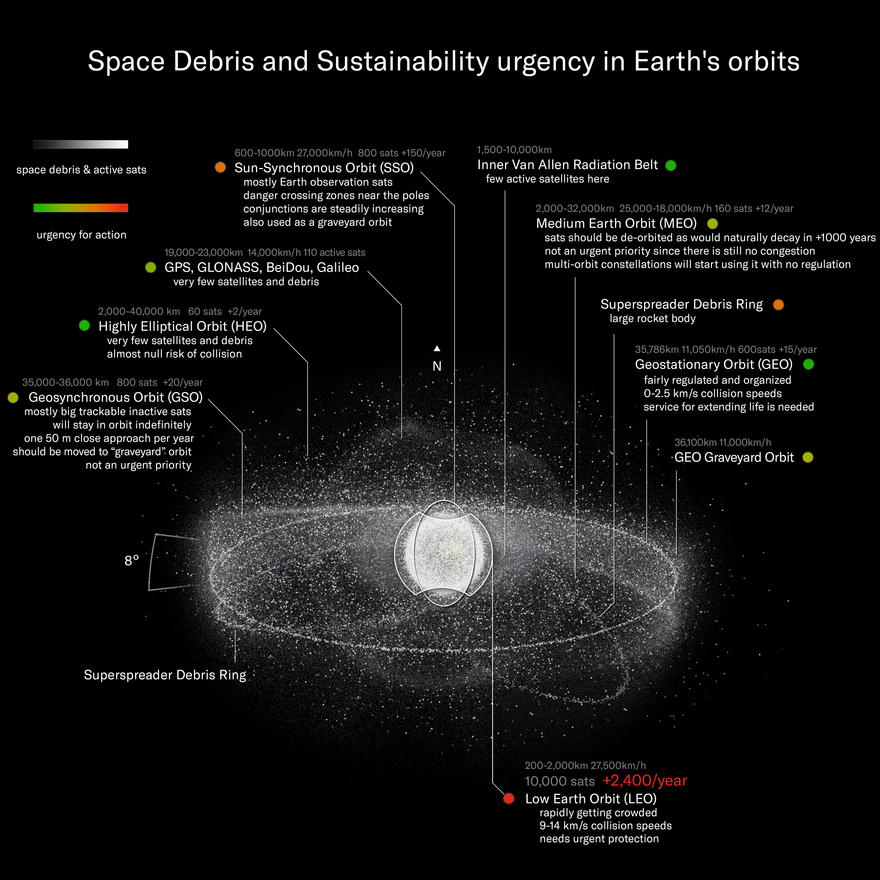
Greenhouse Gas Emission
Greenhouse gas emissions are the release of gases like carbon dioxide, methane, and nitrous oxide into the atmosphere, which trap heat and contribute to the greenhouse effect, leading to global warming and climate change.
- What are Greenhouse Gases?
- Greenhouse gases (GHGs) are gases in the Earth’s atmosphere that trap heat and prevent it from escaping into space.
- This natural process, known as the greenhouse effect, is essential for maintaining a habitable planet, but increased emissions from human activities are causing the effect to intensify, leading to climate change.
- Major Greenhouse Gases
- Carbon Dioxide (CO2): The most abundant GHG, primarily from burning fossil fuels (coal, oil, and natural gas).
- Methane (CH4): A potent GHG, emitted from sources like livestock, landfills, and natural gas production.
- Nitrous Oxide (N2O): Emitted from agricultural activities, industrial processes, and burning fossil fuels.
- Fluorinated Gases: Synthetic gases used in refrigeration, industrial processes, and other applications.
- Sources of Greenhouse Gas Emissions
- Fossil Fuel Combustion: Burning coal, oil, and natural gas for energy production, transportation, and industry.
- Industrial Processes: Manufacturing, cement production, and other industrial activities.
- Agriculture: Livestock farming, fertilizer use, and rice cultivation.
- Deforestation: Removal of trees, which absorb CO2 from the atmosphere.
- Waste Management: Landfills and waste incineration.
Major Highlights of the Study
- In a high emission scenario (SSP5 8.5), the number of satellites that can be safely sustained in low Earth orbit (LEO) may decrease to as few as 25-40 million.
- Constriction of Earth’s upper atmosphere reduces the atmospheric drag, seemingly letting space debris linger longer in orbit, increasing the chance of collisions.
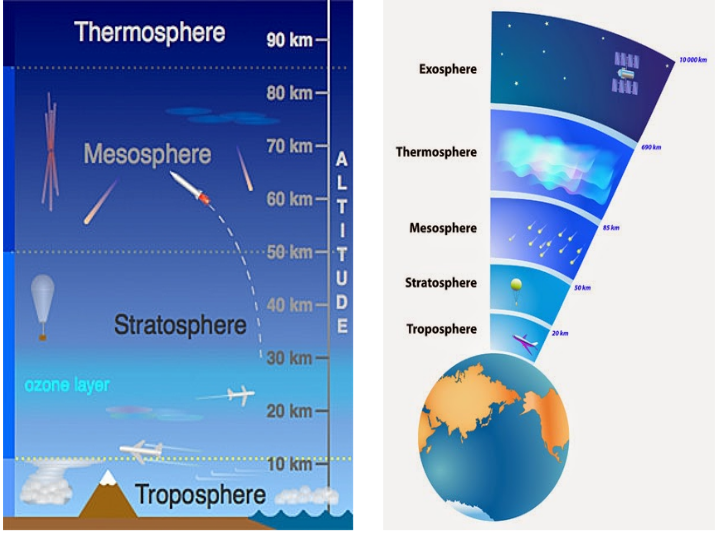
Modelling Insights
- The researchers from MIT Cambridge, led by Dr. William Parker, laid down atmospheric models to estimate the sustainable satellite limit under different emissions scenarios.
- The study compared contemporary circumstances with predicted ones in the light of greenhouse gas levels from the year 2000 baseline.
- It showed evidence of comparing the number of sat re entry rates declining significantly with increasing carbon dioxide emission statuses from moderate to high levels.
Implications and Recommendations
- Increasing debris in space will pose longer term threats to operations of satellites and exploration in space.
- Reducing those greenhouse gas emissions complicity goes beyond clime into the long term usability of Earth’s orbital space.
- Improved debris management strategies and international policies on satellite end of life decommissioning will be needed to address the challenges posed by a shrinking upper atmosphere.
2. Melioidosis in India
Overview of Melioidosis
- Cause
- Bacterial infection caused by Burkholderia pseudomallei, primarily acquired through inoculation, inhalation, or ingestion of contaminated soil and water.
- Global Burden
- Annually, 165,000 cases worldwide, with South Asia (including India) accounting for 44% of cases (The Lancet, 2016).
- Medical Complexity
- Can present as mild skin infection to severe sepsis (fatality rate up to 50% in septicemia).
- Difficult to diagnose due to prolonged bacterial incubation and similarity with Pseudomonas aeruginosa.
- Treatment requires extended antibiotic therapy: Intravenous phase followed by a 12-20 week eradication phase.
Odisha-Based Study on Environmental Impact
- Conducted by AIIMS Bhubaneswar (Microbiology Dept.) and IIT Bhubaneswar (Climate Sciences).
- Objective: To investigate how climate and environmental factors influence melioidosis transmission in Odisha.
- Methodology
- Nine-year study (2015-2023) tracking 144 cases.
- Analysed 3,024 days of meteorological data: rainfall, temperature, humidity, solar radiation.
- Created a state-wide risk map using 10 km grid sizes.
Key Findings
- Seasonal Pattern
- Peak infections during and after monsoon.
- Strong correlation with temperature, rainfall, cloud cover, and solar radiation.
- High-Risk Districts: Cuttack, Balasore, Khordha, and Jajpur—coinciding with densely populated regions.
- Other Contributing Factors
- Land-use changes and soil composition (not fully explored due to data limitations).
- Rapid urbanization and poor sanitation increasing human exposure to the bacteria.
- Climate change altering rainfall patterns, potentially expanding or shifting disease prevalence.
Implications for Public Health and Policy
- Need for Climate-Integrated Disease Surveillance
- Use weather and climate analytics in disease prediction models.
- Enhance public health planning and outbreak preparedness.
- Potential Beyond Melioidosis
- Study serves as a model for other climate-sensitive infectious diseases.
- Odisha’s research approach could be replicated in other vulnerable regions.
3. Treating Chikungunya using HIV/AIDS drug efavirenz
Efavirenz is a non-nucleoside inhibitor used for HIV/AIDS treatment.
- New Study
- Preliminary research suggests it could be repurposed for chikungunya treatment.
- Current Scenario
- No approved antiviral drugs exist for chikungunya, only a few have been tested in animal models.
Chikungunya in India
Chikungunya is a mosquito-borne viral disease characterized by fever and severe joint pain, transmitted by infected mosquitoes like Aedes aegypti and Aedes albopictus.
- Cause:Chikungunya is caused by a virus belonging to the alphavirus genus of the family Togaviridae.
- Re-emergence in 2006 after 20-30 years.
- 2006 Outbreak
- 14 million suspected cases, with 2,001 lab-confirmed cases.
- Decline until 2014, followed by a rise in cases from 2018 onwards.
Study Findings (IIT Roorkee Research)
- Conducted by Department of Biosciences and Bioengineering, IIT Roorkee.
- Published in: ACS Infectious Diseases.
A. In-vitro (Cell Line) Studies
- Tested on Vero cells and human hepatic cell lines (as chikungunya affects liver hepatocytes).
- Results:
- Efavirenz inhibited virus replication by 99% at low micromolar concentrations.
- Drug was effective up to 6-8 hours post-infection, acting in the early replication phase.
B. In-vivo (Mouse Model) Studies
- Efavirenz treatment significantly reduced viral load in chikungunya-infected mice.
- Unexpected Finding:
- Increased swelling in the limbs due to the drug’s pro-inflammatory action.
- Despite this, viral propagation was controlled.
C. Supporting Evidence from HIV Patients
- Anecdotal case of a 43-year-old HIV patient receiving efavirenz showed improvement in chikungunya symptoms.
- Improvement not solely attributed to efavirenz but aligns with anti-chikungunya activity observed in lab studies.
4. Potential and Future Steps
- Efavirenz shows strong promise due to:
- Good pharmacokinetics (effective drug absorption and metabolism).
- Proven safety and efficacy in HIV treatment.
- Demonstrated ability to suppress chikungunya virus replication.
- Next Steps:
- Clinical trials to assess efavirenz’s effectiveness and safety in humans for chikungunya treatment.
Source: TH
4. Madhav National Park Declared India’s 58th Tiger Reserve
Context:
Announced on March 9, 2024, by Environment Minister Bhupender Yadav. Madhav National Park (Madhya Pradesh) becomes India’s 58th tiger reserve. Madhya Pradesh now has 9 tiger reserves, the highest among all states.
Rationale Behind Tiger Reserves
- Tiger Population Decline
- Estimated 40,000 tigers in early 20th century.
- 1960s: Numbers dropped to 2,000–4,000 due to hunting, poaching, deforestation, and the fur trade.
- Conservation Measures
- 1969: Indian Board for Wild Life (IBWL) recommended a ban on wild cat skin exports.
- 1972: Tiger declared endangered in the Red Data Book by the International Union for Conservation of Nature (IUCN).
- 1973: Project Tiger launched with 9 reserves to protect the species.
Establishing a Tiger Reserve
- Project Tiger (Now NTCA, since 2006) mandates scientific reserve management:
- Core Zone: Strictly protected for tigers and prey.
- Buffer Zone: Managed for sustainable human activities.
- Tiger Conservation Plans (TCPs) include
- Habitat management for tigers, prey, and co-predators.
- Land-use planning to connect reserves via wildlife corridors.
- Community engagement and livelihood support for local populations.
- Approval Process
- State submits a proposal.
- National Tiger Conservation Authority (NTCA) reviews and recommends it.
- State officially notifies the reserve.
Funding for Tiger Conservation
- Project Tiger funding model
- 60% Central Government, 40% State Government (for most states).
- 90% Central funding for Northeastern & Himalayan states.
- Utilization of Funds
- Anti-poaching efforts, habitat improvement, water conservation.
- Human-wildlife conflict mitigation.
- Relocation of villages from critical habitats.
- Rehabilitation of traditional hunting tribes.
- Independent monitoring & evaluation of reserves.
Importance of Madhav National Park
- Originally notified as a National Park in 1956 under the MP National Parks Act, 1955.
- Newly expanded area
- Core Zone: 355 sq km
- Buffer Zone: 4-6 sq km
- Recent Tiger Relocation (2023)
- Had no tigers before 2023.
- One male and two female tigers relocated.
- Population now increased to seven.
- Strategic Location
- Acts as a corridor between Ranthambore Tiger Reserve (Rajasthan) and Kuno National Park (MP).
- Potential competition between tigers and cheetahs for prey.
Madhya Pradesh as India’s Top Tiger State
- Home to 785 tigers, highest in India.
- Major reserves: Kanha, Bandhavgarh, Panna, Satpura, and Pench.
- Kuno-Madhav Forest Division:
- Historically neglected but gaining importance.
- Kuno National Park houses cheetahs imported from Namibia & South Africa.
- Potential future relocation of Asiatic lions from Gir (Gujarat).
- Government re-examining the co-existence of lions and cheetahs in Kuno.
India’s Tiger Conservation Status
- 2023 Tiger Census: Estimated 3,682 tigers.
- 30% of tigers live outside protected reserves, highlighting the need for better corridor connectivity.
Source: TH
5. Crisis in Public Health Education and Employment in India
Context:
The U.S. decision to withdraw from WHO and reduce US-AID funding has disrupted global aid and health services. India, which relies on only 1% of international aid for healthcare, remains largely unaffected at a system level.
Key Highlights:
- However, the public health development sector, which depends on global funding, faces severe strain.
- The biggest impact is on the public health job market, reducing opportunities for graduates in Master of Public Health (MPH) and similar programs.
Growth of Public Health Education in India
- Public health education in India has its roots in the colonial era, but for long, it remained embedded within medical training.
- The All India Institute of Hygiene and Public Health (1932) and later community medicine courses were early public health training efforts.
- Growth surged after 2005 with the National Rural Health Mission (NRHM), leading to an increase in MPH programs from 1 (in 2000) to over 100 today.
- Despite this expansion, government hiring plateaued, while graduates continued to increase, leading to an oversupply.
Challenges Facing Public Health Graduates
- Mismatch in supply & demand
- Entry-level public health jobs attract an overwhelming number of applicants for very few positions.
- Limited hiring in government and shrinking public health roles worsen the situation.
- Growing dominance of private sector
- Private healthcare systems prefer hospital/business management professionals over public health experts.
- Research and development opportunities rely heavily on foreign funding, which is declining.
- Concerns about education quality
- Many MPH programs lack standardisation, and faculty are often undertrained.
- No single regulatory body (like NMC or UGC) oversees MPH education.
- Intense competition among institutions leads to lower admission standards.
Possible Solutions
- Creating more public health jobs
- Governments should be the largest employers, as in developed countries.
- State-level public health cadres can create structured career paths.
- Strengthening regulation & standardisation
- A dedicated regulatory body should oversee curriculum and training quality.
- Integration of public health education with practical fieldwork is essential.
- Expanding public health institutions in underserved states
- Many states (e.g., Bihar, Assam, Jharkhand) lack sufficient MPH programs.
- Strengthening local public health ecosystems will ensure sustainable health development.
6. Tackling the Problem of Nutrition in India
Context:
While health was not a priority for Budget 2025, it seems that nutrition is. In the coming financial year, two Union government schemes will receive higher allocations — Saksham Anganwadi and Poshan 2.0.
Budget 2025 and Nutrition Focus
- While health was not a major priority, the government increased allocations for:
- Saksham Anganwadi
- Poshan 2.0
- However, will increased funding alone solve India’s nutrition challenge?
Broader Perspective on Nutrition
- Nutrition ≠ Just Food Insecurity
- Shaped by culture, caste, and gender dynamics.
- Policy focus is mainly on women and children, ignoring other groups like:
- Men, senior citizens, and non-reproductive-age women.
- Those affected by non-communicable diseases (NCDs) like diabetes and hypertension.
- Key Statistics (NFHS-5 Data)
- 36% of children under five are stunted.
- 57% of women (15-49 years) are anaemic.
- 24% of women and 23% of men are overweight or obese.
- 14% take diabetes medication.
Issues with Current Nutrition Programs
- Poshan 2.0 & Saksham Anganwadi
- Provide take-home rations, supplementary food, iron-folic acid tablets.
- Focused only on malnutrition hotspots (e.g., aspirational districts, NE India).
- Fails to address nutrition as a broader public health issue.
A Comprehensive Nutrition Agenda
A successful nutrition strategy must include:
- Expanding Focus Beyond Women and Children
- Nutrition for all population segments (elderly, men, those with NCDs).
- Localized and Culturally Relevant Solutions
- Promote local, nutrient-dense foods instead of sugar-laden, processed goods.
- Strengthening Local Implementation through HWCs
- Health and Wellness Centres (HWCs) should be the primary implementers.
- Expand their reach across both rural and urban areas.
- Dedicated nutrition staff needed at HWCs.
Factors for Successful Implementation
- Engaging Local Elites
- Research shows public ownership by local leaders boosts adoption (e.g., smallpox vaccine success in China).
- Linking Nutrition to Local Cuisines & Traditions
- Tailor interventions to regional dietary habits for better acceptance.
Moving Towards Holistic Well-being
- India must redefine health as well-being, not just the absence of illness.
- A locally owned, well-integrated nutrition agenda delivered by the primary healthcare system is the first step.
Source: TH
Multidimensional Poverty Index
7. Rising MGNREGA Demand
Context:
The steady rise in demand for rural jobs over six months suggests widening economic distress rather than temporary seasonal fluctuations. While seasonal factors contribute, the scale and consistency of the increase point to structural weaknesses in rural employment generation. The post-pandemic economic recovery appears uneven, with rural areas lagging behind despite earlier signs of consumption revival.
Link to Broader Economic Indicators
- GDP Growth Slowdown
- Q3 FY25 GDP growth at 6.2% is the slowest in nearly two years (excluding Q2).
- Requires an unrealistic 7.6% Q4 growth to meet the 6.5% full-year target.
- Indicates an economic deceleration, impacting rural employment.
- Manufacturing Weakness
- Consumption Trends
- Initial signs of rural demand recovery seem unsustainable, reinforcing the need for income support mechanisms like MGNREGA.
Structural & Policy Considerations
- Reliance on MGNREGA highlights gaps in job diversification
- Agricultural and allied sectors fail to absorb rural workforce efficiently.
- Limited rural industrialization & sluggish MSME growth contribute to job scarcity.
- Government spending post-elections (e.g., PMAY-G) may have temporarily increased work availability, but does not solve long-term employment issues.
- Need for Strategic Policy Shifts
- Expand rural skill development beyond MGNREGA’s unskilled labor model.
- Enhance rural non-farm employment through MSME and agro-based industries.
- Boost manufacturing sector competitiveness to create employment beyond rural safety nets.
The rising demand for MGNREGA reflects wider economic stress rather than seasonal fluctuations. Weak GDP growth, manufacturing slowdown, and job scarcity indicate deeper structural concerns. Policy interventions should move beyond short-term employment guarantees to focus on sustainable job creation and rural industrialization.
Banking/Finance
1. Why Mutual Funds Are Outpacing Bank Deposits?
Structural Shift in Investor Behavior
- Risk Appetite Evolution
- The preference for mutual funds over traditional fixed deposits signals a fundamental shift in investor mindset. Younger investors, particularly those in their 20s and 30s, are more willing to take risks for higher returns rather than prioritize capital safety.
- SIP Growth & Market Resilience
- Despite short-term volatility, Systematic Investment Plans (SIPs) continue to attract inflows as investors believe in long-term market growth. This trend highlights increasing financial literacy and confidence in equity markets.
Taxation Dynamics – A Critical Factor
- Impact of New Tax Regime
- The removal of 80C tax benefits for 5-year bank FDs has reduced their appeal, especially for tax-conscious investors.
- ELSS, traditionally a tax-saving MF category, has also lost some attractiveness, but this hasn’t deterred inflows into equity funds.
- Debt MFs vs. FDs: Debt mutual funds now offer a clear tax advantage, as taxes are paid only upon redemption, whereas FD interest is taxed annually with TDS deduction, eroding effective returns over time.
- Investor Behavior Shift
- This shift indicates that mutual funds are no longer seen only as tax-saving instruments but as wealth-generation tools, signaling a maturing investor base.
Product Innovation & Customization – The MF Advantage
- Mutual fund houses have created tailored products that cater to varied risk appetites, unlike the one-size-fits-all approach of bank deposits.
- Key Alternatives Eating into Bank Deposits:
- Arbitrage Funds & Equity Savings Schemes: Offering low-risk market participation with better post-tax returns than FDs.
- Balanced Advantage Funds: Allowing investors to dynamically switch between equity and debt based on market conditions, making them more flexible than FDs.
- Liquid & Ultra-Short-Term Funds: Emerging as a competitive alternative for short-term cash parking, offering higher liquidity and better yields.
The Digital & Distribution Edge
- Technology & Digital Platforms
- Fintech adoption has significantly improved mutual fund accessibility in smaller towns, driving retail participation.
- Instant KYC and paperless transactions have made it easier to invest in MFs than traditional FDs, reducing friction.
- Financial Awareness & Advisory Growth
- Investors now have better access to financial advice, leading to informed decision-making.
- The widespread awareness of market-linked returns and compounding benefits has fueled confidence in MFs.
Macro Factors & Liquidity Trends
- Slower Bank Deposit Growth
- Bank deposit growth slowed to 9.2%, while mutual funds grew 90%, indicating a liquidity shift from savings to investments.
- The slowdown in time deposits reflects a lower reliance on traditional saving instruments.
- Mutual Fund AUM Outpacing Deposits:
- MF industry AUM rose 24% YoY, compared to an 8% growth in total bank deposits, showing a structural change in capital allocation.
Future Outlook – Will the Trend Continue?
- If interest rates soften, bank FDs will become even less attractive, further pushing investors towards mutual funds.
- Equity market volatility remains a risk, but SIP discipline suggests investors are more resilient than before.
- New product innovation in MFs, such as AI-driven funds and hybrid strategies, will continue to attract flows.
- Financial literacy & digital penetration will drive deeper retail participation, sustaining MF dominance over FDs.
A Fundamental Shift in Investment Culture
The data suggests that mutual funds are no longer just an alternative to bank deposits—they are becoming the preferred choice for wealth accumulation. The interplay of changing risk appetite, tax efficiency, product innovation, and digital accessibility is reshaping India’s investment landscape. If these trends continue, we may see a long-term decline in bank deposit dominance, with mutual funds taking center stage in personal finance strategies.
Source: TH
2. RBI Assures Financial Stability of IndusInd Bank
Context:
The Reserve Bank of India (RBI) approved in clear terms that IndusInd Bank is well capitalized, and the financial position remains stable in light of certain quarters raising doubts.
Key Highlights:
- The bank’s share price fell after a discrepancy in its derivatives portfolio was discovered, with the disclosure expected to put 2.35% value at stake.
- The Central Bank insisted that the bank was under consideration by the RBI and insisted that remedial action must end in Q4FY25 with needed disclosures to all concerned stakeholders.
Financial Strength of IndusInd Bank
- Capital Adequacy Ratio (CAR)
- 16.46% (as per Q3FY25 auditor reviewed results).
- Liquidity Coverage Ratio (LCR)
- 113% (as for March 9, 2025), surpassing the regulatory requirement of 100%.
- The bank has already engaged an external audit team to review its systems and assess the actual impact of the discrepancy.
RBI’s Appeal to Depositors
- The RBI urged depositors not to react to speculative reports, reiterating that IndusInd Bank’s financial health remains satisfactory.
- The regulator continues to closely monitor the situation to ensure stability and compliance.
3. Global Capability Centres (GCCs)
Context:
Neo banks (digital-only banks) and mid-sized banks are setting up Global Capability Centres (GCCs) in India. GCC expansion is the next big wave in India’s banking, financial services, and insurance (BFSI) sector. Market size of neo banks expected to grow from $19 billion in 2018 to $395 billion by 2026 (PwC).
Why Are Banks Setting Up GCCs in India?
Global Capability Centers (GCCs), also known as Global In-house Centers (GICs) or Captive Centers, are offshore or nearshore entities fully owned and operated by a parent company, providing a wide array of specialized services, ranging from IT and R&D to complex back-office functions.
- Cost advantages and access to top engineering talent.
- Lean workforce – Small banks operate with one-tenth or fewer employees than larger global banks.
- Resilience post-pandemic – High attrition (up to 70% at service providers) prompted banks to in-source operations.
- Technological advancements – GCCs focus on AI, cloud computing, blockchain, and digital banking.
Key Players Expanding in India
- US Banks: First Citizens Bank, PNC Financial, Fifth Third Bank.
- European Banks: Natixis, Credit Agricole, Santander (France), UniCredit (Italy).
- UK Banks: Revolut, Monzo.
Growth of BFSI GCCs in India
- 130 BFSI GCCs operating in India, employing 537,000+ people (EYWizmatic study).
- 22 GCCs operate with fewer than 500 employees, highlighting a tech-driven, agile approach.
- Top 10 banking GCCs employ 285,553 people.
- JP Morgan alone has 21,000 engineers working on AI, cloud computing, blockchain, and digital banking.
Future Outlook
- GCCs will continue to grow as banks look for cost savings, operational control, and tech innovation.
- Smaller, agile teams will play a significant global role in shaping digital banking.
- India will remain a strategic hub for BFSI technology and operations.
4. RBI’s Currency Management Modernization Project
Context:
The Reserve Bank of India (RBI) is undertaking a project to modernize its currency management infrastructure, focusing on enhancing efficiency, security, and automation.
Key Features
- Advanced Storage & Handling: Upgraded facilities to manage the increasing volume of banknotes and coins.
- Automation & Efficiency: Implementation of warehouse automation and inventory management systems.
- Security Enhancements: Strengthening surveillance and security measures for currency handling.
- Centralized Command Center: Establishing a hub to coordinate nationwide currency management.
Why Now?
- Although the growth of Notes in Circulation (NIC) has moderated, cash usage is still expected to rise, necessitating infrastructure upgrades.
- The RBI seeks to reduce costs, improve security, and streamline operations, aligning with global best practices.
Global Benchmarking
Countries like the U.S., Japan, Germany, and Malaysia have undertaken similar initiatives to modernize their currency management systems.
Selection Process
- RBI received 11 Expressions of Interest (EoIs) and shortlisted six entities:
- Engineers India Limited (EIL)
- MECON
- Accenture Solutions
- Colliers International (India) Property Services
- PricewaterhouseCoopers
- The Boston Consulting Group (India)
- These firms will now move to the Request for Proposal (RFP) stage.
By modernizing its currency management, the RBI aims to enhance operational efficiency, security, and resilience, ensuring India’s readiness to meet future cash demands.
Source: BS
5. IndusInd Bank Leadership and RBI’s Role in CEO Appointments
Context:
On March 7, 2025, IndusInd Bank announced that the Reserve Bank of India (RBI) approved a one-year extension for MD & CEO Sumant Kathpalia until March 23, 2026. This decision followed a previous two-year extension, despite the bank’s request for three years. The RBI’s move signals concerns about Kathpalia’s leadership while avoiding sudden disruption.
The Derivatives Accounting Issue
Derivatives are financial contracts, set between two or more parties, that derive their value from an underlying asset, a group of assets, or a benchmark. A derivative can trade on an exchange or over the counter. Prices for derivatives derive from fluctuations in the prices of underlying assets.
- March 11, 2025: IndusInd Bank disclosed “discrepancies” in its derivatives accounting.
- Estimated impact: ₹1,600 crore, or 2.35% of net worth (as of Dec 2024).
- An external review is underway to verify the internal findings.
Market Reaction and RBI’s Response
- Stock market impact
- March 11: IndusInd Bank stock fell 3.86%.
- March 12: Historic crash of 27.6%, wiping out ₹18,000 crore in market value.
- March 15, 2025: RBI assured the public that:
- IndusInd Bank remains well-capitalized and financially stable.
- The bank must complete corrective actions within the current quarter.
- Depositors should not panic over speculative reports.
The Need for a Review of CEO Appointment Processes
- Current RBI approach
- CEO selections require RBI approval under Section 10B of the Banking Regulation Act.
- The board recommends candidates, but the RBI evaluates only the first choice.
- RBI has sometimes rejected all candidates, as seen in Tamilnad Mercantile Bank (2024).
- Challenges with the existing system
- Shortened tenures create uncertainty for investors and employees.
- If leadership is a concern, why not deny reappointment entirely?
- In global markets (e.g., JPMorgan Chase & Wells Fargo), boards have more control over CEO tenures.
Key Takeaways
- The RBI’s intervention in CEO appointments and tenure extensions needs a re-evaluation.
- Shortening CEO tenures without clarity on leadership concerns can create more market disruptions than necessary.
- India’s banking governance remains unique, but should RBI align its approach with international best practices?
6. Rupee Symbol Controversy
Political and Cultural Dimensions
- Symbolism vs. Unity
- Tamil Nadu’s decision to replace the rupee (
₹) symbol with a Tamil script equivalent sparked Centre-state tensions. - Union finance minister Nirmala Sitharaman viewed it as “regional chauvinism”, linking it to threats to national unity.
- The ruling DMK defended the move as a heritage assertion and part of Tamil linguistic pride, highlighting long-standing opposition to Hindi imposition.
- Tamil Nadu’s decision to replace the rupee (
- Political Context
- The controversy aligns with Tamil Nadu’s historical resistance to central linguistic policies.
- The episode fits within broader Centre-state power dynamics and regional identity politics.
- However, at its core, the debate is symbolic rather than economic, with no direct financial impact on the rupee itself.
Functional Importance of the Rupee Symbol (₹)
- The 2010 adoption of the
₹symbol was a strategic decision aimed at:- Global recognition: A distinct visual identity, similar to how Bitcoin (
₿) uses a recognizable glyph. - Cross-lingual familiarity: Designed from Devanagari ‘र’, but modified to resemble Latin ‘R’, appealing to English-speaking global markets.
- Psychological impact: The horizontal stroke enhances readability, making it instantly recognizable in financial transactions.
- Global recognition: A distinct visual identity, similar to how Bitcoin (
- Global Brand Power:
- Much like the dollar ($) and euro (€), brand strength matters in financial markets.
- Replacing the symbol weakens international consistency, creating potential confusion in global trade.
Economic and Technological Considerations for the Rupee
- Purchasing Power & Stability
- Regardless of symbol changes, the rupee’s real strength lies in its stability and purchasing power.
- Inflation control, currency reserves, and trade balances determine the rupee’s economic relevance, not its visual representation.
- Digital Evolution: The e-Rupee
- The RBI’s Central Bank Digital Currency (CBDC), or e-Rupee, is the future of monetary transactions.
- Key benefits:
- Risk-free digital transactions (unlike private banks’ digital money).
- Efficient cross-border transfers with lower costs.
- Programmability, allowing controlled financial flows.
- As global finance moves toward digital currencies, India must ensure the rupee stays competitive in this transformation.
Geopolitical & Strategic Importance of the Rupee
- US Dollar Volatility & Currency Wars
- The US dollar’s global dominance may face challenges due to conflicting policies:
- The White House wants to maintain reserve currency status.
- Simultaneously, US economic policies may devalue the dollar to fix trade imbalances.
- This creates potential currency turbulence, making it crucial for India to strengthen and internationalize the rupee.
- The US dollar’s global dominance may face challenges due to conflicting policies:
- Future-proofing the Rupee
- India’s best response to potential global financial instability is to ensure the rupee remains stable, adaptable, and technologically advanced.
- The rupee’s long-term credibility depends on policy-driven resilience, not symbolic disputes.
Way Forward
- The political storm over the rupee symbol is largely symbolic, reflecting Centre-state frictions rather than economic imperatives.
- The
₹symbol has strong global recognition and aligns with modern branding principles. - Real challenges lie in currency stability, inflation control, and digital evolution (e-Rupee).
- India’s focus should be on strengthening the rupee’s global presence and adaptability, rather than debating symbolic heritage battles.
7. Banks’ Direct Integration with I4C
Context:
Large Indian banks and payments firms (e.g., Razorpay, Cashfree) are integrating with the Integrated Cyber Crime Coordination Centre (I4C). Direct API integration will replace manual complaint processing, enabling instant alerts and automatic account freezing.
- Government Deadline
- Finance Ministry set January 31 as the deadline for integration.
- NPCI (National Payments Corporation of India) is already integrated for UPI transactions.
Rationale Behind the Move
- Rising Financial Fraud
- Only 10% of stolen funds were blocked in three years till 2022.
- In 2022, out of ₹2,294.8 crore reported stolen, only ₹57 lakh was recovered.
- Manual Processes Were Inefficient
- Banks previously relied on human intervention to process fraud complaints, causing delays and high manpower costs.
- Real-Time Fraud Mitigation
- API integration ensures instant action, preventing fraudsters from moving stolen funds.
- “Lien marking” (legal hold on disputed funds) is being integrated with banks’ Core Banking Systems (CBS).
Government & Regulatory Push
- Ministry of Electronics and IT (MeitY) confirmed banks are integrating with Citizen Financial Cyber Fraud Reporting & Management System (CFCFRMS).
- Collaboration with NPCI allows real-time responses to UPI fraud complaints.
- Efforts to track money trails across multiple mule accounts and prevent cross-border fund transfers via Nepal & Bangladesh.
Impact & Future Outlook
- Faster fraud response: Higher chances of recovering stolen money.
- Reduced operational burden on banks: Savings on manpower costs.
- More robust cybersecurity in digital payments: Increased consumer confidence.
- Potential expansion to wallets, NBFCs, and fintech players for broader fraud mitigation.
The direct integration of banks and fintech firms with I4C’s real-time fraud detection system marks a major step in India’s fight against financial fraud. While implementation challenges remain, this move could significantly improve fraud detection, recovery rates, and overall digital payment security.
Economy
1. RBI Rate Cut Prospects & Economic Implications
Key Economic Indicators Driving Rate Cut Expectations
- Retail Inflation Decline
- Consumer Price Index (CPI) inflation fell to 3.61% in February, down from 4.26% in January, slipping below the RBI’s 4% target for the first time in seven months.
- The steep drop in inflation provides the policy space for further rate cuts.
- Agricultural Output & Food Prices
- Rising farm output is expected to keep food prices stable, reinforcing the argument for monetary easing.
- Market Expectations & Policy Stance
- Most institutions predict a 25 bps rate cut in April, with some anticipating an additional 25 bps cut in June.
- The February repo rate cut (6.50% to 6.25%) was the first in five years, setting a dovish precedent for future rate reductions.
- Analysts, such as Nomura’s Sonal Varma, expect 75 bps total cuts by end-2025, implying further reductions in April, June, and August.
Financial Market Reactions & Monetary Policy Signals
- Interest Rate Derivatives Pricing in Cuts
- One-year OIS (Overnight Index Swap): Trading at 6.12%.
- Two-year OIS: Trading at 5.92%.
- The OIS market generally anticipates rate movements ahead of actual policy decisions, indicating market confidence in further cuts.
- Rupee Appreciation
- Rupee strengthened by 20 paise (87.01/$1), indicating positive sentiment following the expectation of rate cuts.
- Liquidity Infusion by RBI
- RBI has injected ₹1.5 lakh crore via Open Market Operations (OMO) and $20 billion through dollar-rupee swaps.
- This liquidity easing measure signals the central bank’s willingness to support lower borrowing costs.
Global Uncertainties & Potential Risks
- Some economists remain cautious about further rate action in June and beyond, citing:
- Global economic headwinds (trade tariffs, geopolitical risks).
- Currency fluctuations that may impact import costs and inflation.
- US Federal Reserve’s policy stance, which could affect capital flows and exchange rates.
Macroeconomic Implications of a Rate Cut
- Positive Impacts
- Lower borrowing costs: Encourages investment and consumer spending.
- Boosts liquidity: Supports credit growth and business expansion.
- Improves market sentiment: Strengthens rupee and financial market stability.
- Potential Risks
- Excessive easing could stoke inflationary pressures in the future.
- External shocks (currency volatility, global interest rate hikes) might limit RBI’s ability to sustain an extended rate cut cycle.
What Would be the Right Approach?
- The April rate cut (25 bps) is highly probable, with a June cut also in play, contingent on inflation trends and global stability.
- The financial markets are already pricing in a dovish RBI stance, reflecting strong expectations of continued monetary easing.
- RBI’s liquidity measures and intervention strategies suggest a commitment to reducing borrowing costs and supporting economic growth.
- Global uncertainties remain a wildcard, making further rate cuts beyond mid-2025 dependent on macroeconomic conditions.
Source: Economic Times
2. The Gold Rally
Drivers of the Gold Rally
- Safe-Haven Demand Due to Trump’s Economic Policies
- Investors are diversifying away from dollar exposure due to concerns over tariffs, trade policies, and economic uncertainty.
- Central banks, particularly in Asia, are buying gold to stabilize their reserves against US policy shifts.
- Macroeconomic Factors Supporting Gold’s Rise
- Stock market volatility is increasing demand for safe assets like gold.
- Rising inflation expectations make gold attractive as an inflation hedge.
- Easing interest rates (anticipated US Fed cuts) reduce the opportunity cost of holding non-yielding assets like gold.
- The US government’s borrowing program could impact global liquidity, indirectly benefiting gold.
Market Dynamics & Risks
- Sustained Institutional Demand vs. Weak Retail Sales:
- Strong institutional and central bank purchases continue to push prices higher.
- Retail demand is weakening, especially in Asia, due to:
- High gold prices, making jewellery less affordable.
- A stronger dollar, which increases local currency costs of gold imports.
- Off-season slump, further discouraging inventory buildup by jewellers.
- Speculative Risk to Gold Prices
- Large speculative long positions in the gold futures market could lead to a sudden price correction if unwound.
- However, fundamental drivers (central bank purchases, macro risks) are strong enough to mitigate a speculative downturn.
Impact on India’s Economy
- Gold Imports & Trade Deficit
- Gold import volumes are plateauing, offering temporary relief to India’s trade deficit.
- However, export uncertainty (due to slowing global demand and trade disruptions) may widen the deficit in the long run.
- Retail & Jewellery Sector Challenges
- High gold prices & a strong dollar are squeezing jewellery demand in India.
- The government has reduced import duties on jewellery to revive demand.
- More policy support may be needed, especially as festive-season gold buying approaches.
- RBI’s Gold Reserve Strategy
- The RBI remains cautious in its gold-buying approach, balancing between:
- Risk of revaluation losses if US Treasury yields rise.
- Gold’s role as a diversification tool against currency fluctuations.
- Unlike some Asian economies, India is not aggressively de-dollarizing trade, reducing the urgency for gold accumulation.
- The RBI remains cautious in its gold-buying approach, balancing between:
Way Forward
- The gold rally is likely to continue, supported by central bank buying, economic uncertainty, and US monetary easing.
- India’s jewellery sector is under pressure, requiring policy intervention to revive demand.
- The RBI’s gold-buying approach is cautious, reflecting a balanced reserve management strategy.
- The key risk is speculative unwinding, but strong fundamentals limit the likelihood of a major price correction.
Source: TET
Agriculture
1. Challenges of India’s Farmers Producer Organisations (FPOs)
Achievement of Target
- The government’s scheme to create 10,000 FPOs, launched in 2020 with a ₹6,865 crore allocation, has met its target.
- Including previously formed FPOs, the total count exceeds 44,400, with three million farmers involved, 40% of whom are women.
- However, many exist only on paper or struggle with commercial viability, raising concerns about the actual effectiveness of the scheme.
Economic and Structural Benefits of FPOs
- Improved Bargaining Power: Farmers gain better deals for inputs and marketing through bulk procurement and sales.
- Economies of Scale
- Shared resources (machinery, knowledge, inputs) reduce costs.
- Improved logistics, branding, and value addition help increase profitability.
- Legal Structure Advantage
- FPOs function as private companies rather than cooperatives, avoiding political interference that has plagued traditional cooperatives.
Key Challenges Hindering FPO Growth
- Financial Constraints
- FPOs struggle to secure credit as financial institutions perceive them as high-risk due to poor asset bases.
- Limited ability to raise equity due to the small financial capacity of members (mostly small or landless farmers).
- Lack of Professional Management
- Insufficient funds prevent FPOs from hiring skilled professionals for marketing, accounting, and strategy development.
- Operational Risks & Sustainability Issues
- FPOs lack risk mitigation measures to handle financial and production losses.
- Many struggle with scalability due to poor business models and limited value addition.
Policy Recommendations for Sustainable Growth
- Develop Robust Business Models
- Focus on value addition, branding, and processing to improve profitability.
- Capacity Building & Leadership Training
- Enhance managerial, technical, and administrative skills among FPO leaders.
- Integration of Digital & Modern Technologies
- Digital tools for quality control, marketing, and production efficiency can improve long-term viability.
- Continued Support Beyond the 10,000 FPO Milestone
- Expansion of the financial assistance program to ensure the sustainability of FPOs.
While India has successfully created 10,000 FPOs on paper, their long-term success depends on financial sustainability, professional management, and value-driven business models. A continued focus on technological integration, skill development, and market linkages will be crucial for ensuring that these farmer collectives thrive beyond mere numerical targets.
2. Parliamentary Panel’s Recommendations on Crop Insurance & Residue Management
Key Recommendations on PMFBY (Pradhan Mantri Fasal Bima Yojana)
- Coverage Expansion
- Include damages caused by stray animals in crop loss coverage under PMFBY.
- Rationale: Farmers face frequent crop destruction from stray animals, leading to financial losses.
- Free Compulsory Crop Insurance for Small Farmers
- Coverage for farmers with land holdings of up to 2 hectares (similar to PMJAY health insurance model).
- Expected Benefits:
- Strengthens financial stability of smallholder farmers.
- Encourages investment in farming practices.
- Reduces risk of falling into debt traps due to crop failures.
- Operational Challenges in PMFBY
- Delays in fund release from states.
- Inadequate compensation against crop losses.
- The panel urged the government to resolve these issues for improved effectiveness.
Proposal to Curb Crop Residue Burning
- Financial Incentives for Farmers
- ₹100 per quintal of paddy to be provided as compensation for collection and disposal of crop residue.
- Payment via Direct Benefit Transfer (DBT), ensuring transparency and efficiency.
- Additional to Minimum Support Price (MSP).
- Alternative Crop Residue Management
- Conversion to bioenergy, composting, and other productive uses instead of burning.
- Need for policy interventions, farmer education, and technological innovations to support adoption.
- Long-term Strategy
- Pilot study on alternative residue management costs and benefits before scaling financial incentives.
Potential Impact of Recommendations
- Farmer Welfare
- Expanded insurance coverage reduces financial risks for small farmers.
- Compensation for crop residue collection provides economic relief and incentivizes sustainable farming.
- Environmental Benefits
- Reduced air pollution from stubble burning, especially in North India.
- Promotion of eco-friendly residue management techniques.
- Economic & Policy Considerations
- Higher fiscal burden on the government due to increased PMFBY coverage and direct incentives.
- Need for efficient policy execution to ensure timely fund disbursement.
The committee’s recommendations focus on expanding crop insurance, ensuring financial security for small farmers, and tackling the environmental hazards of stubble burning. While implementation challenges exist, these measures could significantly enhance agricultural sustainability and farmer resilience in India.
Source: BL
Facts To Remember
1. Mumbai Indians regains title, Delhi falters yet again
Two years after winning the inaugural edition of the Women’s Premier League, Mumbai Indians added another title to its cabinet with a heart-stopping eight-run win at the Brabourne Stadium.
2. Odia poet Ramakanta Rath dies at 90; President, Prime Minister express condolences
Renowned Odia poet and former bureaucrat Ramakanta Rath died at his residence in the Kharvel Nagar area here on Sunday, family sources said. He was 90.
3. Shi and An win All England crowns for the second time
Top seed Shi Yuqi beat Chinese Taipei’s Lee Chia Hao in straight games to win the All England Open title for a second time in Birmingham.
4. Leo — The Untold Story officially launched
A new book on Chennai Super Kings, Leo — The Untold Story, authored by senior advocate and former TNCA vice-president P.S. Raman, was officially launched in the presence of former CSK skipper M.S. Dhoni at a star-studded event.
5. Pradhan Mantri Aawas Yojana-Gramin (PMAY-G) scheme
A preliminary survey by the Odisha government has found that 44,743 rural households lack land, posing a major hurdle in providing houses under the Pradhan Mantri Aawas Yojana-Gramin (PMAY-G) scheme.
6. PM Modi commends RBI for being selected for Digital Transformation Award 2025
Prime Minister Narendra Modi today commended the Reserve Bank of India for being selected for the Digital Transformation Award 2025 by Central Banking, London, UK.
7. Wholesale price inflation rises to 2.38% in February
The Wholesale Price Index (WPI) inflation slightly increased to 2.38 per cent last month.
8. Former Union Minister Dr Debendra Pradhan passes away
Senior BJP leader and former Union Minister Dr Debendra Pradhan passed away this morning at the age of 84 in New Delhi.
9. Justice Joymalya Bagchi takes oath as Supreme Court judge
Chief Justice of India Sanjiv Khanna today administered the oath of office to Justice Joymalya Bagchi, a judge of the Calcutta High Court, as a Supreme Court judge.
10. India’s first-ever comprehensive river dolphin survey estimated presence of 6,327 river dolphins across the country
India’s first-ever comprehensive river dolphin survey has estimated the presence of 6,327 river dolphins across the country, with Assam recording 635 individuals in its five rivers.
11. Stuart Young to sworn in as new Prime Minister of Trinidad and Tobago today
Stuart Young, will sworn in as the new Prime Minister of Trinidad and Tobago, during a ceremony at the President’s House in St. Ann’s today.
12. Three day ASEAN Gaming Summit to begin in Philippines today
The three-day ASEAN Gaming Summit is set to begin at the Shangri-La the Fort in Manila, Philippines today.
13. Stranded astronauts Sunita Williams, Butch Wilmore on ISS return to Earth on Tuesday: Nasa
Two US astronauts stuck for more than nine months on the International Space Station will return to Earth tomorrow night.
14. Norway’s Statkraft Looks to Sell India Assets for $2 billion
Norwegian utility Statkraft hired EY to facilitate the sale of its Indian hydropower and solar power assets at an expected valuation of $2 billion, said people in the know. A formal launch of the sale process could start in 2-3 weeks and could see interest from global renewable power companies and investment funds, the people said.
18 March, 2025
International Affairs
1. India Strengthens Defence Ties with US, New Zealand, and Australia
Context:
India is intensifying defence cooperation with key Western allies the US, New Zealand, and Australia all part of the Five Eyes intelligence-sharing alliance (alongside Canada and the UK). This reflects India’s strategic positioning to counter China’s influence in the Indo-Pacific and Indian Ocean regions.
- Key Developments
- India–New Zealand Agreement
- Signed a new pact to institutionalize defence relations.
- Focus on joint military exercises, staff training, and naval port calls.
- New Zealand expressed interest in joining India’s Indo-Pacific Oceans Initiative, strengthening collective maritime security efforts.
- Prime Minister Modi raised concerns about pro-Khalistani elements in New Zealand, indicating India’s assertive diplomatic approach.
- India–US Engagement
- Defence Minister Rajnath Singh met US Director of National Intelligence Tulsi Gabbard.
- Discussions focused on defence innovation, niche technologies, supply chain integration, military exercises, and information-sharing, particularly in the maritime domain.
- This meeting builds on prior discussions between Modi and Trump, showing consistent progress in defence and strategic cooperation.
- India–Australia Defence Talks
- The 9th edition of defence policy talks focused on maritime domain awareness, information-sharing, and defence industry collaboration.
- The engagement signals continued commitment to maintaining stability and security in the Indo-Pacific.
- India–New Zealand Agreement
- Geopolitical Implications
- India is positioning itself as a central player in regional security by deepening relations with Four of the Five Eyes members.
- The emphasis on maritime cooperation suggests that India is proactively safeguarding strategic sea lanes in response to China’s growing naval assertiveness.
- Collaboration on defence technologies and supply chains indicates long-term strategic alignment with Western allies, reducing dependency on traditional defence suppliers and increasing self-reliance.
India’s intensified defence diplomacy with the US, New Zealand, and Australia highlights its proactive strategy to enhance maritime security, strengthen defence capabilities, and counter China’s regional influence. These engagements also reflect India’s broader ambition to become a key security partner in the Indo-Pacific and a leader in fostering multilateral cooperation in the region.
Source: BS
2. India–New Zealand Strengthen Trade and Digital Cooperation
- Trade and Economic Engagement
- India and New Zealand have revived talks on a Free Trade Agreement (FTA) after a 10-year hiatus, with both leaders committing to expedite negotiations.
- India’s merchandise exports to New Zealand in 2023–24 stood at $535 million, while imports were $335 million, indicating modest but growing bilateral trade.
- New Zealand ranks 59th in terms of historical FDI in India, with only $87.2 million invested since 2000, highlighting untapped potential.
- Both leaders emphasized leveraging complementary strengths and addressing mutual concerns for balanced growth in trade and investment.
- Key Developments and Agreements
- Agreement to initiate discussions for enhancing cooperation in digital payments, reflecting the growing global interest in India’s robust fintech ecosystem.
- Signing of the Authorised Economic Operators Mutual Recognition Arrangement to ease the movement of goods under the Customs Cooperation Arrangement (2024).
- Updated bilateral air services agreement with a push for direct, nonstop flights between the two countries to enhance people-to-people and business connectivity.
- Multiple Memorandums of Understanding (MoUs) were signed to further institutionalize cooperation across sectors.
- Focus on Future Technologies
- Both economies identified opportunities for collaboration in artificial intelligence, quantum technology, biotechnology, and advanced manufacturing.
- These areas indicate a shared focus on high-tech industries, aligning with India’s push for innovation and New Zealand’s interest in tech-driven growth.
- Strategic Intent
- The bilateral emphasis on direct trade, investment growth, digital infrastructure, and aviation connectivity suggests a long-term effort to strengthen New Zealand’s engagement in South Asia.
- New Zealand’s participation in platforms like the Raisina Dialogue shows growing diplomatic and economic interest in India as a regional leader and strategic partner.
The renewed engagement between India and New Zealand, marked by trade negotiations, digital payments cooperation, and future-oriented tech collaboration, signals a concerted effort to transform their modest trade ties into a strategic and multifaceted partnership. With a focus on digital innovation, supply chain facilitation, and direct connectivity, both nations are well-positioned to capitalize on complementary strengths for mutual economic and strategic gains.
3. India–U.S. Trade Talks
Context:
Commerce Secretary Sunil Barthwal stated that India and the U.S. are “proactively engaged” in discussions to boost bilateral trade.
Recent Developments
- Commerce Minister Piyush Goyal’s visit to the U.S. (March 4–6) included meetings with:
- U.S. Trade Representative Jamieson Greer
- U.S. Commerce Secretary Howard Lutnick
- Barthwal described these talks as “positive” and said discussions will continue.
Mission 500
- Talks are happening within the framework of Mission 500, aiming to:
- Increase bilateral trade from $200 billion to $500 billion
- Finalize a multi-sectoral bilateral trade agreement
Tariffs and Tesla
- Mr. Barthwal declined to comment on
- U.S. President Donald Trump’s plan to impose reciprocal tariffs from April 2
- Tariffs on premium U.S. electric vehicles, including Tesla
- Whether Tesla would receive further tax incentives beyond the existing export policy
Electric Vehicle Policy
- Scheme to Promote Manufacturing of Electric Passenger Cars:
- Offers 15% customs duty for manufacturers setting up production in India
- Notified in March 2024
U.S. Position
- Donald Trump’s remarks:
- Building a Tesla factory in India to avoid tariffs would be “unfair” to the U.S.
- Highlighted India’s high car import duties during PM Modi’s visit last month
- Agreed to continue working towards an early trade deal
Source: TH
4. U.S. Withdrawal from the Ukraine War Crimes Prosecution Group
Context:
The U.S. Justice Department has formally notified European officials of its decision to withdraw from the International Centre for the Prosecution of the Crime of Aggression (ICPA) by the end of March 2025.
Key Highlights:
- About ICPA
- The ICPA was established in 2023 under the Biden administration to pursue legal accountability for Russian leaders including President Vladimir Putin and their allies for crimes of aggression against Ukraine.
- Shift in U.S. Policy
- The withdrawal reflects a marked shift under the Trump administration, moving away from Biden’s active commitment to holding Russia accountable on an international legal platform.
- The move signals a recalibration of U.S. foreign policy priorities, potentially indicating reduced emphasis on multilateral legal efforts and war crimes prosecution.
- Impact on Global Justice Efforts
- This withdrawal could weaken international cooperation aimed at prosecuting top Russian officials and may dampen morale among allied countries seeking accountability for the invasion of Ukraine.
- Eurojust President Michael Schmid’s letter confirms the U.S. exit, causing concern about diminished global leadership from Washington in prosecuting aggression-related crimes.
- Curtailing Domestic War Crimes Efforts
- The Trump administration is also reducing the operations of the War Crimes Accountability Team, a unit created in 2022 to support investigations of Russian atrocities in Ukraine.
- This team, established by former Attorney General Merrick Garland, was seen as a symbol of U.S. commitment to international justice. Its rollback may further signal retreat from active engagement in war crimes prosecution.
- Broader Strategic Implications
- The decision may embolden adversaries like Russia and its allies, who could perceive the reduced American legal pursuit as an easing of pressure.
- It could also strain transatlantic ties, particularly with European allies that remain committed to international prosecution efforts through platforms like Eurojust.
- Conversely, this pivot might suggest that the U.S. prefers to focus on bilateral diplomatic and strategic measures rather than legal multilateralism under Trump’s foreign policy approach.
While this decision may align with Trump’s broader foreign policy strategy of recalibration and reduced international legal entanglements, it risks undermining global accountability initiatives, weakening collective pressure on Russia, and causing friction with European allies committed to holding aggressors accountable.
Source: BS
5. U.S. Launches Strikes on Houthis in Yemen
Context:
The US has launched a “decisive and powerful” wave of air strikes on Houthi rebels in Yemen, President Donald Trump has said, citing the group’s attacks on shipping in the Red Sea as the reason.
Key Objectives
- President Trump’s administration aims to succeed where past administrations failed by:
- Delivering overwhelming military force.
- Directly targeting Houthi leadership (something avoided under the Biden administration).
- Sending a clear deterrence message to Iran and the wider region.
- Ensuring freedom of navigation in the Red Sea, a critical global shipping corridor.
Nature of the Campaign
- Described by officials as the start of a sustained, unrelenting campaign potentially lasting weeks.
- U.S. strikes focused on:
- Missile launchers being moved to attack shipping lanes.
- Homes of Houthi leaders in San’a and Sa’dah.
Houthi Response
- Houthi leader Abdul-Malik al-Houthi vowed retaliation, including missile strikes on U.S. warships.
- Houthis launched a 12-hour drone and missile attack aimed at the USS Harry S. Truman carrier strike group.
- U.S. fighter jets intercepted drones; the missile fell harmlessly into the sea.
Who are the Houthis?
- The Houthis are a Yemeni rebel group officially known as Ansar Allah.
- Origin:
- They emerged in the 1990s in Yemen’s northern Saada province as a Shia revivalist movement.
- Key Characteristics:
- Follow the Zaydi Shia branch of Islam.
- Supported by Iran, though both parties deny direct control.
- Current Status:
- Control large parts of northern Yemen, including the capital Sanaa, since 2014.
- Involved in an ongoing civil war with a Saudi-led coalition supporting Yemen’s internationally recognized government.
Why are they attacking ships?
Solidarity with Palestinians:
- The Houthis claim they are targeting ships in the Red Sea and Gulf of Aden in protest against Israel’s military actions in Gaza.
- They say these attacks are a show of support for Palestinians and are directed toward vessels linked to Israel, the US, or the UK.
Wider Anti-West and Anti-Israel Stance:
- The Houthis are part of the “Axis of Resistance”, alongside Iran, Hezbollah, and other groups that oppose Israel and Western influence in the Middle East.
Pressure Tactics:
- By threatening vital maritime trade routes, they aim to increase global pressure on Israel and its allies.
- The Red Sea is a critical maritime chokepoint, with about 15% of global trade passing through it, including oil and LNG shipments.
Impact of the Attacks
- Dozens of merchant ships have been targeted with missiles, drones, and small boats since November 2023.
- So far:
- 2 ships sunk
- 1 vessel seized
- 4 crew members killed
- Major shipping companies are rerouting via southern Africa, causing longer transit times and higher shipping costs.
- The Suez Canal — vital for trade between Asia and Europe — has seen drastically reduced use by US-flagged and other vessels.
Response from the West and Israel
- US and British air strikes have targeted Houthi military positions repeatedly, but attacks continue.
- Israel has launched air strikes against Houthi positions in retaliation for hundreds of missiles and drones launched from Yemen.
- Former US President Donald Trump has threatened overwhelming military action if the attacks persist, warning both the Houthis and Iran.
Iran’s Position
- Iran is believed to be a key backer of the Houthis, supplying weapons and technology.
- Iran’s Foreign Minister dismissed US threats and accused Washington of hypocrisy, urging the US to stop supporting Israel’s actions in Gaza and stop harming the Yemeni people.
Historical Context
- The Houthis, initially a tribal insurgency, took over northern Yemen and San’a in 2014, triggering ongoing civil war.
- Despite Saudi-led and U.S.-backed airstrikes, the Houthis have survived and strengthened, supported by Iranian arms and training.
- Since late 2023, the Houthis have attacked over 100 commercial vessels, sinking two and killing four sailors.
Strategic Risks and Challenges
- Experts warn of a vicious cycle of escalation.
- The Houthis may target:
- U.S. bases in Djibouti and the UAE.
- Saudi Arabia, to pressure Washington indirectly.
- There are concerns that striking leadership could make the Houthis more unpredictable.
Regional Dynamics
- Iran’s allies in the region (Hamas, Hezbollah) are currently weakened.
- Iran denies direct control over the Houthis but threatens retaliation if attacked directly by the U.S.
- Disruptions in arms shipments to Yemen are ongoing, though Iran continues to use alternative smuggling routes.
Takeaways
- The U.S. appears to be addressing the Houthis as an independent threat, not just an Iranian proxy.
- The effectiveness of the campaign will depend on deterrence holding and whether the Houthis can regroup.
- The strikes could remove one of Iran’s last operational levers against the U.S. and Israel, but the Houthis are capable of acting autonomously.
National Affairs
1. Pradhan Mantri Internship Scheme (PMIS) Mobile App
Context:
Fifteen days ago, on 6th July 2023, Finance Minister Nirmala Sitharaman launched the mobile application for candidates accessing the Pradhan Mantri Internship Scheme. She called upon more and more companies to join in the efforts to instill confidence in the youth of India, particularly those from Tier II and Tier III cities.
Scheme Coverage and Purpose
- The Pradhan Mantri Internship Scheme introduces young people to the workings of a real job with an internship to complete their practical training. The scheme has successfully made its way throughout the country to cover all 735 districts for greater reachability and inclusiveness.
Current Progress (Second Pilot Round)
- The second pilot phase is underway
- In this pilot phase, 325 companies made the opportunity of sharing almost 118,000 internship opportunities.
- Approximately 115,000 candidates have registered, and till date, more than 240,000 applications have been received.
- And the last date of registration has now been extended to 31st March 2025, after which the candidates are expected to take their internships on or before 15th May 2025.
Extend in Industries
- CSR funding was never the standard for PMIS inclusion, but the government is considering an expansion of candidates outside the current top 500.
- Financially restrained, however, 49 additional companies not in the top 500 have expressed their willingness to join the PMIS consortium.
Key Highlights of the PMIS Mobile App
- Aadhaar based Face Authentication allowing smooth and secure registration.
- Personalized Dashboard for candidates to manage their applications and track changes in status.
- Real time alerts and notifications to keep the users up to date with new opportunities.
- Users have access to a dedicated support team for assistance and guidance.
Indeed, the PMIS mobile app comes as an instrument for achieving the objective of imparting basic job market exposure to youth. Again, with continuous support from the industry and government, this initiative would eventually propel the process of nurturing a healthy and competent workforce all over India.
2. PM Surya Ghar Muft Bijli Yojana (PMSGMBY)
Scheme Overview
- Launched: February 2023
- Goal: Solar power supply to 10 million homes by March 2027
- Subsidies Offered
- ₹30,000 for 1 kW system
- ₹60,000 for 2 kW system
- ₹78,000 for 3 kW and above
- Key Benefits
- Lower electricity bills
- Option to sell excess power back to the grid
Funding and Application Response
- Budgetary Allocations
- Initially ₹6,250 crore (2024-25), revised to ₹11,100 crore
- Further increased to ₹20,000 crore (2025-26)
- Demand
- 4.73 million applications submitted
- Government simplified the application process through an online portal and streamlined financing
Performance Status
- As of March 10, 2025: Only 10% of the target achieved
- Current Installation Rate: ~70,000 installations/month
- Projection: At this pace, only 30% of the target likely by end of 2026
- Geographical Skew:
- Gujarat and Maharashtra account for two-thirds of installations
- Other states show significantly lower adoption
Challenges Identified
- Quality and Standardization Issues
- Entry of inexperienced installers
- Variation in module sizes and substandard equipment
- Ignoring mandatory quality tests (e.g., net metering module in Kerala)
- Discom (Distribution Company) Resistance
- Discoms fear financial strain from absorbing daytime-only solar power
- Reluctance to adjust scheduling and integrate solar into grids
Recommendations for Improvement
- Set Clear Quality Standards:
- Ministry of New and Renewable Energy should publish standardized component requirements
- Discom Reforms:
- Incentivize discoms to actively participate in solar power absorption
- Even Implementation Across States:
- Push for wider, more balanced adoption beyond Gujarat and Maharashtra
- Mission-Mode Urgency:
- Apply the same administrative focus used for Swachh Bharat and Har Ghar Nal Se Jal
- Focus on Awareness and Consumer Trust:
- Strengthen consumer confidence by ensuring installation quality and long-term performance
The PMSGMBY is a high-potential initiative with robust funding and public interest. However, it risks underperforming due to solvable bottlenecks around quality assurance, discom cooperation, and uneven implementation. With corrective action and administrative urgency, the scheme can play a pivotal role in reducing India’s dependence on thermal power and contribute to climate resilience in an increasingly warming environment.
3. Rise in Seasonal Influenza Cases
Context:
Recent reports indicate a rise in seasonal influenza cases in the Delhi-NCR region. Predominant strains this season: Influenza A and Influenza B.
Influenza
- Influenza (flu) is a contagious respiratory illness caused by viruses.
- Often confused with the common cold, but differs in:
- Severity and viral cause
- Symptoms: sudden cough, sore throat, high fever, muscle pain, body aches, headaches, fatigue, stuffy nose
- Can range from mild to severe illness, sometimes leading to hospitalisation or death if treatment is delayed.
Seasonality in India
- Two peaks of seasonal influenza in India
- January to March
- August to October (during the latter part of the southwest monsoon)
Surveillance and Preparedness
- India has near real-time surveillance of:
- Influenza-like illness (ILI)
- Severe Acute Respiratory Infections (SARI)
- Surveillance was further strengthened post COVID-19.
- A nationwide network of diagnostic laboratories supports this system.
- Surveillance helps track circulating strains and align vaccination efforts accordingly.
Key Public Health Challenge
- Governments must not only monitor but anticipate outbreaks and focus on preparedness.
- Priority attention needed for high-risk groups:
- Children
- Senior citizens
- People with chronic respiratory conditions
Vaccination
- Adult vaccination for influenza remains under-prioritised.
- Currently dependent on State governments for rollout and funding.
- Children’s vaccination is more widely accepted and supported.
- There is a need for targeted, impactful awareness campaigns, especially among high-risk groups.
4. Genetic Cause of Early Lung Cancer Relapse
Background
- Lung adenocarcinoma: Most common type of lung cancer, affecting even non-smokers.
- Current treatment: Targeted drugs known as EGFR tyrosine kinase inhibitors (TKIs) are used for patients with mutations in the EGFR gene.
- Challenge: Many patients eventually relapse due to therapy resistance.
Key Findings
| Aspect | Details |
|---|---|
| Study Scope | Analyzed data from 483 lung cancer patients with EGFR mutations. |
| Discovery | Presence of mutations in certain tumor suppressor genes (TSGs) along with EGFR mutation increases risk of early relapse. |
| Survival Impact | – Patients with TSG mutations had an average survival of 51.11 months compared to 99.3 months for others. – Progression-free survival was also significantly shorter. |
| Identified Genes | A group of 17 tumor suppressor genes found to contribute to therapy resistance and early relapse. |
Methodology
| Process | Details |
|---|---|
| Genetic Sequencing | Performed on tumor samples from 16 patients before and after relapse to understand genetic evolution. |
| Liquid Biopsy | – Blood-based testing used to detect cancer DNA fragments. – 200 blood samples from 25 patients tracked over time using technology from One Cell Diagnostics. |
| Evolution Tracking | Found that mutations in the 17 TSGs were present at early stages and became dominant as treatment progressed. |
Implications of the Study
- Personalized Treatment
- Early detection of TSG mutations can help doctors tailor therapies to account for potential resistance.
- May delay or prevent early relapse.
- Clinical Application:
- Patients identified as high-risk could receive alternative or more aggressive therapy strategies.
Contributors and Support
Research Institutions: University of Delhi South Campus, Tata Memorial Centre (Mumbai), One Cell Diagnostics (Pune)
India
- Lung cancer in India (2022):
- 81,748 new cases
- 75,031 deaths (WHO data)
This study provides a critical genetic insight into why certain lung cancer patients relapse early. Early genetic profiling can potentially revolutionize treatment protocols and outcomes for lung adenocarcinoma patients.
Source: The Indian Express
Banking/Finance
1. FIA vs. SEBI
Context:
The Futures Industry Association (FIA), a global derivatives market body representing members ranging from clearing corporations to foreign portfolio investors, has voiced strong opposition to the Securities and Exchange Board of India’s (Sebi’s) proposed overhaul of open interest (OI) calculation and position limits for index futures and options (F&O).
SEBI’s Proposal (February 24, 2025)
- Objective
- Bring back alignment between the F&O markets and cash markets
- Reduce instances of ban of stocks
- Strengthen risk management
- Key Changes Indicated
- Change Open Interest (OI) calculation with the use of a delta adjusted (future equivalent) formula
- Review market wide position limits
- Introduce specific position limits for single stocks and index derivatives
- FIA’s Concerns
- The Futures Industry Association (FIA) representing global derivatives players including clearing corporations and FPIs strongly opposes SEBI‘s proposals.
- Key Objections
| Issue | FIA’s Concern |
|---|---|
| Liquidity Drain | Could lead to wider bid-ask spreads, reduce institutional participation, and undermine market depth. |
| Increased Trading Costs | Higher operational and compliance costs due to complex calculations and monitoring requirements. |
| Market Volatility | Restrictions may cause higher price swings and instability. |
| Price Manipulation Risks | Paradoxically, inefficiencies could increase the chance of price manipulation. |
| Operational Challenges | Delta-adjusted OI method is rare globally, adding significant complexity and error risk. |
| Position Limit Gaps | Potential loopholes, with large positions still possible in short-term out-of-the-money options. |
Industry Pushback
| Stakeholders | Likely Impact of SEBI’s Proposal |
|---|---|
| Traders | Face higher costs and reduced flexibility. |
| Market Makers | Possible liquidity constraints, leading to wider spreads and less competitive pricing. |
| Retail Investors | Increased costs and higher trading risks. |
| Institutional Investors | May pull back participation, harming market depth and efficiency. |
What Is Open Interest?
Open interest is the total number of outstanding derivative contracts for an asset—such as options or futures that have not been settled. Open interest keeps track of every open position in a particular contract rather than tracking the total volume traded.
FIA’s Recommendations
- Rethink the proposed framework for OI calculation and position limits.
- Introduce a more practical threshold:
- EOD (End-of-Day) Net Future Equivalent limit of ₹7,500 crore.
- Focus on simplified, globally accepted practices rather than complex adjustments.
SEBI’s Justification (Regulator’s perspective)
- The proposals aim to
- Align derivatives trading with the underlying cash market activity
- Reduce manipulation-prone scenarios
- Prevent stock ban instances
The SEBI-FIA standoff highlights a critical debate between tighter regulatory controls and maintaining market liquidity and efficiency. While SEBI’s intention is to strengthen the system, the FIA warns that poorly calibrated restrictions could end up destabilizing the very markets they aim to protect.
Source: BS
2. Futures and Options (F&O)
- Futures and Options are types of derivative contracts where two parties agree to buy/sell an underlying asset at a predetermined price on a future date.
- They help hedge market risks by locking in prices in advance.
- The underlying asset can be stocks, indices, commodities, ETFs, etc.
Key Differences Between Futures and Options
| Aspect | Futures | Options |
|---|---|---|
| Obligation | Mandatory to buy/sell on the agreed date | Right (but not obligation) to buy/sell |
| Risk | Higher (both parties are liable to fulfill the contract) | Limited for buyer (only premium lost if not profitable) |
| Flexibility | Less flexible | More flexible (buyer can withdraw if unfavorable) |
Types of Options
| Option Type | What it Means |
|---|---|
| Call Option | Right to buy an asset at a predetermined price in the future |
| Put Option | Right to sell an asset at a predetermined price in the future |
Who Should Invest in Futures & Options?
1. Hedgers
- Aim to reduce risk from price fluctuations.
- Example: A farmer fixes a price today for future crop sales to avoid losses if prices fall.
- Physical trade is common in commodities.
2. Speculators
- Predict price movements to profit from market volatility.
- Take long positions if expecting prices to rise, or short positions if expecting prices to fall.
- Generally opt for cash settlement rather than physical delivery.
3. Arbitrageurs
- Profit from price differences between markets.
- They buy in one market and sell in another to benefit from temporary price imbalances.
- Their activity helps stabilize prices and eliminate inefficiencies.
Leverage in Futures and Options
- Traders use leverage, meaning they only deposit a small percentage (margin) to control larger positions.
- Can amplify both profits and losses, making proper risk management essential.
Risks Involved
- High risk due to unpredictable price movements.
- Requires a deep understanding of:
- Stock market dynamics
- Underlying asset behavior
- Economic conditions and news
What Is Open Interest?
Open interest is the total number of outstanding derivative contracts for an asset—such as options or futures that have not been settled. Open interest keeps track of every open position in a particular contract rather than tracking the total volume traded.
- Futures and options are powerful financial tools for hedging, speculating, and arbitrage.
- They can generate substantial returns but come with significant risks, requiring skill and market experience.
3. Statutory Liquidity Ratio (SLR)
- SLR is the minimum percentage of a commercial bank’s net demand and time liabilities (NDTL) that it must maintain in the form of:
- Liquid cash
- Gold
- Approved government securities
- These reserves are not kept with the RBI, but maintained by the banks themselves.
- The SLR is set and regulated by the RBI under Section 24(2A) of the Banking Regulation Act, 1949.
Purpose and Importance of SLR
- Monetary Policy Tool: Helps RBI regulate liquidity, credit growth, and inflation.
- Inflation Control:
- Increasing SLR reduces the availability of funds with banks, curbing inflation.
- Decreasing SLR frees up funds for lending, boosting economic growth.
- Government Debt Management:
- Banks buy government securities to meet SLR requirements, helping the government raise funds.
- Earning Interest:
- Unlike CRR, the portion kept as SLR in government securities earns interest income for banks.
Difference Between SLR and CRR
| Aspect | SLR (Statutory Liquidity Ratio) | CRR (Cash Reserve Ratio) |
|---|---|---|
| Definition | Minimum percentage of deposits to be kept in liquid assets by the bank itself | Minimum percentage of deposits to be kept as cash with RBI |
| Form | Cash, gold, or approved government securities | Only cash |
| Held With | Maintained by the bank in its own vaults | Maintained with RBI |
| Interest | Banks earn interest on government securities kept as SLR | No interest is paid on CRR reserves |
| Flexibility | Used to manage liquidity and support government borrowing | More actively used for controlling liquidity and inflation |
Overview
- SLR = % of deposits banks must hold in liquid assets.
- Helps control inflation, liquidity, and supports government debt.
- Higher SLR = Lower lending capacity = Inflation control.
- Lower SLR = More funds for loans = Boost to growth.
- Difference from CRR: SLR earns interest (held with banks), CRR does not (held with RBI).
4. RBI Governor Urges Banks and NBFCs to Strengthen Customer Grievance Redress
Key Highlights
- Sharp Criticism of Rising Complaints
- RBI Governor Sanjay Malhotra expressed serious concern over the increasing number of customer complaints.
- Urged regulated entities (banks and NBFCs) to strengthen grievance redress systems urgently.
- Emphasized that senior leaders, including CEOs and MDs, should dedicate time each week to focus on customer service.
- Data on Complaint Surge
- Complaints under the RBI Integrated Ombudsman Scheme grew at nearly 50% annually over the past two years.
- 934,000 complaints were received in FY24.
- RBI Ombudsman processed 294,000 complaints in FY24, up 25% from FY23.
- Nearly 57% of complaints required formal intervention or mediation, highlighting the inefficiency of current systems.
- Scheduled commercial banks received over 10 million complaints in FY24.
- Directives to Regulated Entities (REs)
- Senior management, zonal heads, and branch managers must allocate time weekly or daily to grievance handling.
- The goal should be not only to resolve complaints but to ensure that similar issues do not arise repeatedly.
- Large REs should have multi-level grievance redress systems, allowing escalation of unresolved issues to senior decision-makers.
- Areas Identified for Improvement
- KYC Documentation
- Once a customer submits documents, they should not be repeatedly asked for the same information.
- Urged immediate enablement of Central KYC Records Registry (CKYCRR) integration across branches and outlets.
- Digital Fraud
- Raised alarm over the increasing number of digital fraud cases affecting unsuspecting customers.
- Misselling and Aggressive Recovery Practices
- Called for more ethical practices and customer protection measures across financial institutions.
- KYC Documentation
- Potential Role of Artificial Intelligence (AI)
- Stressed that AI can play a transformative role in grievance redress.
- Suggested integrating AI at every stage of the grievance process, from lodging complaints to resolution.
- AI could help create seamless, efficient, and data-driven grievance systems.
The RBI Governor’s remarks serve as a wake-up call to all regulated financial institutions. As customer expectations rise and digital transactions become more prevalent, banks and NBFCs must prioritize customer service and grievance handling.
5. RBI Revises State Bond Auction Amount
Key Highlights
- Revised Auction Size
- The Reserve Bank of India revised the scheduled state bond auction amount for to ₹52,120 crore, up from the previously planned ₹40,120 crore.
- Previous Auction Recap
- In the previous auction, 20 states raised a total of ₹49,522 crore through debt sales.
- Top Borrowing State
- Out of the 13 states participating in the current auction, Karnataka plans to borrow the highest amount of ₹7,000 crore.
- Bond Yield Trends
- In the last auction, the cutoff yield on 10-year state bonds was in the range of 7.18% to 7.27%.
- The rise in yields was attributed to heavy supply and a lack of demand from long-term investors.
- Banks refrained from aggressive purchases, primarily due to ongoing liquidity constraints.
The pressure on yields due to oversupply and weak demand signals challenges for state governments, especially with banks facing liquidity issues. Market participants will be closely watching future auctions and investor appetite for state debt amid tightening financial conditions.
Source: BS
6. India’s Retail Options Trading Plunge
Context:
Retail options trading on India’s National Stock Exchange (NSE) has plummeted to a three-year low.
- 30-day rolling average of options contracts by individual investors down 77% since November 2023.
- Derivatives traders at a 17-month low in January 2024.
- Market turnover on major exchanges has sharply declined.
Cause: SEBI’s Regulatory Measures
- Securities and Exchange Board of India (SEBI) introduced strict curbs to control speculative retail trading.
- Regulations included
- Limiting weekly options,
- Increasing lot sizes (making it costlier to trade),
- Other phased restrictions to protect investors.
Impact on the Market
- Retail-driven options boom has ended India was the world’s largest options market before the crackdown.
- Lower trading volumes have led to
- Higher option prices,
- Wider bid-ask spreads (increased costs for traders).
Regulatory Justification & Market Expert Views
- SEBI‘s study revealed billions in retail investor losses, prompting intervention.
- Vivek Sharma (Estee Advisors):
- Past years were “abnormal” for India’s derivatives market.
- SEBI’s objectives have been largely achieved.
- Retail investors were losing too much money, and the trend was unsustainable.
SEBI’s crackdown has successfully curbed speculative retail trading in derivatives. Long-term effects on India’s broader financial markets and institutional trading remain to be seen.
7. Paytm Money Receives SEBI Research Analyst Certification
Context:
Paytm Money has received its Research Analyst registration certificate from SEBI, as per exchange filings.
Significance
- This certification allows Paytm Money to
- Provide research reports
- Offer investment analyses to both retail and institutional investors
Company’s Stand
- Paytm Money stated that this milestone:
- Aligns with its objective to expand offerings in the investment ecosystem
- Aims to enhance user experience
- Will deliver expert-backed insights for investors
Why Was the Paytm Payments Bank Banned ?
Since the commemoration of PPBL, many notices have been issued to the company from RBI. The company faced many issues like failing with the KYC guidelines and suspending the new accounts. Here are the major reasons:
- Money-laundering concerns: The total value of transactions happening goes much beyond the regulatory limits.
- Dormant accounts: Out of 35 crore e-wallets, 31 crore were dormant accounts and only 4 crore remaining had some to no activity. This high number of dormant accounts can mean an increase in the mule accounts.
- Irregularities in KYC: There were major faults in KYC which would put the users at huge risk.
- Anti-money laundering violations: In 2021, RBI detected violations of anti-money laundering violations and the bank was warned about it but continued to persist.
- Incomplete compliance: The compliance submitted by the bank was faulty and incomplete in many instances.
- Audit: RBI instructed PPBL to onboard new clients in 2022 and appoint an external firm to do a comprehensive audit of the system. Many accounts were ceased by various digital agencies across the countries as they were used in committing digital frauds.
What’s Next
- The new research and advisory services will soon be:
- Integrated into the Paytm Money app
8. SBI Shelves Bond Issuance Plans for Current Fiscal
Context:
State Bank of India (SBI) has decided to defer its plan to raise ₹15,000 crore through bond issuance in the current fiscal year (ending March).
Reason for Deferral
- High bond yields despite
- A 25 bps policy repo rate cut by the Reserve Bank of India (RBI)
- Significant liquidity infusion by the RBI
- Yields on AAA-rated 10-year corporate bonds have risen by 15 basis points since early February.
Planned Fundraising
- Originally intended to raise
- ₹5,000 crore via Basel III-compliant additional Tier-I perpetual bonds
- ₹10,000 crore via 15-year infrastructure bonds
Current Decision
- SBI has:
- Assessed its asset-liability position
- Chosen to postpone fundraising to the next fiscal year (starting April)
- The bank will reassess funding needs at that time.
Source: BL
9. RBI Governor Advocates AI Use
Context:
RBI Governor Sanjay Malhotra urged central bank-regulated entities to leverage artificial intelligence (AI) for internal controls to address consumer complaints related to misselling and aggressive practices.
Complaint Data
- 95 commercial banks in India received over 10 million customer complaints in FY 2023-2024.
- Malhotra warned this number could grow with an expanding customer base and product suite if proactive steps are not taken.
Suggested AI Applications
- Data Analysis & Early Detection
- Use AI to analyse large volumes of data for detecting spikes in:
- ATM failures
- Erroneous charges
- Enable preemptive alerts for such issues.
- Use AI to analyse large volumes of data for detecting spikes in:
- Customer Interaction Tools
- Implement AI-driven chatbots and voice recognition to overcome language barriers in India’s linguistically diverse population.
Human Capital Investment
- Malhotra emphasized the need for financial institutions to invest in human capital to:
- Improve customer service
- Strengthen grievance redressal mechanisms
10. Mutual Funds Mix Debt
Context:
Mutual funds are repackaging some of their existing debt schemes into Fund of Funds (FoFs). This move leverages tax benefits announced in the previous year’s budget. These restructured funds will now invest in both bonds (fixed income) and arbitrage strategies.
Structure of New Schemes
- The restructured funds will
- Invest slightly less than 65% of their corpus in fixed income instruments.
- Invest the balance in arbitrage (simultaneous buy and sell of shares and futures to exploit price differentials).
- Gains from these schemes, if held for more than 24 months, will be taxed as long-term capital gains (LTCG) at 12.5%.
- In contrast, plain debt schemes are taxed at individual tax slabs (up to 30% for high-income individuals and corporates).
Key Fund Changes
| Existing Fund Name | New Name |
|---|---|
| Kotak All Weather Debt FoF | Kotak Income Plus Arbitrage FoF |
| Bandhan All Seasons Bond Fund | Bandhan Income Plus Arbitrage Fund of Fund |
| Axis All Seasons Debt Fund of Funds | Axis Income Advantage Fund of Funds |
| ABSL Active Debt Multi Manager FoF | ABSL Debt Plus Arbitrage FoF |
- Kotak, Aditya Birla, Bandhan: Invest primarily in their own fund house’s debt schemes.
- Axis Mutual Fund: Uses a multi-strategy approach, investing in debt schemes of multiple AMCs.
Expert Views
- Deepak Agrawal, CIO (Debt), Kotak Mahindra AMC: A mix of debt and arbitrage could offer higher returns with tax efficiency compared to pure debt schemes and potentially outperform pure arbitrage funds over 2-3 years.
- Devang Shah, Head of Fixed Income, Axis Mutual Fund: The strategy follows dynamic allocation across short-to-long duration bonds based on macroeconomic views. Currently, the fund is positioned with high duration expecting future rate cuts.
Costs and Trade-offs
- These schemes come with higher expenses compared to traditional debt products due to the double-layered expense ratio (main fund + underlying funds).
Mutual funds are creatively adapting to tax changes by blending debt and arbitrage strategies in FoF structures. For wealthier investors and corporates, these funds present an opportunity for better post-tax returns than conventional debt schemes, though at a slightly higher cost.
Source: Economic Times
11. Short-Term Borrowings Likely to Get Cheaper for Indian Banks
Context:
Industry experts expect short-term borrowing costs (like Certificates of Deposit and Commercial Paper rates) to ease as early as next month. The expected drop is due to multiple liquidity infusion measures by the Reserve Bank of India (RBI). Lower borrowing costs should eventually lead to softer lending rates.
Central Bank’s Liquidity Actions
- RBI’s stance appears to have shifted from neutral to accommodative.
- Key liquidity measures
- ₹4.1 lakh crore infused through Open Market Operations (OMO).
- ₹1 lakh crore more planned through two OMO auctions in March.
- $15.16 billion in dollar/rupee buy-sell swaps already auctioned.
- Additional $10 billion in buy/sell swaps announced for March 2025.
- The aggregate liquidity infusion via swaps could total around ₹2.15 lakh crore by the next quarter.
Impact on Rates
- The Weighted Average Call Rate (WACR) spiked to 6.81% in January, but fell to 6.21% by March 12.
- Three-month CD rates rose by 25-30 basis points in December, showing tightening liquidity.
- With these interventions, the banking system liquidity is expected to shift into surplus territory.
Additional Factors Adding to Liquidity
- RBI dividend transfers to the government are expected to further boost liquidity.
- Banks are also supported by existing Statutory Liquidity Ratio (SLR) and Cash Reserve Ratio (CRR) buffers.
Outlook
- Short-term rates are set to ease first, followed by gradual easing in broader lending rates.
- Rate cuts and surplus liquidity will be beneficial to borrowers and could lead to earlier-than-expected softening of bank lending rates.
- However, banks may see pressure on net interest margins (NIMs) in the short term.
12. Option Trading
- Option trading involves buying and selling options contracts, which give the right but not the obligation to buy or sell an underlying asset at a pre-agreed price (strike price) before or on a specified date (expiry date).
- The buyer pays a premium to the seller for this right.
- Options are derivatives, meaning their value is derived from the price of an underlying asset (stock, index, ETF, etc.).
How Does Options Trading Work?
- Buyers gain the right to exercise the option anytime before the expiration (American style) or on the expiration date (European style).
- Exercising is optional; if conditions aren’t favorable, the buyer can let the option expire, losing only the premium.
- Sellers (writers) are obligated to fulfill the contract if the buyer chooses to exercise.
Types of Options
| Type | Meaning |
|---|---|
| Call Option | Right to buy the asset at a set price before expiry (if profitable). |
| Put Option | Right to sell the asset at a set price before expiry (if profitable). |
Key Terms in Options Trading
| Term | Definition |
|---|---|
| Premium | The cost paid by the buyer to the seller for the option contract. |
| Strike Price | The price at which the option can be exercised. |
| Expiry Date | The final date by which the option must be exercised. |
| American Option | Can be exercised anytime up to the expiry date. |
| European Option | Can be exercised only on the expiry date. |
| Index Options | Options where the underlying asset is an index (e.g., Nifty, Bank Nifty). |
| Stock Options | Options where the underlying is a stock. |
Participants in Options Trading
| Participant | Role |
|---|---|
| Buyer | Pays the premium and has the right to exercise the option. |
| Seller (Writer) | Collects the premium and is obligated to fulfill the contract if exercised by the buyer. |
Popular Options Trading Strategies
- Long Call — Buy call option (bet on price rise).
- Short Call — Sell call option (bet on price fall or stagnation).
- Long Put — Buy put option (bet on price drop).
- Short Put — Sell put option (bet on price staying above strike).
- Long Straddle — Buy both call and put at the same strike (bet on high volatility).
- Short Straddle — Sell both call and put at the same strike (bet on low volatility).
Profitability Scenarios in Options
| Scenario | Description |
|---|---|
| In-The-Money (ITM) | Exercising the option yields profit. • For a call: Spot price > Strike price. • For a put: Spot price < Strike price. |
| At-The-Money (ATM) | No profit or loss if exercised. • Spot price = Strike price. |
| Out-of-The-Money (OTM) | Exercising the option results in a loss. • For a call: Spot price < Strike price. • For a put: Spot price > Strike price. |
Option trading is flexible, with limited risk for buyers (limited to premium paid) and obligations for sellers. Success in options trading requires understanding of market movement, pricing, and risk management.
Economy
1. India’s WPI Inflation Rises
Key Highlights
- Overall WPI Inflation
- India’s Wholesale Price Index (WPI)-based inflation rose to 2.38% in February from 2.31% in January.
- Manufactured Products Inflation
- Inflation in manufactured products (which carry a 64.2% weight in the index) rose to 2.86% in February from 2.51% in January.
- Key drivers within manufactured goods included:
- Food products: 11.06%
- Vegetable and animal fats: 33.6%
- Tobacco: 2.74%
- Paper products: 2.1%
- Chemicals and chemical products: 1.26%
- Semi-finished steel: 0.51%
- The rise was partly driven by increasing industrial metal prices and global commodity price momentum.
- Global Influence
- The Bloomberg Commodity Price Index rose by 4.1% in January and 9.2% in February, reversing a six-month deflationary trend.
- Geopolitical factors and global trade uncertainties are expected to remain key influencers on commodity prices and inflation.
- Food Price Inflation
- Inflation in food items declined sharply to 3.38% in February from 5.88% in January.
- Prices decelerated for:
- Cereals: 6.77%
- Paddy: 5.17%
- Wheat: 9.58%
- Potato: 27.54%
- Eggs, meat, and fish: 1.48%
- Prices of pulses (1.04%) and vegetables (5.8%) contracted.
- Sharp price rise observed in:
- Onion: 48.05%
- Fruits: 20.88%
- Fuel and Power Category
- Deflation in fuel and power narrowed to -0.71% in February from -2.78% in January.
- Expert Outlook
- According to Rajani Sinha (Chief Economist, CARE Ratings), food inflation is expected to remain benign, aided by fresh Rabi harvest and good reservoir levels.
- Caution remains necessary regarding weather-related disruptions and global commodity volatility.
India’s slight uptick in WPI inflation in February was driven by rising prices in manufactured goods and narrowing fuel price deflation, while food inflation showed signs of easing. With global commodity markets regaining strength and geopolitical factors remaining uncertain, inflation dynamics will continue to be closely monitored.
Source: BS
2. India’s Trade Balance Dynamics
Key Trends and Data
- Growing Reliance on the US for Trade Surplus
- India’s trade surplus with the US has steadily risen from $17.27 billion (2019-20) to $35.32 billion (2023-24).
- This surplus acts as a cushion against India’s large overall trade deficit.
- If this surplus is neutralized by potential US protectionist measures (such as retaliatory tariffs), India’s total trade deficit could worsen by 10.7% to 22.14%.
- Excessive Deficit Concentration with China
- China accounts for approximately 30–43% of India’s total trade deficit over the past five years.
- In 2022-23, the deficit with China peaked at $85.07 billion, showing India’s heavy import dependency.
- This pattern makes India’s trade health extremely vulnerable to fluctuations in trade terms with China.
- Structural Weakness in India’s Trade Portfolio
- India’s trade strategy has two major vulnerabilities:
- Over-reliance on US surplus: Subject to geopolitical shifts and foreign policy changes.
- Persistent and growing deficit with China: Suggests lack of competitiveness and limited access to the Chinese market.
- India’s trade strategy has two major vulnerabilities:
- Missed Opportunities in Reducing China Deficit
- Despite ongoing efforts, India has been unsuccessful in gaining more market access to China.
- If India manages to reduce the deficit with China by even 50%, it could more than offset any shortfall from US trade friction.
- Geopolitical Sensitivities and Strategic Risks
- The Trump administration’s efforts to rebalance trade ties could foreshadow unpredictable policy moves that India must hedge against.
- The current global trade environment highlights the need for diversification, both in export markets and sources of imports.
- Macroeconomic Consequences
- A wider trade deficit can:
- Weaken the rupee.
- Strain foreign exchange reserves.
- Lead to inflationary pressures by increasing the cost of imported goods.
- These risks are amplified when there is excessive concentration of deficit from a single trade partner like China.
- A wider trade deficit can:
The real challenge is structural India needs to focus on competitiveness, diversification, and securing greater market access in China. Otherwise, external shocks, like policy changes from the US, could disproportionately widen the trade gap and hurt macroeconomic stability.
3. Growth in Net Direct Tax Collections
What is Direct tax and Indirect Tax?
Key Highlights
- Overall Growth
- Net direct tax collections rose by 13.13% YoY to ₹21.3 trillion as of March 16, FY25.
- Driven largely by strong advance tax collections and improved compliance.
- Advance Tax Collections Surge
- Advance tax collections increased by 14.6% to ₹10.4 trillion, showing robust business and personal income growth.
- The fourth installment deadline (March 15) further accelerated collections.
- Segment-Wise Analysis
- Non-corporate tax collections (from individuals, HUFs, and others) grew significantly by 17.5% YoY to ₹11.01 trillion, indicating rising prosperity in the non-corporate sector and better tax discipline.
- Corporate tax collections grew at a slower pace of 7.1% to ₹9.69 trillion, reflecting moderate corporate profit growth relative to individual and small business income.
- Securities Transaction Tax (STT)
- STT collections soared by 55.5% to ₹53,095 crore, suggesting a sharp rise in market activity and equity market buoyancy.
- Gross Direct Tax and Refunds
- Gross direct tax collections grew by 16.15% to ₹25.9 trillion.
- Refunds also rose by 32.5% to ₹4.6 trillion, highlighting efficient tax administration and faster processing.
- Advance Tax Components
- Within advance tax, corporate tax contributed ₹7.6 trillion (up 12.5%), while non-corporate tax contributed ₹2.9 trillion (up 20.5%), showing greater tax contribution from small businesses and individuals.
- Macroeconomic Linkage
- Revenue growth is supported by factors like digitalization, improved compliance, simplification of tax laws, and moderate industrial growth (Q3FY25: revenue up 6.2%, EBITDA up 11%, PAT up 12%).
- Government Targets
- The government’s revised target for FY25 is ₹22.37 trillion in direct tax collections and ₹16.16 trillion from indirect taxes (total ₹38.53 trillion).
India’s direct tax collection growth is a positive signal of economic resilience, rising income levels, and improved tax compliance. While corporate tax growth has been steady, the surge in non-corporate tax and STT reflects deeper market participation and increasing formalization of small businesses and individuals in the tax net.
Source: BS
4. Rupee Strengthens for the Third Day
- Key Drivers
- The rupee appreciated for the third consecutive session, reflecting improved sentiment toward the domestic currency.
- The dollar index fell by 0.2% to 103.5, close to a five-month low, weakening the greenback globally.
- Local Market Dynamics
- Exporter and foreign bank dollar sales supported the rupee, indicating strong supply of dollars in the market.
- The rupee touched an intraday high of 86.76, the strongest in three weeks, before settling slightly lower at 86.80 per dollar (previous close: 87).
- Global Context
- The dollar index’s decline indicates market anticipation of a potentially dovish outcome from the upcoming US Federal Reserve meeting.
- Lower expectations for aggressive rate hikes in the US have reduced demand for the dollar globally.
- Market Sentiment
- Traders are cautious and await the US Fed’s policy decision for further direction.
- Positive rupee movement reflects investor confidence in India’s external stability, supported by steady foreign inflows and controlled trade deficits.
5. OECD India’s Economic Growth Forecast
Context:
The Organisation for Economic Co-operation and Development (OECD) has revised downwards India’s economic growth forecast for FY26 to 6.4% from 6.9% projected in its December outlook, amid rising global uncertainty.
Key Updates
- FY25: India’s GDP growth pegged at 6.3% (vs. NSO estimate of 6.5%).
- FY26: Revised downward to 6.4% (from 6.9% projected in December 2024).
- FY27: Forecast also lowered to 6.6% (from 6.8%).
Global Comparison
- United States
- Growth expected to slow to 2.2% in 2025 and 1.6% in 2026.
- China
- Growth forecast at 4.8% in 2025 and 4.4% in 2026.
- Indonesia
- Expected to grow by 4.9% in 2025 and 5% in 2026.
Key Insights from OECD Report
- India’s slowdown will be mild compared to other major economies.
- Export growth support is anticipated for India and Indonesia, as trade shifts from countries facing higher tariffs.
- India’s economic performance in Q4 2024 remained strong with 6.2% GDP growth in the October-December quarter.
- The global economy is facing rising policy uncertainty and trade restrictions, but India remains resilient.
Inflation Projections for India
- FY26: Raised to 4.5% (from 4.8% earlier).
- FY27: Increased slightly to 4.1% (from 4%).
Global Economic Outlook
- Global growth projections lowered:
- 2025: from 3.3% to 3.1%.
- 2026: from 3.1% to 3%.
- OECD Secretary-General Mathias Cormann emphasized the need for an open, rules-based international trading system to curb rising costs and protect economic stability.
Source: TET
6. SBI Report on U.S. Tariff Impact
Key Concern
- U.S. President Donald Trump’s proposed reciprocal tariffs could impact Indian exports to the U.S.
SBI’s Assessment
- Expected decline in India’s exports to the U.S.: 3–3.5% post-tariff implementation.
- Possible contributing factors:
- A downturn in U.S. GDP growth
- Slowdown in U.S. exports and consumption
SBI’s Recommendations and Optimism
- Offset the decline by targeting higher export goals in:
- Manufacturing
- Services
- India’s strategy includes:
- Export diversification
- Greater value addition
- Exploring alternative markets and sectors
- Redrawing supply chain routes from Europe to the U.S. via the Middle East
Despite the tariff risks, SBI views India as well-positioned to adapt and benefit in a changing global trade environment through proactive diversification and supply chain realignment.
Agriculture
1. India’s Warmest February and the Threat to Wheat Production
Key Climate Concern
- February 2025 recorded as India’s warmest February in 124 years.
- March 2025 is also forecasted to experience above-normal temperatures and more frequent heat waves.
- The period coincides with India’s wheat harvest season, posing a serious threat to wheat yield and quality.
Wheat Cultivation in India
- Major wheat-producing states: Uttar Pradesh, Punjab, Haryana, Madhya Pradesh.
- Sown between October and December, harvested between February and April (rabi season).
- Government wheat procurement target for 2025-2026 rabi marketing season: 30 million tonnes.
- 2024-2025 procurement was 26.6 million tonnes, below the target of 34.15 million tonnes.
Heat Impact on Wheat
- Wheat requires cooler temperatures for optimal growth.
- Early heat waves reduce the grain-filling period, leading to:
- Smaller, lighter grains
- Lower starch content, higher protein content
- Harder grain quality, affecting milling
- Lower market prices for farmers
- Overuse of fertilizers and chemicals becomes common as farmers try to compensate for low yields, leading to inefficient resource use.
Stages of Wheat Growth (FAO Classification)
- Germination to emergence
- Growth stage 1 (Emergence to double ridge)
- Growth stage 2 (Double ridge to anthesis; highly heat-sensitive stage)
- Growth stage 3 (Grain-filling period until maturity)
Role of the Warming Indian Ocean
- The Indian Ocean is warming rapidly and is expected to remain in a near-permanent heat wave state by the century’s end.
- Changing ocean conditions are affecting India’s monsoon patterns, delaying both kharif and rabi seasons.
- Late sowing pushes critical wheat growth stages into early heat wave periods.
Adaptation and Mitigation Strategies
- Short-term measures:
- Compensation for crop losses
- Heat-stress advisories for farmers
- Improved weather forecasts
- Long-term solutions:
- Promote climate-resilient wheat varieties
- Adjust sowing dates to avoid peak heat periods
- Improve resource management (fertilizers, pest control)
- Close the yield gap through better agricultural practices
- Policy focus on ensuring food security
- Policymakers’ multi-pronged approach (as recommended by experts):
- Scientific research investment
- Financial support and crop insurance
- Technological solutions and farmer education
- Continuous weather monitoring and dissemination
Source: The Hindu
Facts To Remember
1. Banks write off NPAs worth ₹ 16.3 trillion in last 10 years
Banks have written off nonperforming assets (NPAs) or bad loans worth about ₹ 16.35 trillion in last 10 financial years, Parliament was informed. Highest amount of ₹ 2.36 trillion was written off during FY19 while NPAs worth ₹ 58,786 crore were written off in FY15, the lowest in last 10 years.
2. Cheetah Gamini, four cubs released into wild in Kuno
Cheetah Gamini and her four cubs were released into the wild at the Kuno National Park (KNP) in Madhya Pradesh, offering tourists a unique opportunity to spot the big cats during safari rides.
3. Bajaj to buy out Allianz’s stakes in insurance JVs
In the biggest insurance sector deal in India, Bajaj group will buy out Allianz’s 26% stakes in their life and non-life insurance ventures for Rs 13,780 crore and Rs 10,400 crore, respectively. The deal will make both insurers fully Indian-owned.
4. Musk’s Starlink likely to face spectrum tax
Starlink is likely to face a spectrum tax in India, which had been abolished for terrestrial network providers, such as Reliance Jio, Airtel and Vodafone Idea a few years back, sources said. The tax, if imposed, will increase service costs for Elon Muskrun satcom venture in India.
5. Public Sector Banks recover ₹2.27 lakh crore in written-off loans: FM Sitharaman
Union Finance Minister Nirmala Sitharaman has said that Public Sector Banks have made the recovery of written-off loans worth over two lakh 27 thousand crore rupees.
6. Russia to participate in Smart Cities India Expo 2025
A Russian delegation will participate in the Smart Cities India Expo 2025, which will be held from March 19 to 21 in New Delhi.
7. IOC Board approves boxing for inclusion in 2028 Los Angeles Olympic Games
The International Olympic Committee (IOC) has approved the inclusion of boxing in the 2028 Los Angeles Olympics games.
8. GeM Surpasses ₹5 Lakh Crore GMV, Achieves Milestone in Public Procurement
The Government e-Marketplace (GeM) has achieved a significant milestone by surpassing Rs 5 lakh crore in Gross Merchandise Value (GMV) on its portal before the close of the financial year 2024-25
19 March, 2025
International Affairs
1. Israel Launches Air Strikes on Gaza
Context:
Air strikes were carried out by Israel across the entirety of the Gaza Strip. At least 400 Palestinians dead, majority of them women and children, according to local health officials. These are considered the deadliest attacks on the Gaza since the outbreak of the 17 month war.
Reason for Attack
- Trigger
- As Hamas reportedly refused Israel’s demands to alter the ceasefire agreement of January, Israel responded.
- Action Taken by Israel
- Prime Minister Benjamin Netanyahu ordered the air strikes.
- He declared that the operation was now open ended, with a plan to expand it.
Military Developments
- Evacuation Orders
- Residents of eastern Gaza (Beit Hanoun and other areas to the south) were being evacuated.
- It signals preparation for renewed Israeli ground operations.
International Reaction
- United States
- Confirmed by the White House that there had been discussions with Israel.
- It also expressed support for the actions of Israel.
Possible Consequences
- Total War Restart
- This Ramzan attack shows potential huge escalation.
- War has already witnessed tens of thousands of deaths of Palestinians with wide scale destruction.
- Hostage Crisis
- About two dozen Israeli hostages are thought to remain alive.
- Hamas warning: The return of war by Netanyahu will be a “ death sentence” for the surviving hostages.
Source: TH
2. NASA Astronauts Butch Wilmore and Sunita Williams Return After 286 Days in Space
Context:
NASA astronauts Butch Wilmore and Sunita Williams returned to Earth on March 18, 2025, after an extended 286-day mission in space.
Key Highlights
- Their return was facilitated by a SpaceX Crew Dragon capsule, which splashed down in the Gulf of Mexico, off the Florida coast.
- The astronauts were originally launched on Boeing’s Starliner capsule on June 5, 2024, for a brief mission. However, technical failures forced Starliner’s early return, leaving the astronauts stranded aboard the International Space Station (ISS).
- SpaceX took over their return mission, but delays pushed their homecoming back by several months.
Mission Details
- The astronauts traveled 121 million miles, completing 4,576 orbits around Earth.
- Wilmore and Williams became active members of the ISS crew, conducting experiments, repairs, and spacewalks.
- Sunita Williams set a record with 62 hours of spacewalking across nine missions, the highest for a female astronaut.
- Williams also served as ISS commander for part of the mission.
Challenges and Political Backdrop
- Their return was further delayed by spacecraft readiness issues.
- In January, political pressure from former President Donald Trump urged SpaceX to expedite their return.
- Despite political tensions, the astronauts maintained professionalism and expressed full support for NASA’s decisions.
Post-Return Process
- After splashdown, the astronauts were extracted from the capsule for routine medical checks.
- They will be flown to Houston, undergo further observation by NASA’s flight surgeons, and then reunite with their families.
The return of Wilmore and Williams marks the end of an unexpected and extended mission that tested both technology and human endurance. Their resilience, professionalism, and adaptability highlight the unpredictable nature of space exploration and the unwavering spirit of astronauts in facing challenges with composure.
Source: TH
3. Global Shifts in Financial Systems and the Rise of Dollar Alternatives
Context:
Written by Shyam Saran, former Foreign Secretary, highlighting China‘s and Brics+ initiatives to promote alternatives to the US dollar-dominated financial system.
Key Developments
China’s Efforts in Cross-Border Digital Currency Systems
- mBridge Project
- A cross-border CBDC payment platform, initially driven by China, Thailand, Hong Kong, and UAE, with support from the BIS.
- Recently strengthened by Saudi Arabia’s membership in June 2024.
- BIS exited after the pilot phase; speculation suggests US pressure.
- The Reserve Bank of India (RBI) and the US Federal Reserve are also partner observers in mBridge.
Brics+ Initiatives
- Brics Bridge
- A parallel, somewhat informal project to mBridge within Brics+ (now expanded to include Iran, UAE, Saudi Arabia, Egypt, Ethiopia, Venezuela, Indonesia).
- Mentioned informally in Russian readouts, though absent in official Brics declarations.
- Brics Clear
- An officially discussed payment and clearing system for Brics+ countries on a voluntary basis.
- Connection: mBridge and Brics Bridge are likely to converge over time, with Saudi participation boosting their momentum.
Growth of the Petroyuan
- Shanghai International Energy Exchange
- Handles 10.5% of global oil trade; oil futures quoted in Shanghai make up 14.4% of global volume.
- Compared to Brent (29%) and West Texas Intermediate (56%).
- Saudi Arabia and the UAE
- Have started settling oil trades in currencies other than the US dollar, expanding the petroyuan market.
- India has also purchased oil from the UAE in rupees, signaling currency diversification in trade.
Proposed Brics Currency – “The Unit”
- Announced at the Kazan Brics Summit (October 2024) by the New Development Bank (NDB).
- Backed by:
- 40% gold
- 60% local currencies of member states.
- Gold will be minted domestically and held in an escrow account, recorded on the Brics Bridge ledger, not affecting central bank balance sheets.
- The gold-currency mix is intended to address concerns over yuan dominance and add credibility.
Broader Geopolitical and Economic Context
- Central banks worldwide are increasing gold reserves and repatriating gold due to fears of US financial sanctions.
- India has repatriated $800 billion from the Bank of England.
- The proposal for the Unit has not yet been officially adopted due to caution and potential US backlash.
India’s Position
- India has been participating in discussions but remains cautious.
- External Affairs Minister S. Jaishankar recently stated that India has “no interest in undermining the US dollar” and sees it as a source of global stability.
- However, with US economic disruptions and trade weaponization (particularly under Donald Trump), India may need to keep its options open and avoid overdependence on the dollar.
With the rise of mBridge, Brics Bridge, Brics Clear, and the petroyuan market, the global financial system is evolving. India must stay flexible and strategic, participating without overcommitment, ensuring it is not marginalized as the global economy shifts.
Source: BS
4. US Building on Strong Security Partnership with India: Tulsi Gabbard
Context:
US Director of National Intelligence Tulsi Gabbard affirmed commitment to strengthening the security partnership with India.
- Key focus areas include cyber security, emerging technology, and artificial intelligence (AI).
- Collaborative Approach
- Emphasized “America first is not America alone.”
- During her visit to New Delhi, Gabbard met Indian counterparts and acknowledged India’s serious security concerns.
- Future Opportunities
- Highlighted the intention to build on the existing strong partnership.
- Stressed leveraging the new US administration’s momentum for expanding collaboration.
- Intelligence Sharing
- Underscored the importance of timely and relevant intelligence reporting to support informed decision-making by leadership.
- Mentioned strengthening both security and economic partnerships as outlined in the compact statement by President Donald Trump and Prime Minister Narendra Modi.
- Cybersecurity and Emerging Tech
- Identified rapidly evolving cyber threats and vulnerabilities as key challenges.
- Called for maximizing capabilities in emerging tech and AI to enhance mutual security.
- Trump’s Vision
- Reiterated President Trump’s commitment to achieving peace through realism, pragmatism, and strength.
- Emphasized the need for strong leadership with a clear understanding of global challenges and opportunities.
Gabbard noted vast potential for continued growth and investment in shared security and economic interests between the US and India.
National Affairs
1. Supreme Court on Lokpal’s Jurisprudence
Context:
A Bench led by Justice B.R. Gavai decided to examine whether constitutional court judges (including High Court and Supreme Court judges) come under the jurisdiction of the Lokpal.
Key Highlights:
- The case arises from a suo motu proceeding.
- Triggered by a January 27 order from the Lokpal, which claimed authority to investigate complaints against serving High Court judges.
Lokpal’s Stand
- The Lokpal classified High Court judges as public servants, similar to
- The Prime Minister
- Union Ministers
- Members of Parliament
- Central government officials
- Hence, asserting that judges fall under the Lokpal and Lokayuktas Act, 2013.
Supreme Court’s Observation
- Justice Gavai remarked
- “We will consider the issue of the jurisdiction of the Lokpal.”
- The court therefore will examine the legal validity of the Lokpal’s claims.
Significance
The ruling could provide clarity as to whether serving High Court and Supreme Court judges are answerable to the Lokpal. It has serious ramifications for judicial independence and accountability in India.
Lokpal and Lokayukta
2. The Future of Free Speech Global Survey
Context:
A new global survey by The Future of Free Speech, an independent U.S.-based think tank, has ranked India 24th out of the 33 countries surveyed on the question of support for free speech. Its report, titled ‘Who in the World Supports Free Speech?’ states that “while abstract support for free speech remains strong, commitment to protecting controversial speech is eroding in many parts of the world.”
Global Context
The survey ranks 33 countries on public support for free speech.
- Scandinavia leads
- Norway (87.9) and Denmark (87.0) at the top.
- Trend:
- Support for free speech declining since 2021, especially in democratic countries (notably U.S., Israel, Japan).
- Some authoritarian-leaning countries show strong popular support, despite restrictive governments.
India’s Ranking and Score
- India placed 24th out of 33, with a score of 62.6.
- Positioned between South Africa (66.9) and Lebanon (61.8).
- Countries with most improvement: Indonesia (56.8), Malaysia (55.4), and Pakistan (57.0) — though still lower in rankings.
Key Findings on India
a) Contradictions and Disconnect
- High public support for free speech in theory, but
- Support for protecting controversial speech (especially criticism of government policies) is very low.
- 37% of Indians agree that governments should be able to prevent criticism of government policies — the highest among all surveyed nations.
- By contrast:
- U.K. (5%) and Denmark (3%) showed minimal support for such restrictions.
- By contrast:
b) Disconnect Between Public Sentiment and Reality
- Although Indians believe free speech conditions have improved, international observers and rankings indicate worsening conditions in India.
- India joins Hungary (85.5) and Venezuela (81.8) in showing high public support but low actual protection of free speech.
- The report identifies these countries as examples of democratic backsliding, where public attitudes are disconnected from actual freedom levels.
Public Perception vs. Observers’ Assessment
- Many Indians report feeling that their ability to speak freely on political matters has improved.
- Observers and global freedom indexes, however, contradict this, pointing to increasing restrictions and censorship in India.
Conclusions from the Report
- Abstract support for free speech remains strong globally, but the willingness to defend controversial or dissenting speech is weakening.
- In India, the paradox is most evident:
- People express support for free speech but simultaneously endorse government censorship of criticism.
- This indicates growing authoritarian tendencies and political polarisation, with freedom of expression becoming conditional rather than absolute.
- Overall, the findings raise concerns over democratic erosion and the sustainability of free expression in India and similar nations.
Source: TH
3. India AI Mission
Context:
The India Artificial Intelligence (AI) Mission has signed an MoU with the Parliament to access its data for training indigenous large language models (LLMs). Other datasets from Doordarshan and All India Radio will be used.
Computational Infrastructure
- A common compute facility under the India AI Mission is made available with 14,000 GPUs.
- India aims to create domestic facilities for the manufacture and deployment of GPUs in the next 3–5 years.
- The government is assessing two competing instruction set architectures for indigenous GPU development, the decision will ultimately rest in the hands of experts.
Focus on Indigenous and Proprietary Tech
- The Minister emphasized the need for India’s own LLMs and expressed concerns that “open source today may not remain open source tomorrow,” citing examples from the world stage such as OpenAI.
- Priority will be given to the development of proprietary technology and AI models so as to realize self reliance.
Collaboration and Talent Development
- The government is planning to collaborate with industry, professors, and startups in developing indigenous LLMs.
- Following the success of setting up 100 labs for 5G training in universities, a similar approach will be taken for AI skill development.
India U.S. Tech Partnership
- Despite trade tensions and export controls, Mr. Vaishnaw highlighted the India U.S. technology partnership based on trust and mutual respect for IP rights.
- He emphasized the decade long co development and co creation efforts as a strength for both countries in the AI race.
Strategic Vision
- The overall vision should be such that India is not merely a consumer but is also a producer of cutting edge AI technology.
- Building indigenous models along with compute infrastructure will be crucial for maintaining strategic autonomy and global competitiveness.
4. Chandrayaan-3 Data About Water on Moon
Context:
As countries like the US, China, Russia, and India develop plans for long-term stations on the moon, water available on the moon itself is emerging as a vital resource. Aside from meeting the drinking and sanitary needs of astronauts, scientists are also working on using moon water as fuel for rockets launched from the natural satellite.
Key Highlights:
- Water will be a major resource for the long term space missions postulated by the US, China, Russia, and India on the moon.
- Water is vital for astronauts’ drinking and hygiene, besides being useful in the form of rocket fuel from the moon.
Study and Findings
- PRL scientists in Ahmedabad have found that larger places on the moon than thought before may be available for water ice.
- The study is founded upon the local ground level observations made by the Chandrayaan-3 Vikram lander, which set down on the lunar surface in August 2023.
Temperature Measurements
- The team measured ambient surface temperatures and sub surface temperatures at Shiv Shakti Point (69.373° south, 32.319° east) on the south pole of the moon using Chandra’s Surface Thermophysical Experiment (ChaSTE).
- This experiment used 10 high accuracy platinum resistance temperature detector (RTD) sensors on board to monitor surface temperatures for approximately 10 days on Earth during the lunar day (around 8 hours).
- Highest temperatures achieved during the lunar days were 82ºC while nighttime temperatures plummeted to about 181ºC.
Key Insights
- The temperatures recorded on the surface vary on a meter scale from 82ºC on the sun facing slope to 58.85ºC just a meter away on the flat ground.
- The slopes facing away from the sun (more than 14°) remained cold and may serve as pathways for water ice migration and stabilization beneath the surface.
Significance
- This is the first time that temperature on the high latitude of the Moon has been in situ measured.
- Findings support the theory that water ice is not limited to only the poles, there is a possibility of it existing at higher latitudes, which will make extraction easier.
- Near term exploration in these areas can be less technically demanding than at the poles, which will serve for the success of future missions and possibly human settlements.
Next Steps
- The PRL team plans to use this data to model the thermophysical properties of the moon and the stability of water ice at different representative sites on it.
- Such research would serve as a guiding insight to future exploration strategies and development of lunar infrastructure.
By documenting the thermal environment and ice distribution of the moon, this PRL study represents a large step forward. It opens up several opportunities for utilizing lunar water resources outside the poles, which will be a great boost to future exploration, habitation, and resource utilization on the Moon.
Source: TH
5. Election Commission to Start Aadhaar-Voter Card Linkage Process
Context:
The Election Commission (EC) announced that the linkage of voter ID cards with Aadhaar will be carried out as per existing laws and Supreme Court directions. The EC confirmed that technical consultations between its experts and UIDAI (Unique Identification Authority of India) will start soon.
High-Level Meeting Held
- The EC met with key officials:
- Union Home Secretary
- Legislative Secretary (Law Ministry)
- MeitY Secretary (Ministry of Electronics and IT)
- UIDAI CEO
- Discussions focused on voter card-Aadhaar seeding.
Clarifications from the Government
- In April 2023, the government informed Rajya Sabha that: Citizens who do not link Aadhaar with voter ID will not have their names removed from electoral rolls.
Constitutional Standpoint
- The EC reiterated: Voting rights are guaranteed only to citizens of India (Article 326 of the Constitution).
- Aadhaar helps establish identity, but not citizenship.
Supreme Court Development
- The Supreme Court noted the EC’s submission that it is open to discussions on publishing booth-wise voter turnout data.
- The SC directed petitioners to submit representations to the EC within 10 days.
Key Takeaways
- Aadhaar linkage will proceed cautiously and legally, with attention to privacy and non-discrimination.
- There will be no automatic deletion of voter names for non-linkage.
- The EC is showing openness to transparency, including potential booth-wise data publication discussions.
- Political and judicial oversight will continue to shape the process.
Banking/Finance
1. S&P upgrades ratings for Shriram Finance, Muthoot & Sammaan Capital
Context:
Following the regulatory changes by RBI, S&P Ratings upgraded the ratings of Muthoot Finance, Shriram Finance, and Sammaan Capital. The newly adopted regulatory provisions strengthened the financial stability and also promoted sustainable growth.
RBI’s Scale based Regulation Framework
- Established in October 2022.
- Progressively regulation based on size and risk profile of the NBFCs.
- Upper layer: for stricter supervision of large NBFCs.
Key Regulatory Measures
- Minimum 9% Common equity Tier 1 capital to risk weighted assets as per capital adequacy norms.
- Standard Assets Provisioning to be at par with that of banks.
- More details on large exposure framework to monitor closely.
Effects on Financial Companies
- More sounder and stable financial position.
- Improved practice of risk management.
- Higher market and investor confidence with large NBFCs.
What is S&P?
The Standard and Poor’s 500, or simply the S&P 500, is a stock market index tracking the stock performance of 500 of the largest companies listed on stock exchanges in the United States.
S&P’s Observation
- RBI measures have further helped in making the sector more resilient.
- The rating upgrade is a reflection of increased stability and better governance in these major NBFCs.
Indeed, the scale based regulation approach of the RBI has forged a stronger and more stable financial ecosystem for large NBFCs. As a result, Muthoot Finance, Shriram Finance, and Sammaan Capital among the institutions are well positioned to sustain growth and long term trust in the market.
Source: BS
2. Moody’s Review of IndusInd Bank’s Ratings
Context:
Moody’s is reviewing the Baseline Credit Assessment (BCA) of IndusInd Bank for possible downgrade.
The review is in line with the recent revelation of an accounting discrepancy amounting to ₹2,100 crore, which could impact the net worth of the bank to the extent of 2.35%.
What is Baseline Credit Assessment (BCA)?
Baseline credit assessments are based on the entity’s standalone financial health, without considering any support it might get from related companies.
Current Ratings
- Moody’s affirms the following ratings with a stable outlook
- Long term and short term foreign currency bank deposits: Ba1/NP
- Local currency bank deposits and issuer ratings: Ba1/NP
- Counterparty risk ratings: Ba1/NP
Bearer Meaning of BCA
- The BCA represents the financial health of the bank when it stands on its own, and does not take into consideration external support by related or affiliated companies.
Fundraising Move
- Even amidst the accounting controversy, IndusInd Bank raised Rs 110 billion ($1.27 billion) through short term notes (Certificates of Deposit).
- It also marks the first move after the fine since the financing was done at marginally higher rates.
- The maturity profile of the CDs issued ranges from three months to one year.
IndusInd bank is undergoing the microscope of judgments along with the potential downgrade review from Moody. However, it believes it can raise funds shortly after the accounting discrepancy disclosure, which demonstrates resilience and continued market confidence but with a higher cost of borrowing.
Source: BS
3. Paytm Money Receives Certification to Work as a Research Analyst by SEBI
Context:
Paytm Money has received a registration certificate from SEBI to operate as a research analyst, as disclosed by an exchange filing.
Implications
- The certification permits Paytm Money to publish research reports.
- This development will help the company to grow its offerings in the investment ecosystem.
- It endeavors to enrich the user experience with insights based on expert opinions for retail and institutional investors alike.
The SEBI certification is a remarkable milestone for Paytm Money that strengthens its foothold in the financial services sector and thus provide high end research and insights to the investor, consequently increasing user engagement and trust.
Source: The Economic Times
4. Income Tax Bill 2025 Expands AMT Scope
Key Changes in the Income Tax (IT) Bill, 2025
- The Bill broadens the scope of the Alternative Minimum Tax (AMT) for taxpayers other than companies, notably LLPs and partnership firms.
- Currently, LTCG (Long-Term Capital Gains) is taxed at a preferential rate of 12.5% under AMT calculation.
- The new Bill proposes removal of this special treatment, potentially raising the effective tax rate to 18.5%, increasing tax liability.
Omission in the New Bill
- The Bill omits a provision from the IT Act, 1961, which limited AMT applicability to those claiming Chapter VIA deductions (such as donations, infrastructure profits, employment generation incentives).
- This omission means AMT may now apply to all LLPs and partnership firms, regardless of whether they claim deductions, including those with pure capital gains.
Consolidation and Applicability
- In the new IT Bill, AMT and MAT (Minimum Alternate Tax) have been merged into Section 206.
- Section 206 states: AMT applies if tax payable by an LLP on adjusted income is less than 18.5%, with no specific carve-outs.
Implications
- LLPs and partnerships investing in capital assets could face a significant tax hike.
- Particularly impacts investment-focused LLPs and structures holding long-term assets.
Government Response
- The Central Board of Direct Taxes (CBDT) has invited suggestions from stakeholders regarding the Bill’s provisions and rules.
- Stakeholder input will be compiled and forwarded to the Select Committee for review.
Quick Reference: Current vs Proposed AMT Treatment
| Aspect | Current Law (IT Act, 1961) | Proposed (IT Bill, 2025) |
|---|---|---|
| LTCG tax rate under AMT | 12.5% preferential rate | Special treatment removed; likely taxed at 18.5% |
| Applicability limited to | Entities claiming Chapter VIA deductions | No limitation; likely applies to all LLPs and partnership firms |
| Relevant section | Separate provisions, with carve-outs (like Section 115JEE) | Consolidated under Section 206, without clear carve-outs |
The Income Tax Bill, 2025, if passed without amendments, could raise taxes on LLPs and partnership firms, especially those earning LTCG. Industry stakeholders are calling for clarification or correction to avoid unintended taxation consequences.
Source: BS
5. The National Asset Reconstruction Company Limited (NARCL)
Context:
The National Asset Reconstruction Company Limited (NARCL) under the Enforcement of Security Interest and Recovery of Debts Laws (Amendment) Act is pleased to announce that most of the lenders have assigned loan accounts of India’s biggest bulk tea producer, McLeod Russel India, to NARCL.
This should streamline and speed up the debt resolution process concerning the troubled tea producer.
The National Asset Reconstruction Company Limited (NARCL)
The National Asset Reconstruction Company Ltd or NARCL is the name of the asset reconstruction company incorporated to take over and dispose of the stressed assets of commercial banks. Stressed assets of commercial banks worth Rs 2 lakh crore have been identified to be taken up in the first phase by the NARCL.
Another Assignment Explained
- The results of an Assignment Agreement executed on March 12, 2025, signify that ICICI Bank as lead bank and seven other banks (SBI, HDFC Bank, Axis Bank, PNB, UCO Bank, Indian Bank, RBL Bank) have assigned their loan accounts to NARCL.
- Thus, NARCL has now become the lender and secured creditor for the loans, with full rights, securities, and guarantees associated with them.
- IndusInd Bank is the only member in the consortium that has not taken part in the assignment.
Modified Debt Settings
- Total principal outstanding: ₹1,461.06 crore.
- Earlier, Yes Bank had assigned its loan to JC Flowers ARC, now holding a 24.39% share of McLeod’s debt.
- IndusInd Bank holds 4.90% shares.
Swiss Challenge to Bid Process Attempt
- Debt assignment/expression of interest was invited by lenders in December 2024 for selling/assigning debts aggregating to ₹1,104.69 crore, with a reserve price of ₹700 crore.
- This process did not attract any bids.
Restructuring Prospects
- With fewer lenders (NARCL, JC Flowers ARC, and IndusInd Bank), this might give McLeod Russel room for a detailed restructuring roadmap.
- The talks for a debt restructuring arrangement have been going on for almost six years but with no visible progress.
Legal Roadblocks and Circumstances Surrounding Previous Attempts
- Lenders and creditors have had cases here in the Debt Recovery Tribunal (DRT) and under the Insolvency and Bankruptcy Code, National Company Law Tribunal (NCLT), Kolkata.
- Supported by Carbon Resources, McLeod had submitted four proposals, one of which included a settlement on a one off basis, but these did not go forward.
Future Prospects
As the tea season starts, fresh restructuring ought to be in tune with the market and strive for long term viability. The consolidation of the various lender accounts under NARCL is considered a favourable sign for resolution, potentially bringing closure to a long standing six year battle.
Source: BS
6. Augmented Banking Services
Context:
Governor Sanjay Malhotra stated in his address at the RBI’s annual conference of ombudsmen that all banks and NBFCs need to enhance their customer services. Complaints under the RBI’s Integrated Ombudsman Scheme have increased at an extraordinarily CAGR of 50 per cent in the last two years up to FY24, with RBI capacity to process the complaints rising a mere 25 per cent, thus leading to sizeable backlogs.
Augmented Reality (AR)
Augmented reality (AR) within the banking industry is rapidly changing how financial institutions engage with customers and manage their day-to-day operations. As technology evolves, augmented reality banking tools are becoming indispensable, offering new ways to elevate customer experiences and improve the efficiency of financial services. These tools enable banks to create immersive, interactive experiences that were once thought impossible.
Augmented reality in banking includes applications like visualizing financial data through AR dashboards for enhanced decision-making and customer interactions. Banks use AR to overlay relevant account information during client consultations and to interactively demonstrate banking products and various services.
RBI Recommendations
- Senior bank officials must dedicate some time every week to the grievances of customers.
- Systems and mechanisms under banks must be built so that the volume of complaints is reduced.
- He referred to the grave concern that competitive banks cannot survive in really providing excellent customer service, particularly now in the era of digital payments.
Challenges
- Awareness
- A significant chunk of customers, especially from the disadvantaged income groups, may not file a complaint due to simply not knowing its existence.
- Urbanization
- More than 70% of complaints for about FY24 are coming from urban and metro centers, leading to the conclusion that the rural and semi urban customers are still underserved.
- Decline in Manpower
- Public Sector Banks (PSBs) have seen a reduction of over 150,000 clerks and a decrease in total employees from 2013 to 2024.
- There is therefore a threat to the quality of customer service regarding staff scarcities.
Operational Concerns
- Leadership Vacancies
- Some 40% of the director level positions at the PSBs have remained unfilled, according to details given by the government in Parliament.
- It threatens governance, strategic decisions, and customer centric operations.
- PSBs vs. Private Banks
- Although PSBs continue to register complaint records, private banks are required to construct redressal systems, regardless of workforce increases.
Quality customer centricity is important in the banking and financial services industry, particularly where financial inclusion and customer trust are important.
Source: BS
7. SEBI May Reconsider Gross Limit Proposal for Index Options
Context:
The Securities and Exchange Board of India (SEBI) might reconsider its proposal on the basis of the gross limit for all clients trading in index options after receiving overwhelming market feedback against it.
Main Points of SEBI’s Proposal
- Gross Limit on Index Options
- Is proposed to combat any manipulation and formulate better risk exposure.
- Is a summation of both long and short option positions’ deltas, gross instead of net.
- Aim: To restrict large manipulative positions mainly in individual stocks and index derivatives.
- Delta Based Calculation of Open Interest (OI)
- SEBI also suggested changing the basis of calculation of open interest to delta.
- Delta measures how much an option’s price changes with a change in the underlying index/stock.
- In this connection, the change has received positive feedback from market operatives.
What Is Open Interest?
Open interest is the total number of outstanding derivative contracts for an asset such as options or futures that have not been settled. Open interest keeps track of every open position in a particular contract rather than tracking the total volume traded.
Concerns Raised by the Market
- Liquidity Concerns
- Brokers, proprietary desks, and institutional traders are fearing that the market will become less liquid and wider bid/ask spreads would greatly inflate the cost and inefficiency of trading.
- Most directly affected would be large trading desks (prop desks, HFTs, FPIs).
- Impact on Hedging
- A gross limit protocol might enfeeble the hedging program of big funds on their portfolios, which in turn could jeopardize market operation.
- Risk Management Being Contradictory
- Itself, buying and selling of options across different strike levels is another way of reducing risk.
- By instead summing long and short deltas separately, this gross limit proposal will actively contravene this risk reducing principle.
SEBI’s Response & Next Steps:
- SEBI is willing to accept that risks are not covered only by delta, and pointed out volatility and time decay as some other variables.
- Instead of having different limits on many parameters, it sees gross limit setting as a simplified risk management device.
- It seems that a review is on the way and is likely to amend the proposal depending on the feedback from the industry.
Gross limit proposes a tremendous concern in the direction of liquidity in the market, cost of transactions, and flexibility to hedge on index options trading.
SEBI intends to curb manipulation and control systemic risk; however, the intricacies of market dynamics and unforeseen ramifications could be pushing the regulator toward a redoing of the proposal.
Source: Mint
8. SEBI’s Settlement Mechanism Faces Criticism
Purpose of the Settlement Mechanism
- Designed to offer a faster route to resolve securities law violations and reduce prolonged court litigation.
- Intended to streamline enforcement and lower the burden on the legal system.
Current Issues Highlighted
- Growing delays and inefficiencies in processing applications.
- Increasing perception of discretionary and inconsistent practices.
- Inflated settlement amounts and strict non-monetary terms causing concern.
Key Data Points
- Settlement amounts collected in FY25 (till 15 March): ₹851 crore.
- Comparatively higher than ₹125 crore in FY23 and ₹94 crore in FY24.
- Excluding the ₹643-crore NSE case, collections are still significantly higher.
- Pending settlement applications at the end of FY24: 289 (up from 137 in FY23).
- New applications in FY24: 434 (up from 386 in FY23).
Issues with Settlement Amount Calculations
- SEBI has a formula based on base amounts, base values, proceeding conversion factors, and regulatory action factors.
- Critics argue SEBI uses tangentially relevant base values, leading to inflated amounts.
- Lack of negotiation flexibility during internal committee meetings.
Settlement Process Structure
- Internal Committee: Officer not below chief general manager rank.
- High-Powered Advisory Committee: Includes a former Supreme Court or high court judge and three external securities market experts.
- Final approval by a panel of SEBI whole-time members.
Upcoming Changes
- SEBI whole-time member Kamlesh Chandra Varshney mentioned final discussions are underway to draft a standard operating procedure (SOP) for settlements.
Other Concerns
- Settlement process often more expensive than litigation.
- Enforcement orders coming for settlement increased from 10% to 45% in the past five years.
- Rising use of non-monetary terms (compliance undertakings, voluntary debarment) beyond the original show cause notices.
- Potential legal risks for applicants, including suspension of business activities or forced management exit.
SEBI’s settlement mechanism, despite its original intent to reduce litigation, is currently seen as opaque, expensive, and time-consuming. Reforms and a well-defined SOP are expected to address these growing concerns.
9. SEBI’s Proposal of a Gross Limit for Index Options
What Is an Index Option?
An index option is a financial derivative that gives the holder the right (but not the obligation) to buy or sell the value of an underlying index, such as the S&P 500 index, at the stated exercise price. No actual stocks are bought or sold. Often, an index option will utilize an index futures contract as its underlying asset.
Key Highlights:
- Concerns of the Brokers
- Dryness of the limit would reduce liquidity in the market.
- Costliness to trade as the bid ask spread is likely to widen.
- Bid ask spread
- Difference between highest price, the buyer is willing to pay (bid), and lowest price, a seller accepts (ask).
- Loss of liquidity is what brokers expect, leading to costs that clients suffer from.
Responses and Feedback from SEBI
- SEBI received close to 1,000 responses, most against the gross limit proposal.
- Regarding market raving, those changes welcomed carrying delta measurement into open interest (OI) based calculations.
- It shall review the comments received and consider the possibility of amending the gross limit proposal from its current form.
Delta Based Open Interest Calculation
- Delta is a measure of change in an option price for every one point change in the underlying asset.
- For example: If the Nifty moves by Re.1 and the price of the option moves by 50 paise, then delta = 0.5.
SEBI’s Justification
- SEBI justifies that risk from options derives not just from delta but also from volatility and time.
- SEBI wishes it would not complicate matters putting limits to each parameter.
- Impact on Large Traders
- A broking firm official noted that large funds could not hedge their portfolios effectively under the gross limit rule.
- Reportedly, most brokers opposed a gross limit of ₹1,500 crore at the end of the day.
- Impact on Trading Desks and Institutions
- Gross limits would put an obstacle in the way of proprietary trading desks (prop), of high frequency trading (HFT) firms and foreign portfolio investors (FPIs).
- This could lead to a huge dip in volumes of trades, though estimates differ regarding that impact.
Thus, strong feedback from the industry would lead SEBI to amend its position regarding gross limits.
This debate brings to light the conflicting principles of preventing market manipulation against the interests of market liquidity and efficiency.
10. Canara Bank Launches Digital Balance Confirmation Certificate
Key Highlights
- Objective
To eliminate manual processes and improve efficiency in obtaining Balance Confirmation Certificates. - Platform
Launched through the PSB Alliance Pvt. Ltd portal.
Previous Process (Manual)
- Auditors were required to:
- Approach each bank individually.
- Provide authority letters to request Balance Confirmation Certificates.
- Wait for manual verification and processing — a time-consuming and tedious task.
New Digital Process
- Auditors will now receive direct confirmations via the online portal.
- Confirmation is sent after online consent from the customer.
- No manual intervention is needed.
Benefits of the Digital Initiative
- Time-saving: Significantly reduces auditing turnaround time.
- Streamlined process: No paperwork or manual follow-ups required.
- Transparency: Ensures accuracy and traceability in confirmations.
- Customer involvement: Online consent from customers adds a layer of security and authorization.
Canara Bank’s digital balance confirmation initiative through the PSB Alliance platform marks a significant step toward simplifying auditor-bank interactions, fostering transparency, and enhancing operational efficiency in financial audits.
Source: BL
Economy
1. India’s Decline in Goods Trade
Trade Performance
- Exports had shrunk by 10.9% to cross $36.91 billion.
- Imports dropped by 16.3% to $50.96 billion.
- The deficit stood at $14 billion the narrowest in 42 months.
Causes for Alarming Trend
- The narrowing trade deficit has not resulted from an increase in exports; both exports and imports have decreased.
- An unusually high base effect prevailing during February 2023 (which happened to be a leap year with greater trade numbers) has also contributed to this steep fall in percentages.
External Challenges
- U.S. Tariff Ambiguity
- Reportedly, U.S. importers are holding back on orders ahead of the application of reciprocal tariffs from April 2.
- The pronouncement of President Donald Trump on February 13, just before meeting Prime Minister Modi, has injected some hesitation into the markets.
- They discussed the intention to scale bilateral trade to $500 billion by 2030 and finalize the BTA, however, nobody seems to be making any real substantive progress.
- There was limited success in resolving the issue despite recent high profile interventions by Commerce Minister Piyush Goyal, who states that a commitment will be made for further negotiations.
- Dependency on U.S. Trade
- U.S. is India’s second largest trading partner after trade amounting to $118.3 billion last fiscal year.
- Further, it is their only top five trading partner with which India maintains a trade surplus, thus a critical market for exporters.
Import Trends
- Gold Imports
- Because of domestic prices hitting an all time high of ₹87,886 per 10 grams, consumer demand was significantly dampened as gold imports plummeted by 62%.
- Oil Imports
- Near to a decline of one third following India reducing supplies in response to latest U.S. sanctions on Russian oil producers and tankers in January 2024.
- Future Risks
- Should the U.S. take concrete measures to reduce its trade deficit with India, India’s overall trade deficit could be widened by 15%, referencing last year’s $241 billion shortfall.
- This gives added weight to India’s need to lessen its reliance on U.S. trade.
Diversification Strategy
- China
- While China dominates as India’s largest contributor in the trade deficit, providing for nearly one third of the total gap, trade rebalancing seems arduous.
- United Kingdom
- Given the relatively low shrinkage of trade with the U.K., it contributes less than 3% to the overall deficit.
- Opportunities to fix trade relations and decrease vulnerability to trade risks greatly arise in the courses of FTA negotiations with the U.K..
2. India-New Zealand FTA
Context:
India and New Zealand plan to sign a full fledged and comprehensive Free Trade Agreement (FTA) within the next 60 days. The proposed FTA is expected to increase bilateral trade 10 fold over the next 10 years.
Areas of Cooperation
- Agritech
- Dairy and Food Processing
- Pharmaceuticals
- Renewable Energy
- Critical Minerals
- Forestry and Horticulture
- Travel and Tourism
- Sports
FTA Negotiation Timeline
- Negotiations started 14 years back and after 10 rounds have remained stalled with no formal discussions since February 2015.
- Resumption of negotiations after 10 years was announced during the visit of PM Luxon to India from March 16 to 20, 2025.
Geopolitical Significance
- Timeliness is essential as international trade has begun a reset owing to geopolitical shifts and countries are now focusing on bilateral agreements.
- India is also negotiating FTAs with the US, UK, EU, Australia, and Oman and is hoping to conclude an agreement with the US, EU, and New Zealand by the end of this year.
Challenges and Sensitivities
- Demands from New Zealand: More access to the market for agricultural products and wines.
- Stand of India:
- Protecting agriculture from any imports by imposing a high import tariff.
- Dairy imports (milk, butter, cheese) have extremely strong political sensitivities and are a ‘red line.’
- India should get eased mobility for professionals and better access for its IT sector and services.
- According to the GTRI think tank, India will hardly buy New Zealand dairy ($0.57 million), thus showing limited existing trade in this sensitive sector.
After years of talks stalled, both countries are now pushing for swift FTA conclusion, utilising each other’s economic complementarity while being carefully sensitive to long standing issues. By boosting trade relations and strategic cooperation, the agreement would bring two countries farther along the path of engagement.
Agriculture
1. Government Initiatives to Promote Organic Farming
Key Schemes
- Paramparagat Krishi Vikas Yojana (PKVY) — implemented across all States/UTs.
- Mission Organic Value Chain Development for North Eastern Region (MOVCDNER) — focused on the North Eastern Region.
Objectives of PKVY & MOVCDNER
- Promote natural resource-based, climate-resilient sustainable farming systems.
- Focus on:
- Soil fertility maintenance
- On-farm nutrient recycling
- Natural resource conservation
- Reducing dependence on external inputs
- End-to-end farmer support: from production to post-harvest management, training, and marketing.
Coverage & Progress
- Since 2015–16, 59.74 lakh hectares have been covered under organic farming.
- Coverage includes:
- National Programme for Organic Production (NPOP)
- Participatory Guarantee System (PGS) under PKVY
- MOVCDNER areas
- State-wise details available in official annexure till 2023–2024.
Financial Assistance
| Scheme | Total Assistance (3 years) | Direct Benefit Transfer (DBT) | Other Support Areas | Max. Eligible Area |
|---|---|---|---|---|
| PKVY | ₹31,500/ha | ₹15,000/ha for organic inputs | – ₹4,500/ha for marketing, branding, packaging, value addition – ₹3,000/ha for certification & residue analysis – ₹9,000/ha for training & capacity building | 2 hectares |
| MOVCDNER | ₹46,500/ha | ₹15,000/ha (within ₹32,500/ha input support) | – Support for creating FPOs – Training, certification, and capacity building assistance of ₹10,000/ha over 3 years | 2 hectares |
Organic Certification Systems
- Third-Party Certification
- Under NPOP, managed by the Ministry of Commerce and Industry for export market development.
- PGS-India Certification
- Under Ministry of Agriculture & Farmers Welfare,
- Involves farmer participatory assessment and verification.
Marketing & Market Support
- States facilitate market access through:
- Seminars, conferences, and workshops
- Buyer-seller meetings
- Exhibitions, trade fairs, and organic festivals in key domestic and interstate markets.
The government is steadily promoting organic farming with focused schemes and financial assistance. Training, certification, capacity building, and marketing efforts aim to ensure long-term sustainability and market viability for organic farmers.
Source: PIB
2. Per Drop More Crop (PDMC)
Overview
- Launched: 2015–16
- Focus: Enhance water use efficiency at the farm level through Micro Irrigation (Drip and Sprinkler systems).
- Scheme evolution:
- 2015–16 to 2021–22: Implemented under Pradhan Mantri Krishi Sinchayee Yojana (PMKSY).
- Since 2022–23: Implemented under Pradhan Mantri Rashtriya Krishi Vikas Yojana (PMRKVY).
Key Achievements (2015–16 till date)
| Type of Irrigation | Area Covered (lakh hectares) |
|---|---|
| Drip Irrigation | 46.37 |
| Sprinkler Irrigation | 50.60 |
| Total | 96.97 lakh hectares |
Financial Assistance to Farmers
| Farmer Category | Subsidy (% of unit cost) |
|---|---|
| Small & Marginal Farmers | 55% |
| Other Farmers | 45% |
Study & Evaluation
- Conducted by: NITI Aayog in 2020
- Key Findings:
- Scheme is highly relevant to national priorities.
- Helps improve on-farm water use efficiency.
- Enhances crop productivity.
- Creates employment opportunities.
- Contributes to overall income enhancement for farmers.
Financial Support (Current Year)
| Scheme | Central Assistance (₹ crore) |
|---|---|
| PMRKVY (total) | ₹ 5711.55 crore |
| Out of which, for PDMC scheme alone | ₹ 2232.30 crore |
The PDMC scheme continues to play a pivotal role in promoting micro-irrigation, leading to efficient water use, higher productivity, and better livelihoods for farmers — in alignment with national agricultural and resource management goals.
Source: PIB
3. National Mission on Edible Oils – Oilseeds (NMEO-OS)
- Enhance domestic oilseed production and achieve self-reliance (Atmanirbhar Bharat) in edible oils.
- Creation of 600 Value Chain Clusters across India.
- Coverage of more than 10 lakh hectares annually through these clusters.
Research & Development Initiatives
- Consortia Research Platform on Hybrid Technology (since 2014–15)
- Focus on development of hybrids for higher productivity in selected crops, including:
- Oilseeds (Indian Mustard)
- Pulses (Pigeonpea)
- Focus on development of hybrids for higher productivity in selected crops, including:
- Revival of Sunflower Cultivation Project
- Production and distribution of 15,000 quintals of certified seeds of 10 hybrids.
- Focused on major sunflower-growing regions.
- National Food Security Mission (NFSM)
- Supports Front-Line Demonstrations (FLDs) on:
- Pigeonpea
- Sunflower
- Castor hybrids
- Supports Front-Line Demonstrations (FLDs) on:
- Network Project on Pigeonpea
- Aimed at enhancing production and productivity using short-duration, high-yielding varieties and hybrids.
Seed Quality & Distribution
- Establishment of Seed Hubs:
- 34 Oilseeds Seed Hub Centres at ICAR institutes and State Agricultural Universities (SAUs).
- 150 Pulses Seed Hub Centres for distribution and availability of quality seeds to farmers.
Research Coordination and Hybrid Release
- All India Coordinated Research Projects (AICRP) on oilseeds and pulses are the nodal agencies for:
- Assessing yield performance and stability of hybrid technology.
- Making final recommendations for release at the national level.
- After notification, hybrids/varieties are included in the seed multiplication chain.
Field-Level Promotion
- Front-Line Demonstrations (FLDs) conducted:
- To showcase production potential.
- To estimate benefit-cost ratio of technologies.
- Carried out under direct supervision of scientists on farmers’ fields for first-time demonstrations.
The NMEO-OS, along with focused hybrid research and seed distribution initiatives, is a comprehensive step towards boosting India’s oilseed productivity, ensuring seed quality, and promoting sustainable self-reliance in edible oil production.
Source: PIB
4. Farmers’ Distress Index (FDI)
Overview
- Systemic nationwide assessment of Farmers’ Distress Index (FDI) is not yet available.
- A pilot study titled “Agrarian Distress and PM Fasal Bima Yojana: An Analysis of Rainfed Agriculture” was conducted for Telangana and Andhra Pradesh during 2020–21 and 2021–22.
Purpose of FDI
- Developed as a multidimensional tool to:
- Forewarn stakeholders of impending farm distress.
- Provide policy support for addressing distress severity.
- Identify distressed areas and enable timely preventive actions.
Scope of the Study
- Conducted at the sub-district level to build an early warning system.
- Focused on rainfed agriculture, which is more vulnerable to climate and price shocks.
Key Parameters of FDI
FDI assesses distress based on seven key parameters:
- Exposure to risk (climate variability, price fluctuations, pests, etc.)
- Adaptive capacity (ability to cope with changing conditions)
- Sensitivity (degree to which farmers are affected by stress factors)
- Mitigation and adaptation strategies (steps taken to manage risks)
- Triggers (events causing sudden distress)
- Psychological factors (mental health and perception of distress)
- Impacts (consequences on income, livelihood, and well-being)
Functionality of FDI
- Forewarning System:
- Provides alerts three months in advance to take preventive measures.
- Planning Tool:
- Assists government and local communities in identifying causes of distress.
- Supports the formulation of location-specific distress management packages.
- Scalable Framework:
- Designed to be scaled for wider implementation across the country.
- Aims to ensure efficient delivery of government support to the most affected regions.
Potential Benefits
- Helps prioritize action points for intervention by government agencies.
- Enhances preparedness and resilience against climate and market risks.
- Improves coordination between local and national authorities for distress mitigation.
- Contributes to psychosocial support measures for farmers along with financial and structural solutions.
The Farmers’ Distress Index (FDI) pilot study is a significant step toward creating a data-backed, proactive framework for identifying and addressing farm distress. It has the potential to become an essential tool for policy-making, resource allocation, and long-term distress management in Indian agriculture.
Source: PIB
Facts To Remember
1. PM-JAY to be implemented in Delhi from April 10: Minister
Delhi Health Minister Pankaj Kumar Singh said a Memorandum of Understanding will be signed with the Centre on April 10 to extend the Union government’s health insurance scheme Ayushman Bharat Pradhan Mantri Jan Arogya Yojana to the city residents.
2. Sidbi Venture Cap Leads ₹16cr Round in Nourish You
Superfood and plant-based nutrition startup Nourish You has raised ₹16 crore in its Series A funding round, led by Sidbi Venture Capital.
3. Book on India’s historic Hockey World Cup triumph releases
India won its maiden Hockey World Cup in 1975 and a book about the historic triumph was released on Tuesday to commemorate the Golden Jubilee of the rare feat.
4. Djokovic-led player union launches legal blitz against tennis governing bodies
A tennis union co-founded by Novak Djokovic announced a series of legal actions aimed at the sport’s governing bodies, alleging “anti-competitive restraints and abusive practices”.
5. India, World Bank may sign $ 500 mn housing project
The World Bank is in talks with the Union government to provide nearly $500 million in funding for the Sustainable Housing Integrated Efficient Living and DisasterResilience initiative under the Pradhan Mantri Awas Yojana Gramin (PMAYG).
6. Alphabet to acquire cybersecurity firm Wiz for $ 32 billion
Alphabet said on Tuesday it would buy Wiz for about $32 billion in its biggest deal as the Google parent doubles down on cybersecurity to sharpen its edge in the cloudcomputing race against Amazon and Microsoft.
7. India aims for own space station by 2035, astronaut on moon by 2040
India has planned to have its space station namely Bharat Antariksh Station and if all plan goes well an Indian astronaut will be on the Moon by 2040.
8. Great One-Horned Rhinoceros population in West Bengal increases to 392
The Great One-horned Rhinoceros population in West Bengal has increased to 392 from 229. The Rhino census was conducted on the 5th and 6th of March, across Jaldapara National Park, Gorumara National Park, Chapramari Wildlife Sanctuary and parts of Jalpaiguri Reserve Forests, covering an area of 396 square kilometres.
9. India, Maldives to settle bilateral trade in local currencies
Settlement of Bilateral trade transactions between India and the Maldives will be allowed in local currencies of Indian Rupees and Maldivian Rufiyaa in addition to the existing Asian Clearing Union mechanism.
10. Khelo India Para Games 2025 launches anthem, mascot, logo
Khelo India Para Games 2025 has launched its anthem, mascot and logo. The launch was done in the presence of Minister for Youth Affairs and Sports Dr. Mansukh Mandaviya in New Delhi yesterday.
11. SaaS Firm Icertis Steps Up AI Play with Agentic Platform
Icertis, a digital platform for contract management, is enhancing its AI strategy. The company has been developing an agentic AI platform for the past six months.
- Partnerships and Integration:
- Collaborating with other companies and new-age AI startups.
- Aims to integrate AI solutions directly into enterprise workflows.
20 March, 2025
Daily Current Affairs Quiz
20 March, 2025
International Affairs
1. Chinese UAV Activity Near Okinawa
Context:
The recent appearance of Chinese Unmanned Aerial Vehicles (UAVs) near Okinawa had raised alarms among the Japanese. They always tend to be perceived as far less threatening than a full fledged fighter aircraft. It is important for India to keep this operational dynamics in mind while developing its UAV defense strategy and border security policies.
Unmanned Aerial Vehicles (UAVs)
Unmanned Aerial Vehicles (UAVs), commonly known as drones, are aircraft that operate without a human pilot onboard, controlled remotely or autonomously. They are used for various purposes, including military, civilian, and commercial applications.
What are UAVs?
- Definition
- UAVs are aircraft that can fly without a human pilot on board, controlled either remotely or autonomously.
- Also known as
- Drones, unmanned aircraft systems (UAS), or remotely piloted vehicles (RPVs).
- How they work
- UAVs are typically controlled via remote control or through pre-programmed flight plans.
Why Are UAVs Perceived as Less Threatening?
- Limited Weapon Capabilities
- Most UAVs are either unarmed or carry smaller weapon payloads compared to fighter jets.
- Surveillance Focus
- Most UAVs act only to a large extent in the realm of reconnaissance and intelligence gathering.
- Reduced Political and Financial Risk
- Downing a drone does not involve human casualties or the loss of an expensive piloted airplane.
International Instances of Engagement by Drones
- Iran-U.S. Disaster (2019)
- An Iranian missile shot a U.S. surveillance drone out of the sky. But no escalation into military conflict took place.
- Russia-U.S. Scuffle (2023)
- A MQ 9 Reaper UAV was knocked down by Russia without much consequence from the U.S. The pattern here shows that incidents over UAV often lead to restraint rather than escalation.
Increased UAV Employment Conjointly Risks
- Encourages Aggressive Reconnaissance
- Less risky may welcomingly make countries utilize drones for any mission too risky for piloted aircraft.
Messages for India
- Trans Border Drone Threats from Pakistan
- For arms and narcotics smuggling, UAVs are increasingly being employed. The Indian defense strategy must balance interception with cost effectiveness.
- Cost Difference
- Air to air missiles (as in the case for India in 2019) become unattractive propositions against very low value dolls.
- UAV Utilization by Bangladesh
- The use of Bayraktar TB 2 for border surveillance necessitates a review of India’s drone defense policies.
Future Steps for India in Managing UAV Threats
- Detection Systems in More Depth
- Invest in radar and electronic warfare to enable seamless interception of UAVs.
- Anti Drone Technologies
- Drive research on laser weapons, jammers, and smaller, affordable missile options.
- Strategic Partnerships
- Joint defense efforts with international partners will upscale defense against drones in India.
Okinawa Island
Okinawa is a Japanese island in the East China Sea. In Naha city, Shuri Castle is the rebuilt palace of the Ryukyu Kingdom. One of several remaining Ryukyuan fortresses on Okinawa from the Gusuku period, it features the ornate gate of Shureimon.
2. Israel Conducts Ground Operation in Northern Gaza and Intensifies Air Strikes
Context:
Israel announced that it had commenced limited ground operations in northern Gaza to regain the Netzarim corridor, a major strategic area that splits Gaza into two. The Israeli Defense Forces had previously withdrawn from this corridor as part of the ceasefire agreement with Hamas in January.
- The Israeli Defense Minister, Mr. Katz, warned that civilian evacuation orders in combat areas would soon be reissued.
- Katz further stated that military attacks on Hamas would escalate unless the hostages held for over 17 months are released.
Escalating Concerns and Regional Dangers
- The escalation of conflict threatens to plunge the region into all out war and reverse any semblance of the fragile peace established only during the two month ceasefire.
- Civilian casualties and humanitarian consequences in Gaza are of international concern as Israel continues its aggression.
The intensified Israeli ground and air operations in Gaza present a sharp escalation in hostilities geared at strategic control and pressuring Hamas for hostage release. The rising civilian toll and the killing of UN personnel in Gaza reflect heavy casualties against a growing humanitarian disaster as the situation spirals downward.
3. Donald Trump Could Reshape the Fed, IMF, and World Bank
Background: Trump’s First Term Approach
- Federal Reserve (Fed)
- Trump pressured the Fed to lower interest rates but respected its independence, understanding market sensitivities.
- International Monetary Fund (IMF)
- Retained bipartisan appointments and used the IMF to manage complex global financial issues.
- World Bank
- Appointed David Malpass but made minimal structural interventions.
Shift in Strategy for Trump 2.0
- More radical and aggressive institutional disruption is underway.
- Trump seems less concerned with financial markets and more focused on dismantling international institutions.
- Has already shut down USAID, signaling potential withdrawal from larger global financial bodies.
World Bank and IMF Under Threat
- Project 2025, Trump’s second-term roadmap, suggests withdrawing from both the World Bank and IMF.
- Trump signed an executive order to review all international intergovernmental organizations for potential withdrawal.
World Bank
- US contribution is relatively small ($2.8 billion in 2024).
- The Bank largely funds itself via bond issuance.
- European countries could step in to compensate for US absence.
IMF
- US contributions are significant (~20% of IMF resources).
- Withdrawal could allow China and other nations to push through long-blocked quota and voting reforms, increasing their influence.
Potential Consequences for the US
- Loss of soft power and global influence.
- Seen as abandoning financial assistance to developing countries.
- Reduced ability to shape international financial and economic policies.
Risks to the Federal Reserve
- Inflation pressures from Trump’s proposed tariffs and tax cuts could trigger conflict with the Fed.
- Trump may blame the Fed if inflation rises or recession hits.
- Risks of presidential interference with Fed independence, possibly through:
- Attempted removal of Chair Jay Powell.
- Appointing a Fed chair loyal to the White House.
- Extreme scenarios, including taking over Fed systems with administration loyalists.
Trump’s second term could mark a historic break from US leadership in international financial institutions. The Fed’s independence may face unprecedented threats. Global markets and US soft power would be significantly impacted if these scenarios unfold.
4. Why the Euro is Rising Against the Dollar
Source: The Indian Express
Background of Recent Exchange Rate Movements
- Pre-Election (Nov 5, 2024):
- 1 Euro = 1.0933 USD
- By Trump’s Inauguration (Jan 20, 2025):
- Fell to 1 Euro = 1.0277 USD
- As of March 18, 2025:
- Recovered to 1 Euro = 1.0942 USD
Even small decimal shifts matter as trillions of dollars are exchanged daily.
Why Did the Euro Fall Initially?
- Post-Trump Victory Market Sentiment
- Optimism over US growth due to promised tax cuts and deregulation
- Anticipation of stronger US economy meant higher demand for USD
- Comparatively weak outlook for EU economies (low growth, political uncertainty, ECB policy indecision)
- Result: Massive investor money flowed into USD, weakening the euro
Why is the Euro Now Reversing and Rising?
Worsening US Economic Prospects
- Trump’s early focus:
- Imposition of tariffs (acting like a tax on consumers)
- Shrinking the federal government (leading to job and contract losses)
- Rising market uncertainty due to:
- Policy instability and frequent legal challenges
- OECD report (March 17, 2025):
- US GDP growth projected to slow from 2.8% (2024) → 2.2% (2025) → 1.6% (2026)
- Negative wealth effect as US markets decline
- Anticipation of Fed rate cuts reduces investment appeal in USD
Improving EU Economic Outlook
- EU growth projections (OECD):
- 0.7% (2024) → 1.0% (2025) → 1.2% (2026)
- Trump’s trade and security policies have pushed EU leaders away from fiscal austerity
- Germany and France leading efforts to stimulate growth
Will the Trend Sustain?
- No certainty; it depends on:
- Fed policy announcements (March 19, 2025)
- Trump’s planned reciprocal tariffs (April 2, 2025)
- Continued geopolitical and trade stability
Impact on India
- Stronger Rupee vs. USD
- Strengthened from 87.5 (Feb 6) to 86.5 (Mar 18)
- Positive: Reduces inflation (lower oil import costs)
- Weaker Rupee vs. Euro
- From 87.4 (Jan 5) to 94.5 (Mar 18)
- Positive: Boosts Indian exports to the eurozone
In Short
- Euro’s rise = Result of weakening US economic sentiment + recovering EU confidence
- The coming weeks will be pivotal, with Fed’s policy stance and Trump’s tariff decisions shaping the next moves.
National Affairs
1. What Is the APAAR ID?
- Full form
- Aim
- Generate an independent, permanently valid academic ID as part of the “One Nation, One Student ID” initiative.
- Preserve student academic achievements for smoother inter institution transfers and record verification.
- Aadhaar Integration
- Linked to Aadhaar and retained in Digi Locker.
- It is generated through the UDISE+ portal, which is responsible for educational statistics of schools, teachers, and students.
- The Role of APAAR in NEP 2020
- Being introduced as part of reforms in educational data, so as to strive towards evidence based policymaking and analysis.
- The Education Ministry is actively pursuing full saturation in CBSE affiliated institutions.
APAAR: Is It Mandatory?
- Status
- It is voluntary (confirmed as such by the Union government in Parliament in December 2024).
- Confusion
- Circulars and FAQs from CBSE and the government are not sufficiently clarifying the voluntary nature of the ID system.
- Many schools and state authorities (e.g. in Uttar Pradesh) are putting pressure on parents and schools to ensure 100% enrolment.
- Parents usually receive insufficient and/or confusing wordings concerning their right of opting out.
Concerns over Data Security
- Transparency issues
- IFF’s attempts at obtaining crucial policy documents via RTI were met with multiple transfers back and forth and no genuine responses.
- Extent of data collection
- Data collection extends beyond academic certificates and grades into concerning areas involving unnecessary and excessive data being collected about minors.
- Legal Risks
- Collection of minors’ personal data on a massive scale, without any legislative authority, could infringe on constitutional guarantees.
- It further prohibits the tracking or behavioral observations of children as per Section 9(3) of the Digital Personal Data Protection Act of 2023.
- Existence of APIs could mean exposure to third parties without sufficient safeguards, increasing the chances of misuse.
- Administrative Pressure
- Teachers say that the same data is being entered twice through different systems like APAAR and UDISE+, creating drudgery and extra load.
How Is an APAAR ID Generated?
- Methodology
- Basic demographic details of students are verified by the schools.
- A consent form shall be filled in and signed by the parents.
- An ID will be generated after the verification by the school concerned.
- General issues
- Errors requiring correction and resubmission can result from discrepancies between names of school records and identity documents.
How to Opt out?
- Opt out procedures
- Parents opt out requests addressed to schools using templates provided by the Software Freedom Law Centre(SFLC).
- Ground reality
- In practice, states like Uttar Pradesh have issued warnings to certain schools facing threats of derecognition on grounds of insufficient enrolment.
- On the ground, authorities are intensifying pressure on parents and schools to comply.
- Some parents managed to successfully opt out.
Key Concerns Moving Forward
- Lack of legal clarity and excessive push for compliance undermining voluntariness.
- Risks of privacy violations and data misuse due to unclear safeguards.
- Duplication of data collection creating administrative inefficiencies.
- Need for stronger legal frameworks, transparency, and parent-friendly communication.
Source: TH
2. Union Cabinet Approved ₹4,500 Crore Greenfield Highway Project
Context:
The Union Cabinet, under the aegis of Prime Minister Modi, has cleared this project for construction of six lane access controlled greenfield high speed National Highway that would connect JNPA Port (Pagote) to Chowk over Maharashtra for a total investment worth ₹4,500 crore into a total length of approximately 29.219 km. The execution of this project will be as per Build Operate Transfer mode.
Significance of the Highway Project
- Port Connectivity Improvement
- Adding on to JNPA Port constraints on access and connection with major national highways.
- Logistics Efficiency Improvement
- Travel time will diminish from between 2–3 hours to little as 10 m by avoiding several congested urban points, including Palaspe Phata, Kalamboli junction, and Panvel.
- Allows Preparation for Navi Mumbai International Airport
- Avi Mumbai Airport is likely to start operations around 2025. The highway promises smooth cargo movement and passenger movement.
- Supplement PM Gati Shakti National Master Plan
- Fits the vision of the government in respect to complete integration of infrastructure planning and improvements in logistics under the PM Gati Shakti initiative.
3. India’s Monsoon Forecast
Context:
India looks forward to the 2025 monsoon forecast for implications on agriculture, water resources, and economic stability. Will El Niño or La Niña rule the 2025 2026 season?
Not to forget, El Niño and La Niña explained the high incidence of monsoon failing or surplus years to only 60 percent, but still remaining as great indications.
Current ENSO Confusion: La Nina or Something Else?
- Early projections in 2024 suggested that a strong La Niña would develop, supported by cold sea surface temperature (SST) anomalies deep in the eastern tropical Pacific.
- However, these SST cold anomalies shifted toward the west, and at that time there were already warm SST anomalies in the far east an unusual and confusing phenomenon.
- Wind anomalies also deviate from norms, where unexpected easterly and westerly wind patterns coexist.
What Is the Dateline El Niño?
- This beautiful strange pattern looks like a Dateline El Niño (also called Central Pacific El Niño), with warm SST anomalies close to the dateline but cold further east.
- La Niña terms, however, will have colder SSTs in the extreme eastern to central Pacific with more predictable patterns.
The role that ENSO Transition Mode (ETM)
- Recent studies indicated that the ENSO Transition Mode (ETM), a natural variability pattern in the southern Pacific, is impacting the anomalies of both tropical wind and SST.
- Hence, ETM probably disrupted the expected transition from El Niño (2023 24) to La Niña (2024 25) that resulted in the ongoing chaotic ENSO state.
Forecast for Summer and Autumn of 2025
- The 2025 climate forecasts are pretty murky:
- Some models predict the emergence of La Niña by fall.
- Others see it as a neutral year, or occasionally it might even paint a discharge for a strong El Niño scenario.
- This divergence makes the science of accurate monsoon forecasting increasingly difficult.
Climate Change, Jet Streams, and Monsoon Complexity
- The ENSO monsoon relationship has been undergoing changes over the last decades.
- Increasingly global warming and the mid latitude meandering of jet streams will cause further variations in monsoon and cyclone patterns.
- These pre monsoon cyclones will in turn influence the timing and amount of rain during monsoon onset.
Hope, Uncertainty, and Preparation
Yet, with the complexity of climate interactions and unprecedented heatwaves in early 2025, managing both expectations and risks remains a formidable challenge. India’s farmers and policymakers are left on edge, balancing hope with preparation amid climate uncertainty. The India Meteorological Department (IMD) and global climate scientists continue working toward improving model accuracy.
4. India’s Inward Remittances in FY24
Context:
India’s inward remittances more than doubled from $55.6 billion in FY11 to $118.7 billion in FY24. Advanced Economies (AEs) US, UK, Singapore, Canada, and Australia accounted for 51.2% of total remittances in FY24, up from 34.2% in FY21. The Gulf Cooperation Council (GCC) countries — UAE, Saudi Arabia, Kuwait, Qatar, Oman, Bahrain contributed 38% of India’s total inward remittances in FY24.
Shift from GCC to Advanced Economies
- According to the sixth round of India’s Remittances Survey (RBI, March 2025), there has been a clear decline in GCC dominance as the source of India’s remittances.
- The surge from AEs is attributed to changing migration patterns, with more skilled Indian professionals moving to developed economies.
- Growth of remittances from AEs outpaced that of the GCC, reflecting stronger employment prospects for skilled workers abroad.
Country-Wise Remittance Breakdown (FY24 vs FY21)
| Country/Region | Share in FY21 (%) | Share in FY24 (%) |
|---|---|---|
| United States | 23.4 | 27.7 |
| United Arab Emirates | 18.0 | 19.2 |
| United Kingdom | 6.8 | 10.8 |
| Singapore | Not available | 6.6 |
| Canada | Not available | 3.8 |
| Australia | Not included in FY21 data | 2.3 |
US: The Largest Remittance Source
- The US remained the top contributor with 27.7% share in FY24, up from 23.4% in FY21.
- 78% of Indian migrants in the US are employed in high-earning sectors:
- Management
- Business
- Science
- Arts
- Growth driven by a 6.3% increase in foreign-born workers in the US labor force in 2022, up from 0.7% in 2019.
UAE: The Second-Largest Source
- The UAE contributed 19.2% in FY24 (up from 18% in FY21).
- Indian migrants in the UAE are primarily employed in blue-collar jobs, especially in:
- Construction
- Healthcare
- Hospitality and tourism
Other Key Contributors
- UK’s share rose significantly from 6.8% (FY21) to 10.8% (FY24), indicating robust job creation and migration.
- Singapore accounted for 6.6% of total remittances, supported by growth in financial and tech sector employment for Indian expats.
- Canada (3.8%) and Australia (2.3%) also showed rising contributions, highlighting the diversification of skilled Indian migration destinations.
Insights from RBI’s Survey
- Skilled migration to developed economies is becoming a dominant driver of India’s remittance growth.
- The higher earnings potential in AEs means larger average remittance amounts per migrant, despite fewer individuals compared to the GCC.
- The GCC remains significant, but its share is gradually declining as remittance growth from white-collar migrant destinations accelerates.
Source: BS
5. Prime Minister Internship Scheme (PMIS)
Context:
Prime Minister Internship Scheme (PMIS): As per the Standing Committee Report on the Ministry of Corporate Affairs (MCA), top five emerged companies being the leading providers of internship opportunities
Breakdown of Interns by Gender and Age
- Interns by Gender
- 72% Male
- 28% Female
- Main Point of Feedback: Need for improvement in gender dynamics and location based opportunities (appropriate travel distance: 5 10 km).
State wise Participation
- Uttar Pradesh – 1,234
- Assam – 994
- Bihar – 715
- Madhya Pradesh – 693
Challenges Identified in MCA
- Mismatch in published internship opportunities versus actual participation
- Imbalanced gender ratio
- Longer duration of internship not matching the expectations of candidates
- Unmatching interests of individual candidates with roles provided
- Problems related to age criteria for applicants from ITI and Polytechnic
- Location constraint for internship acceptance
Funding and Allocation
- FY2024-25
- Budget Estimate (BE): ₹2,000 crore
- Revised Estimate (RE): ₹380 crore
- Actual spending (till mid February 2025): ₹21.10 crore
- FY2025 26
- Amount will now enhance to ₹10,831.07 crore
Recommendations by the Parliamentary Panel
- Intensification of outreach and mass awareness of the scheme.
- Encourage States to establish specific agencies for implementing and monitoring.
- Respond adequately to challenges such as gender imbalance, role mismatch, and geographic constraints.
- Move towards the ambitious target of internship for one crore youth in 500 top companies over five years.
6. Chabahar Port and Sagarmala 2.0
Context:
The Chabahar Port, operated by state-owned India Ports Global (IPGL), currently has a capacity of 100,000 TEUs (Twenty-Foot Equivalent Units).
- The Centre plans to expand capacity fivefold to 500,000 TEUs over the next decade.
- ₹4,000 crore capital expenditure is underway, focusing on:
- Acquiring modern cranes
- Mechanisation and terminal modernisation
- Cranes are expected to be procured within the next three years.
Traffic Projections at Chabahar
- FY25: 30,000 TEUs projected
- 5th year of agreement: 140,000 TEUs
- 10th year of agreement: 300,000 TEUs
Challenges and Geopolitical Risks
- Concerns over viability intensified after US President Donald Trump’s executive order (Feb 2025), directing sanctions reassessment, which could impact the Chabahar Port project.
- Ongoing discussions between the Ministry of Shipping and the Ministry of External Affairs on potential implications.
- India’s negotiations successfully avoided a Minimum Guaranteed Traffic (MGT) clause with penalties, though traffic targets are part of the agreement.
Strategic Importance of Chabahar Port
- Key gateway for the International North-South Transport Corridor (INSTC).
- Crucial for trade routes connecting India, Central Asia, and Russia, aimed at reducing transit time and boosting connectivity.
Sagarmala 2.0: ₹40,000 Crore Initiative for Maritime Growth
Key Highlights of Sagarmala 2.0
- Announced by Union Minister Sarbananda Sonowal during the National Sagarmala Apex Committee meeting.
- Budgetary corpus: ₹40,000 crore.
- Focus on:
- Shipbuilding
- Ship repair
- Ship recycling
- Aims to enhance India’s maritime economy and position the country as a global maritime powerhouse.
7. World Happiness Report 2025
Context:
Happiness is important for overall well-being, improving mental and physical health and helps in leading a positive life. The United Nations released the World Happiness Report 2025 on the occasion of the International Day of Happiness. This year, India stood at 118th position among 147 countries.
Key Highlights
- India ranks 126th out of 143 countries, with a happiness score of 4.054, placing it at the bottom among BRICS nations.
- BRICS Happiness Scores (2021–23 average)
- Brazil: 6.27
- Russia: 5.79
- India: 4.05
- China: 5.97
- South Africa: 5.42
India vs. Neighboring Countries
- Pakistan: Rank 108 (Score: 4.657)
- Nepal: Rank 93 (Score: 5.158)
- Myanmar: Rank 118 (Score: 4.354)
- India fared better than Sri Lanka, Bangladesh, and Afghanistan, which ranked lower.
Global Leader
- Finland topped the happiness rankings with a score of 7.741.
Age-wise Happiness in India (2021–2023 average)
| Age Group | Happiness Score | Change from 2006–2010 |
|---|---|---|
| Below 30 (Young) | 4.28 | -0.79 |
| Lower-middle age (30–44) | 3.76 (Lowest) | -1.12 (Sharpest fall) |
| Upper-middle age (45–60) | 4.01 | -0.94 |
| Above 60 (Old) | 4.10 | -0.87 |
| All Ages | 4.05 | -0.92 |
- Lower-middle-aged Indians (30–44 years) are the least happy demographic with the steepest decline in happiness scores since 2006–10.
Factors Influencing Happiness Scores
The report considers six major indicators:
- GDP per capita
- Life expectancy
- Social support
- Perceived freedom of choice
- Generosity
- Perception of corruption
8. Inward remittances to India
Context:
Inward remittances to India have more than doubled from $55.6 billion in FY2011 to $118.7 billion in FY2024. Advanced economies (AEs) including the US, UK, Singapore, Canada, and Australia accounted for 51.2% of total remittances in FY24, after 34.2% in FY21. This surge highlights a clear shift in migration patterns towards a skilled Indian diaspora working in advanced economies.
Declining Share from Gulf Countries
- The Gulf Cooperation Council (GCC) countries UAE, Saudi Arabia, Kuwait, Qatar, Oman, and Bahrain contributed 38% of India’s remittances in FY24, down from 50.2% in FY21.
- It is clear from this shift that, even though the GCC region remains important, its hold is slowly being replaced by the remittances coming out of the high income, skilled migration destinations.
Comparative Data on Remittance Sources
Source FY21 Share (%) FY24 Share (%) Advanced Economies (US, UK, Singapore, Canada, Australia*) 34.2% 51.2% GCC Countries (UAE, Saudi Arabia, Kuwait, Qatar, Oman, Bahrain) 50.2% 38% Reasons Behind the Shift
- The increase in skilled professional migration to advanced economies (especially IT, healthcare, and finance).
- States such as Canada and Australia have relaxed entry restrictions regarding long term migration.
- Gradual decline in the number of low skilled labor exports to GCC countries with an onward shift in the economic diversification of those countries.
- Greater value adding jobs and salaries in the US, UK, and Singapore have contributed to higher per capita remittances.
Future Prospects
- Such global conditions will give further momentum to India’s rising inward remittances:
- Global demand for skilled professionals.
- Stronger Indian diaspora presence in high income countries.
- A depreciating rupee, increasing the economic incentives to send money to India.
- The share of AEs would further increase, while GCC contributions would either stabilize or decline. Localization efforts and economic transitions in those countries will bring this.
Banking/Finance
1. Government Announces ₹1,500 crore UPI Incentive Scheme for FY 2024-25
Context:
The Union cabinet announced an incentive scheme for Unified Payments Interface (UPI) payments of less than ₹2,000 for 2024–25 with an outlay of around ₹1,500 crore. Banks will get a 0.15% incentive, one fifth of which will be incumbent on adequate performance of their infrastructure over the year. The incentive will be paid out in the case of payments to small merchants.
Features of UPI Incentive Scheme 2024-25
- Incentive rate
- 0.15%for each qualified transaction to the banks.
- Performance linked component
- 20% of that incentive will be dependent on the banks keeping robust infrastructure for their performance standards up to par.
- Transaction limit
- The maximum ceiling would only be for lesser payments within ₹2,000; no incentives would be paid on higher payments.
- Target Audience
- Facilitate the small merchants using UPI payments without charging payouts that involve merchant discount fees(MDR).
Importance of This UPI Incentive Scheme
- As of now, UPI payments do not attract merchant fees, like debit and credit cards, hence digital infrastructures are not cost effective for banks and merchants to invest in.
- The incentive will be paid to banks and will encourage merchants to increase their acceptance of UPI for smaller amounts.
- Cost free digital offerings for the smaller merchants, diminishing dependence on cash transactions.
Government Digital Payments Strategy
- To achieve a target of ₹20,000 crore through UPI transaction volumes in the coming FYs 2024 25.
- During FY 2023 24, the government has spent ₹3,631 crore in incentive disbursement to banks, which is more than the last two years combined.
- It also covers RuPay debit card transactions, which promote the NPCI as a home grown alternative to Visa and Mastercard.
Other Cabinet Decisions
Greenfield National Highway in Maharashtra
- Approval for a six-lane access-controlled greenfield highway in Maharashtra.
- Project to be developed on Build, Operate and Transfer (BOT) model.
- Estimated cost: ₹4,500.62 crore.
Brownfield Ammonia-Urea Plant in Assam
- Approval for a 12.7 lakh tonne ammonia-urea complex at Brahmaputra Valley Fertilizer Corporation Limited, Namrup, Assam.
- Project cost: ₹10,601 crore.
Revised Rashtriya Gokul Mission
- Focus on livestock sector growth with enhanced measures for cattle productivity and indigenous breed promotion.
Revised National Program for Dairy Development
- Additional allocation of ₹1,000 crore, bringing the total project budget to ₹2,790 crore for the 15th Finance Commission period.
The UPI incentive scheme for FY 2024 25 reflects the ongoing governmental initiative toward a cashless economy while yet maintaining fiscal prudence in the growth of digital payments. Special attention to small merchants and banks is intended to further deepen digital penetration in India’s economy.
Source: TH
2. RBI Bulletin: State of the Economy
Context:
The Reserve Bank of India (RBI), in its monthly bulletin’s State of the Economy article, has warned that escalating trade wars and tariff tensions, particularly after Donald Trump’s return as US President, could adversely impact global growth and fuel inflation.
- A full-blown tariff war could:
- Raise US inflation by 1.0–1.2%.
- Lower US GDP growth by 0.6 percentage points in 2025.
- Result in the US economy being 0.3–0.4% smaller in the long run.
Global Financial Impact and Market Reactions
- As of March 17, 2025, the US dollar has lost all gains made since mid-November 2024, impacted by trade policy uncertainties.
- Gold prices surged to a historic high of $3,000 per ounce on March 14, 2025, driven by safe-haven demand.
- Financial markets are pricing in the anticipated global economic slowdown.
Impact on India’s Economy
- Despite external turbulence, the Indian economy continues to show resilience:
- The headline inflation rate dropped to a 7-month low of 3.6% in February 2025 (down from 4.3% in January) due to falling food prices.
- However, core inflation rose to 4.1% in February, up from 3.6% in January.
- Real GDP growth in Q3 FY25 was recorded at 6.2%, rebounding from previous quarter sluggishness.
Key Domestic Economic Indicators
- Private consumption expenditure has increased, indicating strong consumer confidence and sustained demand.
- Government spending has picked up, further boosting growth.
- Key sectors showing robust growth:
- Construction
- Financial services
- Trade
- High-frequency indicators point toward sustained growth momentum in Q4 FY25.
Monetary Policy and Liquidity Management
- In February 2025, the RBI reduced the policy repo rate by 25 basis points, the first cut in nearly five years.
- Another rate cut is widely anticipated in April 2025.
- The RBI has actively managed tight liquidity conditions due to tax outflows and foreign portfolio investor (FPI) withdrawals through:
- During the quarter, the RBI injected approximately ₹5.5 trillion of durable liquidity into the banking system.
Rising Bank Dependence on Certificates of Deposit (CDs)
- Amid ongoing liquidity tightness, banks have increased reliance on Certificates of Deposit (CDs) for funding.
- CD issuances in the primary market have grown by 34% year-on-year, reaching an all-time high of ₹10.58 trillion (up to March 7, 2025).
Strong Domestic Fundamentals Amid Global Challenges
- While global trade wars and tariff tensions loom large and could ripple through international financial systems, the Indian economy is bolstered by stable inflation, robust consumption, and government spending.
- The RBI’s proactive monetary measures and liquidity infusions aim to ensure financial stability and support continued domestic growth.
3. SEBI Consultation Paper on Open Interest (OI)
Context:
Since February 24, 2025, the SEBI consultation paper has affected OI calculations, limits on positions, and new trading sessions before and after continued derivatives trading. The delta calculation has been staunchly opposed by the Futures Industry Association, or FIA, a global body representing foreign portfolio investors.
What Is Open Interest?
Open interest is the total number of outstanding derivative contracts for an asset—such as options or futures—that have not been settled. Open interest keeps track of every open position in a particular contract rather than tracking the total volume traded.
SEBI”s Key Proposals
- Change in OI Calculation
- Current: Simple addition of notional OI in futures and options Proposed: Aggregation of delta adjusted options positions with futures OI to better reflect price sensitivity.
- Delta Based Position Limits: Delta (ranging from 1 to +1) would become the benchmark for position limits, representing option price sensitivity relative to underlying asset movements.
- Pre Opening and Post Closing Sessions
- New trading windows for derivatives proposed to enhance price discovery.
- Eligibility Criteria for Non Benchmark Index Derivatives
- New standards to offer derivatives on indices other than market benchmarks.
FIA Has Conclusively Identified Concerns as
- Operational Complexity
- Delta based calculations necessitate constant recalculation and monitoring, which increases error susceptibility and heavy burden.
- Liquidity Risks
- Frequent delta adjustments may force participants out, leading to low liquidity and high volatility.
- Price Manipulation Risks
- The shifting limits could unconsciously lead to “unintentional market distortions.”
- Contrary to Global Standards
- Delta based OI calculations are such issues that most prominent markets such as Hong Kong and Chicago Mercantile Exchange (CME) fail to utilize.
- Adversely Impacts Frequent Trading Strategies
- Strategies such as index arbitrage or long options positions would be subjected to penalties under delta threshold but would incur no coverage increase in risk.
Debate over Proposed Limits
- SEBI proposes an increase in the end of day (EoD) limit for entities to be ₹1,500 crore instead of ₹500 crore. FIA states that if delta methodology is adopted, the EoD limit should be ₹7,500 crore to accommodate such fluctuating risk thresholds.
Market Perspective
- There are no serious defaults in the present system, which interrogates the need for an overhaul. FIA suggests SEBI reconsider and analyse other adaptations of global methodologies before it embarks upon complicated changes.
While SEBI’s intent to strengthen risk monitoring is laudable, the FIA’s indorsement throws a huge trellised shadow around “practical and operational risks” capable of disrupting liquidity and market efficacy. A balanced, globally benchmarked approach adapted to best practices in standard risk management should therefore be developed to address all concerns around this proposal.
4. SEBI’s $7 Billion Mutual Fund Limit
Context:
The SEBI $7 billion overseas investment limit for mutual funds has been reached, limiting direct mutual fund-based global diversification for Indian investors. An alternative option is investing abroad via Portfolio Management Services (PMS), allowing professionally managed global investments through the Liberalised Remittance Scheme (LRS).
PMS Investment Route: Key Features
- Minimum Investment: $75,000 (approximately ₹66 lakh).
- LRS Limit: Up to $250,000 can be remitted in a financial year.
- Popular PMS Example: Marcellus Global Compounders Portfolio.
Geographic & Sector Allocation (Marcellus Global Compounders Portfolio)
- Geographic Split:
- 75% in the United States
- 20% in Europe
- 5% in Canada
- Sectoral Allocation (US Portfolio):
- Industrials: 39% (seen as undervalued with strong long-term stability)
- Technology: 26%
- Financials: 11.6%
- Consumer Discretionary: 9.5%
- Healthcare: 7.8%
Why Emerging Markets Are Avoided
- Inconsistent gains over the past two decades (excluding India).
- Regulatory unpredictability (e.g., China’s crackdowns).
- Indian investors already have exposure to EMs via domestic investments.
- Top-quality, stable companies predominantly exist in developed markets.
Investment Process in Marcellus PMS
- Upload verification documents (ID proof, PAN, canceled cheque/bank statement).
- Marcellus sets up an account with Interactive Brokers (US-based) in around two days.
- Transfer of minimum $75,000 via LRS to Marcellus’ overseas pool account.
- Entire process typically takes 3–4 working days.
Tax Considerations for Indian Investors
- Tax Pass-Through Structure: The tax liability falls on the investor.
- Dividend Taxation:
- US companies withhold 25% tax on dividends.
- Dividends are added to taxable income in India, but investors can claim foreign tax credit via DTAA (Double Taxation Avoidance Agreement).
- Capital Gains Taxation (on US stocks/ETFs):
- Holding >24 months: 12.5% LTCG tax + surcharge & cess (no indexation benefits).
- Tax Collection at Source (TCS):
- Proposed increase in threshold from ₹7 lakh to ₹10 lakh.
- 20% TCS on remittance above this threshold.
- TCS is adjustable against final tax liability or refundable if excess.
- Tax Reporting Requirements:
- Schedule FA (Foreign Assets)
- Schedule TR (Tax Relief)
- Form 67 (for claiming foreign tax credits)
Despite the SEBI overseas mutual fund cap, PMS investments via LRS offer a viable global diversification route. Investors must consider taxation, reporting obligations, and the higher entry barrier of $75,000. Developed markets like the US and Europe remain the top choices for consistent returns, regulatory stability, and industry leadership.
5. SEBI to Strengthen and Standardise Internal Audit Mechanism at Market Infrastructure Institutions (MIIs)
Context:
The Securities and Exchange Board of India (SEBI) is planning to tighten and standardise internal audit processes at market infrastructure institutions (MIIs). This move follows findings that significant audit observations were missed by internal auditors during SEBI inspections.
Key Proposed Changes by SEBI
Strengthened Internal Audit Mechanism
- Internal auditors’ observations must be:
- Sent to heads of departments (HODs) for their comments.
- Shared with the audit committee.
- HODs will be required to respond within a timeline set by the audit committee.
Mandating Audit Committee Independence
- Managing Directors (MDs) may potentially be barred from being part of audit committees.
- Only key managerial personnel (KMPs) can attend audit committee meetings with prior approval from the committee chairman.
- Aim: Ensure independence and objectivity in the audit process.
Exclusive Submission of Internal Audit Reports
- Internal audit reports will be submitted only to the audit committee, further insulating them from management influence.
- SEBI is expected to release a consultation paper soon for wider industry feedback.
Standardising Internal Audit Framework
Comprehensive Coverage Required
- Internal audits must cover all functions and activities of MIIs, including:
- Critical operations
- Regulatory compliance
- Risk management
- Investor grievance redressal
- Business development
Industry-Wide Standardisation
- Terms of reference for internal audits will be standardised across MIIs through consultation with the industry standards forum of MIIs.
Final Reporting Process
- After incorporating department heads’ comments, the final internal audit report must be presented to the audit committee for review and action.
Objective
- SEBI’s overarching goal is to enable MIIs to:
- Strengthen risk management frameworks
- Improve internal control mechanisms
- Enhance governance processes
- Adopt a systematic and disciplined approach to internal evaluation and accountability.
6. RBI’s State of the Economy Report
Key Highlights
- Headline inflation has dropped significantly from above 6% in October 2023 to 3.6% in February 2024.
- Key contributors to this decline include:
- Robust kharif production
- Improved rabi sowing
- Higher reservoir water levels
- Seasonal correction in vegetable prices
- This moderation in inflation is expected to cushion the Indian economy against trade tensions and global economic volatility.
India’s External Sector Strengths
- Resilient services exports continue to perform well, remaining largely unaffected by global disruptions.
- Structural strengths such as:
- Sound fiscal policies
- A calibrated monetary framework
- Strong digital transformation initiatives
are expected to underpin long-term, sustainable economic growth.
Monetary Policy Outlook
- The RBI reduced the policy rate by 25 basis points to 6.26% in February 2024.
- According to an ET poll of economists, another 25 bps rate cut is expected in April, given the inflation moderation.
Global Economic Concerns
- US tariff policies under President Trump are creating global growth uncertainty.
- Rising tariffs may push up consumer prices, which could raise inflation risks globally and impact growth in both emerging and advanced economies.
Risks for India
- Emerging economies, including India, are poised for faster growth than advanced economies.
- However, risks include:
- Capital outflows
- Currency depreciation pressures
- Since October, foreign portfolio investors (FPIs) have withdrawn $29 billion from Indian stocks, marking the largest six-month outflow.
Indian Rupee and Capital Flows
- FDI inflows remained strong, growing 12.4% year-on-year to $67.7 billion during FY25 (April–January).
- However, net FDI dropped to $1.4 billion from $11.5 billion a year ago due to higher repatriation and increased outward FDI.
- Outward remittances under the Liberalised Remittance Scheme (LRS) rose to $2.8 billion in January from $2.3 billion in December.
- Despite rupee depreciation, the Real Effective Exchange Rate (REER) stood at 102.37 in February, indicating the rupee remains overvalued by 2.4%, though improving from the November REER of 108.14.
Inflation Control Key to Navigating Global Headwinds
- With inflation easing, India is better placed to tackle external risks like trade tensions, capital outflows, and global volatility.
- Sustained fiscal discipline, monetary stability, and digital advancements will continue to be pillars of India’s economic resilience.
7. SEBI Partners with DigiLocker to Reduce Unclaimed Financial Assets
Context:
The Securities and Exchange Board of India (SEBI) has announced a partnership with the government’s DigiLocker platform.
- The objective is to help reduce unclaimed financial assets in the securities market.
- Investors can now store and access key financial documents such as:
- Demat account holdings
- Mutual fund statements
- Consolidated Account Statements (CAS)
directly through DigiLocker.
Unclaimed financial assets
Unclaimed financial assets are funds or financial instruments that remain inactive, dormant, or unclaimed by their rightful owners for a legally defined period, such as bank deposits, shares, insurance policies, or dividends.
- Unclaimed financial assets (UFAs) are assets that have been left unclaimed or inactive by their rightful owners for a period of time, often defined by law.
- Examples:
- Bank deposits: Savings, current accounts, or fixed deposits that haven’t been accessed for a certain period.
- Shares and dividends: Unclaimed dividends from stocks or collective investment schemes.
- Insurance policies: Life policies or endowment policies where payouts remain uncollected after maturity.
- Other financial assets: Mobile money accounts, unclaimed wages, or utility refunds.
New Features for Investors
- SEBI’s circular states that:
- Investors using DigiLocker can automatically fetch their CAS on January 1st each year.
- This feature aims to ensure investors regularly review and track their financial assets, reducing the likelihood of assets becoming unclaimed.
- Previously available documents in DigiLocker include:
- Bank account statements
- Insurance policy certificates
- New Pension Scheme (NPS) account statements
Impact of SEBI-DigiLocker Collaboration
- The move is expected to:
- Increase financial awareness among investors.
- Provide a secure, centralized repository for key investment documents.
- Minimize unclaimed investments due to forgotten or misplaced statements.
- Boost the adoption of paperless financial documentation.
Digital Push for Better Asset Tracking
- SEBI’s partnership with DigiLocker is part of a broader effort to enhance financial literacy, investor convenience, and reduce unclaimed financial assets in the capital markets.
- This initiative complements existing features of DigiLocker and aligns with India’s digital financial inclusion goals.
8. RBI Governor Calls Out Banks for Poor Customer Service
Context:
RBI Governor Sanjay Malhotra sharply criticized Indian banks for their poor customer service and complaint management. Banks in India held ₹103 lakh crore ($1.2 trillion) in fixed deposits in 2023, but small customers continue to face negligence.
- Complaints under RBI’s ombudsman scheme have been growing at a 50% CAGR over the past two years, highlighting a systemic issue.
- Malhotra termed this a “highly unsatisfactory situation” needing urgent corrective action.
Rampant Underreporting and Regulatory Violations
- Banks received over 1 crore complaints in FY24.
- Many complaints were misclassified as queries or requests, violating regulatory norms.
- The practice of window dressing complaint data was flagged by the RBI.
Complexity of Banking Complaints Grows
- Traditional complaints (like forgery or wrong entries) have now evolved into:
- Mistaken credit score downgrades, impacting customer loan eligibility.
- Misselling of financial products (investment schemes, insurance) by bank staff incentivized for sales rather than service.
- Poor due diligence in gold loans, unsecured loans, and top-up loans, leading to increased consumer risk.
Homebuyer-Banker Nexus Under Scrutiny
- The Supreme Court has called for a CBI probe into the alleged collusion between banks and builders.
- Banks disbursed up to 60% of housing loans despite knowing that construction had not even begun, indicating possible misconduct.
- This has resulted in lakhs of homebuyers paying EMIs without receiving their homes.
RBI’s Stern Warning to Banks
- Malhotra warned that if these issues remain unresolved, they will erode consumer confidence and tarnish the entire financial ecosystem.
- Banks are urged to shift focus from aggressive sales to transparent, customer-first banking practices.
Time for Banks to Clean Up
- With India’s banking sector holding massive deposits, the small customer cannot be ignored.
- Banks must address systemic flaws in complaint redressal, improve transparency, and adhere to regulatory standards.
- Failure to act will undermine trust and damage the credibility of the entire financial system.
Economy
1. Why a Safeguard Duty?
Context
The Directorate General of Trade Remedies (DGTR) has suggested the imposition of a 12% safeguard duty on steel products for a period of 200 days. This is an attempt to support the domestic steel industry which suffered an incidence of “serious injury” due to sudden invasion of steel products. In the meantime, the recommendation will be placed for consideration before the Department of Revenue under the Ministry of Finance.
Background: Steel Import Surge and Global Trade Diversion
- The importing activities of finished steel from China, South Korea, Vietnam, and Japan have alarmed Indian authorities.
- A surge was triggered by trade diversion after the U.S. implemented a 25% tariff on steel and aluminum (effective March 12) on the latter.
- Since 2018, global steel trade patterns have changed with the EU, South Africa, Turkey, Vietnam, and Malaysia taking measures to guard their own markets.
DGTR Recommendation and Its Urgency
- The DGTR report states that immediate action is warranted to prevent any irreparable damage to the domestic steel industry.
- Key statement: “There is a necessity for immediate application of provisional safeguard measures.”
- With the recommendation, it intends to counter trade diversion and prevent the deluge of surplus steel from other markets being guzzled by India.
Economic Implications
- The safeguard duty could raise raw material costs for MSMEs and steel dependent industries at a time when global steel prices are expected to soften.
- However, it already has raised metal stocks on the National Stock Exchange (NSE)
- The Nifty Metal Index increased by 1.67%, closing at 9,185.20.
- Hindustan Zinc stocks were up by 9.48% in intraday trading.
Summary of Recent Restrictive Measures (Source: DGTR)
| Product Category | Action Taken |
|---|---|
| Non-alloy & alloy steel flat products | Preliminary findings (March 2025) recommend a 12% safeguard duty for 200 days. |
| Low-ash metallurgical coke | Quantitative restrictions imposed from January 1 – June 30, 2025. |
| Ferromolybdenum | Two-year safeguard duty announced in May 2023. Imports from South Korea faced a 5% duty (Oct 2023 – Oct 2024), followed by a 3.75% duty for the next year. |
Balancing Industry Protection and Economic Costs
- The final decision rests with the Department of Revenue, with stakeholders closely watching for potential impacts on raw material costs and India’s trade competitiveness.
- The 12% safeguard duty aims to protect India’s steel manufacturing sector against global trade distortions.
- However, higher input costs could strain MSMEs and related sectors.
2. Improved System for Tracking Microenterprises
The Existing Scenario: The Deficit Economic Census
- Economic census of India is scheduled to monitor microenterprises along with other firms once in every five years.
- It is a sampling frame for informal sector surveys which help in estimation of informal sector contribution to GDP of India.
- Since inception in mid 1970s, following chronic challenges bad data quality, coordination problems between NSO and state DES, staff and supervision issues have plagued the census.
- It were also some issues in the execution of 7th economic census (2019-20) where most of the assignments were done to Common Service Centres (CSC) assigned by IT ministry and with very limited participation for the state.
- The outcome of 7th census is so unreliable that it may not be published.
Alternatives Needed
- India could build a meta database of enterprises instead of flawed quinquennial censuses on GST registrations and state level registrations under different laws like Shops and Establishments Act or Cooperative Act.
- A unique state ID could be assigned to each enterprise with dynamic updates of database status as per renewal data.
Challenges With This Approach
- They include a large number of microenterprises remaining unregistered, such as the following:
- Roadside vendors
- Seasonal businesses (selling sodas in summer)
- Food carts during the evening
- Tracking of these informal would still be necessary through sample surveys.
A New Proposition: Enterprise Sample Registration
- This has been modeled after the Sample Registration System (SRS) from the Registrar General of India (RGI), which will track birth and death.
- The ESRS would involve:
- Randomly selected villages and urban blocks across India.
- Part time enumerators would be observing a specific enterprise activity over a period.
- Capture the births, deaths, and re births of microenterprises.
- Dynamic real time insight into the volatility and fluidity of the microenterprise ecosystem in India would be provided.
Why ESRS is Important?
- Quinquennial censuses or occasional surveys cannot record the seasonality or the short term volatility in micro enterprises. It will enable ESRS to define economic contributions from small businesses acting at:
- Only in certain periods during the year
- Specific few hours within a day
- and hence will present rich information to policymakers, investors, and economic analysts.
Global Context and Long Term Relevance
- The Chinese economic census of 2023 points out that, even at the top of large industrial economies, millions exist in microenterprises.
- In this sense, micro enterprises will occupy a considerable economic space in India, with or without the success of its manufacturing ambitions.
- It needs to embrace, monitor, measure their real survey into vanishing figures into the void.
3. Role of Manufacturing in India’s Economic Growth (2013-2024)
Key Trend: Manufacturing Losing Ground to Services
- Over the decade ending 2023-24, manufacturing’s share in India’s economy has declined significantly.
- While not outright de-industrialization, the shift toward services is unmistakable and increasingly difficult to reverse.
- India appears to have skipped the classic industrialization phase, transitioning from an agrarian economy directly to a service-based economy.
Why This Matters: Capital Formation and Economic Sustainability
- Services are less capital-intensive compared to manufacturing.
- This shift affects long-term sustainable growth, as manufacturing typically drives higher capital formation.
- The national goal of making manufacturing contribute 25% of GDP looks increasingly elusive.
Manufacturing Sector Data: 2013-14 vs. 2023-24
- Share in Gross Value Added (GVA) has dropped from 16.5% to 14.3%.
- Share in gross capital formation has fallen from 17.3% to 15.7%.
- Ratio of value added to gross output (a measure of productivity) declined from 21.6% to 20.6%.
Key Challenges Facing Manufacturing
Supply-Side Issues:
- Freer trade policies make importing products easier, dampening domestic manufacturing competitiveness.
- Mobile phone assembly dominates, with true domestic production still limited, despite PLI schemes.
- Imports continue to dominate in several sectors; domestic manufacturing progress remains slow.
Demand-Side Issues:
- Shift in consumption patterns:
- Share of manufactured goods in final consumption dropped from 57.2% to 48.8%.
- Services like health, transport, and education gained preference.
- Decline in non-durable goods consumption and only a marginal rise in durable goods consumption (from 2.8% to 3.2%).
- Weak demand leads to underutilized capacity and low private investment in manufacturing.
Where Investments Are Flowing Instead
- Investment is moving towards:
- Construction: Share increased from 4.8% to 8.1% (housing and infrastructure).
- Trade, hotels, restaurants, transport, communication: Share rose from 15.3% to 22.2%.
- Railways: Capital formation doubled from 1.3% to 2.7% due to government expenditure.
- The share of private non-financial corporations in capital formation decreased from 36.6% to 32.4%.
Government Efforts: Supply-Side Push
- Make in India campaign aimed to promote domestic manufacturing.
- PLI (Production-Linked Incentive) schemes were launched with substantial budget support.
- Fiscal measures:
- Corporate tax reductions.
- GST rationalization to ease the business environment.
- Despite these efforts, the demand-side shift toward services continues to dominate.
What Needs to Change
- The demand challenge cannot be solved with supply-side measures alone.
- Manufacturing companies must:
- Innovate and produce cost-effective products.
- Align with consumer preferences influenced by higher incomes and service-sector lifestyles.
- A more consumer-centric strategy is essential to regain manufacturing momentum.
Way Forward
- India’s economy is experiencing a structural shift towards services at the cost of manufacturing.
- While government initiatives have focused on supply-side support, consumer demand for manufactured goods remains weak.
- To rejuvenate manufacturing, India needs both innovative production strategies and strong domestic demand, ensuring that the sector remains a vital contributor to sustainable economic growth.
Agriculturte
1. India’s Agroforestry Revolution
Context:
Every year, March 21 marks the International Day of Forests, celebrating the importance of forests in sustaining life. This year, India’s palm oil push emerges as a prime example of agroforestry in action, showcasing how economic growth and environmental balance can co-exist.
India’s Palm Oil Push: Economic and Strategic Benefits
- India aims to expand oil palm cultivation to 10 lakh hectares by 2025-26 under the National Mission on Edible Oils – Oil Palm (NMEO-OP).
- Key benefits:
- Reducing dependence on edible oil imports.
- Enhancing farm incomes, especially for small landholders.
- Slashing the country’s import bill and boosting self-reliance.
Economic Potential of Oil Palm Cultivation
- Oil palm productivity: Up to 4 tonnes of oil per hectare, compared to 300-500 kg/hectare for other oil crops.
- Case study: Andhra Pradesh
- Farmers have seen incomes triple after shifting to palm oil cultivation.
Agroforestry and Intercropping
Tackling the 4-year gestation period
- Agroforestry integrates trees and shrubs into farmland, allowing intercropping with crops like:
- Cocoa
- Red ginger
- Bush pepper
- Banana
Revenue diversification for farmers
- A 3-year study in Maharashtra’s South Konkan region (IJCMAS) revealed:
- Banana intercropping: ₹55,833/ha
- Pineapple: ₹27,500/ha
- Elephant foot yam: ₹61,950/ha
Ecological and productivity benefits
- Intercropping:
- Enhances soil health and fertility.
- Reduces pest and disease pressure.
- Stabilizes the ecological system.
- Yield improvement:
- 10.53 tonnes/ha with intercropping vs. 7.64 tonnes/ha without.
A Key Enabler of Sustainable Agroforestry
- GPS-guided planting and harvesting equipment optimized for small, mixed-crop plots.
- Drone technology:
- Manages pest outbreaks.
- Monitors canopy cover for optimal light balance.
- Enhances precision farming techniques.
A Model for Sustainable Development
- India’s agroforestry-driven palm oil strategy is a blend of:
- Economic prosperity for farmers.
- Environmental stewardship.
- Technological innovation.
- This integrated approach positions forests and farms as allies, not adversaries.
A Global Lesson in Sustainable Agriculture
- On this International Day of Forests, India’s palm oil push highlights how agriculture and forestry can coexist sustainably.
- The initiative stands as a global model demonstrating that:
- Prosperity for farmers
- Edible oil security
- Climate resilience
- Ecological protection
can all be achieved through agroforestry and innovation.
Facts To Remember
1. Ramnath Goenka Awards given to The Hindu journalists
Two journalists at The Hindu were felicitated by President Droupadi Murmu at the 19th Ramnath Goenka Excellence in Journalism Awards 2025. Maitri Porecha, senior assistant editor, won the award for Politics and Government in the print category, and Satyasundar Barik, The Hindu’s Odisha correspondent, won the award in the Uncovering Invisible India category.
2. Fitch Ratings retains India´s FY26 GDP forecast at 6.5%
Fitch Ratings has kept India´s GDP growth forecast for financial year 202526 (FY26) unchanged at 6.5 per cent and revised upwards its FY27 growth projection by 10 basis points to 6.3 per cent in its March Global Economic Outlook report.
3. Philippines wants to add India to Squad
The Philippines and its allies are trying to expand the Squad grouping of nations to include India and South Korea to counter China in the Indo-Pacific region, the Philippines’ armed forces chief General Romeo S. Brawner said.
4. Reserve Bank of India appoints Indranil Bhattacharyya as Executive Director
The Reserve Bank of India (RBI) has appointed Indranil Bhattacharyya as Executive Director (ED), effective March 19, 2025, the banking regulator said in a statement. In his new role as ED, Bhattacharyya will look after the Department of Economic and Policy Research.
5. World Sparrow Day being observed to raise awareness on sparrow conservation
World Sparrow Day is being observed worldwide today, marking an annual effort to raise awareness about the rapid decline in sparrow populations. Celebrated every year on March 20, the day was first observed in 2010 across various parts of the world.
6. MoSPI organises brainstorming session on Leveraging Non-Conventional Data for Official Statistics
The Ministry of Statistics and Programme Implementation (MoSPI) today organised a brainstorming session on Leveraging Non-Conventional Data Sources for Official Statistics in New Delhi.
7. Corporate Affairs Ministry hosts 2nd open house for PM Internship Scheme
Ministry of Corporate Affairs hosted its second open house for the PM Internship Scheme to engage and support eligible candidates of the scheme.
8. Centre approves revised Rashtriya Gokul Mission to boost growth in livestock sector
The government has approved the revised Rashtriya Gokul Mission to boost growth in the livestock sector. The implementation of the revised mission is being carried out with an additional outlay of one thousand crore rupees.
9. Indian economy continues to show resilience amid global challenges: RBI
The Reserve Bank’s monthly bulletin for March 2025 states that the Indian economy continues to demonstrate resilience despite global challenges. According to an article titled “State of the Economy” in the bulletin, the global economy is being tested by escalating trade tensions and a heightened wave of uncertainty around the scope, timing, and intensity of tariffs.
21 March, 2025
International Affairs
1. India-U.S. Bilateral Trade Agreement (BTA)
Context:
A team of U.S. officials, led by Assistant Trade Representative Brendan Lynch, will visit New Delhi next week. The goal is to discuss and shape the proposed Bilateral Trade Agreement (BTA). Both sides aim to finalize the first tranche of the agreement by Fall 2025.
Key Highlights:
- The discussions are set to occur a week before reciprocal tariffs imposed by the U.S. take effect on April 2.
- India has submitted a “nonpaper” an informal discussion paper to convey New Delhi’s viewpoints and initial proposals.
- The U.S. is expected to respond to this nonpaper within this week.
- The nonpaper allows both sides to “test the waters” before official negotiations begin.
Discussion Points
- Tariff Reductions
- India has indicated willingness to reduce tariffs on several products, particularly in labour-intensive sectors like textiles and leather.
- U.S. Demands
- Pressure on India to reduce tariffs on cars and alcohol (current import tariffs on alcohol exceed 100%).
- Agriculture tariffs are also a key U.S. concern.
Timeline and Recent Developments
- The team’s visit follows Commerce and Industry Minister Piyush Goyal’s meeting with top U.S. officials, including USTR Jamieson Greer and Secretary of Commerce Howard Lutnick (held during March 4–6).
- Commerce Secretary Sunil Barthwal recently confirmed progress in trade talks.
Next Steps
- Once both countries agree on the contours of the deal, formal BTA negotiations will commence.
- Both sides are working toward building a “mutually beneficial” trade agreement by late 2025.
2. Global Outstanding Bonds Cross $100 Trillion: OECD
Context:
Outstanding government and corporate bonds worldwide exceeded $100 trillion in 2024, according to the OECD‘s annual global debt report. Interest costs as a share of global output rose to their highest level in 20 years, reaching 3.3% of GDP among OECD member countries surpassing defence spending. The surge in borrowing costs poses challenges for governments and corporations, forcing them to prioritize productive, growth-oriented investments.
Debt and Interest Trends
| Key Indicator | Data Point |
|---|---|
| Total outstanding sovereign & corporate bonds | Exceeded $100 trillion in 2024 (nearly 3x 2007 levels) |
| Government interest spending (OECD members) | 3.3% of GDP — higher than defence spending |
| Sovereign & corporate debt maturing by 2027 | 40% of total debt |
| Share of low-income, high-risk countries’ debt maturing by 2027 | 50% within 3 years; 20% in 2024 alone |
| Dollar-denominated bond borrowing costs | Rose from 4% in 2020 to over 6% in 2024; 8%+ for junk-rated issuers |
Factors Driving Debt Concerns
- High borrowing needs for:
- Green transition
- Ageing populations
- Defence infrastructure (example: Germany’s new spending package)
- Central banks have started rate cuts, but interest rates remain well above pre-2022 levels.
- Large portions of low-rate debt are being replaced with more expensive debt.
Risks for Governments and Corporates
OECD cautions
“If borrowing adds expensive debt without boosting productivity, economies could face more difficult times.”
- Companies have increasingly used debt for shareholder payouts and refinancing rather than capital investments since 2008.
- Emerging markets, reliant on foreign-currency borrowing, face heightened refinancing risks and must develop local capital markets.
Climate Finance Challenge
- Emerging markets (excluding China) face a $10 trillion shortfall by 2050 to meet Paris climate goals.
- If governments finance this transition publicly, debt-to-GDP ratios could rise by 25 percentage points in advanced economies and 41 points in China by 2050.
Global Debt Growth Over Time
| Year | Global Public Debt (USD trillion) |
|---|---|
| 2010 | 51 |
| 2015 | 62 |
| 2020 | 84 |
| 2023 | 97 |
| 2024 | Over 100 |
Sovereign and corporate bond borrowing in 2024 was nearly three times higher than in 2007.
The global debt surge, coupled with rising interest costs and refinancing risks, places immense pressure on governments and companies to align borrowing with long-term productivity. The challenge is particularly severe for emerging markets and low-income nations, highlighting the urgent need for capital market development and responsible fiscal management.
National Affairs
1. Swadesh Darshan Scheme
Background
- Swadesh Darshan Scheme
- Launched in 2014-15 to develop theme-based tourist circuits.
- 76 projects sanctioned across 31 States/UTs with an allocation of ₹5,292.57 crore (2014-15 to 2018-19).
- Ministry: Ministry of Tourism
Key Findings from the CAG Audit
- Serious lapses identified
- Lack of feasibility studies before launching projects.
- Poor planning leading to budget overruns.
- Approvals given without Detailed Project Reports (DPRs).
- Absence of formal evaluation and approval mechanisms.
- Failure to complete projects on time.
PAC Committee Concerns
- PAC Head: K.C. Venugopal (Congress senior leader).
- The Tourism Ministry claimed completion of 75 out of 76 projects.
- Committee refuted the claim, citing several incomplete or non-functional projects, including:
- Kanwaria route in Bihar
- Tribal circuit in Telangana
- Sree Narayana Guru Ashram in Kerala
- Committee members accused the Ministry of:
- Attempting to mislead rather than address deficiencies.
- Lack of transparency and accountability.
Committee Directives
- Ordered field inspections of all sanctioned projects.
- Ministry asked to submit a detailed report within three weeks, including:
- Actual project completion status.
- Maintenance and operational condition.
- Implementation and inter-agency coordination status.
- Impact on employment generation and tourist footfall.
2. Eli Lilly Launches Mounjaro (Tirzepatide) in India for Diabetes and Obesity
Product Launch
- Company: Eli Lilly and Company (U.S.-based pharmaceutical major)
- Drug: Mounjaro (tirzepatide)
- Approval: Received marketing authorisation from the Central Drugs Standard Control Organisation (CDSCO) in India.
- Form: Single-dose vial
Medical Benefits
- Indications:
- Obesity
- Overweight
- Type 2 diabetes
- Mechanism: Activates both GIP (glucose-dependent insulinotropic polypeptide) and GLP-1 (glucagon-like peptide-1) receptors.
- Clinical Trial Results:
- Average weight loss over 72 weeks:
- 21.8 kg at 15 mg dose
- 15.4 kg at 5 mg dose
- Average weight loss over 72 weeks:
Pricing in India
- 2.5 mg vial: ₹3,500
- 5 mg vial: ₹4,375
- Monthly cost (weekly doses): ₹14,000 to ₹17,500 (dose-dependent)
- Price Comparison:
- U.S. price: $1,000–$1,200 per month (₹86,000 to ₹1 lakh)
- Company statement: Pricing reflects Lilly’s commitment to affordable access in India.
Growing Market Landscape in India
- GLP-1 class drug demand:
- Market worth hundreds of billions of dollars
- Semaglutide, a key drug in this class, to go off-patent in March 2026.
- Key competitors preparing generics:
- Mankind Pharma Ltd.
- Alkem Labs Ltd.
- Dr. Reddy’s Laboratories Ltd.
- Existing market leaders:
- Novo Nordisk’s Rybelsus (oral semaglutide) launched in 2022; holds 65% market share.
- Other weight-loss medications: dulaglutide, liraglutide.
Market Growth
- Anti-obesity drug market in India:
- ₹137 crore in November 2020
- Expanded to ₹535 crore by November 2024 (as per Pharmatrac).
Source: TH
3. AI-Based Cloud Solution ‘Vayu’
Product Launch
- Company: Tata Communications Limited
- Product: Vayu, an AI-based cloud solution for enterprises
Key Features of Vayu
- Unified architecture that addresses:
- Rising cloud costs
- Multi-cloud complexities
- AI infrastructure demands
- Integrated ecosystem combining:
- Infrastructure as a Service (IaaS)
- Platform as a Service (PaaS)
- AI platform
- Security solutions
- Cloud connectivity
- Professional services
Business Benefits
- Designed for ease of use, control, and future scalability
- Cost savings of 15–25% compared to large cloud service providers
- No data egress charges or hidden fees
Strategic Vision
- The solution aims to help businesses seamlessly navigate the intelligent enterprise era
- Positioned as a cost-effective, integrated solution in a highly competitive cloud market
4. SBI Report on Labour Migration
Key Findings
- Labour migration from low-income to high-income southern states (like Kerala and Tamil Nadu) is contributing to higher inflation in these regions.
- Southern states exhibit higher retail price trends for key items such as vegetables, cereals, and most pulses.
- North-east and western regions show the lowest inflation trends, while southern and eastern regions display higher inflation.
Post-Pandemic Inflation Trends (FY21–FY25)
- Inflation decline:
- North-east: 3.4%
- South: only 2.6%
Key Contributing Factors
- Higher state taxes in the South on:
- Petrol/diesel
- Liquor
- Automobile and flat registration
- Southern states account for 30% of total state sales tax collection, the highest among regions.
Purchasing Power and Inflation Link
- Higher income and purchasing power in southern states anchor higher food and retail inflation.
- High-income and middle-income states experience higher food inflation compared to low-income states.
State-wise Inflation Highlights (February data)
- Kerala: Highest inflation at 7.3%
- Chhattisgarh: 4.9%
- All-India CPI: Moderated to 3.6% (7-month low)
Rural vs. Urban Inflation
- Rural inflation: Higher than all-India average in 9 major states
- Urban inflation: Higher than the national average in 8 states
Forecast and Monetary Policy Outlook
- CPI inflation projections:
- Q4 FY25: 3.9%
- FY25 average: 4.7%
- FY26 expected: 4.0%–4.2%, with core inflation at 4.2%–4.4%
- Policy forecast: SBI expects a cumulative rate cut of at least 75 basis points, with rate cuts likely in April and August 2025.
Source: TH
5. National Centres of Excellence (CoEs) for Skilling
Key Highlights
- Proposed Setup at Existing NSTIs
- The Ministry of Skill Development and Entrepreneurship (MSDE) is considering establishing the recently announced five National Centres of Excellence (CoEs) at existing National Skill Training Institutes (NSTIs).
- The strategy includes upgrading NSTIs with state-of-the-art infrastructure, advanced training equipment, and globally aligned curricula.
- Focus on Industry Collaboration
- Emphasis on partnerships with industries for curriculum design and training frameworks.
- Development of structured frameworks for instructor training, including continuous learning programs, certifications, and incentives to attract top talent.
- Manufacturing Sector Skilling Priority
- Special focus on creating a skilled workforce for the manufacturing sector through upgraded and new courses.
- Courses will feature multiple entry and exit options to enhance flexibility for students and professionals.
- Higher NSQF-Level Courses
- The CoEs will operationalise higher-level NSQF courses (levels 5 to 8), currently underrepresented in the skill development ecosystem.
- Global Partnerships for Skilling
- The government may collaborate with countries with advanced vocational training systems for technical expertise, certification design, and international mobility opportunities for skilled workers.
- Industry-Led Skilling and Reskilling
- Industries may be given autonomy to design and implement skilling and reskilling programs for their workforce, promoting self-sustainability.
- Role of State Governments and Industry Stakeholders
- Discussions are ongoing to define the role of state governments and private sector stakeholders in managing the CoEs.
- Quality benchmarks and governance models are also under review.
- Existing NSTI Network
- There are currently 33 NSTIs in India, primarily responsible for training trainers for ITIs and industries through specialized, hands-on skill transfer methods.
- Budget 2024 Announcement
- Finance Minister Nirmala Sitharaman announced the establishment of these five CoEs, emphasizing global partnerships for ‘Make in India, Make for the World’ manufacturing goals.
The planned establishment of five National Centres of Excellence (CoEs) signals a significant boost to India’s skill development ecosystem. By upgrading NSTIs with global expertise, industry collaboration, and advanced curricula, the initiative aims to create a robust skilled workforce for the manufacturing sector and beyond. With a focus on higher NSQF-level courses and international partnerships, these CoEs are set to play a key role in making India a global hub for skilled talent.
6. World Happiness Report 2025
Key Highlights
- India’s happiness score improved from 4.054 (2021–23) to 4.389 (2022–24).
- India’s global rank rose from 126th out of 143 countries to 118th out of 147 countries.
- The World Happiness Report 2025, uses three-year averages (2022–2024) for its rankings.
How India and Its Neighbours Fared
| Country | Happiness Score (2022–24) | Previous Score (2021–23) | Change in Rank | Change in Score (vs. 2006–10) |
|---|---|---|---|---|
| India | 4.39 | 4.05 | Improved from 126th to 118th | -0.58 |
| Pakistan | 4.77 | 4.66 | Dropped from 108th to 109th | -0.37 |
| Nepal | 5.31 | — | — | +0.71 |
| Sri Lanka | 3.89 | — | — | -0.38 |
| Bangladesh | 3.85 | — | — | -0.92 |
Despite economic challenges, Pakistan outscored India with a happiness score of 4.77 but saw its rank decline marginally.
BRICS Happiness Score Comparison
| Country | 2018–20 | 2019–21 | 2020–22 | 2021–23 | 2022–24 |
|---|---|---|---|---|---|
| Brazil | 6.33 | 6.29 | 6.13 | 6.27 | 6.49 |
| Russia | 5.48 | 5.46 | 5.66 | 5.78 | 5.95 |
| India | 3.82 | 3.77 | 4.04 | 4.05 | 4.39 |
| China | 5.34 | 5.58 | 5.82 | 5.97 | 5.92 |
| South Africa | 4.96 | 5.19 | 5.27 | 5.42 | 5.21 |
Factors Affecting Happiness Scores
The World Happiness Report bases scores on the Gallup World Poll, asking respondents to rank their current life on a scale from 0 to 10 (worst to best possible life).
Key indicators influencing happiness scores:
- GDP per capita
- Healthy life expectancy
- Social support
- Perceived freedom to make life choices
- Generosity
- Perception of corruption
India-Pakistan Economic & Health Comparison:
- India’s per capita income (2023): $2,480.8 (World Bank)
- Pakistan’s per capita income (2023): $1,365.3
- India’s healthy life expectancy (2021): 58.1 years
- Pakistan’s healthy life expectancy (2021): 56.9 years
While India’s happiness ranking has improved, it still lags behind Pakistan and several neighbouring countries, highlighting challenges in subjective well-being despite stronger economic metrics. The improvement signals progress but also calls for greater focus on social support, health, and perceived freedom to improve the nation’s happiness quotient.
Banking/Finance
1. SEBI May Raise FPI Disclosure Threshold to ₹50,000 Crore
Context:
The Securities and Exchange Board of India (SEBI) is likely to increase the investment threshold for granular ownership disclosures by foreign portfolio investors (FPIs) from ₹25,000 crore to ₹50,000 crore. This strategic move is designed to enhance FPI confidence and align disclosure requirements with India’s growing financial markets.
Key Highlights
- SEBI may also ease regulations for:
- Research analysts and investment advisors regarding advance fee collections.
- Alternative Investment Funds (AIFs), aiming to make the ecosystem more attractive.
Indian Stock Market Continues to Rally
- Domestic equity benchmarks surged for the fourth straight day, supported by positive investor sentiment following the US Federal Reserve’s projection of two rate cuts in 2025.
Foreign Portfolio Investment Inflows at 1-Year High
- FPI debt market inflows reached a 1-year high with ₹3,052 crore invested in a single day, according to NSDL data.
Possible Relief for Startups and Pre-IPO Founders
- SEBI is also considering ESOP regulation relaxations for startup founders ahead of IPOs, aimed at boosting India’s vibrant startup ecosystem.
SEBI’s proactive regulatory measures, including raising FPI disclosure thresholds and easing norms for startups and investment professionals, signal a strong commitment to fostering market growth, encouraging foreign investments, and supporting India’s dynamic financial and startup landscape. These developments are expected to have a positive long-term impact on investor confidence and market performance.
2. Payment Banks in India
Context:
Payments banks in India have approached the Union Finance Ministry, requesting an increase in their individual account deposit limit from the current ₹2 lakh to ₹5 lakh. This proposal was discussed in a meeting chaired by Department of Financial Services Secretary M. Nagaraju in New Delhi.
Payment Banks
Payment banks are specialized financial institutions, introduced by the Reserve Bank of India (RBI), that focus on providing basic banking services like deposits, withdrawals, and remittances, primarily through digital channels, to the unbanked and underbanked populations, but cannot issue loans or credit cards.
Key Highlights
- The last revision in deposit limits happened in April 2021, when it was raised from ₹1 lakh to ₹2 lakh.
- Payments banks have also requested permission to lend to the microfinance sector with regulated loan caps, allowing them to diversify revenue streams.
- Currently, payments banks are only allowed to invest funds in government securities as per RBI regulations.
Small Finance Bank Conversion
- The meeting also covered the process for payments banks to convert into small finance banks (SFBs).
- As per RBI norms, payments banks can apply for conversion after five years of operations and meeting capital requirements, including a minimum paid-up equity capital of ₹200 crore.
- Fino Payments Bank has already applied for an SFB licence.
IPPB Recognized for Financial Inclusion
- India Post Payments Bank (IPPB) was appreciated by government officials for its efforts in financial inclusion and doorstep banking services.
- IPPB currently operates 650 branches and over 163,000 access points across India and offers a range of financial services, including savings accounts, virtual debit cards, bill payments, and insurance.
Current Players in the Payments Bank Sector
- Out of the 11 payments bank licences granted in 2015, only six remain active: Airtel Payments Bank, Paytm Payments Bank, India Post Payments Bank, Fino Payments Bank, NSDL Payments Bank, and Jio Payments Bank.
- Recently, the RBI halted Paytm Payments Bank’s operations, barring it from accepting deposits or onboarding new customers.
Payments banks are urging the government to increase deposit limits and allow lending to the microfinance sector to strengthen their financial sustainability and broaden income avenues. If approved, these changes could significantly enhance financial inclusion and make payments banks more competitive and resilient in India’s rapidly growing digital banking ecosystem.
3. UPI Incentive Cuts Raise Concerns in Fintech Sector
Key Highlights
- Government Incentive Reduction
- Allocation for promoting low-value BHIM-UPI transactions cut to ₹1,500 crore for FY25.
- Down from ₹3,268 crore allocated in FY24.
- Current Incentive Structure
- 0.15% incentive on transactions up to ₹2,000 for small merchants only.
- No incentives for large merchants or transactions exceeding ₹2,000.
- Industry Concerns
- Fintech players are unclear if the incentive structure applies uniformly to both offline and online merchants.
- High-ticket UPI peer-to-merchant (P2M) transactions — above ₹2,000 — are growing nearly twice as fast as peer-to-peer (P2P) transactions.
- Industry Response
- The Payments Council of India (PCI) calls the ₹1,500 crore incentive allocation inadequate.
- PCI warns that a lack of sustainable revenue models could force fintech firms to:
- Scale back operations.
- Slow down innovation.
- Reassess market presence.
- Alternative Proposals from Industry
- Introduction of a controlled Merchant Discount Rate (MDR) for large merchants with a turnover of over ₹40 lakh.
- Expansion of the incentive outlay in the next financial year to support growth and financial viability.
- RBI Data Insights
- UPI’s contribution to India’s digital payments ecosystem has surged from 34% in 2019 to 83% in 2024, highlighting its dominance.
The fintech industry is at a crossroads following the reduction of government incentives for low-value UPI transactions. Without a viable revenue model or support through expanded incentives or MDR for large merchants, fintech service providers risk financial instability and innovation slowdown. As UPI continues to play a pivotal role in India’s digital economy, it is crucial for policymakers to recalibrate support measures that sustain growth and encourage wider adoption across both small and large merchants.
4. IndusInd Bank Raises ₹14,750 Crore via CDs, PSBs Lead Contribution
Key Highlights
- IndusInd Bank’s Fundraising Amid Liquidity Crunch
- IndusInd Bank raised a total of ₹14,750 crore through certificates of deposit (CDs) this week to address cash shortages caused by tight system liquidity.
- On Thursday alone, the bank raised ₹1,000 crore via CDs at a rate of 7.9%.
- Major Participation by Public Sector Banks (PSBs)
- According to market dealers, a large public sector bank contributed more than half of the funds raised by IndusInd.
- Punjab National Bank (PNB) also raised ₹4,950 crore through various maturities at yields between 7.56% and 7.57%.
- Rising CD Rates Amid Liquidity Tightness
- Smaller banks are facing even higher borrowing costs, with CSB Bank raising ₹100 crore through one-year CDs at 8.5%, and Utkarsh Small Finance Bank issuing three-month CDs at 8.05%.
- All-Time High CD Issuances
- The banking sector has seen CD issuances reach an all-time high of ₹10.58 trillion in FY2024-25 (up to March 7), marking a 34% year-on-year increase, as per RBI data.
- Banks are increasingly depending on CDs to meet their short-term funding needs due to liquidity shortages.
- RBI’s Liquidity Injection Efforts
- The Reserve Bank of India (RBI) has injected approximately ₹5.5 trillion into the banking system this quarter through open market operations (OMOs), long-duration variable repo rate auctions, and forex swaps.
- Despite liquidity stress, the RBI has assured depositors about IndusInd Bank’s financial stability, stating that the bank’s financial position remains sound and is under close monitoring.
- IndusInd Bank’s Derivative Losses and LCR
- Last week, IndusInd reported internal discrepancies in its derivatives portfolio, with an expected net worth impact of 2.35% (around ₹2,000 crore).
- The bank’s liquidity coverage ratio (LCR) dropped from 118% in December to 113% as of March 9, still comfortably above the regulatory requirement of 100%.
Fundraising Details (March 20, 2025)
| Bank | Amount Raised (₹ crore) | Maturity | Yield (%) |
|---|---|---|---|
| Punjab National Bank (PNB) | 4,950 | 3 & 12 months | 7.56 – 7.57 |
| IndusInd Bank | 1,000 | 6 months | 7.90 |
| Jammu & Kashmir Bank | 275 | 3 months | 7.75 |
| CSB Bank | 100 | 12 months | 8.50 |
| Utkarsh Small Finance Bank | 50 | 3 months | 8.05 |
Total fund raised on March 20: ₹17,300 crore
The surge in CD issuances highlights the increasing liquidity stress within the Indian banking system, driving both large and small banks to raise funds at higher yields. IndusInd Bank’s massive ₹14,750 crore fundraise, led largely by public sector banks, underscores the sector’s reliance on short-term instruments to meet funding needs.
5. SEBI Board Meeting Agenda Under New Chairperson Tuhin Kanta Pandey
Key Highlights
First Board Meeting Under New Chairperson
- This will be the first SEBI board meeting after Tuhin Kanta Pandey assumed the role of SEBI Chairperson earlier this month.
- Significant regulatory changes and relaxations are on the agenda.
Major Proposed Changes
=FPI Disclosure Norms Relaxation
- Current rules (August 2023): FPIs with Assets Under Custody (AUC) over ₹25,000 crore or with 50%+ exposure to a single corporate group must provide detailed ownership disclosures.
- Proposed change: Doubling the threshold to ease compliance while maintaining transparency.
- Context: FPIs have withdrawn over ₹2 trillion from Indian equities in the past six months.
About PN3
- Introduced in April 2020 to regulate FDI from countries sharing land borders with India, including China.
- Mandates prior government approval for investments from these nations.
Advance Fee Collection Limits for Investment Advisors and Analysts
- Current limit: Collection of fees only up to one quarter in advance.
- Proposed change: Extend this limit to one year to offer greater flexibility and meet long-standing industry demands.
Relaxation for Category II AIFs and Angel Funds
- Proposed easing of debt investment norms for Category II Alternative Investment Funds (AIFs).
- Likely revision of the angel fund framework.
- Potential inclusion of accredited investors in the definition of Qualified Institutional Buyers (QIBs) for angel fund investments.

Cost Reduction for Sachet-Sized SIPs
- SEBI aims to make small-ticket SIPs (as low as ₹250) more cost-effective for asset management companies.
- Potential measures:
- Lowering intermediary charges
- Incentivizing distributors
- Fund houses like SBI Mutual Fund and Kotak Mahindra AMC have already launched such low-value SIPs.
Proposals Likely to Be Deferred
- Review of ownership norms for clearing corporations.
- Reforms in secretarial compliance and auditor appointments.
- Industry objections and suggestions on secretarial compliance need further deliberation.
Additional Expectation
- SEBI may hold a post-meeting press briefing, which would mark a shift from the recent trend of avoiding media interactions.
SEBI’s upcoming board meeting under new chairperson Tuhin Kanta Pandey signals significant regulatory shifts aimed at easing compliance for FPIs, increasing flexibility for advisors, supporting small-ticket SIP growth, and streamlining angel fund investments.
6. IndusInd Bank Crisis Raises Concerns Over Governance and Regulatory Transparency
Context:
RBI approved only a one-year extension for MD & CEO Sumant Kathpalia, despite the bank’s board recommending a three-year term. This follows a previous instance where RBI had approved a two-year term against a three-year recommendation.
Accounting Discrepancies and Market Reaction
- The bank disclosed derivatives accounting discrepancies amounting to 2.35% of its net worth.
- Required provisioning of around ₹1,600 crore due to these issues.
- The bank’s stock plummeted by over 25% in a single trading day.
Internal Control and Risk Management Lapses
- Discrepancy arose from differing treatments of derivatives exposure between the asset-liability management (ALM) team and the treasury desk.
- Treasury positions were marked-to-market, but internal contracts were not, creating accounting gaps.
- The issue was identified following an RBI circular in September 2023, mandating the discontinuation of such internal trades from April 1, 2024.
RBI and Market Communication
- RBI issued a public statement reassuring that IndusInd Bank is stable, with no risks to depositors.
- The bank’s promoters have expressed willingness to inject capital if required.
Key Questions Raised
1. Disclosure Gaps:
- Why were these issues not disclosed to markets earlier?
- Were auditors and the RBI fully aware of these discrepancies beforehand?
2. Appointment Decisions:
- If the RBI does not fully trust the board’s judgment in reappointing an MD for three years, why approve even a shorter term?
- Lack of clarity in such decisions can undermine market confidence.
3. Need for Regulator Transparency:
- RBI and regulators must disclose rationales behind key decisions on management appointments and oversight actions to avoid speculation and mistrust.
The IndusInd Bank episode underlines the critical need for stronger internal governance, audit oversight, and proactive regulatory transparency. In a trust-based business like banking, both board-level governance and regulator decision clarity are vital to maintaining market confidence and financial stability.
7. SEBI Considers ESOP Relaxation for Startup Founders
Context:
Under current Companies (Share Capital and Debentures) Rules, 2014, ESOPs (Employee Stock Ownership Plans) are only issued to employees and prohibited for promoters. Many startup founders, initially employees, later become classified as promoters as their shareholding increases or after company reclassification. This ambiguity has led to confusion about whether they can retain or exercise ESOPs granted before they became promoters.
SEBI’s Proposal and Consultation Paper
- SEBI is considering allowing startup founders, identified as promoters or part of the promoter group, to hold or exercise ESOP benefits granted one year before the IPO.
- The move aims to align incentives, especially for founders with diluted stakes who continue contributing to company growth.
- SEBI emphasized that a cooling-off period between ESOP grant and IPO would be required to prevent misuse.
Rationale Behind the Move
- Founders of new-age technology firms often receive ESOPs or equity-linked instruments instead of large cash compensation to align their interests with long-term company success.
- Removing this ambiguity will give policy certainty and support startup founders in maintaining ESOP benefits even if they become promoters.
- Vishal Yaduvanshi, partner at Cyril Amarchand Mangaldas, stated that this aligns founders’ interests with company performance.
Additional Regulatory Clarifications Proposed
- The consultation paper also seeks to clarify minimum holding periods for equity shares eligible for offer-for-sale in public issues.
- SEBI noted that regulations do not currently prohibit conversion of options after an individual ceases to be an employee.
Key Highlights of SEBI’s Proposed ESOP Relaxation
| Aspect | Current Regulation | Proposed Change |
|---|---|---|
| ESOP eligibility for promoters | Prohibited for promoters or promoter groups | Allow founders to hold/exercise ESOPs granted 1 year prior to IPO |
| Ambiguity for founders | Founders reclassified as promoters lose clarity on ESOPs | Proposed change aims to provide clarity and policy certainty |
| Cooling-off period | Not specified | Cooling-off period between ESOP grant and IPO to prevent misuse |
Impact on Startup IPOs
- This move will benefit startup founders, ensuring retention of ESOP incentives and aligning interests with investors and shareholders.
- It reflects SEBI’s responsiveness to the unique capital structures and incentive mechanisms of new-age companies.
- Clear regulatory guidance will support smoother IPO preparations for startups.
8. SEBI Proposes Key Changes to EBP and RFQ Platforms
Context:
The Securities and Exchange Board of India (SEBI) has released proposals aimed at strengthening the corporate bond market, increasing market liquidity, and improving transparency.
The proposals focus on changes to the Electronic Book Provider (EBP) platform and the Request for Quote (RFQ) platform.
Proposed Changes for the EBP Platform
| Key Proposal | Current Norms | Proposed Change |
|---|---|---|
| EBP threshold for private placements | Mandatory for issue sizes over ₹50 crore | Lowered to ₹20 crore |
| EBP for InvITs and REITs | No specific requirement | Mandatory for private placements above ₹1,000 crore |
| Greenshoe portion | Up to 5 times the base issue size | Reduced to 3 times the base issue size |
| Settlement cycle | T+2 cycle | Move to T+1 cycle |
| Listing time | T+3 days | Reduced to T+2 days |
| Bidding process for large issues | Not mandatory | Mandatory open bidding for issues over ₹1,000 crore |
An RFQ (Request for Quote) platform is an electronic platform where investors can request quotes from multiple dealers to buy or sell bonds and other debt instruments, facilitating a more transparent and efficient trading process.
Proposed Changes for the RFQ Platform
- Yield-to-price computation for non-convertible securities will now align with government securities methodology.
- Cash flow dates for interest/dividend/redemption will be based on the scheduled due date and not adjusted for day count convention.
- This aims to simplify trading and reduce calculation complexities on the RFQ platform.
Impact of Proposed Changes
- Lowering the threshold for EBP will bring more corporate bond issues under transparent bidding.
- Faster settlement cycles (T+1) and quicker listing timelines (T+2) will increase efficiency.
- Mandatory open bidding for large issues is expected to improve price discovery and market depth.
- Simplified RFQ trading norms will make transactions more straightforward, especially for retail and institutional participants.
These reforms reflect SEBI’s ongoing efforts to:
- Deepen the corporate bond market.
- Encourage higher participation.
- Ensure efficient settlement and transparent pricing.
- Foster long-term growth in debt markets via streamlined and investor-friendly platforms.
9. Finfluencers Under Scrutiny
Context:
A recent study by the CFA Institute, a global not-for-profit organization, reveals troubling insights into the influence of financial influencers (finfluencers) in India:
- Only 2% of finfluencers are registered with the Securities and Exchange Board of India (SEBI).
- 33% of finfluencers provide explicit stock recommendations, despite lacking regulatory approval.
- 63% fail to disclose sponsorships or financial affiliations, creating potential conflicts of interest.
Investor Risks Highlighted
| Data Point | Key Insight |
|---|---|
| 8% of investors duped | Older investors (40+ years) are more susceptible to misleading advice. |
| Investors aged 26–30 | Prioritize the number of followers over credibility or regulatory status. |
| 50%+ of cautious investors unaware | Despite valuing SEBI registration, many investors are unaware of finfluencer registration status. |
A “finfluencer” is a financial influencer, someone who uses social media to offer financial advice, share personal experiences about money management, and discuss various investment topics, often with a large following that can influence their audience’s financial decisions.
Concerns Raised
- Lack of Regulation & Accountability:
Finfluencers operate in a largely unregulated environment, which increases the risk of misinformation and misguided investment decisions. - Undisclosed Sponsorships:
Inadequate disclosure raises serious questions about bias and conflicts of interest.
Recommendations from CFA Institute
- Investors should consult SEBI-registered advisors.
- Social media platforms must enforce stricter transparency standards.
- The regulatory framework needs to evolve to protect retail investors.
With retail investors increasingly relying on finfluencers for stock tips, regulatory oversight, disclosure norms, and certification standards must be strengthened to protect investors.
10. IDFC FIRST Bank Launches ‘Ace’ Feature on Mobile App
Overview of the New ‘Ace’ Feature
- IDFC FIRST Bank has introduced the ‘Ace’ feature on its mobile banking app.
- The feature is designed to promote DIY (do-it-yourself) investing among customers.
- It offers access to detailed information on over 2,500 mutual funds across various categories.
Key Features of the Ace Platform
- Customers can browse funds by category:
- Equity, Debt, Tax-Saving, Hybrid, and Index funds.
- Access to detailed analytics:
- Historical performance data (1-year, 3-year, and 5-year returns).
- Holding patterns categorized by sector, company, and market cap.
- Expert ratings, including Morningstar Ratings for informed decision-making.
- The platform helps users build a diversified mutual fund portfolio tailored to their financial goals.
Ease of Use and Customer Empowerment
- Designed for convenient, at-your-fingertips investing.
- Helps customers select suitable funds quickly and confidently.
- Addresses the challenge of navigating through thousands of mutual fund options.
The IDFC FIRST Bank’s Ace feature is a significant step in empowering retail investors by offering a seamless, informed, and easy-to-use mutual fund investment platform. It aims to bridge the information gap and make wealth-building accessible for all customers.
Source: BL
11. SEBI Proposes Key Reforms on ESOPs and Lock-In Norms for IPO-Bound Promoters
Context:
SEBI has proposed allowing employees identified as “promoter” or “promoter group” in the draft offer document (DRHP) to hold, exercise, or avail of:
- Employee Stock Option Plans (ESOPs)
- Stock Appreciation Rights (SARs)
- Condition: These ESOPs or SARs must have been granted at least one year before the initial public offering (IPO).
Relief for Founders of New-Age Tech Companies
- Current rules disallow promoters and promoter group members from receiving ESOPs.
- The new proposal is significant for founders with diluted stakes who rely on ESOPs for motivation and retention.
- Founders forced to classify themselves as promoters (holding ≥10% stake) were at risk of losing ESOP benefits under existing norms.
Industry Perspective on ESOP Reform
- Binoy Parikh, Executive Director, Katalyst Advisors:
“This clarification helps founders retain ESOPs, avoiding disruptive last-minute restructuring and ensuring alignment with investors.”
- Founders of tech startups often get ESOPs in lieu of high salaries; blocking them from retaining ESOPs could harm retention and incentivize exits or competing ventures.
- Harish Kumar, Partner, Luthra and Luthra Law Offices India:
“SARs are non-dilutive and may be preferred by new-age companies as they don’t disturb the cap table while still rewarding key personnel.”
Changes in OFS (Offer for Sale) Lock-In Norms
- Current norms allow shares to be offered for sale to the public only if they’ve been held for at least one year prior to DRHP filing.
- SEBI now proposes that equity shares converted from compulsorily convertible securities and offered for sale can also be considered under the one-year lock-in calculation.
- SEBI’s reasoning:
“The one-year holding period demonstrates long-term shareholder commitment. The eligibility should be based on the period of existence of ‘invested capital’.”
SEBI’s proposed changes bring regulatory clarity and flexibility for IPO-bound companies, particularly founder-promoters in tech startups, by allowing continued ESOP and SAR benefits. Additionally, modifications in OFS lock-in norms will help investors demonstrate long-term commitment without unnecessary structural hurdles.
Source: BL
Facts To Remember
1. Minister launches mobile dental clinics for free check-up
Delhi Health Minister Pankaj Kumar Singh on Thursday flagged off six mobile dental clinics to provide free treatment to the city’s residents.
2. Canada’s new PM Carney set to call snap elections for April 28
New Canadian Prime Minister Mark Carney is expected to call a snap election for April 28, triggering a campaign dominated by President Donald Trump’s trade war and demands to turn the U.S. ally into a 51st State.
3. Reserve Bank appoints Indranil Bhattacharyya as ED
The Reserve Bank of India (RBI) said it appointed Indranil Bhattacharyya as executive director (ED). As ED, he will look after the Department of Economic and Policy Research, the RBI said. Prior to his promotion, Mr. Bhattacharyya was Adviser in the Monetary Policy Department of the RBI.
4. India’s Bioeconomy Hits $165B; Dr. Jitendra Singh Launches Bio-Sarthi & BioEconomy Report
Union Minister of State for Science and Technology, Dr Jitendra Singh, highlighted today that there are around 10,000 biotechnology startups in India, contributing to an estimated 165 billion-dollar bioeconomy.
5. PM Modi hails India’s milestone of crossing one billion tonnes in coal production
Prime Minister Narendra Modi today hailed the milestone of India crossing one billion tonnes of coal production.
6. International Day of Forests being celebrated with theme ‘Forests & Food’
International Day of Forests is being celebrated today. The theme for this year is “Forests and Food”-emphasizing the vital link between healthy forests and global food security.
7. Tuberculosis cases in India decline more than double global reduction rate: MoS Health Anupriya Patel
The government has said that India is moving fast to become a TB-free nation this year. The incidence rate of TB in the country has shown a 17.7 per cent decline from 237 per lakh population in 2015 to 195 per lakh population in 2023, which is more than double the global reduction.
8. India submits bid to host 2030 Commonwealth Games in Gujarat
India has taken a major step toward hosting global sporting events by officially submitting an expression of interest to organize the Centenary Commonwealth Games in Ahmedabad, Gujarat, in 2030.
9. World Down Syndrome Day being observed with theme ‘Improve Our Support Systems’
World Down Syndrome Day is being observed today. The day is a global event commemorated every year to highlight the need for stronger community networks, better caregiver support, inclusive education, workplace inclusion, and enhanced healthcare access for individuals with Down syndrome. The date March 21 symbolizes the triplication of chromosome 21, the genetic cause of the condition.
10. PM Modi underscores village development as first step toward Viksit Bharat
Prime Minister Narendra Modi has underscored the need to develop villages as the first step toward building a Viksit Bharat.
11. PFRDA notifies regulations for operationalisation of Unified Pension Scheme
The Pension Fund Regulatory and Development Authority (PFRDA) has notified regulations for the operationalisation of the Unified Pension Scheme (UPS).
22 March, 2025
Daily Current Affairs Quiz
22 March, 2025
International Affairs
1. India–New Zealand Relations
Key Geopolitical Shifts
- Shift from rules-based order to power-driven geopolitics
- Growing emphasis on security over economics
- Transition from trade efficiency to protectionism and trusted supply chains
India–New Zealand Partnership Potential
- Shared interest in freedom of navigation in the Indo-Pacific
- Despite not being part of the Quad, New Zealand engages with regional partners (Australia, Japan, South Korea)
Agreements Signed
- Defence MoU for enhanced military cooperation, staff exchanges, and naval port visits
- Decision to restart free trade talks (current bilateral trade under $2 billion)
Trade Challenges
- Issues with market access for dairy and agricultural products
- India’s past exit from RCEP due to similar concerns
- New Zealand’s trade with China valued at $24 billion
Connectivity Boost
- Codeshare agreement between Air India and Air New Zealand
- Potential for direct flights by 2028
Diplomatic Concerns
- PM Modi raised concerns over anti-India activities (Khalistan protests in Auckland)
- New Zealand reaffirmed commitment to free speech, while discouraging foreign political conflicts within immigrant communities
While diplomatic sensitivities exist, both nations stand to gain from strengthened cooperation in trade, defence, and regional stability as democratic partners in the Indo-Pacific.
2. Glaciers Losing Ice
Context:
Glaciers worldwide have lost 9,000 gigatonnes of ice since 1975, equivalent to an ice block the size of Germany with a thickness of 25 metres. 2024 alone saw glaciers losing 450 gigatonnes of mass one of the highest annual losses on record. Five of the last six years have registered record-high glacial mass losses.
Consequences of Glacier Melting
- Melting glaciers are among the largest contributors to sea level rise, endangering millions with increased flood risks.
- Between 2000 and 2023, glacier melt caused 18 millimetres of global sea level rise.
- Every millimetre of sea level rise can expose up to 300,000 people to annual flooding.
- Around 1.1 billion people in mountain communities face immediate impacts due to shrinking glaciers affecting water supply, hydroelectric energy, and agriculture.
Global Concern and Action
- The report was released at the UN headquarters in Geneva alongside the first World Day for Glaciers, calling for global action.
- The Unesco summit in Paris urged stronger initiatives to protect glaciers.
Call for Scientific Advancement
- Stefan Uhlenbrook (WMO) emphasized the need for
- Improved observing systems
- Better forecasts and early warning systems
- Strengthened scientific research on glacier behavior and its impacts
Freshwater Reserves at Risk
- 275,000 glaciers remain globally, along with Antarctic and Greenland ice sheets, holding approximately 70% of the world’s freshwater.
National Affairs
1. Web Browser Ulaa
Context:
The Indian government has awarded ₹1 crore to Tenkasi-based Zoho Corporation for developing an indigenous web browser named Ulaa.
Key Purpose
- The core requirement for the browser is to trust India’s own root certifying authority.
- This move aims to ensure India has internet resilience in case of a global internet disconnection or security crisis.
What is a Root Certifying Authority?
- These are organizations that validate the trustworthiness of SSL certificates (seen as the “https” lock icon in URLs).
- India’s Controller of Certifying Authorities (CCA) under the IT Ministry has its own root certificate.
- However, after a 2014 security breach, where fake SSL certificates were issued from government systems, major browsers stopped trusting CCA’s certificates.
Current Status
- Only one Indian company, eMudhra’s emSign, is globally recognized as a root certifying authority.
- The new browser Ulaa is designed to accept the Indian root certificate, reinstating domestic trust and security.
2. Parliamentary Committee Recommends Expansion of PLI Scheme
PLI Scheme
A) Current Framework
- The Production-Linked Incentive (PLI) scheme currently covers 14 sectors with an outlay of ₹1.97 trillion.
- Sectors include mobile phones, drones, white goods, telecom, textiles, automobiles, specialty steel, and pharma.
B) Proposed Expansion
- The committee suggests extending PLI coverage to labour-intensive sectors such as:
- Chemicals
- Leather
- Apparel
- Handicrafts
- Additionally, it recommends including strategic manufacturing sectors like:
- Defence manufacturing
- Aerospace
- Ship containers
C) Analytical Perspective
- Why this matters:
- Labour-intensive sectors can generate large-scale employment, aligning with India’s demographic advantage.
- Boosting defence and aerospace manufacturing will enhance self-reliance and security capabilities.
- Expanding PLI to these sectors can improve export diversification and reduce dependence on a few products or markets.
- Monitoring recommendation:
- The committee has stressed the need for a robust framework to monitor and report PLI’s impact, which is crucial for course corrections and efficient fund allocation.
Concerns Over National E-Commerce Policy
- The committee raised concerns about the lack of a clear timeline for the policy’s launch under the Department for Promotion of Industry and Internal Trade (DPIIT).
- Analytical Insight
- In the absence of a clear policy framework, e-commerce growth could face regulatory uncertainty, potentially slowing down innovation and foreign investment.
- Timely finalisation would enhance consumer protection, data governance, and cross-border e-commerce facilitation.
Focus on Export Competitiveness
A) Interest Equalisation Scheme (IES)
- IES provided export credit cost relief but ceased on December 31 and was merged with the ₹2,250 crore Export Promotion Mission.
- The committee recommends:
- Immediate operationalisation of the mission.
- Incorporating key IES features into the new scheme with adequate fund allocation.
B) Analytical Takeaway
- Exporters, especially MSMEs, depend on low-cost credit to remain price competitive in global markets.
- Delays in re-operationalising IES or similar mechanisms could impact export growth momentum at a time when India is trying to expand global market share.
Free Trade Agreements (FTA) Strategy
A) Current Status
- Ongoing negotiations with:
- US, UK, European Union, Oman, and New Zealand (planned conclusion by end of 2025).
- Comprehensive agreement in discussion with Australia.
B) Recommendations by the committee
- Accelerate FTA negotiations and ensure mutually beneficial trade opportunities.
- Focus on increasing exports to countries where trade deficits exist, targeting:
- Australia, Indonesia, Japan, Korea, Malaysia, the Philippines, Singapore, and Vietnam.
C) Analytical Viewpoint
- Many of India’s FTAs result in imbalanced trade, with partner countries exporting more than they import from India.
- The committee’s suggestion to target specific products and services for these markets is pragmatic to:
- Reduce trade imbalances.
- Encourage high-value exports in sectors like electronics, pharmaceuticals, and processed food.
- Leverage FTAs to enhance technology transfer and labour mobility.
Strategic and Policy-Level Implications
| Area | Opportunities | Challenges/Concerns |
|---|---|---|
| PLI Expansion | Employment generation in labour-intensive sectors; strategic autonomy | Need for careful fund management and measurable impact monitoring |
| E-Commerce Policy Delay | Untapped potential in rapidly growing digital markets | Regulatory uncertainty may deter investments |
| Export Promotion | Lowering export credit costs to drive competitiveness | Budgetary constraints and delayed scheme rollout |
| FTAs and Trade Balance | Greater market access and investment flows | Risk of continued trade deficits unless addressed proactively |
The committee’s recommendations are forward-looking, aimed at strengthening India’s manufacturing base, enhancing export competitiveness, and strategically leveraging trade agreements.
However, the government needs to:
- Accelerate policy implementation with time-bound frameworks.
- Ensure continuous monitoring and adaptability in the PLI scheme.
- Align trade strategies with export market intelligence and product focus to reduce trade deficits.
Banking/Finance
1. SEBI Eases Norms on AMC Executives’ Mandatory Investments
Context:
The June 2024 master circular required fund managers and CIOs of AMCs to invest at least 20% of their annual compensation in the schemes they manage, without exceptions. This was aimed at aligning their interests with investor outcomes and enhancing accountability.
Key Changes
- Dual Determination Methods
- CTC-Based Method: Investment obligations based on overall compensation structure.
- Designation-Based Method: The seniority of the executive determines the mandatory investment percentage.
- Exemption for Lower-Income Employees
- Employees earning less than ₹25 lakh annually are now exempt from mandatory investments.
- Effective Date: April 1, 2025.
Enforcement Mechanism
- In case of violations, AMC’s nomination and remuneration committee will conduct an initial investigation and forward recommendations to SEBI for appropriate action.
Why the Change?
- SEBI appears to recognize that a blanket rule could unintentionally penalize mid-level or junior staff and place unnecessary financial burdens.
- The flexibility shows a balancing act between aligning fund managers’ interests and ensuring practical compliance.
Potential Implications
- For AMCs:
- Reduced friction in hiring and retaining mid-tier talent, especially in smaller fund houses.
- Higher accountability for senior executives while maintaining operational flexibility.
- For Fund Managers:
- Senior personnel will still have significant “skin in the game,” preserving investor confidence.
- Younger professionals will have more freedom to plan their personal finances.
- For Investors:
- Investor protection remains intact as top decision-makers remain financially committed.
- May indirectly enhance long-term scheme performance due to greater alignment and morale at AMC level.
Source: TH
2. IndusInd Bank Derivative Discrepancies
Context:
On March 10, 2025, IndusInd Bank disclosed discrepancies in its derivative portfolio, which are expected to have over 2% impact on its net worth. The bank appointed PwC to conduct a review; the report is still awaited.
Board Action and Independent Investigation
- The bank’s board has decided to appoint an independent professional firm for:
- Root cause analysis of the discrepancies.
- Assessment of accounting treatment for derivative contracts with respect to prevailing accounting standards.
- Identification of lapses and establishment of accountability.
Regulatory Response
- Following market concerns, the Reserve Bank of India (RBI) issued a rare statement, assuring:
- IndusInd Bank is well-capitalised and financially stable.
- No reason for depositors to worry or react to speculative reports.
- Ongoing close monitoring of the bank’s financial health.
Key Financial Health Indicators
| Metric | Value | Definition |
|---|---|---|
| Capital Adequacy Ratio (CAR) | 16.46% | The Capital Adequacy Ratio (CAR) is a financial metric that measures a bank’s ability to absorb losses and maintain stability by ensuring it has enough capital relative to its risk-weighted assets, also known as Capital to Risk (Weighted) Assets Ratio (CRAR). |
| Provision Coverage Ratio (PCR) | 70.20% (as of Dec 31, 2024) | The Provision Coverage Ratio (PCR) measures how well a bank is prepared to cover potential losses from bad loans or Non-Performing Assets (NPAs) by calculating the percentage of provisions made against the total value of gross NPAs. |
| Liquidity Coverage Ratio (LCR) | 113% (vs. 100% requirement) | The Liquidity Coverage Ratio (LCR) is a financial metric that requires banks to hold enough high-quality liquid assets (HQLA) to cover potential net cash outflows during a 30-day stress scenario, ensuring they can meet short-term obligations. |
Market Impact
- Since the March 10 disclosure, IndusInd Bank’s stock has fallen by over 24%.
- On March 21, 2025, shares closed at ₹ 685.75 on the BSE.
Promoter and Liquidity Measures
- The promoter group has expressed readiness to infuse additional capital if required, though the bank currently does not need this, given adequate capitalisation.
- The bank has aggressively borrowed around ₹ 15,000 crore in the certificate of deposits (CD) market at elevated rates, tapping state-owned banks and mutual funds for liquidity support.
Analytical Perspective
| Area | Opportunities | Concerns |
|---|---|---|
| Independent Investigation | Could restore investor confidence and enhance transparency | Findings may reveal deeper lapses, impacting management reputation |
| Regulatory Assurance | RBI’s involvement and public assurance stabilise sentiment | Persistent market speculation despite RBI’s statements |
| Capital Strength | Strong capital adequacy and liquidity buffers in place | Heavy reliance on short-term borrowing (CD market) could raise cost pressure |
| Market Reaction | Opportunity for long-term investors if confidence is restored | Short-term volatility and 24% share price erosion show fragile sentiment |
- The situation presents a test of governance, risk management, and crisis handling for IndusInd Bank.
- Transparency in the forthcoming independent report will be key to restoring stakeholder trust.
- Despite strong capital buffers and regulatory backing, the bank faces reputational challenges and funding cost pressures.
- Investors and market participants should watch for:
- The independent audit report findings.
- Any management reshuffles or accountability actions.
- The promoter’s moves on potential capital infusion.
- The bank’s medium-term funding strategy, given recent heavy CD market borrowing.
3. Bank Credit and Deposit Growth Gap Widens
- Credit growth
- Bank credit in India grew 11.1% year-on-year (YoY) in the fortnight ended March 7, 2025.
- Absolute credit growth was ₹1.38 trillion over the previous fortnight.
- Outstanding credit reached ₹225.10 trillion.
- Deposit growth
- Deposits grew by 10.2% YoY in the same period.
- Deposits increased by ₹2.25 trillion in the fortnight.
- Outstanding deposits stood at ₹181.28 trillion.
- Credit-deposit gap
- The gap between credit and deposit growth widened to around 90 basis points (bps).
- Tight liquidity and pressure on deposit mobilisation are key reasons for this widening gap.
- Liquidity situation
- Net liquidity deficit in the banking system stood at ₹2.32 trillion.
- This marked the 14th consecutive week of liquidity deficit.
- Banking behavior
- Large private banks are reducing their credit-to-deposit (CD) ratio.
- Banks are avoiding aggressive lending due to liquidity constraints.
- RBI measures and policy actions
- RBI has deferred changes to the liquidity coverage ratio (LCR) framework.
- RBI rolled back increased risk weights on NBFC exposures.
- Rationalisation of risk weights on microfinance loans has been announced.
- Future rate cuts by RBI could help boost credit growth by lowering borrowing costs.
- Forecasts and expert views
- ICRA has revised credit growth estimates upwards:
- FY25: 10.8% to 11.5%.
- FY26: 10.4% to 11.2%.
- Saurabh Bhalerao from CareEdge expects:
- FY25 credit growth at around 11.2%.
- Deposit growth at approximately 10.5%.
- Limited room for aggressive lending due to tight liquidity.
- ICRA has revised credit growth estimates upwards:
- Overall outlook
- Credit growth could improve with policy support and rate cuts.
- However, the liquidity deficit and challenges in deposit mobilisation remain significant constraints.
- The gap between credit and deposit growth may continue in the near term.
4. Sebi Eases ‘Skin-in-the-Game’ Norms for AMC Employees
Key Changes
- Replaces the 2021 rule that mandated 20% of senior executives’ salaries in mutual fund units.
- Introduces a slab-based system where investment obligations vary by salary (CTC) and designation.
Investment Slabs
- Slab 0 (CTC < ₹25 lakh): No mandatory investment.
- Slab 1 (CTC ₹25–50 lakh):
- Must invest 10% of gross CTC or 12.5% (excluding ESOPs) in schemes they oversee.
- Slab 2 (CTC ₹50 lakh – ₹1 crore):
- 14% investment (or 17.5% excluding ESOPs).
- Slab 3 (CTC above ₹1 crore):
- 18% investment (or 22.5% excluding ESOPs).
Employee Categories
- Category A:
- Includes CEOs, CIOs, fund managers, and key investment staff.
- Must comply fully with slab-based obligations.
- Category B:
- Includes those directly reporting to the CEO and heads of non-investment departments.
- Investment requirement limited to slab 0 or slab 1, regardless of CTC.
- Employees managing liquid funds must adhere to slab 1, even if they qualify for higher slabs.
Lock-in Period Revisions
- Superannuation retirement: Lock-in waived (except for closed-ended schemes).
- Early retirement/resignation: Lock-in reduced to 1 year from employment end or completion of the 3-year lock-in, whichever is earlier.
Transparency & Disclosure
- AMCs must disclose total compensation invested by designated employees in scheme units.
- Disclosure to be made on stock exchange websites within 15 days after each quarter-end.
5. Sebi’s Crackdown on Misinformation and Finfluencers
Misinformation Control
- Since October 2024, over 70,000 misleading online posts and accounts have been removed.
- Sebi worked closely with social media platforms to curb deceptive financial content.
Key Regulatory Focus
- Strong crackdown on unregistered investment advisors and research analysts.
- Addressing the growing concern of finfluencers and unauthorized stock recommendations.
New Initiatives
- Proposal to introduce a UPI ‘Payright’ handle to help investors easily identify registered financial entities and avoid fraud.
- Plans for a nationwide survey to help shape Sebi’s investor outreach strategy.
- Aim to use the accredited investor model to focus on risk-aware and capable investors.
Collaborative Approach
- Call for ongoing dialogue between Sebi and stakeholders to address overlaps between:
- Investment advisors
- Non-discretionary portfolio management services (PMS)
- Mutual fund distributors
- Incidental advisory services
- Encouragement for ARIA (Association of Registered Investment Advisors) to evolve into a quasi self-regulatory organisation.
Foreign Portfolio Investment (FPI)
- Emphasis on attracting and sustaining FPI flows.
- Noted higher FPI debt flows compared to equity, following India’s inclusion in global debt indices.
- As of February 2025:
- FPI holdings: ₹62 trillion in equity and ₹5.9 trillion in debt.
Market Development
- Highlighted the need for an adequate supply of new securities to meet investor demand and support stable capital formation.
- Focus on maintaining stable macroeconomic conditions and good governance to sustain growth.
Source: Mint
6. Sebi’s Directive on Social Media Advertisements
Context:
Sebi has directed all intermediaries to register with social media platform providers (SMPPs) such as Google and Meta for publishing financial advertisements.
Objective
- Curb fraudulent investment activities on social media platforms.
- Increase transparency and verify the authenticity of financial advertisements.
Who is affected
- Mutual funds
- Investment advisers
- Stock brokers
- Research analysts
Verification Process
- All intermediaries must register with SMPPs using:
- Email IDs
- Mobile numbers
(These should match the details available on the Sebi intermediary portal.)
- SMPPs will then conduct advertiser verification before permitting ad uploads or publication.
Reason for the Move
- Rising concerns over investment-related frauds on platforms like:
- YouTube, Facebook, Instagram, WhatsApp, X (Twitter), Telegram
- Perpetrators have been:
- Promoting misleading testimonials
- Offering fake trading courses and seminars
- Promising assured, risk-free returns
Source: TET
7. Sebi Extends Deadline for Related Party Transaction Compliance
Context:
The Securities and Exchange Board of India (Sebi) has extended the deadline for listed companies to comply with industry standards on minimum information disclosure for related party transactions (RPTs).
New Deadline
- The compliance deadline has been moved to 1 July 2025 (previously set for 1 April 2025).
Scope of Compliance
- Listed entities must provide minimum specified information for review by:
- The Audit Committee
- Shareholders when seeking approval for related party transactions.
Background
- The new disclosure framework is aimed at:
- Enhancing transparency in RPTs.
- Standardizing the quality and completeness of information presented to oversight bodies and shareholders.
8. SEBI Proposes to Allow Stock Brokers to Operate in GIFT-IFSC Without Prior Approval
Context:
The Securities and Exchange Board of India (SEBI) has proposed allowing stock brokers to operate in the International Financial Services Centre (IFSC) at GIFT City without requiring prior SEBI approval. Brokers can operate through a Separate Business Unit (SBU) of the stock broking entity.
Separate Business Unit (SBU)
A Separate Business Unit (SBU), also known as a Strategic Business Unit, is a self-contained part of a larger company that operates independently, with its own vision, mission, objectives, and strategies, while still reporting to the parent organization.
Operational Guidelines for SBUs
- The SBU must:
- Conduct only securities market-related activities in GIFT-IFSC.
- Be ring-fenced and maintain an arms-length relationship from Indian securities market operations of the parent broker.
- Maintain separate accounts and net worth, isolated from the parent Indian entity.
Regulatory Oversight
- All policies, eligibility, risk management, grievance handling, inspection, enforcement, and claims related to the SBU will fall under the respective regulatory authority for GIFT-IFSC.
- Investors availing services from SBUs will not have access to SEBI’s SCORES platform, nor the grievance redressal mechanisms or investor protection funds of Indian stock exchanges.
Transition for Existing Subsidiaries
- Brokers who previously set up subsidiaries or joint ventures for securities market activities in GIFT-IFSC may now dismantle these structures and conduct activities directly under an SBU.
SEBI Cracks Down on Misleading Social Media Posts
- Since October 2023, SEBI has taken down over 70,000 misleading social media posts and accounts with help from social media platforms.
- SEBI’s whole-time member, Ananth Narayan, highlighted the growing threat of unregistered investment advisers and fraudulent research analysts.
- SEBI plans to introduce a ‘UPI Payright’ handle to help investors clearly identify SEBI-registered entities.
- Narayan emphasized the need for self-regulation and more certified investment advisors to better protect investors from online scams.
Source: TET
10. Bank of Baroda Launches ‘mDigiNext’ Mobile App
Context:
Bank of Baroda (BoB) has launched the mDigiNext mobile app to meet the cash management needs of its corporate customers. The app is designed to enhance working capital management, cash flow efficiencies, and ensure faster execution of corporate financial operations.
Key Features of the mDigiNext App
- 24×7 access to cash management tools for corporates.
- Transaction capabilities:
- Creation and authorization of one-to-one transactions.
- Authorization and rejection of bulk uploads.
- End-to-end tracking of transactions and workflows.
- Real-time transaction inquiries.
- Account management:
- View account summaries and mini-statements.
- Access a consolidated dashboard of all group entities.
- Enhanced security:
- OTP verification.
- Three-factor authentication (3FA) for secure operations.
Platform Availability
- Currently launched on Android; iOS version to follow soon.
Strategic Benefits for Corporates
- Facilitates informed financial decisions on the go.
- Streamlines corporate workflows and improves cash management efficiency.
- Positions Bank of Baroda as a tech-savvy partner for business banking solutions.
Source: Business Line
11. AdvaRisk launches AI-Powered Collateral Management for Banks, NBFCs
Context:
AdvaRisk, a fintech company backed by ICICI Bank and NABARD, is transforming collateral management for financial institutions using its GenAI-based data intelligence platform. The company serves over 50 financial institutions, including regional and smaller banks. Focuses on digitising discovery, onboarding, legal due diligence, and real-time monitoring of real estate collaterals.
Core Offerings
- Accurate verification of property titles and detection of potential encumbrances.
- Enhanced property data precision by linking property records with revenue and transaction data.
- Automated red-flagging and legal audits, significantly reducing procedural errors and human negligence.
- Real-time account monitoring, aligned with RBI mandates for lenders.
Technology as a Game Changer
- Integration of AI and machine learning to:
- Flag discrepancies early in the loan process.
- Mitigate cybersecurity and procedural risks.
- Support compliance with new RBI directives.
- Solutions cater to onboarding efficiency and dynamic monitoring of collateral-backed loans.
Banking Sector Challenges Addressed
- Compliance with increasing regulatory requirements.
- Minimizing risks linked to:
- Inaccurate property documentation.
- Human error and manual lapses.
- Cybersecurity vulnerabilities.
- Support for regional and smaller banks that lack advanced tech infrastructure.
Impact on NPAs and Lending Risk
- Advanced tech adoption helps reduce loan defaults and non-performing assets (NPAs).
- As per government data, gross NPAs of public sector banks stood at ₹3.16 lakh crore (3% of outstanding loans) as of September 2024.
- Early-stage risk detection by AdvaRisk can play a crucial role in reducing future NPAs.
AdvaRisk’s GenAI-powered platform is becoming indispensable for Indian banks looking to streamline collateral management, enhance risk mitigation, and adhere to evolving regulatory demands. With rising pressure on banks to improve credit quality and operational efficiency, such fintech solutions are well-positioned to reshape the lending landscape.
Source: Business Line
Economy
1. Rupee’s Surge to 10-Week High
Underlying Drivers
- Foreign Inflows:
- Sustained foreign institutional investor (FII) inflows into equities and debt are the strongest near-term driver.
- This indicates growing investor confidence in India’s macro stability and growth outlook.
- Trade & Reserves
- Strong trade data signals improving export performance or controlled imports, reducing pressure on the current account.
- RBI’s active intervention through USD/INR swaps suggests a strategic approach to stabilize currency volatility and build reserves.
- Global Factors
- The Fed’s decision to hold rates steady and signal potential future rate cuts weakens the dollar globally, providing additional support to emerging market currencies like the rupee.
Market Behavior and Sentiment
- Currency Strength vs. Asian Peers:
- The rupee has outperformed other Asian currencies this month, indicating India’s relatively stronger position amid global uncertainties.
- Investor Sentiment:
- Increasing FII participation reflects confidence in India’s market fundamentals, monetary stability, and political clarity heading into 2025.
- RBI’s Role:
- The RBI appears to be using proactive, rather than reactive, interventions — showing it is not just defending the rupee but guiding it to a stable, appreciated zone.
Equity Market Linkages
- Equity markets are mirroring currency strength, with the NSE Nifty extending gains for five consecutive sessions.
- The sharp surge in cash market volumes (+53%) shows robust retail and institutional participation, signaling broader market optimism.
Forward Outlook
- Support/Resistance Levels:
- Rupee likely to find support at 85.70 and face resistance near 86.45.
- Risks:
- Any reversal in FII flows or geopolitical tensions could quickly reverse the gains.
- Opportunities:
- Continued global dollar softness, robust Indian growth data, and stable oil prices could extend the rupee’s rally.
2. Indian Bond Market and Currency Surge
Bond Yield Trends
- The yield on the benchmark 10-year government bond has dropped to 6.62%, the lowest level in three years.
- This week saw an 8 basis point decline, the sharpest weekly fall since November 2024.
- Market sentiment is driven by expectations of continued monetary policy easing, with a 25 bps repo rate cut in April already priced in and another cut in June anticipated.
- Forecasts suggest yields could soften further to around 6.60% by the end of the fiscal year.
Strong Foreign Inflows
- Foreign investors have made substantial investments under the Fully Accessible Route (FAR):
- ₹8,560 crore in net inflows this week.
- ₹644 crore invested on Friday alone.
- March is set to become the strongest month for foreign debt inflows since August 2024, with ₹8,497 crore invested up to mid-March.
- Total foreign portfolio investments in government securities under FAR have reached ₹2.96 trillion, close to the ₹3 trillion milestone.
Rupee Strength
- The rupee has appreciated to a 10-week high, closing below ₹86 per dollar.
- It logged its best weekly performance in two years, rising 1.1% this week.
- The rupee has outperformed other Asian currencies so far this month, reflecting robust foreign interest and stable macroeconomic fundamentals.
Key Drivers Behind the Rally
- Softer inflation data has strengthened expectations for RBI rate cuts.
- Global dovish signals, including the U.S. Federal Reserve’s indication of rate cuts ahead, have encouraged foreign inflows.
- Strong domestic growth forecasts and continued government reforms have further boosted investor confidence.
Implications and Outlook
- The sharp decline in bond yields reduces borrowing costs for the government and corporates, potentially supporting capital expenditure and growth.
- Strong rupee performance may ease import costs but could affect export competitiveness if the trend continues.
- If anticipated rate cuts materialize, both bond and currency markets may continue to see sustained inflows.
- Crossing the ₹3 trillion FAR investment mark will position India as a key destination for global debt investors, increasing market depth and liquidity.
3. E-commerce Price Index
Context:
The Ministry of Statistics and Programme Implementation (MOSPI) is considering the creation of an E-commerce Price Index (EPI).
- Purpose: To statistically estimate the prices of goods and services bought via digital platforms, tracking inflationary trends within the e-commerce ecosystem.
- Structure
- Similar to the Consumer Price Index (CPI) for retail inflation and Wholesale Price Index (WPI) for factory-gate prices.
- Will comprise a representative basket of goods and services, including:
- Food products
- Clothing and footwear
- Housing
- Fuel & light
- Health
- Education
- Recreation and amusement
Significance and Context
- E-commerce Market Growth:
- Projected to surge from ₹12.2 trillion in 2024 to ₹24.1 trillion by 2028 (source: GlobalData).
- Digital Penetration:
- 895 million internet connections as of June 2023.
- Smartphone base expected to cross 1.1 billion by 2025.
- Policy and Data Challenges:
- MOSPI approached 20 leading e-commerce platforms to share data; response has been minimal.
- Efforts are ongoing to engage platforms through alternative channels.
- Timeline:
- Initially, there were plans to integrate e-commerce data into the new CPI series (due February 2026), but lack of data has delayed progress.
A) Why this move matters
- The rise in online purchasing behavior and price variations in digital marketplaces are currently untracked by traditional inflation measures (CPI/WPI).
- The EPI would help capture price dynamics unique to e-commerce, including:
- Flash sales, online discounts, and promotional pricing patterns.
- Impact of global supply chains on online product pricing.
- Price volatility due to dynamic pricing algorithms.
B) Potential challenges
- Data Privacy and Proprietary Constraints: E-commerce firms may be reluctant to share granular pricing data.
- Representativeness Issue: E-commerce consumption patterns differ significantly from traditional retail; ensuring the right weightage across categories will be critical.
- Volatility and Frequency: Unlike traditional retail prices, online prices are dynamic and highly volatile, requiring high-frequency data capture and sophisticated algorithms for smoothing.
C) Strategic Importance
- The index could become a leading inflation indicator for a rapidly growing segment of consumption.
- It will help policymakers gauge the impact of digital economy expansion on consumer prices and overall inflation trends.
- Investors and financial institutions can use the EPI to assess consumer demand resilience and online retail sector health.
Future Outlook
- The National Statistics Office (NSO) plans to launch:
- A revised CPI series in February 2026.
- New series for GDP and Index of Industrial Production (IIP).
- If successfully implemented, the EPI could become a foundational tool for monetary and fiscal policy calibration in India’s digital economy.
- Potential to pave the way for creating indices tracking online service pricing in sectors like travel, hospitality, education, and healthcare.
The proposed E-commerce Price Index reflects India’s effort to modernize its inflation tracking mechanisms in line with digital commerce expansion. While data collaboration remains a hurdle, the initiative if executed can offer valuable insights into consumer price movements and support data-driven policymaking for India’s evolving economy.
Agriculture
1. Women in Agribusiness
Context:
Women constitute 64.4 per cent of India’s agricultural workforce but only 6-10 per cent are employed in top agri and agri-related companies, according to a new report released
Key Highlights
- Women in Agriculture Workforce
- Women form 64.4% of India’s agricultural workforce.
- Only 6-10% are employed in top agri and agri-related companies.
- Educational Participation vs. Employment Gap
- 30-40% of enrolments in agricultural studies are women.
- However, few of these graduates transition into formal employment structures.
Report Launch & Initiative
- Launched by
- Godrej Agrovet Ltd
- Indian Institute of Management Ahmedabad (IIMA)
- Godrej DEI Lab
- Unveiled during the Second Women in Agriculture Summit.
Company Commitments & Progress
- Balram Singh Yadav, Managing Director, Godrej Agrovet
- Committed to supporting 100,000 women across the agri value chain.
- 20,000 women already impacted in the first year.
- Scholarship Initiative
- Launch of Godrej Agrovet Women in Agriculture Scholarship for five students pursuing agricultural studies.
- Workforce Diversity Goals
- Increased female representation from 8% to 12% in FY25.
- Targeting 32% representation by FY28.
Challenges Highlighted
- The paradox of high female participation in agricultural education and informal labor, but low formal employment.
- The report suggests:
- Equitable access to resources
- Gender-responsive skill training
- Inclusive workplace reforms
The report and summit highlight the urgent need to bridge gender disparities in agribusiness. While women play a dominant role in agricultural labor and education, their presence in leadership and formal employment remains minimal. Initiatives like targeted scholarships, inclusive policies, and structured development programs are essential steps toward creating a more equitable, diverse, and empowered agribusiness ecosystem in India.
2. Current status of GM crops in India
Context:
Right now, Bt cotton is the only genetically modified crop allowed to be grown in the country. GM mustard got conditional approval in 2022, but it hasn’t been rolled out yet because of legal challenges.
Supreme Court developments
- The Supreme Court will begin hearing the GM mustard case from April 15, 2025.
- All sides have been asked to submit their written arguments within a week.
- Earlier, a two-judge bench gave a split verdict on the issue and also asked the Centre to create a national policy for GM crops.
Government and policy efforts
- The Department of Biotechnology (DBT) has been giving technical advice to the Environment Ministry to help frame this policy.
- Science Minister Jitendra Singh said India needs to think ahead and not hold back on biotech progress.
- The government’s BioE3 policy aims to use biotechnology in agriculture, medicine, and industry.
Safety concerns and opposition
- GM mustard was developed using public money, but concerns raised by activist groups over safety and environmental impact have stalled it.
Bio-economy snapshot in India
- According to a DBT report, India’s bio-economy is worth about $165.7 billion.
- Bio-agriculture makes up a small part of this — around $13.5 billion.
- The main drivers in this area are GM crops like Bt cotton and new precision agriculture techniques.
Facts To Remember
1. Namibia inaugurates its first woman President Nandi-Ndaitwah
Namibia on Friday inaugurated its first female President, Netumbo Nandi-Ndaitwah, aged 72, extending SWAPO’s 35-year rule.
2. Indonesia’s Mount Lewotobi Laki Laki volcano erupts with high alert
Indonesia’s Mount Lewotobi Laki Laki erupted thrice, sending ash 8,000 metres (26,000 feet) high and injuring several residents in the nearby villages.
3. Anahat and Chotrani emerge champions
Anahat Singh claimed her tenth PSA title and Veer Chotrani his first in India at the SRFI Indian Tour Squash Championship – a PSA Challenger event – at the Indian Squash and Triathlon Academy (ISTA).
4. Forex reserves climb to over 3 month high
The country´s foreign exchange reserves rose by $300 million toa more than threemonth high of $654.27 billion as of March 14, data released by the Reserve Bank of India (RBI).
5. Trump signs order to dismantle Education Dept
US President Donald Trump has signed an executive order calling for the dismantling of the US Education Department, advancinga campaign promise to take apart an agency that´s beena longtime target of conservatives. Trump has derided the Education Department as wasteful and polluted by liberal ideology.
5. India’s GDP Doubles in a Decade, Set to Overtake Japan: IMF
India has doubled its Gross Domestic Product (GDP) in the last 10 years at a growth of 105 percent, from 2.1 trillion dollars in 2015 to 4.3 trillion dollars in 2025.
6. PM Modi reaffirms country’s commitment to conserving water on World Water Day
Prime Minister Narendra Modi has reaffirmed the country’s commitment to conserving water and promoting sustainable development on World Water Day today.
7. Oeko-Tex Certification for Eri Silk
The North Eastern Handicrafts and Handlooms Development Corporation Ltd. (NEHHDC), functioning under the Ministry of Development of North Eastern Region, obtained the internationally recognized Oeko-Tex certification for eri silk from Germany in March 2025.
8. Netumbo Nandi-Ndaitwah Sworn In As Namibia’s First Female President
In Namibia, Netumbo Nandi-Ndaitwah has been sworn in as the country’s first female president.
9. Former Boxing legend George Foreman passes away
Former Boxing legend George Foreman has passed away at the age of 76. In a social media post his family announced his demise
10. India-EU Hold 4th Maritime Security Dialogue
The 4th India-EU Maritime Security Dialogue was held in New Delhi yesterday. The Indian delegation was led by Joint Secretary (Disarmament and International Security Affairs) in Ministry of External Affairs, Muanpuii Saiawi and the EU delegation by Director for Security and Defence Policy, European External Action Service, Maciej Stadejek.
11. India to join Earth Hour with special focus on water conservation
India will join the world’s largest grassroots environmental movement, Earth Hour, today, with a special focus on water conservation.
23&24 March, 2025
Daily Current Affairs Quiz
23&24 March, 2025
International Affairs
1. India Imposes Anti-Dumping Duty on Five Chinese Goods
Context:
The Indian government has imposed anti-dumping duties to protect domestic industries from cheap imports from China. These goods were found to be exported at below-normal prices, hurting domestic manufacturers.
Anti-Dumping Duty
Anti-dumping duties are imposed by countries to protect domestic industries from a surge in imports at unfairly low prices, in accordance with the rules set by the World Trade Organization (WTO). India has previously imposed similar duties on various products to counteract cheap imports from countries like China.
Products Facing Anti-Dumping Duty
- Soft Ferrite Cores
- Used in electric vehicles, chargers, and telecom devices.
- Duty imposed: Up to 35% on CIF (Cost, Insurance, Freight) value.
- Duration: 5 years.
- Vacuum Insulated Flasks
- Duty imposed: $1,732 per tonne.
- Duration: 5 years.
- Aluminium Foil
- Duty imposed: Up to $873 per tonne.
- Duration: 6 months (provisional).
- Trichloro Isocyanuric Acid (water treatment chemical)
- Duty range: $276 per tonne to $986 per tonne.
- Applies to imports from China and Japan.
- Duration: 5 years.
- Poly Vinyl Chloride (PVC) Paste Resin
- Used in plastic manufacturing.
- Duty range: $89 per tonne to $707 per tonne.
- Applies to imports from China, Korea RP, Malaysia, Norway, Taiwan, and Thailand.
- Duration: 5 years.
Authority and Process
- Duties imposed based on recommendations from the Directorate General of Trade Remedies (DGTR).
- Anti-dumping investigations are conducted to assess injury to domestic industries from surging cheap imports.
Strategic Implications
- These measures are aimed at:
- Curtailing unfair trade practices.
- Encouraging domestic production.
- Protecting MSMEs and large manufacturers in critical sectors such as electronics, chemicals, packaging, and plastics.
India’s imposition of anti-dumping duties on five Chinese goods reflects its proactive trade defense strategy to protect domestic industries from unfair pricing and import surges. With these duties in place for up to five years, the move is expected to boost local manufacturing, reduce dependency on cheap imports, and encourage fair competition in key industrial sectors.
2. US Industry Groups Urge Tariff Reduction
Context:
Prominent U.S. industry associations, including the US Chamber of Commerce (USCC), Coalition of Services Industries (CSI), and companies like Harley-Davidson, have urged the Trump administration to pressure India into reducing tariffs and regulatory barriers. The call comes ahead of the US Trade Representative’s (USTR) review of unfair trade practices and the announcement of reciprocal tariffs.
Key Demands from US Industry Associations
a) Pharmaceuticals and Healthcare
- USCC seeks:
- Lower import duties on pharmaceuticals to promote affordability and greater trade.
- Inclusion of pharmaceutical manufacturing duallocation in any future trade agreements to strengthen supply chains.
- Relaxation of price controls on patented medicines and medical devices (e.g., stents, knee implants) that deter investments.
- Permission to import refurbished or reused medical equipment, such as CT scanners and advanced surgical systems.
b) Consumer Goods
- Reduction of 28% GST on non-alcoholic aerated beverages, currently classified as sin/demerit goods, impacting U.S. company profitability.
c) Automotive Sector
- Harley-Davidson highlights extreme tariff disparities:
- 68% duty in the EU,
- 18% in Brazil,
- 60% in Thailand,
- 100% in India, calling for immediate tariff rationalization.
d) Financial Services & Digital Sector
- CSI raises concerns about:
- Local content requirements creating unfair trade barriers.
- Preferential treatment for India’s domestic payment systems like UPI and RuPay cards.
- Data localisation policies, hindering fair competition.
Additional Policy Recommendations
- USCC calls for:
- Competitive neutrality in state-owned enterprises (SOEs).
- A public procurement agreement between the two nations, allowing mutual access to public sector contracts.
- Liberalization of additional SOE segments as part of any trade pact.
Strategic Implications
- The demands underscore growing trade tensions and reciprocity issues between the U.S. and India.
- These industry groups aim to secure greater market access, fairer regulatory frameworks, and balanced tariffs for American companies in India.
The strong push from US industry lobbies signals heightened trade friction over high tariffs, local content rules, and market access restrictions in India. As the U.S. evaluates reciprocal tariffs, these industry demands could shape upcoming bilateral trade negotiations and influence the trajectory of India-US trade relations.
3. Brazil’s COP30
Context:
Brazil, the host of COP30, is prioritizing the implementation of the Paris Agreement to achieve the collective goal of slowing global warming.
- Andre Correa do Lago, COP30 president designate and former Brazilian ambassador to India, emphasizes expanding climate discussions beyond the UN climate body into multilateral economic and financial institutions like the World Bank and the IMF.
Key Highlights
- Implementation challenges
- The UNFCCC and Paris Agreement alone cannot ensure implementation; economic reforms are central to climate solutions.
- Integration of climate priorities into global financial and development frameworks is essential.
- Mainstreaming climate action within broader multilateral structures is a top focus area for COP30.
India’s Role and Strategic Partnership
- India is the first bilateral visit for do Lago in his role as COP30 president designate.
- India and Brazil have a longstanding partnership in:
- The aim is not to oppose the global North’s agenda, but to craft a strong, unified agenda from the Global South.
- India has expressed willingness to host COP33, indicating further collaboration potential between both nations.
Addressing Global Challenges
- The US exit and re-entry into the Paris Agreement.
- The ongoing Ukraine war, conflict in Gaza, and global tariff tensions.
- These geopolitical factors pose challenges, but strengthening South-South cooperation is seen as a key strategy to navigate them.
National Affairs
1. Launch of Tavasya
Context:
Tavasya, the final of four follow-on Krivak-class stealth frigates contracted from Russia and the second to be built at Goa Shipyard Ltd. (GSL), was launched. The launch ceremony was conducted by Ms. Neeta Seth, with Union Minister of State for Defence, Sanjay Seth, present.
Background
- In October 2016, India and Russia signed an Inter-Governmental Agreement for four follow-on Krivak-class frigates.
- Two frigates were to be imported from Russia, and two manufactured domestically at GSL under technology transfer.
- A $1 billion contract was signed for the two imports.
- In November 2018, GSL signed a $500 million contract with Rosoboronexport for material, design, and specialist assistance.
- The Defence Ministry signed a formal contract with GSL in January 2019.
Project Progress
- Triput, the first indigenous frigate, was launched in July 2023.
- INS Tushil, built in Russia, was commissioned on December 9, 2024, and arrived at Karwar on February 14, 2025.
- The second Russian-built frigate, Tamal, is undergoing trials and is expected to be commissioned in June 2025.
- GSL plans to deliver Triput in 2026 and Tavasya six months later.
Technical Details
- All ships are powered by engines from Zorya-Mashproekt of Ukraine.
- The frigates are equipped for multi-role operations, including anti-submarine, anti-air, and surface warfare capabilities.
- Stealth features and modern combat management systems are integrated onboard.
Strategic Importance
- The project strengthens India’s naval capabilities and supports the Aatmanirbhar Bharat initiative.
- It enhances India’s maritime presence and operational readiness in the Indian Ocean Region and Indo-Pacific.
2. India-France Naval Exercise Varuna 2024
Context:
India and France deployed their aircraft carriers INS Vikrant and Charles de Gaulle for the bilateral naval exercise Varuna from March 19 to 22, 2024, off the coast of Goa. The exercise offered India a valuable opportunity to closely observe and operate the French Navy’s Rafale-M fighter jets, which India is set to acquire soon. The joint exercise also placed significant emphasis on anti-submarine warfare (ASW) operations.
Key Highlights of the Exercise
- The exercise covered comprehensive naval warfare domains:
- Sub-surface operations involving Indian submarines.
- Surface warfare with coordinated engagements between Indian and French frigates.
- Air warfare integrating MiG-29K and Rafale-M fighter jets from both carriers.
- ASW operations were a major focus:
- An Indian submarine played the role of aggressor.
- Indian and French frigates worked in tandem to protect the high-value French replenishment vessel Jacques Chevallier.
- Both navies compared tactics and refined methods to strengthen underwater warfare cooperation.
Operational Features
- Surface Warfare Drills: Synchronised manoeuvres and ship-to-ship engagement training.
- Maritime Patrol Aircraft (MPA) Integration: Enhanced situational awareness for coordinated threat detection and response.
- Replenishment at Sea (RAS): Logistics and refuelling exercises to strengthen endurance and joint operational capabilities.
Strategic Importance
- The exercise reinforced a shared commitment between India and France toward safeguarding a free, open, and secure maritime environment.
- It deepened trust and enhanced interoperability between the two navies in critical warfare domains.
French Deployment
- The French Carrier Strike Group (CSG), led by Charles de Gaulle, has been deployed in the Indian Ocean Region since November 2024 as part of Mission Clemenceau 25, underscoring France’s strategic focus on the Indo-Pacific region.
3. Kerala Launches ‘Look East’ Campaign
Context:
Kerala’s foreign tourist arrivals stand at only 62% of pre-pandemic levels. Despite being Asia’s largest outbound travel market, China contributes almost no visitors to Kerala.
‘Look East’ Tourism Strategy
- Kerala Tourism has launched a dedicated ‘Look East’ marketing campaign to attract tourists from eight eastern countries, including:
- China, Australia, Malaysia, and other key eastern markets.
- The campaign aims to strengthen Kerala’s presence in these countries, where current outreach is minimal.
Key Initiatives Under the Campaign
- Airline Partnership:
- Kerala has formed a strategic understanding with Malaysia’s airways to facilitate better connectivity.
- Inbound Promotion:
- In April, Kerala will host 40 tour operators and 15 social media influencers from these eight target countries to promote Kerala’s tourism offerings.
- Inspiration from Sri Lanka:
- Kerala aims to replicate Sri Lanka’s successful tourism promotion model, which leveraged Sri Lankan Airways as a marketing tool.
Focus Areas for Kerala Tourism
- Wellness Tourism:
- Kerala has emerged as a major hub for wellness and health tourism for international visitors.
- Dedicated Kerala Itinerary:
- A special ‘Kerala itinerary’ is being promoted to foreign tourists, highlighting unique cultural, natural, and wellness experiences.
Way Forward
- Kerala’s ‘Look East’ campaign represents a strategic shift to revive foreign tourist arrivals, with a focus on:
- Airline partnerships,
- Targeted marketing efforts,
- Wellness and experiential tourism.
- Strengthening links with eastern countries could significantly contribute to Kerala’s post-pandemic tourism recovery and international brand presence.
4. PLI Schemes in India
Context:
The Centre’s Production-Linked Incentive (PLI) schemes, aimed at boosting manufacturing across 14 key sectors, have attracted ₹1.61 lakh crore in investments and generated sales worth ₹14 lakh crore, according to the Ministry of Commerce.
Incentives and Disbursement
- Incentives disbursed: ₹14,020 crore across 10 sectors.
- Key sectors benefiting:
- Large-scale electronics manufacturing (LSEM)
- IT hardware
- Bulk drugs
- Medical devices
- Pharmaceuticals
- Telecom and networking products
Export Growth Driven by PLI
- The Ministry highlighted a transformation in India’s export basket, moving from traditional commodities to high-value products.
- PLI-enabled exports have surpassed ₹5.31 lakh crore (approx. $61.76 billion).
- Major contributors:
- Electronics and telecom goods
- Processed food products
- Pharmaceuticals
Government Counters Reuters Report
- Reuters Report Claim:
- Production under PLI was at $151.93 billion (₹13 lakh crore), only 37% of the target.
- Incentives issued were below 8% of allocated funds.
- Government Response:
- PLI projects have a 2–3-year implementation cycle.
- Incentive claims are made after the first year of production.
- Most projects are still in the implementation stage and claims will be filed in due course.
Steel Sector Concerns
- The report also noted lagging production in the steel sector and the withdrawal of 14 out of 58 approved projects.
- The government clarified that the withdrawals were due to changes in business plans and execution delays, not systemic issues.
PLI schemes are driving India’s shift toward high-value manufacturing and export growth. While some delays and project adjustments exist, the government maintains confidence in the long-term success of the schemes. The evolving PLI impact on sectors like electronics, pharmaceuticals, food processing, and telecom highlights India’s push for self-reliance and global competitiveness.
5. Influenza Cases Surge in Delhi-NCR
Context:
Newspapers on March 7-8, 2025 reported a 54% spike in influenza cases in the Delhi-NCR region. The reports were based on a LocalCircle survey of 13,000 people, focused on viral illness symptoms and not clinical testing. Despite the survey mentioning “viral illnesses (Covid/flu/viral fever),” reports attributed the spike primarily to influenza.
Official Data on Influenza Cases
- As per NCDC’s IDSP data (Feb 27, 2025)
- 516 influenza cases and 6 deaths in January 2025.
- In 2024, India reported 20,414 flu cases with 347 deaths.
- Lack of segregated monthly historical data makes year-on-year comparisons difficult.
- Flu cases in India typically peak during monsoon and see a secondary peak in winter.
Burden of Influenza in India
- Influenza causes substantial illness and deaths annually.
- Surveillance between 2016–2018 showed:
- 15.4% of ARI cases and 12.7% of SARI cases were due to influenza.
- Estimating deaths is challenging due to limited clinical testing and low certification of influenza as a cause of death.
- A 2020 study estimated 1,27,092 influenza-related deaths annually in India, with high mortality among those over 65 and children under five.
Vaccination Recommendations and Challenges
- India’s Health Ministry (2018 guidelines):
- Vaccine “recommended” for pregnant women, children, and adults with chronic illnesses.
- Only considered “desirable” for adults over 65 and children under five, despite high mortality in these groups.
- WHO recommendations for 2025–26 flu vaccine composition were announced on Feb 28, 2025, giving manufacturers time to prepare.
- Most vaccines in India, including those from Serum Institute, are egg-based.
Vaccine Uptake: Global vs India
- In the U.S., as of Feb 15, 2025:
- 57 million adults and 47% of children had been vaccinated.
- In India, vaccine uptake remains below 5%:
- A 2022 study found only 1.5% of adults aged 45+ had ever been vaccinated.
- Despite severe outbreaks in 2015, 2017, 2019, and 2024, uptake remains stagnant.
Current Market Trends and Production Capacity
- Sanofi spokesperson: Flu vaccine market in India grew 21% in 2025 vs 2024.
- Serum Institute produces 3–4 lakh doses, scalable to 1 million based on demand.
Key Takeaways
- Influenza continues to be a major public health threat in India with underreported and underestimated mortality.
- Low vaccination coverage is attributed to lack of awareness, limited clinical diagnosis, and absence of inclusion in the universal immunisation programme.
- Experts emphasize the need for increased public health campaigns, healthcare worker immunization, and targeted vaccination for vulnerable groups.
6. Study Challenges Infant Memory Assumptions
Key Findings
- A new fMRI study, published in Science, reveals that infants as young as 12 months can encode individual memories.
- This challenges the long-held belief that infantile amnesia—the inability to recall early-life experiences—is due to an inability to form memories.
- Instead, researchers suggest that memory retrieval failures, rather than encoding problems, are the likely cause of this phenomenon.
Understanding Infantile Amnesia
- Infantile amnesia refers to the inability to remember events from the first three years of life.
- One popular theory has attributed this to an underdeveloped hippocampus, the brain region essential for episodic memory.
- Despite this, infants display memory-like behaviors—such as imitation, conditioned responses, and recognition—raising questions about the hippocampus’s role in early memory formation.
The Study: Method and Results
- Conducted by Tristan Yates and colleagues from Columbia University, the study involved infants aged 4 to 25 months.
- Infants were shown faces, scenes, and objects, followed by memory tests using preferential looking behavior.
- While performing these tasks, infants underwent fMRI scans to track brain activity.
- The study found clear signs of hippocampal activation during memory encoding, starting around 12 months of age.
Implications of the Research
- This study provides direct evidence that infants have functional episodic memory encoding mechanisms.
- The research suggests that infantile amnesia may be due to the inability to retrieve those memories later in life, rather than a lack of formation.
- These findings open up new directions in understanding memory development and the neurological basis of early childhood forgetfulness.
Conclusion
- The study challenges long-standing assumptions about infant memory capacity.
- By showing that hippocampal memory encoding begins around one year, the findings highlight retrieval failure as a more probable cause of infantile amnesia.
- This research could have broader implications for early childhood education, memory-related therapies, and understanding cognitive development milestones.
7. Tuberculosis (TB) Trends and Performance in India
Decline in TB Incidence and Mortality
- TB incidence in India fell below 200 per lakh population in 2022, compared to 237 per lakh in 2015, marking a 16% decline.
- TB mortality rate in 2022 was 23 per lakh population, reflecting an 18% decline compared to 2015.
- (Refer to Chart 1 for incidence trends and Chart 2 for mortality trends.)
Treatment Success Rates by TB Category
- Severely Drug-Resistant TB (resistant to isoniazid, rifampicin, any fluoroquinolone, and at least one second-line injectable drug):
- Treatment success rate: 45% — the lowest among all TB types.
- MDR/RR-TB (Multidrug-resistant or rifampicin-resistant TB):
- Treatment success rate: 74%.
- Pre-XDR-TB (MDR-TB with additional resistance to fluoroquinolones):
- Treatment success rate: 68%.
- Encouragingly, treatment success rates are improving across categories (as shown in Chart 3).
State-Level TB Performance: TB Index
- Top-performing major States in TB control (Map 4):
- Himachal Pradesh, Odisha, Gujarat.
- Bottom-performing major States:
- Punjab, Bihar, Karnataka.
Catastrophic Health Expenditure in India
- Over 10% of India’s population faces catastrophic health expenditure, defined as spending more than 10% of household income on health costs.
- India ranks third highest in catastrophic health expenditure among 14 lower-middle-income countries with high TB burden.
Health Coverage vs. Out-of-Pocket Costs
- Approximately 60% of India’s population has health coverage, also ranking third-highest among similar economies.
- However, despite better insurance coverage, a large percentage of households still face steep health costs (Chart 5), indicating a gap between insurance penetration and financial protection.
8. Scientists Discover Four Scorpion Species
Context:
In the first systematic survey conducted in Delhi, scientists have documented four scorpion species inhabiting both urban and forested parts of the city’s semi-arid ecology.
- The research was carried out by:
- Gaurav Barhadiya and Aisha Sultana (Delhi University)
- Pratyush P. Mohapatra (Zoological Survey of India)
- Pragya Pandey and Sanjay Keshari Das (Guru Gobind Singh Indraprastha University)
- The findings are published in the Zoological Survey of India’s paper: “Scorpion Fauna of Urban Delhi, India”.
Key Findings
- Four scorpion species recorded:
- Chersonesometrus fulvipes
- Isometrus maculatus
- Compsobuthus rugosulus
- Lychas cf. biharensis
- These species belong to two families and four genera.
- Specimens were collected from locations including:
- Jahapanah City Forest
- Aravalli Biodiversity Park
- Lodhi Garden
Collection Methodology
- Scorpions were found by:
- Lifting rocks and boulders
- Searching leaf litter
- Peeling tree bark
- Exploring microhabitats preferred by scorpions
Significance of the Study
- India has 153 known scorpion species, but only one was previously reported from Delhi.
- This study is the first scientific checklist of scorpion fauna for the Union Territory of Delhi.
- The findings provide baseline data for future studies on scorpion diversity and urban ecology in India.
Source: TOI
Banking/Finance
1. Why Banking IPOs in India Have Been a Poor Investment
Context:
In India’s fast-growing yet inflation-prone economy, parking cash idly may seem like a bad idea but worse has been investing in bank IPOs over the past decade. Despite the bullish sentiment, the long-term performance of most newly listed banking stocks has been dismal.
Key Market Reality
- IndusInd Bank has become the latest example, plunging over 30% in recent weeks, hitting price levels last seen in 2014 (excluding the COVID dip).
- Over the last decade:
- Nifty Bank Index: 10% CAGR
- IndusInd Bank: Negative 3% CAGR
Disappointing Performance Across Smaller Private Banks
- Nearly every small and mid-sized private bank that went public in the last 10 years — including IDFC First Bank, Bandhan Bank, RBL Bank, and Small Finance Banks (SFBs) — has underperformed the index.
- Despite solid business growth, share prices failed to deliver due to market perception, governance concerns, or scale issues.
IPO Success Rate
- Out of 13 bank IPOs in the last decade:
- Only 4 banks (AU SFB, CSB Bank, Equitas SFB, Jana SFB) posted positive returns.
- Only AU SFB outperformed the index.
- Failure rate: 92%.
The Power of Scale
- The index’s performance has been driven by the top 5 banks:
- HDFC Bank, SBI, ICICI Bank, Axis Bank, and Kotak Mahindra Bank
- In 2015, these accounted for 82.5% of Nifty Bank’s market cap; now 86.5%.
- The contribution of other banks has dwindled from 17.5% to 13.5%.
- Globally too, scale matters. During the 2023 U.S. banking crisis, small banks like Silicon Valley Bank collapsed, while JP Morgan Chase and Bank of America thrived.
The past decade has shown that scale and established market presence are the keys to success in banking investments. For most investors, it’s safer to invest in the index rather than speculate on small and mid-cap banks.
2. Terrorism Risk Insurance Premiums Set to Fall in India
Context:
From April 1, premiums for terrorism risk insurance are expected to drop by 10-15%. This move comes as state-owned reinsurer GIC Re reduces rates for the terrorism risk insurance pool.
Background
- After international reinsurers withdrew terrorism risk capacity following the 9/11 attacks in 2001, India established a terrorism risk insurance pool on April 1, 2002, administered by GIC Re.
- All non-life insurance companies in India are part of this pool.
- The pool covers terrorism risk under property insurance policies, including residential dwellings and fixed assets.
Pool Structure and Limits
- Initial indemnity limit: ₹200 crore per location.
- Current limit: Increased to ₹2,000 crore per location.
Reason for Rate Reduction
- The premium rates are periodically reviewed based on claims experience, reinsurance costs, and pool expenses.
- No major terrorism-related claims have occurred in India since the 2008 Mumbai attacks.
- Rates had remained unchanged since April 1, 2014, prompting the revision.
Pool Financials (FY24)
- Premium income: ₹1,654.63 crore (down from ₹1,809.01 crore in FY23).
- Claims paid: Only ₹3.12 crore due to the absence of major losses.
Impact on Customers and Corporates
- The premium cut will benefit businesses and individuals purchasing property insurance with terrorism coverage.
- However, large corporates may still opt for terrorism risk coverage from international reinsurance markets, making the rate change less impactful for them.
Regulatory Approval
- The Insurance Regulatory and Development Authority of India (IRDAI) has approved the rate revision.
- The revised rates are inclusive of up to 5% brokerage/agency commission on terrorism premiums.
After a decade of stable rates and low claims, GIC Re’s terrorism risk insurance premium reduction reflects a low-claim environment, benefiting policyholders with reduced costs while strengthening the market’s competitive edge.
Source: BS
3. IndusInd Bank Appoints Grant Thornton for Forensic Audit
Context:
IndusInd Bank, India’s fifth-largest private lender with a $63 billion balance sheet, has appointed Grant Thornton to conduct a forensic review into recent accounting lapses. The review will investigate potential fraud, internal misstatements, and assign accountability for lapses.
Background of the Issue
- On March 10, IndusInd disclosed that its derivatives portfolio was overvalued by 2.35% (approximately $175 million), due to noncompliant internal trades.
- This discrepancy violated Reserve Bank of India (RBI) guidelines.
- Despite the breach, RBI confirmed that IndusInd remains well-capitalised.
Forensic Review Scope
- According to sources, Grant Thornton’s investigation will:
- Identify the root cause of the accounting lapse.
- Check for evidence of fraudulent transactions.
- Review the accounting treatment of all derivative contracts.
- Assign accountability to individuals responsible.
- Assess any intentional internal misstatements.
Market Impact
- Since the March 10 disclosure, IndusInd’s shares have declined by 23.4%.
Regulatory Pressure
- Reuters reported that the RBI has advised IndusInd Bank’s CEO and deputy CEO to step down after replacements are found.
- IndusInd Bank, however, denied these claims, calling them “factually incorrect.”
The appointment of Grant Thornton marks a critical step in restoring investor confidence, ensuring transparency, and strengthening governance following one of the most significant accounting lapses in India’s banking sector.
4. How Insurtech Is Transforming the Insurance Industry
Context:
The insurance industry is undergoing significant transformation with the adoption of Artificial Intelligence (AI), Internet of Things (IoT), and blockchain technologies. These innovations are reshaping the insurance value chain, challenging traditional models, and prompting regulators to adapt.
Evolution of Consumer Needs
- Consumers now expect faster, personalised services.
- Digital distribution channels have replaced traditional methods.
- IoT is helping insurers underwrite risk with real-time data insights.
Key Technologies Disrupting Insurance
a) Artificial Intelligence (AI)
- Enhances decision-making and improves customer interaction.
- AI-powered chatbots provide instant support and streamline claims processing.
- Machine learning algorithms analyse large datasets, allowing insurers to assess risks and create customised products for diverse customer segments.
b) Internet of Things (IoT)
- IoT devices collect real-time data, helping insurers monitor risk continuously.
- Usage-based insurance models are emerging, with dynamic premiums adjusting based on actual behaviour.
- A potential use case: tracking seatbelt usage and adjusting premiums for safe or rash driving.
c) Blockchain
- A decentralised digital ledger that enhances transparency and efficiency.
- Enables self-executing smart contracts, paying out claims automatically after trigger events.
- Facilitates secure transactions, minimising fraud and errors.
Benefits of Insurtech
- Fraud prevention: AI tools detect suspicious data and anomalies, preventing fraudulent claims.
- Faster claims processing: Automation and virtual assistants reduce delays and improve customer satisfaction.
- Personalised offerings: Advanced data analysis enables tailored policies for individual customers.
- Efficient operations: Reduces administrative workload, allowing insurers to focus on service quality.
Challenges for Insurers and Regulators
- Data protection: As insurtech adoption grows, safeguarding consumer data becomes critical.
- Regulatory balance: Authorities need to protect policyholders without hindering technological innovation.
- Adoption necessity: Traditional insurers must adapt to stay competitive, partnering with insurtech startups for agility and innovation.
The integration of AI, IoT, and blockchain is not optional; it is essential for the insurance industry to remain competitive and customer-centric. While these technologies promise efficiency, personalisation, and fraud reduction, regulators must ensure consumer protection without stifling growth and innovation. Insurers that proactively embrace these changes will be better positioned for long-term success.
Source: BS
5. The Rise of NBFCs
Context:
NBFCs (Non-Banking Financial Companies) are emerging as key drivers in India’s financial landscape, increasingly stepping out of the shadow of traditional banks. The Reserve Bank of India (RBI) has acknowledged their growing importance, with Deputy Governor M. Rajeshwar Rao highlighting their potential role in achieving the vision of a $5 trillion economy.
Advantages of NBFCs Over Traditional Banks
- Agility and Adaptability
- Unlike large banks with legacy systems, NBFCs can swiftly adjust to changing market conditions.
- They can run pilots, pivot strategies, and respond to real-time customer feedback.
- Institution Building from Scratch
- Focus on governance, risk culture, and people management from day one.
- Opportunity to avoid the pitfalls of legacy systems.
The New Generation of Shadow Bank Entrepreneurs
- Notable Leaders:
- Gunit Chadha (APAC Financial Services)
- Jaspal Singh Bindra (Centrum Group)
- Shachindra Nath (UGRO Capital)
- Gaurav Gupta (Tyger Capital)
- Aseem Dhru (SBFC Finance)
- Bhupinder Singh (InCred)
- Vimal Bhandari (Arka Fincap)
- Capital Backing:
- Nearly ₹6,000 crore in equity was invested at the outset despite challenging times marked by IL&FS and DHFL collapses.
- Multiples PE and Bain Capital among key investors supporting this evolution.
Current Performance of NBFCs
- Financial Health (as of September 2024):
- Capital adequacy: 26.1%
- Net interest margins: 5.1%
- Return on assets: 2.9%
- Gross NPAs: 3.4%
- Investor Confidence:
- Equity capital growth YoY:
- 26.5% for non-government NBFCs
- 17.9% for upper-layer NBFCs
- Equity capital growth YoY:
Role in Credit Expansion
- Serving Underserved Markets:
- Focus on small business credit, gold loans, tractor financing, used vehicle financing, and microloans.
- Act as efficient credit conduits, taking wholesale loans and reaching last-mile customers in smaller towns.
- NBFC vs. Bank Model:
- Banks: Scale-driven institutions with trillion-rupee balance sheets.
- NBFCs: Efficiency-focused entities with targeted, smaller portfolios.
Challenges Faced by NBFCs
- Regulatory Changes:
- Tighter norms, especially regarding expected credit loss frameworks.
- Restrictions on bank loans to NBFCs.
- Pandemic Aftermath:
- Four years of navigating pandemic-related disruptions and liquidity challenges.
Future Outlook
- Critical Role in Financial Inclusion:
- India needs hundreds of financial institutions to bridge credit gaps for small businesses and rural markets.
- NBFCs will continue to pioneer new financial products and expand access to credit.
- Market Perception Shift:
- Once considered high-risk shadows of banks, NBFCs are now recognized as vital players in India’s credit ecosystem.
6. Why Bond Yields Diverge Despite RBI Rate Cuts
Context:
The 10-year government bond yield hit its lowest point in three years. However, contrasting this, corporate bond yields and certificate of deposit (CD) rates are on the rise.
- The interest rate spread between the repo rate and corporate bond yields has widened to 125 basis points (bps).
- The spread between government securities and corporate/state bonds has increased from 30–35 bps to 45–55 bps.
Why This Divergence?
Despite the RBI’s 25 bps rate cut, yields are rising due to a liquidity shortage in India’s financial system.
RBI’s Liquidity Management Measures
The Reserve Bank of India has employed several instruments to manage liquidity:
- Dollar-Rupee Buy-Sell Swaps:
- On March 24, the RBI is conducting a three-year, $10 billion swap auction, injecting approximately ₹86,000 crore.
- Similar swaps were conducted on February 28 and January 19 (a six-month, $5 billion swap).
- Variable Rate Repo (VRR) Auctions:
- The RBI conducts daily VRR auctions, supplying money to banks at market-determined rates.
- Open Market Operations (OMOs):
- In March, the RBI conducted ₹1 trillion worth of OMOs in two tranches (March 12 and March 18), buying government bonds from banks and providing liquidity.
Historical Context of Liquidity Cycles
- Tight liquidity phases (negative liquidity levels) occur during periods of tight monetary policy to combat inflation.
- Excess liquidity phases were seen post-2008 financial crisis and after COVID-19, when easy money policies were adopted.
- Currently, the RBI is attempting to promote growth by cutting rates, but liquidity shortages are preventing effective transmission.
Key Sources of Liquidity
- Cash Reserve Ratio (CRR):
- In December, the RBI cut the CRR by 50 bps to 4%, releasing ₹1.12 trillion into the system.
- Further scope is limited as the CRR floor is set at 3% by law.
- Open Market Operations (OMO):
- RBI buys bonds to inject liquidity or sells bonds to absorb excess funds.
- Currency in Circulation & Government Surplus Cash:
- During festivals, cash demand rises, tightening liquidity.
- Government spending patterns also affect system liquidity.
The Healthiest Liquidity Source
- Foreign Institutional Investors (FIIs) and Foreign Portfolio Investors (FPIs) bring in dollars, converting them into rupees.
- Recent data:
- FIIs pulled out ₹34,574 crore in February 2025, totaling ₹1.12 trillion outflows in the first two months of 2025.
- Since October 2024, the cumulative outflow is ₹2.12 trillion.
- Rupee Depreciation Factor:
- Between October 2024 and February 2025, the rupee depreciated by over 4%, moving from ₹83.81 to ₹87.50 per dollar.
- This deters foreign investments as US bonds offer 4.5% risk-free returns with lower currency risk.
- Rupee Recovery:
- The rupee strengthened to ₹85.98 per dollar recently, which may signal a return of foreign investors as stability returns.
Liquidity Requirements: Appropriate, Adequate, or Abundant?
For rate cuts to be effective, the RBI needs to ensure adequate liquidity.
- If liquidity is infused via OMOs, the RBI’s rupee balance sheet expands.
- If liquidity is infused via dollar-rupee swaps, the RBI’s foreign currency reserves increase.
As of January, $82.6 billion of India’s $640 billion forex reserves were short-term buy-sell swaps, deferring ₹7.5 trillion in liquidity withdrawal.
With the dollar index falling from 110 to 104 and the rupee strengthening, a blend of OMOs and long-term swaps is the most effective liquidity management strategy.
What’s Next?
- Even if the RBI cuts rates further in April, without ample liquidity, borrowers will not feel the impact.
- The RBI will need to continue balancing OMOs, swap rollovers, and foreign inflow encouragement to maintain stability.
- The return of FIIs and FPIs will be the key turning point for liquidity normalization.
7. Paytm Faces Setback as Government Cuts UPI Incentives for FY25
Context:
The Cabinet has approved ₹1,500 crore incentives for FY25 to promote low-value Unified Payments Interface (UPI) transactions. This announcement has disappointed investors in One97 Communications Ltd (Paytm’s parent company).
- In FY24, total incentives for the UPI industry were ₹3,268 crore, nearly 80% higher than the previous year.
- With this drastic cut, expectations for FY25 were not met.
Impact on Paytm’s Earnings
Paytm’s share of incentives is currently unconfirmed, but concerns suggest a sharp decline.
- In FY24, Paytm earned ₹288 crore under the scheme, accounted for in Q4FY24.
- Following RBI’s action against Paytm Payments Bank in January 2024 and the government’s reduced allocation, Paytm’s UPI income could fall by around ₹150 crore for FY25.
- For perspective, Paytm reported an adjusted EBITDA loss of ₹772 crore (before ESOP) in 9MFY25.
Shifting Focus Beyond UPI Incentives
While this reduction is sentimentally negative, Paytm’s growth strategy is not reliant on UPI incentives alone.
- The company aims to build relationships with merchants and UPI users to cross-sell financial products like loan distribution, insurance, and stockbroking.
- In Q3FY25, revenue from financial services (₹502 crore) surpassed net payment margin (₹489 crore) for the first time.
- There was a 33% sequential growth in financial services income, indicating robust momentum.
Strong Growth in Loan Distribution
- Paytm has expanded its loan distribution partnerships with banks like HDFC Bank and ICICI Bank.
- This growth is fueled by offering Default Loss Guarantee (DLG), where Paytm guarantees compensation for loan defaults up to a certain percentage.
- Offering DLG can yield higher commissions, but also increases risk exposure for Paytm.
- Key metrics:
- Take rate (commission on disbursed loans) rose from 7.1% in Q2FY25 to 9% in Q3FY25.
- DLG-backed Assets Under Management (AUM) jumped from ₹1,651 crore to ₹4,244 crore, indicating elevated risk levels.
Cash Reserves and Risk Management
- Paytm’s strong cash position of ₹12,850 crore (as of Q3FY25) allows it to offer more competitive DLG terms.
- However, risk exposure could become problematic if loan defaults rise due to macroeconomic conditions or borrower-specific issues.
What Investors Should Monitor
- Going forward, loan distribution growth will be the key monitorable metric.
- UPI incentives are likely to become insignificant contributors to EBITDA in the future.
- While Paytm’s strategic cost management supports long-term profitability, its valuation remains expensive:
- Price-to-Earnings (P/E) ratio: 43x
- EV/EBITDA multiple: 36x (based on Bloomberg’s FY27 consensus estimates)
Focus Shifts from UPI Incentives to Financial Services
The reduction in UPI incentives is a short-term setback, but Paytm’s long-term growth hinges on financial services and loan distribution.
Investors should track AUM under DLG, default rates, and commission growth as these will drive the company’s future profitability.
8. Banks Block Indian Promoters’ Foreign NBFC Plans
Context:
Leading private sector banks are increasingly blocking overseas direct investment (ODI) proposals from Indian promoters aiming to set up offshore non-banking finance companies (NBFCs). The banks are concerned these offshore entities might circumvent foreign currency remittance limits and engage in activities that go against the spirit of ODI regulations.
Overseas Direct Investment (ODI)
Overseas Direct Investment (ODI) refers to investments made by Indian residents (individuals, companies, etc.) in foreign entities, such as acquiring equity capital or setting up subsidiaries abroad, regulated by the Foreign Exchange Management Act (FEMA).
What is ODI?
- Definition
- ODI involves investing in foreign entities, including acquiring unlisted equity capital, subscribing to a foreign entity’s memorandum of association, or investing 10% or more of the paid-up equity capital of a listed foreign entity.
- Who can invest?
- Indian residents, including individuals, companies, bodies corporate, LLPs, and partnership firms, can make ODIs.
- Purpose
- ODI allows Indian businesses to expand globally, diversify their operations, and access new markets.
Regulatory Framework and Bank Concerns
- ODI rules, governed by the RBI and the government, permit Indian companies to invest abroad for bona fide business activities, excluding personal use, real estate trading, and rupee-linked financial products.
- Domestic NBFCs require RBI approval for ODI.
- Promoter-controlled investment entities are often categorized as NBFCs, triggering additional scrutiny from banks.
- Some banks are reluctant to move these applications to the RBI, often asking promoter entities to obtain prior approval, even when not mandated.
Why Banks Are Hesitant
- Larger capital outflows:
- ODI allows remittance up to four times a company’s net worth, significantly more than the $250,000 cap under the Liberalized Remittance Scheme (LRS) for individuals.
- Banks fear ODI may become a route for promoters to bypass LRS limits.
- Concerns over misuse:
- Offshore NBFCs could potentially be used for personal expenses, property purchases, or wealth structuring.
- While permitted under ODI if sponsored by an Indian entity, banks remain cautious.
- Interpretation gap:
- Banks differ in their interpretation of what constitutes ‘bona fide business activity’.
- Conservative stances are driven by regulatory caution and fear of future scrutiny.
Industry Feedback and Regulatory Grey Areas
- Inconsistent interpretations:
- Some banks consider applications under the automatic route, while others treat similar proposals as requiring RBI approval.
- Companies often urge banks to seek clarifications from RBI, which rarely happens.
- Practitioner insights:
- “Banks should interpret regulations uniformly. Differences lead to confusion and stalled applications,” said Rajesh P. Shah, partner at Jayantilal Thakkar and Company.
- Regulatory mood:
- Banks’ conservative stance is influenced by policy makers’ concerns over large capital outflows and asset diversification by the wealthy.
The growing tension between regulatory caution and promoter ambitions is leading to bank-level roadblocks for ODI in offshore NBFCs. While regulations allow such investments, interpretation discrepancies and conservative banking practices are making it increasingly difficult for Indian promoter groups to structure wealth or business investments abroad.
Source: The Economic Times
9. Banks Remain Cautious on Foreign Currency Deposits
Context:
Indian banks are showing caution in raising foreign currency denominated deposit rates, despite the Reserve Bank of India (RBI) offering greater flexibility to boost overseas capital inflows.
Foreign Currency Deposits
Foreign currency deposits, like those under schemes such as FCNR (Foreign Currency Non-Resident), allow individuals to invest in fixed deposits denominated in foreign currencies, offering potential for higher returns and protection from exchange rate fluctuations.
Key Reasons for Caution
- Cheaper sourcing from global markets:
- Banks are increasingly raising funds through syndication loans and global borrowings at competitive rates, making FCNR-B deposits less attractive.
- “Softening interest rates in global markets have made it easier for domestic banks to raise US dollar funds,” said Ajay Kumar Srivastava, MD, Indian Overseas Bank.
- Static demand for foreign currency loans:
- Domestic demand for foreign currency loans remains flat, reducing banks’ incentive to raise FCNR-B deposit rates.
- Karur Vysya Bank MD, B Ramesh Babu, noted that the bank prefers alternative, cost-effective funding sources.
Inflow Data & Market Behavior
- FCNR-B deposit inflows remain subdued:
- In December 2024, banks recorded just $58 million in FCNR-B deposit inflows.
- Combined inflows for December and January were $612 million, down from $960 million in the preceding two months.
- Peak inflows of $1.876 billion were recorded in September 2024.
- Rate adjustments have been minimal:
- Banks such as Indian Overseas Bank have kept FCNR-B deposit rates unchanged since October 2024.
- CSB Bank MD, Pralay Mondal, stated that current inflows sufficiently meet their foreign currency loan requirements.
RBI’s Measures and Impact
- In December 2024, the RBI raised the ceiling on FCNR-B deposit rates by 150 basis points to encourage capital inflows.
- This regulatory relaxation is effective until March 31, 2025.
- Mixed response from banks:
- Federal Bank’s Executive Director, Shalini Warrior, mentioned steady growth from existing customers using FCNR-B deposits to hedge foreign currency risks.
- However, banks have not aggressively raised rates, focusing instead on cheaper foreign borrowing avenues and existing stable demand.
Despite the RBI’s efforts to enhance foreign currency inflows through relaxed FCNR-B deposit rate caps, Indian banks continue to favor cheaper international funding sources and remain cautious due to static corporate demand for foreign currency loans. The trend suggests modest growth in FCNR-B deposits, with limited rate hikes in the near term unless market conditions change significantly.
Source: TET
10. P2P Lending Slows
Context:
The peer-to-peer (P2P) lending industry in India is facing a significant slowdown after the Reserve Bank of India (RBI) imposed stringent regulatory actions in 2024.
- The sector’s assets under management (AUM) have dropped sharply from around ₹10,000 crore to less than ₹3,000 crore in the past year.
- Large platforms such as LenDen Club, Liquiloans, Faircent, and Lendbox are struggling to continue operations, with most halting new loan disbursements.
Key Regulatory Actions
- In June 2024, the RBI introduced tighter guidelines prohibiting
- Fixed return guarantees
- Credit enhancement facilities
- Non-compliance led to penalties, In August 2024, RBI fined Liquiloans and LenDen Club ₹1.9 crore each.
- The guidelines also introduced strict mandates such as T+1 settlements, which many platforms are struggling to implement, disrupting liquidity and operations.
Impact on Business Models and Fintech Partnerships
- Major consumer-facing fintech partners have begun winding down P2P collaborations:
- BharatPe has exited the business
- Cred has paused new investments
- MobiKwik has scaled back borrower and lender onboarding
- P2P platforms previously relied on these fintechs for acquiring both borrowers and investors, fueling rapid growth until regulatory intervention.
Rising Bad Loans and Investor Concerns
- According to RBI’s response to a December 2024 RTI filed by Capitalmind:
- Bad loans in the P2P sector stand at ₹1,163 crore.
- While RBI had no official AUM data, industry estimates pegged it around ₹6,500 crore at that time.
- The sector is facing challenges in providing liquidity via secondary market transactions, which were previously a major attraction for investors.
- The industry has requested RBI to allow secondary exits for investments made before August 2024 to protect investor interests.
The Indian P2P lending sector is grappling with regulatory overhang, shrinking AUM, and rising bad loans. Key platforms are facing existential threats as the RBI’s stricter compliance framework disrupts business models and fintech partnerships. The industry’s recovery will depend on future regulatory clarity, particularly around secondary market transactions and investor protection measures.
11. A Cautious Optimism
Key Positive Indicators
a) Rupee Stabilisation
- The rupee has strengthened from 87.5 (end-February) to just under 86 per dollar.
- This ends a six-month decline (Oct 2024–Feb 2025) when FPIs sold $22.7 billion in Indian equity and debt markets.
- The slowdown of FPI outflows and recovery of foreign exchange reserves to $654 billion-plus are encouraging signs.
- The merchandise trade deficit in February hit a 42-month low, further strengthening India’s external position.
b) Softening Inflationary Pressures
- February’s Consumer Price Index (CPI) rose by 3.6% YoY, below the RBI’s 4% target.
- Food inflation was modest at 3.75%, signaling relief from previous highs.
- Ground reports suggest a bumper rabi harvest, following:
- Strong monsoons
- Mild and short La Niña
- Absence of severe heatwaves
- Key crops (wheat, chana, onion) are expected to have strong output.
Implications for the Economy
- Lower food inflation may enable the RBI to cut interest rates.
- Consumption is expected to rise, as households particularly low-income ones spend less on food and more on other goods and services.
- Macroeconomic stability is improving, but external risks remain.
Risks and External Threats
- Potential trade conflicts due to US President Donald Trump’s trade wars and possible reciprocal tariffs on Indian exports.
- Although markets appear to be ignoring these risks (Sensex up 5.4% from recent lows), these threats could destabilize trade flows.
Policy Recommendations
- The government and RBI must remain vigilant and cannot relax policy measures.
- Priorities should include:
- Maintaining macroeconomic stability
- Lowering interest rates cautiously
- Ensuring adequate liquidity
- Continuing fiscal consolidation
- Strong domestic policy frameworks are the best hedge against external shocks.
While the strengthening rupee, increasing forex reserves, and easing inflation present a welcome change, it is essential for policymakers to exercise caution. A focus on macroeconomic fundamentals, disciplined fiscal policies, and proactive risk management will ensure that India’s growth trajectory remains resilient in the face of external uncertainties.
12. SEBI Board to Discuss Conflict-of-Interest Disclosure Framework
Context:
The Securities and Exchange Board of India (SEBI) is set to hold its first board meeting under new chairman Tuhin Kanta Pandey on March 24. Key topics on the agenda:
- Introduction of a conflict-of-interest disclosure framework for board members
- Proposal on the appointment process for key management personnel at market infrastructure institutions (MIIs), such as stock exchanges
- Plans to ease foreign portfolio investor (FPI) regulations
Background
- The discussion comes after allegations made against former SEBI chairperson Madhabi Puri Buch by Hindenburg Research and the Congress party.
- Both SEBI and Madhabi Puri Buch had denied all accusations.
- These allegations have intensified calls for greater transparency and accountability at the regulator’s highest level.
Expected Disclosure Framework
- The proposed framework is likely to mandate that SEBI board members and their spouses:
- Disclose all assets to SEBI
- Report any potential conflicts of interest proactively
- The framework aims to strengthen governance and credibility of SEBI’s decision-making process.
Other Key Proposals on the Board’s Agenda
a. Appointment Process for Key Management at MIIs
- The board is expected to discuss setting transparent guidelines for the selection and appointment of senior officials in:
- Stock exchanges
- Clearing corporations
- Depositories
b. Easing Rules for FPIs
- Measures to relax norms for foreign portfolio investors are also expected, with the aim of:
- Attracting global capital
- Reducing procedural complexities for FPIs operating in India
This meeting will be a significant test of leadership for Tuhin Kanta Pandey, as SEBI seeks to:
- Enhance internal governance
- Improve regulatory credibility
- Encourage foreign investment in India’s capital markets
Economy
1. Impact of Donald Trump’s Policies
Context:
More than two months into Donald Trump’s presidency, both U.S. citizens and global stakeholders continue to grapple with the implications of his policies. Early economic projections from the U.S. Federal Reserve reflect growing uncertainty in key macroeconomic indicators.
Federal Reserve Projections
- Inflation: Expected to firm up.
- Economic Growth: Projected to slow down.
- Unemployment: Likely to increase in 2025.
- Monetary Policy: The Fed remains on track for rate cuts totaling 50 basis points in 2025, but the timeline could shift due to trade uncertainties.
- Jerome Powell’s Comments: The Fed Chairman highlighted high uncertainty, largely due to tariffs, which could delay achieving the 2% inflation target.
Trade and Tariff Uncertainty
- The biggest source of concern is the U.S.’s trade policy.
- Reciprocal tariffs set to be imposed on April 2 could significantly disrupt global trade.
- The complexity of implementing these tariffs could complicate both U.S. domestic and global trade policy.
- Tariffs may trigger price shocks, further affecting inflation expectations and business confidence.
Broader Policy Concerns
- Beyond trade, immigration policies are expected to have long-term consequences for the U.S. economy.
- The combination of tariffs and restrictive immigration policies adds to global and domestic uncertainty.
Implications for India
- Indian policymakers and investors need to prepare for continued short-term uncertainty.
- A U.S. trade delegation is visiting India this week to advance a proposed bilateral trade agreement, which will be closely monitored.
- Continuous diplomatic engagement with the U.S. will be critical for India.
The Trump administration’s policies, particularly on trade and immigration, are likely to continue disrupting global economic stability. While markets have adjusted to some extent, long-term clarity will only emerge once trade-related uncertainties are resolved. For India, proactive engagement and preparedness will be key in navigating this volatile global environment.
Agriculture
1. Parliamentary Panel Urges Increased Fertilizer Budget and Expansion of Nano Fertilizer Production
Context:
The Parliamentary Standing Committee on Chemicals and Fertilizers, chaired by Trinamool Congress MP Kirti Azad, has made several significant recommendations in its recent report on the Demands for Grants for 2025-26:
- Request for Additional Budget Allocation
- The committee has urged the Union Fertilizers Ministry to seek additional funds at the revised estimate stage to prevent negative impacts on key subsidy schemes for farmers.
- It expressed concern over the 7.38% budget cut made by the Ministry of Finance, reducing the department’s projected outlay from ₹1,84,704.63 crore to ₹1,71,082.44 crore.
- Expansion of Nano Fertilizer Production
- The panel recommended speeding up the establishment of production units for nano urea and nano diammonium phosphate (DAP).
- Field trials showed notable crop yield improvements when using nano urea, with peas showing up to 14.82% improvement and sugarcane the lowest at 4%.
- Nano DAP trials indicated potential to reduce conventional granular DAP usage through seed treatment and foliar application.
- Focus on Self-Sufficiency in Fertilizers
- While acknowledging agreements between Indian fertilizer companies and foreign suppliers, the committee pointed out that no mining lease agreements for domestic resource extraction or refining had been secured.
- The report stressed that physical measures and targeted investment are critical for achieving self-reliance in fertilizer production.
Concerns Raised by the Committee
- Budgetary Reduction Impact:
- Cuts in both the Nutrient-Based Subsidy (NBS) Scheme and the Urea Subsidy Scheme could disrupt subsidy disbursement and implementation.
- Underutilisation of Funds in 2024-25:
- 20% under indigenous phosphorus and potassium (PK) fertilizers.
- 12% under imported PK fertilizers.
- 14.76% under indigenous urea.
- 59.57% under Market Development Assistance (MDA).
- The committee called for better planning and full utilisation of allocated funds.
Strategic Recommendations
- Increase investments and secure mining leases for domestic extraction and production of fertilizer raw materials.
- Accelerate the setup of nano urea and nano DAP production facilities.
- Ensure that financial cuts do not hinder critical farmer subsidy schemes or fertilizer availability.
- Improve financial planning to eliminate underutilisation of allocated budgets in future fiscal cycles.
The committee’s report highlights the critical need for:
- Adequate funding for fertilizer subsidies.
- Strategic resource security measures.
- Timely scaling of nano fertilizer production.
These steps are pivotal to supporting Indian farmers, ensuring food security, and driving the country toward fertilizer self-reliance in line with the vision of Aatmanirbhar Bharat.
2. PDRL Launches Ag++ Flight Controller for Agri-Drones
Context:
PDRL, a key player in the Indian drone industry, has filed three additional patents. These filings bring PDRL’s total filings to six, including one already granted.
Key Developments
- Patent Filings:
- PDRL has filed three additional patents, bringing its total patent filings to six, with one already granted.
- The new patents cover innovations in:
- Multi-farm spraying
- Map calibration
- Intelligent / smart spraying systems
- Future Plans:
- PDRL plans to file five more patents in the next two quarters, reinforcing its commitment to technological advancement.
Focus on Agricultural Innovation
- The new technologies are aimed at improving drone-based agricultural operations by enhancing:
- Accuracy
- Efficiency
- Automation
- These developments are expected to significantly benefit farmers and agribusinesses across India.
Launch of ‘Ag++’ Flight Controller
- PDRL has introduced Ag++, a flight controller designed specifically for agricultural applications.
- Ag++ is integrated with AeroGCS GREEN, PDRL’s software platform that currently supports:
- Over 5,000 agriculture drones
- More than 800,000 drone flights
- The solution is aimed at redefining agricultural drone missions with robust, user-friendly technology that ensures superior performance and operational excellence.
With ongoing patent filings and the launch of cutting-edge solutions like Ag++, PDRL continues to establish itself as a leader in India’s agricultural drone ecosystem, fostering innovation, operational reliability, and growth in agri-tech.
3. Lulu Group Launches Global Agricultural Production Initiative in Pollachi
Project Overview
- Initiative Launch:
- Lulu Group has launched a global agricultural production initiative in Pollachi to promote sustainable farming and empower local farmers.
- The project is managed by Lulu’s Fair Exports division, focusing on procurement, production, packing, and global distribution through Lulu hypermarkets.
Key Highlights of the Initiative
- Land and Cultivation:
- Seed planting began on 160 acres at Ganapathi Palayam, with cultivation starting on 50 acres in the initial phase.
- Objective: To directly support local farmers and produce high-quality vegetables and fruits aligned with international standards.
- Crops under cultivation include:
- Bananas
- Coconuts
- Drumsticks
- Onions
- Snake gourds
Commitment to Quality and Sustainability
- Lulu ensures that all produce meets global quality standards for export across its global retail network.
- Emphasis on organic farming practices, using natural fertilisers to maintain soil health and fertility.
- Focus on providing farm-fresh products to customers worldwide.
Integrated Farming Approach
- The initiative also includes sustainable fish farming.
- 5,000 fish fingerlings were introduced into local water bodies as part of integrated agricultural and aquaculture practices.
Through this initiative, Lulu Group is not only expanding its global supply chain with high-quality, farm-fresh produce but also contributing to the empowerment of local farmers and promoting sustainable, integrated farming practices in India.
Source: Business Line
Facts To Remember
1. Nitish flags off Bihar Divas events showcasing heritage
The five-day Bihar Divas celebrations began in the historic Gandhi Maidan here with Chief Minister Nitish Kumar formally inaugurating the event.
2. Walker Priyanka sets 35km National record
Commonwealth Games medallist race walker Priyanka Goswami set a National record in women’s 35km during the Dudinska 50 competition in Dudince, Slovakia.
3. Iniyan reigns in National rapid chess championship
GM Pa. Iniyan of Tamil Nadu won the National rapid chess championships in Ranchi on Sunday. The 22-year-old scored nine points, remaining undefeated with seven wins and four draws.
4. Agri Min Urges Transfer of Farm Tech from Labs to Fields
Agriculture minister Shivraj Singh Chouhan Saturday emphasised the need for faster transfer of farm technologies from labs to the fields to benefit farmers.
5. Kotak Mahindra Bank appoints Bhavnish Lathia as CTO
Kotak Mahindra Bank’s board of directors, at their meeting on Saturday, appointed Bhavnish Lathia as the new Chief Technology Officer (CTO) and Vyomesh Kapasi as a member of the Group Management Council.
6. Govt notifies revised criteria for classifying MSMEs
The government has notified significant revisions to turnover and investment criteria for classifying MSMEs that will take effect from April 1.
7. ₹144 Crore Disbursed to Farmers for Border Fencing Land: CM Omar Abdullah
In Jammu and Kashmir, Chief Minister Omar Abdullah today said that over 144 crore Rs. have been disbursed to farmers whose lands were affected by fencing along the International Border (IB).
8. India clinches both Men’s & Women’s Kabaddi World Cup 2025
India has clinched both the Men’s and Women’s Kabaddi World Cup 2025 at Wolverhampton in England. The Men’s team defeated the home side England in the final match 44-41.
9. Khelo India Para Games: Jaspreet Kaur Sets National Record, Thrilling Wins in Powerlifting, Athletics, Shooting & Archery
The fourth day of the Khelo India Para Games brought excitement with tough games from powerlifters, athletes, archers, and shooters.
10. India Wins Silver in Women’s Doubles, Bronze in Men’s at ISTAF Sepak Takraw World Cup 2025
In the Doubles events category of the ISTAF Sepak Takraw World Cup 2025 at Patna, the Indian Women’s team showcased splendid gameplay by winning the silver medal.
11. FPIs Slow Down Equity Outflows, Boost Debt Investments Amid Market Rebound
After nearly three months of relentless selling, Foreign Portfolio Investors (FPIs) moderated their outflows from Indian equities last week, contributing to a sharp rebound in the stock markets, buoyed by easing global concerns and growing optimism around a potential de-escalation in the Russia-Ukraine conflict.
12. Sagar Katale Wins Gold in Khelo India Para Games Shooting; Avani Lekhara Shines
In the shooting competitions being held under Khelo India Para Games at the Dr Karni Singh Shooting Range in New Delhi, Sagar Balasaheb Katale has clinched the gold medal in the 10M Air Rifle Prone Mixed SH1 category. Mona Agarwal secured silver, while Deepak Saini claimed the bronze medal in this category.
13. Nation Remembers Bhagat Singh, Rajguru & Sukhdev on Martyrs’ Day; PM Modi Pays Tribute
The Nation is paying homage to the three of its heroic revolutionaries of the Indian freedom struggle – Shaheed-E-Azam Bhagat Singh, Shivaram Rajguru and Sukhdev Thapar – who were executed at the Central Jail in Lahore on this day in 1931.
25 March, 2025
International Affairs
1. Trump Proposes 25% Tariff on Countries Purchasing Venezuelan Oil
Context:
Former U.S. President Donald Trump announced a plan to impose a 25% tariff on any country purchasing oil and gas from Venezuela. The tariff would apply to all trade those countries conduct with the United States. The measure is set to take effect from April 2, 2025, as per Trump’s statement on his social media platform.
Reason Behind the Move
- Trump cited Venezuela’s alleged role in sending “tens of thousands” of violent gang members to the U.S.
- He described Venezuela as being “hostile” to the United States and its values.
Impact on Global Trade
- The tariff could significantly impact China, the largest purchaser of Venezuelan crude oil.
- In February 2025, China imported around 503,000 barrels per day (bpd) of Venezuelan crude and fuel, accounting for 55% of Venezuela’s total exports.
- Other major importers include Spain, Italy, Cuba, and India.
Recent U.S. Actions
- Earlier this month, Trump ordered a 30-day wind-down of the license granted to Chevron Corp to operate in Venezuela, with operations set to cease by April 3, 2025.
- This was due to Venezuela’s failure to progress on electoral reforms and efforts to return migrants, according to Trump.
- U.S. imports of Venezuelan oil will also end in early April unless an extension is granted.
Political Context
- The move escalates tensions with Venezuela’s socialist government, led by Nicolas Maduro.
- Venezuela’s government has not yet responded to the announcement.
Legal Action Against Venezuelan Gangs
- Trump invoked the 1798 Alien Enemies Act to deport alleged members of the Venezuelan gang Tren de Aragua without waiting for immigration court removal orders.
National Affairs
1. India’s Urbanisation Journey
India’s Urban Journey
- Post-1990s liberalisation triggered rapid urban growth.
- Urbanisation has been shaped by Union-led initiatives:
- Jawaharlal Nehru National Urban Renewal Mission (JNNURM)
- Five Urban Flagship Missions under various governments.
- The Centre has been pivotal in crafting urban policies, despite urban development being a State subject.
Role of the Centre in Urban Development
- Successive Union governments have launched missions:
- Housing: Indira Awas Yojana, Rajiv Awas Yojana, PMAY.
- Basic services: BSUP (UPA era), AMRUT, Swachh Bharat Mission (SBM).
- Mobility: City mobility plans and major investments in metro rail projects (30% of urban budget during NDA).
- The Centre’s approach is top-down, with:
- Central control over financial allocations and project structures.
- Less autonomy for cities and States to address context-specific needs.
Why the Top-Down Financial Model?
- Cities as engines of growth: Successive governments view urban hubs as critical to national economic ambitions.
- Infrastructure investments seen as essential for achieving India’s $5 trillion economy goal.
- Finance Commissions imposed conditionalities on fund transfers:
- Example: 15th Finance Commission’s condition to link property tax enhancement with State GDP growth.
- Current mechanisms restrict local flexibility and innovation.
Urbanisation Variations Across States
- Kerala and Karnataka: Rural-urban continuums dominate; boundaries between cities and villages blur.
- Gujarat: Urban sprawl shows core-periphery dynamics, with the wealthy often preferring peripheries.
- Housing needs vary some cities have excess social housing, while others require more.
- Sanitation and water supply infrastructure needs are location-specific, yet universal top-down mandates (like SBM) often ignore this diversity.
Problems with ‘One-Size-Fits-All’ Policies
- Universal urban policies fail to:
- Address regional demographic shifts (like migration from north to south).
- Cater to varied urban forms and priorities (for example, clustered towns needing decentralised systems vs. metro cities needing large infrastructure).
- Top-down financial impositions result in:
- Unutilised or ineffectively used funds (e.g., Smart Cities Mission experiences).
- Creation of irrelevant infrastructure driven by bureaucratic targets rather than community needs.
Suggested Alternative
- Redefine fiscal devolution:
- 70% of the Union Budget for urban development should go as direct transfers to States and city governments.
- Remaining 30% should be retained for national priorities (like climate resilience).
- Direct transfers to be categorised by:
- Mobility, sanitation, housing, water, waste, innovation.
- Allow States and cities to identify their own priorities, supported by knowledge agencies and local consultations.
- Outcome: Avoid redundant infrastructure and foster needs-based, locally relevant solutions.
Why a Shift in Approach is Crucial
- Central governments are geographically and administratively distant, often disconnected from community-level challenges.
- Local governments are better positioned to resolve conflicts, deliver services, and manage taxation effectively.
- Plurality and diversity are at the core of India’s identity — urban planning must reflect this heterogeneity.
- Incremental fixes driven from the top risk infrastructure collapse and declining livability.
- City governments, if empowered, can ensure tangible links between governance and citizens, strengthening democratic participation.
A fundamental redefinition of roles at the Central, State, and city levels is necessary for India’s urban transformation. Central government’s role should shift to guidance and enabling, not prescription. Stronger fiscal autonomy for cities and States will help realise context-sensitive, demand-driven urban development, aligned with India’s complex and diverse realities.
2. DNA Fingerprinting and Its Role in Identification
What is DNA?
- Composition:
- Each human cell (except sperm and egg) contains 46 DNA molecules 23 from the father (via sperm) and 23 from the mother (via egg).
- Sperm and egg cells contain only one copy of the genome.
- Structure:
- DNA is packaged in chromosomes (e.g., Chromosome 3 holds 6.5% of total DNA).
- DNA consists of two complementary, anti-parallel strands made up of adenine (A), cytosine (C), guanine (G), and thymine (T).
- Polymorphisms:
- Differences in DNA sequences between individuals are called polymorphisms.
- These help in identifying individuals and tracing ancestry.
What are STRs (Short Tandem Repeats)?
- STRs are short sequences of base-pairs repeated multiple times (e.g., GATCGATCGATC).
- STRs are often highly polymorphic, meaning different people usually have different repeat numbers.
- STR polymorphisms are used to generate unique DNA profiles.
How do scientists copy DNA?
- The method used is Polymerase Chain Reaction (PCR):
- DNA extraction: Obtained from tissues like blood, skin, bone, or saliva.
- Step 1: Denaturation — Heat to 95°C to separate strands.
- Step 2: Annealing — Cool to 60°C to allow primers to bind to specific DNA regions.
- Step 3: Extension — Using Taq polymerase at 72°C, the DNA strand is extended with complementary bases.
- Each PCR cycle doubles the DNA; millions of copies can be made in under an hour.
- Performed using a device called a thermocycler.
What is a DNA fingerprint?
- DNA fingerprint: A unique profile created by measuring the sizes of STR variants through capillary electrophoresis.
- Process:
- DNA fragments are separated by size in a capillary tube under an electric field.
- The smaller fragments move faster and are detected.
- The resulting table of STR sizes for paternal and maternal alleles forms an individual’s DNA fingerprint.
- Uniqueness:
- Only identical twins share the same DNA fingerprint.
Uses of DNA Fingerprinting
- Forensic Identification:
- Identify individuals from crime scenes (blood stains, sweat, spit).
- Confirm suspects or exonerate innocent individuals.
- Disaster Victim Identification:
- Extract DNA from bones, teeth, and other remains.
- Paternity and Relationship Testing:
- Establish parent-child relationships.
- Organ Donation Matching:
- Confirm donor-recipient compatibility.
- Cold Case Resolution:
- Solve old crimes using preserved DNA samples.
- Historical Analysis:
- Extract DNA from ancient remains (up to 65,000 years old).
Why is DNA analysis important?
- Stable over time: DNA remains intact for thousands of years.
- Accurate: Highly reliable for identifying individuals and familial relationships.
- Universal application: Used in criminal justice, medicine, anthropology, and disaster response.
- Unique personal marker: Much like an Aadhaar number for biological identity.
Source: TH
3. Guidelines on Deletion of MGNREGS Job Cards
Context:
Over 10.43 crore workers have been removed from the Mahatma Gandhi National Rural Employment Guarantee Scheme (MGNREGS) in the past four years. Aadhaar-linked payments: The deletions coincide with the implementation of Aadhaar-based payment systems, though the government denies any direct correlation.
Key Guidelines Issued by the Ministry of Rural Development
- Approval Process for Deletions:
- Job card or worker name deletions must be approved in Gram Sabha meetings:
- Regular Gram Sabha (for approving the shelf of works).
- Social Audit Gram Sabha.
- Special Gram Sabha (called specifically for this purpose).
- Job card or worker name deletions must be approved in Gram Sabha meetings:
- Valid Reasons for Deletion:
- Permanent migration (to urban areas or another panchayat).
- Panchayat reclassification (declared as urban).
- Duplicate job card found.
- Registration with forged documents.
- Worker’s death.
Transparency & Due Process
- Publication of Deleted Names:
- Deleted workers/job card details must be published in public domain for at least 30 days.
- Biannual Reviews in Gram Sabhas:
- Twice a year, Gram Sabhas must convene to:
- Discuss the draft list of flagged job cards.
- Address objections raised by affected workers.
- Twice a year, Gram Sabhas must convene to:
- Right to Appeal:
- Households must be informed about their right to appeal against job card deletions.
- The cause of deletion must be disclosed.
- Pending Dues Clearance:
- Before deletion, all pending wages must be paid to affected workers.
Significance & Implications
- Enhanced Accountability: Ensures job card deletions are justified and verified.
- Worker Protection: Provides transparency and appeal mechanisms for affected workers.
- Improved Record-Keeping: Prevents wrongful deletions and ensures MGNREGS benefits reach genuine beneficiaries.
Source: TH
4. India’s Genomic Sequencing Initiative for Tuberculosis
Context:
The Department of Biotechnology (DBT) has completed the genomic sequencing of a third, or 10,000 samples, of the target of 32,500 samples of mycobacterium tuberculosis the bacteria behind tuberculosis (TB) in a bid to improve the understanding of drug-resistant TB and capture unique genomic features of the TB bacterium in India. Of the sequenced samples, 7% are said to be resistant to a single drug.
Overview of the Initiative
- Launched by: Department of Biotechnology (DBT), Ministry of Science and Technology.
- Programme: Part of Data-Driven Research to Eradicate TB (Dare2eraD TB).
- Goal: Genomic sequencing of 32,500 Mycobacterium tuberculosis samples.
- Progress:
- 10,000 samples sequenced (one-third of target).
- Completion target: October 2025.
- Consortium Members:
- DBT, Council of Scientific and Industrial Research (CSIR), Indian Council of Medical Research (ICMR).
- Collective body: Indian Tuberculosis Genomic Surveillance Consortium.
- Genomic sequencing is a laboratory method used to determine the complete DNA sequence of an organism or cell type, providing insights into genetic makeup, disease, and evolutionary relationships.
Findings From Sequenced Samples
- Drug Resistance:
- 7% of sequenced TB strains showed resistance to a single drug.
- Demographic Insights:
- Majority of TB patients are between 18-45 years of age.
- Many patients are diabetic and underweight, indicating comorbidities.
National TB Eradication Goals
- India’s target: Eradicate TB by 2025, five years ahead of WHO’s 2030 target.
- Current TB prevalence (as of 2022):
- 1,990 cases per million, down from 2,370 per million in 2015.
- WHO’s elimination benchmark: 1 case per million.
- India’s share: Contributes to 28% of global new TB cases.
Challenges Highlighted
- Drug-Resistant TB:
- Major concern for treatment and public health.
- Latent TB Pool:
- Potentially up to 3,000 per million carry latent TB infections, facilitating undetected spread.
- Time-Consuming Testing:
- Current diagnostic confirmation can take up to three weeks.
Future Strategies
- Use of Artificial Intelligence (AI):
- Potential to reduce TB testing duration from three weeks to one week.
- Genomic insights:
- Aim to develop faster, more precise diagnostics and understand regional and genetic variations in TB strains.
Significance
- Global Impact: Progress in India is pivotal for global TB elimination efforts.
- Public Health Policy: Data will help shape drug development, targeted interventions, and national TB control strategies.
Source: TH
5. India to Conduct First-Ever ‘Aikeyme’ Naval Exercise
Context:
India is set to host a landmark naval exercise named ‘Aikeyme’ Africa-India Key Maritime Engagement with 10 African countries, marking a significant step in strengthening its maritime and defense ties with the African continent. This comes amid increasing Chinese strategic inroads and ongoing maritime threats in the region.
Key Details of Exercise Aikeyme
- Dates: April 13 to 18, 2025
- Location: Off Dar-es-Salaam, Tanzania
- Co-host: Tanzania
- Participating Countries:
- Tanzania
- Comoros
- Djibouti
- Eritrea
- Kenya
- Madagascar
- Mauritius
- Mozambique
- Seychelles
- South Africa
- Inauguration: By India’s Defence Minister Rajnath Singh
Indian Ocean Ship (IOS) Sagar Initiative
- Launch Date: April 5, 2025
- Deployment Period: April 5 to May 8, 2025
- Vessel: INS Sunayna (Offshore Patrol Vessel)
- Crew Composition: Indian sailors + 44 personnel from nine ‘friendly foreign countries’
- Mission Area: South-West Indian Ocean Region (IOR)
- Objective: Promote ‘SAGAR’ (Security and Growth for All in the Region) and ‘Mahasagar’ (Mutual & Holistic Advancement for Security Across the Regions)
Strategic Importance
- China’s presence in Africa has grown rapidly, leading India to deepen maritime ties.
- Continued surveillance of Somali pirates and Houthi rebels.
- An Indian warship is permanently stationed in the Gulf of Aden to counter piracy, with readiness to deploy more if required.
The Aikeyme naval exercise and the IOS Sagar initiative reinforce India’s commitment to:
- Maritime collaboration with African and IOR nations
- Combating maritime threats
- Establishing itself as a key maritime power and security partner in the region
TOI
Banking/Finance
1. Transparency, FPI Threshold, and Governance Reforms
Context:
The Securities and Exchange Board of India (Sebi), under the new leadership of Tuhin Kanta Pandey, held its first board meeting on Monday.
Key Decisions
A. High-Level Committee (HLC) Formation
- Purpose:
- Review conflict of interest provisions.
- Strengthen disclosure norms and other governance matters for top SEBI officials.
- Context:
- Move to rebuild trust following past allegations of conflict of interest under the previous leadership.
B. Regulatory Changes and Simplifications
- Foreign Portfolio Investors (FPIs):
- Disclosure threshold doubled from ₹25,000 crore to ₹50,000 crore to reduce compliance burden and align with market growth.
- Alternative Investment Funds (AIFs):
- Category II AIFs’ investments in ‘A’ or lower-rated debt will now be treated as investments in unlisted securities, enhancing risk transparency.
- Market Infrastructure Institutions (MIIs):
- Tweaks in appointment process for Public Interest Directors (PIDs) and Key Managerial Personnel (KMPs), ensuring cleaner governance and merit-based selections.
- Investment Advisors & Research Analysts:
- Now permitted to charge advance fees for up to one year, providing operational clarity and certainty for advisory businesses.
- Registered Investment Advisors (RIAs):
- RIAs are now permitted to collect up to one year’s fees in advance, reversing the previous three-month limit.
- Investment advisors (IAs) and research analysts (RAs) can also charge advance fees for up to one year, increasing financial flexibility.
Strategic Objectives
- Foster institutional transparency.
- Simplify and modernize compliance processes.
- Align SEBI’s regulations with the evolving needs of capital markets and global best practices.
Implications for Stakeholders
- Investors: Improved disclosures and reduced regulatory frictions.
- Financial intermediaries: Clearer guidelines and more predictable compliance.
- Market Confidence: Restoration of trust post conflict-of-interest concerns.
Under Tuhin Kanta Pandey’s leadership, SEBI has taken decisive first steps towards transparent governance, robust conflict-of-interest safeguards, and simplified regulations. These reforms signal a forward-looking, investor-friendly approach that aims to balance market growth with strong institutional integrity.
Source: BS
2. SEBI to set up High-Level Committee on Conflict of Interest
Context:
The newly formed High-Level Committee (HLC), comprising eminent experts from regulatory bodies, government, private sector, and academia, will submit its recommendations within three months of formation.
- Recommendations will be placed before the SEBI board for consideration.
- The conflict-of-interest framework, last updated in 2008, will be revisited to enhance operational disclosures, including self-recusal mechanisms.
- SEBI Chairman Tuhin Kanta Pandey emphasized the need for a clear framework to build trust and handle complaints transparently.
Raised FPI Disclosure Threshold
- The threshold for granular ownership disclosures by Foreign Portfolio Investors (FPIs) has been doubled from ₹25,000 crore to ₹50,000 crore.
- This move is expected to attract more capital and ease compliance.
- The concentration limit of 50% of AUC in a single corporate group remains unchanged.
- The regulator continues engaging with FPIs to facilitate capital formation.
Fee Structure Reforms for IAs and RAs
- Investment Advisors (IAs) and Research Analysts (RAs) are now allowed to charge advance fees for up to one year, subject to client agreement.
- Previously, advance fee collection was capped at two quarters for IAs and one quarter for RAs.
- This aims to provide more flexibility in fee structuring and improve client servicing.
Deferred Proposals
- The SEBI board deferred amendments to regulations concerning merchant bankers, debenture trustees, and custodians.
- Revised proposals will be reconsidered in future meetings after exploring alternative approaches.
Treatment of Category II AIF Investments
- SEBI clarified that investments by Category II Alternative Investment Funds in listed debt securities rated ‘A’ or below will now be treated as investments in unlisted securities, addressing market limitations in unlisted debt availability.
Changes in MII Governance Appointments
- SEBI approved process changes for appointing Public Interest Directors (PIDs) on Market Infrastructure Institution (MII) boards.
- If a PID is not reappointed after the first term, the reason must be recorded and shared with SEBI.
- The cooling-off period for PIDs moving between MIIs has been removed.
- Appointment of key officials (compliance officer, chief risk officer, chief technology officer) will now require approval from the MII governing board instead of the nomination and remuneration committee (NRC).
F&O Market Reforms Update
- SEBI officials provided an update on proposed reforms for risk monitoring and open interest formulation in the futures & options (F&O) market.
- While most feedback has been positive, certain stakeholder concerns are under review and will be considered before finalization.
SEBI’s recent board meeting decisions highlight its intent to foster transparency, ensure strong governance, and promote ease of doing business. By doubling FPI thresholds, revising conflict-of-interest frameworks, and streamlining governance in MIIs, the regulator is taking proactive steps to build trust and facilitate sustained market growth.
3. IMF’s FSSA Report Highlights
Need for Stronger Credit Risk Practices
- Indian banks need to adopt International Financial Reporting Standards (IFRS 9) for robust credit risk management.
- The IMF emphasizes enhanced supervision of individual loans, collateral valuation, and monitoring of connected borrower groups.
Key Findings from the FSSA Report
- India’s financial system has become more resilient and diverse since the last FSAP in 2017.
- The sector has recovered from multiple distress phases and navigated the pandemic well.
- Non-Banking Financial Intermediaries (NBFIs) are more interconnected, presenting both opportunities and risks.
- Banks and NBFCs hold sufficient aggregate capital to support moderate lending under severe macro-financial conditions.
Financial Inclusion and Infrastructure Growth
- India’s Financial Inclusion Index has risen from 43.4 in 2017 to 64.2 in March 2024.
- Over 548.4 million bank accounts have been opened under the Jan Dhan Yojana, with total balances exceeding ₹2.45 trillion.
- The IMF recommends strengthening legal, tax, and informational infrastructure to expand credit access for financially underserved sectors.
Insurance Sector and Regulatory Progress
- India’s insurance sector is strong, with significant presence in both life and general insurance.
- Supported by robust regulations and digital innovations, the sector remains stable.
- The IMF suggests transitioning towards risk-based solvency frameworks and stronger group supervision mechanisms.
Addressing Cybersecurity and Climate Risks
- Indian authorities have advanced cybersecurity risk oversight, especially for banks.
- Climate change-related financial risks are manageable but require continued monitoring with better data granularity.
- System-wide contagion and emerging vulnerabilities will need proactive supervision.
The IMF’s FSSA report acknowledges India’s progress in building a resilient and diverse financial system. However, the path forward requires continued focus on aligning with global standards, particularly IFRS 9, strengthening credit risk supervision, broadening financial inclusion, and addressing climate and cybersecurity challenges. These steps are vital to fortify India’s financial system and sustain its growth momentum.
Source: BS
4. RBI Revises Priority Sector Lending Norm
Key Changes
Housing Loan Limits Under Priority Sector
- Population > 5 million:
- Loan up to ₹50 lakh
- Maximum dwelling unit cost: ₹63 lakh
- Population between 1 million and 5 million:
- Loan up to ₹45 lakh
- Maximum dwelling unit cost: ₹57 lakh
- Population < 1 million:
- Loan up to ₹35 lakh
- Maximum dwelling unit cost: ₹44 lakh
Earlier Norms:
- Up to ₹35 lakh in metro areas (population > 10 lakh)
- Up to ₹25 lakh in other centres
- Maximum dwelling unit costs: ₹45 lakh (metros), ₹30 lakh (others)
Renewable Energy (RE) Loan Limit Enhancements
- For RE-based power generators and public utilities (street lighting, village electrification):
- Loan limit increased to ₹35 crore (from ₹30 crore)
- Eligible for priority sector classification
- For individual households:
- Limit unchanged at ₹10 lakh per borrower
Changes for Urban Cooperative Banks (UCBs)
- Overall PSL target revised to 60% of Adjusted Net Bank Credit (ANBC) or Credit Equivalent of Off-Balance Sheet Exposure (CEOBSE), whichever is higher
- Earlier target was 75% (to be achieved by FY26 with interim milestones)
Weaker Sections Lending
- Expanded list of eligible borrowers
- Removal of the cap on loans by UCBs to individual women beneficiaries
Current Status (as per January 2024):
- Housing loans worth ₹7.47 trillion classified under priority sector
Performance in FY24:
- Priority sector lending by scheduled commercial banks rose by 16.9% (up from 10.8% in FY23)
- All bank groups met their overall priority sector lending targets and sub-targets
The RBI’s revised priority sector lending guidelines are aimed at expanding financial inclusion and promoting renewable energy investments. By enhancing housing loan limits and broadening eligible categories, the central bank is supporting key sectors aligned with national development goals.
5. Record Dividend Payouts by Central Public Sector Enterprises (CPSEs) in FY25
Key Highlights
1. Highest-Ever Dividend Receipts:
- Dividends paid by Central Public Sector Enterprises (CPSEs) in FY25 have reached a record ₹ 69,873 crore so far.
- The government is optimistic that this figure will touch ₹ 70,000 crore by the end of the financial year.
- In FY24, dividend receipts stood at ₹ 63,749.3 crore, the previous highest.
2. Top Dividend Contributors in FY25:
- Coal India: ₹ 10,252.09 crore
- Oil and Natural Gas Corporation (ONGC): ₹ 10,001.97 crore
- Bharat Petroleum Corporation (BPCL): ₹ 3,562.47 crore
- Telecommunications Consultants (India): ₹ 3,761.50 crore
- Hindustan Zinc: ₹ 3,619.06 crore
3. Revised CPSE Dividend Policy:
- Each CPSE must pay a minimum annual dividend of 30% of profit after tax (PAT) or 4% of net worth, whichever is higher (subject to legal provisions).
- CPSEs in the financial sector must pay at least 30% of PAT, within legal limits.
- The stated minimum is a benchmark — CPSEs are encouraged to pay higher dividends, factoring in:
- Profitability
- Capital expenditure needs
- Cash reserves
- Net worth
- Maintaining financial leverage
4. CPSE Profit Growth:
- According to the Public Enterprises Survey, 212 operating CPSEs reported combined net profits of ₹ 3.43 trillion in FY24, up 48% from ₹ 2.18 trillion in FY23.
5. Public Sector Banks (PSBs) Dividend Surge:
- Dividend payouts by 12 PSBs increased by 33% to ₹ 27,830 crore in FY24.
- The government received ₹ 18,013 crore, nearly 65% of this amount.
- PSBs recorded their highest-ever aggregate net profit of ₹ 1.41 trillion in FY24.
- In the first nine months of FY25 (April–December), net profit reached ₹ 1.29 trillion.
6. State Bank of India (SBI) Performance:
- SBI contributed over 40% of public sector bank profits in FY24.
- The bank reported profits of ₹ 61,077 crore, 22% higher than the previous fiscal (₹ 50,232 crore).
7. Historical Dividend Trend:
- Total dividend receipts since FY15: ₹ 531,453.23 crore
- Dividend receipts have consistently risen from ₹ 31,691.91 crore in FY15 to nearly ₹ 70,000 crore in FY25.
6. India’s Derivatives Market
Unprecedented Growth in Derivatives Trading
- India has become the world’s largest derivatives market, with:
- $6.4 trillion notional turnover per day
- Annual option premiums of $2.2 trillion in 2024
- The ratio of derivatives-to-cash market volumes in India is the highest globally.
SEBI’s Initial Measures (Effective from November 2024)
- Concerns: Overheated market activity and 90% loss rate among retail investors (SEBI study).
- Measures introduced:
- Limit of one weekly expiry per exchange
- Increase in minimum contract size
- Upfront premium collection
- Removal of calendar spread benefits on expiry days
Visible Impact of Measures
- Monthly expiries reduced from 20 to 8.
- Average premium per index option increased from ₹1,300 (Nov 2024) to ₹3,000 (Feb 2025).
- Share of zero-day-to-expiry options fell from 70% to 50% of volumes, and 40% to 20% of total premiums.
- Notional daily traded value of options dropped by 35% ($5 trillion to $3.2 trillion).
- Option premium turnover saw only a 15% decline, showing resilience in structured trading.
- Cash market volumes dropped by 12% (Feb vs. Nov 2024), aligning with derivatives moderation.
- In March 2025, derivative volumes rebounded by 20% month-on-month with improving market sentiment.
Current Derivative-to-Cash Market Ratios
- Option premium turnover to cash turnover ratio remains high at 0.54x (Feb 2025).
- On a notional basis, derivatives-to-cash volumes are still extremely high at 300x (down from 400x in Nov).
SEBI’s New Consultation Paper (February 2025)
- Proposed moves for orderly conduct and market stability:
- Delta-based (future equivalent) calculation for market-wide position limits for stock and index derivatives.
- Linking single stock derivative limits to underlying cash delivery volumes.
- Enhanced entity-wise derivative position limits, introducing intraday monitoring alongside end-of-day limits.
- Delta-based exposure monitoring is considered more accurate for price sensitivity and aligns with global regulatory standards.
- The new 15% free float-based limit is more liberal compared to the earlier 20% notional-based cap.
- Under this framework, the number of stocks falling under derivatives ban is projected to drop by 90% (from 366 to 27).
Intraday Limits and Safeguards
- End-of-day limit for individual entities: ₹500 crore (on a future-equivalent basis).
- Gross entity-wise limit: ₹1,500 crore.
- Intraday limits introduced to prevent market domination and sudden volatility caused by large players.
- SEBI is also pushing for diversified benchmarks to reduce the chance of index manipulation.
Retail Participation and Market Outlook
- Retail derivatives traders have grown from 700,000 to 3.7 million in five years.
- Despite regulatory tightening, India’s options market remains a key attraction for both global and domestic investors.
- Given its scale now surpasses the cash market, orderly growth and strict supervision are crucial for long-term equity market health.
India’s derivatives market has seen unparalleled growth, but SEBI’s proactive measures aim to curb excesses, safeguard retail investors, and ensure systemic stability. Ongoing supervision and dynamic regulation will be key to balancing growth with stability in this critical market segment.
7. RBI Revises Priority Sector Lending (PSL) Guidelines for 2025
Context:
The Reserve Bank of India (RBI) has issued revised guidelines on priority sector lending (PSL), aimed at facilitating better targeting of bank credit to priority sectors of the economy.
- These revised guidelines will come into effect from 1 April 2025.
- RBI stated that the enhanced PSL coverage is designed to improve credit flow to critical areas of the economy.
Key Changes in the New PSL Guidelines
a) Enhanced Loan Limits
- Several loan limit enhancements have been introduced to ensure greater PSL coverage, especially in sectors like housing and renewable energy.
b) Broadened Classification for Renewable Energy
- The RBI has broadened the loan purposes eligible for PSL classification under renewable energy, encouraging green financing and sustainable investments.
c) PSL Targets for Urban Cooperative Banks (UCBs)
- The overall PSL target for Urban Cooperative Banks (UCBs) has been revised to 60% of either:
- Adjusted Net Bank Credit (ANBC), or
- Credit Equivalent of Off-Balance Sheet Exposures (CEOBSE),
whichever is higher.
Implications of the Revised PSL Guidelines
- The new guidelines will support housing finance growth, push renewable energy lending, and strengthen the role of urban cooperative banks in priority sector development.
- This move aligns with the RBI’s focus on inclusive growth and sustainability in the credit ecosystem.
The revised PSL guidelines by RBI, effective April 2025, mark a significant step towards widening access to credit in priority sectors such as affordable housing, renewable energy, and cooperative banking. The emphasis on enhanced limits and target revisions will strengthen India’s push for inclusive economic growth and sustainable development.
8. Brokers Seek RBI Clarity on Retail G-Sec Trading Framework
Context:
A group of stock brokers has approached the Reserve Bank of India (RBI), requesting a detailed procedural framework for retail participation in government securities (G-Secs) trading on the NDS-OM (Negotiated Dealing System-Order Matching) platform.
Key Issues Raised by Brokers
- Implementation Guidelines Pending:
Although the RBI announced access to NDS-OM for non-bank brokers in its February monetary policy, no implementation timelines or draft regulations have been issued yet. - Operational Clarifications Needed:
Brokers are seeking clarity on:- Whether retail participation would use the same demat account or require a separate SGL account.
- If the same unique client code (UCC) can be used for both equity and G-Sec transactions.
- The integration costs and operational requirements, as brokers’ back-office systems are not yet integrated with NDS-OM.
Challenges in Driving Retail Participation
- Lack of Awareness:
Brokers note that retail demand for G-Secs is currently low due to limited public understanding of yields, price movements, and the secondary G-Sec market. - Competition with FDs:
- Retail investors tend to prefer fixed deposits (FDs), which are simpler, more familiar, and easily accessible.
- Nikhil Agarwal, CEO, Grip Invest: “From the user’s perspective, FDs are accessible, understood, and familiar, making them a more comfortable choice.”
- Need for Education:
- Satish Menon, Executive Director, Geojit Financial Services, emphasized: “A nationwide education campaign is required for retail investment in G-Secs to pick up.”
RBI’s Efforts So Far
- The RBI has been making efforts to promote retail participation by:
- Launching a mobile app for G-Sec investment.
- Reducing the minimum investment amount to ₹10,000 last year to make G-Secs more accessible.
Summary Table
| Issue | Concern/Requirement |
|---|---|
| Procedural clarity | Implementation details, account structure (Demat or SGL), and UCC usage needed |
| Technology integration | Brokers need time and resources to integrate back offices with NDS-OM |
| Retail investor education | Awareness about yields, price movement, and secondary markets is lacking |
| Competition with FDs | FDs remain simpler and more familiar for retail investors |
| Minimum investment threshold | Lowered to ₹10,000 by RBI to attract retail investors |
For the RBI’s vision of democratizing federal debt ownership to succeed, the regulator needs to:
- Issue clear implementation guidelines and operational frameworks for brokers.
- Launch nationwide education and awareness campaigns.
- Support brokers in technology integration to make retail G-Sec trading smooth and accessible.
Source: The Economic Times
9. RBI Revises Priority Sector Lending Norms; Enhances Housing Loan Limits
Context:
The Reserve Bank of India (RBI) has released revised guidelines on priority sector lending (PSL), effective from April 1, 2025. The move aims to better target bank credit towards priority sectors such as agriculture, MSMEs, export credit, education, housing, social infrastructure, and renewable energy.
Key Highlights of the Revised PSL Norms
a) Overall PSL Target Unchanged
- The overall PSL target remains at 40% of a bank’s total lending, with sub-targets across various categories.
b) Enhanced Housing Loan Limits
- The RBI has increased loan limits for housing loans eligible under PSL: Area Previous Limit Revised Limit Metropolitan cities ₹35 lakh ₹50 lakh Towns with population < 5 mn ₹25 lakh ₹45 lakh Towns with population ≤ 1 mn New classification ₹35 lakh
- Exclusions from PSL Classification:
- Housing loans to banks’ own employees will not be classified as PSL.
- Housing loans backed by long-term bonds will also not qualify under PSL.
- Urban Cooperative Bank (UCB) investments in bonds issued by NHB/HUDCO on or after April 1, 2007, are not eligible for PSL classification.
c) Renewable Energy Sector Expansion
- The RBI has broadened the list of eligible purposes for which loans can be classified under the ‘renewable energy’ category, encouraging clean energy financing.
d) Weaker Sections Category Expanded
- The list of eligible borrowers under the ‘weaker sections’ has been expanded to ensure wider credit coverage.
Priority Sector Coverage at a Glance
| Priority Sector | Included Categories |
|---|---|
| Agriculture | Crop loans, agri-infrastructure, ancillary activities |
| Micro, Small & Medium Enterprises (MSME) | Manufacturing, services, and trading-based MSMEs |
| Export Credit | Credit to exporters for goods and services |
| Education | Loans to students for higher education in India and abroad |
| Housing | Enhanced limits as per revised guidelines |
| Social Infrastructure | Loans for schools, healthcare facilities, drinking water facilities, sanitation, etc. |
| Renewable Energy | Loans for solar, wind, and other renewable energy projects with broadened classification |
The RBI’s revised PSL framework is expected to:
- Strengthen credit availability to critical sectors of the economy.
- Boost housing affordability by significantly increasing eligible loan limits.
- Encourage sustainable development through increased renewable energy lending.
- Expand support for the weaker sections, driving inclusive growth.
Source: The Economic Times
10. Payments Council of India Flags Financial Sustainability Challenges for UPI Ecosystem
Context:
The Payments Council of India (PCI) has highlighted that the current ₹1,500 crore financial incentive for FY25 covers only a small portion of the ₹10,000 crore annual cost needed to maintain and expand UPI services.
- The incentive outlay has been reduced from ₹3,500 crore in FY24 to ₹1,500 crore in FY25, raising concerns about the financial viability of the ecosystem.
Zero MDR Policy
- The Zero MDR (Merchant Discount Rate) policy, in place since January 2020, has put further pressure on the financial sustainability of digital payment service providers.
- MDR is a fee that merchants pay to payment service providers for each transaction, and its absence removes a critical revenue stream for maintaining and enhancing the payment infrastructure.
Industry Recommendations to the Government
In a letter to Prime Minister Narendra Modi, PCI has proposed:
- Introduction of MDR for RuPay debit cards across all merchants.
- A reasonable MDR of 0.3% for UPI transactions, applicable only to large merchants.
- This structure aligns with existing MDR rates for other payment instruments:
- Credit cards: ~2%
- Non-RuPay debit cards: ~0.9%
Rationale Behind the Proposal
- According to PCI, large merchants (approx. 50 lakh out of 6 crore merchants) are already familiar with MDR on other payment modes and can absorb this nominal charge without disruption.
- Small merchants (90% of digital payment-accepting merchants), defined by RBI as those with turnover below ₹20 lakh per annum, would remain unaffected.
- PCI believes that implementing MDR for large merchants will:
- Ensure sustainable monetisation for service providers.
- Support continued investments in innovation, cybersecurity, merchant onboarding, compliance, and IT infrastructure.
- Prevent disruption at the grassroots level in digital payment adoption.
The PCI has made a clear case for introducing nominal MDR charges for RuPay debit and UPI payments among large merchants to ensure the long-term sustainability of India’s digital payments ecosystem. Without such monetisation mechanisms, maintaining and scaling UPI services amid rising costs will remain a major challenge.
12. IMF-World Bank Report
Context:
India’s financial system has become stronger and more diversified since 2017, according to the latest Financial System Assessment Program (FSAP) report conducted jointly by the IMF and the World Bank. The IMF recently released this report, highlighting significant regulatory, structural, and operational improvements.
Key Highlights of the FSAP Report
a. Non-Banking Financial Companies (NBFCs)
- Better capitalized to withstand economic shocks.
- Lending growth remains moderate and sustainable.
- RBI’s scale-based regulatory framework and liquidity coverage requirements have strengthened oversight.
b. Banking and Financial Regulations
- Improved regulatory frameworks by RBI.
- Enhanced monitoring mechanisms for system-wide stability.
c. Public Digital Infrastructure
- Significant strides in digital financial access through platforms like UPI, Aadhaar, and DigiLocker.
- Financial inclusion has improved, but further legal and tax reforms are needed to sustain and deepen this progress.
d. Insurance Sector
- Stable and well-regulated, but growing risks from climate change and cybersecurity threats require enhanced risk management frameworks.
Challenges and Recommendations
| Area | Challenges Identified | Recommendations by IMF |
|---|---|---|
| Legal and Tax Frameworks | Need strengthening to support long-term growth | Implement robust legal reforms and consistent tax structures |
| Climate Change Risk | Emerging threat to financial stability | Develop climate risk guidelines for insurers and banks |
| Cybersecurity | Increasing risk to digital financial systems | Strengthen cyber-resilience frameworks |
| Public Digital Infrastructure | Risk of exclusion without proper safeguards | Broaden outreach, ensure equitable digital access |
India’s financial system is resilient, diverse, and well-regulated, with NBFCs and banks better capitalized to manage shocks. The RBI’s proactive regulatory reforms, along with public digital infrastructure, have significantly broadened financial access. However, climate risks, cybersecurity concerns, and the need for legal and tax improvements remain priority areas to ensure long-term financial system stability and growth.
Source: TOI
Economy
1. India’s Private Sector Output Growth Slows in March: HSBC Flash PMI
Key Highlights:
Overall Output Trends:
- Private sector output in India grew at a slower pace in March compared to February.
- The slowdown came amid a quicker expansion in manufacturing and a softer increase in services activity, according to the HSBC Flash Purchasing Managers’ Index (PMI).
PMI Index Data
- The PMI index, compiled by S&P Global, fell to 58.6 in March from 58.8 in February.
- This index measures monthly changes in combined output of manufacturing and service sectors.
- The index has stayed above the neutral 50 mark for the 44th consecutive month, indicating continued growth.
Manufacturing Sector Performance:
- Manufacturing was the stronger segment in March, showing quicker increases in sales and output.
- The improvement in operating conditions was broadly aligned with FY25 averages.
- Manufacturers attributed output growth to positive demand trends, with new orders rising and extending expansion for over three and a half years.
Services Sector Performance:
- The service sector recorded softer growth, with the second-slowest pace of expansion since November 2023.
- Competitive pressures intensified in the services industry, slowing its momentum.
While India’s private sector output growth moderated slightly in March, the manufacturing sector outpaced services, reflecting stronger demand and robust new orders. The service sector, however, faces increasing competitive pressures that may temper growth momentum in the near term.
2. Parliamentary Panel Urges MoSPI to Salvage Interim Data from 7th Economic Census
Key Highlights
Call for Interim Data:
- The Parliamentary Standing Committee on Finance has urged the Ministry of Statistics and Programme Implementation (MoSPI) to salvage and release interim data from the incomplete 7th Economic Census.
- The committee noted the long gap of over 12 years between the 6th Economic Census (2013) and the proposed 8th Census, creating a large data void.
Fieldwork Challenges:
- Fieldwork for the 7th Economic Census began in 2019 and took two years to complete due to the Covid-19 pandemic.
- West Bengal did not participate, despite communication from the Union government.
- As of December 2023, 12 states/UTs had not approved the provisional results, with approval still pending in 10 states/UTs, preventing finalisation.
Expenditure and Concerns:
- The total outlay for the 7th Economic Census was ₹ 913 crore, of which ₹ 691.04 crore has been utilised.
- The committee criticized the outcome, stating: “even after spending such a huge sum, the purpose of the whole exercise was defeated.”
Ministry’s Response and Future Plans:
- The ministry admitted that the third-party fieldwork model did not perform as expected, with minimal role of states/UTs.
- For the upcoming 8th Economic Census, the ministry plans:
- Full ownership by states/UTs in engaging enumerators and deploying supervisors.
- Extended fieldwork timeline from 3 months in the 7th Census to 9 months, allowing sufficient time for data collection.
Importance of the Economic Census:
- The Economic Census provides critical data on:
- Geographical clusters of economic activity
- Ownership patterns
- Employment statistics in establishments across the country
- This data is used for socio-economic developmental planning at both state and district levels.
Context from the 6th Economic Census:
- Results from the 6th Economic Census (released in 2016) showed 60 million establishments employing 131 million people.
The Parliamentary Committee has highlighted the urgent need for interim data from the 7th Economic Census to partially justify the expenditure and fill the growing data gap. The ministry has acknowledged shortcomings and proposed stronger state involvement and longer timelines for the 8th Economic Census.
3. India to Expand Extended Producer Responsibility (EPR) for a Circular Economy
Government’s Circular Economy Push
India is preparing to expand Extended Producer Responsibility (EPR) guidelines to additional sectors in an effort to foster a circular economy, according to a senior government official.
- Ved Prakash Mishra, Joint Secretary, Ministry of Environment, Forest & Climate Change (MoEF&CC), announced the move at a FICCI event.
- The government, with the support of NITI Aayog, has identified 10-11 sectors for potential implementation.
Need for Policy Shift
- Mishra emphasized the urgency of moving away from the traditional “take, make, and dispose” model.
- Circular economy policies under EPR are seen as essential for sustainable resource management and environmental protection.
What is Extended Producer Responsibility (EPR)?
- EPR is a policy approach that makes producers accountable for the entire lifecycle of their products.
- This includes:
- Product design for longevity and recycling
- Post-consumer waste management
- End-of-life disposal and environmental impact mitigation
Future Outlook
- The planned expansion of EPR guidelines is expected to create opportunities for:
- Waste reduction
- Resource efficiency
- Circular production models across multiple industries
- This move aligns with India’s broader sustainability goals and its commitment to a greener future.
The expansion of Extended Producer Responsibility (EPR) across more sectors will mark a major step toward building a circular economy in India. With the government’s proactive approach, industries will be encouraged to adopt responsible production practices, enhancing resource conservation and environmental sustainability.
Source: The Economic Times
4. RBI’s $10-Billion Dollar-Rupee Swap Auction Receives Over 2x Bids and Higher Premium
Context:
The Reserve Bank of India’s (RBI) $10-billion dollar-rupee buy-sell swap auction saw bids of $22.3 billion, more than double the notified amount, reflecting robust market demand.
Premium Surpasses Expectations
- The average premium of accepted bids stood at 592 paisa, slightly above market expectations of 580 to 590 paisa.
- However, this premium was lower than the 673 paisa recorded during the first swap auction held on February 28, 2024.
Purpose of the Swap Auction
- The RBI conducted the auction to address the persistent liquidity deficit in the banking system that began in mid-December 2024.
- According to RBI data, the daily average system liquidity deficit in March was ₹1.6 lakh crore.
- In this buy-sell swap structure:
- The RBI buys dollars and injects rupee liquidity.
- The second leg, scheduled for March 2028, involves the RBI selling back $10 billion at the prevailing exchange rate plus the agreed premium of 592 paisa.
Market Reactions
- Rajeev Pawar, Head of Treasury, Ujjivan Small Finance Bank, said: “The higher premiums show that people are willing to pay more to swap their dollars.”
- Gopal Tripathi, Head of Treasury, Jana Small Finance Bank, commented: “Since this is the second long-term $10-billion auction, the lower premium compared to last time is positive for the market.”
Key Takeaways
| Aspect | Details |
|---|---|
| Auction Size | $10 billion |
| Total Bids Received | $22.3 billion (2x oversubscribed) |
| Average Premium | 592 paisa (vs. expected 580-590 paisa) |
| Previous Auction Premium (Feb ’24) | 673 paisa |
| System Liquidity Deficit (March) | ₹1.6 lakh crore daily average |
| Second leg settlement | March 2028 |
The strong demand and premium levels from the RBI’s second long-term swap auction reflect the market’s confidence in using RBI facilities to manage liquidity needs. The lower premium compared to February signals easing pressure in the market, which is a positive indicator for banking system liquidity and forex stability.
Agriculture
1. Impact of Rainfall Variability on Indian Agriculture
Context:
A recent RBI bulletin (March 2025) highlights increasing rainfall variability as a growing threat to India’s food crop production. Despite advancements in modern irrigation and climate-resilient seeds, agriculture remains heavily dependent on the southwest monsoon.
Rainfall and Crop Production Relationship
- Monsoon precipitation directly affects kharif crop yields.
- Erratic rain leads to:
- Disrupted crop cycles
- Increased pest and plant disease outbreaks
- Good monsoons improve both kharif and rabi season productivity due to:
- High soil moisture
- Elevated reservoir levels for rabi sowing (wheat, mustard, lentils)
Monsoon Timing and Crop-Specific Effects
- Deficient rain in June–July:
- Harmful for maize, pulses, soybeans (delayed sowing and weak early growth)
- Excess rain during harvest:
- Adversely impacts oilseed yields
Recent Production Trends
- In the current financial year:
- Kharif food grain production: up by 7.9%
- Rabi food grain production: up by 6%
- Contributed by abundant monsoon and normal winter conditions.
Monsoon Outlook for 2025
- While IMD has not yet released its forecast, the World Meteorological Organization predicts a normal to above-normal rainfall season.
Climate Change and Long-Term Challenges
- Extreme weather events are becoming frequent:
- 2024 saw 322 extreme weather days, affecting 4.07 million hectares of crop area.
- Heatwaves and floods exceeded 250 days last year.
- Key risks:
- Reduced crop yields
- Decline in nutritional value of produce
- Soil degradation
Recommendations for Climate-Resilient Agriculture
- Shift to climate-adaptive farming practices:
- Improved drainage systems
- Effective flood and drought management
- Use of agritech and smart technologies
- Emphasis on natural farming:
- Different from traditional organic farming
- Promotes soil regeneration and diverse cropping
- Offers sustainable income for farmers
India’s agriculture is at a critical juncture with growing climate risks. The RBI study emphasizes that without multi-pronged climate mitigation, adaptation, and long-term water management strategies, India’s food security could be jeopardized. Natural farming, climate-resilient policies, and sustainable farming techniques must become national priorities to safeguard future productivity and nutritional security.
Facts To Remember
1. New Zealand qualifies for 2026 FIFA World Cup
New Zealand reached the World Cup for only the third time with a 3-0 win over New Caledonia.
2. Ajay Seth is new finance secretary
The appointments committee of the Cabinet on Monday approved the appointment of Ajay Seth as finance secretary in the Union Ministry of Finance. Seth is currently the secretary in the department of economic affairs in the finance ministry and holds additional charge as revenue secretary.
3. Modi to inaugurate Hisar airport on April 14
Prime Minister Narendra Modi will visit Haryana on April 14 to inaugurate the Maharaja Agrasen International Airport in Hisar, the BJP’s state chief Mohan Lal Badoli.
4. AQI in poor zone, GRAP-I enforced in city yet again
Commission for Air Quality Management (CAQM) reimposed GRAP stage-I curbs on Monday as the city’s air quality turned poor, with an average AQI of 206 against moderate 194 a day earlier.
5. Lok Sabha Passes Finance Bill 2025, Tax Relief Up to ₹12 Lakh Announced
The Lok Sabha has passed the Finance Bill, 2025. The Bill seeks to give effect to the financial proposals of the Central Government for the financial year 2025-2026.
6. Sharjah Revolutionizes Agricultural Technology with High-Protein Wheat Farming
In a remarkable triumph of agricultural innovation, the Mleiha Wheat Farm in Sharjah has successfully demonstrated how cutting-edge technology and strategic planning can transform harsh desert landscapes into productive agricultural zones.
7. 1,737 Gram Panchayats developed under ‘Sansad Adarsh Gram Yojana’ since 2014: Govt
The government has said that one thousand 737 Gram Panchayats across the country have been developed under the ‘Sansad Adarsh Gram Yojana’ so far by completing the projects and activities planned under the Village Development Plan.
8. Minister George Kurian inaugurates conference on Minority Empowerment in New Delhi
Minister of State for Minority Affairs George Kurian today inaugurated a conference of State Minorities Commissions in New Delhi.
9. Nagaland govt to set up Solar Mission team for PM Surya Ghar Muft Bijli Yojana implementation
The Nagaland government will set up a Solar Mission Team at the Directorate level and a Solar Mission Cell at the Secretariat level to oversee the implementation of the PM Surya Ghar Muft Bijli Yojana.
10. BCCI announces Indian Women’s team retainership for 2024-25
The Board of Control for Cricket in India (BCCI) has announced the retainers for the Indian Women’s team for the 2024-25 season, covering the period from the 1st of October, 2024 to 30th of September, 2025.
26 March, 2025
International Affairs
1. India-China 33rd WMCC Meeting
Context of the Meeting
- The 33rd meeting of the Working Mechanism for Consultation and Coordination (WMCC) on India-China Border Affairs was held in Beijing.
- Discussions focused on the early resumption of cross-border cooperation and exchanges, including:
- Trans-border rivers
- Kailash-Mansarovar Yatra
Main Outcomes
1. Positive Diplomatic Atmosphere
- Discussions were held in a positive, constructive, and forward-looking manner.
- The meeting reviewed the situation along the Line of Actual Control (LAC).
- Both sides reiterated that peace and tranquillity at the border are crucial for the overall development of bilateral relations.
2. Preparations for Next SR Meeting
- Both countries agreed to make substantial preparations for the next Special Representatives (SR) meeting, to be hosted in India later in 2025.
3. Border Management Focus
- Measures were discussed to implement decisions from the 23rd SR meeting (held in December 2024 in Beijing).
- Emphasis was placed on advancing effective border management and maintaining diplomatic and military communication mechanisms.
Leadership and Participation
- Indian delegation: Led by Gourangalal Das, Joint Secretary (East Asia).
- Chinese delegation: Led by Hong Liang, Director General, Boundary and Oceanic Affairs.
- High-level courtesy call: Mr. Das met Assistant Foreign Minister Hong Lei.
- Representatives from foreign affairs, defence, interior, and immigration departments of both nations participated.
Current Border Status
1. Disengagement Achievements
- In November 2024, both nations completed disengagement at Demchok and Depsang in eastern Ladakh, returning to pre-April 2020 status quo.
- Patrolling has resumed in these two areas.
2. Pending Challenges
- Buffer zones remain in place at the earlier five friction points where disengagement was completed.
- No clear consensus yet on new patrolling norms or resumption protocols in these buffer areas.
Way Forward
The 33rd WMCC meeting highlighted a mutual commitment to dialogue, border stability, and progressive resolution of issues.
- While significant progress has been made with disengagement, buffer zones and new patrolling arrangements remain areas for future negotiation.
- The upcoming Special Representatives meeting in India will likely be a key moment for advancing agreements on border management and re-establishing trust.
2. India and Singapore Sign Letter of Intent for Green and Digital Shipping Corridor
Context:
India and Singapore have signed a Letter of Intent (LoI) to jointly develop a Green and Digital Shipping Corridor (GDSC) during the ongoing Singapore Maritime Week (SMW).
Key Areas of Cooperation
Maritime Digitalisation and Decarbonisation
- Joint efforts to advance maritime digital transformation.
- Focus on adopting green technologies to achieve sustainable shipping goals.
Collaborative Efforts
- Identifying key stakeholders in both countries to drive innovation and participation.
- Working on innovative projects in digital shipping and low-carbon maritime technologies.
- The cooperation will eventually be formalized through a Memorandum of Understanding (MoU).
Objectives of the India-Singapore GDSC
Strengthen Maritime Cooperation
- Enhance bilateral collaboration between India and Singapore’s maritime sectors.
Accelerate Green Technology Adoption
- Promote the use of zero or near-zero greenhouse gas (GHG) emission technologies in shipping.
Promote Digital Shipping Solutions
- Encourage the integration of advanced digital solutions for more efficient and eco-friendly shipping practices.
The India-Singapore Green and Digital Shipping Corridor marks a significant step toward sustainable maritime operations, with both nations committing to environmentally responsible shipping and digital innovation. This partnership will not only strengthen bilateral maritime ties but also accelerate global efforts towards achieving decarbonised and smart shipping solutions.
3. Russia and Ukraine Agree to Cease Black Sea
Context:
In a significant diplomatic development, Russia and Ukraine have agreed to suspend military strikes in the Black Sea and refrain from targeting energy infrastructure. The agreement was reached after three days of negotiations brokered by the United States in Riyadh, Saudi Arabia.
Key Agreements
- Safe Navigation in the Black Sea
- Both nations committed to ensuring the safe passage of commercial vessels and to prohibit using these vessels for military purposes.
- Energy Infrastructure Protection
- Both sides agreed to halt military action against energy sites, with the U.S. pledging efforts to enforce this commitment.
Conditions Set by Russia
- The Kremlin emphasized that the agreement on Black Sea security would only take effect once sanctions on Russia’s agricultural sector are lifted.
- Russia specifically demands the reconnection of the Russian Agricultural Bank and related financial institutions to the SWIFT international payment system.
U.S. Incentives
- The U.S. government announced that it will assist in restoring Russia’s access to global markets for agricultural and fertilizer exports, marking the first direct concession in return for Russia’s cooperation.
Reactions from Leaders
- Ukrainian President Volodymyr Zelenskyy welcomed the agreements but expressed cautious optimism: “No one can accuse Ukraine of not moving towards sustainable peace after this.”
- However, Zelenskyy also voiced concerns about potential repercussions: “We believe that this is a weakening of the position and a weakening of sanctions.”
While this agreement signals a potential turning point in the conflict, both sides have conditions that could complicate full implementation. The global community will closely watch the next steps, particularly around sanctions and compliance with the agreed terms.
National Affairs
1. Collegium System
Context:
The Vice-President and Rajya Sabha Chairman, Jagdeep Dhankhar, chaired a meeting of Rajya Sabha floor leaders in the context of the recovery of half-burnt Indian currency notes at the official residence of the High Court judge Justice Yashwant Varma on March 14, building ground for another intervention by Parliament in judicial appointments.
What is the Collegium System?
The Collegium System is how judges are chosen and transferred in India’s higher courts (the Supreme Court and High Courts).
Interestingly, this system wasn’t created by the Constitution or by Parliament — it slowly took shape through decisions made by the Supreme Court itself.
How Did the Collegium System Come About?
First Judges Case (1981)
- The Supreme Court said the government could reject the Chief Justice of India’s recommendation if it had a strong reason.
- For the next 12 years, the government had the upper hand in deciding who became judges.
Second Judges Case (1993)
- The Supreme Court changed its mind.
- It said “consultation” with the Chief Justice of India actually meant the court’s top judges deciding together — not just one person’s opinion.
- This is where the idea of a group (the collegium) really started.
Third Judges Case (1998)
- The Supreme Court made the collegium bigger — now five people: the Chief Justice of India and the four next senior-most judges.
Who’s in the Collegium?
- For the Supreme Court, it’s the Chief Justice of India plus the four senior-most judges.
- For a High Court, it’s that court’s Chief Justice and two senior-most judges.
How are Judges Appointed in India?
For the Chief Justice of India
- The current Chief Justice recommends who should succeed them (usually based on seniority).
- The President of India then officially appoints that person.
For other Supreme Court judges
- The Chief Justice discusses names with the other four senior judges.
- After they all agree, the name goes to the Law Minister, then to the Prime Minister, and finally to the President for approval.
For High Court Chief Justices
- There’s a practice of appointing High Court Chief Justices from outside their home state.
- The recommendation starts from that High Court’s outgoing Chief Justice and senior judges, goes to the Chief Minister, then the Governor, and finally to the Union Law Minister.
Problems with the Collegium System
Too Secretive
- The process happens behind closed doors.
- There are no public records, and nobody knows why certain names are picked or rejected.
Risk of Nepotism and Favoritism
- With no set rules, judges might choose people they personally like or are close to, rather than the most deserving candidates.
No Checks and Balances
- In India, power is supposed to be balanced between Parliament, the government, and the judiciary.
- The collegium gives a lot of unchecked power to judges, which can lead to problems.
Lack of Diversity
- Women and people from diverse backgrounds are still underrepresented in the higher judiciary.
What was done to fix it?
- The government tried to change the system by introducing the National Judicial Appointments Commission (NJAC) in 2014.
- This law aimed to make the selection process more transparent and balanced by involving other stakeholders, not just judges.
- But the Supreme Court struck down the NJAC in 2015, saying it would hurt the independence of the judiciary.
The collegium system is how judges are chosen in India, but it’s criticized for being secretive and lacking accountability. While efforts to reform it have been made, such as the NJAC, they haven’t succeeded — leaving this system at the center of ongoing debates about fairness, transparency, and balance of power.
UPSC Civil Services Examination Previous Year Question (PYQ)
Prelims
Q. Consider the following statements: (2019)
- The 44th Amendment to the Constitution of India introduced an Article placing the election of the Prime Minister beyond judicial review.
- The Supreme Court of India struck down the 99th Amendment to the Constitution of India as being violative of the independence of judiciary.
Which of the statements given above is/are correct?
(a) 1 only
(b) 2 only
(c) Both 1 and 2
(d) Neither 1 nor 2
Ans: (b)
- It was the 39th amendment to the Constitution, in 1975, through which the Parliament introduced an Article removing the authority of the Supreme Court to adjudicate petitions regarding elections of the President, Vice-President, Prime Minister and Speaker of the Lok Sabha. Instead, a body constituted by Parliament would be vested with the power to resolve such election disputes. Hence, statement 1 is not correct.
- The 99th Constitutional Amendment Act provided for the National Judicial Appointments Commission, which would replace the collegium system followed for the appointment of the Judges of the Supreme Court and High Court. The Act was struck down by the Supreme Court as it impinged upon the principles of ‘independence of the judiciary’ as well as ‘separation of powers’. Hence, statement 2 is correct.
- Therefore, option (b) is the correct answer.
Mains
Q. Critically examine the Supreme Court’s judgement on ‘National Judicial Appointments Commission Act, 2014’ with reference to appointment of judges of higher judiciary in India. (2017)
TH
2. SAHYOG Portal
What is the SAHYOG Portal?
- The SAHYOG portal is a government platform designed to help tackle cybercrime more effectively.
- It aims to bring central and state government agencies and online platforms (intermediaries) onto one platform to make the process of sending and acting on blocking orders smoother and more organized.
Mission of SAHYOG Portal
- To build a strong system for the prevention, detection, investigation, and prosecution of cybercrime in India.
Who runs it?
- The portal has been developed by the Ministry of Home Affairs (MHA).
How does the SAHYOG Portal work?
- It automates the process of sending legal notices to online platforms (like social media apps and websites).
- These notices are issued by the Appropriate Government or its agencies under the IT Act, 2000.
- Once a notice is sent, platforms are expected to remove or block access to content that’s considered illegal or harmful.
What does it block?
- The portal helps block any information, data, or communication links that are being used to:
- Spread misinformation
- Break laws
- Endanger public safety
- Commit other unlawful activities
Why is it important?
- The SAHYOG portal aims to streamline the coordination between the government and online platforms.
- It makes sure that cybercrime-related content can be dealt with quickly and efficiently, without delays caused by manual communication.
Current Use
- Both Central and State governments are already issuing blocking orders through the SAHYOG portal.
- However, platforms like X (formerly Twitter) are resisting being part of this portal, arguing that it could bypass existing legal safeguards and turn into a censorship tool.
The SAHYOG portal is India’s centralized platform for blocking unlawful online content, designed to bring government agencies and online platforms together to fight cybercrime — but its use is raising debates about transparency, legal boundaries, and freedom of expression.
3. JSW Steel Becomes World’s Most Valuable Steelmaker
Context:
JSW Steel, led by Sajjan Jindal, has emerged as the world’s most valuable steel company with a market capitalisation (mcap) of $30.31 billion, according to Bloomberg data. The company has surpassed major global steel producers like ArcelorMittal and Nucor Corporation.
Top Global Steelmakers by Market Capitalisation
| Rank | Company | Country | Mcap ($ bn) | TTM Revenue ($ bn) | Profit ($ bn) |
|---|---|---|---|---|---|
| 1 | JSW Steel | India | 30.31 | 21.1 | 1.1 |
| 2 | Nucor Corporation | United States | 29.40 | 30.7 | 2.0 |
| 3 | ArcelorMittal | Luxembourg | 27.14 | 62.4 | 1.3 |
| 4 | Nippon Steel | Japan | 24.43 | 58.0 | 3.1 |
| 5 | Tata Steel | India | 23.09 | 27.5 | -0.5 |
| 6 | Tenaris | Luxembourg | 22.98 | 12.5 | 2.0 |
| 7 | Baoshan Iron & Steel | China | 22.72 | 46.1 | 1.3 |
| 8 | Steel Dynamics | United States | 18.99 | 17.5 | 1.5 |
| 9 | Posco Holdings | South Korea | 17.35 | 53.3 | 0.8 |
| 10 | Inner Mongolia BaoTou Steel | China | 11.54 | 9.3 | -0.1 |
Source: Bloomberg, compiled by BS Research Bureau
Key Comparisons
- JSW Steel leads in market valuation but ArcelorMittal remains ahead in terms of revenue ($62.4 billion) compared to JSW’s $21.1 billion.
- JSW Steel trades at a price-to-earnings (P/E) ratio of 28.5x, significantly higher than ArcelorMittal’s 20.3x, indicating strong investor confidence and growth potential.
Indian Steelmakers Rising
- Tata Steel, established in 1907 and part of Tata Sons, ranks fifth globally with a market cap of $23.09 billion.
- Experts point out that the shift in global steel rankings reflects the growing prominence of Indian producers in the global steel industry.
Contextual Industry Trend
- The Indian steel industry has been actively fending off cheap imports and bolstering domestic capacity expansion.
- Protective measures, including safeguards, are being analyzed to see if they will fuel further capacity investments and market dominance by Indian steel majors.
The rise of JSW Steel as the world’s most valuable steelmaker signifies India’s growing influence in global manufacturing and highlights the shift in global steel market dynamics. The combination of strong valuations, aggressive expansion, and policy support is positioning Indian steel companies as key players in shaping the future of the global steel industry.
4. Astronomers Unveil New Theory on the Origins of Water in the Universe
Context:
Astronomers may be closer to solving one of science’s oldest mysteries: how did water originate in the universe? A groundbreaking study published in Nature Astronomy on March 3 suggests that the universe’s earliest stars produced water through colossal supernova explosions, challenging existing theories and potentially reshaping our understanding of life’s earliest possibilities.
The Birth of the First Stars
- Water’s cosmic presence: Water is the third most abundant molecule in the universe after hydrogen and carbon monoxide, yet its origins have remained uncertain.
- The Big Bang aftermath: About 13.8 billion years ago, the Big Bang formed all matter, and the first stars emerged a few hundred million years later, composed solely of hydrogen and helium.
- Star evolution: These massive stars eventually exhausted their hydrogen fuel and exploded as supernovae, setting the stage for new star formations.
Star Populations Explained
- Population I stars: Youngest, metal-rich stars like our Sun.
- Population II stars: Older, with lower metallicity.
- Population III stars: The universe’s first generation of stars, massive and composed entirely of hydrogen and helium. According to the new study, these stars could have been the first creators of cosmic water.
3D Simulations and Key Discoveries
- Research approach: Led by astronomer D.H. Whalen from the University of Portsmouth, the team used advanced 3D simulations to study Population III supernovae.
- Findings: Conditions for water formation existed between 50 million and 1 billion years after the Big Bang. Supernovae from these gigantic stars expelled oxygen, which combined with hydrogen to form water — a vital ingredient for life.
The Infant Universe and Abundant Water
- Accelerated water formation: The research suggests that early supernovae produced more water than previously believed, implying that planets with water could have formed much earlier in cosmic history.
- Potential for early life: This discovery shifts the timeline for the possibility of life in the universe to billions of years earlier than assumed.
Addressing Limitations
- Observational challenges: Population III stars are too distant to be observed directly, relying on simulation models.
- Confidence in the model: Whalen stated that their models accurately reflect ionising UV radiation and gas dynamics based on well-established stellar evolution theories.
This study revolutionizes our understanding of water’s origins, suggesting that life-supporting conditions may have existed far earlier than previously imagined. If proven, it could drastically reshape theories on planetary formation and the timeline for life’s emergence in the cosmos.
Source: TH
5. How Global Warming Is Impacting Mountain Regions Across the World
Context:
The UNESCO report titled “Mountains and Glaciers: Water Towers”, released on the first World Day for Glaciers (March 21, 2025), highlights the rapid and largely irreversible impacts of global warming on mountain ecosystems.
Major Environmental Changes in Mountain Regions
Glacier Melting Accelerates
- The last three years recorded the largest glacial mass loss on record.
- Since 1975, glaciers (excluding Greenland and Antarctica) have lost over 9,000 billion tonnes of ice — equivalent to an ice block the size of Germany.
- Black carbon and other particulate matter deposits are accelerating melt rates by darkening ice surfaces and increasing solar absorption.
Permafrost Thaw Intensifies
- Permafrost (permanently frozen ground) is thawing rapidly in high-altitude regions.
- Melting permafrost releases organic carbon into the atmosphere, further fueling climate change.
- Thawing destabilizes rock slopes and debris-covered areas, increasing risks of landslides and other geological hazards.
Declining Snow Cover
- A study published in Nature (2024) shows a 7.79% global decline in persistent snow cover between 1979 and 2022.
- Snow cover loss is most prominent in spring and summer, impacting water availability.
Erratic Snowfall Patterns
- The snow-rain transition elevation is rising, causing lower elevations to receive more rain than snow.
- Snow melts earlier, disrupting traditional water flow cycles.
Increased Risk of Glacial Lake Outburst Floods (GLOFs)
- Melting glaciers and unstable permafrost heighten the risk of sudden, catastrophic floods from glacial lakes.
Why This Matters
Water Security Threatened
- Over 2 billion people downstream rely on mountain glaciers for freshwater.
- Water flows will become unpredictable, with shifts in timing, volume, and sediment load.
Rising Sea Levels
- Melted glacial ice accounts for 25–30% of observed global sea-level rise.
- Between 2006 and 2016, glaciers lost 335 billion tonnes of ice annually, contributing nearly 1 mm per year to sea-level rise.
- Every millimeter of sea-level rise can expose 300,000 people to annual flooding.
Policy Urgency
- Experts emphasize the need for immediate policy action, awareness programs, and resource mobilization to mitigate these impacts.
Global warming is drastically reshaping mountain regions, causing faster glacier melting, permafrost thaw, snow cover reduction, and erratic snowfall patterns. These changes endanger global water security, accelerate sea-level rise, and increase climate-related hazards. Immediate action and strong international policy frameworks are crucial to protect these fragile ecosystems and the billions who depend on them.
Banking/Finance
1. SEBI Raises FPI Disclosure Threshold to ₹50,000 Crore
Context:
- The Securities and Exchange Board of India (SEBI) has raised the threshold for granular disclosure requirements by Foreign Portfolio Investors (FPIs) to ₹50,000 crore, from the earlier ₹25,000 crore.
- This move follows the doubling of the cash equity market size in India over the past few years.
Key Decision
- FPIs with investment exceeding ₹50,000 crore in Indian equities will now need to disclose:
- Beneficial ownership details
- Returns and other specifics of the investing entities
Rationale Behind the Move
- SEBI aims to facilitate investment without creating fear among genuine investors.
- The new threshold helps avoid excessive compliance burdens for medium and small-sized FPIs.
- This move balances regulatory oversight while maintaining market attractiveness, according to SEBI Chairperson Tuhin Kanta Pandey.
Previous Norms
- The August 2023 circular mandated detailed disclosures for FPIs investing over ₹25,000 crore and those with over half of their portfolio in a single entity.
- That regulation was largely influenced by concerns over stock price manipulation and public shareholding norms violations, highlighted in the Hindenburg report on the Adani Group.
Expected Impact
- Reduction in FPI sell-offs by lowering compliance friction.
- Potential increase in large-scale foreign investment in Indian equities.
- Stronger balance between market integrity and investor confidence.
SEBI’s revision of disclosure norms is seen as a pro-growth and investor-friendly move. The decision is expected to strengthen capital inflows, foster market stability, and make India more competitive among global emerging markets.
2. Paytm Instructs Merchants to Cut Ties with Third-Party Payment Orchestrators Like Juspay
Overview
- Fintech giant Paytm has directed its merchants to stop using third-party payment orchestration platforms such as Juspay, effective from April 1.
- Following this notification, all transactions must be routed through Paytm Payments Services (PPSL), its business-to-business payments division.
- This move aligns with similar decisions made recently by other fintech players like PhonePe, Cashfree Payments, and Razorpay.
Industry Context
- Merchants currently use Juspay’s orchestration layer to route transactions via multiple payment aggregators (PAs), optimizing for downtime, transaction success rates, and processing costs.
- Paytm and Juspay do not have a direct relationship; instead, merchants independently opt for Juspay’s services.
- Paytm’s shift indicates a broader trend in the fintech sector toward creating closed ecosystems that minimize third-party dependencies.
Key Changes for Merchants
- From April 1, 2025, all merchant transactions will be routed exclusively through PPSL.
- According to fintech insiders, Paytm is also expected to impose an additional 1% fee on merchants after they migrate away from orchestration platforms like Juspay.
- Direct integrations, as believed by payment aggregators, allow faster rollouts of new services and provide better control over the end-user experience.
Juspay’s Response: Open-Sourcing
- In response to the industry shifts, Juspay has open-sourced its orchestration layer, allowing merchants to:
- Self-host orchestration solutions.
- Integrate with preferred payment gateways.
- Define transaction rules and ensure transparency and flexibility.
- This strategic move enables enterprises to manage orchestration in-house, reducing dependency on external routing platforms.
Trillionloans Receives ‘IND BBB+’ Credit Rating with Stable Outlook
About Trillionloans
- Trillionloans Fintech, the non-banking financial arm of BharatPe, has been awarded an ‘IND BBB+’ credit rating by India Ratings & Research.
- The rating includes a stable outlook, reflecting confidence in the company’s financial health and credit quality.
Key Developments
- BharatPe has increased its stake in Trillionloans to 62.2%, after acquiring a 51% controlling stake in 2023.
- The company aims to leverage BharatPe’s 18 million-strong merchant network for customized digital lending solutions.
- Trillionloans will use an AI-driven risk assessment framework for quick turnaround loans with robust credit quality and risk mitigation.
Implications of the Credit Rating
- The credit upgrade improves Trillionloans’ ability to:
- Raise external debt.
- Diversify funding sources.
- Strengthen its digital lending footprint, especially in the small business segment.
Paytm’s decision to route all transactions through PPSL reflects a growing industry push towards platform consolidation and closed ecosystems. Meanwhile, Juspay’s open-source strategy could reshape how merchants manage transaction orchestration in the long run. On the lending side, Trillionloans’ credit rating boost marks significant progress for BharatPe’s digital lending ambitions, strengthening its presence in merchant-focused financial services.
Source: BS
3. BHIM 3.0
Context:
The Bharat Interface for Money (BHIM) app will continue to function as a sandbox for digital payment innovations in India, enabling industry-wide adoption of new features as UPI use cases continue to grow.
Key Announcements
- NPCI BHIM Services (NBSL), a wholly owned subsidiary of the National Payments Corporation of India (NPCI), rolled out BHIM version 3.0.
- BHIM will nurture products and drive industry-wide adoption of digital payment features through collaborative innovation.
New Features in BHIM 3.0
- Family Mode for managing payments across multiple users.
- Enhanced ability to work in low-internet areas.
- A cleaner, more intuitive user interface (UI).
- Cashbacks and incentives for customers processing UPI transactions on BHIM.
- The rollout will happen in phases, with full implementation expected by April 2025.
BHIM’s Strategic Innovations
- BHIM Vega:
- NPCI’s new in-app payment solution for online merchants.
- Allows users to complete real-time transactions without switching to third-party apps.
- BHIM Vishwas (Proof of Concept):
- Designed to white-label BHIM’s technology stack and integrate it into banks’ mobile banking apps.
- Current partner banks: Bank of Baroda, Canara Bank, Karnataka Bank, and Union Bank of India.
Current Market Metrics
- 226 million Android installs and 8.8 million iOS installs, per NPCI data.
- UPI user base currently stands between 300–400 million, leaving significant untapped market potential.
Key Takeaways
- BHIM will play a central role as India’s digital payment testing ground, ensuring smoother adoption of future UPI enhancements.
- The launch of BHIM 3.0 and in-app solutions like BHIM Vega reflect NPCI’s focus on user engagement, merchant integration, and frictionless transactions.
- The untapped market of 900+ million potential users highlights enormous scope for further UPI and BHIM adoption.
4. RBI’s Revised Priority Sector Lending Norms to Boost Credit Flow
Context:
The Reserve Bank of India (RBI) has announced revised Priority Sector Lending (PSL) norms, effective April 1, 2025, aimed at increasing credit flow to sectors such as housing, clean energy, and weaker sections. These regulations are expected to benefit banks with lower organic PSL generation, notably HDFC Bank, RBL Bank, Federal Bank, and IndusInd Bank.
Key Changes in PSL Norms
- Increased loan limits for housing and renewable energy projects.
- Expanded purposes for classifying loans under renewable energy.
- Inclusion of transgender individuals under the “weaker sections” category.
- Removal of caps on loans by urban cooperative banks (UCBs) to individual women beneficiaries.
Impact on Banks with Lower PSL Generation
According to IIFL Capital:
- These revisions help banks reduce their reliance on:
- Priority Sector Lending Certificate (PSLC) purchases.
- Investments in the Rural Infrastructure Development Fund (RIDF), which typically yield lower returns.
- In FY24, organic PSL shortfalls were observed in:
- RBL Bank — 26% of ANBC (vs. required 40%)
- IndusInd Bank — 32%
- Federal Bank — 32%
RIDF Investments (as % of opening ANBC):
- RBL Bank — 11.3%
- Federal Bank — 6.2%
- SBI — 9.9%
Net PSLC Purchases (as % of domestic advances):
- RBL Bank — 6.4%
- IndusInd Bank — 0.9%
- SBI — 5.7%
- ICICI Bank — 1.9%
RBI’s Broader Regulatory Approach
Under Governor Sanjay Malhotra, the RBI has also:
- Deferred implementation of new liquidity coverage ratio norms by at least a year.
- Announced no set timeframe for rolling out the expected credit loss-based framework.
- Extended timelines for adopting project finance norms by at least a year.
The revised PSL norms will increase credit access for housing, renewable energy, and weaker sections, promoting financial inclusion. Banks with historical PSL shortfalls will benefit from the revised guidelines, reducing the cost of compliance. The RBI continues to balance financial discipline with regulatory relaxation, providing banks space to focus on core lending growth.
5. Finance Ministry Discontinues Medium- and Long-Term Deposits under Gold Monetisation Scheme (GMS)
Context:
The Union Finance Ministry has announced the discontinuation of the medium- and long-term government deposit (MLTGD) components of the Gold Monetisation Scheme (GMS), effective March 26, 2025. This decision follows a comprehensive review of the scheme’s performance and changing market dynamics.
Medium Term Government Deposit (5-7 years), and. Long-Term Government Deposit (12 – 15 years)
The Gold Monetisation Scheme
The Gold Monetisation Scheme was announced on September 15, 2015, with the objective to reduce country’s reliance on the import of gold in the long run and mobilise gold held by households. Advertisement. Till November 2024, approximately 31,164 kilograms of gold have been mobilised under GMS.
Background of the GMS
- Launched: September 15, 2015
- Objective:
- Reduce dependency on gold imports
- Mobilize household and institutional gold for productive economic use
- Original Components:
- Short-Term Bank Deposits (STBD): 1–3 years
- Medium-Term Government Deposits (MTGD): 5–7 years
- Long-Term Government Deposits (LTGD): 12–15 years
Key Policy Change
- Discontinued Components:
- Medium-term and long-term deposits will no longer be accepted at:
- Designated Collection and Purity Testing Centres (CPTCs)
- Gold Monetisation Scheme Collection & Testing Agents (GMCTAs)
- Bank branches
- Medium-term and long-term deposits will no longer be accepted at:
- Effective Date: March 26, 2025
- Existing Deposits:
- Existing MLTGD deposits will continue until maturity, in line with RBI’s master directions.
What Continues?
- Short-Term Bank Deposits (STBD):
- Will remain available based on individual bank’s commercial viability.
- The Reserve Bank of India (RBI) is expected to release detailed guidelines soon.
Reason for Discontinuation
- Evolving market conditions and scheme performance review.
- Focus on refining the scheme to suit the dynamic financial landscape and enhance gold mobilisation effectiveness.
Implications for Stakeholders
| Stakeholder | Impact |
|---|---|
| Households/Institutions | Limited to short-term deposits, reducing long-horizon monetisation opportunities. |
| Banks | Continued participation through STBDs, subject to profitability. |
| RBI | Will issue revised guidelines on short-term deposit handling. |
The government is shifting its focus to shorter-term gold deposits, possibly due to higher efficiency and bank interest in that segment. The move aligns with market feedback and aims to enhance commercial viability. Continued gold mobilisation will depend on bank adoption and RBI’s revised guidance.
Source: BS
6. NPCI, RBI Approve Increase in ATM Interchange Fees
Context:
The National Payments Corporation of India (NPCI), with approval from the Reserve Bank of India (RBI), has announced an increase in ATM interchange fees for cash withdrawals from ₹17 to ₹19, effective May 1, 2025.
Details of Fee Revision
| Transaction Type | Previous Interchange Fee | Revised Interchange Fee |
|---|---|---|
| Cash Withdrawal (Domestic) | ₹17 | ₹19 |
| Non-Financial Transactions (Domestic) | ₹6 | ₹7 |
| Balance Enquiries (Nepal & Bhutan) | ₹6 | ₹7 (excluding GST) |
Note: All revised rates are exclusive of GST.
NPCI Circular Highlights
- Circular Date: March 13, 2025
- RBI Approval: Confirmed via RBI letter dated March 11, 2025.
- Implementation Date: May 1, 2025.
- The revised interchange is not applicable for:
- Micro-ATM transactions
- Interoperable cash deposits (both card-based and UPI-based)
- International ATM transactions
Key Points from RBI and NPCI
- RBI allowed ATM networks to independently decide interchange fees.
- NPCI will communicate the implementation date to RBI.
- The changes are intended to support the sustainability of ATM operations and compensate for rising costs.
Impact on Stakeholders
| Stakeholder | Impact |
|---|---|
| Banks & ATM Operators | Increased revenue on each cash withdrawal and non-financial transaction. |
| Consumers | No direct increase in fees unless banks pass on the rise; encourages digital transactions. |
| ATM Network (NFS) | Continued alignment with market-driven pricing and operational costs. |
Exemptions to Note
The revised interchange fees will not apply to:
- Micro-ATM transactions
- Interoperable cash deposits (via cards or UPI)
- International transactions at ATMs
The interchange fee revision reflects RBI and NPCI’s efforts to ensure ATM operations remain viable and sustainable, balancing the cost burden between banks and ATM operators while maintaining customer access.
7. India’s Regulatory Framework
1. The Original Framework of Economic Reforms (1990s)
Key Assumptions
- Government as policymaker, not business operator.
- Independent regulators to enforce policies through autonomous rulemaking.
- Creation of sectoral regulators:
- TRAI for telecom
- Insurance Regulatory and Development Authority (IRDA)
- Airports Economic Regulatory Authority (AERA)
- Central Electricity Regulatory Commission (CERC)
- Competition Commission of India (CCI)
Regulatory Leadership: Early Approach
Diverse Talent Pool
- Experts from academia, private sector, judiciary, and select civil servants.
- Examples:
- First CERC Chairperson: An economist.
- TRAI: Headed by a retired judge and later a banker.
- SEBI (capital market regulator): Initially headed by a banker.
- CCI: Headed by a retired IAS officer.
Principle of Conflict-Free Appointments
- Regulators were barred from taking government jobs post-tenure to ensure neutrality and independence.
- The aim was to prevent bias or future career influence while serving as a regulator.
Erosion of Guardrails
Gradual Change
- Over time, the principle of regulatory independence has weakened.
- Several former financial regulators have accepted government assignments post-tenure, diluting the original reform spirit.
Legislative Tweaks
- Recent governments have amended laws to allow regulators to take up government roles after their tenure, raising questions about institutional independence.
Growing Dominance of Civil Servants in Regulatory Roles
Recent Trends
- Increasing preference for retired IAS officers to head regulatory bodies.
- In the past few months, all top financial sector regulators in India have been former civil servants.
Risks and Concerns
- Blurring of lines between policy formulation (government’s role) and regulation (independent enforcement).
- Possibility of regulatory capture, with regulators aligning more with government priorities than consumer or market interests.
- Reduction in talent diversity, undermining the principle of independent, expertise-driven regulation.
The Need for Course Correction
Recommendations and Insights
- Revisit the legislative guardrails to prevent post-regulatory appointments in the government.
- Encourage wider talent sourcing from academia, private sector experts, and the judiciary.
- Reinforce the idea that regulators must function independent of political influence, focusing solely on consumer protection and industry integrity.
- Maintain the critical separation between government policy and regulatory enforcement to protect the credibility and effectiveness of India’s regulatory institutions.
India’s regulatory landscape, once built on principles of independence, autonomy, and conflict-free governance, is facing significant dilution. Over-reliance on retired civil servants and relaxing safeguards threatens to blur lines between policymaking and regulation. Restoring a diversified talent pool, coupled with strong post-tenure restrictions, is essential to safeguard the integrity of reforms and ensure long-term market confidence and institutional trust.
BS
8. RBI’s Proposed Ban on Prepayment Charges
RBI’s Proposal and Intent
- The Reserve Bank of India (RBI) has proposed banning foreclosure or prepayment charges on loans to small firms (up to ₹7.5 crore).
- The move is aimed at curbing “divergent practices” that lead to customer grievances and restrict borrowers from switching lenders for better rates.
- The RBI also plans to enhance transparency by mandating:
- A board-approved policy on prepayment charges.
- Prohibition of clauses restricting lender switching.
- Prepayment charge calculations on outstanding amounts only.
- Disclosure of these charges in the key fact sheet.
Why Transparency Is Welcome
- Transparency empowers borrowers and allows informed decision-making.
- Recent research (by Nitin Vishen and Prasanna Tantri) shows that greater transparency lowers borrowing costs and boosts lending to small firms.
- Disclosure of costs helps reduce exploitation and improves credit market efficiency.
The Complexities of Banning Prepayment Charges
- Relationship banking theory suggests that small borrowers often gain access to credit by committing to a lender for a minimum duration.
- Banks incur upfront fixed costs (due diligence, credit assessment), which are recovered over multiple years.
- Without prepayment charges, borrowers may switch lenders before banks recover these costs, leading to losses.
- “Free-riding” issue: New banks might lure customers with lower rates without having invested in the initial screening.
Potential Adverse Effects
- If banks cannot recover upfront costs, they may reduce lending to small or risky borrowers.
- Ironically, this could hurt credit access for small firms, the very sector the RBI aims to protect.
- Banks may also respond by charging higher interest rates upfront, potentially increasing defaults or risky borrower behavior.
A Middle-Ground Solution
- Instead of a blanket ban, regulators could:
- Allow prepayment charges only to the extent of unrecovered upfront costs.
- Set broad estimates for these costs based on financial statements and discussions with lenders.
- This would balance borrower freedom with lender sustainability.
The Long-Term Solution
- The ultimate fix lies in making information on small/new firms more accessible.
- With transparent data availability, lenders won’t need to impose prepayment charges, as switching will not cause unrecovered cost losses.
While the RBI’s efforts to enhance transparency and borrower choice are commendable, a complete ban on prepayment charges may reduce credit availability for small businesses. A nuanced approach, balancing fair costs and free market movement, is essential to foster healthy credit growth for small enterprises.
Source: BS
9. SEBI’s Shift Under Tuhin Kanta Pandey
Context:
Under the leadership of Tuhin Kanta Pandey, the Securities and Exchange Board of India (SEBI) is adopting a more deregulated, governance-focused approach, moving away from rapid regulatory tightening.
- Emphasis on evaluating the “costs” of regulatory changes
- Focus on nuanced, clear, and business-friendly regulations without compromising risk management
Key Changes Announced at SEBI’s Latest Board Meeting
- Deferred oversight on the appointment of Key Managerial Personnel (KMPs) in Market Infrastructure Institutions (MIIs)
- Postponed stricter norms for investment bankers and custodians due to concerns over complexity and cost
- Relaxed advance fee collection rules for research analysts and investment advisers from the earlier 3-6 month limit to one year
- Eased norms for Category II Alternative Investment Funds (AIFs) by broadening their investible scope in the debt segment
- Scrapped the rule mandating merchant bankers to transfer non-listed business to subsidiaries
- Removed the requirement for SEBI approvals for KMP appointments at MIIs
Earlier Steps Ahead of Board Meeting
- SEBI had already eased “skin in the game” rules for mutual fund employees, adopting a flexible approach to attract talent
SEBI’s New Playbook: Key Themes
- Mindful consideration of regulatory costs
- Alternative risk-mitigation strategies
- Preference for effective and optimal regulations over overly rigid frameworks
- Deferment of complex proposals to allow refinement and industry engagement
- Relaxation of previously imposed stringent advance fee norms
- Governance over micromanagement — reducing regulatory burden where unnecessary
10. RBI Infuses ₹44K Cr More into System via Year’s 5th OMO
Key Highlights
- The Reserve Bank of India (RBI) conducted its fifth open market operation (OMO) purchase in 2025.
- RBI accepted ₹44,541 crore of bids, against the notified amount of ₹50,000 crore.
- Bids worth ₹67,540 crore were received in this round of auctions.
Liquidity Deficit
- The banking system has been in liquidity deficit since mid-December 2024.
- The daily average liquidity shortfall in March stood at ₹1.62 lakh crore.
- The RBI’s liquidity-enhancement measures include:
- ₹2 lakh crore injected via OMO auctions (till March 2025, excluding this latest auction).
- $15 billion infused through foreign exchange swaps.
- Economists anticipate liquidity easing post-April 2025, supported by higher government spending at the start of the new fiscal year.
Lower Acceptance in the Latest OMO
- This is the only OMO in the current drive where RBI accepted bids lower than the notified amount.
- According to Rajeev Pawar, Head of Treasury at Ujjivan Small Finance Bank: “I think the pricing by banks may have been higher than the RBI’s comfort due to which some amount wasn’t accepted.”
Demand and Auction Details
- The OMO auction included 6 securities maturing between 2029 and 2037.
- The 7.26% GS 2033 security saw the highest demand.
- Pawar added: “The appetite to sell from the held-to-maturity book of banks seems satisfactory.”
Outlook for FY26
- Market experts expect more OMO purchases in the next fiscal year.
- Liquidity easing will depend on:
- RBI’s future measures.
- Acceleration in government spending as the fiscal year progresses.
The RBI continues to manage liquidity challenges through calibrated interventions. The latest OMO reflects cautious acceptance levels, aligning with the central bank’s pricing comfort. Market participants anticipate sustained OMOs and stronger liquidity conditions in the upcoming fiscal year.
Source: The Economic Times
11. Fintech Founders Unite to Form Regulatory Body, Seek RBI Nod
Context:
Founders of top fintech startups Jupiter, Fi, Lendingkart, OneCard, and Signzy — have come together to form a new industry body. The objective is to secure a self-regulatory organisation (SRO) licence from the Reserve Bank of India (RBI).
- The new body is an offshoot of the Fintech Convergence Council (FCC) under IAMAI (Internet and Mobile Association of India).
Leadership and Structure
- Sai Sudha Chandrasekaran appointed as CEO of the new organisation.
- Chandrasekaran previously served as Senior Vice President at Invest India, under the Ministry of Commerce.
RBI’s Role and Criteria
- The RBI has encouraged formation of a broad-based SRO representing diverse fintech voices.
- Last year, the RBI recognised FACE (Fintech Association of Consumer Empowerment) as the first fintech SRO.
- FCC and Digital Lenders’ Association of India were other key contenders for SRO recognition.
Regulatory
- The formation of this new body comes at a time of increased regulatory scrutiny by the RBI on fintech operations.
- The RBI has been pushing fintech companies to create an inclusive SRO to ensure industry-level governance and consumer protection.
The collaborative move by leading fintech founders marks a significant step toward industry-led governance. With regulatory oversight tightening, the new SRO aims to align fintech innovation with compliance, representing a unified voice to regulators and stakeholders.
Source: Economic Times
Economy
1. S&P Global Cuts India’s FY26 GDP Growth Forecast to 6.5%
Context:
S&P Global has revised its India GDP growth forecast for FY2025-26 downward by 20 basis points, from 6.7% to 6.5%. Despite the downgrade, India’s services-led exports to the U.S. are expected to remain strong and resilient, even in the face of potential reciprocal tariffs.
Key Highlights of S&P’s APAC Economic Update
- The revised forecast matches India’s GDP growth outcome for the previous financial year.
- Assumptions for the projection:
- A normal monsoon season
- Soft commodity prices, particularly crude oil
- Factors supporting India’s growth:
- Cooling food inflation
- Tax benefits announced in the FY26 Union Budget
- Lower borrowing costs enhancing discretionary spending
- RBI rate cuts: The Reserve Bank of India is projected to cut interest rates by 75–100 basis points in the current cycle, as inflation moderates closer to the 4% target.
Impact of U.S. Reciprocal Tariffs on India
- Tariffs are generally applied on goods, not services, and India’s exports are heavily services-driven, making them more resilient to these trade frictions.
- S&P pointed out that India and the Philippines will experience less direct impact from U.S. tariff actions due to their services export dominance.
- However, indirect effects of slower global growth and trade uncertainty may still weigh on exports across APAC, including India.
China’s Economic Pressure and Regional Spillover
- S&P incorporated additional 10% U.S. tariffs on Chinese exports, raising the effective tariff rate to 35%.
- This will impact China’s growth through reduced exports, investments, and spillover effects.
- The negative GDP impact will also be felt most by:
- Malaysia (semiconductors)
- Singapore (pharmaceuticals)
- South Korea (automobiles)
Growth Forecast Comparison Table
| Agency | Previous Forecast (FY26) | Latest Forecast (FY26) |
|---|---|---|
| S&P Global | 6.7% | 6.5% |
| IMF | — | 6.5% |
| World Bank | — | 6.6% |
| Nomura Asia | — | 6.4% |
| ADB | — | 6.7% |
| Fitch | — | 6.5% |
| OECD | — | 6.2% |
Key Takeaways
- India’s growth outlook remains stable but slightly moderated, reflecting cautious optimism amid global trade challenges.
- The services export strength is expected to cushion the impact of U.S. tariffs.
- RBI’s potential rate cuts and fiscal measures are seen as supportive drivers of domestic demand.
- The region, particularly India, must navigate external headwinds from China’s slowdown and tariff-driven global trade disruptions.’
Source: TET
Agriculture
1. Digital Crop Survey (DCS) and Agri Stack
Key Highlights
- Digital Crop Survey (DCS) system has been established to capture crop-sown details directly from fields via a mobile interface.
- DCS enables accurate, real-time crop area data for every agricultural plot, aiding in precise production estimation.
Agri Stack
- Agri Stack, developed by the Ministry of Agriculture and Farmers Welfare, complies with:
- The Digital Personal Data Protection Act, 2023
- Other relevant IT laws in India
- Key Features:
- Farmer data privacy ensured by collecting data only with farmer consent.
- Full control for farmers on how and with whom their data is shared.
- Federated data management system, giving states control over their respective data.
- High-end cybersecurity measures, including:
- Secret code encryption of farmers’ information
- Secure APIs with token-based authentication for controlled data exchange
- Regular security audits and risk monitoring in compliance with MeitY and CERT-In guidelines.
Digital Inclusion for All Farmers
- Recognizing that not all farmers have mobile phones, the government enables access through:
- Farmer Producer Organizations (FPOs)
- Krishi Sakhis
- Common Service Centres (CSCs)
- States are conducting awareness camps to ensure no farmer is left behind in registering and benefiting from Agri Stack.
- The government offers administrative and technical support for seamless implementation across states.
State Farmer Registry
- The State Farmer Registry under the Digital Agriculture Mission includes:
- All landholding farmers, including women farmers.
- Tenant and lessee farmers, onboarded as per state-specific policies.
- States retain autonomy to define eligibility for tenant and lessee farmers in their registries.
The implementation of the Digital Crop Survey (DCS) and Agri Stack marks a transformative leap in digital agriculture, ensuring accurate crop data, enhanced farmer data security, and complete inclusion. These efforts will enable better planning, resource allocation, and agricultural productivity for farmers across India.
Facts To Remember
1. Irdai: SwaminathanS Iyer appointed as member
The Appointments Committee of the Cabinet (ACC) has approved the appointment of SwaminathanS Iyer as Whole Time Member (Life) of the Insurance Regulatory and Development Authority of India (Irdai). He is appointed for five years from the date of assumption of charge or until he attains the age of 62 years or until further orders, whichever is the earliest.
2. Groww to raise $250mn led by GIC at $6.8bn valuation
Investment platform Groww is in the process of raising a pre-IPO funding of about $250 million, from a bunch of investors led by Singapore’s sovereign wealth fund GIC, at a valuation of $6.8 billion, said sources familiar with the matter.
3. Government Blocks 1,410 Gaming Sites Under IT Rules Following I4C Reports: Union Minister Ashwini Vaishnaw
Electronics and IT Minister Ashwini Vaishnaw has said that the Government has blocked one thousand 410 gaming sites under the IT intermediary rules after the reports of the Indian Cyber Crime Coordination Centre (I4C).
4. Over 4000 children adopted in country in financial year 2023-24: Union Minister Savitri Thakur
Over four thousand children were adopted in the country in the financial year 2023-24. This was stated by the Minister of State in the Women and Child Development Ministry, Savitri Thakur, in a written reply in Rajya Sabha today.
5. Regulations should not create ‘unintended barriers’ to deepening financial inclusion: RBI Governor Sanjay Malhotra
Reserve Bank of India Governor Sanjay Malhotra has emphasised that regulations should not create “unintended barriers” to deepening financial inclusion.
6. MLTGD components of Gold Monetisation Scheme to be discontinued from today
Medium Term and Long Term Government Deposit (MLTGD) components of Gold Monetisation Scheme (GMS) will be discontinued from today.
7. ILO says, India’s social security coverage doubled from 24.4 % in 2021 to 48.8 % in 2024
India’s social security coverage has seen a significant rise. According to International Labour Organization (ILO), India’s social security coverage has doubled from 24.4 percent in 2021 to 48.8 percent in 2024.
8. India develops first indigenous MRI machine, set to be installed at AIIMS Delhi for trials
India has developed its first indigenous Magnetic Resonance Imaging (MRI) machine, set to be installed at the All India Institute of Medical Sciences (AIIMS), New Delhi, by October for trials.
27 March, 2025
Daily Current Affairs Quiz
27 March, 2025
International Affairs
1. U.S. Intelligence Report Identifies China as Primary Global Threat
China’s Growing Security Threat
- China remains the top global threat to U.S. national security, as per the Annual Threat Assessment released Tuesday.
- Key concerns include:
- Coercive pressure on Taiwan.
- Expanding cyber operations targeting U.S. infrastructure.
- The report links China’s rise in global power to the U.S. strategic pivot to the Asia-Pacific region under Barack Obama.
Strengthening Alliances: The ‘CRINK’ Nations
- The report highlights increasing coordination among:
- China
- Russia
- Iran
- North Korea
- The China-Russia alliance is identified as the “most persistent” threat to U.S. influence.
Beijing’s Response
- China dismissed the report as biased, accusing the U.S. of exaggerating its threat.
Other Security Threats Identified
- Besides state actors, the report highlights concerns about transnational criminals, including:
- Mexican drug cartels.
- Islamic extremist groups.
The deepening ties between CRINK nations could challenge U.S. global power, with China and Russia leading the geopolitical shift. The increasing cyber threats and regional conflicts further complicate international stability.
2. India-New Zealand Free Trade Agreement (FTA)
Background & Strategic Importance
- Renewed FTA talks after a decade-long hiatus.
- India & New Zealand aim to finalize the deal within 60 days.
- Strategic timing:
- New Zealand’s elections in October create urgency.
- India’s Indo-Pacific influence is growing.
- Global trade protectionism is increasing, especially with the US imposing reciprocal tariffs.
- India’s recent FTAs with UAE, Australia, and EFTA demonstrate its aggressive trade strategy.
Challenges in Negotiations
- Key sticking points:
- Tariff disparities:
- New Zealand’s average import tariff is 2.3% (many duty-free items).
- India has higher tariffs, making a traditional FTA less attractive.
- Dairy products:
- India opposes dairy imports due to political sensitivities.
- New Zealand wants dairy included but faces resistance.
- Wine tariffs:
- India imposes 150% import duty on wine (one of the highest globally).
- New Zealand seeks reductions, possibly following India-Australia FTA’s phased model.
- Tariff disparities:
Trade Relationship Overview
- Bilateral trade in 2024: $1.54 billion
- India’s Exports to New Zealand ($752 million total):
- Medicines, gems & jewelry, textiles, and agricultural equipment.
- India’s Imports from New Zealand ($791 million total):
- Iron & steel, aluminum, forestry products, wool, apples, lamb, and dairy.
- Services Trade Focus:
- India: IT, software services, fintech, telecom, and medical research.
- New Zealand: Education, tourism, and financial services.
- India seeks more work visas for skilled professionals.
Outlook & Implications
- Political will on both sides could drive rapid negotiations.
- India’s market access in New Zealand is limited due to its small size.
- A finalized FTA could boost India’s services exports and strategic position in the Indo-Pacific.
- Upcoming India-New Zealand cricket ties in 2026 could further strengthen diplomatic relations.
National Affairs
1. India’s Social Welfare Coverage: ILO Report
Context:
India’s social protection coverage has doubled from 24.4% in 2021 to 49% in 2024. The International Labour Organization (ILO) expanded its assessment, now recognizing 34 major central schemes (earlier only 7 were considered). India believes ILO’s 48.8% estimate is still an underestimation, as it does not include in-kind benefits or state-level programs.
Key Welfare Schemes Considered
- Employment & Pension: MGNREGA, Atal Pension Yojana (APY)
- Worker Benefits: Employees’ Provident Fund Organisation (EPFO), Employees’ State Insurance Corporation (ESIC)
- Social Security & Welfare: Midday Meal Scheme, Public Distribution System (PDS), Housing Schemes
Data Collection & Expansion Plan
- 10 states (UP, Rajasthan, Maharashtra, MP, Tamil Nadu, Odisha, Andhra Pradesh, Telangana, Karnataka, Gujarat) have been asked to submit data.
- The exercise will expand to all states and union territories for a more accurate assessment.
India’s Perspective on ILO’s Report
- India advocates for broader social protection indicators, including housing and food security under the UN Sustainable Development Goals (SDGs).
- Aadhaar-based encrypted tracking is expected to show two-thirds of India’s population has some form of social security.
India’s welfare reach has grown significantly, yet the full extent may not be reflected in global assessments. Government efforts continue to enhance data accuracy and ensure holistic welfare tracking. ILO and India are working together to refine the methodology for a more comprehensive social security evaluation.
2. GSAT-18
Context:
- Six transponders on GSAT-18 (launched in 2016) will remain unutilized until 2027 due to overlap with GSAT-14.
- The PAC report tabled in the Lok Sabha urged the Department of Space to be more economically cautious in planning projects involving public funds.
- Revenue loss of ₹117 crore has already occurred due to the non-utilization of these transponders.
GSAT-18
GSAT-18 is an Indian geostationary communication satellite, launched in 2016, designed to provide services in C-band, Extended C-band, and Ku-bands, supporting television, telecommunication, and other services.
- Purpose: GSAT-18 is designed to provide continuity and augment existing telecommunication, television, Digital Satellite News Gathering (DSNG), and VSAT services in India.
- Launch: It was launched on October 5, 2016, by an Ariane 5 ECA rocket from the Guiana Space Centre in Kourou, French Guiana.
- Transponders: It carries 24 C-band, 12 extended C-band, and 12 Ku-band transponders.
Department of Space’s Justification
- GSAT-14’s uncertain launch performance: GSAT-14 was launched on a GSLV development flight, and the risk of failure required redundancy.
- Ensuring continuity of service: GSAT-18 was designed to take over from GSAT-14 after its mission life ends in 2027 and will operate until 2032.
- Orbit spectrum protection: If spectrum remains unoccupied for over three years, priority for future usage is lost.
- Minimal additional cost: The extra transponders’ cost was insignificant compared to launching a separate satellite.
Economic Viability Concerns
- PAC questioned the financial logic of keeping six transponders idle for 11 years just to use them for five years.
- The committee also asked about maintenance costs during the idle period.
Cost Comparison
- The realization of GSAT-14, including six Ext C-band and six Ku-band transponders, cost ₹110 crore in 2014 (excluding launch costs).
- Launching a separate satellite would have been a much costlier alternative, according to the Department of Space.
While redundancy planning is critical for mission success and orbital spectrum rights, the PAC emphasized the need for better financial planning. The Department of Space must find ways to optimize costs and utilization to avoid revenue losses in future satellite projects.
Science & Tech
1. Quantum Computing, Majorana Particles, and the Neutrino Mystery
Microsoft’s Majorana 1 Chip
- Microsoft announced the Majorana 1 quantum chip, aiming to solve industrial-scale problems in years, not decades.
- Independent scientists expressed skepticism about the claim but acknowledged the technical challenge and potential impact.
- The chip is based on Majorana particles, a unique type of fermion where the particle is its own anti-particle.
- If two Majorana particles meet, they annihilate, releasing energy.
The Neutrino Connection
- Neutrinos are suspected to be Majorana particles.
- These elusive particles are the second-most abundant in the universe, produced in:
- The Big Bang
- Radioactive decay
- Supernovae and cosmic ray interactions
- Nuclear fusion in stars (e.g., the Sun)
- Despite their abundance, neutrinos rarely interact with matter, making them difficult to study.
The Quest to Measure Neutrino Mass
- Neutrinos exist in three flavors (electron, muon, tau), but their individual masses remain unknown.
- If neutrinos are Majorana particles, their masses could be determined through neutrinoless double beta decay (0vßß).
Beta Decay and the Search for 0vßß
- Beta decay occurs when an unstable nucleus transforms by:
- Converting a neutron into a proton, releasing an electron and an anti-neutrino.
- Converting a proton into a neutron, releasing a positron and a neutrino.
- A rare third form involves double beta decay, where two neutrons transform simultaneously, emitting two electrons and two anti-neutrinos.
- If 0vßß exists, it would indicate that neutrinos and anti-neutrinos are the same particle, confirming the Majorana nature of neutrinos.
The AMoRE Experiment and Recent Findings
- AMoRE (Advanced Mo-based Rare process Experiment) in South Korea is searching for 0vßß in molybdenum-100 nuclei.
- Findings (Feb 27, 2024, Physical Review Letters):
- No evidence of 0vßß was observed.
- A Mo-100 nucleus would take at least 10²⁴ years to decay via 0vßß.
- Estimated neutrino mass: less than 0.22-0.65 billionths of a proton.
Implications for Physics
- Even a tiny neutrino mass challenges the Standard Model, which predicts neutrinos should be massless.
- If 0vßß is eventually detected, it will:
- Confirm neutrinos are Majorana particles.
- Help determine the absolute neutrino mass.
- Fill gaps in fundamental physics.
- The AMoRE team plans an upgraded search with 100 kg of Mo-100 for better detection chances.
Microsoft’s Majorana 1 chip is an ambitious step in quantum computing. The neutrino’s nature remains a major open question, with 0vßß experiments offering potential breakthroughs. The search continues, as any discovery will reshape our understanding of the universe.
Source: TH
2. Bedmap3
Overview of Bedmap3
- Bedmap3 is the most comprehensive dataset of Antarctica’s subglacial landscape, extending the previous Bedmap2.
- It incorporates 84 new aero-geophysical surveys from 15 data sources, adding 52 million more data points and 1.9 million line-km of measurements.
- Significant improvements in understanding major mountain ranges, deep interiors of East Antarctica, West Antarctic coastlines, and the Antarctic Peninsula.
Key Discoveries
Thickest Ice in Antarctica
- The thickest ice (4.7 km) is in Wilkes Land (76.052° S, 118.378° E), not Astrolabe Basin as previously thought.
- This thickness is more than half the height of Mount Everest.
- Average Antarctic ice thickness, including ice shelves, is 1.9 km.
Greater Ice Sheet Volume & Vulnerability
- Antarctica has more ice grounded below sea level than previously realized.
- This makes it more susceptible to melting from warm ocean water intrusion.
- Peter Fretwell (British Antarctic Survey) notes that Antarctica is more vulnerable than previously thought.
Climate Change & Sea-Level Rise Implications
- The Antarctic ice sheet significantly impacts global sea levels.
- Bedmap3 helps scientists predict sea-level rise by modeling ice sheet behavior under global warming.
- The study in Scientific Data (March 10) states that the Antarctic ice sheet’s response to climate change is the greatest source of uncertainty in future sea-level rise.
Future Research & Applications
- Better modeling of past and future ice sheet changes.
- Improved understanding of ice-bedrock interactions.
- Supports climate scientists in predicting the impact of global warming on polar ice.
Bedmap3 provides a more detailed and accurate view of Antarctica’s subglacial landscape, revealing increased ice vulnerability and enhancing our understanding of climate change effects on sea-level rise.
TH
Banking/Finance
1. GST Framework for Simplified Compliance
Context:
The Finance Ministry must streamline the GST framework by eliminating unnecessary procedures that complicate compliance. A revamped GST 2.0 should be developed after stakeholder consultations to enhance efficiency.
Simplifying Return Filing & Compliance
- Consolidation of Forms: Reduce complexity by merging GST return forms.
- Lower Filing Frequency: Smaller businesses (MSMEs) should have fewer compliance requirements.
- Tiered Compliance Approach: Different rules for small businesses vs. large enterprises to reduce the burden on MSMEs.
Enhancing the GST Portal
- Improve user-friendliness by providing step-by-step guidance to taxpayers.
- Strengthen the digital interface to ensure a seamless filing experience.
Addressing Compliance & Registration Issues
- Harsh Penalties for Errors: Honest taxpayers face criminal penalties for unintentional mistakes—PAC urges more lenient measures.
- Aadhaar-Based Authentication Challenges:
- Technical issues hinder registrations, delaying the ‘One Nation One Tax’ vision.
- PAC calls for resolving authentication bottlenecks.
Boosting Revenue Collection with AI & Data Analytics
- Declining Indirect Tax Contribution: Dropped from 38.76% (2017-18) to 36.92% (2019-20).
- Leverage AI & Big Data:
- Predict tax revenues more accurately.
- Improve tax compliance tracking.
Transparent Refund Processing & Grievance Redressal
- Define Clear Refund Timelines: Faster and more structured claim settlements.
- Regular Status Updates: Taxpayers should be informed at each stage of refund processing.
- Dedicated Grievance Mechanism: A separate system to handle refund-related complaints efficiently.
MSME-Specific GST Framework
- Fast-Track Return Filing & Refunds: Automate processes to ease compliance.
- Reduce Filing Frequency: Allow MSMEs to file returns less frequently.
- Simplified Online Reporting: A user-friendly digital system for small businesses.
The PAC’s recommendations aim to simplify GST compliance, reduce procedural burdens, and enhance revenue collection through technology-driven solutions and structured reforms.
2. RBI Governor Advocates Balanced Approach to AML & CFT Regulations
Need for Targeted Financial Regulations
- RBI Governor Sanjay Malhotra stressed the importance of precise laws to combat money laundering (AML) and terror financing (CFT).
- He warned against using broad regulatory measures that could unintentionally harm legitimate businesses and investments.
Addressing Compliance Burden
- Financial institutions face a high compliance burden due to multiple overlapping laws.
- The challenge is to balance security measures while ensuring smooth financial operations.
Risk-Based Approach to AML & CFT
- A risk-based strategy can help reduce unnecessary compliance burdens.
- However, Mr. Malhotra cautioned that no risk model is perfect, and regulators must continuously refine and improve assessments.
FATF Private Sector Forum in India
- The FATF Private Sector Collaborative Forum (PSCF) 2025 is being hosted in India for the first time.
- Discussions focus on global best practices to strengthen financial security without hampering economic growth.
RBI’s stance highlights the need for surgical precision in financial regulations—ensuring illicit activities are curtailed while maintaining a favorable environment for legitimate investments and economic growth.
3. Supreme Court Ruling Eases GST Compliance for Businesses
Context:
The Supreme Court dismissed CBIC’s petition, allowing businesses to correct clerical errors in GST filings even after the deadline, provided there is no revenue loss. The ruling upholds the Bombay High Court’s judgment in favor of Aberdare Technologies Pvt Ltd.
Key Highlights of the Judgment
- Human errors are normal and should not lead to denial of input tax credit (ITC).
- Denying ITC due to mistakes results in double taxation.
- Software limitations cannot be a justification for rejecting corrections, as software can be modified for compliance ease.
Case Background: Aberdare Technologies’ GST Filing Issue
- Filed GST returns on time but later found clerical errors in December 2023.
- CGST Act, 2017 allows corrections only until November 30 of the relevant year.
- Tax authorities rejected the rectification request due to the missed deadline.
- Bombay HC ruled in favor of Aberdare, stating:
- No revenue loss occurred.
- Businesses should not be penalized for technical errors.
- Directed GST authorities to open the portal or allow manual rectifications.
Impact on Businesses & Compliance
- Reduces litigation and compliance burden caused by rigid timelines under Sections 37(3) & 39(9) of CGST Act.
- Strengthens businesses’ ability to challenge unfair credit denials.
- Provides greater tax certainty and protection for taxpayers with genuine errors.
The Supreme Court’s decision ensures businesses are not penalized for clerical errors. Tax authorities must now allow corrections, reducing unjust ITC denials and litigation. This ruling sets a precedent for a more flexible and fair GST compliance framework.
4. Balanced Regulations for Financial Inclusion
Key Highlights of RBI Governor’s Speech
- Regulations should not create barriers to financial inclusion.
- Risk-based approach recommended to minimize compliance burdens.
- Financial security must be ensured, but not at the cost of stifling legitimate business activities.
- Digital KYC & Central KYC Registry are crucial for seamless onboarding.
- India committed to G20 roadmap for cross-border payment improvements by 2027.
Regulations and Financial Inclusion
- RBI aims to balance regulation and ease of business.
- Customer rights and convenience must be prioritized while fulfilling due diligence requirements.
- Laws should be precise, targeting only illicit activities, avoiding unnecessary burdens on legitimate businesses.
Advancements in Digital Financial Systems
- India’s digital KYC and video KYC systems enhance customer onboarding.
- Central KYC Records Registry with over 1 billion records simplifies due diligence.
- Need to streamline KYC across all regulated entities to avoid duplication.
Enhancing Cross-Border Payments
- India remains committed to G20’s goal of making cross-border payments:
- Faster
- Cheaper
- More Transparent
- More Inclusive
- Technology-neutral solutions needed for seamless implementation.
RBI prioritizes secure yet inclusive financial systems, ensuring regulations do not hinder legitimate activities. Digital transformation and streamlined KYC will drive efficiency in financial services. Cross-border payment improvements remain a key focus for India’s financial roadmap.
5. Banking Laws (Amendment) Bill, 2024
Context:
Passed by Parliament on March 27, 2025 (Lok Sabha approved it in December 2024). Objective is to improve banking governance, nominee provisions, and financial reporting norms. It Affects five different acts in the banking sector.
Major Amendments & Provisions
A. Increased Nominee Limit
- Bank account holders can now nominate up to four nominees instead of the earlier restriction.
- Simultaneous nomination permitted for cash & fixed deposits.
- For lockers, only simultaneous nomination is allowed.
B. Redefinition of ‘Substantial Interest’
- Threshold increased from ₹5 lakh to ₹2 crore.
- First revision in nearly six decades.
C. Tenure of Cooperative Bank Directors
- Extended from 8 years to 10 years for directors (excluding chairman & whole-time directors).
- A director of a central cooperative bank can now serve on a state cooperative bank’s board.
D. Reporting & Compliance Changes
- Banks must now report on the 15th and last day of each month instead of the second and fourth Fridays.
E. Changes in Remuneration Rules
- Banks get more autonomy in deciding statutory auditors’ pay.
Government’s Stand & Financial Sector Impact
A. Focus on Tackling NPAs & Wilful Defaulters
- Finance Minister Nirmala Sitharaman assured strict action against fraud and defaulters.
- Directorate of Enforcement handled 912 bank fraud cases in the last five years.
- Clarified that ‘write-offs’ are not ‘loan waivers’—banks will still pursue recoveries.
B. Public Sector Bank Profitability
- PSBs reported a record ₹1.41 trillion profit in FY24.
- Expectation of further growth in FY25-26.
Implications
- Increased nominee flexibility enhances estate planning & legal clarity.
- Higher ‘substantial interest’ threshold aligns with economic realities.
- Extended director tenure ensures stability in cooperative banking.
- Revised compliance & reporting norms improve banking efficiency.
- Tougher stance on defaulters signals better banking discipline.
Overall, the Banking Laws (Amendment) Bill, 2024, modernizes banking governance, strengthens compliance, and enhances operational efficiency.
6. Sebi’s DigiLocker Integration
Context:
Securities and Exchange Board of India (Sebi) has integrated mutual fund statements with DigiLocker.
- Objective: Reduce unclaimed assets and simplify nominee access to investments.
- Asset Management Companies (AMCs) and Registrars must register as issuers on DigiLocker.
What is DigiLocker?
- A government-backed digital document wallet for storing key documents.
- Holds Aadhaar, PAN, driving license, insurance policies, academic records, and now mutual fund statements & demat holdings.
How Does the Feature Work?
A. Investor Registration & Linking Investments
- Register on DigiLocker and link Aadhaar for authentication.
- Fetch mutual fund statements by linking mutual fund folios & demat accounts.
- Nominate beneficiaries (mobile number & email required).
B. Automated Notifications for Nominees
- On the investor’s demise, DigiLocker automatically notifies nominees via SMS & email.
- After identity verification, the nominee can access and claim the mutual fund investments.
Key Difference from AMC Websites & RTA Apps
- Nominees do not need access to the deceased’s email to retrieve holdings.
- Data is pushed directly from Registrar & Transfer Agents (RTAs) to DigiLocker (starting April 1, 2025).
Investor Benefits
A. Prevents Unclaimed Assets
- Nominees are immediately informed about investments.
- Reduces the risk of assets going unclaimed due to lack of awareness.
B. Streamlines the Asset Transmission Process
- No need to visit multiple AMCs or provide excessive paperwork.
- Consolidates all mutual fund investments in one digital platform.
C. Ensures Privacy & Controlled Access
- Financial details remain private during the investor’s lifetime.
- Nominees gain access only after the investor’s demise.
- Useful for elderly parents, financially inexperienced nominees, and special-needs dependents.
What Nominees Need to Know
- DigiLocker provides access to statements but does not replace legal transmission procedures.
- If nominee details match in DigiLocker and the MF folio/demat account, the nominee can directly apply for transmission.
- If different nominees are listed, DigiLocker helps pass on information to legal heirs, expediting the process.
A Game-Changer for Financial Security
- Simplifies nominee access to mutual funds.
- Prevents investment loss due to poor documentation.
- Enhances security, privacy, and ease of transmission.
- A step forward in making financial planning more efficient and seamless for investors and their families.
7. NHB Increases Surprise Inspections to Assess Housing Finance Companies’ Compliance
Context:
National Housing Bank (NHB) is conducting surprise inspections of housing finance companies (HFCs) following the Aviom Housing Finance fraud case. These inspections complement NHB’s annual credit reviews and aim to ensure compliance, transparency, and proper fund utilization.
Key Focus Areas of NHB’s Investigations
- Proper allocation of refinancing funds to ensure they reach the intended borrowers.
- Accuracy in bad loan reporting and prevention of data manipulation.
- Validation of investment portfolios to detect any fraudulent transactions.
- Transparency in affordable housing disclosures, particularly regarding borrower eligibility for refinancing and government subsidies.
Impact of Aviom Housing Finance Fraud on NHB Regulations
- Aviom reported potential payment delays due to fraudulent financial records.
- NHB initiated a third-party forensic audit after uncovering manipulated mutual fund account statements during an on-site inspection.
- This prompted NHB to tighten regulatory oversight across the housing finance sector.
Revised Bad Loan Reporting Rules
- HFCs must report bad loan data on the 1st of each month to prevent data manipulation.
- NHB found that some lenders were deferring bad loan recognition by carrying forward overdue payments into the next month.
- Previously, HFCs submitted data between the 10th and 12th of each month, raising concerns about reporting accuracy.
Action Against Misselling of Insurance Policies
- NHB found that some home financiers were bundling insurance policies with housing loans without full disclosure.
- NHB issued two key directives:
- December 10, 2024: HFCs must obtain explicit borrower consent before selling bundled insurance.
- March 12, 2025: HFCs must offer insurance from at least two providers, ensuring transparency and competitive pricing.
- NHB warned that rising insurance income in net interest earnings suggests potential misselling practices.
NHB Strengthens Oversight to Prevent Financial Misconduct
- The NHB’s intensified inspections aim to safeguard borrower interests, improve financial disclosures, and prevent fraud in the housing finance sector.
- These regulatory measures will enhance transparency, improve compliance, and protect borrowers from unfair practices.
- HFCs must now adhere to stricter reporting norms, ensuring ethical lending practices and financial stability.
8. EPFO to Speed Up Claims Settlement
Faster Claims Processing
- The Employees’ Provident Fund Organisation (EPFO) is working on streamlining claims settlement for quicker processing.
- The number of validations has been reduced from 27 to 18, and a committee has suggested cutting it further to just 6.
- Auto settlements now take 3 days, compared to several weeks earlier.
- Claim settlements have surged from 90 lakh last year to 1.9 crore this fiscal.
UPI Integration for Payments
- EPFO is set to integrate payments up to ₹1 lakh with UPI for faster transactions.
- The National Payments Corporation of India (NPCI) has provided the UPI architecture, and implementation is expected in the next few months.
- Subscribers will be able to access EPFO accounts directly via UPI, allowing for auto-claims.
- If eligible, approval will be instant, ensuring immediate credit to their accounts.
Benefits of UPI Integration
- Faster withdrawals for medical, housing, education, and marriage expenses.
- Eliminates paperwork delays and ensures seamless digital transactions.
- Enhances accessibility, allowing users to manage EPFO claims from their mobile devices.
A Big Step Towards Digital Efficiency
- EPFO’s shift to UPI will significantly enhance claim processing speed and ease of access.
- The reduction in validations and faster auto settlements will further improve user experience.
- This move aligns with India’s push for digital payments, making EPFO transactions quicker, seamless, and hassle-free.
Economy
1. Rupee Volatility and Trade Negotiations with the US
Rupee Performance & Market Trends
- The rupee gained for nine consecutive sessions before correcting on Tuesday.
- March 2025: One of the best-performing Asian currencies, up 2%.
- FY25 (Ending March 31, 2025): Down 3% against the US dollar.
- Currency fluctuations driven by the US Dollar Index, which rose 5% (Nov 2024 – Jan 2025) in anticipation of Trump’s policies but has since corrected.
Foreign Portfolio Investments (FPI) Trends
- Heavy FPI outflows in early 2025:
- January: $8.7 billion in stocks & bonds sold.
- February: $6 billion more in outflows.
- March shift: FPIs turned net buyers in equities, boosting stock markets, while continuing to sell in debt markets.
US Trade Policy Impact
- Trump’s reciprocal tariffs (effective April 2) remain unclear in terms of implementation.
- Some sectors & countries may be exempted.
- US trade officials in India negotiating terms:
- India may cut tariffs on various goods, leading to short-term import rise.
- In return, India could secure export market access in the US.
- Potential long-term benefit if India capitalizes on US tariffs on Chinese goods.
- A trade deal with the US could improve India’s negotiating power with the UK & EU.
Currency & Economic Outlook
- India’s current account deficit (CAD) for FY25 is projected at a modest 1% of GDP.
- Crude oil prices remain stable, reducing risks of a wider CAD.
- Biggest currency risk stems from capital flows rather than trade imbalances.
- US Federal Reserve projected two rate cuts in 2025, but trade-related inflation concerns could change expectations and affect capital movement.
RBI’s Strategy & Policy Recommendations
- The rupee remains overvalued (by over 2% in February), and nominal appreciation in March could worsen the situation.
- A controlled rupee depreciation could help India’s export sectors remain competitive.
- Medium-term currency stability depends on trade deal clarity and resolution of global trade uncertainties.
Short-term rupee movements will depend on trade negotiations and FPI behavior. India’s trade strategy with the US could shape broader global trade relations. A balanced approach by the RBI—allowing a modest depreciation—could support Indian exports.
2. Trade Uncertainty, Geopolitical Risks Pose Challenges to India’s Growth
Context:
- The Finance Ministry has flagged geopolitical tensions, trade policy uncertainties, and financial market risks as key challenges to economic growth.
- However, strong private investment is expected to drive India’s GDP growth to 6.5% in FY25 and sustain growth momentum in FY26 (6.3%-6.8%).
- The benign global commodity price outlook is seen as a positive factor supporting growth.
Role of Private Investment in Economic Growth
- Private sector investment is expected to offset growth risks by leveraging India’s economic resilience.
- The report emphasizes the interdependence of private investment and consumption demand.
- Hiring & compensation growth in the private sector will influence household consumption & financial stability.
Key Economic Indicators & Growth Drivers
A. Fixed Investment Trends
- FY25 Fixed Investment Growth Estimate: 6.1% (down from 8.8% in FY24).
- Private investment will remain a crucial pillar of growth.
B. Budget-Driven Boost to Consumption
- Personal income tax relief to increase disposable income and support spending.
- Recent 25-bps policy rate cut (February) to stimulate growth momentum.
Strong Q4 Performance: Indicators of Growth Momentum
- E-way bills show double-digit growth.
- PMI indices (Purchasing Managers’ Index) remain expansionary.
- Services sector continues strong performance.
- Q4 growth is driven by:
- Improved export growth.
- Government capital expenditure post-elections.
- Economic activity linked to Kumbh Mela.
Trade-Related Risks & Global Uncertainties
- Tariff-related policy shifts in various countries raise trade risks, impacting investment & trade flows.
- Persistent policy uncertainty may trigger structural shifts in global value chains, manufacturing, and exports.
India’s Growth Resilient but Faces External Headwinds
- Despite global trade risks and financial uncertainties, India’s strong private investment and steady growth prospects support its economic outlook.
- Policymakers will need to monitor geopolitical risks while fostering domestic consumption, investment, and manufacturing competitiveness.
- The FY25 GDP target of 6.5% remains achievable if private sector confidence and investment momentum persist.
TET
Facts To Remember
1. UPI outage disrupts digital transactions
Digital transactions were impacted on Wednesday due to a widespread Unified Payments Interface (UPI) outage, with a large number of users reporting problems in the instant payment interface.
2. DRDO test-fires vertically launched SAM for Navy
The Defence Research and Development Organisation (DRDO) announced on Wednesday that the under-development vertically launched short-range surface-to-air missile (VLSRSAM) for the Navy successfully demonstrated its near-boundary, low-altitude capability during a test fire.
3. Iran holds Uzbekistan, qualifies for 2026 FIFA WC
Iran qualified for the 2026 FIFA World Cup after Mehdi Taremi scored twice in a 2-2 draw with Uzbekistan. The Inter Milan striker scored his second goal in the 83rd minute on Tuesday, giving Iran the point it needed to qualify for a fourth straight appearance at the World Cup and a seventh overall.
4. Health and Family Welfare Ministry releases National Guidelines on Medical Oxygen Management
The Ministry of Health and Family Welfare today has released the National Guidelines on Medical Oxygen Management at a workshop held at the All India Institute of Medical Sciences (AIIMS) in New Delhi.
5. India becomes second largest 5G market in the world, says Union Minister Ashwini Vaishnaw.
Electronics and Information Technology Minister Ashwini Vaishnaw highlighted that India today has become the second largest 5G market in the world.
6. India achieves significant milestone in global tea industry, becomes world’s 2nd-largest exporter of tea in 2024
India has achieved a significant milestone in the global tea industry, surpassing Sri Lanka to become the world’s second-largest exporter of tea in 2024.
7. India wins 2nd bronze in Senior Asian Wrestling Championship 2025
Indian wrestlers continued their good run on the second day of the Senior Asian Wrestling Championship 2025, with Nitesh clinching the second bronze medal for the country in Amman, Jordan, yesterday.
28 March, 2025
International Affairs
1. Trump Unveils 25% Auto Tariff, Escalating Trade War
Context:
U.S. President Donald Trump announced a 25% tariff on imported vehicles, expanding an ongoing global trade war. The tariffs, effective April 3, 2025, are expected to impact key trading partners, raise vehicle prices, and provoke international retaliation.
Key Details
Who’s Affected?
- The U.S. imported $474 billion in automotive products in 2024.
- The biggest exporters to the U.S. are Mexico, Japan, South Korea, Canada, and Germany.
Trump’s Justification
- Aims to revive U.S. manufacturing and reduce reliance on foreign imports.
- Believes past trade deals have hurt American workers and industries.
- Views tariffs as a revenue tool to offset tax cuts.
Global Reactions
- European Commission President Ursula von der Leyen stated the tariffs are “bad for businesses, worse for consumers.”
- Canadian Prime Minister Mark Carney called it a “direct attack” on Canadian workers and signaled possible retaliation.
- Japanese Prime Minister Shigeru Ishiba suggested Tokyo is considering all countermeasures.
- United Auto Workers (UAW) applauded the move, urging automakers to restore U.S. jobs.
Implications & Future Outlook
Short-Term Impact:
- Higher car prices for American consumers.
- Increased uncertainty in the global auto market.
- Potential drop in vehicle sales and demand.
Long-Term Risks:
- Trade retaliation from affected countries.
- Disruptions to U.S. supply chains.
- Escalating global economic tensions.
Possible Industry Shifts:
- Automakers may shift production to the U.S. to avoid tariffs.
- Rising costs could lead to job losses in supply-dependent sectors.
Trump’s latest tariff move underscores his aggressive economic policy, but whether it strengthens U.S. industry or triggers a deeper trade crisis remains to be seen.
2. India-Myanmar Free Movement Regime (FMR)
Background
- The Free Movement Regime (FMR) along the India-Myanmar border (1,653 km) allows unrestricted movement of people up to 16 km on either side.
- Union Home Minister Amit Shah announced in February 2024 that the FMR would be scrapped, citing security concerns.
- However, no official notification or bilateral agreement has been issued so far.
- The decision was pushed by former Manipur CM N. Biren Singh, linking cross-border migration to ethnic violence.
- Mizoram and Nagaland oppose the move, citing historical and ethnic ties.
How Has the FMR Affected Border Communities?
Henry Zodinliana Pachuau (HZP):
- The border communities have historically engaged in trade and social exchange.
- Mizoram’s economy has grown from this informal cross-border trade.
- The 16 km movement limit is rarely enforced, allowing unregulated trade and migration.
Likhase Sangtam (LS):
- Many border communities are unaware of the FMR because movement has always been unrestricted.
- Ethnic communities share deep historical ties across the border.
- The issue gained importance only due to Manipur’s conflict, not because of security threats elsewhere.
Government’s Security Concerns
- The Centre argues that scrapping the FMR will prevent illegal migration and cross-border crimes.
- Manipur’s ethnic conflict has fueled concerns of foreign involvement.
- Smuggling of drugs, gold, and areca nuts is a major issue, particularly through Mizoram.
HZP’s View:
- Scrapping the FMR won’t stop smuggling, as even strict Border Area Development Programme (BADP) measures failed.
- Criminal networks operate despite border controls, so more enforcement alone won’t solve the problem.
LS’s View:
- The government has legitimate concerns about cross-border security threats.
- However, fencing the border without consulting local communities could create further unrest.
- The instability in Myanmar, drug trafficking, and China’s influence need to be considered before taking a final decision.
Challenges of Fencing the India-Myanmar Border
- Terrain & Logistics: A 1,700 km fence is impractical due to difficult terrain and dense forests.
- Historical & Cultural Ties: Ethnic groups share ancestral lands across the border, making fencing unpopular.
- Risk of Unrest: A border fence could trigger demands for a ‘unified homeland’ among divided ethnic groups.
HZP’s View:
- Even in advanced countries like the U.S., border fencing hasn’t worked.
- A better solution is to enhance customs and monitoring mechanisms rather than sealing the border.
LS’s View:
- Mass protests could erupt if people feel cut off from their communities across the border.
- The government must first educate people and take them into confidence before making a decision.
A Balanced Approach: FMR Reform Instead of Scrapping?
HZP’s Suggestions:
- Legalize and regulate cross-border trade instead of banning it.
- Strengthen border monitoring without disrupting communities.
- Modify the FMR with stricter documentation but avoid a total ban.
LS’s Suggestions:
- Develop a phased approach rather than abruptly scrapping the FMR.
- Ensure that security measures don’t alienate local communities.
- Increase awareness campaigns to gain public support for border reforms.
What’s the Best Way Forward?
- Scrapping the FMR without community involvement could backfire.
- Fencing is impractical and may increase unrest in border regions.
- A balanced solution is needed—one that enhances security while respecting ethnic and economic realities.
- The government should focus on dialogue, better monitoring, and trade regulation rather than rigid enforcement.
The future of the India-Myanmar border policy must balance national security with historical and economic realities to avoid exacerbating tensions.
3. India-US Bilateral Trade Agreement (BTA)
Context:
- India and the US are engaging in intense discussions over the first phase of the Bilateral Trade Agreement (BTA).
- A US delegation, led by Assistant USTR Brendan Lynch, is holding three-day discussions with India’s Commerce Department in New Delhi.
- The goal is to finalize the framework of the deal by month-end, aiming for completion by fall 2024.
Key Discussion Points
- Digital Services & Data Localisation
- The US is concerned about India’s data localisation norms, which mandate storing data within the country under the Digital Personal Data Protection (DPDP) Act.
- US tech companies argue that this could create business uncertainty and limit cross-border data flow.
- Tariff Reductions on Goods
- Both sides are negotiating lower tariffs on various exported and imported goods to enhance trade.
- US Chamber of Commerce (USCC) Concerns
- USCC has raised concerns over strict local content requirements in India.
- It has urged for “competitive neutrality” in key sectors, ensuring equal treatment for foreign and domestic companies.
- India’s Priorities
- India is pushing for easier movement of skilled professionals to the US, seeking improved visa access and employment opportunities.
Next Steps
- Talks are expected to conclude by the end of the month, with an ambitious deadline set for finalizing the trade agreement by fall 2024.
- The outcome will shape India-US economic relations, particularly in digital trade, tariffs, and workforce mobility.
National Affairs
1. X Challenges SAHYOG Portal
Context:
Social media platform X (formerly Twitter) has informed the Delhi High Court that it cannot be compelled to join the Union government’s SAHYOG portal, a move that raises concerns over government control of online content.
What is SAHYOG?
- A government-driven content takedown platform designed to facilitate real-time coordination between law enforcement agencies, social media platforms, and telecom providers.
- A follow-up to an October 2023 memorandum from the Ministry of Electronics and IT (MeitY) under Section 79 of the IT Act, which empowers government agencies to block online content.
Legal & Constitutional Concerns
- Bypassing Section 69A Protections:
- Section 69A of the IT Act allows content blocking only on specific grounds like national security and public order.
- It requires procedural safeguards, such as written justification, independent review, and approval by a designated officer.
- SAHYOG sidesteps these safeguards by enabling multiple government bodies, including state agencies and police, to issue takedown orders.
- Potential for Unchecked Censorship:
- The portal removes opportunities to challenge takedown requests, unlike Section 69A.
- There is no independent oversight, raising concerns of arbitrary content blocking.
- Violation of Supreme Court Precedent:
- The implementation of SAHYOG could be ultra vires, conflicting with the Shreya Singhal vs Union of India (2015) judgment, which struck down vague and overbroad provisions restricting free speech.
X’s Legal Challenge & Government’s Obligation
- X has filed petitions in both the Delhi and Karnataka High Courts, challenging SAHYOG as an unconstitutional restriction on digital platforms.
- The Ministry of Home Affairs (MHA) must disclose full details of SAHYOG to ensure transparency, legal compliance, and safeguards against misuse.
Implications & Outlook
- Free speech concerns: The portal could be used to suppress dissenting voices.
- Legal scrutiny: The High Court rulings on X’s petition will determine the constitutionality of SAHYOG.
- Regulatory balance: The government must ensure content moderation is transparent, legal, and not politically motivated.
X’s resistance highlights a growing tension between the government’s push for online regulation and fundamental rights like free speech and due process.
2. India’s Progress on Sustainable Development Goals (SDGs)
Key Highlights
- India’s SDG index improved from 57 in 2018 to 71 in 2023-24.
- States report an average increase of five units in SDG performance.
- Top-performing states: Kerala and Uttarakhand lead with eight goals exceeding 80% achievement.
Areas of Concern
- Some states show a decline in SDG scores, especially for:
- Goal 1: No Poverty
- Goal 5: Gender Equality
- Goal 10: Reduced Inequality
- Goal 16: Peace, Justice, and Strong Institutions
- Nine or more states reported declines in these goals.
Budgetary Allocations vs. Goal Progress
- Several states, including Odisha, Haryana, and Meghalaya, have high SDG allocations but mixed progress.
- Examples of spending vs. results:
- Odisha: 16.4% expenditure on Goal 4 (Quality Education) but saw a 5-point decline.
- Meghalaya: 12.8% spending on Goal 1 (No Poverty) yet a 14-point decline.
- Haryana: 12.2% allocation to Goal 16 (Peace & Justice) but a 4-point drop.
Key Challenges
- Mismatch between spending and outcomes: Some goals show declining scores despite high investment.
- Measurement & Data Gaps: Progress tracking needs better statistical frameworks.
- Trade-offs between SDGs: Some goals may negatively impact others, requiring comprehensive modeling.
- Regulatory & Implementation Barriers: Need for improved governance in SDG execution.
The Way Forward
- Optimize spending by ensuring funds translate into real progress.
- Strengthen data collection to track SDG performance more effectively.
- Address inter-goal conflicts by analyzing synergies and trade-offs.
- Enhance accountability in SDG planning and policy implementation.
India’s SDG journey shows progress, but strategic interventions are needed to sustain and accelerate improvements.
3. Immigration and Foreigners Bill, 2025
Context:
The Lok Sabha approved the Immigration and Foreigners Bill, 2025, introducing stringent measures to regulate immigration and oversee the movement of foreigners in India.
Key Highlights of the Bill
- Objective: Strengthens national security, streamlines immigration, and enhances India’s global stature.
- Monitoring Mechanism: Ensures real-time tracking of all foreigners entering India, including purpose and duration of stay.
- Economic & Educational Boost: Expected to aid universities in gaining international recognition and bolster trade and manufacturing sectors.
- Long-Term Vision: Aligns with India’s goal of becoming a developed nation by 2047.
Controversial Provisions & Opposition Concerns
- “Arbitrary Powers” to Immigration Officers:
- Opposition MPs argue that the Bill gives unchecked authority to immigration officers.
- Congress MP Manish Tewari criticized the provision that makes immigration officers’ decisions final and binding, leaving no room for appeal.
- Exemptions for Certain Foreigners:
- The opposition raised concerns about selective exemptions granted to certain categories of foreigners.
- Demand for Further Scrutiny:
- Opposition sought referral of the Bill to a joint parliamentary committee, which was rejected.
- Amendments proposed by opposition members were negated.
The Road Ahead
- With the Lok Sabha approval, the Bill will move to the Rajya Sabha for consideration.
- If passed, it will replace older immigration laws and introduce a more stringent and tech-driven immigration framework.
- Likely legal and political challenges expected due to concerns over bureaucratic overreach and lack of appeal mechanisms.
This legislation marks a significant shift in India’s immigration policy, balancing economic facilitation with national security concerns, while also triggering debate over government authority and civil rights.
4. Mental Health Insurance in India
Low Mental Health Claims Despite Legal Mandate
- Less than 1% of total health insurance claims in India are for mental health treatment.
- IRDAI mandates insurers to cover mental illness under the Mental Healthcare Act (MHCA), 2017, yet claims remain minimal.
Key Findings from the Mental Health Report 2025
- Conducted by Marsh McLennan India and Mpower (Aditya Birla Education Trust).
- 42% of survey participants were either unaware of their mental health coverage or did not have it.
- Exclusions in Policies:
- Addiction treatments and rehabilitation centres are not covered.
- Patients who attempt suicide often face claim rejections.
- Some physical health claims are denied if the patient is on psychiatric medication.
Real-World Challenges in Claim Approvals
- Psychiatrist Dr. Harish Shetty noted that most patients struggle to get claims approved due to lack of awareness and hospital clarity.
- Example: A heart attack patient’s insurance claim was rejected because he was on psychiatric medication.
Violations of Mental Healthcare Act (MHCA), 2017
- MHCA Section 21 (4) mandates equal insurance coverage for mental and physical illnesses.
- Indian Journal of Medical Ethics (Nov 2024) Analysis:
- Reviewed 268 health insurance policies from 2020-21.
- 6 policies (2 providers) explicitly excluded mental illness—violating MHCA and IRDAI guidelines.
- 224 policies excluded claims related to attempted suicide or self-injury.
- 267 policies denied coverage for injuries from alcohol or substance use.
- Only 23 policies included outpatient mental health services.
Implications and Way Forward
- Need for Awareness: More efforts are required to inform policyholders about mental health coverage.
- Policy Reforms: Strict enforcement of MHCA guidelines to prevent wrongful exclusions.
- Holistic Coverage: Expansion of insurance benefits to include outpatient mental health services, addiction treatment, and crisis intervention.
Despite legal provisions, mental health coverage in India remains underutilized and poorly implemented, highlighting the need for policy corrections, increased awareness, and stricter regulatory enforcement.
Banking/Finance
1. NSE IPO Faces Delays
Context:
The National Stock Exchange (NSE)‘s long-awaited initial public offering (IPO) has hit another hurdle as the Securities and Exchange Board of India (SEBI) flagged compliance deficiencies. SEBI issued a detailed letter outlining areas NSE must rectify before receiving approval. NSE has been given 24 months to resolve these issues before reapplying for IPO clearance.
Key SEBI Concerns
- SEBI identified regulatory gaps that need resolution before the IPO can proceed.
- The activation of NSE’s International Securities Identification Number (ISIN) was seen as a step towards the IPO, but SEBI’s recent response suggests significant compliance challenges remain.
Current NSE Ownership (as of December 2024)
| Shareholder | Stake (%) |
|---|---|
| Life Insurance Corporation of India (LIC) | 10.72 |
| Aranda Investments (Mauritius) | 5.00 |
| Stock Holding Corporation of India Ltd. | 4.44 |
| SBI Capital Markets Ltd. | 4.33 |
| Mahagony Ltd. | 3.93 |
| State Bank of India (SBI) | 3.23 |
What’s Next?
- NSE must address SEBI’s concerns over the next two years before its IPO can move forward.
- The timeline for NSE’s public listing remains uncertain, delaying what could be one of India’s largest IPOs.
- SEBI’s strict scrutiny highlights the importance of strong governance and compliance before NSE can enter the stock market.
BS
2. RBI Plans to Double Foreign Investor Cap in Listed Firms
Context:
The Reserve Bank of India (RBI) plans to increase the cap on individual foreign investors in listed companies from 5% to 10%. The combined holding limit for all overseas individual investors in a listed company is proposed to rise from 10% to 24%. The move is aimed at boosting capital inflows amid $28 billion in FPI outflows since September.
Policy Expansion to Include All Foreign Investors
- Previously, only Non-Resident Indians (NRIs) and Overseas Citizens of India (OCIs) could hold up to 5% in an Indian company under Foreign Exchange Management Act (FEMA) Schedule III.
- The RBI now proposes to extend this benefit to all foreign investors.
- This reform aligns with efforts to widen India’s investment pool and attract global capital.
Concerns Raised by SEBI
- Market regulator SEBI has flagged monitoring challenges and risks of breaching takeover norms.
- If a single foreign investor and associates hold more than 34%, it could trigger mandatory takeover offers under Indian laws.
- SEBI cautioned the RBI that without robust monitoring, such takeovers might go undetected.
Regulatory Discussions & Next Steps
- The government, RBI, and SEBI are in the final stages of discussion to formalize these reforms.
- While the government and RBI favor the move, SEBI is urging stronger compliance frameworks to prevent misuse.
Implications for Investors & Markets
- The increase in foreign investment limits could boost liquidity and improve market sentiment.
- However, strict monitoring mechanisms may be required to prevent unintended takeovers and ensure regulatory compliance.
3. RBI to Discuss Liquidity Management with Bankers
Key Highlights
RBI’s Upcoming Meeting with Bankers
- Date: April 3, 2025
- Objective: Discuss liquidity management framework and potential changes.
- Context: Possible updates to be announced during the April Monetary Policy Committee (MPC) meeting (April 7-9).
Key Discussion Points
- Banks seek clarity on RBI’s liquidity comfort level relative to Net Demand and Time Liabilities (NDTL).
- RBI’s expected comfort level: 1.5%–2% of NDTL.
- Banks may request guidance on maintaining a specific liquidity percentage.
Pre-MPC Consultation with Economists
- Majority support a 25 basis points (bps) rate cut in the April policy.
- Mixed views on policy stance:
- Some favor shifting from “neutral” to “accommodative.”
- Others advocate maintaining a neutral stance.
Banking System Liquidity Status
- Liquidity improved due to:
- Government spending.
- $10 billion USD/INR swap auction (March 25).
- Net liquidity narrowed to ₹40,788 crore (March 27).
- Recent liquidity trends:
- Deficit of ₹1.57 trillion (March 26).
- Peaked at ₹3.2 trillion deficit in January 2025.
Impact of RBI’s Liquidity Measures
- Swap auction attracted bids worth $22.28 billion against the notified $10 billion.
- Government spending infusion (~₹90,000 crore) expected to bring a mild liquidity surplus by March-end.
- Advance tax and GST payments influenced liquidity shifts.
Outlook for FY26
- RBI measures have successfully injected liquidity ahead of financial year-end credit demand.
- Experts foresee no significant liquidity deficit in FY26.
- MPC meeting outcome will be crucial in shaping liquidity policies further.
Implications
- Potential rate cut and liquidity boost could support economic growth.
- RBI’s stance will affect banking operations, credit availability, and market sentiment.
- Government spending and RBI’s interventions remain key factors in liquidity stability.
4. Sebi Proposes Standardization of Equity Derivatives Expiry Days
Key Proposal by Sebi
- Equity derivatives expiries to be restricted to Tuesdays or Thursdays for each exchange.
- Exchanges must choose either of the two days.
Current Expiry Days (Since January 2025)
- BSE: Tuesday
- NSE: Thursday
NSE’s Recent Proposal & Sebi’s Intervention
- NSE proposed shifting expiry to Monday.
- Sebi’s move aims to standardize settlement cycles and prevent disruption.
- Implication: NSE may have to withdraw its plan to shift expiry to Monday.
Impact on Markets
- Ensures consistency in settlement cycles.
- Prevents exchange-level changes from disrupting market stability.
- Enhances regulatory clarity for traders and investors.
Sebi’s move seeks to streamline derivatives trading while balancing market efficiency and risk management.
BS
5. Self-Regulatory Organization (SRO) in Fintech Sector
Overview of the Fintech SRO Race
- Two key players:
- Fintech Convergence Council (FCC) – Formed a new entity to apply for SRO status.
- Digital Lenders’ Association of India (DLAI) – Competing for the second SRO position.
- RBI’s preference: Two SROs for fintech, similar to the microfinance sector.
- Existing associations: FACE (Fintech Association for Consumer Empowerment) already represents fintech firms.
What is a Fintech SRO?
- Defined by RBI’s May 2024 framework, an SRO is meant to:
- Oversee fintech innovation within regulatory boundaries.
- Promote compliance with laws while encouraging innovation.
- Implement light-touch regulations for self-governance.
- Key requirements for an SRO:
- Independent board with strong leadership.
- Qualified key managerial personnel meeting RBI’s fit-and-proper criteria.
- Diverse membership from different fintech sectors (lending, digital currency, etc.).
- Majority of members must be unregulated fintechs (banks excluded).
Why New SROs are Emerging?
- Regulatory hurdles: Existing fintech bodies (e.g., FCC, FACE) may not meet RBI’s criteria.
- Need for fresh structures: Associations must be restructured or new entities formed.
- Fragmented fintech industry: Diverse business models make it difficult to have a single SRO.
Challenges in Unifying the Sector
- Diverse fintech models: Lending, payments, digital assets, and neo-banking require distinct governance approaches.
- Regulatory compliance burden: Unregulated fintechs must align with RBI’s vision.
- Balancing innovation and oversight: Ensuring fintechs follow the law without stifling growth.
The Road Ahead
- RBI to evaluate applications and grant SRO status based on regulatory compliance.
- Industry collaboration needed to streamline governance.
- Final decision will shape fintech self-regulation and future industry standards.
With fintech rapidly evolving, having multiple SROs may ensure balanced oversight while fostering innovation in India’s digital finance ecosystem.
6. India’s ATM Network Faces Challenges Amid Rising Interchange Fees
Key Reason for the Interchange Fee Hike
- Slowing ATM Growth: The Reserve Bank of India (RBI) increased ATM interchange fees to counter declining ATM expansion.
- Interchange Fees Explained: Banks pay each other for customers’ usage of ATMs outside their network.
- Effective Date: New fee structure kicks in from May 1, 2025.
Factors Contributing to ATM Network Decline
- Bank Mergers & De-duplication: Consolidation of ATM networks reduces overall availability.
- Branch-Based ATM Strategy: Banks increasingly operate two ATMs per branch, one onsite, to optimize costs.
- Urban vs. Rural Divide:
- Urban areas see less impact due to higher ATM density.
- Rural areas face access issues, as ATM density is already low and cash demand remains high.
Potential Effects of Higher Fees
- Stabilizing ATM Numbers: Higher interchange fees could improve ATM profitability, preventing further closures.
- Push for Cashless Transactions:
- Higher fees may deter frequent ATM usage, nudging consumers toward digital payments.
- Free transaction limits remain unchanged for customer convenience.
The Larger Context: India’s Cash Dependency
- Cash in Circulation Rising: Despite digital growth, India’s cash dependence remains strong.
- Key Influencing Factors:
- Informal economy: Large unorganized sectors rely heavily on cash.
- Economic growth: Higher GDP boosts overall cash transaction demand.
- Inflation & Interest Rates: These influence cash-holding behavior but are counterbalanced by financial inclusion efforts.
- ATM Viability Requires Market-Driven Pricing:
- The ATM business model struggles if fees are too low to sustain operations.
- Privately funded ATM networks are crucial for India’s banking infrastructure.
India’s Digital vs. Cash Balance
- India isn’t at a ‘cashless tipping point’ yet.
- ATMs remain vital, especially for rural banking needs.
- Policy must balance cash infrastructure support with the push for digital transactions.
While India continues its shift toward digital payments, ATMs remain indispensable, ensuring smooth financial inclusion. The challenge is to maintain a viable ATM network while advancing digital adoption.
7. RBI Likely to Cut Policy Rate by 25 Basis Points in April: Ind-Ra
Expected Rate Cut & Projections
- Anticipated Rate Cut: 25 basis points (bps) during the April 7-9 MPC meeting
- Current Repo Rate: 6.25%, after a 25 bps cut in February 2025—the first in five years
- Projected Cuts in FY26: Up to three cuts expected, totaling 75 bps. Could bring the real repo rate to 1.5%
Key Factors Influencing RBI’s Decision
- Inflation Trends: RBI will assess core and food inflation before deciding on further easing
- Liquidity Conditions: Liquidity management in the banking system will be a major consideration
- Global Commodity Prices: Rising oil and raw material prices could impact rate cut decisions
Impact of US Reciprocal Tariffs
- Tariff Announcement: US to impose 25% tariffs on car and auto component imports from April 2
- Possible Consequences: Could disrupt trade dynamics and impact India’s economic growth. If trade barriers slow exports, RBI may accelerate rate cuts to support growth
Market & Economic Implications
- Lower Borrowing Costs: Could stimulate credit growth and investment
- Stock Market Impact: Interest-rate-sensitive sectors (banking, real estate, auto) may benefit
- Currency Considerations: A rate cut could put mild pressure on the rupee against the US dollar
RBI’s April rate cut decision hinges on inflation, liquidity, and global economic factors. With Ind-Ra predicting up to three cuts, the central bank’s stance will be closely watched by markets and businesses
8. Finance Bill 2025
Key Objectives of the Finance Bill 2025
- Tax Certainty: Aims to ensure stable tax policies for businesses and individuals
- Ease of Doing Business: Supports domestic businesses, salaried individuals, and exporters
- Revenue-Neutral Approach: Focus on economic growth over aggressive revenue collection
Withdrawal of Equalisation Levy
- Opposition’s Concern: Accusations that India withdrew the 2% digital tax under pressure from US tariffs
- FM’s Response: Dismissed claims, stating that the decision was made in July 2024, before Trump took office
- Global Trade Impact: Move aligns with India’s broader tax and trade policy discussions
Customs Duty Rationalisation
- Long-Term Strategy: Part of Viksit Bharat and Atmanirbhar Bharat economic goals
- No External Influence: Adjustments are based on domestic needs, not global pressures
- Manufacturing Boost: Lower tariffs aim to position India as a global manufacturing hub
Fiscal Deficit & Budgetary Strategy
- Adherence to Fiscal Targets: Government sticking to Fiscal Responsibility and Budget Management Act norms
- Glide Path Strategy: Fiscal deficit on track, ensuring economic stability and growth
- Tax Cuts & Business Incentives: Income tax reductions and tariff adjustments aim to attract investment
The Finance Bill 2025 reinforces tax stability, simplifies compliance, and fosters economic growth. With customs reforms and a balanced fiscal approach, the government is focused on long-term business competitiveness and economic expansion
TET
9. Bank Loans Grow at a Slower Pace in February
Decline in Non-Food Credit Growth
- 10.9% YoY growth (as of February 21, 2025) vs. 20.6% YoY growth a year earlier
- Primary Factors: Slower growth in retail loans and NBFC credit
Retail Loan Slowdown
- 11.7% YoY growth, down from 28.1% in the previous year
- Major Contributors to Decline:
- Unsecured personal loans
- Credit card outstanding balances
- Vehicle loans
Credit to Services Sector
- 12% YoY growth, significantly lower than 24.3% a year ago
- NBFC Credit Decline: Major reason for slowdown
- Bright Spots:
- Computer software sector saw higher credit growth
- Professional services and trade maintained strong momentum
Industrial Credit Trends
- 7.3% YoY growth, slightly down from 8.4% last year
- Key Industries Showing Strong Growth:
- Petroleum, coal products, and nuclear fuels
- Engineering and construction
- Paper & paper products
The sharp decline in retail loans and NBFC credit has dragged overall bank loan growth in February 2025. However, select industries and the computer software sector continue to see healthy credit expansion.
TET
10. Banks May Delay Cutting Special Deposit Rates
Special Deposit Schemes & Expiry
- Many banks launched high-interest fixed deposit schemes with March 31 deadlines
- Despite the expiry, most banks may not withdraw them immediately
- Some may extend these schemes with lower rates
Key Factors Affecting Interest Rate Decisions
- Banks are assessing liquidity conditions and RBI’s monetary policy before making changes
- Wholesale market rates have moderated, but retail rates remain unchanged due to year-end demand
- RBI’s expected rate cuts and government spending boost may lead to deposit rate reductions
Special Deposit Schemes from Major Banks
- SBI Amrit Vrishti:
- 7.25% for 444 days
- 7.75% for senior citizens
- SBI 400-day FD: 7.10%
- HDFC Bank:
- 7.35% for 35 months
- 7.85% for senior citizens
Expected Changes in Deposit & Lending Rates
- Credit demand remains high in March, keeping FD rates steady
- Deposit rates expected to fall in April-June 2025 as liquidity improves
- RBI dividend in May may further ease liquidity, accelerating deposit rate cuts
- Lending rates may decline first, pushing banks to lower deposit rates to maintain margins
Deposit vs. Credit Growth Trends
- Deposit growth (10.2% YoY, ₹225.1 lakh crore) lags behind credit growth (11.1% YoY)
- Banks have been offering higher FD rates to strengthen deposit bases
- High credit-to-deposit ratios may prompt banks to control credit expansion
Outlook
- Rate cuts likely after April, with sharper declines following RBI’s monetary easing measures
- Banks will adjust deposit rates gradually to balance liquidity and lending profitability
11. RBI Mandates Special Clearing for Government Transactions on March 31
Mandatory Bank Participation in Special Clearing
- The Reserve Bank of India (RBI) has directed all banks to participate in special clearing operations on March 31, 2025.
- This is to ensure the accounting of all government transactions within the financial year 2024-25.
Financial Year-End Government Transactions
- India’s financial year runs from April 1 to March 31.
- Agency banks must ensure that all government receipts and payments are accounted for within the same financial year.
- Over-the-counter (OTC) transactions at branches handling government business will remain open till normal working hours on March 31, 2025.
Special Clearing Under Cheque Truncation System (CTS)
- The RBI has decided to conduct special clearing under CTS exclusively for government cheques.
- Clearing Timings on March 31, 2025:
- Presentation Time: 5:00 PM – 5:30 PM
- Return Session: 7:00 PM – 7:30 PM
- Banks must keep their inward clearing processing open and maintain sufficient balance for clearing settlements.
Extended Working Hours for Tax Offices
- Income Tax and CGST offices will remain open from March 29 to March 31, 2025, despite the weekend and Eid-al-Fitr (potentially falling on March 31).
- This ensures smooth processing of year-end government tax collections.
Implications for the Banking System
- Banks will need to adjust liquidity management to facilitate smooth settlements.
- RBI’s move aligns with its broader efforts to ensure seamless financial closure for the fiscal year.
This initiative ensures efficient year-end accounting, uninterrupted tax collections, and smooth financial transactions for government-related payments.
12. 8th State Level Coordination Committee (SLCC) Meeting
Overview of the Meeting
- Date & Venue: March 26, 2025, at Tashiling Secretariat, Gangtok
- Chairperson: Shri Ravindra Telang, Chief Secretary, Government of Sikkim
- Convenor: Shri Thotngam Jamang, Regional Director, RBI
Key Attendees
- Representatives from RBI, SEBI Kolkata, Law Department, Home Department, Finance Department, Information & PR Department, Cooperation Department, and Sikkim Police (IGP CID, IGP Law & Order, DIGP Range, DIGP Special Branch).
Key Discussions & Decisions
- Implementation of BUDS Rules:
- Reviewed progress on enforcing Banning of Unregulated Deposit Schemes (BUDS) Act, 2019 in Sikkim.
- Financial Frauds & Recovery:
- Discussed fraud reports from Helpline 1930 and recovery efforts by Sikkim Police.
- Digital Fraud Prevention Initiatives:
- RBI highlighted trends in digital fraud and measures to curb fraudulent activities.
- Stakeholders exchanged market intelligence on unregulated entities operating fraudulently.
- Role of Sachet Portal:
- Encouraged public reporting of fraudulent financial schemes through Sachet Portal.
- Investor Awareness & Grievance Redressal:
- RBI & SEBI shared updates on their investor awareness programs and customer grievance redress mechanisms.
- Financial Literacy Initiatives:
- The Chief Secretary commended RBI Gangtok’s outreach efforts in spreading financial literacy across the region.
The SLCC meeting reinforced coordinated efforts to tackle financial fraud, regulate deposit schemes, enhance investor awareness, and improve digital security in Sikkim. The RBI and SEBI initiatives will continue to strengthen financial literacy and fraud prevention across the state.
Economy
1. Ecommerce Integration Boosts MSME Growth & Financial Access: ICRIER Survey
Key Findings from the ICRIER Survey
Ecommerce Helps MSMEs Secure Finance
- 51% of ecommerce-integrated MSMEs found their digital presence useful for securing external finance from banks and NBFCs.
- Medium-sized firms (60%) benefited the most, followed by small (55%) and micro (48%) enterprises.
- 30% of integrated firms were able to secure collateral-free loans, with medium enterprises (33%) leading the trend.
Challenges Faced by Non-Integrated MSMEs
- Market access and financing are the biggest hurdles for non-integrated MSMEs.
- One-third of non-integrated firms listed these as their top five challenges.
- Other difficulties include:
- Customer retention
- Hiring skilled employees
- Effective product marketing
Low Participation in Government Schemes
- 55% of MSMEs have not accessed government support programs in the past three years.
- Non-participation rates:
- Micro enterprises – 54%
- Small enterprises – 55%
- Medium enterprises – 60%
MSMEs Perceived as High-Risk Borrowers
- Lack of credit data makes MSMEs less attractive to lenders.
- Limited fixed assets:
- ₹3.18 lakh average fixed assets per MSME in 2022-23.
- ₹2.15 lakh average for manufacturing enterprises.
- Unsecured loans account for only 25% of total MSME credit from banks (as of March 2024).
- Private banks charge high-interest rates, increasing borrowing costs.
Implications & Way Forward
- Ecommerce adoption can help MSMEs access finance, expand markets, and improve business sustainability.
- Policymakers need to enhance awareness and ease access to government support programs.
- Financial institutions must develop better credit evaluation models to reduce MSME borrowing costs.
- Strengthening the digital ecosystem will be crucial for MSME growth in India.
2. MSMEs in India
MSMEs’ Contribution to the Economy
- Share in GDP (Gross Value Added):
- 2020-21: 27.3%
- 2022-23: 30.1%
- Export Growth:
- 2020-21: ₹4 trillion
- 2024-25: ₹12.39 trillion
Key Challenges Hindering MSME Growth
- Lack of Medium-Sized Enterprises:
- India has a large number of small firms, but very few scale up.
- Even large firms often operate through multiple small plants instead of scaling due to regulatory and political risks.
- Regulatory Overheads:
- Compliance burden discourages business expansion.
- Stringent labour laws lead to increased contractualisation of labour instead of formal employment.
- GST-Related Issues:
- Public Accounts Committee Report: MSMEs and exporters face challenges in GST compliance, impacting business operations.
Initiatives to Support MSMEs
- DxEDGE Platform (Launched by CII, NITI Aayog, AICTE)
- Helps MSMEs with digital tools and knowledge for competitiveness.
- Aims to assist small businesses in adopting technology for growth.
- Labour Law Reforms:
- New labour codes passed but not implemented due to lack of consensus.
- Urgent need for stakeholder alignment to facilitate ease of doing business.
- Proposed Deregulation Commission:
- PM Narendra Modi’s Proposal aims to eliminate redundant regulations.
- Can reduce compliance burdens and foster business expansion.
Policy Recommendations
- Implement labour law reforms to simplify compliance.
- Address GST-related concerns to ease tax compliance for MSMEs.
- Fast-track deregulation initiatives to remove unnecessary restrictions.
- Enhance access to technology & finance for MSME growth.
For MSMEs to thrive and drive economic growth, India needs a business-friendly regulatory framework that facilitates scalability, digital adoption, and financial accessibility.
3. NACIN and IMU Sign MoU to Strengthen Marine Enforcement Training
Context:
The National Academy of Customs, Indirect Taxes & Narcotics (NACIN) and Indian Maritime University (IMU) have signed a Memorandum of Understanding (MoU) to enhance marine enforcement training.
Objectives of the Collaboration
- Enhancing CBIC Officers’ Capabilities: Specialized training for marine preventive work.
- Bridging Knowledge Gaps: Focused training on maritime enforcement and operational practices.
- Global & Domestic Insights: Integrating international best practices with India’s enforcement needs.
- Leveraging Expertise: Combining IMU’s academic knowledge with NACIN’s enforcement experience.
Key Benefits
For CBIC Officers
- Hands-on training in advanced maritime technologies.
- Exposure to global enforcement standards.
- Strengthened operational efficiency in marine security.
For IMU
- Expansion of academic programs into maritime enforcement.
- Practical application of maritime training modules.
- Collaboration on emerging technologies, including drone surveillance.
For India’s Maritime Security
- Development of a world-class training ecosystem for marine enforcement.
- Potential inclusion of international participants and personnel from other agencies.
- Establishment of the Marine Customs Training Centre as a Centre of Excellence.
About the Marine Customs Training Centre
- Located at NACIN’s new campus in Palasamudram, Andhra Pradesh, inaugurated in January 2024.
- Equipped with:
- Full Mission Ship Maneuvering Simulators & ECDIS Simulators.
- Training in ship navigation, emergency response, and smuggling interdiction.
- Firefighting drills, search & rescue operations, and firearms training.
- Multi-agency collaboration to improve India’s maritime enforcement capabilities.
About Indian Maritime University (IMU)
- Premier institution under the Ministry of Ports, Shipping, and Waterways.
- Offers specialized training, research, and academic programs in maritime studies.
- Actively collaborates with government and industry to advance India’s maritime sector.
This NACIN-IMU partnership marks a major step in strengthening India’s marine enforcement capabilities. By integrating cutting-edge training, academic excellence, and global best practices, it ensures India remains at the forefront of maritime security and enforcement.
Agriculture
1. Government’s Push for Pulse Procurement & Self-Sufficiency
Key Highlights
- Union Agriculture Minister Shivraj Singh Chouhan announced that tur dal (pigeon pea) procurement has gained momentum in major producing states.
- Objective: Increase domestic production, support farmers, and reduce import dependence.
- Procurement Plan:
- 100% of State production of tur (arhar), urad (black gram), and masoor (red lentil) to be procured under the Price Support Scheme (PSS) for 2024-25.
- The commitment extends till 2028-29 to ensure self-sufficiency in pulses.
States Covered Under the Procurement Plan
- Tur procurement approved for: Andhra Pradesh, Chhattisgarh, Gujarat, Haryana, Karnataka, Madhya Pradesh, Maharashtra, Telangana, Uttar Pradesh.
- Karnataka has extended procurement by 30 days (till May 1, 2024).
Current Procurement Status
- Minimum Support Price (MSP) Procurement Ongoing in: Andhra Pradesh, Gujarat, Karnataka, Maharashtra, Telangana.
- Procurement Agencies: National Agricultural Cooperative Marketing Federation of India (NAFED) & National Cooperative Consumers’ Federation (NCCF).
- As of March 25, 2024:
- 2.46 lakh metric tonnes of tur (arhar) procured.
- 1,71,569 farmers benefitted.
- Prices of tur in Uttar Pradesh are above MSP, indicating strong market demand.
Government’s Long-Term Strategy
- PM-Asha Yojana extended till 2025-26 to ensure continued MSP-based procurement of pulses and oilseeds.
- Focus on stabilizing pulse prices, enhancing farmer income, and reducing reliance on imports.
The government’s expanded pulse procurement policy is a significant step toward ensuring food security, increasing farmer incomes, and boosting self-reliance in pulses production. The commitment to procure 100% production till 2028-29 indicates a long-term vision for agricultural stability and reduced import dependency.
Facts To Remember
1. Tamil Nadu Assembly Adopts Resolution Against Waqf (Amendment) Bill, 2024
The Tamil Nadu Assembly, led by Chief Minister M.K. Stalin, passed a Special Government Resolution urging the Centre to withdraw the Waqf (Amendment) Bill, 2024.
2. Helmet maker Studds files IPO papers with SEBI
Helmets manufacturer Studds Accessories has filed preliminary papers with SEBI to float an initial public offering (IPO). This marks the company’s second attempt to go public. Previously, the company had filed draft papers nearly seven years ago.
3. Sebi cancels registration of 72 research analysts
The Securities and Exchange Board of India (Sebi) has cancelled the registration of 72 research analysts (RAs) who were either inactive, had not paid renewal fee or did not wish to renew the licence.
4. PM Modi to visit Thailand for BIMSTEC summit, followed by Sri Lanka State visit
Prime Minister Narendra Modi will travel to Bangkok, Thailand, for a two-day visit from April 3rd to participate in the 6th BIMSTEC Summit.
5. ISRO successfully completes rolling experiment as part of its SpaDeX mission
The Indian Space Research Organisation (ISRO) has completed the Rolling experiment as part of its Space Docking Experiment (SpaDeX) mission.
6. India wins 1 silver, 2 bronze medals in wrestling at Senior Asian Championship
In wrestling, India bagged one silver and two bronze medals at the Senior Asian Championship in Amman, Jordan. On Day 3 of the competition yesterday, the Indian women grapplers delivered impressive performances, with Reetika securing a silver medal, while Muskan and Mansi Lather each earned a bronze.
7. Over 8.9 crore hospital admissions authorized under Ayushman Bharat: Health Minister JP Nadda
Health Minister JP Nadda today said that more than 8.9 crore hospital admissions worth 1.26 lakh crore rupees have been authorized under Ayushman Bharat -Pradhan Mantri Jan Aarogya Yojana as of 1st March this year.
29 March, 2025
International Affairs
1. India Unlikely to Opt for Across-the-Board Tariff Reduction
Key Insights
- No Blanket Tariff Cuts: India is unlikely to implement a universal tariff reduction; instead, it may ease non-tariff barriers to navigate reciprocal tariff challenges.
- Potential U.S. Tariff Increase: If the U.S. imposes reciprocal tariffs, India’s average import tariff could rise to 15.7% from 2.7%, affecting almost all exports.
- Alternative Approach: India may expand purchases from the U.S. to offset potential tariff hikes.
India-U.S. Trade Tariff Gap
- U.S. Share in India’s Exports: 18% of India’s merchandise exports go to the U.S.
- India’s Share in U.S. Imports: Just 1.6% of total U.S. imports come from India.
- Tariff Differential: India imposes 6.5% higher tariffs on U.S. goods than vice versa, the highest among emerging economies (Nomura report).
Impact on Agriculture Exports
- High Tariff Gap
- India charges an average 40% tariff on U.S. agricultural imports.
- The U.S. imposes only a 2.9% tariff on Indian agri exports.
- Projected Tariff Impact: India could face a 2.3% increase in weighted import duty on agricultural products.
- Barclays Analysis: India may not need to reduce tariffs on some agri products despite the risk of reciprocal tariffs.
India is likely to strategically adjust non-tariff trade policies rather than lower import tariffs across the board. With rising U.S.-India trade tensions, policy shifts could focus on balancing imports and exports to maintain a stable trade relationship while protecting key domestic industries.
2. US Reciprocal Tariffs
Key Developments
- US Tariff Hikes:
- 25% import duties on steel & aluminum (March 12, 2025).
- 25% tariffs on automobiles (effective April 3, 2025).
- Countries Affected: China, Mexico, and Canada — accounting for 50% of US imports (~$3 trillion).
- Potential Impact on India:
- Opportunity to capture market share in sectors where these countries dominate.
- Some Indian sectors may face challenges, but specifics are yet to be detailed by NITI Aayog.
Trump’s Stance on India
- Previously firm on no special treatment due to India’s high tariffs.
- Recent Softening: Stated that some countries may get lenient tariff treatment starting April 2.
NITI Aayog’s Trade Analysis
- India’s Limited Presence in Major Markets:
- EU, Northeast Asia, North America, and ASEAN account for 77% of global trade and 74% of global imports.
- However, India’s trade with these regions is just 8%, fulfilling only 6% of their import demand.
- India’s Key Export Sectors & Competitors:
- Electrical machinery, mineral fuels, nuclear reactors, and mechanical appliances.
- China & the US are major competitors, with China dominating in electrical machinery & nuclear reactors.
- India holds only a 12% share in these high-demand import categories.
India’s Strengths & Weaknesses
- Strong trade presence (44%) in South Asia, East Africa, and Southern Africa, but these regions contribute only 2% to global trade.
- Textile & Apparel Exports: Stagnant at $40 billion for six years, growing at just 0.8% annually (vs. global growth of 3.5%).
The US tariff shifts present a mixed bag for India. While Chinese, Mexican, and Canadian exports to the US may decline, India has an opportunity to expand its market share. However, low integration with high-demand regions and sluggish textile growth remain concerns. A strategic push in key export categories is crucial for India to capitalize on emerging trade opportunities.
National Affairs
1. Light Combat Helicopters
Context:
India’s Defence Ministry Signs ₹62,700 Crore Deal for 156 Light Combat Helicopters
Key Highlights
- Contract Signed with HAL: The Defence Ministry signed two contracts with Hindustan Aeronautics Ltd. (HAL) for the procurement of 156 indigenous Light Combat Helicopters (LCH) and associated training equipment.
- Total Cost: Over ₹62,700 crore (excluding taxes).
- Helicopter Allocation:
- 90 LCHs for the Indian Army.
- 66 LCHs for the Indian Air Force (IAF).
- Approval & Delivery Timeline:
- Final approval from the Cabinet Committee on Security (CCS) before signing.
- Delivery begins in the third year and continues over five years.
Indigenous Capabilities & Economic Impact
- The LCH is India’s first indigenously designed and developed combat helicopter, capable of operating above 5,000 metres.
- 65% indigenous content expected during execution.
- Over 250 domestic companies, mainly MSMEs, involved in production.
- Project to generate 8,500 direct and indirect jobs.
Additional Defence Contracts & Future Deals
- Wet Leasing of Flight Refueller Aircraft (FRA):
- Contract signed with Metrea Management for one KC-135 refueller aircraft.
- Aircraft to be delivered within six months for air-to-air refuelling training of IAF and Navy pilots.
- Upcoming LCA-Mk1A Order:
- A separate order for 97 Light Combat Aircraft (LCA)-Mk1A is expected in the coming months.
Existing LCH Deployments
- 15 Limited Series Production (LSP) models already inducted at ₹4,264 crore.
- Indian Air Force:
- Inducted LCH in October 2022 into 143 Helicopter Unit ‘Dhanush’ at Jodhpur Air Force Station.
- Indian Army:
- First LCH squadron raised on June 1, 2022, in Bengaluru, later moved to Misamari, Assam.
This procurement enhances India’s defence capabilities, particularly for high-altitude combat operations. The emphasis on indigenous production aligns with the Atmanirbhar Bharat initiative, strengthening domestic aerospace industries while ensuring self-reliance in military aviation.
2. Indian Ports Bill 2025
Context:
Union ports, shipping and waterways minister Sarbananda Sonowal introduced the Indian Ports Bill 2025 in the Lok Sabha, proposing several amendments to the 117-year-old legislation.
Purpose of the Bill
- Repeals the Indian Ports Act, 1908 to modernize port regulations.
- Aligns with international maritime obligations while considering domestic priorities.
- Promotes sustainable port development for optimal coastline utilization.
Major Provisions
- Classification of Mega Ports
- Ports may be designated as “mega ports” based on government-set criteria.
- Establishment of Maritime State Development Council (MSDC)
- A central body to ensure a competitive, efficient, and growth-oriented port sector.
- Ownership & Control Regulations
- Mandatory central government clearance for any significant ownership/control changes.
- New Dispute Resolution Mechanism
- State-level Dispute Resolution Committees will handle port-related disputes.
- Bars civil courts from jurisdiction over such disputes.
- Enhanced Powers for Port Conservators
- Improved safety and conservation measures for ports.
Concerns & Opposition
- State Control vs. Centralization
- K. Radhakrishnan (CPI-M) opposed the Bill, arguing it centralizes power and encroaches upon state rights over ports.
The Indian Ports Bill 2025 aims to modernize port governance, streamline operations, and integrate international maritime best practices, but faces criticism for potential centralization of control over state-run ports.
3. Crore Electronics Component Manufacturing Scheme
Context:
Cabinet Approves ₹22,919-Crore Electronics Component Manufacturing Scheme
Key Highlights
- Scheme Approval: The Union Cabinet approved a ₹22,919-crore scheme to boost electronics component manufacturing over six years.
- Objective: Enhance domestic value addition in electronics manufacturing, shifting focus from finished goods to components and sub-assemblies.
Key Differences from Past Schemes
- No Production-Linked Incentive (PLI): Unlike past initiatives, this scheme does not reward incremental production.
- Turnover & Employment-Based Incentives: Manufacturers will receive incentives based on factory turnover and job creation rather than production output.
Expected Impact
- Investment Generation: ₹59,350 crore in new investments.
- Production Boost: Expected to drive ₹4,56,500 crore in electronics production.
- Employment Creation: 91,600 direct jobs to be generated.
Focus Areas
- Passive Components & Sub-Assemblies:
- Controllers for displays and phone cameras.
- Bare components like circuit boards, hardware enclosures, lithium-ion batteries.
- Active Components: Includes semiconductors and other critical parts.
This scheme marks a strategic shift towards strengthening India’s electronics supply chain by localizing key component manufacturing. It aligns with the government’s goal of reducing import dependence and enhancing India’s position in the global electronics ecosystem.
4. Gig Workers’ Registration on eShram
Key Developments
- Over 70,000 gig workers across 36 states/UTs have registered on the eShram portal to access social security and healthcare benefits.
- Ten major e-commerce platforms, including Zomato, Uber, Blinkit, Swiggy, Ola, and Rapido, have onboarded their workers.
- The Parliamentary Standing Committee on Labour estimates that 35 lakh more gig workers will be eligible to register in FY26.
Significance of eShram for Gig Workers
- Social Security Access: Ensures financial support, insurance, and healthcare for gig workers, who typically lack formal employment benefits.
- Formalization of the Gig Economy: Helps track and integrate gig workers into structured labor welfare programs.
- Policy Framework for Aggregators: Encourages platforms to take greater responsibility for worker welfare.
Challenges & Recommendations
- Low Registration Numbers: Despite millions of gig workers in India, only 70,000 have registered so far. The government must accelerate awareness campaigns and simplify the registration process.
- Aggregator Onboarding: More platforms must be mandated to onboard workers, ensuring wider coverage.
- Improved Benefits Structure: Expanding the scope of healthcare, pension, and accident insurance under eShram will enhance its attractiveness for gig workers.
The onboarding of major e-commerce platforms on eShram is a crucial step toward ensuring social security for gig workers. However, wider participation and better benefit structures are essential for meaningful impact.
5. India’s Carbon Market Expansion
Key Developments
- The government has approved detailed procedures for the offset mechanism under the Indian Carbon Market (ICM).
- Eight sectors have been identified, including renewable energy, green hydrogen, industrial energy efficiency, landfill methane recovery, and mangrove afforestation/reforestation.
- The offset mechanism, introduced in December 2023, allows non-obligated entities to earn carbon credits through voluntary climate mitigation projects.
- This step operationalizes India’s Carbon Credit Trading Scheme, first notified in June 2023, strengthening the institutional framework for carbon markets.
Significance of the Offset Mechanism
- Encourages Private Sector Participation: Businesses and industries outside compliance obligations can now actively contribute to climate action.
- Diversifies Carbon Credit Generation: Inclusion of mangrove afforestation, green hydrogen, and energy efficiency ensures a broader impact beyond traditional renewable energy projects.
- Strengthens India’s Climate Commitments: Aligns with India’s Net Zero target for 2070 by incentivizing low-carbon technologies.
- Potential Market Growth: A robust voluntary carbon market could attract domestic and international investment in emission reduction projects.
Challenges & Considerations
- Verification & Transparency: Ensuring that carbon credits are accurately measured and verified will be crucial to prevent greenwashing.
- Pricing & Demand for Carbon Credits: A strong demand for voluntary credits is needed to make the market financially viable.
- Sector-Specific Regulations: Clear methodologies and compliance guidelines are essential for businesses to participate effectively.
The government’s approval of the offset mechanism is a critical step in expanding India’s carbon market. By enabling non-obligated entities to earn carbon credits, this move enhances India’s climate strategy while unlocking new opportunities in sustainable industries.
TET
6. Women’s Workforce Participation Rises to 25% in 2024: MoSPI Report
Key Findings
- Women’s workforce participation increased to 25% in 2024, up from 21.8% in 2019.
- Men’s participation (aged 15-59) also rose to 75% from 70.9% in the same period.
- Overall, employment-related activity participation increased to 49.9% in 2024 from 46.4% in 2019.
- Despite these gains, women continue to shoulder unpaid domestic and caregiving responsibilities disproportionately.
Gender Gap in Unpaid Work
- 92.9% of women participated in unpaid domestic services, compared to 30.4% of men.
- Women spent 305 minutes per day on such activities, while men spent only 86 minutes.
- Unpaid caregiving: Women devoted 140 minutes daily, nearly double the 74 minutes spent by men.
Youth Workforce Trends (15-29 Age Group)
- Overall employment participation: Rose to 35.3% in 2024, from 34.1% in 2019.
- Male youth participation: 56.3%
- Female youth participation: 14.9%
- Time spent on unpaid domestic work:
- Young women: 280 minutes/day
- Young men: 87 minutes/day
Education Trends
- Children (6-14 years) engaged in formal learning:
- Rural areas: 71.6%
- Urban areas: 68.8%
Analysis & Implications
- Improving Women’s Workforce Participation
- A 3.2 percentage point rise in women’s employment participation signals progress but remains below global averages.
- Factors such as economic growth, government policies, and flexible work models likely contributed to this increase.
- Persistent Gender Disparities in Unpaid Work
- Women continue to spend significantly more time on domestic chores and caregiving, limiting their participation in the formal economy.
- The 10-minute reduction in daily unpaid domestic work since 2019 suggests a slow but positive shift.
- Youth Workforce Participation: Slow Progress for Women
- While male participation in employment remains high, women’s participation at 14.9% remains concerningly low.
- Addressing educational skilling, social norms, and workplace inclusivity is crucial to improve women’s economic engagement.
- Education Access & Workforce Readiness
- The high participation of children in formal education is a positive indicator for future workforce readiness.
- However, the rural-urban gap in educational participation suggests disparities in access and quality of education.
The report highlights a steady rise in workforce participation for both men and women, yet deep-rooted gender imbalances persist. Bridging the unpaid work gap, expanding skilling programs, and improving workplace inclusivity will be crucial in boosting women’s economic participation in the long run.
Banking/Finance
1. RBI Deputy Governor Warns NBFCs on Risk Management & Fair Lending
Key Takeaways from Swaminathan J’s Address
- NBFCs Should Not Exceed Risk Absorption Capacity:
- Risk-taking should be prudent and well-planned.
- Lending and recovery must be fair and ethical.
- Call for Strong Grievance Redress Mechanism:
- Ensuring transparency and customer protection in lending and recovery.
- Expectations from Auditors:
- Maintain audit rigor.
- Uphold objectivity, transparency, and ethics in financial reporting.
- Part of RBI’s Supervisory Engagements:
- Ongoing dialogues with regulated entities to strengthen governance and compliance.
RBI is reinforcing risk management discipline among NBFCs while pushing for fair lending practices and strong audit standards. This aligns with the broader goal of ensuring financial stability and consumer protection in India’s lending ecosystem.
2. NSE Submits Response to SEBI on IPO Readiness
Background & Context
- The National Stock Exchange (NSE) has sent a 16-page response to the Securities and Exchange Board of India (SEBI).
- NSE is seeking approval to file its draft red herring prospectus (DRHP) for listing.
- SEBI had earlier flagged concerns regarding governance, legal disputes, technology glitches, and key personnel compensation gaps.
Key Issues Raised by SEBI
- Technology & Governance Concerns
- Cited instances of technological glitches and pending reviews from FY25.
- Questioned NSE’s handling of IT failures and measures to prevent future disruptions.
- Public vs. Commercial Interest
- SEBI emphasized that NSE should prioritize public-interest functions over commercial gains.
- Highlighted resource allocation issues in this regard.
- Compensation & Management Disparities
- Raised concerns over the compensation gap between the Managing Director (MD) and Key Managerial Personnel (KMPs).
- Asked for a detailed roadmap on how NSE plans to address this imbalance.
- Clearing Corporation & Ownership Structure
- Queried NSE’s compliance with ownership regulations regarding clearing corporations.
NSE’s Response & Justifications
- Technology & Infrastructure Upgrades
- Outlined measures to strengthen technology for better reliability and scalability.
- Highlighted ongoing initiatives to enhance system resilience.
- Prioritizing Public Interest
- NSE stated that 67% of total employee expenses are allocated to public-interest verticals.
- Compensation & Management Issues
- Defended its compensation structure but indicated willingness to address concerns if required.
- Clearing Corporation Compliance
- NSE asserted it fully complies with SEBI’s ownership regulations, citing examples of other exchanges.
- Settlement of Pending Legal Matters
- Expressed interest in resolving outstanding issues amicably via SEBI’s settlement mechanism.
- Awaiting SEBI’s final FY24 annual inspection report before addressing any further deficiencies.
Next Steps
- NSE has been awaiting IPO approval since 2016, with delays due to regulatory concerns.
- The latest response aims to satisfy SEBI’s requirements and clear the path for listing.
- SEBI’s decision will be crucial in determining whether NSE can proceed with its IPO filing.
BS
3. BSE Shares Surge 17% as SEBI Limits Derivatives Expiry Days
Key Drivers Behind BSE’s Rally
- SEBI’s New Rules on Derivatives Expiry
- SEBI limited index derivatives expiries to just two days per week (Tuesdays or Thursdays).
- This was seen as benefiting BSE, as NSE had an advantage with multiple expiries.
- NSE deferred its plan to shift index derivatives expiry to Monday, originally set for April 4.
- BSE’s Growing Market Share
- Over the last two months, BSE’s market share jumped from 13% to 19% (QoQ).
- Options premium volume surged 30% quarter-on-quarter.
- More brokers and high-frequency traders are now preferring BSE.
Market Reactions & Analyst Views
- BSE stock surged 17% on Friday, marking its best single-day gain in six months, closing at ₹5,438.
- Analysts previously downgraded BSE earnings estimates due to NSE’s shift, but SEBI’s rule change reversed sentiment.
Impact of SEBI’s Decision
- Uniform Expiry Days Across Exchanges
- BSE and NSE must choose either Tuesday or Thursday for derivatives expiries.
- This prevents exchanges from changing expiry days multiple times in a year.
- Market Integrity & Risk Management
- SEBI’s move aims to reduce concentration risk and maintain market stability.
- High derivatives trading volumes on expiry days led to concerns over systemic stress.
- Challenges for New Entrants
- Exchanges like NCDEX and MSE were planning to introduce weekly index options.
- SEBI advised them to diversify and not rely solely on derivatives trading.
SEBI Eases Intraday Monitoring Rules for Index Derivatives
- New rules were set to take effect from April 1 but faced industry pushback.
- SEBI issued a circular on Friday stating breaches of limits will not attract penalties for now.
- New intraday monitoring system:
- Exchanges will take at least four random snapshots of positions daily.
- Industry bodies raised concerns over traders’ ability to comply with current position limits.
- SEBI may shift to delta-based or futures-equivalent limits, rendering existing preparations obsolete.
Outlook
- BSE benefits from SEBI’s move, narrowing its gap with NSE in derivatives trading.
- More brokers and traders shifting to BSE could drive further stock gains.
- Intraday monitoring rule relaxation provides temporary relief but could change with new frameworks.
- The competition between BSE and NSE will intensify, shaping India’s derivatives market in the coming months.
BS
4. RBI Urges NBFCs to Ensure Fair Lending and Strong Redressal Systems
Key Highlights
- RBI Deputy Governor J Swaminathan emphasized the need for fair lending practices and ethical recovery mechanisms.
- NBFCs must establish strong grievance redressal systems to protect borrowers from unfair lending practices.
- Risk-taking should remain within the financial capacity of the entity and not exceed its risk absorption capability.
Regulatory Concerns
- High-interest rates charged by some NBFCs have drawn scrutiny.
- Recent lending curbs were imposed on Navi Finserv, Arohan Financial Services, and DMI Finance due to allegations of usurious interest rates.
- These restrictions were lifted after corrective measures were taken by the firms.
Implications for NBFCs
- Increased Regulatory Oversight
- RBI is actively monitoring lending practices to curb exploitative interest rates.
- NBFCs need to strengthen compliance frameworks to avoid regulatory actions.
- Focus on Customer Protection
- Implementation of robust grievance redressal systems will be crucial.
- Ensuring transparent loan terms and ethical recovery practices will enhance customer trust.
- Sustainable Risk Management
- NBFCs must ensure their lending strategies align with their financial stability.
- Over-leveraging and aggressive lending could attract regulatory penalties.
With RBI tightening its grip on NBFC lending norms, firms must strike a balance between profitability and consumer protection. Strengthening governance, adopting fair lending practices, and enhancing transparency will be critical in maintaining regulatory compliance and long-term sustainability.
Economy
1. PAC’s 19th Report on GST Implementation
Key Findings and Criticism
- Revenue Decline: The report highlights a 2% drop in indirect tax revenue between FY18 and FY20, before the COVID-19 pandemic.
- Compensation Fund Issues: The non-auditing and non-finalisation of the States’ Compensation Fund for over six years has caused financial strain.
- Lack of Transparency: The Centre failed to furnish the Compensation Fund Account to the Comptroller and Auditor General (CAG), delaying payments to States.
- Centralisation Concerns: GST’s structure has diminished fiscal autonomy for revenue-heavy States, especially those reliant on manufacturing.
GST Compensation and Financial Shortfalls
- The GST (Compensation to States) Act, 2017, promised States 14% annual revenue growth for five years (2017–22), using FY16 as the base year.
- Delays and Non-Payment: Many States reported either delayed or missing compensation, impacting governance.
- The PAC attributes this to the Centre’s indifferent approach.
Audit Discrepancies
- ₹32,577.73 crore in inconsistencies were found in a sample of 10,667 cases.
- The Finance Ministry’s audit approach was termed “lackadaisical” by the PAC.
- A formal mechanism with the CAG was recommended to ensure timely audits and updates.
Recommendations for GST Reform
- The PAC suggests a comprehensive review for a “GST 2.0” to improve the tax regime.
- States demand a larger GST revenue share (70%-80%), up from the current 50%.
- Improved audit mechanisms and transparency are necessary for smoother GST implementation.
The PAC’s report strongly criticizes GST’s structural inefficiencies, lack of transparency, and fiscal centralisation, reinforcing long-standing demands for reforms and greater State autonomy in revenue distribution.
2. India’s Fiscal Deficit Narrows for April-February FY25
Fiscal Deficit Analysis
India’s fiscal deficit for April-February FY25 stood at ₹15.70 trillion, or 85.8% of the revised estimate, compared to ₹17.35 trillion (86.5% of the estimate) in the same period last year. This signals improved fiscal management, with revenue growth outpacing expenditure.
- Lower deficit despite increased spending: The government managed to reduce the fiscal deficit even as total expenditure grew to ₹47.16 trillion from ₹44.90 trillion last year. This suggests better revenue mobilization and efficient fund allocation.
- On track for fiscal consolidation: The government’s target of reducing the fiscal deficit to 4.8% of GDP in FY25 and 4.4% in FY26 appears achievable, provided revenue trends continue and spending remains disciplined.
Revenue Performance and Implications
- Tax Revenue Growth (₹25.57 trillion, 78.8% of the FY25 target)
- Strong tax collections, particularly from corporate and income taxes, indicate robust economic activity.
- This aligns with higher GST collections and formalization of the economy, boosting direct and indirect tax revenues.
- The government is less reliant on borrowing, reducing future debt servicing costs.
- Non-Tax Revenue (₹5.31 trillion, 92.9% of the target)
- The sharp increase from ₹3.76 trillion last year highlights diversification of revenue sources, including dividends from PSUs, spectrum sales, and RBI surplus transfers.
- Higher non-tax revenue offsets pressure on fiscal accounts, reducing the need for aggressive tax hikes.
Spending Trends and Policy Direction
- Capital Expenditure (₹10.18 trillion, 79.7% of the FY25 target)
- The 8% YoY increase in capital spending suggests continued investment in infrastructure, manufacturing, and defense.
- This aligns with the government’s strategy of boosting long-term growth while maintaining fiscal discipline.
- Higher capex also implies multiplier effects on GDP, job creation, and private sector participation.
- Revenue Expenditure (₹36.98 trillion, 83.3% of the target)
- A moderate rise in revenue spending (4.4% YoY) indicates controlled welfare and subsidy expenditure.
- The government’s approach suggests a shift toward productive spending rather than populist measures.
Key Takeaways & Forward Outlook
- Fiscal Consolidation is on Track
- Despite global economic uncertainties, India’s deficit reduction efforts are progressing well.
- Lower fiscal deficit strengthens macroeconomic stability and enhances credit ratings and investor confidence.
- Tax and Non-Tax Revenue Growth is a Positive Sign
- Sustained growth in collections suggests that India’s tax base is expanding, reducing dependence on deficit financing.
- Higher non-tax revenues provide additional fiscal room without burdening taxpayers.
- Capital Expenditure Prioritization to Support Growth
- Higher capex supports India’s manufacturing push, infrastructure development, and economic expansion goals.
- This is likely to translate into higher GDP growth and private sector investments in the coming years.
- Challenges & Risks
- Global uncertainties, oil price volatility, and inflation remain potential risks that could impact fiscal projections.
- Further reforms in expenditure rationalization and tax compliance will be necessary to maintain fiscal discipline.
India’s fiscal position for April-February FY25 reflects a balanced approach between growth and discipline. Revenue buoyancy, higher capital spending, and a controlled fiscal deficit place the economy on a strong footing for future expansion, provided external risks are managed effectively.
3. India’s Core Sector Growth Slows to 5-Month Low in February
Key Highlights
- Core sector growth declined to 2.9% in February 2025, down from 5.1% in January and 7.1% a year ago.
- The slowdown is attributed to an unfavorable base effect and weaker performance in crude oil and natural gas.
- Steel (5.6%) and cement (10.5%) were the primary drivers of growth, with cement benefiting from government capital expenditure.
- Fertiliser output surged 10.2%, the highest in nearly two years, largely due to restocking and base effects.
- Crude oil (-5.2%) and natural gas (-6.0%) saw declines due to lower demand conditions.
- Core sector growth for April-February (FY25) averaged 4.4%, compared to 7.8% in the same period last year.
Sectoral Trends & Analysis
- Steel & Cement Leading Growth:
- Strong infrastructure spending has kept demand for cement and steel high.
- Expected to remain stable in the short term, supported by pre-election spending and private sector investment.
- Fertiliser Surge – Temporary Boost?
- Growth appears driven by restocking rather than structural demand improvement.
- May moderate in coming months once inventories stabilize.
- Crude Oil & Natural Gas – Structural Decline?
- Demand slowdown coupled with limited domestic production growth is weighing on the sector.
- Global crude price movements and energy transition policies could further impact long-term output trends.
Macroeconomic Implications
- Impact on Industrial Production: Core sector industries contribute 40.27% to the Index of Industrial Production (IIP). Slower growth here suggests IIP may also decelerate in the coming months.
- Economic Growth Signal: Lower core sector growth hints at slowing economic momentum, particularly in infrastructure-dependent industries.
- Inflationary Considerations: A dip in refinery products growth (0.8%) could mean stable fuel prices, reducing inflationary pressures.
Outlook & Forecasts
- March Core Sector Growth Projections:
- India Ratings (Ind-Ra): ~4.0%
- Bank of Baroda: ~4.5%
- February IIP Forecasts:
- Ind-Ra: ~3.0%
- Bank of Baroda: 3.0-3.5%
The slowdown in core sector growth underscores base effects, sector-specific challenges, and evolving demand patterns. While steel, cement, and fertilizers provide resilience, crude oil and natural gas continue to struggle. Going forward, government spending and global demand trends will be key determinants of industrial momentum.
TET
Agriculture
1. Nutrient-Based Subsidy (NBS) for Kharif 2025-26
Approval & Allocation
- ₹37,216 crore allocated for the first half of FY26 (H1FY26).
- 41% increase in per kg subsidy on phosphorus (P) compared to Rabi FY25.
- Total fertilizer subsidy for FY25 revised to ₹1.91 trillion, up 14% from the budget estimate of ₹1.68 trillion.
Impact on DAP & Other Fertilizers
- Despite the increase, companies still face a ₹1,000 per tonne loss on DAP imports at current prices.
- Phosphorus subsidy increase benefits multiple fertilizers beyond DAP, including NP and NPK grades.
- DAP subsidy raised from ₹25,411 per tonne to ₹27,800 per tonne for Kharif 2025.
Market & Industry Reactions
- Government aims to stabilize fertilizer prices—no hike in DAP retail rates since 2014, absorbing costs via subsidies.
- ICRA estimates losses on DAP imports will shrink from ₹4,000 per tonne to ₹1,000 per tonne due to revised subsidy rates and rupee appreciation.
Nutrient-Based Subsidy (NBS) Rates for Kharif 2025-26 (₹/kg)
| Nutrient | Kharif FY25 | Rabi FY25 | Kharif FY26 | % Change YoY (Kharif FY25 vs. FY26) | % Change (Rabi FY25 vs. Kharif FY26) |
|---|---|---|---|---|---|
| Nitrogen (N) | 47.02 | 43.02 | 43.02 | -8.51% | 0.00% |
| Phosphorus (P) | 28.72 | 30.8 | 43.6 | 51.81% | 41.56% |
| Potassium (K) | 2.38 | 2.38 | 2.38 | 0.00% | 0.00% |
| Sulphur (S) | 1.89 | 1.76 | 2.61 | 38.10% | 48.30% |
- The higher phosphorus subsidy reduces industry losses and benefits multiple fertilizers.
- The total fertilizer subsidy for FY26 is expected to remain high given volatile global input prices.
- Potential price reductions in global markets could further ease the burden on fertilizer companies.
Facts To Remember
1 Junta seeks aid as 7.7-magnitude earthquake kills 144 in Myanmar
A huge earthquake killed nearly 150 people and injured hundreds across Myanmar and Thailand on Friday, with dozens trapped in collapsed buildings and the death toll expected to rise.
2. Nod for ₹37,216-cr. fertilizer subsidy during kharif season
The Union Cabinet, on Friday, approved the nutrient-based subsidy rates for the upcoming kharif season on phosphatic and potassic (P&K) fertilizers. The budgetary requirement for this subsidy will be ₹37,216.15 crore.
3. SBI´s Setty elected Indian Banks´ Association chairman
CS Setty, chairman, State Bank of India isa new chairman of Indian Banks´ Association (IBA). He succeedsMV Rao, managing director and chief executive, Central Bank of India.
4. RBI may revert to fixed daily funding amid liquidity woes
Central GST (CGST) field offices will remain open on March 2931, the Central Board of Indirect Taxes and Customs (CBIC) said on Friday.
5. ISRO announces successful completion of 1,000-hour life test on its 300 Milli Newton Stationary Plasma Thruster
Indian Space Research Organisation (ISRO) has announced the successful completion of a 1,000-hour life test on its 300 Milli Newton Stationary Plasma Thruster, that is developed for induction in the Electric Propulsion System of satellites.
6. Manav Thakkar Becomes First Indian to Reach Final Eight of WTT Star Contender
In Table Tennis, India’s Manav Thakkar created history by becoming the first Indian to qualify for the final eight of a WTT Star Contender event.
7. Elon Musk Sells X to xAI in $33 Billion Deal
Tech billionaire Elon Musk has sold social media site X to his own xAI artificial intelligence company in a 33 billion US dollars deal, the billionaire announced last night.
8. Madhya Pradesh Govt Procures 5.80 Lakh MT Wheat at MSP
Madhya Pradesh government is procuring wheat at the Minimum Support Price, MSP and farmers are also selling their produce enthusiastically.
9. Manisha Bhanwala clinches India’s first gold medal in Asian Wrestling Championship
In the Asian Wrestling Championship-2025, Manisha Bhanwala clinched India’s first gold medal since 2021 edition, while Antim Panghal settled for a bronze at Amman in Jordan on Friday night.
Swipe for all 5 courses →
Clarity 4 Sure · +91 87086 52887 · info@c4scourses.in