Current Affairs April 2025
Every day of the month in one file. Enter your details once — the download opens right away.
We already have your details, so no form: tap to open.
Download the April 2025 PDFDownload the April 2025 revision sheet PDFFree live session
NABARD Grade A 2026: what the 2025 cut-offs changed, and the 90-day plan
The 2025 cycle was the toughest on record at every stage. This session reads those numbers properly and turns them into a week-by-week plan for Phase 1.
In 4 days · Sun, 4 Oct at 7:30 PM IST · 75 minutes · free
April 2025 at a glance
26 daily compilations, 736 items across 10 topics — Banking and Finance weighed the most. Read the charts first: they tell you where this month's questions will come from.
26 daily compilations | 736 items covered | 10 topics | 24 data tables |
Items by topic | Items per day Darker = a heavier day. Two-day posts are split across their days. |
₹10 lakh Launched on April 8, 2015, by the Prime Minister, PMMY aimed to provide collateral-free microcredit up to ₹10 lakh to… Pradhan Mantri Mudra Yojana (PMMY) · 8 April 2025 | ₹99,858.56 crore ₹99,858.56 crore (1.97% of Union Budget 2025–26) was allocated to Health Ministry — still below global benchmarks. World Health Day 2025 · 6 & 7 April 2025 |
$2 trillion The move wiped off $2 trillion in global market cap, making it the worst tariff shock since 1930’s Smoot-Hawley Act. RBI Likely to Boost Liquidity · 8 April 2025 | ₹1,600 crore The scheme will be implemented during 2025–26 with a total initial outlay of ₹1,600 crore. Cabinet Approves ₹1,600 Crore M-CADWM Scheme to Boost Irrigation Infrastructure · 10 April 2025 |
₹954 crore The hike aligns with the inflation index and results in an additional financial burden of ₹954 crore for FY 2025-26. Material Cost Hike in PM-POSHAN Scheme · 11 April 2025 | ₹1,530 crore March 10, 2025: Bank's internal review flagged an initial estimated hit of ₹1,530 crore (~2.35% of net worth). IndusInd Bank Flags ₹1,979 Cr Derivatives Impact After PwC Review · 16 April 2025 |
₹3,649.8 crore 2025–26 Budget: Ministry of Earth Sciences allocated ₹3,649.8 crore vs ₹13,416.2 crore for ISRO. India’s Deep-Sea Mining Push · 23 April 2025 | ₹5 lakh Current Insurance Limit: ₹5 lakh per depositor, per bank (last revised in 2020). India’s Bank Deposit Insurance · 23 April 2025 |
$1 trillion Climate Finance Needs: A report estimates that India will need over $1 trillion for climate adaptation between 2015 a… National Adaptation Plan (NAP) · 24 April 2025 | ₹1,979 crore An external agency's report highlighted discrepancies in derivatives deals, estimating a negative financial impact of… Moody's Review of IndusInd Bank and Yes Bank · 24 April 2025 |
₹1,959.98 crore The cumulative adverse impact on the bank’s profit and loss account as of March 31, 2025, is estimated to be ₹1,959.9… IndusInd Bank's Accounting Discrepancies in Derivatives Portfolio · 27 & 28 April 2025 | ₹8,000 crore PAC questioned DFS over a ₹8,000 crore infusion into SBI in 2018 despite the bank not requesting funds, a concern als… RBI Optimistic on US Tariffs Impact · 30 April 2025 |
 Scheme to knowKERA Project: Kerala Climate Resilient Agri-Value Chain Modernization ExplainedThe Kerala Climate Resilient Agri-Value Chain Modernization (KERA) Project is a World Bank-supported programme of the…
 Free sheet · Static GKCountries & Their Leaders 2026Who leads which country in 2026, with all 17 changes marked. Get the article and the PDF free on WhatsApp.Get it free on WhatsApp →
The six highest scorers in NABARD Grade A 2026 were all in one classroom
Every one of them was enrolled in the NABARD Mentorship Complete Course at Clarity 4 Sure. The same descriptive training and the same current affairs notes you are reading now.
- 1Suraj Ravindra Jatkar188.75
- 2Lokesh Ram Chandran185
- 3Vivek Ghadge185
- 4Kapil Patlya184.50
- 5Siddhant Khesarwani183.75
- 6Lalit Kumar182

- 1 April, 2025
- 2 April, 2025
- 3 April, 2025
- 4 April, 2025
- 5 April, 2025
- 6&7 April, 2025
- 8 April, 2025
- 9 April, 2025
- 10 April, 2025
- 11 April, 2025
- 12 April, 2025
- 13 April, 2025
- 14 April, 2025
- 15 April, 2025
- 16 April, 2025
- 17 April, 2025
- 18 April, 2025
- 19 April, 2025
- 21 & 22 April, 2025
- 23 April, 2025
- 24 April, 2025
- 25 April, 2025
- 26 April, 2025
- 27 & 28 April, 2025
- 29 April, 2025
- 30 April, 2025
1 April, 2025
International Affairs
1. Trump’s Announcement on Reciprocal Tariffs
Context:
US President Donald Trump declared that the reciprocal tariffs, scheduled to be announced on April 2, would apply to all countries without exception. This came as a significant blow to expectations for tariff relief for India and other nations.
- Trump emphasized that the tariffs would apply to every country the US is negotiating with, clarifying that there would be no special exemptions.
- The tariffs would be “generous”, and Trump stated that the US would be much “nicer” in its approach compared to how other nations treated the US in trade negotiations.
Context of the Announcement
- Ongoing Negotiations: The announcement comes during ongoing talks between the US and various nations, including India, regarding tariff concessions under a potential Bilateral Trade Agreement (BTA).
- Global Economic Impact:
- Stock Market Declines: Following the announcement, global stock indices experienced a decline, with Nasdaq Composite down by 1.9%, S&P 500 down by 0.8%, and Dow Jones remaining unchanged.
- In Europe, major indices like CAC 40, Euro Stoxx 50, and DAX all saw declines of 1.5-1.7%. Similarly, Asian markets including Taiwan’s TAIEX, Nikkei 225, and Kospi dropped between 3-4%.
- Gold Prices: As a result of the uncertainty and market reaction, gold prices surged to new highs, signaling an increased demand for safe-haven assets.
Trump’s Perspective on Trade
- Asia’s Trade Practices: Although not naming any countries specifically, Trump pointed to Asian trade practices, stating that no country has treated the US fairly or nicely in trade.
- He implied that the US would be “much more generous” in its approach towards these nations, suggesting an aggressive stance in upcoming trade negotiations.
Impact on India
- The announcement casts a shadow over India’s trade relations with the US, especially as both nations were negotiating a Bilateral Trade Agreement (BTA). The potential for new tariffs could affect India’s exports and further complicate the trade dynamics between the two countries.
The US’s broad application of reciprocal tariffs is causing significant global uncertainty, with major markets reacting negatively, while the full impact on India’s trade will unfold in the coming months.
2. NATO’s Baltic Sentry
Context:
The recent mission of the HNLMS Luymes, under Belgian Navy Commander Erik Kockx, in the Baltic Sea marks a significant milestone in NATO‘s Baltic Sentry operation. This mission aims to secure critical undersea infrastructure such as pipelines and cables, ensuring protection against sabotage and damage, a task made more urgent by increased tensions in the region.
Operation Baltic Sentry
- Mission Overview
- Baltic Sentry was launched by NATO in January 2025 to enhance the security of the Baltic Sea, particularly focusing on subsea infrastructure such as undersea cables and pipelines. This mission comes after several incidents where ships, suspected to have links to Russia, damaged critical infrastructure by dragging anchors.
- NATO’s Surveillance Strategy
- The mission utilizes a combination of naval ships, drones, surveillance planes, and advanced technologies to monitor and secure the Baltic Sea. Currently, at least 10 NATO ships are actively engaged in the operation, working alongside forces from member countries bordering the Baltic. Additionally, undersea drones and surveillance planes from various NATO nations further strengthen monitoring efforts.
Technology and Innovation in Surveillance
- AI and Data Integration
- NATO’s new undersea infrastructure center has created a unified map of the Baltic Sea floor, incorporating artificial intelligence (AI) to track shipping patterns and detect unusual behavior. The AI-powered application, Mainsail, analyzes traffic patterns and helps spot anomalies that might indicate sabotage or suspicious activity.
- NATO’s Advanced Equipment
- Ships like the HNoMS Hinnoy and HNLMS Luymes are equipped with cutting-edge sonar, submersible probes, and maritime drones, all crucial for monitoring the seabed and inspecting pipelines and cables. The Luymes, for example, is a Royal Dutch Navy hydrographic survey ship that is usually used for sea-bottom inspections but also doubles as a surveillance vessel in this operation.
NATO’s Approach to Deterrence and Prevention
- Preventing Damage
- The Baltic Sentry operation is designed to deter sabotage and prevent damage rather than respond to it after it occurs. This shift in focus is modeled on the philosophy of police forces, where the mere presence of surveillance can encourage better behavior. As observed by Commander Kockx, ships alter their behavior upon noticing the surveillance, indicating that the operation is already having a preventative impact.
- The Role of Human and AI Vigilance
- While AI assists in analyzing data and detecting suspicious patterns, human vigilance remains crucial. Officers on NATO ships continue to conduct regular drills and maintain operational readiness, ensuring swift responses to any identified threats. The mission’s ability to reduce response time from 17 hours to just one hour highlights the success of this coordinated effort.
International Collaboration and Challenges
- Multinational Coordination
- Baltic Sentry relies on collaboration among NATO members and non-NATO countries, which introduces a complex array of authorities and responsibilities. However, this international cooperation allows for a comprehensive approach to maritime security, ensuring that all relevant organizations ranging from coast guards to commercial entities work together seamlessly.
- Deterrence Over Policing
- The goal of the operation is not to monitor every inch of the sea but to create a deterrent effect. The mere knowledge that NATO is actively surveilling the region is expected to dissuade potential perpetrators from attempting sabotage or illegal activity on subsea infrastructure.
Future Outlook
- Continued Vigilance
- While Baltic Sentry has made significant strides in ensuring the security of the Baltic Sea, ongoing surveillance, technological innovation, and international cooperation will be essential for its continued success. The presence of NATO forces, combined with advanced AI and surveillance capabilities, will continue to act as a significant deterrent to potential threats.
- Wider Implications
- NATO’s efforts in the Baltic could serve as a model for securing other vital maritime regions. The integration of AI and real-time surveillance systems could be replicated in other areas with strategic infrastructure, contributing to broader global security.
NATO’s Baltic Sentry operation, through its combination of human expertise, technological innovation, and international cooperation, is proving to be an effective initiative in securing critical infrastructure in the Baltic Sea. By focusing on deterrence and prevention, the operation seeks to ensure the safety and integrity of subsea infrastructure, contributing to the broader stability and security of the region.
3. The Arctic Region
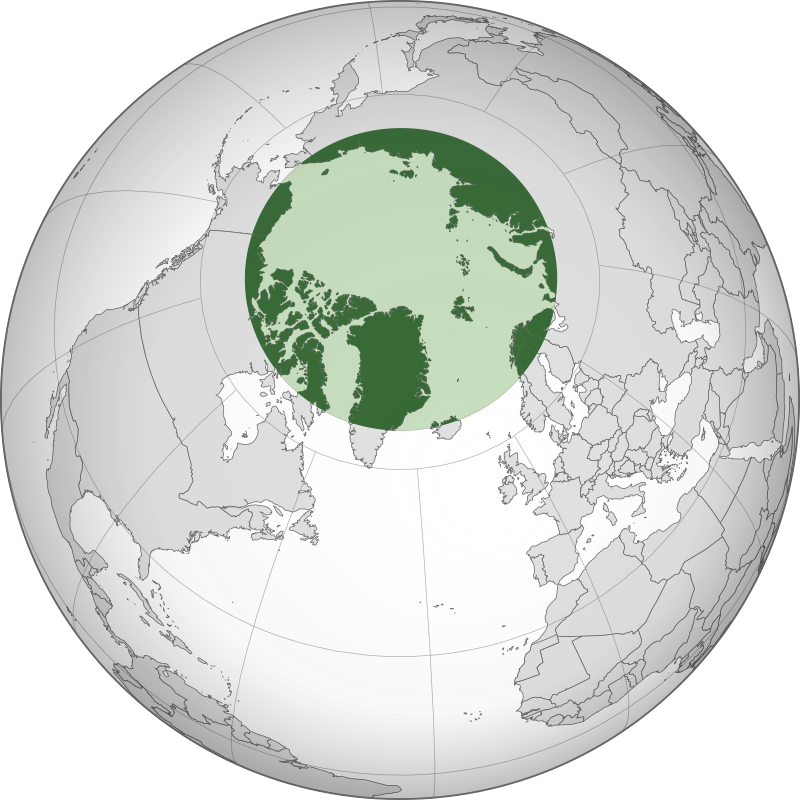
Geographic Location:
- The Arctic is a polar region located at the northernmost part of Earth.
- It spans parts of several countries, including northern Norway, Sweden, Finland, Russia, the United States (Alaska), Canada, Denmark (Greenland), and Iceland.
- It includes areas like:
- Norway: Nordland, Troms, Finnmark, Svalbard, Jan Mayen
- Sweden: Västerbotten, Norrbotten, Lappland
- Finland: North Ostrobothnia, Kainuu, Lappi
- Russia: Murmansk, Siberia, Nenets Okrug, Novaya Zemlya
- United States: Alaska
- Canada: Yukon, Northwest Territories, Nunavut
- Denmark (Greenland): Part of the Danish Realm
- Iceland: Grímsey and Kolbeinsey
- The Arctic Ocean and adjacent seas are integral to the region’s geography.
Characteristics of the Arctic Region
Climate and Terrain:
- The Arctic experiences seasonally varying snow and ice cover, with predominantly treeless permafrost under the tundra.
- Land is often characterized by vast stretches of ice and snow with extreme cold temperatures, particularly in the winter months.
- The terrain is largely tundra, a cold, treeless region, with some ice-covered seas that freeze seasonally.
Flora and Fauna:
- Marine Life: The Arctic Ocean is home to zooplankton, phytoplankton, fish, and marine mammals such as whales, seals, and walruses.
- Land Animals: The region supports animals adapted to the cold, such as polar bears, Arctic foxes, and reindeer.
- Birds: Many bird species, including migratory birds, thrive in the Arctic.
- Plant Life: Arctic plants are hardy and adapted to the cold, such as mosses, lichens, and low-growing shrubs.
Cultural and Societal Aspects
- The Arctic indigenous peoples have developed unique ways of life suited to the harsh conditions. These include the Sámi people in Scandinavia, the Inuit in Canada and Greenland, and the Chukchi, Nenets, and other groups in Russia.
- These communities rely on traditional practices such as hunting, fishing, and herding for subsistence, along with modern adaptations to the challenging environment.
Geopolitical Importance:
- The Arctic region is of growing geopolitical importance due to its strategic location, potential natural resources (such as oil and gas), and changing climate conditions, which are making the region more accessible.
- Climate change is leading to the melting of Arctic ice, opening new shipping routes and increasing the potential for resource extraction.
Why is the Arctic Gaining Attention?
- Climate Change Impact: Ice caps are melting rapidly, exposing new shipping routes and untapped natural resources.
- Resource Reserves: Estimated 13% of the world’s undiscovered oil and 30% of untapped natural gas are in the Arctic.
- Strategic Trade Routes: The Northeast Passage along Russia’s Arctic coast could shorten trade routes between East Asia and Europe by 8,000 km.
Who Controls the Arctic?
- Eight Arctic Nations:
- Canada, Denmark (via Greenland), Finland, Iceland, Norway, Russia, Sweden, and the U.S.
- These nations form the Arctic Council, responsible for scientific research, environmental protection, and indigenous rights.
- Territorial Claims:
- UNCLOS allows nations to extend seabed claims beyond 200 nautical miles if they prove it’s a natural extension of their continental shelf.
- Canada, Denmark, and Russia have overlapping claims.
- Russia has the largest Arctic fleet, including nuclear-powered icebreakers.
What are the Main Sources of Tension?
- Northwest Passage Dispute:
- Canada: Considers it part of its internal waters and wants control.
- U.S.: Claims it’s an international waterway with free navigation rights.
- U.S.-Denmark-Greenland Dispute:
- The U.S. tried to buy Greenland, citing national security concerns.
- Denmark reinforced Greenland’s security in response.
- Russia vs. NATO Tensions:
- Russia has military bases in the Arctic and conducted joint naval drills with China in 2022.
- Russia’s claim over Svalbard (Norwegian island) raised security concerns.
- Finland and Sweden joined NATO, increasing Western military presence.
- China’s Arctic Ambitions:
- Declared itself a “Near-Arctic State” in 2018.
- Plans to build nuclear icebreakers and access Arctic trade routes with Russia.
What Lies Ahead?
- Increasing Military Presence: NATO and Russia are ramping up Arctic operations.
- Strategic Resource Control: Countries are racing to secure Arctic oil, gas, and rare earth elements.
- Geopolitical Realignment: The Arctic’s future will depend on evolving alliances and regional claims.
The Arctic, once a remote and peaceful region, is now at the heart of global power struggles, with military, economic, and environmental stakes higher than ever.
National Affairs
1. Dhruva Space and Infostellar Collaborate
Context:
Hyderabad-based Dhruva Space and Japan-based Infostellar have announced a collaboration to explore integration of the Dhruva Space’s 3.8m S&X-band ground station antenna in Hyderabad into Infostellar’s StellarStation, expanding its global ground station network and enhancing satellite communications interoperability.
Key Highlights
- Partnership Announcement
- Hyderabad-based Dhruva Space and Japan-based Infostellar have partnered to integrate Dhruva Space’s 3.8m S&X-band ground station antenna in Hyderabad with Infostellar’s StellarStation platform.
- This collaboration aims to expand the global ground station network and enhance satellite communications interoperability.
- Integration with StellarStation
- Infostellar will onboard Dhruva Space’s antenna onto its cloud-based StellarStation platform.
- The move will enable global accessibility for enhanced satellite ground segment services.
- The integration is subject to necessary licensing approvals from the Indian government.
- Significance of Dhruva Space
- Dhruva Space is India’s only commercial ground station solutions provider.
- This partnership strengthens India’s role in the global satellite communication ecosystem.
This collaboration marks a significant step in advancing satellite communication infrastructure and boosting international cooperation in the space sector.
2. 800-Year Increase in Monsoon Rainfall in Western Ghats
Context:
A recent study by researchers at the Central University of Kerala (CUK) has revealed a significant increase in monsoon rainfall in the Western Ghats over the past 800 years. By reconstructing Indian monsoon patterns over the last 1,600 years, the study provides key insights into long-term climate variations in the region.
Key Findings
Research Insights
- A study conducted by researchers at the Central University of Kerala has revealed a steady increase in monsoon rainfall in the Western Ghats over the past 800 years.
- The research reconstructed Indian monsoon patterns over the last 1,600 years, offering valuable insights into long-term climate variations.
Impact of Intensifying Monsoon
- The increasing monsoon intensity is linked to more frequent and extreme rainfall events in recent years.
- The study highlights how disasters such as the 2018 and 2019 landslides and floods in Wayanad (Kerala) and Kodagu (Karnataka) may be part of this broader climatic trend.
Urgent Need for Climate Resilience
- The research emphasizes the need for better disaster preparedness, particularly in vulnerable regions of the Western Ghats.
- Sustainable land-use planning is essential to prevent ecological degradation and reduce the risk of landslides and floods.
- Long-term environmental policies must focus on mitigating the risks posed by intensifying monsoon patterns.
Research Methodology
- The study used a multidisciplinary approach, incorporating geological and climate analysis.
- Researchers analyzed lake sediments from Cheppandikere Lake near Madikeri, Karnataka, to trace monsoon intensity trends over several centuries.
Why This Study Matters?
This research provides critical historical evidence of increasing monsoon intensity in the Western Ghats, reinforcing the urgency of climate adaptation measures. With extreme weather events becoming more frequent, proactive conservation strategies, scientific planning, and sustainable development are essential to minimize environmental and human risks.
3. Delimitation and Financial Devolution
Overview
- The ongoing discourse on delimitation and financial devolution has led to intense political debate in Parliament and State Assemblies.
- Concerns are rising over its impact on India’s federal structure, particularly in terms of political representation and resource allocation.
Historical Context of Delimitation in India
- From 1951 to 1971, Lok Sabha seats increased in proportion to population growth.
- Population representation per seat rose from 7.3 lakh in 1951 to 10.1 lakh in 1971, when the seat count was fixed at 543.
- This freeze on seat allocation, in place since 1971, is set to expire in 2026.
Projected Changes in 2026
- If trends continue, the number of seats may rise to 753, with an average of 20 lakh people per seat.
- This could reduce the political representation of peninsular States, as their population growth rates have been lower than those of northern States like Madhya Pradesh, Uttar Pradesh, and Bihar.
Concerns Over Political Representation
- The 15th Finance Commission revised population-based financial devolution using 2011 Census data instead of 1971 data.
- A weightage for demographic performance was introduced to balance States with lower population growth but better development metrics.
- The core question remains: Should population alone determine representation?
Rethinking the Approach to Delimitation
- Instead of absolute population numbers, alternatives such as population density should be considered.
- The North-East already follows this principle, with smaller population sizes but greater seat representation.
- Even if the status quo is maintained, the overall number of seats should increase to reflect India’s growing population.
Limitations of a Purely Population-Based Approach
- The per capita approach to resource allocation and representation is misleading as it does not account for regional disparities.
- Factors such as gender and caste-based reservations further complicate the delimitation process.
- The demographic composition of a population is just as important as its size when determining entitlements, rights, and representation.
The Need for a Demographic Outlook
- A scientific, demographic-based approach should replace a simple headcount method.
- Consideration must be given to regional characteristics, historical trends, and socio-economic factors in political representation and financial devolution.
- Without such a nuanced approach, the federal balance of India could be severely disrupted.
The upcoming delimitation exercise must go beyond raw population figures and incorporate demographic, economic, and regional factors. A balanced approach is needed to prevent political marginalization and ensure equitable representation for all States while maintaining India’s federal integrity.
4. Assurances in Parliament
Context:
Since 2014, the Ministry of Home Affairs (MHA) made 421 assurances in the Lok Sabha and 338 in the Rajya Sabha. However, the MHA dropped nearly 15% and 12% of these assurances, the highest percentage among all Ministries.
Understanding Parliamentary Assurances
- An assurance is a commitment made by a Ministry during a parliamentary discussion that requires further action and reporting back to the House.
- If an assurance is not fulfilled within three months, the Ministry must apply for an extension or request for it to be dropped.
- The Committee of Government Assurances, formed in 1953, monitors the implementation of these commitments.
Status of Assurances in Lok Sabha
- As of March 24, 2024, nearly 65% of assurances made in 2024 are still pending.
- Pending assurances from previous years:
- 2023: 44% still pending
- 2022: 18% still pending
- Example: A March 2023 question by Congress MP B. Manickam Tagore about Adani-owned ports remains unresolved.
Status of Assurances in Rajya Sabha
- As of March 24, 2024, nearly 66% of assurances made in 2024 are still pending.
- Pending assurances from previous years:
- 2023: 36% still pending
- 2022: 24% still pending
- Between 2014 and 2022, the share of dropped assurances ranged between 2% and 15% in Rajya Sabha.
Ministries with the Highest Dropped Assurances
- Home Affairs Ministry (Highest)
- Examples of dropped assurances:
- 2014: Question on terrorist attacks and arrests (Sirajuddin Ajmal).
- 2014: Inquiry into out-of-turn promotions and gallantry awards for policemen involved in fake encounters (Asaduddin Owaisi).
- 2019 & 2020: Questions on the Pulwama terror attack (Manish Tiwari).
- Examples of dropped assurances:
- Other Ministries among the Top Five:
- Finance
- Law and Justice
- Road Transport and Highways
- Railways
The high rate of dropped assurances, especially by the Home Affairs Ministry, raises concerns about government accountability. Pending and dropped assurances highlight the gap between commitments and execution, impacting public trust and policy transparency. The Committee of Government Assurances needs to enforce stricter oversight to ensure that promises made in Parliament translate into real action.
TH
5. Bipolar Disorder
What are Mood Disorders?
- Mood disorders are characterized by pathological alterations in one’s mood, energy, and activity levels, significantly affecting daily functioning.
- Major Depressive Disorder (MDD): Persistent sadness, loss of interest in activities, fatigue, cognitive difficulties, feelings of hopelessness, and suicidal thoughts.
- Bipolar Disorder: Involves extreme mood fluctuations between depression and mania, the latter being characterized by elevated mood, increased energy, decreased need for sleep, and impulsivity.
Causes of Mood Disorders
- The genesis of mood disorders is multifactorial and influenced by a combination of genetics and environmental factors.
- Genetic vulnerability: Mood disorders, particularly bipolar disorder, tend to run in families. The genetic contribution to bipolar disorder is significant, with heritability ranging between 60-85%.
- Gene-environment interactions: Environmental stressors, such as childhood abuse, trauma, financial difficulties, and significant life events, interact with genetic predispositions, influencing the onset of mood disorders.
- Proximal stressors: Include adverse childhood experiences like abuse, neglect, or domestic violence.
- Distal stressors: Include adulthood challenges such as financial difficulties, bereavement, and trauma.
The Role of Chronic Stress
- Chronic stress leads to HPA axis dysregulation, where the body’s response to stress (via cortisol release) remains active even after the stressor ends, leading to a chronic low-grade inflammatory state.
- Bipolar disorder is particularly sensitive to stress, with depressive relapses linked to negative life events and manic relapses associated with goal-attainment events.
Circadian Functioning in Bipolar Disorder
- Bipolar disorder is closely linked to disruptions in the circadian system, which regulates the body’s internal clock. Circadian rhythms such as body temperature and melatonin secretion often become disrupted during mood episodes.
- The relationship between these disturbances and mood dysfunction is still under study, as researchers are unsure whether these circadian disruptions cause or result from mood disorders.
Diagnostic Challenges
- Bipolar disorder often begins with depressive episodes, and it can take 6 to 10 years from the first symptoms to an accurate diagnosis.
- Hypomanic episodes may go unnoticed because individuals may not seek help during these phases, sometimes enjoying the elevated mood.
- Clinicians look for:
- Early-onset depression.
- Family history of bipolar disorder.
- Unusual responses to antidepressants.
- Substance misuse or attention deficit disorder.
Bipolar disorder and other mood disorders are complex and multifactorial. While genetic factors play a significant role, environmental stressors and disruptions in circadian rhythms also contribute to the onset and progression of these disorders. Early recognition and intervention are critical, and with appropriate treatment, individuals with mood disorders can lead fulfilling, productive lives.
Banking/Finance
1. The Impact of Excessive Regulatory Involvement
Context:
The forex liability accounting fiasco at IndusInd Bank has attracted widespread media attention, particularly concerning the reappointment of its managing director (MD) for a one-year term, rather than the requested three years. This decision mirrors a similar situation from the previous year, raising questions about the rationale behind such truncated approvals.
Recent Issues with MD Appointments
- The reappointment of the MD at IndusInd Bank follows a trend of curtailed tenure approvals. The rationale behind approving an individual for a shortened term, despite previous concerns, remains unclear.
- A similar incident occurred in 2023 at Kotak Mahindra Bank, where an interim MD appointment was approved for just two months, despite the initial request for a four-month term.
- Financial regulators, such as Sebi and Irdai, also follow practices of approving MD appointments in piecemeal terms, often resulting in entities operating without an MD for extended periods, sometimes up to six months.
Regulatory Involvement in Appointments
- Financial regulators have increasingly asserted their control over MD appointments and reappointments, rejecting candidate panels and altering remuneration structures.
- Private sector entities are governed by their boards but face significant regulatory oversight in key appointments, including the CEO, executive directors, and independent directors.
- Regulators also participate in selecting CMDs and whole-time directors for public sector banks and insurance companies, sometimes appointing their nominees to boards.
The Issue of Regulatory Overreach
- Excessive regulatory involvement in the appointment process has led to unintended consequences:
- Uncertainty over leadership impacts business plans.
- The regulatory approval process delays appointments and undermines accountability for governance lapses.
- This involvement risks creating moral hazards, where entities rely too heavily on regulators to manage their governance processes.
Public vs Private Sector Dynamics
- Public sector entities face an additional challenge in leadership appointments, as 42% of director positions on public sector bank boards are vacant, primarily due to delays in the Appointments Committee of the Cabinet, headed by the Prime Minister.
- In contrast, private sector boards can act independently, but their appointments are subject to scrutiny by regulatory bodies, creating a perception of non-neutrality based on ownership type.
Consequences of Expanded Oversight
- Uncertainty in leadership can disrupt the operations of regulated entities, impacting business plans and shareholder confidence.
- A talent drain is emerging, with skilled professionals increasingly unwilling to join boards or leadership positions in heavily regulated entities.
- Listed entities are particularly sensitive to leadership uncertainties, which can adversely affect their market performance.
The Need for a Balanced Approach
- Regulatory oversight should act as a safeguard, not a substitute for internal governance.
- Accountability should rest with the boards and management of these entities, with strict penalties for governance failures.
- Deregulation in the financial sector should empower entities to act as responsible adults, allowing them to make decisions without excessive regulatory interference.
The current approach to regulatory involvement in executive appointments in the financial sector creates instability and undermines the autonomy of regulated entities. By focusing on internal governance and holding boards accountable, regulators can help create a more resilient financial sector that operates efficiently and with long-term stability.
2. IndusInd Bank’s Aggressive Fundraising
Context:
IndusInd Bank raised a substantial ₹16,550 crore through the Certificate of Deposit (CD) market in March after disclosing discrepancies in its derivatives portfolio. The move was a response to a flight of deposits, signaling a significant shift in its fundraising strategy.
Details of Fundraising
- IndusInd Bank’s CD Issuances:
- March 10: Raised ₹1,890 crore by issuing 12-month CDs at a coupon rate of 7.75%.
- On the same day, the bank revealed discrepancies in its derivatives portfolio, which would reduce its net worth by 2.35%.
- To address these issues, the bank appointed an external agency for a review of the loss estimate and later decided to hire an independent firm to conduct a comprehensive investigation.
- Subsequent Week: The bank raised an additional ₹11,000 crore through CDs with coupon rates ranging from 7.8% to 7.9%, marking a 15 basis point increase compared to the previous week’s rates.
Reason for Increased Subscription
- Attractive Yields: The higher yields offered by IndusInd Bank (7.75% to 7.9%) compared to those of public-sector banks (which were in the range of 7.5% to 7.6%) created an opportunity for these banks to secure a favorable spread over their borrowing costs.
- A treasury official from a large public-sector bank noted that the higher rates made IndusInd Bank’s CDs particularly attractive.
Implications
- Investor Confidence: Despite the bank’s internal findings revealing discrepancies in its derivatives portfolio, the aggressive fundraising and high demand for its CDs suggest that investors, particularly public-sector banks, were not overly deterred due to the higher returns.
- Long-Term Impact: The ongoing investigation into the discrepancies will be critical in determining the long-term impact on IndusInd Bank’s reputation and financial stability.
3. Sebi Considers Direct Access for Foreign Investors in Indian Stock Market
Background and Proposal:
- The Securities and Exchange Board of India (Sebi) is exploring options to expand the ownership base for local risk assets by allowing overseas individuals to invest directly in India’s primary and secondary stock markets.
- Currently, foreign individuals can only invest in Indian markets through the Foreign Portfolio Investor (FPI) route.
- The proposal, discussed in a meeting with Sebi management and market participants, is still in the preliminary stages and would require approval from both the Finance Ministry and the Reserve Bank of India (RBI).
Current Investment Framework
- FPI Route: Foreign investors currently access Indian markets through the FPI framework, particularly Category II FPIs, which can invest after registering with Sebi and using a local sub-custodian.
- Direct Investment Proposal: Sebi is considering allowing foreign individuals to directly open brokerage accounts and invest in listed Indian stocks, bypassing the FPI intermediary route. This could potentially ease compliance requirements for such investors.
Potential Benefits
- Broaden Investor Base: Allowing direct access could attract ultra-high-net-worth individuals (UHNWIs) from global financial hubs like London, New York, and Singapore, increasing foreign participation in Indian equities.
- Simplified Access: Direct market access could simplify the process, reducing reliance on institutional investors and promoting greater liquidity in Indian markets.
- Compliance Efficiencies: With direct access, investors may avoid the complex structures and costs associated with the current FPI route.
Challenges and Safeguards
- Regulatory Concerns: India has traditionally been cautious about allowing foreign individuals to invest directly due to the need for strict Know Your Customer (KYC) checks and anti-money laundering (AML) regulations.
- Potential Risks: Direct foreign investments might circumvent current checks, raising concerns about transparency and regulatory control. Additionally, overseas investors could potentially use Participatory Notes (P-notes), which have been criticized for lack of transparency.
- Foreign Direct Investment (FDI) Regulations: If an individual investor’s stake in a listed company crosses 10% through the FPI route, it is considered FDI, which is subject to sectoral restrictions.
- Compliance Framework: Experts emphasize the need for a robust regulatory framework to mitigate risks. Key measures would include ensuring proper tax payments, monitoring ownership limits, and addressing sector-specific restrictions under FDI regulations.
While Sebi’s proposal could potentially broaden foreign participation in Indian markets, any change in regulations will need to address key concerns related to compliance, tax, and transparency. The necessary safeguards and regulatory frameworks will be critical in ensuring the success of this initiative.
4. Sebi Urged to Reconsider IPO Quota Rules
Context:
Investment banks handling Initial Public Offerings (IPOs) have recently called on the Securities and Exchange Board of India (Sebi) to reduce the quota of shares reserved for retail investors in large IPOs. The argument is that the 35% retail quota may be impacting the price discovery mechanism.
Key Arguments Against Current Quota System
- Under-Subscription Issues: The retail investor portion of some IPOs has not been fully subscribed, leading to inefficiencies in the listing process.
- Mutual Fund (MF) Activity: Mutual funds also participate in the portion reserved for institutional investors, further distorting the demand from the institutional segment.
- Imbalance in Quotas:
- Retail investors, including High Net-Worth Individuals (HNIs), have a 50% allocation in IPOs. Additionally, MFs also participate, effectively increasing retail exposure.
- Institutional investors, despite their 50% quota, have less influence on pricing due to the significant retail participation.
Counterarguments and Defenses
- Market Conditions Influence Retail Participation: Retail demand in IPOs is not only influenced by the allocation rules but also by broader market conditions. The under- or over-subscription of retail portions cannot solely determine the quota limits.
- Sebi’s Intervention Against Speculation: Sebi has previously stepped in to curb speculative activities in the IPO market, ensuring a more stable pricing mechanism.
- Improved Price Discovery: The recent period of retail investor disinterest can be linked to greater scrutiny and alignment between primary and secondary market pricing. This has led to a refined price discovery process.
- Institutional Demand Ensures IPO Success: Even when retail participation is weak, strong institutional interest has ensured that IPOs still get subscribed, demonstrating that price discovery is not hindered.
Potential Impact of Shrinking Retail Quota
- Who Benefits from Freed-Up Quota? If the retail quota is reduced, the question arises of who will benefit from the freed-up shares. Institutional investors already have adequate representation in IPOs.
- Concerns Over HNI Segment: The HNI segment has been seen as “frothy” and requires additional controls to prevent market distortions.
- Mutual Fund (MF) Participation: MFs engage in IPOs with an institutional approach. Treating this as disguised retail participation would be misleading, as MFs typically adopt a more strategic, professional investment approach.
The arguments for reducing the retail investor quota are weak, and it is not necessary to adjust the allotment rules. The current system, which ensures a significant retail allocation, sends a strong signal of regulatory intent and encourages broader retail participation in IPOs. Sebi should continue fostering a balanced market environment that safeguards investor interests and ensures the integrity of the price discovery process.
5. Key Changes in Regulatory Guidelines Effective April 1, 2025
1. Priority Sector Lending (PSL) Guidelines by RBI
- Objective: To enhance credit flow to priority sectors and foster inclusive growth.
- Changes:
- Increased Limits:
- Education Loans: Raised limits to encourage access to education financing.
- Renewable Energy Loans: Expanded support for financing renewable energy projects.
- Affordable Housing Loans: Increased limits for loans under affordable housing schemes.
- Increased Limits:
- Impact: These changes are expected to boost lending to key sectors that contribute to economic growth and social welfare.
Risk Weights on Bank Loans to Non-Banking Financial Companies (NBFCs)
- Change: The RBI has restored the risk weight on bank loans to NBFCs from 125% to 100%.
- Effective Date: April 1, 2025.
- Impact: This adjustment reduces the capital burden on banks lending to NBFCs, helping the sector deal with higher borrowing costs.
New Guidelines for UPI Transactions
- Implemented by: National Payments Corporation of India (NPCI).
- Changes:
- Mobile Number Record Updates: Banks and Payment Service Providers (PSPs) must update mobile number records weekly to reduce transaction errors.
- Opt-In Requirement: UPI users must explicitly opt-in for seeding their UPI numbers.
- Purpose: These guidelines are aimed at enhancing security and reducing fraudulent transactions in the UPI ecosystem.
ATM Charges Increased
- Change: The maximum fee that banks can charge for ATM cash withdrawals has been increased to ₹23.
- Effective Date: May 1, 2025.
- Previous Limit: ₹21.
- Impact: The fee hike may lead to increased costs for customers withdrawing cash from ATMs.
Revised SRO Guidelines for Micro Finance Institutions (MFIs)
- Implemented by: RBI-recognized Self-Regulatory Organization (SRO) for MFIs, MFIN.
- New Guidelines:
- Borrower Limit: A borrower will not be able to obtain loans from more than four lenders simultaneously.
- Objective: This rule aims to reduce over-borrowing and mitigate the risk of excessive debt burdens on borrowers.
Prompt Corrective Action (PCA) Framework for Urban Cooperative Banks
- Change: The existing Supervisory Action Framework (SAF) for weak Urban Cooperative Banks (UCBs) will be replaced by the PCA framework.
- Effective Date: April 1, 2025.
- Key Criteria for PCA:
- Consecutive Losses: Banks incurring losses for two consecutive years.
- Net NPAs: Net Non-Performing Assets (NPAs) above 6% but below 9%.
- Capital Adequacy Ratio (CAR): CAR up to 250 basis points below the required level.
- Impact: The PCA framework is designed to be principle-based, with fewer parameters, providing RBI with more flexibility to address financial stress in UCBs.
6. RBI’s 90th Anniversary
Context:
On completing 90 years of its journey, the Reserve Bank of India (RBI) reaffirmed its commitment to ensuring monetary stability, trust in the financial system, and support for economic growth. The theme for this significant milestone, ‘Stability, Trust, and Growth’, encapsulates RBI’s core values, focusing on its role in maintaining a resilient financial ecosystem, enhancing public trust, and contributing to India’s economic prosperity.
Key Pillars of RBI’s Mandate
Price Stability
- Objective: To maintain stable prices and control inflation, which can erode the value of money, particularly affecting the poor.
- Target: Aiming for 4% CPI inflation with a 2% band.
- Approach: Ensuring moderate inflation to foster economic growth, avoiding the risks of both stagnation and excessive price volatility.
- Future Focus: A review of the flexible inflation targeting framework in collaboration with the government to create favorable conditions for both inflation control and economic growth.
Financial Stability
- Objective: Ensuring the health of financial institutions, which directly supports economic activities.
- Achievements: India has maintained a stable financial system with well-capitalized banks and Non-Banking Financial Companies (NBFCs).
- Focus: Ensuring financial institutions are resilient, managing risks effectively, and continuing to support real sector activities.
External Stability
- Objective: To maintain stable foreign exchange rates, crucial for importers, exporters, and investors.
- Strategy: Ensuring sufficient foreign exchange reserves and a manageable current account balance to weather external shocks.
- Outlook: RBI’s focus will be on managing excessive forex volatility, maintaining stability without targeting specific exchange rate levels.
The Importance of Trust
- Currency Integrity: Trust in currency is fundamental for its acceptance and use in daily transactions.
- Public Confidence: Trust ensures that individuals feel secure when depositing their money in banks and when relying on monetary policy to control inflation expectations.
- Financial Stability: Trust in financial institutions, payment systems, and settlement processes is integral to a stable financial system.
- Transparency and Independence: RBI strives for transparency in its operations and accountability while maintaining independence, which further strengthens public trust.
Growth and Development
- Vision: Aligning with the government’s goal of a Viksit Bharat (Developed India) by 2047, RBI aims to support inclusive and accelerated economic growth.
- Proactive Measures: RBI’s approach has been both pragmatic and visionary, including a strong response to the COVID-19 pandemic to stabilize the economy.
- Financial Inclusion: Expanding access to financial services, particularly for the underserved, is central to fostering equitable growth. RBI will continue to promote the use of technology to enhance lending capabilities and support sustainable growth.
Technological Advancements
- Key Innovations:
- Unified Payments Interface (UPI)
- Account Aggregator
- Central Bank Digital Currency (CBDC)
- Focus: Leveraging technology to deepen financial inclusion, improve financial management, expand credit, and enhance customer service experience.
- Global Integration: Efforts to internationalize the rupee and globalize India’s payment systems are ongoing, aiming to make India’s financial infrastructure globally recognized.
RBI’s Future Commitment
- Values: RBI remains committed to upholding the values of integrity, transparency, accountability, and professionalism.
- Goals: The central bank continues to foster a safe, secure, and stable financial system that aligns with the aspirations of the nation.
- Rededication: As Mahatma Gandhi once said, “The future depends on what we do in the present.” RBI reaffirms its rededication to serving the nation, ensuring a robust financial system that supports the country’s growth and well-being.
In essence, as RBI celebrates its 90th anniversary, its focus on stability, trust, and growth continues to guide its path forward, ensuring a resilient financial system that contributes to the prosperity of India and its citizens.
Economy
1. Growth Outlook for Indian Economy
Economic Context and Challenges
- The Indian economy is entering the financial year 2024-25 with a cautious growth outlook due to reciprocal tariffs, trade uncertainties, and geopolitical tensions.
- US President Donald Trump has promised to impose reciprocal tariffs on trading partners starting April 2, following tariffs on steel, aluminium, and automobiles, which may affect global trade dynamics.
- Vivek Kumar, economist at QuantEco Research, noted that these risks could potentially slow global growth, which may indirectly impact India by 5-10 basis points (bps), with direct effects possibly being greater.
Growth Projections
- The Economic Survey projects India’s growth between 6.3% to 6.8% for FY26, while the Reserve Bank of India (RBI) estimates 6.7% growth.
- Some economists believe that the trade uncertainty will eventually subside, leading to greater clarity for investors, coupled with lower inflation and strengthening domestic consumption.
Positive Economic Indicators
- Rumki Majumdar, economist at Deloitte India, highlights factors such as:
- Lower inflation
- Stable global oil prices
- Government tax stimulus
- Lower borrowing rates
- More liquidity
- These factors, along with a more certain global environment, are expected to boost market sentiment in FY26.
- The service sector has shown positive performance and is expected to continue its growth. The manufacturing sector is also showing signs of improvement, which will likely contribute significantly to GDP growth.
Trade and Export Concerns
- Trade experts have raised concerns about the evolving geopolitical dynamics and escalating tariff wars, which could impact India’s exports.
- According to Nomura, if India’s tariffs on US imports are 9.5% and the US tariffs on India are 3%, the reciprocal tariff could be around 6.5%. However, experts expect the US tariffs to be more broad-based and difficult to quantify.
- Biswajit Dhar, professor at Council for Social Development, warned that India’s exports could face pressure due to uncertainties in key markets like the US and the EU, two of India’s largest export destinations.
- India’s exports to the US account for 17.7% of total outbound shipments, while the EU accounts for 17.4%. The escalating tariff war and geopolitical tensions could hinder trade in both these regions.
Export Data and Outlook
- In February, India’s exports contracted sharply by 10.9% year-on-year, totaling $36.91 billion, impacted by global petroleum price fluctuations and growing economic uncertainty.
- Cumulative exports for the first 11 months of FY25 remained flat at $395 billion.
Optimistic Outlook Amidst Challenges
- Despite the challenges, economists remain hopeful due to India’s strong economic fundamentals, lower inflation, and positive growth drivers.
- A softening inflationary pressure could contribute to a pick-up in overall growth in FY26. However, economists also urge caution due to the uncertain global economic landscape and the ongoing tariff issues.
BS
Agriculture
1. Central Government’s Move to Revise Base Year for CPIAL/RL
Context:
After nearly 40 years, the Central Government is planning to revise the base year of the Consumer Price Index for Agricultural Labourers (CPIAL) and Rural Labourers (CPIRL) to better reflect the current inflation faced by these workers. The Labour Bureau has formed an expert committee, chaired by Asit Kumar Sadhu (National Statistical Commission member), to revise the base year from 1986-87 to 2024-25.
Purpose of CPIAL/RL
- The Consumer Price Index for Agricultural Labourers (CPIAL) and Rural Labourers (CPIRL) are essential tools used by both the Central and State Governments to determine minimum wages for agricultural and rural labourers, engaged in either agricultural or non-agricultural work.
- CPIAL is also crucial in setting wages for the Mahatma Gandhi National Rural Employment Guarantee Act (MGNREGA), the government’s flagship rural jobs program.
Current Situation
- The Union Government is revising the base year of CPIAL and CPIRL, as they are currently based on the outdated 1986-87 year.
- The new base year will reflect the 2024-25 agricultural year, incorporating the latest economic and consumption data.
- This revision aims to ensure that the indices are more aligned with current consumption patterns and inflationary pressures experienced by rural workers.
Key Updates on the Revision Process
- An expert committee, consisting of representatives from the consumer affairs and statistics ministries, alongside independent experts, has been formed for this task.
- The recently released Household Consumption Expenditure Survey is being utilized for updating the indices.
- The revision also aims to extend the coverage of the indices to all states and Union Territories (UTs), as they are currently available for only 20 states/UTs. States without a dedicated index typically use neighbouring states’ indices for determining minimum wages.
Impact on MGNREGA Wages
- The updated CPIAL will be used for wage calculations under MGNREGA, which are adjusted annually based on changes in CPIAL, typically applied from April 1.
- The wage rate for MGNREGA workers will be more accurately aligned with real inflation data, particularly the inflation faced by low-income rural populations.
Consumption Patterns and Weightings
- Rural workers, especially those involved in agriculture, spend a significant portion of their earnings on food, which is why food-related items have a disproportionate weight in these indices.
- CPIAL currently assigns 72.9% weight to food, and CPIRL assigns 70.4% weight to food.
- Other consumption categories, such as medical care and education, have much lower weightings (around 4.38% for CPIAL in medical care, and 0.94% for education).
Key Considerations
- The base year revision will ensure that these indices more accurately track the inflation faced by low-income rural workers, particularly in relation to food prices.
- This update is also crucial for ensuring that MGNREGA wages and minimum wages are based on relevant and timely data, helping to support the economic stability of rural workers.
The revision of CPIAL and CPIRL indices is a crucial step to align wage determinations with the real cost of living faced by rural and agricultural workers. The update will help ensure that these workers receive fair compensation in line with current inflation trends, particularly in food prices.
Facts To Remember
1. 2014-batch IFS officer Nidhi Tewari named private secy to PM
Nidhi Tewari, a 2014-batch Indian Foreign Service officer, has been appointed as private secretary to PM Narendra Modi, becoming the first woman to get such a posting in recent history. Incidentally, she is from Mehmurganj in UP’s Varanasi, the parliamentary constituency Modi has been representing in Lok Sabha since 2014.
2. Moody’s projects India’s 6.5% growth, leading G-20 Nations
Moody’s Ratings said India’s growth at 6.5 per cent will remain the highest amongst the advanced and emerging G-20 countries, supported by tax measures and continued monetary easing.
3. India celebrates 52 years of Project Tiger: A global conservation success story
India proudly commemorates 52 years of Project Tiger, a pioneering initiative that transformed the landscape of wildlife conservation. On this day in 1973, the Government of India launched Project Tiger to protect the country’s dwindling tiger population.
4. India-US begin 4th edition of Exercise Tiger Triumph in Visakhapatnam
The Fourth edition of Exercise Tiger Triumph, a bilateral Tri-Service India-US Humanitarian Assistance and Disaster Relief (HADR) Exercise, is scheduled to begin at Visakhapatnam today.
5. Rajgir to host Hero Asia Cup Hockey 2025 in August
Rajgir in Bihar will host the Hero Asia Cup Hockey 2025 in August of this year. Hockey India and the Bihar State Sports Authority signed a Memorandum of Understanding (MoU) in this regard at the Patliputra Sports Complex in Patna.
- The Committee of Government Assurances, formed in 1953, monitors the implementation of these commitments. Assurances in Parliament
- The study highlights how disasters such as the 2018 and 2019 landslides and floods in Wayanad (Kerala) and Kodagu (Karnataka) may be part of this broader climatic trend. 800-Year Increase in Monsoon Rainfall in Wester…
- Population representation per seat rose from 7.3 lakh in 1951 to 10.1 lakh in 1971, when the seat count was fixed at 543. Delimitation and Financial Devolution
- On the same day, the bank revealed discrepancies in its derivatives portfolio, which would reduce its net worth by 2.35%. IndusInd Bank's Aggressive Fundraising
- Change: The RBI has restored the risk weight on bank loans to NBFCs from 125% to 100%. Key Changes in Regulatory Guidelines Effective …
2 April, 2025
Daily Current Affairs Quiz
2 April, 2025
International Affairs
1. U.S. Push for Greenland
Context:
The Prime Minister of Greenland pushed back against assertions by U.S. President Donald Trump that America will take control of the island territory. Greenland, a huge, resource-rich island in the Atlantic, is a self-governing territory of Denmark, a NATO ally of the United States. Mr. Trump wants to annex the territory, claiming it’s needed for national security purposes.
A History of U.S. Interest in Greenland
- 1867: First U.S. attempt to buy Greenland after acquiring Alaska.
- WWII: U.S. built military bases when Denmark fell to Nazi Germany.
- 1946: Washington offered $100 million, Denmark refused.
- 2019 (Trump’s First Term): Another failed purchase attempt.
- 2025 (Trump’s Second Term): More aggressive push, despite past rejections.
Greenland’s Political Landscape Today
- Status: Autonomous, but defense and foreign affairs under Danish control.
- Nationalist Wave:
- 80% of Greenlanders support full independence.
- 85% reject U.S. control over their territory.
Strategic Importance of Greenland
- Arctic Access: Climate change is melting ice, opening new routes.
- Resource Rush: Potential untapped reserves of oil, gas, and minerals.
- Geopolitical Chessboard:
- Russia has a strong military presence in the Arctic.
- U.S. aims to counter Moscow and expand Arctic claims.
- Other Arctic players: Canada, Norway, Denmark (via Greenland).
Expansionism vs. Sovereignty
- Historical Echoes: Attempting to seize land for strategic/economic gain mirrors past empires.
- Legal & Ethical Concerns: Violates principles of national sovereignty.
- International Fallout:
- Risk of diplomatic conflict with Denmark.
- Could destabilize the Arctic region and increase militarization.
- Undermines U.S. credibility on respecting democratic self-determination.
What’s Next?
- Will Denmark and Greenland strengthen ties to resist U.S. pressure?
- Could Greenland’s independence movement accelerate as a countermeasure?
- How will Russia and other Arctic nations respond to U.S. ambitions?
2. India-China Relations
Context:
The 75th anniversary of India-China diplomatic relations was commemorated with messages from leaders of both nations, underlining the need for cooperation, stability, and strategic engagement.
Key Messages from Leaders
Chinese President Xi Jinping
- Advocated for a “cooperative pas de deux of the dragon and the elephant” to advance mutual interests.
- Urged both countries to adopt a strategic and long-term perspective in handling bilateral relations.
- Highlighted India and China as ancient civilizations, major developing nations, and key players in the Global South.
- Expressed readiness to work with President Droupadi Murmu to deepen mutual trust, coordinate on international affairs, and maintain border peace.
Indian President Droupadi Murmu
- Stressed the importance of “stable, predictable, and amicable” ties for the benefit of both nations and the world.
Rebuilding India-China Relations
Strategic and Diplomatic Cooperation
- Both nations acknowledge the importance of engagement at a high level.
- The commitment to deepen trust and coordination on global issues signals an attempt to stabilize ties despite past tensions.
Border Peace and Stability
- President Xi’s mention of safeguarding peace and tranquillity in border regions reflects the ongoing priority of both sides to prevent escalations along the Line of Actual Control (LAC).
Economic and Developmental Parallels
- Xi’s reference to both countries being at a critical stage of modernization hints at potential areas of collaboration, such as technology, trade, and sustainable development.
Challenges
- Lingering border tensions and unresolved diplomatic frictions remain a barrier.
- Economic and trade disparities, along with concerns over market access and security issues, need careful negotiation.
Opportunities
- Strengthening bilateral trade and investment.
- Expanding people-to-people exchanges to foster better understanding.
- Collaborating on global challenges such as climate change, health security, and multilateral diplomacy.
As India and China mark 75 years of diplomatic relations, their future ties hinge on trust-building, conflict resolution, and economic collaboration. While challenges persist, the commitment to dialogue and strategic engagement offers a path toward a more constructive and stable relationship.
3. India-Chile Relations
Context:
As India and Chile agreed to start negotiations for a comprehensive economic partnership agreement after a bilateral meeting with the visiting President of Chile Gabriel Boric Font, Prime Minister Narendra Modi described Chile as the “gateway to Antarctica”.
Key Developments
- India & Chile to negotiate a Comprehensive Economic Partnership Agreement (CEPA).
- Enhanced cooperation in defence, security, critical minerals, and agriculture.
- Four bilateral agreements signed, including Antarctic cooperation.
- Chile reaffirms support for India’s bid for a permanent UN Security Council seat.
- Joint commitment to combating terrorism through FATF & NMFT.
Economic & Trade Cooperation
- Expansion of trade & investment opportunities between India and Chile.
- Strengthening critical mineral partnerships to build resilient supply chains.
- Enhanced collaboration in agriculture to boost food security.
Defence & Security Collaboration
- Joint efforts to develop defence industrial manufacturing & supply chains.
- Stronger cooperation on organized crime, drug trafficking, and terrorism.
- Commitment to UNSC reforms for global peace & stability.
Global & Strategic Impact
- India positions Chile as its gateway to Antarctica, expanding scientific research & cooperation.
- Strengthened ties bolster India’s presence in Latin America.
- Mutual support in multilateral platforms like FATF to combat global terrorism.
The agreement marks a new era of economic and strategic partnership, reinforcing India’s global outreach and Chile’s role as a key Latin American ally.
National Affairs
1. India’s Education System
Breaking Free from a Stagnant Past
- Before 2014: India’s education system remained unchanged since 1986 (with minor amendments in 1992).
- Challenges:
- Rampant corruption and governance deficit.
- Funding cuts to public universities.
- Unregulated private institutions turning into degree mills.
- Political interference in university leadership.
- Skewed historical narratives in textbooks.
The NEP 2020
- Most extensive democratic consultation in policy-making history.
- Built on five pillars: Access, Equity, Quality, Affordability, and Accountability.
- Aim: Break free from centralised, rigid, and elitist structures.
Key Achievements
Women’s Leadership in Education
- PhD enrolment among women: +135%.
- Women in STEMM fields: 43% (shattering gender barriers).
- Female teachers: 44.23% (up from 38.6% in 2014).
Increased Investment in Education
- Per-child government expenditure: +130% (₹10,780 in 2013-14 → ₹25,043 in 2021-22).
- Government schools upgraded with modern infrastructure & pedagogy.
- Drop-out rates reduced, learning outcomes improved.
Innovation & Future-Ready Education
- Coding introduced from middle school.
- Multidisciplinary learning & problem-solving approach.
- 10,000+ Atal Tinkering Labs (ATL) in rural areas → fostering grassroots innovation.
- Plans for 50,000 ATLs with broadband connectivity in the next 5 years.
Higher Education & Research Boom
- India now has 11 universities in QS World Rankings top 500.
- Research publications: +88% since 2015.
- India’s ranking in Global Innovation Index: Improved from 76 (2014) to 39 (2023).
- Anusandhan-National Research Foundation: Boosting research-industry collaboration.
Indian Languages & Knowledge Systems Revitalized
- End of ‘English-first’ dominance in education.
- 8,000+ institutions adopting Indian Knowledge Systems (IKS) curricula.
- 15,000 textbooks in 22 Indian languages under Bharatiya Bhasha Pustak Yojana.
Social Justice Reforms in Education
- Central Educational Institutions (Reservation in Teachers’ Cadre) Act, 2019 ensures proper representation.
- End of discriminatory hiring practices that blocked SC/ST/OBC candidates in universities.
Intellectual Decolonization & A Viksit Bharat
- A complete break from colonial-era education models.
- Integration of India’s civilizational ethos with modern innovations.
- Vision: Position India as a global knowledge superpower.
This is not just education reform; it is India’s intellectual renaissance, paving the way for a developed and self-reliant nation.
TH
2. WEF’s Global Risks Report 2025
Context:
The World Economic Forum’s (WEF) Global Risks Report 2025 underscores misinformation and disinformation as the highest ranked short-term global threat. The WEF defines “global risk” as an event that can adversely affect a sizeable portion of the population, the global GDP, and natural resources.
The Rising Challenge of Misinformation
- WEF’s Global Risks Report 2025 ranks misinformation and disinformation as the top short-term global threat.
- Key drivers of the crisis:
- AI-generated content & deepfakes.
- Algorithmic biases & polarisation.
- Declining trust in mainstream media.
- Exploitation of social media platforms by political and non-state actors.
India’s Growing Vulnerability
- India, with nearly 900 million Internet users, is highly susceptible to disinformation.
- Political & economic impact:
- Manipulated narratives affecting elections & democracy.
- Disinformation leading to economic conflicts & consumer boycotts.
- Foreign interference, including Chinese disinformation campaigns since 2017.
- Key findings:
- 46% of disinformation in India is political, followed by 33.6% on general issues & 16.8% on religion.
- China-based platforms like Weibo continue to push distorted narratives.
- Meta’s potential rollback of fact-checking could worsen misinformation spread.
Global & National Policy Responses
- EU’s Digital Services Act (DSA): Sets a benchmark in tackling disinformation & foreign interference.
- India’s efforts so far:
- Ban on 300+ Chinese apps (including TikTok) to curb foreign influence.
- Initiatives like Shakti – India Election Fact-Checking Collective & Deepfake Analysis Unit during elections.
Recommended Strategies for India
Regulatory & Policy Measures
- Adopt an India-specific Digital Services Act, enforcing:
- Regular risk assessments for major social media platforms.
- Transparency in online ads (disclosing funding sources & target audience).
- Stronger legal safeguards for journalists & fact-checkers.
- Non-discrimination rules in content moderation policies.
Technological & Institutional Interventions
- Upskilling AI developers to improve algorithmic transparency & bias detection.
- AI supervisory boards & councils to oversee Generative AI practices.
- Increased investment in cybersecurity research to counteract misinformation threats.
Public Awareness & Fact-Checking
- Expand media literacy programs similar to RBI’s Financial Literacy Campaign with Amitabh Bachchan.
- Collaboration between civil society groups, regulators, and fact-checkers.
- Encourage independent research on disinformation and Foreign Information Manipulation & Interference (FIMI).
Balancing Regulation with Democratic Safeguards
- Avoid overreach & surveillance risks, ensuring free speech is not compromised.
- Promote global cooperation, as disinformation is a transnational challenge.
- Build India’s digital resilience while setting an example for the world’s largest democracy.
Beyond Combating Falsehoods
Disinformation isn’t just a technological issue; it is a test of democratic values, social cohesion, and national security. India must lead the way in building a fact-driven, resilient digital society, where unity in diversity remains unshaken amidst a polarized global information landscape.
3. Aircraft Objects Bill, 2025
Context:
The Rajya Sabha has approved the Protection of Interests in Aircraft Objects Bill, 2025, aligning India’s legal framework with the Cape Town Convention and Protocol. This legislation aims to streamline aircraft leasing regulations, protect the rights of lessors, and reduce disputes arising from unpaid dues by airlines.
Key Provisions of the Bill
- Legal Clarity for Lessors: Establishes clear guidelines for aircraft repossession and dispute resolution in case of payment defaults.
- DGCA’s Authority: Recognizes the Directorate General of Civil Aviation (DGCA) as the key regulator for implementing the treaty’s provisions.
- Enhanced Creditor Rights: Ensures standardized enforcement mechanisms for creditors under the Cape Town Convention.
Expected Benefits
For the Aviation Industry
- Lower Leasing Costs: Expected to reduce leasing expenses by 8-10%, benefiting airlines financially.
- Stronger Leasing Industry: Encourages investment in India’s aviation sector, making it more attractive for international lessors.
For Airlines
- Improved Access to Leased Aircraft: Easier lease agreements boost fleet expansion without large capital investments.
- Increased Liquidity: Airlines can allocate resources efficiently rather than making outright purchases.
For Passengers
- Potential Reduction in Airfares: Cost savings from lower leasing expenses may translate into cheaper ticket prices.
Background and Need for the Bill
- Past Leasing Disputes: Issues with SpiceJet and Go First highlighted legal uncertainties in aircraft repossession.
- 86% of Indian Airlines’ Fleets Are Leased: India’s aviation sector heavily relies on leased aircraft, making regulatory clarity essential.
- Global Compliance: Aligning with international leasing norms enhances India’s credibility in global aviation finance.
The Protection of Interests in Aircraft Objects Bill, 2025 is a critical step in strengthening India’s aviation sector. By ensuring legal certainty for lessors, reducing leasing costs, and encouraging investment, the bill is expected to make aircraft leasing more viable while potentially lowering airfares for consumers.
4. Employment-Linked Schemes to Prevent Fund Misuse
Context:
The government is revising its proposed employment-linked incentive schemes to prevent misuse and fund diversion, ensuring that only genuine employees and employers benefit, sources said.
Key Developments
- The Cabinet has returned the Labour Ministry’s proposal, seeking refinements in the scheme design.
- The Ministry of Labour and Employment is restructuring the scheme to ensure real employment generation.
- Concerns arise from past misuse under the Atmanirbhar Bharat Rojgar Yojana (ABRY), where fake firms were created to access incentives.
Proposed Safeguards
- Aadhaar Linking: While Aadhaar-based verification is included, the government is unsure if this alone can prevent fraud.
- Mandatory Audits: Exploring periodic audits for all beneficiary companies to enhance transparency.
- EPFO Strengthening: Plans are underway to boost EPFO’s capacity to manage additional payrolls under the schemes.
Details of the Employment-Linked Incentive Schemes
- Budget Allocation: ₹1.07 lakh crore earmarked for the schemes over five years.
- Job Creation Target: 29 million jobs expected under the schemes.
- Scheme A:
- Government to reimburse one month’s wage (up to ₹15,000) in three instalments as a subsidy for new workforce entrants.
- Scheme B (Manufacturing Sector Focus):
- Wage reimbursement structure:
- 24% in Year 1
- 24% in Year 2
- 16% in Year 3
- 8% in Year 4
- Employers must hire 50% or 25% of their baseline employee strength under EPFO and retain them for at least 12 months to qualify.
- Wage reimbursement structure:
Future Outlook
- The government aims to finalize the revised structure soon to ensure effective implementation.
- Additional monitoring mechanisms may be introduced to prevent fraud and enhance accountability.
The revised framework seeks to strike a balance between employment promotion and financial prudence, ensuring that incentives reach genuine beneficiaries without fund leakages.
Science & Tech
1. Breakthrough in Butterfly Migration Research
Context:
A recent study published in PNAS Nexus has revealed surprising insights into the migration of painted lady butterflies (Vanessa cardui). Unlike birds, whose migratory patterns are often influenced by genetics, these butterflies appear to migrate based on environmental conditions rather than genetic differences.
Key Findings
- No Genetic Differences in Migration: Short- and long-distance migratory butterflies belong to a single, interbreeding genetic population.
- Multi-Generational Migration: Painted ladies complete their 15,000 km journey over 8-10 generations, unlike birds that return to the same breeding grounds.
- Isotope Analysis of Wings: Researchers used stable isotopes of hydrogen and strontium in butterfly wings to track their places of origin.
- Wing Size & Shape Irrelevant: Migration distance is not influenced by wing morphology, challenging prior assumptions.
- Unexpected Wing-Wear Observations: Some butterflies that traveled 4,000 km showed minimal wing-wear, contradicting beliefs that worn wings indicate long flights.
Migration Patterns
- Spring Migration: Butterflies move north from the Sahara Desert across the Mediterranean into southern Europe, where they breed.
- Autumn Migration: Offspring return south, crossing Spain and Italy back to North Africa.
- Strong Fliers: Painted ladies have high-speed flight capabilities and powerful thoracic muscles adapted for long distances.
Research Methods
- Data Collection: The study involved tracking butterflies across Benin, Senegal, Morocco, Spain, Portugal, and Malta over several years.
- Genetic & Isotopic Analysis: Researchers compared genetic data and isotopic markers to trace migration origins and distances.
- Use of Isoscapes: European and North African isotope distribution maps helped estimate butterfly travel distances.
Implications & Future Research
- Climate Change Impact: Understanding how environmental factors drive migration can help predict changes in insect behavior.
- Comparing Insect & Bird Migration: Future research will explore how insect migration differs genetically from birds.
- Global Migration Patterns: Researchers plan to study butterflies from distant regions like the U.K. and Japan to see if they show genetic distinctions.
This study reshapes our understanding of insect migration, highlighting environmental influences over genetics in the migration of painted lady butterflies. As research expands, scientists aim to uncover how climate change could alter these migration patterns and what this means for the broader ecosystem.
Economy
1. USTR Report
Context:
Indian equity markets saw their steepest single-day drop in a month on April 1, as investors reacted to foreign institutional outflows and US-India trade concerns ahead of President Donald Trump’s “Liberation Day” reciprocal tariff announcement.
Foreign Portfolio Investors (FPIs) sold ₹5,902 crore worth of equities, the highest single-day outflow since February 28.
US-India Trade Disputes & Tariff Concerns
Ahead of reciprocal tariffs on April 2, the US raised concerns over India’s:
- High import duties on key goods like automobiles, agricultural products, medicines, and alcohol
- Unpredictable tariff changes and regulatory hurdles that restrict US exports
- Import monitoring system for laptops and dairy products, impacting US market access
- Data privacy regulations that could increase compliance burdens for US companies
- Insurance sector concerns, despite FDI cap being raised to 100%
Key Stats from the USTR Report
- India’s average import tariff (2023): 17% (highest among major world economies)
- Non-agricultural goods: 13.5% average import tariff
- Agricultural goods: 39% average import tariff
- Specific high tariffs:
- Vegetable oils: 45%
- Apples, corn, motorcycles: 50%
- Automobiles, flowers: 60%
- Natural rubber: 70%
- Coffee, raisins, walnuts: 100%
- Alcoholic beverages: 150%
Despite India’s recent tariff reductions (average now 10.66%, per CBIC), the US continues to flag concerns.
Impact on Foreign Investment & Business Confidence
- Investor Caution: Rising uncertainty over US-India trade ties has made investors risk-averse, leading to heavy foreign outflows.
- Education Loan Policy Review: Indian banks are reevaluating study loans for US-bound students due to the Trump administration’s tightened migration policies and uncertainty over educational support.
- Corporate Strategy Adjustments: Companies in auto, tech, and pharmaceuticals are closely watching policy shifts to reassess investment strategies.
Outlook & Future Concerns
- Stock Market Volatility: Further fluctuations likely as global investors react to tariff announcements and trade negotiations.
- Trade Negotiations: India may consider reducing tariffs in key sectors to avoid a full-blown trade war.
- Foreign Investment Impact: Prolonged uncertainty could affect FDI inflows and business expansion plans in India.
- Rupee & Inflation Risks: Potential currency depreciation and higher import costs could emerge if tensions escalate.
The US-India trade tensions have rattled investor sentiment, leading to a sharp market correction and concerns over economic policy shifts. As the world watches Trump’s reciprocal tariff rollout, Indian policymakers may face pressure to adjust trade policies to maintain global investor confidence.
2. US Trade Representative (USTR) Report
Context:
The Office of the US Trade Representative (USTR) has highlighted several concerns regarding India’s financial regulations, FDI policies in insurance, and restrictions in banking and digital payments.
Insurance Sector Reforms
- FDI Cap Raised to 100%: India announced an increase in foreign direct investment (FDI) in insurance from 74% to 100% in the FY25 Budget.
- Uncertainty Over Domestic Safeguards:
- Board Composition Requirement: Majority of board members must be resident Indians.
- Higher Solvency for Foreign Insurers: Stricter capital requirements for foreign insurance firms.
- Uneven Playing Field:
- State-owned insurers (e.g., LIC) enjoy government-backed guarantees, leading to an unfair competitive advantage over private insurers.
Reinsurance Market
- Mandatory First Right of Refusal:
- Indian reinsurers have a priority claim over reinsurance business, limiting opportunities for foreign firms.
- The only domestic reinsurer, GIC Re, enjoys preferential treatment.
- Risk Consolidation Concern: The lack of global risk diversification goes against international best practices.
Banking Sector Restrictions
- Foreign Bank Expansion Limited:
- Foreign banks must submit annual branch expansion plans, and approvals are non-transparent.
- State-Run Banks Dominate:
- 60% market share held by government-run banks.
- Foreign banks constitute less than 0.6% of total bank branches.
Digital Payment Regulations
- UPI Market Share Cap:
- India imposed a 30% market share cap on Unified Payments Interface (UPI) players, limiting dominance by foreign digital payment firms.
- Compliance Deadline Extended to 2026 for foreign firms, but enforcement remains uncertain.
- National Common Mobility Card (NCMC) Issue:
- India’s push for a proprietary QR code standard favors domestic payment systems, disadvantaging foreign digital payment firms.
Key Takeaways & Outlook
- India’s Insurance & Banking Sectors Still Favor Domestic Firms:
- Despite the 100% FDI cap in insurance, regulatory hurdles may limit foreign investments.
- Foreign Reinsurers & Banks Face Systemic Barriers:
- Restricted branch expansion for foreign banks and first right of refusal in reinsurance create an uneven business environment.
- Digital Payments Restrictions Could Deter Global Players:
- The 30% cap on UPI market share and proprietary QR code policies could reduce participation from international firms.
The USTR report highlights significant structural and regulatory challenges that could slow down foreign investments in India’s financial sector. While India is making progress, global firms continue to face major entry barriers, which could impact the country’s long-term trade and investment relations.
Banking//Finance
1. RBI Injects ₹80,000 Crore Liquidity Via OMO
Context:
The Reserve Bank of India (RBI) has announced an open market operation (OMO) purchase of ₹80,000 crore to inject liquidity into the banking system, ensuring effective transmission of policy rate cuts ahead of the April 7-9 Monetary Policy Committee (MPC) meeting.
Liquidity Boost
- OMO Purchase Plan:
- RBI will purchase government securities in four tranches of ₹20,000 crore each on April 3, 8, 22, and 29.
- Liquidity Status:
- Banking system liquidity turned surplus over the weekend for the first time in four months.
- Net liquidity surplus reached ₹89,398 crore on Sunday.
- Core liquidity surplus stood at ₹1.1 trillion as of March 21.
Rationale Behind RBI’s Liquidity Infusion
- Facilitating Rate Cut Transmission:
- Surplus liquidity improves monetary policy transmission, ensuring that rate cuts effectively lower borrowing costs.
- RBI aims to maintain a liquidity surplus of ₹1-2 trillion, which is necessary for smooth rate transmission.
- Government Spending Impact:
- Increased government expenditure at the end of March contributed to the liquidity surplus.
- Historically, spending spikes towards the financial year-end, adding liquidity into the banking system.
- Earlier Liquidity Measures:
- Since January 2024, RBI has injected over ₹5 trillion through OMO auctions, dollar-rupee swap transactions, and repo auctions.
- Another ₹1.8 trillion was infused through repos maturing in early April.
Impact on Policy & Lending Rates
- Possible Rate Cut in April MPC Meeting:
- RBI expected to cut the repo rate by 25 basis points (bps) for the second consecutive time.
- The last repo rate cut of 25 bps was in February 2024, following 11 consecutive meetings of unchanged rates.
- Limited Impact on Lending Rates So Far:
- External benchmark-linked loans (EBLR) (tied to repo rate) have declined, reflecting past rate cuts.
- However, marginal cost of funds-based lending rates (MCLR)—which impact corporate loans—have not fallen significantly.
- Banks have not reduced deposit rates due to previous liquidity tightness.
RBI’s Policy Strategy
- Liquidity Injection Signals Continued Easing:
- Economists suggest that RBI remains committed to maintaining a liquidity surplus, indicating support for further monetary easing.
- Market Expectations:
- While an immediate change in RBI’s stance is unlikely, the central bank’s continued focus on liquidity infusion and rate cuts suggests a dovish policy stance in the coming months.
The RBI’s ₹80,000 crore liquidity infusion via OMOs signals proactive measures to support rate transmission and economic growth. While repo rate cuts have started affecting external benchmark loans, MCLR-based lending rates remain sticky. The April MPC meeting will be crucial in determining further monetary policy direction.
BS
2. Microfinance Sector Faces Continued Stress in Q3FY25
Context:
India’s microfinance sector witnessed a significant downturn in Q3FY25, with loan originations falling 35% in value and 42% in volume year-on-year, according to CRIF data.
Key Highlights of Q3FY25
| Metric | Q3FY25 | YoY Change | QoQ Change |
|---|---|---|---|
| Gross Loan Portfolio (₹ trillion) | 3.91 | -4% | -5.4% |
| Active Loans (million) | 146 | -7.3% | -4.8% |
| Disbursed Amount (₹ crore) | 63,440 | -34.9% | -9.3% |
| PAR (1-30 days past due) (%) | 1.8% | NA | NA |
| PAR (31-180 days past due) (%) | 6.4% | NA | NA |
Reasons for the Decline
- Rising Delinquencies: Increasing borrower defaults are impacting overall portfolio quality.
- Overleverage Across Lenders: Borrowers taking loans from multiple lenders have heightened repayment risks.
- Collection Inefficiencies: Difficulty in recovering dues has led to liquidity constraints.
- Cautious Lending Approach: Lenders are prioritizing high-ticket loans (above ₹50,000) over smaller ones.
- Regulatory Changes & Risk Realignment: Adjustments in underwriting and collections have slowed disbursals.
Impact on Portfolio Quality
- Loan portfolio fell to ₹3.91 trillion, reflecting a 4% YoY decline and 5.4% sequential dip since Q2FY25.
- Active loans dropped from 157 million (Q3FY24) to 146 million (Q3FY25), showing a clear reduction in lending activity.
- Early-stage delinquencies (1-30 days) improved slightly, with the Portfolio at Risk (PAR) reducing by 3 bps to 1.8%.
- Longer-term stress worsened:
- PAR (31-180 days) increased by 210 bps to 6.4%.
- PAR (180+ days) rose by 120 bps to 3.7%.
Industry Outlook & Recovery Efforts
- Preventive Measures: The sector is focusing on strengthening collections and portfolio quality stabilization.
- Risk-Based Lending: Shift towards high-ticket loans and reduced exposure to riskier borrowers.
- Gradual Recovery Expected: Improved collection rates in early delinquency buckets indicate some stabilization ahead.
The microfinance sector remains under pressure, but stabilization efforts are yielding early signs of improvement. However, longer-term delinquencies and overleveraging remain key challenges that require continued policy adjustments and risk management strategies.
BS
3. RBI’s Vision
Context:
The next decade will be crucial for shaping India’s financial architecture, and the Reserve Bank of India (RBI) will take all necessary steps to enhance access, efficiency, and resilience, said Governor Sanjay Malhotra.
Key Focus Areas for RBI
- Financial Inclusion Expansion: Over 551 million bank accounts have been opened under financial inclusion programs. The Financial Inclusion Index rose to 64.2 in March 2024 from 60.1 in March 2023 and 43.4 in 2017.
- Customer Protection & Service Improvement: Strengthening consumer rights and improving banking services will be a top priority.
- Balancing Stability & Innovation: The RBI aims to optimize regulatory frameworks while ensuring financial stability and fostering efficiency.
- Technology & Modernization: Adoption of new technologies and modern regulations will be driven by transparency, integrity, and public service commitment.
- Collaboration with Stakeholders: RBI will work closely with governments, financial regulators, and industry stakeholders to drive economic transformation.
Governor’s Perspective on Future Challenges & Opportunities
Governor Malhotra highlighted that the RBI stands at the intersection of tradition and transformation, balancing price stability, financial security, and economic growth amid global uncertainties, climate challenges, and technological advancements.
He emphasized that continuous adaptation, innovation, and agility are essential to navigate the evolving financial landscape, ensuring that India’s financial system remains resilient and future-ready.
RBI’s vision for the coming decade is centered on deepening financial inclusion, embracing innovation, and maintaining financial stability. With a strong regulatory approach, modernized frameworks, and collaborative efforts, the central bank aims to steer India’s financial sector toward sustainable and inclusive growth.
BS
4. RBI Issues Master Direction on Interest Rates for Deposits
Context:
The Reserve Bank of India (RBI) has released a comprehensive Master Direction (MD) on interest rates for deposits, effective immediately.
Key Directives Under the New Master Direction
- Uniform Interest Rates:
- All commercial banks must maintain uniform interest rates across all branches and customer categories.
- No discrimination between deposits of the same amount and tenure accepted on the same date.
- Non-Negotiable Rates:
- Interest rates on deposits cannot be negotiated between banks and individual depositors.
- The rates must be reasonable, transparent, and consistent for all customers.
- Supervisory Oversight:
- Interest rate policies must be approved by the board of directors or an authorized committee.
- Banks must ensure that policies are available for regulatory scrutiny when required.
- Daily Interest Calculation for Savings Deposits:
- Interest on domestic rupee savings deposits will now be calculated on a daily product basis, ensuring a fairer interest accrual for depositors.
Implications
- Greater Transparency: The move eliminates unfair rate discrepancies between depositors.
- Better Consumer Protection: Depositors receive equal treatment irrespective of their banking relationships.
- Regulatory Compliance: Banks must maintain detailed policies and documentation for RBI review.
The RBI’s new directive aims to standardize deposit interest rates while promoting fair banking practices and financial stability.
BS
5. Treasury Heads Urge RBI to Cut CRR
Key Demands from Treasury Heads & Asset Managers
- Lower the Cash Reserve Ratio (CRR) to 4% to infuse at least ₹1.30 lakh crore into the banking system.
- Ensure durable surplus liquidity to support effective monetary transmission of policy rate cuts.
- Address tight banking liquidity, which has prevented banks from lowering deposit rates despite the repo rate cut in February.
Current Liquidity & Rate Challenges
- Daily Average Banking Deficit: ₹1.32 lakh crore in March, creating pressure on banks.
- CRR Reduction History: Cut by 50 bps (to 4.5%) in December 2024.
- Repo Rate Cut in February: Lowered by 25 bps to 6.25% (first reduction in nearly 5 years).
- Banks’ Dilemma:
- Repo rate cut forced them to reduce lending rates (home loans, MSME credit).
- But tight liquidity prevented deposit rate cuts, squeezing margins.
Upcoming RBI Policy Review & Expectations
- The next Monetary Policy Committee (MPC) review is scheduled between April 7-9.
- Economists anticipate another rate cut, but treasury heads insist it must be accompanied by liquidity support.
RBI’s Liquidity Measures: ₹80,000 Crore OMO Announced
- Open Market Operations (OMO) Purchase Plan:
- Total amount: ₹80,000 crore
- Four tranches:
- ₹20,000 crore each on April 3, 8, 22, and 29
- Aims to address liquidity constraints in the banking system.
TET
6. India’s GST Collections Surge
Key Highlights
- GST collections rose by 9.9% YoY to ₹1,96,141 crore in March 2025 – the second-highest monthly collection ever.
- Imports saw a sharp increase, with GST from imports rising 13% YoY to nearly ₹47,000 crore.
- Domestic GST collections grew by 8.8% to just under ₹1.5 lakh crore.
Annual Trends & Insights
- FY 2024-25 average monthly GST collections: ₹1.84 lakh crore, up from ₹1.68 lakh crore in FY 2023-24.
- Total GST collections for the year: ₹22 lakh crore, marking a 9.5% YoY growth—the slowest since post-pandemic recovery.
- 41% rise in refunds, with a massive 202% increase in import-related refunds and 25.7% rise in export refunds, indicating manufacturing sector strength.
State-Wise Growth
- Top GST growth performers:
- Haryana: +16%
- Delhi: +15.9%
- Maharashtra: +12.4%
- Bihar: +12.1%
- Declining collections:
- Arunachal Pradesh: -8%
- Nagaland: -4%
Impact & Future Outlook
- Stronger GST audits & scrutiny expected to prevent revenue leakages.
- Consumption slowdown concerns persist, prompting increased government monitoring.
- Higher import GST points to rising import dependency, raising questions about domestic production.
- Surging export refunds reflect manufacturing growth, aligning with Make in India initiatives.
The sustained growth in GST revenue highlights India’s resilient economy, but slowing consumption and rising imports may prompt policy adjustments and tax enforcement measures in the coming months.
TOI
7. Axis Bank & JP Morgan Enable 24/7 Blockchain-Based USD Clearing
Key Highlights
- Axis Bank, in partnership with JP Morgan and Kinexys Digital Payments (KDP), has launched near real-time, 24/7 programmable USD clearing for business customers in India.
- The partnership leverages blockchain-based financial infrastructure to facilitate instant cross-border payments.
Strategic Benefits
- Seamless Cross-Border Transactions: Businesses can access always-on USD clearing without traditional banking delays.
- Enhanced Liquidity: Faster settlements unlock working capital efficiency.
- Blockchain-Powered Security: Ensures transparency and reduces settlement risks.
- Future-Ready Financial Infrastructure: Supports interoperability between central bank digital currencies (CBDCs), stablecoins, and other digital assets.
Industry Impact
- First-of-its-kind in India: Axis Bank is pioneering blockchain adoption for institutional and commercial banking clients.
- Growing Blockchain Adoption: Since 2019, KDP has processed over $1.5 trillion, with $2 billion in daily transaction volume.
- Potential Expansion: This initiative could pave the way for multi-currency, instant global payments, enhancing India’s fintech ecosystem.
Axis Bank’s integration with JP Morgan’s Kinexys platform is a game-changer for cross-border finance, offering real-time USD clearing, enhanced liquidity, and blockchain security. This move positions India’s banking sector at the forefront of digital financial innovation.
8. RBI Increases Liquidity Access for Standalone Primary Dealers
Context:
The Reserve Bank of India (RBI) has raised the Standing Liquidity Facility (SLF) limit for Standalone Primary Dealers (SPDs) from ₹10,000 crore to ₹15,000 crore, effective April 2, 2025.
- SPDs can now access higher funding at the prevailing repo rate.
- RBI has also expanded SPD participation in repo operations, allowing them to take part in all tenors of repo transactions.
The Standing Liquidity Facility (SLF)
The Standing Liquidity Facility (SLF) is a collateralized liquidity facility provided by the Reserve Bank of India (RBI) to standalone primary dealers (SPDs), offering them access to funds at the prevailing repo rate to meet their liquidity needs.
- Purpose:The SLF aims to ensure that SPDs, who act as market-makers in the government securities market, have sufficient liquidity to perform their duties effectively.
- Mechanism:The RBI makes funds available to SPDs under the SLF, allowing them to borrow at the prevailing repo rate
Market Impact
- Improved Liquidity for SPDs: SPDs will have more funding sources, enhancing their role in the financial markets.
- Minimal Impact on G-Secs: Analysts expect limited influence on government securities (gilts) markets.
- Strengthened Role of SPDs: With increased access to liquidity and participation in repo operations, SPDs can play a more active role in market-making.
This move is part of RBI’s broader liquidity management strategy, ensuring efficient market operations while supporting SPDs in fulfilling their role as key intermediaries in the government securities market.
BS
9. RBI Eases Pension Payment Rules for Government Pensioners
Key Announcements:
- Joint Accounts Can Continue: Spouses of deceased central government pensioners can continue receiving family pensions in the same joint account without opening a new one.
- Mandatory Acknowledgement of Life Certificates: Banks must issue signed acknowledgements upon receiving life certificates to prevent delays in pension payments.
- Core Banking System (CBS) Integration:
- Banks should record life certificate submissions in CBS for real-time updates.
- Digital acknowledgements should be issued for Digital Life Certificates.
Impact on Pensioners:
- Simplifies Family Pension Processing: Reduces administrative hurdles for pensioner families.
- Ensures Timely Payments: Prevents pension delays due to misplacement of life certificates.
- Encourages Digital Adoption: Supports smooth pension processing through CBS and digital tracking.
RBI’s new guidelines enhance efficiency, transparency, and convenience in pension disbursements, reducing financial stress for government pensioners and their families.
BS
10. Maharashtra Government Scraps ₹1 Crop Insurance Scheme Amid Fiscal Strain
Key Developments
- Discontinuation of ₹1 Crop Insurance Scheme:
- The state government is winding up the ambitious scheme launched in 2023.
- A revised version will be introduced with the kharif season in May 2025.
- Reasons for Scrapping the Scheme:
- The scheme was plagued by irregularities, including 4.5 lakh fake claims.
- Financial burden: The scheme cost ₹10,500 crore, compared to ₹3,500 crore under the previous PM Crop Insurance Scheme.
- Low payout despite high premium costs.
- Fiscal deficit concerns: Maharashtra’s fiscal deficit stands at ₹1.33 lakh crore in FY2024-25.
- Fraudulent Applications & Measures Taken:
- Claims were filed for non-existent crops on government, temple, and dam lands.
- 96 Common Service Centres (CSCs) suspended for submitting false applications to earn processing fees.
- ₹80 crore saved by identifying fraudulent applications.
- Wider Economic Implications:
- The government has also scrapped the farmer loan waiver due to budget constraints.
- Major welfare schemes like power subsidies, Ladki Bahin payout, and state employee salaries have led to financial strain.
- Maharashtra’s debt is projected to reach ₹9.32 lakh crore by FY2025-26.
- Future Strategy:
- New policies will focus on long-term agricultural infrastructure like drip irrigation, farm ponds, and mechanized sowing.
- The government aims to cut unproductive expenses while maintaining essential farmer support programs.
Maharashtra’s decision to scrap the ₹1 crop insurance scheme reflects deepening fiscal challenges. The government is now shifting towards sustainable agricultural investments while cutting populist spending to balance its finances.
Agriculture
1. Government Deploys AI and IoT for Agricultural Advancement
Key Initiatives
- Kisan e-Mitra (AI-powered Chatbot):
- Assists farmers with PM Kisan Samman Nidhi scheme queries.
- Supports 11 regional languages.
- Handles 20,000+ queries daily (92 lakh+ queries answered).
- Future expansion to include other government schemes.
- National Pest Surveillance System:
- Uses AI & ML to detect pest infestations early.
- Enables timely intervention to reduce crop losses.
- Farmers upload pest images for analysis.
- Covers 61 crops & 400+ pests.
- Used by 10,000+ extension workers.
- AI-Based Crop Monitoring:
- Utilizes satellite imagery and field photographs.
- Helps in crop-weather monitoring & mapping.
Impact on Agriculture
- Boosts Productivity: Early pest detection and crop monitoring enhance yield.
- Supports Farmers: AI-powered chatbot simplifies access to government schemes.
- Strengthens Sustainability: Data-driven insights improve farming resilience.
By integrating AI and IoT, the government is modernizing agriculture, ensuring higher efficiency, sustainability, and farmer welfare across India.
Facts To Remember
1. RBI says 98.21% of ₹ 2,000 notes returned to banks
The Reserve Bank of India (RBI) announced that 98.21 per cent of ₹ 2000 banknotes have been returned to the banking system, leaving only ₹ 6,366 crore worth of such notes still with the public.
2. Gennova Bio Joins CEPI to Develop Vax Against Nipah Virus
Gennova Biopharmaceuticals, a subsidiary of Emcure Pharmaceuticals, on Tuesday announced a partnership with the Coalition for Epidemic Preparedness Innovations (CEPI) for advancing the development of self-amplifying mRNA (saRNA) vaccine against the Nipah virus.
3. EPFO enhances payment options by adding 15 more banks to Direct Payment System
Employees’ Provident Fund Organisation (EPFO) has expanded its Multi-Banking Centralised Collection System by empanelling 15 more banks, bringing the total number of banks in the panel to 32.
4. India achieve record high of renewable energy capacity addition of 25 gigawatts in the last financial year
India’s renewable energy sector has achieved the highest-ever capacity addition in the last financial year by installing 25 gigawatts.
5. 98.21% of ₹2000 notes returned to banking system, legal tender status remains: RBI
The Reserve Bank of India, RBI, has said 98.21 per cent of the 2000 rupee bank notes have been returned to the banking system. On May 19, 2023, the RBI announced the withdrawal of bank notes of the 2000 Rupee denomination from circulation.
6. Over 1 million manpower resources hired through govt e-Marketplace in Financial year 2045-25
Over 1 million manpower resources were hired through the digital procurement platform Government e-Marketplace (GeM) in the Financial Year 2024-25. Speaking on this achievement, the EO of GeM, Ajay Bhadoo, stated that the platform has harnessed digital capabilities and has emerged as a one-stop shop for all possible services required by government buyers at various levels of administration.
- Central Educational Institutions (Reservation in Teachers’ Cadre) Act, 2019 ensures proper representation. India’s Education System
- 2019 (Trump’s First Term): Another failed purchase attempt. U.S. Push for Greenland
- India’s average import tariff (2023): 17% (highest among major world economies) USTR Report
- Foreign banks constitute less than 0.6% of total bank branches. US Trade Representative (USTR) Report
- Since January 2024, RBI has injected over ₹5 trillion through OMO auctions, dollar-rupee swap transactions, and repo auctions. RBI Injects ₹80,000 Crore Liquidity Via OMO
3 April, 2025
Daily Current Affairs Quiz
3 April, 2025
International Affairs
1. West Asia Conflict
Context:
On March 7, 2025, former U.S. President Donald Trump announced sending a letter to Iran’s Supreme Leader, Ayatollah Ali Khamenei, seeking negotiations on Tehran’s nuclear program. On March 15, the U.S. launched pre-emptive airstrikes against Ansar Allah (Houthis) in Yemen.
- Escalation in Gaza & Lebanon:
- On March 17, Israel resumed its bombing of Gaza, killing over 400 Palestinians and ending the fragile ceasefire.
- On March 22, Israel conducted its largest airstrikes in Lebanon since November, targeting Hezbollah.
- U.S. Military Build-Up: Washington deployed additional fighter jets and a second aircraft carrier to the region.
Background: The U.S.-Iran Conflict Over Nuclear Policy
- Obama’s 2015 JCPOA Deal: The Joint Comprehensive Plan of Action (JCPOA) sought to restrict Iran’s nuclear program in exchange for sanction relief. However, Israel and U.S. conservatives opposed the deal.
- Trump’s Withdrawal in 2018: Trump abandoned the JCPOA, reimposed sanctions, and intensified a “maximum pressure” campaign against Iran. Iran responded with nuclear expansion and stronger support for its regional allies.
- Post-October 7, 2023 Hamas Attack: Israel used the war in Gaza as a broader effort to weaken Iran’s influence, targeting Iranian military officials and key allies like Hezbollah and the Houthis.
Changing Regional Dynamics
- Trump’s Re-Election in November 2024: Provided Israel with renewed confidence to escalate military operations without fear of U.S. intervention.
- Fall of Assad’s Syria:
- Syria’s Bashar al-Assad was Iran’s only state ally in West Asia. His removal in November 2024 severed Iran’s land route to Hezbollah.
- This weakened Iran’s “axis of resistance”, diminishing Hezbollah’s military power.
- Israel’s Strategic Shift:
- Israel refused to withdraw from Southern Lebanon despite a ceasefire agreement.
- The January 2025 Gaza ceasefire was used to secure hostages, but Israel continued military action.
- U.S. strikes on Houthis signaled Trump’s full support for Israel’s regional strategy.
Iran’s Shrinking Strategic Space & Risk of War
- Trump’s Diplomatic Conditions: The U.S. demands Iran abandon its nuclear program, reduce military capabilities, and cut ties with its regional allies.
- Iran’s Response: Tehran is open to limited nuclear talks but rejects broader concessions.
- Potential Military Scenarios:
- Targeted Airstrikes: Joint U.S.-Israeli airstrikes could target Iran’s nuclear and military facilities, though deeply buried sites may survive.
- Full-Scale Invasion: A regime-change war would require a large-scale U.S. military intervention, but Iran’s geographical and political landscape makes this highly challenging.
A Dangerous Crossroads
With Iran’s regional allies weakened and Israel pressing for direct confrontation, the risk of war has never been higher. The final question remains: Will Trump commit to a full-scale war against Iran, or will diplomacy prevail?
2. Trump’s Fair and Reciprocal Plan
Context:
The Trump administration’s ‘Fair and Reciprocal Plan’ aims to counter non-reciprocal trade arrangements by imposing tariffs equivalent to those levied by U.S. trading partners. The plan assesses tariffs, discriminatory taxes, non-tariff barriers, exchange rate manipulation, and other restrictions that limit U.S. market access.
Global Trade Dynamics
- U.S. Share of Global Exports:
- In 2010, the U.S. received 12% of global merchandise exports.
- By 2019, this share rose marginally to 13% and stood at 13.4% in 2022.
- This means that 87% of global merchandise exports do not involve the U.S..
- Country Variations:
- High Dependence on the U.S.: Cayman Islands, Bermuda, Canada, and Mexico export over 75% of their goods to the U.S.
- Low Dependence on the U.S.:
- 81 out of 160 countries exported less than 5% of their goods to the U.S. in 2022.
- 26 African nations exported less than 1% to the U.S.
- India (18%), China (16%), and the EU (19%) sent less than a fifth of their exports to the U.S.
Tariff Disparities & Challenges of Reciprocal Tariffs
- Comparing Tariffs:
- U.S. export tariffs are lower than partner country tariffs in only 130 out of 157 countries.
- In 27 countries (including Canada, the EU, Japan, and the U.K.), U.S. tariffs are already higher, making reciprocal tariffs ineffective.
- These 27 countries accounted for 50% of U.S. merchandise exports in 2022.
- Impact of Raising Reciprocal Tariffs:
- In 57 of the 130 countries, the required U.S. tariff hike to match partner tariffs is less than 5% (including China and India).
- In 15 of these 57 countries, the tariff increase needed is less than 1%.
- The real challenge lies in 73 countries, where tariff hikes would exceed 5%.
- Unintended Consequences:
- Countries facing high reciprocal tariffs could divert exports elsewhere, as 87% of global trade already excludes the U.S..
- History shows that firms can quickly adapt to trade shocks, reducing reliance on the U.S. market.
Policy Recommendations: Alternative to Tariff Wars
- Removing Trade Barriers:
- Instead of retaliatory tariffs, nations should remove internal trade restrictions and enhance regulatory cooperation.
- Strengthening trade with non-U.S. partners is crucial to mitigating economic risks.
- Expanding Digital Trade:
- According to World Bank and WTO reports, digitally delivered services are the fastest-growing segment in global trade.
- Preferential trade agreements that address regulatory barriers can significantly boost digital services exports.
While Trump’s reciprocal tariff strategy may serve as a bargaining tool, it risks self-inflicted economic harm by encouraging trade diversion. A more sustainable approach is to enhance global trade partnerships, eliminate regulatory barriers, and invest in digital trade expansion.
3. Myanmar Earthquake
Overview of the Earthquake
- Date & Location: March 28, 2025, 20 km from Mandalay, Myanmar’s second-largest city.
- Magnitude: 7.7, followed by aftershocks, the strongest being 6.4 (11 minutes later).
- Cause: Movement along the Sagaing fault, a highly active seismic zone near Mandalay.
Impact of the Earthquake
- Devastation: Thousands dead, extensive damage to homes, religious monuments, and infrastructure.
- Regional Effects:
- Bangkok, Thailand (1,000 km away):
- Collapse of a 33-storey high-rise under construction.
- Seismic seiches caused water to overflow from rooftop swimming pools.
- Mandalay (1.5 million people): Worst-hit area with pagodas, mosques, and bridges damaged.
- Southern Sagaing Fault: Amplified seismic energy due to alluvium deposits from the Irrawaddy River.
- China’s Yunnan Province: Escaped major damage as the quake’s energy dispersed north-south.
- Eastern India: Minimal impact due to energy dissipation along the fault.
- Bangkok, Thailand (1,000 km away):
- Casualty Estimate: US Geological Survey projects over 10,000 deaths.
Seismic Activity in South Asia
- South Asia, including Myanmar, is highly earthquake-prone due to its location near major tectonic boundaries:
- Himalayas, Shillong Plateau, Indo-Burman Range, Andaman-Nicobar subduction zone.
- Notable past earthquakes:
- 2004 Sumatra Earthquake (M 9.2): One of the largest recorded, triggering a devastating tsunami.
- 1792 Arakan Coast Earthquake (M 8.5): Caused a tsunami and soil liquefaction in Bangladesh.
- Historic Myanmar Earthquakes:
- 1839 Ava Earthquake (M 7.8): Killed 500+ people in central Myanmar.
- 1927 & 1946 Sagaing Fault Earthquakes (M 7.7): Similar magnitude to 2025.
- 2016 Bagan Earthquake: Damaged Myanmar’s historic city of Bagan.
Geodynamic Context of the Sagaing Fault
- Plate Tectonics: India-Eurasia plate convergence is oblique, causing strain to split into strike-slip and thrust faulting.
- Sagaing Fault:
- A 1,400 km long strike-slip fault.
- Absorbs 50-55% of overall plate motion.
- Slip Rate: 15-25 mm per year, with an accumulated displacement of 100-700 km.
- Shallow Earthquakes: Typically occur at 10-15 km depth, leading to severe surface shaking.
- Comparisons:
- Functions similarly to San Andreas Fault (USA).
- Unlike subduction zones, it produces horizontal movement rather than vertical thrusting.
What Does the Mandalay Earthquake Signal?
- Part of an Ongoing Sequence:
- Half of the Sagaing Fault has ruptured in recent decades, indicating continuing seismic activity.
- Warning for India & South Asia:
- India is highly earthquake-prone, particularly in Himalayan and Northeast regions.
- Lack of strict earthquake-resistant construction increases vulnerability.
- Urgent need for scientific disaster preparedness and seismic safety measures.
The 2025 Mandalay earthquake underscores the urgent need for better seismic monitoring and infrastructure resilience in South Asia. With growing urbanization, the risks posed by major earthquakes could be catastrophic. Countries like India, Bangladesh, and Myanmar must strengthen earthquake mitigation strategies to minimize future disasters.
4. 6th BIMSTEC Summit in Bangkok
Event Overview
- Summit Venue: Bangkok, Thailand
- Date: April 2025
- Theme: “Prosperous, Resilient, and Open BIMSTEC”
- Format: First in-person summit since 2018 (Kathmandu); the previous (5th) summit was virtual (2022, Sri Lanka)
Key Agendas & Agreements
- Adoption of the 5th BIMSTEC Declaration
- Signing of a Maritime Transport Cooperation Agreement
- Discussions on regional security, trade, and economic collaboration
Possible High-Profile Meetings
- India-Bangladesh Talks:
- Bangladesh’s Foreign Secretary confirmed a likely bilateral meeting between PM Narendra Modi and Bangladesh’s Chief Adviser Prof. Mohammed Yunus.
- The Ministry of External Affairs (MEA) has not officially confirmed it.
- India-Thailand Engagement:
- PM Modi to meet Thai PM Paetongtarn Shinawatra upon arrival at Don Mueang Airport.
- Dinner with visiting Heads of State and Government.
- Meeting with Thai King Maha Vajiralongkorn before departure to Sri Lanka (April 4-6).
Geopolitical Context
- Backdrop of Myanmar’s Earthquake: The summit follows a devastating earthquake in Myanmar, adding urgency to discussions on disaster relief and regional cooperation.
- India-Bangladesh Relations:
- Ties have remained uncertain since the removal of former PM Sheikh Hasina in August 2024.
- Rohingya crisis continues to strain Bangladesh-Myanmar relations.
Why This Summit Matters?
- Revitalization of BIMSTEC post-pandemic with in-person diplomacy.
- Strengthening India’s ties with Thailand and Bangladesh.
- Potential policy shifts following leadership changes in Bangladesh.
5. UNESCO Report
Context:
UNESCO released its report ‘Education and Nutrition: Learn to Eat Well’ on March 31, 2025, aligning with the Nutrition for Growth summit in France. The report highlights the interconnection between education and nutrition and how both impact learning outcomes, gender equality, and health.
Key Findings
A. How Nutrition Affects Education
- Boosts academic performance: The Integrated Child Development Scheme (ICDS) led to a 9% rise in secondary school completion and 11% in university completion.
- Improves enrolment and learning: In Maharashtra, bio-fortified pearl millet consumption enhanced attention and memory among adolescents.
- Promotes gender equality: India’s PM-POSHAN scheme positively influenced girls’ enrolment and supported disadvantaged groups.
B. How Education Affects Nutrition
- Intergenerational impact: Educated mothers make informed nutrition choices, improving overall family health.
- Improves dietary habits: Higher education levels lead to better individual nutritional decisions.
Key Recommendations
- Revamp nutrition education: Introduce food education in school curricula from childhood to adulthood.
- Use schools as nutrition hubs: Implement a holistic school approach—meals, physical activity, and extracurricular programs.
- Enhance professional training: Improve nutrition knowledge and skills at all levels.
- Strengthen monitoring: Track the impact of school meal programs and nutrition-linked health policies.
The report underscores the mutual dependence of nutrition and education. Implementing its recommendations can improve learning outcomes, health, and gender equality, shaping a more resilient future for students worldwide.
National Affairs
1. Lok Sabha Passes Waqf (Amendment) Bill
Key Highlights
- Passage of the Bill: The Lok Sabha passed the Waqf (Amendment) Bill after a marathon debate that extended past midnight.
- Voting Outcome: The first clause was passed with 288 MPs in favor and 232 against. Several amendments proposed by the Opposition were rejected through a division of votes.
- Bill Name Update: The revised version is titled the Unified Waqf Management Empowerment, Efficiency, and Development Bill (UMEED).
Waqf Amendment Bill, 2024
2. India to Expand Extended Producer Responsibility (EPR)
Context:
The Ministry of Environment, Forest & Climate Change (MoEFCC) is drafting EPR guidelines for:
- Construction & Demolition (C&D) waste
- Used cooking oil
- Toxic & hazardous waste
This follows previous EPR rules for plastic & e-waste management.
Extended Producer Responsibility (EPR)
Extended Producer Responsibility (EPR) is a policy approach that holds producers responsible for the entire lifecycle of their products, including the management of waste generated after consumers use them, encouraging sustainable design and recycling.
- What it is:EPR shifts responsibility for waste management from local governments to producers, incentivizing them to design products that are easier to recycle or reuse and to take back products at the end of their life.
- How it works:
- Financial and/or physical responsibility: Producers are given financial and/or physical responsibility for the treatment or disposal of products post-consumption.
- Incentives for sustainable design: EPR encourages manufacturers to design environmentally friendly products by making them accountable for their product management during end-stage consumption.
- Circular economy: EPR aims to promote a circular economy model, including product reuse, buyback, and recycling programs.
- Waste management: EPR aims to reduce the amount of waste going to landfills by encouraging producers to take responsibility for the entire lifecycle of their products.
Extended Producer Responsibility (EPR) & Its Objectives
- EPR Policy: Holds producers accountable for the entire lifecycle of their products, including disposal.
- Objectives:
- Encourage sustainable waste management.
- Promote a circular economy.
- Reduce environmental impact of waste.
EPR Regulations for Construction & Demolition (C&D) Waste
- New Requirements:
- Mandatory use of recycled materials in construction (buildings & roads).
- Bulk C&D waste generators (large buildings undergoing demolition/redevelopment) must:
- Deposit waste at authorized processing facilities.
- Obtain recycling certificates, ensuring compliance.
- Environmental Damage Compensation:
- 5% penalty for non-compliance (first 2 years).
- 10% penalty thereafter.
- The Central Pollution Control Board (CPCB) will enforce penalties.
EPR Guidelines for Used Cooking Oil (UCO)
- Key Objective: Repurpose used cooking oil into:
- Sustainable Aviation Fuel (SAF)
- Animal feed
- Soap production
- Market Creation & Demand Boost:
- Producers must purchase UCO under EPR rules.
- Certification system to ensure compliance.
- Demand expected to grow gradually over 5-7 years.
- SAF & India’s Aviation Goals:
- India targets 1% SAF use in international flights by 2027, increasing to 2% by 2028.
- Proper management is critical to prevent UCO from entering unsafe recycling streams.
EPR Framework for Toxic & Hazardous Waste
- Proposed Measures:
- Industries must hand over hazardous waste to authorized recyclers.
- Where feasible, waste will be repurposed into industrial products.
- Incentives for industries using waste as input (reducing environmental burden).
- Expected Impact:
- Minimizes hazardous waste output.
- Generates new revenue streams for industries.
Implementation & Industry Implications
- CPCB to Set Compliance Guidelines:
- Establish penalties & enforcement mechanisms.
- Define standardized operating procedures for waste utilization.
- Challenges:
- Ensuring proper waste segregation & collection.
- Creating a viable market for recycled materials & repurposed waste.
- Preventing misuse of EPR certificates.
Strengthening India’s Circular Economy
- EPR expansion to construction, hazardous waste & used cooking oil is a major step toward sustainable urban development.
- Expected Benefits:
- Reduced landfill burden & better waste utilization.
- More sustainable infrastructure development.
- New business opportunities in waste recycling & SAF production.
- Next Steps:
- Formation of inter-ministerial expert committees.
- Finalization & rollout of EPR guidelines.
3. India’s Maritime Boundaries Set to Expand
Key Developments
- India is considering shifting to the World Geodetic System 1984 (WGS84) datum to define its shoreline, replacing the outdated Everest Ellipsoid system.
- Adopting WGS84 will lead to changes in India’s territorial waters and Exclusive Economic Zones (EEZs).
- This could expand India’s maritime boundaries by a few meters to several hundred meters.
Impact on Maritime Borders
- India’s territorial waters (12 nautical miles) and EEZ (200 nautical miles) will be redefined.
- In Sir Mouth (part of Sir Creek), the baseline may shift by about 57 meters northwest.
- Changes could be more significant towards Bangladesh and slightly impact the Pakistan border.
Official Process & International Alignment
- 133 geographic coordinates will be revised and notified in a new gazette.
- The Ministry of External Affairs is working on aligning with global standards.
- In 2014, the Permanent Court of Arbitration used WGS84 to resolve the India-Bangladesh maritime dispute.
Science & Tech
1. ChaSTE: Chandrayaan-3’s Breakthrough in Lunar Temperature Measurement
Overview of ChaSTE’s Mission
- Instrument Name: Chandra’s Surface Thermophysical Experiment (ChaSTE)
- Objective: First in-situ temperature measurement near the Moon’s south pole
- Deployment Date: August 23, 2023 (as part of Chandrayaan-3’s Vikram lander mission)
- Mission Duration: Until September 2, 2023
How ChaSTE Worked
- Design: Featured a rotating probe with 10 temperature sensors spaced 1 cm apart
- Deployment Mechanism:
- The probe motor rotated to push the needle into the lunar soil
- Sensors detected temperature changes to confirm penetration depth
- Maximum penetration: 10 cm below the lunar surface
Key Scientific Achievement
- Confirmed greater prevalence of lunar water ice than previously estimated
- First successful soil penetration for a thermal probe on a celestial body
Comparison with Past Missions
| Mission | Body | Instrument | Challenges Faced | Success? |
|---|---|---|---|---|
| ESA’s Philae (2014) | Comet 67P | MUPUS | Landed awkwardly, unable to deploy | ❌ |
| NASA’s InSight (2018) | Mars | HP3 (“The Mole”) | Insufficient soil friction, failed to measure temperature | ❌ |
| ISRO’s Chandrayaan-3 (2023) | Moon | ChaSTE | Successfully deployed, collected full data | ✅ |
Why ChaSTE Succeeded?
- Used a rotation-based deployment mechanism instead of hammering (as in MUPUS & HP3)
- Overcame soil resistance effectively
- Accurately recorded temperature variations at different depths
2. Aerosol Reduction and Its Impact on Climate in India
Aerosol
Aerosols are tiny solid or liquid particles suspended in a gas, like air, and can be natural (e.g., volcanic ash, sea spray) or human-caused (e.g., pollution, smoke). They play a role in climate, air quality, and can also be a source of health problems.
What are Aerosols?
- Definition:An aerosol is a suspension of fine solid particles or liquid droplets in a gas, most commonly air.
- Sources:
- Natural: Sea spray, mineral dust, volcanic eruptions, and natural fires.
- Human-caused: Industrial emissions, burning fossil fuels, and agricultural activities.
- Composition:Aerosols can be composed of various substances, including:
- Inorganic: Sea salt, dust, and sulfates from volcanic eruptions.
- Organic: Soot, organic carbon, and black carbon from burning fuels.
Key Takeaways
- Aerosols and greenhouse gases (GHGs) interact differently:
- GHGs (e.g., CO₂, CH₄) trap heat, causing long-term warming.
- Aerosols (e.g., sulphates, nitrates) scatter sunlight, creating a temporary cooling effect.
- Removing aerosols too quickly could accelerate warming in highly polluted regions like India.
- India’s Dual Challenge:
- Balancing air pollution control with climate mitigation.
- Cutting aerosols without reducing GHGs may expose vulnerable populations to extreme heat.
Scientific Findings
- Aerosols have masked global warming effects:
- India’s warming trend since 1901 (~0.7°C increase) was partially offset by aerosols and land-use changes.
- Without aerosols, India’s temperature would have risen by ~2°C instead of 0.54°C (1906-2005).
- Aerosols also affect rainfall:
- Aerosols contribute to weaker Indian monsoon rainfall by causing uneven cooling, particularly in the northern hemisphere.
- Some studies indicate that reducing aerosols could improve monsoon precipitation, but regional effects remain uncertain.
Policy Implications
- Achieving Net-Zero Carbon Alone Is Not Enough:
- Sudden aerosol reductions could lead to short-term climate shocks, including extreme heat.
- Policymakers must focus on heat adaptation strategies in highly polluted areas (e.g., Indo-Gangetic plains).
- Balancing Climate and Health Benefits:
- Immediate air quality improvements will reduce respiratory diseases and improve public health.
- Cities must strengthen heat action plans to prepare for potential warming effects.
- Trade-offs should be considered when designing industrial and environmental policies.
Banking/Finance
1. Poonam Gupta Appointed RBI Deputy Governor
Key Highlights of Poonam Gupta’s Appointment
- New Role: Appointed as Deputy Governor of the Reserve Bank of India (RBI), likely overseeing the monetary policy department.
- Significance: Her appointment comes days before the April 7-9 Monetary Policy Committee (MPC) meeting, which may decide on further interest rate cuts.
Challenges & Policy Priorities
- Monetary Transmission Issue:
- The repo rate was cut in February, but transmission to corporate loan rates (MCLR) and deposit rates remains weak.
- Banks have reduced rates for retail and small business loans (EBLR-linked) but not corporate loans.
- Liquidity remains a key factor—RBI has infused ₹5 trillion through government securities purchases and ₹1.8 trillion via repo operations.
- Liquidity Management:
- Banking system liquidity turned from deficit to a small surplus recently.
- RBI officials to meet bankers on April 4 to fine-tune the liquidity framework.
Debate on Inflation Targeting & Policy Framework
- Core vs. Headline Inflation:
- Some experts argue RBI should target core inflation instead of headline inflation, which is often driven by volatile food prices.
- Gupta co-authored a 2024 paper with Barry Eichengreen, advocating against drastic changes to the inflation-targeting framework.
- Proposed CPI Basket Adjustment:
- Suggested reducing the food weight in CPI from 45.8% to ~40%, considering rising per capita income.
- Expected to decline to 30% in a decade due to structural shifts.
Market Expectations from Gupta in April MPC Meeting
- Rate Cut Stance:
- Whether she supports a rate cut larger than 25 basis points, indicating her priority between growth and inflation.
- Policy Stance Shift:
- If she supports changing RBI’s stance from neutral to accommodative, given the recent large liquidity infusion.
2. India’s Deposit Rates Declining
Context:
Banks & NBFCs begin cutting deposit rates, signaling an expected drop in interest rates. RBI expected to cut the repo rate on April 9, following a February reduction. Liquidity improving as RBI purchases bonds worth ₹1.4 lakh crore since January, with an additional ₹80,000 crore buyback announced.
Deposit Rate Cuts by Major Lenders
- HDFC Bank: Ended special deposits; rates reduced from 7.35% to 7% (35-month deposits) and 7.40% to 7% (55-month deposits).
- Yes Bank: Reduced fixed deposit rates by 0.25 percentage points.
- Bajaj Finance: Lowered rates by 0.25 percentage points on long-tenure deposits; 42-month FD now at 8.15% (from April 10).
- Bandhan Bank: Savings deposit rates now 3-5% (previously 6%).
Government Small Savings Schemes Unaffected
- RBI Bonds & Senior Citizen Savings Scheme (SCSS) still offer 8.2% for April-June.
- Investors advised to lock in current high FD rates for long tenures.
Liquidity & Market Impact
- Systemic liquidity moved from deficit to surplus (March deficit: ₹1.3 lakh crore).
- Open Market Operations (OMOs) by RBI contributing to better liquidity conditions.
- First fiscal quarter sees slow credit growth, allowing banks to reduce deposit rates without scrambling for funds.
Investment Implications
- Fixed Deposits vs. Government Bonds:
- AAA-rated Bajaj Finance FD: 8.4% vs. 10-year government bond yield: 6.5%.
- Spread of 1.9 percentage points makes FDs attractive.
- Debt Funds vs. Fixed Deposits:
- Debt fund returns vary with market conditions, while FDs offer stable returns.
- Retirees & conservative investors prefer FDs due to regular cash flow.
Rate Cuts & Market Adjustments
- Interest rate transmission underway due to surplus liquidity.
- More banks & NBFCs likely to lower deposit rates soon.
- Borrowing rates expected to decline, boosting credit growth in coming months.
3. Why RBI Should Hold Off on a CRR Cut
Liquidity vs. Policy Rates
- Businesses prioritize easy access to funds over borrowing costs, making liquidity actions more impactful than rate cuts.
- Banks are pressing RBI to reduce the cash reserve ratio (CRR) to unlock ₹1.3 lakh crore currently held without interest.
RBI’s Response to Liquidity Tightness
- Previous CRR Cut: RBI already reduced CRR by 50 basis points in December, easing liquidity strains.
- Alternative Measures: RBI has conducted bond purchases and FX swaps to inject liquidity.
- T2 Risk Factor: Trump-tariffs (T2) could fuel inflation, making a hasty CRR cut risky.
Why a CRR Cut May Not Be the Right Move Now
- CRR is a long-term policy tool, unlike OMOs or FX swaps, which can be adjusted based on market conditions.
- Banks have access to ample funds through RBI’s liquidity window.
- Upcoming RBI Dividend: A generous payout to the government will improve liquidity when reinjected into the system.
Instead of rushing to cut CRR, RBI can wait and assess the impact of its existing measures while keeping its policy options open for future uncertainties.
TET
4. AI-Driven Fintech Startups Revolutionizing Debt Collection
Why Lenders Are Turning to AI for Debt Recovery
- Rising Defaults: Increasing stress on unsecured consumer loans has forced lenders to explore more efficient collection methods.
- Traditional Methods Are Inefficient: Manual follow-ups, call centers, and field agents cannot handle the surge in small-ticket loans.
- Cost-Effective AI Models: AI-led fintech startups reduce collection costs while improving recovery rates.
Key Players in AI-Powered Debt Collection
- SpoctoX (Yubi), CreditNirvana (Perfios), Rezolv, Credgenics
- These startups leverage big data analysis to:
- Predict borrower behavior and default risks
- Monitor real-time transactions to anticipate repayment challenges
- Automate reminders and personalized communication via SMS, email, and voice calls
Fintech Disrupting Traditional Debt Collection
- Perfios acquired CreditNirvana to help banks and NBFCs optimize debt recovery.
- AI models customize collection strategies based on borrower data and behavioral insights.
- Automation improves efficiency, reducing reliance on manual interventions.
The Future of AI-Driven Debt Recovery
- Massive untapped potential in the debt collection space.
- Growing investor interest as AI-driven solutions enhance repayment efficiency.
- Financial institutions adopting AI models to minimize delinquencies and improve portfolio performance.
5. RBI’s Record-High Net Short Positions and Liquidity Challenges
Key Highlights
- RBI’s net short positions in the forward book reached $78.6 billion in February.
- Breakdown of short positions:
- $45 billion in the three-month to one-year category
- $18.8 billion in the one-to-three-month category
- $14.8 billion in the up-to-one-month category
- Potential Rollover Required: Unwinding these positions could put further pressure on rupee liquidity.
Impact on Market and Liquidity
- Maturing short positions require RBI to sell dollars and absorb rupees, tightening liquidity.
- RBI has already conducted two $10 billion buy-sell swaps (maturing in three years) and a $5 billion swap maturing in August.
- Forex reserves declined from $704 billion in September to $658.8 billion currently.
- OMO purchases worth ₹80,000 crore announced on April 1 to ease liquidity concerns.
Possible Scenarios
- RBI may roll over short positions to prevent a liquidity drain.
- Additional liquidity infusion measures might be needed as system liquidity remains under stress.
- Forex reserves could continue to decline if RBI sells dollars aggressively to manage liquidity.
RBI faces a delicate balancing act between managing rupee liquidity and protecting forex reserves. Rolling over short positions and conducting strategic OMO purchases could help stabilize market conditions.
TET
6. Microfinance Sector Attracts Renewed Investor Interest
Key Developments in March 2025
Sector Performance and Challenges
- Listed microfinance lenders saw sharp stock declines due to rising asset quality stress and defaults:
- Fusion & Spandana Sphoorty: Over 70% decline in share prices.
- CreditAccess Grameen, Muthoot Microfin, Satin Creditcare: Market cap dropped 33%, 42%, and 37% respectively.
- Negative Return on Equity (ROE):
- Q3 FY25: -1.95% vs 4.99% in Q2 FY25.
Investor Confidence in Sector Resilience
- Sector has shown resilience despite setbacks.
- Attractive valuations making investments lucrative.
- Funding to help expand geographic presence and financial inclusion, particularly for rural entrepreneurs and women.
The recent influx of investment signals renewed confidence in microfinance’s long-term prospects. While challenges persist, strategic capital infusion could help stabilize the sector and drive future growth.
TET
7. Lok Sabha Clears Banking Laws (Amendment) Bill, 2024
Key Objectives of the Bill
- Strengthening Governance in Banking: Enhances regulatory oversight and governance in banks, particularly public sector and cooperative banks.
- Better Protection for Depositors & Investors: Introduces new measures to safeguard depositors’ interests.
- Enhanced Reporting & Audit Standards: Improves compliance, audit quality, and transparency in financial reporting to the Reserve Bank of India (RBI).
Major Amendments Introduced
- Increased Nomination Flexibility:
- Account holders can now include up to four nominees for deposits and articles in safe custody.
- Allows simultaneous and successive nominations for better legal and financial planning.
- Transfer of Unclaimed Assets to IEPF:
- Unclaimed dividends, shares, and interest/redemption on bonds will be transferred to the Investor Education and Protection Fund (IEPF).
- Depositors and investors can claim refunds from the IEPF.
- Revised Banking Report Submission Dates:
- Banks will now submit statutory reports to the RBI at the end of a fortnight, month, or quarter instead of every Friday.
- Updated ‘Substantial Interest’ Definition for Directorships:
- The threshold for defining substantial interest will be raised from ₹5 lakh to ₹2 crore to reflect modern financial realities.
- Governance Changes in Cooperative Banks:
- Amendments in the Banking Regulations Act will only apply to cooperative banks engaged in banking activities.
- Tenure of directors (excluding chairpersons and full-time directors) increased from 8 years to 10 years to align with the Constitution (Ninety-Seventh Amendment) Act, 2011.
Next Steps
- The bill will now be sent to the President for final approval before becoming law.
- Once enacted, these reforms are expected to enhance stability, transparency, and governance in the banking sector.
8. Beams Fintech Fund Invests in NBFC Infinity Fincorp
Key Highlights
- Beams Fintech Fund has invested in Infinity Fincorp Solutions Pvt Ltd, a non-banking financial company (NBFC).
- The investment is part of Infinity’s extended Series A funding round, which raised a total of $40 million (₹342 crore).
- Jungle Ventures, Archerman Capital, and Magnifico previously led the round with a $35 million (₹300 crore) investment in January.
- True North, an existing investor, has been backing Infinity Fincorp since 2016 and added more funds in 2017 and 2018.
About Beams Fintech Fund:
- Beams is a growth-stage private equity (PE) firm focused on financial services and fintech companies.
- This marks Beams’ sixth investment, following stakes in:
- InsuranceDekho (also led a $70M round last month)
- SK Finance
- NiYO Solutions
- Credgenics
- Progcap
About Infinity Fincorp Solutions:
- Infinity Fincorp specializes in small-ticket loans (₹3-5 lakh) to underserved micro-entrepreneurs, including:
- Tea shop owners
- Vegetable vendors
- Small machine enterprises
- Restaurants
- Provision stores
Beams’ investment in Infinity Fincorp signals strong investor confidence in the NBFC’s mission to support micro-entrepreneurs. With backing from major investors like Jungle Ventures, True North, and Beams Fintech Fund, Infinity is poised for further expansion in India’s microfinance sector.
Mint
9. SEBI’s New Regulatory Approach Under Chairman Tuhin Kanta Pandey
Context:
SEBI’s new chairman, Tuhin Kanta Pandey, emphasizes incremental reforms over disruptive big-bang changes. SEBI aims for optimum regulation rather than excessive rule-making, reducing compliance burdens and fostering a business-friendly regulatory environment.
Reviewing & Eliminating Outdated Regulations
- SEBI acknowledges that some regulations are outdated and may no longer serve a purpose. It is open to reviewing and discontinuing redundant rules. There are calls for a Regulations Review Authority similar to RBI’s model to assess the impact and necessity of existing regulations.
Market Integrity & Strengthening Institutions
- SEBI seeks to empower market infrastructure institutions (MIIs) while ensuring accountability. MIIs will be subject to independent external evaluations and checks to prevent misuse of power.
Transparent & Structured Consultation Process
- SEBI has institutionalized a regulation that mandates a transparent consultative process. A 21-day consultation period has been introduced for regulatory proposals, an improvement from the previous two-week timeline. However, concerns remain about overlapping consultation papers, which could overwhelm stakeholders.
Encouraging Voluntary Compliance & Fair Enforcement
- SEBI will focus on nudging market participants toward voluntary compliance rather than relying solely on punitive measures. It has committed to uniform enforcement actions, eliminating arbitrary decisions. Technical & procedural violations will be handled with opportunities for corrective action, ensuring a balanced approach between supervision and market freedom.
A Positive Start for SEBI’s New Era
Market participants welcome this pragmatic, consultative, and business-friendly approach. The focus is on maintaining market integrity while removing unnecessary regulatory burdens. The early signs of Chairman Pandey’s leadership indicate a shift toward efficiency, transparency, and fairness, marking a constructive beginning for SEBI’s regulatory framework and fostering continued stability and growth in India’s capital markets.
10. NABARD-SBI Partnership for Rural Growth in Assam
Context:
NABARD and SBI have entered a strategic partnership to promote sustainable rural development in Assam, focusing on institutional lending, credit ecosystem strengthening, and livelihood enhancement.
Key Financial Commitments:
- Initial financing of ₹500 crores for FY 2025-26.
- Target of ₹1,000 crores annually from the second year onward.
Key Focus Areas:
- Agriculture and Rural Development: Financing for farmers, rural artisans, and MSMEs.
- Public Infrastructure: Strengthening credit accessibility and rural economic activities.
- Capacity Building: Training rural communities to ensure sustainable enterprises and loan repayment.
Stakeholder Perspectives:
- NABARD (Loken Das, CGM): Emphasized skill-building and credit ecosystem development.
- SBI (S Radhakrishnan, CGM, Guwahati Circle): Stressed clear objectives and regular reviews for effective implementation, encouraging similar initiatives by other banks.
This MoU aims to drive rural prosperity by ensuring accessible and structured financing for key economic sectors in Assam.
Economy
1. India’s Manufacturing PMI Rebounds in March
Key Highlights:
- Manufacturing PMI Jumps to 58.1 in March
- After falling to a 14-month low of 56.3 in February, India’s HSBC Manufacturing PMI rebounded to 58.1, the highest in eight months.
- A PMI above 50 indicates expansion, signaling strong growth momentum.
- Surge Driven by New Orders
- The New Orders Index, the PMI’s largest sub-component, expanded at its fastest pace since July 2024.
- Companies cited strong demand, better marketing, and improved customer interest as key growth drivers.
- Production ramped up to meet year-end targets.
Potential Economic Risks
- US Tariff Threats & Global Trade Tensions
- US President Donald Trump’s new tariffs (expected April 2) may disrupt global trade.
- India’s exports could be moderately impacted, with subdued international orders already reflected in the PMI.
- A 20% average tariff hike could shrink India’s GDP by 0.4%, according to Capital Economics.
- The RBI may need to act if confidence in business and consumption declines.
- Impact on RBI’s Monetary Policy
- RBI is set to meet on April 7-9, with a repo rate cut of 25bps (to 6%) widely expected.
- RBI already cut rates in February and introduced liquidity measures to support economic growth.
- Economic Growth Projections
- GDP growth for Q3 FY24-25 improved to 6.2% YoY (from 5.6%), but urban consumption slowdown remains a concern.
- Barclays estimates Q4 GDP growth at 6.7%, averaging 6.2% for FY24-25, slightly below RBI’s 6.5% forecast.
- RBI’s updates on growth and inflation forecasts for FY25 and FY26 will be closely monitored.
Inflationary Pressures & Business Confidence
- Input Costs Rising:
- Copper, electronics, leather, LPG, and rubber saw price hikes, pushing PMI’s input cost index to a three-month high.
- Weaker Output Price Growth:
- Despite rising costs, there was a softer increase in prices charged for Indian goods.
- Business Confidence Dips Slightly:
- The Future Output Index dropped from 64.9 in February to 64.4 in March, signaling potential risks to growth expectations.
While India’s manufacturing sector shows resilience, external risks like US tariffs, global trade tensions, and rising inflationary pressures could impact future growth. The RBI’s upcoming policy decisions and macroeconomic indicators will be crucial in determining the next phase of economic momentum.
Mint
2. MGNREGA wage revised to ₹370 a day from April 1
Wage Revision for FY 2025-26
The daily wage under the Mahatma Gandhi National Rural Employment Guarantee Act (MGNREGA) has been revised from ₹349 to ₹370 per person, effective April 1, 2025. The revision was announced by Mandya Zilla Panchayat CEO K.R. Nandini, citing an order from the Union Ministry of Rural Development.
Impact on Rural Earnings
- With this ₹21 increase, a family completing 100 days of work under the scheme can now earn ₹37,000 per year, up from ₹34,900 last year.
- The hike is expected to boost rural household incomes and enhance financial security for job card-holders.
Equal Pay & Gender Inclusion
- MGNREGA ensures gender equality, as both men and women receive equal wages.
- The scheme continues to play a crucial role in providing employment to rural workers, especially in economically weaker regions.
Demand for Adjusted Work Hours in Summer
- Workers in heatwave-prone Kalyana Karnataka have demanded a reduction in mandatory work hours during peak summer months to account for extreme weather conditions.
The wage revision under MGNREGA is a positive step towards improving rural livelihoods. However, concerns over seasonal working conditions highlight the need for further policy adjustments to safeguard worker welfare.
Facts To Remember
1. Poonam Gupta appointed as RBI Deputy Governor
The Union Government has appointed Poonam Gupta as the Deputy Governor of the Reserve Bank of India (RBI).
2. Top Gun and Batman star Val Kilmer dies aged 65
Val Kilmer, one of the biggest Hollywood actors of the 1990s who shot to fame playing Iceman in the original Top Gun, has died aged 65 after a career of memorable hits and on-set bust ups.
3. Ramann Set to Be Next PFRDA Chairperson
The government has named Sivasubramanian Ramann as the new chairperson of the Pension Fund Regulatory and Development Authority (PFRDA).
4. RS clears immigration bill amid Cong, TMC walkout
Congress MP Abhishek Manu Singhvi criticised the Immigration and Foreigners Bill, 2025, which was passed by the Rajya Sabha on Wednesday, and said that the legislation sought to treat all foreigners as “potential criminals” who were liable to be viewed with serious suspicion by India.
5. India & Thailand ink six agreements in various fields during bilateral talks between PM Modi and Thai PM Shinawatra
India and Thailand signed six agreements for cooperation in various fields including IT, maritime, MSME, handicrafts and handloom sectors.
6. Lok Sabha Passes Waqf (Amendment) Bill 2025
The Lok Sabha passed the Waqf (Amendment) Bill 2025. 288 Members Voted in Favour and 232 Members Voted Against the Bill.
7. IPL T20: Gujarat Titans defear RCB by 8 wickets
In IPL T20 Cricket, the Gujarat Titans defeated Royal Challengers Bengaluru by 8 wickets at M. Chinnaswamy Stadium in Bengaluru.
8. Strong earthquake measuring 6 hits Japan
In Japan, a strong earthquake measuring 6.0 on the Richter Scale struck Kyushu region today at 7:34 PM (IST).
- Format: First in-person summit since 2018 (Kathmandu); the previous (5th) summit was virtual (2022, Sri Lanka) 6th BIMSTEC Summit in Bangkok
- Tenure of directors (excluding chairpersons and full-time directors) increased from 8 years to 10 years to align with the Constitution (Ninety-Seventh Amendment) Act, 2011. Lok Sabha Clears Banking Laws (Amendment) Bill,…
- The New Orders Index, the PMI’s largest sub-component, expanded at its fastest pace since July 2024. India’s Manufacturing PMI Rebounds in March
- In 2010, the U.S. received 12% of global merchandise exports. Trump’s Fair and Reciprocal Plan
- Boosts academic performance: The Integrated Child Development Scheme (ICDS) led to a 9% rise in secondary school completion and 11% in university completion. UNESCO Report
4 April, 2025
Daily Current Affairs Quiz
4 April, 2025
International Affairs
1. Trump Imposes 27% Tariffs on Indian Imports
Context:
U.S. President Donald Trump has officially launched what analysts are calling the most aggressive phase of his “America First” trade policy, slapping massive tariffs on global imports. In a sweeping move on Thursday, Trump announced “reciprocal tariffs” ranging between 10% and 49%, targeting countries with significant trade surpluses with the U.S. Despite active negotiations over a Bilateral Trade Agreement (BTA), India was dealt a 27% tariff, triggering concern in New Delhi, tempered with a tone of strategic patience.
What Trump Announced
New Tariff Regime:
- Baseline Tariff: 10% on all U.S. trading partners, effective April 5
- Reciprocal Tariffs: Up to 49% for nations with the largest trade deficits with the U.S., kicking in on April 9
Legal Justification:
- Invoked under the International Emergency Economic Powers Act (IEEPA) of 1977
- Trump declared trade imbalances a “national emergency”
Trump’s Statement:
“India imposes tariffs of 52% on us. We’re offering them a discount. 27%. That’s fair.”
India’s Position: Strategic Silence with a Side of Caution
- While other major economies swiftly threatened retaliatory actions, India’s response was notably muted.
- The Commerce Ministry released a statement affirming that it is “carefully examining the implications” of the tariff hikes. Ongoing consultations are underway with industry stakeholders and exporters. India continues to value its Comprehensive Global Strategic Partnership with the U.S.
- Negotiations on a $500 billion bilateral trade goal by 2030 remain on the table.
- Interestingly, the ministry also mentioned it is exploring “opportunities” arising from the shifting global trade architecture signaling that India may look to leverage new gaps or alliances.
Immediate and Brutal
The market reaction was swift and negative signaling investor fears of a prolonged and volatile trade standoff.
Global Indices Tumble:
- Nikkei (Japan): ▼ 4%
- European Markets: ▼ Over 2%
- India’s Sensex: ▼ 300+ points
- Nifty: Dropped
- Dow Jones (U.S.): ▼ 3% within the first trading hour
- Nasdaq: ▼ 4%
Global Blowback Begins
- European Union, China, and Canada condemned the move and vowed countermeasures. Japanese Trade Minister Yoji Muto called the move “extremely regrettable”, hinting at diplomatic pushback.
- Many trade analysts believe this action could trigger a cascade of retaliatory tariffs and undo years of trade diplomacy.
What This Means for India
- Immediate Pressure: Exporters from key Indian sectors — textiles, pharmaceuticals, and IT services — could face serious headwinds in the U.S. market.
- Diplomatic Crossroads: New Delhi now finds itself in a balancing act — between safeguarding economic interests and preserving long-term strategic alignment with Washington.
- Potential Opportunities: India may seek deeper ties with alternative markets like the EU, ASEAN, and Africa, or pursue trade partnerships with tariff-hit economies seeking new allies.
2. India–China Relations See Tentative Thaw
Context & Background
India and China appear to be making cautious diplomatic strides toward improving ties, influenced in part by the broader US trade war dynamics. The 75th anniversary of diplomatic relations has offered an opportunity to recalibrate bilateral engagement.
Key Developments
- Exchange of Greetings:
- On April 1, President Droupadi Murmu and Chinese President Xi Jinping exchanged messages to mark 75 years of diplomatic relations.
- Prime Minister Modi and President Xi had met in October during the BRICS summit in Kazan, Russia their first major interaction since the 2020 Galwan clash.
- Symbolic & Diplomatic Engagements:
- A commemorative event in New Delhi featured Foreign Secretary Vikram Misri and Chinese Ambassador Xu Feihong, where both sides voiced intent to rebuild relations.
- China anticipates PM Modi’s possible participation in the SCO Summit in Tianjin this autumn.
- Restoration of Ties Underway:
- Direct Flights: Talks ongoing to resume flights suspended since 2020.
- Visas: China has issued 70,000 visas to Indians in 2024, but journalist and Kailash pilgrimage visas remain unresolved.
- Water Data Sharing: Renewed dialogue around sharing cross-border river data.
- Air Services Agreement: Civil aviation ministries in discussion for a revised bilateral pact.
Border Situation & Strategic Concerns
- Military Standoff Remains Fragile:
- Though disengagement has occurred in some areas, Indian and Chinese troops have only moved short distances from the Line of Actual Control (LAC).
- Much of the military equipment remains deployed, signaling incomplete de-escalation.
US Factor as a Catalyst
- The US’s recent imposition of 27% tariffs on Indian goods and 54% total tariffs on Chinese goods is believed to be nudging China and India toward closer coordination under shared pressure.
- India–China trade stood at $118.4 billion in 2023–24, with India carrying an $85 billion trade deficit.
While mistrust, especially over border issues, lingers, there is clear diplomatic momentum toward rebuilding India–China ties. Strategic necessity, driven in part by shared pressures from the US trade war, may foster more collaboration—if both sides see mutual benefit.
National Affairs
1. NITI Aayog and NCAER Launch States Economic Forum Portal
Context:
This week, NITI Aayog, in collaboration with the National Council of Applied Economic Research (NCAER), unveiled the NITI–NCAER States Economic Forum a data portal designed to aggregate and present State-level economic and development data in a comparative format. The platform provides structured insights into both fiscal indicators and social metrics, enabling data-driven discourse on Centre-State dynamics at a time when fiscal federalism is under renewed scrutiny, particularly in India’s southern States.
What the Portal Offers
The platform consolidates a wide range of publicly available datasets from sources such as the 2011 Census, the Periodic Labour Force Survey, and the RBI’s State Finances Report. Key features include:
- State-wise analysis of tax and non-tax revenues
- Human development indicators like literacy rates, school dropout figures, and employment statistics
- Historical trends in central fund devolution
- Comparative views across States to highlight disparities and fiscal realities
Though the data itself is not new, the portal’s user-friendly and comparative presentation brings clarity to India’s complex federal landscape. It enables better understanding of resource gaps, regional needs, and developmental asymmetries.
Why This Matters Now
- This initiative is timely amid intensifying Centre-State tensions, especially regarding revenue-sharing, delimitation, and broader debates on equity in representation.
- Southern States, which often contribute more to the central pool than they receive, have voiced concerns over perceived imbalances in fiscal policy and administrative control. The new platform can help shift these debates from political sentiment to evidence-based policy dialogue.
Challenges and Limitations
- While the portal brings structure to scattered data, it relies heavily on existing sources, some of which are dated or contested in quality. Critics of India’s economic data landscape remain cautious, noting that accuracy and granularity still vary widely.
- Nonetheless, the portal provides a baseline for meaningful engagement, particularly when debates risk becoming emotionally or politically charged.
Federalism
- The real value of this data tool will emerge through its uptake by policymakers, including constitutional bodies like the Sixteenth Finance Commission.
- India’s federal balance depends not only on fund flows but also on recognition of regional diversity in policymaking.
Unfortunately, debates on federalism are often reduced to narrow binaries such as the three-language policy or postponing delimitation rather than systemic reforms. Over-centralisation risks alienating States, while regional pushback sometimes turns into parochial resistance. What’s needed is mutual recognition, transparency, and trust.
2. Starlink in India
Context:
India’s continued struggle with last-mile digital connectivity, particularly in rural and remote areas, may have found an unconventional solution. The recent partnerships between SpaceX and India’s telecom giants Airtel and Jio to deploy Starlink satellite Internet services mark a significant inflection point in the country’s digital and geopolitical landscape. Beyond business, these alliances raise fundamental questions about national sovereignty, technological autonomy, and economic power in the digital age.
A Win-Win, But Not Without Strings
- For Indian telecom firms, Starlink enables high-speed access to underserved regions without the prohibitive costs of laying fiber optic cables or building towers.
- For SpaceX, the partnership unlocks a large and complex market, with Airtel and Jio helping navigate India’s regulatory maze.
- Yet this isn’t just market expansion — it’s geopolitics in orbit. Satellite communication infrastructure, especially when deployed by foreign private entities, touches on issues of national security, data sovereignty, and international influence.
- SpaceX, as a U.S.-based company, represents a broader ideological and strategic alignment. India’s choice to work with Starlink over waiting for indigenous options or aligning with China’s GuoWang constellation is telling. It signals a strategic tilt toward democratic digital ecosystems over authoritarian alternatives in the Indo-Pacific.
The Geopolitical Economy of Satellite Internet
To understand the implications, we can place satellite Internet in a matrix of economic value and geopolitical control:
- Digital Sovereignty: High economic value, high control. China’s GuoWang represents this model — a fully state-owned constellation, offering both leverage and autonomy.
- Market Dominance: High value, low control. This is where Starlink operates — profitable and expansive, but largely outside host nations’ jurisdiction. Routing Starlink through Airtel and Jio is an attempt at soft containment.
- Strategic Asset: Low value, high control. India’s own indigenous satellite efforts fall here — crucial for sovereignty, but not yet economically scalable.
- Marginal Presence: Low value, low control. Emerging players like Amazon’s Kuiper are still finding their footing, offering limited influence.
India’s decision seems pragmatic, but not without cost. Monopolistic tendencies are a growing concern. SpaceX already has over 7,000 satellites in orbit, dwarfing OneWeb (650+) and Kuiper. This raises red flags over pricing power, infrastructure dependency, and private players wielding state-like influence — as demonstrated when SpaceX restricted Ukraine’s access during a conflict.
The Missing Player: BSNL
- Strikingly absent from this connectivity equation is BSNL, India’s public sector telecom provider. Its inclusion could have balanced the equation — offering Starlink rural reach while giving the Indian government more oversight and strategic leverage.
- Financial constraints aside, BSNL’s absence highlights a missed opportunity for public-private alignment.
Balancing Act: Strategy vs. Dependency
- India is aiming for Digital Sovereignty, but building that capacity indigenously will take years.
- Meanwhile, leveraging technology transfer clauses, local data hosting mandates, and controlled partnerships can preserve strategic autonomy. A “managed dependency” model may be India’s best near-term bet providing connectivity while building long-term independence.
This also raises larger questions about global Internet governance. As developing nations weigh options between American, Chinese, or self-reliant systems, India’s Starlink model offers a hybrid approach — tech pragmatism with sovereignty safeguards.
Digital Inclusion or Orbital Divide?
- The promise of universal connectivity will mean little if pricing remains prohibitive for rural populations. India will need creative solutions — such as tiered pricing, shared access models, and community-based packages to make satellite Internet viable at the base of the pyramid.
- India has a long history of frugal innovation, and applying this to satellite tech could be a game-changer.
The broader challenge lies in governance. With thousands of satellites launching each year, orbital debris management and space traffic coordination are becoming urgent. These are transnational challenges requiring cooperation, even amid strategic competition. Without it, the space commons may suffer from the same neglect that once plagued environmental and maritime governance.
3. Coastal Shipping Bill, 2024
Context:
The Lok Sabha has passed the Coastal Shipping Bill, 2024, aimed at strengthening India’s maritime sector by establishing a dedicated legal framework for coastal trade. This move is expected to support more efficient, sustainable, and cost-effective transportation.
Key Highlights:
- The Bill provides a legal structure specifically for coastal shipping, recognizing it as a distinct mode of transport.
- It is designed to help decongest road and rail networks by promoting short-sea and inland waterway movement of goods.
- The legislation is part of a broader effort to enhance multimodal connectivity and lower logistical costs.
- According to Union Minister Sarbananda Sonowal, the Bill will help unlock the potential of India’s 7,500+ km coastline, supporting domestic trade and economic development.
Impact:
- Expected to reduce carbon emissions and improve sustainability in freight movement.
- Aims to make cargo shipping more competitive and streamlined, attracting investment in port infrastructure and services.
- Supports the ‘Sagarmala’ initiative, enhancing port-led development across India.
4. Waqf (Amendment) Bill, 2025
Context:
- A Waqf is a permanent endowment made by a Muslim for religious, charitable, or public welfare purposes.
- Once designated as Waqf, the property becomes inalienable it cannot be sold, gifted, inherited, or mortgaged.
- The property is considered to be vested in God, and thus, perpetual in nature.
Key Problems Addressed by the Bill
The Waqf (Amendment) Bill, 2025 seeks to resolve critical governance issues including:
- Lack of transparency in Waqf property management
- Incomplete land surveys and mutation records
- Insufficient legal provisions for women’s inheritance rights
- Surge in pending litigations (from 10,381 in 2013 to 21,618 in 2024)
- Arbitrary powers of Waqf Boards to declare land as Waqf
- Multiple disputes involving government and private land declared as Waqf
- Poor auditing, weak administration, and limited stakeholder representation
Modernizing Waqf Governance
The Bill proposes updates for clarity, fairness, and efficiency in Waqf administration:
- Renaming and redefining key terms to eliminate ambiguity
- Digitization of Waqf records for better transparency and accessibility
- Protection of individual property rights, especially in contested land claims
Case Studies of Disputed Waqf Property Claims
Several contentious Waqf property claims have led to social unrest and legal action:
- Tamil Nadu: Farmer unable to sell land due to Waqf claim over entire village
- Bihar: 7 families in Govindpur facing legal battle in Patna HC
- Kerala: 600 Christian families in Ernakulam contest ancestral land claim
- Karnataka: Protests in Vijayapura and other districts over 15,000 acres declared Waqf land
- Delhi: MoHUA reported 361 government/public properties under litigation due to Waqf claims
Empowering Muslim Women and Legal Heirs
The Bill promotes women’s welfare and inheritance rights through:
- Digitized Waqf management to reduce corruption
- Legal aid centers for resolving family and property disputes
- Support for SHGs, vocational training, and financial independence programs
Key Benefits for Women:
- Scholarships for girls
- Maternity welfare and healthcare support
- Microfinance for women entrepreneurs
- Legal support in cases of domestic violence and inheritance claims
- Pension schemes for widows
Welfare of the Poor and Underprivileged
The Bill enhances Waqf’s role in uplifting marginalized communities by:
- Preventing misuse and encroachment of Waqf assets
- Digitized tracking of Waqf properties through a centralized portal
- Auditing and accounting mechanisms for revenue utilization in:
- Education
- Healthcare
- Livelihood generation
- Affordable housing
Addressing Administrative Challenges
To streamline Waqf operations and coordination, the Bill focuses on:
- Improved transparency and accountability
- Better coordination between Waqf Boards and local authorities
- Regular audits and inspections
- Legal safeguards for stakeholder rights
Inclusive and Representative Governance
The Bill ensures equitable representation of diverse Muslim sects and other stakeholders:
- Mandatory representation from Bohra, Aghakhani, and Backward Class Muslims
- Inclusion of elected local representatives from Panchayats or Municipalities
- Provision for two non-Muslim members on each Waqf Board (excluding ex-officio members)
The Waqf (Amendment) Bill, 2025 aims to establish a secular, transparent, and accountable framework for managing Waqf properties in India. While preserving the spiritual and charitable essence of Waqf, the Bill redefines its regulatory role through:
- Legal clarity
- Stakeholder inclusion
- Digitization and modern governance principles
By addressing longstanding issues and introducing inclusive reforms, the Bill strengthens public trust, community welfare, and efficient administration of Waqf assets across the nation.
Source: PIB
5. Kumbakonam Betel Leaf and Thovalai Maanikka Maalai Receive GI Tags
Context:
Two culturally significant products from Tamil Nadu Kumbakonam Vetrilai (Betel Leaf) and Thovalai Maanikka Maalai (Garland) have been awarded the Geographical Indication (GI) tag, recognizing their regional uniqueness and cultural heritage.
Kumbakonam Vetrilai (Betel Leaf)
Geographic Origin
- Found in Cauvery Delta region:
- Thiruvaiyaru, Papanasam, Thiruvidaimarudhur
- Kumbakonam and Valaigaman blocks (Thanjavur and Tiruvarur districts)
Historical & Agricultural Significance
- Has a centuries-old legacy in traditional betel cultivation
- Grown alongside paddy and sugarcane on wetland farms
- Known for its distinct aroma, glossy texture, and longevity
Cultural Importance
- Commonly used in rituals, religious offerings, and traditional ceremonies
- Holds symbolic value in Tamil weddings and festivals
Thovalai Maanikka Maalai (Gem-like Garland)
GI Application Details
- Filed by: Thovalai Maanikkamaalai Kaivinai Kalaingargal Nalasangam
- Facilitated by:
- Tamil Nadu Handicrafts Development Corporation
- Intellectual Property Facilitation Centre, Chennai
- MSME-Technology Development Centre, Chennai
Geographic Origin
- Exclusively made in Thovalai village, Kanyakumari district
Craft and Technique
- Known for its gem-like appearance and intricate floral folding
- Flowers used: Oleander, rose, and other multi-colored local flowers
- Artisans follow ancient techniques passed through generations
- Ability to distinguish garlands by quality, pattern, and craftsmanship
Cultural Importance
- Widely used in temples, festivals, weddings, and traditional processions
- Represents a unique identity of Tamil floral art heritage
Significance of the GI Tag
- Legal protection under the GI Act for traditional artisans and farmers
- Boosts local economy by promoting authentic regional products
- Encourages preservation of indigenous knowledge and cultural practices
- Enhances marketability and global recognition of Tamil Nadu’s traditional products
Banking/Finance
1. Bankers Urge RBI to Shift to SORR as Benchmark
Key Requests Made by Bankers
- Shift from WACR to SORR as Overnight Benchmark:
- Bankers have recommended the Secured Overnight Rupee Rate (SORR) as a more suitable benchmark than the current Weighted Average Call Rate (WACR).
- This proposal stems from RBI’s ongoing review of domestic rupee interest rate benchmarks, including MIBOR.
- A special RBI committee had earlier suggested the shift to benchmarks based on secured markets like basket repo and TREP.
- Cut in Cash Reserve Ratio (CRR):
- Banks are pushing for a CRR cut from 4%, citing seasonal liquidity pressures due to GST and advance tax outflows.
- A reduction is seen as essential for smoother monetary transmission and system liquidity.
- The RBI had already reduced CRR from 4.5% to 4% in two phases in December 2024.
Monetary Policy Review Details
- The Monetary Policy Committee (MPC) will meet between April 7 and 9, with decisions announced on the final day.
- Another 25 basis point repo rate cut (after the February cut to 6.25%) is widely expected.
Bankers’ Liquidity Concerns
- Despite the current surplus of ₹1.93 trillion, bankers forecast outflows of ₹1.8 trillion around April 20, which could neutralize surplus.
- Banks are requesting clarity on RBI’s liquidity comfort level relative to Net Demand and Time Liabilities (NDTL).
- The RBI skipped its 14-day main operation for April 4–17, indicating temporary comfort with surplus.
RBI’s Liquidity Tools in Use
- Dollar-rupee buy/sell swap auctions
- Open Market Operations (OMOs)
- Variable Rate Repo (VRR) auctions
- Expectations are rising that RBI will now use Variable Rate Reverse Repo (VRRR) auctions to absorb surplus liquidity.
Deposit Rates See Cuts; SBI Withdraws ‘Amrit Kalash’ FD Scheme
- SBI has ended its special 400-day fixed deposit (Amrit Kalash) offering 7.10%, effective April 1.
- Other banks are also trimming deposit rates:
- HDFC Bank: Reduced FDs by 35 bps (35-month) and 40 bps (55-month).
- Yes Bank: Cut FD rates by 25 bps on select tenures.
- Banks are still cautious in reducing deposit rates due to tight deposit mobilization, even after the RBI’s repo rate cuts.
Liquidity Snapshot
| Date | RBI Net Liquidity (₹ crore) |
|---|---|
| Dec 2, 2024 | -89,451 (deficit) |
| Apr 2, 2025 | +1,93,088.61 (surplus) |
2. Sebi Grants Open Offer Exemption to Government in Vodafone Idea Stake Hike
Context:
The Securities and Exchange Board of India (Sebi) has exempted the Government of India (GoI) from making a mandatory open offer in Vodafone Idea (Vi), following the decision to convert spectrum dues into equity.
Shareholding Impact
- Current GoI Stake: 22.6%
- Post-Conversion Stake: 48.99%
- Additional Acquisition: 34.1%
Regulatory Background
Under Sebi Takeover Regulations, any acquisition that takes an entity’s holding above 25% mandates an open offer to public shareholders.
The government’s conversion would normally trigger this obligation.
Government’s Rationale for Exemption
- Avoid further equity acquisition that could raise its stake above 50%, implying “control”—which is not the government’s intent
- Prevent cash outflows, aligning with the public interest and the company’s revival strategy
- Government’s stake will be treated as public shareholding, not promoter holding
- An open offer could defeat the purpose of the equity conversion aimed at relieving Vi’s debt burden
Sebi’s Justification
The regulator approved the exemption citing:
- Public interest
- The move’s role in easing Vi’s liquidity crisis
- Protection of banks and financial institutions with exposure to the telecom sector
Broader Implication
This exemption enables Vodafone Idea to move forward with its debt-to-equity conversion plan without triggering a change in control or additional financial burden on the government, thus aiding the telecom sector’s financial stability.
3. Sebi Launches Verification System and Issues Warning to NSDL
Document Number Verification System (SebiDNVS)
- Launch Date: Thursday (April 3, 2025)
- Purpose: To enhance transparency and verifiability of official documents such as notices, orders, and summons issued by Sebi.
- Functionality: Recipients can verify the authenticity of documents using a unique document number.
Sebi’s Administrative Warning to NSDL
- Sebi has issued a formal warning to National Securities Depository Limited (NSDL).
- The warning follows an inspection of the centralised database for corporate bonds and debentures.
- NSDL has been instructed to:
- Rectify issues found during inspection
- Complete synchronisation of the database in collaboration with Central Depository Services (CDSL)
- Deadline: June 30, 2025
4. Poonam Gupta: New RBI Deputy Governor’s Views on Inflation and Monetary Policy
Background and Appointment
Poonam Gupta has been appointed as the new Deputy Governor of the Reserve Bank of India (RBI). She replaces Michael Patra, a noted hawk on the Monetary Policy Committee (MPC). Her first major assignment: the MPC meeting scheduled to begin Monday, April 7, 2025.
Strong Supporter of Flexible Inflation Targeting (FIT)
- Gupta supports India’s current inflation targeting (IT) framework. She believes the 4% inflation target with a ±2% tolerance band has served India well, but calls for a review.
- Key Proposal (Economic Times, Sep 2023):
- New target: Raise target to 4.5%, within a narrower band of 3.5–5.5%.
- Rationale:
- India has missed the 4% target in 6 of the past 8 years.
- Core inflation has consistently exceeded 4%.
- A moderate inflation rate of 4.8% is not necessarily harmful to economic growth.
Defense of Core Monetary Mandate (NCAER Paper, Aug 2024)
Co-authored with Barry Eichgreen, this paper supports keeping price stability as the RBI’s primary mandate.
Arguments Against Broadening Mandate:
- Expanding responsibilities may dilute focus on inflation.
- Complexity could undermine accountability and destabilize inflation expectations.
- Radical changes like targeting core inflation or adopting discretionary regimes would be risky.
Market Expectations
With Gupta stepping in for Patra, market observers are closely watching how her more nuanced and balanced stance will shape RBI’s future rate actions. Unlike Patra’s hawkish tone, Gupta’s writings hint at a data-driven, flexible approach.
5. RBI’s First OMO of FY26 Gets Bids for 4x Value
Context:
The Reserve Bank of India’s first open market operation (OMO) purchase for FY26 drew strong demand, with bids totaling ₹80,820 crore, four times the notified amount of ₹20,000 crore. The RBI has also decided to skip the 14-day main variable rate repo (VRR) operation for April 4–17, citing improved liquidity.
Key Highlights
- Total Bids Received: ₹80,820 crore
- Notified Amount: ₹20,000 crore
- Highest Acceptance: ₹6,660 crore for the 8.24% GS 2033 bond
- Market Trend: Bonds were offered at closer-to-market prices, unlike earlier discounted OMOs
- Expert Insight: Institutions bid aggressively; dealers likely to book profits
Liquidity and Repo Operations
- Liquidity Shift: Banking liquidity moved into a mild surplus from March 29
- 14-day VRR: Cancelled due to improved conditions
- February VRRs: ₹1.25 lakh crore infused earlier will mature Friday, creating liquidity demand
- Economist View: Sustainable transmission needs ₹1–2 lakh crore in surplus liquidity
Upcoming Plans
- RBI has announced three more OMO purchases of ₹20,000 crore each
- The first government securities auction of FY26 is scheduled for Friday with ₹30,000 crore in 10-year G-secs
Bond Market Movement
- 10-year G-sec yield: Closed at 6.50%, down 2 basis points
- Market participants expect future OMO prices to align with current market levels rather than at a discount
6. Bankers Seek Return to Daily Overnight Window
Context:
Lenders have urged the Reserve Bank of India (RBI) to revert to the daily overnight borrowing window as the main liquidity tool. They argue this shift would improve systemic liquidity predictability and enable faster transmission of policy rate cuts.
Key Discussion Points
- Meeting Held: Thursday between RBI officials and top bank representatives
- Request Made: Shift from the current 14-day Variable Rate Repo (VRR) to daily, on-tap borrowing
- Reasoning:
- Difficulty in forecasting fortnightly liquidity needs due to 24×7 payment systems
- Need for predictable, readily accessible liquidity support
- Daily auctions are already being conducted; formal framework change sought
Liquidity Framework
- Current Model (Feb 2020 onwards):
- 14-day VRR as the main tool
- Auctions from overnight to 13-day tenors for fine-tuning
- January 2025 Update: RBI began daily VRR auctions on working days, improving liquidity
Banking System & Market Impact
- Systemic Liquidity: Shifted from deficit to mild surplus in March
- Deposit Rates: Reduced by 25–40 basis points in anticipation of liquidity surplus
- Impact on Lending: Lower deposit rates will help reduce MCLR (Marginal Cost of Fund-based Lending Rate)
TET
7. NCLAT Approves Bharti Telecom’s Capital Reduction Scheme
Context:
The National Company Law Appellate Tribunal (NCLAT) has approved Bharti Telecom’s 2018 capital reduction scheme, rejecting minority shareholders’ objections that the scheme was unfair and non-compliant with legal standards.
Key Points
- Scheme Nature: Capital reduction involves the company buying back shares from shareholders, thereby reducing its share capital.
- Approval: NCLAT found the scheme legally compliant and procedurally sound.
- Majority Support: 99.90% of shareholders voted in favor of the scheme.
Minority Shareholder Objections
- Allegation: Claimed Bharti Telecom undervalued the shares by applying a 25% discount, calling it unfair and unlawful.
- Representation: Minority shareholders constitute just 1.09% of Bharti Telecom’s total share capital.
Legal and Procedural Compliance
- Bharti Telecom maintained that the scheme followed all relevant legal and regulatory procedures.
- The Tribunal upheld the argument that overwhelming shareholder support confirmed corporate governance norms were respected.
8. BlackSoil-Caspian Debt Merger Gets RBI Nod; NCLT Approval is Next
Context:
BlackSoil Capital and Caspian Debt have secured approval from the Reserve Bank of India (RBI) for their merger. The deal now awaits clearance from the National Company Law Tribunal (NCLT), expected within six to nine months.
Key Details
- Entities Involved:
- BlackSoil Capital: An alternative credit platform.
- Caspian Debt: An impact investment lender.
- Regulatory Progress:
- RBI Approval: Received.
- NCLT Approval: Pending, expected within 6–9 months.
Strategic Impact
- Enhanced Lending Capacity: The merger strengthens lending to startups, MSMEs, and impact-oriented businesses with smaller credit needs.
- Geographic Expansion:
- Extended presence in key metros: Mumbai, Hyderabad, Delhi, and Bengaluru.
9. EPFO Simplifies Online Claims and Bank Account Seeding Process
Removal of Cheque Leaf / Attested Bank Passbook Upload Requirement
What’s Changed:
- EPFO has permanently removed the need to upload a scanned image of a cheque leaf or attested bank passbook for filing online claims.
Background & Pilot Success:
- The change was piloted from May 28, 2024, for KYC-updated members. Over 1.7 crore EPF members benefited during the pilot phase.
Why It Matters:
- As the bank account is already verified during UAN-linked bank account seeding, additional documents became redundant.
- Ensures faster processing and fewer claim rejections due to unreadable uploads. Will immediately benefit around 6 crore EPF members.
Elimination of Employer Approval for Bank Account Seeding with UAN
What’s Changed:
- Employer approval is no longer required for seeding or updating bank account details with the Universal Account Number (UAN).
Current Process & Bottlenecks:
- Bank verification takes ~3 days, but employer approval takes ~13 days, delaying the overall process.
- Over 14.95 lakh bank account seeding requests were pending at the employer level.
Impact of the Reform:
- Immediate benefit to 14.95 lakh members awaiting employer approval. Simplifies seeding and updating bank details—now directly authenticated via Aadhaar OTP.
- Improves Ease of Doing Business for employers and Ease of Living for employees.
Benefits of the New EPFO Process Simplification
- Faster Claims Processing: No document upload, no employer delays
- Reduced Grievances: Fewer rejections due to poor document quality
- Efficient Workload Management: Employers relieved from redundant approval steps
- Member Empowerment: Easy bank account update via Aadhaar OTP authentication
- Digital Transformation: Aligned with EPFO’s vision for a simplified, tech-driven service ecosystem
10. SBI Research Report: 10 Years of Pradhan Mantri Mudra Yojana (PMMY)
Key Highlights from SBI Report
Rising Share in Financially Underserved States:
- The State Bank of India report highlights a significant geographical shift in PMMY loan disbursement over the past decade, with increasing focus on states with historically lower financial inclusion.
State-wise Growth in Loan Share
- Bihar: Share increased from 5.67% in FY16 to 10.97% in FY25
- Uttar Pradesh: Share rose from 9.27% to 11.30%
- Odisha: Marginal increase from 4.24% to 4.51%
- North-East India: Witnessed steady growth in PMMY loans, reversing historic credit shortfalls
Reasons Behind the Shift
- Targeted policy interventions for under-served regions
- Increased ease of access to micro-credit for small businesses
- Focused efforts to reduce regional financial disparities
Loan Disbursement Trends and Growth Metrics
- Overall Sanctioning:
- Over ₹33 lakh crore sanctioned under PMMY in the last 10 years
- Average Loan Size:
- Increased from ₹38,000 in FY16 to ₹1.02 lakh in FY25
- Indicates scaling and maturity of micro and small businesses supported under the scheme
- Continued Presence in Industrial States:
- Maharashtra, Tamil Nadu, and Karnataka continue to dominate in absolute loan volumes
- However, a clear policy shift is visible toward more equitable distribution
- Role of Digital Platforms in Bridging Credit Gaps
- Platforms like ‘PSB Loans in 59 Minutes’ and ‘UdyamiMitra’ have expanded credit accessibility
- Launch of the Unified Lending Interface (ULI) is expected to further improve formal credit availability in low-penetration states
Remaining Challenges and Way Forward
- Identified Bottlenecks:
- Infrastructure gaps
- Low levels of financial literacy
- Lack of skill development and entrepreneurial training
- Recommendations:
- Sustained capacity building and financial education
- Creation of stronger market linkages to ensure long-term growth
- Integration of credit access with entrepreneurial support systems
The SBI report confirms that the PMMY has matured into a more inclusive scheme, now actively bridging regional disparities in credit distribution. While financial access has improved, the next phase must focus on enhancing usage, business sustainability, and economic empowerment at the grassroots level.
11. Citi-SBI Social Loan Facility: Boosting Credit for India’s Small Farmers
Context:
Citi and the State Bank of India (SBI) have launched a $295 million social loan facility aimed at improving financial access for small and marginal farmers. The credit will be routed through SBI’s Kisan Credit Card (KCC) loan portfolio, ensuring that rural farmers receive the funds necessary to enhance productivity and income.
Objectives and Scope
- Provide essential credit to farmers with small landholdings
- Empower rural agricultural communities through accessible financial support
- Align with the Government of India’s vision of financial inclusion and rural development
- Encourage investment in improved farming practices and equipment
Key Features of the Collaboration
- Loan structured and facilitated by Citi’s Trade & Working Capital Solutions
- Funds channelled via SBI’s Kisan Credit Card portfolio
- Supports sustainable agricultural practices and economic empowerment
- Focuses on underserved communities that face difficulty in securing formal credit
SBI Share Performance Snapshot (as of April 04, 2025 – 10:10 AM)
- Current trading price: ₹774.75
- Day’s change: Down by 0.57%
- One-month performance: Gained 8.20%
The Citi-SBI social loan facility stands as a transformative step toward democratizing credit in India’s agricultural sector. By combining Citi’s financial innovation with SBI’s expansive rural network, the initiative not only fosters rural economic resilience but also underlines the shared commitment to inclusive and sustainable growth.
12. Bank of Maharashtra Partners with Customer Capital to Launch Exclusive Travel and Loyalty Platform
Context:
Bank of Maharashtra has partnered with Customer Capital, a specialist in captive commerce loyalty solutions, to launch an exclusive travel platform and loyalty rewards program for its cardholders. The collaboration is designed to enhance the user experience and promote greater customer engagement through a branded travel booking service accessible via the Bank of Maharashtra’s card website and app.
Key Highlights of the Partnership
- Launch of a white-label travel platform called Tripstacc tailored for Bank of Maharashtra customers
- Platform will allow users to book hotels and tickets directly, offering a seamless, rewarding experience
- Provides the bank with insight into Travel and Expense (T&E) spend patterns not possible through traditional promotions
- Aims to increase engagement, improve value offerings, and deepen market penetration in travel-related spending
Strategic Implications for the Loyalty Market
- India’s loyalty program market is projected to grow to USD 7.92 billion by 2028
- This collaboration taps into the potential of technology-driven, AI-powered loyalty platforms
- Positions Bank of Maharashtra to become a preferred partner by offering curated value to its cardholders
About Customer Capital
- Founded in 2022, Customer Capital is redefining loyalty through captive commerce and AI-powered solutions
- Operates a suite of white-label platforms (Staccs) for industries like travel and e-commerce
- Provides strategic consulting, technology accelerators, and AI-driven engines to make loyalty programs profitable and consumer-loved
This partnership marks a significant move by Bank of Maharashtra to strengthen its digital offerings and loyalty capabilities. By adopting Customer Capital’s Tripstacc platform, the bank is set to offer a highly personalized, data-informed travel booking experience, solidifying its role in the evolving landscape of customer-centric financial services.
13. IDFC FIRST Bank Authorised by CPAO for Pension Disbursement
Context:
IDFC FIRST Bank has been authorised by the Central Pension Accounting Office (CPAO) to disburse pensions to central government pensioners, including:
- All India Service Officers
- Former Members of Parliament
- Retired Judges of High Courts and the Supreme Court
- Former Presidents and Vice Presidents of India
- Officials of Civil Ministries and Departments (excluding Railways, Posts, Telecom, and Defence)
Integration and Technical Readiness
- The integration between CPAO and IDFC FIRST Bank is complete, enabling seamless pension disbursements directly into pensioners’ IDFC FIRST Bank savings accounts.
Joint Account Facility for Family Pension
- Pensioners have the option to open a savings account jointly with their spouse. In the event of the primary pensioner’s demise, the spouse can continue receiving the family pension in the same account.
Financial Snapshot of IDFC FIRST Bank
- Deposit Base: ₹2,27,316 crore
- Loans and Advances: ₹2,31,074 crore
This authorisation positions IDFC FIRST Bank to enhance its services by facilitating pension disbursements for central government pensioners, reflecting its commitment to expanding public sector banking services.
14. Axis Bank Partners with Fortune 500 Company for B2B Collections via Bharat Connect
Context:
Axis Bank has partnered with a Fortune 500 company to launch a B2B collections solution through NBBL’s Bharat Connect (formerly BBPS), becoming the first bank in India to go live with this initiative. The solution leverages Axis Bank’s robust API banking stack and offers a seamless, scalable and customizable platform for B2B payments.
Business-to-Business (B2B)
B2B, short for business-to-business, refers to commercial transactions and interactions between two or more businesses, rather than transactions with individual consumers. It involves the exchange of products, services, or information between companies, where one acts as a supplier or provider to another.
- Definition:B2B describes commerce where businesses sell products or services to other businesses, not directly to end-users.
- Examples:
- A manufacturer selling raw materials to a factory.
- A software company selling software to another company.
- A wholesaler selling goods to a retailer.
- A marketing agency providing services to a business.
Key Features of the B2B Collections Solution
- Seamless Integration: Integrates with various ordering apps across FMCG, Pharma, Automotive, and Healthcare sectors
- Direct Payments: Enables retailers to initiate invoice payments directly from their ordering application
- Biller Operating Unit: Axis Bank functions as the Biller Operating Unit providing this service
- API-Powered Platform: Built using Axis Bank’s agile, scalable corporate API infrastructure
About Axis Bank
- Branches: 5,706 domestic branches (including extension counters)
- ATMs: 14,476 across India
- Reach: Present in 3,122 centres nationwide
- Group Entities: Includes Axis Mutual Fund, Axis Securities, Axis Finance, Axis Trustee, Axis Capital, A.TReDS, Freecharge, Axis Pension Fund, and Axis Bank Foundation
This partnership marks a significant milestone in India’s digital payment evolution by introducing a first-of-its-kind B2B invoice payment and financing platform, enhancing the efficiency of collections for corporates and their distributors.
Economy
1. India, Tariffs, and Trump
Context
U.S. President Donald Trump’s imposition of reciprocal tariffs on various countries including India has triggered economic unease globally. In response, India has engaged in tariff cuts and bilateral negotiations. But should India go further and reduce tariffs more broadly, even unilaterally? Economists Ajay Shah and Laveesh Bhandari weigh in during a discussion moderated by Prashanth Perumal J.
Do Tariffs Hurt Economic Growth?
Key Takeaway:
There is a strong consensus that lower tariffs promote economic efficiency and consumer welfare.
- Laveesh Bhandari (LB): Tariffs distort economic incentives and hurt consumers. Lowering tariffs enhances efficiency and global competitiveness.
- Ajay Shah (AS): Heterogeneous tariffs cause greater distortions. Even when tariffs are necessary, fewer and more uniform rates are better for efficiency.
Should Tariff Policy Prioritize Consumers?
AS’s Argument:
High tariffs increase consumer prices and shield uncompetitive domestic producers.
- Example: A 20% car duty inflates a ₹5 lakh car to ₹6 lakh, burdening consumers and rewarding inefficiency.
- Core idea: India should focus on sectors where it holds global competitiveness, importing the rest.
Trump’s Tariffs: Strategic Tool or Economic Weapon?
LB: Trump’s approach, though aggressive, was perhaps the only viable tool with WTO’s ineffectiveness.
AS: The end goal of Trump’s tariffs remains ambiguous. Targeting all countries, including allies like India, may have long-term disruptive effects without a clear resolution strategy.
Are Reciprocal Tariffs Effective in Changing Global Behavior?
LB:
- WTO is ineffective; Trump’s aggressive strategy was perhaps the only practical alternative.
- Expected to soften after early gains materialize.
AS:
- Blames China’s systemic distortions for undermining the global trade order.
- Trump’s wide-target approach lacks clarity and predictability, risking global production efficiency.
The Hidden Challenge: Non-Tariff Barriers
LB:
- Non-tariff barriers (NTBs) are rampant and opaque, existing across nearly all sectors.
- These include quality standards, regulatory benchmarks, and administrative delays.
AS:
- NTBs are harder to quantify and often masquerade as quality or safety requirements.
- Example: EU’s strict sanitary standards for grape imports — formally equal but practically burdensome.
How Should India Respond Strategically?
LB:
- India should reduce tariffs gradually, with clear long-term timelines to allow industry adaptation.
AS:
- Cites Yashwant Sinha’s phased tariff liberalization as a model.
- Predictable, gradual tariff reductions can boost investment and confidence.
- Advocates for comprehensive FTAs with the U.S., EU, U.K., and Japan to unlock competitive pressure and global access.
A Path Forward for India’s Trade Policy
India must balance domestic competitiveness, consumer welfare, and strategic autonomy in its tariff decisions. The U.S. approach under Trump may lack long-term clarity, but it has catalyzed long-overdue questions around India’s own protectionist tendencies. Moving toward uniform, lower tariffs, supported by bilateral agreements and transparent non-tariff practices, could unleash a new era of efficiency and global integration for India.
BS
2. Micro, Small, and Medium Enterprises: New Definitions and Their Impact
Context:
The Union government, through a notification dated 21 March, has amended the definitions of micro, small, and medium enterprises (MSMEs). The updated definitions raise the thresholds for investment in plant and machinery and turnover, effective from this financial year.
Implications of the Changes
- Reclassification Benefits: Many medium-sized enterprises will now fall under the ‘small enterprise’ category.
- Access to Government Benefits: This reclassification grants broader access to:
- The Government e-Marketplace (GeM) for procurement.
- Dispute resolution services for delayed payments.
Legal Context Under the Micro, Small, and Medium Enterprises Development (MSMED) Act of 2006, only micro and small enterprises previously qualified for benefits like dispute resolution through the Micro and Small Enterprises Facilitation Councils (MSEFCs). Medium enterprises were excluded.
Addressing Delayed Payments
- Chronic Issue: Delayed payments have been a persistent issue, especially for micro and small firms dealing with larger corporations.
- Expanded Access to Redressal: With the new definitions, more firms can now seek arbitration, conciliation, and mediation via MSEFCs.
- Current Status: Out of ₹28,398 crore in pending dues from 92,794 cases, MSEFCs have resolved 50,507 cases amounting to ₹8,740 crore (as of 12 March), according to the Samadhaan portal.
Boost in Market Access
- Under the Public Procurement Policy, all ministries and PSUs must source at least 25% of their needs from micro and small enterprises.
- With redefined categories, more MSMEs can participate in government procurement via GeM.
Government’s Broader Vision Finance Minister Nirmala Sitharaman, in the Union Budget 2025–26, emphasized that expanding MSME definitions would:
- Enhance scale efficiencies
- Support technological upgrades
- Improve access to capital
Mint
Agriculture
1. India’s Agro and Seafood Exports Face Mixed Impact from U.S. Tariffs
Context:
India’s agricultural exports, particularly seafood, may face short-term setbacks due to the U.S. administration’s newly imposed 27% reciprocal tariffs. However, experts believe India’s relatively lower tariff rate compared to its competitors could provide resilience and even opportunity in the long run.
Impact on Seafood Exports
- India exported approximately $1.9 billion worth of seafood to the U.S. in FY24, with Vannamei shrimp making up a significant portion.
- Previously, shrimp exports to the U.S. attracted around 8% in duties; the new rate may raise this to 45%, including countervailing duties.
- Major Indian competitors in seafood like Thailand, Vietnam, and Indonesia now face even higher tariffs, potentially making Indian products more competitive.
- While seafood exporters initially reacted negatively, experts expect prices to adjust in U.S. markets once inventory dips.
Basmati Rice and Other Agricultural Exports
- The U.S. annually imports 300,000–350,000 tonnes of basmati rice from India.
- Other key exports like oilseeds, processed fruits, spices, and cashew may lose ground to countries like Brazil with lower tariffs.
- However, experts expect no lasting negative impact on basmati exports. Short-term volatility may last 2–3 months, after which normalcy is expected.
Agrochemicals Export Resilience
- India exported $5.5 billion worth of agrochemicals globally in FY24, with $1.1 billion sent to the U.S.
- The duty on Indian agrochemicals is 6%, while China now faces 24%, giving Indian exporters a comparative edge.
- Despite India’s higher production costs, the tariff gap is expected to offset pricing disadvantages.
Export Data Snapshot
- Total agri and marine exports in FY24:
- Agriculture: $38.19 billion
- Marine: $7.37 billion
- Marine share in total exports: Approximately 16–19%
While high tariffs from the U.S. pose challenges for India’s seafood and agricultural exports, India’s relatively lower rates compared to competitors could offer a strategic advantage. Short-term disruptions are expected, but exporters remain cautiously optimistic about long-term outcomes.
2. Government Initiatives for Agricultural Mechanization and Digital Transformation
1. Sub-Mission on Agricultural Mechanization (SMAM)
Implemented under Rashtriya Krishi Vikas Yojana (RKVY) by State Governments, SMAM provides financial assistance to farmers for:
- Purchase of agricultural machinery and post-harvest processing equipment on individual ownership basis
- Establishment of Custom Hiring Centres (CHCs) and Farm Machinery Banks (FMBs) for equipment rental
- Demonstration and procurement of Kisan drones for field applications and establishment of drone CHCs
2. Central Sector Scheme – NAMO DRONE DIDI
Aimed at empowering Women Self Help Groups (SHGs) with drone technology:
- Duration: 2023–24 to 2025–26
- Target: Distribution of 15,000 drones to SHGs
- Progress:
- 1,094 drones distributed by Lead Fertilizer Companies (LFCs) in 2023–24
- 500 of these distributed under the Namo Drone Didi scheme
- Remaining 14,500 drones to be delivered by FY 2025–26
- Objective: Sustainable business and livelihood support for women
3. Digital Agriculture Mission (2024–25 to 2025–26)
Launched in September 2024 with an outlay of ₹2,817 crore to create a strong digital ecosystem:
- Key Components:
- AgriStack: Centralized digital data stack
- Krishi Decision Support System
- Comprehensive Soil Fertility and Profile Mapping
- IT initiatives by Central and State Governments
- AI Innovations:
- Kisan e-Mitra: AI chatbot for farmer queries on PM-KISAN
- Real-time AI-based abiotic stress identifier in crops
4. ICAR’s Precision Farming and Drone Research
ICAR institutes are developing advanced tools for smart farming and precision agriculture:
- Drone spraying systems with droplet efficiency studies
- Smart devices and robotic systems developed:
- Smart sprayers and autonomous weeders
- Robotic harvesters and variable-rate nitrogen applicators
- AI-based disease identification devices for crops
- Poultry feed dispensers and deep fertilizer applicators
- Spectral and thermal imaging for water stress indices
5. Soil Health & Fertility Scheme (Since 2014–15)
Enhancing soil quality through scientific testing and awareness:
- Soil Health Cards (SHCs) issued: 24.90 crore (as of 31 March 2025)
- Parameters tested: pH, EC, Organic Carbon, N, P, K, S, and micro-nutrients (Zn, Cu, Fe, Mn, B)
- Infrastructure created:
- 1,068 Static Soil Testing Labs
- 163 Mobile Labs, 6,376 Mini Labs, 665 Village-level Labs
- Farmer Education:
- 7 lakh demonstrations
- 93,781 training programs
- 7,425 farmer melas
- 70,002 trained Krishi Sakhis for SHC awareness
Through targeted schemes like SMAM, NAMO DRONE DIDI, the Digital Agriculture Mission, and Soil Health initiatives, the Indian Government is fostering a future-ready farming ecosystem. These initiatives not only support technological integration and women empowerment but also ensure sustainable soil management and precision agriculture for improved productivity and rural livelihoods.
Facts To Remember
1. Digital lender Kissht prepares for $225 mn IPO
Kissht, an online lending platform, is preparing to tap the capital markets with an initial public offering (IPO) and has hired investment bankers for the process, two people aware of the development told Mint.
2. Respite for rupee as dollar dives
The rupee closed at 85.43 against the dollar, gaining seven paise from 85.50 on Wednesday. It had opened weaker at 86.75 after the US announced higher-than-expected tariffs on Indian imports.
3. Govt approves four Rail projects covering 15 Districts in Maharashtra, Odisha, and Chhattisgarh
The Union Cabinet today approved four projects of the Ministry of Railways with a total cost of 18 thousand 658 crore rupees.
4. India ranks 10th with $1.4 billion private investment in AI: UN
India has been ranked 10th in the world with significant private investments in Artificial Intelligence (AI) in 2023. According to the 2025 Technology and Innovation Report issued by UN Trade and Development (UNCTAD), India ranked 36th in 2024 on the Readiness for Frontier Technologies Index, improving its position from 48th in 2022.
5. NITI Aayog convenes National Workshop on Mainstreaming Climate Adaptation into Local Development Planning
NITI Aayog convened a National Workshop on ‘Mainstreaming Climate Adaptation into Local Development Planning’ in New Delhi. Policymakers, climate experts, civil society organizations, and development practitioners attended the workshop to explore effective strategies for integrating climate resilience into Panchayat Development Plans.
6. PM Modi attends 6th BIMSTEC Summit; describes forum vital platform for promoting global good
Prime Minister Narendra Modi today underlined that BIMSTEC is an important forum to further global good and stressed the need to strengthen it and deepen engagement. In the 6th BIMSTEC Summit held in Bangkok, the Prime Minister proposed a 21-point Action Plan covering different aspects of cooperation.
7. Hitesh becomes 1st Indian boxer to reach Boxing World Cup 2025 final
Hitesh has become the first Indian boxer to reach the Boxing World Cup 2025 Finals in Foz do Iguaçu, Brazil, today.
- Prime Minister Modi and President Xi had met in October during the BRICS summit in Kazan, Russia their first major interaction since the 2020 Galwan clash. India–China Relations See Tentative Thaw
- Invoked under the International Emergency Economic Powers Act (IEEPA) of 1977 Trump Imposes 27% Tariffs on Indian Imports
- The RBI had already reduced CRR from 4.5% to 4% in two phases in December 2024. Bankers Urge RBI to Shift to SORR as Benchmark
- Highest Acceptance: ₹6,660 crore for the 8.24% GS 2033 bond RBI’s First OMO of FY26 Gets Bids for 4x Value
- Majority Support: 99.90% of shareholders voted in favor of the scheme. NCLAT Approves Bharti Telecom’s Capital Reducti…
5 April, 2025
International Affairs
1. China Imposes 34% Tariff on U.S. Imports in Retaliation
Context:
China announced that it will impose a 34% tariff on imports of all U.S. products beginning April 10, part of a flurry of retaliatory measures following U.S. President Donald Trump’s “Liberation Day” slate of double-digit tariffs.
Key Highlights
- Effective Date: April 10, 2025
- Tariff Rate: 34% on all U.S. products
- Reason: Response to President Donald Trump’s “Liberation Day” tariffs on Chinese goods
Export Controls on Rare Earth Elements
- New Restrictions: China to tighten export controls on critical minerals used in advanced technologies
- Elements Targeted:
- Samarium: Used in aerospace and defense
- Gadolinium: Key material for MRI scans and medical imaging
- Impact: Could disrupt global supply chains for tech, defense, and healthcare industries
China’s Additional Trade Actions
- Suspension of U.S. Chicken Imports:
- Reason: Detection of furazolidone, a banned drug in China
- Targeted Companies: Four U.S. poultry exporters (unnamed in this report)
- Sorghum Import Ban:
- Affected Company: C&D Inc.
- Reason: High levels of mold detected
- Additional Food Safety Concerns:
- Salmonella found in poultry shipments
New Trade Sanctions on U.S.-Linked Companies
- Total Firms Sanctioned: 27 new additions to China’s trade sanction/export control lists
- Export Ban on “Dual-Use” Goods: 16 of the 27 firms targeted
- Dual-use goods: Items that have both civilian and military applications
- Notable Companies Affected:
- High Point Aerotechnologies: A defense tech firm specializing in aerospace systems
- Universal Logistics Holdings: A publicly traded U.S. logistics and transportation company
- Impact: Could disrupt U.S. supply chains involving military tech and logistics sectors
China Files WTO Lawsuit Against U.S. Tariffs
- Target: U.S. “reciprocal” tariffs of 34% on Chinese goods
- Beijing’s Argument:
- Violates World Trade Organization (WTO) rules
- Harms rights and interests of WTO members
- Undermines rules-based multilateral trading system
Broader Implications
- Escalation Path: Trade war is moving beyond tariffs to sanctions, legal battles, and strategic resources
- Sectors at Risk:
- Defense & aerospace
- Logistics & transportation
- High-tech industries reliant on rare earth materials
2. India-EU Trade Dialogue
Context:
The US has imposed reciprocal tariffs of 26% on India and 20% on the European Union (EU), triggering retaliatory measures and a shift in trade alignments:
- China has imposed a 34% retaliatory tariff on US goods
- EU is preparing countermeasures against the US decision
This has created geopolitical trade instability, pushing key economies to accelerate bilateral partnerships and diversify market access.
India-EU Trade Strategy
Amid rising uncertainty, India and the EU are intensifying bilateral Free Trade Agreement (FTA) discussions:
- Commerce Minister Piyush Goyal and EU Trade Commissioner Maroš Šefčovič are expected to hold high-level talks in the coming days
- The 11th round of FTA negotiations is scheduled for the week of May 5 in Delhi
- The 10th round concluded in Brussels in March
Both sides aim to finalize the FTA by the end of 2025, aligning with the broader strategy of reducing dependence on unpredictable multilateral trade environments.
India-EU Economic Relationship
- EU is India’s second-largest trading partner in goods
- In FY24, exports to the EU reached $75.9 billion, accounting for 17.4% of India’s total exports
- Imports from the EU stood at $61.5 billion, contributing 9% of total imports
The current trade imbalance is favorable to India, strengthening its hand in negotiations.
Challenges
- The India-EU Broad-based Trade and Investment Agreement (BTIA) has been under negotiation since 2007
- Talks stalled in 2013 after 15 inconclusive rounds
- Key sticking points include tariff reductions, regulatory standards, and investment protections
- Though relaunched in 2022, fundamental differences persist, requiring political-level clearance
An assessment post the September 2023 round still awaits resolution, indicating sensitive unresolved issues likely tied to data localization, agriculture, and intellectual property rights.
Overlap with US Trade Talks
India is also in FTA talks with the US, targeting fall 2025 for the first phase of an agreement. Thus, simultaneous negotiations with both the EU and US could:
- Allow India to leverage concessions across talks
- Increase its geoeconomic relevance in a fragmented global trade environment
High-Stakes Diplomatic Play
India’s position as a resilient, fast-growing economy is attracting renewed attention from trade partners amid global volatility. However, the success of the India-EU FTA will depend on:
- Political will to overcome past deadlocks
- India’s ability to balance regulatory autonomy with market openness
- Strategic clarity on overlapping bilateral commitments
National Affairs
1. Railway Expansion and Border Village Development
Context:
Union Cabinet Approves ₹25,497 Crore for Railway Expansion and Border Village Development
Railway Projects: ₹18,658 Crore Investment
Approved by the Cabinet Committee on Economic Affairs, these projects aim to strengthen railway infrastructure across Maharashtra, Odisha, and Chhattisgarh, adding 1,247 km to the network.
Key Highlights:
- Coverage: 15 districts, 3,350 villages, and 4.7 million people.
- New Rail Lines:
- Sambalpur–Jarapda (3rd and 4th lines)
- Jharsuguda–Sason (3rd and 4th lines)
- Kharsia–Naya Raipur–Parmalaksa (5th and 6th lines)
- Gondia–Balharshah (doubling of lines)
- Significance:
- Improved mobility and service reliability
- Reduced congestion on some of Indian Railways’ busiest corridors
- Direct railway link to Baloda Bazar, Chhattisgarh—a major cement production hub
Vibrant Villages Programme-II: ₹6,839 Crore Allocation
Approved under the chairmanship of Prime Minister Narendra Modi, this fully government-funded initiative aims at border development and internal security enhancement.
Programme Objective:
- Improve living standards and livelihood in border villages
- Strengthen national integration and assist in border surveillance
- Curb trans-border crime and security threats
Focus States & Union Territories:
- Strategic Border Areas in:
- Northern & Northeastern States: Arunachal Pradesh, Assam, Bihar, Jammu & Kashmir, Ladakh, Manipur, Meghalaya, Mizoram, Nagaland, Sikkim, Tripura, Uttarakhand
- Western States: Gujarat, Punjab, Rajasthan
- Eastern States: Uttar Pradesh, West Bengal
Implementation Period: FY 2025–26 to 2028–29
Monitoring Mechanism:
- A high-level committee chaired by the Cabinet Secretary will oversee execution and performance of the programme.
These dual announcements underline the government’s commitment to:
- Modernizing transport infrastructure for economic growth
- Enhancing border area development to ensure national security and inclusive growth in remote areas
2. Cabinet Approves Vibrant Villages Programme Phase-II
Context:
On April 4, 2025, the Union Cabinet approved Phase-II of the Vibrant Villages Programme (VVP-II) a fully centrally funded scheme aimed at the comprehensive development of strategic villages along India’s international land borders (ILBs).
Key Features of VVP-II
- Total Budget: ₹6,839 crore
- Funding Structure: 100% Central Government funding
- Implementation Period: 2025–26 to 2028–29
- Scope: Covers border villages outside the northern borders (already addressed in VVP-I)
Strategic Objectives
- Improve living conditions and livelihood opportunities in remote border areas
- Ensure secure and prosperous borders
- Integrate border populations into the national mainstream
- Enable border residents to serve as the “eyes and ears” of the border guarding forces
- Help reduce trans-border crime
States and UTs Covered
VVP-II targets key border-facing villages across the following 17 states and union territories:
- Northern & Northeastern India:
- Arunachal Pradesh, Assam, Bihar, Jammu & Kashmir, Ladakh, Manipur, Meghalaya, Mizoram, Nagaland, Sikkim, Tripura, Uttarakhand
- Western & Eastern India:
- Gujarat, Punjab, Rajasthan, Uttar Pradesh, West Bengal
National Significance
VVP-II forms a vital component of India’s internal security strategy and long-term development vision for strategic, often underserved, border communities.
3. Centre Scraps Star-Rating System for State Environment Authorities
Context:
The Union Ministry of Environment, Forest and Climate Change (MoEF&CC) has officially withdrawn the star-rating system introduced in January 2022 to evaluate State Environmental Impact Assessment Authorities (SEIAAs). This was disclosed to the National Green Tribunal (NGT) during ongoing legal proceedings.
Star-Rating System
- Introduced: January 17, 2022
- Objective: To incentivize state bodies for quick and efficient environmental clearances for industrial and infrastructure projects
- Basis: Proposed in line with a November 2021 meeting chaired by Cabinet Secretary Rajiv Gauba under the ‘Ease of Doing Business’ initiative
- Rating Scale: 0 to 7 stars, based on:
- Number of days taken to approve projects
- Adherence to EIA timelines
- Efficiency during pre-approval stages
Legal Challenge and NGT Order
- Petitioner: Meenava Thantai, a Tamil Nadu-based fishermen’s association
- Legal Counsel: Ritwick Dutta and Stanly Hebzon Singh
- Grounds: Alleged that the system was arbitrary and diluted project scrutiny under the 2006 EIA Notification
- NGT Bench: Justice Pushpa Sathyanarayana and expert member Satyagopal Korlapati
- Outcome:
- MoEF&CC declared the 2022 memorandum inoperative
- NGT deemed the case infructuous due to the ministry’s withdrawal
Significance of the Decision
- The withdrawal marks a policy reversal, acknowledging concerns that the rating system prioritized speed over environmental safeguards
- Ensures better scrutiny of Category-B projects appraised at the state level under the EIA 2006 framework
- Reflects growing judicial and civil society oversight on environmentally sensitive policies
State Environmental Impact Assessment Authorities (SEIAAs)
State Environmental Impact Assessment Authorities (SEIAAs) are regulatory bodies formed by the Ministry of Environment, Forest and Climate Change (MoEFCC) to implement the Environmental Impact Assessment (EIA) Notification at the state level, granting environmental clearances for projects under Category B.
- Purpose
- SEIAAs are established to assess the potential environmental impacts of projects and grant environmental clearances for projects falling under Category B, which are smaller units in terms of production with or without specified minimum threshold of production but below that specified for Category A.
Future Outlook
- The ministry may develop a new evaluation framework later, with revised criteria
- It remains to be seen how the government balances economic growth with ecological responsibility
4. 6th BIMSTEC Summit
Context:
Prime Minister Narendra Modi said on Friday that BIMSTEC is a model for inclusive development and collective security, while unveiling a 21-point action plan to expand the grouping’s scope during its 6th annual summit in Bangkok.
Event: 6th BIMSTEC Summit
Location: Bangkok, Thailand
Date: April 2025
Key Initiatives in the 21-Point Action Plan
- Digital Payments Integration
- Proposal to link India’s Unified Payments Interface (UPI) with the payment systems of BIMSTEC nations to boost trade, tourism, and industry.
- BIMSTEC Chamber of Commerce
- Proposal to establish a regional Chamber of Commerce to enhance economic cooperation and private sector engagement.
- Security and Cooperation
- Hosting of the first Home Ministers’ Mechanism meeting in India to deepen regional security cooperation.
- Space Collaboration
- Setup of ground stations for space training.
- Nano satellite manufacturing & launch assistance.
- Remote sensing data use for regional development and planning.
- Energy Sector Development
- Highlighted the BIMSTEC Energy Centre in Bengaluru to train youth.
- Pushed for expedited work on electric grid interconnection across the region.
- Healthcare Support
- India offers to launch a regional capacity-building programme for cancer care.
Bilateral Talks: PM Modi Meets Bangladesh’s Muhammad Yunus
India’s Concerns Raised
- Safety of Minorities: PM Modi emphasized concerns over minority safety, especially Hindus, in Bangladesh.
- Discouraging Harmful Rhetoric: Stressed that divisive rhetoric should be avoided to maintain regional harmony.
- Border Security: Emphasized the need to prevent illegal crossings and strict law enforcement to secure borders.
Bangladesh’s Points
- Extradition of Sheikh Hasina: Yunus raised the matter of the former PM’s return.
- Border Killings: Concerns flagged over cross-border casualties and security handling.
Modi’s Assurance
- Reaffirmed India’s commitment to a democratic, stable, peaceful, and inclusive Bangladesh.
Science & Tech
1. A 15-Million-Year-Old Fish Fossil Reveals Australia’s Rainforest Past
Context:
Dr. Matthew McCurry, a palaeontologist, distinguishes his work from archaeology by focusing on ancient life forms animals and plants primarily through fossil records, whereas archaeology studies human history. His research centers on reconstructing past ecosystems to understand environmental changes.
Latest Discovery: Ferruaspis brocksi
- What Was Found: A new species of freshwater fish fossil named Ferruaspis brocksi, dating to the Miocene era (~15 million years ago), discovered at McGraths Flat, New South Wales.
- Scientific Significance: First fossil of its group found in Australia; it belongs to the Osmeriformes family, which includes modern smelts and graylings.
- Ecosystem Insight: The find reveals a once-wet, densely forested rainforest habitat, sharply contrasting with today’s arid land dominated by eucalyptus trees.
Unprecedented Preservation Details
- Soft Tissues Visible: Skeleton, skin, and stomach contents were preserved—an extremely rare occurrence in fossil science.
- Dietary Evidence: The fish had consumed phantom midge larvae and a small mussel.
- Coloration Clues: Melanosomes (color-producing organelles) suggest a darker top, pale belly, and two lateral stripes.
- Parasite Evidence: A freshwater mussel larva (glochidium) was attached, showcasing ecological relationships.
Why It Matters for Climate Understanding
- The Miocene era marks a climate transition Australia was once humid and lush, but by the end of the period, it had become increasingly arid.
- These fossils provide data beyond pollen records, offering a fuller picture of extinct species and ecosystems.
- Drivers of this environmental shift included tectonic drift (Australia moving north), altered ocean currents, and Antarctic glaciation.
Previous Significant Discovery: The Giant Trapdoor Spider
- Found in the same site (McGraths Flat), preserved in goethite (iron-rich rock).
- Belonged to the Barychelidae family, with modern relatives in wetter regions like Singapore and Papua New Guinea.
- Extinction likely linked to increasing aridity; these spiders were five times larger than current mainland species.
McGraths Flat is offering extraordinary insights into Australia’s ecological transformation from rainforest to desert. These fossil discoveries provide vital information for understanding historical biodiversity, climate change patterns, and potential future shifts.
Banking/Finance
1. India Fintech Foundation (IFF)
Context:
India Fintech Foundation (IFF), a proposed self-regulatory organisation (SROFT), was announced at Startup Mahakumbh in Delhi. Its core mission is to enable responsible innovation and establish ethical and operational standards for fintechs operating in India.
Strategic Relevance
India’s fintech landscape is expanding at breakneck speed. IFF’s introduction is a timely step toward creating a structured, industry-backed compliance and innovation framework. With the RBI already recognising FACE as an SROFT, IFF enters a critical regulatory conversation.
- Sector Growth: Rapid scaling creates systemic risks without oversight
- Regulatory Gap: IFF aims to bridge the gap between innovators and regulators
- Timing: RBI recognition of FACE makes the SROFT space competitive
- Market Demand: Rising urgency for responsible innovation, consumer trust, and data governance
Mission and Role of SROFT-DF
- Promote responsible innovation in fintech
- Set industry-wide ethical and operational standards
- Function as a link between regulators and fintech players
“If innovation is not responsible, it can result in accidents,” said Viswanathan, emphasizing the need for structured self-regulation.
Government and Industry Support
- Amitabh Kant (India’s G20 Sherpa) endorsed the role of SROs in ensuring sustainable fintech growth
- Current Membership: 100 fintech companies
- Positioned as a key element in India’s Viksit Bharat@2047 vision
Regulatory Landscape
- RBI has already recognised Fintech Association for Consumer Empowerment (FACE) as an SRO-FT
- Digital Lenders Association of India (DLAI) is rebranding as the Unified Fintech Forum
- SROFT-DF adds to the ecosystem as a new entrant focused on ethical innovation and compliance
Fintech Sector Outlook
- India hosts 10,244 fintech entities
- Funding has declined for 3 consecutive years:
- 2024: $1.9 billion (228 rounds)
- 2023: $2.8 billion (324 rounds)
- Peak in 2021: $8.3 billion (665 rounds)
- Source: Tracxn
Policy & Industry Implications
- Self-Regulation as a Strategic Lever
- Quote from Amitabh Kant, G20 Sherpa: “The pivotal mechanism to foster ethical growth in fintechs is the establishment of self-regulatory organisations.”
- IFF’s Role:
- Setting industry-wide norms for responsible innovation
- Driving fintech alignment on KYC, risk management, and data ethics
- Creating a channel for ongoing dialogue with regulators
- Potential Overlap with FACE:
- IFF’s legal standing is yet to be confirmed. This raises important questions around whether it will collaborate, compete, or coexist with FACE, the RBI-recognised SROFT.
Forward-Looking Assessment
- Regulatory Recognition:
- IFF’s success hinges on formal endorsement from the RBI
- Standardisation Impact:
- It could define best practices for governance, compliance, and operational resilience across fintechs
- SME Engagement:
- IFF’s 100-member base gives it scale, but it must now establish enforcement credibility
- Institutional Coordination:
- Collaboration with key government agencies will be essential to gain influence and deliver on its mandate
India Fintech Foundation represents a pivotal institutional development for the fintech ecosystem. If officially recognised, it can serve as a regulatory compass, balancing compliance with innovation. Its future depends on navigating existing SRO dynamics and building institutional authority through strategic policy engagement.
2. Banks Park Record ₹4.13 Trillion with RBI under Standing Deposit Facility (SDF)
Key Highlights
- Liquidity Surplus: Banking system liquidity moved into surplus in early FY26, prompting banks to park ₹4.13 trillion with the RBI on Thursday—the highest since the SDF’s introduction in April 2022.
- Standing Deposit Facility (SDF):
- The Standing Deposit Facility (SDF) is a monetary policy tool introduced by the Reserve Bank of India (RBI) to absorb excess liquidity from the banking system, allowing banks to deposit surplus funds with the RBI without collateral.
- Allows collateral-free overnight deposits with the RBI
- Offers an interest rate 25 bps below the repo rate (currently at 6.25%)
- Interest earned on SDF stands at 6.00%, still more attractive than market rates like WACR and TREPS
Why Banks Are Using SDF More
- Lower Overnight Rates: Call and triparty repo rates (TREPS) have dipped below 6%
- Government Spending: Surge in government cash balances has led to temporary liquidity accumulation
- Risk-Free Option: Banks prefer SDF over market lending to avoid counterparty risk
- Foreign Bank Activity: At quarter-end, foreign banks often park large rupee sums under SDF for currency management and compliance
Liquidity Management Tools Used by RBI
Data Snapshot
- Liquidity Adjustment Facility (LAF) Surplus: ₹2.16 trillion
- CD Issuances: Surged in recent weeks, further boosting short-term liquidity
India’s Forex Reserves Hit Near 5-Month High
Latest Reserve Position
- As of March 28, forex reserves rose to $665.4 billion
- This marks the fourth straight week of gains
- Weekly Increase: $6.6 billion
- 3-Week Prior Increase: $20.1 billion cumulative
Contributing Factors
- RBI Interventions in the forex market
- Valuation Changes from currency appreciation
- INR Performance: Rupee appreciated 0.6% WoW during the period
Key Takeaways
- The surge in SDF usage signals a temporary surplus and banks’ preference for safe, risk-free returns amid falling overnight rates.
- The rise in India’s forex reserves improves macro stability, potentially cushioning against external shocks.
- Experts warn that current liquidity surplus may be short-lived, and market inefficiencies continue to exist despite RBI’s tools.
3. RBI Releases Revised FEMA Draft Regulations
Context:
The Reserve Bank came out with revised draft regulations that cover export and import transactions under FEMA with an aim to promote ease of doing business. As per the revised draft, if the export proceeds of an exporter remain unrealised for a period beyond two years from the due date and the cumulative unrealised export proceeds of that exporter exceeds Rs 25 crore, he shall undertake further exports only against receipt of full advance or an irrevocable letter of credit.
Key Proposals in the Revised FEMA Draft
Export Proceeds Monitoring
If export proceeds remain unrealised for over two years from the due date, and the cumulative unrealised amount exceeds ₹25 crore, then the exporter must conduct future exports only against:
- 100% advance payment, or
- An irrevocable Letter of Credit (LC)
Import of Precious Metals (Gold and Silver)
- Advance remittances for importing gold or silver are not permitted
- Applies to authorised dealers facilitating such transactions
Purpose of the Revised FEMA Draft
- Enhance regulatory clarity for cross-border trade transactions
- Ensure timely realisation of export earnings
- Prevent misuse of import-export mechanisms in precious metals trade
- Align policy with global best practices to promote ease of doing business
Impact on Businesses
- Exporters with large outstanding dues must reassess risk management strategies
- Gold and silver importers must now rely on post-shipment payments, impacting procurement models
- Authorised dealers will need to update internal compliance protocols
4. PMS Players Entering Mutual Fund Space to Launch SIFs
Context:
Several top PMS and AIF players are seeking mutual fund licences to enter the Specialised Investment Funds (SIFs) segment. SIFs are newly introduced MF structures that combine the flexibility of PMS and AIFs with the tax and ticket-size advantages of mutual funds.
Recent MF Licence Applicants (Last 3 Months)
- Nuvama Wealth Management
- Marcellus Investment Managers
- Wealth First Portfolio Managers
- ASK Investment Managers (has received in-principle approval from SEBI)
Motivation for Entry into SIFs
- SIFs are designed to attract high-net-worth investors looking for flexible investment strategies with tax benefits
- They offer a minimum investment size of ₹10 lakh, compared to ₹50 lakh for PMS and ₹1 crore for AIFs
- Taxation only occurs at redemption, similar to mutual funds — unlike PMS (taxed at every trade) or Category III AIFs (taxed at fund level)
Key Strategies Allowed Under SIF Framework
- Equity-Oriented Strategies
- Equity long-short funds: Minimum 80% in equities, with a 25% short limit
- Ex-top 100 long-short funds: Exclude large-caps, maintain 65% equity exposure
- Sector rotation funds: Focus on max four sectors at a time
- Debt-Oriented Hybrid Strategies
- Blend of fixed income and other hybrid approaches, offering diversified returns with managed risk
Current Applicants for MF Licences
Applicants with Partial SEBI Approvals
- Jio BlackRock
- Pantomath Capital Advisors
- Capitalmind Financial Services
- ASK Investment Managers
5. Securis Finance Secures RBI NBFC Licence to Enter Education Lending Space
Context:
Securis Finance, a subsidiary of fintech firm FirstPay Technologies, has received regulatory approval from the Reserve Bank of India (RBI) to operate as a non-banking financial company (NBFC). The company plans to address the under-served credit needs in India’s education sector through flexible and accessible loan products.
Key Highlights
- NBFC Approval: Granted by RBI, enabling formal entry into India’s financial lending ecosystem
- Core Focus: Student-centric lending with education loans tailored for school fees, tuition, test prep, and upskilling courses
- Loan Range: Between ₹50,000 and ₹5 lakh
- Pilot Launch Locations: Bengaluru, Mumbai, Delhi-NCR, Hyderabad, and Pune
- Loan Disbursement Goal: ₹100 crore in education loans during FY25
- Vision 2030: Expand loan book to ₹1,000 crore, targeting 100,000+ students annually
Tech Integration
Securis will operate a digital-first platform allowing users to:
- Apply and track education loans online
- Receive offers based on academic merit and financial need
- Access low-friction, embedded finance options through education partners
By targeting the financially underserved student segment, Securis aims to disrupt the traditional student loan model and enhance accessibility to quality education across urban and semi-urban regions.
6. India Post Partners with Nippon India Mutual Fund for Door-to-Door KYC Services
Context:
In a landmark collaboration, the Department of Posts (DoP) has signed a Memorandum of Understanding (MoU) with Nippon India Mutual Fund to deliver door-to-door KYC verification services. The initiative is designed to simplify mutual fund onboarding and boost financial inclusion across India.
Key Highlights
- MoU Signed By:
- Ms. Manisha Bansal Badal, GM, Business Development Directorate, DoP
- Mr. Sundeep Sikka, Executive Director & CEO, Nippon Life India Asset Management
- Objective: Streamline KYC verification for mutual fund investors through doorstep service
- India Post’s Reach: Extensive network across urban, rural, and remote locations makes it ideal for large-scale KYC operations
Previous Success
- Over 5 lakh KYC verifications already completed for UTI and SUUTI
- Demonstrated capability in handling secure, high-volume compliance operations
Benefits for Investors
- Convenience: KYC can be completed from home, ideal for the elderly and less-mobile individuals
- Inclusivity: Targets rural and underserved communities, aligning with the Jan Nivesh initiative
- Accessibility: Empowers first-time investors to participate in mutual funds with ease and security
Strategic Significance
- Boosts mutual fund penetration in underbanked regions
- Reinforces India Post’s role as a key enabler of financial empowerment and inclusion
- Opens doors for similar partnerships, expanding India Post’s footprint in the financial services ecosystem
7. Fintech Startups Glow Up Amid Retail Gold Rush
Context:
As market volatility drives retail investors toward safer investments, a wave of fintech startups focused on fixed deposits and digital gold are catching the eye of venture capital (VC) firms. Startups like Gullak and Stable Money are emerging as frontrunners in the broader wealthtech sector, attracting significant funding despite regulatory uncertainties.
Key Developments
- Gullak, a digital gold savings platform, is in advanced talks to raise $5–6 million, likely led by Chiratae Ventures.
- Stable Money, backed by Lightspeed, is closing a $20–25 million round led by Fundamentum Partnership, which follows a $15 million round in July 2024.
- Post-funding, Stable Money’s valuation is expected to rise to around $130 million.
Market Potential
- India’s household asset base stands at $10.7 trillion, with over 15% held in gold.
- Fintech startups aim to digitize this traditional preference, offering easy and accessible gold investment tools.
Challenges Ahead
- Regulatory uncertainty looms, especially in digital gold. SEBI has barred registered platforms from selling it, raising fears of a potential crackdown.
- Concerns around custody chains and audit trails of physical gold backings remain unresolved.
- Market penetration is limited — only around 100,000 unique investors use these alternative platforms.
- Economic sustainability of low-margin products like FDs is questioned, particularly as larger fintechs expand into the same space.
- As Joseph Sebastian of Blume Ventures pointed out: “What is the moat?” Startups must differentiate themselves amid growing competition.
Despite the regulatory haze and thin margins, VC interest in wealthtech startups remains strong, thanks to India’s enduring affinity for gold and fixed-income assets. The sector’s success now hinges on regulatory clarity, innovation, and customer trust.
8. IndusInd’s Term & CASA Deposit Growth Slips in Q4
Context:
IndusInd Bank reported a slowdown in deposit growth and a decline in loan book expansion during Q4FY25. The financial performance was impacted by accounting discrepancies that triggered investor concerns and a steep drop in stock value.
Key Deposit Metrics – Q4 FY25
- CASA Growth: Slowed to 32.8% in March 2025 from 34.9% in December 2024.
- Retail & Small Business Deposits: Fell to ₹1.85 lakh crore in March 2025 from ₹1.88 lakh crore in December 2024.
- Total Deposits:
- Sequential growth: 0.4% (₹4.11 lakh crore as of March 31, 2025)
- YoY growth: 6.8%, down from 11% in the previous quarter.
- CD Mobilisation:
- Raised ₹16,550 crore in March 2025, 6.6x higher than ₹2,500 crore in March 2024.
Impact of Disclosures and Governance Measures
- March 10: Bank disclosed internal review of its derivatives portfolio, identifying accounting discrepancies.
- Estimated Impact: Net worth may be hit by ~2.35%, with analysts estimating a ₹1,600 crore potential loss.
- Stock Performance: Down over 50% YoY, with a sharp fall after disclosures; closed at ₹682/share on Friday.
- Governance Actions:
- RBI granted a 1-year extension for CEO Sumant Kathpalia till March 23, 2026.
- On March 21, an independent audit firm was appointed to investigate the derivatives-related discrepancies and assign accountability.
Loan Book Performance
- Total Advances: Fell by 5.2% sequentially, down to ₹3.48 lakh crore as of March 31, 2025.
- Corporate Loan Book:
- Declined over 15% QoQ
- Down 5% YoY
- Consumer Loans:
- Up 6.3% YoY
- Up 3.4% QoQ
IndusInd Bank faces a challenging recovery path following the fallout from accounting issues. While it has moved swiftly with corrective steps, including enhanced CD mobilisation and external audits, the slowdown in deposits and advances signals short-term headwinds. Restoring investor trust and operational stability will be key going forward.
9. How Bad Loans Ruined India’s Banking System
Context and Genesis
- 2008 Global Financial Crisis Impact: India launched a stimulus programme, injecting liquidity to boost demand.
- Unintended Consequence: Stimulus met infrastructure gaps and low manufacturing capacity, resulting in inflation.
- Policy Shift: Government prioritized infrastructure investment, encouraging private sector participation via Public-Private Partnerships (PPPs).
Bad Loans
Bad loans, also known as non-performing loans (NPLs), are loans where the borrower fails to make payments (interest or principal) for an extended period, typically 90 days or more, and are considered risky for lenders because they are unlikely to be repaid in full.
- Definition
- A bad loan, or non-performing loan (NPL), is a loan where the borrower is in default and has not paid the agreed-upon principal and interest repayments for a specified period.
- Causes
- Non-performing loans can occur when borrowers experience financial difficulties, job loss, or other situations that make it challenging to continue making repayments.
The Book’s Focus
- The Dirty Dozen: India’s Twelve Biggest Corporate Defaulters by N. Sundaresha Subramanian investigates the fallout of India’s post-crisis policy.
- Core Focus: 12 largest unpaid loans that created a mountain of non-performing assets (NPAs).
- Notable Defaulters: Ruias (Essar Steel), Gaurs (Jaypee Infratech), Mittals (ABG Shipyard), among others.
- Trigger: Gained renewed attention after a borrower failed to block its release in Kolkata’s Alipore court.
The PPP Model and Systemic Failures
- Inappropriate Partner Selection: Contracts awarded to inexperienced firms—e.g., a TV broadcaster bagging large infrastructure projects.
- Flawed SPV Structure:
- Private players bore minimal risk but shared profits.
- Projects executed through Special Purpose Vehicles with non-recourse clauses, leading to poor credit discipline.
- Misuse of Loans:
- Widespread gold-plating of project costs.
- Funds diverted to unrelated entities or political funding.
- Financial Ecosystem Weaknesses:
- Banks lacked project finance skills.
- Absence of a corporate bond market meant short-term deposits funded long-term projects, causing maturity mismatch.
Structural Problems and Political Fallout
- NPAs became a major election issue in 2014, symbolizing corruption and mismanagement.
- Banking Crisis Origins: Not just bad intent, but systemic design flaws allowed bad loans to mushroom.
- Book captures the political economy of credit misuse, but misses deeper historical context.
Critique of the Book
- Strengths:
- Strong investigative reporting.
- Factual account of India’s biggest defaulters.
- Weaknesses:
- Lacks historical continuity—no analysis of India’s repeated failures since the 1980s (e.g., BIFR era, RBI frameworks).
- Misses discussion on regulatory pushbacks, such as those highlighted in Urjit Patel’s Overdraft.
- Feels journalistic rather than analytical.
Broader Implications
- Despite multiple reforms, India’s credit ecosystem remains vulnerable to misuse.
- Recent trends: Accelerated write-offs, regulatory dilution, and continued political-business collusion.
- Notable Cases:
- Nirav Modi’s fraudulent borrowings.
- Vijay Mallya’s escape despite red flags.
- he book underscores India’s credit accountability crisis, where penal consequences are rare.
Economy
1. MSME Sector Braces for Tariff Shocks
Context:
India’s micro, small, and medium enterprises (MSMEs) remain highly exposed to trade policy disruptions, particularly the U.S. tariff hikes. Sectors such as textiles, auto parts, and gems & jewellery, where MSMEs have a significant footprint, are particularly sensitive due to:
- Low financial buffers
- Limited capacity for rapid strategy realignment
- High dependence on export-linked revenues
Lenders Push for Risk Mitigation through Credit Guarantee Reform
Banks are actively considering modifications to credit guarantee terms to cushion MSMEs from tariff-driven credit risks. The proposal involves:
- Enhancing credit coverage under government-backed schemes
- Streamlining access to working capital
- Potential collaboration with the Union Government and industry bodies to structure targeted relief
The aim is to reduce lender hesitation in funding vulnerable enterprises during a time of external trade pressure.
Relative Advantage Amid Global Shifts
- Despite exposure to tariffs, some Indian SMEs may gain competitive advantage over Chinese firms, which are subject to higher reciprocal tariffs.
- To leverage this, bankers argue that incentives and proactive government policy are essential.
Lending Trends and Sector Exposure
According to RBI data (February 2025):
- Credit to micro and small units rose 9.7% YoY to ₹7.84 trillion
- Credit to medium-sized firms grew 18.1% YoY to ₹3.52 trillion
These figures suggest healthy credit demand, but underlying risks may increase if trade barriers remain or intensify.
Sectoral Safeguards and Policy Fluidity
The pharmaceuticals sector, a major export contributor, has been kept outside the tariff regime. However, policy inconsistency from the U.S. adds uncertainty across other key sectors. Textiles, with high export value and employment potential, is flagged as a priority area for risk monitoring and stakeholder consultation.
Government-Lender Coordination Underway
Public sector banks are engaging with government officials, MSME units, and trade bodies to:
- Assess the evolving impact
- Build tailored credit and policy responses
- Explore sector-specific support measures
These consultations will shape medium-term strategies as the situation remains fluid.
Trade Impact: Contained Direct Hit, Broader Collateral Risks
SBI’s internal research shows that exports to the U.S. account for just ~4% of India’s GDP, indicating a limited direct macroeconomic impact. However, broader risks loom:
- A global slowdown could dampen export orders across markets
- Financial market volatility may erode credit confidence and investor sentiment
- India’s exports to the U.S. have declined since FY23, now forming 17–18% of total exports
The top 15 items exported to the U.S. represent 63% of the value, amplifying the importance of focused policy for these sectors.
2. Global Tariffs May Trigger Deflationary Pressure in India: SBI & UBS
Context:
The recent wave of reciprocal tariffs imposed by the US on major economies with India facing lower relative tariffs could lead to:
- Increased dumping of goods into India from countries seeking alternative export markets
- Lower domestic inflation due to a possible oversupply of cheaper imported goods
SBI’s View
State Bank of India (SBI) suggests that:
- India could experience downward pressure on inflation
- Dumping by countries impacted more severely by US tariffs might flood Indian markets with low-cost goods
This may benefit consumers in the short term but could harm domestic manufacturers and require policy response.
UBS Outlook
According to UBS:
- There is scope for an additional 50 basis points (bps) rate cut in the current monetary cycle
- This would follow the 25 bps repo rate cut in February
- UBS also expects:
- Currency flexibility
- Continued liquidity support
- Potential regulatory easing to support economic stability
Rate Policy Timeline
- Between May 2022 and Feb 2023, RBI had raised rates by 250 bps
- The stance shifted from “withdrawal of accommodation” to “neutral” in October 2023
- Further rate cuts are now likely, in light of global economic slowdown risks
Emkay Global’s Warning
Emkay Global sees material downside risks to India’s 6.5% GDP growth forecast for FY26, citing:
- Higher chances of a US/global recession if tariffs persist
- Disinflationary effects from:
- Declining global commodity prices
- Supply gluts
- India may not remain insulated from a cyclical slowdown in Emerging Markets (EM) Asia, despite its current resilience
The report also highlights that RBI and other EM central banks will need to manage conflicting forces in financial markets, even as they adopt a more dovish stance.
BS
3. LIC Counters USTR’s Allegations on Sovereign Guarantee
Context:
The Office of the U.S. Trade Representative (USTR) has criticized India for maintaining an “uneven playing field” in its insurance sector, specifically targeting Life Insurance Corporation of India (LIC) for:
- Benefiting from an explicit sovereign guarantee on every policy
- Operating without the same prudential supervision and legal framework as private firms
- Gaining unfair competitive advantage due to perceived state backing, leading customers to prefer LIC policies over private alternatives
LIC’s Rebuttal
LIC, India’s largest state-owned life insurer, responded with a firm denial of any special treatment or competitive edge derived from sovereign backing. The key arguments made include:
- Sovereign Guarantee Not Invoked: The guarantee—granted during nationalisation in 1956—has never been triggered and is a statutory provision for public confidence, not a functional tool.
- Not a Marketing Tool: LIC emphasized that the guarantee has never been used to attract customers or promote products.
- Equal Regulatory Treatment: LIC is regulated by both the IRDAI (Insurance Regulatory and Development Authority of India) and SEBI, just like private insurers.
Competitive Landscape: Numbers Tell the Story
LIC underscored that its leadership is not due to privileges but due to structural strengths:
- Operates alongside 24 private life insurers in a fully competitive market
- Has 1.4 million agents, nearly matching the 1.61 million agents of all private firms combined
- Serves over 300 million customers, thanks to distribution depth and brand trust
Broader Implications
While LIC is making a credible case that it plays by the same rules as private players, the USTR’s concerns raise critical questions:
- Whether the legal presence of a sovereign guarantee, even if unused, can distort market perceptions and affect consumer behavior
- Whether regulatory parity is fully realized in practice, or if state ownership creates implicit market confidence beyond LIC’s control
- The growing spotlight on state-owned enterprises (SOEs) in global trade negotiations and their compliance with competition norms
Strategic Signal from LIC
In its closing remarks, LIC called for a “more balanced and factual appreciation” of its role in India’s financial ecosystem, emphasizing its contributions to financial inclusion, policyholder protection, and transparent governance.
4. MSMEs Face Pressure Amid Tariff Shocks
Context:
The imposition of reciprocal tariffs has sparked concerns for India’s micro, small, and medium enterprises (MSMEs), particularly those operating in export-reliant sectors such as textiles, auto components, and gems & jewellery. These sectors have limited financial resilience to absorb global shocks and reorient business strategies swiftly.
Lenders Explore Risk-Sharing Mechanisms
State-owned lenders, including SBI, are considering revisions in credit guarantee schemes to de-risk MSME lending during this volatile trade environment. Discussions may be held with the Union Government to improve:
- Coverage terms under the Credit Guarantee Fund Trust for Micro and Small Enterprises (CGTMSE)
- Flexibility in repayment structures
- Interest subvention for exporters in impacted sectors
This would provide comfort to lenders while enabling MSMEs to access working capital without increasing default risks.
Sectoral Exposure and Relative Advantage
While certain industries may face immediate headwinds, India’s SMEs could gain relative advantage over exporters from countries like China, which face higher tariff rates from the U.S. However, to capitalize on this, incentives and infrastructure support will be critical. Industries such as pharmaceuticals are currently exempt from reciprocal tariffs and remain strong contributors to India’s export mix.
Lending and Growth Data
As per RBI’s latest data (February 2025):
- Credit to micro and small units: ₹7.84 trillion (↑ 9.7% YoY)
- Credit to medium-sized firms: ₹3.52 trillion (↑ 18.1% YoY)
This indicates sustained financing demand, but the quality and risk appetite behind these loans may shift if policy uncertainty or export decline continues.
Export Exposure and Policy Fluidity
India’s exports to the U.S. form ~4% of GDP, implying limited direct macroeconomic impact. However, SBI Research notes collateral risks due to:
- Global growth slowdown
- Financial market volatility
- Policy unpredictability in the U.S. affecting long-term planning
A one percent reduction in reciprocal tariffs to 26% for India offers marginal short-term relief, but the broader policy direction from Washington remains uncertain.
Strategic Actions Ahead
Key stakeholders, including industry associations, banks, and the government, plan to formulate coordinated action plans after further data emerges in the coming fortnight. These could include:
- Revising export financing norms for MSMEs
- Sector-specific fiscal incentives
- Enhancing logistics and compliance support to improve cost competitiveness
Outlook and Considerations
With India’s exports to the U.S. already on a declining trend since FY23, and the top 15 export items accounting for 63% of total U.S.-bound trade, the near-term focus will be on:
- Diversifying export markets
- Improving productivity in exposed sectors
- Ensuring continuity and consistency in bilateral trade policy to retain investor and lender confidence
5. Impact of U.S. Tariffs on India’s FY26 Macroeconomic Outlook
GDP Growth: Moderation Triggered by External Shock
- The newly imposed U.S. tariffs are expected to dampen India’s FY26 GDP growth by 20–40 basis points.
- Revised Growth Trajectory:
- Union Budget Estimate: 6.8%
- BoB Revised Forecast: 6.6% (↓20 bps)
- Barclays Forecast: 6.5% (↓30 bps)
- Quantitative Implication:
- GDP expected to fall from a projected ₹200.7 lakh crore to between ₹200.1–₹200.3 lakh crore.
- The deceleration is externally induced and not due to weakening domestic fundamentals, indicating a vulnerability to trade policy shocks.
External Sector Pressure: Export Exposure Concentration
- Tariff-sensitive exports account for 9–11% of India’s shipments to the U.S., making the economy moderately exposed.
- High-Risk Segments:
- Electronics and machinery: capital-intensive, large backward linkages
- Precious stones and garments: SME-heavy, labor-intensive
- FY24 Baseline:
- U.S.-bound exports = ₹6.4 lakh crore
- Impact Projections:
- BoB: ₹64,000 crore decline (10% of total)
- Jan FY25 data: Exports already down 2.4% YoY, even before tariff effect
- Cumulative risk (FY25): Up to ₹57,000 crore loss in export value
Inflation Outlook: Currency as Transmission Channel
- BoB currency-inflation modeling:
- 10% INR depreciation → +0.12–0.16% in WPI short-term
- Longer-term pass-through effect → +0.38–0.49%
- This suggests imported inflation risk via raw materials and capital goods, especially in sectors affected by dollar-denominated contracts.
Policy Response Matrix
- Monetary Policy:
- Elara Securities anticipates a 50 bps rate cut by RBI in FY26
- This implies policy is expected to lean accommodative despite global rate volatility
- Fiscal Posture:
- No revisions announced, but government may need to deploy export credit support, incentives, or targeted SME relief
Corporate & Financial Sector Implications
- Revenue Compression Risk:
- Export-facing firms may reduce prices to maintain competitiveness, compressing margins
- Banking Sector Sensitivity:
- SMEs in gems & jewelry, apparel, and electronics could face cash flow stress
- BoB flags need for enhanced monitoring of these borrower segments
Strategic Outlook
- Mitigation Options:
- Ministry of Commerce is reviewing strategic responses, including bilateral negotiations
- Medium-term response could involve diversifying export markets and strengthening FTA frameworks
- Structural Insight:
- India’s exposure to external tariff shocks is relatively contained, but its dependence on a few high-value sectors for U.S. exports amplifies the short-term pain.
The economic fallout from U.S. tariffs, while manageable in absolute macro terms, reveals India’s export vulnerability to bilateral frictions. Sectoral stress, especially among SMEs and dollar-sensitive exporters, could have knock-on effects on employment and credit quality. The policy mix will need to carefully balance external stability, growth support, and inflation management going into FY26.
TH
Facts To Remember
1. Manoj Kumar, who made ‘Bharat’ a household name, takes his final bow
Manoj Kumar, whose films played a vital role in shaping the cultural consciousness of the country, passed away in Mumbai early on Friday after a prolonged illness. He was 87.
2. RBI to issue ₹10, ₹500 notes bearing Governor’s signature
The Reserve Bank of India (RBI) said it will issue ₹10 and ₹500 denomination banknotes in Mahatma Gandhi (New) Series bearing the signature of new RBI Governor Sanjay Malhotra.
3. Bihar to host Khelo India Youth Games in May 2025
The seventh edition of the Khelo India Youth Games will be staged in five cities of Bihar from May 4 to 15. Quite excited about Khelo India Games shaping into a strong foundation of Indian sports, the Union Sports Minister, Mansukh Mandaviya, said that there would be 14 different types of Khelo India Games through the season.
4. India ranks 10th with $1.4 bn pvt investment in AI: UN report
India and China are the only developing countries in the world with significant private investments in AI in 2023, according toa UN report. The 2025 Technology and Innovation Report, issued by UN Trade and Development (UNCTAD), also states that India ranked 36th in 2024 on the ´Readiness for Frontier Technologies´ index, improving its position from 48th in 2022.
5. Hitesh Becomes First Indian to Reach Final
National champion Hitesh displayed fine tactical acumen to get the better of France’s Makan Traore 5-0 in the 70kg bout to become the first Indian to reach the final in the World Boxing Cup Brazil 2025.
6. Delhi Joins Ayushman Bharat, Doubles Health Cover to ₹10 Lakh per Family
The National Health Authority and the Delhi Government signed a Memorandum of Understanding (MoU) to implement the Ayushman Bharat Pradhan Mantri Jan Arogya Yojana in the National Capital.
- Though relaunched in 2022, fundamental differences persist, requiring political-level clearance India-EU Trade Dialogue
- Liquidity Surplus: Banking system liquidity moved into surplus in early FY26, prompting banks to park ₹4.13 trillion with the RBI on Thursday—the highest since the SDF's introduction in April 2022. Banks Park Record ₹4.13 Trillion with RBI under…
- Vision 2030: Expand loan book to ₹1,000 crore, targeting 100,000+ students annually Securis Finance Secures RBI NBFC Licence to Ent…
- Stable Money, backed by Lightspeed, is closing a $20–25 million round led by Fundamentum Partnership, which follows a $15 million round in July 2024. Fintech Startups Glow Up Amid Retail Gold Rush
- CASA Growth: Slowed to 32.8% in March 2025 from 34.9% in December 2024. IndusInd’s Term & CASA Deposit Growth Slips in …
6&7 April, 2025
Daily Current Affairs Quiz
6 & 7 April, 2025
International Affairs
1. PM Modi’s Sri Lanka Visit
Context:
Prime Minister Narendra Modi concluded his three-day visit to Sri Lanka with major announcements and initiatives aimed at enhancing bilateral ties, infrastructure cooperation, and civilisational connections. The visit was marked by the launch of key Indian-assisted railway projects and a spiritually significant visit to the Jaya Sri Maha Bodhi temple.
Key Infrastructure Initiatives
1. Inauguration of Maho-Omanthai Railway Line
- Length: 128 km
- Indian financial assistance: $91.27 million
- Purpose: Enhance north-south rail connectivity and improve passenger and freight transport efficiency
2. Launch of Maho–Anuradhapura Advanced Signalling System
- Indian grant assistance: $14.89 million
- Aimed at modernising railway communication and safety standards
The Ministry of External Affairs described these projects as “landmark railway modernisation”, contributing to Sri Lanka’s national connectivity goals.
Cultural and Spiritual Highlights
- Mr. Modi, accompanied by President Anura Kumara Dissanayake, visited the Jaya Sri Maha Bodhi temple in Anuradhapura
- Paid homage at one of Buddhism’s most sacred sites, believed to be connected to the Bodhi tree in Bodhgaya, India
- The temple visit was symbolic of the shared spiritual and civilisational heritage between India and Sri Lanka
- Modi called it a “deeply humbling” experience and emphasised the guidance of Buddha’s teachings in a social media post
Strengthening Bilateral Relations
- Modi’s visit reaffirmed India-Sri Lanka cultural and diplomatic ties, with emphasis on development partnerships and regional cooperation
- He expressed gratitude for the warmth and hospitality extended by the Sri Lankan government and people
- Modi noted that the visit would “add momentum to bilateral relations”
Strategic Agreements and Regional Partnerships
During the visit, India and Sri Lanka signed seven key agreements spanning:
- Defence cooperation: Marking a significant strategic shift nearly 40 years after the Indian Peace Keeping Force (IPKF) episode
- Energy collaboration: Including the development of Trincomalee as a regional energy hub under a trilateral framework with the UAE
- Power grid connectivity to enhance energy integration
- Digitalisation and trade expansion were also discussed and formalised
These outcomes signal a broad-based effort to deepen India-Sri Lanka engagement across economic, strategic, and people-to-people sectors.
Prime Minister Modi’s 2025 visit to Sri Lanka combined diplomatic significance, economic cooperation, and spiritual diplomacy. With over $100 million in railway upgrades and high-level defence and energy agreements, the visit has reinforced India’s role as a key development partner and cultural ally to Sri Lanka.
2. BIMSTEC’s Bangkok Vision 2030
Context:
Twenty-eight years since its establishment, BIMSTEC (Bay of Bengal Initiative for Multi-Sectoral Technical and Economic Cooperation) adopted the Bangkok Vision 2030, aiming to transform the group into a “Prosperous, Resilient and Open (PRO)” bloc by 2030.
The vision emphasizes regional peace, stability, and sustainability, aligning with UN Sustainable Development Goals and Thailand’s Bio-Circular-Green Economic Model, which advocates for low-carbon ecosystems.
India’s Role and New Initiatives
India made several notable contributions at the sixth summit hosted by Thailand, reinforcing its “Act East” policy and countering China’s regional influence:
- BIMSTEC Centres of Excellence on disaster management, maritime transport, traditional medicine, and agri-research
- Launch of the “Bodhi Programme” for skill development
- Proposal for a pilot study on digital public infrastructure
- Suggestion for a BIMSTEC Chamber of Commerce and stronger people-to-people linkages
Geopolitical Hurdles and Group Dynamics
Despite the renewed vision, BIMSTEC faces multiple internal challenges:
- Indo-Bangladesh relations have recently cooled, though leaders met on the summit’s sidelines
- Bangladesh-Myanmar tensions persist over the Rohingya refugee crisis
- Myanmar’s civil conflict has rendered it largely ineffective within the grouping
Institutional and Structural Issues
BIMSTEC has long struggled with inertia and underperformance:
- Only six summits have occurred, despite a biennial meeting plan
- The Dhaka-based secretariat (established in 2014) remains under-resourced
- A formal charter was only adopted in 2022, outlining institutional mechanisms
- Thailand and Myanmar have historically prioritized ASEAN over BIMSTEC
Overextension and Incomplete Projects
The grouping’s broad agenda spanning 14 sectors like trade, health, climate, counter-terrorism, and tourism has diluted focus and delayed progress.
Key initiatives remain unfinished or stagnant:
- A free trade agreement first proposed in 2004 has seen no progress
- Crucial projects on coastal shipping, road transport, and an intra-regional energy grid are delayed due to unresolved legal frameworks
Looking Forward: India’s Critical Role
With increasing geopolitical tensions, US trade barriers, and China’s rising influence in the Bay of Bengal, member states are now showing signs of renewed commitment.
As the largest economy in BIMSTEC, India’s leadership and diplomatic engagement will be pivotal in converting aspirations into action.
National Affairs
1. Judges Asset Disclosure
Context:
As of now, only 95 out of 769 High Court judges (12.35%) across 25 High Courts in India have voluntarily disclosed their assets and liabilities. This staggering shortfall raises urgent questions about the culture of accountability in India’s judiciary, especially given its constitutional role in upholding integrity and justice.
Trigger Point: Delhi High Court Incident and Its Symbolism
The alleged recovery of partially burnt currency notes from the residence of Justice Yashwant Varma of the Delhi High Court has become more than just a legal curiosity — it serves as a symbolic flashpoint in the debate over judicial ethics and transparency.
Key Insight: The judiciary, which often holds other branches of government accountable, currently lacks internal checks when it comes to financial transparency. The absence of mandatory disclosure mechanisms leaves significant room for public skepticism and erosion of trust.
Supreme Court’s Decision: A Turning Point or Token Gesture?
On April 1, all 33 sitting Supreme Court judges unanimously agreed to make their asset declarations public. While commendable, this move raises two important considerations:
- Voluntariness vs. Institutional Mandate: Without a uniform, binding framework, this gesture risks being symbolic rather than systemic.
- Top-Down Influence: The SC’s move can create normative pressure on High Courts, but implementation will vary unless there is clear regulatory backing from bodies like the Collegium or Ministry of Law & Justice.
High Courts: A Disparate Landscape of Compliance
Disparity in Asset Disclosure Rates
| High Court | Judges Disclosed | Total Judges | Disclosure Rate |
|---|---|---|---|
| Kerala | 41 | 44 | 93.18% |
| Himachal Pradesh | 11 | 12 | 91.66% |
| Delhi | 7 | 38 | 18.42% (↓ from 82.85% in 2018) |
| Madras | 5 | 65 | 7.69% |
| Chhattisgarh | 1 | 16 | 6.25% |
Key Takeaways:
- Kerala and Himachal Pradesh High Courts reflect a proactive internal culture of transparency, possibly shaped by regional legal traditions or leadership practices.
- Delhi High Court’s drastic fall (from 82.85% in 2018 to 18.42%) signals a regressive trend — suggesting that even previously compliant institutions may retreat in absence of enforceable standards.
- Courts like Chhattisgarh and Madras demonstrate near-zero commitment to asset disclosure, indicating a systemic neglect rather than logistical delays.
Broader Implications for Judicial Reform
- Voluntary Disclosure Is Unsustainable
- The current reliance on individual ethics rather than institutional obligation leads to inconsistency and undermines the credibility of judicial accountability mechanisms.
- Transparency Must Be Codified
- A national framework for mandatory asset disclosure, backed by either Parliament or the Supreme Court’s administrative authority, is essential.
- Public Trust Is Eroding
- Public perception increasingly associates opacity with potential misconduct. Without proactive reform, the judiciary risks losing its moral high ground.
- Transparency as a Deterrent
- Mandatory disclosures can act as a preventive tool against corruption, not merely a responsive one. The threat of public visibility often deters unethical behavior.
What Needs to Change?
Judicial transparency cannot remain a matter of personal discretion. The contrast between High Courts like Kerala and those like Chhattisgarh or Delhi demonstrates that culture alone is insufficient without codified norms. The Supreme Court’s recent commitment is a welcome start — but without a system-wide mandate, India’s judiciary remains selectively accountable.
2. World Health Day 2025
Context:
World Health Day 2025 emphasizes the foundational role of maternal and newborn health, a timely focus for India with its 1.4 billion-plus population. While progress has been made through schemes like Ayushman Bharat and the Pradhan Mantri-Jan Arogya Yojana (PM-JAY), major gaps persist in equitable access, especially in rural and semi-urban regions.
Uneven Healthcare Infrastructure: Rural-Urban Divide
- 70% of India’s population resides in rural areas, but only 35–40% of healthcare infrastructure is located there.
- Health and Wellness Centres are under strain due to:
- Staff shortages
- Irregular medicine supply
- Inadequate diagnostic facilities
Key Policy Gap: Investment is needed in Tier-2 and Tier-3 cities and incentives for medical professionals to work in underserved regions.
Dual Disease Burden
India faces a double health challenge:
- Persisting infectious diseases
- Rising non-communicable diseases (NCDs), now accounting for 65%+ of deaths
Critical Health Stats:
- 101 million Indians have diabetes (IDF, 2024)
- 1.6 million deaths due to air pollution (The Lancet, 2019)
- 35% of children under 5 are stunted (NFHS-5)
- 57% of women aged 15–49 are anemic
These are tied to social determinants of health: poverty, poor sanitation, low education, and gender inequality.
Government Responses
Schemes like Poshan Abhiyaan and ICDS are tackling malnutrition but require:
- Stronger data monitoring
- Community-level engagement
- Inter-departmental coordination
Health Financing & Access
- ₹99,858.56 crore (1.97% of Union Budget 2025–26) was allocated to Health Ministry — still below global benchmarks.
- Out-of-pocket expenses continue to push 55 million Indians into poverty annually.
Strengthen public health spending and shift toward preventive care, such as:
- Early screenings
- School health programmes
- Mass awareness campaigns
Digital Health: Promise vs. Accessibility
India is fast embracing digital health innovations:
- Ayushman Bharat Digital Mission and eSanjeevani enabled over 10 crore teleconsultations.
- AI tools, wearables, and remote monitoring offer new hope for early diagnosis.
Challenges
- Only 37% of rural households have internet access.
- Digital literacy gaps hinder adoption among patients and health workers.
- Cybersecurity and data privacy concerns remain unaddressed.
Solution Path:
- Expand rural digital infrastructure
- Train frontline health workers
- Enforce strong data protection regulations
Towards Health System Resilience and Equity
India must align its health strategy with Sustainable Development Goal 3 (Good Health and Well-being). Key lessons can be drawn from high-income countries that:
- Focus on universal health coverage
- Invest in early childhood development
- Prioritize public health infrastructure
Current Strategic Levers:
- G20 presidency showcased India’s leadership in vaccine equity and digital health diplomacy.
- National efforts like Tele-MANAS (mental health support) and Climate Health Action Plans signal promising directions.
Mental Health Alert: A NIMHANS (2023) study found that 14% of Indians suffer from mental disorders — a massive underserved need.
Health as a Strategic Investment for India’s Future
India’s journey to becoming a developed nation requires a cohesive, inclusive, and innovation-driven health system. The key lies in:
- Strengthening primary healthcare and prevention
- Addressing health equity across regions and demographics
- Leveraging technology responsibly
- Scaling up public-private partnerships
Final Insight: Health is no longer just a social imperative — it is a strategic lever for economic growth, social stability, and national resilience.
TH
3. West Bengal Secures GI Tags for 7 Iconic Products
Context:
In a significant boost to local heritage and the rural economy, seven traditional products from West Bengal have been granted the prestigious Geographical Indication (GI) tag, bringing the state’s total GI-recognized items to 33.
New GI Tag Winners
- Nolen Gurer Sandesh – A cherished Bengali winter sweet made from chhena and seasonal nolen gur (date palm jaggery).
- Baruipur Guava – Cultivated in the Baruipur region, prized for its unique taste and aroma.
- Kamarpukur’s White Bonde – A soft, syrupy variant of the classic sweet.
- Murshidabad’s Chhanabora – Dense milk-based sweets often gifted in traditional functions.
- Bishnupur’s Motichur Laddoo – Known for its fine, melt-in-the-mouth texture.
- Radhunipagal Rice – A rare indigenous variety with strong aroma and culinary versatility.
- Malda’s Nistari Silk Yarn – High-quality silk known for its shine and texture.
Cultural and Economic Significance
The announcement is expected to:
- Boost local MSMEs and rural employment.
- Encourage traditional sweet-makers and artisans.
- Facilitate branding and market access, both domestic and global.
- Strengthen West Bengal’s culinary and craft heritage.
Key Contributors Behind the GI Applications
- Misti Udyog: Led applications for the sweetmeats.
- Baruipur Farmers Producer Company: Applied for Baruipur Guava.
- State Agricultural Management & Extension Training Institute (Narendrapur): Applied for Radhunipagal rice.
Most applications were filed 2–3 years ago, and the approvals mark the culmination of long-term research and documentation efforts.
Challenges Remain in Marketing & Export
Despite recognition, certain logistical hurdles persist:
- Short shelf life (7–10 days) of jaggery-based sweets like Nolen Gurer Sandesh affects export potential.
- Air freight costs remain a barrier for global expansion.
However, modern packaging of nolen gur is already improving shelf life, offering potential for broader scalability.
What’s Next?
West Bengal is actively seeking GI status for more regional delicacies and crafts:
- Shaktigarh’s Langcha
- Krishnanager’s Swar Puria
- Ranaghat’s Pantua
- Mograhat’s Silver Craft
These items, according to stakeholders, are cultural symbols worthy of global recognition.
India’s GI Landscape
- Over 500 Indian products now have GI status.
- West Bengal’s recent additions strengthen its presence in the national GI portfolio.
“These products are more than just commodities — they represent identity, tradition, and pride,” added Guha.
4. India Launches Study to Detect Bird-Origin Zoonotic Diseases in Real Time
Context:
In a landmark public health initiative, the Indian Council of Medical Research (ICMR), in collaboration with other ministries, has announced the rollout of a real-time surveillance system to detect zoonotic disease spillovers from birds to humans.
Why This Matters
India, a hub for migratory birds and home to densely populated wetlands and bird sanctuaries, faces increasing risk of zoonotic disease transmission. With global outbreaks like avian flu and past pandemics having animal origins, this effort signals a major step in epidemic preparedness and One Health integration.
Key Details of the Initiative
- Lead Agency: Indian Council of Medical Research (ICMR)
- Participating Ministries: Health, Environment, Forest & Climate Change, Agriculture
- Study Areas: Wetlands and bird sanctuaries in Sikkim, Maharashtra, and Tamil Nadu
- Target Populations:
- Migratory and resident birds
- Sanctuary workers and forest officials
- Communities living near wetlands
- Focus: Monitoring respiratory, enteric, and other early symptoms caused by zoonotic pathogens
- Detection Tools: Real-time surveillance, biosampling, and clinical monitoring of both birds and humans
Why Bird Habitats Were Chosen
- Wetlands and sanctuaries serve as natural incubators for potential zoonoses due to:
- Close interaction between wildlife, livestock, and humans
- Large populations of migratory birds, some of which are known disease carriers
This One Health approach integrates data from environmental, animal, and human health sectors to anticipate outbreaks before they escalate.
Expected Outcomes
- Early warning system for bird-origin diseases
- Data repository for zoonotic pathogens in avian ecosystems
- Policy framework for rapid response and mitigation strategies
- Boost to India’s biosurveillance infrastructure in line with WHO recommendations
The Bigger Picture
This is part of India’s broader strategy to:
- Strengthen pandemic preparedness post-COVID
- Comply with international health regulations
- Enhance its global leadership in zoonotic disease research
The initiative is also aligned with the G20 Health Track priorities, where India has advocated for strengthening global collaboration on One Health and antimicrobial resistance (AMR).
5. Stand-Up India Scheme Completes 7 Years
Context:
The Government of India announced that the Stand-Up India Scheme, a flagship initiative to promote entrepreneurship among marginalized communities, has sanctioned over ₹61,000 crore in loans as of March 17, 2025, marking a significant milestone in its 7-year journey.
Key Highlights
- Launched: April 5, 2016, by the Ministry of Finance under the Azadi Ka Amrit Mahotsav initiative
- Target Beneficiaries: Entrepreneurs from Scheduled Castes (SCs), Scheduled Tribes (STs), and women
- Purpose: To facilitate bank loans for greenfield enterprises, including manufacturing, services, or trading sectors
- Loan Sanctions: Grown from ₹16,085 crore (as of March 31, 2019) to ₹61,020.41 crore (as of March 17, 2025)
Impact and Significance
- The scheme has fostered self-reliance and job creation among disadvantaged communities
- Acts as a key enabler of financial inclusion and inclusive economic growth
- Encourages grassroots entrepreneurship, especially in Tier 2 and Tier 3 towns
The government considers the Stand-Up India scheme not just a loan facilitation platform but a transformative movement that continues to drive equity and access in the Indian startup ecosystem.
6. Buddhism in India
Context:
The gifting of the Tipitaka to India’s Prime Minister during the 6th BIMSTEC Summit has renewed interest in Buddhism’s legacy, particularly its Indian roots and eventual decline.
Origins of Buddhism in India:
- Founder: Siddhartha Gautama (563–483 BCE), born in Lumbini (present-day Nepal), achieved enlightenment in Bodh Gaya.
- Core Teachings: Four Noble Truths, Eightfold Path; emphasized personal liberation over rituals.
- Reformist Movement: Rejected Vedic caste hierarchy and Brahmanical rituals.
- Early Support: Kings like Bimbisara and Ajatashatru in Magadha were early patrons.
- Ashoka’s Influence (3rd century BCE): State sponsorship, missionary work, and edicts helped Buddhism spread across Asia.
- First Buddhist Council (483 BCE): Held at Rajgir to compile Buddha’s teachings.
Evolution & Development:
- Theravada vs. Mahayana:
- Theravada: Original teachings, personal nirvana.
- Mahayana: Universal salvation, Bodhisattva ideal.
- Vajrayana Buddhism: Esoteric form developed in Bengal and Bihar, blending Tantra with Mahayana.
- Centers of Learning: Nalanda, Vikramshila, and Taxila emerged as global Buddhist universities.
- Global Expansion: Spread via Silk Road to China, Southeast Asia, and Sri Lanka.
- Buddhist Art & Architecture:
- Monuments: Sanchi Stupa, Ajanta Caves.
- Styles: Gandhara art blended Hellenistic and Indian elements.
Contributions of Buddhism to India
- Social Equality: Founded the Sangha, promoting egalitarian ideals.
- Linguistic Impact: Canonical texts in Pali and Prakrit enriched Indian language and literature.
- Ahimsa & Ethics: Influenced Indian thought, including Gandhi’s non-violence movement.
- Cultural Diplomacy: Buddhist missions enhanced India’s soft power in Asia.
- Architectural Heritage: Viharas, Chaityas, and Stupas shaped Indian sacred architecture.
Reasons for the Decline of Buddhism in India:
1. Cultural Factors:
- Syncretism with Hinduism:
- Buddha became an avatar of Vishnu, blurring religious lines.
- Bhakti Movement Appeal:
- Personal devotion to deities like Rama/Krishna offered emotional and spiritual intimacy.
- Limited Ritual Experience:
- Hinduism integrated music, festivals, and rituals, whereas Buddhism remained austere.
2. Social Factors:
- Monasticism vs. Household Life:
- Buddhism’s stress on monkhood conflicted with family-centric Hindu values.
- Caste Dynamics:
- While Buddhism opposed caste, Hindu reformers like Shankara absorbed egalitarian elements.
- Disconnect with Laypeople:
- Buddhist monasteries grew wealthy and alienated the masses.
3. Political Factors:
- Shift in Royal Patronage:
- Gupta rulers and Rajputs favored Hindu traditions.
- Only the Pala Dynasty (8th–12th century) remained significant Buddhist patrons.
- Islamic Invasions:
- Destruction of Nalanda and Vikramshila by Turkish invaders.
- No large-scale resistance due to lack of grassroots support.
- Hindu Philosophical Revival:
- Adi Shankara’s Advaita Vedanta intellectually countered Buddhist doctrine, reclaiming elite followers.
Buddhism, though originated in India, found greater longevity and transformation abroad. Its emphasis on ethics, social equality, and education left an enduring imprint, while its decline was shaped by cultural assimilation, shifting political loyalties, and structural limitations.
7. Ice Stupas
What Are Ice Stupas?
- Definition: Ice stupas are artificial glaciers constructed in cone-like shapes to store winter water in frozen form.
- Name Origin: Inspired by traditional Buddhist stupas due to their iconic dome-like structure.
- Inventor: Engineered by Sonam Wangchuk in Ladakh, India.
Science Behind Ice Stupas
- Gravity-Fed Water Supply:
- Water from glacial streams is diverted using pipelines laid on a hydraulic gradient.
- No electricity or pumps are needed, making it energy-efficient.
- Spraying and Freezing Mechanism:
- Water is sprayed vertically into sub-zero air during winter nights.
- Droplets freeze mid-air and settle over a structural frame, gradually forming the stupa.
- Cone-Shaped Formation:
- The vertical cone shape minimizes surface area exposed to sunlight.
- This reduces melting, preserving the stupa until spring.
- Seasonal Melting for Irrigation:
- As temperatures rise, the ice melts gradually from top to bottom, releasing water slowly.
- Supports irrigation for crops like apples, apricots, barley, and wheat.
Scientific Principles Involved
- Phase Change: Freezing and melting processes store and release energy.
- Latent Heat Storage: Energy is stored in frozen water, released during melting.
- Heat Transfer: Controlled by ice shape and exposure.
- Hydraulic Gradient: Ensures gravity-driven water flow without external energy.
Significance of Ice Stupas
- Climate Adaptation:
- Helps combat glacier retreat and water scarcity in Himalayan regions.
- Agricultural Innovation:
- Allows multiple cropping seasons instead of just one, increasing productivity.
- Sustainable & Low-Tech:
- Community-friendly, cost-effective, and scalable without large infrastructure.
- Disaster Risk Reduction:
- Reduces reliance on rapidly melting glaciers, mitigating flood risks in spring.
8. INS Varsha & INS Aridhaman
Project Varsha: India’s First Dedicated Nuclear Submarine Base
What is Project Varsha?
- A classified naval infrastructure initiative by the Indian Navy.
- Aims to develop INS Varsha, a nuclear submarine base on the eastern coast.
- Located near Rambilli, ~50 km south of Visakhapatnam, Andhra Pradesh.
- Scheduled to be commissioned in 2026.
Objectives:
- Boost India’s maritime strike capability in the Bay of Bengal and Indian Ocean Region (IOR).
- Act as a strategic counterweight to China’s growing naval influence.
Key Features:
- Underground pens and tunnel systems to stealthily dock nuclear submarines.
- Capacity: Dock up to 12 nuclear-powered submarines.
- Built near BARC Atchutapuram, supporting nuclear integration.
- Provides protection from aerial and satellite surveillance.
- Ensures rapid access to strategic chokepoints like the Malacca Strait.
Strategic Significance:
- Counters China’s bases at Hambantota (Sri Lanka) and BNS Sheikh Hasina (Bangladesh).
- Strengthens India’s second-strike nuclear capability, a key element of the nuclear triad.
- Supports India’s blue water naval ambitions and operational autonomy in the IOR.
INS Aridhaman: India’s Third Nuclear-Powered Ballistic Missile Submarine (SSBN)
What is INS Aridhaman?
- A 7,000-tonne SSBN developed under the Advanced Technology Vessel (ATV) Project.
- Constructed at the Shipbuilding Centre, Visakhapatnam with support from BARC and DRDO.
- Expected commissioning: 2025.
Key Features:
- Carries more K-4 submarine-launched ballistic missiles (SLBMs) with 3,500 km range.
- Technologically superior to INS Arihant and INS Arighaat.
- Designed for deep-sea deterrent patrols, enabling stealth nuclear deployment.
- Enhances survivability of India’s nuclear arsenal underwater.
Strategic Value:
- Strengthens India’s underwater leg of the nuclear triad.
- Boosts India’s ability to maintain credible minimum deterrence.
- Reinforces India’s position in the Indo-Pacific security architecture.
Science & Tech
1. CAPTCHA: A Digital Shield in Online Security
Context:
CAPTCHA (Completely Automated Public Turing test to tell Computers and Humans Apart) is a vital tool in the digital world, designed to differentiate humans from bots through simple yet effective challenges. Introduced in the early 2000s, it continues to play a key role in online safety and account protection.
Why CAPTCHA Was Invented
- Created by Luis von Ahn, Manuel Blum, Nicholas J. Hopper, and John Langford in the early 2000s
- A response to growing issues with automated bots: spamming, fake accounts, data theft
- First patent filed in 2003, featuring distorted text recognition that was easy for humans but hard for machines
How CAPTCHA Works
- CAPTCHA presents visual or interactive puzzles to verify if a user is human
- Based on the Turing Test, developed by Alan Turing, which tests a machine’s ability to mimic human behavior
- Common examples include:
- Distorted text and numbers
- Image recognition (e.g. “click all traffic lights”)
- Audio challenges
Evolution of CAPTCHA Technology
Year Development Key Feature 2000s Text-based CAPTCHA Distorted characters for verification 2009 reCAPTCHA Used scanned book text to both secure and digitise content 2014 Invisible reCAPTCHA Detected human behavior via mouse movement Present Smart reCAPTCHA v3 Scores user activity without visible tests
- reCAPTCHA helped digitize books by letting users transcribe scanned words that OCR couldn’t read
- Modern CAPTCHA is less intrusive and often invisible to users
How CAPTCHA Protects the Internet
- Blocks spam and automated abuse on:
- Contact forms
- Login/signup pages
- E-commerce transactions
- Online surveys and polls
- Prevents credential stuffing, data scraping, and fraudulent account creation
- Adds an extra layer of protection during account recovery or payment verification
Limitations of CAPTCHA
- Accessibility issues for:
- Visually impaired users (even audio CAPTCHA isn’t always effective)
- People with hearing or cognitive disabilities
- User experience challenges:
- Annoying and time-consuming, especially on mobile
- Poorly designed CAPTCHA can frustrate and alienate legitimate users
- Bot advancements:
- Machine learning can now solve many CAPTCHA types
- Cybercriminals use CAPTCHA-solving services to bypass protections
The Future of CAPTCHA
- Needs to evolve with:
- Smarter bots
- Greater accessibility demands
- User-centric design principles
- Possible solutions:
- Enhanced behavioral analysis
- Biometric authentication
- Better user experience (UX) design for mobile and assistive devices
- The goal is to balance security, usability, and inclusivity
CAPTCHA remains an essential part of cybersecurity infrastructure, preventing bots from infiltrating websites and protecting sensitive data. From book digitisation to invisible detection, it has come a long way — but must keep evolving to stay effective, fair, and user-friendly.
TH
2. RAPID-CRISPR Test Revolutionizes Early Diagnosis of Acute Promyelocytic Leukemia (APL)
What is APL?
Acute Promyelocytic Leukemia (APL) is a rare and aggressive subtype of Acute Myeloid Leukemia (AML). It is caused by the fusion of two genes, PML and RARA, leading to impaired white blood cell and platelet production. This condition causes life-threatening internal bleeding, especially in organs like the lungs and brain, making rapid diagnosis and treatment crucial.
APL Fast Facts:
- Accounts for 10–15% of AML cases
- Median diagnosis age: 34 years
- Male-to-female ratio: 1.5:1
- Highly curable if treated promptly
Challenge in Current Diagnostics
Existing diagnostic methods:
- Are slow, often delaying life-saving treatment
- Require specialised laboratories, expensive equipment, and skilled professionals
- Are inaccessible in rural, under-resourced, or developing regions
The RAPID-CRISPR Breakthrough
Developed at: ACTREC, Tata Memorial Hospital, Mumbai
Published in: Blood Advances
Supported by: Department of Atomic EnergyKey Highlights:
- RAPID = Redefined APL Identification
- Powered by CRISPR-based molecular diagnostics, not gene editing
- Detects the PML-RARA gene mutation with near 100% sensitivity and specificity
- Result time: Under 3 hours
- Cost-effective and equipment-free
- Uses a simple lateral flow strip, like a home pregnancy test
How It Works
- A sample of peripheral blood (sufficient in 80% of cases) or bone marrow is collected.
- The RAPID-CRISPR reagent is added to detect and cut the mutated gene.
- This action triggers a signal visible on a strip-based test, enabling fast clinical decisions.
Superior Sensitivity & Simplicity
- Detects even a single copy of the PML-RARA gene
- 10x more sensitive than gold-standard RQ-PCR
- No need for gene extraction or amplification
- No false positives or negatives recorded in 134 clinical trials
Transforming Cancer Diagnosis in Low-Resource Settings
- Designed to work without complex labs or high-end machines
- Makes early diagnosis possible in rural and underfunded hospitals
- Potential game-changer for developing countries where delays cost lives
Next Steps and Future Potential
- Currently detects all three PML-RARA isoforms (bcr1, bcr2, bcr3) using three strips
- Future goal: Single-strip, single-tube test
- Long-term vision: At-home testing solutions for ultra-early detection
TH
3. India’s Aquaculture Growth
Context:
India has emerged as a global aquaculture powerhouse, ranking third in overall fish production and second in prawn production. With growing domestic and export demand for high-protein, low-fat seafood like prawns, aquaculture is evolving as a vital contributor to India’s food and economic security.
Key Aquaculture Highlights
- Top-producing states: Andhra Pradesh (largest), followed by West Bengal, Tamil Nadu, Odisha, and Gujarat
- Major species: Penaeus monodon (black tiger prawn), highly valued in global markets
- Optimal salinity for prawn farming: 10–25 g/l (seawater is 35 g/l)
Innovations in Prawn Farming
- Water sourcing techniques:
- West Bengal: High tide seawater inflow
- Andhra Pradesh: Brackish groundwater mixed with freshwater
- Farm design:
- Typical pond size: 150 x 100 m, 2 m depth
- Innovative model: Smaller ponds promoted by Siva Rama Rudraraju (Bapatla, Andhra Pradesh) allow better pathogen control and reduce economic risks during outbreaks
Managing Pathogen Risks in Aquaculture
- Major threats:
- Vibrio harveyi (bacterial pathogen)
- White Spot Syndrome Virus (WSSV)
- Annual loss estimate: Up to 25% of expected yield
- Preventive strategies:
- Probiotics: Use of Bacillus strains to outcompete harmful microbes
- Pond security: Plastic nets to stop birds (e.g., crows) from spreading infections
- Lab testing: Rapid identification of infections; prompt pond draining
- Phage therapy: Use of bacteriophages to kill Vibrio bacteria selectively
Research-Led Innovation: Pathogen-Free Broodstock
- Developed by ICAR-CIBA, Chennai
- Juvenile prawns raised in biosecure nurseries
- Certified as Specific Pathogen-Free (SPF) — crucial for disease prevention
Impact and Future Outlook
- India’s prawn production is growing at an impressive 17% annual rate
- Growth is fueled by farmer innovation, scientific research, and adaptive practices
- Aquaculture plays a critical role in addressing climate challenges, securing livelihoods, and meeting global nutrition demands
TH
Banking/Finance
1. IMF-World Bank Report
Context:
A recent IMF–World Bank joint report, following an assessment of India’s financial system, has stressed the urgent need to enhance the independence and authority of India’s financial regulators through legislative and institutional reforms.
Key Concerns Highlighted
- Government Control Over Regulators: Current Indian laws allow the Ministry of Finance (MoF) to control the appointment and management of top officials at key regulatory bodies like the RBI and IRDAI.
- Overruling Regulatory Decisions: The MoF acts as an appellate authority for the RBI and has overridden major decisions in the past. For example, in 2019, the government reversed the RBI’s move to revoke a cooperative bank’s licence.
- Regulatory Constraints on PSBs and Insurers: The RBI lacks sufficient authority to enforce corporate governance measures such as:
- Forcing mergers of public sector banks (PSBs)
- Approving or removing board members
- Dissolving underperforming boards
Similarly, state-owned banks and insurers are governed by statutes that limit regulators’ intervention capabilities.
Major Recommendations
- Appellate Authority Transfer: The report recommends transferring the RBI’s appellate oversight from the Ministry of Finance to an independent agency, reducing political interference in regulatory matters.
- Strengthening IRDAI’s Powers: The Insurance Regulatory and Development Authority of India should be empowered to take direct supervisory actions against large public insurers, including the dominant state-owned life insurance company.
The global financial institutions argue that true financial stability in India hinges on granting regulators the autonomy and authority they need to act decisively especially in the governance of public financial institutions. Legislative changes could be pivotal in safeguarding the credibility and integrity of India’s financial system.
2. NPCI’s Strategic Focus Areas in 2025
Scaling Unified Payments Interface (UPI) – The 10x Vision
- Current Monthly Users: 400–450 million
- Potential: Over 1 billion users and 100–150 billion monthly transactions
- Strategy:
- Broaden user and merchant base
- Introduce new use cases
- Invest in user onboarding and digital payment habits
- Safety campaigns to build trust
Enabling Credit Access Through UPI
- Credit Line on UPI: Designed for low-ticket, high-frequency credit, addressing gaps traditional credit cards miss
- Support System: RBI and Government backing crucial
- Impact: Expands formal credit access with UPI’s existing digital footprint
Investing in Advanced Technology
- Focus Areas:
- Artificial Intelligence (AI) – Real-time fraud detection
- Blockchain – For secure, scalable infrastructure
- Digital Currency – Future-ready payments integration
- Performance: Fraud kept below 1 basis point of UPI value
Global Expansion of UPI Technology
- Progress in 7 countries with merchant enablement
- 4–5 additional countries exploring the UPI tech stack
- Challenge: Regulatory cooperation is key to cross-border success
System Resilience and Infrastructure Expansion
- Recent Outage (March 26):
- Brief hour-long issue resolved with hardware replacement
- Root cause analysis completed
- Infrastructure:
- 2 data centers operational (Hyderabad, Chennai)
- 3rd ready; 4th under consideration
- NPCI has ₹1,100 crore surplus for resilience and risk reserves
Merchant Discount Rate (MDR) and System Optimization
- UPI Lite / Lite X:
- Optimized for small-ticket transactions (fewer hops)
- Response to server load concerns and outages
- MDR Discussions: Ongoing with RBI and Government
Diversifying the UPI Ecosystem
- TPAP Market Share Goal: Reduce concentration; promote new players
- Deadline Extended: 30% market cap goal now pushed by 2 years
- Recent Developments:
- Record 20 TPAP approvals in 2024
- Emerging players: Cred, Navi, Paytm, Super.money
- Strong interest driven by UPI’s zero MDR and wide user base
BHIM App Hive-Off and Sovereign Positioning
- Reason: Maintain arm’s-length relationship; ensure BHIM stays a sovereign alternative
- Not a competitor: Seen as a complementary platform
- Possible Future Hive-Offs: Under consideration, but not confirmed
The Road Ahead for UPI and NPCI
- The next 600 million UPI users will need focused support and trust-building
- UPI remains a work in progress, with continuous innovation, partnerships, and infrastructure investment necessary to reach its full potential
- NPCI’s strategy balances scale, innovation, globalisation, and financial inclusion
3. Unified Pension Scheme (UPS)
Introduction of UPS (Effective April 1, 2025)
- Approved in August 2024
- Covers over 2.3 million central government employees
- Provides a guaranteed pension equal to 50% of the retiree’s average basic pay of the last 12 months
- Minimum qualifying service is 25 years
- Pension begins at age 60, unlike OPS where it started immediately post-retirement
Contribution Structure Under UPS
- Government’s share increased from 14% to 18.5% of Basic Pay + Dearness Allowance
- Employee’s share remains at 10%
- Annual financial impact is ₹6,250 crore in recurring cost and ₹800 crore in arrears
Investment Strategy for UPS Contributions: To Be Finalised
- Final investment decision expected in 3–4 months
- Key sources for insights include EPFO’s ETF-based equity investment approach (5–15%) and global pension models like Canada Pension Plan (40–50% equity) and Japan GPIF (around 25% equity)
- In the interim, contributions will follow a default investment mix of equities and bonds
- Once a formal strategy is adopted, allocations (e.g., 50% equity) will be adjusted accordingly
Comparative Highlights: UPS vs. NPS and OPS
| Feature | UPS | NPS | OPS |
|---|---|---|---|
| Pension Formula | 50% of avg. last 12 months’ basic pay | Market-linked | 50% of avg. last 10 months’ basic pay |
| Min. Qualifying Service | 25 years | No minimum | 20 years |
| Govt Contribution | 18.5% | 14% | Fully funded (non-contributory) |
| Pension Start Age | 60 years | As per withdrawal | Immediate post-retirement |
| Risk Sharing | Govt + employee | Employee (market-driven) | Fully govt-funded |
| Equity Cap | To be decided | Max 50%, tapering with age | Not applicable |
Employee Choice Deadline
- Cutoff date is June 30, 2025
- Employees can opt between NPS and UPS
- Once chosen, the decision is final
Broader Pension Reform Efforts
A committee led by former Finance Secretary T.V. Somanathan is exploring ways to enhance NPS benefits without reverting to the financially unsustainable Old Pension Scheme (OPS)
Building a Resilient, Globally Benchmarked Pension Ecosystem
The finance ministry is taking a measured approach by studying both domestic expertise through EPFO and international practices. The UPS offers a guaranteed, sustainable pension model aimed at balancing fiscal responsibility with retirement security
4. RBI Monetary Policy Committee (MPC) Meeting – April 2025
Context:
The Reserve Bank of India’s six-member Monetary Policy Committee (MPC) will convene its first meeting for FY26 starting Monday.
A repo rate cut of 25 basis points (bps) is widely expected, with outside chances of a deeper 35 bps cut being discussed by analysts.
Economic and Global Backdrop
- The meeting takes place amid rising global uncertainties, including reciprocal tariffs by the US administration, which could weigh on India’s growth.
- Inflation is projected to remain below the RBI’s 4% target in the coming months, possibly prompting a shift in stance from neutral to accommodative.
Growth and Inflation Insights
- Barclays forecasts Q4 FY25 real GDP growth at 6.7% YoY, implying full-year growth of 6.2%, lower than the RBI’s and MoSPI’s 6.5% estimate.
- The meaningful undershoot in CPI inflation opens up room for further rate cuts, possibly a non-standard 35 bps cut, though 25 bps remains Barclays’ base case.
RBI’s Recent Liquidity Actions
- Between January and March 2025, the RBI infused approximately ₹8 trillion in durable liquidity.
- It recently announced a ₹80,000 crore bond purchase via open market operations, pushing sovereign bond yields to a three-year low.
Market and Policy Tools Outlook
- The central bank is expected to continue supporting liquidity using variable rate repo operations, open market bond purchases, and forward forex swaps.
- Analysts from Bank of America expect RBI to maintain its accommodative approach to liquidity management.
Previous Policy Action & Expectations
- In February 2025, the RBI delivered its first repo rate cut in five years (25 bps), with all MPC members voting unanimously in favor.
- A key aspect to watch in the April meeting will be whether the RBI officially changes its policy stance to “accommodative.”
5. Borrowers Shift to Secured Loans Amid Tighter Norms on Unsecured Lending
Context:
With the Reserve Bank of India (RBI) tightening norms on unsecured credit in late 2023, both banks and non-banking financial companies (NBFCs) have become cautious in extending personal loans and credit card debt. As a result, borrowers are now increasingly opting for secured alternatives such as:
- Loans against Fixed Deposits (FDs)
- Loans against Shares and Bonds
- Gold Loans (Jewellery as Collateral)
Key RBI Measures
- November 2023: RBI increased risk weights on unsecured personal loans and credit card dues.
- Also raised risk weights on NBFCs’ unsecured loan exposure (later rolled back in February 2025).
Data Trends: Shift to Secured Credit
- Loan against FDs: Growth rose from 6.7% (Dec 2023) to 11.9% (Feb 2025)
- Loan against Shares/Bonds: Jumped from 8.5% to 16.7%
- Gold Loans: Growth spiked from 18.6% to 87.4%
- In contrast:
- Credit card dues growth slowed from 32.6% to 11.2%
- Unsecured loans growth fell from 22.9% to 7.9%
Why Borrowers Are Switching
- High demand for credit persists.
- Collateral-backed loans are:
- Less risky for lenders
- More accessible for borrowers with available assets
- Gold price surge has made gold loans more lucrative—less gold needed for the same loan value
- Retail customers are now adopting products like loans against shares, earlier restricted to HNIs.
With the regulatory environment tightening around unsecured consumer credit, a paradigm shift towards collateral-backed loans is underway. This reflects not only a more cautious lending approach by financial institutions but also a changing borrower mindset focused on accessibility, affordability, and credit health.
6. Centre May Revise Digital Competition Bill
Key Highlights:
- Proposed Rework: The Centre is considering raising regulatory thresholds and narrowing the scope of the draft Digital Competition Bill to avoid over-regulating Indian startups.
- Current Concerns: Startups expressed fears that the original draft’s broad coverage and thresholds could stifle innovation and impose compliance burdens on small digital firms.
Background:
- The bill, released last year, was drafted based on inputs from the Ministry of Corporate Affairs, Parliamentary Standing Committee on Finance, and an expert panel.
- It aims to introduce ex-ante regulation—preemptive rules to prevent anti-competitive behavior by powerful digital platforms, unlike ex-post regulation that addresses issues after they occur.
Current Draft – Key Provisions:
- Thresholds to Qualify as SSDE (Systemically Significant Digital Enterprise):
- ₹4,000 crore annual domestic turnover (3-year average), or
- $30 billion in global turnover, or
- ₹16,000 crore gross merchandise value (GMV) in India, or
- $75 billion global market capitalization
AND either - 10 million end-users or
- 10,000 business users in India
- Nine Digital Segments Originally Covered:
- Online search
- Social networking
- Video-sharing platforms
- Interpersonal communication services
- Operating systems
- Web-browsing
- Cloud services
- Digital advertising
- Online intermediation services
Likely Revisions:
- Trimmed List of Digital Services: Fewer categories to be regulated under the SSDE framework.
- Higher Thresholds: To ensure only large tech firms fall under the ambit, while startups are spared.
- Periodic Compliance Reporting: Will still apply to firms designated as gatekeepers.
Implications:
- For Startups: Likely relief from regulatory compliance, allowing them to grow freely.
- For Big Tech: Continued scrutiny under a sharpened framework focusing on platform dominance and market power.
- For Policy Makers: A balancing act between market fairness and innovation enablement.
7. ‘RBI Kehta Hai’ Campaign
Context:
The Reserve Bank of India (RBI) has enhanced its public awareness outreach by integrating WhatsApp as a new communication channel under its ‘RBI Kehta Hai’ campaign.
Background:
- The ‘RBI Kehta Hai’ initiative is the central bank’s ongoing effort to educate the public on financial literacy, safety, and best practices.
- Campaigns have been conducted via TV, text messages, radio, and digital platforms.
New Feature: WhatsApp Integration
- RBI will now send messages through a verified ‘Reserve Bank of India’ WhatsApp account.
- This move aims to reach users across urban and rural areas in a simple, direct, and effective way.
- Ensures that financial information is accessible regardless of geography, device type, or digital literacy level.
Objectives:
- Boost financial awareness and security in the era of digital payments and fintech.
- Build public trust in RBI’s advisories and the broader digital finance infrastructure.
- Help combat fraud by educating users about safe banking practices in real time.
Significance:
- WhatsApp has a massive user base in India, making it a powerful tool for real-time alerts and awareness.
- The initiative helps strengthen resilience in the digital financial ecosystem, especially among new or less tech-savvy users.
8. HDFC Bank, IDFC First Bank, and Stock Holding Corp to Sell Insurance to 35M+ NRIs via GIFT City
Context:
In a major regulatory development, HDFC Bank, IDFC First Bank’s IFSC unit, and Stock Holding Securities IFSC Ltd have received approvals to act as corporate agents and distribute insurance products to over 35 million NRIs and PIOs globally. This move, enabled under the Insurance Act, marks a significant expansion of financial services at GIFT City, India’s first International Financial Services Centre (IFSC).
Key Highlights
- Regulator: International Financial Services Centres Authority (IFSCA)
- Licensed Entities:
- HDFC Bank Ltd
- IDFC First Bank (IFSC Unit)
- Stock Holding Securities IFSC Ltd
- Product Offerings: Life, health, and other general insurance policies tailored for NRIs/PIOs
- Coverage: Over 35 million Indians abroad (15.85 million NRIs + 19.57 million PIOs)
Why This Matters for NRIs/PIOs
- Succession Advantage: Insurance bought in Dubai, for example, is subject to Sharia law. In contrast, policies issued via GIFT City will follow the Indian Succession Act, simplifying inheritance processes for NRIs.
- Integrated Services: NRIs opening a bank account in GIFT City can now also access insurance products without visiting separate providers.
- Foreign Currency Products: These offerings will include dollar-denominated insurance products that cater to global income profiles.
GIFT City
GIFT City, short for Gujarat International Finance Tec-City, is a smart city and India’s first International Financial Services Centre (IFSC), designed to be a global financial and IT services hub, offering tax incentives and a conducive environment for businesses.
- Purpose
- GIFT City aims to become a leading global financial hub, attracting both domestic and international businesses, particularly in finance, technology, and related sectors.
- Location
- Situated on the banks of the Sabarmati River, between Ahmedabad and Gandhinagar in Gujarat, India.
Expanding the Insurance Ecosystem in GIFT City
- Corporate Agents: These banks and financial entities will distribute insurance products, acting as intermediaries between insurers and global Indian clients.
- Future Plans:
- Encourage global insurance companies and GCCs (Global Capability Centres) to establish operations in GIFT City.
- Offer data processing, underwriting, and accrual services from India for global markets.
Standing Committee on Insurance – Strategic Roadmap
- Formed by: IFSCA
- Chairperson: M.R. Kumar, former Chairman of LIC
- Mandate:
- Benchmark IFSCA’s insurance regulations with other global IFSCs
- Improve Ease of Doing Business and regulatory efficiency
- Recommend product innovation tailored to Indian corporates, NRIs, and PIOs
- Enhance digital retail channels to sell life, health, and global-standard policies
Strategic Impact
- Strengthens India’s position as a global insurance hub
- Taps into $80+ billion annual NRI remittance potential
- Aligns with the One India One Market and financial inclusion for global Indians vision
- Reinforces GIFT City’s role as a financial innovation zone
9. NABARD Sanctions ₹5,830 Crore to Jharkhand for Rural Infrastructure in FY25
Context:
The National Bank for Agriculture and Rural Development (NABARD) has extended a financial assistance package of ₹5,830 crore to Jharkhand for the financial year 2024–25, aimed at accelerating rural infrastructure development and enhancing the state’s agricultural productivity.
Key Highlights of the Assistance
- ₹3,772 crore sanctioned under the Rural Infrastructure Development Fund (RIDF)
- ₹1,797 crore allocated under the Short-Term Refinance facility for cooperative banks and RRBs
- ₹261 crore extended through Long-Term Refinance for strengthening rural credit institutions
Sectors Covered
The support covers projects across key rural sectors:
- Irrigation and watershed development
- Drinking water and sanitation
- Rural roads and bridges
- Health and education infrastructure
- Godowns and storage infrastructure
NABARD’s Broader Impact in Jharkhand
- Since inception, NABARD has sanctioned ₹20,000 crore+ under RIDF to the state
- Helped create 10.3 lakh hectares of irrigation potential
- Constructed 70,000+ km of rural roads and over 3,100 bridges
- Facilitated 5,000 rural drinking water supply projects
- Benefitted 2.45 crore rural people, improving connectivity, health, and access to basic services
Focus on Livelihoods and Rural Empowerment
NABARD is also:
- Supporting livelihood and income-generating activities through the Self Help Group–Bank Linkage Programme
- Promoting Farmer Producer Organizations (FPOs) and climate-resilient agriculture
- Implementing the JIVA programme for rejuvenating natural resources and sustainable farming
- Digitizing rural financing through eShakti (SHG digitization) and infrastructure for PACS and cooperative banks
Vision for FY25
NABARD aims to:
- Enhance agriculture value chains
- Boost climate-resilient infrastructure
- Promote financial inclusion across Jharkhand’s rural belts
- Collaborate with the state government to align rural infrastructure with sustainable development goals (SDGs)
10. RBI Imposes Penalties on SCDCC Bank and Karnataka Gramin Bank
Context:
The Reserve Bank of India (RBI) has imposed monetary penalties on two cooperative banks for violating regulatory norms related to loan disbursals and asset classification, reinforcing its stance on banking compliance and governance standards.
₹5 Lakh Penalty on South Canara District Central Cooperative (SCDCC) Bank
- Violation: Issuance of loans to its own directors, breaching Section 20 read with Section 56 of the Banking Regulation Act
- Inspection: Conducted by NABARD, based on the bank’s financial status as of March 31, 2023
- Penalty Imposed: Under Section 47A(1)(c) read with Sections 46(4)(i) and 56 of the BR Act
- Process: RBI issued a show-cause notice, reviewed written and oral submissions before concluding a statutory compliance failure
RBI clarified that this penalty pertains solely to compliance issues and does not reflect on the legitimacy of customer transactions or agreements.
₹1 Lakh Penalty on Karnataka Gramin Bank
- Violation: Failure to classify certain loans as non-performing assets (NPAs)
- Non-compliance With: RBI’s directions under the ‘Strengthening of Prudential Norms (2001)’ and ‘Income Recognition and Asset Classification Guidelines (1996)’
RBI emphasized that these penalties are corrective in nature and form part of a broader effort to uphold prudential regulatory practices across the banking sector.
11. SEBI Introduces Operational Framework for Performance Validation Agency
Context:
The Securities and Exchange Board of India (SEBI) has unveiled an operational framework aimed at establishing a Performance Validation Agency (PVA). This initiative seeks to address and reduce misleading claims about past performance in advertisements related to financial products by research analysts and investment advisers.
Key Highlights of the Framework
- Objective: To ensure that performance claims in financial advertisements are accurate and not misleading, thereby protecting investors and maintaining market integrity.
- Scope: The framework applies to research analysts and investment advisers, requiring them to have their performance claims validated by the PVA before including them in advertisements.
- Implementation: SEBI will oversee the establishment and functioning of the PVA, ensuring compliance with the operational guidelines set forth in the framework.
This move by SEBI is part of a broader effort to enhance transparency and trust in the financial markets by ensuring that investors receive reliable and verified information.
12. SEBI Proposes Investor Charter for KYC Registration Agencies to Boost Investor Awareness
Context:
In a bid to improve transparency and investor protection, the Securities and Exchange Board of India (SEBI) has proposed the introduction of an ‘Investor Charter’ for Know Your Client (KYC) Registration Agencies (KRAs). This move aims to enhance investor awareness and streamline interactions with KRAs for availing Investor Service Requests.
Purpose of the Investor Charter
- To educate investors about the role and responsibilities of KRAs.
- To outline the services offered, investor rights, and the grievance redressal mechanism.
- To promote standardized and transparent handling of KYC procedures in the securities market.
Key Elements of the Proposed Charter
- Vision and mission statements of KRAs
- List of services provided to investors
- Investors’ rights and responsibilities
- Do’s and Don’ts for investors while dealing with KRAs
- Clear grievance redressal mechanisms
SEBI mandates all registered KRAs to publicly display the charter on their websites, offices, and circulate it to investors via email.
About KYC Registration Agencies (KRAs)
- KRAs were introduced under the SEBI (KRA) Regulations, 2011 to centralize the storage and digitization of KYC records.
- A client opening an account or trading with any SEBI-registered intermediary must complete the KYC process, which is then uploaded by the intermediary to a KRA.
- Once registered, this KYC data can be accessed by all SEBI-registered intermediaries, eliminating the need for multiple submissions by the same client.
This proposed charter is part of SEBI’s ongoing efforts to strengthen investor confidence, encourage participation in the capital markets, and ensure a seamless and investor-friendly experience across all KYC touchpoints.
Economy
1. CPI Base Year Update to Reflect Rural Housing Trends
Context:
The upcoming new Consumer Price Index (CPI) series, set to launch in February 2026, will include housing inflation for rural areas for the first time.
Currently, housing is only factored into urban inflation, due to negligible rural rental markets in the past.
Emerging Trends Driving the Change
Recent Household Consumption Expenditure Surveys (HCES) indicate a noticeable rise in housing-related spending in rural areas.
This shift is attributed to:
- Increased mobility for work
- Changing consumption patterns
- Growth of rental markets beyond urban centers
A government source confirmed that these factors reflect a flourishing rural housing market.
HCES 2022–23
The latest HCES data is being used to recalibrate the new CPI series with 2024 as the base year.
Notable changes since the last HCES (2011–12):
- Rural Housing MPCE rose from ₹7 to ₹30 (5x increase)
- Housing’s share in total rural expenditure doubled from 0.4% to 0.8%
- Urban Housing MPCE rose from ₹160 to ₹423
- Housing’s share in total urban expenditure reached 6.6%
Broader Macro Revisions in 2026
Alongside the new CPI series, updates are also scheduled for:
- Gross Domestic Product (GDP)
- Index of Industrial Production (IIP)
All will be rebased to 2024 to ensure alignment with current economic patterns.
BS
2. CPI Revision to Capture Rural Housing Inflation
Context:
The upcoming revision of the Consumer Price Index (CPI) will, for the first time, include housing inflation in rural areas, reflecting changes in consumer behaviour and the emergence of rental housing markets beyond cities.
Current Scenario
Housing inflation is currently measured only under urban CPI, due to the traditionally negligible number of rented homes in rural areas.
Key Drivers of the Inclusion
Recent consumption surveys show that rural residents are now spending on rent, indicating a rise in housing demand outside urban centres.
This trend is linked to:
- Greater mobility for employment
- Evolving lifestyle preferences
- A growing rural rental market
Timeline and Technical Changes
- The new CPI series is set to roll out in February 2026.
- It will be based on the 2024 base year, in line with updates to other macroeconomic indicators including GDP and Index of Industrial Production (IIP).
HCES 2022–23
The Household Consumption Expenditure Survey (HCES) 2022–23 provides the foundation for the revised CPI. Key findings include:
- Rural MPCE on housing rose from ₹7 (2011–12) to ₹30 (2022–23), a fivefold increase
- Housing’s share in rural expenditure doubled from 0.4% to 0.8%
- Urban MPCE on housing rose from ₹160 to ₹423 during the same period
- Housing’s share in urban expenditure reached 6.6%
The CPI update marks a significant methodological shift, recognising the economic transformation of rural India and aligning inflation metrics with present-day consumption realities.
3. RBI Rate Cut Likely Amid Global Pause and Trade Uncertainty
Context:
The US Federal Reserve, Bank of England, and People’s Bank of China have all opted to keep policy rates unchanged, signaling a cautious stance amidst growing global economic uncertainty driven by President Donald Trump’s trade policies and geopolitical tensions.
- US Fed: Held rates steady at 4.25–4.5% for a second consecutive time after three cuts in 2024; markets anticipate two more cuts in 2025.
- Bank of England: Kept rates at 4.5%, citing rising trade risks; rate path remains on a gradual downward slope.
- China: Paused further cuts after reducing rates in October 2024, balancing modest growth with currency pressure.
India’s Economic Landscape: Conditions Ripe for Another RBI Rate Cut
Since its last 25 bps rate cut in February 2025, the Reserve Bank of India (RBI) has seen a noticeable shift in macroeconomic indicators, increasing the likelihood of another rate reduction this week.
Falling Inflation Trends
- CPI inflation dropped to 3.61% in February, from 4.31% in January.
- Food inflation is at a 10-month low.
- Forecast: March CPI expected near 3.5%; Q4 FY25 average may be below 4%, well under RBI’s 4.4% forecast.
- FY25 full-year inflation may settle at 4.6%, below RBI’s 4.8% estimate.
Currency & Bond Market Strengthening
- Rupee Appreciation: From ₹87.59 in Feb to ₹85.23 in April.
- Bond yields falling: 10-year yield dropped from 6.7% to 6.47%.
Liquidity Surplus Restored
- Liquidity deficit of ₹3.3 trillion in Dec 2024 turned into a surplus of ₹2.16 trillion by April.
- RBI halted 14-day VRR auctions, indicating ample liquidity.
RBI’s Liquidity Tools in Action
Governor Sanjiv Malhotra has been aggressively using tools to ensure financial stability and smooth transmission of rate cuts:
- Long-term VRR auctions: ₹1.83 trillion infused.
- Open Market Operations (OMOs): ₹2.5 trillion already done; ₹80,000 crore more planned by April 29.
- Forex swaps: $25 billion in 3-year buy-sell swaps = ₹2.15 trillion injected.
What’s Next for RBI Policy?
- Policy stance likely to remain neutral, even with a rate cut.
- June policy may bring another cut or pause, depending on global trade war impact and domestic inflation trends.
- RBI may avoid shifting its stance now to retain flexibility amid external volatility.
GDP Outlook Steady
- FY25 GDP: 6.4% (NSO estimate)
- FY26 GDP: 6.7% (RBI projection)
Emerging Market Central Banks Join the Easing Cycle
Countries such as Australia, Indonesia, New Zealand, South Korea, Taiwan, Thailand, and India have already begun easing rates. Most have cut by 25 bps, with New Zealand cutting 50 bps.
With inflation cooling, liquidity returning, and external risks looming, the RBI has enough room to continue its easing cycle cautiously. Another 25 bps rate cut appears imminent, with a neutral policy stance allowing the central bank to stay nimble in a volatile global economic climate.
Agriculture
1. Alfalfa Hay Import from US Still Awaits Final Approval from India’s Agriculture Ministry
Context:
Despite receiving clearance from India’s apex regulatory body for genetically modified organisms, the import of genetically engineered (GE) alfalfa hay from the United States remains pending final approval from the Ministry of Agriculture, creating a key sticking point in ongoing Indo-US trade talks.
Timeline of Developments
- July 2024: The Genetic Engineering Appraisal Committee (GEAC) cleared GE alfalfa hay imports after safety assessments.
- October 2022: The FSSAI raised reservations about GE animal feed imports.
- March 2024: The USTR report flagged India’s delay, citing repeated discussions with Indian authorities.
- October 2024: The USDA-FAS reported that the Indian Agriculture Ministry is reviewing the case and may soon authorize imports.
Key Details
- GE alfalfa hay was found to contain no living modified organisms, thus posing negligible environmental risk.
- FSSAI’s scientific panel concluded that it was safe for livestock and compliant with India’s GM crop policies.
- Final notification from the Ministry of Agriculture is awaited.
Trade and Policy Implications
- The delay in approval has emerged as a contentious issue in bilateral trade dialogues.
- The United States has consistently raised concerns since 2022, urging India to expedite the process.
- The issue was discussed during the January 2024 Trade Policy Forum (TPF) meeting.
India Also Reviews Alcohol Norms Amid US Push for Clarity
While the alfalfa import issue lingers, India is moving ahead in relaxing food safety norms for ready-to-drink (RTD) alcoholic beverages following US demands for a more flexible regulatory regime.
Low-Alcohol RTD Beverages: Regulatory Shift Underway
- India currently allows RTD beverages with 0.5–8% alcohol content.
- Discussions are underway to increase this range to 10–15%, a move supported by Indian industry stakeholders.
- The proposed changes aim to align with international standards and address USTR concerns.
USTR Highlights Additional Concerns in March 31 Report
- Lack of clear definitions for key product categories like single malt and grain whiskies
- Issues with non-recognition of US-issued certificates of analysis
- Ambiguity in labelling, alcohol standards, and packaging norms
- Concerns over adequate GI protection for products like Bourbon, Rye, and Tennessee Whiskey
India has sought specific clarifications from the US to resolve these matters and has acknowledged that GI protection and import of certain US spirits are already in place.
With mounting pressure from the US, India is expected to finalize its stance on alfalfa hay imports and food safety standards for alcoholic beverages soon. These decisions could significantly impact bilateral trade flows, agri-tech cooperation, and regulatory convergence between the two nations.
Facts To Remember
1. FinMin set to implement ´One StateOne RRB´ soon
he finance ministry will soon implement the ´One StateOne RRB´ plan to achieve operational efficiency and cost rationalisation and consolidation of 43 regional rural banks (RRBs) to 28.
2. World Health Day 2025
On April 7, the world observes World Health Day as a way to raise awareness of important health challenges and motivate group efforts to address them.
3. Defence Ministry Signs ₹2,385 Cr Deal with BEL for Mi-17 V5 EW Suites
The Ministry of Defence has inked a two thousand 385 crore rupee contract with Bharat Electronics Limited, Bengaluru, for electronic warfare suites and aircraft modification kits for Mi-17 V5 helicopters
4. 7th Poshan Pakhwada to Begin Tomorrow, Focus on Early Life Nutrition & Healthy Lifestyle
The Women and Child Development Ministry will celebrate the 7th edition of Poshan Pakhwada from tomorrow as part of the government’s ongoing commitment to addressing malnutrition.
5. MeitY launches Digital Threat Report 2024 for banking, financial services, insurance sector
The Ministry of Electronics and Information Technology today launched the Digital Threat Report 2024 for the Banking, Financial Services, and insurance (BFSI) sector.
6. Over ₹32 lakh crore sanctioned under PM Mudra Yojana
Over 52 crore loans worth more than 32 lakh crore rupees have been sanctioned under Pradhan Mantri Mudra Yojana till date. The scheme was launched in 2015 to provide collateral-free loans of up to ten lakh rupees to non-corporate, non-farm small and micro enterprises, aiming to facilitate financial inclusion and empower entrepreneurs.
7. Rudrankksh strikes gold in 10m air rifle at ISSF World Cup
Former world champion Rudrankksh Balasaheb Patil won the gold medal in the men’s 10m air rifle shooting event at the ISSF World Cup 2025 Buenos Aires yesterday.
8. World Health Day 2025 being observed globally with theme ‘Healthy Beginnings, Hopeful Futures’
World Health Day is being celebrated across the globe today to raise awareness about health and good health practices.
- ₹99,858.56 crore (1.97% of Union Budget 2025–26) was allocated to Health Ministry — still below global benchmarks. World Health Day 2025
- Launched: April 5, 2016, by the Ministry of Finance under the Azadi Ka Amrit Mahotsav initiative Stand-Up India Scheme Completes 7 Years
- It will be based on the 2024 base year, in line with updates to other macroeconomic indicators including GDP and Index of Industrial Production (IIP). CPI Revision to Capture Rural Housing Inflation
- A free trade agreement first proposed in 2004 has seen no progress BIMSTEC’s Bangkok Vision 2030
- Delhi High Court’s drastic fall (from 82.85% in 2018 to 18.42%) signals a regressive trend — suggesting that even previously compliant institutions may retreat in absence of enforceable standards. Judges Asset Disclosure
8 April, 2025
International Affairs
1. Netanyahu, Trump Meet at White House
Context:
In a high-stakes visit to Washington, Israeli Prime Minister Benjamin Netanyahu became the first foreign leader to personally request an exemption from U.S. tariffs under President Donald Trump’s new economic measures. The meeting comes amid escalating tensions in the Middle East, particularly in Gaza and with Iran.
Key Highlights
Netanyahu Meets Trump Over U.S. Tariffs
- Netanyahu’s visit to the White House on Monday was prompted by a 17% tariff imposed on Israeli goods by the U.S. last week.
- The Israeli leader is seeking relief from the new tariffs, despite Israel being the top recipient of U.S. military aid.
- President Trump refused to exempt Israel, citing a “significant trade deficit” with the country.
Gaza Conflict and Iran Tensions on the Agenda
- Both leaders were also expected to discuss:
- The collapse of a U.S.-brokered truce between Israel and Hamas in Gaza.
- The ongoing hostage crisis.
- Rising threats and strategic challenges related to Iran.
Canceled Press Conference Raises Eyebrows
- A joint press conference, which was part of the original schedule, was canceled at short notice without explanation.
- During Netanyahu’s previous visit, both leaders had spoken to the press — making the sudden cancellation noteworthy.
Symbolic and Political Undertones
- The two leaders were seen together outside the West Wing, wearing matching attire dark suits, red ties, and white shirts signaling unity.
- Netanyahu emphasized the urgency of his visit, stating before departure: “We will discuss the hostages, achieving victory in Gaza, and of course the tariff regime that has also been imposed on Israel.”
Netanyahu’s surprise visit underscores the growing impact of Trump’s protectionist trade policies, which are now straining ties even with traditional U.S. allies like Israel. As tensions in Gaza and the wider region intensify, the outcome of this meeting could significantly influence diplomatic, economic, and military dynamics in the months ahead.
2. Hungary Withdraw from International Criminal Court
Context:
Hungary has officially announced its decision to withdraw from the International Criminal Court (ICC), becoming the first European Union (EU) member state to take such a step. This unprecedented move, declared during Israeli Prime Minister Benjamin Netanyahu’s visit to Budapest, has raised significant geopolitical and legal concerns both within the EU and globally.
Strategic Timing Amid ICC Controversy
Hungarian Prime Minister Viktor Orbán revealed the decision shortly after the ICC issued an arrest warrant for Netanyahu over alleged war crimes and crimes against humanity related to the Israel-Gaza conflict. Orbán criticized the court’s actions as politically motivated and unfairly targeted, especially toward allies like Israel. The visit and declaration were widely interpreted as a public gesture of solidarity with the embattled Israeli leader.
About Hungary
Hungary, a landlocked country in Central Europe, has Budapest as its capital and largest city, and the currency is the Hungarian Forint (HUF).
- Location: Hungary is located in Central Europe, bordering Slovakia, Ukraine, Romania, Serbia, Croatia, Slovenia, and Austria.
- Capital: The capital and largest city is Budapest.
- Currency: The official currency is the Hungarian Forint (HUF).
- Other facts: Hungary is a member of the European Union (EU) and the Schengen Area.
Legal and Procedural Implications
- Withdrawal Timeline
- Hungary’s exit from the ICC is not immediate. Under the Rome Statute, the withdrawal process takes effect one year after official notification to the United Nations Secretary-General.
- Precedent in the EU
- This decision sets a controversial precedent, as no other EU member state has left the ICC since its formation in 2002. Hungary’s move may test the legal and diplomatic coherence within the union, especially regarding shared values of human rights and international justice.
International Backlash and Concerns
- Human Rights Organizations, including Amnesty International and Human Rights Watch, have sharply criticized Hungary’s exit, warning it undermines global efforts to ensure accountability for war crimes and atrocities.
- The ICC itself expressed regret over the decision, emphasizing the importance of maintaining international legal frameworks in a time of global uncertainty and increasing conflict.
Hungary’s Broader Diplomatic Stance
This move is consistent with Hungary’s increasingly nationalist and unilateral foreign policy, which often positions it at odds with broader EU consensus. Hungary has previously clashed with Brussels on issues such as judicial independence, press freedom, and migration policy.
A Turning Point for International Law?
Hungary’s withdrawal from the ICC could have long-term consequences for international justice and EU cohesion. It raises serious questions about the future of global accountability mechanisms, especially when national interest overshadows collective responsibility.
National Affairs
1. Indian Stock Markets Crashes
Market Meltdown Overview
Indian equities witnessed their steepest fall since the COVID-era crash, rattled by a combination of geopolitical tensions, fragile global cues, and fears of a looming global recession. The epicenter of market anxiety: a fast-escalating U.S.-China trade war, with fresh tariff threats and no signs of diplomatic de-escalation.
Global Market Sync: Asian Markets Slide
- Markets across Japan, South Korea, Hong Kong, and China also dipped sharply, tracking Wall Street futures and investor risk aversion.
- The synchronized sell-off suggests a broader financial contagion is in motion.
Trump’s Trade Ultimatum: The Flashpoint
- U.S. President Donald Trump, via Truth Social, issued a hardline ultimatum: “If China does not withdraw its 34% increase above their already long term trading abuses by tomorrow, April 8th, the U.S. will impose additional 50% tariffs effective April 9th.”
- He also hinted at exclusive negotiations with alternate trade partners, sidelining Beijing.
Investor Pulse & Forward Outlook
- Volatility Index (VIX) spiked, reflecting rising investor anxiety.
- Global fund managers have turned defensive, leaning toward safe havens like gold and U.S. Treasuries.
- Analysts expect continued market swings with possible policy responses from RBI and other central banks if the economic fallout deepens.
This sell-off isn’t just a correction it’s a reflection of deep systemic fears: a trade war, rising protectionism, and a potentially cooling global economy. Markets may stabilize only once clarity emerges on trade policy direction.
2. Policing Report 2025: Custodial Torture in India
Context:
A recent study by Lokniti-CSDS and Common Cause uncovers deeply rooted attitudes towards police brutality, custodial torture, and coercive interrogation within India’s policing system. Surveying 8,276 police personnel across 82 locations in 17 Indian States, including Delhi, the report highlights systemic approval of violence, especially in cases involving serious crimes or national security.
Key Findings from the Report
Broad Approval of Violence for “Greater Good”
- 63% of police personnel believe it is acceptable to use violence against suspects in serious cases.
- 22% strongly agreed, and 41% moderately agreed.
- Only 35% opposed the idea, suggesting widespread normative support for extra-judicial practices.
Torture Justified in Interrogations
- 42% strongly support torture in terrorism-related cases.
- 34% strongly back torture in rape, sexual assault, and murder cases.
- 28% support using torture on known repeat offenders (history sheeters).
Routine Coercion in Criminal Investigations
- 49% justify verbal abuse or threats in minor offences like theft.
- 32% approve slapping suspects.
- 9% endorse the use of third-degree torture even for petty crimes.
- In serious crimes:
- 55% support verbal abuse.
- 50% approve slapping.
- 30% justify third-degree violence.
Frequency of Coercive Practices in Police Stations
- 26% say threats against suspects occur often; 34% say it happens sometimes.
- 18% admit slapping or light physical force is common; 28% say it happens occasionally.
- 10% confirm third-degree torture occurs often; 16% say it happens sometimes.
- 1 in 3 officers report that coercive methods are frequently used in investigations.
Mixed Views on Mandatory Reporting of Custodial Torture
- ~40% support making reporting of torture mandatory in all cases.
- Similar proportion supports mandatory reporting in selective cases.
- 10% believe reporting should never be required.
- Junior officers show more support for mandatory reporting than senior officials.
Willingness to Report Abuse by Superiors
- Over 40% strongly agree they would report their superiors if provided legal protection.
- Another 36% agree moderately, suggesting latent demand for institutional safeguards.
Implications for Police Reform and Human Rights
- The findings raise critical questions about institutional accountability, human rights compliance, and the normalization of violence within Indian policing culture.
- While some openness exists toward mandatory reporting and whistleblower protection, deep-seated attitudes continue to justify custodial violence as a means to an end.
- Police reforms must prioritize:
- Sensitization training on human rights.
- Strict enforcement of anti-torture protocols.
- Independent oversight mechanisms.
- Legal protection for whistleblowers and junior officers.
The study reveals that police brutality is not merely incidental but institutionally rationalized by a significant segment of the force. For India to uphold democratic values and constitutional morality, an urgent and holistic police reform agenda must be implemented one that redefines accountability, safeguards human dignity, and aligns law enforcement with global human rights standards.
TH
3. Pradhan Mantri Mudra Yojana (PMMY)
Launch and Purpose
- Launched on April 8, 2015, by the Prime Minister, PMMY aimed to provide collateral-free microcredit up to ₹10 lakh to non-corporate, non-farm small and micro entrepreneurs.
- It was a direct response to the 2013 NSSO survey, which identified 5.77 crore small business units facing severe credit access barriers.
Challenges Addressed by PMMY
- Lack of collateral among small entrepreneurs
- Complex bank procedures and poor credit histories
- High transaction costs and limited financial literacy
Loan Categories Under PMMY
- Shishu (Loans up to ₹50,000)
- Kishore (Loans between ₹50,001 and ₹5 lakh)
- Tarun (Loans between ₹5 lakh and ₹10 lakh)
- Tarun Plus (Loans up to ₹20 lakh, for successful Tarun category borrowers)
Implementation and Support Mechanisms
- Loans offered through Member Lending Institutions (MLIs) such as banks, NBFCs, and MFIs.
- A Credit Guarantee Fund managed by National Credit Guarantee Trustee Company Ltd (NCGTC) helps reduce risk for lenders and encourage lending to asset-less and first-time borrowers.
- Simplified loan application processes, especially for Shishu borrowers, using digital platforms such as:
- Jan Samarth Portal
- PSB Loans in 59 Minutes
- Many financial institutions have also developed mobile apps and online platforms to reduce paperwork and enhance convenience.
Impact Over a Decade (2015–2025)
- Over 52 crore loans sanctioned
- ₹33.5 lakh crore in total loan disbursal
- 20% of beneficiaries are first-time entrepreneurs
- Average loan size has nearly doubled
- 65% of total disbursed amount under Kishore and Tarun categories
Inclusivity and Empowerment
- 68% of beneficiaries are women entrepreneurs
- Nearly 50% of loans have gone to SC/ST/OBC communities
- The scheme has been pivotal in promoting:
- Financial inclusion
- Women’s economic empowerment
- Microenterprise development
Contribution to National Goals
- PMMY aligns with the vision of Atmanirbhar Bharat and Viksit Bharat 2047, fostering self-reliance and inclusive economic growth.
UPSC Mains PYQ
1. Faster economic growth requires increased share of the manufacturing sector in GDP, particularly of MSMEs. Comment on the present policies of the Government in this regard. (UPSC-2023)
4. MoSPI Releases Women and Men in India 2024
Context:
The Ministry of Statistics and Programme Implementation (MoSPI), Government of India, has released the 26th edition of its flagship publication, “Women and Men in India 2024: Selected Indicators and Data”. This annual report provides a detailed and gender-disaggregated statistical portrait of India’s demographic, socio-economic, and institutional landscape.
Key Purpose and Impact
This publication:
- Offers gender-based statistics across critical sectors such as population, education, health, economic participation, and decision-making.
- Draws on data from diverse ministries, departments, and organizations to reflect both urban-rural divides and regional disparities.
- Aims to inform gender-sensitive policy formulation, and support evidence-based decision-making for inclusive and sustainable development.
The full report is accessible on the MoSPI website.
Major Highlights from “Women and Men in India 2024”
1. Education & Gender Parity
- Gender Parity Index (GPI) at primary and higher secondary levels remains consistently high, reflecting strong female school enrolment.
- Upper primary and elementary levels show fluctuations, but overall maintain near parity.
2. Labour Participation
- Labour Force Participation Rate (LFPR) for ages 15+ (usual status) increased from 49.8% in 2017-18 to 60.1% in 2023-24, indicating growing workforce inclusion.
3. Financial Inclusion
- Women hold 39.2% of all bank accounts and contribute 39.7% to total deposits.
- Participation is highest in rural India, where 42.2% of account holders are women.
4. Stock Market Participation
- DEMAT accounts surged more than fourfold between March 2021 and November 2024, from 33.26 million to 143.02 million.
- Male account holders: 26.59M → 115.31M
- Female account holders: 6.67M → 27.71M
- Female participation is steadily rising, though males still dominate.
5. Entrepreneurship & Economic Activity
- An increasing trend of female-headed proprietary establishments is observed across manufacturing, trade, and services sectors from 2021–22 to 2023–24.
- Startups with at least one woman director grew from 1,943 in 2017 to 17,405 in 2024, indicating a surge in female entrepreneurship.
6. Political Participation
- Total electors rose from 173.2 million (1952) to 978 million (2024).
- Female voter turnout peaked at 67.2% in 2019, slightly dipping to 65.8% in 2024, but still surpassed male turnout, closing the gender gap in electoral participation.
The “Women and Men in India 2024” report not only reflects the progress India has made in bridging gender disparities but also highlights areas that need focused interventions. It is an essential resource for policymakers, researchers, gender advocates, and institutions aiming to drive inclusive growth and support the Viksit Bharat vision.
UPSC Mains PYQ
1. Examine the role of ‘Gig Economy’ in the process of empowerment of women in India. (UPSC-2021)
5. FAO Launches “Four Betters Courses” & “Commit to Grow Equality” Initiatives
Context:
The Food and Agriculture Organization (FAO) of the United Nations has recently launched two major global initiatives to address pressing challenges in the agrifood sector — the “Four Betters Courses” Initiative and the “Commit to Grow Equality (CGE)” Initiative. These aim to strengthen educational integration and close the gender gap in agrifood systems worldwide.
Four Betters Courses Initiative
Launched: October 2024, World Food Forum
Objective: Transform agrifood education through academic integration of FAO resources
Strategic Link: Aligned with FAO’s Strategic Framework 2022–2031
Key Features:
- Promotes the “Four Betters” vision:
- Better Production: Efficient, inclusive, sustainable food systems
- Better Nutrition: Access to safe, nutritious, and affordable diets
- Better Environment: Climate action and ecological restoration
- Better Life: Reduced inequality and improved rural livelihoods
- Delivery Mechanism: FAO eLearning Academy
- Over 600+ multilingual, certified courses accessible globally
- Focused on skilling professionals and students in agrifood domains
Commit to Grow Equality (CGE) Initiative
Launched: 2024 at the United Nations General Assembly (UNGA)
Objective: Bridge the gender gap in agrifood systems by empowering rural women
Potential Reach: 54 million women, particularly in agrarian economies
Key Features:
- Financial Commitment: Mobilizes $1 billion for gender-responsive agrifood projects
- Monitoring Tools: Offers strategic reporting frameworks for governments and businesses
- Policy Integration: Aligns national agriculture policies with gender equality targets
- Stakeholder Engagement: Encourages collaboration among governments, NGOs, private sector
6. INS Sunayna Embarks on IOS SAGAR Mission
Context:
The Indian Navy Offshore Patrol Vessel (NOPV) INS Sunayna has set sail from Karwar under the Indian Ocean Ship (IOS) SAGAR initiative, symbolizing India’s growing commitment to regional maritime cooperation and security in the Southwest Indian Ocean Region (IOR).
Mission Overview: IOS SAGAR
- Full Form: Security and Growth for All in the Region
- Flagged off by: Hon’ble Raksha Mantri Shri Rajnath Singh
- Departure Point: Karwar Naval Base
- Vessel: INS Sunayna, an Offshore Patrol Vessel of the Indian Navy
- Crew: Includes 44 naval personnel from 9 Friendly Foreign Nations (FFNs)
Purpose and Strategic Significance
- Reinforces India’s leadership role in promoting maritime stability in the IOR
- Provides comprehensive naval training and enhances interoperability with participating foreign navies
- Aims to build shared maritime capabilities and promote collaborative security frameworks
Key Port Calls
- Dar-es-Salaam (Tanzania)
- Nacala (Mozambique)
- Port Louis (Mauritius)
- Port Victoria (Seychelles)
Strategic Impact
- IOS SAGAR enhances India’s strategic outreach in the Indo-Pacific
- It supports a secure, stable, and inclusive maritime architecture
- Demonstrates India’s ability to lead capacity-building initiatives for smaller navies in the region
- Serves as a platform for multilateral collaboration in tackling regional maritime threats like piracy, trafficking, and illegal fishing
INS Sunayna’s deployment under IOS SAGAR showcases India’s vision of “Security and Growth for All in the Region” and its resolve to become a net security provider in the IOR. The mission is a testament to India’s strategic diplomacy, fostering friendship, training, and trust across Indian Ocean littorals
7. MOSPI Launches Revamped Microdata Portal and AI Innovations
Context:
The Ministry of Statistics and Programme Implementation (MOSPI) has taken a significant stride toward modernizing India’s statistical ecosystem with the launch of a revamped Microdata Portal and a suite of AI-driven tools. Announced during the recent Conference of State Government Ministers, these initiatives aim to enhance data accessibility, streamline policy planning, and support India’s vision of a data-driven Viksit Bharat.
Revamped Microdata Portal: A New Era in Data Accessibility
The upgraded Microdata Portal serves as a centralized hub for high-quality data derived from national surveys and the economic census. Developed in collaboration with the World Bank Technology Team, the portal features a scalable and secure architecture, a responsive user interface, and advanced access mechanisms tailored for researchers, policymakers, and analysts.
Key Features:
- Seamless access to large datasets from national-level statistical operations
- State-of-the-art UI/UX design and mobile responsiveness
- Enhanced security protocols in line with global standards
- Scalable technology stack built for long-term sustainability
Launch of the National Statistical System Training Academy Website
- In tandem, MOSPI unveiled a dedicated website for the National Statistical System Training Academy (NSSTA). The platform centralizes information on capacity-building programs and training modules, making them more accessible to government personnel and data professionals across the country.
Developed in-house by the Data Informatics & Innovation Division, the NSSTA site aims to:
- Simplify access to training resources
- Support statistical literacy and workforce development
- Foster continuous professional development across government departments
AI-Powered NIC Classification Tool: Enabling Smarter Data Use
- As a technological leap forward, MOSPI introduced a proof-of-concept AI/ML tool for streamlined classification under the National Industrial Classification (NIC) system. Built using Natural Language Processing (NLP), the tool allows users to input text descriptions and receive the top five relevant NIC codes.
Benefits:
- Significantly reduces manual classification workload
- Improves accuracy and productivity for enumerators
- Facilitates faster, more consistent data collection
- Evolved from the recent MOSPI Hackathon initiative
Building a Data-Driven Nation
These digital-first innovations underline MOSPI’s ongoing commitment to leveraging advanced technologies to modernize the Official Statistical System. By enabling easier access to structured data, strengthening training, and automating classification tasks, MOSPI is:
- Empowering evidence-based policymaking
- Enhancing transparency and efficiency in governance
- Supporting India’s transformation into a Viksit Bharat
Science & Tech
1. Health of the Nation 2025
Context:
Launched on World Health Day, Apollo Hospitals’ Health of the Nation 2025 report presents alarming trends in non-communicable diseases (NCDs) in India. The findings reveal that NCDs often originate early in life, escalate with age, and intensify post-menopause, especially in women. The report also highlights a dramatic surge in fatty liver disease, now largely driven by metabolic dysfunction rather than alcohol use.
Key Insights from the Report
1. Early Onset of NCDs Among Youth
- Apollo SHINE Foundation screened 2.85 lakh students aged 3 to 17 and college students across six States and 10 cities.
- Obesity prevalence increases with age:
- 8% of primary school children were overweight.
- 28% of college students were overweight.
- Pre-hypertension and high blood sugar:
- 9% of high school students and 19% of college students were pre-hypertensive.
- 2% of college students showed elevated blood glucose levels.
- The report warns that if unmanaged, NCDs continue to burden health well into adulthood.
2. Alarming Trends in Women’s Health Post-Menopause
- Diabetes prevalence jumps from 14% (pre-menopause) to 40% (post-menopause).
- Obesity increases from 76% to 86%.
- Fatty liver prevalence rises from 54% to 70%.
- Hypertension spikes from 15% to 40%.
- The findings underscore that metabolic and cardiovascular conditions cluster post-menopause, demanding proactive, holistic health management strategies for women.
3. Rising Fatty Liver Burden Across Population
- Out of 2.5 lakh individuals screened, 65% had fatty liver.
- Of these, 85% were non-alcoholic cases.
- Fatty liver is now referred to as Metabolic Dysfunction-Associated Steatotic Liver Disease (MASLD).
- Driven primarily by obesity, diabetes, and high cholesterol, not alcohol.
Fatty liver disease, also known as hepatic steatosis, is a condition where excess fat builds up in the liver, often with few or no symptoms, but can lead to liver damage and complications if left unmanaged.
- What it is
- Fatty liver is characterized by the accumulation of fat (triglycerides) within liver cells, sometimes leading to inflammation and damage.
- Types
- Nonalcoholic Fatty Liver Disease (NAFLD): This occurs when fat builds up in the liver, but it’s not caused by heavy alcohol consumption.
- Nonalcoholic Steatohepatitis (NASH): A more severe form of NAFLD, where the liver inflammation and damage are present along with fat accumulation.
Key Takeaways for Public Health Strategy
- NCD prevention must begin in early childhood through routine screening, nutritional guidance, and lifestyle interventions.
- A gender-specific approach is crucial, especially in managing post-menopausal health risks.
- Public awareness campaigns must address the misconception that fatty liver is alcohol-induced, highlighting its metabolic roots.
- Integrated healthcare policies should focus on youth health education, early detection frameworks, and menopausal support systems.
The Health of the Nation 2025 report paints a sobering picture of India’s NCD landscape, revealing that prevention and intervention must begin much earlier in life than previously assumed. With childhood obesity, metabolic disorders, and menopausal health risks on the rise, a multi-stakeholder response is imperative to safeguard future generations.
2. Mystery of Iron’s High Opacity in the Sun
Context:
While the universe contains grand mysteries, some of the most confounding are found in subtle physical details. One such enigma is iron’s unexpectedly high opacity inside the sun a factor that is now forcing scientists to re-evaluate solar models and potentially rewrite theories on stellar structure and evolution.
What Is Opacity and Why It Matters
- Opacity refers to how much light an element absorbs. Higher opacity means more light is absorbed, less is transmitted.
- On Earth, iron is known to be opaque, but iron inside the sun appears far more opaque than previously predicted.
- This small discrepancy significantly impacts our understanding of energy flow, temperature distribution, and stellar behavior.
The Role of Stellar Models in Astrophysics
- The sun acts as a template for understanding other stars.
- Scientists develop solar models to simulate how stars generate energy, evolve, and influence space around them.
- These models must accurately reflect element abundances and opacities to predict phenomena like brightness, neutrino emission, and magnetic activity.
Discovery of the Iron Opacity Discrepancy
- Since the mid-2010s, several studies showed that the sun contains 30–50% less carbon, nitrogen, and oxygen than models predicted.
- A 2015 experiment recreated sun-like plasma conditions and found that iron’s opacity was up to 400% higher than what models expected.
New Findings: March 2025 Research Confirms Model Errors
- Latest study (March 3, 2025, Physical Review Letters) used cutting-edge tech at Sandia National Laboratories.
- Researchers exposed a thin iron sample to X-rays and observed the darkness of its shadow using ultra-fast spectrometers.
- They found that the opacity discrepancy cannot be explained by measurement errors — it’s a flaw in existing theoretical models.
Technological Breakthroughs Enabling the Research
- Mimicking solar conditions required:
- Plasma densities exceeding 30,000 billion billion particles/mL.
- Electron energy above 180 eV.
- Ultrafast cameras and advanced spectrometry to capture time-based data at over a billion frames per second.
- Magnesium was added as a tracer element to validate plasma temperature and density.
Implications for Solar and Stellar Physics
- Iron’s true opacity influences energy transport and the sun’s internal structure.
- Incorrect opacity values can skew simulations of stellar behavior, galactic evolution, and exoplanet conditions.
- This research highlights that stellar models, even when validated in some respects, may hide deeper inaccuracies.
Next Steps and Remaining Challenges
- Future experiments must:
- Measure absolute transmission (not just shadow depth).
- Include formal uncertainty calculations.
- Track opacity over time under dynamic plasma conditions.
- Resolving this will be critical to refining stellar evolution models and improving predictions of space weather, galaxy formation, and cosmic evolution.
The sun, our nearest star, continues to reveal how small inconsistencies in physical properties like opacity can cascade into major scientific questions. The new findings point toward a paradigm shift in stellar physics, suggesting that our theoretical understanding of the sun may need fundamental revision.
3. Advanced E-Surveillance System
Context:
Amid heightened concerns over cross-border infiltration, Union Home Minister Amit Shah visited the India-Pakistan International Border in the Hiranagar sector of Kathua district, Jammu & Kashmir, to assess ground conditions and review security arrangements.
Key Highlights of the Visit
1. Deployment of Electronic Surveillance System
- Shah announced the rollout of a dual-model electronic surveillance system along the India-Pakistan border.
- The system will:
- Enable real-time monitoring of enemy activities.
- Help detect and neutralize underground tunnels used for infiltration.
- Implementation to be completed within 3–4 years on the Pakistan border, followed by the India-Bangladesh border.
2. Use of Technology to Combat Cross-Border Tunnels
- Multiple tech-based innovations have been introduced for tunnel detection and destruction.
- Shah stated that 26 experimental projects are currently underway to enhance border security capabilities.
3. Support for Security Personnel and Families
- Shah handed appointment letters to families of 11 martyrs, including 10 police personnel and one engineer.
- Reaffirmed the Centre’s commitment to BSF and other forces, promising swift implementation of security-related proposals.
Context: Rising Border Infiltration Incidents
- The International Border (IB) in Jammu has seen increased militant activity in recent months.
- On March 27, a day-long encounter resulted in:
- 2 militants neutralized
- 3 escaped using night cover
- 4 policemen killed during a militant ambush from a hilltop vantage point
4. What the Most Visited Websites in 2025
Context:
As of 2025, over 60% of the global population approximately 5.5 billion people—are online. The most visited websites globally reflect familiar patterns, according to DataReportal. Dominating the list are:
- Search engines: Google, Yahoo
- Social media platforms: Meta (Facebook, Instagram), X (formerly Twitter), Reddit
- AI-powered tools: ChatGPT
- Messaging services: WhatsApp (especially high in India)
Despite changing technologies, user behavior shows consistent intent: to seek knowledge, connect, and express. However, the internet’s evolution also reveals a stark contrast between initial ideals and current realities.
The Promise of the Internet: Breaking Barriers
- In its early days, the internet offered unrestricted access to knowledge and global connection.
- Hopes were high that distance, gatekeeping, and elitism in education and discourse would vanish.
- A teenager in rural India could find like-minded fans of literature or gain access to global academic lectures.
The Reality in 2025: A Double-Edged Sword
Despite the enduring user desire for information and community, the internet today is marked by:
1. Misinformation & Manipulation
- No entry barriers have led to a flood of content, where truth competes with falsehood.
- Bad-faith actors often go unchecked, making it hard for users to discern credible sources.
2. Algorithmic Division
- Social media’s engagement-first algorithms prioritize content that evokes strong reactions, often sowing division over dialogue.
- Platforms are becoming echo chambers rather than global forums.
3. AI Anxiety
- The rise of tools like ChatGPT reflects users’ thirst for answers—but also brings fears.
- Worries over the future of work, creativity, and authenticity are growing in the age of generative AI.
India’s Digital Behaviour: A Mirror of Global Use
- India largely mirrors global digital trends, with WhatsApp, Google, and social media platforms ranking highest.
- The platform choices reflect a blend of communication, learning, and community-building needs.
Hope Amidst the Clutter
The internet’s original spark may have dimmed, but its core utility remains intact. For those who seek, niche communities still thrive—be it fans of P.G. Wodehouse or quantum physics enthusiasts. The potential for meaningful engagement is alive—if one knows where to look.
6. Biomass Mission: ESA’s Earth Observation for Climate Action
Context:
The Biomass Mission is the seventh Earth Explorer mission of the European Space Agency (ESA), focusing on understanding Earth’s forests and their role in the global carbon cycle.
Key Objectives
- Quantify global forest biomass and carbon content from space.
- Create 3D models of forest structures and monitor biomass changes over time.
- Track carbon flow, both absorption and release, within terrestrial ecosystems.
Organisations Involved
- Lead Agency: European Space Agency (ESA)
- Launch Site: French Guiana
- Launcher: Vega C satellite launch vehicle
- Collaborators: Research institutions across Europe
Key Features of the Biomass Mission
- P-band SAR Radar:
- First satellite to use P-band Synthetic Aperture Radar (SAR) with a 70 cm wavelength
- Allows deep penetration through forest canopies to the ground layer
- 12-metre Deployable Radar Antenna:
- Enables high-resolution scanning of dense tropical and boreal forests
- Carbon Flow Monitoring:
- Helps model carbon absorption and emission patterns, contributing to climate modeling and mitigation strategies
- Global Coverage:
- Observes tropical, temperate, and boreal forests
- Monitors ice sheets, ground terrain, and topographical changes
- Orbit:
- Operates in a Sun-synchronous orbit at 666 km altitude
- Ensures uniform lighting conditions, enhancing data consistency and accuracy
About the Earth Explorer Programme
- A research-driven satellite programme by ESA to investigate Earth’s interacting systems — atmosphere, biosphere, cryosphere, and geosphere
- Each mission addresses critical environmental and climate-related questions
Previous Missions
- GOCE (2009–2013): Mapped Earth’s gravity field and ocean circulation
- EarthCARE (May 2024): Studied clouds, aerosols, and radiation balance
Banking/Finance
1. Special Deposit Schemes
Context:
Public Sector Banks (PSBs) have begun adjusting their special fixed deposit schemes in the new fiscal year, often lowering interest rates or replacing existing schemes, in response to improved banking liquidity and the recent RBI repo rate cut the first since the 2020 pandemic.
Recent Changes by Major PSBs
1. Bank of Baroda (BoB)
- New Scheme: Square Drive Deposit Scheme
- Tenure: 444 days
- Interest Rate: 7.15%
- Replaces: BoB Utsav Scheme, which offered 7.30% for 400 days
2. State Bank of India (SBI)
- Withdrawn: Amrit Kalash Scheme (7.10% for 400 days)
- Continued: Amrit Vrishti Scheme
- Interest Rate: 7.10%
- Tenure: 400 days
3. Indian Bank
- Schemes Extended Till June 30, 2025:
- Ind Super 400-Day Scheme – 7.30% interest
- Ind Supreme 300-Day Scheme – 7.05% interest
4. IDBI Bank
- Utsav FD Scheme Extended Till April 30, 2025
- 300-day deposit – 7.05%
- 375-day deposit – 7.25%
- 444-day deposit – 7.35%
Market Context & Outlook
- Improved liquidity conditions have reduced the pressure on banks to offer higher deposit rates.
- The RBI’s recent repo rate cut has prompted banks to reassess liability costs.
- Most PSBs are now opting for short-term extensions of high-interest deposit schemes, signaling a gradual shift in deposit strategy for FY26.
TET
2. HDFC Bank Lowers MCLR
Context:
On February 7, when the RBI last cut the policy rate, HDFC Bank had instead hiked its overnight MCLR by 5 bps. The latest reversal in trend suggests improved liquidity and lower borrowing costs for banks.
Key Highlights:
- Effective Date: April 8, 2025
- MCLR Cut: 10 basis points (bps) across all tenures
- New MCLR Range: 9.10% to 9.35%
- One-Year MCLR: Reduced to 9.30% from 9.40%
Marginal Cost of Funds-based Lending Rate (MCLR)
The Marginal Cost of Funds-based Lending Rate (MCLR) is the minimum interest rate that a bank can charge for a loan. It’s based on the cost of borrowing funds, the bank’s operating costs, and other factors. The Reserve Bank of India (RBI) implemented MCLR on April 1, 2016.
How MCLR works?
- MCLR is a tenor-linked rate, meaning it varies based on the length of the loan.
- Banks use MCLR to determine the interest rate for loans.
- MCLR is the minimum interest rate that banks can charge, except in certain cases.
- MCLR is fixed for borrowers unless the RBI revises it.
Factors that affect MCLR
- Marginal cost of funds: The cost of borrowing funds, such as from savings deposits, term deposits, or other banks
- Operating costs: The cost of generating cash, including service charges
- Statutory liquidity ratio (SLR): The reserve that banks are required to keep
Benefits of MCLR
- MCLR ensures that banks charge interest rates that are true to the consumers.
- MCLR improves the openness of the structure used by banks to calculate interest rates.
Significance
- The one-year MCLR, crucial for pricing corporate and retail loans, reflects a drop in funding costs.
- The move indicates a softening interest rate environment, aligned with the RBI’s February repo rate cut — its first in five years.
- The reduction comes just before the RBI’s upcoming monetary policy review, where a 25 bps repo rate cut (to 6%) is widely expected.
3. RBI Likely to Boost Liquidity
Context:
The Reserve Bank of India (RBI) is expected to enhance liquidity measures to ensure effective transmission of monetary policy amid global market turmoil triggered by US tariffs. Keeping overnight rates at or below the repo rate, facilitating quick rate transmission through liquidity tools.
Key Highlights:
- Rate Cut Expectations:
- The Monetary Policy Committee (MPC) is scheduled to announce its decision on Wednesday.
- A 25-basis point rate cut is widely expected, bringing the repo rate down to 6%.
- Global Market Fallout:
- The US imposed 26% tariffs on Indian imports, triggering concerns over India’s growth and inflation outlook.
- The move wiped off $2 trillion in global market cap, making it the worst tariff shock since 1930’s Smoot-Hawley Act.
- Liquidity Conditions:
- Current banking liquidity surplus stands at around ₹1 lakh crore, a sharp turnaround from recent deficits.
- RBI has injected ₹6.4 lakh crore in durable liquidity since December 2024, via:
- Forex swaps
- Open market bond purchases
- An additional ₹60,000 crore infusion is expected in the rest of April.
- Overnight Borrowing Trends:
- The Weighted Average Call Rate (WACR) was at 6.16%, 9 bps below the repo rate, indicating surplus liquidity.
- Transmission Efficiency Priority:
- Economists believe a further rate cut must be accompanied by smoother transmission, and liquidity support is crucial.
- Goldman Sachs: RBI to actively manage short-term liquidity for effective easing.
- Madan Sabnavis (BoB): Sectors tied to the US economy may falter; lowering repo sends a supportive signal.
- Upcoming Liquidity Boost:
- A ₹2.6 lakh crore dividend transfer from RBI to the government is expected in May, further supporting the liquidity push.
4. SEBI Slaps ₹7 Lakh Fine on Reliance Securities
Context:
In a decisive regulatory move, the Securities and Exchange Board of India (SEBI) has levied a ₹7 lakh penalty on Reliance Securities for multiple violations of stockbroker norms, including failure to settle client funds, inaccurate margin reporting, and inadequate audit trails.
What Triggered the Action?
Following an inspection between December 22, 2022, and January 24, 2023, SEBI uncovered widespread lapses:
- Inactive Client Fund Settlement Ignored:
- In 122 out of 127 cases, client funds were not settled on a quarterly basis.
- Since September 2021, the firm failed to settle funds after 30 days of inactivity in 10,102 instances, affecting 8,527 unique clients.
- Inaccurate Margin Reporting:
- Margins collected were incorrectly reported to exchanges, raising red flags about systemic data integrity.
- Lack of Trade Documentation:
- The broker was unable to furnish valid proof of order placements, violating trade audit and client transparency norms.
- SEBI’s Stand:
- The regulator noted that Reliance Securities’ lapses weren’t isolated but indicative of structural negligence, undermining investor confidence and exposing clients to potential risks.
5. Loan and Deposit Growth Slowdown in Q4 FY25
Context:
Indian banks faced a challenging Q4 FY25, marked by slower loan and deposit growth, shrinking net interest margins (NIMs), and persistent system liquidity pressures. Despite the seasonally strong March quarter, tight liquidity, lagging deposits, and a 25-bps RBI rate cut in February weighed heavily on performance.
Key Takeaways
Loan Growth Trends
- Deceleration across multiple banks:
- Punjab National Bank, Bank of India, IDFC First Bank, Yes Bank, Bandhan Bank, IDBI Bank, and South Indian Bank saw loan growth drop to 8-20% YoY in Q4 FY25, down from 12-22% in Q3 FY25.
- HDFC Bank showed improvement in loan growth to 5.4% from 3% in the previous quarter.
- IndusInd Bank saw a sharp decline, with net advances growing only 1.4% YoY and contracting 5.2% QoQ, primarily due to a pullback in its corporate loan portfolio.
Deposit Growth Trends
- System-wide deposit growth averaged 10.5%, down from 11.5% in Q3 FY25.
- Individual banks reported lower domestic deposit growth of 7–25% YoY, compared to 14–29% in Q3.
- HDFC Bank saw deposit growth slow slightly to 14.1% from 15.8%.
Net Interest Margin (NIM) and Rate Impacts
- The February rate cut led to a drop in lending rates, with the average weighted lending rate declining to 9.78% from 9.85%.
- Deposit rates remained sticky at 7.02%, exerting margin pressure as loan yields dropped but deposit costs stayed high.
- Kotak Institutional Equities flagged potential disappointment in NIMs, with no visible short-term recovery drivers.
System Liquidity and Credit Challenges
- Liquidity deficit in Jan–Mar estimated at ₹1.5–₹3 trillion.
- Non-food credit growth averaged 11.2%, only marginally above Q3’s 11.1%.
- Retail lending stress rose due to:
- Higher delinquencies in small-ticket personal loans and microfinance.
- Regulatory tightening impacting unsecured loan segments.
Asset Quality Risks
- ICRA highlighted concerns around asset quality deterioration, especially for banks with large unsecured loan books.
- Lenders with high exposure to risky retail segments could see further deterioration in loan performance metrics.
The fourth quarter of FY25 has exposed growing vulnerabilities in India’s banking sector—slower credit demand, deposit mobilization hurdles, and pressure on margins and asset quality. With the RBI rate cut having minimal positive impact on credit growth and continued stress in retail segments, banks may face an uphill battle in maintaining profitability in FY26.
6. Zee Entertainment Gets Relief as NCLAT Rejects IDBI Bank’s Insolvency Plea
Context:
In a major win for Zee Entertainment Enterprises Ltd, the National Company Law Appellate Tribunal (NCLAT) has dismissed an insolvency petition filed by IDBI Bank over unpaid dues of approximately ₹150 crore. The judgment brings temporary relief to Zee amid ongoing legal and financial challenges.
NCLAT Decision
- NCLAT upheld the earlier NCLT Mumbai ruling, which rejected IDBI Bank’s insolvency plea.
- The tribunal invoked Section 10A of the Insolvency and Bankruptcy Code (IBC), 2016, which bars insolvency proceedings for defaults occurring during the Covid-19 moratorium period (25 March 2020 to 25 March 2021).
- Zee’s default was dated 5 March 2021, thus falling within the protected period.
Details of the Dispute
- Dispute originated from a 2012 guarantee agreement where Zee guaranteed a debt service reserve account (DSRA) for IDBI Bank’s working capital loan to Siti Networks.
- While Siti Networks’ loan turned into an NPA in December 2019, IDBI invoked Zee’s guarantee only in March 2021, demanding ₹61.97 crore.
- Zee argued its guarantee was limited to interest on the original ₹50 crore loan, not covering increased limits or principal.
- It further claimed its DSRA obligations ceased in February 2021 when the loan facility was recalled.
IDBI Bank’s Options
- NCLAT permitted IDBI Bank to file a fresh insolvency case if defaults occurred outside the Section 10A period.
Implications and Industry Perspective
- The ruling offers temporary reprieve for Zee, allowing it to avoid insolvency proceedings for now.
- Highlights the importance of timely invocation of guarantees and the Covid-19 shield under IBC.
- Also underlines growing legal scrutiny on debt guarantee agreements and DSRA structures in corporate finance.
Zee’s legal defense and favorable timing under Section 10A helped it avoid immediate insolvency proceedings. However, IDBI Bank still has room to reinitiate the case for any post-moratorium defaults, which means legal uncertainty continues.
7. How Should the RBI Respond to Trump’s Tariff Shock?
Context:
The announcement of “kind reciprocal tariffs” by US President Donald Trump, now the 47th president, has sent shockwaves through the global economy. The Indian economy, like many others, finds itself at a crossroads as it faces the fallout from the 26% US tariff on Indian exports. While the Monetary Policy Committee (MPC) of the Reserve Bank of India (RBI) begins its policy review, critical decisions loom.
Backdrop: Global and Domestic Economic Jitters
- Trump’s tariffs have hit every major trading partner, with China retaliating with a 34% tariff.
- Global stock markets have crashed; India’s markets fell sharply as the MPC commenced its meeting.
- Major central banks like the US Fed, Bank of England, and PBOC are holding off on immediate policy changes.
- The IMF has warned of a “significant risk” to global growth and possible stagflation due to disrupted supply chains.
India’s Unique Position
- India retains hope of bilateral negotiations with the US to suspend or reduce tariffs.
- However, the timeline and success of such a deal are uncertain.
- Despite relatively low global integration, India could still feel the heat through:
- Slower GDP growth
- Imported inflation
- Financial market volatility
Policy Dilemma for RBI
- RBI had already pivoted to a growth-supportive stance with a 25 bps rate cut in February.
- Another rate cut now seems tempting as growth risks have intensified.
- However, inflation remains a concern, and the outlook is highly uncertain.
Recommendation: Hold, but Stay Ready
- The best course may be strategic inaction—holding rates steady until clearer data emerges.
- This approach allows RBI to:
- Avoid overreacting to market panic
- Preserve ammunition for a more targeted response if needed
- Maintain credibility in its inflation-targeting framework
The RBI is navigating a global storm of economic uncertainty sparked by protectionist policies and geopolitical shifts. As India negotiates trade relief and monitors price pressures, caution and communication will be key. A wait-and-watch strategy, paired with readiness to act decisively, may be the most balanced monetary response to Trump’s tariff tsunami.
8. RBI’s April 2025 Policy Review
Context:
The Monetary Policy Committee (MPC) meets this week under the shadow of global volatility driven by trade wars, inflation risks, and recession fears. Amid this turbulent backdrop, the Reserve Bank of India (RBI) is widely expected to maintain its accommodative stance and potentially deliver a 25 basis-point repo rate cut to 6%.
Key Macro Trends Influencing RBI’s Policy Path
1. Global Trade Tensions and Uncertainty
- The US tariff hikes and retaliatory actions globally are expected to slow down world growth and heighten inflation.
- India, like other current-account-deficit economies, must manage capital outflows and currency risks prudently.
- Core inflation in the US remains sticky, limiting Fed action, but demand slowdown may force a policy pivot.
2. Export-Led Deflation Risks in Asia
- Excess supply from China, Vietnam, Mexico, and Japan is feeding deflation risks due to export redirection.
- This deflationary wave may counterbalance global inflation, but could trigger more protectionism in Asia, complicating recovery.
3. Weak Domestic Growth Signals
- High-frequency indicators show urban demand weakness, while rural consumption remains steady.
- Uncertainty is delaying the private capex cycle and pressuring corporate earnings through margin compression and US market exposure.
- India’s GDP forecast of 6.5% for FY26 carries a 40–50 bps downside risk due to external shocks.
4. Benign Inflation Outlook and Liquidity Easing
- Inflation is expected to remain near 4%, assuming favourable monsoon conditions (El Niño-neutral forecast).
- The RBI has already infused ₹6.5 trillion in durable liquidity through:
- CRR cuts
- OMO bond purchases
- Forex swaps
- Transition to variable repo auctions
- The rupee’s recent strength may allow RBI to intervene and inject more liquidity, helping smooth monetary transmission and absorb the central bank’s $89 billion short forward book.
Expected Policy Decision and Forward Guidance
- Forecast: A 25 bps repo rate cut, bringing it to 6.00%, with a high chance of stance shift to “accommodative.”
- Dissent is likely on the stance change, given ongoing global financial volatility.
- Future rate trajectory: Repo rate could fall to 5.00%–5.25% if global headwinds intensify.
- The RBI may refrain from aggressive front-loading of cuts to avoid financial instability amid widespread uncertainty.
Awaited Announcements
- New liquidity framework guidance, including:
- Status of weighted average call rate (WACR) as operating target
- Reintroduction of on-tap fixed repo operations
- Possible fine-tuning liquidity instruments for short-term management
The RBI is poised to continue easing, but with measured steps. As the global economy teeters on the edge of stagflation and recession, India’s central bank must support domestic growth while guarding against currency shocks and inflation surprises. A gradual, data-driven policy response appears to be the best strategy amid this uncertain environment.
9. One State-One RRB
Context:
In a significant structural reform aimed at enhancing operational efficiency and cost rationalisation, the Union Ministry of Finance is gearing up to implement the ‘One State-One Regional Rural Bank (RRB)’ policy. The move will see the consolidation of 43 existing RRBs into 28, a transformative step in India’s rural banking landscape.
Key Highlights of the Consolidation Plan
- 15 RRBs are set to be merged across various states.
- States such as Andhra Pradesh (with 4 RRBs), Uttar Pradesh, and West Bengal (3 each) will undergo major restructuring.
- Bihar, Gujarat, Jammu & Kashmir, Karnataka, Madhya Pradesh, Maharashtra, Odisha, and Rajasthan—each with 2 RRBs—will also see mergers.
- In Telangana, bifurcation of assets and liabilities between Andhra Pradesh Grameena Vikas Bank (APGVB) and Telangana Grameena Bank has been finalized, paving the way for consolidation.
Background and Rationale
- The plan is a continuation of a three-phase RRB consolidation journey that began in 2004-05, which had already brought down the number of RRBs from 196 to 43 by 2020-21. The fourth and final round is expected to conclude soon, sources indicate.
Financial and Operational Performance
- Capital infusion: As a preparatory measure, the Centre allocated ₹5,445 crore over two years (starting FY 2021-22) to strengthen the capital base of these RRBs.
- Record profits: In FY 2023-24, RRBs achieved their highest-ever consolidated net profit of ₹7,571 crore.
- Capital Adequacy: Reached a historic high of 14.2% as of March 31, 2024.
- Asset Quality: Gross Non-Performing Assets (GNPA) dropped to 6.1%, the lowest in the last decade.
Technological Modernisation and Reach
RRBs are increasingly adopting digital banking services, enhancing customer accessibility and efficiency. As of March 31, 2024:
- 43 RRBs are operating
- 22,069 branches span across 26 States and 3 Union Territories (Puducherry, Jammu & Kashmir, and Ladakh)
- Covering 700 districts of India
Governance Structure
- Shareholding pattern:
- Centre: 50%
- Sponsor Banks: 35%
- State Governments: 15%
- Even after capital dilution (as per the 2015 amendment to the RRB Act, 1976), the combined shareholding of the Centre and sponsor banks cannot fall below 51%.
Strategic Vision: Toward Inclusive Rural Credit Delivery
Originally created under the RRB Act of 1976, these banks were envisioned to provide credit and financial services to small and marginal farmers, agricultural labourers, and rural artisans. With the upcoming consolidation, the government seeks to streamline operations, enhance credit flow, and align RRBs with the goal of Viksit Bharat (Developed India).
10. Welspun One Secures ₹2,300 Crore Funding from NaBFID
Context:
In a major infrastructure financing milestone, Welspun One Logistics Parks has secured ₹2,300 crore in construction financing from the National Bank for Financing Infrastructure and Development (NaBFID) for its flagship logistics park project at Jawaharlal Nehru Port Authority (JNPA) in Navi Mumbai.
Project Highlights
- Location: JNPA Special Economic Zone (SEZ), Navi Mumbai
- Area: 55 acres
- Development Potential: Over 3.6 million sq. ft. of built-up industrial and warehousing space
- Tenure of Loan: 22-year term loan from NaBFID
- Key Sectors Targeted: E-commerce, 3PL (third-party logistics), FMCG, and manufacturing
National Bank for Financing Infrastructure and Development (NaBFID)
- NaBFID, established by the Government of India in April 2021, is the nation’s 5th All India Financial Institution (AIFI), aimed at fostering long-term non-recourse infrastructure financing.
- NaBFID serves both developmental and financial objectives, facilitating credit flow and enhancing infrastructure finance accessibility.
- It plays a pivotal role in advancing India’s infrastructure sector by addressing financing gaps through innovative tools like longer tenor loans, blended finance, and partial credit enhancement.
Strategic Impact
The long-term funding ensures timely project execution, enabling Welspun One to fast-track development while adhering to high standards in infrastructure and sustainability.
Significance in India’s Logistics Landscape
- The JNPA logistics park is Welspun One’s largest development to date and is positioned to be a game-changer in the Indian warehousing sector. Its strategic location within India’s premier port ecosystem enhances connectivity and operational synergies for businesses in key sectors.
This partnership between Welspun One and NaBFID exemplifies the growing focus on infrastructure-led growth, with an emphasis on logistics efficiency, Make in India, and SEZ-driven exports. As India ramps up its warehousing and supply chain capabilities, such mega-projects will play a critical role in strengthening the logistics backbone of the economy.
Economy
1. India Likely to Meet 6.3–6.8% FY26 Growth Target
Context:
India remains on track to meet its FY26 real GDP growth forecast of 6.3–6.8%, despite fresh global headwinds triggered by the US’ imposition of 26% reciprocal tariffs on Indian imports, senior government officials confirmed.
The projected growth band, first outlined in the January Economic Survey, had already factored in some global disruptions. However, last week’s aggressive tariff action by the US has forced policymakers to reevaluate the extent of damage to exports and domestic momentum.
Nominal Growth Stays at 10.1% Target
- Despite the volatility, the government remains committed to its 10.1% nominal GDP growth assumption for FY26, aligned with Budget projections.
- In FY25, real growth may have reached 6.5%, according to the second advance estimates released in February.
Global Firms Adjust Forecasts
Investment banks are revising their outlook in response to the unfolding global tariff war:
- Goldman Sachs: Revised India’s FY25 and FY26 growth to 6.1%, trimming 30 and 20 basis points, respectively.
- Nomura: Predicts 6.2% in FY25 and 6.0% in FY26, citing emerging global trade uncertainty.
- HSBC & UBS: Anticipate a 20–50 bps drag on India’s FY26 GDP unless a favorable trade deal with the US materializes.
Comparative Tariffs:
- India: 26%
- Vietnam: 46%
- China: 54% (including prior tariffs)
- Bangladesh: 37%
- Thailand: 36%
- Indonesia: 32%
Sectoral Concerns
Government officials acknowledged that labour-intensive sectors such as textiles, garments, agriculture, and gems & jewellery could be hit hardest. These segments account for a major chunk of India’s exports and employment.
Agriculture
1. Agriculture as a Propellant Towards a Viksit Bharat
Context:
India must shift from a consumption-led to an investment-led agriculture policy to ensure sustainable farmer income, boost productivity, and achieve the goal of Viksit Bharat (Developed India) by 2047.
Current Policy Issues Identified
Overdependence on Short-Term Support Measures
- Direct Benefit Transfers (DBT)
- Minimum Support Price (MSP)
- Fertiliser subsidies
Limited Capital Spending
- Infrastructure-related schemes under MoAFW and MoFPI: ~₹20,000 crore
- FPO promotion: < ₹600 crore
Missed Opportunity
- Budget allocations are tilted more towards increasing disposable income (e.g., personal income tax relief) than agricultural capital formation
Key Recommendations
- Shift Towards Investment-Led Growth
- Move away from consumption-heavy schemes to:
- Watershed management
- Micro-irrigation systems
- Post-harvest infrastructure
- Mechanisation
- Land aggregation and consolidation
- Focus on Infrastructure and Value Chains
- Encourage PPPs in food processing clusters
- Strengthen supply chains to reduce post-harvest losses
- Enhance support for FPOs as a means of aggregation, extension, and quality input supply
- Enable Systemic Reforms
- Revisit and implement reformed farm laws
- Phase out the dominance of APMCs
- Foster export-oriented FDI in agribusiness
Key Data Points
- Total Agriculture-Related Outlay (2024–25): ₹5.3 lakh crore (~11% of total Union Budget)
- Infrastructure Outlay (MoAFW + MoFPI): ~₹20,000 crore
- Credit and Insurance Schemes: ~₹35,000 crore
- FPO Promotion Allocation: < ₹600 crore
Identified Systemic Constraints
- Fragmented land holdings
- Inadequate access to quality seeds, inputs, and advisory
- Poor credit and insurance penetration
- Inefficient post-harvest handling and storage
Vision for Viksit Bharat 2047
- Aim: 8% annual growth in agriculture
- Need: Focus on efficiency, competitiveness, and sustainability
- Policy must prioritize investment in capacity building over revenue transfers
Facts To Remember
1 . Govt Merges 26 RRBs Under ‘One State, One RRB’ Plan to Boost Efficiency
The Department of Financial Services (DFS) has notified the amalgamation of 26 Regional Rural Banks (RRBs) under the “One State, One RRB” principle.
2. PM Modi congratulates Mudra Yojana beneficiaries, says scheme turned dreams into reality
Prime Minister Narendra Modi today interacted with beneficiaries of the Pradhan Mantri Mudra Yojana at his residence, as the flagship scheme completed ten years since its launch in April 2015.
3. Bihar observes Poshan Pakhwada across Anganwadi Centres
In Bihar, Poshan Pakhwada or nutrition fortnight is being observed from today across all Anganwadi Centres, Bal Vatika and other health institutions.
4. Padma Shri Ram Sahay Pandey, icon of Rai Folk dance, passes away at 92
Padma Shri Ram Sahay Pandey, a legendary figure in Rai folk dance, passed away at 92 after a prolonged illness. He died in a private hospital in Sagar, Madhya Pradesh.
5. Centre to release ₹50 crore pending dues to Punjab under Ayushman Scheme
The Union Health Ministry has agreed to release the pending dues of the Punjab State Health Agency under the Ayushman Insurance Scheme. Health Minister J P Nadda assured Punjab Health Minister Dr.
- Launched on April 8, 2015, by the Prime Minister, PMMY aimed to provide collateral-free microcredit up to ₹10 lakh to non-corporate, non-farm small and micro entrepreneurs. Pradhan Mantri Mudra Yojana (PMMY)
- The move wiped off $2 trillion in global market cap, making it the worst tariff shock since 1930’s Smoot-Hawley Act. RBI Likely to Boost Liquidity
- Even after capital dilution (as per the 2015 amendment to the RRB Act, 1976), the combined shareholding of the Centre and sponsor banks cannot fall below 51%. One State-One RRB
- 1 in 3 officers report that coercive methods are frequently used in investigations. Policing Report 2025: Custodial Torture in India
- Labour Force Participation Rate (LFPR) for ages 15+ (usual status) increased from 49.8% in 2017-18 to 60.1% in 2023-24, indicating growing workforce inclusion. MoSPI Releases Women and Men in India 2024
9 April, 2025
International Affairs
1. China vs. US Trade War
Context:
The US-China trade war intensified as President Trump threatened to raise tariffs on Chinese imports to over 100%. China condemned the move as “blackmail”, vowing to “fight to the end” if the US follows through. Trump stated he’s waiting to hear from China before enacting new duties.
Global Market Impact
- Stock markets, after significant losses, showed signs of recovery.
- US stocks posted gains following a heavy selloff.
- Japan’s Nikkei rose 6%, Chinese blue chips climbed 1%.
- Analysts fear a global recession and further disruption to decades-old trade norms.
EU and Asia Respond Cautiously
- The European Union proposed 25% countertariffs on select US goods including soybeans, nuts, and sausages.
- Bourbon and alcohol tariffs were considered but not included.
- President Trump rejected the EU’s zero-tariff proposal on industrial goods, accusing Europe of unfair trade and military dependence.
- Other Asian economies adopted softer diplomatic tones, contrasting China’s hardline stance.
China’s Six Major Countermeasures
- Ban on US film imports
- Significant tariff hikes on US agriculture (soybeans, sorghum)
- Ban on US poultry
- Suspension of US-China fentanyl cooperation
- Countermeasures in services trade
- IP rights investigations into US firms in China
Economic and Political Fallout
- Citi lowered China’s 2025 GDP forecast to 4.2% from 4.7% citing external risks.
- Euronext CEO said the US now resembles an emerging market, using strategic tariffs.
- China’s manufacturers in sectors like tableware and flooring are now eyeing overseas relocation to escape tariffs.
2. India-Sri Lanka Strategic Relations
Context:
- Prime Minister Narendra Modi’s 3-day visit to Sri Lanka marks a strategic pivot in India’s Indian Ocean Region (IOR) diplomacy.
- Comes after visits to Mauritius and participation in the BIMSTEC summit in Thailand, signaling a geostrategic balancing act amid China’s expanding influence.
Significance of Modi’s Visit
- First foreign leader to visit Sri Lanka after the election of President Anura Kumara Dissanayake, perceived as China-leaning.
- Builds on India’s $4.5 billion financial assistance extended during Sri Lanka’s economic crisis.
- Aimed at recalibrating bilateral ties and countering China’s growing investments in Sri Lanka.
Key Agreements and Projects
- Seven MoUs signed, covering:
- Power grid interconnection
- Digitisation initiatives
- Security and defense cooperation
- Healthcare services
- Five major development projects:
- Solar energy
- Railway infrastructure
- Defence Cooperation Agreement:
- Training of Sri Lankan military personnel in India
- Technology and intelligence sharing
- Trincomalee Energy Hub Development:
- Joint project with UAE in Sri Lanka’s Tamil-speaking east
- Viewed as a symbol of inclusive development and strategic balancing
Symbolism and Diplomatic Gestures
- 19-gun salute and Mitra Vibhushana (Sri Lanka’s highest civilian honor) conferred on Modi
- Reflects efforts by Sri Lanka to balance ties with both India and China
- Dissanayake reiterated his commitment to not letting Sri Lanka undermine India’s security — an indirect reference to past concerns over Chinese surveillance vessels.
China Factor and Competing Interests
- Colombo signed a $3.7 billion deal with a Chinese state-owned firm for an oil refinery, its largest foreign investment.
- Dissanayake visited India first, then China, reflecting a delicate foreign policy equilibrium.
- China remains Sri Lanka’s largest creditor and investor, yet India’s presence is being revitalized through development-led diplomacy.
Strategic Challenges and Future Outlook
- India’s ability to execute its infrastructure projects in Sri Lanka is under scrutiny.
- Past performance on regional connectivity (e.g., under BIMSTEC) has been slow and ineffective.
- Implementation will be critical to sustaining goodwill and competing with China’s efficiency in delivering large-scale investments.
3. Dubai Crown Prince’s India Visit
Context:
On his first official visit to India, Sheikh Hamdan bin Mohammed bin Rashid Al Maktoum, the Crown Prince of Dubai and UAE Defence Minister, held high-level discussions with Indian leadership to strengthen bilateral cooperation in defence, trade, education, infrastructure, and strategic partnerships.
Top Announcements & Agreements
1. Education
- IIM Ahmedabad campus to open in Dubai.
- First MBA programme to launch in September 2025.
- Indian Institute of Foreign Trade (IIFT) to open its first overseas campus at the India Pavilion, ExpoCity Dubai.
2. Infrastructure & Business
- Construction of Bharat Mart to begin soon; 3D renderings launched.
- Grant of land for UAE-India Friendship Hospital in Dubai.
- Dubai Chamber of Commerce to open India Office.
- Development of ship-repair clusters at Kochi and Vadinar.
3. Defence Cooperation
- Emphasis on training exchanges to enhance mutual understanding.
- Satisfaction expressed over existing cooperation mechanisms and joint military exercises.
- Plans to formalize Coast Guard cooperation through a new MoU.
- Focus on co-production, co-development, and defence innovation.
Strategic Highlights
- PM Modi described Sheikh Hamdan’s visit as symbolizing “generational continuity” in India-UAE relations.
- The visit reaffirmed the India-UAE Comprehensive Strategic Partnership, with shared goals in technology, defence, energy, sports, education, and people-to-people ties.
- Crown Prince’s ceremonial welcome and guard of honour reflected India’s diplomatic priority on ties with the UAE.
- Sheikh Hamdan’s meeting with Piyush Goyal focused on the impact of the Comprehensive Economic Partnership Agreement (CEPA) on bilateral trade growth.
The visit marked a significant diplomatic milestone, advancing both geostrategic and economic cooperation between India and the UAE. The announcements are expected to catalyze new investments, defence manufacturing, and bilateral trade expansion, reinforcing India’s strategic presence in the Gulf region.
4. UNESCAP 2025 Report
Regional Economic Contribution
- Asia-Pacific accounted for 60% of global economic growth in 2024
Climate Impact Estimates
- At least 6% GDP loss annually projected for one-third of countries in the region
- Average Annual Loss (AAL) of 4.8% of GDP for 30 climate-exposed countries
Most Climate-Vulnerable Nations (11/30)
- Afghanistan
- Cambodia
- Iran
- Kazakhstan
- Laos
- Mongolia
- Myanmar
- Nepal
- Tajikistan
- Uzbekistan
- Vietnam
Root Causes of Climate Vulnerability
- Infrastructure gaps and poor climate resilience
- Agriculture-dependent economies
- Rapid and unregulated urbanisation
- Inadequate disaster risk governance
Major Climate Risks and Exposures
- Frequent floods, droughts, cyclones, and heatwaves
- High exposure in agriculture, energy, and coastal manufacturing
- Poorer countries lack climate finance and resilient public infrastructure
UNESCAP Policy Recommendations
- Proactive Fiscal Strategy: Redirect public investment to green and high-productivity sectors
- Climate-Smart Industrial Upgradation: Develop sustainable production models and green value chains
- Regional Green Transition Framework: Foster collaborative climate action between developing and developed nations
- Advanced Risk Tools: Use the ESCAP Risk and Resilience Portal to monitor climate-induced economic risks
National Affairs
1. Supreme Court Rebukes Tamil Nadu Governor for Unconstitutional Delay on Bills
Context:
In a landmark ruling, the Supreme Court of India strongly criticised Tamil Nadu Governor R.N. Ravi for his prolonged and unjustified inaction on ten legislative Bills. The Court declared his conduct not just inappropriate but “unconstitutional”, underlining the need for timely gubernatorial decisions under Article 200 of the Indian Constitution.
Key Takeaways
Sharp Rebuke from the Supreme Court
- The Court slammed the Governor for acting as a “roadblock” to democratic governance.
- His delay in processing Bills — and eventual referral to the President of India only after they were re-passed — was labelled constitutionally impermissible.
Final Verdict on the 10 Bills
- All 10 re-passed Bills are now considered to have received valid assent.
- The President’s subsequent actions — approval of 1, rejection of 7, and inaction on 2 — were declared null and void.
Mandated Timelines for Governors
- To curb future misuse, the Court has now set strict timelines:
- 1 to 3 months to act on any Bill presented for assent.
Redefining the Governor’s Role
- The Governor’s role must align with that of a “friend, guide, and philosopher”, not an obstructionist.
- Justice Pardiwala noted the current conduct stood in “stark contrast to constitutional expectations.”
Clarification of Article 200
- Under Article 200, a Governor has three clear options:
- Give assent
- Withhold assent
- Refer the Bill to the President
- Importantly, the phrase “as soon as possible” was interpreted to mean “without undue delay”, barring indefinite inaction or a “pocket veto”.
Notable Points
- Assent Must Follow Second Passage:
- If a Bill is reconsidered and passed again by the State Legislature, the Governor must grant assent.
- A maximum time limit of one month applies to the Governor for action after the Bill is reintroduced.
- No Presidential Referral in Second Round:
- The court ruled that referring the Bill to the President in the second instance is not permitted.
- The Governor must either grant assent or act as specified in the first proviso of Article 200.
- Governor’s Discretion Limited by Constitution:
- The phrase “shall not withhold assent” in Article 200 binds the Governor to accept the re-passed Bill.
- The removal of “in his discretion” from the Government of India Act, 1935 in Article 200 implies restricted gubernatorial discretion under the Constitution.
- Governor’s Action Not Bona Fide:
- The Court observed that the Tamil Nadu Governor’s action to reserve the Bill after withholding assent previously was not done in good faith.
Constitutional Interpretation:
- The first proviso to Article 200 explicitly restricts the Governor from acting independently once a Bill is re-passed.
- The ruling reasserts legislative authority in a federal structure, limiting the scope of executive interference.
Implications:
- Sets a precedent for Governor-State legislative relations, especially in politically tense situations.
- Reinforces that Governors are bound by constitutional obligations, not personal or political preferences.
- Prevents executive overreach that may hinder legislative processes in State Assemblies.
UPSC Mains PYQ
Discuss the essential conditions for exercise of the legislative powers by the Governor. Discuss the legality of re-promulgation of ordinances by the Governor without placing them before the Legislature. (UPSC-2022)
2. Police Misuse of Force in India
Context:
Despite India’s constitutional safeguards and procedural codes governing arrests and detentions, a culture of force and fear tactics persists within the police system. A 2025 survey by Lokniti-CSDS and Common Cause, involving 8,276 police personnel, provides revealing insights into police attitudes towards violence, mob justice, and due process.

Key Survey Findings:
Endorsement of Intimidation as a Policing Tool
- 55% of police respondents believe instilling fear among citizens is important:
- 20% rated it as very important
- 35% considered it somewhat important
- Only 30% fully rejected the use of fear, supporting a friendly and service-oriented police force.
Alarming Acceptance of Vigilante Justice
- Mob violence justified by a significant portion of the police force:
- Sexual harassment/assault: 27% strongly justified
- Child kidnapping: 25% strongly justified
- Cow slaughter: 16% strongly justified; 22% partially justified
- Pickpocketing/chain-snatching: 16% strongly justified
- State-specific insights:
- Gujarat: 51% endorsed mob violence in cow slaughter cases
- Odisha: 32%
- Rajasthan: 31%
Split Opinions on Encounter Killings
- 74% of personnel prioritised legal procedure over extrajudicial killings
- However, 22% supported encounter killings when they serve the “greater good”, indicating a normalization of extralegal measures.
Gaps in Adherence to Legal Arrest Procedures
- 80% said a female officer was always present during a woman’s arrest
- 72% consistently:
- Informed the accused of arrest reasons
- Completed the inspection memo
- However, only 75% reported complete compliance with all procedures
- 10% admitted they rarely or never follow full procedures
Procedural Challenges: Judicial Presentation and Medical Exams
- Judicial Presentation:
- Only 56% found it always feasible to present arrested persons before a magistrate within 24 hours
- 30% cited a need for extended interrogation time
- 23% felt 24 hours was insufficient for investigations
- Medical Examination:
- 57% said it’s always practical
- About one-third admitted it’s only sometimes feasible
Implications:
- The data points to an institutional mindset that condones violence, undermines legal norms, and tolerates vigilantism under certain circumstances.
- Even when safeguards exist, practical enforcement is inconsistent due to resource constraints, investigative pressures, or cultural acceptance of brutality.
TH
3. Lodhi Garden
Context:
Delhi’s iconic Lodhi Garden celebrates its 89th anniversary this year. Known today as a serene urban oasis for morning walkers, couples, and cultural enthusiasts, its history stretches back centuries—through dynasties, colonial transformations, and post-independence evolution.
Historical Timeline & Transformations
Sultanate Era Origins
- Originally called Bagh-e-Jud, the site functioned as a pleasure garden during the Sayyid Dynasty.
- Its proximity to Hazrat Nizamuddin Auliya’s dargah made it a sacred spot for burials, particularly for those seeking closeness to the Sufi saint.
Burial Grounds of Rulers
- Houses tombs of rulers from both Sayyid and Lodi dynasties:
- Muhammad Shah’s Tomb (Sayyid Dynasty) – Oldest structure in the garden.
- Sikandar Lodi’s Octagonal Tomb, Sheesh Gumbad, and Bada Gumbad Mosque – All from the Lodi era.
- Khairpur Satpula bridge built by a noble in Akbar’s court.
Mughal Decline and Village Settlements
- With the decline of the Mughal Empire, displaced villagers began settling in and around the tombs.
- These settlements evolved into villages, such as Khairpur, with people living in makeshift homes within the heritage structures.
British-Era Redevelopment
- Lady Willingdon, wife of Viceroy Willingdon, envisioned turning the area into a landscaped park.
- Two villages were relocated to create the garden, named Lady Willingdon Park in 1940.
- Captain Young oversaw the resettlement of villagers to present-day Jangpura, originally known as Youngpura.
Post-Independence and Stein’s Vision
- Post-1947, the garden was renamed Lodhi Garden.
- American architect Joseph Allen Stein and his team, credited with transforming Lodhi Estate and building landmarks like the India International Centre, also landscaped the garden’s terrain — creating its now-famous slopes and natural flow.
- The area gained the nickname “Steinabad” due to Stein’s influence.
Present-Day Legacy
- A favorite of locals and tourists, Lodhi Garden remains an architectural, cultural, and ecological treasure in the heart of Delhi.
- With its blend of 14th-century tombs, 20th-century design, and modern-day utility, the garden exemplifies Delhi’s rich, layered history.
4. Amalsad Chikoo Gets GI Tag
Context:
The Amalsad Chikoo, named after the village of Amalsad in Gujarat’s Navsari district, has been granted a Geographical Indication (GI) tag, recognizing its unique identity, superior quality, and cultural connection to the region.
Issuing Authority
The GI tag has been awarded to the Valsad Navsari Jilla Fal Ane Shakbhaji Sahakari Sangh Ltd (Navsari District Fruit and Vegetables Co-operative), supported by:
- Gujarat Council on Science and Technology (GUJCOST)
- Navsari Agricultural University
- Under the guidance of the Department of Science and Technology (DST), Gujarat
Significance of the GI Tag
- Marks legal protection of the Amalsad Chikoo brand
- Enhances global market access for farmers
- Ensures better economic returns and value addition
- Recognizes traditional cultivation practices and superior product attributes
Amalsad Chikoo: Unique Features
- Known for its natural sweetness, smooth texture, and long shelf life
- Cultivated in 87 villages including:
- 51 villages in Gandevi Taluka
- 6 villages in Jalalpore Taluka
- 30 villages in Navsari Taluka
Gujarat’s Chikoo Landscape
- Gujarat contributes 98% of India’s chikoo exports
- Navsari district is the largest chikoo-producing region in the country
- Key export destinations include the UAE, UK, and Bahrain
Other GI-Tagged Fruits from Gujarat
- Gir Kesar Mango
- Kutchhi Kharek (Date)
- Now joined by Amalsad Chikoo as the third GI-tagged fruit from the state
Science & Tech
1. Genome India Project
Context:
The Genome India Project, a national initiative aimed at mapping the genetic diversity of India, has published its preliminary findings in Nature Genetics. This milestone marks a major step toward advancing precision medicine, disease diagnostics, and population-specific healthcare in India.
Key Highlights:
- Scope of Study:
- Genotyped 10,074 healthy and unrelated individuals from 85 populations (32 tribal and 53 non-tribal groups).
- After quality filters, the findings are based on 9,772 individuals (4,696 males and 5,076 females).
- Sample collection included nearly 20,000 individuals across the country.
- Data deposited in the Indian Biological Data Centre, Faridabad.
- Population Representation:
- Tribal Groups: Tibeto-Burman, Indo-European, Dravidian, Austro-Asiatic.
- Non-Tribal Groups: Tibeto-Burman, Indo-European, Dravidian.
- Each non-tribal group had a median of 159 samples, while tribal groups had 75 samples on average.
- Genetic Discoveries:
- 180 million genetic variants identified across the sampled genomes.
- Categories include:
- Disease-associated variants
- Rare and population-specific variants
- Variants unique to India
- Variants exclusive to small ethnic or tribal groups
- Medical & Research Implications:
- Findings pave the way for:
- Low-cost diagnostic tools
- Targeted therapies
- Customized drug response analysis
- Identification of adverse drug reaction genes
- Enables precision medicine in India, leveraging genetic diversity for personalized healthcare solutions.
- Findings pave the way for:
- Next Steps:
- Detailed analyses linking genome data with blood biochemistry and anthropometric information.
- A comprehensive research paper to follow in the coming months.
Significance of GenomeIndia Project:
- First-of-its-kind nationwide effort to capture genomic diversity of Indian populations.
- Essential for improving healthcare equity, addressing regional health disparities, and boosting biomedical research.
- Supports India’s efforts in global genomics and contributes to international datasets with India-specific data.
2. Quantum Supremacy Achieved Using a Simple Odd-Cycle Game
What is Quantum Supremacy?
Quantum supremacy refers to the point at which a quantum computer outperforms the best classical computers at a specific task, highlighting its unique computational advantage.
The Odd-Cycle Game Approach
In a landmark experiment, researchers from the University of Oxford and Universidad de Sevilla demonstrated quantum supremacy using a simple yet elegant task based on the odd-cycle graph colouring problem. Unlike previous approaches using highly complex problems (e.g., Google’s random circuit sampling), this method is intuitive, easily understandable, and verifiable.
Understanding the Problem:
- A circle with an odd number of points (e.g., 3, 5, 7…) must be coloured using two colours (blue and red).
- The rule: adjacent points must not have the same colour.
- Mathematically, this is impossible for an odd number of points.
Game Setup:
- Two players: Alice and Bob, who cannot communicate.
- A referee sends each player a question corresponding to a point on the circle.
- Win conditions:
- If the same point is asked, both must give the same colour.
- If adjacent points are asked, their colours must differ.
- Classical success rate: maxes out at 83.3% for 3-point circles.
Quantum Implementation:
- Two strontium atoms were separated by 2 meters and entangled using lasers.
- Entanglement allowed the players (Alice and Bob) to correlate their answers beyond classical limits.
- They performed angle-specific quantum operations on their respective atoms, depending on the referee’s question.
- Output: A binary measurement (0 or 1), mapped to colours.
Key Results:
- 101,000 games were played for circles ranging from 3 to 27 points.
- Achieved a 97.8% win rate, surpassing the classical ceiling.
- Demonstrated quantum supremacy for up to 19-point circles.
- The remaining 2.2% failure was attributed to noise in entanglement.
- Verified strongest quantum correlations ever recorded between two spatially separated particles.
Significance of the Research:
- Simplifies the demonstration of quantum supremacy, using only two qubits instead of complex multi-qubit systems like Google’s 53-qubit Sycamore.
- Makes verification easier and opens avenues for practical quantum protocols.
- Could be adapted to real-world problems like the rendezvous task, where communication is restricted and coordination is essential.
Quantum vs Classical in Real Scenarios:
- Example: In a search space of 1 million meeting points:
- Classical worst-case steps = 1 million.
- Quantum using Grover’s algorithm = ~1,000 steps.
3. Dire Wolf Reborn!
Context:
In a groundbreaking scientific feat, Colossal Biosciences, a Texas-based biotech startup, has claimed to bring back the legendary dire wolf—albeit not in its original form. The company has successfully engineered three genetically modified wolf pups—Romulus, Remus, and Khaleesi—that embody key traits of the extinct predator, last seen over 12,000 years ago.
De-Extinction Through CRISPR
- Ancient DNA was recovered from dire wolf fossils dating back 13,000–72,000 years.
- Using CRISPR gene-editing, Colossal introduced 20 precise edits across 14 genes in the embryos of modern gray wolves—focusing on traits like size, skull structure, muscle density, and coat texture.
- The embryos were implanted into domestic dog surrogates, leading to the birth of the three pups in early 2025.
What’s “Dire” About the New Wolves?
- The pups display physical traits reminiscent of dire wolves, such as a broader snout and more muscular frame.
- However, scientists note these are not pure dire wolves, but rather genetically altered proxies — gray wolves with carefully selected ancestral DNA.
Scientific and Ethical Crossroads
- Skepticism remains. Experts caution that the dire wolf genome remains only partially mapped, and the current outcome is more “dire-wolf inspired” than a full resurrection.
- No peer-reviewed evidence has yet been published, and the broader implications for ecosystems remain unclear.
- Ethical questions loom: Are we reviving species, or just creating designer animals?
Colossal Biosciences’ Larger Vision
- The company aims to restore lost biodiversity and rebalance ecosystems.
- Upcoming revival targets include the woolly mammoth, dodo, and Tasmanian tiger.
- Investors and public figures—including Tom Brady and Tiger Woods—have thrown support behind this Game of Thrones-esque venture into de-extinction.
Why It Matters
- The success of these dire wolf-like pups may pave the way for a new era in conservation biology.
- If regulated and scientifically validated, such efforts could one day help revive extinct ecosystems or even act as a buffer against biodiversity collapse.
Quick Facts for SEO
- What are dire wolves? Extinct apex predators from the Ice Age, popularized by Game of Thrones.
- Are they back? Not entirely, but scientists have recreated wolf pups that mimic them through gene editing.
- Who’s behind it? Colossal Biosciences, the same team working on mammoth de-extinction.
4. Globalstar Moves to Enter Indian Market with Apple’s Satellite Emergency Services
Context:
Globalstar, Apple’s satellite communication partner for its Emergency SOS feature on iPhones, has officially applied to enter the Indian market. The US-based company has submitted its application to IN-SPACe, India’s nodal space authorization body, marking the first step in a multi-stage regulatory process.
What Globalstar Plans to Offer in India
- Emergency SOS via Satellite: Allows iPhone users to send emergency messages and share GPS locations in areas with no cellular or Wi-Fi coverage.
- Enterprise Satellite Connectivity (Future Scope): May also offer services beyond consumer SOS, targeting businesses and remote industries.
Regulatory Process Underway
- Globalstar has applied to IN-SPACe to authorize its satellite constellation and operations in India.
- The company still needs a GMPCS license from the Department of Telecommunications (DoT) to gain spectrum access and set up earth station gateways.
- It has not yet filed for the GMPCS license.
India’s Growing Satellite Connectivity Market
- India’s satellite communication (satcom) sector is expected to grow from $2.3 billion in 2024 to $20 billion by 2028, per KPMG.
- Trai is finalizing recommendations on satellite spectrum pricing and allocation, which could influence entry timelines for multiple global players.
Market Context and Competitors
- Rivals like Eutelsat OneWeb and Reliance Jio have already received regulatory approvals.
- Applications from Starlink (Elon Musk) and Amazon Kuiper are pending.
- Apple’s limited market share in India may push Globalstar to partner with other smartphone makers and local service providers.
Strategic Importance
- Globalstar’s India entry could boost competition, attract global satellite investments, and accelerate telecom regulatory reforms, according to SatCom Industry Association (SIA-India).
- Their entry also aligns with India’s digital inclusion goals by enabling connectivity in remote and underserved areas.
Banking/Finance
1. Government May Set Up Oversight Panel for CoC Conduct in IBC Process
Context:
The Ministry of Corporate Affairs (MCA) is considering the formation of an oversight committee to ensure stricter enforcement of the Code of Conduct for the Committee of Creditors (CoC) under the Insolvency and Bankruptcy Code (IBC).
This follows a Supreme Court suggestion made during the Jet Airways liquidation case, where the court highlighted serious lapses in the insolvency resolution process.
Supreme Court Flags Gaps in IBC Framework
- In the Jet Airways judgment, the apex court termed the insolvency proceedings as an “eye-opener” that exposed significant deficiencies in the existing framework. The Court urged better enforcement mechanisms for CoC behavior, beyond self-regulation.
Current IBBI Guidelines and Their Limitations
In August 2024, the Insolvency and Bankruptcy Board of India (IBBI) introduced guidelines directing the CoC to:
- Maintain integrity, confidentiality, and objectivity
- Disclose any conflict of interest
- Stay updated on IBC provisions and regulations
However, the Supreme Court noted that these self-regulatory guidelines lacked enforceability and called for an independent enforcement mechanism potentially in the form of an oversight committee.
Background and Regulatory Push
- The Delhi High Court (Feb 2024) had earlier directed IBBI to draft a CoC code of conduct to enhance accountability while preserving the commercial wisdom principle.
- A 2021 discussion paper by IBBI laid the groundwork for these reforms.
Past Concerns About CoC Conduct The Sterling Biotech case highlighted CoC’s questionable actions:
- 90.32% of creditors approved a “one-time settlement” offer by absconding promoters.
- The NCLT criticized the CoC, stating that such conduct undermines commercial wisdom.
Banks Expected to Write Off ₹1.5 Trillion in FY26: ICRA
- Loan Write-Offs for Balance Sheet Cleanup
- According to ICRA, Indian commercial banks are likely to write off ₹1.51 trillion in bad loans during FY26 to improve balance sheet hygiene.
- Upward Revision in Credit Growth Projections
- Credit growth in FY26 is now expected to be 10.8–10.9%, amounting to ₹20.2 trillion.
- This is a revision from previous expectations of 9.7–10.3%.
- Credit expansion is estimated at ₹19–20.5 trillion, compared to ₹18 trillion (10.9%) in FY25.
- Monetary Easing and Impact on NIMs
- ICRA expects a cumulative 75 bps policy repo rate cut starting Feb 2025.
- This may cause Net Interest Margins (NIMs) to drop by 15–17 bps in FY26.
- While profitability may dip slightly, it is expected to stay at comfortable levels.
Key Data Points
| Metric | FY26 Estimate |
|---|---|
| Loan Write-Offs | ₹1.51 trillion |
| Credit Growth | 10.8–10.9% (~₹20.2 trillion) |
| Credit Expansion | ₹19–20.5 trillion |
| Repo Rate Cuts Expected | 75 basis points (from Feb 2025) |
| Drop in Bank NIMs | 15–17 basis points |
2. Shriram Finance Eyes RBI Primary Dealer Licence
Context:
Shriram Finance, one of India’s largest non-banking financial companies (NBFCs), is seeking a standalone Primary Dealer (PD) licence from the Reserve Bank of India (RBI). If approved, it would mark a rare entry of an asset finance NBFC into the PD space, which has traditionally been dominated by banks and specialized institutions.
Primary Dealers are authorized to underwrite and support auctions of government securities (G-Secs), T-Bills, and Cash Management Bills.
Strategic Expansion by Shriram Finance
- Shriram Finance is looking to build expertise in trading government securities, leveraging its large investment book.
- The company recently acquired 100% equity in Shriram Overseas Investments (SOIPL) and appointed Umesh Revankar and Parag Sharma to SOIPL’s board.
- According to a source, the PD business is low-margin but carries virtually no risk, aligning well with Shriram’s strategy of diversification.
RBI’s PD Licensing Framework
- RBI has been selective in granting new PD licences.
- The PD system was introduced in 1995 and expanded in 2006–07 to include banks.
- Standalone PDs must be registered as NBFCs for at least one year prior to applying.
- PDs act as market-makers and merchant bankers to the Government of India for G-Sec issuances.
Significance
If successful, Shriram Finance would become one of the first asset finance NBFCs in recent years to secure a PD licence, marking a significant shift in its business strategy and a broader evolution in India’s fixed-income market structure.
3. Finance Ministry Notifies Form ITRB for Disclosure of Undisclosed Income Post Search Operations
Context:
- The Finance Ministry has notified Form ITRB via gazette, to be used by taxpayers for disclosing previously undisclosed income uncovered during income tax search or requisition operations conducted on or after September 1, 2024.
- This form is applicable under the block assessment process.
Key Features of Form ITRB
- Simplified Reporting: Unlike regular ITR forms, Form ITRB requires limited disclosures, focusing strictly on income related to the block assessment period.
- Designed to ease compliance burden while maintaining accuracy in reporting.
Understanding Block Assessment
- Block assessment is a special procedure used primarily during search and seizure operations to assess undisclosed income over a period of years.
- This is triggered when authorities find evidence of concealed or unreported income not declared in regular tax filings.
Tax Credit Provisions
- Form ITRB allows claim of TDS (Tax Deducted at Source) and TCS (Tax Collected at Source) against the disclosed income, offering partial relief to the assessee.
Significance
- The introduction of Form ITRB streamlines tax compliance following search operations and aligns with efforts to tighten enforcement against tax evasion while reducing procedural complexities.
4. Jio Finance Launches Fully Digital Loan Against Securities (LAS) Product
Context:
- Jio Finance, the NBFC arm of Jio Financial Services, has launched a fully digital Loan Against Securities (LAS) product.
- The offering allows customers to avail loans up to ₹1 crore, with interest rates starting at 9.99%, based on individual risk profiles.
Product Features
- Secured Loan Offering: Customers can pledge shares and mutual funds to access funds without liquidating long-term investments.
- Quick Processing: Entire application and disbursal process is digitized and completed in 10 minutes.
- Custom Interest Rates: Rates are tailored to borrower risk profiles, making the offering competitive and personalized.
Significance
- The LAS launch signals Jio Finance’s deepening push into digital lending, leveraging its tech infrastructure to offer fast, paperless, and scalable financial products.
- It positions Jio Finance as a competitive player in the growing fintech lending space, catering to investors seeking liquidity without disrupting their portfolio growth.
5. UPI Outages 2025
Why in News?
- The Unified Payments Interface (UPI) experienced multiple outages between March 26 and April 2, 2025.
- Disruptions impacted both banking apps and third-party UPI platforms, causing widespread transaction failures.
Root Causes Identified
- Telecom network fluctuations (ISP-related) disrupted UPI connectivity on March 26.
- A software-defined wide area network (SDWAN) glitch triggered another outage on April 2.
- Hardware malfunctions and bank-side transaction processing overload added to system instability.
- NPCI’s root-cause analysis led to hardware replacement and infrastructure updates to prevent recurrence.
Transaction Data and Impact
- On March 26, UPI success rates dropped to 50–60%, significantly below normal.
- UPI processed 550 million transactions, down 7% from 581 million the day before.
- March 2025 saw a record ₹24.77 trillion across 19.78 billion transactions, making disruptions more critical.
Infrastructure and Ecosystem Challenges
- UPI relies heavily on ISP-powered NPCI data centers, making it vulnerable to network disruptions.
- Banks’ server-side infrastructure is under strain due to surging transaction volumes.
- Fintech companies reported 50% transaction verification failure rates, affecting customer experience and reliability.
- March 31 outage was attributed to fiscal year-end activities at banks.
UPI’s Exponential Growth (FY25)
- Transaction value up by 30%: ₹260.56 trillion (vs ₹199.96 trillion in FY24)
- Transaction volume up by 42%: 131.14 billion (vs 92.48 billion in FY24)
- Over 80% of India’s digital payments are now processed via UPI, making resilience mission-critical.
6. India Pushes Rupee-Based Trade Settlement Amid US Tariffs
Context:
The Indian government has urged banks to promote rupee-based international trade settlements through the Special Rupee Vostro Account (SRVA) system. The move aims to enhance adoption of INR in global trade, especially in light of recent US tariff increases.
Background: US Tariffs Trigger Strategic Shift
- The United States has imposed a 26% tariff on Indian imports, effective April 9, 2025.
- In response, India is accelerating currency diversification in trade settlements to reduce dependence on the US dollar and cut forex transaction costs.
Infrastructure Enhancement: Infinet for Global Use
- The Reserve Bank of India (RBI) is working to open up the Indian Financial Network (Infinet) — currently used for domestic interbank transfers — to international participants.
- This will enable secure fund transfers under the SRVA mechanism and facilitate faster cross-border settlements in INR.
Bilateral Agreements and Expansion
- India has already signed local currency settlement deals with the UAE, Indonesia, and the Maldives.
- More such bilateral agreements are in the pipeline to bolster rupee-based trade ecosystems.
Strategic Goals
- Boosting local currency use in trade will insulate India from global currency shocks and improve economic resilience during tariff wars.
- The government sees this as an opportunity for banks to leverage ongoing geopolitical shifts toward bilateral and multipolar trade frameworks.
Next Steps
- A stakeholder meeting involving the RBI and major banks is likely to be held later this month to address SRVA adoption hurdles.
- Discussions may focus on technical readiness, global bank integration, and compliance facilitation.
7. SEBI’s Overprotection
The Nanny Regulator’s New Avatar
- The article humorously dubs SEBI as “Mummy-SEBI”, likening the regulator’s approach to overprotective parenting.
- With a wave of new compliance rules, SEBI seems intent on shielding investors from themselves, even if it means sacrificing autonomy.
PAN Card? Not Enough Anymore
- Once, a PAN card was your golden ticket to market participation.
- Now, SEBI’s checklist includes an ECG, blood pressure logs, blood sugar readings, and a medical fitness certificate — all to prove you’re fit enough to trade.
Trading Meets Health Check-Ups
- Thinking of day trading? Better book an appointment with your doctor first.
- The piece jests that SEBI may soon demand pre-market and post-market BP checks, lest volatile markets send investors into a financial coma.
Insurance and Family NOCs: The Final Touches
- SEBI also seemingly wants your life insurance policy on record — because if your portfolio crashes, at least your family is covered.
- And yes, a No Objection Certificate (NOC) from your family is the cherry on top — making sure your “parivar” is fully aligned with your “reckless” decisions.
Tongue-in-Cheek Take on Overregulation
- Through biting satire, the article critiques SEBI’s increasingly interventionist stance, suggesting it strips away personal responsibility in the name of protection.
- The metaphor of SEBI as a Mai-Baap regulator pokes fun at a system that tries to parent adult investors.
TET
8. RBI’s OMO Sees Strong Demand
Context:
- The Reserve Bank of India (RBI) received ₹70,144 crore worth of bids in its second Open Market Operation (OMO) for FY26, more than 3.5x the notified amount of ₹20,000 crore.
- Investors showed robust interest due to relatively attractive bond pricing, nearing market rates, despite being at a slight discount.
Bond-Wise Demand and Cutoff Insights
- 7.23% 2039 bond (longest maturity):
- ₹6,401 crore accepted, the highest allocation in this round.
- 2034 bond:
- Saw multiple bids at identical cutoffs, leading to partial allotment — only 38.2% of bids were accepted.
- This indicates heightened competition among traders and institutions.
RBI’s Liquidity Management Strategy
- RBI has injected ₹6.6 lakh crore since December 2024 using:
- The April 2025 daily average liquidity is now in surplus mode (~₹1.7 lakh crore), reversing the January 2025 deficit (>₹3 lakh crore).
Forecast & Expected Measures
- Economists expect additional liquidity measures in H2 FY26:
- IDFC First Bank: Predicts ₹3–₹4 lakh crore infusion in FY26.
- Nomura: Anticipates fresh liquidity announcements as early as this week due to the RBI’s proactive approach.
9. ‘One State, One RRB’ Model
Context:
The Department of Financial Services under the Ministry of Finance has notified the merger of 26 Regional Rural Banks (RRBs) to streamline rural banking under the ‘One State, One RRB‘ strategy. This marks the fourth phase of RRB consolidation, aimed at improving efficiency, cost-effectiveness, and scale in rural banking operations.
Key Highlights
- RRBs Merged: 26
- States/UTs Affected: 11 states and 1 Union Territory
- Post-Merger Total RRBs: 28 (down from 43)
- Coverage: Over 22,000 branches across 700 districts
- Rural Focus: Around 92% of branches are in rural or semi-urban areas
- Effective Date: May 1, 2026
- Legal Basis: Section 23A(1) of the Regional Rural Banks Act, 1976
States Undergoing RRB Mergers
- Four RRBs Merged in Andhra Pradesh:
- Chaitanya Godavari Grameena Bank
- Andhra Pragathi Grameena Bank
- Saptagiri Grameena Bank
- Andhra Pradesh Grameena Vikas Bank
→ Merged Entity: Andhra Pradesh Grameena Bank
- Three RRBs Each Merged in:
- Uttar Pradesh
- West Bengal
- Two RRBs Merged in Each of the Following States:
- Bihar
- Gujarat
- Jammu & Kashmir
- Karnataka
- Madhya Pradesh
- Maharashtra
- Odisha
- Rajasthan
Historical Context of RRB Consolidation
| Phase | Timeline | RRBs Reduced From | To |
|---|---|---|---|
| Phase 1 | FY06 – FY10 | 196 | 82 |
| Phase 2 | FY13 – FY15 | 82 | 56 |
| Phase 3 | FY19 – FY21 | 56 | 43 |
| Phase 4 | Effective May 1, 2026 | 43 | 28 |
Objectives of the Merger
- Enhance operational efficiency and scalability
- Enable cost rationalization through unified back-end systems
- Strengthen credit delivery in rural areas
- Reduce duplication of services across similar geographies
- Foster faster rollout of government welfare schemes
10. Bank of Baroda Launches ‘Square Drive’ FD Scheme
Context:
Bank of Baroda (BoB) has introduced a new fixed deposit scheme, dubbed the ‘bob Square Drive Deposit Scheme’, offering attractive interest rates up to 7.80% per annum. This move comes as part of BoB’s strategic shift to offer more competitive and flexible investment products in the current economic climate.
Key Highlights of the Square Drive FD Scheme:
- Effective Date: April 7, 2025
- Tenure: 444 days
- Interest Rates:
- General Citizens: 7.15% p.a.
- Senior Citizens (60+ years): 7.65% p.a. (0.50% extra)
- Super Senior Citizens (80+ years): 7.80% p.a. (0.15% extra over senior rate)
This scheme is ideal for conservative investors looking for secure returns over a short-to-mid-term horizon.
Utsav Deposit Scheme Discontinued
Simultaneously, BoB has withdrawn the Utsav Deposit Scheme, a festive-time offering, and made adjustments to existing FD rates across tenures to better reflect market dynamics.
Why it Matters:
- Investor Advantage: Higher returns for super senior citizens stand out among public sector banks.
- Market Relevance: Recalibrated rates align BoB more competitively with peers.
- Focus on Flexibility: A fixed tenure of 444 days offers planning clarity to depositors.
11. Piramal Finance Exits Housing Finance Segment; Transitions to NBFC-ICC Model
Context:
Piramal Finance Ltd. (PFL), formerly known as Piramal Capital & Housing Finance, has officially exited the housing finance business after surrendering its Housing Finance Company (HFC) license. This strategic move follows the Reserve Bank of India (RBI) granting it a new Certificate of Registration (CoR) on April 4, 2025, under Section 45 IA of the RBI Act, 1934.
Key Developments:
- New Certification:
- RBI has registered Piramal Finance as a Non-Banking Financial Company – Investment and Credit Company (NBFC-ICC).
- No Public Deposits:
- As per the new classification, Piramal Finance will not accept public deposits.
- Surrender of HFC License:
- Piramal Finance has voluntarily surrendered its Housing Finance CoR, marking a complete exit from the mortgage and housing loan sector.
Why It Matters
- Strategic Repositioning:
- This shift signals a deeper focus on investment, credit products, and structured lending, rather than retail housing loans.
- Regulatory Clarity:
- With RBI’s approval, PFL is now aligned under NBFC-ICC norms, offering more flexibility in non-housing lending operations.
- Implications for Borrowers & Investors:
Existing home loan customers may be transferred or serviced under different terms, while investors can expect realignment in PFL’s lending portfolio.
13. Niveshak Didi Initiative – Phase 2 (April 2025)
Context:
- Women-led financial literacy initiative for rural and semi-urban populations
- Aims to promote financial empowerment, digital banking, and fraud awareness
- Launched by the Investor Education and Protection Fund Authority (IEPFA) and India Post Payments Bank (IPPB)
Key Details
What is Niveshak Didi?
- A community-based financial education program
- Uses trained women influencers (postal workers) to educate underserved populations
Launch Timeline
- Phase 1: Rolled out in 2023
- Phase 2: Begins in April 2025
Partnering Entities
- IEPFA – Under Ministry of Corporate Affairs
- IPPB – Under Department of Posts, Ministry of Communications
Primary Objectives
- Raise financial literacy among rural women
- Teach safe saving habits, digital banking skills, and fraud protection
- Strengthen inclusive banking through paperless and cashless tools
Phase 2 Highlights
- 40,000+ women postal workers to be trained as “Niveshak Didis”
- 4,000+ new financial literacy camps in rural, semi-urban, and tribal areas
- Curriculum includes:
- Basics of savings and investments
- Digital banking tools via IPPB
- Cybersecurity and financial fraud prevention
Inclusivity and Reach
- Women-centric model: Over 60% of Phase 1 beneficiaries were rural women
- Delivered in 13 Indian languages to enhance vernacular digital inclusion
- Uses community trust and familiarity to drive engagement
Economy
1. Government Launches ₹22,919 Cr Electronics Component Manufacturing Scheme
Context:
Government Launches ₹22,919 Cr Electronics Component Manufacturing Scheme.
Objective and Scope
- Scheme Value: ₹22,919 crore
- Aim: Promote domestic manufacturing of:
- Electronic components
- Display modules
- Camera modules
- Non-surface mount devices
- Multilayer printed circuit boards (PCBs)
- Lithium-ion cells for digital applications
Operational Timeline
- Scheme to be operationalised within 2–3 weeks
- The Ministry of Electronics and IT will start accepting applications post notification
- Operational guidelines will be finalized after consultation with industry players
Key Features of the Scheme
- Duration: 6 years with an optional 1-year gestation period
- Application types: Both greenfield and brownfield projects eligible
- Segment-wise application: Companies must apply separately for each product category
Incentive Structure
- Turnover-based incentives:
- Based on net incremental sales over the base year for goods manufactured in India
- Capex-based incentives:
- Subject to investment thresholds and commercial production start
- Hybrid incentives: Combination of turnover and capex models available
Governance and Oversight
- Governing Council chaired by the IT Secretary
- Members from:
- Department of Expenditure
- Department of Economic Affairs
- DPIIT (Department for Promotion of Industry and Internal Trade)
- Department of Telecommunications
- Ministry of Heavy Industries
- The Project Management Agency (PMA) will submit reports for application approval
Complementing India’s Electronics Manufacturing Vision
- This scheme is part of a three-tier strategy:
- Semiconductor manufacturing
- Component manufacturing
- Final product assembly (e.g., mobile phones, laptops)
- India has now moved from final goods to component manufacturing phase, as noted by Union Minister Ashwini Vaishnaw
Growth Statistics & Milestones
- Electronics production CAGR: 17%
- Electronics exports CAGR: 20%
- FY25 smartphone exports crossed ₹2 trillion, with ₹1.5 trillion from Apple’s iPhone exports
- Electronics exports rose 54% YoY, becoming one of India’s top export categories
BS
2. Rupee Falls Below 86 as Yuan Weakens and Dollar Demand Surges
Context:
The Indian rupee continued its decline on Tuesday, falling by 0.5% to close at ₹86.26 per US dollar, compared to Monday’s ₹85.86. The fall was largely attributed to:
- Weakness in the Chinese Yuan
- Strong demand for dollars by importers and oil companies
- Renewed foreign portfolio investor (FPI) outflows from Indian equities
On Monday, the rupee had already declined by 0.7%, reversing its year-to-date gains.
Yuan at 19-Month Low Amid US-China Trade Tensions
The Chinese Yuan dropped to 7.35 per USD, its lowest since September 2023, after signals emerged that the People’s Bank of China may allow further depreciation to offset the economic impact of U.S. tariffs.
- U.S. President Donald Trump’s threat of a 50% tariff on Chinese imports has reignited trade tensions.
- Investors are seeking safe-haven assets, further strengthening the US dollar.
Strength in US Dollar and Treasury Yields
The dollar index rose to 103.27 on Tuesday from 102.75 the previous day, supported by:
- Rising U.S. Treasury yields: 2-year and 10-year yields increased by 22–24 basis points
- Safe-haven demand amid global uncertainty
Oil Price Crash Fuels Importer Dollar Demand
Global oil prices have fallen to a four-year low, prompting Indian oil companies to ramp up dollar purchases to lock in cheaper prices, adding pressure on the rupee.
RBI Policy Decision Looms
- The rupee has depreciated by 0.8% so far in calendar year 2025.
- It is expected to stabilize around ₹85.50/$, though risks remain tilted to the downside.
Markets are closely watching the RBI Monetary Policy Committee (MPC) meeting. The central bank is expected to cut the repo rate by 25 bps to 6.00%, which could weigh further on the rupee.
Key Indicators
| Metric | Value/Change |
|---|---|
| Rupee Close (Tuesday) | ₹86.26/$ |
| Dollar Index | 103.27 (vs 102.75 Monday) |
| Yuan Level | 7.35/$ |
| Oil Prices | Four-year low |
| Rupee YTD Depreciation | 0.8% |
| Expected RBI Repo Cut | 25 bps (to 6.00%) |
Agriculture
1. Agri Founders Retreat 2025
Context:
The fourth edition of the Agri Founders Retreat was recently held at Chilika, Odisha, with 57 agricultural entrepreneurs from across India participating in the event. This edition followed earlier retreats in Nashik, Bengaluru, and Jaipur.
A Different Kind of Agri-Tech Meet
Unlike conventional conferences, the retreat deliberately excluded pitch decks, panel discussions, and networking rituals like business card exchanges. Instead, it offered a safe space for vulnerability, honesty, and collaboration, focusing on:
- Embracing failures and learning from struggles
- Co-creating solutions through peer-led discussions
- Building authentic connections in the agri-startup ecosystem
Diverse Participants The retreat saw a dynamic mix of entrepreneurs including:
- Bio-input innovators
- Aquaculture pioneers
- Climate-tech disruptors
- Goat farmers
- Soil health scientists This diversity of expertise brought rich perspectives to the dialogues.
Key Themes & Conversations Participants engaged in deep, sincere conversations around:
- Scaling challenges and startup pivots
- Funding barriers in agri-tech
- Climate-resilient agriculture
- Soil health management
- Chemical-free food systems
Significance
This retreat format is gaining traction as a transformative model for founder wellness, cross-disciplinary collaboration, and community-driven innovation in agriculture. It marks a shift away from competitive, investment-centric models to a human-first, ecosystem-centric approach.
Facts To Remember
1. Suruchi Singh wins air pistol gold
Suruchi Singh asserted her undisputed class as she defeated three Chinese, with a 2.4 point margin for the women’s air pistol gold, in the shooting World Cup in Buenos Aires.
2. India gets its first Grade-1 karting circuit as MIKA receives CIK-FIA certification
The Madras International Karting Arena (MIKA) in Sriperumbudur, near here, received the highly coveted CIK-FIA Grade-1 certification, thus placing the facility among elite karting circuits in the World.
3. ´One State, One RRB´ to be effective from May 1 2025
The Union government releaseda gazetted notification announcing the amalgamation of several Regional Rural Banks (RRBs) effective from May 1. In line with the powers granted under Section 23A(1) of the Regional Rural Banks Act, 1976, the notification stipulates that these RRBs will merge intoa single entity, inheriting their respective properties, powers, rights, obligations, and duties.
4. India´s first climate change station launched in J&K
Union Minister Dr Jitendra Singh launched India´s first highaltitude climate research station in Jammu and Kashmir´s Udhampur district on Tuesday and said that India is now at the forefront of climate forecasting and research in the Himalayas.
5. India, Slovakia sign two MoUs to cooperate in MSMEs & Foreign service
President Droupadi Murmu today discussed various aspects of bilateral relations and issues of shared global and regional interests with President Peter Pellegrini of the Slovak Republic during one-to-one meeting and delegation-level talks in Bratislava.
6. RBI cuts repo rate by 25 basis points, switches to accommodative stance to spur growth
Slashing policy rates for the second time in a row, the Monetary Policy Committee of the Reserve Bank of India today unanimously announced a reduction of 25 basis points in the policy repo rate, bringing it down to 6 percent.
7. RBI lowers GDP growth forecast to 6.5% for 2025-26
RBI has projected GDP growth for 2025-26 at 6.5 percent. RBI has said that this downward revision of its earlier assessment of 6.7 percent essentially reflects the impact of global trade and policy uncertainties.
8. CBDT notifies April 30 as last date to submit tax arrears declaration under Vivad se Vishwas Scheme
The Central Board of Direct Taxes (CBDT) has notified that the last date to submit a tax arrears declaration under the Direct Tax Vivad se Vishwas Scheme is the end of this month.
9. BIMSTEC Agriculture Ministers meet to discuss status, challenges, collaboration
The Bay of Bengal Initiative for Multi-Sectoral Technical and Economic Cooperation (BIMSTEC) Agriculture Ministers-level meeting is taking place in Kathmandu today.
- The Finance Ministry has notified Form ITRB via gazette, to be used by taxpayers for disclosing previously undisclosed income uncovered during income tax search or requisition operations conducted on or after September 1, 2024. Finance Ministry Notifies Form ITRB for Disclos…
- Citi lowered China’s 2025 GDP forecast to 4.2% from 4.7% citing external risks. China vs. US Trade War
- First MBA programme to launch in September 2025. Dubai Crown Prince’s India Visit
- Asia-Pacific accounted for 60% of global economic growth in 2024 UNESCAP 2025 Report
- The Governor must either grant assent or act as specified in the first proviso of Article 200. Supreme Court Rebukes Tamil Nadu Governor for U…

10 April, 2025
International Affairs
1. Global Trade War Escalates as China, EU Hit Back at Trump’s Tariffs
Context:
The global trade war intensified, as China and the European Union imposed new tariffs on US goods in retaliation to President Donald Trump’s sweeping 104% tariffs on Chinese imports, further destabilizing global markets and increasing the risk of a global recession.
Key Developments:
China Retaliates with Massive Tariff Hike
- China raised tariffs on US imports from 34% to 84%, affecting a wide range of goods.
- Beijing also imposed restrictions on 18 additional US companies, mostly in defense-related industries, bringing the total to over 60 punished US firms.
- Chinese President Xi Jinping vowed to deepen ties with neighboring countries and improve regional supply chains to counter US pressure.
- China’s currency (yuan) is under heavy downward pressure, but the central bank is acting to stabilize it.
European Union Responds
- The EU voted to impose a 25% tariff on selected US imports as part of its first round of countermeasures.
- The bloc faces US tariffs of 20% on most products, and higher duties on autos and steel.
- EU’s actions aim to defend multilateral trade norms and protect European industries.
Market Reaction & Economic Fallout
- Global stock markets plunged, wiping out trillions in market value.
- Oil prices dropped to four-year lows.
- Investors dumped US Treasuries and the dollar, signaling fading confidence in traditional safe havens.
- S&P 500 suffered its deepest loss since the 1950s.
- Global pharmaceutical stocks declined after Trump hinted at major new tariffs on drug imports.
Economic Risks & Consumer Impact
- JPMorgan Chase CEO Jamie Dimon warned the tariffs could lead to a recession and loan defaults.
- Economists project the tariffs will raise household costs in the US by thousands of dollars annually.
- A Reuters/Ipsos poll showed 75% of Americans expect prices to rise due to tariffs.
US Trade Strategy and Diplomacy
- US Treasury Secretary Scott Bessent stated that the administration could reach tariff agreements with allies such as Japan, South Korea, and Vietnam before confronting China as a bloc.
- Bessent will lead negotiations with over 70 countries to reduce tariffs.
- He emphasized that while markets are volatile, CEOs say the underlying US economy remains strong.
- US Trade Representative Jamieson Greer clarified that Trump’s tariff policy does not aim to revive trade with Russia.
Trade Balance Trends (Goods Only, in $ billion):
With China:
| Year | Exports | Imports | Trade Balance | Deficit Share (%) |
|---|---|---|---|---|
| 2018 | 120.3 | 538.5 | -418.2 | 48.1 |
| 2023 | 147.8 | 426.9 | -279.1 | 26.3 |
| 2025* | 20.4 | 73.3 | -52.9 | 17.5 |
With EU:
| Year | Exports | Imports | Trade Balance | Deficit Share (%) |
|---|---|---|---|---|
| 2018 | 318.5 | 486.9 | -168.4 | 19.3 |
| 2023 | 367.6 | 576.3 | -208.7 | 19.6 |
| 2025 | 60.0 | 108.7 | -48.7 | 16.1 |
Jan–Feb data
Source: US Census Bureau, compiled by BS Research Bureau
Political Outlook
- Despite economic turbulence, Trump remains defiant, tweeting: “BE COOL! Everything is going to work out well. The USA will be bigger and better than ever before!”
- Trump argues that tariffs are rebuilding the US industrial base, with flexibility for bilateral negotiations.
The global trade landscape is undergoing a dramatic shift, with retaliatory tariffs disrupting decades-old trade norms. While the US signals readiness to negotiate with allies, it remains locked in an escalating standoff with China and the EU, triggering widespread market uncertainty, recession fears, and inflation concerns.
2. Trump Announces 90-Day Global Tariff Pause, Escalates Trade War with China
90-Day Tariff Pause for Most Countries
- U.S. President Donald Trump declared a 90-day pause on further tariff hikes for over 75 countries.
- Trump stated the pause was due to countries opting to negotiate instead of retaliate against the U.S.
- Existing tariffs remain at 10% flat rate globally, effective from Saturday.
- The pause represents a significant policy shift from the prior aggressive tariff strategy.
Sharp Escalation Against China
- Trump raised U.S. tariffs on Chinese imports to 125%, up from an already steep 104%.
- The announcement came just hours after the earlier hike took effect.
- Trump accused China of “lack of respect” for global markets and continuing to “rip off” the U.S.
China’s Retaliatory Measures
- China responded by increasing tariffs on U.S. imports to 84%.
- The situation between the U.S. and China has now escalated into a full-scale economic confrontation.
Global Market Reaction
- Wall Street markets rallied sharply following news of the global tariff pause.
- Markets had been experiencing days of intense volatility due to rising trade tensions.
TH
National Affairs
1. India Approves ₹63,000 Crore Rafale-M Deal for Navy Operations
Context:
The Cabinet Committee on Security (CCS), chaired by Prime Minister Narendra Modi, approved the purchase of 26 Rafale-Marine fighter jets from France. The deal, valued at nearly ₹63,000 crore, is aimed at bolstering the Indian Navy’s carrier-based fighter fleet. This is India’s largest-ever naval fighter acquisition.
Deal Composition and Timeline
- The contract includes 22 single-seater Rafale-M Rafale-M fighter Jetsjets for carrier operations and 4 twin-seater trainer jets, which are not carrier-compatible.
- Delivery will start 3.5 years after signing and is expected to be completed in 6.5 years.
- The agreement is expected to be formally signed later this month during the French Defence Minister’s visit to India.
Complementing Existing Capabilities
- The Rafale-M jets will be deployed on INS Vikrant, India’s first indigenously built aircraft carrier.
- They will complement the MiG-29K fighters currently operating on INS Vikramaditya, which has faced serviceability issues.
- The Indian Air Force already operates 36 Rafale aircraft, purchased under a ₹60,000 crore deal in 2016.
Background and Strategic Significance
- The Defence Acquisition Council (DAC) granted initial approval for the deal in July 2023.
- During the Varuna naval exercise, Indian Navy officials observed Rafale-M operations on France’s aircraft carrier Charles de Gaulle.
- The deal strengthens India’s carrier strike capabilities, vital for securing interests in the Indian Ocean Region.
Submarine Deal Still Pending
- A separate deal for three additional Scorpene-class submarines with France is still awaiting CCS clearance.
- These diesel-electric submarines are expected to be built in collaboration with Mazagon Dock Shipbuilders and Naval Group of France.
The Rafale-M deal represents a major leap in India’s maritime air power. Once finalized, it will significantly enhance the Navy’s ability to project force across strategic waters, aligning with India’s long-term defense and security objectives.
2. Federalism and Constitutional Accountability
Context of the Judgment
- The Supreme Court has delivered a landmark ruling scrutinizing the conduct of Tamil Nadu Governor R.N. Ravi over his handling of 10 State Assembly Bills.
- This judgment is seen as a watershed moment in Centre-State relations, emphasizing India’s federal structure and constitutional integrity.
- The Bills, re-adopted by the Tamil Nadu Assembly, sought to shift the power of appointing Vice-Chancellors (V-Cs) from the Governor to the State government.
Supreme Court’s Key Findings
- The Court ruled that the Bills were deemed to have received assent.
- It called the Governor’s move to forward them to the President as “not bona fide”, “arbitrary”, “non est”, and “erroneous in law”.
- These statements serve as a direct censure of the Governor’s conduct, highlighting misuse of discretionary powers.
Strengthening Federal Governance
- The verdict sets clear timelines for Governors to act on State legislation, ending the practice of indefinite delays under the guise of scrutiny.
- It enforces greater transparency, accountability, and constitutional morality in the operations of Raj Bhavans.
- The ruling underscores that Governors must act as neutral constitutional heads, not as political agents of the Centre.
Immediate Consequences for Tamil Nadu
- With the legislation now valid, the Tamil Nadu government can proceed with appointments of V-Cs in 12 universities.
- These appointments must prioritize merit, integrity, and competence, especially in light of past corruption concerns in university administration.
Broader National Significance
- This is a precedent-setting case that reinforces the role of the judiciary in upholding federal values.
- It marks a shift toward cooperative federalism and seeks to restore dignity to the office of the Governor.
- The ruling is also a reminder that constitutional functionaries are accountable and cannot operate with impunity or political bias.
The Supreme Court’s decision is not just a judicial critique of a Governor’s overreach—it is a call to preserve the sanctity of India’s federal democracy. It demands that Governors uphold the spirit of the Constitution and reinforces the principle that State autonomy must be respected within the Union framework.
3. New Aadhaar Law Aligned with Digital Personal Data Protection Act, 2023
Context:
- Union Minister Ashwini Vaishnaw has asked the UIDAI to draft a new Aadhaar law compatible with the Digital Personal Data Protection (DPDP) Act, 2023.
- The announcement was made during the Aadhaar Samvaad event, attended by UIDAI officials and ecosystem partners.
Background: Aadhaar and Privacy Law Evolution
- The current Aadhaar Act (2016) was created before India had a horizontal privacy framework applicable across all sectors.
- With the DPDP Act now in place, there’s a need to harmonize Aadhaar regulations to ensure legal consistency and data protection compliance.
Objectives of the Proposed Aadhaar Law Update
- Align Aadhaar data governance with the principles and penalties laid out in the DPDP Act.
- Ensure that public convenience, privacy, and digital trust are central to the updated law.
- Create a modern legal framework that reflects evolving digital infrastructure and citizen expectations.
DPDP Act Highlights
- Applies to government and private entities handling personal data.
- Imposes strict obligations for data protection, consent, and breach reporting.
- Penalties for non-compliance include fines for data leaks or misuse.
Next Steps
- Rules under the DPDP Act are in the final stage of consultation and are expected to be notified soon.
- UIDAI has been officially requested to begin formulating the revised Aadhaar Act.
- A revamped Aadhaar mobile app was unveiled and will be publicly released after testing.
Significance
- The move underscores India’s push towards a privacy-first digital ecosystem.
- A new Aadhaar law could enhance citizen trust, ensure data security, and streamline digital identity management in line with global standards.
4. Cabinet Approves ₹1,600 Crore M-CADWM Scheme to Boost Irrigation Infrastructure
Scheme Overview
- The Union Cabinet has approved the Modernisation of Command Area Development and Water Management (M-CADWM) as a sub-scheme of the Pradhan Mantri Krishi Sinchayee Yojana (PMKSY).
- The scheme will be implemented during 2025–26 with a total initial outlay of ₹1,600 crore.
Primary Objectives
- Upgrade and modernise existing irrigation water supply systems in India.
- Ensure efficient last-mile connectivity of water from canals and other sources to farming plots.
- Improve water-use efficiency and promote climate-resilient agriculture.
Key Features
- Focused on small and marginal farmers, particularly those with small land-holdings.
- Incorporates advanced technologies including:
- Supervisory Control and Data Acquisition (SCADA) systems
- Internet of Things (IoT) for real-time water flow monitoring
- Encourages sustainable water distribution and precision irrigation techniques.
Implementation Model
- Pilot phase to be conducted across 78 designated sites, directly benefiting around 80,000 farmers.
- Emphasis on irrigation management transfer (IMT) — where local Water User Societies (WUS) will take over management responsibilities.
Expected Outcomes
- Increased efficiency in water delivery to farm gates.
- Reduction in water wastage and improved crop yield.
- Advancement in digital agriculture infrastructure.
- Strengthening of community-based irrigation governance.
5. Palna Scheme
Context:
- The Palna Scheme, restructured from the National Creche Scheme in 2022, is part of the Samarthya sub-scheme under Mission Shakti.
- It addresses the increasing demand for quality day-care services due to the rise in nuclear families and women’s workforce participation.
- The scheme aims to formalize childcare, previously viewed as unpaid domestic work, thereby aligning with SDG 8: Decent Work and Economic Growth.
Objectives of the Palna Scheme
- Provide safe and quality crèche facilities for children aged 6 months to 6 years.
- Support nutritional, health, and cognitive development.
- Monitor and enforce compliance with Section 11A of the Maternity Benefit Act (mandatory workplace crèches).
- Encourage mothers’ participation in gainful employment by removing unpaid childcare burdens.
Funding Structure
| Region | Centre’s Share | State/UT Share |
|---|---|---|
| General States | 60% | 40% |
| NE & Special Category States | 90% | 10% |
| UTs with Legislature | 60% | 40% |
| UTs without Legislature | 100% | 0% |
Integrated Package of Services
In convergence with Mission Poshan 2.0, Palna offers:
- Day care including sleeping facilities
- Early stimulation for children below 3 years
- Pre-school education for children aged 3–6
- Locally sourced supplementary nutrition
- Health check-ups, growth monitoring, and immunizations
Types of Crèches
- Standalone Crèches: One Creche Worker + One Creche Helper
- Anganwadi-cum-Creches (AWCCs): Existing AWW & Helper + One Creche Worker + One Creche Helper
Crèche Infrastructure & Implementation
- Crèche Operation: 7.5 hours/day, 26 days/month
- Location Preference: Within 0.5–1 km of residential/workplace areas
- Child Capacity: Max 25 children per crèche
- Supervision: Anganwadi Workers oversee hygiene, safety, feeding, toilet training, and health services
Worker Honorarium Structure
| Type of Crèche | Creche Worker | Creche Helper |
|---|---|---|
| Standalone | ₹6,500 | ₹3,250 |
| AWCC | ₹5,500 | ₹3,000 |
Note: States/UTs may top-up these honoraria from their own budgets.
Progress & Coverage (as of March 2025)
- AWCCs Approved: 11,395 across 34 States/UTs
- AWCCs Operational: 1,761 with 28,783 beneficiaries
- Standalone Crèches Operational: 1,284 with 23,368 beneficiaries
- 2024-25 Target: Establish 17,000 new AWCCs
Financial Allocation & Disbursement
| Financial Year | Allocated (Cr) | Released (Cr) |
|---|---|---|
| 2022-23 | ₹35 | ₹4.68 |
| 2023-24 | ₹85 | ₹64.15 |
| 2024-25 | ₹150.11 | ₹43.66* |
As of December 19, 2024
Legislative & Inter-Ministerial Support
- Complies with: Labour Laws, Maternity Benefit Act
- Interlinked with: ICDS, Poshan 2.0, Health Departments
- Digital Monitoring: States/UTs to develop portals to track Maternity Act compliance by establishments
Science & Tech
1. Japan Built the World’s First 3D-Printed Train Station
Context:
In a global first, West Japan Railway Company (JR West) constructed a 3D-printed train station in just six hours, revolutionizing rural infrastructure development. The new station, named Hatsushima, replaces a traditional wooden building that served the area for over 75 years.
Why It Matters
- Japan is grappling with population decline and labor shortages, especially in rural regions.
- Maintaining railway services in underused stations has become a significant challenge for operators like JR West.
- 3D printing offers a cost-effective, time-efficient, and scalable alternative to conventional construction.
Construction Highlights
- Location: Arida city, Wakayama Prefecture (population ~25,000), near Osaka and Nara.
- Serves: ~530 daily passengers on a single rail line.
- Construction timeline:
- Began after the last train at 11:57 p.m.
- Completed before the first morning train at 5:45 a.m.
- Method:
- Components were 3D-printed off-site using a special mortar.
- Assembled overnight on-site by workers.
- Design:
- Measures about 100 square feet.
- Minimalistic white finish, featuring mandarin oranges and scabbardfish—local specialties of Arida.
Future Use and Implications
- Opening Date: Full interior work to be completed by July.
- JR West sees this as a blueprint for rural stations—efficient, sustainable, and adaptable for areas with declining ridership.
- Aims to preserve essential public services with minimal workforce involvement using advanced technology.
Banking/Finance
1. RBI’s Monetary Policy Committee (MPC) Meeting April 2025
Context:
The Reserve Bank of India (RBI) cut the repo rate by 25 basis points, bringing it to 6%, marking the second consecutive rate cut in 2025. The policy stance has shifted to “accommodative”, signaling room for further easing to support economic growth.
GDP and Inflation Forecasts Revised
- GDP growth for FY26 has been lowered to 6.5% from the earlier 6.7%, reflecting caution amid global uncertainties.
- Inflation is now projected at 4%, down from 4.2%, indicating stronger price stability and a more comfortable policy space for the RBI.
Quick Rate Transmission in Focus
- RBI Governor Sanjay Malhotra emphasized the importance of quick transmission of the repo rate cut through banks to stimulate borrowing and investment.
- However, lending rates tied to the marginal cost of funds may take time to adjust.
Sectoral Impact: Real Estate and Auto Eye Revival
- Industries like real estate and automotive are expected to benefit from lower interest rates, with hopes of a demand revival following months of subdued performance.
- The rate cut acts as a strategic booster for credit-intensive sectors.
RBI Moves to Regulate Gold-Backed Loans
- The RBI issued a draft circular on gold loan norms, aiming to:
- Standardize gold loan regulations across financial institutions.
- Improve transparency, conduct standards, and borrower protection.
- Address concerns over lending practices and collateral handling.
Market Response: Bond Yields Tumble
- The bond market responded positively with yields falling to a 3-year low, as investors priced in a dovish outlook and lower borrowing costs.
Stability Assurance: IndusInd Incident Clarified
- The Governor reassured the public, labeling the recent IndusInd Bank issue as an “incident, not a systemic failure,” maintaining confidence in the financial system’s resilience.
The RBI’s April 2025 policy review reinforces its pivot toward growth, with calibrated rate cuts and improved inflation control. While challenges remain, especially from global uncertainties, the central bank’s approach balances monetary easing with financial prudence. Key sectors now await faster rate transmission to reignite domestic demand and credit flow in the months ahead.
2. RBI Governor Reassures Resilience of India’s Financial System
Context:
Reserve Bank of India (RBI) Governor Sanjay Malhotra emphasized that recent banking irregularities — including incidents at IndusInd Bank and New India Cooperative Bank should not be seen as systemic failures, but as isolated episodes within a broad and robust financial ecosystem.
Highlights from the Post-Policy Press Conference
Incidents Are Isolated, Not Failures
- RBI Governor Malhotra stated: “These are not total failures — they are episodes that can happen in a financial system with many players.”
- Emphasis was placed on multi-layered safeguards in banks: business units, compliance mechanisms, and audit frameworks all work in tandem to reduce the frequency and impact of such events.
Financial System Remains Resilient
- Malhotra assured that India’s financial system — spanning cooperative banks, NBFCs, and SCBs — remains safe, secure, and robust.
- The RBI has strong systems for early detection of non-compliance and risk, and undertakes both preemptive and corrective actions where necessary.
IndusInd Bank Derivative Discrepancy
- IndusInd reported internal discrepancies in its derivative portfolio, with an expected net worth hit of 2.35%.
- The bank has appointed PwC for independent validation and hired an external firm to conduct a comprehensive forensic review.
- The RBI has urged depositors not to act on speculation, assuring them that the bank’s financial health is stable and under close supervision.
New India Cooperative Bank Governance Concerns
- Due to fund misappropriation allegations, the RBI has superseded the bank’s board for 12 months and appointed an administrator.
- Business restrictions have been imposed, but Malhotra reinforced that such targeted interventions are meant to protect depositors and uphold systemic integrity.
Regulatory Tools in Place
- RBI continues to strengthen its toolkit of regulations, supervisory oversight, and enforcement actions to reduce the recurrence of such episodes.
- The governor emphasized the need for institutional cooperation and internal controls across the sector to improve risk governance and operational transparency.
While isolated disruptions may occur, the overall financial system in India is fundamentally resilient, with proactive steps from the RBI to mitigate risks and safeguard consumer interests.
3. RBI Draft Guidelines Aim to Harmonize Gold Loan Practices Across Financial Entities
Context:
The Reserve Bank of India (RBI) released draft guidelines to regulate and harmonize gold loan practices across banks and non-banking financial companies (NBFCs). The proposed norms introduce a uniform 75% loan-to-value (LTV) cap, emphasize risk control measures, and aim to improve transparency in lending operations.
Market Impact
Following the announcement, gold loan NBFC stocks reacted negatively:
- Muthoot Finance: ↓ 7%
- IIFL Finance: ↓ 2.5%
- Manappuram Finance: ↓ 1.86%
Key Provisions in the Draft Guidelines:
LTV Ratio Capped at 75%
- Applies to all gold loans, including those for consumption purposes and all loans issued by NBFCs.
- The LTV cap is to be maintained throughout the tenor of the loan.
Prohibited Collateral Types
- No loans can be granted against:
- Primary gold or silver
- Financial assets backed by gold/silver, such as ETFs or mutual fund units
- Doubtful ownership of gold
- Repledged gold collateral
Risk & Credit Policy Requirements
- Institutions must include:
- Single borrower limits
- Sectoral exposure limits
- Mechanisms for verifying end-use of funds
- Standards for gold valuation and purity
- LTV monitoring protocols
Portfolio Ceiling for Gold-Backed Loans
- Lenders must set a ceiling on total gold loan exposure as a percentage of total loans.
- This limit must be periodically reviewed, considering:
- Granularity of borrowers
- Collection and recovery performance
- Auction results of collateral
- Economic capital and concentration risks
Borrower-Specific Limits
- A loan ceiling per borrower must be established, with clear differentiation between:
- Income-generating loans
- Consumption-oriented loans
- These limits should be applied fairly and non-discriminatorily.
The RBI’s proposed guidelines signal a move toward greater regulatory coherence and responsible lending in the gold loan segment. While NBFCs may face near-term headwinds, the long-term outcome could strengthen sectoral discipline and risk governance.
BS
4. RBI Shifts to Accommodative Policy Stance with Second Consecutive Rate Cut in FY26
Context:
The Reserve Bank of India (RBI) has officially entered an easy-money regime by slashing the repo rate by 25 basis points to 6%, marking its second rate cut in the current cycle. More significant than the rate cut is the RBI’s shift in monetary policy stance from ‘neutral’ to ‘accommodative’, signaling further easing ahead.
Key Highlights:
1. Monetary Policy Decisions
- Repo Rate Cut: Reduced by 25 bps to 6%
- Policy Stance: Changed from neutral to accommodative
- MPC Vote: Unanimous decision by all six members
Market Expectations and Impact
- Terminal Repo Rate Forecast Revised:
- Previously: 5.5%–5.75%
- Now: 5.25%–5.5%
- Anticipated Rate Cuts in FY26: 50–75 bps cumulative
- 10-Year Bond Yield: Closed at 6.44% (down from 6.47% despite initial spike)
- Rupee Movement: Closed at ₹86.68/USD, down from ₹86.25
- Equity Reaction: Stock indices and bank stocks fell post-announcement
Growth & Inflation Outlook
- Real GDP Growth Projection for FY26:
- Revised down to 6.5%
- Quarterly breakdown: Q1: 6.5%, Q2: 6.7%, Q3: 6.6%, Q4: 6.3%
- CPI-Based Inflation Estimate:
- FY26 projection: 4%
- Quarterly trajectory: Q1: 3.6%, Q2: 3.9%, Q3: 3.8%
Real Interest Rate Advantage
- With repo rate at 6% and inflation around 4%, real interest rate exceeds 2%, creating ample room for further easing.
RBI’s Strategic Priorities
- Primary Objective: Support non-inflationary growth
- Secondary Concern: Exchange rate stability takes a back seat
- Liquidity Outlook: RBI to maintain surplus liquidity to aid transmission
Implications for Banks & Markets
- Banking Sector Challenges:
- Margin pressure due to falling loan rates (linked to repo or T-bill yields)
- Limited flexibility to cut deposit rates accordingly
- Net Interest Margins (NIMs) expected to narrow
- Stock Market Sentiment:
- Weighed down by official recognition of growth slowdown
- Analysts consider RBI’s 6.5% growth projection overly optimistic
Contextual Comparison
- Historical Reference: Last shift from ‘neutral’ to ‘accommodative’ occurred in June 2019
- October 2024 Stance: Changed from withdrawal of accommodation to neutral, laying the groundwork for current easing
The RBI has clearly signaled a pro-growth monetary strategy backed by a benign inflation outlook. While this bodes well for borrowing costs and economic recovery, it poses challenges for banks and investors. The Indian central bank seems prepared to let the rupee weaken modestly if that’s the price for stimulating domestic growth.
5. Bond Yields Drop to 3-Year Low as RBI’s Dovish Stance Spurs Rate Cut Expectations
Context:
Following the Reserve Bank of India’s recent monetary policy announcement, government bond yields declined sharply, hitting their lowest levels since December 2021. Market participants interpreted the accommodative stance and RBI Governor’s remarks as strong signals for future rate cuts, boosting demand for bonds.
Key Developments:
Benchmark Bond Yield Movement
- 10-Year Government Bond Yield:
- Settled at 6.44% on Wednesday
- Down from 6.48% in the previous session
- Lowest yield level since December 20, 2021
- Pre-policy Yield Level: Rose to 6.51% ahead of the announcement
- Market Interpretation: Both the 25 bps rate cut and stance shift were already priced in, but dovish guidance triggered additional buying
RBI’s Policy Communication
- RBI Governor Sanjay Malhotra emphasized:
- Surplus liquidity would be maintained
- Accommodative stance means either a pause or further rate cuts
- Clarified: Policy stance is tied to repo rate expectations, not liquidity directly
- Monetary Tools Explained:
- Liquidity is a separate operational mechanism, used to enhance policy rate transmission, not necessarily tied to stance changes
Market Reactions & Forecast
- Anshul Chandak, Head of Treasury, RBL Bank:
- Interpreted the messaging as a precursor to deeper rate cuts
- Predicts 10-year bond yield could drop to 6.25% in the next 4–5 months
Rupee Weakens Further
- INR/USD Exchange Rate:
- Closed at ₹86.70, down from ₹86.26
- Marked the third consecutive session of depreciation
- Fell by 0.4% on the day
- Drivers: Expectations of lower interest rates and surplus liquidity weighed on the rupee
Broader Implications
- Bond Prices Rise: Inverse relation with yields drove up bond demand
- Currency Depreciation: Highlights reduced RBI focus on rupee defense in favor of growth support
- Investor Sentiment: Bond traders optimistic; currency markets more cautious
The RBI’s dovish policy tone has created a clear market expectation for continued rate cuts in FY26. With benchmark bond yields falling to multi-year lows, and the rupee weakening, the central bank appears firmly focused on stimulating growth, even if it means tolerating modest currency depreciation. Market experts anticipate further softening of yields, positioning India firmly in a pro-growth, easy money regime.
6. RBI Considers Shift from Call Rate to Collateral-Based Benchmark in Liquidity Framework
Context:
The Reserve Bank of India (RBI) is currently re-evaluating its liquidity management framework, specifically the use of the Weighted Average Call Rate (WACR) as the key indicator for policy transmission. Governor Sanjay Malhotra indicated that alternatives such as a collateral-based benchmark may be considered.
Key Highlights:
RBI Reviewing Policy Transmission Anchor
- Current Benchmark:
- The RBI currently uses the Weighted Average Call Rate (WACR) as the operating target for monetary policy transmission.
- Potential Shift:
- The central bank is exploring whether to continue with WACR or transition to a new benchmark, such as a secured rate, based on broader market consultations.
Call Market Volumes Declining
- Deputy Governor T. Rabi Sankar noted that interbank call money market volumes have dropped significantly.
- In contrast, collateralized segments like Triparty Repo (TREPS) and Market Repo dominate overnight volumes, comprising 98% of overnight market activity.
Possible Shift to Secured Overnight Rupee Rate (SORR)
- The RBI may replace the current uncollateralised WACR with the Secured Overnight Rupee Rate (SORR).
- This shift aligns with recommendations from the Mumbai Inter-Bank Offer Rate (MIBOR) Committee.
- The move to a collateral-based benchmark would reflect the market’s transition toward secured lending instruments.
Surplus Liquidity Calibration Target
- The RBI aims to maintain a surplus liquidity level close to 1% of Net Demand and Time Liabilities (NDTL)—estimated at around ₹2.7 trillion.
- Governor Malhotra clarified that this target is flexible: “If more [liquidity] is required, we will do more. If less is required, we will do less.”
Recent Liquidity Trends
- As of Tuesday, net liquidity in the banking system stood at a surplus of ₹1.32 trillion.
- However, in December, the system experienced a liquidity deficit due to:
- Advance tax outflows
- Capital flight
- Currency leakage
Implications for the Market
- Transition to a new benchmark could affect how banks price short-term borrowing.
- It may also improve monetary policy transmission by aligning the RBI’s target with dominant, secured market segments.
- Participants are closely watching for changes that may influence interest rate structures and liquidity operations.
The RBI’s review of its liquidity management framework and potential shift from WACR to a secured rate benchmark reflects an evolving money market structure. A formal announcement is expected after stakeholder consultations conclude.
BS
7. ADB Cuts India’s FY26 GDP Forecast to 6.7% Amid Rising Global Trade Tensions
Context:
The Asian Development Bank (ADB), in its Asia Development Outlook April 2025, has lowered India’s GDP growth forecast for FY26 to 6.7% from the earlier projection of 7%, citing rising global trade tensions, US tariffs, and geopolitical uncertainties.
Key Forecasts:
| Fiscal Year | GDP Growth (%) | Inflation (%) |
|---|---|---|
| FY2025–26 | 6.7 | 4.3 |
| FY2026–27 | 6.8 | 4.0 |
Major Drivers of the Revision
Global Trade Risks
- The US administration’s new tariff measures (announced on April 2) are a major downside risk.
- ADB warns of reduced trade and investment flows and financial market volatility due to escalating trade barriers.
- The full impact of these tariffs, if implemented and retaliated against, could negatively affect India, as well as regional peers like China and Southeast Asian nations.
Domestic Investment and Financial Market Concerns
- Global economic uncertainty may delay or disrupt investment project completions in India.
- Rising concerns over capital flows and market stability also pose a threat.
Food Inflation and Climate Impact
- ADB flags the agriculture sector’s vulnerability to extreme weather events, which may fuel food inflation.
- A demand-supply mismatch in food production could lead to higher inflationary expectations unless mitigated by structural reforms.
Mitigating Factors
- India’s exports to the US form only about 2% of GDP, limiting direct trade exposure.
- Ongoing India-US trade deal negotiations could help alleviate some of the tariff impacts.
- Supportive monetary and fiscal policies, along with rising rural incomes and moderating inflation, are seen as positive domestic factors for growth.
Additional Insight from Moody’s:
- Moody’s Ratings notes that US tariffs will disrupt the ‘China+1’ strategy, impacting global supply chains.
- However, India may benefit in the long term from trade diversions and companies relocating to tap into India’s large market and cost advantages.
- Such structural shifts will unfold gradually over several years.
Regional Outlook
- Developing Asia-Pacific economies are now projected to grow at 4.9% in 2025, slightly lower than the 5.0% growth in 2024.
- ADB signals further downward revisions likely in July, given the post-April 2 trade developments.
BS
8. SEBI Forms High-Level Committee to Review Conflict of Interest Among Officials
Context:
- The Securities and Exchange Board of India (SEBI) has established a high-level panel to review and address conflict of interest concerns involving its board members and employees.
- The move aligns with the decision taken at SEBI’s recent board meeting, reflecting a push for greater transparency and ethical governance.
Chairperson and Committee Composition
- Chairperson: Pratyush Sinha, former Chief Vigilance Commissioner
- Members include:
- Uday Kotak, Founder of Kotak Mahindra Bank
- R. Narayanaswamy, former professor at IIM Bangalore
- Other retired bureaucrats with expertise in ethics and public administration
Key Focus Areas
- Review existing conflict-of-interest policies
- Recommend robust checks and balances for:
- SEBI board members
- Employees and senior officials
- Enhance institutional integrity and public confidence in the regulator
Broader Implications
- Marks a significant step toward strengthening governance within India’s top market watchdog
- Expected to bring in stringent disclosures, recusal norms, and ethical accountability
9. Indian Bank Cuts Repo-Linked Lending Rate by 35 Basis Points to 8.70%
Context:
Indian Bank has reduced its Repo-Linked Benchmark Lending Rate (RBLR) from 9.05% to 8.70%, effective April 11. The 0.35% (35 basis points) rate cut aligns with recent RBI repo rate adjustments, according to the bank’s statement.
Impact on Borrowers
- The rate cut will benefit borrowers with loans linked to RBLR, including:
- Home loans
- Business loans
- Borrowers could see a reduction in their EMIs, depending on the terms and reset periods of their loans.
Context and Market Relevance
- This move reflects a pass-through of RBI’s policy easing, aimed at boosting credit growth.
- The decision enhances loan affordability, potentially supporting sectors like housing and MSMEs.
Customer Advisory
- Borrowers are encouraged to review their loan agreements to check when the new rates will apply.
- Customers may also consider refinancing options to take full advantage of the lower rate environment.
10. RBI Proposes Market-Based Securitisation of Stressed Assets to Ease Lenders’ Burden
Context:
- The Reserve Bank of India (RBI) has proposed a market-driven framework for securitisation of stressed assets, aiming to reduce the Non-Performing Assets (NPAs) burden on lenders.
- This new route would work alongside the existing Asset Reconstruction Company (ARC) mechanism governed under the SARFAESI Act, 2002.
Mechanism Explained
- Stressed assets would be bundled into tradable securities and sold to a Special Purpose Entity (SPE) for cash.
- A Resolution Manager (RM) appointed by the SPE will manage the securitised pool of stressed assets.
- The RBI’s draft guidelines also include:
- Valuation methods
- Capital requirements for investors
- Mandatory disclosures
Ineligible Asset Classes
- The following will not be eligible for securitisation:
- Re-securitised exposures
- Synthetic securitisation
- Farm credit
- Education loans
- Fraudulent accounts
- Wilful defaults
Market Implications
- This initiative aims to broaden investor participation, enhance risk distribution, and strengthen market-based resolution of distressed assets.
- It offers an alternative exit channel for lenders, helping improve balance sheet health and credit availability in the banking sector.
11. RBI Drafts Inclusive Co-Lending Framework for All Regulated Entities
Context:
- The Reserve Bank of India (RBI) has issued a draft framework to expand co-lending arrangements beyond banks and NBFCs, aiming to include all regulated entities.
- The new framework allows co-lending for all types of loans, not just priority sector lending, unlocking a wider credit delivery channel.
Key Highlights of the Proposed Framework
- Existing Guidelines: Currently apply only to co-lending between banks and NBFCs, restricted to priority sector lending.
- Proposed Expansion: Co-lending will be permitted for any loan category—both priority and non-priority—between:
- Commercial Banks
- Non-Banking Financial Companies (NBFCs)
- Excluded Entities: Regional Rural Banks (RRBs), Small Finance Banks (SFBs), and Local Area Banks will not be eligible under this framework.
Operational Model
- A Co-Lending Arrangement (CLA) enables two financial institutions to jointly disburse loans based on a pre-agreed lending proportion.
- Banks involved in priority sector co-lending can still claim PSL credit for their share.
Regulatory Disclosure Requirements
- Participating institutions must clearly disclose:
- Targeted borrower segments
- Loan terms and pricing
- Internal exposure limits for borrowers
- Risk-sharing agreements
Expected Impact
- Enhances financial inclusion and credit flow to underserved segments.
- Encourages collaborative lending practices while maintaining transparency and risk discipline.
- Supports portfolio diversification and capital efficiency for lenders.
12. Deadline for Vivad se Vishwas Scheme 2024
Context:
- The Central Board of Direct Taxes (CBDT) has set April 30, 2025, as the last date to file declarations under the Direct Tax Vivad se Vishwas (DTVSV) Scheme 2024.
- The scheme aims to resolve pending income-tax disputes across appellate authorities including the Supreme Court and high courts, as of July 22, 2024.
Scheme Details and Filing Process
- Operational since: October 1, 2024.
- Filing mode: Electronic only.
- Form required: Form 1, available on the Income Tax Department’s e-filing portal.
- Key requirement: A separate declaration is to be filed for each pending dispute.
Background and Response
- DTVSV 2024 is the second edition of the tax dispute resolution scheme.
- The first edition was applicable to appeals pending as of January 31, 2020.
- Participation data:
- 2024 edition: 40,597 assessees (as of February 18)
- 2020 edition: 139,384 assessees
- The response to the second edition has been relatively lukewarm, raising concerns about awareness and uptake.
Implications for Taxpayers
- Taxpayers with pending appeals are encouraged to opt into the scheme to resolve disputes efficiently.
- The scheme provides a cost-effective and litigation-free method to settle outstanding tax issues.
- Timely declaration by April 30 ensures eligibility for resolution under this one-time scheme.
13. Bandhan Bank Launches Elite Plus Account for HNIs, Bank of Baroda Unveils High-Yield Deposit Scheme
Bandhan Bank’s Elite Plus Savings Account for HNIs
- Target Audience: High Net-Worth Individuals (HNIs)
- Key Features:
- Unlimited monthly cash deposits
- Free RTGS, NEFT, and IMPS transactions
- Enhanced debit card insurance coverage
- Personal accident cover up to ₹15 lakh
- Objective: Cater to premium customers seeking a comprehensive, high-value banking experience with exclusive privileges.
Bank of Baroda’s bob Square Drive Deposit Scheme
- Scheme Type: Retail Term Deposit
- Tenure: 444 days
- Interest Rates:
- General Customers: 7.15% per annum
- Senior Citizens: Additional 50 bps (7.65%)
- Super Senior Citizens (80+ years): 7.75% per annum
- Non-Callable Deposits: Up to 7.80% per annum
- Deposit Limit: Applicable on retail term deposits below ₹3 crore
- Effective Date: April 7, 2025
- Purpose: Offer competitive returns to retail investors amid stable interest rate conditions.
Strategic Implications
- Both initiatives aim to enhance customer engagement and attract deposits by providing customized solutions to different demographics:
- Bandhan Bank targets HNIs seeking premium banking services
- Bank of Baroda caters to conservative investors, especially senior citizens, with attractive fixed-income options
14. Razorpay Launches Turbo UPI Plugin to Revolutionize In-App Payment Experience
Overview of the Launch
- Collaborators: Razorpay, NPCI BHIM Services Limited (NBSL), and Axis Bank
- Platform: BHIM Vega
- Objective: To streamline UPI payments and enhance user experience by removing redirection-related friction during transactions.
Key Features of Turbo UPI Plugin
- In-App Payment Capability:
- Enables businesses to accept UPI payments directly within their apps.
- Eliminates the need to redirect users to third-party UPI apps, significantly reducing drop-offs.
- Enhanced User Experience:
- Speeds up the payment process
- Improves transaction reliability and user satisfaction
- Reduced Transaction Failures:
- Uses optimized payment routing via BHIM Vega infrastructure
- If a primary bank fails, transactions are auto-routed through alternate banking channels, ensuring high success rates.
Technical & Strategic Advantages
- No Redirection = Fewer Cart Abandonments
- Future-Ready Payment Infrastructure: Seamless, scalable, and reliable
- Enhanced Bank Partnerships: Axis Bank’s involvement ensures broader reach and improved system resilience
Impact on India’s Digital Payment Ecosystem
- Boosts UPI Adoption: By simplifying and securing the payment experience
- Supports Government’s Cashless India Vision
- Ideal for E-commerce & App-Based Services: Particularly useful for sectors with high transaction volumes and app-first interfaces
15. NPST Partners with Central Bank of India to Strengthen Offline UPI Payment Ecosystem
Context:
- Partnership Announcement:
- NPST (Network People Services Technologies) has signed a multi-year contract with Central Bank of India to expand and enhance offline digital payments across the country.
- Platform Involved:
- Deployment of Qynx, NPST’s Payment Platform-as-a-Service (PPaaS), as the technological foundation for this expansion.
Key Objectives and Benefits
- Boost Offline Digital Transactions:
- Focus on semi-urban and rural areas with limited or no internet access
- Promotes financial inclusion and supports the Reserve Bank of India’s vision of a less-cash economy
- Use of QR-Based SoundBox Devices:
- Integration with Qynx Merchant Switch
- Facilitates real-time UPI payments, automated reconciliation, and centralized merchant management
- CASA Growth Strategy:
- Supports Current Account and Savings Account (CASA) penetration by digitizing merchant payment acceptance
Nationwide Initiative & Market Share
- Selection Through Evaluation:
NPST secured a 40% market share in a national project to scale offline UPI payments- Recognized for its technical strength, compliance framework, and past performance
- Merchant-Focused Tools:
- Offers mobile onboarding, device tracking, and 24/7 merchant support
- Aims to improve merchant activation, retention, and transaction engagement
Impact and Scale
- Operational Capacity:
- System designed to serve 100+ clients
- Processes 60+ million transactions daily
- Central Bank of India’s Reach:
- Over 4,600 branches to serve as deployment and support centers for the solution
NPST’s Financial & Operational Performance
- FY24 Revenue: ₹130.08 crore
- Growth Rate: 216% YoY increase, showcasing robust business expansion and operational success
Economy
1. Loans Set to Get Cheaper as RBI Cuts Repo Rate by 25 bps
Context:
- The Reserve Bank of India (RBI) has cut the repo rate by 25 basis points from 6.25% to 6%, marking its second consecutive cut in 2025.
- The monetary policy stance has shifted from ‘neutral’ to ‘accommodative’, indicating a bias towards further rate cuts or holding steady, depending on global and domestic conditions.
Key Announcements by RBI Governor
- GDP Forecast (FY26): Cut by 20 basis points to 6.5%.
- Inflation Forecast (FY26): Revised down to 4%, citing lower food prices and global crude oil at $60 per barrel.
- Monetary Stance Explained:
- Malhotra clarified that an accommodative stance implies only two possible policy actions ahead: a rate cut or status quo—barring any major shocks.
- Liquidity Support: RBI to maintain surplus liquidity equivalent to 1% of bank deposits (approx. ₹2.3 lakh crore), up from the current ₹1.5 lakh crore.
Implications for Borrowers and the Economy
- Cheaper Loans:
- Banks are expected to transmit lower rates to consumers, leading to reduced EMIs on home loans, car loans, and personal loans.
- Growth Focused Policy:
- The central bank emphasized non-inflationary growth driven by balanced demand-supply, macroeconomic stability, and accommodative credit conditions.
- Global Impact:
- Trade tensions and tariffs remain key concerns. India’s exports face moderate impact, but the uncertainties have led to a more cautious growth outlook.
Why the Repo Rate Cut Matters
- The repo rate is the benchmark interest rate at which RBI lends to commercial banks.
- A cut generally lowers lending rates across the banking system, spurring credit growth, consumption, and investment—vital for economic momentum amid global slowdowns.
Inflation Outlook
- Inflationary pressures have eased due to:
- Decline in global oil prices
- Lower food inflation
- However, the RBI remains vigilant against volatility in food supply, especially amid risks from heatwaves and monsoon uncertainties.
Strategic Takeaway
- With two consecutive rate cuts and a dovish policy stance, the RBI is aiming to stimulate domestic demand, while keeping inflation within target.
- This sets a positive tone for rate-sensitive sectors like real estate, auto, and consumer durables.
Agriculture
1. India-Nepal Sign MoU to Boost Agricultural Cooperation and Sustainability
Context:
- During the 3rd BIMSTEC Agriculture Ministerial Meeting, India and Nepal signed a Memorandum of Understanding (MoU) to deepen bilateral collaboration in the field of agriculture.
- The agreement was signed by Shivraj Singh Chouhan, India’s Union Minister of Agriculture & Farmers Welfare and Rural Development, and Ram Nath Adhikari, Nepal’s Union Minister of Agriculture and Livestock Development.
Purpose of the MoU
The MoU aims to
- Strengthen bilateral ties in the agricultural sector
- Foster mutual growth and agricultural technological exchange
- Enhance collaboration in key priority areas for both nations
Key Focus Areas
The agreement outlines cooperation in the following domains:
- Enhancing Crop Productivity: Sharing best practices and technology to increase yields
- Post-Harvest Management: Improving storage, preservation, and value-addition systems
- Agri-Marketing Systems: Strengthening farmer access to markets for better price realization
- Climate Resilience: Promoting sustainable and climate-smart agricultural practices
- Food Security & Livelihoods: Supporting rural development and farmer welfare
Significance
- The MoU reinforces the shared commitment of India and Nepal toward:
- Achieving food security
- Uplifting farmer livelihoods
- Building climate-resilient agricultural ecosystems
- It acts as a catalyst for innovation, policy exchange, and regional agricultural cooperation under the BIMSTEC framework.
Future Outlook
- The agreement will pave the way for technical exchange programs, joint research initiatives, and capacity building in the agriculture sector.
- It marks a renewed effort to synergize agricultural development goals of both nations in alignment with regional and global sustainability targets.
Facts To Remember
1. India’s exports surge to record $820 billion in 2024-25 despite global challenges
India’s goods and services exports have crossed a record 820 billion US dollars in the financial year 2024-25, despite economic uncertainties in global markets.
2. Global Technology Summit 2025 to begin in New Delhi with theme ‘Sambhavna’
The 9th edition of the Global Technology Summit (GTS) 2025 will be held in New Delhi from today. The theme for this year’s Summit is Sambhavna – meaning possibilities- and will explore how emerging technologies can drive inclusive growth, strengthen digital governance, and deepen cross-border partnerships.
3. New Aadhaar law to align with Digital Personal Data Protection Act 2023: IT Minister Ashwini Vaishnaw
Electronics and Information Technology Minister Ashwini Vaishnaw has said that the new Aadhaar law will be harmonised with the Digital Personal Data Protection Act 2023, keeping user interest at the centre.
4. India, UK reaffirm commitment to boost ties in financial services, FinTech, digital economy
India and the UK have reaffirmed their commitment to continue collaboration in the financial services sector, FinTech and the digital economy.
5. Shooting World Cup: Rudrankksh Patil, Arya Borse bag air rifle mixed team silver
In Shooting, India’s Arya Borse and Rudrankksh Patil clinched the silver medal in the mixed 10-meter air rifle event at the ISSF World Cup 2025 in Buenos Aires, Argentina, yesterday. The Indian duo lost 17-9 in the final to China’s Wang Zifei and Song Buhan.
6. Indian shuttlers Sindhu, Rajawat & George advance to pre-quarterfinals at Badminton Asia Championships
In badminton, Indian shuttlers PV Sindhu, Priyanshu Rajawat, and Kiran George sailed into the singles pre-quarterfinals of the Badminton Asia Championships in Ningbo, China.
- Union Minister Ashwini Vaishnaw has asked the UIDAI to draft a new Aadhaar law compatible with the Digital Personal Data Protection (DPDP) Act, 2023. New Aadhaar Law Aligned with Digital Personal D…
- The scheme will be implemented during 2025–26 with a total initial outlay of ₹1,600 crore. Cabinet Approves ₹1,600 Crore M-CADWM Scheme to…
- The Reserve Bank of India (RBI) has cut the repo rate by 25 basis points from 6.25% to 6%, marking its second consecutive cut in 2025. Loans Set to Get Cheaper as RBI Cuts Repo Rate …
- The Indian Air Force already operates 36 Rafale aircraft, purchased under a ₹60,000 crore deal in 2016. India Approves ₹63,000 Crore Rafale-M Deal for …
- Due to fund misappropriation allegations, the RBI has superseded the bank’s board for 12 months and appointed an administrator. RBI Governor Reassures Resilience of India’s Fi…
11 April, 2025
International Affairs
1. Ukraine Accuses China of Covert Involvement in Russia’s War
Context:
Ukrainian President Volodymyr Zelenskyy has made a striking accusation that Russia has deployed Chinese citizens to aid its military operations in Ukraine. Kyiv alleges it has evidence of 155 Chinese nationals participating in combat, with two reportedly captured in the Donetsk region.
- Zelenskyy warned that this represents a “calculated move to expand the war”, asserting that Russia is attempting to pull China deeper into the conflict.
- China’s Rebuttal: Treading the Diplomatic Tightrope In response, China’s Foreign Ministry dismissed the claims without direct mention of Ukraine or Zelenskyy. Spokesperson Lin Jian stated:
- China continues to present itself as a neutral actor, avoiding condemnation of Russia while advocating for peaceful resolution.
A Collision of Narratives
- If Ukraine’s claim holds weight, it challenges China’s narrative of neutrality, threatening to strain its relations with the West and global multilateral bodies.
- It adds to growing concerns that the war in Ukraine could morph into a proxy battlefield involving larger global powers.
- Analysts say the credibility of China’s “peace broker” image is now at stake.
Implications
- Geopolitical Ripple Effect: A confirmed Chinese presence in the war could fuel diplomatic flashpoints across Europe and the Indo-Pacific.
- Shift in Global Alignments: Nations may be forced to reconsider strategic partnerships and foreign policy stances.
- Escalation Risk: This could serve as a trigger point for wider military and economic consequences.
National Affairs
1. Delhi Launches Ayushman Bharat Scheme
Context:
Delhi has officially joined the Ayushman Bharat-Pradhan Mantri Jan Arogya Yojana (AB PM-JAY). The first 30 beneficiaries received their Ayushman cards at an event held at Vigyan Bhawan. Citizens in Delhi can now register for the scheme, which aims to provide comprehensive healthcare coverage.
Health Coverage Benefits:
- PM-JAY Coverage: 6.5 lakh families in Delhi will receive ₹5 lakh per family per year for secondary and tertiary care hospitalisation.
- Additional Support: The Delhi government is contributing an extra ₹5 lakh from its own funds, doubling the health cover for beneficiaries.
Inclusive Outreach:
- Frontline Workers Included: ASHA and anganwadi workers and helpers are now covered under the scheme.
- Empanelled Hospitals: 46 private hospitals have begun the empanelment process.
- Training Initiatives: Healthcare workers are being trained to support online registration and beneficiary identification.
Infrastructure Mission (PM-ABHIM):
- Second MoU Signed: Delhi also signed on to the Pradhan Mantri Ayushman Bharat Health Infrastructure Mission (PM-ABHIM).
- New Facilities Planned:
- 1,139 Ayushman Arogya Mandirs (AAMs)
- 11 integrated public health labs
- 9 critical care blocks
- Budget Allocation: ₹1,749 crore designated for implementation.
- Mohalla Clinics Upgrade: Existing Mohalla Clinics will be transformed into AAMs.
2. Jyotiba Phule
Background
- Birth and Background: Jyotiba Phule was born on April 11, 1827, into the Mali caste, traditionally involved in gardening.
- Catalyst for Change: A humiliating incident at a Brahmin wedding spurred Phule to confront caste-based oppression.
- Inspirational Influences: Exposure to Cynthia Farrar’s missionary girls’ school and Thomas Paine’s Age of Reason ignited Phule’s reformist vision.
Education Reform and Social Work
- First Girls’ School in India (1848): Phule and his wife Savitribai Phule co-founded a school for girls, followed by 18 more schools in three years.
- Night Schools: Launched in Pune (1855) to empower workers, farmers, and women with education.
Confrontation with Orthodoxy
- Opposition to Nationalist Orthodoxy: Clashed ideologically with figures like Vishnu Shashtri Chiplunkar and Bal Gangadhar Tilak.
- Pragmatic Alliances: Phule chose to work with the British government for Dalit upliftment and women’s emancipation, while also rescuing Tilak and Agarkar from imprisonment.
Founding of Satyashodhak Samaj (1873)
- Aimed to challenge upper-caste reform movements like Brahmo Samaj, Arya Samaj, and Prarthana Samaj.
- Promoted social equality, caste annihilation, and rational thinking.
Views on 1857 Revolt and Slavery
- Non-support for Sepoy Mutiny: Saw it as a step backward toward Peshwa-era theocracy.
- Gulamgiri (Slavery): Compared Brahminical oppression to American slavery, highlighting the severity of caste-based servitude in India.
Economic and Educational Advocacy
- Primary Education for the Masses: Advocated compulsory education till age 12 and incentives like scholarships and prizes to encourage lower-caste enrollment.
- Shetkaryanche Asud (Farmer’s Whip): Urged the government to promote mechanized farming, reuse traditional cow pastures, and utilize military labor for civil development like dams and bunds.
Philosophical and Religious Outlook
- Critique of Organized Religion: In Sarvajanik Satya Dharma Pustak, Phule denounced sectarianism, affirming the universal equality of all people.
- Rationalist Leanings: Influenced by Paine’s deism, he rejected the notion of religious exclusivity and challenged caste hierarchy.
- Interfaith Embrace: Defended Pandita Ramabai’s conversion, admired Prophet Muhammad in Manav Mahammand, and acknowledged contributions from Muslim and Christian communities.
Stance on Gender and Social Equality
- Criticized patriarchal polygamy and posed a rational counterpoint by questioning gendered double standards.
- Rejected caste superiority by comparing it to the absurdity of ranking animals by caste.
Legacy and Relevance Today
- Jyotiba Phule remains a symbol of rationalism, equality, and educational empowerment.
- His lifelong battle against caste oppression, gender injustice, and religious orthodoxy is a blueprint for contemporary social reform.
3. Rajnath Singh Flags Global Disorder
Context:
Defence Minister Rajnath Singh addressed the convocation of the 80th Defence Services Staff College course in Wellington, Nilgiris. Warned that the weaponisation of trade and finance, supply chain dependencies, monopolies in disruptive tech, and opaque data flows are eroding global institutions. Highlighted a shift toward unilateralism and self-reliance, signifying the decline of the global order.
Complex Geopolitical Landscape
- The world is in geopolitical flux, marked by:
- De-globalisation
- Intense nationalism
- Resource scarcity
- Human migration
- Food insecurity
- Climate change
- Global pandemics
Technological Disruption in Warfare
- Singh emphasized the transformative role of:
- Artificial Intelligence (AI)
- Robotics
- Military autonomy
- Drones (Dronery)
- Quantum and blockchain technologies
- He cited the Ukraine-Russia war as a case where drone warfare reshaped battlefield dynamics, overtaking traditional artillery and armor in impact.
- Low Earth Orbit space assets are revolutionizing military intelligence via surveillance, positioning, and real-time communication.
Future of Warfare: Multi-Domain Integration
- Warfare is expanding beyond land, sea, and air to include:
- Space
- Cyberspace
- Undersea warfare
- Information and economic warfare
- Cyberattacks, disinformation, and economic coercion have become effective tools for achieving military and political objectives without direct conflict.
India’s Strategic Challenges
- Singh highlighted persistent threats along India’s northern and western borders, worsened by proxy wars and cross-border terrorism.
- Stressed the importance of strategic foresight among officers, urging them to become critical thinkers, attuned to tech trends and security demands.
2025: Year of Reforms in Defence
- The Defence Ministry declared 2025 as the “Year of Reforms”, aiming to modernize the armed forces.
- Focus areas include:
- Technological upgrades
- Integrated multi-domain operations
- Reform of defence acquisition processes
- Singh reported notable progress in modernisation goals across nine identified sectors.
4. Material Cost Hike in PM-POSHAN Scheme
Context:
- The Education Ministry has announced a 9.5% increase in the material cost for cooking hot meals under the PM-POSHAN (formerly Mid-Day Meal) Scheme, effective May 1, 2025.
- The hike aligns with the inflation index and results in an additional financial burden of ₹954 crore for FY 2025-26.
Revised Daily Meal Costs per Student
- Bal Vatikas and Primary Schools: ₹6.78 (up from ₹6.19)
- Upper Primary Schools: ₹10.17 (up from ₹9.29)
- These are minimum mandatory rates; States and Union Territories are free to contribute additional funds for enhanced nutrition.
Nutritional Allocation Per Student
- Bal Vatikas & Primary: 20 gm pulses, 50 gm vegetables, 5 gm oil
- Upper Primary: 30 gm pulses, 75 gm vegetables, 7.5 gm oil
Coverage and Objectives
- The scheme benefits 11.2 crore students across 10.36 lakh government and aided schools, including Bal Vatikas and Classes 1–8.
- Aims to:
- Improve nutritional status of children
- Encourage school attendance
- Support educational outcomes through health and nutrition
Government Support and Full Cost Breakdown
- The Centre provides ~26 lakh tonnes of foodgrains via the Food Corporation of India (FCI).
- The central government bears:
- 100% cost of foodgrains
- 100% transportation cost from FCI depots to schools
- Annual foodgrain subsidy: ₹9,000 crore
- Total cost per meal (including all components):
- ₹12.13 for Bal Vatikas and primary classes
- ₹17.62 for upper primary classes
5. Women and Men in India 2024 Report
Labour Force Participation: Encouraging Uptick with Persistent Gaps
- Female Labour Force Participation Rate (LFPR) rose to 41.7% in 2023–24, up from 23.2% in 2017–18.
- Despite this, it remains:
- Below male LFPR: 77.2%
- Below global female average: ~50% (World Bank)
- Interpretation: Progress made, but structural inequities in access, opportunity, and support persist.
Wage Trends: Narrowing Gender Pay Gap
- Urban women saw the highest wage growth at 5.2% between Jul–Sep 2023 and Apr–Jun 2024.
- Rural and urban wage gaps narrowing, indicating positive momentum toward wage equity.
Unpaid Work Burden: A Barrier to True Workforce Participation
- Women spend 236 minutes/day on unpaid domestic work vs. 24 minutes/day for men.
- Reflects the “dual burden” of paid employment and unpaid care responsibilities.
- Indicates that economic gains are diluted by social norms undervaluing domestic labour.
Entrepreneurship: More Women Owning Businesses
- Rise in female-headed proprietary establishments in:
- Manufacturing
- Trade
- Services
- Reflects increasing women entrepreneurship and breaking of traditional gender roles.
Financial Inclusion: Growing Access but Regional Disparities
- As of March 2024:
- Women hold 39.2% of bank accounts
- Account for 39.7% of deposits
- Growth in female-owned demat accounts (3x increase from 2021 to 2024)
- However, access is geographically concentrated in southern and eastern India.
Panchayats Perform, Lok Sabha Lags
- Gender parity achieved in panchayati raj institutions.
- Only 13.6% of 18th Lok Sabha members are women.
- Downward trend in elected women despite increase in women candidates.
- Indicates a representation gap at national legislative levels.
Mobility, Safety, and Societal Constraints
- Key obstacles include:
- Public safety concerns
- Cultural perceptions of gender roles
- Family-imposed restrictions
- Addressing these requires:
- Gender-sensitive public safety policies
- Mass awareness campaigns to shift societal norms
BS
6. Ayushman Arogya Mandirs Under PM-ABHIM
Context:
In a major push to upgrade primary healthcare infrastructure in Delhi, the central and Delhi governments have signed a ₹2,406 crore agreement under the Pradhan Mantri Ayushman Bharat Health Infrastructure Mission (PM-ABHIM). The initiative includes the establishment of 1,139 Ayushman Arogya Mandirs (AAMs), 9 critical care blocks, and 11 integrated public health laboratories.
Key Highlights
About PM-ABHIM
- Launched: October 25, 2021
- Type: Centrally sponsored scheme
- Objective: Strengthen India’s public health infrastructure to handle future health crises and disease outbreaks.
Infrastructure Development in Delhi
- 1,139 Ayushman Arogya Mandirs (AAMs):
Existing mohalla clinics and dispensaries to be upgraded.
These will deliver 12 comprehensive service packages, including:- Maternal and child care
- Vaccination
- Elderly and mental health services
- Communicable disease management
- 9 Critical Care Blocks:
To be integrated into major hospitals and medical colleges, improving ICU and OT capacity. - 11 Integrated Public Health Laboratories (IPHLs):
Equipped for advanced in-house diagnostics.
Confirmed sites include:- Rajiv Gandhi Super Speciality Hospital (Tahirpur)
- Indira Gandhi Hospital (Dwarka)
Site selection is ongoing for the rest.
Financial and Insurance Benefits
- Project Cost: ₹2,406 crore
- Ayushman Bharat-PMJAY Coverage:
- ₹5 lakh annual insurance per family via PMJAY
- Additional ₹5 lakh via Delhi Govt
- Total: ₹10 lakh annual health cover per family
- Symbolic Launch:
PM-JAY cards distributed to 30 diverse beneficiaries during the launch ceremony.
Strategic Implications
- Boost to Preventive and Curative Health Services:
AAMs and IPHLs will enable faster diagnosis and treatment, reducing burden on tertiary care. - Optimizing Existing Facilities:
Elevating current clinics improves cost efficiency and community outreach. - Government Commitment:
Chief Minister Rekha Gupta emphasized the Union government’s sustained investment in nutrition, yoga, preventive care, and affordable medicine as part of the broader vision for a healthier India.
The upcoming Ayushman Arogya Mandirs and healthcare upgrades under PM-ABHIM are poised to redefine Delhi’s public health system. With expanded insurance coverage and improved infrastructure, the initiative marks a significant step towards universal and equitable healthcare delivery in the capital.
TOI
7. Panchayat Advancement Index (PAI) 2024
Launched by: Ministry of Panchayati Raj (MoPR)
Date of Launch: April 9, 2025
Coverage: 2.16 lakh validated gram panchayats across 29 States/UTs
What Is the Panchayat Advancement Index (PAI)?
- Definition: A multi-dimensional index developed to measure the progress of panchayats toward achieving the Localized Sustainable Development Goals (LSDGs).
- Purpose: Tracks grassroots development performance across nine thematic areas, each aligned with global SDG targets.
Nine Themes Assessed:
- Poverty-free and enhanced livelihoods
- Healthy panchayat
- Child-friendly panchayat
- Water-sufficient panchayat
- Clean and green panchayat
- Self-sufficient infrastructure
- Socially just and secured panchayat
- Good governance
- Women-friendly panchayat
Index Methodology:
- Indicators Used: 435 local indicators (331 mandatory, 104 optional)
- Data Points Analyzed: 566 unique inputs
- Scoring System: Panchayats rated on a 0–100 scale, and categorized into:
- Achiever (90–100)
- Front Runner (75–90)
- Performer (60–75)
- Aspirant (40–60)
- Beginner (below 40)
Why Was the PAI Introduced?
- In alignment with the United Nations‘ SDGs (2015-2030), India has emphasized localization of SDGs.
- While NITI Aayog has tracked state-level SDG progress since 2018, the PAI brings this framework to the panchayat (village) level.
- Aims to support inclusive, evidence-based rural development by tailoring interventions to specific local needs.
Who Developed It?
- The index draws on insights from the SDG India Index, initially developed under the guidance of Sanyukta Samaddar, a key SDG advisor at NITI Aayog.
- It serves as a policy tool to promote data-driven planning at the grassroots level.
Which States Scored Highest?
- Top “Front Runner” Panchayats (score 75–90):
- Gujarat: 346
- Telangana: 270
- Tripura: 42
- No Panchayat scored in the “Achiever” (90–100) category yet.
Overall Classification of 2.16 Lakh Panchayats:
- Front Runners: 699
- Performers: 77,298
- Aspirants: 1,32,392
- Beginners: 5,896
Coverage Limitations:
- Total panchayats in India: ~2.55 lakh
- Data not validated from 11,712 GPs in:
- Meghalaya
- Nagaland
- Goa
- Puducherry
- West Bengal
- Uttar Pradesh: Out of 57,702 GPs, data was validated for only 23,207
Conclusion & Significance
- The Panchayat Advancement Index is a landmark step toward SDG localization in rural India.
- By providing granular insights, it enables better policy formulation, resource allocation, and monitoring of progress at the village level.
- It fills a critical data gap between national development goals and grassroots realities.
8. Niveshak Didi Phase 2
Launched By:
- Investor Education and Protection Fund Authority (IEPFA), Ministry of Corporate Affairs
- India Post Payments Bank (IPPB), Department of Posts
Objective:
To deepen financial literacy and rural empowerment, especially among women in underserved and remote regions, by leveraging the India Post network and community-led education.
What Is the ‘Niveshak Didi’ Initiative?
- A grassroots financial literacy campaign that trains women postal workers and local influencers as financial educators.
- Focused on community-based knowledge sharing to promote responsible financial behavior.
Key Highlights of Phase 1:
- Beneficiaries: Over 55,000 citizens reached
- Women Participants: ~60%, primarily youth and economically active
- Rural Penetration: 2 out of 3 participants from deep rural areas
Phase 2 Goals:
- Scale: Over 4,000 financial literacy camps across India
- Trainers: Nearly 40,000 women postal workers trained as Niveshak Didis
- Training Focus Areas:
- Responsible investing
- Digital banking tools
- Savings habits
- Fraud prevention and financial safety
Leadership Speaks:
- Smt. Anita Shah Akella, CEO, IEPFA:
“Niveshak Didi is a movement, not a campaign. By taking financial knowledge to the last mile, we empower women to make informed, confident decisions that benefit entire communities.” - Lt Col Aditya Sinha, GM, IEPFA:
“This collaboration translates awareness into action, and helps rural citizens, especially women, become financially resilient and proactive.” - Mr. Gursharan Rai Bansal, CGM & CSMO, IPPB:
“Women are natural influencers. With the right tools and knowledge, they become agents of change, building trust and discipline in financial practices across rural India.”
About the Investor Education and Protection Fund Authority (IEPFA):
- Statutory body under the Ministry of Corporate Affairs
- Mission: Educate and protect investors, especially in remote and underserved areas
- Promotes awareness of:
- Budgeting
- Saving
- Investment decisions
- Investor rights and responsibilities
- Vision: A financially confident India, inclusive of all socio-economic segments
About India Post Payments Bank (IPPB):
- Launched: September 1, 2018
- Mandate: To provide accessible, affordable, and trusted banking to every Indian citizen
- Network Strength:
- 1.65 lakh post offices (~1.4 lakh in rural areas)
- 3 lakh postal employees
- Services Built on:
- India Stack for cashless, paperless, presence-less banking
- Biometric and mobile-enabled tech
- Offered in 13 Indian languages
- Reach: 11 crore customers in 5.57 lakh villages & towns
- Supports the vision of a Digital India and less-cash economy
The Niveshak Didi Phase 2 initiative is a transformational effort to democratize financial literacy in India. By empowering rural women as financial educators, IEPFA and IPPB are setting the stage for community-driven economic inclusion and grassroots development.
9. India Inaugurates Himalayan High Altitude Climate Research Centre in Jammu & Kashmir
Context:
Dr. Jitendra Singh, Union Minister of State (Independent Charge) for Science & Technology and Earth Sciences, inaugurated the first-ever Himalayan High Altitude Atmospheric and Climate Research Centre at Nathatop, Jammu & Kashmir, on April 11, 2025.
Significance:
This marks a landmark in India’s global leadership in climate science, establishing Jammu & Kashmir as a central hub for high-altitude climate monitoring and research in the north-western Himalayas.
Major Highlights:
A Strategic Climate Research Gateway
- Location: Nathatop, Jammu & Kashmir | Altitude: 2,250 meters
- Purpose: To facilitate long-term, high-precision studies of:
- Atmospheric processes
- Cloud formation
- Aerosol and climate interactions
- Conditions: Clean air and low pollution allow free-troposphere data collection essential for accurate climate models.
Launch of ICE-CRUNCH Indo-Swiss Research Project
- Project Name: ICE-CRUNCH
(Ice nucleating particles and cloud condensation nuclei properties in the North-Western Himalayas) - Partners:
- ETH Zürich, Switzerland
- Indian scientists from the Central University of Jammu
- Goal: Study ice-nucleating particles and cloud condensation nuclei, crucial to understanding precipitation patterns and climate behavior in the Himalayas.
Multi-Tier Collaboration Model
- Indian Ministries Involved:
- Ministry of Earth Sciences
- Ministry of Science & Technology
- Partners:
- Central University of Jammu (research partner)
- J&K Forest Department (land contribution)
- Swiss National Science Foundation (international expertise)
- Touted as a “synergised model” of governance and international scientific partnership
India’s Climate Leadership Emphasized
- Dr. Singh hailed this initiative as a “historic moment” and a gateway to global climate research from Indian soil.
- Reinforces India’s commitment to:
- Net-zero carbon targets
- Global climate leadership under PM Modi
- J&K’s elevation to a climate research frontier reflects strategic policy alignment.
Impact and Future Vision
- Affiliation: Proposed as part of WMO’s Global Atmospheric Watch (GAW) network.
- Partnership: To work closely with the India Meteorological Department (IMD) for continuous atmospheric monitoring.
- Long-Term Goals:
- Feed real-time data into global climate models
- Build domestic climate modelling expertise
- Train young Indian scientists and professionals in atmospheric sciences
- Serve as a national knowledge hub and host climate education programs
Complementary Government Efforts
- Installation of 3 weather radars in J&K
- Establishment of a seismological observatory in Udhampur
- 185% budget hike under Mission Mausam for atmospheric research
- Support for region-specific missions like:
- Aroma Mission
- Floriculture Mission
The launch of this high-altitude climate research centre solidifies India’s leadership in Himalayan climate science. With Indo-Swiss collaboration, strategic governmental support, and academic involvement, Nathatop is set to become the nerve centre for global atmospheric studies, driving forward climate action, resilience, and innovation from the world’s most ecologically sensitive mountain region.
Banking/Finance
1. RBI Study: Geopolitical Risks Have Amplified, Delayed Impact on Emerging Markets
Context:
A new study published in the RBI’s Monetary Policy Report 2025 sheds light on how geopolitical shocks such as wars, international sanctions, or global unrest impact stock markets, currency exchange rates, and corporate credit spreads, especially in emerging economies like India.
Key Findings
The study introduces a Geo-Political Risk (GPR) Index, used to quantify the intensity of geopolitical disturbances. Findings reveal both immediate and delayed effects, with second-month reactions more severe:
- In the 1st month of a 1 percentage point (pp) GPR increase:
- Stock markets drop by 0.25 pp
- Currencies depreciate by 0.16 pp
- Credit spreads widen by 1 pp
- In the 2nd month:
- Stock market declines deepen to 0.64 pp
- Currency depreciation rises to 0.32 pp
- Credit spreads further worsen by 1.2 pp
Understanding the Credit Spread
Credit spread reflects the risk premium investors demand for corporate bonds over safer government bonds. For example:
- India’s benchmark 10-year G-sec yield is 6.55% (as of April 9, 2025)
- A rising credit spread means higher borrowing costs for businesses, indicating reduced investor confidence.
Persistent Risks and Market Turbulence
Though the negative impacts of geopolitical events moderate over time, frequent or consecutive shocks create persistent volatility. The authors caution that:
- Financial markets remain sensitive to repeated shocks, keeping investor uncertainty elevated
- The uneven impact across sectors and regions reinforces economic instability
Strategic Implications for Emerging Markets like India
- Proactive risk management is critical: Currency reserves, policy buffers, and stable fiscal outlooks help weather shocks.
- Geopolitical foresight and global engagement: Diplomatic agility and diversified trade relations are vital.
- Need for robust market infrastructure: Ensures resilience in credit markets and investor confidence during external stress.
TH
2. Nabfid Signs Strategic MoU with New Development Bank
Context:
The National Bank for Financing Infrastructure and Development (Nabfid) has signed a Memorandum of Understanding (MoU) with the New Development Bank (NDB) to establish a strategic partnership focused on infrastructure financing and sustainable development.
Key Highlights:
Objective of the MoU:
- To create a deep, sustainable infrastructure financing market in India
- To develop a supportive ecosystem for long-term infrastructure investment
Areas of Cooperation:
- Clean energy projects including solar, wind, and hybrid renewables
- Sustainable transportation systems
- Water and sewage management
- Collaborative knowledge-sharing and capacity-building initiatives
Strategic Impact:
- Enhances bilateral cooperation between Nabfid and the BRICS-led NDB
- Supports India’s goals for green infrastructure and climate resilience
- Expands access to global capital and best practices for infrastructure development
Institutional Context:
- Nabfid, India’s Development Financial Institution (DFI), plays a key role in catalyzing private investment in infrastructure
- NDB, established by BRICS nations, is committed to mobilizing resources for sustainable development and infrastructure
The Nabfid-NDB MoU marks a pivotal step toward building robust, sustainable infrastructure financing frameworks in India. By targeting key sectors like clean energy and urban utilities, the partnership is poised to accelerate India’s transition to green infrastructure while strengthening the DFI ecosystem and cross-border collaboration.
BS
3. Liquidity Eases in Indian Money Markets
Context:
According to the latest Monetary Policy Report released by the Reserve Bank of India (RBI), liquidity conditions have eased in the Indian interbank market, especially at the short end of the curve. This is reflected in the narrowing spread between the Weighted Average Call Rate (WACR) and the policy repo rate, alongside targeted liquidity operations and policy support.
Key Highlights:
Declining WACR Spread Signals Liquidity Easing:
- The average spread between the WACR and policy repo rate narrowed to 7 basis points (bps) in March 2025, down from a peak of 15 bps in December 2024.
- The decline indicates improved liquidity conditions, especially in the short-term call money market.
Volatility Still Elevated:
- Despite narrowing spreads, WACR volatility remained high, as measured by the Exponential Weighted Moving Average (EWMA).
- During late December 2024 and early January 2025, the WACR breached the Marginal Standing Facility (MSF) rate of 6.75%, reflecting temporary market stress.
Role of Market Sentiment and Seasonal Trends:
- Spikes in WACR were partly due to:
- Banks avoiding uncollateralised lending near quarter-end
- Preference to park funds in the Standing Deposit Facility (SDF)
- A record ₹4.13 trillion was parked under the SDF during this period — the highest since its launch in April 2022.
RBI’s Policy Interventions and VRR Auctions:
- Liquidity conditions began moderating post-mid-January due to:
- Introduction of daily Variable Rate Repo (VRR) operations
- A repo rate cut in February
- RBI’s liquidity injection measures
- The RBI conducted 4 main VRR auctions and 62 fine-tuning VRR operations to manage liquidity proactively.
Outlook on Liquidity Conditions:
- Despite the current easing, liquidity may dip into deficit due to:
- GST outflows
- Slowdown in government expenditure
- However, market participants expect overnight rates to remain within the interest rate corridor, thanks to ongoing RBI support.
BS
4. Non-Life Insurance Premium Growth Slows to 3-Year Low in FY25
Industry Performance Snapshot – FY2024–25 (FY25):
- Total premium collected: ₹3.08 trillion
- Year-on-year (YoY) growth: 6.2%
- Previous years:
- FY24: ₹2.89 trillion (+13% YoY)
- FY23: +16.3% YoY
Reasons for Slower Growth in FY25
- Economic slowdown and weak vehicle sales affecting motor insurance uptake
- Regulatory changes by IRDAI:
- Revised accounting norms for long-term premiums (1/N method based on policy duration)
- Significant impact on health and fire insurance segments
- Aggressive pricing in the fire segment, pressuring margins and premiums
Segment-wise Trends
| Segment | FY23 Growth | FY24 Growth | FY25 Growth |
|---|---|---|---|
| General Insurance | 16.2% | 14.24% | 5.2% |
| Standalone Health Insurance | 25.76% | 26.19% | 15.99% |
| Specialised Insurers | 5.3% | -0.75% | -29.25% |
| Total Industry | 16.36% | 12.78% | 6.2% |
Performance of Major Multiline Insurers in FY25:
- New India Assurance: ₹38,629.21 crore (+4.41% YoY)
- National Insurance: ₹16,666.91 crore (+10.28% YoY)
- Oriental Insurance: ₹19,826.27 crore (+8.41% YoY)
Outlook for FY2025–26 (FY26):
- Expected premium growth: 9–13%
- Key drivers:
- Improved macroeconomic conditions
- Expansion in health and commercial insurance lines
- Potential revision in motor third-party (TP) premium rates
- Market share gains by private insurers
BS
5. Mutual Funds Gear Up for Launch of Specialised Investment Funds (SIFs)
Industry Overview
- Mutual Funds (MFs) are actively preparing to roll out Specialised Investment Funds (SIFs), even as regulatory formalities like application forms and disclosure formats are still awaited.
- Leading AMCs involved:
- Large to mid-sized players: Nippon India, Axis MF, Mirae Asset, Edelweiss, Union MF
- Other participants: ICICI Prudential, DSP
- Combined Assets Under Management (AUM): ₹23 trillion
Strategic Developments and Talent Acquisition
- AMCs are at various stages of readiness:
- Edelweiss MF: Developing in-house SIF strategies across equity, debt, and factor investing.
- Mirae Asset: Building dedicated teams, refining processes, and finalizing offerings for 2025 rollout.
- Several AMCs are onboarding AIF and PMS veterans:
- Nippon AMC: Hired Avendus CEO Andrew Holland
- Axis AMC: Appointed former Avendus CIO Nandik Mallik
Nature and Appeal of SIFs
- High-risk MF category aimed at sophisticated investors
- Minimum investment: ₹10 lakh
- Targeting those interested in alternative, complex strategies
- Strategies include:
- Long-short equity funds
- Hybrid asset allocations
- Debt and sectoral long-short models
Regulatory Clarity and Roadblocks
- Sebi has clarified:
- SIFs are exempt from MF interval scheme rules
- “Skin in the game” investments by AMC officials do not need to meet ₹10 lakh minimum
- Operational timeline:
- Originally scheduled for April 1, 2025
- Likely delayed due to pending application and scheme documentation protocols
Broader Ecosystem Expansion
- Several PMS and AIF players are entering the MF space via SIFs:
- Nuvama Wealth Management
- Marcellus Investment Managers
- Wealth First Portfolio Managers
- ASK Investment Managers
- Many have applied for MF licenses with SIFs as their strategic entry point
BS
6. RBI May Lower Repo Rate to 5.25–5.5% by 2025
Context:
Economists are forecasting a deeper interest rate cut cycle by the Reserve Bank of India (RBI), citing weakening growth, a stable inflation trajectory, and rising global economic uncertainties. The revised estimates peg the terminal repo rate between 5.25% and 5.5%, with some projecting a drop to 5% by December 2025.
Key Drivers Behind Rate Cut Expectations
- Change in RBI’s Policy Stance:
- RBI governor Sanjay Malhotra surprised markets by shifting the stance from ‘neutral’ to ‘accommodative’, signaling support for growth via softer rates—though he clarified it isn’t a direct cue on liquidity.
- Revised Macroeconomic Forecasts:
- Inflation: Lowered to 4% for FY26 (down by 20 bps).
- Growth: Downgraded to 6.5% for FY26 (also down by 20 bps).
- Inflation Under Control:
Sub-4% inflation projections for the next three quarters give RBI ample room to cut rates further. - Delayed Rate Transmission:
Past policy rate hikes took 6–9 months to fully transmit into lending rates. RBI raised rates by 250 bps, leading to an effective 204 bps increase in interest rates, illustrating a lag in the system.
Economist Projections
- Nomura:
- Predicts a terminal rate of 5%, with 25 bps cuts in every policy meeting until December 2025.
- IDFC First Bank (Gaura Sen Gupta):
- Expects 50 bps more in cuts for 2025, with 25 bps reductions in June and August to tackle transmission lags.
- HDFC Bank (Sakshi Gupta):
- Sees the rate trajectory shifting from shallow to deep, with sub-4% inflation providing space for rates to fall below 5.5%.
- Deutsche Bank (Kaushik Das):
- Revised the terminal rate to 5.5%, expecting 100 bps of easing in total.
- Bank of Baroda (Madan Sabnavis):
- Predicts a repo rate of 5.5% by March 2026, with a potential pause in June to assess monsoon impact.
With the RBI turning accommodative and growth concerns mounting, the repo rate could drop to between 5% and 5.5% by end-2025, marking a significant policy pivot towards stimulus. Economists are aligned on a deeper and more sustained rate cut cycle, especially if global trade tensions persist and domestic inflation remains subdued.
TET
7. Shrinking NIMs for Private Banks
Context:
With the Reserve Bank of India (RBI) reducing the repo rate to 6%—the second cut in 2025—net interest margins (NIMs) for banks, especially private sector lenders, are likely to decline, as loan repricing occurs faster than deposit repricing.
Net interest margin (NIM)
Net interest margin (NIM) is the net interest income a lender earns from credit products like loans and mortgages, minus the interest it pays to holders of savings accounts and certificates of deposit (CDs). Expressed as a percentage, the NIM shows how likely a bank or investment firm is to thrive over the long haul.
Key Highlights
1. Loan-Deposit Repricing Asymmetry
- Loans Reprice Faster:
Around 60% of total bank loans are linked to external benchmarks like the repo rate. For private banks, this share rises to 85.9%, versus 44.6% for public sector banks. - Deposit Rates Reprice Slowly:
Deposits are often contracted at fixed rates, so repricing happens only on new inflows, causing a lag in funding cost reduction.
2. Impact on Margins
- Private Banks More Vulnerable:
Due to their higher exposure to repo-linked loans, private banks will likely face greater pressure on NIMs compared to public sector peers. - Quantitative Estimates:
- Emkay Global: A 7–20 bps NIM compression expected from 50 bps cumulative repo rate cuts.
- ICRA: Projects a 15–17 bps decline in NIMs for FY26.
3. Liquidity and Deposit Dynamics
- Despite improved liquidity conditions, intense competition for deposits and high credit-deposit ratios have made it challenging to cut deposit rates significantly.
- Recent Adjustments:
- Banks have cut term deposit rates by 25–40 bps.
- Special deposit schemes have been replaced with lower-yield alternatives.
- CASA Pressures:
Falling current account-savings account (CASA) deposits and sticky savings rates have also contributed to slower transmission, as per SBI’s Ecowrap report.
4. MCLR-Linked Loans Lag Further
- 35.9% of floating-rate loans are still tied to MCLR, which has a 6-month reset period—meaning slower transmission compared to EBLR-linked loans.
- Following the policy change, Punjab National Bank, Bank of India, Karur Vysya Bank, and Indian Bank cut their EBLRs by 25–35 bps.
The RBI’s accommodative stance and repo rate cuts are intended to stimulate credit growth, but they are also compressing net interest margins, especially for private banks with high EBLR exposure. The mismatch in loan and deposit repricing remains a key challenge for banks navigating the evolving interest rate cycle.
TET
8. RBI’s Draft Guidelines on Partial Credit Enhancement
Context:
The Reserve Bank of India’s (RBI) draft guidelines on partial credit enhancement (PCE) aim to make corporate bond financing more accessible and cost-effective. By removing legacy constraints, the new norms are expected to revolutionize infrastructure funding, enabling long-term institutional investment and freeing up critical bank lending capacity.
Key Highlights
1. Enhanced Access to Bond Markets
- PCE Limit Increased:
Financial institutions can now offer PCE up to 50% of a bond issue, up from 20% earlier. - Cheaper Capital Market Access:
The move enables companies—particularly in infrastructure sectors—to raise funds at lower rates from pension and insurance funds, which were previously constrained by low-yield investments in government securities.
2. Reduced Capital Requirements
- Lower Risk Weights:
Capital requirements for providing PCE have been reduced significantly.
Example: For a ₹100 crore bond issue, required capital has dropped from ₹6.3 crore to ₹1.8 crore. - Improved Ratings, Lower Costs:
PCE can now boost credit ratings by two notches—turning a BBB-rated bond into AA, drastically reducing the cost of borrowing.
3. Strategic Impact on Infrastructure Financing
- PCE as a Catalyst:
According to Rajkiran Rai (MD, NaBFID), this reform could help channel over ₹110 lakh crore in long-term savings into infrastructure via the bond market. - Immediate Use Cases:
Projects in renewable energy, ports, and airports stand to benefit, with some institutions already preparing product pipelines for post-guideline implementation (expected in June).
4. Bank Credit Lines Unlocked
- Loan Repayment Allowed:
The proceeds from credit-enhanced bonds can now be used to repay existing bank loans, freeing up bank lending capacity for greenfield projects.
5. Boost to Corporate Bond Market
- Development of the Local Bond Market:
The guidelines could deepen India’s corporate bond market, enabling new issuers to tap long-term capital from insurance and pension funds with higher-yielding, investment-grade securities.
6. Ratings Agency Endorsement
- Potential Uplift in Ratings:
Care Ratings’ CRO Sachin Gupta noted that PCE could elevate project ratings from A to AA+, making projects more bankable and attractive to institutional investors.
The RBI’s proposed reforms on partial credit enhancement represent a pivotal shift in India’s infrastructure financing landscape. By easing regulatory hurdles and encouraging bond-based fundraising, the guidelines could significantly broaden access to institutional capital, improve cost efficiency, and de-risk the banking system.
TET
9. India’s GDP Growth Revised to 6.1%: Moody’s Analytics
Revised Growth Forecast
- India’s GDP forecast for 2025 has been lowered to 6.1% from the earlier projection of 6.4%, according to Moody’s Analytics.
- The downgrade is attributed to the potential impact of US tariffs, especially if the 90-day freeze ends and tariffs are implemented fully.
Key Drivers of the Downward Revision
- Trade Impact:
- The US is among India’s top trading partners.
- A proposed 26% tariff on Indian imports is expected to significantly affect the trade balance.
- Sectors most impacted:
- Gems and Jewellery
- Medical Devices
- Textiles
- Limited External Exposure:
- Despite the tariff risks, India’s overall GDP is relatively insulated due to low dependence on external demand.
Monetary Policy Outlook
- Moody’s expects the RBI to respond with further rate cuts:
- 25 basis point cuts likely in upcoming meetings.
- Policy rate projected to reach 5.75% by the end of 2025.
- Combined with earlier tax incentives, this accommodative stance is aimed at:
- Boosting domestic consumption and investment.
- Mitigating the adverse effects of trade restrictions on India’s growth momentum.
TOI
10. Govt May Revise Rural Infrastructure Development Fund Allocation
Background & Current Allocation
- The Rural Infrastructure Development Fund (RIDF), managed by NABARD, currently has a budgeted allocation of ₹40,000 crore annually, up from ₹30,000 crore in FY22.
- Despite this, actual disbursements have consistently exceeded budgeted figures:
- FY25 (Apr–Feb): ₹42,799 crore
- FY24: ₹49,400 crore
- FY23: ₹47,138 crore
- FY22: ₹42,981 crore
Potential Revision in 2025
- The government is considering revising RIDF allocations during its September–October expenditure review, aligned with its mid-year fiscal assessment.
- The review could lead to higher formal allocations to reflect actual ground-level demand and support ongoing rural infrastructure needs.
Why It Matters
- The persistent overshooting of disbursements highlights increasing rural development demands that are outpacing official budgetary allocations.
- Officials suggest that a revised funding approach is essential to match allocation with actual implementation trends.
Rural Stress Signals
- Rising demand for rural employment under MGNREGA is being seen as a signal of stress in the rural economy:
- January FY25: 27.1 million people sought work (highest monthly figure)
- February FY25: 26.6 million people (second-highest)
- This surge in demand indicates underlying pressure on rural livelihoods, adding urgency to the need for enhanced infrastructure spending and support.
Policy Outlook
- A higher RIDF allocation could enable faster implementation of rural infrastructure schemes, boosting employment and rural incomes.
- The government’s mid-year review is expected to weigh current trends in rural demand, fiscal flexibility, and long-term developmental priorities.
Mint
11. RBI Proposes Unified Lending Norms for Co-Lending & Gold Loans
1. Proposed Co-Lending Norms
Expanded Scope of Co-Lending
- Co-lending now permitted across all regulated entities, not just banks and NBFCs.
- NBFC-to-NBFC and bank-to-bank co-lending now possible, fostering wider participation.
Key Features Introduced
- Default-loss guarantee of up to 5% of outstanding loans allowed in co-lending agreements.
- Applies beyond Priority Sector Lending (PSL), potentially covering retail, MSME, and consumption credit segments.
Operational Enhancements for Borrower Transparency
- Mandatory escrow account for all disbursements and repayments.
- Grievance redressal timeline capped at 30 days.
- Detailed disclosures required: APR, blended interest rates, and additional charges.
Borrower Benefits
- Greater credit access through partnerships between small and large lenders.
- More competitive rates and clarity due to improved transparency and regulatory oversight.
- Enhanced access to small-ticket, high-frequency loans for underserved segments.
2. Proposed Norms on Loans Against Gold Jewellery
Classification Based on End Use
- Loans to be classified as either:
- Income-generating (e.g., agriculture, business)
- Consumption-based (e.g., personal expenses)
- Same collateral (gold) cannot be reused for both categories.
Caps & Limits Introduced
- For consumption loans:
- Tenor capped at 12 months for bullet repayment loans by banks.
- ₹5 lakh cap for cooperative and regional rural banks.
- Loan-to-value (LTV) ratio capped at 75% for:
- All NBFC gold loans
- Bank loans for consumption purposes
Lender-Specific Restrictions
- Primary gold forms (bullion, bars, ETFs, gold mutual funds) cannot be accepted as collateral.
- Re-pledged or unclear ownership gold is barred as collateral.
- Gold loan portfolio exposure limits to be set by lenders and reviewed periodically.
Operational Controls for Gold Financiers
- Gold loan tenor and quantum must be based on borrower’s income-generation capacity, not just collateral value.
- Top-up loans allowed only post interest payment.
- New loans require borrower requests and fresh credit assessments.
Industry Impact
- The harmonization of lending norms is aimed at increasing transparency, risk mitigation, and credit access.
- Small and digital NBFCs may gain scale through co-lending.
- Gold financiers will face stricter compliance but will benefit from clearer risk frameworks.
- Borrowers will benefit from regulated interest rates, faster access, and stronger protection mechanisms.
Mint
12. BharatPe’s Resilient Payments Secures RBI License for Payment Aggregator Business
Context:
BharatPe’s subsidiary, Resilient Payments Private Limited, has received final authorization from the Reserve Bank of India (RBI) to function as an online Payment Aggregator (PA). This regulatory nod strengthens BharatPe’s position in the Indian fintech ecosystem.
Significance of the License:
- Enables Resilient Payments to facilitate digital transactions for merchants by offering payment processing services directly.
- Launch of a new PA platform under the “BharatPe X” brand, focusing on deepening financial inclusion in tier 2 and tier 3 cities.
Strategic Milestone for BharatPe: BharatPe becomes the first Indian fintech to hold all three critical regulatory licenses:
- Non-Banking Financial Company (NBFC) License – via Trillion Loans
- Stake in a Regulated Bank – Unity Small Finance Bank
- Payment Aggregator (PA) License – via Resilient Payments
Goals of the BharatPe X Platform:
- Expand the merchant network across semi-urban and rural India.
- Provide access to seamless digital payment tools, driving broader financial digitization.
- Empower small businesses and MSMEs through integrated, tech-driven financial services.
13. Bank of India, UCO Bank Cut Lending Rates After RBI Repo Rate Reduction
Context:
Following the Reserve Bank of India’s (RBI) announcement of a 25 basis point cut in the repo rate, Bank of India and UCO Bank have reduced their lending rates, providing relief to borrowers and signaling a potential wave of rate cuts across the banking sector.
Key Highlights:
1. RBI Policy Decision:
- The Monetary Policy Committee (MPC), chaired by Governor Sanjay Malhotra, reduced the repo rate from 6.25% to 6%.
- The move comes in response to global economic headwinds, including a 26% tariff imposed by the US on Indian exports.
- This marks the second consecutive rate cut under Malhotra’s leadership.
2. Lending Rate Reductions:
- Bank of India: Reduced its Repo-Based Lending Rate (RBLR) from 9.10% to 8.85%, effective April 9, 2025.
- UCO Bank: Cut its repo-linked lending rate to 8.8%.
3. Broader Implications:
- The reductions are expected to lower borrowing costs for individuals and businesses, encouraging credit growth and economic activity.
- Analysts predict that more banks will follow, passing on the benefits of the repo rate cut to customers.
4. RBI’s Policy Stance:
- Governor Malhotra announced a change in stance from ‘neutral’ to ‘accommodative’, emphasizing a pro-growth monetary strategy.
- He noted that this stance gives rate direction but doesn’t constitute explicit liquidity guidance.
- Over the past two months, the RBI has infused more than $80 billion into the banking system to support liquidity.
14. Banks Cut Lending Rates After RBI Repo Rate Reduction to 6%
Context:
Following the RBI’s 25 basis point repo rate cut to 6% and a shift to an accommodative policy stance, several banks have revised their external benchmark lending rates (EBLRs) to reflect the new monetary policy.
Key Revisions by Major Banks
- Indian Bank
- New RBLR: 8.70% (from 9.05%)
- Effective Date: April 11
- Punjab National Bank (PNB)
- New RLLR: 8.85% (from 9.10%)
- Effective Date: April 10
- Bank of India
- New RBLR: 8.85% (from 9.10%)
- Effective Date: April 9
Policy Implications
- The Monetary Policy Committee (MPC) voted unanimously for:
- A rate cut
- A policy shift to accommodative
- Commitment to maintain surplus liquidity
- As per RBI norms, all floating rate loans must be linked to an external benchmark such as the repo rate, ensuring faster transmission of policy changes.
Impact on Borrowers and Banks
- Borrowers: Can expect lower loan EMIs, especially for housing, auto, and SME loans tied to the repo rate.
- Banks: May see compression in net interest margins (NIMs) due to faster decline in lending rates compared to slower adjustment in deposit costs.
TOI
Economy
1. U.S. Tariff Pause Offers Interim Relief to Indian Exporters
Tariff Update and Impact
- The U.S. has paused reciprocal tariffs, retaining only a baseline 10% tariff, offering temporary relief to Indian exporters.
- While it signals a return to trade normalcy, exporters caution that the situation remains tentative.
Sectoral Reactions
- Textile Industry:
- The Confederation of Indian Textile Industry welcomed the pause, calling it a short-term respite.
- The U.S. is India’s largest market for textile and garment exports.
- Urges the Indian government to:
- Engage proactively with the U.S. for a long-term trade solution.
- Introduce an interim protection scheme to support exporters.
- Jewellery Sector:
- Kirit Bhansali, Chairman of the Gem and Jewellery Export Promotion Council, noted the pause allows exporters to stabilize operations and re-strategize.
- However, a 10% tariff will make jewellery costlier for U.S. buyers, likely slowing demand in the short term.
Strategic Trade Positioning
- With 125% tariffs on Chinese exports, India faces less competition from China in the U.S. market.
- This reinforces the “China Plus One” strategy, benefiting India, Vietnam, and South Korea.
Call for Policy Action
- Export councils emphasize:
- The need for active bilateral negotiations with the U.S. across multiple trade dimensions, not just tariffs.
- India must not rely on passive optimism but create an investment-friendly environment to boost exports and increase export-GDP share.
Caution on Chinese Imports
- India should enforce stricter rules of origin to prevent trade circumvention.
- Concerns include:
- China’s massive production scale
- Low production costs (up to one-third of India’s)
- Membership in RCEP, which enables China to target alternative export markets.
TH
Agriculture
1. India’s Farm and Marine Sectors Eye Relief Amid US Tariff Pause
Context:
India’s agriculture and marine sectors have welcomed the three-month suspension of steep reciprocal tariffs by US President Donald Trump. While this brings short-term relief, especially for shrimp exporters and textile producers, stakeholders urge the Indian government to pursue long-term trade agreements for sustainable gains.
Key Developments:
1. Andhra Pradesh’s Response:
- The state formed a 16-member expert panel before the US suspended tariffs.
- Mandates of the Panel:
- Assess impact of tariffs on Indian marine food, especially shrimp exports
- Compare production and export patterns between India and Ecuador
- Suggest strategies to boost exports to the EU, China, and Japan
- Timeline: Preliminary report due in 5 days; final report in 3 weeks
2. Shrimp Sector Impact:
- Andhra Pradesh is India’s top shrimp-exporting state.
- Ecuador was favoured under the original tariff regime (10% vs 26% on India), intensifying competition.
- Prices of Indian ‘Vennamei’ shrimp fell ₹30–50/kg under tariff pressure, risking a 40% cost increase.
- Postponement of tariffs led to market stabilization.
3. Broader Trade Concerns:
- Tariff tensions between the US and China are affecting multiple commodity markets:
- Soybean oil: India imports 3.44 million tonnes annually, mostly from Argentina; US might redirect exports here.
- Rapeseed meal: China ramped up imports from India to replace Canadian supply under a 100% duty.
- Cotton: India may see a surge in Chinese demand as US supplies face tariffs.
4. Textile Industry’s Appeal:
- The Confederation of Indian Textile Industry (CITI) urges the government to:
- Implement an interim textile export protection scheme
- Strengthen talks with the US for a sustainable tariff resolution
- US is India’s largest textile and apparel export market.
Key Statistics (FY23 vs FY24):
| Category | FY23 ($ bn) | FY24 ($ bn) |
|---|---|---|
| Agri Exports | 50.36 | 45.56 |
| Marine Exports | 8.07 | 0.24 |
| Agri Imports | 32.47 | 31.25 |
| Marine Imports | 0.25 | 0.24 |
- Marine Exports Share in Total Exports: 7.37%
- Marine Imports Share in Total Imports: 0.81%
Conclusion:
While the temporary US tariff pause offers short-term breathing room for India’s shrimp and textile exporters, the volatile global trade landscape and tariff uncertainties call for proactive policymaking, strategic diversification, and deeper bilateral engagement to protect long-term export interests.
BS
Facts To Remember
1 . 8th ASEAN-India Trade in Goods Agreement Review Meeting Concludes in New Delhi
The 8th Meeting of Joint Committee on ASEAN-India Trade in Goods Agreement (AITIGA) which was hosted by India, concluded today.
2. Union Cabinet Approves ₹4,819 Cr Gondia-Ballarshah Railway Line to Boost Connectivity and Tourism: Ashwini Vaishnaw
Union Minister of Railways, Information & Broadcasting and Electronics and IT, Ashwini Vaishnaw today said that the Union cabinet has recently approved the Gondia-Ballarshah railway line, a 240-kilometre strategic corridor with an investment of 4,819 crore rupees.
3. India’s Forex Reserves Jump by $10.8 Billion, Cross $676 Billion Mark
India’s foreign exchange reserves surged by 10.8 billion dollars, reaching over 676.2 billion dollars in the week ending April 4.
4. PM Modi pays tribute to Social Reformer Mahatma Phule on his Jayanti
Prime Minister Narendra Modi has paid tribute to Social Reformer Mahatma Phule on his Jayanti today. In a social media post, Mr Modi said he was a true servant of humanity.
5. PM Modi lauds Delhi Govt for implementing Ayushman Bharat Health Infrastructure Mission
Prime Minister Narendra Modi has lauded the Delhi Government for implementing the Pradhan Mantri Ayushman Bharat Health Infrastructure Mission.
- The Education Ministry has announced a 9.5% increase in the material cost for cooking hot meals under the PM-POSHAN (formerly Mid-Day Meal) Scheme, effective May 1, 2025. Material Cost Hike in PM-POSHAN Scheme
- Bank of India: Reduced its Repo-Based Lending Rate (RBLR) from 9.10% to 8.85%, effective April 9, 2025. Bank of India, UCO Bank Cut Lending Rates After…
- Launched by: Ministry of Panchayati Raj (MoPR)Date of Launch: April 9, 2025Coverage: 2.16 lakh validated gram panchayats across 29 States/UTs Panchayat Advancement Index (PAI) 2024
- Female Labour Force Participation Rate (LFPR) rose to 41.7% in 2023–24, up from 23.2% in 2017–18. Women and Men in India 2024 Report
- 185% budget hike under Mission Mausam for atmospheric research India Inaugurates Himalayan High Altitude Clima…
12 April, 2025
Daily Current Affairs Quiz
12 April, 2025
International Affairs
1. China Ups Tariffs to 125% in Retaliation to U.S. Duties
Context:
China has intensified its trade retaliation against the Trump administration by raising tariffs on U.S. imports to 125%, following Washington’s hike to 145%. Even amid the economic standoff, Beijing signaled a measured willingness to re-engage in dialogue, though it issued a sharp warning against continued provocation.
Key Developments
- Escalation of Tariff Measures:
- China’s latest move raises the tariff war stakes, matching the U.S.’s aggressive posture with a significant increase in levies.
- The 125% tariff hike reflects China’s strategic tit-for-tat approach in response to the 145% duties from the U.S.
- China’s Strong Message:
- The Customs Tariff Commission condemned further U.S. tariffs as economically irrational and unsustainable.
- It warned that such actions would become a “joke in world economic history” due to their long-term impracticality.
- Limits of Tariff Viability:
- Beijing highlighted that the current tariff levels have already made U.S. goods unviable in the Chinese market.
- Any further increases, it said, would be met with non-response, signaling a shift from reactive policy to strategic disengagement.
- Firm but Conditional Stance:
- China asserted that if Washington continues to harm its economic interests, it will respond with firm countermeasures.
- However, the tone also leaves the door open for potential reconciliation and dialogue.
Strategic Implications: This development underscores the deepening rift in U.S.-China trade relations, while hinting at Beijing’s readiness to pivot toward negotiation—but only if met with mutual respect and economic reason.
2. Bridging Gender and Climate Gaps
Context:
Thirty years after the adoption of the Beijing Declaration and Platform for Action, India has made significant legal and policy strides in promoting gender equality. However, the dual crises of climate change and migration are now threatening to undo progress—particularly for rural women and girls. A didi from Kanker, Chhattisgarh, poignantly sums it up: “This generation was supposed to do better.”
Gender and Climate
- Climate-Induced Gender Vulnerability:
- Women and girls, especially in rural India, are disproportionately affected by climate change.
- Climate stressors such as extreme heat, droughts, and resource scarcity deepen existing gender inequalities, leading to health issues, migration, and even school dropouts.
- Health and Livelihood Impacts:
- Anaemia affects over 50% of pregnant women in India, worsened by food insecurity.
- Climate change is linked to increased intimate partner violence—rising 8% with each degree Celsius.
- Non-farm livelihoods, where many women are employed, face up to 33% income losses due to climate disruptions.
- Underrepresented in Policy and Finance:
- Just 6% of climate policies mention women; only 1% consider the poor.
- Climate budgets often result in greenwashing or use women as conduits rather than decision-makers.
Women as Climate Leaders
- Adaptation and Resilience:
- Women preserve traditional climate-resilient practices and play key roles in sustainable agriculture.
- Women-led collectives are often first responders in climate disasters and essential to ecosystem protection.
- Rural women prioritize issues such as forest-based livelihoods, migration, and safety from conflict.
Strategic Recommendations
- Policy Enhancements:
- Strengthen the gender-climate link in the Beijing India Report 2024.
- Implement gender-responsive climate action and robust data systems to track gendered impacts.
- Ensure that NAPCC and SAPCC plans reach grassroots communities, emphasizing women’s participation.
- Inclusive Climate Financing:
- Promote gender-audited climate budgets that empower rather than exploit.
- Encourage private sector investment in women-led green enterprises and climate technology access.
- Expand green funds for women-driven innovations in climate resilience and mitigation.
- Community Empowerment:
- Establish climate support hubs for disaster response, health, safety, and migration risk awareness.
- Host inclusive climate consultations and support women’s leadership in energy, agriculture, and governance.
- Prioritize non-farm livelihoods and skill-building to mitigate climate-linked job losses in agriculture.
- Multi-Stakeholder Collaboration:
- Foster partnerships across government, civil society, private sector, and academia.
- Focus on knowledge sharing, capacity-building, and recognition of women champions in climate resilience.
India stands at a critical intersection of climate action and gender justice. To secure a sustainable and equitable future, gender must be at the heart of every climate decision—from budgeting and infrastructure to grassroots leadership and international advocacy.
3. India-Italy Relations
Context:
Antonio Tajani, Italy’s Deputy Prime Minister and Foreign Minister, condemned trade wars, calling them detrimental to global commerce. He welcomed President Trump’s 90-day pause on tariffs, urging for constructive dialogue between the U.S. and the EU. Emphasized the need for transatlantic unity despite disagreements, such as those over Greenland or tariffs.
India-EU Bilateral Trade and Investment Agreement (BTIA)
- Tajani expressed optimism about finalizing the long-pending EU-India BTIA by the end of the year.
- Acknowledged historical delays but noted strong political momentum and trust built through recent high-level engagements, including EU Commission President Ursula von der Leyen’s visit.
- On market access concerns (like wine, spirits, agriculture), Tajani said every deal is unique, implying the EU is not seeking parity with India-U.S. terms, but rather a mutually beneficial agreement.
Growing India-Italy Bilateral Trade
- At a business summit in New Delhi, Tajani, along with S. Jaishankar and Piyush Goyal, discussed expanding current bilateral trade (valued at $14 billion).
- Italy is keen on enhancing cooperation in sectors such as manufacturing, digital infrastructure, and green innovation.
IMEC (India-Middle East-Europe Corridor) and Peace in West Asia
- Tajani admitted that IMEC’s potential is hindered by instability among Israel, Saudi Arabia, the UAE, and Jordan.
- However, he positioned the IMEC project as a driver of regional peace and connectivity.
- Italy is offering Trieste Port as a central hub in the corridor — part of the broader “Cotton Road” vision to boost Europe-Asia-Middle East trade routes.
Infrastructure, Investment, and the Global Gateway
- Tajani announced the appointment of a Special Envoy to develop port, rail, and digital infrastructure under the EU’s Global Gateway initiative.
- A Ministerial meeting is being planned in Italy with all IMEC participants to foster cooperation and progress on corridor goals.
TH
4. The UN’s International Maritime Organization (IMO)
Context:
The UN’s International Maritime Organization (IMO) has approved the first legally binding international framework to cut greenhouse gas (GHG) emissions from global shipping—marking a milestone in the fight against climate change.
Overview of the IMO Climate Agreement
- Finalized: After week-long negotiations in London
- Goal: Net-zero GHG emissions from shipping by or around 2050 (aligned with the 2023 Revised IMO Strategy)
- Key Components:
- A technical and economic framework to drive decarbonization
- A global carbon pricing mechanism to hold polluters accountable
- Official implementation from 2028, pending final approval in October 2025
Voting Breakdown and Global Support
- Vote requested by: Saudi Arabia (a rare move in IMO procedures)
- Outcome:
- 63 in favor
- 16 against
- 25 abstentions
- Supporting countries:
India, Brazil, Japan, UK, China, Spain, Norway, Mexico, France - Opposing countries:
Saudi Arabia, UAE, Oman, Venezuela, Russia - Abstentions:
Pacific Island nations (e.g., Kiribati, Tuvalu, Fiji), Seychelles, Argentina, Colombia - Notable perspective:
Brazil emphasized the decision as a triumph of multilateralism amid global tensions
Climate and Economic Impact
- Current shipping emissions: ~3% of global GHG emissions
- Projected reductions:
- Only 8% by 2030, according to maritime consultancy UMAS
- Falls short of the IMO’s 20–30% reduction target by 2030
Critical Reactions & Concerns
- WWF called the decision a “groundbreaking moment” but warned it may be inadequate to meet the 1.5°C Paris goal
- Mark Lutes (WWF):
Urged acceleration in emission cuts and investment in sustainable fuels - LNG concerns:
Initial penalties on fossil LNG will increase over time, jeopardizing LNG ship investments - Revenue potential:
$30–40 billion by 2030, expected to support clean shipping initiatives
Pacific Island States’ Dissent
- Advocated: A flat carbon levy to ensure equitable funding
- Criticisms:
- Revenue deemed insufficient for a just transition
- Lack of transparency, equity, and inclusion
- Tuvalu’s Position:
Called for stronger energy incentives, inclusion of vulnerable nations’ voices, and a fair transition to green shipping
National Affairs
1. India Cautions Against Rushed Trade Deal with US
Key Highlights:
India Refuses to Negotiate Trade Deal Under Pressure
- Commerce Minister Piyush Goyal firmly stated that India will not conclude the India-US Bilateral Trade Agreement (BTA) under external pressure, emphasizing:
“We do not negotiate at gunpoint.” - He acknowledged that time constraints can fast-track discussions, but stressed that India will prioritize protecting national interests over meeting arbitrary deadlines.
Interim Trade Deal Possible Within 90 Days
- A senior government official noted that India and the US are exploring an interim trade deal, focusing mainly on tariff issues, within the 90-day pause period on reciprocal tariffs imposed by the Trump administration.
- However, both sides are looking for a “win-win” outcome before finalizing the agreement.
Emphasis on Fair Trade Practices
- Goyal highlighted that India’s tariff protections are mainly aimed at non-market economies that engage in unfair trade practices.
- He stated India is open to bilateral partnerships rooted in reciprocity, trust, and fair play, indirectly signaling alignment with like-minded economies.
India-US Trade Talks Gain Momentum
- External Affairs Minister S. Jaishankar, speaking at the 9th Global Technology Summit, affirmed a “high degree of urgency” from both India and the US to conclude the trade pact.
- He remarked that President Trump’s evolving global trade posture has impacted negotiations significantly and needs adaptive engagement.
2. India’s E-Waste Management
Context:
India is the third-largest generator of e-waste globally, following China and the US. However, only 43% of the country’s e-waste was recycled in the past year. The government is attempting to tackle the e-waste issue by formalizing the recycling sector and encouraging investment in sustainable waste management practices.
New Recycling Pricing Rules
- In September, the Indian government introduced a floor price for the amount manufacturers must pay recyclers. The aim is to formalize recycling efforts and reduce informal, hazardous recycling methods.
- However, these new rules have faced backlash from global electronics manufacturers, such as Daikin, Hitachi, and Samsung, who argue the cost of compliance is too high.
Manufacturer Pushback and Legal Challenges
- Companies like Daikin, Hitachi, and Samsung argue that the new pricing rules, which have tripled recycling costs, will negatively affect their businesses. They have filed lawsuits against the government in a bid to reverse the regulations.
- The manufacturers contend that the rules are unconstitutional, overstep the government’s powers, and would result in higher product prices due to increased compliance costs.
The E-Waste Problem in India
- E-waste recycling in India is primarily handled by informal scrap dealers, who often use unsafe and environmentally damaging methods.
- The government’s aim is to address this issue by pushing for formalized e-waste management, though the new pricing rules are causing significant friction with industry players.
3. Development vs. Environment
Context:
India is one of the most polluted nations and among the most vulnerable to climate change. While global factors contribute, the crisis is also self-inflicted. The ongoing battle over the Kancha Gachibowli forest in Telangana highlights this dual responsibility.
The Forest Under Threat
- Location: Adjacent to the University of Hyderabad (UoH), Hyderabad
- Issue: Telangana’s Congress government proposed auctioning 400 acres of forest land to build an IT park
- Backlash: Widespread protests by students and environmental activists; Supreme Court intervened with a stay on further development
- Current Status: CM Revanth Reddy is now proposing an eco-park alternative
Why Kancha Gachibowli Matters
- Ecological Treasure:
- 220+ species of birds
- 734 species of flowering plants
- 15 species of reptiles
- 10 species of mammals
- Rare species: star tortoises, wild boars, billed pelicans
- Some rock formations are older than dinosaurs (e.g., Mushroom Rock)
- Water Sustainability:
- Hosts Peacock Lake, Buffalo Lake, and natural ponds
- Helps maintain the groundwater table in West Hyderabad
- Even a 14% loss in green cover can severely impact water retention
Student-Led Environmental Activism
- Protesters include UoH students, 80% of whom are from outside Telangana
- No personal stake in land or university development
- Purely driven by environmental concern and public interest
The Telangana Green Model
- Initiative: Telangana Ku Haritha Haram (2015)
- Planted over 273 crore saplings
- Forest cover outside recorded zones grew 45.8% between 2015 and 2021
- Green Governance:
- Mandated 10% ‘Green Budget’ in local governance under new municipal and panchayat acts
- Urban forest parks via Pattana Pragathi and Bruhat Vanams
- Creation of nurseries in every village
- Result:
- Telangana’s GSDP rose from ₹5.05 lakh crore (2014–15) to ₹13.13 lakh crore (2022–23)
- Economic growth was achieved without compromising environmental integrity
4. Air Pollution Turning Rainfall More Acidic in Several Indian Cities
Context:
Conducted over 34 years (1987–2021) by IMD and Indian Institute of Tropical Meteorology (IITM). Tracked rainwater chemistry at 10 Global Atmosphere Watch stations across India.
Notable locations: Visakhapatnam, Prayagraj, Mohanbari, Srinagar, Jodhpur, Pune, Nagpur, Kodaikanal, Minicoy, Port Blair.
Key Findings:
- Consistent Decrease in Rainwater pH:
- Indicates increasing acidity, especially in urban-industrial regions.
- pH values below 5.65 classify rainfall as acidic.
- Cities with Rising Acidic Rainfall:
- Visakhapatnam: Attributed to emissions from oil refineries, power plants, fertilizer units, and shipping yards.
- Prayagraj and Mohanbari: Similarly show marked decline in rainwater pH levels.
- Natural Neutralisers in Decline:
- Calcium particles, which help counteract acidity, are decreasing in Prayagraj, Jodhpur, and Nagpur.
- Although ammonium levels are rising in some areas, they aren’t sufficient to offset the acidic trend.
- Pollutant Sources:
- Nitrate compounds—main contributor to acidic rain—are increasing.
- Emission sources include:
- Vehicle exhaust
- Industrial activities
- Burning of crop residue
- Household pollutants
- Regional Contrasts:
- Jodhpur and Srinagar see less acidity due to natural dust (e.g., from Thar Desert) which helps neutralize acid content.
- Conclusion:
- Urbanisation and industrial expansion are altering rainwater composition.
- The natural buffering capacity of rain is weakening, raising long-term concerns for ecosystems, agriculture, and public health.
5. Kavach 5.0
Context:
Union Railway Minister Ashwini Vaishnaw unveiled Kavach 5.0, the upgraded Automatic Train Protection (ATP) system, aimed specifically at improving Mumbai’s suburban rail network.
- Objective:
- Increase local train frequency by 30% by reducing the current 180-second interval between trains.
- Enables more services and comfortable travel for the city’s nearly 80 lakh daily commuters.
- Technology Features:
- Kavach system helps ensure train safety by automatically applying brakes if loco pilots fail to do so.
- Assists in maintaining speed limits, especially in bad weather conditions.
Implementation & Timeline
- Three-Pronged Execution Plan:
- Infrastructure Development
- Projects worth ₹17,000 crore already underway.
- Deployment of Advanced Technology (Kavach 5.0)
- Introduction of Better Trains and Services
- Infrastructure Development
- Projected Benefit:
- With Kavach 5.0, the frequency and capacity of trains can be increased by up to 30%, significantly easing congestion.
6. Gaurav Long-Range Glide Bomb
Context:
DRDO Conducts Successful Release Trials of ‘Gaurav’ Long-Range Glide Bomb.
About the Gaurav Glide Bomb
- What is Gaurav?
- A precision-guided long-range glide bomb designed to strike land targets from stand-off distances, keeping the launch aircraft outside enemy air defense coverage.
- Developer:
- Developed by DRDO, in collaboration with:
- Armament Research and Development Establishment (ARDE)
- Research Centre Imarat (RCI)
- Integrated Test Range (ITR)
- Developed by DRDO, in collaboration with:
Key Features & Capabilities
- Range:
- 30 km to 150 km (recent test demonstrated ~100 km range)
- Weight Variants:
- Gaurav (Winged version): 1,000 kg
- Gautham (Non-winged version): 550 kg
- Navigation & Guidance:
- Uses Inertial Navigation System (INS)
- Integrated with satellite-based guidance and digital flight control
Strategic Significance for India
- Enhances IAF’s Stand-off Strike Capability:
- Allows fighter jets to strike deep into enemy territory without entering hostile airspace.
- Increases Pilot Safety:
- Reduces the risk to aircraft and crew by launching bombs from safe distances.
- Boosts Indigenous Defence Production:
- Strengthens India’s self-reliance in smart and precision-guided munitions.
- Aligns with the ‘Atmanirbhar Bharat’ defence strategy.
- Modern Warfare Ready:
- Aids in precision targeting, a critical element in network-centric and limited collateral damage warfare.
7. Punjab Government Bans Hybrid Paddy Seed Sales
Context:
The Punjab government has banned the sale of hybrid paddy seeds (non-Basmati varieties), citing:
- High seed prices.
- Lower out turn ratio (OTR) during rice milling, leading to economic losses for farmers and millers.
Hybrid Paddy Seeds
Hybrid paddy seeds are developed by crossbreeding two different rice varieties to create a new variety with improved traits like higher yield, water efficiency, and early maturity. They are typically non-Basmati varieties and are used for commercial high-yield rice farming. Hybrid seeds are produced through controlled pollination between a male sterile line and a pollen parent.
Why Do Farmers in Punjab Prefer Hybrid Paddy Seeds?
- Popular Hybrid Varieties:
Includes Sava 127, Sava 134, 27P22, VNR 203, and others from firms like Savannah, VNR, Corteva, and Bayer. - Key Benefits Claimed by Farmers:
- Higher Yields: 35–40 quintals per acre (5–6 quintals more than traditional).
- Shorter Crop Duration: 125–130 days, saving water and enabling crop rotation.
- Reduced Stubble: Supports stubble management.
- Higher Earnings: Additional income of ₹13,000–₹14,000 per acre.
Why Did the Punjab Government Impose the Ban?
- Issue with Rice Millers:
- Millers refused to accept hybrid varieties during 2024–25 Kharif procurement.
- Claimed low OTR (60–63%) vs. FCI standard of 67%, resulting in milling losses.
- Government’s Concern:
- Lower OTR leads to lower returns for farmers.
- Past resistance from millers forced the state to intervene and negotiate.
- To avoid repetition, a pre-emptive ban was enforced.
- Lack of Clarity:
- The ban does not specify if it applies to officially notified varieties, creating ambiguity.
While the Punjab government aims to protect farmer income and milling standards, the blanket ban on hybrid paddy seeds has triggered pushback from farmers and seed industry experts. They emphasize that systemic inefficiencies, not the seeds themselves, are to blame for milling issues. Clearer guidelines and modernization of milling practices may offer a more balanced solution than outright bans.
8. India’s Semiconductor Design Ecosystem
Design-Linked Incentive (DLI) Scheme
- The Indian government is actively working on 25 chipset designs with intellectual property (IP) ownership retained in India.
- Targeted applications include high-risk domains such as surveillance cameras and WiFi access points, which are vulnerable to cybersecurity threats.
- Currently, 13 chipset projects are underway under the DLI scheme, with several making notable progress.
- The Centre for Development of Advanced Computing (CDAC), Bengaluru, serves as the nodal agency.
Security and Product Innovation Through Indigenous IP
- Having domestic IP rights ensures greater cybersecurity and transforms India from a services nation to a product-based economy.
- These chipsets can be manufactured in the upcoming semiconductor fabrication units (fabs) currently being developed in India.
Ecosystem Development
- Over 240 colleges and institutions have been provided access to world-class semiconductor design software tools to foster a design-led education ecosystem.
- 20 student-designed chips will soon be taped at the SemiConductor Laboratory, Mohali, validating the effectiveness of the program.
- This initiative is expected to nurture 85,000 chip design engineers over the next 10 years.
End-to-End Chip Design Capability in India
- Indian engineers have reached a level where they can handle complete chip design cycles, from concept to final design.
- This builds confidence among youth and opens avenues for semiconductor-focused tech startups in the country.
Vision for 2030
- The semiconductor and AI mission is progressing rapidly with the aim of achieving a $500 billion electronics production target by 2030.
- The focus is on localisation, innovation, and building a globally competitive electronics and chip manufacturing ecosystem.
BS
9. AIKosh
Context:
The Indian government plans to include texts, images, and narratives from religious scriptures across multiple languages such as Hindi, English, Tamil, Telugu, Kannada, Urdu, and others into the AIKosh database. Inputs will also include local dialects, oral storytelling traditions, and inspirational word-of-mouth narratives, seen as valuable for training AI and large language models (LLMs).
Purpose Behind Including Religious and Cultural Texts
- Religious texts are viewed as repositories of ancient wisdom and contextual knowledge, potentially enriching AI model training with deeply rooted ethical, philosophical, and linguistic insights.
- This approach aims to improve accuracy, cultural alignment, and contextual depth of Indian AI applications and LLMs.
Integration of Government Data
- The Ministry of Electronics and Information Technology (MeitY) has signed an MoU with the Lok Sabha Secretariat to use a rich dataset of:
- Parliament questions and answers
- Government reports
- Committee meeting documents
- Ministry-wise agendas
- These will be integrated into AIKosh to support transparent and accountable AI systems rooted in public governance data.
Current Status and Scale
- As of April 9, AIKosh hosts 350+ datasets and supports nearly 150 AI models, including both Large Language Models (LLMs) and Small Language Models (SLMs).
- The initiative is part of the ₹10,372 crore India AI Mission, specifically its India Datasets Platform, one of the mission’s seven core pillars.
Budget and Forward Planning
- In the 2025-26 Union Budget, ₹200 crore was allocated to the AIKosh initiative.
- The platform may also draw from non-personal, anonymized datasets from across various ministries and the Open Governance Data Platform.
AIKosh Platform’s Data Use and Monetisation Policy Clarified
Key Points:
- The AIKosh platform will not allow monetisation of datasets, whether by the government or private sector, as confirmed by an official.
- Minister of State for Electronics and Information Technology, Jitin Prasada, clarified in Parliament that the primary objective of the AIKosh and India datasets platform is to provide access to non-personal public and private sector data for developing AI applications, not for monetisation.
Data Protection and Compliance
- The platform follows stringent data protection standards to ensure the security and confidentiality of user data.
- It adheres to Indian laws, including the Information Technology Act, 2000 and the Data Protection Bill.
- The AIKosh platform does not involve data purchases or subscriptions in any form.
10. PM Modi Inaugurates Projects Worth ₹3,880 Crore in Varanasi
Key Highlights:
- Prime Minister Narendra Modi inaugurated and laid the foundation stone for 44 projects in Varanasi, totaling ₹3,880 crore.
- Projects Focus:
- Rural development initiatives, including 130 drinking water projects and 100 new anganwadi centres.
- Infrastructure development such as 356 libraries, a polytechnic college in Pindra, and a government degree college.
- Other inaugurations included a transit hostel at the police lines, police barracks in Ramnagar, and four rural roads.
BS
Science & Tech
1. Colossal Biosciences and the Ethics of De-Extinction
Context:
Colossal Biosciences, a U.S.-based biotechnology company, is making headlines for its ambitious attempt to resurrect extinct species using gene-editing technology. Led by Harvard geneticist George Church, the company’s flagship project involves reviving the woolly mammoth with the stated goal of combating climate change through ecosystem restoration in the Arctic tundra.
Key Scientific Developments
- De-extinction through Genomics:
- The company has extracted ancient mammoth DNA from fossils and used CRISPR-based gene editing to modify elephant DNA to express mammoth-like traits.
- The long-term goal is to create a mammoth-elephant hybrid embryo and use a surrogate elephant for gestation.
- Climate Justification:
- Advocates argue that woolly mammoths could help restore Pleistocene grasslands, which would reflect more sunlight, absorb less heat, and limit methane emissions from thawing permafrost.
- Siberian experiments using cold-resistant animals show partial success in rewilding efforts.
- Expansion to Other Species:
- Colossal has also attempted to revive the dire wolf, birthing three edited snow-white wolves. However, only 20 genes were altered, leading to criticism that the result is not an authentic revival but a genetically modified variant.
Ethical and Scientific Critique:
- Lack of Peer Review and Scientific Credibility:
- The dire wolf claims lack rigorous peer validation and are viewed skeptically by the broader scientific community.
- Critics argue that these are cosmetic changes, not true de-extinctions.
- Resource Allocation Concerns:
- Conservationists warn that investing millions in speculative, long-term projects diverts attention and funding from the urgent crisis of contemporary species extinction caused by deforestation, urbanization, and habitat destruction.
- Thousands of extant species face immediate threats, yet receive far less support.
- Call for Regulation:
- The article underscores the need for strict guidelines governing the use of gene-editing technologies for non-medical purposes.
- The case of He Jiankui—the Chinese scientist who controversially edited human embryos—is cited as a cautionary example of unregulated scientific ambition.
What Colossal Did: The Science Behind It
Species involved:
- Dire wolf (Aenocyon dirus): Extinct ~11,000 years ago
- Gray wolf (Canis lupus): Closest living relative
Key scientific steps:
- Ancient DNA analysis: From a 13,000-year-old tooth and a 72,000-year-old ear bone
- CRISPR-Cas9 gene editing: 14 targeted edits made to gray wolf DNA
- Embryo creation: Modified cells used to create embryos
- Surrogate mothers: 45 embryos implanted into two domestic dogs
- Successful births: Romulus and Remus (first), followed by Khaleesi
Result:
Pups are 99.5% gray wolf DNA, but display visual traits of dire wolves—white coats, large muscular bodies, stronger jaws.
While Colossal Biosciences’ work represents a leap in genome engineering and synthetic biology, its claims of aiding conservation through de-extinction are seen as scientifically weak and ethically questionable.
Banking/Finance
1. Equity Mutual Fund Inflows Dip 14.4% in March
Context:
Net inflows into equity mutual fund schemes declined 14.4% to ₹25,082 crore in March 2025, compared to ₹29,303 crore in February. This marks the third consecutive monthly decline, reflecting growing investor caution amid global economic uncertainties. Equity inflows have remained negative for half of FY 2024-25, highlighting a slowdown in retail investment momentum.
Equity
In finance, equity generally refers to ownership in a company or an asset, often represented by shares or stock. It also represents the value of an asset after deducting all associated debts. In simpler terms, it’s the amount of money an owner would get if they sold an asset and paid off all associated debts.
Sectoral and Thematic Funds Hit Hardest
- The most notable dip was in sectoral and thematic funds, with net inflows falling by 97% to just ₹170 crore in March.
- This is the steepest decline for this category since June 2023, attributed to profit booking and volatility in niche sectors.
SIP Accounts and Contributions Also Decline
- The number of active SIP (Systematic Investment Plan) accounts dropped to 8.11 crore, down from 8.26 crore in February — the third straight month of decline.
- SIP contributions also saw a minor dip, falling to ₹25,926 crore in March from ₹26,000 crore in February.
2. Impact of RBI’s Draft Guidelines on Gold Loans
Context:
The Reserve Bank of India’s (RBI) draft guidelines on gold loans are expected to have a greater impact on non-banking financial companies (NBFCs) and mid-tier banks compared to larger banks. Larger banks may not face significant challenges as many already follow similar norms. However, NBFCs will need to adapt to these stricter regulations, which may result in slower growth in the near term.
Proposed Changes in Loan-to-Value (LTV) Ratio
- The Loan-to-Value (LTV) ratio for gold-backed loans is proposed to remain capped at 75%.
- However, for bullet repayment loans, the LTV will be computed based on the total payment, including interest.
- NBFCs will have an LTV cap for both consumption and income-generation loans. This will affect how the loan principal is calculated in relation to the value of gold at the time of disbursement.
- Analysts suggest that this could result in a lower effective LTV due to the buffers needed for gold price fluctuations and interest payments, potentially making gold loans more expensive for borrowers.
The Loan-to-Value (LTV) ratio
The Loan-to-Value (LTV) ratio is a financial metric that calculates the percentage of a property’s value that is being financed through a loan. It’s determined by dividing the loan amount by the property’s appraised value or purchase price (whichever is lower), and is expressed as a percentage. A lower LTV ratio generally indicates less risk for the lender, while a higher LTV ratio may suggest higher lending risk.
End-Use Monitoring and Classification
- The RBI has proposed stricter end-use monitoring for gold loans, requiring clear classification between consumption and income-generation loans.
- Restrictions on how income-generation loans are classified could reduce demand for such loans, particularly in sectors where growth opportunities are limited.
- There will also be sectoral exposure limits and provisioning requirements for any breaches in the LTV ratio.
Increased Compliance Costs
- As per analysts, while these guidelines are intended to harmonize industry standards, they will likely tighten the lending process, particularly in terms of valuations, compliance, and credit appraisal.
- NBFCs will face additional compliance costs, which could result in slower growth and potentially higher interest rates to offset the increased cost of doing business.
Potential Interest Rate Increases
- In response to these regulatory changes, gold loan financiers, especially NBFCs, may be forced to raise interest rates.
- However, the intense competition in the sector from established players and new entrants (like Cholamandalam, L&T Finance, and Poonawalla Fincorp) could limit the extent of any interest rate hikes, as maintaining competitive rates will remain crucial for market share.
Impact on Borrowers and Demand
- The stricter LTV caps and classification rules may affect demand, particularly for income-generation loans, as the constraints on gold collateral become more stringent.
- Potential borrowers could face higher costs and lower loan eligibility, especially if they are seeking loans for consumption purposes, which could reduce their ability to use gold as collateral for immediate financial needs.
BS
3. IRDAI Warns Heritage TPA for Breach of Claim Norms
Context:
The Insurance Regulatory and Development Authority of India (IRDAI) has warned Heritage TPA for unilaterally closing health claims and communicating claim denials directly to policyholders a violation of regulatory norms.
What is Breach of Claim Norms?
A breach of claim norms by an insurer or broker, according to IRDAI, can include exceeding claim consultancy limits, expressing fees as a percentage of the claim, or failing to adhere to regulatory guidelines for claim settlement. Insurer negligence in claim settlement timelines, or failing to adequately explain deductions from claim amounts, also constitute breaches, as outlined in IRDAI regulations.
What the Regulator Said:
- Only insurers are authorized to communicate claim decisions (approvals or rejections).
- TPAs must not influence claim outcomes or send repudiation letters to customers.
- Heritage TPA was found to have closed claims without forwarding query letters from insurers or sending reminder letters to policyholders.
Regulatory Requirement:
- As per IRDAI norms, TPAs must:
- Issue deficiency letters if documentation is incomplete.
- Send up to three reminders (each seven days apart) if documents are not submitted.
- Heritage TPA failed to comply with this process, according to a remote inspection conducted by IRDAI in November 2021.
Implication
- The warning reinforces that claim settlement communication is solely the insurer’s responsibility.
- TPAs acting beyond their mandate can face regulatory consequences.
4. SEBI Plans Regulatory Overhaul for ‘Optimal Compliance’
Context:
Tuhin Kanta Pandey, the newly appointed chairman of the Securities and Exchange Board of India (SEBI), has outlined plans for a significant regulatory revamp aimed at easing compliance burdens and making financial norms more relevant to today’s market environment.
Key Announcements and Strategic Priorities
Shift Toward “Optimal Regulation”
- SEBI aims to reduce micromanagement and embrace principle-based regulation.
- The objective is to modernize and rationalize outdated norms to suit current market dynamics.
Regulatory Collaboration
- Active discussions underway with the Reserve Bank of India (RBI) and the Department of Economic Affairs (DEA).
- The goal: streamline foreign investment rules and improve ease of doing business for overseas investors.
FPI-FDI Fungibility in Focus
- SEBI, RBI, and DEA are exploring fungibility between Foreign Portfolio Investment (FPI) and Foreign Direct Investment (FDI).
- Requires changes in Foreign Exchange Management Act (FEMA) rules.
- This could enhance flexibility and attract long-term foreign capital.
Direct Access for Foreign Individuals
- The proposal to allow foreign individuals to invest directly in Indian equities is under consideration.
- Aimed at broadening the base of overseas participation in Indian markets.
Other Highlights
Futures and Options (F&O) Market Regulation
- SEBI has defended recent measures aimed at curbing excessive speculation in the derivatives segment.
- The focus remains on maintaining market integrity and investor protection.
Mutual Fund Fees – No Immediate Change
- SEBI is not currently revisiting the plan to reduce the Total Expense Ratio (TER) charged by mutual funds.
- Suggests a cautious, consultative approach to investor cost reforms.
NSE IPO Clearance
- The long-delayed NSE initial public offering (IPO) could be greenlit, pending “satisfactory resolution” of regulatory and governance concerns.
SEBI’s regulatory roadmap under Chairman Pandey signals a more facilitative and investor-friendly framework, especially for foreign players. By emphasizing modernization, simplification, and regulatory coordination, SEBI is aiming to make Indian capital markets more accessible and globally competitive.
5. RBI Announces Liquidity Support Measures Amid GST Outflows
Context:
The Reserve Bank of India (RBI) has unveiled fresh steps to maintain surplus liquidity in the banking system, aiming to facilitate faster monetary policy transmission and buffer against temporary liquidity pressures such as GST outflows.
Liquidity Operations Announced
- Open Market Operation (OMO):
- RBI will purchase government securities worth ₹40,000 crore
- Auction scheduled for April 17
- Variable Rate Repo (VRR):
- ₹1.5 lakh crore liquidity injection for 43 days, reversing on May 30
- Also scheduled for April 17
- Additional OMOs:
- RBI will conduct ₹20,000 crore OMO purchases each on April 22 and April 29
Objective: Maintain Liquidity Surplus at 1% of NDTL
- Target Surplus: RBI aims for system liquidity to be around 1% of Net Demand and Time Liabilities (NDTL), equivalent to a ₹2 lakh crore surplus
- Why Now:
- Seasonal GST outflows around the 20th of each month often cause a liquidity crunch
- April has so far seen an average daily surplus of ₹1.7 lakh crore, a major rebound from the ₹3 lakh crore deficit in January
RBI’s Policy Transmission Focus
- RBI Governor Sanjay Malhotra reiterated the importance of liquidity in aiding interest rate transmission
- “We are watchful and provide sufficient liquidity so that this transmission of policy rates into the interest rate happens quickly.”
- Economists say RBI is acting pre-emptively to ensure borrowing costs align with repo rate movements
6. Sebi’s High-Level Committee for Conflict of Interest and Disclosure Framework
- Committee’s Mandate:
- Review and enhance conflict of interest provisions and disclosures related to property, investments, and liabilities for Sebi board members and senior officials.
- Ensure transparency, ethical conduct, and accountability within the regulatory body.
- Submit recommendations within three months.
- Committee Composition:
- Chairperson: Pratyush Sinha, former chief vigilance commissioner.
- Members include Injeti Srinivas (former corporate affairs secretary) and Uday Kotak (founder of Kotak Mahindra Bank).
- Key Areas of Review:
- Existing Policies: Analyze current conflict of interest and disclosure regulations, identifying gaps or ambiguities.
- Recommendations:
- Stronger conflict of interest management framework.
- Recusal policies and detailed public disclosure requirements.
- Restrictions on investments, digital record maintenance, and monitoring frameworks.
- A system for public complaints and transparency on the examination of such concerns.
- Prompting Factors:
- The committee was formed after allegations involving former Sebi chairperson Madhabi Puri Buch, who was accused by Hindenburg Research of holding undisclosed offshore stakes linked to the Adani Group. Though the allegations were denied and unproven, they raised concerns about Sebi’s transparency standards.
- Sebi’s Focus on Transparency:
- New Sebi Chairperson Tuhin Kanta Pandey, who assumed office in March, made transparency a top priority and emphasized clear guidelines on disclosures, recusals, and public communication.
- Expected Outcomes:
- Experts suggest a robust framework should balance incentivizing transparency while enabling unbiased decision-making.
- A holistic perspective, with input from experts in vigilance, corporate affairs, banking, regulation, and auditing, is crucial to strengthening Sebi’s governance standards.
The SEBI (Securities and Exchange Board of India) Disclosure Framework
The SEBI (Securities and Exchange Board of India) Disclosure Framework encompasses a set of rules and regulations aimed at ensuring transparency and protecting investors by mandating timely and accurate disclosure of material information by listed companies and other market participants. These regulations cover various aspects, including listing obligations, insider trading, and continuous disclosure requirements.
7. Sebi Warns Against Rising Securities Market Frauds on Social Media Platforms
- Key Announcement:
- Sebi has issued a public warning about increasing fraudulent securities market activities on social media platforms (SMPs).
- Investors are urged to report suspicious activity at: https://mi.sebi.gov.in
- Modus Operandi of Fraudsters:
- Fraudsters pose as educational content creators offering trading tips.
- Use of fake testimonials and unrealistic claims of risk-free or guaranteed returns.
- Promotion of unauthorised investment advisory services by impersonating Sebi-registered entities or showing fake registration certificates.
- Common Fraud Tactics:
- Floating fake trading platforms mimicking those of licensed intermediaries.
- Guaranteeing fixed returns, which is prohibited under Sebi regulations.
- Disseminating misleading content to lure individuals into private chat groups for further deception.
- Sebi Guidelines:
- Only Sebi-registered intermediaries are allowed to provide investment advice.
- No entity is permitted to guarantee returns in the securities market.
- Investor Advisory:
- Be cautious of offers that promise quick or guaranteed profits.
- Always verify the credentials of investment advisors or platforms through official Sebi sources.
- Report fraudulent activities directly on Sebi’s market intelligence portal.
8. Piramal Finance Partners with ICICI Bank to Boost Credit Access in Rural and Semi-Urban India
Context:
Piramal Finance Limited, a leading NBFC, has announced a strategic co-lending partnership with ICICI Bank to enhance access to credit for middle and low-income borrowers, particularly across semi-urban and rural India. The alliance focuses on Home Loans and Loans Against Property (LAP), supporting financial inclusion and driving equitable economic development.
Key Highlights of the Partnership
Objective
- To deepen formal credit penetration in Tier 2 and Tier 3 cities.
- Facilitate affordable mortgage solutions for MSMEs and individual borrowers.
Strategic Advantages
- Combines Piramal Finance’s ‘High Tech + High Touch’ approach with ICICI Bank’s banking expertise.
- Leverages Piramal’s extensive rural network:
- 510+ branches
- Coverage across 13,000+ PIN codes
- Presence in 26 states
- Over 4.5 million customers
Implications for India’s Credit Ecosystem
- Increased affordability and reach of mortgage financing in underserved regions.
- Supports economic growth through formalised lending to small businesses and self-employed individuals.
- Aligns with national objectives of:
- Financial inclusion
- Rural empowerment
- Housing for All
About Piramal Finance Limited
- A wholly owned subsidiary of Piramal Enterprises Ltd., Piramal Finance is a major NBFC serving underserved Bharat markets.
- Retail lending focus:
- Home Loans
- Loans Against Property
- Used Car Loans
- Small Business Loans
- 1.3 million+ active customers (as of Dec 2024)
About ICICI Bank
- One of India’s top private banks, listed on BSE, NSE, and NYSE.
- Total assets of ₹20.13 lakh crore (as of December 31, 2024).
- Strong presence in retail and corporate banking.
Economy
1. India’s Industrial Production Growth Slows in February 2025
Context:
Industrial production in February 2025 slowed to 2.9%, marking a six-month low. This decline came as a result of a high base effect and lackluster demand. In February 2024, industrial production had grown by 5.6%, boosted by the leap year, while January 2025 saw a growth of 5.2%.
Key Sector Performance
- Mining: Growth in mining output slowed to 1.6%.
- Manufacturing: Manufacturing growth decelerated to 2.9%.
- Electricity Generation: Electricity output grew at a relatively quicker pace, registering a 3.6% increase in February.
Use-Based Classification Breakdown
- Capital Goods: Showed strong growth at 8.3%, indicating robust demand.
- Infrastructure Goods: Growth was also healthy at 6.6%.
- Primary Goods: Growth decelerated to 2.8%.
- Intermediate Goods: Growth slowed further to 1.5%.
Consumer Goods Performance
- Consumer Durables: Output rose by 3.8%.
- Consumer Non-Durables: Continued to decline, contracting by 2.1% for the third consecutive month.
Rural vs. Urban Demand
- Rural demand continues to improve, supported by robust agricultural production and expectations of a normal monsoon. The easing of food inflation is also helping consumption recovery.
- However, urban demand remains a concern, with weaker demand from urban sectors despite improvements in rural areas.
Economic Outlook and Concerns
- Economists are wary of a potential growth slowdown in FY 2025-26, particularly due to ongoing global uncertainties like the tariff war.
- Moody’s Analytics revised its India GDP growth forecast for 2025 downward to 6.1%, anticipating negative impacts on industries like gems & jewellery, medical devices, and textiles due to the ongoing tariff threats from the US.
- Despite these challenges, economists believe that the RBI’s rate cut and easing inflationary pressures will provide some support to industrial growth.
2. India’s Path to Tripling Automotive Component Exports by 2030
Vision for Growth in Automotive Exports
- India aims to triple its automotive components exports to $60 billion in the next five years, positioning itself as a global leader in the sector.
- Achieving this goal would result in a trade surplus of nearly $25 billion and increase India’s share in the global automotive components value chain from 3% to 8%.
- The growth is expected to create 22.5 million new jobs, bringing the total direct employment in the sector to 34 million.
Policy Recommendations for Achieving Growth
- Strategic and Focused Policy Initiatives: The NITI Aayog report stresses the need for high-value automotive manufacturing and strong policy support.
- Production Support Scheme: The scheme would include:
- Operating expenditure support for scaling up manufacturing of specific components.
- Capital expenditure support for tools and dies required in manufacturing.
- Non-Fiscal Interventions: These include:
- Business improvement support to enhance global competitiveness.
- Promotion of joint ventures and free trade agreements (FTAs) to foster international collaborations.
- Adoption of Industry 4.0 technologies to improve manufacturing efficiency.
- Implementation of enhanced quality standards to meet global demands.
Focus on Research & Development (R&D)
- The report emphasizes the need for a vibrant R&D ecosystem in the auto components sector.
- Strategic R&D support with financial incentives across product categories is recommended.
- Building globally competitive Indian auto component manufacturers requires continuous innovation through R&D.
Encouraging Skilled Workforce and Global Talent
- To support innovation, India should implement incentives for skilled foreign nationals to come to India, alongside initiatives to retain highly skilled Indians.
- The NITI Aayog suggests offering incentives similar to China’s Thousand Talents Program, such as:
- Right to purchase residence for foreigners.
- Streamlined visa processes.
- Guaranteed long-term employment opportunities.
- The NITI Aayog suggests offering incentives similar to China’s Thousand Talents Program, such as:
Fiscal Support and Reassessing Returns from Government Schemes
- NITI Aayog noted the ongoing support from various government schemes, including:
- FAME (Faster Adoption and Manufacturing of Hybrid and Electric Vehicles).
- PM EDRIVE (PM Electric Drive Revolution in Innovative Vehicle Enhancement).
- Production-linked incentive (PLI) for auto components.
- Suman Bery, NITI Aayog Vice-Chairman, stressed the importance of reflecting on the returns from these schemes, ensuring that India receives a reasonable tax return flow within a reasonable timeframe.
Addressing Competition and Localisation
- While localisation remains crucial, the report advocates for a balance with competition to drive innovation.
- India must rethink its competition policy to stay at the frontier of the automotive sector.
- Local champions of the automotive industry should not be shielded indefinitely; instead, policies should encourage competition and innovation.
Facts To Remember
1. Vaidehi, Shrivalli ensure a third victory for India
Lulu Sun and Monique Barry ensured qualification for New Zealand as they won their singles matches against Thailand, for the team’s fourth straight victory in as many matches, in the Asia-Oceania Billie Jean King Cup women’s tennis championship at the Balewadi Stadium.
2. UPI transactions are being declined partially due to some intermittent technical issues, says NPCI
National Payments Corporation of India (NPCI) has said that Unified Payment Interface-UPI transactions are being declined partially due to some intermittent technical issues.
3. Tennis: India defeats Chinese Taipei 2-1 in Billie Jean King Cup Asia-Oceania Group -1
In Tennis, India defeated Chinese Taipei 2-1 in the Billie Jean King Cup Asia-Oceania Group 1 in Pune. Shrivalli Bhamidipaty and Vaidehi Chaudhari, helped Team India take a significant stride towards their quest for the playoff spot.
4. Tree Man of Telangana, Padma Shri D. Ramaiah passes away
Padma Shri D. Ramaiah, popularly known as the Tree Man of Telangana, passed away this morning in his native village, Reddy Palli, in Khammam district, Telangana.
5. 8th Meeting of Joint Committee on ASEAN-India Trade in Goods Agreement concludes
The 8th Meeting of Joint Committee on ASEAN-India Trade in Goods Agreement (AITIGA), which was hosted by India, concluded yesterday.
6. Shooting: India finishes second in overall standings in first leg of ISSF World Cup
In the first leg of the International Shooting Sport Federation (ISSF) World Cup 2025 at Buenos Aires, Argentina, India finished second in the standings behind China. India won a total of 8 medals, including 4 gold, 2 silver and 2 bronze.
7. WAVES Summit 2025: Winners of Theme Music Competition announced
The Information and Broadcasting Ministry has announced the winners of the Theme Music Competition, one of the 32 challenges being held as part of the WAVES Summit 2025. The first World Audio and Video Entertainment Summit (WAVES 2025) is scheduled to be held in Mumbai from 1st to 4th May this year.
8. Mauritius becomes first African country to sign ISA’s Country Partnership Framework
Mauritius has become the first African country to sign a Country Partnership Framework (CPF) with the International Solar Alliance (ISA). It is also the fourth country globally, after Bangladesh, Bhutan, and Cuba, to sign the CPF.
- Only 8% by 2030, according to maritime consultancy UMAS The UN’s International Maritime Organization (I…
- External Affairs Minister S. Jaishankar, speaking at the 9th Global Technology Summit, affirmed a “high degree of urgency” from both India and the US to conclude the trade pact. India Cautions Against Rushed Trade Deal with US
- Forest cover outside recorded zones grew 45.8% between 2015 and 2021 Development vs. Environment
- Millers refused to accept hybrid varieties during 2024–25 Kharif procurement. Punjab Government Bans Hybrid Paddy Seed Sales
- The initiative is part of the ₹10,372 crore India AI Mission, specifically its India Datasets Platform, one of the mission’s seven core pillars. AIKosh
13 April, 2025
Daily Current Affairs Quiz
13 April, 2025
International Affairs
1. Global Carbon Tax on Shipping Industry
Context:
In a landmark decision, India and 62 other countries have voted in favor of implementing the world’s first-ever global carbon tax targeting the shipping industry, during a key meeting at the International Maritime Organisation (IMO) headquarters in London. This marks a significant step in international climate regulation aimed at curbing emissions in the maritime sector.
Key Highlights of the Carbon Tax Agreement
- Industry-Wide Scope: First global carbon pricing mechanism applied to an entire industry
- Implementation Year: The tax will come into effect from 2028
- Revenue Projection: Estimated to raise up to $40 billion by 2030
- Objective: To push the shipping industry towards low-emission fuels and cleaner technologies
Emissions & Climate Targets
- Projected Impact: Carbon pricing is expected to reduce shipping emissions by only 10% by 2030
- IMO Climate Goal: At least 20% reduction in emissions by 2030
- Revenue Usage: All proceeds will be ring-fenced for decarbonising the maritime sector
Geopolitical and Diplomatic Dynamics
- Supporters: 63 nations including India, China, Brazil, and several small island states
- Opposition: Oil-exporting countries like Saudi Arabia, UAE, Russia, Venezuela
- U.S. Stance: The United States did not participate in negotiations and was absent during the vote
Concerns and Criticism
- Climate Finance Exclusion: The agreement excludes contributions to broader climate finance, sparking dissatisfaction among developing nations
- Equity Concerns: A coalition of over 60 countries from the Pacific, Caribbean, Africa, and Central America called for a share of revenues to support vulnerable economies
- Tuvalu, representing Pacific Island nations, criticized the lack of transparency and weak incentives for clean fuel adoption
Strategic Importance
- Sets a global precedent for taxing emissions in a hard-to-abate sector
- Creates momentum for climate-aligned shipping policies
- Highlights the growing divide between industrialized and developing countries on climate finance priorities
The International Maritime Organization (IMO)
The International Maritime Organization is a specialized agency of the United Nations responsible for regulating maritime transport. The IMO was established following agreement at a UN conference held in Geneva in 1948 and the IMO came into existence ten years later, meeting for the first time on 17 March 1958.
National Affairs
1. Article 200: Governor’s Assent to Bills
Context:
In a first for India, the Tamil Nadu government has notified 10 State Bills into law without receiving the assent of either the Governor or the President. This unprecedented move comes after a Supreme Court ruling that such Bills, once re-adopted by the Assembly and sent to the President, are “deemed to have received assent” if no action is taken.
Key Highlights
- Historic First in Indian Legislature
- Tamil Nadu is now the first Indian state to enact laws without executive assent, relying entirely on the Supreme Court’s legal interpretation of “deemed assent.”
- Empowering State-Run Universities
- Most of the 10 Acts aim to transfer the authority to appoint Vice-Chancellors from the Governor (in his role as Chancellor) to the State Government, ensuring more direct control over higher education institutions.
- Supreme Court Verdict as Foundation
- The Supreme Court ruled that delayed or absent action by the President or Governor after a Bill is re-passed and forwarded can be interpreted as tacit approval, allowing the Bills to become law.
Article 200: Governor’s Assent to Bills
What Article 200 States
When a Bill is passed by the Legislative Assembly (and the Legislative Council, if applicable), it must be presented to the Governor. At this point, the Governor has the following options:
- Assent to the Bill – The Bill becomes law.
- Withhold assent – The Bill is effectively vetoed (though limited by constitutional constraints).
- Reserve the Bill for the consideration of the President – Especially applicable in sensitive or constitutionally significant matters.
Provisos Explained
First Proviso: Power to Return a Bill
- Applies only to non-Money Bills.
- The Governor can return the Bill to the legislature with a message:
- Recommending reconsideration of the entire Bill or specific provisions.
- Suggesting amendments.
- If the legislature passes the Bill again (with or without amendments) and resends it, the Governor is constitutionally bound to give assent. He cannot withhold assent in the second instance.
Second Proviso: Reservation for Presidential Consideration
- The Governor must reserve the Bill for the President if, in his opinion, it:
- Derogates from the powers of the High Court, and
- Endangers the constitutional position of the High Court.
- This provision ensures the independence and integrity of the judiciary, particularly the High Courts.
Judicial Interpretation and Current Relevance
In light of recent Supreme Court rulings (April 8, 2025), Article 200 is now interpreted with clear timelines and limitations:
- The Governor cannot exercise a ‘pocket veto’ (i.e., delay action indefinitely).
- If the legislature resubmits a Bill after reconsideration, assent is mandatory.
- Reservation for Presidential consideration must be limited, justified, and not based on political grounds.
Key Takeaway
Article 200 upholds democratic governance by:
- Ensuring legislative supremacy within States,
- Preventing arbitrary delays or political stalling, and
- Protecting the role of High Courts through constitutional checks.
Implications for Governance and Federalism
- Asserting State Autonomy
- The development is seen as a strong assertion of federal values and legislative independence, especially in sectors like education where States seek greater control.
- Reducing Executive Overreach
- Legal experts suggest that this sets a constitutional precedent that discourages prolonged withholding of assent by the Governor or President, thus ensuring smoother lawmaking.
2. Saras Mk2 Civilian Aircraft
Context:
The Saras Mk2, an upgraded version of India’s indigenously developed civilian aircraft, is expected to conduct its first test flight by December 2027, according to Abhay Pashilkar, Director of CSIR-National Aerospace Laboratories (CSIR-NAL). The aircraft aims to fill critical gaps in regional connectivity and could potentially be procured by the Indian Air Force (IAF).
Key Features and Objectives
- Capacity: 19-seater aircraft, ideal for short-haul passenger transport.
- Use Cases:
- Ferrying passengers from towns lacking large airports
- Operations as chartered planes
- Deployment as air ambulances
- Military Interest: IAF has shown interest in procuring at least 15 units, pending successful trials.
Development Timeline and Challenges
- Origin: Based on the earlier 14-seater Saras prototype, which first flew in 2004.
- Setback: Progress halted after a 2009 crash during a test flight that killed three IAF personnel.
- Revival: Project was revived in 2016 with significant design upgrades:
- Redesigned wings
- Repositioned engines
- Manufacturing Partners:
- Hindustan Aeronautics Limited (HAL) to be involved
- Metallic parts outsourced
- Fuselage requires large-scale vendors
- Avionics: Basic systems from Genesis; additional systems run on in-house NAL-developed computers
- In-House Systems:
- Brake management
- Environmental controls
3. Study on Spatial Rainfall Trends Across India (2011-2020)
Context:
A recent study, published in Geophysical Research Letters on March 17, 2025, investigates the spatial rainfall trends in India over the last decade (2011-2020) using GSMaP-ISRO data. The findings reveal notable regional shifts in both the amount and timing of rainfall compared to the previous decade (2001-2010).
Key Findings
Regional Rainfall Variations
- West-Central India:
- The study observed a slight increase in rainfall, about 2 mm per day, during 2011-2020 compared to 2001-2010.
- Indo-Gangetic Plain & Southern India:
- These areas also experienced a slight increase in rainfall, but it was less than that seen in west-central India.
- Eastern India:
- Contrarily, the eastern region saw a 1 mm per day decrease in rainfall during 2011-2020 compared to the previous decade, whereas the northeastern and eastern areas had experienced a slight increase in rainfall from 2001 to 2010.
Link to Vegetation and Soil Moisture
- Increased Vegetation in West-Central India:
- The Normalized Difference Vegetation Index (NDVI), a measure of vegetation density, increased significantly in west-central India, from 0.2 to 0.4.
- This rise in vegetation is linked to the increased rainfall in the region. Vegetation boosts transpiration, releasing water vapour into the atmosphere, thus influencing the local climate.
- Soil Moisture:
- The study also observed a significant increase in soil moisture content in west-central India, positively correlating with the increased rainfall. In contrast, the eastern region saw a notable decrease in soil moisture over the same period.
Shift in Rainfall Timing
- Peak Rainfall Time:
The timing of the peak rainfall has shifted in various regions:- In the Indo-Gangetic Plain, the peak rainfall time advanced by 2-4 hours.
- In west-central India, the peak time was delayed by 1-2 hours.
- Influence of Aerosols:
- The study linked these shifts to changes in aerosol loading in the atmosphere. In areas like the Indo-Gangetic Plain, where aerosol levels are higher, rainfall peaks earlier.
- This was observed in a previous study in Beijing, where polluted conditions caused earlier rainfall peaks. Conversely, west-central India, with relatively lower aerosol levels, experienced a later peak in rainfall.
Implications and Insights
- The findings highlight the complex interplay between climate, vegetation, and aerosols in shaping India’s rainfall patterns.
- The shifts in rainfall timing and changes in regional rainfall can have significant implications for water management, agriculture, and climate adaptation strategies across the country.
- These results can also help in understanding the broader impacts of climate change on rainfall distribution and the hydrological cycle in India.
This study provides valuable insights into the spatial variability of rainfall in India, emphasizing the role of both biophysical and atmospheric factors, such as vegetation growth and aerosol concentration, in shaping rainfall patterns. The findings could assist in developing more accurate rainfall prediction models and climate adaptation strategies in the country.
4. Supreme Court Ruling on Governor’s Power to Grant Assent to Bills
Context:
On April 8, 2025, the Supreme Court of India declared that Tamil Nadu Governor R.N. Ravi’s refusal to grant assent to 10 Bills passed by the Tamil Nadu State Legislature was illegal and erroneous. The Court emphasized the significance of cooperative federalism and addressed concerns regarding the increasing politicisation of the Governor’s office, particularly in Opposition-ruled states.
The Process of Granting Assent
Under Article 200 of the Constitution of India, the Governor has four options when a Bill, passed by the State Legislature, is presented for assent:
- Grant assent
- Withhold assent
- Return the Bill to the State Assembly for reconsideration
- Reserve the Bill for the President’s consideration (only in cases that threaten the functioning of the judiciary or undermine constitutional provisions)
However, Money Bills are automatically deemed to have received assent.
Governor’s Discretion and ‘Pocket Veto’
The Court dealt with the issue of the ‘pocket veto’, where the Governor indefinitely delays a decision on a Bill without formally returning it. The Court clarified that Article 200 precludes any such tactic. The term “shall” in the Article, coupled with the phrase “as soon as possible”, indicates that the Governor must act promptly and cannot delay the decision indefinitely.
- No unqualified veto: The Governor cannot simply reject a Bill passed by the State Legislature. Delays must be reasonable, and the Governor is constitutionally obliged to grant assent if the Bill is re-passed after reconsideration by the Legislature.
President’s Consideration
- Reservation for the President:
- The Court ruled that the Governor cannot reserve a Bill for the President’s consideration after it has been returned to the Legislature and reconsidered. Reservation is only allowed if the Bill has changed significantly during reconsideration.
- Limitations:
- The Governor cannot reserve Bills based on personal dissatisfaction or political considerations. It must be done in situations where there is a grave threat to democratic principles.
- Three-Month Deadline:
- The Court set a three-month deadline for the President to decide whether to assent to Bills referred by the Governor. Delays beyond this period must be justified.
Prescribed Timelines
To prevent obstruction of the legislative process, the Court established strict timelines for both the Governor and the President:
- Governor’s Action:
- If withholding assent or reserving a Bill, it must be done immediately and no later than one month.
- If a Bill is returned to the Assembly after withholding assent, the Governor must return it within three months with a clear explanation for the decision.
- If a Bill is re-passed by the Assembly, the Governor must grant assent within one month.
- President’s Decision: The President must decide on the Bill within three months of receiving it, with delays requiring justifiable reasons.
Judicial Review and the Deemed Assent
The Court emphasized that the Governor’s discretion must be open to judicial review to prevent the disregard of the will of the elected legislature. In this case, the Supreme Court invoked its extraordinary powers under Article 142 to deem the 10 pending Bills as having received assent, given the Governor’s disrespect for earlier rulings.
Implications of the Judgment
- Strengthening Federalism:
- The ruling upholds the principles of cooperative federalism and ensures that State governments can pass legislation without undue delays by Governors.
- Clear Constitutional Remedy:
- It provides Opposition-ruled states with a clear remedy for delays in granting assent, ensuring the smooth functioning of state legislatures.
- Preventing Abuse of Power:
- The ruling ensures that the Governor’s power to withhold assent is not misused for political purposes. By instituting timelines and recognizing deemed assent, the Court prevents the politicisation of the Governor’s office.
- Broader Impact:
- This judgment could serve as a precedent for judicial intervention in other areas, such as delays in judicial appointments or actions by the Union government on the collegium’s recommendations.
Science & Tech
1. IDF Launches Type 5 Diabetes
Context:
At the World Diabetes Congress 2025 held by the International Diabetes Federation (IDF) in Bangkok, a historic decision was made to officially recognize and address Type 5 Diabetes a malnutrition-related form of diabetes affecting millions worldwide. The IDF announced the formation of the Type 5 Diabetes Working Group, marking the first coordinated global effort to study and manage this underdiagnosed condition.
What is Type 5 Diabetes?
- Origin: First reported in Jamaica in 1955 as “J-type diabetes”
- WHO Classification: Recognized in 1985 as malnutrition-related diabetes, removed in 1999 due to lack of causal evidence
- Nature: Associated with early-life undernutrition, low BMI, and lean diabetes phenotype
- Current Estimate: Affects 25 million people globally, particularly in countries like India, Sri Lanka, Bangladesh, Uganda, Ethiopia, Rwanda, and Korea
Scientific Basis and Research
- Research Leadership: Led by Dr. Nihal Thomas (CMC Vellore) and Prof. Meredith Hawkins (Albert Einstein College of Medicine).
- Key Study (2022): Demonstrated that Type 5 is a distinct metabolic entity in lean individuals with intrauterine malnutrition.
- Thrifty Gene Hypothesis: Suggests prenatal programming causes disproportionate fat accumulation explaining the “thin-fat” phenotype.
- Pathophysiological Insight: Malnutrition disrupts metabolic function without the typical obesity-linked insulin resistance of Type 2 diabetes
Global Collaboration: The Vellore Declaration
- Initial Consensus Meeting: Held in January 2025 at Christian Medical College (CMC), Vellore
- Outcome: 42 global experts signed the Vellore Declaration
- Objective: Advocate for global recognition, funding, and education for Type 5 diabetes
- Naming: “Type 5 Diabetes” coined by IDF President Prof. Peter Schwarz during this meeting
Mandate of the IDF Type 5 Diabetes Working Group
- Define diagnostic criteria and management guidelines
- Develop global registry for collaborative research
- Create training modules for clinicians and healthcare providers
- Promote awareness and education worldwide
- Support research on the pathophysiology of malnutrition-induced diabetes
Global and Clinical Significance
- Fills a critical gap in diabetes care among undernourished populations
- Sheds light on non-obesity-related diabetes mechanisms
- Encourages inclusive global health policies, especially in LMICs (Low and Middle-Income Countries)
2. SCTIMST Develops Novel rt-LAMP Assay for Early TB Diagnosis
Context:
Researchers at the Sree Chitra Tirunal Institute for Medical Sciences and Technology (SCTIMST), Thiruvananthapuram, have developed an innovative and cost-effective real-time LAMP (rt-LAMP) assay for the early diagnosis of Tuberculosis (TB). This molecular test offers high sensitivity and specificity, making it comparable to existing tests like GeneXpert and Truenat.
Key Features of the rt-LAMP Assay
- High Sensitivity:
- The rt-LAMP assay can detect TB DNA even in samples with as few as 10 copy numbers per microlitre, making it highly sensitive.
- Single Temperature Testing:
- Unlike RT-PCR, which requires three different temperature settings, the rt-LAMP test operates at a single temperature, making the process simpler and quicker.
- Real-time Monitoring:
- Using the fluorescent dye Syto 16, the amplification process can be monitored every minute during the test, as opposed to waiting until the end, offering real-time results.
- Quick Results:
- With six primers used for amplification (compared to only two in RT-PCR), the assay provides positive results in just 10-20 minutes.
- High Specificity:
- The requirement for all six primers to bind to the DNA before amplification begins ensures high specificity. The test avoids using probes, which reduces complexity and cost.
- Affordability:
- Since the fluorescent dye and primers are inexpensive, the rt-LAMP test is cost-effective, offering an affordable alternative to existing molecular tests.
Testing and Evaluation
- The assay was evaluated using 350 presumptive pulmonary TB sputum samples in two phases (October 2019 – March 2020 and January 2023 – March 2024).
- Comparison with Other Tests:
The rt-LAMP assay was compared against a microbiological reference standard (MRS), GeneXpert, and smear test. It showed 89.36% sensitivity and 94.06% specificity compared to MRS.
Advantages Over Existing Tests
- Repurposing RT-PCR Machines:
- The rt-LAMP kit can be used with existing RT-PCR machines, which can be reprogrammed to operate at a single temperature, enabling high-throughput testing (up to 96 or 384 samples in a single run).
- Open Platform System:
- The assay is designed as an open platform, allowing for easy integration with existing equipment and making it accessible for larger-scale use.
Regulatory Approval and Ongoing Validation
- The technology has been licensed to industry, received approval from the Central Drugs Standard Control Organization (CDSCO), and is currently being validated by the Indian Council of Medical Research (ICMR).
- The WHO Health Technology Access Pool program is also evaluating the technology, awaiting ICMR validation.
Impact on TB Diagnosis in India
- Current Diagnostics:
- As of 2023, approximately 79% of presumptive TB cases in India are diagnosed using sputum smear microscopy, while only 21% are tested with molecular assays.
- Increasing Molecular Testing:
- Despite the increase in molecular testing facilities (from 5,090 in 2022 to 6,496 in 2023), India still faces challenges in meeting the National Strategic Plan 2017-2025 to reduce reliance on smear microscopy.
The rt-LAMP assay offers a cost-effective and rapid diagnostic solution for TB, with high sensitivity and specificity. Its ability to integrate with existing RT-PCR machines and its potential for high-throughput testing makes it an important advancement in TB diagnostics. If validated and widely adopted, this assay could play a significant role in improving TB diagnosis and treatment, particularly in resource-limited settings.
3. Genome India Project
Context:
The GenomeIndia project, which aimed to sequence the whole genomes of 10,000 healthy and unrelated Indians, was launched in January 2020 with funding from the Department of Biotechnology. The project was designed to study genetic diversity across 83 population groups in India, involving a total of 20,000 individuals. The data gathered is expected to significantly contribute to the understanding of genetic mutations, particularly in relation to complex diseases.
- Blood Samples: Blood samples were collected from individuals across 30 tribal and 53 non-tribal populations.
- Sequencing Effort: The sequencing was performed by leading institutions such as the Centre for Brain Research at IISc Bengaluru, Centre for Cellular and Molecular Biology in Hyderabad, and others.
Diverse Sample Collection
- Population Representation: DNA samples were collected from 83 population groups across over 100 distinct geographical locations in India. This approach ensured the inclusion of rare mutations important for understanding complex diseases.
- Sample Size: On average, 159 samples were collected from each non-tribal group, and 75 samples from each tribal group. Special attention was given to obtaining samples from parent-child pairs to uncover de novo mutations (mutations occurring only in the child).
- Exclusions: Two populations were excluded from the final dataset, leaving 9,772 individuals (4,696 males and 5,076 females) for analysis.
Preliminary Findings
- Mutation Discovery: A total of 180 million mutations were identified across the sequenced genomes. Of these, 130 million were in non-sex chromosomes (autosomes), and 50 million were in sex chromosomes (X and Y).
- Non-Coding Regions: A significant portion of these mutations (about 98%) were found in the non-coding regions of the genome, which do not directly code for proteins. Mutations in these regions are crucial for understanding evolutionary history and population-specific genetic traits.
Significance of Endogamous Groups
- Endogamy and Genetic Diversity: The study focused on populations with a history of endogamy (marriage within a specific group). This practice leads to the accumulation of unique genetic variations within these groups, including disease-causing mutations with higher frequencies in certain populations.
- Underrepresentation of Indian Populations: The project addresses the underrepresentation of Indian populations in global genomic studies, which have often been Eurocentric. This study is a step forward in ensuring that India’s genetic diversity is reflected in the global genomic landscape.
Medical Implications
- Precision Medicine: The findings of 130 million genetic variations are expected to drive studies aimed at understanding the role of population-specific genetic mutations in diseases. This could pave the way for precision medicine, where treatments are tailored to the genetic profiles of Indian populations.
- Genomics-Based Diagnostics: The data can facilitate the development of affordable genomics-based diagnostic tools, allowing for early detection, prevention, and management of diseases.
- Public Health Policies: Identifying genetic mutations linked to diseases prevalent in specific endogamous groups can help the government develop targeted public health policies to address these health issues effectively.
The GenomeIndia project is a landmark initiative that contributes significantly to the global understanding of genetic diversity, particularly in underrepresented populations. Its findings have the potential to revolutionize healthcare in India by enabling precision medicine and improving disease prevention and management.
TH
Banking/Finance
1. Bank of India Withdraws Special Fixed Deposit Scheme and Reduces Interest Rates
Context:
In response to the Reserve Bank of India’s (RBI) 50 basis points rate cut, the Bank of India has announced the withdrawal of its special 400-day fixed deposit scheme and a reduction in interest rates across its short-term and medium-term fixed deposit products. The move reflects the ongoing adjustments within the banking sector following RBI’s monetary policy changes.
Key Changes
- Withdrawal of Special Fixed Deposit Scheme:
- The bank is discontinuing its 400-day fixed deposit scheme, which offered an interest rate of up to 7.30%. This special scheme was popular for its higher-than-average returns, but its discontinuation comes as part of the broader shift towards lower interest rates.
- Reduction in Interest Rates:
- As of April 15, 2025, the bank will also lower the interest rates on its short-term and medium-term fixed deposits for various tenures. These changes align with the broader economic trend of rate cuts initiated by the RBI to support economic activity amid shifting inflation and growth concerns.
Implications of the Rate Cut
- Lower Returns for Savers:
- With the reduction in interest rates, depositors will see lower returns on their fixed deposits, affecting those who rely on fixed income from such investments.
- Impact on Consumers:
- Individuals who had invested in the special scheme may need to adjust their financial strategies. The lower rates also reflect the broader market dynamics aimed at stimulating economic growth.
- Broader Economic Context:
- The RBI’s 50 basis points cut is part of its monetary policy to address inflation and bolster economic activity. As more banks align their interest rates with the RBI’s stance, the broader impact on saving behaviors and consumer investment plans will become more evident.
Future Outlook
- Bank Strategies:
- Expect further alignment of interest rates across government and private banks as they follow the RBI’s lead to keep borrowing costs low while ensuring financial stability.
- Savers’ Response:
- Savers and investors might look for alternative investment avenues, such as mutual funds or equity-based investments, as fixed deposit returns become less attractive in the current interest rate environment.
2. UPI Faces Another Outage
Context:
On Saturday, April 12, the Unified Payments Interface (UPI) experienced its third major outage in as many weeks, leaving thousands of users across India unable to complete payments or fund transfers. Leading platforms including Google Pay, PhonePe, Paytm, and several banking apps were affected, with users reporting high transaction failure rates.
NPCI’s Response
The National Payments Corporation of India (NPCI), which manages UPI, acknowledged the issue via X (formerly Twitter), citing “intermittent technical issues” and assured users that it was working to resolve the problem.
Scale of the Outage
- According to Down detector, over 2,000 complaints were logged around noon.
- Most complaints involved payment failures and delays in fund transfers.
Root Cause
Banking sources linked the outages to unprecedented transaction volumes, driven in part by a surge in gaming and betting activity associated with the IPL 2025 season (March 22–May 25).
- March 2025: UPI recorded 18 billion transactions (up from 16 billion).
- April 2025 (so far): Daily transactions exceeded 600 million, compared to the usual 500 million.
Concentration Risk and Structural Concerns
Industry insiders have flagged a concentration risk, with NPCI being the sole operator of UPI:
- NPCI CEO Dilip Asbe aims for 2 billion transactions per day by 2030.
- However, the absence of alternative infrastructure creates a bottleneck during peak demand.
- The Reserve Bank of India’s (RBI) earlier plan for a National Umbrella Entity (NUE) to decentralize the digital payments ecosystem was shelved, heightening systemic dependency on NPCI.
Revenue Challenges in UPI Ecosystem
With UPI operating under a zero-MDR (Merchant Discount Rate) policy enforced by the government:
- Fintechs and banks struggle to monetize UPI transactions.
- Lack of transaction-based revenue has made platform scalability and infrastructure investment financially challenging.
What This Means for India’s Digital Economy
The repeated outages underscore a critical need for infrastructure diversification, especially as India’s digital payments scale rapidly. With financial inclusion and real-time payments being central to India’s fintech strategy, reliable uptime and sustainable business models are now non-negotiable.
Facts To Remember
1. Argentina receives $42 billion from international financial institutions
Three financial institutions pledged $42 billion to aid Argentina’s economy on Friday. The IMF approved a $20 billion bailout, the World Bank offered $12 billion, and the IDB committed $10 billion. President Javier Milei hailed the support, aiming to stabilise the peso and boost economic growth.
- Projected Impact: Carbon pricing is expected to reduce shipping emissions by only 10% by 2030 Global Carbon Tax on Shipping Industry
- Most of the 10 Acts aim to transfer the authority to appoint Vice-Chancellors from the Governor (in his role as Chancellor) to the State Government, ensuring more direct control over higher education institutions. Article 200: Governor’s Assent to Bills
- Origin: Based on the earlier 14-seater Saras prototype, which first flew in 2004. Saras Mk2 Civilian Aircraft
- Origin: First reported in Jamaica in 1955 as “J-type diabetes” IDF Launches Type 5 Diabetes
- As of 2023, approximately 79% of presumptive TB cases in India are diagnosed using sputum smear microscopy, while only 21% are tested with molecular assays. SCTIMST Develops Novel rt-LAMP Assay for Early …
14 April, 2025
International Affairs
1. India and Nepal Strengthen Customs Cooperation
Context:
India and Nepal have agreed to enhance their customs cooperation to facilitate smoother trade and combat smuggling across their shared border. The two countries recently held director general-level talks in Kathmandu, where they discussed various measures to improve trade efficiency, upgrade border infrastructure, and address transborder criminal activities.
Key Developments
1. High-Level Talks and Delegations
- Indian Delegation: Led by Abhai Kumar Srivastav, Director General of the Directorate of Revenue Intelligence, Central Board of Indirect Taxes & Customs.
- Nepali Delegation: Led by Mahesh Bhattarai, Director General of the Department of Customs.
- The discussions focused on enhancing customs operations and trade efficiency across the border.
2. Collaborative Efforts for Improved Trade and Security
- Trade Efficiency: Both countries agreed to work on measures that could improve trade operations and strengthen the customs framework, benefiting both economies.
- Technology Implementation: The talks highlighted the importance of introducing new technologies to improve trade facilitation and prevent the smuggling of goods.
- Key Agreements:
- Customs Mutual Assistance Agreement: Finalization of an agreement to improve collaboration.
- Pre-Arrival Exchange of Customs Data: Review progress on the memorandum of understanding (MoU) to exchange customs data before goods arrive at the border.
3. Smuggling and Border Challenges
- Smuggling Prevention: Both nations acknowledged that smuggling has been a shared issue and committed to joint efforts to curb it across the border.
- Economic Benefits: Strengthened customs cooperation is expected to bring significant economic benefits to both India and Nepal.
Strategic Importance for Nepal
- Economic Partnership: India remains a critical trading partner for Nepal under its ‘Neighbourhood First’ policy.
- Exports: India accounts for nearly two-thirds of Nepal’s exports, making the strengthening of trade and customs operations crucial for Nepal’s economic growth.
The India-Nepal customs cooperation agreement marks a significant step in boosting bilateral trade, improving border security, and preventing smuggling. As both nations work towards improving trade efficiency and leveraging technology, this collaboration is set to enhance the economic ties between the two countries.
2. India Unlikely to Challenge US Tariffs at WTO
Context:
India is unlikely to escalate a dispute at the World Trade Organization (WTO) against the United States over the reciprocal 25% tariffs on steel and aluminium, even though it has formally sought consultations under WTO provisions. This strategic restraint comes in light of ongoing bilateral trade negotiations between the two countries.
Key Highlights
1. WTO Consultation
- India invoked Article 12.3 of the Agreement on Safeguards, initiating consultations with the US.
- Officials clarified this move is procedural, not escalatory, and simply reserves India’s right to retaliate later.
- The request seeks dialogue, not litigation, and does not currently signal intent to file a formal trade dispute.
2. India–US Trade Relations
- This is the first WTO case involving India and the US since both agreed to withdraw seven pending cases under the Biden administration to reset trade ties.
- India asserts the US tariffs are essentially safeguard measures, despite the US claiming a national security exception.
3. US Justification
- The US told the WTO Council for Trade in Goods that the tariff action is a matter of essential security, not a breach of WTO commitments.
- It insists it is not altering or abrogating its WTO tariff bindings.
4. WTO’s Appellate Impasse
- India’s cautious approach is shaped by the fact that the WTO’s Appellate Body remains non-functional, with the US blocking judge appointments.
- Any dispute raised may not reach a binding resolution, weakening the WTO as an effective forum for redress.
Political and Strategic Outlook
- India is prioritizing a bilateral solution over multilateral confrontation, especially as trade talks with the US intensify.
- Officials hinted that joining China’s formal WTO case against the US is unlikely, despite similar tariff impacts.
- “Does the solution lie in mechanisms that are themselves under stress?” asked a senior official, highlighting India’s pragmatic stance.
India’s WTO consultation on US tariffs is best viewed as a procedural safeguard, not a prelude to confrontation. As India and the US engage in intensive trade talks, New Delhi appears committed to a diplomatic resolution, signaling maturity in handling trade disputes in a fractured global trade environment.
3. Argentina Secures $20 Billion IMF Deal
Context:
Argentina has signed a $20 billion, 48-month Extended Fund Facility (EFF) agreement with the International Monetary Fund (IMF), marking a significant step in the country’s effort to stabilize its economy. The deal is aimed at supporting Argentina’s fiscal discipline and enhancing its access to international capital markets, while also allowing for reforms in its currency and foreign exchange policies.
Key Aspects of the Deal
- Funding Disbursements:
- The IMF will disburse $12 billion by April 8, 2025, with an additional $2 billion expected by June 2025.
- This funding is part of Argentina’s 23rd agreement with the IMF, which emphasizes economic stabilization, fiscal reforms, and currency flexibility.
- Currency Reform:
- The Argentine central bank will scrap the fixed currency peg and allow the peso to float within a band of 1,000–1,400 pesos per dollar. This move is expected to give the country greater flexibility in its foreign exchange regime.
- Dismantling Capital Controls:
- The capital controls, referred to as the “cepo,” imposed since 2019, will be largely lifted.
- Companies will now be allowed to repatriate profits abroad, which is expected to encourage foreign investment and economic growth.
- Foreign Exchange Flexibility:
- The currency band will be gradually widened by 1% per month, allowing for a controlled devaluation path. This is intended to stabilize the peso without causing market shocks.
The Extended Fund Facility (EFF)
The Extended Fund Facility (EFF) provides financial assistance to countries facing serious medium-term balance of payments problems because of structural weaknesses that require time to address. To help countries implement medium-term structural reforms, the EFF offers longer program engagement and a longer repayment period.
Additional Support and Risks
- Multilateral Support:
- The IMF deal is supplemented by additional financial support from $12 billion from the World Bank and $10 billion from the Inter-American Development Bank.
- Concerns:
- Economist Ricardo Delgado referred to the move as a “devaluation” and expressed concerns over lifting controls amid global economic uncertainties.
- Argentina’s foreign reserves remain negative, and the country risk index continues to rise.
Implications of the Deal
- Economic Stabilization:
- The IMF deal aims to help recapitalizing Argentina’s central bank, fight inflation, and bolster the country’s fiscal position.
- Foreign Investment:
- The easing of currency restrictions and the flexibility provided for repatriating profits is expected to boost foreign investment and improve Argentina’s economic outlook.
- Long-Term Outlook:
- The economic reforms introduced by this agreement are part of a broader effort to restore stability and ensure Argentina’s future access to international financial markets.
About the International Monetary Fund (IMF)
- Founded: 1944
- Headquarters: Washington, D.C., USA
- Managing Director: Kristalina Georgieva
- Members: 191 countries
- Role: The IMF promotes international monetary cooperation, financial stability, economic growth, and provides financial assistance to countries facing balance of payments crises.
National Affairs
1. Parliamentary Panel Review of MGNREGS
Context:
On April 4, 2025, the Parliamentary Standing Committee on Rural Development, led by MP Saptagiri Sankar Ulaka, tabled a report evaluating the Mahatma Gandhi National Rural Employment Guarantee Scheme (MGNREGS). The committee has recommended significant reforms aimed at improving the effectiveness, equity, and efficiency of the scheme.
Key Recommendations
1. Independent Effectiveness Survey
- Purpose: To assess the impact and shortcomings of MGNREGS.
- Focus Areas:
- Worker satisfaction
- Wage payment delays
- Participation trends
- Financial irregularities
- Goal: Use the survey insights to recommend targeted policy reforms.
2. Promoting Equity and Inclusion
- Issue Identified: Uneven participation of women, SC, and ST workers across districts.
- Recommendation:
- Conduct a district-wise participation audit.
- Ensure equal access to work and benefits for marginalized communities.
- Align the scheme more closely with its goal of social and economic inclusion.
3. Expanding Guaranteed Workdays
- Current Provision: 100 days of guaranteed wage employment.
- Recommended Change: Increase to 150 days, considering present-day economic and livelihood challenges.
4. Wage Payment Reforms
- Problem Identified: Chronic delays in wage disbursal.
- Recommendations:
- Enhance compensation rates for delayed payments.
- Ensure timely and predictable disbursement to maintain worker trust and continuity in project execution.
Broader Implications
- The panel’s recommendations highlight the need for modernization of MGNREGS in light of emerging rural challenges.
- A robust survey and improved monitoring can enhance transparency and accountability, making the scheme more responsive and equitable.
- Increasing the number of workdays and ensuring wage reliability can strengthen rural livelihoods, especially for vulnerable populations.
The Standing Committee’s report makes a compelling case for data-driven reforms in MGNREGS, emphasizing inclusive participation, wage security, and program modernization. If implemented, these recommendations could significantly improve rural employment outcomes and reinforce the scheme’s role as a social safety net in India.
2. Africa India Key Maritime Engagement (AIKEYME) 2025
Event: Inaugural edition of the Africa India Key Maritime Engagement (AIKEYME)
Location: Off the coast of Dar-es-Salaam, Tanzania
Dates: April 13 to 18, 2025
Key Highlights
1. Strategic Objective
- Purpose: Foster collaborative maritime solutions to regional challenges and enhance interoperability among participating navies.
- Theme: Strengthen security partnerships under India’s MAHASAGAR initiative (Mutual and Holistic Advancement for Security and Growth Across Regions).
- Scope: Promotes joint maritime operations and cooperation across the Indian Ocean Region (IOR).
2. Participating Nations
- Co-hosts: India and Tanzania
- Other Participants:
- Comoros
- Djibouti
- Kenya
- Madagascar
- Mauritius
- Mozambique
- Seychelles
- South Africa
3. Indian Naval Assets Deployed
- INS Sunayna: Offshore Patrol Vessel sailing under IOS SAGAR, carrying naval personnel from 9 friendly nations.
- INS Chennai: Guided missile destroyer
- INS Kesari: Landing Ship Tank (Large)
Strategic Significance
- Deepening India-Africa Naval Ties: Reflects India’s growing engagement with African coastal nations on maritime security, capacity-building, and naval diplomacy.
- Indian Ocean Region (IOR) Stability: Supports peaceful maritime order and regional preparedness in the face of threats such as piracy, illegal fishing, and maritime terrorism.
- Showcasing Indigenous Naval Capability: Deployment of Indian warships highlights India’s blue-water navy status and technological self-reliance.
The AIKEYME 2025 exercise marks a strategic leap in India’s naval diplomacy and reinforces its commitment to regional maritime security and partnership with Africa. This initiative not only strengthens bilateral and multilateral ties but also aligns with India’s broader vision of a secure and inclusive Indian Ocean Region.
3. DRDO Successfully Tests Mk-II(A) Laser-Directed Energy Weapon
Announced by: Defence Research and Development Organisation (DRDO)
Date & Location: April 13, 2025 | National Open Air Range, Kurnool, Andhra Pradesh
Key Highlights
1. Strategic Significance
- India joins the exclusive group of nations with high-power Laser-DEW capabilities.
- Demonstrates DRDO’s indigenous design and development prowess in next-gen military tech.
2. Operational Capabilities
- Engages and destroys fixed-wing drones at long range.
- Thwarts multiple drone attacks simultaneously.
- Neutralises enemy surveillance assets like sensors and antennae.
- Capable of targeting and disabling missiles, drones, and small projectiles.
3. Performance Features
- Speed: Laser-DEW operates at light speed, ensuring near-instantaneous impact.
- Precision: Targets are engaged with pinpoint accuracy, reducing collateral damage.
- Lethality: Targets suffer structural failure or warhead detonation within seconds.
4. Cost Efficiency
- Extremely low operating cost: A few seconds of firing = cost of a couple of litres of petrol.
- Offers a sustainable, low-cost alternative to conventional ammunition.
5. Technical Overview
- Uses radar or Electro-Optic (EO) systems for target detection.
- Engages targets using intense laser beams to cause damage or destruction.
- Reduces dependence on kinetic weapons and logistics-intensive ordnance.
Broader Implications
- Battlefield Transformation: DEWs could redefine modern warfare with silent, invisible, and precise engagement.
- Counter-Drone Warfare: Positioned as India’s most potent anti-drone solution amid rising drone threats.
- Global Leadership: Reinforces India’s position as a leading innovator in defence technologies.
- Low-Collateral Operations: Ideal for urban combat scenarios, with minimal unintended damage.
The successful demonstration of the Mk-II(A) Laser-DEW system is a landmark achievement in India’s defence modernization journey. It highlights DRDO’s strategic commitment to next-generation warfare and strengthens India’s position as a technological power in high-energy weapons systems.
4. PM Vishwakarma Scheme Faces Implementation Challenges
Context:
The PM Vishwakarma Scheme, launched to empower India’s traditional artisans through financial aid and skill development, is currently grappling with low loan disbursal rates from public sector banks (PSBs). Despite its ambitious scope and ₹13,000 crore budget, implementation challenges have hindered progress.
Key Highlights
Loan Approval Snapshot
- Total loan applications received: 1.39 million
- Loans approved: 390,000 (~28%)
- Applications rejected: 777,000
- Applications deemed ineligible: 157,000
- Loans declined by artisans: 158,000
Scheme Overview
- Launched: September 2023 (PM Modi’s birthday)
- Target Beneficiaries: Artisans in trades such as blacksmithing, goldsmithing, pottery, carpentry, sculpting
- Scheme Duration: FY2023–24 to FY2027–28
- Total Outlay: ₹13,000 crore
Reasons for High Rejection Rate
- Mismatched loan purpose
- Applicants untraceable or lacking basic documentation
- History of non-performing assets (NPAs) or previous loan defaults
- Poor creditworthiness despite need
- High perceived risk by banks
Government Response & Proposed Reforms
- Escalation of rejections: Rejected applications to be reprocessed or reviewed beyond branch level
- Interest subvention processing: Extend deadline for monthly submissions (from 6th to 10th of each month)
- Increased integration with banking systems: Track disbursement, closure, NPA status, etc.
- Better tracking: Introduce ‘withdrawn’ tagging for applicants who decline loans
- Boost engagement: Re-engagement mandate for bank officials with artisan applicants
Implementation Bottlenecks
- Lack of standardized documentation among informal artisans
- Banks’ reluctance to finance high-risk borrowers
- Inconsistent application processing at the branch level
- Limited digital literacy and accessibility for applicants
5. The 16th Finance Commission of India
Context:
The 16th Finance Commission, under Chairman Arvind Panagariya, is navigating a politically and fiscally sensitive landscape as it prepares recommendations for FY2026–2031, with an October 31, 2025 deadline. A central theme of its consultations has been the states’ demand for a higher share in central tax devolution, currently pegged at 41%.
The 16th Finance Commission of India
The 16th Finance Commission of India, led by Dr. Arvind Panagariya, is a constitutional body established under Article 280 of the Constitution. Its primary task is to recommend the distribution of tax revenues between the central and state governments for the period commencing April 1, 2026. The Commission also addresses other matters related to grants-in-aid and augmenting state finances.
Key aspects of the 16th Finance Commission:
- Composition:The 16th Finance Commission is chaired by Dr. Arvind Panagariya, with members including Ajay Narayan Jha, Annie George Mathew, Manoj Panda, and Soumya Kanti Ghosh (part-time).
- Mandate:The Commission is tasked with making recommendations on:
- The distribution of net proceeds of taxes between the Union and the States.
- The principles governing grants-in-aid to the States from the Consolidated Fund of India.
- Measures to augment the Consolidated Fund of a State to support local bodies.
Key Highlights
1. Timeline and Outreach
- First meeting: February 14, 2024 (New Delhi)
- State visits: Since June 2024; all but Haryana, Jharkhand, Uttarakhand, and Uttar Pradesh covered
- Next visit: Maharashtra, May 8–9, 2025
States’ Common Demands
- Vertical Devolution:
- Most states demand an increase to 45–50% of the divisible tax pool
- BJP-ruled states like Madhya Pradesh and Odisha have proposed 48–50%
- Congress-ruled and INDIA bloc states strongly advocate 50%
- Inclusion of Cess and Surcharges:
- Widespread criticism that these central levies are not part of the divisible pool
- Result: Shrinking funds available for state-level development
- Many states seek a cap of 5% of gross tax revenue on such levies
- States like Tamil Nadu and Karnataka demand these be brought under the pool if the cap is exceeded
- Performance-Based Devolution:
- Gujarat urges rewards for fiscal discipline and development metrics
- Focus requested on climate change, renewable energy, and sustainability indicators
Southern States: Strong Push for Equity
- Kerala hosted a conclave with finance ministers of Tamil Nadu, Karnataka, Punjab, and Telangana
- Concerns voiced:
- Imbalance between high-contributing states and returns received
- Call for formulae that account for GDP contribution and economic performance
- Karnataka CM Siddaramaiah:
- State contributes ₹4 trillion annually in gross tax revenue
- Receives just ₹45,000 crore in devolution and ₹15,000 crore in grants
- “Only 15 paise for every rupee” argument highlights horizontal imbalance
Commission’s Challenge: Balancing Act
- Needs to balance equity (support for poorer states) with efficiency (rewarding performance)
- Must address:
- Vertical imbalances (Centre vs. states)
- Horizontal imbalances (between states)
- Trust deficit between Centre and some Opposition-led states
BS
6. India Successfully Tests First High-Energy Laser Weapon System
Context:
India has entered an elite group of nations by successfully testing a high-energy laser-based directed energy weapon (DEW), capable of neutralizing swarm drones, fixed-wing UAVs, and surveillance sensors. The advanced system was developed by the Defence Research and Development Organisation (DRDO) and showcased its precision, lethality, and rapid target engagement at a specialised test range.
Key Features of the DRDO Mk-II(A) Laser Weapon System
- Laser Power: 30 kilowatts, created by combining six 5KW high-energy lasers into a single beam
- Target Range: Demonstrated effective engagement at over 3 km
- Precision Engagement: Destroyed drones and surveillance equipment within seconds
- Speed & Accuracy: Instantaneous lock-on and destruction of multiple drone targets
- Current Form: Land-based system, with plans for future airborne, naval, and satellite-based deployments
Significance of the Test
- Elite Global Status: India is now among four or five nations with operational DEW capabilities, according to DRDO chief Samir V Kamat
- Combat Versatility: Can be used to target combat aircraft, drones, missiles, and surveillance systems
- Future Plans:
- Upgrade to higher power levels for extended range
- Integration with airborne platforms, naval ships, and satellites
- Technology transfer to select private sector partners in the defence industry
Technical Advancements and Past Usage
- Developed by: Centre for High Energy Systems and Sciences, Hyderabad
- Earlier Version: 2KW DEW system already in limited deployment for short-range anti-drone use
- Current Version: Mk-II(A) is the first high-power variant meant for multi-domain operational environments
Strategic and Tactical Implications
- Enhanced National Security: Provides a non-kinetic, cost-effective, and precise defence solution
- Counter-Drone Capability: Ideal for urban warfare and border protection, especially against low-cost UAV swarms
- Space and Naval Defence Ready: Future iterations may offer missile and aircraft defence in space and maritime zones
India’s successful test of its first high-energy laser weapon system marks a pivotal step in indigenous defence capability. With plans for scaling, deployment, and cross-domain adaptability, the DRDO laser DEW could become a cornerstone of India’s future defence strategy.
7. Karnataka Government Proposes Differential Fee on App-Based Aggregators for Gig Workers’ Welfare
Context:
The Karnataka government is working on a differential fee system for app-based aggregators, such as cab-hailing services, to fund the welfare of gig workers. The fee will vary based on the revenue of businesses, with higher revenue-generating platforms expected to pay a higher percentage. This initiative is part of the government’s efforts to enhance gig worker welfare through a proposed bill that seeks to provide social security and other benefits.
Key Points of the Proposal
Differential Fee Structure
- Fee Range: The fee payable by platforms will range from 1% to 5% of the commission paid to gig workers. The exact percentage will depend on the size of the commission earned by the platform.
- Cap on Fee: The Code on Social Security caps the fee at 5% of the amount paid to gig workers.
- Revenue-Based Levy: Higher-revenue businesses, like large cab-hailing services, will pay a higher fee to contribute more towards the welfare fund.
Government Process and Timeline
- Ordinance Route: To implement the bill, the government will take the Ordinance route, with plans to enact the Karnataka Platform-based Gig Workers (Social Security and Welfare) Bill 2024.
- Stakeholder Consultation: After the law is drafted, it will be placed in the public domain for stakeholder feedback for a month. The government will incorporate suggestions before finalizing the rules.
- Implementation Timeline: The levy will likely be rolled out within six months after the rules are framed and the system for payment and welfare verification is developed.
Gig Workers Welfare Board
- The Karnataka government plans to establish a Gig Workers Welfare Board to manage and implement the welfare schemes and oversee the contributions to the fund.
Legislative Context
1. Karnataka’s Bill vs. Rajasthan’s Law
- Rajasthan’s Initiative: Rajasthan passed the first law for platform workers in July 2023, although it is yet to frame rules for its implementation.
- Karnataka’s Leadership: Once passed, Karnataka will be the first southern state to implement such welfare programs for gig workers.
2. Political Support
- Rahul Gandhi’s Advocacy: The idea gained momentum after Rahul Gandhi discussed it with Karnataka Chief Minister Siddaramaiah in April 2024. Gandhi had campaigned for gig worker welfare during his Bharat Jodo Yatra in 2022, adding political weight to the proposal.
3. Future Prospects for Other States
- Telangana’s Interest: Telangana, governed by Congress, has expressed interest in adopting similar legislation, with the state collecting a copy of Karnataka’s draft law for potential implementation.
Karnataka’s initiative to impose a differential fee on app-based platforms for gig workers’ welfare is a significant step towards providing social security benefits to gig workers. By implementing a system of financial contribution from platforms based on their earnings, the state aims to protect the rights and improve the living conditions of gig workers, setting a precedent for other states in India.
Economy
1. Urban and Rural Consumer Sentiment in India (RBI Surveys)
Context:
RBI has released the results of its bi-monthly Rural Consumer Confidence Survey (RCCS) for the first time. This survey is being conducted on regular basis since September 2023. In each round, the survey targets to cover 9,000 rural and semi urban households from all Indian states and three major union territories (UTs).
Urban Job Market Sentiment
- Job Opportunities: 35.5% of urban respondents in March 2025 believed job prospects improved over the past year (Chart 1), consistent with levels from the previous year.
- Income Levels: Only 23.8% reported improved income (Chart 2), showing a 12 percentage point gap between job optimism and income growth.
- Trend Reversal: Optimism about income, which had slowly recovered post-pandemic, began declining in March 2024 and continued to dip through March 2025.
Rural Areas: Greater Income Pessimism
- Income Decline Perception: 29.9% of rural respondents said their income had decreased (Chart 3), compared to 23.3% in urban areas — a consistent trend across all survey months.
- Suggests that rural households face more financial stress, despite job availability.
Price Inflation and Its Effects on Spending
- Commodity Prices: Over 90% of urban respondents reported higher prices than the previous year (Chart 4).
- Consumer Spending: Over 80% of urban respondents also reported higher spending (Chart 5), despite stagnant income levels.
- Inference: Households are likely spending more out of necessity due to inflation, not due to income-driven consumption.
Economic Perception: Dampened Optimism
- Only 34.7% of urban respondents felt the overall economic situation had improved in the past year (Chart 6) — the lowest in more than a year.
- This reflects a disconnect between job availability and financial well-being, likely driven by stagnant incomes and high cost of living.
Key Takeaways for Policymakers
- Employment vs. Earnings: Availability of jobs does not necessarily translate to better household finances, highlighting the need to focus on wage growth and income quality.
- Rural Vulnerability: Rural households remain more financially vulnerable, requiring targeted income support and rural employment strategies.
- Inflation Woes: High commodity prices are eroding purchasing power, even among the employed. Price stabilization policies are critical.
- Economic Perception: Public confidence in the economy is tied more closely to purchasing power and income growth than to employment statistics alone.
This data signals a complex recovery where employment figures may look stable, but the cost-of-living crisis and wage stagnation continue to weigh heavily on both urban and rural households.
TH
Banking/Finance
1. UPI Downtime
Context:
Unified Payments Interface (UPI), India’s real-time payment system, experienced 995 minutes of downtime from March 2020 to March 2025, spanning over 17 incidents. These outages were attributed to intermittent technical issues by the National Payments Corporation of India (NPCI).
Key Details
1. UPI Downtime Statistics
- The downtime from March 2020 to March 2025 amounted to 995 minutes.
- If April’s outages are included, the downtime is estimated to have exceeded 1,000 minutes.
- The longest outage occurred in July 2024, lasting 207 minutes.
- Despite these incidents, UPI uptime has exceeded 99% each month, indicating high functionality.
2. Causes of Outages
- The recent outages have been linked to network disruptions by internet service providers (ISPs), hardware malfunctions, and overloaded transaction-processing systems of banks.
- An hour-long outage can affect around 40 million UPI transactions.
- The outages have occurred on high-traffic days, such as March 26, where UPI processed 550 million transactions, a 7% decline from the previous day.
3. Market Share of UPI Players
- UPI has seen a duopoly in its market, dominated by PhonePe and Google Pay.
- PhonePe holds 47.25% of the market share, followed by Google Pay with 36.04%.
- Together, these two platforms account for 83% of the UPI transaction volume.
Despite frequent technical glitches, UPI maintains a high level of functionality. The dominance of PhonePe and Google Pay has raised concerns about the market concentration within India’s digital payments ecosystem. These outages, while infrequent, highlight challenges in the scalability and resilience of the infrastructure supporting UPI.
2. Is India’s Personal Income Tax System Truly Progressive?
Context:
Despite long-held assumptions that personal income tax (PIT) in India is progressive meaning the rich pay proportionally more a new research paper by Professor Ram Singh, Director of the Delhi School of Economics, presents compelling evidence that PIT may actually function in a regressive manner for the ultra-wealthy.
Personal Income Tax (PIT) is a levy imposed by the government on an individual’s earnings. It encompasses income from sources like wages, bonuses, interest, and dividends. Tax rates and brackets differ among countries. Typically, individuals with higher incomes are subject to higher tax percentages.
Key Findings from the Paper
Title: Do the Wealthy Underreport Their Income? Using General Election Filings to Study the Income–Wealth Relationship in India
Data Sources: Central Board of Direct Taxes (CBDT), election affidavits of political candidates, Forbes India’s Top 100 Wealthiest List
Severe Underreporting Among the Wealthy
- Top 0.1% of Indian households report income that is only 8% of the national average income-to-wealth ratio
- For Forbes-listed families, reported income is just 1/12th of what a regular household would declare if they held similar wealth
- This creates a class of “income-poor, asset-rich” taxpayers who significantly reduce their tax burden
Effective Tax Rates Fall with Rising Wealth
- The top 0.1% of households pay only 10% of their capital income in PIT (including capital gains and dividend taxes)
- Forbes-listed billionaires pay merely 5% of their capital income as tax
- This means India’s richest individuals pay a lower effective tax rate than many middle-class taxpayers
Implications: PIT System Becomes Regressive
- Wealthier citizens minimize reported income, reducing their tax liabilities
- The PIT system becomes less redistributive, exacerbating income inequality
- It undermines the progressivity of India’s tax regime
Structural Loopholes Exploited
- Underreporting income is facilitated through:
- Unrealized capital gains
- Complex corporate and trust structures
- Offshore assets
- Assets not reflected in annual income declarations
Policy Implications and Recommendations
- Strengthen asset-based taxation, such as:
- Wealth tax or estate duties
- Improved capital gains tracking
- Integrate wealth data from public filings, business ownership records, and financial disclosures
- Use AI and analytics for better profiling and enforcement on high-net-worth individuals
BS
3. Assets Under Management (AUM)
Context:
Launched in August 2009, the Edelweiss Aggressive Hybrid Fund has consistently ranked in the top 30th percentile in the CRISIL Mutual Fund Ranking (CMFR) through Q4 2024. Its assets under management (AUM) surged from ₹143 crore in December 2021 to ₹2,363 crore in December 2024 an annualized growth rate of 155%, far exceeding the category average of 15%.
Assets Under Management (AUM)
Assets Under Management (AUM) refers to the total market value of financial assets managed by an individual, firm, or institution on behalf of clients. AUM is a critical metric in assessing a fund manager’s performance, credibility, and scale of operations.
Key Takeaways
- AUM reflects the market value of all assets a manager controls for investors.
- It is dynamic, fluctuating with capital inflows/outflows and asset performance.
- Management fees are commonly calculated as a percentage of AUM.
- AUM is used to evaluate fund managers and determine eligibility for investment products like hedge funds.
Understanding AUM
- Components: Stocks, bonds, mutual funds, ETFs, cash equivalents, and other securities.
- Management Scope: Includes discretionary capital used by the advisor to make investment decisions without needing investor approval.
- Investor Qualification: Some investments (e.g., hedge funds) require a minimum AUM threshold for investor eligibility.
AUM Calculation
- Calculated by aggregating the market value of all managed assets.
- Influenced by:
- Asset performance (capital appreciation, reinvested dividends)
- Client acquisition (new investors)
- Client withdrawals or asset depreciation
Regulatory Guidelines (SEC and States)
- SEC Registration Requirements:
- $25M–$110M AUM depending on firm size and jurisdiction.
- Mandatory SEC registration at >$110M AUM.
- Firms below $100M AUM must register with their state securities regulator.
- Ensures transparency and investor protection in financial markets.
AUM and Fee Structures
- Management fees are often a percentage of AUM.
- Fee structures vary:
- Higher AUM doesn’t always mean higher income, especially with institutional clients negotiating lower fees.
- Actively managed funds charge more than passively managed funds.
Strategic Relevance of AUM for Firms
- Marketing & Branding: Firms promote high AUM to reflect scale and reliability.
- Client Acquisition: Targeting investors that align with investment strategies boosts AUM.
- Product Innovation: New offerings (e.g., State Street’s “Alpha” platform) help attract capital.
- Growth Leverage: More AUM translates to greater investment power and potential returns.
Investor Psychology and AUM
- Sentiment-driven behavior affects AUM:
- Bull markets = inflows
- Bear markets = withdrawals
- Herd behavior: Investors often choose funds with higher AUM, assuming safety in numbers, which may not always be optimal.
Real-World Example: SPY ETF & State Street
- SPDR S&P 500 ETF (SPY):
- NAV (as of May 31, 2024): $522.58
- AUM: $526.22 billion
- State Street Global Advisors:
- Manages SPY and other funds.
- Total AUM (2023): $4.1 trillion, making it the fourth-largest investment firm globally.
AUM is a powerful metric that reflects a firm’s financial management scale, trustworthiness, and ability to attract clients. However, investors should not view high AUM as the sole indicator of quality, as fee structures, risk/reward dynamics, and strategic fit matter just as much. Whether used by financial advisors, institutions, or investors, AUM remains central to understanding the landscape of investment management.
5. Challenges in Public Sector Bank Promotions
Context:
Public sector banks (PSBs) in India face a critical month as March marks not only the end-of-year scrutiny on key financial metrics but also the promotion season for employees. This is a period where both regulators and investors are closely examining loan growth, deposit portfolios, and other business parameters such as net interest margin and fee income. However, recent controversies have raised questions about the fairness and transparency of the promotion process, especially at higher levels.
Promotion Process in Public Sector Banks
Promotion Scrutiny and Lack of Transparency
- The promotion process for Assistant General Managers to Deputy General Managers has recently come under scrutiny, with some officials being elevated despite underperformance allegations.
- An RTI (Right to Information) filing revealed cracks in the promotion system, pointing to issues such as legal cases, reputational damage, and poor performance histories among individuals who were still promoted.
This situation has led to concerns regarding the integrity of the promotion process and the standards followed by decision-making panels.
Case Study: Mr. X and the Vigilance Inquiry
Mr. X’s Promotion Struggles
- Mr. X, a General Manager in a large PSB, faced a roadblock in his career despite delivering significant results at his assignment as Chairman of a Regional Rural Bank (RRB) in northern India.
- His RRB made a 21% increase in profits and improved key metrics such as loan growth and non-performing assets during his tenure.
However, despite these achievements, Mr. X was overlooked for promotion due to a vigilance inquiry related to the video production costs for a G20 presentation. Despite receiving appreciation from both NABARD (National Bank for Agriculture and Rural Development) and the Finance Ministry for the high-quality video, the failure to follow tender norms led to questions about the spending and process.
The Vigilance Challenge: Innovation Stifled by Rules
Vigilance Inquiries and Innovation Risks
- The primary reason Mr. X was passed over for promotion was that he bypassed the tender process in a time-sensitive situation, where the video had to be completed within 10 days.
- Despite justifying the need for the urgency and the reasonable cost, the vigilance department refused to clear the case, citing non-compliance with tender norms.
This incident highlights a significant dilemma for employees in public sector banks— innovation and initiative are often stifled by rigid bureaucratic procedures. The fear of vigilance inquiries and penalties discourages employees from taking risks or exploring innovative solutions, potentially limiting the ability of PSBs to compete with more flexible and dynamic private-sector banks.
Implications for Public Sector Banks: Can They Compete?
Systemic Challenges to Competing with Private Sector Banks
- With promotion processes that are seen as opaque and influenced by vigilance concerns, public sector banks face an uphill battle in attracting and retaining top talent.
- The stringent regulatory oversight often discourages risk-taking, while private sector banks, with more autonomy and less regulatory red tape, can adopt more agile and innovative strategies to meet customer needs.
The story of Mr. X serves as a cautionary tale about how public sector banks’ promotion practices and bureaucratic hurdles may hinder their competitiveness in the evolving banking landscape.
The Need for Reform
To enable public sector banks to effectively compete with their private-sector counterparts, a reform of promotion processes and vigilance mechanisms is needed. More transparency, coupled with a balance between compliance and innovation, could allow employees to thrive and contribute to the bank’s growth without the fear of retrospective scrutiny.
6. Centre Plans Major KYC Reforms Under PMLA
Context:
The Indian government is preparing to overhaul the Know Your Customer (KYC) rules by introducing a risk-based framework through amendments to the Prevention of Money Laundering Act (PMLA). The reforms aim to simplify processes for low-risk customers while introducing stricter checks for high-risk accounts, enhancing efficiency, customer experience, and regulatory compliance.
Key Highlights
1. Shift to Risk-Based KYC Framework
- Current KYC norms require uniform compliance across all customer types.
- Proposed changes will allow differentiated KYC processes based on the customer’s risk profile.
- Expected to reduce repetitive documentation and improve efficiency.
2. PMLA Amendments and Alignment with RBI Guidelines
- The amendment will bring PMLA and RBI KYC regulations into alignment.
- Aims to streamline the onboarding process and remove redundancies in documentation across financial institutions.
3. Revamped Central KYC Records Registry (CKYCRR)
- A major pillar of reform is the upgradation of the CKYCRR, which stores digital KYC data.
- Key improvements include:
- Verification of data/documents with issuing authorities
- Use of AI and facial recognition to remove duplicate entries and maintain a “golden record”
- View-only access for customers with correction request options
- Integration with DigiLocker for seamless onboarding
4. Improved Customer Experience and Lower Compliance Costs
- Reforms aim to extend KYC update intervals for low-risk accounts.
- Reduces costs for institutions and enhances convenience for customers.
- OTP/face authentication ensures data usage is consent-based, bolstering trust.
5. Technological Integration and Metadata Sharing
- Financial institutions will benefit from shared metadata, enhancing the interoperability of records.
- The no-fee model for using CKYCRR encourages widespread adoption and digitization.
6. Digitization Milestones and Future Impact
- CKYCRR has already digitized 990 million records, with 1,360 million records accessible across institutions.
- Turnaround time for KYC updates has significantly decreased and will improve further post-revamp.
- The system minimizes manual data collection, allowing faster and more accurate verifications.
The proposed KYC reforms represent a critical step towards smarter, more adaptive regulation that balances financial integrity with ease of doing business. With the revamped CKYCRR at its core, the initiative promises to usher in a new era of digitized, interoperable, and customer-friendly KYC processes, setting the foundation for more inclusive and secure financial access in India.
Mint
7. Short-Term Market Borrowings Surge Amid Tight Liquidity in FY25
Context:
Despite a record year for long-term fundraising, both banks and non-banking financial companies (NBFCs) heavily relied on short-term borrowings in FY25 to address acute liquidity pressures, particularly in the latter half of the year. Issuances of commercial papers (CPs) and certificates of deposit (CDs) hit multi-year highs as institutions grappled with high-cost retail deposits and a persistent liquidity deficit.
Key Highlights
1. Record Issuances of CPs and CDs
- CDs (by banks): ₹13.2 trillion in FY25 vs ₹9.6 trillion in FY24 – highest in five years
- CPs (by corporates/NBFCs): ₹10.6 trillion in FY25 vs ₹9.3 trillion in FY24 – highest in three years
- NBFCs’ CPs alone: ₹7.5 trillion in FY25 vs ₹6.3 trillion in FY24
2. Reasons for Elevated Short-Term Borrowing
- High cost of retail deposits made CDs a preferred funding option
- Liquidity was persistently tight between November 2024 and March 2025
- CDs and CPs offer ease of access and faster turnaround than traditional CASA (Current Account Savings Account) deposits
3. Systemic Liquidity Deficit and March Peak
- Liquidity deficit in Q4 FY25 ranged between ₹1.5–3 trillion
- Record CP issuance of ₹1.1 trillion each in fortnights ending 15 Feb and 15 Jun 2024
- Record CD issuance of ₹1.2 trillion in fortnight ending 21 Mar 2025
- Outstanding CPs fell to ₹4.4 trillion by March 2025 after peaking at ₹4.8 trillion in mid-February
- Outstanding CDs ended FY25 at an all-time high of ₹5.3 trillion
4. March 2025 Funding Crunch
- CP maturities (as of 6 March 2025):
- March: ₹1.65 trillion
- April: ₹36,000 crore
- May: ₹85,000 crore
- Non-banks issued 48% of the aggregate ₹2.85 trillion CPs, public finance entities 17%
- Top 10 issuers accounted for 43% of total CPs (₹1.2 trillion)
5. RBI Measures and Liquidity Outlook
- Liquidity has shifted back to surplus as of April 2025
- RBI steps taken:
- Open market operations
- FX swaps
- Dividend payouts to government
- Kotak Institutional Equities expects durable liquidity to rise to ₹3 trillion by June 2025
- Repo rate has been cut by 50 basis points (bps) this year (25 bps each in Feb and Apr)
- Another 25 bps rate cut expected in June to support liquidity
6. Broader Fundraising Context
- Despite strong short-term borrowing, FY25 also saw record long-term fundraising through debt and equity markets
- Reflects a dual-track strategy: tap long-term funding for growth and short-term markets for liquidity mismatches, especially in H2 FY25
The surge in short-term market borrowings in FY25 highlights how financial institutions adapted to a tight liquidity environment. While RBI interventions have now eased liquidity pressures, the elevated use of CPs and CDs underscores the importance of flexible funding strategies in navigating systemic shocks. As conditions stabilize, focus is likely to shift back to sustainable long-term capital planning alongside prudent asset-liability management.
8. Category III AIFs and Tax Challenges
Context:
Since their introduction in 2012, Category III Alternative Investment Funds (AIFs) have become a significant part of India’s investment landscape, raising over ₹1.29 trillion. However, they continue to operate in a tax grey zone, lacking a dedicated tax regime — a problem that directly impacts investor returns and fund efficiency.
Current Tax Landscape and Structural Challenges
1. No Pass-Through Tax Status
- Category III AIFs are not treated as pass-through vehicles under current tax laws.
- All taxes are paid at the fund level, not the investor level, irrespective of how long an investor holds their units.
- Impact: Investors are taxed on the fund’s asset holding period, not their own, losing out on lower long-term capital gains (LTCG) rates.
2. Taxation on Capital Gains
- If a fund sells assets within a year, the gains are taxed at short-term capital gains (STCG) rate of 20%, even if the investor holds units for over a year.
- No tax deferral or long-term benefits apply at the investor level.
3. Derivatives Taxed as Business Income
- Gains from futures and options (F&O) are treated as business income and taxed at the maximum marginal rate of 39%.
- Investors, even those in lower tax slabs, bear the brunt of this high tax rate.
4. No Loss Set-Off or Carry-Forward Benefits
- Capital losses at the fund level cannot be passed on to investors.
- Investors cannot offset fund losses against other gains or carry forward losses for tax purposes.
Legal Ambiguity: Determinate vs. Indeterminate Trusts
Category III AIFs are structured as trusts, but taxation hinges on whether they are treated as:
1. Determinate Trusts
- Beneficiaries and their shares are identifiable.
- Taxed at the same rate as applicable to the beneficiary (e.g., capital gains rate for capital income).
2. Indeterminate Trusts
- No fixed identification of beneficiaries/shares.
- Entire income taxed at maximum marginal rate (39%).
Conflicting Interpretations
- CBDT (2014) upheld a strict definition requiring named beneficiaries with fixed shares.
- Court Rulings (AAR 1996, Karnataka HC 2017, Madras HC 2020) allowed broader interpretation—identifiability at any point is enough.
Current Practice: Industry follows judicial precedents, treating Category III AIFs as determinate trusts, though this lacks codified certainty.
Double Taxation Risk
- In 2021, AIF units were reclassified as ‘securities’ under the SCRA.
- This raises the risk of double taxation:
- Once on gains made by the fund
- Again on gains made by the investor upon redemption of AIF units
Industry Demand: Clarity, Not Concessions
Key Clarifications Sought:
- Pass-through tax treatment for Category III AIFs
- Definitive recognition as determinate trusts
- Avoidance of double taxation on fund-level and investor-level gains
- Clear application of special tax rates (e.g., 12.5% LTCG, 20% STCG)
Need for a Defined Tax Regime
Despite its scale and growth potential, Category III AIFs suffer from an outdated tax framework that fails to align with the modern investment ecosystem.
What’s Needed:
- A specific tax framework for Category III AIFs, akin to mutual funds
- Investor-level taxation to allow holding period-based tax treatment
- Legal alignment on trust classification and elimination of double taxation risks
Outcome Expected: With regulatory clarity, India can unlock the full potential of AIFs, enabling capital market depth, financial innovation, and investor confidence.
9. SEBI Signals Regulatory Reboot Under New Leadership
Context:
The Securities and Exchange Board of India (SEBI), under its new chairperson Tuhin Kanta Pandey, is charting a path toward simplified compliance, smarter regulation, and increased market participation. The first board meeting under his stewardship on March 24 delivered policy tweaks that balance market transparency and investor protection with a pragmatic approach to regulation.
Key Regulatory Changes & Implications
1. Enhanced Governance for SEBI Board Members
- New Committee Formed: To review conflict of interest, disclosure norms, and ethical standards for board members.
- Why It Matters: Senior officials, previously exempt from SEBI’s internal code of conduct, will now be subject to scrutiny—bolstering institutional credibility.
2. FPI Disclosure Norms Relaxed
- Disclosure Threshold Raised: From ₹25,000 crore to ₹50,000 crore AUM for ultimate beneficial ownership in equity.
- Impact:
- Fewer Foreign Portfolio Investors (FPIs) will need to disclose underlying investors.
- Signals regulatory trust but warns against misuse.
- Suggestion: Introduce de minimis exemptions for small investors to avoid penalizing compliant FPIs.
3. Category II AIF Rule Tweaked
- Problem: Mandate to invest 50% in unlisted securities clashed with a shrinking unlisted debt market.
- Solution: Listed debt securities rated ‘A’ or below to be treated as unlisted for compliance.
- Effect: Adds flexibility for fund managers and deepens the bond market.
4. Fee Collection Norms Eased for Advisors
- Change:
- Investment Advisers (IAs) can now collect fees annually (from two quarters).
- Research Analysts (RAs) also enjoy a longer fee window.
- Challenge: Despite reforms, compliance burdens are driving advisors out—registered IAs dropped to 932.
- Need: Regulatory decluttering to support professionals and contain the rise of unregulated finfluencers.
5. Rollback on Legal Entity Segregation
- Deferred Rule: Requirement for merchant bankers, debenture trustees, and custodians to operate via separate legal entities.
- Reason: A logistical nightmare without clear evidence of conflict.
- Significance: Reflects a willingness to course-correct and avoid overregulation.
Strategic Direction: From Hyper-Regulation to Smart Regulation
- Tone Shift: SEBI is transitioning from a “strict enforcer” to a pragmatic mentor—one who trusts but verifies.
- Balancing Act:
- Investor protection remains paramount.
- But overreach and red tape are being reconsidered in favor of innovation and market growth.
Under Tuhin Kanta Pandey, SEBI appears poised to modernize its regulatory philosophy—aiming for a system that is efficient, flexible, and rooted in evidence-based policymaking. If this momentum sustains, SEBI may finally strike the delicate balance of being respected, feared, and occasionally applauded—a hallmark of mature, forward-looking regulators.
10. HDFC Bank Lowers Savings Account Interest Rate
Context:
HDFC Bank, India’s second-largest private sector bank, has reduced its savings account interest rate by 25 basis points to 2.75%—the lowest among its major peers. The new rate, effective from April 12, reflects ongoing shifts in India’s banking environment, particularly in response to changes in the Reserve Bank of India’s (RBI) repo rate.
Key Developments
Interest Rate Reduction
- New Rate: 2.75% on savings accounts.
- Effective Date: April 12, 2025.
- Comparison:
- ICICI Bank and Axis Bank offer a minimum interest rate of 3% for savings balances below ₹50 lakh.
- HDFC Bank’s new rate places it below its large private sector competitors in terms of savings account interest.
Strategic Focus Post HDFC Merger
- Objective: HDFC Bank, which merged with HDFC in July 2023, is now focusing on increasing its term deposits to bolster its liquidity position.
- Impact: The reduced savings rate is likely to encourage depositors to shift funds to higher-yielding term deposits or recurring deposits.
Market Context and Challenges
1. Impact of RBI’s Repo Rate Cuts
- Recent RBI Policy: The RBI implemented its second consecutive repo rate cut in 2025, prompting a corresponding reduction in lending rates.
- Banking System Dynamics: The reduction in repo rates puts pressure on banks to adjust their funding costs and preserve net interest margins. Lower savings account rates are one way to achieve this.
2. Competition for Retail Deposits
- Deposit Flows: With depositors seeking higher returns from mutual funds and other capital market instruments, the demand for traditional savings accounts is waning.
- Industry Insights: Anil Gupta from ICRA highlights that retail term deposit rates may decline over time as banks adjust to higher credit-to-deposit ratios and liquidity challenges.
HDFC Bank’s Post-Merger Liquidity Management
- Credit-Deposit (CD) Ratio: After its merger with HDFC, HDFC Bank’s CD ratio surged beyond 100% due to the large mortgage loan portfolio it inherited.
- Correction in CD Ratio: The ratio has now corrected to 98%, though it remains higher than the pre-merger levels of 85%-87%.
- Liquidity Pressures: The bank is managing a challenging liquidity situation, prompting a strategic focus on increasing term deposits and adjusting savings rates.
HDFC Bank’s interest rate cut reflects the broader banking landscape shaped by repo rate changes, competitive pressures, and liquidity management following its merger with HDFC. While the bank’s savings rate is now the lowest among major private sector banks, this move could serve as a strategy to drive more term deposits, which are critical for its post-merger financial stability.
11. Banks Propose Common Insurance Repository to Combat Loan Fraud
Context:
Banks in India have proposed the creation of a common insurance repository and shared access to key customer data to address rising concerns over fraud in loans backed by life insurance policies. The proposal, which was discussed with the government earlier this month, aims to strengthen KYC norms and enhance fraud prevention mechanisms.
Key Issues and Challenges
Rising Cases of Fraud
- Fake Surrender Value Certificates: Banks have reported a surge in cases where fraudulent surrender value certificates were used to secure higher loan amounts against life insurance policies.
- Fraudulent Loans: Instances of individuals using policies with existing loans or assigned to other parties to take out new loans have also been increasing.
Need for a Common Repository
- Proposal for a Common Insurance Repository: Banks have recommended the establishment of a centralized insurance repository to enable verification of policy details such as surrender values and assignments.
- Access to Key Data: The repository would allow lenders to verify policy information directly, reducing the risk of fraudulent loans.
Existing Infrastructure
- Current Repositories: India currently has four insurance repositories. However, a shared, common repository accessible to banks would simplify the process and improve verification.
- Digital Insurance Shift: Over 90% of insurance policies in India are now issued in electronic format, making it easier for repositories to manage policy data digitally.
Regulatory Discussion
Insurance Regulatory and Development Authority of India (IRDAI)
- Collaboration with IRDAI: The Insurance Regulatory and Development Authority of India (IRDAI) is set to be involved in discussions about how to operationalize the shared repository and which regulator should oversee it.
- Policy Loans: IRDAI had made policy loans mandatory for all life insurance savings products, which has made it easier for policyholders to access liquidity but has also increased the risk of fraud.
KYC Enhancements
- Central KYC Records Registry (CKYCR): The proposal also comes as part of a broader push for modernizing the Central KYC Records Registry (CKYCR) and streamlining the KYC process, with key meetings held by financial regulators and institutions earlier this month.
Benefits for Banks and Borrowers
Lower Interest Rates on Policy Loans
- Attractive Loan Terms: Loans against life insurance policies often come with lower interest rates (around 9-10%) compared to personal loans, which typically carry higher rates (15% and above). This has made such loans an attractive option for borrowers.
Reducing Fraud Risk
- Verification of Surrender Values: By having a centralized, accessible insurance repository, banks can better verify the surrender value of insurance policies, which is the basis for most loans against life insurance.
The creation of a common insurance repository would significantly streamline the loan approval process and reduce fraud risks in loans backed by life insurance policies. By improving data transparency and KYC procedures, this move could also enhance the overall integrity of the financial system, benefiting both lenders and borrowers.
12. Karnataka’s Micro Loan and Small Loan Bill
Context:
Microfinance involves providing small loans, savings, insurance, and remittance services to low-income and unbanked populations. It began in the 1980s with the SHG-Bank Linkage Programme, institutionalized by NABARD, and later regulated by the Reserve Bank of India (RBI). By FY25 Q3, India’s microfinance loan portfolio reached ₹3.91 lakh crore (CRIF Report).
The Importance of Microfinance Institutions (MFIs) in India
1. Financial Inclusion
- MFIs are critical in reaching rural populations, particularly women, who are often excluded from formal banking systems.
- Example: Karnataka alone has 63 lakh unique microfinance borrowers (MFIN data).
2. Empowering Women
- Many MFIs focus on lending to women, promoting financial independence and social mobility.
- Example: Microloans support sectors such as agriculture, dairy, petty trade, and MSMEs, directly benefiting women entrepreneurs.
3. Supporting Livelihoods
- Microloans provide access to credit for small-scale farmers, traders, and micro-businesses, enabling them to expand and thrive.
- Example: The SHG-Bank Linkage Model has mobilized over 1 crore SHGs across India, with ₹100,000 crore in credit disbursed via SHGs in FY24 (NABARD).
4. Reducing Informal Borrowing
- MFIs provide loans at 18-26% interest rates, a sharp contrast to the exorbitant 60-120% charged by informal moneylenders, reducing reliance on informal credit.
Issues Faced by Microfinance Institutions
1. Coercive Recovery Practices
- Unregulated microfinance institutions often engage in aggressive recovery practices that lead to harassment and suicides.
- Example: In Karnataka, 22-38 deaths were reported in 6 months due to loan stress (The Hindu).
2. Presence of Unregulated Players
- There are fly-by-night operators who offer microloans without RBI registration, leading to significant risks for borrowers.
3. Political Interference and Waivers
- Election-linked loan waiver promises disrupt the repayment culture and lead to crisis situations, as seen in the Assam MFI crisis of 2021.
4. Over-Indebtedness and Multiple Loans
- The lack of a centralized credit tracking system results in debt spirals, where borrowers take out loans from multiple MFIs without awareness of their total debt.
5. Lack of Data Transparency
- Poor credit assessment models and rising NPAs (Non-Performing Assets) have been a concern in the sector.
- Example: Karnataka’s MFI loan book dropped from ₹42,000 crore to ₹34,000 crore in 2024.
Path Forward: A Balanced Approach
1. Legal Framework and Licensing
- Strengthen the RBI’s Fair Practices Code and restrict operations of unregistered lenders to ensure ethical lending practices.
2. Grievance Redressal Mechanism
- Establish a local ombudsman system to resolve borrower complaints swiftly and fairly.
3. Credit Information Integration
- Implement credit bureaus to centralize borrower data, preventing over-lending and excessive borrower exposure to risk.
4. Financial Literacy Campaigns
- Educate borrowers on their debt limits, repayment obligations, and legal rights to avoid falling into debt traps.
5. Ethical Lending and Monitoring
- Promote social performance ratings for MFIs and encourage community-based monitoring to ensure fair practices.
- Example: Post-2011 reforms in Andhra Pradesh improved transparency and borrower protection.
Microfinance has a pivotal role in driving financial inclusion and women’s empowerment. However, the recent crisis in Karnataka highlights the urgent need for stronger regulation and borrower protection. A balanced approach that fosters access to credit while ensuring ethical lending practices, institutional accountability, and borrower dignity is essential for the sustainable growth of the microfinance sector.
Science & Tech
1. India’s First Automated Bat Monitoring System ‘BatEchoMon’
Innovation: Launch of BatEchoMon – India’s first automated bat echolocation monitoring system
Developed by: Kadambari Deshpande and Vedant Barje
Key Highlights
1. Research Breakthrough
- Developed to autonomously record, process, and analyse bat echolocation calls in real-time.
- Transforms months of manual data processing into a task completed within hours.
2. System Design & Functionality
- Hardware: Built around a Raspberry Pi microprocessor with Audiomoth as an ultrasonic detector.
- Process:
- Activates automatically at sunset.
- Filters out non-bat ultrasounds (e.g., insects, human-made noise).
- Uses a convolutional neural network (CNN) to match call patterns to known species.
- Outputs:
- Spectrograms and audio clips of bat calls.
- Species-wise activity reports throughout the night.
3. Compact & Customisable
- Device size: 200 mm × 80 mm × 80 mm
- Solar-powered with up to 8 days backup.
- Modular design allows customization of power and data transfer systems.
Research and Ecological Impact
Accelerating Bat Studies
- Cuts down massive processing time: 20 nights of data once took 11 months to analyse, now possible in a few hours.
- Encourages broader deployment across urban and forest ecosystems.
Global Significance
- May be the first globally to combine inbuilt recording and species classification in a single field-ready unit.
- Low-cost alternative: One-third the price of advanced global bat detectors.
Expanding Ecological Knowledge
- Expected to advance research on:
- Bat species distribution
- Nocturnal behaviour patterns
- Ecosystem health monitoring
Current Limitations & Future Goals
1. Limited Species Identification
- Currently detects 6–7 common Indian species.
- Needs robust reference libraries for broader classification.
2. Need for Expanded Datasets
- Greater collaboration needed to create training datasets for under-recorded species.
- Indian contributions to global databases (e.g., ChiroVox, Xeno-Canto) remain sparse.
3. Next Steps
- Extended field testing across diverse environments.
- Beta testing with selected researchers.
- Scaling to support real-time ecological insights and conservation interventions.
BatEchoMon signals a paradigm shift in how Indian bat researchers can monitor, understand, and conserve vital nocturnal species. By blending machine learning, automation, and affordability, it paves the way for wider adoption and richer ecological insights into one of the least-studied mammalian groups in the country.
Agriculture
1. Saving India’s Traditional Seed Varieties
Context:
India’s agricultural biodiversity is facing an alarming crisis. While hybrid crops like wheat and rice dominate the market, traditional seed varieties that have sustained the country’s food security for centuries are disappearing. This loss threatens the very foundation of India’s agricultural and cultural heritage.
- Traditional Seed Benefits: Indigenous varieties are more resilient to climate shocks, such as droughts and floods, and can restore soil health. These crops are crucial in the face of increasing extreme weather events.
- The Problem: Modern farming practices, which emphasize high-yielding hybrid varieties, have led to the decline of these climate-resilient, nutrient-rich crops.
Structural Issues in India’s Food System
Several systemic factors contribute to the erosion of traditional seeds:
- Market Demand and Consumer Preferences: Consumers, influenced by supermarket trends and government food programs, prefer high-yield crops, reducing the demand for traditional grains like millets and indigenous rice.
- Lack of Community Seed Banks: Unlike hybrid seeds, which are mass-produced, traditional seeds depend on local exchange and conservation efforts. India lacks adequate community seed banks to preserve these varieties.
- Agricultural Policies: Government policies have historically focused on increasing food production through high-yield varieties, sidelining the conservation of biodiversity and the development of climate-resilient crops.
Conservation Efforts and Potential Solutions
Despite the challenges, significant strides are being made in the conservation of traditional seed varieties:
- MSSRF Initiatives: The M.S. Swaminathan Research Foundation (MSSRF) has led efforts to conserve indigenous crops, such as through the Tribal Agrobiodiversity Centre in Odisha, where national consultations are held to foster collaboration on building climate-resilient seed systems.
- Key Actions for Revival:
- Farmer Involvement: Involving farmers in participatory plant breeding programs, where they collaborate with scientists to improve traditional seeds.
- Community Seed Banks: Expanding well-funded and accessible seed banks to ensure that valuable varieties are preserved.
- Policy and Market Support: Providing government incentives and support for growing traditional crops, including expanding Minimum Support Prices (MSPs) and procurement programs.
Creating a Sustainable and Resilient Food System
India must embrace a comprehensive approach to restore its traditional seed varieties and ensure food security and sustainability:
- Strengthening Local Markets: Governments should support systems for processing and marketing traditional crops, ensuring farmers can sell them at profitable prices.
- Public Awareness Campaigns: Promoting the environmental and health benefits of traditional crops will drive consumer demand, stimulating market response.
- National Coordination: A coordinated national effort is necessary to balance food security, climate resilience, and nutritional benefits, leveraging the wisdom of local farmers and modern scientific research.
A Call for National Action
India’s reliance on high-yielding crops is unsustainable in the long run, given the mounting challenges of climate change and soil degradation. Investing in traditional seeds offers a solution that combines productivity with resilience and sustainability. A coordinated national effort, involving farmers, scientists, and policymakers, is essential to safeguard India’s agricultural heritage and ensure a balanced, sustainable food system for future generations.
UPSC Mains PYQ
How does e-Technology help farmers in production and marketing of agricultural produce? Explain it. (UPSC-2023)
Facts To Remember
1. Ganguly remains chairperson, Laxman a panel member again
Sourav Ganguly was re-appointed chairperson of the ICC men’s cricket committee while V.V.S. Laxman was picked again as a panel member.
2. India clinches silver in men’s recurve team event
India clinched a silver in the men’s recurve team event at the Archery World Cup Stage 1 after the trio of Dhiraj Bommadevara, Tarundeep Rai, and Atanu Das lost 5-1 to China in the final, in Auburndale, USA.
3. Archery World Cup: Dhiraj Bommadevara clinches individual Bronze for India
In Archery, India’s Dhiraj Bommadevara clinched a bronze medal at the Archery World Cup 2025 in Florida, USA, this morning. Dhiraj defeated Andres Temino Mediel in the Men’s Individual Recurve event with a scoreline of 6-4.
4. FPIs Withdraw ₹38,535 Crore from Indian Markets in First Half of April Amid Global Volatility
Foreign investors pulled out 31,575 crore rupees from Indian equity markets in the first two weeks of April, amid rising global market volatility triggered by the ongoing tariff war.
5. Global Gold Prices Hit Record High Amid Trade War Tensions and Weakening US Dollar
Global gold prices surged to another record high last week following the escalating trade war tension and a weakening US dollar.
6. India’s forex reserves surge by 10.8 billion US dollars to 676.26 billion dollars
India’s foreign exchange reserves surged by 10.8 billion dollars, reaching over 676.2 billion dollars in the week ending April 4.
- Objective: HDFC Bank, which merged with HDFC in July 2023, is now focusing on increasing its term deposits to bolster its liquidity position. HDFC Bank Lowers Savings Account Interest Rate
- The IMF will disburse $12 billion by April 8, 2025, with an additional $2 billion expected by June 2025. Argentina Secures $20 Billion IMF Deal
- Launched: September 2023 (PM Modi’s birthday) PM Vishwakarma Scheme Faces Implementation Chal…
- First meeting: February 14, 2024 (New Delhi) The 16th Finance Commission of India
- Ordinance Route: To implement the bill, the government will take the Ordinance route, with plans to enact the Karnataka Platform-based Gig Workers (Social Security and Welfare) Bill 2024. Karnataka Government Proposes Differential Fee …
15 April, 2025
Daily Current Affairs Quiz
15 April, 2025
International Affairs
1. IMF Warns Against Tariffs
Context:
The International Monetary Fund (IMF) warns that geopolitical risk events including wars, terrorism, trade tensions, and military conflicts — pose a serious threat to global financial stability. These events can lead to significant stock market corrections and heightened volatility, potentially destabilizing the global financial system.
Research Insights from IMF Report:
- The IMF’s forthcoming Global Financial Stability Report reveals:
- Geopolitical events can cause an average monthly decline of 1% in global stock markets.
- Emerging markets are more vulnerable, with average declines of 2.5% per month.
- Major conflicts, like Russia’s invasion of Ukraine (2022), result in average monthly drops of 5% — double the impact of other geopolitical events.
Increasing Global Risk Landscape:
- News-based risk indicators tracking conflicts, wars, terrorism, and trade restrictions have sharply increased since 2022.
- While the IMF did not explicitly name current geopolitical events, recent U.S. tariff policies and global tensions were indirectly referenced.
Recommendations to Financial Institutions:
- The IMF advises banks and financial institutions to:
- Maintain adequate capital and liquidity buffers.
- Conduct stress tests to assess resilience against geopolitical shocks.
- Integrate geopolitical risk into broader risk management frameworks.
Conclusion: With geopolitical tensions on the rise, the IMF is sounding the alarm on the potential economic and market disruptions they may cause. Institutional preparedness through robust risk management and capital adequacy is vital for ensuring financial system stability.
BS
National Affairs
1. RTI Act Undermined
Context:
The Right to Information (RTI) Act, passed in 2005, has been instrumental in enhancing transparency and accountability in governance. Over the years, it has empowered citizens to access crucial government information, often exposing corruption, misgovernance, and misuse of power.
Emerging Threat
- A controversial amendment to Section 8(1)(j) of the RTI Act has been introduced through Section 44(3) of the Digital Personal Data Protection (DPDP) Act, 2023.
- The DPDP Act stems from the K.S. Puttaswamy judgment (2017), which affirmed the right to privacy as a fundamental right under Article 21 of the Constitution.
Key Changes and Implications
- Current RTI Provision (Section 8(1)(j)):
- Allows withholding of “personal information” if it doesn’t serve public interest or constitutes an unwarranted invasion of privacy.
- Contains a safeguard clause, allowing disclosure if public interest outweighs privacy concerns.
- Amendment via DPDP Act:
- Enables withholding of all “personal information” without any provision for public interest exceptions.
- Removes key safeguard that empowered RTI authorities to weigh transparency against privacy.
Concerns Raised
- Vague Definition: “Personal information” is not clearly defined in Section 44(3), leaving room for broad and arbitrary denial of RTI requests.
- Risk of Abuse:
- Could block access to important public records — e.g., educational qualifications, caste certificates — which have been used to expose fraud in public service.
- Undermines public accountability by classifying previously accessible data as private.
- Misuse Argument Rejected:
- Union Minister Ashwini Vaishnaw defended the move as preventing “misuse” and balancing privacy with transparency.
- However, civil society groups and activists argue the RTI Act already provides this balance and the amendment is redundant and harmful.
Call to Action
- The amendment contradicts the spirit of the RTI Act and the intent of the K.S. Puttaswamy ruling.
- Transparency advocates demand that the government revoke Section 44(3) of the DPDP Act and restore the public interest safeguard in RTI provisions.
- Failure to act could result in a regression in democratic accountability and weaken citizen oversight of public institutions.
TH
2. Kancha Gachibowli and the Urban Blind Spot
Context:
Urban sustainability is often treated as an abstract ideal rather than a concrete priority. Much like a physiological blind spot, it’s present but seldom acknowledged — filled in by political rhetoric or short-term economic fixes. The ongoing dispute over 400 acres of land in Kancha Gachibowli, Hyderabad reveals the stark absence of long-term environmental foresight in India’s urban planning.
The Conflict: Legal Ownership vs Ecological Legitimacy
- Stakeholders: Telangana State Government, University of Hyderabad, students, activists, and political entities.
- The Issue: While the state holds legal title, the meaning and future of the land remain fiercely contested.
- Government View: The land is an asset to be monetized for urban growth and job creation.
- Public Opposition: Sees the land as an ecological refuge, community space, and a vital urban lung.
Ecological Importance of Kancha Gachibowli
- Biodiversity hotspot: Home to seasonal water bodies, vulnerable species, and rock formations.
- Carbon sink: Contributes to regulating urban temperatures and counteracting air pollution.
- Hydrological significance: Affects local water security and flood mitigation in a rapidly urbanizing zone.
The Deeper Problem: Sustainability as Rhetoric
- Urban Policy Failures: Despite references to “sustainability” in national and state master plans, ecological concerns are often bypassed for commercial opportunity.
- Lack of Legal Guardrails: Existing environmental laws do not impose accountability on the government’s use of ecologically sensitive land.
- Tokenism in Environmental Review: Environmental Impact Assessments (EIAs) are either superficial or entirely absent.
Silencing of Dissent and Loss of Democratic Space
- Student protests: Peaceful activism is being met with suppression and force.
- Ongoing excavation: Despite protests, land-clearing continues, symbolizing the State’s disregard for public engagement and environmental ethics.
A City Saturated with Alternatives
- Hyderabad already has underutilized commercial real estate, making this land auction not only environmentally reckless but economically irrational.
Core Insight: Land as Commons, Not Commodity
- The Kancha Gachibowli case is not about ownership alone — it’s about vision, values, and civic stewardship.
- Treating land purely as a revenue-generating asset undermines long-term urban resilience.
A Call for Ecological Leadership
- Hyderabad’s crisis is emblematic of a broader institutional failure — a governance blind spot where sustainability is subordinated to short-term gains.
- What’s needed: Leadership rooted in ecological wisdom, democratic accountability, and inclusive urban planning.
- Land is not just space — it’s the optic nerve of our cities. And unless we address this blind spot, we risk building cities that are economically vibrant but ecologically unlivable.
3. Gaganyaan Safety Protocols
Context:
As ISRO gears up for Gaganyaan, India’s first human spaceflight mission, it is meticulously designing safety protocols across all mission phases. Drawing on past incidents and global best practices, ISRO aims to ensure crew safety during launch, orbit, and reentry the three most critical phases of spaceflight.
Launch Phase: Comprehensive Escape Mechanisms
Pre-Launch Safety at the Launchpad
- Inspired by the Apollo-1 tragedy (1967), ISRO has equipped its Sriharikota SHAR launchpad with:
- Ziplines for quick evacuation
- Fireproof bubble lift to protect and transport astronauts
Crew Escape System (CES) After Ignition
- The human-rated LVM3 rocket will include a tractor-type CES mounted atop the crew module.
- Solid-fuel escape tower pulls the crew module away in emergencies, unlike SpaceX’s pusher-type system.
- Designed to operate at multiple altitudes using:
- Low-altitude Escape Motor (LEM)
- High-altitude Escape Motor (HEM)
2. Orbit Phase: Onboard Support and Contingency Protocols
Capsule Design
- Gaganyaan uses a two-part capsule:
- Crew Module: Living quarters
- Service Module: Engines, fuel, propulsion, and control
In-Orbit Safety Measures
- Propulsion support for mid-orbit escape
- Thrusters coordinate a controlled reentry if evacuation is required
- Service module detaches post-mission
ISS Docking Procedures (Though Gaganyaan won’t dock)
- Crew is trained for emergency docking protocols:
- Docked capsule serves as a lifeboat (as during NASA’s Starliner malfunction)
- Safe refuge zones within space stations are used during fire, collision, or radiation events
Gaganyaan’s safety infrastructure reflects a deep commitment to astronaut well-being and mission resilience, drawing from over half a century of spaceflight learnings. From emergency escape systems to parachute-based reentry control, ISRO’s human spaceflight program is blending global insight with indigenous innovation.
TH
4. Archaeological Survey of India (ASI) Explores Dwarka
Context:
The Archaeological Survey of India (ASI) is leading an effort to uncover the ancient history of Dwarka, a key location in India’s cultural heritage. ASI’s Underwater Archaeology Wing has conducted expeditions in Dwarka and Beyt Dwarka, Gujarat, to document submerged archaeological remains and determine the antiquity of recovered objects through scientific analysis.
Dwarka
Dwarka is an ancient city in the northwestern Indian state of Gujarat. It’s known as a Hindu pilgrimage site. The ancient Dwarkadhish Temple has an elaborately tiered main shrine, a carved entrance and a black-marble idol of Lord Krishna.
Key Areas of Focus
- Beyt Dwarka
- Known as the dwelling place of Lord Krishna, it is home to the Dwarkadhish Temple.
- ASI’s team is exploring submerged sites to gain insights into Dwarka’s ancient history.
- Gomati Creek
- A five-member ASI team conducted fieldwork in February on the eastern side of Dwarka to inspect previously explored areas and identify new investigation sites.
Historical Significance of Dwarka
- Dwarka is a historically and culturally significant city mentioned in ancient literature and is a major subject of archaeological research.
- ASI has continuously explored Dwarka’s importance, contributing to India’s rich cultural history.
Past Discoveries
- 2005-2007 Excavations
- The ASI’s Underwater Archaeology Wing carried out onshore and offshore investigations in Dwarka, revealing ancient sculptures, stone anchors, and other significant artifacts.
- Excavations were conducted in a limited underwater area, with systematic dives revealing submerged remains coated with vegetation and calcareous deposits.
- 2007 Excavation
- A focused excavation near the northern gate of the Dwarkadhish Temple uncovered 26 layers of deposits, revealing iron objects, beads, copper objects, and pottery.
- The pottery and other findings were studied thoroughly to understand their historical significance.
Current and Future Plans
- Expanded Study
- ASI is now focusing on an expanded study in Okhamandal city, aiming to identify new potential sites and conduct further archaeological explorations.
- The study will include diving operations, documentation, and scientific analysis of newly discovered remains.
5. Parliamentary Panel Seeks CCI’s Response on Safeguarding Small Retailers
Context:
The Parliamentary Standing Committee on Commerce, led by TMC MP Dola Sen, has asked the Competition Commission of India (CCI) to provide a detailed response on its regulatory actions to protect small retailers who reportedly make up 20% of India’s population amid rising concerns about unfair trade practices by dominant players in e-commerce and quick commerce sectors.
Key Focus Areas for CCI
- Safeguarding Small Retailers:
- Allegations of deep discounts, exclusive supply agreements, and market distortion by major quick commerce platforms such as Blinkit, Zepto, and Instamart.
- Emphasis on maintaining a level playing field to prevent marginalisation of small retailers.
- Digital Competition Law:
- Status update sought on the proposed Digital Competition Bill.
- Government is taking a cautious, consultative approach, studying best practices from the EU, Japan, and Australia to contextualize the law for India’s digital economy.
- Oversight of Quick Commerce Boom:
- Committee looking at regulatory frameworks to manage exponential growth in quick commerce.
- Panel considers retail-related implications crucial to the broader “Doing Business in India” reform effort.
- Recent Complaint & Investigations:
- The All India Consumer Products Distributors Federation filed a complaint in March 2025 alleging anti-competitive practices by quick commerce giants.
- Claims include predatory pricing and restrictive trade arrangements affecting competition in FMCG and grocery retail.
Legislative Context:
- Competition Amendment Act, 2023:
- CCI to brief the committee on implications of new provisions, including:
- Penalty calculation on global turnover
- Addressing hub-and-spoke cartel formations
- CCI to brief the committee on implications of new provisions, including:
- CCI’s Stance:
- In its FY2023–24 report, the antitrust body stated that it would intervene only when sector-specific analysis and policy implications justify such actions.
The standing committee’s proactive stance reflects increasing pressure on regulatory authorities to tackle market concentration and ensure inclusive growth in the digital economy. The outcome of this interaction with CCI could influence future competition law reforms, particularly in India’s booming online retail landscape.
6. PM Vidyalaxmi Scheme
Context:
Despite its goal to support meritorious students from low- and middle-income families through financial aid for higher education, the PM Vidyalaxmi Scheme is witnessing low application clearance rates, with 76% of applications still pending. Public Sector Banks (PSBs) have raised serious concerns over technical and operational hurdles impeding the scheme’s rollout.
Key Issues Identified by PSBs:
1. Technical Challenges:
- Login failures due to server-level errors
- Frequent auto-logouts from the portal
- Incomplete migration of old leads to the new platform, obstructing tracking of historical applications
- Lack of comprehensive MIS (Management Information System) data access for better reporting and monitoring
2. Operational Limitations:
- No provision to download detailed application data
- Inability to track earlier submissions or progress
3. Application Processing Concerns:
- PSBs advised to reduce turnaround time (TAT) for processing to 3–5 days
- Banks instructed to allow application rectification instead of outright rejections due to minor errors
- Students may now submit college-issued certificates instead of freshly validated documents
Loan & Subsidy Features:
- Collateral-free and guarantor-free loans up to ₹7.5 lakh, backed by 75% credit guarantee
- 3% interest subvention for families earning up to ₹8 lakh/year
- Full interest subsidy for students from families with annual income up to ₹4.5 lakh under the PMUSP CSIS scheme
Current Performance (As on April 1, 2025):
- Total applications received: 2,963
- Pending: 76%
- Sanctioned: 20%
- Rejected: 4%
Next Steps Suggested by the Finance Ministry:
- Awareness campaigns to boost outreach and trust
- Clear timelines on the portal for transparency
- Flexible documentation norms to ease student burdens
The PM Vidyalaxmi scheme has strong potential to democratize access to higher education financing in India. However, technical failures and process inefficiencies are currently hindering its success. With the government’s renewed push and corrective action from PSBs, the scheme could soon meet its goals—provided operational and digital infrastructure is promptly improved.
BS
7. 10 Years of PM Mudra Yojana
Context:
The Pradhan Mantri Mudra Yojana (PMMY) has emerged as a cornerstone of India’s financial inclusion and MSME development strategy. As it completes a decade, the scheme is being hailed for its transformative role in enhancing credit access, particularly for first-generation entrepreneurs, women, and marginalized communities.
Key Contributions of MSMEs in Indian Economy:
- Accounted for 30.1% of Gross Value Added (GVA) in FY 2022–23
- Contributed 45.79% to total exports in FY 2024–25
- Long-standing credit challenges addressed through India Stack and government-backed schemes like PMMY
Performance of PM Mudra Yojana:
- ₹5.32 trillion disbursed in FY24 (₹4.8 trillion disbursed by Feb 2025)
- Average loan size: ₹102,870 in FY25
- Loan category-wise share:
- Kishore (₹50,001–₹5 lakh): 51% of total disbursements
- Tarun (₹5 lakh–₹10 lakh): 29.1%
- Shishu (Up to ₹50,000): Smaller share, but foundational
- New Addition: Tarun Plus (₹10–₹20 lakh)
Unique Features of PMMY:
- Categorization based on business stage: Shishu, Kishore, Tarun, and Tarun Plus
- Collateral-free, security-light lending model
- Focus on cash-flow-based lending instead of traditional asset-based models
- Integration with Udyam Mitra portal enables online loan application
- Backed by MUDRA refinancing to ensure liquidity and credit flow
Impact Statistics (Cumulative):
- 520 million loans disbursed, totaling ₹33.19 trillion
- 260 million loans (50%) given to SC/ST/OBC beneficiaries
- 69% of loan accounts held by women entrepreneurs
- 5.7 crore loans availed by minority communities
SBI’s Role in PMMY:
- 17.2 million loans sanctioned, with total value exceeding ₹3 trillion
- Launch of MUDRABRE digital decisioning model via Jansamarth platform
- Emphasis on digitization, paperless processing, and quick approvals
- Strong network and credit expertise aiding scale-up of small businesses
Broader Economic & Social Impact:
- Catalyzed entrepreneurial culture across rural and urban India
- Helped unlock manufacturing and agri-allied potential
- Empowered traditionally excluded segments and promoted inclusive growth
- Supported India’s vision of a Viksit Bharat (Developed India)
Forward Path:
- Recognize achievements of the last decade
- Improve agility, efficiency, and inclusivity in the next phase
- Leverage learnings to enhance MSME resilience and economic contribution
The PM Mudra Yojana has significantly altered the financial landscape for India’s small businesses. With enhanced digital integration, targeted social outreach, and an inclusive financing model, it continues to act as a catalyst for grassroots entrepreneurship and economic self-reliance.
Science & Tech
1. Silicon Photonics
Silicon
Silicon is a tetravalent metalloid and it is less reactive than its chemical analogue carbon. It is the second (after oxygen) most abundant element in the Earth’s crust, making up 25.7% of it by weight. Elemental silicon is not found in nature.
Silicon photonics
Silicon photonics is a technology that leverages silicon, a semiconductor material, to create photonic integrated circuits (PICs) for applications like high-speed data transfer and optical communication. It utilizes standard complementary metal-oxide-semiconductor (CMOS) manufacturing processes to fabricate photonic components on a silicon substrate.
Why Silicon Photonics Matters
- Silicon chips revolutionized global communications and remain core to modern information technologies.
- Traditional chips rely on electrons, but silicon photonics now uses photons (light particles) to transmit and manipulate data, offering faster speeds and greater energy efficiency.
- Key applications include data centers, sensors, and quantum computing.
The Problem with Photons on Silicon Chips
- Photons carry more data at faster speeds with lower energy loss than electrons.
- The challenge: integrating a light source (laser) directly onto a silicon chip, since silicon cannot emit light efficiently due to its indirect bandgap.
- Current workarounds involve attaching external lasers, which are slower, less efficient, and costlier.
Major Advancement: On-Chip Laser Fabrication
- A collaborative US-European team published in Nature a new method to “grow” lasers directly on silicon wafers.
- First successful demonstration of monolithic (fully integrated) lasers on a 300-mm silicon wafer.
- Achieved using CMOS-compatible manufacturing, enabling potential mass production using existing fabrication lines.
How the Laser Chip Was Made
- Researchers used nanoscale trenches on the silicon wafer to trap material defects, a strategy inspired by a 2007 study.
- Deposited layers:
- Gallium arsenide (GaAs) in trenches to trap defects
- Indium gallium arsenide (InGaAs) for light emission
- Indium gallium phosphide as a protective cap
- Added electrical contacts to activate the laser using just 5 mA current (comparable to a mouse LED).
- Output power: ~1 milliwatt
- Light wavelength: 1,020 nm – ideal for short-range chip-to-chip communication.
Performance and Reliability
- Achieved integration of 300 functional lasers on a single industry-standard wafer.
- Continuous operation:
- 500 hours at room temperature (25°C)
- Efficiency drops at 55°C, whereas industry aims for stable operation up to 120°C
- Indicates future challenges in thermal stability despite the innovation.
Implications and Future Potential
- Significant boost in performance for data centers and computer systems.
- Could reduce energy usage, improve bandwidth, and enable faster interconnects between chips.
- Offers a scalable, low-cost solution to integrate photonic lasers with standard silicon chips.
- Represents a long-awaited solution to the integration bottleneck in photonics.
This is the first demonstration of a fully integrated photonic laser on a silicon wafer at industry scale. It marks a turning point in photon-based computing, paving the way for faster, cooler, and more efficient communication technologies in future electronics.
TH
Banking/Finance
1. Repo Rate Cut 2025
Background
- In response to the Reserve Bank of India‘s 50 basis points reduction in the repo rate, leading Indian banks have revised their lending and deposit interest rates.
- These changes are effective mid-April 2025 and mark the first major rate realignment in several years.
Lending Rate Reductions
- State Bank of India (SBI)
- Repo rate-linked lending rate: Cut by 25 basis points to 8.25%
- External benchmark lending rate (EBLR): Reduced to 8.65%
- Effective from: April 15, 2025
- Bank of Maharashtra
- External benchmark rate: Reduced to 8.65%
- Bank of India
- Home loan rate: Cut by 25 basis points to 7.9%
Deposit Rate Reductions
- SBI Fixed Deposit (FD) Rates for Senior Citizens
- 1–2 years: Reduced from 7.3% to 7.2%
- 2–3 years: Reduced from 7.5% to 7.4%
- Effective from: April 15, 2025
- Bank of India FD Rates (< ₹3 crore)
- 91–179 days: 4.25%
- 180 days–<1 year: 5.75%
- 1 year: 7.05%
- 1–2 years: 6.75%
- Bank of India FD Rates (₹3 crore–<₹10 crore)
- 91–179 days: 5.75%
- 180–210 days: 6.25%
- 211 days–<1 year: 6.50%
- Special 400-day scheme offering 7.3%: Withdrawn
- HDFC Bank Savings Deposit Rates
- < ₹50 lakh: Reduced to 2.75%
- ≥ ₹50 lakh: Reduced to 3.25%
- Effective from: April 12, 2025
- First rate cut in nearly three years
Implications
- Borrowers may benefit from lower EMIs for home and personal loans
- Senior citizens and savers may see reduced returns on fixed deposits
- Reflects a shift toward a more accommodative monetary policy to spur economic activity
2. Deposit Rate Cuts in Current RBI Easing Cycle Likely to Be Moderate
Context:
The ongoing monetary easing cycle by the Reserve Bank of India (RBI) is expected to lead to modest deposit rate cuts, unlike the sharper declines witnessed in the previous cycle. Several macro-financial and regulatory factors are limiting banks’ ability to pass on rate cuts aggressively.
Key Highlights:
Current vs. Previous Easing Cycle:
- Current cycle repo rate cut (so far): 50 basis points (bps) — 25 bps each in February and April 2025.
- Expected cut: Around 100 bps, compared to 250 bps in the 2019–2022 easing cycle.
- In the previous cycle, term deposit rates fell by 209 bps (retail) and 259 bps (bulk+retail).
Factors Limiting Further Deposit Rate Cuts:
- High Credit-Deposit (CD) Ratios: Still above 80%, limiting liquidity flexibility.
- Revised LCR Norms: Delayed by a year, but banks are preparing for compliance.
- Potential Increase in Deposit Insurance Coverage: Expected to raise cost of funds and restrict deposit repricing.
- Demographic Composition: A large share of deposits comes from middle-aged and senior citizens, requiring rate stability.
Transmission Remains Gradual:
- Banks have been slow to transmit repo cuts due to liquidity deficit and competition for deposits.
- Deposit rate cuts implemented so far:
- SBI: 10 bps
- Bank of India: 25 bps
- Kotak Mahindra Bank: 15 bps
- Canara Bank: up to 20 bps
- HDFC Bank: 35–40 bps on FDs
- Yes Bank: up to 25 bps
Consumer Behavior and Deposit Trends:
- Customers are increasingly locking into short- to mid-term fixed deposits expecting future rate declines.
- Migration from savings accounts to FDs is occurring for better yields.
- Higher FD rates for 1–3 year tenures are currently more attractive, especially for senior citizens.
Despite the RBI’s dovish stance and gradual repo rate cuts, banks are cautiously revising deposit rates, balancing between regulatory obligations and the need to retain depositors. As monetary easing progresses, incremental cuts may continue, but aggressive reductions appear unlikely.
3. State Bank of India Cuts Interest Rates on Special Deposit Scheme and Loans
1. Special Deposit Scheme – Amrit Vrishti
- Revised Interest Rate: 7.05% (down by 20 basis points from 7.25%)
- Tenure: 444 days
- Effective Date: April 15, 2025
- Senior Citizens: 7.55%
- Super Senior Citizens (above 80 years): 7.65%
- Previous Rate: Launched in July 2024 at 7.25% for a limited period
- Context: Follows RBI’s second repo rate cut of 25 bps in 2025
2. Regular Retail Fixed Deposits
- Highest Interest Rate Offered: 6.90%
- Comparative Special Rates: Still more attractive than regular FD offerings
3. Lending Rate Revisions
- External Benchmark Linked Rate (EBLR):
- Old: 8.90%
- New: 8.65%
- Repo-Linked Lending Rate (RLLR):
- Old: 8.50%
- New: 8.25%
- Marginal Cost of Funds Based Lending Rate (MCLR):
- Status: Unchanged (ranges from 8.20% to 9.10%)
4. Strategic Context and Trends
- Banking Liquidity: Surplus liquidity conditions in the system
- RBI Policy Support: Repo rate cut aimed at boosting liquidity and credit flow
- Retail Deposit Mobilization: SBI and other banks introduced higher-rate special schemes in FY25 amid lagging deposit growth and high credit demand
- Previous Special Scheme: SBI’s 400-day FD at 7.10% was launched in April 2023 and valid until March 31, 2024
4. SBI Approves Restructuring Plan for RINL, Catalyzing Revival of Vizag Steel Plant
Context:
Directors of the State Bank of India (SBI) board have okayed a restructuring package for Vizag’s Rashtriya Ispat Nigam (RINL), paving the way for similar moves by other public-sector lenders and marking a milestone in the company’s turnaround initiatives.
Overview of the Restructuring Package
- Approval: SBI board clears loan restructuring for Rashtriya Ispat Nigam Ltd (RINL)
- Lead Role: SBI becomes the lead lender, taking over from Union Bank of India
- Purpose: Revive operations of RINL’s 7.5 MTPA steel plant in Visakhapatnam, Andhra Pradesh
Key Features of the Restructuring Plan
- Interest Rate Reduction: From 14–15% to below 9%
- Lower Margin Money Requirement: Eases access to working capital
- Plan Prepared By: SBI Capital Markets
Financial Context and Support
- Total Banking Exposure: ₹20,000+ crore
- SBI’s Exposure: ₹6,400 crore
- Government Bailout Package: ₹11,440 crore
- Equity Infusion: ₹10,300 crore approved by the Union Cabinet
- Funds Received: ₹6,000+ crore already infused
- Balance Tranches: To be released during 2025
- Improved Repayment Profile: RINL is now a standard account, with repayments ahead of schedule
Implications for Banking Sector and RINL
- Positive Signal to Other PSBs: With SBI’s approval, other government banks expected to follow suit
- Turnaround Milestone: Crucial step towards financial viability and profitability of RINL
- NPA Avoidance: The company was on the verge of NPA classification in June 2024
- Enhanced Borrowing Capacity: Relaxation in terms improves liquidity for operations
Strategic Importance
- Policy Shift: Reflects a coordinated approach between government and banks to revive strategic PSUs
- Industry Impact: Sets precedent for revival of other financially stressed public-sector industrial firms
5. Banks Seek Authority to Freeze Mule Accounts
Context:
Banks are seeking the authority to freeze accounts involved in channelling illicit transactions without needing approval from law enforcement agencies (LEAs) or the court. Currently, banks can freeze accounts based on internal triggers, but under the Prevention of Money Laundering Act (PMLA), they lack the power to block accounts without proper legal authorization.
Mule Accounts and Their Role in Cyber Fraud
- Mule Accounts: Fraudsters use these accounts to move illegal funds through the banking system, making it harder for law enforcement to trace the money.
- Challenge: Despite freezing thousands of mule accounts each year, fraudsters create new accounts rapidly, exploiting systemic loopholes.
Proposed Solutions to Tackle Mule Accounts
- Account Verification: Banks are encouraged to verify and restrict accounts that are vulnerable to misuse as mule accounts.
- Use of Technology: A technology-driven approach is suggested, with AI and machine learning (ML) integrated into transaction monitoring systems to anticipate and prevent criminal strategies.
Additional Measures
- Election Commission Database: Banks propose using this database to verify voter ID cards and Form 60 in place of PAN cards for individuals opening new accounts.
- Transaction Capping: Limiting the number of transactions on accounts that lack permanent verification (such as PAN) to mitigate fraud risk.
Collaboration and Investment
- The proposal highlights the importance of investment in technology, staff training, and collaboration among banks, regulators, LEAs, and technology providers to curb the threat of mule accounts.
Future Outlook
- The implementation of these measures, detailed in a working group report by the Indian Banks’ Association, would significantly bolster efforts to protect the financial system and prevent cyber fraud.
6. IRDAI Imposes ₹1.06 Crore Penalty on Flipkart for Violating Insurance E-commerce Norms
Overview of Violations
- Total Penalty: ₹1.06 crore
- Reason for Penalty: Flipkart violated Insurance E-commerce Guidelines, 2017, and Corporate Agent Regulations, according to the Insurance Regulatory and Development Authority of India (IRDAI).
Specific Violations
- Insurance E-commerce Guidelines Violation:
- Violation of ISNP Certification: Flipkart’s Insurance Self-Network Platform (ISNP) was certified to allow direct solicitation of insurance policies from insurers. However, a regulatory review showed that when users clicked on the “buy insurance” button on Flipkart’s platform, they were redirected to an insurance intermediary’s webpage, which was unauthorized.
- Penalty Imposed: ₹1 crore for this breach, as it was deemed an unauthorized method of insurance solicitation.
- Flipkart’s Defense: The company argued that it only provided advertising space and did not have any intermediary agreements.
- Sale of Policies Without Valid Registration:
- Selling Insurance Without a Valid CoR: Flipkart continued selling insurance policies after applying for the renewal of its Certificate of Registration (CoR), violating regulatory norms.
- Penalty Imposed: ₹6 lakh for the sale of insurance policies without valid certification.
Regulatory Findings
- Redirection Issue: IRDAI highlighted that the redirection to another intermediary’s site was not merely an advertisement but a violation of solicitation rules.
- Impact of Violation: Flipkart ceased redirection once the issue was raised by IRDAI but had already sold a significant number of policies during a brief span.
Additional Concerns
- Walmart-Backed Flipkart: The company was also flagged for procuring approximately 70,000 policies via a single specified person, raising concerns about compliance with insurance regulations.
- Corporate Governance Issues: Flipkart, which is majority-owned by Walmart, faced criticism for not submitting a required undertaking for related party transactions and failing to have the majority of directors as resident Indian citizens. However, due to remedial actions, no charges were pressed for this violation.
Regulatory Actions and Next Steps
- Payment Deadline: Flipkart has been directed to remit the ₹1.06 crore penalty within 45 days.
- Board Notification: The company must inform its Board of Directors about the penalty.
- Option to Appeal: Flipkart can appeal the decision before the Securities Appellate Tribunal.
Company’s Response
- Statement: A Flipkart spokesperson emphasized the company’s commitment to regulatory compliance and governance standards and stated that they are reviewing the order’s contents.
7. NPCI Disables QR Share and Pay-Based International UPI Transactions for P2M
Key Announcement
- Date of Circular: April 8, 2025
- Effective Date: April 4, 2025
- Issued By: National Payments Corporation of India (NPCI)
- Subject: Disabling QR Share & Pay-Based International UPI Transactions for Person-to-Merchant (P2M)
Details of the Circular
- Scope of Disabling: The circular specifically addresses the QR Share & Pay mechanism for international UPI transactions under the P2M (Person to Merchant) category.
- Implication: All international UPI P2M transactions using the QR Share and Pay feature have been disabled effective from April 4, 2025.
- Payer PSP Role: The Payer’s Payment Service Provider (PSP) is now required to ensure that the Payer’s UPI app can identify and reject such transactions.
Reason for the Change
- Objective: The move aims to ensure compliance and streamline the UPI ecosystem for international transactions, improving security and regulatory adherence for cross-border payments.
P2M
P2M stands for Person to Merchant. It refers to digital payments made by individuals to businesses or merchants, often through platforms like UPI (Unified Payments Interface) or other mobile payment applications. These payments are typically for purchases of goods and services, or to pay for utilities, bills, etc.
- Digital Payments:P2M transactions are a key part of the broader movement towards digital payments and cashless economies.
- UPI (Unified Payments Interface):UPI is a popular platform in India used for P2M payments, allowing users to transfer money directly from their bank accounts to merchants.
Next Steps for Stakeholders
- Payer PSPs are advised to ensure that their systems are updated to reflect this change, preventing unauthorized international UPI P2M transactions via QR codes.
Impact on Users and Merchants
- Users: Customers engaging in international P2M transactions using the QR Share & Pay feature will no longer be able to proceed with such payments.
- Merchants: Merchants relying on this method for receiving payments from international users will need to explore alternative payment methods.
8. RBI Allows Securitisation of Stressed Assets
Context:
The Reserve Bank of India (RBI) has allowed market-driven securitisation of stressed assets, expanding beyond standard-performing loans. This move is expected to attract foreign portfolio investors (FPIs) and private credit funds, adding depth to India’s underdeveloped high-yield (junk) debt market.
Key Highlights:
- Policy Update: RBI permits lenders to bundle non-performing or stressed loans into tradable securities, opening new avenues for resolution.
- Volume Trend: Securitisation of standard loans reached ₹2.3 trillion in FY25, up 25% YoY (Source: India Ratings).
- Investor Appeal: FPIs, distressed debt funds, and private credit players are expected to be drawn by high-yield opportunities.
- Loan Focus: Personal loans and credit card dues made up 52% of new NPAs in retail lending between April–September 2024.
- Bank Strategy Shift: Banks can now securitise retail and SME stressed assets, reducing the need to sell to ARCs at steep 90–95% haircuts.
- Expected Yields: Yields from such pools are higher than junk bonds, aligning with expectations of distressed asset investors.
Benefits:
- Balance Sheet Relief: Enables banks to offload bad loans and manage capital more efficiently.
- Deeper Debt Market: Encourages new investor classes and boosts liquidity in the stressed asset space.
- Alternative Resolution Path: Adds to existing options like sale to ARCs or one-time settlements.
- Retail Risk Diversification: Helps distribute unsecured retail lending risk across multiple investors.
Economy
1. Wealthy Indians under-reporting their income to avoid taxes: study
Context:
A paper studying national accounts and sampling asset disclosures by Lok Sabha MPs found rich Indians are likely under-reporting their income, raising the possibility that income inequality in India is starker than previous studies may have indicated. The paper by Delhi School of Economics director Ram Singh finds that “the wealthier a household is, the smaller the income it reports relative to its wealth”.
Key Findings
- Inverse Relationship Between Wealth and Reported Income
- The study reveals a systematic under-reporting of income among India’s affluent households.
- For every 1% rise in wealth, there’s an estimated 0.6% drop in the reported income-to-wealth ratio.
- Disparities Amplify Among the Ultra-Rich
- India’s richest households (e.g., those listed in Forbes 2021) report incomes as low as 1/12th of their total wealth.
- This raises strong indicators of income concealment to minimize tax liabilities.
- Asset Type Matters
- Equity ownership shows a positive correlation between wealth and income.
- Agricultural land and commercial property ownership show anomalous trends — with declining income-wealth ratios, despite these typically yielding higher returns.
- Points to potential under-reporting of rental and farm incomes and exploitation of agriculture income tax exemptions.
Taxation and Policy Implications
- The findings expose a regressive tax regime in India:
- As individual wealth rises, effective income tax rates decline.
- Calls attention to structural tax loopholes, especially around agricultural income and property-based revenue.
Political Disclosures as a Microcosm
- Lok Sabha MP affidavits were examined for cross-verification.
- Wealthy candidates showed similar trends of income under-reporting.
- Notably, candidates with higher vote shares disclosed more accurate income-wealth ratios, suggesting that media and public scrutiny improve financial transparency.
Recommendations
- The study challenges conventional assessments of inequality by highlighting severe under-reporting among the elite.
- Recommends:
- Stronger enforcement of income disclosure norms
- Policy reforms targeting asset-based income streams
- Greater transparency and audits for high-wealth individuals
- Rethinking agricultural income exemptions to curb misuse
India’s real income inequality may be substantially greater than current data suggests. To bridge this gap, policymakers must target systemic income under-reporting and implement robust tax and disclosure frameworks that reflect the nation’s evolving economic realities.
Agriculture
1. How Non-Farm Jobs Boost Labour Efficiency Among Indian Farmers
Context:
A new study reveals that land-holding farmers who engage in non-farm activities show improved labour efficiency on their farms. Conducted by researchers from NLSIU-Bengaluru and IIT-Madras, the study explores the positive effects of multiple job holding and rural migration on agricultural productivity in India.
Key Findings
- Data Source:
- Drawn from ICRISAT’s Village Dynamics in South Asia (2010–2014)
- Covered States: Odisha, Maharashtra, Telangana, Andhra Pradesh, Bihar, Jharkhand, Karnataka, Madhya Pradesh
- Methodology:
- Used Data Envelopment Analysis to evaluate labour use efficiency across farm operators
- Measured efficiency without needing to observe exact work methods
- Main Observations:
- Farmers who engage in non-farming jobs or migrate often return with new agricultural knowledge
- Time-use optimization observed—farm work handled by family or hired labour while farmers pursue off-farm work
- Diversified income helps invest in new technology and efficient practices
- Key Benefits of Multiple Job Holding:
- Enhanced labour productivity on return
- Reduced idle time between farming seasons
- Exposure to modern techniques and tools from other regions
- Opportunity to manage risks from climate change and price fluctuations
Policy Recommendations
- Promote structured non-farm employment in rural regions
- Ease credit constraints for small farmers to start secondary occupations
- Recognize migration as a skill-building mechanism, not just an economic fallback
This study makes a compelling case for integrating non-farm employment into rural development policy. Supporting farmers’ entrepreneurial ventures beyond agriculture could significantly boost farm labour efficiency and resilience.
2. India Sets New 30% Ethanol Blending Target by 2030
Context:
India is preparing to raise its ethanol blending target in petrol to 30% by 2030, after successfully achieving 20% blending in March 2025, well ahead of the original 2030 timeline. The previous target of 20% was advanced to the 2024–25 ethanol supply year, which runs from November 1 to October 31.
Key Highlights:
Timeline of Ethanol Blending Progress:
- 2022–23: 12.06% average blending
- 2023–24: 14.6% average blending
- By March 2025: 20% achieved (nationwide)
- New Goal: 30% blending by 2030
Economic & Environmental Impact:
- ₹1.2 trillion saved in foreign exchange over the past 10 years
- 19.3 million metric tonnes of crude oil substituted
- ₹1.04 trillion paid to farmers
- 62.6 million metric tonnes of carbon emissions avoided
Industry Initiatives & Future Plans:
- Significant investments by sugar mills in ethanol distilleries
- ISMA urges government to expand availability of E100 fuel (pure ethanol)
- Ethanol-blended petrol now available at all OMC retail outlets, up from 27,900 in 2014
Government Strategy:
- Inter ministerial consensus achieved on the 30% blending target
- Ongoing debate on whether to implement the target through a staggered or direct approach
India’s accelerated ethanol blending achievements have delivered significant economic, environmental, and rural development benefits. With the groundwork laid and capacity expanded, the country is well-positioned to meet its ambitious 30% ethanol blending target by 2030, further reducing reliance on imported fossil fuels and supporting a more sustainable bioenergy future.
3. Empowering India’s Agrifood Processing MSMEs through Fintech Solutions
Introduction to Agrifood Processing MSMEs
- Sector Overview: Agrifood processing MSMEs play a pivotal role in India’s food value chain, transforming raw produce into market-ready goods, enhancing nutritional value, and reducing post-harvest wastage.
- Growth Trajectory: These enterprises have grown at an impressive Annual Average Growth Rate (AAGR) of 7.26% over the past seven years, contributing significantly to India’s GDP, employment, and exports.
Financial Challenges Hindering Growth
- Access to Credit: Agrifood MSMEs face significant barriers in accessing timely and affordable credit. Traditional banks consider these businesses high-risk due to seasonal business cycles and inconsistent cash flows.
- RBI Mandate: Although the RBI mandates banks to provide 7.5% of their Adjusted Net Bank Credit (ANBC) to MSMEs under Priority Sector Lending (PSL), issues like lack of proper documentation and geographical barriers make it difficult for banks to achieve this target.
- Liquidity Issues: Delays in payments from larger buyers and reliance on informal credit sources at high-interest rates exacerbate liquidity problems for MSMEs.
Fintech’s Role in Overcoming Financial Constraints
- Digital Lending: Fintech-driven digital lending platforms are revolutionizing credit access by offering collateral-free loans and using alternative data points such as transaction records and cash flow history to assess creditworthiness.
- Faster Loan Processing: These platforms simplify the documentation process and offer quicker turnaround times, helping MSMEs secure funding and enabling banks to meet PSL targets.
Streamlining Financial Operations with Embedded Finance
- Automated Transactions: Embedded finance integrates banking and payment functionalities directly into business operations, facilitating automated invoicing, seamless payment processing, and real-time cash flow management.
- Invoice Discounting and Supply Chain Financing: Fintech platforms provide invoice discounting, allowing MSMEs to convert unpaid invoices into immediate working capital. Additionally, supply chain financing helps businesses secure funding against purchase orders.
Formalizing MSMEs through Digital Finance
- Bringing Informal MSMEs to the Formal Economy: Many agrifood MSMEs operate informally. Fintech solutions like digital bookkeeping and AI-driven analytics help these businesses maintain structured records, making them eligible for larger credit lines and government financial schemes.
- Financial Literacy: Fintech platforms also offer financial literacy programs, empowering small business owners to make informed financial decisions and ensuring their long-term sustainability.
The Future Outlook: Scaling Fintech Solutions
- Sector Growth: The Indian food processing industry, valued at $336.4 billion in 2023, is projected to reach $735.5 billion by 2032, growing at a CAGR of 8.8%. As the sector expands, the need for a robust financial ecosystem becomes increasingly critical.
- Regulatory Support: To maximize the impact of fintech, regulatory support and incentives for fintech integration are essential. Policies should promote seamless fintech adoption, enhance digital lending frameworks, and encourage financial inclusion.
Fintech as a Key Enabler
- Transformational Role: Fintech solutions are instrumental in addressing the financial challenges faced by agrifood processing MSMEs, helping them scale, improve operational efficiency, and contribute significantly to India’s economy. Leveraging fintech is no longer an option but a necessity for long-term growth and sustainability in the sector.
4. Second National Horticulture Expo 2081 Concludes in Kathmandu Valley
Overview of the Expo
- Event: Second National Horticulture Expo 2081
- Duration: Four days
- Location: Bhrikutimandap, Kathmandu Valley, Nepal
- Conclusion: The event concluded on Sunday, marking the end of an engaging and successful horticultural showcase.
Key Highlights
- Exhibition of Over 700 Plant Species: The expo featured a vast array of plants sourced from flower, fruit, agro-forestry, and herbal nurseries, showcasing Nepal’s rich horticultural diversity.
- Product Categories:
- Commercial Nursery Products: Including flowers, fruits, agricultural plants, forestry species, and herbs.
- Agricultural Tools and Products: Fertilizers, organic and chemical pesticides, seeds, flower pots, and horticultural technology.
- Interactive Horticulture Competition: A lively competition was held where participants displayed the best grafted plants, adding a competitive edge to the event.
Significance
- The expo drew garden and plant enthusiasts from across the country, enhancing awareness of horticultural products and supporting the growth of Nepal’s horticultural industry.
Related News
- First International Pashmina Festival: In January 2025, the Nepal Pashmina Industries Association held the inaugural Pashmina Festival, attracting notable consumer attention.
Facts To Remember
1. APEDA and Arunachal Pradesh Government Host International Buyer-Seller Meet at Tawang
- Event: International Conclave cum Buyer-Seller Meet (IBSM)
- Venue: Kalawangpo Convention Hall, Tawang, Arunachal Pradesh
- Organized by: Agricultural and Processed Food Products Export Development Authority (APEDA) and Government of Arunachal Pradesh
- Objective: To promote agricultural and processed food exports from Arunachal Pradesh and the North-Eastern Region (NER) of India
2. WAVES Bazaar to be revolutionary online marketplace for global entertainment ecosystem: Aamir Khan
World Audio Visual Entertainment Summit (WAVES) Bazaar attempts to be a revolutionary online marketplace designed to connect professionals, businesses, and creators across the global entertainment ecosystem.
3. India’s WPI inflation declines to 2.05% in March 2025
India’s wholesale price index (WPI)-based inflation eased to 2.05 per cent in March 2025. The Ministry of Commerce and Industry said this in the data released today. The WPI inflation was at 2.38 per cent in February this year.
4. NASA sacks Indian-origin DEI chief Neela Rajendra after US President Trump’s executive order
In United States, NASA’s jet propulsion laboratory has sacked Neela Rajendra, the Indian-origin head of its Diversity, Equity, and Inclusion (DEI) unit, from her position.
5. Startup QNu Labs launches world’s 1st unique platform Q-Shield empowering enterprises to protect critical infrastructure
QNu Labs, one of the startups selected by the Department of Science and Technology (DST) under the National Quantum Mission, has launched the world’s first and unique platform, Q-Shield.
6. Centre Drafts New Rules for Gas Meters Under Legal Metrology Rules, 2011
The Centre has framed draft rules for Gas Meters under the Legal Metrology (General) Rules, 2011. Ministry of Consumer Affairs, Food and Public Distribution in a statement said that these rules make it mandatory for all gas meters used for domestic, commercial, and industrial purposes, to undergo testing, verification and stamping prior to their use in trade and commerce.
7. Mascot and logo of Khelo India Youth Games 2025 to be held in Bihar
Bihar will host the seventh edition of Khelo India Youth Games 2025 from 4th to 15th May. The games will be organised at various cities including Patna, Gaya, Rajgir, Begusarai and Bhagalpur.
8. Aamir Khan Honoured with ‘Master Humor Award’ at Macau International Comedy Festival 2025
Bollywood superstar Aamir Khan received the prestigious ‘Master Humor Award’ at the Macau International Comedy Festival 2025 held in Macau, China.
- A controversial amendment to Section 8(1)(j) of the RTI Act has been introduced through Section 44(3) of the Digital Personal Data Protection (DPDP) Act, 2023. RTI Act Undermined
- Previous Special Scheme: SBI’s 400-day FD at 7.10% was launched in April 2023 and valid until March 31, 2024 State Bank of India Cuts Interest Rates on Spec…
- Major conflicts, like Russia’s invasion of Ukraine (2022), result in average monthly drops of 5% — double the impact of other geopolitical events. IMF Warns Against Tariffs
- The All India Consumer Products Distributors Federation filed a complaint in March 2025 alleging anti-competitive practices by quick commerce giants. Parliamentary Panel Seeks CCI’s Response on Saf…
- Full interest subsidy for students from families with annual income up to ₹4.5 lakh under the PMUSP CSIS scheme PM Vidyalaxmi Scheme
16 April, 2025
International Affairs
1. Sudan Conflict 2023–2025
Background and Origins of the Conflict
- In April 2023, Sudan plunged into civil war due to a power struggle between two military factions:
- General Abdel Fattah al-Burhan, chief of the Sudanese Armed Forces (SAF).
- Mohamed Hamdan Dagalo, head of the paramilitary Rapid Support Forces (RSF).
- This followed years of political instability:
- 2019: Popular uprising ousted long-time dictator Omar al-Bashir.
- 2019–2021: Power-sharing between military and civilian leaders raised hopes for democratic transition.
- October 2021: Gen. Burhan and Dagalo staged a coup, dissolving the transitional government.
- Their alliance fractured, triggering full-scale conflict in 2023.
Devastating Humanitarian Impact
- Death toll: Over 150,000 people killed since the conflict began.
- Displacement crisis: Nearly 13 million displaced, the largest internal displacement globally.
- Urban warfare: Major cities, especially Khartoum, transformed into battlefields.
- Famine: Sudan now faces the world’s first officially declared famine in four years.
- Systemic collapse: Education, healthcare, water access, and food systems have nearly disintegrated.
Shifting Military Control
- Army (SAF):
- Regained momentum after early setbacks.
- Recently recaptured Khartoum and controls northern and eastern Sudan, including Port Sudan.
- RSF:
- Maintains stronghold in western Darfur.
- Currently besieging El Fasher, a strategic army base.
- Declared a parallel government in RSF-held areas to legitimize control.
Atrocities and War Crimes
- RSF faces documented allegations of mass atrocities, including rape of children, looting, and targeted killings.
- Army is responsible for relentless air strikes, exacerbating civilian casualties and displacement.
- Both sides have contributed to the complete breakdown of civilian life.
International Complicity and Geopolitical Stakes
- Regional and global powers have prolonged the conflict:
- UAE allegedly supports the RSF.
- Russia, Türkiye, Iran, and Qatar are aligned with the army.
- International apathy and geopolitical opportunism have emboldened the warlords.
Path Forward: Ceasefire and Civilian Restoration
- A military victory is unlikely—the current situation reinforces the failure of force as a solution.
- Urgent global intervention is needed:
- Immediate ceasefire.
- Unhindered humanitarian access to war-affected regions.
- Support for neutral peace talks, prioritizing civilian leadership and transitional justice.
- Sudan’s future depends on international pressure and a return to a civilian-led democratic roadmap.
Sudan’s civil war is not just a regional crisis—it is a global moral failure. The world must stop ignoring the tragedy unfolding in silence. Only coordinated diplomacy, humanitarian aid, and pressure for accountability can halt the collapse and offer hope to millions caught in the crossfire.
TH
National Affairs
1. India’s Net-Zero Transition
Electrification is Key to Net-Zero Economy
- Achieving a net-zero economy requires massive electrification of end uses of energy.
- Fossil fuels are used not just for power but also to provide heat and molecular inputs in industries:
- Carbon (from coal) for reducing iron ore in steel production.
- Hydrogen (from natural gas) for ammonia used in fertilizers.
- In a net-zero future, hydrogen must replace fossil-derived feedstocks, and electricity must power end uses.
Sharp Rise in Power Demand Expected
- India will face a steep increase in electricity demand to decarbonize its economy.
- Solar, wind, hydro alone are insufficient—nuclear power must be a key component.
- The Indian government has set a target of 100 GW of nuclear power capacity by 2047.
Expansion of Nuclear Capacity
- NPCIL’s PHWR programme:
- Currently operational: 700 MW reactors in Gujarat and Rajasthan.
- Upcoming projects in Haryana and others from a fleet of 20 new reactors.
- Introduction of Bharat Small Reactors (BSRs) for captive use (220 MW).
- India has domestic manufacturing capability for all PHWR components.
Low-Carbon Electricity Mix and Grid Balancing Challenges
- Low-carbon sources (nuclear, solar, wind, hydro) will dominate India’s future energy mix.
- Nuclear = base load, solar/wind = intermittent, leading to balancing challenges.
- Presently, coal plants are flexed to manage variability—reduces emissions when solar/wind dominate.
Flexing Nuclear Is Technically and Economically Inefficient
- Flexing nuclear plants is costly and technically challenging:
- High capital cost makes part-load operation uneconomical.
- Load-following nuclear tech is under development, not yet scalable.
Hydrogen as a Demand-Shaping and Industrial Solution
- Use electrolysers to produce hydrogen during times of electricity surplus.
- Hydrogen is not reconverted to power but used directly in industry (steel, fertilizer, etc.).
- This approach:
- Avoids flexing base load plants.
- Reduces dependence on expensive electricity storage.
- Improves system economics using existing, mature technologies.
Redefining Green Hydrogen: Include Nuclear as Low-Carbon Source
- Current definition: Green hydrogen = electrolysis using solar/wind.
- Proposal: Shift to low-carbon hydrogen taxonomy based on emissions threshold (e.g., ≤2 kg CO₂/kg H₂).
- Nuclear hydrogen has comparable life-cycle emissions to renewables.
- Enables nuclear inclusion in India’s hydrogen strategy.
Synergy Between Hydrogen and Energy Storage
- Hydrogen production and battery storage should be integrated, not siloed.
- Case studies show combined systems are more cost-effective than isolated ones.
Policy Recommendations
- Redefine “green hydrogen” to “low-carbon hydrogen” to include nuclear-based hydrogen.
- Integrate hydrogen production with electricity storage in policy and planning for economic efficiency and grid resilience.
2. India and AI Governance
Global Context
- Over the past year, AI regulation has become a global policy priority.
- Many nations have shifted focus from social inclusion and ethics to innovation and economic advantage.
- Legally binding AI regulations exist in:
- China, European Union, Canada, South Korea, Peru, and the U.S. (Note: U.S. President Trump has revoked President Biden’s AI Executive Order).
- Countries with draft AI legislation: U.K., Japan, Brazil, Costa Rica, Colombia, Pakistan.
- 85+ nations, including the African Union, have released national AI strategy documents outlining developmental and ethical goals.
India’s Current Approach to AI Policy
- India does not yet have a formal law or endorsed national AI strategy.
- The 2018 NITI Aayog report on AI remains unofficial and unfunded.
- The IndiaAI Mission aims to create a robust AI ecosystem through seven thematic pillars, including:
- Foundational model development
- Skilling
- Innovation hubs
- Data platforms
- An expert advisory group is drafting governance recommendations, but these remain non-binding.
Pros and Cons of India’s Flexible Approach
- Advantages:
- Allows adaptability to evolving technologies and global trends.
- Offers policy flexibility amid geopolitical and economic shifts.
- Disadvantages:
- Absence of a clear roadmap undermines strategic direction.
- No defined milestones, budget, accountability mechanisms, or enforcement structure.
- Policies may become reactive or dependent on individual leadership agendas.
Urgent Need for Guardrails
- India’s AI adoption is rising swiftly, yet regulatory and ethical oversight remains weak.
- Most AI deployments in sectors like healthcare, finance, education, public administration lack:
- Algorithmic transparency
- Efficacy metrics
- Evaluation protocols
- Voluntary compliance dominates, posing risks of:
- Discrimination
- Privacy breaches
- Cybersecurity threats
- Labour displacement
- Social unrest from AI-generated misinformation
Global Lessons: Data Regulation as a Blueprint
- India’s Digital Personal Data Protection (DPDP) Act, 2023 takes a centralised, cross-sectoral approach, like:
- EU’s GDPR
- China’s PIPL
- The U.S. model is sector-specific and decentralised.
- China leads with specific laws for generative AI and deep synthesis.
- India could pursue a hybrid governance model, building on the DPDP Act to develop sectoral AI regulations.
The Case for an Official AI Policy
- An official AI policy (not legislation) is an actionable short-term goal.
- Benefits include:
- Piloting enforcement mechanisms
- Outlining India’s AI vision, implementation strategy, and ethical use cases
- Designating responsible authorities
- Identifying priority sectors for AI-driven growth
Initiating Public Discourse on AI Ethics and Impact
- The Indian government must lead public discussions on AI’s societal implications, including:
- Bias and fairness
- Labour market disruptions
- Data provenance
- Algorithmic accountability
- Ignoring these aspects may exacerbate existing inequalities and undermine citizen trust.
Policy Recommendations
- Draft and release a National AI Policy that details:
- India’s vision and goals
- Implementation frameworks
- Ethical guardrails
- Sector-specific opportunities and risks
- Foster public and stakeholder discourse on AI development, ensuring democratic oversight and inclusivity.
- Leverage lessons from global regulatory models while aligning with India’s socio-political and economic context.
TH
3. Kerala ASHA Workers’ Protest
Who are ASHAs and Why Are They Protesting?
- Accredited Social Health Activists (ASHAs) are trained community health workers, primarily women, who act as a bridge between the community and the public health system in India. They are selected from the community, reside in the same area, and are tasked with improving the health status of their community by promoting health awareness, facilitating access to services, and providing basic healthcare.
- ASHAs (Accredited Social Health Activists) are a 26,125-strong workforce in Kerala under the National Health Mission (NHM).
- They have been on a day-night protest for over two months demanding:
- Higher honorarium in line with Kerala’s minimum wage standards.
- Retirement benefits and removal of restrictive payment criteria.=
Key Demands from ASHA Workers
- Honorarium increase to ₹21,000/month equivalent to Kerala’s daily minimum wage of ₹700.
- ₹5 lakh lump sum on retirement.
- Abolition of honorarium-linked performance criteria.
- Regularization of employment — shifting from “volunteer” status to formal workforce with fixed salary, pension, and social security.
The Government’s Position
- State’s Argument:
- ASHAs are a Union government initiative, hence the Centre must lead structural reforms.
- ₹636 crore pending from Centre under NHM for FY 2023-24 has impacted payments.
- Despite this, the State removed criteria-linked conditions but cannot afford a pay hike due to fiscal constraints.
- Centre’s Stand:
- Union Health Minister acknowledged the need for incentive revision in Parliament.
- However, no timeline or clear policy commitment has been made yet.
Current Impasse and Political Undertones
- The State has criticized the Kerala ASHA Health Workers’ Association (KAHWA) for protesting at the Secretariat instead of the Raj Bhavan.
- The movement has been labelled “anti-government” by some State officials.
- In the latest negotiation, the State rejected KAHWA’s interim demand for a ₹3,000 hike, proposing instead to form a study committee.
Structural Challenges and Policy Gaps
- ASHA workers remain outside the ambit of formal labor protections despite being central to public health delivery.
- The ASHA scheme, launched in 2005, still views them as volunteers — denying them fair wages and career security.
- Their role has expanded significantly (especially post-COVID), but policy evolution has not kept pace with workload and expectations.
The Need for Structural Reform
The ongoing agitation by Kerala’s ASHA workers highlights a critical fault line in India’s public health system — where frontline workers are overburdened, underpaid, and under-recognized. Immediate resolution demands:
4. India Justice Report (IJR) 2025
Context:
The 2025 India Justice Report (IJR) reveals that there are fewer than 1,000 women in senior positions among the 20.3 lakh personnel in the police force. The IJR 2025, initiated by Tata Trusts and supported by several civil society organisations and data partners, tracked the performance of States across four areas — Police, Judiciary, Prisons and Legal Aid.
State Performance Overview
- Top Performers: Karnataka, Andhra Pradesh, and Telangana lead the rankings, reflecting shifting dynamics in justice delivery.
- Karnataka retained its top spot for the second consecutive year.
- Andhra Pradesh moved up to second from fifth in the previous year, reflecting a notable improvement.
- Telangana, which ranked 11th in 2019, maintained its third place.
- Other Observations:
- Historically strong performers like Kerala and Tamil Nadu have shown minor fluctuations but remain stable in the top five.
- Maharashtra declined from its previous top position, and Gujarat and Punjab exhibited inconsistent performances.
- Bottom-tier States: States like Bihar, Rajasthan, Jharkhand, Uttar Pradesh, and West Bengal have largely maintained their lower rankings with minor shifts, with Uttar Pradesh improving slightly.
Key Justice Delivery Capacity Indicators
Strengthening Structural Capacity
- Investments in Justice Infrastructure: The report highlights improved budget allocations across key justice delivery institutions, including:
- Court infrastructure: Significant reduction in court hall deficits.
- Technology Integration: Technology has helped fill critical gaps in case processing and police stations.
- Prison Reforms: Targeted interventions such as expanded legal aid and the introduction of open prisons are helping decongest prisons and facilitate prisoner rehabilitation.
- Human Resources:
- Judicial vacancies have reduced in some states, and the focus on forensic staffing has increased.
- Gender diversity has improved within the lower judiciary and police.
- However, the report highlights a severe shortage of judges, with only 15 judges per million population, significantly below the 50 judges per million recommendation by the 1987 Law Commission.
Workload Distribution and Gender Representation
Gender Representation in Justice Delivery
- Women in Justice Roles:
- The percentage of women in judiciary roles increased from 30% in 2017 to 38.3% in 2025, particularly at the district judiciary level.
- Women in the police: There has been a notable increase in women police officers, with 15 states/UTs reporting less than 10% women in police.
- Legal Aid: The share of women paralegal volunteers increased from 36% in 2019 to 42% in 2024, contributing to enhanced legal accessibility for marginalized communities.
- Challenges in Gender Equality: Despite improvements, states like Uttar Pradesh and West Bengal still face gender imbalances in police and judiciary roles.
Judicial Delays and Backlog of Cases
Case Backlog & Delays in Judiciary
- High Courts: 1 in 2 cases pending for more than three years. Exceptions include states like Karnataka, Manipur, Meghalaya, Sikkim, and Tripura.
- District Courts: 40% of cases pending for over three years in states like Andaman & Nicobar, Arunachal Pradesh, Bihar, Goa, and Uttar Pradesh.
Key Issue: Case backlogs and delays in the judiciary remain a significant concern, particularly in district courts, where timely delivery of justice is crucial for social equity.
Critical Resource Shortages in Police and Prisons
Resource Gaps in Police and Prisons
- Police Staffing: There is 1 police personnel for every 831 people on average, highlighting significant staffing deficiencies.
- Prison Medical Facilities: Only 740 medical officers for over 573,220 prison inmates, and 25 psychologists available across all prisons.
Key Takeaways & Future Outlook
- The 2025 India Justice Report highlights both progress and persistent challenges. While some states have improved their justice delivery systems, issues like judge shortages, gender representation gaps, and case backlogs remain key challenges.
- The increased focus on infrastructure, gender diversity, and human resource capacity are positive trends, but they must be matched by institutional reforms and stronger policy initiatives to reduce the judicial backlog and improve access to justice for all citizens.
- Bottom-tier states, especially Uttar Pradesh and West Bengal, will need sustained governance and reform efforts to move up in the rankings.
5. Rising Paediatric Tuberculosis (TB) Cases in India
Overview of Paediatric TB
Paediatric tuberculosis (TB) refers to tuberculosis infections in children. While TB is often thought of as an adult disease, it is a significant cause of illness and death in children, especially in areas with high TB burden. The disease can manifest in various ways, including pulmonary TB (affecting the lungs) and extrapulmonary TB (affecting other organs).
- 38% Increase: The number of notified paediatric TB cases in India has risen by 38% over the past five years, from 102,090 cases in 2020 to 141,182 cases in 2024.
- Age Group Focus: This rise refers to children aged up to 14 years, as defined by the World Health Organization (WHO).
Contributing Factors to the Surge
- Malnutrition:
- High rates of malnutrition are a key contributor to the increased vulnerability of children to TB. Undernourished children have weakened immune systems, making them more susceptible to infection.
- Impact of COVID-19:
- Pandemic Effects: The COVID-19 pandemic indirectly contributed to the rise in TB cases due to weakened immune systems caused by widespread use of steroid treatments. This can reactivate latent TB infections, even in children who had been infected earlier.
- Drug-Resistant TB:
- Multidrug-Resistant TB (MDR-TB) and Extremely Drug-Resistant TB (XDR-TB) cases have been increasingly noted among children. These strains complicate treatment and early diagnosis, exacerbating the burden of paediatric TB.
- Transmission from Adults:
- Children are often infected through adult family members who carry the disease, contributing to a higher rate of transmission in households with active TB cases.
- Underreporting and Diagnostic Challenges:
- Underreporting remains a critical issue, as the actual number of paediatric TB cases is likely higher than the reported figures. Difficulties in diagnosis such as challenges with sputum sample collection and the non-specific presentation of TB in children, particularly extrapulmonary TB, contribute to underreporting.
- Extrapulmonary TB affects areas like lymph nodes and other organs, leading to delayed detection.
Challenges in Reporting and Diagnosis
- Paediatric TB’s Hidden Burden: According to WHO and India’s National TB Elimination Programme (NTEP) estimates, children under 15 account for 10-12% of India’s overall TB burden, translating to around 300,000–350,000 cases annually.
- Diagnostic Difficulties: While the NTEP reports that 5-7% of all TB cases annually are in children, the actual incidence of paediatric TB is expected to be higher. The gap between expected and reported cases can be attributed to:
- Difficulties in sputum sample collection for young children.
- Nonspecific symptoms in children, which often leads to delayed diagnosis, particularly in cases of extrapulmonary TB.
Current Government Actions and Strategy
- National Strategic Plan: The government is promoting early diagnosis and prompt treatment of TB in children under the National Strategic Plan for the Elimination of TB in India.
- The goal is to improve the availability of quality-assured TB drugs and regimens to ensure effective treatment for children suffering from TB.
- The focus is on enhancing surveillance and diagnostic capabilities to reduce the underreporting of cases.
Future Considerations
- Strengthening Diagnosis and Surveillance:
- Addressing the diagnostic gap and ensuring timely detection will be critical in controlling the spread of paediatric TB.
- Efforts to improve sputum collection methods and develop specific diagnostic tools for children are essential to enhance reporting accuracy.
- Nutritional and Healthcare Support:
- Malnutrition is a significant risk factor for TB. Improving nutritional support for children, especially in underserved regions, is key to reducing TB vulnerability.
- Multidrug-Resistant TB:
- The rising incidence of drug-resistant TB necessitates the development of specialized treatment regimens for children, alongside increased access to second-line TB drugs.
The increasing incidence of paediatric TB in India points to multiple interconnected factors, including malnutrition, the COVID-19 impact, and drug resistance. While diagnostic advancements have led to higher reported cases, there are still significant challenges in early detection and underreporting.
6. Historic Olive Ridley Turtle
Context:
An Olive Ridley turtle, tagged 03233, has made history by becoming the first flipper-tagged turtle to cross both India’s coasts and two ocean basins. Her unique journey is offering valuable insights into turtle migration and marine ecosystems.
Key Highlights
- Tagging & Nesting: Tagging occurred in 2021 during mass nesting in Odisha, and in 2025, 03233 was found nesting on the Konkan coast, laying 120 eggs, which is higher than the average for the region (90-95 eggs).
- Scientific Importance: This marks the first recorded nesting at two beaches during the same period, challenging existing theories about turtle migration. The unexpected route taken by 03233 also points to the connection between marine ecosystems on different coasts.
Growth of Nesting on the West Coast
- Increased Nests in Maharashtra: In recent years, the number of Olive Ridley nests along India’s west coast has grown. Maharashtra now hosts about 20% of India’s Olive Ridley nests, with places like Guhagar seeing nearly 300 nests.
- Resident or Migrant? Researchers are investigating whether the turtles on the west coast are migrants like 03233, or if they are residents who stay in Arabian waters.
Conservation Efforts
- Tracking and Research: The journey of 03233 emphasizes the need for better tracking of Olive Ridley turtles. The Wildlife Institute of India (WII) is conducting a turtle census, and experts are urging for more flipper and satellite tagging to monitor their movements effectively.
- Coastal Protection: With turtles traveling long distances for breeding and feeding, it is crucial to protect their nesting sites, especially along Maharashtra’s coast, where human activities like construction and tourism threaten these habitats.
The migration and nesting of 03233 highlights the need for increased conservation efforts to protect Olive Ridley turtles. By understanding their movement patterns, we can better safeguard these remarkable creatures and their habitats for the future.
Science & Tech
1. The Mantis Shrimp
Context:
The mantis shrimp, a small 10-cm marine crustacean, is renowned for its extraordinary punching power. It strikes prey at 23 m/s using its dactyl club, generating shockwaves that can shatter hard shells and stun prey. Despite such force, the shrimp itself remains unharmed a biological mystery until now.
Phononic Shielding Mechanism
- Scientists from the US and France have discovered that the mantis shrimp’s club uses phononic shielding to absorb recoil.
- Published in Science (Feb 2024), the study used ultrafast laser pulses and numerical simulations to observe wave behavior in the club at sub-nanosecond timescales.
How It Works: Microstructure and Bandgaps
- The dactyl club’s microstructure acts as a phononic bandgap, preventing certain high-frequency stress waves from propagating.
- This wave manipulation reduces the backward force (recoil), protecting the shrimp’s body.
Club Design and Dual Impact Force
- The club stores energy in elastic structures and tendons, releasing it with explosive force.
- Each strike generates:
- A direct mechanical blow
- A secondary shockwave from collapsing vapor bubbles (cavitation) in water
Layered Armor: Hierarchical Material Design
- The club is made up of three protective layers:
- Hydroxyapatite outer layer: distributes impact force
- Impact layer & periodic region: reinforced with biopolymer fibers to endure repeated strikes
- This natural design resists damage while controlling shockwave propagation.
Laboratory Simulation of Natural Impact
- Researchers mimicked shrimp strikes using dual-pulse lasers to create and measure stress waves.
- They generated dispersion diagrams to identify the frequency bandgaps where energy was trapped or blocked.
Significance
- This study challenges the idea that metamaterials — materials engineered to control wave behavior — are only lab-made.
- The mantis shrimp’s club proves that nature evolved such structures organically.
Future Applications and Biomimicry
- Insights from this study could help develop:
- Sound-filtering materials (e.g., ear protection for soldiers)
- Blast-resistant gear for defense and sports
- Energy-harnessing materials through wave trapping and conversion
- Researchers are now exploring biomimetic designs inspired by this natural engineering marvel.
The mantis shrimp is not just a marine marvel — it’s an evolutionary engineer. Its ability to both withstand and manipulate extreme forces could revolutionize how we think about impact-resistant materials, protective gear, and wave dynamics.
Banking/Finance
1. SEBI Reviews Mutual Fund Regulations
Context:
The Securities and Exchange Board of India (SEBI) is conducting a comprehensive review of Regulation 24 under the Mutual Fund (MF) Regulations.
- This clause restricts Asset Management Companies (AMCs) from engaging in business activities that conflict with the interests of mutual fund schemes.
What is Clause 24?
- Prohibits AMCs from taking up activities that may create a conflict of interest with the management of mutual funds.
- Requires SEBI’s prior approval for AMCs to offer advisory or consultancy services to foreign funds.
- Imposes strict rules for maintaining separate bank and securities accounts and dedicated fund managers for each scheme.
Industry Feedback and Challenges
- AMCs argue that the current regulation limits their ability to diversify and pursue new revenue-generating opportunities.
- The restriction affects their ability to scale advisory operations, especially in global markets.
SEBI’s Broader Review
- SEBI Executive Director Manoj Kumar indicated that Regulation 24 is “the only restrictive clause” in MF rules, warranting specific attention.
- He also noted that the overall MF regulation is among the lengthiest of all SEBI rules, and a comprehensive overhaul is under consideration to streamline compliance.
Possible Implications
- A relaxation of Clause 24 could:
- Enhance AMC competitiveness by enabling entry into lucrative adjacent sectors.
- Expand the global footprint of Indian mutual fund firms through easier cross-border advisory services.
- Align regulatory frameworks with evolving business models and market dynamics.
A Path Toward Regulatory Simplification and Market Expansion
SEBI’s move to review and potentially liberalize mutual fund regulations reflects a shift towards creating a more flexible, growth-oriented regulatory environment for AMCs. If implemented, the changes could open new business avenues and improve the global competitiveness of India’s mutual fund industry.
2. Bank Credit Growth in FY26
Context:
Crisil Ratings projects bank credit growth in FY26 to rise to 12–13%, up from 11–11.5% estimated for FY25. This represents an expected acceleration of 100–200 basis points year-on-year.
Key Growth Drivers
- Supportive Regulatory Measures: Recent policy decisions by financial regulators are likely to enhance liquidity and credit transmission.
- Tax Cuts and Boost to Consumption: Personal tax reliefs and fiscal measures are expected to increase disposable income, thereby driving retail credit.
- Softer Interest Rates: With interest rate softening likely in the upcoming quarters, borrowing costs are expected to decline, supporting both corporate and retail credit demand.
Sectoral Insight: Corporate Credit
- Corporate loan demand is expected to pick up momentum, especially from sectors benefitting from:
- Downstream infrastructure demand
- Government-led capex in transport, logistics, and urban infrastructure
- Robust order books in construction and allied industries
Implications for the Banking Sector
- Improved credit demand across retail and corporate segments could boost banks’ top-line growth.
- With asset quality indicators remaining stable, credit expansion is likely to be sustainable.
- Banks may focus more on term loans, MSME lending, and project finance as infrastructure activity gathers pace.
About CRISIL
CRISIL ratings are assessments of creditworthiness provided by CRISIL Ratings Limited, a leading credit rating agency in India. These ratings, which indicate the likelihood of an issuer or rated entity defaulting on its debt obligations, are crucial for investors and lenders to assess risk and make informed decisions.
Crisil’s projection underscores a positive shift in India’s credit cycle, supported by policy stimulus, economic tailwinds, and lower cost of funds. FY26 could mark a pivotal year for bank-led financing in India’s growth story.
3. NPCI Discusses UPI Outages with Banks, Google Pay & PhonePe
Context:
The National Payments Corporation of India (NPCI), operator of Unified Payments Interface (UPI), held a high-level meeting with major banks and third-party application providers (TPAPs). The meeting followed multiple UPI outages over a three-week period, notably on March 26, March 31, April 2, and April 12 2025, causing widespread transaction failures and customer inconvenience.
NPCI’s Response and Action Plan
- NPCI announced a “root cause analysis” (RCA) of the April 12 outage, expected to conclude this week.
- NPCI is drafting a detailed “to-do” list for banks and TPAPs to strengthen UPI infrastructure and prevent future disruptions.
- Participants were urged to implement infrastructure upgrades and monitor latency and success rates more rigorously.
Technical Insights into Past Outages
- March 26: NPCI reported intermittent technical issues, leading to partial transaction declines.
- April 1: Financial year-end processing delays caused issues for some banks, although NPCI said UPI was functioning properly overall.
- April 2: NPCI cited success rate fluctuations in some banks, increasing latency across the UPI network.
- April 12: Intermittent technical issues again resulted in partial declines.
Industry Impact and Way Forward
- The outages have led to rising concern from regulators, fintech stakeholders, and users.
- NPCI’s proactive engagement and upcoming action list aim to fortify UPI’s reliability as India’s most widely used real-time payment platform.
- Systemic upgrades and enhanced coordination between banks and TPAPs will be key to preventing future outages.
With UPI at the heart of India’s digital payments ecosystem, ensuring uptime reliability, system resilience, and real-time transaction integrity is critical. NPCI’s push for a structured corrective roadmap signals a move toward long-term infrastructure robustness and stakeholder accountability.
4. IndusInd Bank Flags ₹1,979 Cr Derivatives Impact After PwC Review
Context:
IndusInd Bank confirmed on April 15 that PwC, the external agency appointed for an independent assessment, identified discrepancies in its derivatives portfolio. The estimated negative impact is pegged at ₹1,979 crore as of June 30, 2024, to be reflected in FY25 financial statements.
Impact on Financial Health
- The adverse post-tax impact is 2.27% on net worth as of December 2024.
- The bank’s Q3FY25 net worth stood at ₹65,102 crore, implying a material financial dent.
- Despite the hit, the bank reaffirmed it will report net profit for Q4 and FY25, as per CEO Sumant Kathpalia.
Timeline of Events
- March 10, 2025: Bank’s internal review flagged an initial estimated hit of ₹1,530 crore (~2.35% of net worth).
- PwC was engaged to validate and refine the impact assessment.
- The bank has also appointed an independent firm to investigate the root cause of the discrepancies.
RBI’s Position and Market Measures
- The Reserve Bank of India (RBI) assured depositors of the bank’s financial stability and urged calm amid speculative reports.
- In response to liquidity concerns, IndusInd Bank raised ₹16,550 crore in Certificates of Deposit (CDs) at 7.75–7.9% interest in March — five times higher than its usual CD market activity.
Deposit and Advances Trends (Q4FY25)
- Retail and small business deposits fell by ₹3,550 crore, from ₹1.88 trillion to ₹1.85 trillion.
- Total deposits rose marginally by 0.4% QoQ, reaching ₹4.11 trillion — a 6.8% YoY increase.
- Overall advances shrank by ₹19,000 crore from the December quarter.
5. Axis Bank Cuts Savings Rates
Context:
Axis Bank’s 25 bps reduction in savings account rates (effective April 15, 2025) signals a calibrated effort to improve Net Interest Margins (NIMs) amid easing policy rates and surplus liquidity.
- With savings deposit rates now at 2.75% for amounts up to ₹50 lakh (similar to HDFC Bank), Axis is:
- Aligning with competitive benchmarks
- Monetizing low-cost deposit base
- Offsetting potential yield compression in a low-rate environment
Margin Impact vs. Deposit Behavior Trade-Off
- Macquarie Capital estimates a 5 bps NIM expansion for Axis and HDFC Banks in Q1FY26 from this move.
- Despite low returns on savings, term deposit rates (~7%) already attract rate-sensitive depositors.
- Hence, further savings rate cuts may not significantly accelerate deposit migration.
Deposit Composition Shift:
- HDFC Bank’s savings share dropped from 33% to 24% due to merger and rate compression.
- This structural shift pressures banks to optimize pricing on stable liabilities.
Banks are making a calculated trade-off: sacrificing a small portion of cost-efficient CASA (Current Account Savings Account) deposits to lock in medium-term margin gains, especially when treasury returns remain subdued.
Competitive Benchmarking and Market Implications
| Bank | ≤ ₹50 lakh | > ₹50 lakh | Remarks |
|---|---|---|---|
| Axis Bank | 2.75% | 3.25% (up to ₹2,000 cr) | Linked to MIBOR + 70 bps above ₹2,000 cr |
| HDFC Bank | 2.75% | 3.25% | Cut effective April 12; first major mover |
| ICICI Bank | 3.00% | 3.50% | Yet to respond; risk of short-term deposit gain |
| SBI | 2.70% | 3.00% (> ₹10 cr) | Conservative stance since Oct 2022 |
Implication:
As leading private banks align savings rates, pressure builds on ICICI Bank and mid-sized players to respond, especially to avoid margin erosion.
Macroeconomic Context & Policy Signal
- RBI’s 50 bps policy rate reduction across two recent MPC meetings and OMO infusions indicate a dovish stance and system liquidity surplus.
- In this backdrop, banks are:
- Repricing liabilities more aggressively
- Prioritizing profitability over deposit growth
- Leveraging excess liquidity via open market operations (₹1.2 lakh crore in April alone)
The Axis Bank move signals a proactive liability management trend, banking on:
- Customer stickiness in savings accounts
- RBI’s accommodative policy
- Opportunity to lock in low-cost liabilities ahead of credit expansion
6. Portfolio Management Services (PMS)
Context:
Portfolio Management Services (PMS) in India are regulated by the Securities and Exchange Board of India (SEBI) to ensure transparency, protect investor interests, and maintain the integrity of financial markets. Below is a breakdown of the key rules governing PMS in India.
Key Rules and Regulations
Minimum Investment Requirement:
- ₹50 Lakhs Minimum Investment: SEBI mandates a minimum investment of ₹50 lakhs in PMS, either in cash or through securities. This requirement is aimed at targeting high-net-worth individuals (HNIs) who are more capable of handling the risks associated with portfolio management.
Portfolio Manager Registration and Compliance:
- Registered Portfolio Managers: Only portfolio managers registered with SEBI are authorized to offer PMS services.
- Net Worth Requirements: Portfolio managers must maintain a minimum net worth of ₹5 crores to be eligible to manage PMS accounts.
- Custodian Appointment: If a client’s portfolio exceeds ₹500 crores, the portfolio manager must appoint a SEBI-registered custodian to handle the client’s assets.
- Separate Account Maintenance: Portfolio managers are required to maintain each client’s account separately to ensure clarity and prevent potential conflicts of interest.
Agreement and Transparency:
- Formal Agreement: A written agreement between the portfolio manager and the client is mandatory. This agreement should specify the fees, risk factors, scope of services, and other important details of the portfolio management.
- Fee Structure Transparency: The fee structure must be clearly communicated to clients, and they must acknowledge their understanding of the charges before onboarding.
- Client’s Rights and Limitations: The agreement must outline the rights of the client, limitations of the portfolio manager, and scope of services provided.
Other Important Rules
- Upfront Fee Limitations: Upfront fees charged by portfolio managers cannot exceed 25% of the total fees for the duration of the PMS agreement.
- Exit Load: Although PMS services do not have a mandatory lock-in period, they may levy an exit load based on the agreement terms.
- Performance Reporting: Portfolio managers must regularly disclose performance reports, fees, and risk factors to investors.
- Transaction Limits: There are limits on transactions executed through associates of portfolio managers, with charges capped at 20% by value per associate per service.
- Record-Keeping: Portfolio managers must maintain detailed records of investment transactions and recommendations, including the rationale behind each decision.
- Distribution Compliance: Distributors of PMS services must comply with SEBI’s Code of Conduct and register with the Association of Portfolio Management Intermediaries (APMI).
SEBI’s regulations for PMS ensure that portfolio managers operate within a structured and transparent framework, safeguarding investor interests. These rules aim to maintain high standards of integrity, while encouraging responsible growth in the wealth management sector.
7. Sebi Imposes Five-Year Ban on Kalapi Shah for PMS Violations
Context:
The Securities and Exchange Board of India (Sebi) has imposed a five-year ban on Kalapi Shah, a key figure in Teji Mandi Analytics Private Ltd (TMAPL), for violating Portfolio Management Services (PMS) rules. The regulatory action aims to uphold compliance with market regulations and safeguard investor interests.
Key Points:
- Violation: Kalapi Shah, along with Anil Gopal Gandhi, was found responsible for managing TMAPL’s operations, breaching the rules set for PMS.
- Namesake Director: Riddhi Kalapi Shah, Kalapi Shah’s wife, was listed as a “namesake director” without active involvement in the company.
- Regulatory Action: Sebi’s order reflects its commitment to enforcing market norms and ensuring transparency in the securities market.
- Impact: The five-year ban on Kalapi Shah serves as a deterrent against similar violations and strengthens the regulatory framework.
This regulatory action by Sebi underscores the importance of adhering to PMS guidelines, ensuring that market participants operate with integrity to protect investor interests.
8. Sebi Bars Gensol Promoters for Alleged Fund Diversion and Misleading Disclosures
Context:
The Securities and Exchange Board of India (Sebi) has barred Anmol Singh Jaggi and Puneet Singh Jaggi, promoters of Gensol Engineering, from being directors in the company and from dealing in securities due to alleged fund diversion. Sebi has also placed a hold on the company’s stock split.
Investigation Findings
- Forensic Audit: Sebi has decided to appoint a forensic auditor to examine the books of accounts of Gensol Engineering and its related entities.
- Fraudulent Fund Diversion: Sebi’s interim order cites prima facie evidence of misutilization and diversion of funds in a fraudulent manner by the promoter directors, who are alleged to be the direct beneficiaries of the diverted funds.
Details of Alleged Fund Misuse
- Loan Mismanagement: Gensol Engineering availed ₹977.75 crore in term loans from IREDA and PFC, with ₹663.89 crore allocated for purchasing 6,400 electric vehicles. However, the company only procured 4,704 vehicles for ₹567.73 crore, leaving ₹262.13 crore unaccounted for.
- Funds Route: Sebi alleges that the remaining funds were either transferred back to the company or routed to entities directly or indirectly related to the promoters.
- Misuse of Funds: Some of the diverted funds were reportedly used for personal expenses of the promoters, including the purchase of high-end real estate, and for the benefit of private promoter entities and close relatives.
Misleading Disclosures to Investors:
- False Pre-Orders: Gensol Engineering made disclosures indicating that it had received pre-orders for 30,000 electric vehicles. However, Sebi claims the Memorandums of Understanding (MoUs) were mere expressions of willingness, lacking price or delivery details, suggesting that the company made misleading disclosures to investors.
- Lack of Manufacturing Activity: During a visit to the company’s Pune plant, Sebi observed minimal activity, with only 2-3 laborers present, raising further concerns about the company’s operations.
Sebi’s action reflects its ongoing commitment to ensuring transparency and compliance within the securities market. The ban on Gensol’s promoters and the forensic audit ordered are critical steps in investigating and addressing the alleged fraudulent activities and misleading practices that have impacted investors and the integrity of the market.
9. IFC Launches Call for Financial Institutions to Join MSME
Context:
The International Finance Corporation (IFC) has announced a call for expressions of interest for financial service providers (FSPs) to become intermediaries under its new Catalytic First Loss Guarantee Facility, part of the MSME Finance Platform.
Key Objectives of the Facility
- Expand access to finance for:
- Women-owned businesses
- Agriculture enterprises
- Climate-focused MSMEs
- Demonstrate the commercial viability of these segments
- Pilot innovative products, services, and risk assessment models
What the Facility Offers
- A first loss guarantee for eligible FSPs
- Encourages scaling up lending to underserved MSMEs
- Aims to boost job creation, promote inclusive growth, and foster sustainable development
Why This Matters
- MSMEs make up:
- 90% of firms globally
- 70% of total employment
- 50% of GDP on average
- Current MSME finance gap:
- $5.7 trillion, expanding to $8 trillion when including informal enterprises
Eligibility Criteria for FSPs
- Regulated banks, NBFCs, digital lenders, leasing, and microfinance institutions
- Must be authorized to lend or lease as per local regulations
- Must meet IFC’s qualification requirements:
- Environmental & Social Risk Rating (ESRR)
- Integrity Due Diligence (IDD)
- Proven financial and operational capability
- Positive developmental impact
About IFC:
- Part of the World Bank Group
- Operates in 100+ countries
- FY24 commitments: $56 billion
- Mission: Mobilize private capital to support sustainable development and eliminate poverty in emerging markets
- Website: www.ifc.org
This initiative reinforces IFC’s commitment to unlocking inclusive finance and climate-aligned economic growth by leveraging partnerships with local financial institutions.
10. Capitalmind Gets SEBI Nod to Launch Mutual Fund Operations
Context:
Capitalmind Financial Services, founded by market commentator and portfolio manager Deepak Shenoy, has received final approval from the Securities and Exchange Board of India (SEBI) to launch its mutual fund business under the Capitalmind Mutual Fund brand.
Key Highlights:
- New AMC:
Operations will be managed through Capitalmind Asset Management Private Limited (Capitalmind AMC). - Investment Strategy:
Capitalmind will offer actively managed equity funds that use quantitative, data-driven strategies. - Track Record:
- Capitalmind currently manages ₹2,000+ crore in assets through its Portfolio Management Services (PMS) and Alternative Investment Fund (AIF) structures.
- Flagship strategies include Adaptive Momentum and Surge India, both known for delivering robust post-fee returns over the past 5 years.
- Tech-first Approach:
- Entire tech stack built in-house, including automated trading systems and fund accounting.
- Maintains daily equity curve transparency, aligning with its reputation for rules-based, investor-first strategies.
- Investor Base:
- Over 1,400 clients in PMS and AIF
- 20,000+ subscribers to Capitalmind Premium
- 4 lakh+ social media followers and 8.5 lakh podcast downloads
- Leadership Outlook:
Anoop Vijaykumar, Head of Equities, emphasized simplifying retail investing through accessible, transparent, and performance-driven products.
Future Plans:
- Initial mutual fund offerings will focus on equity schemes.
- Expansion plans include debt, hybrid, and multi-asset funds in the future.
Sector Context:
- India’s mutual fund industry now manages over ₹65 lakh crore in assets, with 5.3 crore+ unique investors.
- SEBI continues to promote financial inclusion. For instance, in March 2025, it reduced the minimum investment in Social Stock Exchange (SSE) from ₹10,000 to ₹1,000, enabling wider participation.
About SEBI:
- Established: 12 April 1988 (Statutory status in 1992)
- Headquarters: Mumbai
- Chairman: Tuhin Kanta Pandey
- Regulates securities and commodities markets under the Ministry of Finance, Government of India
Capitalmind’s foray into mutual funds marks a significant shift, leveraging its successful PMS legacy into a retail-friendly mutual fund space—with transparency, tech, and performance at its core.
11. RBI Launches ‘On Tap’ Theme-Neutral Sandbox to Boost Fintech Innovation
Context:
The Reserve Bank of India (RBI) has introduced a ‘Theme Neutral’ On Tap Regulatory Sandbox (RS), allowing continuous submission of applications for testing fintech innovations. This marks a major shift from the earlier theme-based cohort model, aiming to support a more dynamic and inclusive innovation environment.
Key Highlights
- Announcement Date: April 9, 2025
- Objective: Encourage continuous, flexible experimentation in the fintech ecosystem
- Previous System: Theme-based cohorts (4 completed since launch in 2019)
- New System: Open to all fintech themes, fostering broader participation
Eligible Innovation Areas Include
- Digital Financial Literacy
- Digital Lending & Alternate Credit Scoring
- e-KYC and Identity Verification
- Emerging Technologies:
- Artificial Intelligence (AI)
- Machine Learning (ML)
- Blockchain
- Smart Contracts
- Tokenisation
- Financial Inclusion
- Mule Account Detection & Tracking
- RegTech (Regulatory Technology) and SupTech (Supervisory Technology)
- Open Finance Ecosystems
- Fintech Services for Divyang (Persons with Disabilities)
- Grievance Redressal Mechanisms
- Sustainable Finance and Climate Risk Mitigation
Application Process
- Entities can apply at any time, via email, with all relevant documentation.
- Evaluations are based on the Enabling Framework for Regulatory Sandbox.
Significance
- Encourages proactive engagement from innovators and startups.
- Supports a regulatory environment aligned with rapid fintech evolution.
- Ensures consumer protection while promoting experimentation and regulatory flexibility.
Recent RBI Update
- In April 2025, RBI approved NPCI’s proposal to raise UPI transaction limits for person-to-merchant (P2M) payments—another move to accelerate digital payments adoption.
About the RBI
- Founded: 1 April 1935
- Headquarters: Mumbai, Maharashtra
- Governor: Sanjay Malhotra
The new ‘On Tap’ Sandbox reflects RBI’s strong commitment to nurturing fintech innovation, improving financial access, and ensuring a forward-looking regulatory framework in India’s rapidly evolving digital finance space.
12. HDFC Bank Executes India’s First Gold Forward Deal from GIFT City
Context:
HDFC Bank has set a major milestone by becoming the first Indian bank to execute a gold forward deal from GIFT City, Gujarat. This breakthrough marks a significant step in the evolution of India’s bullion and derivatives trading landscape.
Key Highlights
- Deal Partner: Hindustan Platinum, a global player in precious metals refining and manufacturing
- Executed by: HDFC Bank’s International Banking Unit (IBU)
- Platform Used: Indian International Bullion Exchange (IIBX) at GIFT City
- Significance: This is India’s first-ever gold forward transaction from a domestic offshore financial center
What is a Gold Forward Deal?
- A gold forward deal is a contract to buy/sell gold at a pre-agreed price on a future date
- It helps hedge against price volatility, offering businesses financial certainty in a fluctuating gold market
Impact & Benefits
- New Hedging Opportunities: Onshore Indian entities can now use GIFT City to hedge gold price risks
- Strengthens Bullion Ecosystem: Boosts confidence and liquidity in India’s bullion market
- Enhances GIFT City’s Profile: Positions GIFT City as a global financial and commodities trading hub
About HDFC Bank
- Founded: 1994
- Headquarters: Mumbai, Maharashtra
- MD & CEO: Sashidhar Jagdishan
- Tagline: “We understand your world”
This pioneering deal underscores HDFC Bank’s leadership in financial innovation and sets the tone for deeper integration of India’s bullion market with global financial systems via GIFT City.
13. ICICI Bank Cuts Savings Account Interest Rates by 0.25%
Context:
ICICI Bank has reduced its savings account deposit interest rates by 25 basis points (0.25%), following a similar move by HDFC Bank. This decision aligns with the broader trend of lowering deposit rates amid the Reserve Bank of India’s recent back-to-back rate cuts.
Revised Interest Rates – Effective Now:
- Up to ₹50 lakh balance:
- New Rate: 2.75% per annum
- Previous Rate: 3.00% per annum
- Above ₹50 lakh balance:
- New Rate: 3.25% per annum
- Previous Rate: 3.50% per annum
These rates are now on par with HDFC Bank, India’s largest private lender, which also announced similar rate reductions recently.
Why This Matters
- Follows RBI Easing: The RBI’s recent policy rate cuts are prompting banks to adjust their deposit and lending rates.
- Liquidity Management: Banks are flush with liquidity and facing muted credit demand, reducing the need to offer higher deposit rates.
- Impact on Savers: Depositors, especially those relying on savings interest for income, will now see lower earnings on their idle bank balances.
The rate cut reflects the ongoing shift in the interest rate cycle. Depositors may want to explore fixed deposits, short-term debt funds, or hybrid instruments for better yields while keeping risk appetite and liquidity needs in mind.
Economy
1. Retail Inflation Drops to 3.34% in March 2025
Analytical Overview of Inflation Trends
- Retail inflation cooled to 3.34%, the lowest in 5.5 years, reflecting strong disinflationary momentum.
- The decline aligns with a supply-driven easing in food prices, particularly:
- Vegetables and pulses: Sharp price corrections amid improved rabi arrivals.
- Eggs: Normalization of poultry supply post-avian flu concerns.
- However, edible oils and fruits remain sticky due to import cost pressures and supply chain bottlenecks.
Core vs Headline CPI Decomposition
- Headline CPI fell, but core inflation (excluding food and fuel) remains relatively stable, indicating:
- Limited pass-through of input cost declines to services and manufacturing.
- A sectoral divergence where essentials are easing but discretionary inflation is flat.
Rural-Urban Divergence: Interpreting the Shift
- Rural inflation fell from 3.79% to 3.25%, highlighting:
- Improved food availability in hinterlands.
- Stabilization of fuel prices aiding household consumption.
- Urban inflation inched up to 3.43% (from 3.32%), driven by:
- Higher services cost (e.g., rent, health, education).
- Urban consumption resilience amid declining borrowing costs.
Policy Transmission and RBI’s Balancing Act
- The decline follows two repo rate cuts (25 bps each), signaling:
- Effective transmission of monetary policy into the real economy.
- RBI’s shifting focus from inflation containment to supporting growth recovery.
- Economists now anticipate:
- A 50 bps rate cut in the coming policy cycles.
- A terminal repo rate of 5.0%–5.25%, reinforcing an accommodative stance.
State-Level Disparities: Underlying Structural Issues
- Kerala (6.6%) and other southern/western states saw higher inflation due to:
- Higher logistics costs, labour shortages, and localized food inflation.
- Delhi (1.5%) and Telangana (1.1%) benefited from:
- Urban supply chain efficiency and subsidy measures.
Strategic Implications
- For Policymakers:
- Opportunity to anchor inflation expectations below 4% sustainably.
- Scope to front-load infrastructure and rural support to boost demand.
- For Markets:
- Bond yields may soften further, supporting debt market rally.
- Rate-sensitive sectors (real estate, auto, BFSI) likely to see demand uptick.
- For Consumers:
- Improved purchasing power in rural India could drive consumption-led growth in FY26.
2. Morgan Stanley Lowers India’s Growth Forecast for 2025-26
Context:
Morgan Stanley has downgraded India’s growth forecast for 2025-26 by 40 basis points to 6.1%, attributing the revision to changes in trade and tariff policies. The financial services firm also reduced its growth estimate for 2026-27 to 6.3%, down from an earlier projection of 6.5%.
Key Factors Influencing the Downward Revision
- Impact of Trade Policies: The revision reflects uncertainty caused by changes in global trade and tariff policies, which are expected to dampen external demand and business sentiment, thereby affecting the capex cycle.
- Growth Trough in December 2025: Growth is projected to trough in the December 2025 quarter at 5.7%, compared to 6.2% in the same period the previous year.
Inflation Outlook
- Moderate Inflation Forecast: Despite the slower growth, Morgan Stanley expects inflation in India to remain benign, with an average of 4% for the current financial year.
- Factors Keeping Inflation in Check: Lower food prices and reduced oil prices are expected to keep both food and non-food inflation at manageable levels.
Implications for Monetary Policy
- Rate Cuts Expected: Given the lower inflation and slower growth, Morgan Stanley anticipates that the Reserve Bank of India (RBI) will likely implement a cumulative 100 basis points rate cut in 2025, with two more interest rate cuts expected.
- Deeper Downturn Risks: A more pronounced economic downturn could lead to additional easing by the RBI and potentially a pause in fiscal deficit consolidation for F2026.
Risks and Uncertainty
- Downside Risks: The growth outlook is skewed to the downside, primarily driven by the potential for a deeper slowdown in global growth.
- External Volatility: Risks from global capital flows and currency volatility could complicate efforts by policymakers to manage growth risks.
- Trade Policy Resolution: The growth trajectory could improve if uncertainties surrounding tariff policies are resolved, particularly if the US and China strike a timely trade deal.
Morgan Stanley’s revised forecast indicates that India’s growth will face significant challenges in the near term, influenced by external trade factors and global economic uncertainties. However, with moderating inflation and potential policy easing by the RBI, India’s economic environment may stabilize, offering an opportunity for recovery in the medium term.
Facts To Remember
1. Ranjit Nair, philosopher and passionate advocate of science, passes away
Ranjit Nair, intellectual and founder of the Centre for Philosophy and Foundations of Science (CPFS), died of a cardiac arrest at his residence here on Monday. He was 70.
2. Ajay Bhushan Pandey, exNFRA chief, joins AIIB
Former chairperson of the National Financial Reporting Authority (NFRA) Ajay Bhushan Pandey has taken charge as the Vice President, Investment Solutions at the Asian Infrastructure Investment Bank (AIIB).
3. Dinesh Maheshwari to be Law Commission chairperson
Seven months after the 23rd Law Commission of India was set up, with examining whethera uniform civil code (UCC) can be introduced in the country as one of its terms of reference, the Centre on Tuesday evening announced the appointment of retired Supreme Court judge Dinesh Maheshwari as its chairperson.
4. Rupee Strengthens to 85.77/$ on US Tariff Optimism, RBI Liquidity Measures Boost Bonds
The Indian rupee closed at 85.77 per dollar on April 15, 2025, gaining 27 paise from its previous close of 86.04. Intraday, the rupee peaked at 85.59, before paring gains on suspected RBI dollar purchases. Optimism over tariff relief by US President Donald Trump and a dip in the US dollar index to 99.7 supported the rupee’s rise. The RBI is suspected to have intervened at around 85.56 levels to temper further appreciation, according to Finrex Treasury.
5. WHO Member States Finalize Landmark Pandemic Agreement After Three Years of Talks
Member states of the World Health Organization (WHO) today finalized a historic agreement to prepare the world for future pandemics, following negotiations that spanned over three years. The agreement calls for technology transfers to be incentivised through regulations, licensing agreements, and favourable financing conditions.
6. Lok Sabha Select Committee Holds Meeting on Income Tax Bill 2025
The Select Committee of Lok Sabha on the new Income Tax Bill – 2025 is holding a meeting at the Parliament House in New Delhi. The 31-member panel is headed by BJP MP Baijayant Panda. The Committee will submit its report on the first day of the Monsoon session of Parliament.
7. Justice Arun Palli sworn in as Chief Justice of Jammu & Kashmir and Ladakh High Court
Justice Arun Palli today took oath as the Chief Justice of the Jammu & Kashmir and Ladakh High Court. He was administered the oath by Jammu & Kashmir Lieutenant Governor Manoj Sinha.
8. MP govt assures continuation of Ladli Behana Yojana, sets new time frame for monthly payments
The Madhya Pradesh government has clarified that the Ladli Behana Yojana will not be stopped. The state government has now also set a time limit for the amount to be given every month under this scheme.
9. GeM facilitates insurance for over 1.3 cr individuals, hires 10 lakh manpower in FY 2024-25
Government e-Marketplace (GeM), India’s largest e-marketplace for public procurement, has facilitated insurance of more than 1 lakh 30 thousand crore individuals covering Health, Life and Personal Accident Insurance policies in the Financial Year 2024-25.
10. India, G4 nations oppose religious-based seats in UN Security Council reform
India and other G4 nations, including Brazil, Germany, and Japan, have opposed proposals to allocate seats based on religion in a reformed UN Security Council.
11. India make strong start at ISSF World Cup winning gold, silver, bronze
In Shooting, India made a strong start to their ISSF World Cup campaign in Lima, winning gold, silver, and bronze on the opening day.
12. India-US to hold discussions on Bilateral Trade Agreement; terms of reference signed for initial phase
India and US will hold discussions on the Bilateral Trade Agreement this week. The two countries signed the terms of reference for the first part of the bilateral trade deal.
- India’s Digital Personal Data Protection (DPDP) Act, 2023 takes a centralised, cross-sectoral approach, like: India and AI Governance
- The ASHA scheme, launched in 2005, still views them as volunteers — denying them fair wages and career security. Kerala ASHA Workers’ Protest
- March 10, 2025: Bank's internal review flagged an initial estimated hit of ₹1,530 crore (~2.35% of net worth). IndusInd Bank Flags ₹1,979 Cr Derivatives Impac…
- 2019–2021: Power-sharing between military and civilian leaders raised hopes for democratic transition. Sudan Conflict 2023–2025
- The percentage of women in judiciary roles increased from 30% in 2017 to 38.3% in 2025, particularly at the district judiciary level. India Justice Report (IJR) 2025
17 April, 2025
International Affairs
1. WTO Global Trade Outlook for 2025
Revised Trade Growth Forecast
- Decline in Global Merchandise Trade: The World Trade Organization (WTO) has revised its global trade growth forecast for 2025, shifting from an expected expansion to a decline of 0.2%. This revision reflects growing concerns over the U.S. tariff developments.
- Previous Growth Expectations: Originally, WTO anticipated continued growth in global merchandise trade for 2025, but this forecast has now been adjusted due to worsening trade conditions.
Potential for Further Decline
- Worst-case Scenario: If trade conditions deteriorate further, WTO predicts that global merchandise trade could contract by 1.5% in 2025. This is a stark contrast to 2024, when global trade grew by 2.9%.
- Impact of U.S. Tariffs: If the U.S. proceeds with reciprocal tariffs, WTO estimates a reduction of 0.6 percentage points in global trade growth for 2025.
- Trade Policy Uncertainty: Additional uncertainty surrounding trade policies could further reduce growth by another 0.8 percentage points. Combined, these factors would contribute to a 1.5% decline in global trade.
Broader Economic Implications
- UNCTAD’s Global Growth Forecast: The United Nations Conference on Trade and Development (UNCTAD) has projected global growth to slow to 2.3% in 2025, indicating a shift toward recessionary conditions.
- Risks for Developing Countries: Developing nations are expected to face intensified pressures due to subdued demand, trade policy shocks, financial turbulence, and systemic uncertainty.
Key Risks
- Tariffs and Policy Shocks: The spreading trade policy uncertainty and the potential for tariff wars, especially involving major economies like the U.S. and China, pose significant risks to global trade.
- Economic Slowdown: A contraction in global trade will likely exacerbate the already slow global economic recovery, particularly impacting developing economies heavily reliant on trade.
The WTO’s revised trade growth forecast reflects increasing risks to global trade in 2025, with U.S. tariff policies and trade uncertainty acting as key contributors to a potential decline in merchandise trade. Additionally, broader economic challenges, including slower global growth, will particularly affect developing countries, intensifying their vulnerability to trade shocks.
2. India’s Trade Deficit with China for FY 2024-25
Context:
India recorded a trade deficit of $99.2 billion with China for the fiscal year 2024-25, a significant gap driven by a surge in imports of electronics goods and consumer durables.
- Key Factors: The increase in imports from China, particularly in high-value sectors like electronics, played a substantial role in widening this trade imbalance.
Implications of the U.S. Tariff Pause
- Trump’s 90-Day Pause: U.S. President Donald Trump recently announced a 90-day pause on most tariff hikes for major trading partners, including India. This temporary freeze on tariff increases was intended to allow for negotiations and potential agreements.
- Impact on China: While India benefits from this pause, the U.S. sharply increased levies on Chinese goods, which could have broader trade ramifications.
- Potential Diversion of Goods: There are concerns that Chinese firms may redirect their goods to other markets, including India, to mitigate the impact of the higher tariffs imposed by the U.S. on Chinese imports. This could exacerbate India’s trade deficit further, especially in sectors where China is a dominant supplier.
Trade Dynamics and Concerns
- Electronics and Consumer Durables: The primary drivers behind India’s growing trade deficit with China are electronics and consumer durables, two sectors where India remains heavily reliant on Chinese imports.
- Diversification Risks: The diversion of Chinese goods into India’s market, amid increasing tariffs on China by the U.S., could further inflate India’s trade imbalance and strain its efforts to balance trade with major partners.
India’s trade deficit with China has ballooned to $99.2 billion in FY 2024-25, fueled by imports of electronics and consumer goods. Meanwhile, the U.S. tariff pause has created potential shifts in global trade flows, with fears that Chinese goods could flood the Indian market, exacerbating the trade deficit.
3. Beijing Faces Up to 245% US Tariffs Amid Intensifying Trade War
US-China Trade Tensions Escalate
- The White House announced that China may now face tariffs of up to 245% on its exports to the United States.
- This move follows China’s retaliatory actions in the ongoing trade dispute.
- The announcement was part of a fact sheet issued Tuesday, which emphasized President Trump’s commitment to “America First” trade policies.
Key Developments
- President Trump has signed an executive order to investigate national security risks stemming from US reliance on imported critical minerals and their derivative products.
- While tariff discussions with over 75 countries are ongoing and individualized tariffs are currently paused, China is excluded from this relief due to its retaliation.
Impact on Technology Sector: Nvidia and AI Chips
- Nvidia announced that new US export controls on AI-related chips could cost the company an additional $5.5 billion.
- The US government has imposed indefinite licensing requirements on chips like Nvidia’s H20 integrated circuits, citing potential use in Chinese supercomputers.
- Nvidia’s shares fell 5.8% in pre-market trading, while AMD shares dropped 6.5%.
- Asian tech stocks also declined:
- Advantest: -6.7% (Tokyo)
- Disco Corp: -7.6%
- TSMC (Taiwan): -2.4%
US Retail Sales Surge in March
- Retail sales rose 1.4% in March, a sharp increase from 0.2% in February, according to the US Commerce Department.
- The boost is largely attributed to a rush in automobile purchases, as consumers aimed to avoid anticipated tariffs.
- However, despite the overall surge, discretionary spending remains under pressure due to economic uncertainty.
National Affairs
1. Kailash Mansarovar Yatra 2025
Why in News?
Efforts are intensifying between Indian and Chinese officials to restart the Kailash Mansarovar Yatra, suspended since 2019. With the deadline for finalizing pilgrims fast approaching, both sides are narrowing differences and aiming for a breakthrough soon.
Current Status and Developments
- Diplomatic Talks: Discussions have recently focused on logistics, infrastructure readiness, and border coordination.
- Ministry Coordination: The Ministry of External Affairs (MEA) has called for a key inter-agency meeting on April 21 to assess and coordinate next steps.
- Local Preparations: Agencies such as the Kumaon Mandal Vikas Nigam (KMVN) are already preparing, especially along the Lipulekh route in Uttarakhand.
Route Enhancements
- Pilgrims may now bypass the 80–100 km trek from Dharchula to Lipulekh Pass.
- Special transport arrangements are being considered to ease travel and reduce physical strain on yatris.
Background
- Last Held: The yatra was last conducted in 2019.
- Suspension Reasons:
- COVID-19 pandemic prompted China to halt access.
- Post-Galwan tensions (2020) at the Line of Actual Control (LAC) further delayed resumption.
Why This Matters
- Kailash Mansarovar holds deep spiritual significance for Hindu, Buddhist, and Jain pilgrims.
- Its resumption is seen as a positive signal in India-China diplomatic relations, especially amid lingering border tensions.
- The yatra also contributes to local economies in Uttarakhand and helps promote people-to-people connections.
2. Kancha Gachibowli Deforestation
Context:
The Supreme Court delivered a stern warning to the Telangana government on Wednesday, ordering immediate action to protect wildlife affected by the destruction of 100 acres of the Kancha Gachibowli forest area. The court barred further tree felling and made it clear that development cannot come at the cost of the environment.
Key Highlights from the Hearing
- Wildlife Protection Mandate: The Telangana Wildlife Warden has been directed to initiate urgent conservation steps for animals displaced by the deforestation.
- Strict Warning on Justification: Justice B.R. Gavai warned the State that attempting to justify the deforestation could result in court-ordered jail time for responsible officials.
- Call for Forest Restoration: The Bench stressed that the State’s only acceptable course is to present a forest restoration plan. Senior advocate A.M. Singhvi, appearing for the State, agreed with the court’s position.
- Sharp Criticism of Rapid Destruction: The court questioned the State’s “tearing hurry” in bulldozing 100 acres in just three days, despite the process reportedly taking months to plan.
- Quote from Justice Gavai:
Context and Consequences
- The court emphasized ecological balance and accountability, regardless of which government is in power.
- The Supreme Court’s comments signal zero tolerance toward unlawful environmental degradation.
- Telangana must now present a credible plan for reforestation and conservation, or face potential legal action against its top bureaucrats.
This case has brought the balance between urban development and ecological preservation into sharp focus, with the court prioritizing the rights of nature and wildlife over short-term infrastructural ambitions.
3. Gond (Gutti Koya) Tribes
The Gond tribe is second largest indigenous groups in India, with a significant presence in central and south-central regions. They are categorized as a Scheduled Tribe and are known for their rich cultural heritage and traditional way of life. The Gonds are spread across several states, including Madhya Pradesh, Chhattisgarh, Maharashtra, Andhra Pradesh, and others.
- Largest Tribe
- The largest tribe in India is the Bhil tribe.
- The largest tribe in India is the Bhil tribe.
Background of Displacement
- In 2005, ~50,000 Gond tribals were displaced from Chhattisgarh due to the Government of India’s “strategic hamleting” program aimed at countering Maoists, inspired by a similar strategy in Vietnam (1960s).
- Tribals were relocated to roadside camps in undivided Andhra Pradesh (now Andhra Pradesh and Telangana).
- The program failed; many tribals returned to forests while others stayed back, some even joined security forces.
Role in Counter-Maoist Operations:
- Displaced tribals and surrendered Maoists have been instrumental in recent military successes.
- Their knowledge of local terrain and dialects has made them valuable assets.
- Home Minister Amit Shah targets to end Maoist insurgency by March 31, 2026.
Historical Context:
- Similar tribal recruitment happened in 1949 against Telangana communists.
- In Mizoram (1960s), the strategic hamlet policy led to a peace deal; later, in 2019, displaced Brus were rehabilitated.
Current Situation of Displaced Tribals
- Gutti Koya tribals still live on forest lands in AP and Telangana without legal status.
- Chhattisgarh Govt: Admitted 10,000 displaced due to violence.
- Telangana & Andhra Pradesh: Report 24,000 and 8,000 displaced respectively.
Legal and Administrative Issues:
- Forest Rights Act (FRA) Clause 3.1(m): Guarantees alternative forest land for those displaced before Dec 13, 2005.
- Many have applied under this clause, but Chhattisgarh has stalled action for over 5 years.
- No legal barrier to granting land in a different State, but Chhattisgarh hasn’t pursued it with the Centre or other States.
Lack of Recognition and Rights:
- AP and Telangana treat Gutti Koya as “migrants”, denying them Scheduled Tribe (ST) status.
- States provide limited humanitarian support but claim central intervention is needed.
- Displaced face harassment from forest officials, police, and local tribals.
Pending Actions and Recommendations:
- NCST has ordered a comprehensive survey of displaced tribals within 3 months.
- Need for a national policy for Internally Displaced People (IDPs).
- Demand for dignified, permanent rehabilitation with ST recognition and forest rights in host States.
4. NREGS Daily Minimum Wage Unlikely to See Major Hike in FY26
Government Position
- The Centre is unlikely to raise daily NREGS wages significantly beyond the usual annual 2–7% hike.
- Reason: Fear that a sharp increase could fuel inflation and complicate fiscal and monetary management, especially with moderating price pressures.
Current Wage Scenario
- Post FY26 hike, most states still offer below ₹300/day under NREGS.
- Only Haryana pays ₹400/day, meeting the panel’s recommended level.
- NREGS wages act as a benchmark for rural and industrial wages, impacting farm costs and overall production economics.
Parliamentary Panel Recommendations
- The Parliamentary Standing Committee on Rural Development, led by Saptagiri Sankar Ulaka, recommended:
- Raising NREGS wage to at least ₹400/day
- Increasing annual workdays from 100 to 150
- Centre is not inclined to accept these recommendations in full.
Effectiveness Under Scrutiny
- Government may instead focus on reviewing the scheme’s implementation:
- National survey recommended by the House panel
- NITI Aayog is currently evaluating NREGS for performance and impact
Sinha Panel (2023) Recommendations
- Headed by Amarjeet Sinha, the expert committee advised:
- Substantial wage increase
- Enhanced budgetary allocation
- The government has not implemented these recommendations yet.
Budget Outlook
- Budget for NREGS in FY26: ₹86,000 crore, same as FY25, indicating no major expansion planned.
Rural Consumption Implications
- Experts note that higher wages could boost rural demand, but this must be balanced against inflationary risks.
TET
5. Japan to Gift India Two Shinkansen Bullet Train
Context:
Japan will gift two Shinkansen train sets (E5 and E3) to India for inspection and familiarisation. These trains will be used to train Indian engineers and test operations on the Mumbai-Ahmedabad High-Speed Rail (MAHSR) corridor. The gifted train sets are expected to arrive in early 2026.
Long-Term Shinkansen Partnership
- According to Japan Times, India and Japan plan to deploy the next-generation E10 series Shinkansen on the MAHSR corridor by the early 2030s.
- This collaboration underlines the deepening Indo-Japanese partnership in high-speed rail technology.
MAHSR Corridor Project Progress
- Phase 1 (Surat–Bilimora, 48 km) is slated for launch in August 2026.
- Other sections will follow in phased commissioning as construction progresses.
- In Maharashtra, tunnelling work, especially in the Mumbai Metropolitan Region (MMR), is delayed due to late TBM arrivals, pushing completion timelines to 2030 or beyond.
Significance
- This gift from Japan is seen as a symbol of technological cooperation and will accelerate India’s readiness for high-speed rail operations.
- The initiative supports the broader vision of India’s bullet train ambition and will enhance skill transfer and preparedness.
Banking/Finance
1. Sebi Chairman’s Statement on Corporate Governance and Misgovernance
Corporate Misgovernance: A Case of Individual Responsibility
- Addressing Recent Scandals: The Chairman of the Securities and Exchange Board of India (Sebi), Tuhin Kanta Pandey, stated that corporate misgovernance episodes like the fraud at Gensol Engineering or the front-running by a mutual fund manager should not be considered systemic issues necessitating regulatory overhauls.
- Individual Accountability: These incidents, according to Pandey, are a result of greed and egregious behavior rather than failures in the broader governance system. Therefore, the responsibility falls on independent directors, boards, and auditors to take proactive measures to prevent such misconduct.
- Existing Governance Standards: He emphasized that the necessary governance standards and “guardrails” are already in place, and it is up to the stakeholders within companies to function within these parameters.
Role of Sebi and Regulatory Oversight
- Regulator’s Limitations: While Sebi can act swiftly when it detects wrongdoing, Pandey highlighted the limitations of the regulator. He acknowledged that Sebi cannot monitor every boardroom or manage every corporate decision, which would be ineffective.
- Intervention in Public Interest: Sebi intervenes when the public interest is at risk, such as when public investors could be impacted by fraudulent activities. Timely action is emphasized, particularly through interim orders, in cases where further delays could harm investors.
Futures and Options (F&O) Trading
- Curbing Speculation: On the issue of excessive speculation in Futures and Options (F&O) trading, Pandey mentioned that feedback from market participants is being carefully evaluated.
- Caution Against “Casino-Type” Trading: He expressed concern about the trend where younger traders, particularly, engage in speculative or “casino-type” trading. He pointed out that while F&Os play an important role in liquidity, price discovery, and hedging, the excessive speculation in options trading is not aligned with their intended purpose.
- Systemic Improvement: Sebi is looking for systemic improvements to curb speculation, ensuring a better balance between risk and reward in the market.
Sebi’s Approach to Regulatory Oversight
- Not Overreacting to Isolated Incidents: Pandey firmly stated that, despite occasional failures due to the actions of a few individuals, it would not be appropriate to introduce more stringent regulations based on isolated instances of corporate misconduct.
- Regulatory Effectiveness: While acknowledging the limits of regulatory intervention, he stressed that Sebi would continue to focus on timely and exemplary actions to create a chilling effect on potential wrongdoers.
Sebi’s chairman, Tuhin Kanta Pandey, reassured that while the regulator has robust governance standards in place, the responsibility to prevent corporate misgovernance lies primarily with boards, independent directors, and auditors. Sebi continues to focus on timely intervention to protect public investors and curb speculative trading practices. He emphasized that regulatory changes should be systemic, not driven by the actions of a few individuals.
2. UPI Outages: NPCI and Banks Collaborate for a Solution
Context:
Unified Payments Interface (UPI) has experienced a series of outages, causing disruptions in real-time payments. The National Payments Corporation of India (NPCI), along with member banks, is now actively seeking a long-term solution to prevent repeated glitches.
Focus on Transaction Status API Calls
- The outages have been linked to the high frequency of Transaction Status API calls made by banks, which are essential for verifying transaction statuses in the UPI ecosystem. These API calls are creating strain on the system, leading to network instability.
- API Role: APIs (Application Programming Interfaces) facilitate secure communication between banking systems and the UPI network, enabling smooth and real-time transaction monitoring.
Monitoring and Control Mechanisms
- NPCI’s Plan: NPCI is considering the introduction of a monitoring mechanism to track Transaction Status API calls. This would be done in collaboration with major Payment Service Provider (PSP) banks to ensure efficient and secure operations within the UPI network.
Root Cause Analysis
- Findings: An investigation into the outages revealed that banks were sending an excessive number of status check requests, contributing to the system overloads.
- Frequency of API Calls: The issue stems from the high frequency of these “Check Transaction Status” requests, which has been a key cause behind recent disruptions, including the fourth outage within three weeks (April 12).
Proposed Solutions
- Solution Options: To address the problem, two main solutions are being discussed:
- Self-Imposed Limits: Banks could impose their own limits on the number of API calls they make, reducing the load on the system.
- NPCI Intervention: Alternatively, NPCI might step in to block entities found to be misusing the system or making excessive calls.
Next Steps
- Collaborative Effort: Both NPCI and member banks plan to meet again to review the situation and agree on a course of action that can help stabilize the system and prevent future outages.
The repeated outages in the UPI system have prompted NPCI and banks to work together to address the issue of excessive Transaction Status API calls. Solutions being considered include self-regulation by banks or NPCI intervention to ensure smooth operations within the UPI ecosystem. Further discussions and reviews are expected to follow to implement an effective and lasting solution.
3. IndusInd Bank Derivatives Portfolio Discrepancy
- Stock Performance
- Shares surged 7.12% on April 16 to ₹788.25 on the BSE
- Rebounded nearly 24% from the March 25 low of ₹637.30
- Rally followed positive external audit findings
- PwC External Review Findings
- Discrepancies in derivatives portfolio estimated at ₹1,979 crore (as of June 30, 2024)
- Post-tax impact: 2.27% of net worth (₹65,102 crore as of Q3FY25)
- Lower than internal review estimate of ₹1,580 crore (2.35% of net worth)
- Analyst Insights
- Macquarie Capital: Impact is “incrementally positive” as it aligns closely with prior estimates
- Focus now shifts to:
- Outcome of forensic audit report by another external agency
- Root cause analysis of the discrepancies
- Clarity on management succession plans
- Leadership and Governance
- RBI granted only a 1-year extension to MD & CEO Sumant Kathpalia
- The board had recommended a full 3-year term
- Kathpalia hinted the RBI’s decision may be linked to the portfolio issue
- Market Sentiment and Future Focus
- Citi note: PwC’s report confirms marginally lower impact than internal findings
- Investor attention now on:
- Completion of the forensic audit
- RBI’s governance stance
- FY25 financial statements reflecting the derivative losses
4. Paytm Founder Vijay Shekhar Sharma Settles Sebi Case
Context:
Vijay Shekhar Sharma, his brother Ajay Shekhar Sharma, and One97 Communications (owner of Paytm) have agreed to pay a total of ₹2.79 crore as a settlement amount to the Securities and Exchange Board of India (SEBI). The settlement comes after SEBI accused them of misrepresenting facts and violating shareholder classification norms during Paytm’s IPO.
Settlement Terms
- Vijay Sharma has forgone 21 million ESOPs granted to him in 2019.
- Ajay Sharma has forgone 225,000 stock options and will disgorge ₹35 lakh to SEBI.
- Vijay has agreed not to accept any new ESOPs for the next three years.
- This settlement is part of SEBI’s settlement mechanism, allowing individuals and entities to resolve regulatory breaches without admitting or denying guilt, through a monetary fee or corrective measures.
Specifics of the Violation
- Vijay Shekhar Sharma had initially identified himself as a non-promoter when Paytm went public, but SEBI argued that he should have been classified as a promoter.
- By classifying himself as a non-promoter, he was eligible to receive ESOPs, a practice not permitted for promoters according to SEBI regulations.
- Vijay’s ownership of 14.7% in Paytm at the time of the IPO was later reduced to below 10% by transferring 30.9 million shares to the Sharma Family Trust.
Employee Stock Ownership Plan (ESOP)
ESOP stands for Employee Stock Ownership Plan. It’s a plan where employers give their employees the option to purchase company stock, often at a discounted price or with a specific vesting period. This allows employees to become partial owners of the company and potentially benefit from its growth.
Impact of the Settlement
- One97 Communications reported that Vijay’s forfeited ESOPs have been cancelled and returned to the ESOP pool under the One97 Employees Stock Option Scheme, 2019.
- This will result in a non-cash acceleration of ESOP expense of ₹492 crore in Q4 FY25, with an equivalent reduction in future ESOP expenses.
Legal Representation
- Finsec Law Advisors represented One97 Communications before SEBI.
- The Sharma brothers were represented by Regstreet Law.
Background on the Case
- SEBI questioned whether Vijay Shekhar Sharma should have been classified as a promoter instead of an employee when Paytm filed its IPO documents.
- The case involves alleged non-compliance in the issuance of ESOPs to promoters, with independent directors also questioned for supporting Vijay’s stance.
5. Sebi Reviews Regulation 24 to Ease Restrictions on Mutual Fund Business Activities
What’s Happening?
- The Securities and Exchange Board of India (Sebi) is conducting a comprehensive review of Regulation 24, which governs the business activities of Asset Management Companies (AMCs).
- Manoj Kumar, Executive Director at Sebi, confirmed the development, indicating a potential policy shift.
Current Regulatory Framework
- AMCs are restricted from engaging in businesses that conflict with their core function: managing mutual funds.
- They must:
- Seek Sebi’s approval to offer foreign fund consultancy.
- Maintain strict separation (“hard walls”) between different fund accounts.
Rationale Behind Restrictions
- The primary aim is to prevent AMCs from prioritizing their own profits over investor interests.
- Regulations are intended to reduce conflicts of interest and ensure investor protection.
Why a Review is Needed
- Critics argue that the current rules may be too restrictive, limiting AMCs from:
- Diversifying revenue streams
- Leveraging their expertise in other financial services
- A more balanced approach may involve:
- Enhanced disclosures about AMCs’ non-core activities
- Allowing investors to make informed decisions about such engagements
Investor Risk Perspective
- The evolving view suggests that investors are aware of inherent risks and that over-regulation may stifle innovation and growth.
- A shift toward greater operational freedom with transparent disclosures could be a more pragmatic regulatory stance.
6. RBI Suspends 14-Day Liquidity Window for Third Time
What’s New?
- The Reserve Bank of India (RBI) has once again withheld its 14-day Variable Rate Repo (VRR) auction its primary cash management tool for the fortnight of April 17 to May 2.
- This marks the third consecutive fortnight without the standard liquidity operation, intensifying speculation about a strategic shift in liquidity management.
Implications for Liquidity Framework
- The 14-day repo has been the RBI’s core instrument for modulating systemic liquidity under its current framework.
- In its place, the RBI is relying on:
- Short-term liquidity operations (like 1-day and 5-day windows)
- Daily variable rate repos to fine-tune liquidity more dynamically
Emerging Policy Direction
- The RBI appears to be testing a more flexible liquidity toolkit, deviating from fixed 14-day cash infusions.
- The goal may be to:
- Align money market rates more precisely with the policy repo rate
- Provide greater responsiveness to evolving cash conditions in the banking system
Statement from RBI Leadership
- RBI Governor Sanjay Malhotra recently stated that aspects of the liquidity framework are under review.
- This suggests that a formal recalibration of liquidity operations may be forthcoming.
Market Impact
- The move is being watched closely by:
- Bank treasury teams and money market participants
- Analysts expecting a shift from rigid fortnightly tools to more dynamic liquidity support mechanisms
Mint
7. SEBI Set to Review ESG and Supply Chain Disclosure Norms
Context:
SEBI Chairman Tuhin Kanta Pandey has announced a comprehensive review of India’s ESG (Environmental, Social, Governance) disclosure norms, especially those relating to supply chain reporting. The move follows industry concerns over the complexity and cost of current disclosure requirements.
Background
- Since FY23, SEBI has mandated ESG disclosures for the top 1,000 listed companies by market capitalization.
- In July 2023, SEBI asked the top 250 companies to:
- Report ESG data for 75% of their supply chain partners
- Provide third-party assurance starting FY26
- This requirement was eased in May 2024, and the deadline was extended by one year in December 2024 due to industry pushback.
Reasons for the Review
- Indian companies cited challenges with:
- Measuring and assuring ESG metrics
- Data availability and supply chain complexity
- Pandey emphasized: “If disclosures turn out to be only on paper or false, it will create more problems.”
- SEBI aims to foster capacity building to support accurate sustainability reporting.
Global Context
- India’s review mirrors global trends:
- EU proposed exemptions for small businesses from sustainability rules
- US (under Trump-era policy) showed resistance to ESG mandates
- India has a low ESG score, with Moody’s rating the country as high-risk on environmental and social fronts
Other Regulatory Areas Under Review
- Related party transactions: Rules may be fine-tuned for better proportionality
- Derivatives market: SEBI is reviewing 800+ responses on proposed changes to how open interest is measured
- Industry groups warn these could hurt liquidity and raise costs
- SEBI to adopt a principle of “optimal regulation”, not “sledgehammer” measures
What’s Next?
- The ESG review begins next month, with no timeline given on final rule changes
- Pandey has not confirmed whether reporting norms will be softened, only that they will be more calibrated
8. PNB Launches 34 New Digital and Inclusive Banking Services
Context:
Punjab National Bank (PNB) marked its 131st Foundation Day by launching 34 new products aimed at boosting:
- Digital banking
- Inclusive financial services
- Customer experience enhancements
Government Recognition
- M. Nagaraju, Secretary, Department of Financial Services (DFS), praised PNB for:
- Driving financial inclusion
- Introducing innovative digital solutions
- Promoting cyber awareness among citizens
PNB’s Vision and Impact
- Ashok Chandra, MD & CEO, emphasized: “PNB has been a cornerstone in India’s development, supporting every sector and empowering every citizen.”
- Key focus areas include:
- Credit access across all sectors
- Support for underprivileged communities
- Farmer income enhancement
- Youth education and entrepreneurship
- Alignment with the Viksit Bharat 2047 vision
Customer-Centric Initiatives
- Ongoing improvements in:
- Grievance redressal mechanisms
- Call center efficiency
- Use of QR codes for real-time customer feedback
- Goal: Elevate overall service quality and build trust through responsive banking
9. RBI Imposes ₹3.2 Lakh Penalty on Citibank for FEMA Violation
Context:
The Reserve Bank of India (RBI) has imposed a monetary penalty of ₹3.20 lakh on Citibank N.A.
- Reason: Failure to conduct due diligence while processing inward remittances.
- The remittances originated from a foreign currency account opened by a constituent.
Violation
- The bank was found in contravention of the Foreign Exchange Management Act (FEMA), 1999.
- RBI cited non-compliance with regulatory obligations related to KYC and transaction scrutiny.
RBI’s Statement
- The penalty is administrative in nature.
- It is intended to ensure compliance enforcement and does not impact the validity of any transactions or agreements with Citibank customers.
10. International Finance Corporation Launches Call for Expression of Interest for Catalytic First Loss Guarantee Facility
Context:
International Finance Corporation Launches Call for Expression of Interest for Catalytic First Loss Guarantee Facility.
- Objective: The IFC has launched a call for eligible financial services providers (FSPs) to participate in its new Catalytic First Loss Guarantee Facility, which is part of its MSME Finance Platform. The facility aims to enhance access to finance for women-owned businesses, promote agriculture and climate financing, and support MSME lending.
- Key Goals:
- Increase access to finance for underserved sectors, including MSMEs.
- Demonstrate the commercial viability of MSME lending, especially in agriculture and climate-related projects.
- Experiment with new products, services, and risk criteria to scale up lending.
- Facility Details:
- Offers a first loss guarantee to eligible FSPs, encouraging them to scale MSME lending, contributing to economic growth and job creation.
- MSMEs account for over 90% of firms globally, contribute 70% of total employment, and represent 50% of global GDP.
- The MSME finance gap is estimated at $5.7 trillion, expanding to $8 trillion when informal businesses are considered.
- Eligibility:
- FSPs such as regulated banks, non-bank financial institutions, digital lenders, leasing companies, and microfinance institutions can apply.
- FSPs must meet IFC’s qualifications, including compliance with Environmental & Social Risk Ratings (ESRR), Integrity Due Diligence (IDD), and financial capability.
- IFC Overview:
- IFC, a part of the World Bank Group, committed $56 billion to private sector development in FY 2024 and operates in over 100 countries globally.
Economy
1. U.S. Reciprocal Tariff Policy – Implications for India
Overview of U.S. Reciprocal Tariffs:
- U.S. introduces new country-wise and commodity-wise tariffs under Trump’s proposal.
- Reciprocal tariffs capped at 10% for 90 days (excluding China).
- Aimed at correcting trade imbalances by penalizing trade-surplus countries.
Tariff Calculation Formula:
- U.S. discounted reciprocal tariff rate = -½ × (U.S. exports – U.S. imports) / U.S. imports
- No reference to elasticities or specific commodity structures.
India’s Calculated Tariff Rate (2024 Data):
- U.S. exports to India: $41.8B
- U.S. imports from India: $87.4B
- India’s reciprocal tariff = 26%
- This is added on top of existing commodity-specific tariffs.
Exempted Commodities:
- Steel, aluminum, autos and parts, semiconductors, copper, pharmaceuticals, bullion, energy, rare minerals.
Impact on Indian Exports:
- India’s total exports to U.S. are relatively low and declining.
- Affected sectors:
- Electrical machinery
- Machinery & mechanical appliances
- Made-up textiles
- Less impacted sectors:
- Gems and jewellery (inelastic demand)
- Mineral fuels (re-exports after refining)
- India has competitive advantage as countries like China, Vietnam, Bangladesh face higher tariff rates.
Strategic Options for India:
- Avoid direct retaliation like China to prevent escalation.
- Increase essential imports from U.S. (e.g., petroleum) to reduce trade imbalance.
- Example: Raising U.S. imports by $25B can reduce India’s tariff rate to 11.8%.
- Maintain current account balance by shifting sources of imports, not volumes.
- Begin diplomatic talks to negotiate a broader, stable trade framework with U.S.
- Watch for import dumping from affected countries like China.
Global Trade Implications:
- Current U.S. policy increases uncertainty and risk for global trade.
- WTO must step in to reinforce fair, rule-based global trade system.
- Regional trade pacts are helpful but only a second-best alternative.
- India should respond with strategic economic adjustments and diplomacy.
- Long-term goal should be restoring multilateral trade stability through WTO.
2. CPI Inflation
Source: National Statistics Office (NSO)
India’s retail inflation, based on the Consumer Price Index (CPI), eased to 3.34% in March 2024 — the lowest since August 2019. However, several states continued to record inflation rates above the RBI’s medium-term target of 4%, underscoring regional price pressures.
States with Highest Inflation (%):
- Kerala – 6.59
- Karnataka – 4.44
- Chhattisgarh – 4.25
- Jammu & Kashmir* – 4.00
- Maharashtra – 3.86
Includes combined data for J&K and Ladakh.
States with Lowest Inflation (%):
- Telangana – 1.06
- Jharkhand – 2.08
- Andhra Pradesh – 2.50
- Gujarat – 2.63
- Rajasthan – 2.66
Key Takeaways:
- Wide state-level variation suggests uneven impact of food prices and local supply dynamics.
- Southern states like Kerala and Karnataka saw elevated inflation, possibly due to higher food and fuel costs.
- Telangana’s low reading reflects effective price control and base effects.
3. India’s GDP Growth Forecast for 2025: Moody’s vs. UNCTAD
Moody’s Ratings Outlook
- Revised GDP forecast: 5.5% to 6.5% (down from 6.6% projected in February 2024).
- Primary concern: Unpredictable U.S. tariffs and global trade tensions.
- Report title: “Tariffs and Trade Turmoil”.
- Risks Identified:
- US tariff regime (10% universal, 145% on China) may stall investment and raise global recession risk.
- Business planning and confidence across Asia-Pacific likely to suffer.
- India’s exposure to US is relatively low but diversified across electronics, machinery, textiles, and food.
- Sectors like gems & jewellery, medical devices, textiles most vulnerable to tariff disruptions.
Moody’s Analytics (subsidiary)
- Cut India’s 2025 growth forecast to 6.1%, citing specific tariff impacts.
UNCTAD Outlook
- India 2025 GDP forecast: 6.5%, higher than Moody’s lower-end estimate.
- Global context:
- World growth expected to slow to 2.3% due to trade disputes and uncertainty.
- Developing countries, including India, face headwinds, but robust domestic factors provide support.
- Key Growth Drivers for India:
- Strong public capital spending.
- Monetary easing: The RBI cut rates by 25 basis points in early February 2025 — first cut in five years.
- Lower rates expected to stimulate private investment and boost consumption.
While Moody’s flags downside risks from global trade disruption, UNCTAD remains bullish on India’s domestic resilience, supported by fiscal and monetary measures. Both forecasts reflect uncertainty, but position India as a relative outperformer in a slowing global economy.
4. Centre to Merge DPE & Dipam
Context:
The Union government is planning to merge the Department of Public Enterprises (DPE) with the Department of Investment and Public Asset Management (Dipam) under the Ministry of Finance.
- Goal: Improve efficiency, enhance CPSE performance, and streamline overlapping functions.
Key Questions
- Will the merged department emphasize:
- Strategic management of CPSEs?
- Or a more focused disinvestment agenda?
- There’s an apparent shift in government stance from aggressive disinvestment to value creation.
CPSE Policy Background
- As per the 2021–22 Budget, the government announced:
- Minimal presence in strategic sectors
- Privatisation or closure of CPSEs in non-strategic sectors
- Integration of DPE into the Ministry of Finance (2021) aimed to accelerate policy implementation, but limited progress has been made.
Disinvestment Track Record
- Inconsistent focus over the years:
- Often pursued only to reduce fiscal deficit
- Targets were ambitious but mostly unmet
- FY25 so far:
- Over ₹3.7 trillion raised from overall equity markets (90% rise YoY)
- Only ₹10,000 crore mobilized via disinvestment
Recent Trends
- No explicit disinvestment targets in recent Union Budgets
- Offers operational flexibility
- But risks neglecting disinvestment as a revenue source
Underlying Challenges
- Lack of political consensus is a core hurdle
- Disinvestment often criticized as “selling family silver”
- CAG 2022 Report Findings:
- 198 government companies with accumulated losses > ₹2 trillion
- Net worth of 88 companies completely eroded
- These entities are long-term fiscal liabilities
Merging departments may bring administrative clarity, but success hinges on strong political will and consistent execution. Without a firm disinvestment roadmap, India’s CPSE reforms risk stalling despite the structural overhaul.
Facts To Remember
1. IIT-B graduate launches free website to make Sanskrit literature accessible to all
To bring together Sanskrit literature and reading tools, Antariksh Bothale, a software engineer from Jodhpur, Rajasthan, launched SanskritSahitya.org, a free website for anyone desiring quick access to Sanskrit literary texts, bringing his academic and professional experience in Natural Language Processing into the field of Sanskrit literature.
2. CJI proposes Justice Gavai as successor
Justice Gavai’s father, Ramkrishna Suryabhan Gavai, also known as ‘Dadasaheb’, was a former Governor of Bihar and a prominent Dalit leader.
3. Kothari trumps Advani to win IBSF World billiards crown
Sourav Kothari got the better of compatriot and holder Pankaj Advani 725-480 in final of the 2025 IBSF World billiards championship (timed format) in Carlow, Ireland.
4. Suruchi pips Manu for the gold; Saurabh wins bronze
Suruchi Singh continued to assert her class as she won her second successive air pistol gold in the shooting World Cup in Lima, Peru.
5. Pomona City to host cricket during 2028 LA Olympics
The South Californian city of Pomona will host the cricket (T20) competition during the 2028 Los Angeles Olympics, the ICC has announced.
- Previous Growth Expectations: Originally, WTO anticipated continued growth in global merchandise trade for 2025, but this forecast has now been adjusted due to worsening trade conditions. WTO Global Trade Outlook for 2025
- Ministry Coordination: The Ministry of External Affairs (MEA) has called for a key inter-agency meeting on April 21 to assess and coordinate next steps. Kailash Mansarovar Yatra 2025
- Discrepancies in derivatives portfolio estimated at ₹1,979 crore (as of June 30, 2024) IndusInd Bank Derivatives Portfolio Discrepancy
- Report ESG data for 75% of their supply chain partners SEBI Set to Review ESG and Supply Chain Disclos…
- Revised GDP forecast: 5.5% to 6.5% (down from 6.6% projected in February 2024). India’s GDP Growth Forecast for 2025: Moody’s v…
18 April, 2025
National Affairs
1. Supreme Court Puts Hold on Waqf Appointments and De-Notifications
Context:
The Supreme Court, led by CJI Sanjiv Khanna, recorded the Union government’s assurance that:
- All Waqf properties, including Waqf-by-user, will not be de-notified or undergo any change in character.
- This status will continue until the next hearing on May 5, 2025.
Freeze on Waqf Appointments
- The Centre also assured that no appointments would be made to:
- The Central Waqf Council,
- State Waqf Boards, and
- The Delhi Waqf Board.
- This hold applies to appointments under the amended Sections 9 and 14 of the Waqf Act, 1995, which were changed through the Waqf (Amendment) Act, 2025 to allow non-Muslim members on these bodies.
Supreme Court’s Balanced Approach
- The CJI acknowledged both:
- Infirmities in Waqf administration, and
- Positive aspects of the 2025 amendments.
- However, the court emphasized avoiding any drastic changes that could adversely impact communities.
2. India Justice Report 2025
Context:
Indian prisons are grappling with unprecedented overcrowding and a severe shortage of healthcare staff, according to the India Justice Report 2025, which focuses on gaps in staffing and medical care in correctional facilities.
- Issued by: Tata Trust in collaboration with various civil society organizations and data partners
- Edition: Fourth
Overcrowding at Crisis Levels
- National average occupancy stands at 131%, well beyond the recommended capacity.
- Inmate population is projected to rise to 6.8 lakh by 2030, while the estimated capacity will only reach 5.15 lakh.
- The overcrowding intensifies health and hygiene challenges, increases the risk of communicable disease spread, and strains existing infrastructure.
Critical Shortage of Mental Health Professionals
- There are only 25 psychologists for India’s 1,330 prisons and 5.7 lakh inmates.
- The number of prisoners with mental illnesses has more than doubled, from 4,470 in 2012 to 9,084 in 2022.
- Benchmark not met: The Model Prison Manual (2016) recommends 1 psychologist/psychiatrist per 500 inmates, but no State or Union Territory meets this standard.
- Of the 69 sanctioned posts for mental health professionals, less than 50% are filled.
- 25 States/UTs do not even provide for a psychologist or psychiatrist within their correctional staff.
Healthcare Staffing in Deep Deficit
- There is a 43% vacancy in medical officer positions across Indian prisons.
- As per the model guidelines, the ideal doctor-to-prisoner ratio is 1:300, but the national average stands at 1:775.
- The shortage of medical staff puts enormous pressure on the system and compromises timely diagnosis and treatment.
Lack of Disability Data and Systemic Oversight
- There is no national data on:
- Prisoners entering with a disability
- Prisoners acquiring disabilities during incarceration
- The lack of this data points to systemic neglect and policy oversight in the care of vulnerable inmates.
Urgent Need for Reform
The India Justice Report 2025 paints a grim picture of public health in Indian prisons, exposing urgent gaps in staffing, infrastructure, and mental health support. With the prison population set to rise, immediate reforms in staffing norms, health monitoring systems, and budget allocations are essential to uphold human rights and public health standards.
3. Flue Gas Desulphurisation (FGD) for Coal Plants in India
Context:
A recent study commissioned by the Office of the Principal Scientific Adviser and conducted by the National Institute of Advanced Studies (NIAS), Bengaluru, has urged the Union Environment Ministry to reconsider its blanket mandate requiring all coal-fired thermal power plants to install Flue Gas Desulphurisation (FGD) systems.
What are Flue Gas Desulphurisation (FGD) systems?
Flue Gas Desulphurisation (FGD) systems are technologies used to remove sulfur dioxide (SO2) from flue gases produced by combustion processes, such as in power plants. This process helps reduce air pollution and mitigates acid rain formation. FGD systems come in various types, including wet and dry systems, each with its own advantages and applications.
Background: FGD Mandate and Compliance Status
- In 2015, the Environment Ministry mandated all 537 coal-fired power plants in India to install FGD units to control sulphur dioxide (SO₂) emissions.
- The deadline was initially set for 2018, but multiple extensions have pushed full compliance to 2027–2029, depending on the plant category.
- Current compliance status:
- Only 8% of plants have installed FGD systems.
- 230 plants are in different stages of installation.
- 260 plants have not yet placed FGD orders.
- The installation cost is ₹1.2 crore per megawatt (MW).
- With India’s installed coal capacity at 218,000 MW, rising to 283,000 MW by 2032, the cost and logistical burden are substantial.
Key Finding: Most Indian Coal is Low in Sulphur
- The NIAS study highlights that 92% of Indian coal has a low sulphur content (0.3%-0.5%).
- Only plants using imported or high-sulphur coal (>0.5%) pose a significant risk of SO₂ pollution.
- Existing mitigation measures—such as 220-meter tall stacks mandated by the Central Pollution Control Board (CPCB)—combined with Indian atmospheric conditions, effectively disperse SO₂ emissions.
- A 2024 IIT-Delhi study found acid rain not to be a significant concern in India.
Environmental Trade-Offs
- Universal FGD installation could lead to:
- Higher water consumption
- Increased power usage
- An additional 69 million tonnes of CO₂ emissions (2025–2030)
- This would reduce SO₂ emissions by 17 million tonnes, but at a substantial environmental and financial cost.
- The study also references IPCC assessments, noting that SO₂ emissions have a cooling effect, masking global warming by 0.5°C between 2010 and 2019 compared to pre-industrial levels.
Policy Recommendation
- The study strongly recommends:
- Rolling back the universal FGD mandate
- Focusing only on plants using imported or high-sulphur coal
- This targeted approach would ensure cost-effective pollution control while minimizing unintended climate impacts.
A Call for Evidence-Based Environmental Regulation
The study challenges the one-size-fits-all FGD policy, arguing that a science-backed, differentiated strategy would better balance air quality concerns, climate implications, and economic feasibility. As India rapidly expands its power generation capacity, policies must evolve in tandem with scientific findings and contextual realities.
4. TruthTell Hackathon
Context:
As part of the government’s ’32 Create in India Challenges’, the TruthTell Hackathon was launched as a global contest to develop AI-based tools that can detect and combat false content in real-time—across live news, social media, and videos.
The initiative is spearheaded by the Ministry of Information & Broadcasting in collaboration with the India Cellular & Electronics Association (ICEA).
Grand Showcase
- The winning innovations will be showcased at the World Audio Visual Entertainment Summit (WAVES) 2025, scheduled to be held in Mumbai from May 1–4, 2025.
Winners
Top 5 Winning Teams and Innovations
- Team Unicron (Delhi) – Anvesha
- AI-powered tool to detect falsehoods in text, images, and videos.
- Team Alchemist (Dehradun) – VeriStream
- Uses AI and mapping tools to fact-check live broadcasts.
- Team Whooshing Liars (Bengaluru) – Nexus of Truth
- Capable of spotting deepfakes and fake news in multiple languages.
- Team Bug Smashers (Delhi) – Live Truth
- Generates live credibility scores and alerts using GPS integration.
- Team Vortex Squad (Bengaluru) – Real-Time Fact-Check System
- Offers real-time verification during live events.
Objective & Impact
- The hackathon aims to:
- Promote innovation in AI and misinformation detection.
- Equip digital platforms and media with tools to maintain content integrity.
- Foster global collaboration in the fight against fake news and deepfakes.
This initiative aligns with India’s broader efforts to position itself as a global hub for ethical and secure digital innovation, especially in the media-tech and content verification spaces.
Science & Tech
1. Signs of Life Beyond Our Solar System
Context:
In an exciting breakthrough, scientists utilizing the James Webb Space Telescope (JWST) have detected what they describe as the strongest signs yet of potential life beyond our solar system. The discovery involves the detection of chemical fingerprints in the atmosphere of the exoplanet K2-18 b, which may indicate the presence of biological processes.
Discovery of Gases in K2-18 b’s Atmosphere
- The two gases identified are dimethyl sulfide (DMS) and dimethyl disulfide (DMDS).
- These gases are typically produced on Earth by biological organisms, especially marine phytoplankton (algae), which suggests that microbial life could be present on K2-18 b.
What Does This Mean?
- While this discovery does not confirm the presence of life on K2-18 b, it presents a potential biosignature — a chemical marker that might indicate biological activity.
- The researchers stress that more observations are necessary before any definitive conclusions can be made.
About K2-18 b
- Size & Mass: K2-18 b is 8.6 times as massive as Earth and has a diameter 2.6 times that of Earth.
- The planet is in the habitable zone, which means it could have conditions suitable for liquid water to exist, a crucial factor for life as we know it.
The James Webb Space Telescope (JWST)
The James Webb Space Telescope (JWST) is the largest and most powerful space telescope ever built, designed to observe the universe primarily in the infrared spectrum. Launched in 2021, it aims to probe the universe’s earliest phases, study the formation of galaxies, stars, and planets, and explore the atmospheres of exoplanets, making it a time machine in space.
2. Kerala Launches Vehicle-to-Grid (V2G) Pilot with IIT Bombay
Context:
The Kerala State Electricity Board (KSEB) and IIT Bombay have partnered on a pilot initiative to test the feasibility of Vehicle-to-Grid (V2G) technology in Kerala. This project could pave the way for Electric Vehicles (EVs) to play a transformative role in grid management and renewable energy integration.
What is Vehicle-to-Grid (V2G) Technology?
V2G is a technology that allows electric vehicle batteries to discharge electricity back into the grid when the vehicle is idle. Key functions of V2G include:
- Bidirectional energy flow: EVs can both draw power from the grid (G2V – Grid to Vehicle) and send power back (V2G).
- Distributed energy storage: EVs act as mobile energy storage units that can support grid stability.
- Smart energy management: Helps in managing peak load, demand response, and renewable energy integration.
Other use cases like Vehicle-to-Home (V2H) and Vehicle-to-Vehicle (V2V) also exist, but V2G remains the most commercially and technically pursued application.
How is V2G Used Globally?
V2G is actively deployed in advanced EV markets such as Europe and the U.S., where:
- EV owners are financially incentivized to send power back to the grid during peak demand.
- In countries like the U.K. and The Netherlands, EVs support the grid during high demand by supplying surplus battery power.
- California’s electricity market encourages EV users to participate in ancillary services, enhancing grid resilience amid renewable energy fluctuations.
- With rising climate-related disasters, EVs also serve as backup power sources in emergencies.
These examples showcase how V2G enhances both grid reliability and sustainability.
What’s the Current Scenario in India?
India is at an early stage of V2G adoption:
- Focus is still on EV charging infrastructure, not bidirectional energy flow.
- A few DISCOMs (distribution companies) have initiated pilot smart charging and V2G experiments.
- The Central Electricity Authority (CEA) is drafting reverse charging guidelines, promoting bidirectional capabilities.
Challenges:
- The current electricity market structure is not conducive to decentralized energy sharing.
- Grid variability, RE integration mismatches, and a lack of regulatory support are key barriers.
To enable full-scale V2G in India, regulatory reforms, tariff mechanisms, and smart grid investments are essential.
Details of the KSEB-IIT Bombay V2G Pilot Project
Kerala is witnessing fast EV adoption and rapid growth in rooftop solar. However, the State faces:
- Surge in evening peak demand due to EV charging needs.
- Mismatch between solar generation (daytime) and high grid demand (evening).
The KSEB-IIT Bombay project aims to:
- Assess EV potential to support Kerala’s power grid during peak hours.
- Explore how EV batteries can offset evening demand when solar power is unavailable.
- Build a foundation for V2G infrastructure in the State’s distribution system.
The Kerala V2G pilot is a pioneering move in India’s journey toward smart, decentralized energy systems. While challenges persist, strategic collaborations like KSEB-IIT Bombay can set the stage for grid-interactive electric mobility, helping the country meet its renewable and sustainability goals.
3. The Lancet Planetary Health
Context:
A new study published in The Lancet Planetary Health has revealed that climate change and extreme weather events are significantly disrupting the global blood donation and transfusion ecosystem, potentially endangering the lives of individuals reliant on timely blood supply.
Key Findings from the Study
1. Disruptions Across the Blood Supply Chain
- Extreme weather events such as floods, bushfires, and storms are increasingly interrupting the ability to collect, test, transport, and store blood.
- These events damage infrastructure and create mobility issues, making it difficult for donors to reach collection sites and for healthcare workers to maintain regular operations.
2. Sensitivity of Blood Products
- Blood and its components have a short shelf life and are highly temperature-sensitive, requiring uninterrupted cold chain logistics.
- Delays caused by weather-related disruptions increase the risk of spoilage, leading to wastage and shortages.
3. Disease Transmission Concerns
- The spread of vector-borne and infectious diseases—exacerbated by climate change—can reduce the donor pool.
- Some infections could potentially be transmitted via transfusions, necessitating more stringent screening and testing protocols.
Implications for Public Health Systems
- Blood banks and healthcare systems must adapt by investing in resilient infrastructure, decentralized collection models, and climate-ready logistics.
- Policymakers need to integrate climate risk assessments into national blood services and disaster preparedness plans.
The study underscores the urgent need for climate-adaptive healthcare strategies, particularly in blood supply management. Without proactive steps, rising global temperatures could jeopardize emergency medical care and routine surgeries, especially in climate-vulnerable regions.
Banking/Finance
1. Parliamentary Panel Pushes for Third-Party Evaluation and Revision of Minimum Pension Under EPS
Context:
A parliamentary panel has urged the Labour Ministry to complete the third-party evaluation of the Employee Pension Scheme (EPS) by end of 2025. This marks the first such evaluation of the scheme since its inception 30 years ago. The review is expected to make the scheme more effective and address issues faced by its beneficiaries.
Key Recommendations from the Parliamentary Standing Committee
- Third-Party Evaluation: The Standing Committee on Labour, led by BJP MP Basavaraj Bommai, emphasized the importance of completing the evaluation within a definite timeframe, aiming for completion by December 2025.
- Increase Minimum Pension: The committee recommended that the Labour Ministry should urgently consider raising the minimum pension under the EPS, which is currently set at ₹1,000 per month. Given the sharp rise in the cost of living, there is a call for an upward revision of this amount to provide better financial support to pensioners.
Background on EPS
- Inception: The Employee Pension Scheme (EPS) was introduced in November 1995 and is administered by the Employees’ Provident Fund Organisation (EPFO).
- Current Minimum Pension: Under the current structure, if a pension is below ₹1,000, the central government provides a grant to cover the gap. The scheme has not undergone a third-party evaluation until now, despite its long-standing operation.
Concerns
- Wages and Contributions: Labour economist KR Shyam Sundar pointed out that the majority of EPS subscribers are low-paid workers, which limits their ability to contribute significantly towards their pension. This results in a low pension despite long years of service.
- Wage Stagnation and Inflation: Sundar highlighted that wage stagnation and rising inflation have significantly reduced the corpus accumulated during the working years of these workers, leading to minimal pensions upon retirement. The timely evaluation is seen as a step to address these shortcomings.
The third-party evaluation of EPS, coupled with discussions on revising the minimum pension, is crucial for addressing the long-standing issues within the scheme. With the cost of living continuing to rise, it has become increasingly important to ensure that EPS pensioners receive adequate support during retirement. The evaluation will provide valuable insights into the scheme’s effectiveness and sustainability, and its recommendations could lead to meaningful reforms.
2. RBI’s 43-Day VRR Auction
Context:
The Reserve Bank of India’s (RBI) 43-day Variable Rate Repo (VRR) auction saw tepid demand, with bids worth ₹25,431 crore received against the notified amount of ₹1.5 trillion. The low demand in the auction reflects a shift in market conditions, particularly the decline in money market rates.
Key Highlights of the VRR Auction
- Tepid Demand: The auction received only ₹25,431 crore in bids, significantly less than the notified ₹1.5 trillion, indicating lower investor interest.
- Reason for Low Demand: Dealers cited that money market rates had fallen below 6%, making it less attractive to pay 6.01% in the VRR auction when overnight rates were trading at 5.80%. This mismatch in rates led to reduced participation.
Liquidity Situation in the Banking System
- The net liquidity in the banking system was in a surplus of ₹1.69 trillion as of April 16, 2025, according to the latest data from the RBI.
- The RBI has already infused ₹3.3 trillion via Open Market Operations (OMO) and ₹2.2 trillion through long-term VRR auctions so far in 2025.
OMO Auction Dynamics
- OMO Purchases: The RBI also conducted an OMO auction, purchasing ₹40,000 crore worth of government securities.
- Auction Cutoff: The cutoff for the OMO auction was set higher than the market price. This reflects market expectations that there might not be further OMO auctions after the RBI dividend is received, leading to profit booking for the first quarter.
- Dealers indicated that the OMO auctions were seen as an opportunity to profit, given the anticipated reduction in future RBI interventions.
Government Bond Market Activity
- The benchmark 10-year government bond yield dropped to its lowest level since December 15, 2021.
- Demand for Bonds: There has been strong demand for government bonds, with traders expecting the benchmark yield to fall to 6.25% by the end of the current quarter.
- Private Banks as Major Buyers: Private banks are the primary buyers, responding to expectations of further rate cuts following the RBI’s 25 basis point (bps) repo rate cut and the shift to an accommodative stance.
The RBI’s VRR auction reflects the current surplus liquidity in the banking system and market conditions where short-term rates are lower than the VRR auction rate. Despite this, strong demand for government securities continues, driven by expectations of future rate cuts and the accommodative stance from the RBI. Traders are actively positioning themselves in anticipation of further policy adjustments, leading to strong demand in gilts and ongoing OMO activity.
3. IDFC First Bank Raises Funds
Context:
IDFC First Bank has announced a ₹7,500 crore equity infusion from global investors Warburg Pincus and the Abu Dhabi Investment Authority (ADIA) to support its next growth phase. The capital raise will be executed through a preferential allotment of compulsorily convertible cumulative preference shares (CCPS).
Strategic Significance
- Capital Adequacy Ratio: Will rise to ~19% from 16.4%, enhancing resilience and growth capacity
- Loan Growth Target: 20% annual growth projected in coming years
- Business Expansion: Funds to be used for scaling:
- Branch and ATM networks
- Credit cards, cash management, and wealth management segments
- Technology infrastructure
Market Context & Impact
- 4th Largest Private Bank Fundraise: After ICICI Bank (₹15,000 crore) and Axis Bank (₹12,500 crore & ₹10,000 crore)
- Recent Fundraises: ₹3,200 crore in Q2FY25, ₹3,000 crore in FY24
- Loan Book (as of Dec 2024): ₹2.31 trillion
- Deposits: ₹2.27 trillion
- Loan Mix: 53% retail-focused (mortgages & consumer loans), 18% wholesale
About IDFC First Bank
IDFC First Bank is an Indian private sector bank based in Mumbai. Founded in 2015 as a banking subsidiary of IDFC Limited, it shifted focus from infrastructure financing to retail banking after its 2018 merger with Capital First. In 2024, the bank took over the parent company IDFC Limited in a reverse merger.
4. ‘One State, One RRB’ Roadmap
Context:
The Finance Ministry is set to convene a high-level meeting on May 6, 2025, to strategize the state-wise amalgamation of Regional Rural Banks (RRBs) under its “One State, One RRB” policy. The session will be led by M Nagaraju, Secretary, Department of Financial Services (DFS), and hosted at Vigyan Bhawan, New Delhi.
Key Highlights
Purpose of the Meeting
- Discuss the execution strategy and implementation roadmap for RRB amalgamation across states
- Review FY25 performance of RRBs
- Address governance, transition challenges, and operational alignment
Objectives
- Operational streamlining and reduction of redundancy
- Improved financial health and capital adequacy
- Enhanced outreach to rural communities with stronger, unified RRBs
- Minimize inter-RRB competition, especially among those sponsored by different public sector banks
Expected Benefits of Amalgamation
- Economies of scale in operations and administration
- Better credit delivery and product innovation for rural areas
- Uniform technology infrastructure and digital banking services
- Stronger alignment with government rural development schemes
Background on RRBs
- Established under the RRB Act, 1976
- Capital contribution structure:
- Central Government: 50%
- State Government: 15%
- Sponsor Banks (PSBs): 35%
- Primarily serve agricultural and rural segments
The May 6 meeting is crucial in setting the tone for one of the most ambitious structural reforms in India’s rural banking sector. The consolidation aims to boost the financial inclusion agenda, provide better services to rural customers, and ensure that RRBs evolve into more resilient and customer-centric banking institutions under the stewardship of major public sector banks.
BS
5. Sebi Proposes Higher MF Investment Limits in Reits & Invits
Context:
The Securities and Exchange Board of India (Sebi) has released a consultation paper proposing significant reforms to mutual fund (MF) investment norms in Real Estate Investment Trusts (Reits) and Infrastructure Investment Trusts (Invits). The changes are intended to enhance diversification, increase liquidity, and attract greater capital inflows into these emerging asset classes.
Key Proposals from Sebi’s Consultation Paper
1. Revised Investment Limits
- Single Issuer Limit: Proposed increase from 5% to 10% of a scheme’s Net Asset Value (NAV).
- Overall Exposure Limit:
- For equity and hybrid schemes: Proposal to increase from 10% to 20%.
- For debt schemes: Limit to remain at 10%, due to higher risk and perpetual nature of Reits/Invits.
2. Reclassification of Reits & Invits
- Current Status: Treated as hybrid instruments by MFAC and AMFI due to unique cash flow models and valuation practices.
- Proposed Change: Sebi is seeking public and industry feedback on whether Reits/Invits should be classified as equity instruments, enabling their inclusion in equity indices for MF investment purposes.
3. Rationale Behind the Move
- Global Benchmarking: Internationally, Reits and Invits are often treated as equities and are part of indices like:
- MSCI India Small Cap Index
- FTSE India Index
- Sebi aims to align with global best practices, improve market depth, and allow investors broader access through MFs.
Real Estate Investment Trusts (REITs) and Infrastructure Investment Trusts (InvITs)
Real Estate Investment Trusts (REITs) and Infrastructure Investment Trusts (InvITs) are both investment vehicles that allow investors to pool funds for large-scale projects, but they differ in their focus and structure. Here’s a comparative overview:
Key Differences Between REITs and InvITs
| Aspect | REITs (Real Estate Investment Trusts) | InvITs (Infrastructure Investment Trusts) |
|---|---|---|
| Asset Focus | Income-generating commercial real estate (e.g., offices, malls, hotels) | Infrastructure assets (e.g., roads, power plants, telecom towers) |
| Revenue Source | Rental income from property leases | Toll collections, tariffs, and user fees from infrastructure usage |
| Regulatory Mandate | Must distribute at least 90% of taxable income to investors | Must distribute at least 90% of net cash flows to investors |
| Liquidity | Generally high, especially if publicly traded | Varies; higher liquidity if publicly listed, otherwise may be limited |
| Investment Risks | Market risks, property value fluctuations, tenant defaults | Project-specific risks, regulatory changes, demand fluctuations |
Both REITs and InvITs offer investors opportunities for regular income and portfolio diversification. The choice between them depends on individual investment goals, risk tolerance, and interest in either real estate or infrastructure sectors.
A Step Towards Enhanced Market Participation Sebi’s proposed reforms could:
- Deepen India’s Reit and Invit markets
- Enable more flexible portfolio construction for fund managers
- Offer retail investors broader real asset exposure via MFs
Public comments have been invited, and the proposal could signal a major shift in how MFs allocate capital across asset classes.
6. SIDBI to Partner with Green Climate Fund for $1 Billion Climate-Tech Fund
Context:
The Small Industries Development Bank of India (SIDBI) is set to sign an agreement with the Green Climate Fund (GCF) in mid-May 2025 to mobilize climate-focused investments for small businesses in India.
Key Highlights
1. Objective of the Pact
- To support MSMEs in transitioning to low-emission and climate-resilient technologies.
- Aim to foster innovation in climate-tech and promote green entrepreneurship.
2. Fund Structure
- Total Fund Size: $1 billion
- SIDBI’s Contribution: $800 million
- Most of this amount will be raised from other sources, with SIDBI anchoring the effort.
- The remaining portion is expected from GCF and other global partners.
3. Strategic Significance
- This fund will:
- Help green India’s MSME sector
- Align with India’s climate goals and energy transition targets
- Create climate resilience in vulnerable business segments
4. Timeline
- Signing of the pact is scheduled for mid-May 2025, marking a significant step toward public-private climate financing collaboration.
The Green Climate Fund (GCF)
The Green Climate Fund (GCF) is a global climate finance fund established by the UN Framework Convention on Climate Change (UNFCCC) in 2010. Its primary goal is to assist developing countries in addressing climate change by supporting both mitigation and adaptation efforts. The GCF aims to mobilize funding at scale to invest in low-emission and climate-resilient development projects and programs.
Implications for MSMEs
- Easier access to green finance
- Support for clean energy adoption, efficient manufacturing, and sustainable practices
- Potential to unlock global carbon credits and incentives
This initiative marks a milestone in climate finance, positioning SIDBI as a key player in India’s green transition strategy for MSMEs.
7. RBI Eases Norms for Rupee Accounts of Foreign Branches
Context:
The Reserve Bank of India (RBI) has updated its Master Direction on Deposits and Accounts, offering operational flexibility to banks in handling rupee accounts of their overseas entities.
Key Highlights
1. Relaxation for Foreign Operations
- Banks can now open or close non-interest bearing rupee accounts in the name of their:
- Overseas branches
- Correspondent banks
- This can be done without prior approval from the RBI.
2. Exception for Pakistani Entities
- Special approval is still required for:
- Rupee accounts in the name of branches of Pakistani banks operating outside Pakistan.
- This move reflects India’s heightened regulatory caution regarding cross-border transactions involving Pakistan.
Regulatory Significance
- The relaxation promotes ease of doing business for Indian banks with international operations.
- Aligns with India’s goal of internationalizing the rupee by encouraging its usage in cross-border transactions.
- The Pakistan-specific clause underscores the RBI’s risk-based regulatory approach.
This update simplifies banking arrangements in global trade and remittances, while maintaining national security considerations.
Mint
8. NPCI’s Plan to Enable Saving UPI IDs on Merchant Websites
Context:
The National Payments Corporation of India (NPCI) is considering a feature known as UPI Meta, which would allow users to save their preferred UPI ID on popular merchant websites. This would streamline the checkout process, enabling customers to bypass the step of selecting their UPI ID every time they make a payment.
Key Details
- Current UPI Flow: Presently, customers have to manually select the UPI app and account during the checkout process.
- UPI Meta: This new feature would let users save their UPI ID on merchant websites (e.g., e-commerce platforms, travel apps), reducing friction in the payment process.
- RBI Approval: NPCI will need clearance from the Reserve Bank of India (RBI) before launching this feature.
Benefits of UPI Meta
- Convenience: Users won’t need to input their UPI ID or select a UPI app every time they make a payment, improving the customer experience and transaction success rates.
- Parity with Card Payments: UPI Meta would align with card tokenization, a feature already available for credit/debit cards, which allows for secure and faster payments without re-entering card details.
Concerns Around Concentration Risk
- Impact on Smaller UPI Apps: Some industry insiders have raised concerns that UPI Meta could disproportionately benefit large payment apps like PhonePe and Google Pay, which dominate UPI transactions (over 80% of UPI payments are processed by these two platforms).
- Smaller apps may struggle to gain market share, as these large apps could secure customer consent first, making it harder for newcomers to establish a foothold.
- Incentive-driven Acquisition: Smaller UPI apps like Cred, Navi, and Super.Money are already using offers, incentives, and cashback to attract customers, but the new system might limit their ability to compete effectively.
Measures to Address Concerns
- Explicit Consent for New Gateways: To mitigate concentration risk, if a large merchant obtains user consent via one payment gateway, any transaction through a different gateway will require explicit user consent again.
- Focus on Diversification: NPCI has been encouraging smaller UPI apps to enhance their customer acquisition strategies to reduce the dominance of PhonePe and Google Pay in UPI payments.
What is Merchant Website?
A merchant is a seller in other words. A merchant’s website is an online shop or a website where a sole proprietor or a company accepts payments for their products or services.
If you want to accept payments on your website, you need to open a merchant account with a payment institution. What is a merchant account? It is a special bank account used to receive funds transferred by your customers. It is offered together with a payment gateway and many other features.
9. RBI Enforcement Actions in FY25
Context:
In FY25, the Reserve Bank of India (RBI) undertook 79 enforcement actions against regulated financial entities, according to a report by FACE (Fintech Association for Consumer Empowerment), a recognised self-regulatory organisation.
Breakdown of Enforcement Actions
- Total actions: 79
- NBFCs: 48 actions (60%)
- Banks: 30 actions (38%)
- Credit Bureaus: 1 action (2%)
- Total penalties levied: ₹33 crore
Penalty Distribution
- Banks:
- Accounted for 82% of total penalty amount
- Faced 38% of cases
- NBFCs:
- Accounted for 18% of total penalty amount
- Incurred 60% of cases
Note: Regional Rural Banks and Cooperative Banks were not covered in this report.
Common Reasons for Regulatory Action
- Non-compliance with KYC norms
- Violations of the Fair Practices Code
- Issues related to corporate governance
- Breaches in digital lending guidelines
- Deficiencies in reporting, interest rate disclosure
- Improper conduct in outsourcing arrangements
Major Penalties in FY25
- J&K Bank – ₹3.31 crore
- Opened both BSBDA and Savings Accounts for same customers
- Failed to identify beneficial owners in legal person accounts
- Allowed non-compliant operations in small accounts
- Improperly sanctioned working capital loans against government subsidies
- UCO Bank – ₹2 crore
- Penalised for violations of several regulatory norms
- Axis Bank – ₹1.9 crore
- Also fined for multiple regulatory breaches
10. Zaggle Gets NPCI Approval to Offer UPI Services
Key Highlights:
- Zaggle Prepaid Ocean Services Ltd. has received approval from the National Payments Corporation of India (NPCI) as a Third-Party Application Provider (TPAP).
- This approval empowers Zaggle to integrate UPI-based payment solutions into its digital ecosystem.
- Over 3 million users in Zaggle’s ecosystem will now be able to make seamless UPI payments via Zaggle’s platform.
- The move enhances Zaggle’s positioning in the digital payments and spend management space.
- This aligns with Zaggle’s vision to deliver end-to-end fintech solutions for businesses and consumers.
What is TPAP?
- Third-Party Application Provider (TPAP) refers to companies offering apps that initiate and receive UPI transactions.
- TPAPs improve user experience through features like:
- Bill payments
- Mobile recharges
- User-friendly UPI interfaces
About NPCI:
- Headquarters: Mumbai, Maharashtra
- Founded: 2008
- CEO: Dilip Asbe
- Major Initiatives:
- Unified Payments Interface (UPI)
- Immediate Payment Service (IMPS)
- RuPay card network
- Bharat Bill Payment System (BBPS)
- Aadhaar Enabled Payment System (AePS)
Significance
This strategic step by Zaggle strengthens its role in India’s growing fintech ecosystem, especially at a time when UPI is becoming the default digital payment mode for consumers and enterprises alike.
11. Revolut Secures RBI Approval to Launch Digital Wallets and UPI Services in India
Context:
UK-based fintech giant Revolut has received final approval from the Reserve Bank of India (RBI) in April 2025 to operate as a Prepaid Payment Instruments (PPI) issuer. This license enables Revolut to offer digital wallets, prepaid cards, and UPI-based payment services in India.
Key Features of the Approval
- PPI License: Allows Revolut to issue mobile wallets and prepaid instruments.
- UPI Integration: Users can now perform instant fund transfers, merchant payments, and peer-to-peer transactions using UPI through Revolut’s app.
- AD-II License: Already held by Revolut India, this allows multi-currency forex cards and cross-border remittance services.
Strategic Impact
- Competitive Entry: Revolut is now positioned to compete with India’s top fintech players like PhonePe, Google Pay, and Paytm.
- Target Audience: Focus will be on India’s top 10–15% consumers—tech-savvy, frequent travelers seeking integrated domestic and international payment solutions.
- Localization + Global Expertise: Revolut plans to combine global fintech innovation with India-specific services to enhance user convenience.
Market Significance:
- India’s Digital Payments Market: Estimated to reach $2.1 trillion by 2030.
- Revolut’s Global Footprint:
- 50+ million users in 38 countries.
- Valued at $45 billion in 2024.
- Aims to double user base to 100 million globally.
Broader Implications:
- The approval reflects the RBI’s confidence in Revolut’s compliance and innovation potential.
- Enhances India’s financial inclusion goals and push toward a cashless economy.
- Features like low-cost international remittances, real-time expense tracking, and UPI-enabled payments position Revolut as a disruptive entrant in India’s fintech space.
12. FIU-IND and RBI Sign MoU to Strengthen AML/CFT Framework
Context:
The Financial Intelligence Unit – India (FIU-IND) and the Reserve Bank of India (RBI) have signed a Memorandum of Understanding (MoU) to enhance cooperation and coordination in combating money laundering and terrorism financing in the financial sector.
Key Areas of Cooperation
- Appointment of Nodal Officers:
- Both FIU-IND and RBI will appoint a nodal officer and an alternate nodal officer to facilitate smooth coordination and communication.
- Intelligence Sharing:
- Exchange of relevant financial intelligence and data available in each party’s database to strengthen surveillance and compliance.
- Reporting Procedures:
- Joint formulation of reporting procedures for regulated and reporting entities as per the Prevention of Money Laundering (PML) Rules.
- Training & Outreach:
- Conduct awareness programs, training sessions, and outreach initiatives for regulated entities to enhance understanding of AML/CFT obligations.
- Skill Upgradation:
- Upgrading AML/CFT capabilities among entities regulated by RBI through collaborative efforts.
- Risk Assessment:
- Evaluation of money laundering and terror financing (ML/TF) risks and vulnerabilities in various financial sub-sectors.
- Red Flag Indicators:
- Identification and dissemination of red flag indicators for detecting suspicious transactions.
- Supervision & Monitoring:
- Joint efforts in supervising compliance of RBI-regulated entities under PMLA, PML Rules, and relevant RBI directives.
- International Standards:
- Ensuring compliance with global standards on AML/CFT, aligning with FATF recommendations.
- Quarterly Coordination Meetings:
- Regular quarterly meetings to review and discuss key issues and exchange updates.
This collaboration is expected to significantly enhance the financial sector’s resilience against money laundering and terror financing risks, reinforcing India’s commitment to financial integrity and global AML/CFT standards.
Economy
1. Union Government Sets MSME Credit Target for FY26 at ₹17.31 Trillion
Context:
In a continued push to support the Micro, Small, and Medium Enterprises (MSME) sector, the Union Finance Ministry has set a target of ₹17.31 trillion for total MSME credit outstanding across Public Sector Banks (PSBs) for the financial year 2025-26 (FY26). This marks a 19.5% increase over the expected outstanding loans of ₹14.49 trillion for FY25.
Current Status and Growth Trajectory
- As of February 28, 2025, the total MSME credit outstanding in PSBs was ₹13.04 trillion, reflecting a year-to-date growth of 11.17% compared to ₹11.73 trillion as of March 31, 2024.
- The target for FY26 reflects the government’s commitment to fostering growth in the MSME sector through increased credit.
Major Credit Providers
- State Bank of India (SBI) leads the way with a target of ₹4.82 trillion in outstanding MSME credit for FY26, which represents a 23% growth over the previous year.
- Punjab National Bank (PNB) follows closely with a target of ₹1.58 trillion, showing a 23.4% growth.
Concerns over Bad Loans
Despite the optimistic projections, bankers are concerned about the potential for bad loans in the MSME sector. However, they acknowledge the government’s efforts to boost credit through various credit guarantee schemes.
- Over the past four years, there has been a significant improvement in asset quality within the sector, with the gross nonperforming assets (GNPA) ratio in MSME loans falling from 11% in FY20 to 4% in FY24.
Government Initiatives and Schemes
The finance ministry has been actively promoting several schemes to support MSMEs:
- Credit Guarantee Scheme (CGS): Provides collateral-free loans of up to ₹5 crore with 90% guarantee coverage.
- Prime Minister’s Employment Generation Programme (PMEGP): Supports the establishment of new micro-enterprises.
- PM Vishwakarma Yojana: Focuses on the development of traditional crafts and skills.
- Pradhan Mantri Mudra Yojana (PMMY): Provides loans to small businesses to foster entrepreneurship.
Upcoming Discussion on MSME Credit
A meeting will be held on April 24, 2025, with MSME industry bodies, banks, and regional rural banks to discuss key credit-related matters, including:
- Grievance redressal mechanisms.
- Special Mention Accounts (SMAs) and other related issues.
- The proposed credit cards for micro-enterprises as outlined in the Union Budget for FY26.
PSBs Performance for FY26
Here are some of the targets set for major PSBs in FY26:
| Bank Name | Outstanding Credit for FY26 (₹ Trn) |
|---|---|
| Bank of Baroda | 1.77 |
| Bank of India | 1.26 |
| Bank of Maharashtra | 0.58 |
| Canara Bank | 1.84 |
| Central Bank of India | 0.75 |
| TOTAL | 17.31 |
The Union Finance Ministry’s target of ₹17.31 trillion for MSME credit outstanding in FY26 underscores the government’s strong focus on fostering growth in the MSME sector. However, the sector faces challenges related to bad loans, and the banking performance should be carefully monitored to ensure sustained growth while managing risks effectively.
2. Fitch Cuts India FY25 GDP Growth Forecast
Context:
Fitch Ratings has lowered India’s economic growth forecasts for both FY25 and FY26 by 10 basis points each, citing the ripple effects of a worsening global trade war.
Updated India Growth Forecasts:
- FY25 (ended March 2025): Revised to 6.2% (from 6.3%)
- FY26 (current fiscal): Revised to 6.4% (from 6.5%)
- FY27 (next fiscal): Retained at 6.3%
Inflation and Interest Rate Outlook
- CPI-based inflation is projected at 3.9% for calendar year 2025 (down from 4% earlier).
- RBI policy rate is forecast to fall to 5.5% by end-2025, following this month’s 25 bps rate cut to 6%.
Global Factors Driving the Revision
Fitch highlighted that the escalation in the US-China trade war—especially following the US administration’s “Liberation Day” tariff hikes—was a significant shock:
- US imposed near-universal 10% tariffs (now paused for 90 days).
- Bilateral tariffs between US and China have surged above 100%.
- US average effective tariff rate (ETR) has risen to 23%, the highest since 1909 (compared to 18% assumed earlier by Fitch).
- As a result, global growth forecast for 2025 has been cut by 40 basis points.
Implications for India
- Despite strong domestic fundamentals, India is not insulated from global headwinds, especially those affecting exports and trade flows.
- Lower inflation projections give the RBI headroom to maintain an accommodative stance to support growth.
- Continued geopolitical and trade tensions could pressure India’s trade balance and currency stability going forward.
Mint
Facts To Remember
1. Suruchi-Saurabh pair shoots gold
Suruchi Singh and Saurabh Chaudhary beat qualification toppers Yao Qianxun and Hu Kai (585) of China 17-9 to clinch the mixed air pistol gold in the World Cup in Lima, Peru.
2. Govt appoints ICRISAT scientist ML Jat as new ICAR Director-General
The government has appointed Mangi Lal Jat as Director-General of Indian Council of Agricultural Research (ICAR) for a period of three years. He will also be ex-officio Secretary of the Department of Agricultural Research and Education (DARE) under the Ministry of Agriculture and Farmers Welfare.
3. U.S. tells WTO steel, Aluminum tariffs are national security measures
The United States told the World Trade Organisation (WTO) that its tariffs on steel and aluminium are based on national security concerns, not safeguard measures as India claims.
4. PM Modi hails global recognition of Gita, Natyashastra in UNESCO’s Memory of the World Register
Prime Minister Narendra Modi has hailed the inclusion of the Gita and Natyashastra in UNESCO’s Memory of the World Register.
5. Bihar Govt launches Mahila Samvad campaign to reach 2 crore women
In a move to reach out to women beneficiaries and other stakeholders, the Bihar government today launched the Mahila Samvad campaign, which will continue till next two months. Chief Minister Nitish Kumar inaugurated the campaign cum outreach programme from his residence at Patna.
6. India showcases digital innovations at GITEX Africa 2025
India participated in Africa’s largest tech and startup show, GITEX Africa 2025, held in Morocco. The event provided a platform for policy leaders, changemakers, and visionaries to collectively discuss and deliberate on opportunities for collaboration and to advance the imperative of inclusive and equitable growth in the global economy.
7. India’s Shourya Ambure wins bronze in U-18 100m Hurdles
In Athletics, India’s Shourya Ambure clinched the bronze medal in the Under-18 Women’s 100 metre Hurdles at the Asian Youth Championships in Dammam, Saudi Arabia. The 15-year-old clocked 13.80 seconds to secure a spot on the podium, marking her second consecutive personal best in as many days.
8. World Heritage day 2025 celebrated globally
World Heritage Day is being celebrated today across the globe. It is also called the International Day for Monuments and Sites. This year, the theme of the day is Heritage Under Threat from Disaster and Conflicts. Our Correspondent reports that this day is celebrated every year on 18th April to honour and protect cultural and natural heritage
- This hold applies to appointments under the amended Sections 9 and 14 of the Waqf Act, 1995, which were changed through the Waqf (Amendment) Act, 2025 to allow non-Muslim members on these bodies. Supreme Court Puts Hold on Waqf Appointments an…
- Inmate population is projected to rise to 6.8 lakh by 2030, while the estimated capacity will only reach 5.15 lakh. India Justice Report 2025
- The net liquidity in the banking system was in a surplus of ₹1.69 trillion as of April 16, 2025, according to the latest data from the RBI. RBI’s 43-Day VRR Auction
- 4th Largest Private Bank Fundraise: After ICICI Bank (₹15,000 crore) and Axis Bank (₹12,500 crore & ₹10,000 crore) IDFC First Bank Raises Funds
- Single Issuer Limit: Proposed increase from 5% to 10% of a scheme’s Net Asset Value (NAV). Sebi Proposes Higher MF Investment Limits in Re…
19 April, 2025
International Affairs
1. U.S. May “Move On” from Russia-Ukraine Peace Efforts
Rubio’s Statement in Paris
- U.S. Secretary of State Marco Rubio hinted that the U.S. could disengage from peace negotiations if no progress is made “in a matter of days.”
- He emphasized that the U.S. has “other priorities” and signaled a shift in focus if talks continue to stall.
- His remarks followed landmark discussions in Paris involving U.S., Ukrainian, and European officials, where some progress toward a peace framework was noted.
2. Upcoming Peace Talks in London
- A follow-up meeting is scheduled for next week in London.
- Rubio suggested this could be decisive for the Trump administration’s future involvement in the peace process.
3. U.S.-Ukraine Minerals Agreement
- Amid the broader negotiations, the U.S. and Ukraine have advanced talks on a minerals agreement.
- The deal is reportedly linked to efforts by the Trump administration to recover part of the military aid provided to Kyiv since Russia’s 2022 invasion.
4. Kremlin Response and Renewed Tensions
- In a quick response to Rubio’s statement, a Kremlin spokesperson declared that the 30-day pause on Russian strikes against Ukrainian energy infrastructure has expired.
- This pause had been in place since initial U.S.-Russia dialogue commenced, suggesting an uptick in military tensions may follow.
2. Trump Administration Revokes Visas of Over 1,000 Students
Context:
Amid heightened immigration enforcement in the United States, more than 1,000 international students have reportedly had their visas revoked or SEVIS records terminated since late March, with Indian students making up 50% of the known cases, according to the American Immigration Lawyers Association (AILA).
Key Developments
- Visa Crackdown:
- The Associated Press (AP) reported that at least 1,024 students across 160 institutions have faced visa or status termination in recent weeks.
- Indian Students Heavily Affected:
- Based on AILA’s 327 documented cases, 50% were Indian nationals. Others included students from China (14%), South Korea, Nepal, and Bangladesh.
- Allegations of Arbitrary Action:
- AILA criticized the Department of State (DoS) and Immigration and Customs Enforcement (ICE) for allegedly revoking visas of even law-abiding students without due process, calling for:
- Transparency and oversight
- Appeal mechanisms for SEVIS terminations
- Minimized disruption to student employment
- AILA criticized the Department of State (DoS) and Immigration and Customs Enforcement (ICE) for allegedly revoking visas of even law-abiding students without due process, calling for:
- MEA Responds:
- Indian Ministry of External Affairs (MEA) spokesperson Randhir Jaiswal confirmed awareness of the situation and said Indian consulates are providing assistance to affected students.
- U.S. Clarifies Enforcement Stance:
- U.S. State Department official Margaret MacLeod defended the move, stating, “Those who violate the law will face the consequences.” She also urged undocumented individuals to voluntarily return home.
Legal Backlash & Diplomatic Context
- Several affected students have filed lawsuits against the Trump administration, alleging denial of due process.
- The crackdown follows the second Trump administration’s push for stricter immigration laws, including renewed focus on the Immigration and Nationality Act.
- Meanwhile, U.S. Vice President JD Vance is scheduled to meet PM Modi in New Delhi to discuss bilateral issues during his visit to India.
Background Data
- In the 2023–24 academic year, over 330,000 Indian students were enrolled in U.S. higher education — a 23% increase from the previous year, making India the top country of origin.
- However, reports indicate a 30% drop in student visas issued to Indians in February 2025 — the first full month of Trump’s second term.
BS
National Affairs
1. A Pillar for a Viksit Bharat 2047
Context:
“Viksit Bharat” is more than a vision—it’s a national commitment to achieving inclusive, equitable, and sustainable growth by 2047. Central to this vision is a future-ready logistics ecosystem that drives connectivity and accessibility across India. However, to truly realize this vision, the logistics sector must undergo a green transformation.
Current Challenges:
1. High Carbon Emissions
- Logistics accounts for 13.5% of India’s GHG emissions.
- Road transport alone contributes over 88% of the sector’s emissions, with trucks responsible for 38% of total CO₂ output (IEA, 2023).
- Warehousing and aviation also significantly contribute to emissions due to energy consumption and fuel dependency.
2. Heavy Reliance on Road Transport
- Over 90% of passenger and 70% of freight movement occur via roads.
- Despite efforts, this mode remains carbon-intensive and inefficient for long-haul logistics.
Green Transition Strategies:
1. Rail Freight Expansion
- Globally, China and the U.S. have successfully shifted a significant freight load to rail.
- Rail transport is low-emission and electrified—India must expand rail freight share for sustainable logistics.
2. Electrifying Road Transport
- India’s electric highway initiative, with overhead electric wires for trucks (e.g., Delhi-Jaipur pilot), could revolutionize clean road freight.
- Electrification ensures both environmental and economic benefits.
3. Green Maritime Transport
- Coastal and inland shipping are underutilized low-carbon modes.
- Shift to LNG-powered vessels, biofuel/electric barges, and solar-powered boats.
- Aligns with IMO’s 2050 goals to reduce global shipping emissions by 50%.
4. Sustainable Warehousing
- Warehouses contribute heavily to emissions via energy use.
- Integrate solar, wind, and geothermal power to make warehousing more energy-efficient.
5. Air Transport
- One of the hardest to decarbonize due to refined fuel reliance.
- Use of sustainable aviation fuels (SAFs) and cross-sector offsets (like greener road and rail) are key to mitigating emissions.
Decarbonising logistics is not just about emission reduction—it’s about building a resilient, competitive, and inclusive economy. With:
- Policy support
- Clean technology adoption
- Investments in infrastructure
India can lead the world in creating a sustainable logistics framework, essential to the vision of Viksit Bharat@2047 and the Net Zero 2070 goal.
TH
Banking/Finance
1. CBIC Overhauls GST Registration Framework
Context:
In a major push to enhance the ease of doing business, the Central Board of Indirect Taxes and Customs (CBIC) has issued fresh instructions to standardize the Goods and Services Tax (GST) registration process. These reforms address long-standing complaints about inconsistent procedures, unnecessary document requests, and administrative overreach by field officers.
Why It Matters:
The GST registration process is the first touchpoint for any business entering the formal economy. By removing friction, the government aims to increase compliance, support MSMEs, and build a more efficient tax ecosystem.
Key Highlights of the CBIC Directive:
1. Standardized Document Checklist
- Officers must stick strictly to the prescribed list in Form GST REG-01.
- Requests for landlord PANs, Aadhaar cards, or photos inside premises are now prohibited.
- For rented properties:
- Upload a valid lease/rent agreement
- Along with one supporting document (e.g., electricity bill, property tax receipt)
2. Ban on Irrelevant Queries
- Field officers are explicitly barred from raising presumptive or off-topic questions.
- Examples of now-banned queries:
- “Why is the residential address in another state?”
- “Why offer this service from this location?”
3. Faster, Time-Bound Approvals
- Non-risky applications must be cleared within 7 working days.
- Risky applications (e.g., missing Aadhaar or flagged by analytics) require a mandatory physical inspection and must be resolved within 30 days.
4. Stricter Physical Verification Protocol
- For inspections, officers must upload GPS-enabled photographs at least 5 days before the 30-day limit.
- No more “deemed approval” due to officer inaction — all cases must be actively resolved.
5. Higher Threshold for Additional Document Demands
- Any extra documentation request must now be pre-approved by a Deputy/Assistant Commissioner.
- Officers cannot reject applications for minor deficiencies unless they’re critical to business verification.
2. FinMin Pushes Banks to Boost eNWR Lending
Context:
In a significant policy push to improve credit access for farmers and agribusinesses, the Union finance ministry has urged all banks — public, private, regional rural, and cooperative — to integrate with the National Credit Guarantee Trustee Company (NCGTC) and the eKisan Upaj Nidhi (eKUN) portal. These platforms facilitate pledge-based financing through electronic negotiable warehouse receipts (eNWRs), enabling farmers to secure loans against stored produce.
Current Status:
- Only 8 banks are registered with NCGTC
- 26 banks have signed up for the eKUN portal, part of the Jansamarth platform
Key Directives from the Finance Ministry:
1. Mandatory Participation Across Banking Sectors
- All public sector banks (PSBs) have been directed to push their regional rural banks (RRBs) to:
- Formulate eNWR loan policies
- Integrate with both NCGTC and eKUN platforms
2. Awareness and Outreach Campaigns
- Banks are instructed to promote eNWR-based lending via:
- Branch-level outreach programs
- Social media and community awareness drives
3. Bank Recommendations for Implementation
- Banks suggest one-time deduction of credit guarantee fees at loan disbursement to reduce red tape — aligned with CGTMSE norms
- Need to expand WDRA-accredited warehouses to increase rural accessibility and borrower confidence
4. Enhanced Credit Support through eNWR
- eNWR loans are now backed under a credit guarantee scheme covering both credit risk and warehouseman risk
- As per the latest RBI guidelines:
- Individual farmers: Loan limit raised from ₹75 lakh to ₹90 lakh
- FPOs, corporate farmers, cooperatives: Limit increased to ₹4 crore
Policy Implications:
- Strengthens India’s pledge-based agri-finance ecosystem
- Reduces post-harvest distress sales by allowing produce-as-collateral financing
- Builds transparency and trust in warehousing and agri-credit
3. No GST on UPI Transactions Over ₹2,000
Context:
The central government on Friday dismissed speculation that Goods and Services Tax (GST) may be levied on Unified Payments Interface (UPI) transactions above ₹2,000, calling such reports “false, misleading, and baseless.”
In an official statement, the Finance Ministry clarified:
“Currently, there is no such proposal before the government.”
This comes in response to online reports that suggested a potential tax on high-value UPI transactions. The clarification aims to reassure digital payment users and stakeholders amid rising concerns.
No MDR, No GST
The ministry explained that GST is applicable only to certain services — such as the merchant discount rate (MDR) — which may be charged on digital payments made via specific instruments. However, no MDR is currently levied on UPI-based person-to-merchant (P2M) transactions.

In fact, the Central Board of Direct Taxes (CBDT) had removed MDR on UPI and RuPay transactions back in January 2020 to promote digital payments.
“Since no MDR is charged on UPI transactions, there is consequently no GST applicable to these transactions either,” the statement read.
Context & Impact
UPI has become a cornerstone of India’s digital economy, processing billions of transactions every month. Any move to impose GST on UPI would not only raise transaction costs but also undermine financial inclusion and the push towards a cashless economy.
This clarification reinforces the government’s commitment to maintaining a zero-charge framework for UPI payments and supporting seamless, affordable digital transactions for users and merchants alike.
4. Family Offices Prefer AIF Route in GIFT City Over FIFs
Context:
Family offices, particularly those based abroad, are increasingly opting for Category III Alternative Investment Funds (AIFs) in GIFT City instead of setting up Family Investment Funds (FIFs).
Key Insights
- Shift to AIF Route:
- Although seven Indian family offices applied to establish FIFs in GIFT City last year, only two received in-principle approval from the GIFT City regulator. However, the FIF route remains unapproved for domestic family offices aiming to invest overseas, with offshore entities allowed but lacking significant traction.
- Revised Regulations Make AIFs Attractive:
- Recent amendments by the International Financial Services Centres Authority (IFSCA) have clarified the tax regime, making Category III AIFs more appealing. Previously, FIFs investing in public markets were subject to the foreign portfolio investor (FPI) tax regime, facing higher taxes on capital gains, debt, and derivatives.
- Category III AIFs Offer Key Tax Benefits:
- A Category III AIF may be eligible for the Specified Fund regime, offering key benefits such as:
- Exemption from capital gains tax on debt and derivatives.
- 10% tax rate on dividends and interest income. These benefits have attracted more non-resident Indian family offices interested in investing in Indian public markets.
- A Category III AIF may be eligible for the Specified Fund regime, offering key benefits such as:
- Growth of AIFs in GIFT City:
- The number of Category III AIF schemes in GIFT City has risen significantly from 50 in December 2023 to 116 in December 2024, with total investments increasing from $800 million to $2 billion in the same period.
- Global Interest in GIFT City:
- Family offices from regions like the Middle East are looking to diversify into India and other emerging markets due to polarized valuations and high prices in the U.S. market. The tax-free status on derivatives income in GIFT City has further boosted its appeal.
Family Investment Funds (FIFs)
FIF in Gift IFSC aims to provide a formal structure to manage their investment funds, by setting up a dedicated entity to manage their investment activities, set up by a single-family office or entities under family control, to invest globally.
Financial Growth and Future Projections
- Investment Commitments:
As of December 2024, total commitments in Category III AIFs reached $4.7 billion, up from $1.67 billion the previous year. - Interest from Domestic Family Offices:
There has been an increasing trend of domestic family offices using broad-based AIF vehicles set up in GIFT City to make overseas investments. Experts note that liberalized norms for such investments further incentivize these strategies.
The Category III AIF route in GIFT City is gaining significant traction among family offices due to favorable tax regimes, global volatility, and investment diversification opportunities. This shift is poised to continue as GIFT City evolves into a major hub for international investment flows.
5. HDFC AMC Posts Steady SIP Inflows
Context:
The mutual fund industry faced challenges in Q4FY25 due to volatile market conditions, but HDFC Asset Management Company (AMC) managed to maintain strong performance, especially in systematic investment plan (SIP) inflows and equity assets under management (AUM).
Key Financial Highlights
- SIP Inflows Remain Stable:
- Despite market volatility, SIP inflows remained resilient, declining only by 2% quarter-on-quarter (QoQ). The industry saw total SIP flows of ₹78,330 crore in Q4FY25, contributing to active equity and hybrid fund inflows of ₹1.04 trillion.
- Equity AUM Growth:
- HDFC AMC reported a 26.3% year-on-year (YoY) growth in equity AUM, though there was a 1.7% QoQ decline. The company’s equity AUM market share held steady at 12.8%, and SIP flows grew by 24.6% YoY.
- Revenue and Profit Growth:
- HDFC AMC’s revenue for Q4FY25 rose 29.6% YoY to ₹901 crore, although it fell 3.6% QoQ. Operating profit also saw a significant YoY increase of 35.8% to ₹714 crore, though it was down 4.7% QoQ. Operating profit margins expanded 367 bps YoY, but contracted 102 bps QoQ to 78.9%.
- SIP Performance and AUM Trends:
- SIP flows continued to provide stable growth despite challenging market conditions. The Nifty 50 saw flat returns (-0.6%), while Nifty Midcap 150 and Smallcap 250 indices faced adverse returns of -9.6% and -14.9%, respectively.
- Future Outlook and Investments:
- HDFC AMC remains optimistic about a pickup in inflows for FY26, projecting a mid-teens AUM growth for FY26 and FY27. The management is also focused on expanding the direct channel’s share in total equity AUM and launching new funds.
Product and Strategic Developments
- New Fund Launches:
- HDFC AMC is preparing to launch a Category II Credit Fund, having already obtained regulatory approval. The company’s international subsidiary launched three funds in Q3FY25, receiving strong investor interest.
- Employee Stock Ownership Plan (ESOP):
- The company has proposed a new ESOP scheme, subject to shareholder approval, to grant 2.5 million shares to employees over four years, aimed at strengthening employee ownership.
- Diversified Product Portfolio:
- With a strong competitive position, a diversified product portfolio, and an ongoing digital expansion, HDFC AMC is well-positioned to sustain its growth.
HDFC AMC continues to deliver solid performance despite a challenging market environment, maintaining steady SIP inflows and growth in equity AUM. The company’s strategy of product diversification and digital expansion will likely drive future growth in FY26 and beyond.
BS
Economy
1. ₹2,250 Cr Export Promotion Mission
Context:
In response to escalating global trade tensions and tariff uncertainties, the Indian government has introduced key measures to support exporters, especially in the gems and jewellery sector, and is expediting the rollout of the ₹2,250 crore Export Promotion Mission, announced in the Union Budget 2025–26.
Key Announcements
1. Revised Duty Drawback Rates
- The Finance Ministry has increased duty drawback rates for precious metal jewellery.
- Gold jewellery: Raised from ₹335.5/gm to ₹405.4/gm of net gold content.
- The duty drawback scheme refunds customs/import duties on goods that are manufactured in India and exported.
- This move aims to enhance the competitiveness of Indian jewellery exports globally.
2. Export Promotion Mission (₹2,250 Cr)
- Proposal finalised by the Commerce & Industry Ministry and submitted as an Expenditure Finance Committee (EFC) note.
- Likely to receive EFC approval by next month, followed by Union Cabinet clearance after inter-ministerial consultations.
- Announced in Union Budget 2025–26 to address global trade headwinds and promote export-led growth.
3. Key Components of the Mission
- Revival of legacy schemes:
- Interest Equalisation Scheme
- Market Access Initiative
- New initiatives for small exporters:
- Collateral-free loans
- Non-tariff compliance support
- Alternative financing tools
- Support for high-risk export markets
- Special focus on MSMEs, with the Commerce Department expected to seek additional funding to strengthen support frameworks.
4. Global Trade Context
- The U.S. imposed additional tariffs (up to 26%) on Indian goods starting April 2, increasing cost pressures.
- A 90-day tariff pause (excluding China) has temporarily lowered duties to 10% on several import categories, providing a short-term breather for exporters.
Conclusion: global trade volatility. Together, these measures aim to:
- Boost India’s export resilience,
- Support MSME exporters,
- Encourage diversification into new markets, and
- Strengthen India’s position in global trade.
BS
Facts To Remember
1. Indian astronaut set for space travel in May
Indian astronaut Shubhanshu Shukla is set to travel to the International Space Station (ISS) next month as part of an Axiom-4 mission, four decades after Rakesh Sharma’s iconic spaceflight onboard Russia’s Soyuz spacecraft, Union Minister Jitendra Singh.
2. Doyen of angioplasty Mathew Samuel Kalarickal no more
Eminent cardiologist Mathew Samuel Kalarickal, recognised as the ‘Father of Angioplasty’ in India, died at the Apollo Hospitals in Chennai on Friday after a brief illness. He was 77.
- In the 2023–24 academic year, over 330,000 Indian students were enrolled in U.S. higher education — a 23% increase from the previous year, making India the top country of origin. Trump Administration Revokes Visas of Over 1,00…
- Road transport alone contributes over 88% of the sector’s emissions, with trucks responsible for 38% of total CO₂ output (IEA, 2023). A Pillar for a Viksit Bharat 2047
- The company has proposed a new ESOP scheme, subject to shareholder approval, to grant 2.5 million shares to employees over four years, aimed at strengthening employee ownership. Family Offices Prefer AIF Route in GIFT City Ov…
- Officers must stick strictly to the prescribed list in Form GST REG-01. CBIC Overhauls GST Registration Framework
- Individual farmers: Loan limit raised from ₹75 lakh to ₹90 lakh FinMin Pushes Banks to Boost eNWR Lending
21 & 22 April, 2025
International Affairs
1. WHO Finalizes Draft of Pandemic Agreement for Equitable Response
Context:
After 13 rounds of negotiations over three-and-a-half years, the WHO’s Intergovernmental Negotiating Body finalized the draft WHO Pandemic Agreement on April 16, 2025. The draft will be presented for formal adoption at the upcoming World Health Assembly in May 2025.
Scope and Significance:
- While less ambitious than the original proposal, the agreement is hailed as a “generational accord to make the world safer.”
- It marks a significant consensus amid divergent interests between developed nations and the Global South.
Equity in Pathogen Sharing and Benefits:
- A major breakthrough was the agreement on a Pathogen Access and Benefit Sharing (PABS) system:
- Developing nations will share pathogen samples and genome sequences.
- In return, they are guaranteed equitable access to diagnostics, treatments, and vaccines developed from those materials.
Commitment to Health Workers and Technology Transfer:
- The first article all countries agreed upon was improved protection for healthcare workers.
- Technology transfer will occur under “mutually agreed terms” rather than the voluntary basis preferred by pharmaceutical companies.
Role of Pharmaceutical Companies:
- Pharma firms will:
- Donate 10% of their production to WHO.
- Sell another 10% at affordable prices to low- and middle-income countries.
- This is a direct response to vaccine hoarding witnessed during the COVID-19 pandemic.
Historical and Political Context
- Echoes past tensions like Indonesia’s protest over H5N1 sample sharing in the 2000s.
- Developed countries were reluctant to commit to tech-sharing; developing countries sought guarantees for access in return for pathogen data.
Treaty’s Strategic Focus Areas (as per Nature):
- Equitable access to health products.
- Encouraging technology and know-how exchange.
- Supporting self-sufficiency in vaccine production for developing countries.
TH
2. India Tackles $40 Billion Trade Surplus with the US
Context:
India’s trade surplus with the US has been a key concern for the Trump administration. In FY25, the surplus reached $41.18 billion (up from $35.33 billion in FY24). The surplus is a crucial issue in discussions for a Bilateral Trade Agreement (BTA).
Government’s Strategy to Address Surplus
- India is exploring strategies to narrow its trade surplus by increasing imports from the US.
- This move aims to address concerns raised by the US administration about its growing trade deficit with India.
Upcoming Trade Negotiations
- BTA negotiations are set to begin in Washington later this month.
- A team led by Rajesh Agarwal, India’s chief negotiator, will hold three days of discussions with US officials starting April 23.
- The negotiations will cover 19 chapters, including goods, services, customs facilitation, and regulatory issues.
Key Developments
- US Vice President JD Vance will visit India, focusing on economy, trade, and diplomacy.
- Finance Minister Nirmala Sitharaman is also visiting the US for the World Bank/IMF meetings and G20 discussions.
- At these events, discussions will be held with US Treasury Secretary Scott Bessent on tariffs and trade talks.
Impact of US Tariffs
- Trump’s tariffs have posed a challenge for many countries, including India, with potential ripple effects on global markets.
- The US trade deficit has been a primary focus of Trump’s tariff policies, which India aims to address by recalibrating trade flows.
India’s Trade Deficit
- India’s overall trade deficit stands at $282 billion, which provides some flexibility in shifting the source of imports to the US without major disruption.
Trade Surplus Data (India’s Exports to US)
- FY22: $32.86 billion
- FY23: $27.68 billion
- FY24: $35.33 billion
- FY25 (Projected): $41.18 billion
National Affairs
1. Vice-President’s Remarks on Judiciary
Context:
Vice-President Jagdeep Dhankhar, at a recent public event, raised important concerns related to judicial independence, procedural transparency, and judicial overreach. His speech reignited the national debate on separation of powers, judicial accountability, and the scope of constitutional powers in a parliamentary democracy.
Key Issues Raised by the Vice-President:
- Opaque Inquiry into Judicial Misconduct:
- Criticized the lack of a clear legal framework governing internal judicial inquiries, particularly referencing an incident involving cash recovered from a High Court judge’s residence.
- Called for a legally sound and transparent mechanism, ideally framed by Parliament.
- Supreme Court’s Mandamus to High Constitutional Offices:
- Objected to the SC’s recent judgment prescribing timelines for President and Governors to act on Bills passed by State Assemblies.
- Questioned whether the judiciary can issue writs to constitutional heads, potentially infringing on the doctrine of separation of powers.
- Judicial Review vs. Public Accountability:
- Expressed concern over judiciary’s lack of accountability to the electorate, unlike the legislature and executive.
- Suggested revisiting Article 145(3) which requires five judges for Constitution Benches, considering the current SC strength (34 judges) as opposed to 8 in 1950.
- Use of Article 142 – Judicial Overreach?
- Criticized the expansive use of Article 142 by the SC to “do complete justice”, claiming it risks undermining representative democracy.
In Support of the Vice-President’s Concerns
- The lack of transparency in internal judicial investigations is a legitimate concern. A formal, codified process will help restore public faith.
- The collegium system for judicial appointments has faced consistent criticism for being non-transparent and insular.
- A revamped National Judicial Appointments Commission (NJAC)—with a CJI veto—could offer a balanced solution, merging transparency with independence.
Against the Concerns
- The Supreme Court’s judgment mandating action timelines for the President and Governors is constitutionally sound, grounded in precedent and a 2016 Home Ministry guideline.
- Article 142 has advanced social justice and corrected executive inertia:
- Bhopal Gas Tragedy Compensation (1989)
- Vishakha Guidelines (1997)
- Coal Block Cancellation (2014)
- Permanent Commission for Women in Armed Forces (2024)
- Demolition Accountability Orders (2024)
- Article 145(3)’s current threshold of five judges ensures careful constitutional adjudication, and increasing this number may not solve the problem of pendency.
Judicial Review and Constitutional Balance
- India’s system is a hybrid of British Parliamentary Sovereignty and American Judicial Supremacy.
- The Supreme Court’s power of judicial review has been declared a basic feature of the Constitution, essential for maintaining constitutional supremacy over majoritarian impulses.
- While the executive and legislature are accountable to the public, the judiciary safeguards the Constitution and must operate with institutional independence.
- A healthy separation of powers, not confrontation, is crucial for sustaining constitutional democracy.
2. India Successfully Conducts Second Satellite Docking
Context:
India’s space agency ISRO achieved a significant milestone by successfully conducting the second docking of two satellites under the Space Docking Experiment (SpaDeX). This marks a major step toward India’s ambitions in long-duration space missions and human spaceflight programs.
Key Events and Timeline
- Launch Date: 30 December 2024 (via PSLV-C60 / SpaDeX mission)
- First Docking: 16 January 2025 at 06:20 AM
- Undocking: 13 March 2025 at 09:20 AM
- Second Docking: Announced on 21 April 2025
- Upcoming Activities: Further experiments scheduled within the next two weeks
Satellites Involved:
- SDX01 (Chaser)
- SDX02 (Target)
These satellites demonstrate autonomous rendezvous, docking, and undocking capabilities in low-Earth orbit.
Global Significance: With this success, India becomes the fourth country — after the U.S., Russia, and China — to demonstrate satellite docking in space.
Technological Significance
- Critical Capabilities Demonstrated:
- Autonomous approach and docking
- Secure undocking and re-docking
- Power transfer between docked spacecraft
- Enhanced control of spacecraft composites
- Future Applications:
- Human spaceflight (e.g., Gaganyaan, crewed lunar missions)
- In-space assembly and maintenance
- Space station operations
- Sample return missions from planetary bodies
3. 15th BRICS Agriculture
Context:
Social, economic, and political empowerment of small and marginal farmers especially women as central to global agricultural strategies.
Key Highlights:
- BRICS Land Restoration Partnership Launched:
- Aimed at tackling land degradation, desertification, and loss of soil fertility across member nations.
- Joint Declaration:
- BRICS countries collectively committed to making the global agri-food system fair, inclusive, innovative, and sustainable.
- India’s Standpoint:
- Emphasized the need to strengthen the role of 510 million smallholder farmers, who are vital to global food systems yet highly vulnerable to climate change, price volatility, and resource scarcity.
What is Sustainable Agriculture?
Sustainable agriculture includes eco-friendly and resource-efficient farming practices that:
- Meet current food needs without compromising future generations
- Preserve water, soil health, and biodiversity
- Minimize dependence on synthetic chemicals and promote climate resilience
Why India Needs Sustainable Agriculture
- Rainfall Dependency:
- ~60% of India’s cultivable land depends on monsoon rains
- Price Volatility:
- Farmers often sell produce at lower prices due to lack of storage and market linkage
- Post-Harvest Losses & Low Mechanization:
- Limited infrastructure and value addition opportunities reduce profitability
- Limited Access to Finance:
- Smallholders struggle to access credit, insurance, and other financial tools
Key Government Initiatives for Sustainable Farming
- Farmer Producer Organisations (FPOs):
- Aggregating produce, improving market access, and facilitating technology adoption
- Warehouse Receipt Financing:
- Enables farmers to store crops and sell later at better prices
- National Mission for Sustainable Agriculture (NMSA):
- Promotes water-use efficiency, soil health, and climate-smart farming
- NICRA (National Innovations on Climate Resilient Agriculture):
- Focuses on climate-resilient technology, research, and capacity building
- Promotion of Bio-Fertilizers:
- Reducing chemical use and enhancing soil microbial life
What is BRICS?
- Members: Brazil, Russia, India, China, South Africa
- Origin: Coined by economist Jim O’Neill in 2001 as a term for major emerging economies
- Formal Summits: Held annually since 2009
- New Members (2023–24): Argentina, Ethiopia, Egypt, Iran, Saudi Arabia, UAE
The 15th BRICS Agriculture Ministers’ Meeting marks a crucial global step toward transforming food systems into being farmer-centric, resilient, and environmentally sound.
India reaffirmed its vision of agriculture-led inclusive growth, with smallholder empowerment and sustainability at the core of future policymaking.
TH
Science & Tech
1. India Nears Stage-II of Nuclear Power Programme
Context:
India’s nuclear energy programme is set to enter a transformative phase as the Prototype Fast Breeder Reactor (PFBR) at Kalpakkam, Tamil Nadu, nears commissioning. According to the Department of Atomic Energy (DAE), the PFBR is expected to achieve first criticality by 2025-26 and full commissioning by September 2026.
This development signals the beginning of Stage-II of India’s three-stage nuclear programme aimed at recycling spent fuel and enhancing energy sustainability.
Key Features of the PFBR
- Capacity: 500 MW
- Fuel: Plutonium-based Mixed Oxide (MOX)
- Coolant: Liquid Sodium
- Developer: Bharatiya Nabhikiya Vidyut Nigam (BHAVINI)
- Core loading commenced in March 2024, witnessed by Prime Minister Narendra Modi
The PFBR will utilise spent fuel from Pressurised Heavy Water Reactors (PHWRs) and breed more fissile material than it consumes—crucial for India’s long-term goal of using thorium-based reactors in Stage-III.
Regulatory Milestones
- In July 2023, the Atomic Energy Regulatory Board (AERB) approved:
- Fuel loading
- First approach to criticality
- Low-power physics experiments
This approval was a key step toward operational readiness and safe commissioning.
India’s Nuclear Roadmap
Current Installed Capacity:
- 8.18 GW from operational nuclear reactors
Upcoming Additions:
- 7.30 GW under construction/commissioning
- 7.00 GW in pre-project stage
- Future Target by 2031-32: 22.48 GW
Long-term Goal:
- 55 GW by leveraging:
- 15.40 GW from indigenous PHWRs
- 17.60 GW from Light Water Reactors (via foreign cooperation)
- 3.80 GW from Fast Breeder Reactors (BHAVINI)
- Remainder through Small Modular Reactors and Bharat Small Reactors with private sector partnerships
Strategic Significance
- Second Stage Launch: PFBRs play a pivotal role in India’s closed nuclear fuel cycle strategy
- Energy Security: Reduces dependence on imported uranium
- Clean Energy Push: Part of the government’s nuclear mission targeting 100 GW nuclear power
- Innovation & Self-Reliance: Indigenous design and engineering expertise showcased
Banking/Finance
1. RBI Empowers Minors
Context:
The Reserve Bank of India (RBI) has introduced a progressive step toward financial empowerment of minors, allowing children aged 10 years and above to open and manage their own savings and term deposit accounts independently.
Key Provisions from RBI’s Circular
- Minors aged 10+ can now:
- Open savings or term deposit accounts without guardian oversight.
- Operate these accounts independently, including deposits, withdrawals, and checkbook use (as per bank discretion).
- Minors below 10 years of age:
- Can open accounts through a natural or legal guardian.
- Mothers may now act as guardians, expanding gender-sensitive banking policies.
Why This Matters
- Promotes early financial literacy: Encourages children to learn about money management, budgeting, and saving.
- Boosts financial inclusion: Especially impactful in semi-urban and rural regions where formal banking access remains limited.
- Supports Digital India and Jan Dhan goals: By integrating youth into formal financial systems.
Potential Use Cases:
- Monthly allowance savings
- Educational goal-based deposits
- Student-led savings clubs in schools
- Digital banking experience through UPI-linked accounts (if allowed)
This move reflects RBI’s forward-looking approach in nurturing a financially aware generation. It also paves the way for minors to gradually adopt digital payment tools under supervision, helping India transition into a more cashless and financially aware economy.
2. India’s Fiscal Management and Debt
Context:
During her interaction with the Indian diaspora in San Francisco, Union Finance Minister Nirmala Sitharaman addressed key issues related to India’s fiscal deficit and debt management. She reassured that the government’s debt was being managed prudently and that there was no risk of the fiscal deficit going out of control.
Fiscal Deficit Management
- Sitharaman confirmed that the government’s fiscal deficit target for FY25 would be met at 4.8% of GDP, and in the following year (FY26), it would likely fall below 4.5% of GDP.
- Despite global uncertainties, including lowered FY26 growth projections, she stressed that the government was firmly on track to achieve these goals.
Debt Reduction Efforts
- The finance minister highlighted that India’s debt-to-GDP ratio has been successfully reduced from 62% of GDP post-COVID to 57.4% in four years.
- The government aims to bring this ratio closer to 50% by 2030, a level significantly lower than many developed countries, which have ratios exceeding 100% of GDP.
- These efforts demonstrate the government’s commitment to fiscal discipline and sustainable debt management.
Bilateral Trade Agreement with the US
- Sitharaman also discussed the ongoing negotiations for a Bilateral Trade Agreement (BTA) between India and the United States. The first phase of the agreement is expected to be signed by fall 2025.
- She emphasized India’s proactive engagement with the US administration, including high-level visits from Prime Minister Modi, Commerce and Trade Ministers, and herself.
India’s Global Leadership and Growth:
- Addressing India’s global leadership, Sitharaman highlighted the country’s progress in strategic sectors such as semiconductors, renewable energy, artificial intelligence (AI), and digital infrastructure.
- She noted that international institutions like the World Bank are recognizing India’s leadership, particularly in digital public infrastructure, AI skilling, and job creation.
Finance Minister Nirmala Sitharaman reassured stakeholders that India’s fiscal policies are on track, with clear goals for reducing the fiscal deficit and managing debt responsibly. Despite challenges, the government’s focus on maintaining fiscal discipline and pursuing strategic global partnerships will likely sustain India’s economic growth and strengthen its role on the world stage. The anticipated Bilateral Trade Agreement with the US is expected to further bolster bilateral relations and economic ties.
3. RBI Finalises LCR Guidelines for Digitally Enabled Deposits
Context:
RBI issued final norms for computing Liquidity Coverage Ratio (LCR), effective from April 1, 2026. Aims to improve banks’ liquidity resilience in a non-disruptive manner and align with global standards.
Key Changes in Final LCR Norms
- Reduction in Run-Off Factors: The final norms ease the run-off factors for deposits, which are used to calculate the amount of liquidity a bank must set aside. The revised norms are seen as less stringent than the earlier proposals.
- The run-off factor for retail and small business deposits that can be accessed through internet and mobile banking (IMB) has been set at 2.5%, significantly lower than the proposed 5% in the draft.
- Stable retail deposits via IMB will now have a 7.5% run-off factor, while less stable deposits will have a 12.5% run-off factor. This is a slight increase from the draft norms, which had set these at 5% and 10%, respectively.
- Impact on Liquidity Reserves:
- The easing of these requirements means that banks will need to reserve less liquidity compared to what would have been required under the draft guidelines. This change is expected to free up additional lending resources, supporting credit growth.
- Effect on Wholesale Funding:
- The final guidelines have also restructured the treatment of wholesale funding from non-financial entities (like trusts and partnerships). The revised run-off rate for these funds is now 40%, down from the 100% proposed earlier.
Runoff Factor Changes for IMB-Linked Deposits
- Additional runoff factor for IMB-linked retail deposits set at 2.5% (down from proposed 5%)
- Stable IMB-linked deposits: 7.5% runoff factor (currently 5%)
- Less stable IMB-linked deposits: 12.5% runoff factor (currently 10%)
- Total runoff factor: 20% (up from current 15%)
Institutional Deposit Treatment
- Deposits from non-financial entities (trusts, partnerships, LLPs, etc.): 40% runoff factor (down from 100%)
Implications for the Banking Sector
- Banks had opposed higher runoff factors in the draft; final norms offer significant relief
- Estimated 6% improvement in LCR across the banking system as of December 31, 2024
- Estimated ₹3 trillion of lendable resources unlocked due to improved HQLA management
- Potential to support an additional 1.4–1.5% credit growth
Valuation of High-Quality Liquid Assets (HQLAs)
- Level 1 HQLA (mainly govt. securities) will be valued at market price
- Adjustments for applicable haircuts as per LAF and MSF guidelines
4. RBI Draft Direction on Export and Import of Goods and Services
Context:
The Reserve Bank of India (RBI) has issued a draft direction on the export and import of goods and services and the Foreign Exchange Management (Export and Import of Goods and Services) Regulations, 2025. Stakeholders have been invited to submit their feedback by the end of this month.
Key Provisions of the Draft Direction
- Regulatory Framework:
- The draft direction consolidates existing RBI regulations that authorised dealers (ADs) must adhere to, and specifies compliance with the Foreign Trade Policy and government guidelines related to export and import transactions.
- ADs are required to send references to RBI through the PRAVAAH platform, which facilitates online applications for regulatory authorisations, licenses, and approvals.
- Internal Policy for ADs:
- ADs must create an internal policy document for handling and reporting export and import transactions and addressing grievances within six months.
- Compliance with the Export Data Processing and Monitoring System (EDPMS) and the Import Data Processing and Monitoring System (IDPMS) will continue.
- Transaction Guidelines:
- The time limits for realisation of export proceeds, submission of documents to ADs after exports, and remittance for imports largely remain unchanged, with ADs empowered to grant extensions.
- In the case of Merchanting Trade Transactions (MTT), the period between outward and inward remittance is raised to six months.
- Regulations for Exporters and Importers:
- Exporters who fail to realise export proceeds within 24 months and have outstanding export amounts exceeding ₹25 crore will be allowed to export only against full advance or an irrevocable letter of credit.
- Importers with unmaterialised advance payments exceeding ₹25 crore will not be allowed to remit further import advances unless it is against an irrevocable standby letter of credit or a bank guarantee.
- AD Discretion:
- The RBI aims to provide flexibility to ADs, allowing them to exercise discretion in handling certain issues, such as extensions for realisation of export proceeds or import payments. However, this could result in inconsistent treatment of similar transactions across different ADs.
- Charges and Penalties:
- The draft stipulates that ADs must levy reasonable charges for handling transactions but should not impose penalties for regulatory delays or violations.
Potential Concerns
- Enforcement of Regulations:
- Some stakeholders may question whether leaving enforcement to the discretion of ADs is the most effective approach, as it could lead to inconsistent treatment of transactions.
- Export Incentives:
- Exporters may welcome the fact that the draft regulations do not require the surrender of proportionate export incentives in the event of a shortfall in the realisation of export proceeds.
- Additional Requirements for SEZ Units and Service Providers:
- Special Economic Zone (SEZ) units will be required to submit export declaration forms to the development commissioners, which may come as a surprise to many.
- Service providers will need to submit a copy of every invoice to specified authorities, which may be seen as an additional compliance burden.
The RBI’s draft direction introduces a significant shift in the handling of export and import transactions by authorised dealers. While the increased flexibility could encourage businesses, there may be concerns over the potential inconsistency in enforcement and the administrative burden on SEZ units and service providers.
5. RBI Draft Guidelines on Gold Loans
Context:
The Reserve Bank of India (RBI)‘s draft guidelines on gold loans may significantly raise compliance costs for banks and non-banking financial companies (NBFCs), according to banking officials and experts. The proposed guidelines are designed to standardize the processes involved in gold loans, but they come with a notable increase in operational complexity and costs.
Key Features of the Draft Guidelines
- Standardized Documentation Across All Branches:
- Banks and NBFCs will be required to use uniform documentation for gold loan transactions across all their branches.
- This standardization will include consistent methods for assaying the purity and weighing the gold collateral.
- Collection and Calculation Procedures:
- Lenders must ensure that their collection and calculation methods are standardized to prevent deviations across different branches.
- This includes uniform procedures for determining the purity of gold and the net weight of the collateral.
- Qualified Assayers:
- Gold financiers will be required to appoint qualified assayers who must have no negative records. These assayers will be responsible for the valuation of the gold collateral at both the time of loan sanction and upon the return or auction of the collateral.
- This will lead to higher costs due to the need for professional expertise.
- Credit Appraisal Mechanism:
- In addition to the gold collateral evaluation, lenders will need to implement a credit appraisal mechanism to assess the borrower’s financial stability before issuing gold loans. This will add another layer of operational complexity, especially since gold loans are typically not based on income assessment.
- Loan-to-Value (LTV) Ratio:
- The Loan-to-Value (LTV) ratio for gold loans will remain capped at 75%, which may limit the loan amount relative to the gold pledged, potentially impacting the growth of the gold loan market.
Impact on Operational Costs
- Experts estimate that the current cost of collection, documentation, and calculation for gold loans is about 2% of the loan value. If the guidelines are implemented in their current form, these costs could rise dramatically to 45%.
- The need for standardized procedures and qualified assayers is expected to increase compliance and operational costs, which could be particularly challenging for smaller players, especially in rural areas where income assessment is more difficult.
Challenges for NBFCs and Smaller Players
- Fitch Ratings has pointed out that the draft guidelines could lead to increased operational complexity, particularly for smaller NBFCs.
- Smaller financial institutions, especially those operating in rural areas, might find it difficult to meet the compliance requirements due to the higher costs and complexities involved in implementing the new rules.
Expert Opinions
- Anil Gupta, Group Head of Financial Sector Ratings at ICRA, emphasized that the new guidelines would lead to increased operational intensity and costs. The mandatory credit appraisal mechanism will require NBFCs to hire specialized professionals, adding to the operational burden.
- The draft guidelines might also restrict the growth of gold loans due to the LTV ratio cap and additional compliance costs, especially for smaller players in the sector.
While the RBI’s draft guidelines aim to bring more transparency and standardization to the gold loan sector, they could significantly raise compliance and operational costs for banks and NBFCs. Particularly for smaller players and those operating in rural markets, the implementation of these guidelines may pose challenges in terms of cost and operational complexity.
6. Alternative Investment Funds (AIFs) Seek Relaxation on SEBI Certification Deadline
Context:
With the May 9 deadline fast approaching for Alternative Investment Funds (AIFs) to comply with Securities and Exchange Board of India (SEBI)‘s certification mandate for fund managers, industry stakeholders are pushing for relaxations. The core issue revolves around the National Institute of Securities Markets (NISM) Series XIX-C certification exam, which is proving to be a challenge for many fund managers, especially given its broad scope.
Key Points of the SEBI Certification Mandate
- As per SEBI’s regulations introduced in May 2024, at least one key member of an AIF’s investment team must pass the NISM Series XIX-C: Alternative Investment Fund Managers Certification Examination.
- This certification is mandatory for both existing AIF schemes (by the May 9, 2025 deadline) and for new AIF registration applications.
- The exam covers a broad range of topics across various AIF categories, including Category I, Category II, and Category III funds.
Challenges Faced by Fund Managers
- Wide Scope of the Exam: The exam covers all AIF categories, but many fund managers specialize in only one or two categories, making parts of the test theoretical rather than practical for their specific roles.
- Difficulty in Passing: Many fund managers are struggling to clear the NISM Series XIX-C exam, as it emphasizes regulations and operations across all categories, even for managers who only handle niche sectors.
Industry Response and Discussions
- Extension of Deadline: AIF representatives are seeking an extension for the May 9 compliance deadline, citing the difficulty in passing the exam within the given time frame.
- Segregation of Exam Categories: There is also a push for separating the exam into different segments based on AIF categories. This approach would allow fund managers to focus on the areas most relevant to their specialized work, rather than the broad and sometimes irrelevant content that currently makes up the exam syllabus.
- NISM’s Role: The National Institute of Securities Markets (NISM) has reportedly been instructed by SEBI to develop separate tests for each AIF category. Consultations with fund managers are underway to revise the syllabus accordingly, with hopes that this change will be implemented before the May 9 deadline.
Current Status
- Although a decision on extending the deadline has not been finalized, discussions between SEBI and NISM are ongoing, with a focus on creating more tailored exams for fund managers based on their specific categories of expertise.
- The AIF sector has grown rapidly, with total commitments reaching ₹13.05 trillion by December 2024, signaling the sector’s increasing importance.
As the May 9 compliance deadline approaches, AIFs and fund managers are advocating for changes to the NISM Series XIX-C certification exam. The current one-size-fits-all approach is proving to be burdensome, particularly for managers who specialize in specific categories. Adjustments to the exam format, including potential category-specific tests, could alleviate some of the pressure and better reflect the real-world roles of fund managers in the growing AIF sector.
7. The National Pension Scheme (NPS)
Context:
The National Pension Scheme (NPS) is a vital financial tool for retirement planning in India, offering tax incentives and a pension corpus. It has two types of accounts: Tier-1 (mandatory) and Tier-2 (optional), each designed for different purposes:
- Tier-1 Account: This is the default pension account for long-term retirement savings. It is intended to build a corpus that provides a pension upon retirement.
- Tier-2 Account: This works like a savings account and offers greater flexibility with higher equity exposure (up to 100%). It’s ideal for individuals who wish to invest without the long-term commitment of Tier-1.
Tax Benefits
- Tier-1: Subscribers can claim an additional tax deduction of ₹50,000 per year under Section 80CCD(1B) of the Income Tax Act under the Old Tax Regime (OTR).
- New Tax Regime (NTR): Self-contributions are not eligible for tax deductions, but employer contributions to NPS are deductible under Section 80CCD(2), up to 14% of the basic salary.
Withdrawal Options
- Partial Withdrawal: After 3 years, you can withdraw up to 25% of your contributions for specific reasons like:
- Health conditions
- Education
- Marriage
- Property purchase
- Starting a business
- Premature Withdrawal:
- If the NPS account is closed before 60, only 20% of the corpus can be withdrawn as a lump sum.
- The remaining 80% must be used to purchase an annuity pension plan.
- If the corpus is below ₹2.5 lakh, purchasing an annuity is optional.
- Death Benefits:
- In case of death, the entire corpus is paid to the nominee or legal heir.
- Government employees must buy an annuity for their dependent, while private sector employees can choose between an annuity or a lump sum.
- Deferring Withdrawal:
- Subscribers can defer the withdrawal of their 60% lump sum or 40% annuity until the age of 75, allowing their investments to grow for a longer period.
Flexibility
- Tier-2 Account allows flexibility with 100% equity exposure and can be used for short-term goals, unlike Tier-1, which is strictly for retirement.
- Funds can be transferred from Tier-2 to Tier-1 or to a bank account. However, the reverse is not allowed.
The National Pension Scheme (NPS) continues to be a cornerstone for retirement planning, offering tax benefits, investment flexibility, and various withdrawal options. While the increased no-tax limit under the New Tax Regime might reduce the immediate tax benefits, the long-term benefits of the scheme especially its diverse investment options and flexible withdrawal choices ensure it remains a valuable tool for building a retirement corpus.
TH
8. Mutual Fund Exposure to REITs and InvITs Grows, Yet Remains Marginal
Context:
Mutual funds’ investments in REITs and InvITs surged from ₹734 crore in March 2020 to ₹19,485 crore in March 2025, a 27x increase in 5 years.
- Despite this sharp rise, REIT and InvIT exposure stands at only 0.3% of the ₹65.7 trillion MF industry AUM, as per PRIME Database.
- MFs are allowed to invest up to 10% of AUM in these asset classes since 2017.
Market Constraints and Institutional Hesitancy
- Growth in investments has been gradual due to:
- Limited liquidity in the REIT/InvIT market
- Narrow investment universe (only 4 REITs and 18 InvITs)
- Strong performance in equities, reducing the appeal of alternatives
- Lack of analytical and evaluation capabilities at many fund houses
- Only 22 out of ~45 AMCs currently invest in REITs and InvITs.
- SBI, ICICI Prudential, and HDFC account for 77% of total MF exposure, with ICICI Prudential leading at ₹5,200 crore.
Index and Performance Benchmark
- The Nifty REITs & InvITs Index, launched in 2023, has shown:
- 8.5% total return in 1 year
- ~16% annualized returns over 5 years
SEBI Proposals to Enhance Participation
- The market regulator SEBI proposed:
- Raising the investment cap from 10% to 20% for equity and hybrid MF schemes
- Increasing single issuer exposure limit from 5% to 10%
- Other suggestions include:
- Classifying REITs/InvITs as equity
- Allowing MFs to launch dedicated schemes
- However, SEBI’s Mutual Fund Advisory Committee is not in favor of some of these changes.
Real Estate AIFs See Robust Growth
- Alternate Investment Funds (AIFs) invested ₹73,903 crore in real estate during 9MFY25, the highest among all sectors, up 8% from FY24-end.
- This represents 15% of total AIF investments, which stood at ₹5.06 trillion across sectors like IT, financial services, NBFCs, banks, and pharma.
9. SEBI Issues Advisory on Social Media-Driven Securities Market Frauds
Context:
Rising incidents of impersonation and scams involving unregistered entities posing as SEBI-registered intermediaries on platforms like WhatsApp, Telegram, and fake apps. Fraudsters use fake websites, apps, and social profiles mimicking legit SEBI-registered advisors. They offer “VIP” trading clubs, fake testimonials, and initial profits to gain trust.
Tactics Used by Scammers
- Impersonation of legitimate advisors with forged SEBI registration certificates and logos.
- Use of dormant apps repurposed into fake trading platforms to bypass app store scrutiny.
- Claims of exclusive insider information or guaranteed high returns as part of pump-and-dump schemes.
- Use of generic mobile numbers rather than the official “1600” series for SEBI-registered entities.
Verification and Protection Tips
- Always verify SEBI registration numbers of advisors via SEBI’s official site.
- Check if the app is listed by a SEBI-recognised exchange or broker.
- Review developer name, app reviews, and look for scam alerts online.
- Avoid direct fund transfers outside of SEBI-registered brokers or clearing corporations.
- Watch for red flags like grammatical errors, low-resolution certificates, and pressure to act quickly.
Practical Steps After Cyber Fraud
- Report cyber frauds at https://cybercrime.gov.in or to the local police.
- File a complaint on SEBI’s SCORES portal: https://scores.gov.in.
- Inform NSE or BSE to help track and warn about unregistered entities.
- Report suspicious numbers on the Sanchar Sathi portal/app.
- Immediately alert your bank/UPI provider to block transactions.
- Dial 1930 to initiate freezing of the recipient’s account.
10. BSE Celebrates 150 Years
Event Date: April 17, 2025
Location: Mumbai
Occasion: 150th Foundation Day of the Bombay Stock Exchange (BSE), Asia’s oldest stock exchange, established in 1875
Highlights of the Celebration
Unveilings
- Commemorative Coin launched by the Finance Minister
- BSE@150 Logo symbolizing the exchange’s legacy
- BSE 150 Index featuring 150 scrips, launched by the Minister of State for Finance
Legacy of BSE
- Established in 1875 as the Native Share & Stock Brokers’ Association
- First Indian exchange to gain permanent recognition under the Securities Contracts Regulation Act
- Introduced Sensex in 1986, India’s first equity index with a base value of 100
- Older than the Tokyo Stock Exchange, establishing it as Asia’s oldest stock exchange
The 150th anniversary marks a historic milestone in India’s financial evolution. With renewed focus on governance, innovation, and investor inclusion, BSE continues to shape the future of Indian capital markets.
11. PB Fintech Receives RBI Nod for PB Pay as Online Payment Aggregator
Context:
PB Fintech announced that the Reserve Bank of India (RBI) has granted in-principle authorisation to its wholly-owned subsidiary, PB Pay Private Limited, to operate as an online payment aggregator under the Payment and Settlement Systems Act, 2007.
Background
- In March 2024, PB Fintech’s board approved the formation of PB Pay to enter the payment aggregator business.
- PB Pay was incorporated in April 2024 to facilitate merchants with digital and/or offline payment infrastructure, for both domestic and cross-border transactions.
- In an exchange filing post-market hours, the company confirmed that the RBI has approved its application for a certificate of registration (CoR) as a Non-Banking Financial Company – Payment Aggregator (NBFC-PA).
Company Overview
PB Fintech is the parent company of policybazaar.com and paisabazaar.com, offering online marketing, consulting, and support services in the financial services domain, including insurance and lending products.
Financial Performance
- Q3 FY24 Net Profit: ₹71.54 crore, up 88.02% YoY
- Q3 FY24 Net Sales: ₹1,291.62 crore, up 48.31% YoY
- Stock Movement: Shares rose 0.21% to ₹1,625 on the BSE
This development strengthens PB Fintech’s position in India’s growing fintech and digital payments ecosystem. With RBI’s in-principle approval, PB Pay is now poised to scale its role in facilitating digital payment solutions across sectors.
12. Bajaj Allianz Life Launches ‘Superwoman Term Plan’ for Women Policyholders
Context:
Bajaj Allianz Life Insurance has launched the Superwoman Term (SWT) Plan, a comprehensive term insurance policy tailored exclusively for women. The plan integrates term life coverage with additional health and child care benefits, aiming to address the unique needs of women across different life stages.
Key Features
Coverage Options
- Critical Illness Rider: Covers 60 illnesses, including breast, cervix, and ovarian cancers, providing financial support during medical treatment.
- Child Care Benefit: Optional rider that ensures monthly income for a child’s education if the policyholder passes away during the policy term.
Health Management Services (HMS)
Valued at ₹36,500 per year, these services include:
- Annual health check-ups
- Outpatient consultations (OPD)
- Pregnancy-related assistance
- Nutrition counselling
- Mental wellness support
Target Demographic
Designed specifically for female policyholders, the plan addresses multi-dimensional needs—from financial security to healthcare and parenting responsibilities.
Company Performance Metrics (as of March 31, 2024)
- Claim Settlement Ratio: 99.23%
- Solvency Ratio: 432%
- Assets Under Management (AUM): ₹1.18 lakh crore
- Customer Base: Over 3.93 crore lives covered
Strategic Intent
This product is part of Bajaj Allianz Life’s portfolio expansion into segment-specific term insurance, promoting inclusive financial products tailored to women’s evolving lifestyles.
Economy
1. Unleashing India’s Creative Economy
Context:
India has a rich history of contributions across science, arts, metallurgy, astronomy, and medicine. As the country aspires to become a $5 trillion economy, leveraging creativity and innovation across all levels is essential.
Global Creative Economy Trends (UNCTAD 2024)
- Global creative services exports reached $1.4 trillion in 2022 (up 29% since 2017).
- Creative goods exports hit $713 billion (up 19%).
- Combined, the creative economy supports over 50 million jobs globally and generates $2 trillion in annual revenues.
India’s Creative Economy Snapshot
- In 2019, India exported $121 billion in creative goods and services.
- Creative services made up $100 billion.
- Design sector: 87.5% of creative goods exports.
- Arts and crafts: around 9%.
- In 2024, India’s creative economy is valued at $30 billion, employing 8% of the workforce.
- Creative exports rose by 20% last year, generating over $11 billion.
Types and Sources of Creativity:
- Creativity is classified into:
- Deliberate & Emotional
- Deliberate & Cognitive
- Spontaneous & Emotional
- Spontaneous & Cognitive
- Innovation often stems from deliberate and cognitive creativity — a key feature of grassroots innovation in India.
From Creativity to Innovation: Bridging the Gap:
- Creativity is often individual-based, while innovation needs institutional support.
- India has abundant grassroots creativity, but a lack of infrastructure and investment hinders conversion into scalable innovation.
- Notable grassroots innovations: Mitticool clay refrigerator, pedal-powered washing machines, amphibious bicycle — need funding and IPR protection.
Investment and Policy Support Needed
- India needs a robust ecosystem to support creativity and innovation — especially at grassroots levels.
- Suggested initiatives:
- ‘One District One Innovation’ (on the lines of ODOP).
- Stronger IPR frameworks for informal and indigenous innovations.
- Increased climate adaptation investments at local creative levels.
- In 2023, climate tech in India received $2.85 billion, but grassroots creativity received a negligible share.
Road Ahead
- A national strategy must balance high-tech and grassroots innovation.
- Public-private partnerships, educational institutions, and local governments should jointly nurture India’s creative capital.
- Creativity must be seen not just as cultural expression but as a strategic economic resource.
2. India Imposes 12% Temporary Tariff on Select Steel
Context:
In a significant trade policy move, India has imposed a 12% safeguard duty on select steel imports, effective April 21, 2025, for a temporary period of 200 days. The Ministry of Finance issued the notification in an effort to curb a surge in low-priced steel imports, particularly from China and South Korea.
Key Highlights:
- Duty Type: Safeguard duty under Section 8B of the Customs Tariff Act.
- Rate: 12% on specific steel categories (exact HS codes to be notified separately).
- Duration: 200 days from the date of publication (unless amended or revoked).
- Primary Target: Imports from China, India’s second-largest steel supplier in FY25.
Why This Move?
- India witnessed a nine-year high in steel imports, reaching 9.5 million metric tons in FY 2024-25.
- The country has been a net importer of finished steel for the second straight year, putting pressure on domestic producers.
- The safeguard duty is designed to protect Indian steel manufacturers from unfair pricing and market flooding by global exporters.
Potential Impacts
- Short-term rise in domestic steel prices.
- Relief for Indian steelmakers, especially integrated players like SAIL, JSW, and Tata Steel.
- Possible WTO scrutiny or bilateral concerns from impacted countries.
- May influence infrastructure costs if extended beyond 200 days.
TH
Agriculture
1. Nano Sulphur Could Boost Mustard Yield and Oil Content in India
Key Research Findings by TERI
- Yield increase: Nano sulphur use raises mustard yield by 30–40%, from 1,156 kg/acre to approx. 1,559 kg/acre (3.7 tonnes/hectare)
- Oil content rise: Enhances oil content by 28–30%
- Comparable to GM mustard DMH11, which shows 10–40% higher yield in trials
- Applicable to non-GM mustard varieties, making it a conventional alternative
Field Trials and Application
- Trials conducted in Gurugram, Haryana during Rabi season 2023–24
- Tested on two Indian Brassica juncea mustard varieties
- Two foliar sprays of nano sulphur applied at 35 and 50 days after sowing
Agronomic Benefits
- Improved plant height, number of branches, chlorophyll content, and biological yield
- Reduces need for traditional sulphur fertilisers by up to 50%
- Helps in better nutrient uptake due to targeted foliar application
Farmer Impact and Economic Advantage
- Additional income potential of ₹12,000 per acre for farmers
- Especially beneficial to small and marginal farmers
- Compensates cost of nano sulphur and foliar application
Soil and Environmental Relevance
- 41–45% of Indian soils are sulphur-deficient
- States like Madhya Pradesh, Maharashtra, Gujarat, Andhra Pradesh are most affected
- Nano sulphur is more efficient than traditional sulphur, especially in sandy or compact soils:
- Nano sulphur availability to plants: 90–100%
- Traditional sulphur availability: 10–15%
Sustainability and Innovation
- TERI’s nano sulphur is a green product, unlike some existing nano fertilisers
- Made with biological agents (e.g., plant growth-promoting bacteria and enzymes)
- Helps avoid leaching and root bypass seen with conventional sulphur
2. The Twin Crisis: Climate Change and Food Insecurity
Context:
On Earth Day 2025, the global conversation takes a critical turn towards soil health—the unseen cornerstone of both climate resilience and food production. The Indian Biogas Association (IBA) asserts that addressing these issues simultaneously is possible by transforming how we feed our crops and care for the land beneath.
Chemical Fertilisers: The Hidden Cost of High Yields
- Since the Green Revolution, chemical fertilisers have turbocharged crop yields but left a deep environmental footprint:
- 2.6 gigatonnes CO₂-equivalent/year emissions from their production and use.
- 60–70% inefficiency: most synthetic nitrogen is lost to air or water.
- 500+ coastal dead zones caused by nitrogen runoff, including a dead zone the size of New Jersey in the Gulf of Mexico.
- Soil degradation is severe:
- UN: 33% of Earth’s soils degraded; 24 billion tonnes lost to erosion annually.
- US Corn Belt: soils have lost 40–60% of original organic matter, weakening resilience to floods and droughts.
The Organic Shift: A Regenerative Climate Solution
Organic alternatives like compost and Fermented Organic Manure (FOM) from biogas systems offer a sustainable route:
- Rebuild organic matter and biodiversity in soil.
- Reduce emissions and water pollution.
- Enable natural nutrient cycles.
Rodale Institute’s 40-Year Farming Systems Trial proves:
- Comparable yields after a 3-year transition.
- 30% higher yields during extreme weather events.
- Higher profits due to reduced input costs.
A 1% increase in organic matter allows soil to store 75,000 extra litres of water per acre—vital in a warming world.
Global Models of Soil-Centered Farming
- EU’s “Soil Deal for Europe” aims for 75% of soils under organic management by 2030.
- Kenyan farmers turn crop residues into compost for long-term soil enrichment.
- California’s Healthy Soils Program: $200 million+ in incentives for composting and cover cropping to reduce synthetic fertiliser use.
Biogas and the Circular Economy
IBA champions Fermented Organic Manure (FOM) as a game-changing byproduct of biogas systems:
- Can recycle 100% of food waste.
- Returns nutrients to soil while reducing methane emissions from landfills.
- Builds circular, localised economies that connect waste to food production.
From Soil to Sustenance
This Earth Day, the message is clear:
- The path to climate resilience and food security is not through more chemicals—but through more care.
- By investing in soil health via organic inputs, composting, and biogas byproducts, we ensure long-term productivity and sustainability.
Facts To Remember
1. Pope Francis, a cheerful reformer, dies aged 88
Pope Francis, an energetic reformer who inspired widespread devotion from Catholics but riled traditionalists, died on Monday aged 88, just a day after greeting delighted worshippers after Easter Mass.
2. Pranav emerges fastest; Sachin wins javelin gold
Pranav Pramod Gurav felt a bit of a shiver as he lined up for the men’s 100m final in the 28th National Federation Athletics Championships at the Maharaja’s Stadium.
3. Madhya Pradesh Releases Two Cheetahs into Gandhi Sagar Wildlife Sanctuary
Chief Minister Mohan Yadav of Madhya Pradesh (MP) released two South African cheetahs, Pawak and Prabhash, into the Gandhi Sagar Wildlife Sanctuary located in Mandsaur district. This move is part of the state government’s Cheetah Project, aimed at increasing the population and conserving cheetahs in India.
4. Dr. Mangi Lal Jat Appointed Secretary of DARE and DG of ICAR
On April 22, 2025, Dr. Mangi Lal Jat, a globally acclaimed agronomist and sustainability expert, officially took charge as:
- Secretary, Department of Agricultural Research and Education (DARE)
- Director General, Indian Council of Agricultural Research (ICAR)
This appointment, approved by the Appointments Committee of the Cabinet (ACC), marks the beginning of a three-year tenure that is expected to drive transformative advancements in India’s agricultural research and education ecosystem.
5. India’s journey to Viksit Bharat by 2047 a shared national mission: FM Sitharaman
Union Finance Minister Nirmala Sitharaman has said India’s journey to become a ‘Viksit Bharat’ by 2047 is not merely an aspiration but a shared national mission.
6. Humpy Koneru takes lead at Women’s Grand Prix in Pune
In Chess, Indian Grandmaster Humpy Koneru seized the lead at the Women’s Grand Prix in Pune with a crucial victory over Chinese Grandmaster Zhu Jiner in the seventh round yesterday.
7. NSO, IGIDR organize data users conference to foster dialogue on methodologies
The National Statistics Office (NSO), Ministry of Statistics and Programme Implementation (Mospi), organised the Data Users Conference yesterday in collaboration with the Indira Gandhi Institute of Development Research (IGIDR), Mumbai.
- The Supreme Court’s judgment mandating action timelines for the President and Governors is constitutionally sound, grounded in precedent and a 2016 Home Ministry guideline. Vice-President’s Remarks on Judiciary
- Established in 1875 as the Native Share & Stock Brokers’ Association BSE Celebrates 150 Years
- First Docking: 16 January 2025 at 06:20 AM India Successfully Conducts Second Satellite Do…
- New Members (2023–24): Argentina, Ethiopia, Egypt, Iran, Saudi Arabia, UAE 15th BRICS Agriculture
- The government aims to bring this ratio closer to 50% by 2030, a level significantly lower than many developed countries, which have ratios exceeding 100% of GDP. India's Fiscal Management and Debt
23 April, 2025
International Affairs
1. US Vice-President J.D. Vance in India
Context:
U.S. Vice-President J.D. Vance emphasized that India–U.S. relations will shape the 21st century. Pitched for closer cooperation in defence, energy, and trade. Spoke at the Rajasthan International Centre during his four-day India visit.
Trade and Economic Partnership
- Vance reaffirmed commitment to a fair, balanced India–U.S. trade agreement
- Stressed shared priorities: job creation, durable supply chains, worker prosperity
- Announced that terms of reference for trade negotiations have been finalized
- These will protect workers’ interests while boosting exports from both sides
- Aimed at eliminating condescension and past preachy diplomacy from the U.S.
Strategic Cooperation in the Indo-Pacific
- India and U.S. committed to a free, open, and prosperous Indo-Pacific
- India is set to host the Quad Leaders’ Summit, further boosting strategic ties
Energy and Civil Nuclear Collaboration
- Welcomed India’s move to amend civil nuclear liability laws
- Pitched American support for India’s nuclear power ambitions
- “There is no AI future without energy security,” said Vance
- Emphasized energy dominance and nuclear collaboration as critical to tech growth
Remarks on Past U.S. Policies
- Criticized past American leaders for failing to defend U.S. workers
- Acknowledged India’s need to fight for its industries under PM Narendra Modi
- Noted previous U.S. governments treated India as just a low-cost labor source
Policy Moves by Trump Administration
- U.S. announced a 90-day pause on steep tariffs on Indian exports
- Trump seeks to rebalance global trade in a way that is mutually beneficial
The visit marks a reset in tone and approach, emphasizing mutual respect, strategic alignment, and a pragmatic roadmap to deeper bilateral cooperation. Focused on long-term economic, energy, and regional security goals
2. Global Economic Outlook Amid US Trade Policy Uncertainties
Challenges in Predicting Future Economic Growth
- US Trade Policy Uncertainty: The imposition of reciprocal tariffs by the US and the uncertainty about trade agreements have significantly complicated the work of economic forecasters and business planners.
- Questions persist regarding the number of trade deals the US will secure and the tariff levels. Further uncertainties arise about the continuation of prohibitive tariffs on China and whether negotiations will be extended.
IMF‘s Economic Assessment: Three Scenarios
- Reference Forecast: The IMF’s April World Economic Outlook (WEO) presents three different scenarios:
- Reference Forecast (based on announcements as of April 4).
- Forecast with March data.
- Post-April 9 Forecast incorporating implications of the tariff pause and additional concessions.
Global Growth Projections
- Global Growth Forecast: The global growth rate is expected to decline from 3.3% in 2024 to 2.8% in 2025, followed by a recovery to 3% in 2026.
- Impact of US Trade Policy: Global growth is revised down by 50 basis points for 2025. The US growth forecast for 2025 has also been reduced by 90 basis points to 1.8%.
- China’s Growth Forecast: China’s growth is projected to slow, with a 60 basis point reduction, expected to grow at 4% in 2025.
Impact on India’s Growth
- India’s Projected Growth: India’s economy is forecasted to grow at 6.2% in 2024, which is 30 basis points lower than earlier projections. However, the overall impact on India remains marginal in comparison to other global economies.
Trade and Inflation Impact
- Global Trade Volumes: The growth in global trade volumes is expected to decline from 3.8% in 2024 to 1.7% in 2025, impacted by the trade policy shock.
- Global Supply Chains: A significant disruption in global supply chains could occur, leading to reallocation of resources in less competitive ways, ultimately impacting productivity and growth.
- Higher Inflation: The tariff-related disruptions may contribute to higher inflation, with the US inflation rate projection being revised upwards by 100 basis points.
US Economic and Monetary Impact
- Federal Reserve’s Response: The US Federal Reserve may face increased inflationary pressure, affecting its policy decisions. Chairman Jerome Powell has acknowledged the potential for persistent inflation due to tariffs.
- Impact on US Financial Markets: The uncertainty around US trade policy could cause further volatility in US financial markets and influence the value of the US dollar, potentially tightening financial conditions.
India’s Position and Strategy
- While India’s growth impact is limited so far, it is crucial for policy managers to stay alert to the evolving situation.
- Best Bet for India: The early conclusion of bilateral trade talks with the US is considered to be India’s optimal strategy to mitigate the risks associated with ongoing uncertainties.
BS
National Affairs
1. India, the Arctic, and the Northern Sea Route
Global Trade Reset: Climate and Conflict Converge
- Traditional trade routes are under stress due to geopolitical tensions and U.S. trade headwinds.
- Nations are diversifying supply chains; climate change is accelerating this shift.
- The Arctic is emerging as a new frontier for both commerce and climate diplomacy.
Northern Sea Route (NSR): The Melting Shortcut
- The NSR connects the Atlantic and Pacific through the Arctic Ocean.
- Arctic ice is shrinking at a rate of 12.2% per decade (NASA).
- Cargo on the NSR has grown from 41,000 tonnes (2010) to 37.9 million tonnes (2024).
- Benefits: Shorter route between Europe and Asia, lower costs.
- Risks: Environmental degradation, geopolitical competition.
India’s Arctic Presence: Legacy and Policy
- India signed the Svalbard Treaty in 1920 and operates the Himadri research station in Svalbard.
- India is the only developing nation besides China with Arctic infrastructure.
- The 2022 Arctic Policy focuses on:
- Scientific research and climate monitoring
- International collaboration
- Sustainable development and strategic access
Infrastructure Readiness for Arctic Ambitions
- The 2025–26 Union Budget allocated $3 billion to maritime development.
- Focus areas:
- Ice-class and ice-breaking vessel development
- Arctic-suited shipbuilding clusters
- Maritime workforce training for extreme conditions
Strategic Diplomacy: Balancing Between Russia and the West
- India-Russia cooperation includes:
- NSR-focused working group
- Chennai–Vladivostok Maritime Corridor access to NSR ports (Pevek, Tiksi, Sabetta)
- Alignment with Russia may:
- Signal indirect support for China’s Polar Silk Road
- Strain relations with Western partners
- Balanced approach recommended:
- Partner with U.S., Japan, and South Korea
- Promote inclusive governance within the Arctic Council
Arctic Circle India Forum 2025
- Scheduled for May 3–4 in New Delhi
- Strategic opportunities:
- Advance India’s Arctic policy implementation
- Facilitate multilateral dialogue
- Propose appointment of a ‘Polar Ambassador’
- Position India as a bridge between developed and developing Arctic stakeholders
Profit vs. Planet
- Climate warning: 2024 global temps breached the 1.5°C threshold (Nature Climate Change)
- India must:
- Balance economic gains with environmental responsibilities
- Avoid accelerating irreversible damage to the Arctic ecosystem
- Pursue sustainable development with like-minded partners
A Delicate Dance with Ice and Influence
- The Arctic represents economic opportunity and environmental risk.
- India’s policy must prioritize:
- Strategic autonomy
- Climate responsibility
- Inclusive diplomacy
- 2025 could be India’s defining year for Arctic action — but only with clarity, caution, and commitment.
TH
2. Section 69 of the Bharatiya Nyaya Sanhita
Context:
Section 69 of the Bharatiya Nyaya Sanhita (BNS), 2023 addresses cases of sexual intercourse under false promise of marriage. Introduced as a separate offence, unlike the Indian Penal Code (IPC) which did not specifically define such a stand-alone provision. The provision introduces a punishment of up to 10 years and fine, separate from the definition of rape under Section 63 BNS.
Judicial Precedents Narrowing Scope
- Supreme Court and High Courts have emphasized the need to differentiate between breach of promise and deliberate deception
- In Anurag Soni v. State of Chhattisgarh (2019), the Court held that false promise must be shown to have existed at the outset
- Long-standing consensual relationships dilute the claim of coercion based on false promise (Rajnish Singh @ Soni v. State of U.P., 2025)
- Relationships maintained despite awareness of other circumstances (e.g., existing marriage) weaken the claim of vitiated consent (Abhishek Arjariya v. State of M.P., 2025)
Redundancy and Constitutional Questions
- Section 28 of BNS already defines “consent” and includes “misconception of fact” as a vitiating factor, encompassing false promises of marriage
- If sexual intercourse under false promise qualifies as rape under Section 63, a separate Section 69 becomes redundant
- Section 69 lacks a non-obstante clause, making it vulnerable to constitutional scrutiny under Article 14 (right to equality)
- No explicit exception in Section 63 to exclude offences under Section 69, raising legal inconsistencies
Operational Concerns and Recommendations
- Legal experts argue that courts are already quashing such FIRs based on established judicial interpretations
- Police should adopt a cautious approach by initiating preliminary inquiry before charge-sheeting such cases
- This prevents unnecessary litigation, reduces judicial burden, and protects rights of both parties
3. India Monsoon Forecast 2025
Context:
The India Meteorological Department (IMD) forecasts 105% of Long Period Average (LPA) rainfall for 2025 (± 5% margin).
- LPA for 1971–2020 stands at 87 cm
- Rainfall classification:
- Deficient: < 90% of LPA
- Below Normal: 90–95%
- Normal: 96–104%
- Above Normal: 105–110%
- Excess: > 110%
Forecast Accuracy and Methods
- IMD’s first monsoon forecasts have historically shown discrepancies, accurate only 8 times in 20+ years within ±5% range
- Accuracy improved since 2021 using multi-model ensemble dynamical systems, combining global climate models and statistical tools
- Dr. M.N. Rajeevan, ex-Secretary, Ministry of Earth Sciences, credits this system for reduced errors
Rainfall Trends and Regional Variability
- 2024 monsoon was ‘above normal’ (108%), aiding good harvests
- 2023 monsoon was ‘below normal’, with stark geographical disparities:
- Excess rainfall: Tamil Nadu, Telangana, Puducherry
- Deficient rainfall: Bihar, Jharkhand, East UP
Climate Factors Influencing Monsoon
- 2025 is expected to see neutral ENSO (El Nino–Southern Oscillation) conditions
- This means neither El Nino (dry) nor La Nina (wet) will affect monsoon
- Indian Ocean Dipole (IOD) can still impact rainfall patterns — positive IOD supports rainfall
Impact on Agriculture and Food Inflation
- Strong 2024 monsoon led to:
- 3.6% agricultural output growth
- 5.7% rise in foodgrain production
- Easing of food inflation: fell from 8% (Dec 2024) to below 6% (Jan 2025)
- Food inflation dipped below headline inflation in March 2025 — first time since July 2023
- 2024-25 production estimates:
- Foodgrains: 166 million tonnes
- Cereals: 159 million tonnes
- Rice: 121 million tonnes — highest growth in a decade
Challenges and Outlook
- Spatial rainfall distribution remains critical:
- 2024 excess rain damaged onion crops in Maharashtra
- Deficient rain delayed paddy sowing in Punjab, Gangetic plains
- Rising temperatures, not just rainfall, now a primary driver of food inflation, says HSBC report
4. India’s Deep-Sea Mining Push
Context:
Carlsberg Ridge, a tectonic boundary between the Indian and African plates, is poised to become India’s third deep-sea mining zone pending ISA approval. India has also applied for a fourth zone, adding to its current two active mineral exploration licences:
- Central Indian Ocean Basin (2002–2027) – focus on polymetallic nodules
- Rodriguez Triple Junction (2016–2031) – focus on polymetallic sulphides
Critical Metals for Green Tech
- Hydrothermal vents, found 3,000–6,000m below sea level, emit superheated, mineral-rich plumes containing cobalt, manganese, copper, zinc, gold, silver, and rare earths.
- These metals are vital for energy transition (e.g., EV batteries, solar panels, wind turbines) and defence systems.
- India currently imports many of these from China, the UK, and Norway.
India’s Deep-Sea Missions
- Early 2000s: Oceanographers ventured into pirate-infested zones without ROVs/AUVs.
- 2024 & beyond:
- Applications for Carlsberg Ridge and Afanasy-Nikitin Seamount (ANS), a volcanic region with high cobalt and nickel potential.
- ANS is unusual for its high cobalt levels in low-oxygen waters.
Samudrayaan & Matsya 6000
- Under the ₹4,077 crore Deep Ocean Mission, India is developing:
- Matsya 6000: A manned submersible for 6,000m dives, undergoing integration and test dives in 2025.
- Seabed mining system, already tested at 1,200m in the Andaman Sea.
- India joins a select group with manned submersible tech: US, Russia, France, Japan, China.
Technological Milestones & Ecology Balance
- NCPOR filmed the first active vent at 3,000m using an AUV in early 2024.
- India is building a ₹900 crore indigenous research vessel to explore and map seabed biodiversity.
- Researchers discovered nine new marine species, informing ISA’s evolving sustainability guidelines.
Budget Gaps & Global Race
- 2025–26 Budget: Ministry of Earth Sciences allocated ₹3,649.8 crore vs ₹13,416.2 crore for ISRO.
- Despite lower funding, India’s oceanographers aim to match China’s dominant seabed presence within a decade.
Why It Matters
- Deep-sea mining is crucial for India’s Blue Economy goals, technological sovereignty, and clean energy security.
- As the Indo-Pacific’s strategic importance grows, so does the need to secure critical underwater resources amid regional rivalries.
TOI
5. India’s Largest Cruise Terminal Launched
- Inaugurated by: Union Minister Sarbananda Sonowal
- Location: Ballard Pier, Mumbai
- Developed Under: Cruise Bharat Mission
- Investment: ₹556 crores
- Passenger Capacity: 1 million annually, ~10,000 daily
- Infrastructure Highlights:
- 4 floors: 2 for check-in & immigration (72 counters), 2 for commercial use
- Can accommodate 5 ships at a time (up to 300m in length, 11m draft)
- Parking for over 300 vehicles
- Design: Maritime-inspired architecture with wave-themed ceiling, rose gold accents, and interactive selfie points
Heritage and Environmental Initiatives
- Heritage Sites Revamped:
- Fire Memorial at Victoria Docks (Golden Tears theme)
- Port House (Ballard Estate) and Evelyn House (Colaba) with façade lighting
- Sagar Upvan Garden Renovated:
- Features 500+ plant species, Arabian Sea views, pathways, botanical learning areas
- Developed with Tata Trusts support, includes 25,000 KLD Sewage Treatment Plant
Green Port Initiative
- Shore to Ship Power Supply Launched:
- Reduces emissions and noise from docked vessels
- Boosts energy efficiency and operational cleanliness
- Fuel Infrastructure Added:
- 2 HSD units, 1 gasoline unit, and a fast EV charger
MoUs for Vadhavan Port: ₹5700+ Crore Investment
- Objective: Transform Vadhavan into a top 10 global port
- Projects Signed:
- ₹4200 crore: Terminal for container, bulk & liquid cargo
- ₹1000 crore: Bulk & liquid cargo terminal
- ₹500 crore: Liquid cargo jetty & tank farm (3,00,000 CBM capacity)
Cruise Bharat Mission
- Pillars:
- Ocean & Harbour Cruises
- River & Inland Cruises
- Island & Lighthouse Cruises
- Goals by 2029:
- 10 international cruise terminals
- 100 river cruise terminals
- 5 marinas along the coast
- 1 million sea cruise and 1.5 million river cruise passengers
- 5000+ km waterways integrated
- 4 lakh+ jobs across cruise value chain
Banking/Finance
1. Indian Economy’s Resilience Amid Global Trade Tensions
Context:
India’s resilience to global trade wars is largely attributed to its strong domestic growth engines: consumption and investment, which are expected to remain relatively less affected by external economic headwinds. The Report on the State of the Economy released by the Reserve Bank of India (RBI) outlines India’s ability to withstand global economic challenges due to its robust macroeconomic framework and moderating inflation.
Key Factors Supporting India’s Stability:
- Domestic Growth Engines:
- Consumption and investment are poised to remain strong, helping to buffer the economy against any weakening external demand from global trade disruptions.
- Macroeconomic Stability:
- India enjoys a low external vulnerability with a modest external debt-to-GDP ratio of 19% and substantial foreign exchange reserves (standing at $677.8 billion as of April 11).
- This provides a comfortable import cover of nearly 11 months, enhancing India’s financial resilience.
- Strong Services and Remittance Inflows:
- India continues to benefit from robust services exports and remittance inflows, offering a buffer for the current account.
- Agricultural Sector Outlook:
- The agricultural sector is expected to maintain its growth momentum due to bumper kharif and rabi harvests and favorable summer sowing conditions. However, risks such as above-normal temperatures and heatwaves in the summer (April-June) are factors to monitor.
Liquidity Measures and Banking System Support
- RBI’s liquidity measures, particularly since mid-January, have supported the money market, contributing to softening interest rates and improved liquidity.
- A reduction in risk weightings for bank loans, effective from April 1, is expected to boost funding for non-banking financial companies (NBFCs).
Investment Destination Appeal
- India’s consistent macroeconomic stability, coupled with its position as the fastest-growing major economy, continues to make it an attractive investment destination.
- The global economic slowdown and macroeconomic vulnerabilities elsewhere have led to increased interest in India, benefiting from its diversified FDI sources and strong trade linkages.
Challenges and Risks
- While the domestic outlook is positive, global uncertainties—including trade tensions and geopolitical instability—remain downside risks to India’s growth prospects.
- The rise in temperatures and the potential impact of heatwaves this summer could affect agricultural output and overall economic activity.
Opportunities for India
- Supply chain realignments, diversified FDI sources, and continued engagement with global investors seeking resilience and scale offer opportunities for India to capitalize on global volatility.
- Calibrated policy support can further strengthen India’s position and enhance its role in the emerging world economic landscape.
2. Private Banks Slow Hiring in FY25 Despite Branch Expansion
Context:
India’s top private banks, HDFC Bank and ICICI Bank, significantly slowed down hiring in FY25, even as they expanded branch networks, reflecting a shift toward productivity enhancement and tech-driven efficiency.
Key Reasons for Hiring Slowdown
According to Suresh Ganapathy, Head of Financial Services Research, Macquarie Capital:
- Productivity and efficiency improvements have reduced manpower requirements.
- Non-replacement of resigning employees as a cost-saving measure.
- Increased use of AI and technology to drive growth:
- ICICI Bank has doubled tech expenses as a share of operational spend (from 5% to 10.5%) over 5 years.
- Absolute tech spending has risen 4x in the same period.
State-Owned Banks: Similar or Different?
- SBI’s workforce has been shrinking steadily:
- FY20: 249,448 employees
- FY24: 232,296 employees
- Net loss: 17,152 employees over 5 years
- RBI data suggests that while private banks’ workforce has grown 2.78x over a decade, overall hiring has now plateaued.
Outlook
- The slowdown in hiring at HDFC Bank and ICICI Bank may indicate a larger structural shift in India’s banking sector.
- As automation, AI, and digital banking scale, the need for large frontline teams may be diminishing.
- Analysts are closely watching Axis Bank, SBI, and other major lenders’ Q4FY25 results to assess whether this trend will extend sector-wide.
3. RBI Relaxes LCR Norms to Boost Bank Liquidity and Credit Growth
Context:
The Reserve Bank of India (RBI) has revised its Liquidity Coverage Ratio (LCR) norms, easing the regulatory burden on banks and freeing up substantial capital. These changes are especially relevant in light of increased digital banking activity and the need for robust liquidity management.
Key Highlights:
Reduced Run-Off Factors for Digital Deposits
- Stable retail deposits with internet/mobile banking: Run-off factor reduced from 10% (draft) to 7.5%.
- Less stable digital deposits: Increased to 12.5%, up from the current 10%, but lower than the proposed 15%.
- Impact: This lowers the requirement for banks to hold liquid assets against these deposits, boosting liquidity.
Lower Run-Off Rate for Non-Financial Entities
- Deposits from trusts, partnerships, LLPs, and similar bodies will now attract a 40% run-off factor, down from 100%.
- Significance: This frees up high-quality liquid assets (HQLAs), making it cheaper for banks to meet LCR norms.
Effective Date and Implementation
- New norms will come into force from April 1, 2026, giving banks ample time to adjust their internal systems.
Estimated Impact on Banking Sector:
- Improvement in system-wide LCR by approximately 6 percentage points.
- Potential release of ₹2.7–3.0 lakh crore (₹2.7–3.0 trillion) in lendable resources.
- Expected to boost credit growth by 1.4–1.5%.
- Banks can maintain regulatory LCR requirements comfortably, ensuring stability during digital fund withdrawals.
Contextual Reference
- This policy shift also reflects learnings from the collapse of Silicon Valley Bank (SVB) in the US, which was triggered by a digital bank run.
Industry Reaction
- The move has been widely welcomed by the banking sector, which had earlier raised concerns over the stringent draft norms.
- Analysts and credit rating agencies, including ICRA, have projected positive outcomes for liquidity and credit expansion.
- Major beneficiaries:
- SBI, HDFC Bank, and ICICI Bank are expected to benefit from the Reserve Bank of India’s updated Liquidity Coverage Ratio (LCR) norms.
- Reduction in runoff factor:
- RBI reduced the runoff factor on deposits from non-financial entities like trusts, partnerships, and LLPs from 100% to 40%.
- These changes are expected to unlock ₹4 trillion in liquidity for banks from the ₹10 trillion held in such deposits.
- IMB-linked deposits adjustment:
- An additional 2.5% runoff rate will be applied to retail deposits accessed via internet and mobile banking (IMB).
- Implementation timeline:
- New LCR norms come into effect from April 1, 2026, providing banks with ample transition time.
- Impact on sector liquidity:
- Sector-wide LCR is projected to rise by 6%, with all banks expected to meet the minimum liquidity requirement by December 2024.
4. RBI’s Standing Deposit Facility (SDF)
Context:
Banks’ average SDF placements rose to ₹2.13 trillion in March 2025, up from ₹1.12 trillion in February. SDF accounted for 82.6% of the total liquidity absorbed under RBI’s Liquidity Adjustment Facility (LAF) during H2FY25.
Key Drivers Behind Higher SDF Reliance
- 24×7 payment systems have increased transaction unpredictability, prompting precautionary fund parking.
- Just-in-time treasury transfers reduce float money availability with banks.
- Banks are opting for overnight liquidity comfort due to fear of late-hour reserve shortfalls.
Shift from Longer-Tenor Instruments
- Banks are less inclined to use Variable Rate Reverse Repo (VRRR) operations due to SDF’s immediate liquidity flexibility.
- Indicates a preference for short-duration, non-collateralized options in tight liquidity scenarios.
RBI’s Operational Framework Enhancements
- Since April 2022, the SDF replaced the fixed-rate reverse repo as the floor of the LAF.
- The SDF rate is 25 basis points below the repo rate; MSF is 25 bps above, re-establishing the 50 bps LAF corridor.
Strategic Impact and Liquidity Implications
- The increased reliance on SDF reflects a cautious liquidity management approach amid structural shifts in banking operations.
- The RBI’s revised liquidity tools align with global best practices of providing non-collateralized overnight deposit facilities.
5. Rupee’s Real Effective Exchange Rate (REER) Declines
Context:
The REER of the Indian rupee dropped to 101.49 in March 2025, down from 102.37 in February, as per RBI’s monthly bulletin. The REER had peaked at 108.14 in November 2024, before steadily falling through December (107.2) and January (103.66).
Market Commentary and Economic Insights
- According to Sakshi Gupta, Principal Economist at HDFC Bank, the rupee initially depreciated in March but stabilized later due to capital inflows.
- She noted that in April, the REER is expected to remain stable as global currencies are broadly steady or strengthening.
Inflation Differential Impact
- The drop in the 40-currency REER also reflects the narrowing inflation gap between India and key trading partners, enhancing rupee competitiveness.
RBI’s Forex Market Operations
- The RBI’s net short dollar position in the forward market increased to $88.7 billion at the end of February, up from $77.5 billion in January.
- In the spot market, the RBI:
- Net sold $1.6 billion in February, following a net sale of $11.1 billion in January.
- Conducted total forex transactions worth $45 billion (buying) and $46.6 billion (selling) in February.
Yearly Intervention Summary
- For FY24, the RBI net purchased $41.27 billion in the foreign exchange market.
- February 2024 alone saw a net purchase of $8.5 billion by the central bank.
Breakdown of RBI’s Forward Dollar Positions
- Of the $88.7 billion forward exposure:
- $14.7 billion in one-month contracts
- $18.8 billion in one-to-three-month tenures
- $45 billion spread across three-month to one-year swaps
- $10 billion in contracts of more than one year
6. Sharp Decline in Net FDI to India: RBI
Context:
Net foreign direct investment (FDI) into India fell sharply to $1.5 billion during April 2024–February 2025, compared to $11.5 billion in the same period the previous year. The decline is attributed to higher repatriation by foreign investors and increased outward FDI by Indian firms.
Gross FDI Remains Strong
- Gross FDI inflows rose 15.2% year-on-year to $75.1 billion during the 11-month period.
- In comparison, the gross FDI inflow was $65.2 billion during April 2023–February 2024, according to RBI data.
Country-wise and Sector-wise FDI Breakdown
- Singapore emerged as the top equity investor, contributing 29.8% of inflows, followed by Mauritius and the United States.
- Manufacturing sector attracted the highest share of FDI (24.1%), followed by financial services and electricity sectors.
Increase in Repatriation and Outward FDI
- Repatriation/disinvestment by foreign investors in India increased to $48.9 billion, up from $40.7 billion a year ago.
- Outward FDI by Indian firms surged to $24.8 billion, compared to $13 billion in the previous year.
Global Investment Shift
- The United States continues to be the top global destination for inward FDI and is now the second-largest destination for Indian ODI.
- The shift in global capital flows is influenced by recent US policy announcements, leading multinationals to redirect investments toward the US.
7. RBI Directive on Domain Migration for Banks
- The Reserve Bank of India (RBI) has instructed all banks to begin migrating their existing domains to the .bank.in domain by October 31.
- Purpose: This move aims to strengthen the cybersecurity framework and boost public confidence in digital banking and payment systems.
- Action Required: Banks need to initiate the registration process with the Institute for Development and Research in Banking Technology (IDRBT) by contacting them at sahyog@idrbt.ac.in.
This initiative is a step towards enhancing the security and trustworthiness of the digital banking ecosystem in India.
8. India’s Bank Deposit Insurance
Overview: Purpose and Current Framework
- Objective: Protect depositors and ensure financial stability during banking crises.
- Administered by: Deposit Insurance and Credit Guarantee Corporation (DICGC), a subsidiary of the RBI.
- Current Insurance Limit: ₹5 lakh per depositor, per bank (last revised in 2020).
- Coverage (2023-24):
- By Number of Accounts: 98% covered
- By Value of Deposits: Only 43% insured
Key Issues and Gaps in the Deposit Insurance Framework
- Value Disparity:
- 2% of depositors hold 57% of total bank deposits.
- These high-value depositors are left largely unprotected under the current cap.
- Declining Coverage Ratio:
- Down from 50% in 2020-21 to 43% in 2023-24.
- Indicates growing vulnerability among large depositors.
- Global Comparison:
- India lags behind BRICS peers:
- Brazil: ₹42 lakh equivalent
- Russia: ₹12 lakh equivalent
- India lags behind BRICS peers:
Reactive vs. Proactive Shifts
- Past Revisions:
- 2020: After PMC Bank crisis (raised from ₹1 lakh to ₹5 lakh)
- 1993: After Bank of Karad failure (raised from ₹30,000 to ₹1 lakh)
- Critique: Changes have often been reactionary, not strategic.
- Current Debate: Another hike under consideration—motivated by:
- Competition from mutual funds and equities
- Increased household savings in deposits (grew from 28% to 41% between 2021–2024)
- Recent collapses like New India Co-operative Bank
Risks of Raising the Cap
- Moral Hazard:
- Depositors may neglect due diligence on bank health.
- Banks may engage in riskier lending or investment, knowing deposits are insured.
- Policy Dilemma: Balance between instilling trust and avoiding complacency.
Rethinking the Deposit Insurance Philosophy
- From Backstop to Trust Anchor:
- India needs a comprehensive, calibrated deposit insurance framework.
- Must cater to both retail and high-value depositors.
- Reinforce confidence without encouraging systemic risk.
- Policy Recommendation:
- Shift from crisis-response to risk-prevention.
- Align deposit insurance with rising savings, inflation, and financial complexity.
9. Reforms to Strengthen Compliance and Dispute Resolution: SEBI
Context:
The Securities and Exchange Board of India (SEBI) has recently announced important updates aimed at enhancing compliance and resolving disputes efficiently in the securities market. These reforms focus on expanding automated trading restrictions and proposing a direct arbitration mechanism for specific types of complaints.
Extension of Automated Trading Window to Immediate Relatives
SEBI has extended the closure of the automated trading window to include immediate relatives of designated persons (DPs) in listed companies. This reform aims to prevent insider trading by expanding the scope of individuals who are prohibited from trading during specific periods when unpublished price-sensitive information (UPSI) is accessible.
Key Features:
- Immediate Relatives Included:
- Spouses, children, parents, and siblings of DPs who are financially dependent or consult DPs for trading decisions.
- Phase-wise Implementation:
- Phase 1 (July 1, 2025): The framework will apply to the top 500 listed companies by market capitalization.
- Phase 2 (October 1, 2025): The rules will extend to all listed companies.
- Data Upload Requirements:
- Companies must upload details of DPs and their immediate relatives, including PAN, names, and demat accounts.
- Automated Freezing:
- Stock exchanges and depositories will ensure that trading windows are frozen based on the uploaded data. Any updates to this data must be processed within two trading days.
- Exemptions:
- Exemptions from the trading window closure can be requested and will automatically be reversed after the exemption period.
Impact: This extension ensures comprehensive protection against insider trading risks, especially for high-value transactions involving immediate family members of designated persons.
10. Direct Arbitration for High-Value and Chronic Complaints
Context:
SEBI has proposed introducing direct arbitration for resolving certain types of complaints, specifically targeting high-value claims and chronic cases. This initiative is designed to expedite dispute resolution, particularly for disputes involving amounts over ₹10 crore.
Key Features:
- Criteria for Direct Arbitration:
- Claims over ₹10 crore
- Chronic or repetitive complaints
- Disputes filed by specific institutions or trading members
- Time-barred or legal issues identified early
- Complaints where both parties agree to arbitration
- Role of ODR Portal: SEBI plans to integrate depositories into the Online Dispute Resolution (ODR) system and establish Standard Operating Procedures (SOPs) for handling such disputes.
- Simplified Process: If a party refuses arbitration, the complaint will be closed on the ODR portal, but the case can still be pursued through other legal channels.
- Annual Review of SOPs: The SOPs for dispute handling will be available online and reviewed annually to ensure efficiency and clarity in the process.
Impact: The proposal will streamline dispute resolution for complex or high-stakes cases, ensuring faster and more efficient arbitration processes. This reform is expected to reduce the burden on courts and improve overall market confidence.
Outlook
SEBI’s initiatives aim to bolster market integrity by enhancing compliance and providing more efficient avenues for dispute resolution. These reforms, especially the extension of automated trading restrictions and the introduction of direct arbitration, will contribute significantly to the protection of investors and the overall stability of India’s securities markets.
11. Jharkhand Govt Sign MoU with SBI
Context:
In a landmark move towards employee welfare, the Jharkhand government signed a Memorandum of Understanding (MoU) with the State Bank of India (SBI) on Thursday, enhancing the salary package benefits for state government employees. The agreement was formalized in the presence of Chief Minister Hemant Soren and key state and bank officials.
Key Highlights of the MoU
- Eligibility:
- All state government employees with salary accounts at SBI.
- Primary Benefits:
- Accidental insurance coverage up to ₹1 crore
- Health and life insurance benefits
- Enhanced banking services at no extra cost
- Signatories:
- Rajeshwari B (Special Secretary, Finance Department) and Devesh Mittal (Deputy GM, SBI) signed the MoU.
- Witnessed By:
- CM Hemant Soren, Finance Minister Radhakrishna Kishore, Chief Secretary Alka Tiwari, SBI’s CGM K.B. Bangaraju, and other senior officials.
Chief Minister’s Remarks
- Commitment to Welfare:
- CM Hemant Soren called the MoU a “new chapter in financial security” for government staff and reiterated the state’s dedication to employee welfare.
- Insurance Impact:
- He highlighted that the insurance cover will provide critical financial support to families in case of employee fatality during service.
- Addressing Modern-Day Uncertainty:
- The CM acknowledged the increasing unpredictability in today’s world, stressing the need for financial safeguards.
- Appreciation of SBI:
- Soren praised SBI for partnering in this initiative, especially in a “backward state like Jharkhand.”
Broader Vision for Governance and Morale
- CM emphasized the pivotal role of government employees in implementing state policies.
- Urged all employees to continue serving with integrity and dedication.
- Assured ongoing efforts to create a secure and respectful work environment.
This MoU stands as a significant milestone in government employee welfare in Jharkhand, aligning with the broader vision of social security and institutional support. It also marks an effective collaboration between the government and public sector banking to bolster financial inclusion and employee morale.
12. AU Small Finance Bank Launches Exclusive Concierge Service for Premium Banking Clients
Context:
India’s largest small finance bank, AU Small Finance Bank (AU SFB), has launched an elite Concierge Service under its premium banking programs – AU ivy and AU Eternity. This strategic move aims to redefine luxury banking for ultra-high-net-worth individuals (UHNIs) by delivering personalized, lifestyle-driven services that extend well beyond traditional banking.
Concierge Services: Redefining Premium Banking
The new Concierge Services are designed to cater to the diverse preferences and evolving expectations of AU SFB’s affluent clientele. They provide swift, effective assistance in areas ranging from global travel arrangements to lifestyle experiences, enhancing day-to-day convenience and elevating the overall customer journey.
Key Offerings Under AU ivy and AU Eternity
- Global Travel & Luxury Accommodation
- Tie-ups with luxury hotels and private villas
- Personalized itinerary and travel planning
- Overseas Education Assistance
- End-to-end support for students including research, planning, and post-departure coordination
- Gourmet Dining Privileges
- Exclusive culinary experiences and fine dining offers via top-tier partners
- Airport Services
- Complimentary cab transfers, priority lounge access, and premium meet & greet services
- Golfing Access
- Entry to renowned golf courses through established service providers
- Shopping & Gifting Experiences
- Offers on luxury brands, early access to new collections, and curated gift services
- Luxury & Lifestyle Experiences
- Access to private events, celebrity chef sessions, limousine services, and yacht charters
- RSVP Events
- Invitations to high-end social events, private screenings, and bespoke dinners
- Cutting-edge Digital Solutions
- Tailored tech-based banking for an elevated user experience
Strategic Impact
With this offering, AU SFB:
- Reinforces its position as a customer-first, innovation-driven financial institution
- Deepens its engagement with the premium and UHNI segment
- Differentiates itself through luxury, lifestyle, and bespoke banking experiences
About AU Small Finance Bank (AU SFB)
AU Small Finance Bank Limited (AU SFB) is India’s largest small finance bank and a scheduled commercial bank, recognized for its pioneering efforts in inclusive and digital-first banking since the launch of its banking operations in April 2017.
Founding
- Founded: 1996 by Mr. Sanjay Agarwal, a first-generation entrepreneur
- Banking Operations Commenced: April 2017
- Experience: 29 years of financial services excellence
13. MobiKwik Partners with Poonawalla Fincorp to Launch Instant Personal Loans
Context:
Fintech platform MobiKwik has announced a strategic partnership with Poonawalla Fincorp to provide instant personal loans of up to ₹15 lakh to users across India. This initiative, aimed at financial inclusion, especially targets customers in Tier II, Tier III, and smaller towns.
Key Features of the Loan Offering
- Loan Amount Range: ₹50,000 to ₹15,00,000
- Service Name: ZIP EMI – MobiKwik’s personal loan offering
- Availability: Nationwide via the MobiKwik mobile app
- Customer Segments: Diverse income groups across semi-urban and rural markets
About MobiKwik
- Founded: 2009
- Founders: Bipin Preet Singh and Upasana Taku
- Services: Digital wallet, UPI, pocket UPI, and Zaakpay (payment gateway)
- User Base: Over 172 million registered users
- Merchant Network: 4.5 million+ merchants
- Reputation: Recognized as India’s largest digital wallet provider
Economy
1. IMF Revises India’s FY26 Growth Forecast Down to 6.2%
IMF’s Growth Forecast for India
- The International Monetary Fund (IMF) has lowered India’s FY26 GDP growth forecast by 30 basis points, bringing it down to 6.2% from its previous projection of 6.5%.
- The revision comes as a result of increased global trade tensions and mounting uncertainty, as noted in the latest World Economic Outlook (WEO) report.
Factors Impacting Growth Outlook
- Private consumption, particularly in rural areas, remains a strong driver of growth in India.
- However, the IMF cautioned that the global economic environment, marked by higher trade tensions and policy ambiguity, has contributed to this downward revision.
- The IMF’s global growth forecast for 2025 has also been downgraded from 3.3% to 2.8%, reflecting the broader economic slowdown.
Global Growth Trends and India’s Position
- The IMF’s revised global forecast reflects a broad-based downgrade across countries, mainly due to the effects of new trade measures, trade linkages, and rising economic uncertainty.
- The global growth is expected to recover slightly to 3% in 2026, but this is still lower than the previous projection.
Comparison with Other Forecasts
- India’s revised forecast by the IMF is now 6.2%, down from 6.5% previously. Other agencies have also adjusted their projections:
- Moody’s: Reduced to 5.6% from 6.6%
- ADB: Adjusted to 6.7% from 7%
- Fitch: Adjusted to 6.4% from 6.5%
- UBS: Downgraded to 6% from 6.3%
IMF’s Global Economic Outlook
- Pierre-Olivier Gourinchas, IMF’s Economic Counsellor, remarked that the world economy is entering a “new era”, as global economic systems undergo a reset due to escalating trade tensions.
The IMF’s revised growth projection for India reflects the evolving global challenges, but India remains one of the key economies showing relative stability in the face of these uncertainties.
2. Gold Prices Surge Amid Global Uncertainties
Context:
On Tuesday, gold prices surged above the psychological mark of ₹1 lakh per 10 grams for the first time, as the U.S. dollar weakened, influenced by Treasury bond sell-offs and ongoing tariff-related uncertainties.
- Spot Price: ₹1,01,245 per 10 grams for 24-carat gold.
- Futures Price: ₹99,000 per 10 grams.
Comparison to Previous Price Surges
- This surge mirrors the first wave of COVID-19 when gold breached the ₹50,000 mark in July 2020 amid global economic contraction, a weaker dollar, and supply chain disruptions.
- Gold has experienced a 30% surge this year, with the rally continuing for 128 weeks, signaling further potential rise until more clarity on economic conditions is achieved.
Factors Driving Gold’s Price Rally
- Weakening U.S. Dollar: The U.S. dollar fell to a three-year low below 98, boosting gold’s appeal.
- Trump’s Influence: President Trump increased pressure on the Federal Reserve, calling for drastic rate cuts and even suggesting the potential replacement of Fed Chair Jerome Powell.
- Trade War Tensions: Amidst ongoing trade disputes, China criticized U.S. tariffs and warned against deals that might undermine its interests, further strengthening safe-haven demand for gold.
Analyst Insights
- Renisha Chainani, Head of Research at Augmont, noted that gold has crossed $3,500 an ounce due to these factors, marking significant growth.
- Anitha Rangan, economist at Equirus Securities, indicated that gold’s rise is driven by reserve accumulation, geopolitical tensions, and comparisons to past rallies.
- Gold’s Reserve Share: As of 2024, gold’s share in reserves has risen to over 18%, up from 12% in 2019, reflecting a steady increase since 2021.
Outlook for Gold Prices
- Short-Term Outlook: The short-term outlook for gold remains strong, especially if U.S.-China trade tensions escalate.
- Long-Term Bullish Sentiment: Analysts like Satish Dondapati, fund manager at Kotak Mahindra Asset Management, believe gold’s long-term outlook is bullish, supported by central bank purchases and ongoing geopolitical uncertainties.
The surge in gold prices underscores its role as a safe-haven asset during times of global uncertainty, with strong demand expected to persist as economic and political tensions continue.
Agriculture
1. Samunnati Launches Transformative FPO Partnership Model for Sustainable Agri-Value Chain Growth
Context:
Samunnati, a leading agri value chain enabler, has unveiled its FPO Partnership Model—a first-of-its-kind initiative aimed at redefining the way Farmer Producer Organisations (FPOs) engage with the agriculture market ecosystem. The model introduces a shared value creation framework, positioning FPOs as equal collaborators rather than passive beneficiaries.
Key Features of the FPO Partnership Model
- Shared Value Framework: Moves beyond traditional credit-based models to a profit-sharing structure post cost recovery
- End-to-End Integration: Covers direct procurement, processing, storage, and market sales
- Farmer Empowerment: Ensures daily payments, access to working capital, and equitable revenue distribution
- Trust & Traceability: Strengthens institutional capacity and professional operations for long-term sustainability
Pilot Project with Maathota FPC in Andhra Pradesh
- Location: Visakhapatnam district, Andhra Pradesh
- Primary Crops: Coffee, turmeric, and black pepper
- Economic Impact:
- Procurement and sales worth ₹4–4.5 crore
- Farmers earned 10–15% higher average profit per acre
- Reduction in distress selling
- Transparent and timely payments to tribal farmers
Strategic Benefits
- De-risked FPO Operations: Integrated finance and advisory support
- 2–3x Value Creation: Compared to conventional credit models
- Institutional Strengthening: Builds negotiation leverage and operational independence for FPOs
Nationwide Expansion Plans
- Samunnati to expand model across diverse crops, geographies, and FPO maturities
- Offers tailored partnerships using its digital tools, market linkages, and vast FPO network
- Current outreach: Over 30,000 FPOs across India
The FPO Partnership Model by Samunnati marks a paradigm shift in India’s agri-finance landscape. By transforming FPOs into co-owners of the agri value chain, the model not only boosts rural incomes but also embeds sustainability, professionalism, and equity at the grassroots level. It sets a precedent for how farmer collectives can thrive as strategic players in a modern agricultural economy.
Facts To Remember
1. Govt. re-appoints Rabi Sankar as RBI Deputy Governor
The Centre has re-appointed T. Rabi Sankar as Deputy Governor, Reserve Bank of India (RBI), for a period of one year with effect from May 3, 2025, or until further orders, whichever is earlier.
2. IMF cuts global growth projections, warns of increased recession risk due to US trade war
The International Monetary Fund (IMF) has cut its growth projections across the board in response to the trade war sparked by US President Donald Trump’s steep tariffs on virtually all trading partners.
3. India finish ISSF World Cup Peru leg in 3rd place with 7 medals
India finished their campaign of the Peru leg of the International Shooting Sport Federation (ISSF) World Cup in third place in the overall standings with a total of seven medals: two gold, four silver and one bronze.
- Founded: 1996 by Mr. Sanjay Agarwal, a first-generation entrepreneur AU Small Finance Bank Launches Exclusive Concie…
- 2025–26 Budget: Ministry of Earth Sciences allocated ₹3,649.8 crore vs ₹13,416.2 crore for ISRO. India’s Deep-Sea Mining Push
- Current Insurance Limit: ₹5 lakh per depositor, per bank (last revised in 2020). India’s Bank Deposit Insurance
- Global Growth Forecast: The global growth rate is expected to decline from 3.3% in 2024 to 2.8% in 2025, followed by a recovery to 3% in 2026. Global Economic Outlook Amid US Trade Policy Un…
- 2024 monsoon was ‘above normal’ (108%), aiding good harvests India Monsoon Forecast 2025
24 April, 2025
Daily Current Affairs Quiz
24 April, 2025
International Affairs
1. India-Saudi Arabia Collaboration on Oil Refining and Energy Market Stability
Context:
India and Saudi Arabia have made significant strides in their collaboration to enhance energy security and market stability. Both countries have agreed to set up two new refineries in India and jointly work toward enhancing global oil market stability. This announcement comes after Prime Minister Narendra Modi’s brief visit to Saudi Arabia, which was cut short due to the Pahalgam terror attack.
Refinery Establishments and Investments
- Two Refineries in India: Saudi Arabia and India have agreed to collaborate on building two refineries in India. These refineries will be part of Saudi Arabia’s broader $100 billion investment commitment to India across sectors like energy, infrastructure, technology, and fintech.
- Saudi Aramco’s West Coast Refinery: While Saudi Aramco was initially focused on establishing a mega West Coast Refinery in Maharashtra with a capacity of 60 MMTPA, progress has been slow. The project plans are now likely to shift toward establishing smaller refineries with capacities of around 20 MMTPA.
Enhancing Energy Supply and Security
- Crude Oil and LPG: In FY2023-24, Saudi Arabia accounted for 14.3% of India’s crude oil imports and 18% of India’s LPG shipments. Both countries are now focused on enhancing cooperation to stabilize global energy markets and ensure secure supply chains for energy sources worldwide.
- Energy Security: Both India and Saudi Arabia emphasized the importance of energy security for all sources of energy globally, particularly in the wake of shifting geopolitical dynamics.
Bilateral High-Level Task Force and Investments
- Task Force Progress: The two nations have made progress in key sectors such as taxation, investment, and supply chain development. The Bilateral Investment Treaty (BIT) is expected to be finalized soon to further strengthen these economic ties.
- Strategic Reserve and Green Hydrogen: Collaboration on India’s Strategic Petroleum Reserve Program and the development of green hydrogen technologies is also a significant focus of their cooperation. The countries plan to explore joint ventures in hydrogen transport and storage technologies as part of a shared effort to stimulate demand.
Labor, Human Resources, and Specialized Industries
- The countries have also agreed to expand cooperation in labor and human resources sectors, with an emphasis on specialized industries and innovative uses of hydrocarbons.
Long-Term Impact of the $100 Billion Investment
- Saudi Arabia’s $100 billion investment commitment to India is a pivotal element in this collaboration. The funds will be directed towards a wide range of sectors, including petrochemicals, infrastructure, and digital infrastructure, strengthening the economic ties between the two nations.
National Affairs
1. Indus Waters Treaty (IWT)
Context:
A brutal terror attack in Pahalgam, Jammu & Kashmir, left 26 people dead, prompting a swift and strong response from India. Following a high-level Cabinet Committee on Security (CCS) meeting chaired by Prime Minister Narendra Modi, a five-point diplomatic and strategic action plan was rolled out.
Indus Waters Treaty Suspended
- What’s new? The 1960 Indus Waters Treaty with Pakistan has been put in abeyance with immediate effect.
- Why now? India cites Pakistan’s continued support for cross-border terrorism as the core reason.
- What’s next? The treaty will remain suspended until Pakistan permanently halts terror sponsorship.
Indus Waters Treaty (IWT)

About the Indus Waters Treaty (IWT):
- Signed on September 19, 1960, between India and Pakistan
- Brokered by the World Bank
- Governs water-sharing and cooperation between the two nations for the Indus River System
- Covers six rivers: Indus, Chenab, Jhelum, Ravi, Beas, and Sutlej
Key Provisions of the Treaty:
1. Water Sharing Arrangement:
- Western Rivers (Indus, Chenab, Jhelum): Allocated to Pakistan for unrestricted use
- India allowed non-consumptive, agricultural, and domestic usage
- Eastern Rivers (Ravi, Beas, Sutlej): Allocated to India for unrestricted use
- Water distribution ratio: ~80% to Pakistan, ~20% to India
2. Permanent Indus Commission:
- Both countries must maintain a Permanent Indus Commission
- Mandated to meet annually
- Facilitates information exchange and cooperation
3. Dispute Resolution Mechanism:
- Step 1: Issues termed “questions” are resolved through the Permanent Commission
- Step 2: Unresolved issues can escalate to the inter-governmental level
- Step 3: Further escalation can involve:
- Neutral Expert appointed by the World Bank
- Court of Arbitration also established under World Bank’s guidance
Important Projects Inspected Under the IWT:
• Pakal Dul Hydroelectric Project:
- Located on Marusudar River (a tributary of the Chenab)
- Pakistan has raised objections regarding potential impact on water flow
• Lower Kalnai Project:
- Also developed on the Chenab River
• Kishanganga Hydroelectric Project:
- Run-of-the-river project in Jammu & Kashmir
- Built on the Kishanganga River (Neelum in Pakistan)
- In 2013, The Hague’s Permanent Court of Arbitration allowed India to divert water with certain conditions
• Ratle Hydroelectric Project:
- Run-of-the-river project on the Chenab River, Jammu & Kashmir
- Subject to objections from Pakistan
Other Key Decisions
Attari Integrated Check Post Shut Down
- Closure: The Attari Integrated Check Post (ICP) has been sealed.
- Deadline: Pakistani nationals currently in India must exit via Attari before May 1, 2025, if they have valid travel endorsements.
End of SAARC Visa Exemption Scheme for Pakistan
- Immediate cancellation of all SAARC Visa Exemption Scheme (SVES) visas issued to Pakistani nationals.
- Exit notice: Any Pakistani citizen in India under SVES has 48 hours to leave.
- New rule: Pakistanis will no longer be eligible for SVES travel to India.
Diplomatic Expulsions and Downsizing
- Persona non grata: Defence advisers at Pakistan’s High Commission in Delhi are to leave within 7 days.
- Reciprocal withdrawal: India will recall its defence personnel and 5 staffers from the High Commission in Islamabad.
- Embassy strength reduced: Both nations will cut mission staff from 55 to 30 by May 1, 2025.
UPSC Civil Services Examination, Previous Year Question (PYQ)
Prelims:
Q. With reference to the Indus river system, of the following four rivers, three of them pour into one of them which joins the Indus directly. Among the following, which one is such a river that joins the Indus direct? (2021)
(a) Chenab
(b) Jhelum
(c) Ravi
(d) Sutle
Ans: (d)
Q. Consider the following pairs (2019)
| Glacier | River |
| 1. Bandarpunch | Yamuna |
| 2. Bara Shigri | Chenab |
| 3. Milam | Mandakini |
| 4. Siachen | Nubra |
| 5. Zemu | Manas |
Which of the pairs given above are correctly matched?
(a) 1, 2 and 4
(b) 1, 3 and 4
(c) 2 and 5
(d) 3 and 5
Ans: (a)
2. Major Sources of Air Pollution in India
Air pollution leads to millions of premature deaths globally each year, with India being one of the worst-affected countries. Understanding where this pollution originates is key to designing effective mitigation strategies. Below is a breakdown of key pollutants and their primary sources based on recent data from 2022.
Sulphur Dioxide (SO₂) – Major Cause of Acid Rain
- Primary Source: Energy production (Chart 1)
- Details:
- Predominantly from coal-based power plants
- Coal combustion releases SO₂ due to sulphur impurities
- Health Impact: Contributes to respiratory problems and acid rain
Nitrogen Oxides (NOₓ) – Toxic to Lungs
- Major Sources (Chart 2):
- Transport sector (cars and trucks exhaust)
- Energy sector (burning coal and gas)
- Health Risk: Causes lung inflammation and exacerbates asthma
Black Carbon – The Deadly Soot
- Leading Sources (Chart 3):
- Biomass and charcoal cooking in low-income households
- Open waste burning
- Impact:
- Contributes to respiratory illnesses
- Major component of PM2.5 air pollution
Methane (CH₄) – Potent Greenhouse Gas
- Top Contributors (Chart 4):
- Agriculture (livestock, rice paddies)
- Waste (rotting organic matter in landfills)
- Environmental Concern: Strong global warming potential
Ammonia (NH₃) – A Hidden Killer
- Almost Entirely From: Agriculture (Chart 5)
- Released from fertilizers and animal waste
- Impact:
- Forms fine particulate matter (PM2.5)
- Linked to 3,85,000 premature deaths annually
Non-Methane Volatile Organic Compounds (NMVOCs) – Silent Threats
- Uncommon Sources (Chart 6):
- Solvents in paints, cleaning agents
- Chemical manufacturing
- Health Risk: Contribute to ozone formation and indoor air toxicity
Sectoral Action Needed
Air pollution in India stems from energy, transport, agriculture, waste, and household sources. Each pollutant has distinct sources and health effects, underlining the need for sector-specific policies such as:
- Clean energy transition from coal
- Vehicle emission standards
- Agricultural reform in fertilizer use
- Better waste management and cooking alternatives
TH
3. Judicial Review and Article 142
Context:
India’s democracy thrives on the delicate balance between the three pillars of governance — Legislature, Executive, and Judiciary. Amidst evolving challenges, the Supreme Court’s role under judicial review and Article 142 has stirred nationwide debate. Here’s an analytical breakdown.
Judicial Review: Constitutional Mandate
- Not explicitly mentioned in the Constitution but implied via Article 13, which invalidates laws contravening fundamental rights.
- Supported by Article 226 (High Courts) and Article 32 (Supreme Court) for rights enforcement.
- Forms part of the basic structure doctrine—ensuring rule of law and constitutional supremacy.
Judicial Activism vs Judicial Review
- Judicial review: Evaluates constitutionality of laws.
- Judicial activism: Proactive role by judiciary in matters where legislative/executive gaps are evident.
- Both are intertwined yet distinct, with activism ideally reserved for extraordinary circumstances.
Public Interest Litigation (PIL)
- Evolved post-Emergency to restore legitimacy and empower marginalized voices.
- Enabled the judiciary to act on behalf of the voiceless, reinforcing rights of prisoners, workers, and victims of custodial violence.
Article 142: Power for Complete Justice
- Allows Supreme Court to go beyond statutory limitations to ensure justice.
- Criticized as a “nuclear missile” but used judiciously in:
- Babri Masjid verdict
- Mob lynching guidelines
- Irretrievable marriage breakdowns
- Judicial restraint is advocated in its use to preserve institutional integrity.
Judicial Accountability and Political Perceptions
- Criticism: Supreme Court perceived as pro-government on:
- Demonetisation, Article 370, Rafale deal, NRC, CAA, EVMs.
- Major pushback: Only a few key rulings went against government positions (e.g., Electoral Bonds, NJAC, Arunachal Pradesh President’s Rule).
- Courts generally defer to elected government, striking down laws only when constitutionally untenable.
The Role of Judges Amid Political and Religious Sensitivities
- Judiciary often prefers peace over conflict, especially in volatile matters like:
- Article 370
- Babri Masjid
- Places of Worship Act
- Allegations of activism must be balanced against judicial prudence and social harmony.
Democracy vs Judiciary
- Democracy cannot override constitutional limits.
- Judicial review is not anti-democratic—it protects minority rights and federal values.
- The President and Governors, too, are subject to constitutional discipline.
Landmark Judicial Observations
- Krishna Iyer (1981): Constitutional powers must not be misused or driven by vanity.
- Qaiser e Hind (2001): Presidential assent is a constitutional act, not a formality.
- 2025 Tamil Nadu Verdict: Timelines suggested by SC do not amend the Constitution but ensure reasonable constitutional functioning.
Separation of Powers and Respectful Criticism
- All organs must operate within constitutional confines.
- Vice-President’s comments on judiciary undermine constitutional ethos; criticism must be fair, not disparaging.
- Current CJI has taken a cautious path, respecting religious and political sensitivities.
Balancing Justice with Restraint
The Indian judiciary, though unelected, acts as the guardian of the Constitution. Judicial review, far from being undemocratic, is the bulwark against executive overreach. Article 142, while potent, must be exercised with wisdom and restraint to maintain the court’s credibility and constitutional balance.
4. National Adaptation Plan (NAP)
Context:
India is set to present its first comprehensive framework for combating climate change, termed the National Adaptation Plan (NAP), to the United Nations Framework Convention on Climate Change (UNFCCC) by September. This marks a significant step in aligning India’s efforts with global climate commitments, particularly the Paris Agreement.
Key Features of India’s National Adaptation Plan (NAP)
- Broader Scope: Unlike the previous National Action Plan on Climate Change (NAPCC), which focused primarily on mitigation (reducing greenhouse gas emissions), the NAP expands its focus to adaptation strategies, addressing economic, social, and environmental aspects of climate change.
- Spearheaded by MoEFCC: The Ministry of Environment, Forest and Climate Change (MoEFCC) is leading the drafting of the NAP. The plan is being formulated after consultations with various ministries, with sectoral frameworks to be submitted by July.
- Nine Thematic Areas: The NAP will address adaptation in key sectors:
- Agriculture
- Water Resources
- Health
- Gender Issues
- Poverty
- Traditional Knowledge
- Finance
- Resilient Infrastructure
- Biodiversity & Forestry
- Integration with Policies: The NAP seeks to integrate climate change adaptation with existing and upcoming policies, development planning, and strategies.
- Implementation at the Local Level: The plan recognizes that adaptation measures are region-specific and will be implemented by state governments and local bodies, with the support of the private sector.
- Climate Finance Needs: A report estimates that India will need over $1 trillion for climate adaptation between 2015 and 2030, focusing on sectors like agriculture, water resources, and disaster management.
Global Context
- Climate Impact: The global average temperature has already increased by 1.6°C above pre-industrial levels, contributing to extreme weather events that have claimed thousands of lives and caused substantial economic losses in India.
- Future Plans: India will refine its NAP based on future climate assessments, including the Intergovernmental Panel on Climate Change’s (IPCC) next report and the outcomes of COP30, the UN climate conference that is expected to focus heavily on adaptation.
The NAP represents India’s commitment to addressing both the causes and impacts of climate change, with a special focus on adaptation and resilience at the local level, ultimately contributing to the country’s broader goals under the Paris Agreement.
Science & Tech
1. Mystery Behind Dark Matter Deficiency in Galaxy NGC 1052-DF2
Context:
Astronomers at the Indian Institute of Astrophysics (IIA) have found the reason for the strange deficiency of dark matter in the distant galaxy NGC 1052-DF2. Dark matter is a critical component of galaxy formation.
Background: The Cosmic Dark Matter Puzzle
- Dark matter is believed to be essential for galaxy formation and structural integrity.
- Most galaxies, including the Milky Way, contain a vast halo of dark matter that outweighs visible matter.
- However, NGC 1052-DF2, a distant ultra-diffuse galaxy (UDG), appears to defy this norm.
The Indian Breakthrough
- Scientists at the Indian Institute of Astrophysics (IIA) have now offered a fresh perspective on why NGC 1052-DF2 lacks dark matter.
- Their findings aim to resolve contradictions with standard cosmological models that assume dark matter is crucial to galaxy formation.
Key Findings from the Study
- Previous studies estimated a total dynamical mass of less than 340 million solar masses, with stellar mass alone accounting for ~200 million solar masses.
- This unusually low ratio suggests that dark matter plays an insignificant role in this galaxy, unlike in typical spiral galaxies.
Implications for Galaxy Formation Theories
- The results challenge long-standing beliefs about the hierarchical formation of galaxies, which require dark matter scaffolding.
- Dr. K. Aditya, lead researcher, notes the study brings into focus:
- The formation of galaxies with minimal dark matter.
- The astrophysical processes that may allow such anomalies.
- The broader nature and behavior of dark matter.
Innovative Methodology
- The team used stellar density models as a core input and tested various scenarios with and without dark matter.
- Findings show that “cuspy” dark matter halo models (denser centers) were statistically similar to models with no dark matter at all.
Published Research
- The study has been published in the peer-reviewed journal Astronomy & Astrophysics, strengthening its credibility and reach in the global astrophysical community.
2. Lipids and Evolution
Context:
Traditional understanding of evolution emphasizes DNA and proteins, often sidelining lipids as mere structural components. However, a new study from CSIR-CCMB, Hyderabad, challenges this narrow view, suggesting that lipids play a co-evolutionary role with proteins, especially in mitochondrial membranes.
Lipids
Lipids are fatty compounds that perform a variety of functions in your body. They’re part of your cell membranes and help control what goes in and out of your cells. They help with moving and storing energy, absorbing vitamins and making hormones. Having too much of some lipids is harmful.
Key Takeaways
Proteins and Lipids: Partners in Evolution
- Proteins, encoded by DNA, have long been seen as the primary actors in cellular evolution.
- New research suggests lipids—often viewed as passive packing materials—play an active, evolving role alongside proteins.
Study Focus: The Respiratory Complex 1 (RC1)
- RC1 is a vital mitochondrial complex involved in energy production during respiration.
- The study found that parts of RC1 which interface with mitochondrial membrane lipids are mutational hotspots, implicating lipids in disease and evolutionary function.
Lipid-Protein Compatibility
- Using biochemical and computational methods, the team showed that RC1 proteins require specific lipids from the same biological kingdom to maintain structure and function.
- Incompatibility (e.g., inserting plant RC1 into human membranes) led to complex disintegration.
Lipid Diversity and Structural Implications
- Plant lipids are more structurally flexible due to their richness in polyunsaturated fatty acids.
- This flexibility may help plants withstand environmental stresses, implying that lipid structures evolved in response to ecological pressures, and proteins adapted accordingly.
Co-Evolution of Membrane Systems
- The study is among the first to offer direct evidence of lipid-protein co-evolution.
- It also reinforces previous findings about lipid-protein interactions in other cellular membranes.
Implications for Human Health and Drug Development
- Understanding lipid roles may refine the use of drugs like statins, which target cholesterol (a lipid).
- Lipids also influence how pathogens enter cells, adding another dimension to disease management.
A Call for Better Tools and Broader Focus
- Studying lipids is challenging due to their chemical complexity and environmental dependence.
- Current tools lag behind, but computational methods are showing promise.
This study marks a paradigm shift, urging a broader view of evolution that includes lipids as dynamic players. From improving our understanding of diseases to inspiring new biomedical innovations, the co-evolution of lipids and proteins could reshape both biology education and healthcare.
3. Global Coral Bleaching Crisis
Overview of the Bleaching Event
- Current Bleaching Crisis: The International Coral Reef Initiative (ICRI) announced that 84% of the world’s coral reefs have been affected by bleaching, marking the most intense global bleaching event ever recorded.
- Record-breaking Impact: This event, which began in 2023, surpasses the previous 2014-2017 bleaching that impacted two-thirds of coral reefs worldwide, making it the fourth global bleaching event since 1998.
Cause and Consequences of Coral Bleaching
- Warming Oceans: The current bleaching event is largely attributed to rising ocean temperatures, exacerbated by global climate change. The 2023-2024 period saw Earth’s hottest year on record, with ocean surface temperatures averaging 20.87°C.
- Impact on Coral: Corals, which rely on colorful algae for nourishment, expel these algae when exposed to prolonged warmth, leading to bleaching. The result is stark white coral skeletons that are vulnerable to death.
Biodiversity Threat
- Vital Ecosystem: Coral reefs, often referred to as the “rainforests of the sea”, are crucial for marine biodiversity, supporting approximately 25% of all marine species. They also play key roles in tourism, seafood production, and coastal protection.
- Threat to Marine Life: The bleaching crisis undermines the foundational biodiversity that coral reefs provide, disrupting ecosystems that depend on these habitats for survival.
Challenges in Ending the Crisis
- Ongoing Warming: Mark Eakin, Executive Secretary of the International Coral Reef Society, warns that the heat stress causing bleaching may never decrease below the threshold needed to end the crisis, signaling a permanent shift in the ocean’s ability to sustain healthy coral ecosystems.
Efforts to Combat the Crisis
- Restoration Initiatives:
- Laboratory-based Coral Restoration: Efforts such as those from a Dutch lab working with coral fragments from the Seychelles aim to propagate corals in controlled environments to repopulate reefs if necessary.
- Florida’s Coral Rescue: Similar projects, like the one off the coast of Florida, focus on rescuing and nurturing corals impacted by heat stress before returning them to the wild.
- Emissions Reduction: Scientists, including Melanie McField from the Global Coral Reef Monitoring Network, emphasize that the most effective long-term solution is to reduce greenhouse gas emissions, particularly carbon dioxide and methane, which are directly contributing to ocean warming and coral bleaching.
The Urgency of Action
- Root Cause: Addressing climate change through emissions reduction is crucial for preserving coral reefs and halting the ongoing crisis.
- Inaction Warning: McField warns that inaction in tackling climate change could be the “kiss of death” for coral reefs, underscoring the need for urgent global policy changes and environmental reforms.
The global coral bleaching event represents an alarming shift in the health of our oceans. While short-term restoration efforts are underway, the long-term survival of coral reefs depends on immediate global action to mitigate climate change and reduce emissions.
BS
Banking/Finance
1. India Issues Fresh Tax Demands on Foreign SaaS Companies
Context:
Major global Software-as-a-Service (SaaS) providers — including Microsoft, Amazon, Google, Oracle, IBM, and Salesforce — are facing new tax assessment orders from the Indian Income Tax Department for the financial years 2021–22 and 2022–23.
- Key Issue: Double taxation arises, with companies facing tax demands under both the equalisation levy and income tax provisions.
Background on Equalisation Levy
- Introduction: India introduced the equalisation levy in 2020 on non-resident e-commerce operators with significant Indian user bases but no physical presence in India.
- Purpose: The levy was intended to serve as a backstop tax, applicable when income tax provisions and tax treaties could not be invoked.
- Phase-Out: The government has committed to phasing out this unilateral levy by August 2024.
Double Taxation Concern
- Voluntary Payment: Many companies voluntarily paid the equalisation levy, even though they are also required to pay tax on Fees for Technical Services (FTS) under the Income Tax Act.
- Resulting Double Taxation: Companies are now facing tax demands on the same income for which they have already paid the levy, with no clear mechanism to claim a credit for the earlier payments.
SaaS Services and Taxability
- SaaS Services: Experts argue that Software as a Service (SaaS) offerings do not qualify as royalty or FTS under Indian law or tax treaties such as the India-US tax treaty.
- Legal Interpretation: Since SaaS services are standardized and automated without human input or transfer of intellectual property, they should not be taxed as FTS.
- Reference: The Supreme Court’s ruling in Engineering Analysis suggested that SaaS companies’ income should not be classified as royalty.
Impact of Tax Treaties
- Narrow FTS Definitions: Countries like the United States, United Kingdom, and Singapore have more restrictive definitions of FTS in their treaties with India, which strengthens the case against taxing SaaS companies as FTS.
Potential Legal Challenges
- Possible Litigation: Given the ambiguity and potential for double taxation, foreign digital businesses may challenge the assessment orders in court.
- Need for Clarification: Experts suggest that unless the Central Board of Direct Taxes (CBDT) provides clear guidance, the matter could lead to fresh litigation, increasing uncertainty for foreign companies operating in India.
Key Points
1. Revenue Reclassified as FTS
- The tax department has classified revenue earned from Indian customers as “Fees for Technical Services” (FTS) under Indian tax law.
- FTS includes technical, managerial, or consultancy services, taxed at 15% under the India–US Double Tax Avoidance Agreement (DTAA).
2. Shift in Tax Interpretation
- Before 2021, similar payments were generally categorized as “royalty”.
- However, a Supreme Court ruling in 2021 (Engineering Analysis Centre of Excellence case) stated that payments for standard, off-the-shelf software are not taxable as royalty under Indian law or most treaties.
3. Continued Scrutiny Post-Ruling
- Despite the Supreme Court judgment, the tax department is now exploring whether payments to foreign SaaS firms can be taxed as FTS.
- The rationale: these SaaS products may automate tasks that would otherwise need human input, qualifying them as technical services.
4. Current Status
- Assessment orders have been sent, but none of the companies or the Central Board of Direct Taxes (CBDT) have issued formal responses yet.
Implications
- This move signals renewed tax scrutiny on cross-border digital services.
- It may affect compliance strategies and pricing structures for foreign SaaS providers operating in India.
- Potential tax disputes could emerge over interpretation and classification of software services under Indian law.
2. NPCI’s Netbanking 2.0
Context:
The National Payments Corporation of India (NPCI)’s subsidiary, Bharat BillPay (NBBL), is set to launch a new Netbanking system (switch) aimed at improving customer experiences for online payments. This system, called Netbanking 2.0, is currently being tested and is expected to go live within the next 3–4 months.
Key Features and Benefits
New Payments Switch
- Netbanking 2.0 will not rely on existing payment systems like IMPS but will create an entirely new infrastructure.
- The aim is to provide standardized and interoperable netbanking transactions across banks, payment aggregators, and merchants, enhancing customer experience and improving operational efficiencies.
Stakeholder Involvement
- Multiple ecosystem stakeholders including banks and payment aggregators are currently involved in testing, with four major banks and 6–8 payment aggregators in the pilot phase.
Focus on Standardization
- The system will ensure common connectivity across all banks, addressing current challenges like lack of standardization, chargebacks, and settlement issues in the current network.
Multidevice Flow and Dynamic QR Codes
- One innovative feature of Netbanking 2.0 is the creation of dynamic QR codes that enable a two-device flow, facilitating smoother payment authorizations from larger workstations or laptops with mobile verification.
Enhanced Transparency and Rate Standardization
- The new system aims to bring about rate standardization across the industry, promoting transparency in pricing for payment services. This will benefit stakeholders by offering consistent payment pricing models and simplified integrations.
The Role of NPCI and Regulatory Support
NPCI’s Mandate
- NPCI continues to develop innovative payment solutions like UPI, RuPay, and the National Financial Switch, and plays a pivotal role in improving payment infrastructure in India.
Regulatory Backing
- The Reserve Bank of India (RBI) approved the project in March 2024, aligning with the Payment Vision 2025 to address delays in settlements and enhance interoperability for internet banking transactions.
Related Developments
UPI Circle Feature for BHIM
- In addition to Netbanking 2.0, NPCI has also rolled out the UPI Circle feature on the BHIM app, enabling primary users to delegate financial responsibilities to up to five secondary users.
- This new feature aims to foster a more inclusive and interconnected financial ecosystem, providing secure and flexible ways to share financial tasks.
Implications for the Payment Ecosystem
- The launch of Netbanking 2.0 promises to streamline the payment process, reduce integration complexities for merchants, and improve payment acceptance across a wide variety of sectors such as e-commerce, travel, and digital fashion platforms.
3. RBI MPC Meeting (April 2025)
Context:
In the April 2025 meeting, the Monetary Policy Committee (MPC) of the Reserve Bank of India (RBI) decided to cut the repo rate by 25 basis points (bps), continuing the trend of rate cuts initiated in February. This decision reflects the committee’s accommodative stance, which was adjusted from neutral earlier this month.
- Policy Action: Repo rate cut by 25 bps.
- Policy Stance: Accommodative stance aimed at supporting growth.
Inflation Outlook
- CPI-based Inflation: Governor Sanjay Malhotra highlighted that the inflation outlook is benign, with CPI inflation expected to remain aligned with the 4% target throughout FY2025-26.
- Factors Supporting Inflation Outlook: The favorable factors outweigh any potential negative impacts, driving disinflation in the headline CPI.
- Inflation Target: Expected to stay within the 4% range, creating space for further policy easing.
Growth Projections
- GDP Growth: The RBI projected GDP growth at 6.5% for FY2025-26. Although India remains the fastest-growing major economy, the growth rate is considered below aspirations.
- Policy Rationale: Rate cuts aim to stimulate private consumption and corporate investment to boost economic recovery.
Global Economic Impact
- Global Trade and Economic Disturbances: RBI members expressed concerns about the impact of global trade wars on India’s economy, especially considering US tariffs. However, India’s growth is largely driven by domestic demand, which provides some insulation from external shocks.
- Commodity Prices: A softening of crude oil and other commodity prices may offer positive spillovers to the Indian economy.
BS
4. Moody’s Review of IndusInd Bank and Yes Bank
Context:
Moody’s has initiated a review of IndusInd Bank’s risk management capabilities and its ongoing leadership transition, following revelations of accounting lapses concerning derivatives transactions.
Key Highlights:
- Risk Management Focus:
- Moody’s is primarily focused on evaluating the bank’s risk management capabilities amid these issues.
- Financial Impact:
- Despite the identified issues, the financial impact of the derivatives losses is considered manageable, supported by IndusInd Bank’s strong capital position.
- Discrepancies in Derivatives Transactions:
- An external agency’s report highlighted discrepancies in derivatives deals, estimating a negative financial impact of ₹1,979 crore as of June 30, 2024.
- Credit Rating and Outlook:
- Moody’s placed the baseline credit assessment (BCA) for the bank on review for downgrade in March 2025, citing inadequate internal controls in accounting for these transactions. However, the outlook on IndusInd Bank’s long-term ratings remains stable. The bank’s current long-term credit rating stands at “Ba1” for foreign currency (FC) and local currency (LC) deposits.
Yes Bank: Profitability Concerns
Moody’s also discussed Yes Bank, noting the bank’s progress in cleaning up its books but highlighting ongoing concerns about its low profitability.
- Profitability Comparison: Yes Bank’s Return on Assets (RoA) stands at approximately 70 basis points, significantly lower than the 1.5% RoA observed in comparable private sector banks.
- External Capital Needs: The bank’s profitability is linked to its ability to raise external capital, which will be crucial for future financial health.
- Rehabilitation and Outlook: After a default event, Yes Bank underwent rehabilitation and attracted new shareholders. In July 2024, Moody’s revised its outlook on Yes Bank from stable to positive, anticipating gradual improvements in the bank’s depositor base and lending franchise.
India’s Banking System Outlook
Despite challenges faced by individual banks, Moody’s maintains a stable outlook for India’s banking system. Key drivers for this stability include:
- Government capital expenditure
- Tax cuts
- Monetary easing which could stimulate consumption
5. New Business Premiums (NBPs) Growth in FY25
Context:
In FY25, the life insurance sector witnessed a 5.13% growth in new business premiums (NBPs), reaching ₹3.97 trillion, compared to ₹3.77 trillion in the previous year. This growth rate reflects a slight improvement over the previous year’s 2% increase.
- Growth in NBP: ₹3.97 trillion (5.13% YoY)
- Previous Year: ₹3.77 trillion (2% YoY growth)
LIC and Private Life Insurers’ Performance
- Life Insurance Corporation of India (LIC):
- NBP Growth: 1.86% YoY growth to ₹2.27 trillion.
- Market Share: LIC held 57% of the market.
- Private Sector Life Insurers:
- NBP Growth: 9.8% YoY growth to ₹1.71 trillion.
- Market Share: Private insurers account for nearly 43% of the market.
Key Players’ Performance
- SBI Life Insurance:
- NBP: ₹35,576.67 crore (7% decline).
- HDFC Life Insurance:
- NBP: ₹33,761.94 crore (12.58% growth).
- ICICI Prudential Life Insurance:
- NBP: ₹22,583.49 crore (24.9% growth).
- Axis Max Life Insurance:
- NBP: ₹12,173.41 crore (10.5% growth).
- Bajaj Allianz Life Insurance:
- NBP: ₹12,292.58 crore (6.7% growth).
Regulatory Impact
- Regulatory Changes: The Insurance Regulatory & Development Authority of India (IRDAI) revised the surrender value norms effective from October 1, 2024, affecting growth across most product categories, particularly in the second half of FY25.
- Group Single Premiums: Growth remained flat amid the current interest rate environment, making insurance products less attractive compared to other investment options.
Individual vs. Group Premiums
- Individual NBP: Grew by 11.3% YoY to ₹1.67 trillion in FY25 (compared to ₹1.5 trillion in FY24).
- Group Business Premium: Rose by 1.07% YoY to ₹1.64 trillion.
The life insurance sector showed positive growth in new business premiums during FY25, with a solid performance by private insurers. However, the impact of regulatory changes and the interest rate environment needs to be closely monitored in the upcoming periods. LIC continues to dominate the market, but private insurers are gaining momentum with stronger growth in individual policies.
6. SEBI Action Against Madhav Stock Vision
Context:
The Securities and Exchange Board of India (SEBI) has debarred Madhav Stock Vision Pvt. Ltd. (MSVPL) and five other individuals from dealing in securities. This action was taken due to allegations of front-running trades on behalf of a major client.
Allegations of Front Running
- What Happened: SEBI’s investigation revealed that MSVPL engaged in front-running—a practice where a broker executes orders for its own account based on advanced knowledge of a large client’s pending trades.
- Insider Information: The perpetrators were found to have eavesdropped on confidential conversations of dealers, gaining access to non-public information about trades being placed by a major client.
SEBI’s Findings
- Proximity of Operations: The perpetrators were operating from the same premises as the brokers handling the big client’s trades. The closeness of trading terminals and dealing desks enabled them to receive confidential details of the client’s trades before they were executed, allowing them to benefit from the information.
- Disgorgement of Illegal Gains: As part of the interim order, SEBI directed the disgorgement of ₹2.73 crore—the amount of illegal gains made by MSVPL and the involved individuals through the front-running activities.
Action Taken
- Trading Restrictions: The broker MSVPL has been restrained from buying, selling, or dealing in securities in its proprietary account as a result of these violations.
7. Letter of Engagement (LoE)
Context:
Under the Securities and Exchange Board of India (SEBI) Investment Advisors Regulations, 2013, all Registered Investment Advisors (RIAs) are required to formalize their relationship with clients through a Letter of Engagement (LoE). This agreement must be in place before providing any financial advice or collecting any fees from clients. The LoE serves as a key document for ensuring transparency and protection for investors.
Definition
- An engagement letter is a written agreement that outlines the business relationship between a client and a service provider.
- It defines the scope of work, terms, costs, and sets clear expectations for both parties.
- While less formal than a contract, it is legally binding and enforceable in a court of law.
Key Takeaways
- Establishes a clear understanding of the engagement between two parties.
- Limits the responsibility and liability of the service provider.
- Used across industries like law, accounting, auditing, consulting, etc.
- Applicable for both individual professionals and large corporations.
- Prevents miscommunication and helps manage scope creep.
How an Engagement Letter Works
- Functions similarly to a contract but is simpler and avoids complex legal jargon.
- Becomes legally valid only when signed by all parties involved.
- Clearly outlines:
- Services to be provided
- Terms and conditions
- Timelines or deadlines
- Compensation and payment terms
- Any limitations or exclusions of service
Example Use Case
- If a contractor hires a lawyer to draft a land purchase agreement, the engagement letter would not permit unrelated services like divorce consultation.
- This limitation may not be explicitly stated but is implied through the defined scope.
Advantages of an Engagement Letter
- Clarity on deliverables, timelines, and pricing for the client.
- Helps the service provider define boundaries and avoid additional unsolicited work.
- May include clauses for:
- Additional costs (e.g., third-party software)
- Optional future services and their estimated costs
- Dispute resolution via mediation or arbitration before legal proceedings
Special Considerations
- Engagement letters for long-term relationships are typically updated annually.
- Helps address changes in:
- Scope of services
- Pricing
- Terms and conditions
- Enhances the legal strength of the document and reinforces mutual understanding.
Who Prepares an Engagement Letter?
- Typically drafted by the service provider (with or without legal assistance).
- Must be signed by both parties to take legal effect.
Is an Engagement Letter the Same As a Contract?
- Not exactly:
- Shorter and less formal than traditional contracts
- Still legally binding and used to reduce liabilities
- Common across small businesses and large firms
When Should It Be Issued?
- At the beginning of the client relationship—before any work begins
- Must be reissued when:
- Services or fees change
- The relationship continues for multiple years
How Often Should It Be Updated?
- Annually, even if there are no major changes
- Ensures clarity, reinforces agreed terms, and minimizes the chance of disputes
8. SEBI Revises NAV Cut-off Timings for Mutual Fund Overnight Schemes (MFOS)
Key Announcement
The Securities and Exchange Board of India (SEBI) has announced revised cut-off timings for determining the Net Asset Value (NAV) applicable to repurchase/redemption of units in Mutual Fund Overnight Schemes (MFOS). The changes aim to accommodate stock brokers (SBs) and clearing members (CMs) by allowing flexible post-market redemption processes.
Revised NAV Cut-off Timings
- Offline Applications
- Up to 3:00 PM: Previous business day’s closing NAV
- After 3:00 PM: Next business day’s closing NAV
- Online Applications
- Cut-off time: 7:00 PM
- Effective Date: June 1, 2025
Objective & Rationale
- Facilitate after-market hour un-pledging and redemption by brokers and clearing members
- Avoid premature selling of underlying securities by mutual funds
- Align redemption flexibility with the nature of overnight securities, which have one-day maturity
About MFOS
- Invest in low-risk instruments:
- Overnight government securities
- TREPS (Tri-party Repo Dealing and Settlement)
- Suitable for short-term parking of surplus funds
- Units held in demat form and are mandatorily pledged with clearing corporations
- Designed to offer liquidity with minimal risk
Recent SEBI Financial Update (FY 2023-24)
- Total Income: ₹2,075 crore
- YoY Growth: 48%
- Revenue Source: Primarily from fees and subscriptions
About SEBI
- Established: April 12, 1988 (Statutory powers from Jan 30, 1992)
- Headquarters: Mumbai, Maharashtra
- Chairman: Tuhin Kanta Pandey
- Mandate: Regulates securities and commodities markets in India
- Under: Ministry of Finance, Government of India
9. RBI Cancels Licence of Ajantha Urban Co-operative Bank, Aurangabad
Context:
The Reserve Bank of India (RBI) has cancelled the banking licence of Ajantha Urban Co-operative Bank Maryadit, based in Aurangabad, Maharashtra, citing inadequate capital and poor earning prospects.
Effective From
- Date of Cancellation: April 22, 2025
- The bank has ceased all banking operations from this date.
Winding-up Process
- RBI has requested the Registrar of Cooperative Societies, Maharashtra, to:
- Initiate liquidation proceedings
- Appoint a liquidator
Depositor Protection under DICGC
- Depositors will be eligible for reimbursement up to ₹5 lakh per depositor via the Deposit Insurance and Credit Guarantee Corporation (DICGC).
- 91.55% of depositors will receive their entire deposits under this coverage.
- As of April 3, 2025:
- DICGC has already paid ₹275.22 crore to insured depositors.
RBI’s Justification
- The bank:
- Cannot fully repay its depositors
- Has no viable recovery path
- Continuing operations would be:
- Against public interest
- Detrimental to depositors
Post-Cancellation Restrictions
The bank is prohibited from all banking activities, including:
- Accepting new deposits
- Repaying existing deposits
Recent RBI Development
- April 2025: RBI updated norms to allow minors aged 10 and above to independently operate savings and term deposit accounts, promoting early financial literacy.
About the RBI
- Established: April 1, 1935
- Headquarters: Mumbai, Maharashtra
- Governor: Sanjay Malhotra
- RBI is India’s central banking authority, regulating monetary policy and financial stability.
10. AU Small Finance Bank Rolls Out Elite Concierge Services for AU ivy and AU Eternity Program Members
Context:
AU Small Finance Bank (AU SFB), India’s largest small finance bank, has introduced concierge services for its premium banking programs, AU ivy and AU Eternity.
Key Highlights:
- Target Audience: The services are designed for Ultra High Net Worth Individuals (UHNI) and go beyond traditional banking by offering bespoke lifestyle privileges.
- Service Offerings:
- Travel: Partnerships for domestic and international luxury travel, hotels, and villas.
- Education Support: Assistance for students planning to study abroad, from pre-departure to post-arrival.
- Dining: Exclusive culinary experiences and premium offers through partner networks.
- Airport Services: Complimentary cab transfers, premium lounge access, and meet & greet services.
- Golf Access: Access to elite golf courses through service providers.
- Shopping Perks: Deals with luxury brands, invitations to exclusive events, and access to limited-edition items.
- Luxury Experiences: Limousine pickups, yacht charters, private events with celebrity chefs and mixologists.
- Event Invitations: Private screenings, sit-down dinners, and cookout evenings.
- Digital Banking: Advanced digital banking solutions tailored for premium clients.
About AU SFB:
- Founding and Growth: AU Small Finance Bank was founded in 1996 by Sanjay Agarwal and became a scheduled commercial bank in April 2017.
- Credit Ratings: The bank holds strong credit ratings: ‘AA/Stable’ from CRISIL, ICRA, CARE, and India Ratings, and ‘AA+/Stable’ for Fixed Deposits from CRISIL.
- Leadership: Executive Director & Deputy CEO: Uttam Tibrewal.
Economy
1. World Bank Cuts India’s FY25 Growth Forecast to 6.3%
Context:
The World Bank has revised India’s GDP growth forecast downward for FY2025, citing a mix of global economic weakness and domestic policy uncertainty. The downgrade aligns with similar projections by the International Monetary Fund (IMF), indicating growing caution about India’s short-term economic trajectory.
Key Highlights
- Revised GDP Forecast for FY25: Lowered to 6.3%, down 40 basis points from the previous estimate of 6.7%
- Growth in FY24: Estimated at 6.5%, impacted by sluggish private investment and underperforming public capital expenditure
- FY26 Outlook: Projected to remain stagnant at 6.3%, suggesting limited recovery momentum
Primary Drivers of the Downward Revision
- Private Investment Slowdown: Despite monetary easing and regulatory reforms, private sector response remains tepid
- Public Capex Misses Targets: Government’s capital expenditure did not meet planned levels, affecting overall investment climate
- Global Economic Weakness: Continued global headwinds, including geopolitical instability and slowing trade, are weighing on export-driven sectors
- Policy Uncertainty: Ambiguity surrounding policy continuity and regulatory clarity is deterring long-term investment
IMF Also Revises India’s Growth Outlook
The IMF cut its FY25 GDP forecast to 6.2% from its earlier estimate of 6.5%, echoing the World Bank’s concerns
Outlook and Implications
While India remains one of the fastest-growing major economies, persistent external challenges and internal inefficiencies could constrain potential output
Policymakers may need to accelerate structural reforms, stimulate private investment, and ensure execution of public infrastructure projects to revive momentum
Agriculture
1. Nabard Invests in eKisanCredit Agri-Fintech Startup to Digitize Rural Credit
Context:
The National Bank for Agriculture and Rural Development (Nabard) has made its first-ever investment in a bootstrapped startup, acquiring a 10% equity stake in 24×7 Moneyworks Consulting Pvt Ltd. The startup operates eKisanCredit (eKCC), a digital loan origination and automation platform for cooperative banks, PACS, and regional rural banks (RRBs).
About eKisanCredit (eKCC)
- A fully digital loan origination system, enabling end-to-end automation of the rural credit process.
- Seamlessly integrates with:
- Land records
- Aadhaar & eKYC
- Core banking systems
- ePACS platforms
- Piloted by Nabard across banks for over 2.5 years, and now ready for nationwide rollout.
Strategic Importance of the Investment
- Shaji KV, Chairman of Nabard, emphasized that eKCC:
- Enhances access to agricultural credit
- Improves transparency and efficiency
- Promotes inclusive banking services for small and marginal farmers
- GS Rawat, Deputy Managing Director, added:
- The move highlights the need to empower last-mile financial institutions through scalable digital innovation.
Other Innovations by 24×7 Moneyworks
- Developed AIFIS (Agriculture Infrastructure Fund Information System):
- Manages interest subvention claims
- Enables real-time validation and disbursement of funds
2. eNAM Integration Empowering Farmers with Better Prices
Context:
Integration of APMC mandis with the National Agriculture Market (eNAM) is enhancing price realization for farmers, says R Leshma Manogna, Assistant Professor at BITS Goa. Her NABARD-sponsored research focuses on price gaps, the role of middlemen, and market forecasting using AI and machine learning.
Key Benefits of eNAM Integration
- Real-time price visibility on eNAM helps farmers negotiate better and avoid exploitation by middlemen.
- Eliminates 60–70% of middlemen, allowing direct buyer-seller interaction via smartphone notifications.
- Standardized quality procedures for agricultural commodities are now in place.
- Farmers refuse low offers using market data from eNAM, including MSP awareness.
Ground Realities and Farmer Concerns
- Despite superior quality, farmers often don’t get desired prices.
- Initial implementation lagged, but significant improvement over the last five years.
- Smartphone access and digital literacy among farmers are key enablers.
BITS Goa & NABARD Study Highlights
- Draft report submitted to NABARD; focuses on price realization across 23 commodities in India’s western coastal region.
- 40+ survey questions covered farmers’ experiences with mandi-eNAM integration.
- Study aims to streamline direct market access and further cut out intermediaries.
Forecasting Price Trends Using AI & ML
- Prof. Manogna’s team compares traditional econometric models with:
- Machine Learning (ML)
- Deep Learning (DL)
- Recurrent Neural Networks (RNN) – which outperform Artificial Neural Networks (ANN) in price prediction accuracy.
- 15 years of wholesale price data analyzed using a 70:30 training/testing ratio.
Incorporating Ground-Level Variables
- Models now factor in:
- Climate change
- Soil quality
- Trade tariffs
- Purpose: To enhance climate-resilient agricultural productivity and accurate price forecasts.
eNAM is transforming agri-markets by enabling transparency, better prices, and predictive insights. The integration of tech and policy must continue for inclusive and sustainable agricultural growth. AI-powered price forecasting offers a future-ready tool for both policy planners and farmers.
3. Samunnati Launches FPO Partnership Model for Market-Led Agri Value Chain Empowerment
Context:
Agri-value chain enabler Samunnati has launched a pioneering FPO Partnership Model to transform the way Farmer Producer Organisations (FPOs) engage with the market. Unlike conventional credit-centric approaches, the model fosters shared value creation, making FPOs equal partners in procurement, processing, and sales across the agri value chain.
First Implementation: Maathota Tribal FPC, Andhra Pradesh
- Location: Visakhapatnam district, Andhra Pradesh
- Key Crops: Coffee, turmeric, black pepper
- Economic Impact:
- Procurement and sales worth ₹4–4.5 crore
- Farmers witnessed 10–15% higher profit per acre
- Drivers of Value:
- Transparent pricing
- Reduced distress selling
- Daily, timely payments facilitated by Samunnati
Core Features of the FPO Partnership Model
- Joint Value Creation: Co-ownership of downstream marketing and profit-sharing based on pre-agreed ratios
- Working Capital Support: For procurement and processing via FPCs
- Market Access: Samunnati brings networks, tools, and digital market linkages
- Capacity Building: Institutional strengthening and operational professionalization of FPOs
Advantages Over Traditional Models
- Replaces transactional finance models with collaborative engagement
- Delivers 2–3x higher value creation than conventional revolving credit structures
- Focuses on trust, traceability, and transparency
- De-risks operations and promotes equitable profit distribution
Nationwide Expansion Plans
- The model is being scaled to FPOs across India’s key agricultural geographies
- Each partnership is customized by:
- Crop type
- Regional ecosystem
- FPO maturity level
- Samunnati’s outreach spans 30,000+ FPOs nationwide
The Samunnati FPO Partnership Model represents a significant shift in India’s agri-finance landscape—positioning FPOs not just as producers, but as empowered partners in the national market. By integrating finance, advisory, and market access, Samunnati is unlocking sustainable prosperity for India’s farmer collectives.
Facts Top Remember
1. Odisha raises minimum qualification requirement for anganwadi workers
In a bid to strengthen childcare and maternal services, the Odisha Cabinet decided to raise the minimum qualification requirement for anganwadi workers from matriculation to graduation.
2. SBI General Insurance net increases twofold to ₹ 509 crore in FY25
SBI General Insurance reported a more than twofold jump in net profit to ₹ 509 crore for the financial year 202425 (FY25).
3. National Campaign launched to eliminate Measles-Rubella by 2026
The National Zero Measles-Rubella Elimination campaign 2025-26 was launched in New Delhi today on the first day of the World Immunisation Week.
4. India’s steel industry brimming with confidence, aims 300 MT production by 2030: PM Modi
Prime Minister Narendra Modi today stated that India’s steel industry is brimming with renewed confidence about its future. Speaking virtually at the inauguration of the INDIA STEEL – 6th International Exhibition and Conference being held in Mumbai, he highlighted the ambitious goals set under the National Steel Policy, which aims to increase the country’s steel production to 300 million tonnes by 2030.
5. Govt implements transformative policy measures to promote underground coal mining
The government has taken a series of transformative policy measures aimed at promoting underground coal mining.
6. World Immunization Week 2025 begins with theme “Immunization for All is Humanly Possible”
World Immunization Week 2025 by the World Health Organisation (WHO) will begin from today across the globe. The week-long campaign will last till the 30th of this month.
7. Indian Chess Grandmaster Koneru Humpy wins Pune FIDE Women’s Grand Prix
Indian Chess Grandmaster Koneru Humpy won the Pune FIDE Women’s Grand Prix yesterday. Humpy won the final round with White pieces against Bulgarian International Master Nurgyul Salimova by a score of 7/9 points.
8. Vithya, Yashas win 400 m hurdles titles in National Federation Senior Athletics Competition 2025
Olympian Vithya Ramraj won gold in the women’s 400-meter hurdles at the National Federation Senior Athletics Competition in Kochi yesterday, clocking 56.04 seconds to qualify for the Asian Championships 2025.
- Established: April 12, 1988 (Statutory powers from Jan 30, 1992) SEBI Revises NAV Cut-off Timings for Mutual Fun…
- Climate Finance Needs: A report estimates that India will need over $1 trillion for climate adaptation between 2015 and 2030, focusing on sectors like agriculture, water resources, and disaster management. National Adaptation Plan (NAP)
- An external agency's report highlighted discrepancies in derivatives deals, estimating a negative financial impact of ₹1,979 crore as of June 30, 2024. Moody's Review of IndusInd Bank and Yes Bank
- What’s new? The 1960 Indus Waters Treaty with Pakistan has been put in abeyance with immediate effect. Indus Waters Treaty (IWT)
- Krishna Iyer (1981): Constitutional powers must not be misused or driven by vanity. Judicial Review and Article 142
25 April, 2025
Daily Current Affairs Quiz
25 April, 2025
International Affairs
1. Pakistan Shuts Airspace and Trade With India After Pahalgam Terror Attack
Context:
Following the deadly terror attack in Pahalgam, Jammu and Kashmir, where 26 Indian men were killed by terrorists allegedly linked to Pakistan-based Lashkar-e-Taiba, tensions have escalated sharply between India and Pakistan.
Key Developments:
- Airspace Closure:
- Pakistan has closed its airspace to Indian airliners, disrupting regional flight routes and signaling a strong retaliatory stance.
- Trade Suspension:
- All bilateral trade between India and Pakistan has been suspended, further deepening the diplomatic fallout.
- Diplomatic Retaliation:
- Closure of the Wagah border check post
- Declaring Indian defence, naval, and air advisors persona non grata
- Downsizing the Indian High Commission in Islamabad from 55 to 30 personnel
- Water War Warning:
- Pakistan has warned that any Indian move to stop or divert the flow of Indus river waters would be interpreted as an “act of war.”
Implications:
- Rising risk of military confrontation in South Asia
- Potential for international diplomatic interventions to de-escalate the situation
- Strained regional connectivity and trade dynamics
2. WTO in the Age of Reciprocal Tariffs
Decline of the WTO: Structural and Functional Breakdown
- Three Core Functions Undermined:
- Negotiation Deadlock: The Doha Round (since 2001) has failed to deliver substantial results.
- Dispute Settlement Dysfunction: U.S. blocked Appellate Body appointments, making the mechanism toothless.
- Trade Monitoring Gaps: Countries, particularly China, withhold transparency on trade measures.
- WTO’s Diminished Role:
- Both Mohan Kumar and Mark Linscott agree: the WTO is sidelined and lacks enforcement power.
- The WTO cannot prevent economic crises or manage trade shocks like the reciprocal tariff wave under Trump.
WTO and the United States: Retreat from Multilateralism
- Unilateralism Over Consensus:
- U.S. policies (Sections 232 & 301) show growing disdain for WTO’s Most-Favoured-Nation (MFN) principle.
- Tariff frustration: U.S. liberalized tariffs expecting global reciprocity — which didn’t materialize.
- FTA Proliferation:
- With WTO’s negotiation stagnation, nations turned to bilateral Free Trade Agreements, stepping away from MFN principles.
- Trump’s tariffs are seen as a withdrawal from WTO norms, introducing unpredictability and strain on the global order.
WTO’s Internal Gridlock and Reforms
- Consensus Rule Obstruction:
- Reform attempts stalled due to opposition from nations like India and the U.S. over switching from consensus to voting.
- EU’s arbitration proposals for DSM reform lack universal support.
- Monitoring Failures:
- WTO lacks the mechanism to compel disclosure of protectionist or trade-distorting policies.
India’s Role and Trade Positioning
- Agriculture Sensitivities:
- India opposes disciplines on subsidies and public stockholding due to political compulsions and domestic food security.
- WTO rules cap subsidies at 10% for India, while developed nations historically offered far more.
- Double Standards in Engagement:
- India avoids discussing labour and environmental standards at WTO but is willing to address these issues bilaterally with the EU, U.K., and U.S.
- India as a First Mover:
- Despite WTO chaos, India may gain from early trade negotiations and strategic bilateralism.
China and the WTO: An Unanticipated Disruption
- Challenge to Global Trade Norms:
- WTO frameworks were inadequate to check China’s rise as a low-cost export powerhouse.
- Market flooding: China’s steel and cement overcapacity has distorted global trade without technically breaching WTO rules.
- Rule Deficiencies:
- WTO lacked foresight in regulating excess capacity and non-tariff distortions, leaving gaps exploited by China.
The WTO at a Crossroads
- The WTO’s loss of negotiating power, enforcement capability, and monitoring efficiency has rendered it largely ineffective.
- While unilateralism, FTAs, and regionalism rise, nations like India must recalibrate their strategies by:
- Advocating targeted WTO reforms
- Leveraging bilateral trade diplomacy
- Protecting sensitive sectors without blocking necessary global engagement
TH
National Affairs
1. India to Increase GPU Procurement by 15,000 Units
Context:
India is set to procure 15,000 additional GPUs in the second round of bidding, which will increase the total number of high-performance graphics processing units (GPUs) to 33,000. The deadline for the second round of bidding is April 30.
Procurement and Supply Process
- The GPUs will be procured as part of the ₹10,372 crore IndiaAI Mission, approved by the Union Cabinet in March last year.
- In January 2025, the government procured 18,693 GPUs in the first round, surpassing the initial target of 10,000 GPUs.
- The procurement and supply process is managed by the Ministry of Electronics and Information Technology (MeitY), with an ongoing quarterly empanelment process for companies wishing to place bids.
Strategic Goals and US Regulations
- India is fast approaching the 50,000 GPU limit imposed by the United States on several countries. However, high-level discussions are underway to potentially remove this barrier, as part of broader bilateral trade talks between India and the US.
- The additional GPUs will be used by startups, academic institutions, researchers, and other stakeholders in the country.
Key Players in GPU Supply
- Several key players, including Jio Platforms, Tata Communications, and Yotta Data Services (owned by the Hiranandani Group), were empanelled in the first round of bidding.
- Other firms, such as CMS Computers India, Ctrls Datacentres, E2E Networks, and Locuz Enterprise Solutions, have also been shortlisted to supply GPUs.
Cost Efficiency
- The average rate for AI compute units based on the first round of bidding was discovered to be ₹115.85 per GPU hour for low-end units and ₹150 per GPU hour for high-end units.
- These rates are significantly lower than the global benchmark of $2.5 to $3 per GPU hour.
With this second round of procurement, India’s total number of high-performance GPUs will reach 33,000, boosting the nation’s AI research capabilities and supporting the IndiaAI Mission’s goals.
2. Algorithmic Management in India: ILO report
Context:
Algorithmic management (AM) in India has led to a decline in job quality, with “clear” evidence of increased monitoring, surveillance and work intensity, noted International Labour Organisation (ILO) in its latest report.
Key Findings from ILO Report
- Decline in Job Quality:
- The International Labour Organization (ILO) reports that algorithmic management (AM) in India has led to a decline in job quality, citing increased monitoring, surveillance, and work intensity.
- Study Insights:
- According to a 2024 joint study by ILO and the European Commission, while AM technologies had a positive impact in France and Italy by improving work organisation, they had negative consequences in countries like South Africa and India.
- Institutional and Regulatory Influence:
- The study emphasizes that the implementation of AM, rather than the technology itself, is critical in shaping its impact on job quality. The regulatory and institutional frameworks of each country play a key role.
What is Algorithmic Management?
- Definition: AM refers to the process of managing work tasks, monitoring performance, and evaluating workers through data collection, surveillance, real-time decision-making, and metrics-driven evaluations.
- Technologies Used: AM incorporates digital technologies such as big data analytics, machine learning, geolocation, and wearable devices, which automate or support tasks typically handled by human managers.
Sectoral Impact
- Digital Labour Platforms: While AM is widely used in digital labour platforms, its reach has extended to traditional sectors such as warehouses, factories, call centres, transportation, healthcare, and construction.
Challenges in Remote Work and Occupational Safety
- Health Concerns: The report highlights challenges faced by remote/online workers, particularly in ensuring a safe and healthy work environment without direct oversight.
- Ergonomics Issues: Only 16% of remote workers in India have a dedicated workspace, leading to risks such as musculoskeletal disorders and eye strain from poor workstation setups.
- Physical Health Risks: The sedentary nature of desk-based work increases risks of obesity, diabetes, and cardiovascular diseases due to extended hours of work without adequate movement breaks.
Global Efforts to Regulate Algorithmic Management
- China and Netherlands: Both countries have introduced regulations focusing on fairness and transparency in workplace algorithms.
- Spain: Amended its Workers’ Statute Act, requiring employers to disclose algorithmic parameters affecting working conditions.
- United States: The Algorithmic Accountability Act mandates the assessment of high-risk AI and machine learning systems that make automated decisions or handle personal data.
India’s National Policy on Safety
- National Policy: India’s national policy on safety, health, and environment addresses new risks associated with the adoption of modern technologies. It advocates for the use of safe technologies and computer-aided risk assessment tools to better manage risks.
The report, titled “Revolutionizing Health and Safety: The Role of AI and Digitalization at Work,” underscores the need for strong regulatory frameworks to mitigate the adverse effects of algorithmic management on job quality and worker health. It also highlights the increasing importance of AI and digitalization in reshaping occupational safety and health globally.
3. Panchayat Advancement Index (PAI)
Context:
Prime Minister Narendra Modi’s address on National Panchayati Raj Day emphasized the pivotal role of rural local bodies in India’s pursuit of Sustainable Development Goals (SDGs). The Ministry of Panchayati Raj recently launched the Panchayat Advancement Index (PAI), a tool designed to assess the progress of over 216,000 panchayats across key areas such as poverty alleviation, health, water sufficiency, livelihood enhancement, and governance.
Key Features of the Panchayat Advancement Index (PAI)
- Coverage and Ranking:
- The PAI ranks panchayats based on their performance across SDG-related themes. This tool is part of a broader effort to localize the SDGs, ensuring that their implementation is grounded in local realities.
- Current Progress:
- While the index shows promise, the results indicate that no panchayat has yet reached the “achievers” category, with only 699 panchayats classified as “frontrunners”.
- Geographical Disparities:
- A significant concentration of frontrunners is seen in Gujarat (346 panchayats), Telangana (270), and Tripura (42), while many other states are lagging in their progress.
Challenges Faced by Panchayats in Achieving SDGs
- Inadequate Financing:
- Most panchayats heavily rely on upper tiers of government for funding, with limited ability to generate their own revenue.
- The average revenue per panchayat in 2022-23 was just ₹21.23 lakh, with a meager 1.1% generated from local taxes and fees.
- The lack of financial autonomy restricts the ability of panchayats to invest in long-term development initiatives.
- Limited Technological Infrastructure:
- The absence of advanced technological tools and digital literacy impedes the monitoring, evaluation, and reporting of progress at the grassroots level, further delaying the achievement of SDG targets.
- Fragmented Efforts:
- Multiple government departments often work independently within villages, leading to duplication of efforts and resource wastage.
- The lack of coordination between different departments and schemes results in the failure to achieve holistic development as envisioned under the SDGs.
Opportunities and Recommendations
To fully unlock the potential of panchayats and enable them to drive SDG implementation, several strategies must be pursued:
- Enhancing Institutional Capacity:
- Training and capacity building for panchayat officials are essential for improving governance and decision-making processes.
- Fostering digital inclusion will help panchayats harness technology for better monitoring, data management, and service delivery.
- Strengthening Financial Independence:
- Enabling panchayats to generate their own revenue through local taxes, such as property and market taxes, could reduce their dependence on external funding and increase financial autonomy.
- The devolution of funds should be timely and sufficient to meet local development needs.
- Improved Coordination and Integration:
- Establishing better coordination between departments would reduce duplication and ensure that development schemes are effectively integrated and aligned with SDG targets.
- Encouraging community participation in decision-making will ensure that development plans are tailored to local needs, improving their effectiveness.
The launch of the Panchayat Advancement Index (PAI) is a significant step in India’s journey to achieve the SDGs. However, the challenges identified, such as financial constraints, lack of technological infrastructure, and fragmented efforts, must be addressed to unlock the full potential of panchayats. Through enhanced capacity building, financial independence, and improved coordination, panchayats can become the key drivers of sustainable development in India’s rural areas.
Science & Tech
1. World Malaria Day 2025
Context:
April 25 is observed globally as World Malaria Day, initiated by the World Health Organization (WHO) in 2006. The day highlights the need for continued investment and innovation in fighting malaria, a disease that still infects 263 million people annually, killing over 600,000, with Africa bearing 95% of the global malaria mortality.
From Miasma Theory to Scientific Discovery
- Malaria, originally thought to be caused by “bad air” (Italian: mala aria), was scientifically traced to the Plasmodium parasite in 1880 by Alphonse Laveran.
- Key milestones:
- 1885–1892: Italian scientists Golgi, Celli, and Marchiafava identified parasite cycles and species.
- 1894–1898: British doctor Ronald Ross and Italian researcher Giovanni Grassi confirmed transmission by Anopheles mosquitoes, completing the transmission cycle.
Impact on Colonialism and Global Politics
- Prior to this discovery, malaria severely limited European colonisation in Africa, with mortality rates reaching up to 60% among inland troops.
- Following the scientific breakthroughs:
- Colonisers adopted vector control strategies like swamp drainage and European-only settlements.
- These allowed safer inland expansion during the Scramble for Africa post the 1884 Berlin Conference.
- By 1914, European powers controlled nearly 90% of Africa.
Racial Hierarchies and Economic Exploitation
- Africans with genetic resistance to malaria were favoured in the trans-Atlantic slave trade, reinforcing a racialised labour economy.
- Malaria indirectly supported pseudo-scientific racism, shaping enduring social hierarchies and discriminatory systems still present in modern societies.
Scientific Advances in Treatment and Prevention
- Key tools in malaria control:
- Quinine, chloroquine, and now artemisinin-based therapies.
- Insecticide-treated bed nets, indoor residual spraying, and the new RTS,S malaria vaccine.
- Malaria is now a major factor in environmental and climate planning, as factors like deforestation and stagnant water influence mosquito breeding.
Current Status and Challenges
- Despite progress, malaria remains a public health emergency, especially in Africa.
- WHO’s 2024 World Malaria Report confirms a significant reduction in death rates, but the burden remains disproportionately high in low-income regions.
TH
Banking/Finance
1. DigiLocker Initiative Launched for Athletes
Context:
Sports Minister Mansukh Mandaviya has launched the DigiLocker facility for athletes, aiming to digitally store and manage essential sports documents. The initiative was unveiled at a formal event attended by representatives from 40 National Sports Federations (NSFs) and notable athletes including Mirabai Chanu and Jarmanpreet Singh.
Objectives of the Initiative
- Ensure hassle-free record-keeping of key documents like certificates, IDs, and performance records.
- Promote transparency, reduce paperwork, and improve administrative efficiency in sports governance.
Mandatory Digitisation Timeline
- All NSFs have been directed to digitise athletes’ documents within the next one year.
- The move is aimed at creating a centralised, accessible database for athletes’ credentials.
Benefits for Athletes
- Simplifies verification during selections and competitions.
- Offers secure and permanent storage of documents.
- Allows quick access across institutions and international events, especially useful during travel or trials.
Broader Vision
- The initiative aligns with the government’s push for Digital India and modernisation of sports administration infrastructure.
- Expected to benefit emerging athletes from rural and remote areas, ensuring equal access to opportunities.
2. New CBDT Notification
Context:
The Central Board of Direct Taxes (CBDT) has issued a notification stating that companies can no longer claim tax deductions on expenditures incurred to settle cases related to violations of specific financial and competition laws. The change, effective April 23, prohibits companies from deducting fines, penalties, or settlement amounts associated with four key laws while calculating taxable income.
Laws Affected
- The affected laws are:
- Securities and Exchange Board of India (SEBI) Act, 1992
- Securities Contracts (Regulation) Act, 1956
- Depositories Act, 1996
- Competition Act, 2002
Impact on Businesses
- Under the notification, any expenditure related to settling proceedings or paying penalties under these laws will not be considered a business expense.
- This decision is made under Section 37 of the Income Tax Act, 1961, which governs the treatment of business-related expenses.
Government’s Stance
- The government has reinforced the message that violating laws will result in dual financial consequences: fines and higher taxes.
- Abhishek Rastogi, founder of Rastogi Chambers, commented that this policy signals the government’s firm stance on noncompliance, stressing that companies will face more significant financial consequences beyond fines.
3. Equity Mutual Funds Performance Based on Information Ratios (IR)
Context:
The Information Ratio (IR) has become an important metric to evaluate the performance of equity mutual fund schemes on a risk-adjusted basis. This ratio helps investors understand how well a fund has performed relative to its benchmark, considering the risks involved. In the five-year period from 2020 to 2025, one in three equity mutual fund schemes managed to beat their benchmark based on IR.
Key Insights on Fund Performance
- IR Metric: The IR is calculated by subtracting the benchmark return from the portfolio return and dividing by the standard deviation of the excess returns. A higher IR indicates better consistency in delivering returns relative to the benchmark, while a lower IR suggests underperformance.
- Positive IRs: Out of the 208 active equity schemes (excluding sectoral and thematic funds), only 62 schemes reported a positive IR over the past five years.
Category-Wise Performance
- Smallcap Funds: These funds showed the worst performance, with only 3 out of 21 schemes outperforming their benchmarks.
- Largecap and Midcap Funds: Both these categories had less than 20% of schemes reporting a positive IR over five years, indicating poor performance in the long run.
- Flexicap and Multicap Funds: These categories had better results, especially in the 1-year and 3-year periods.
Performance over Different Time Periods
- 1-Year Performance: Most schemes in all categories, except for large-cap funds, outperformed their benchmarks.
- 3-Year Performance: A majority of large-cap and multicap schemes delivered higher returns than their respective benchmarks.
- 5-Year Performance: Less than 20% of large-cap and mid-cap schemes reported positive IRs, showing a struggle in the long term.
Top and Bottom Performing Funds
- Best Performing Funds:
- Largecap: Nippon India Largecap Fund (IR: 0.51)
- Midcap: Motilal Oswal Midcap Fund (IR: 0.19)
- Smallcap: Quant Smallcap Fund (IR: 0.83)
- Worst Performing Funds:
- Largecap: Axis Bluechip Fund (IR: -1.12)
- Midcap: DSP Midcap Fund (IR: -1.37)
- Smallcap: ABSL Smallcap Fund (IR: -0.68)
Factors Driving Performance
- Fund Manager’s Abilities: A higher IR reflects a fund manager’s stock selection skills and timely sectoral shifts. Consistency in upside capture and downside protection is crucial.
- Risk-Adjusted Returns: Advisors recommend looking beyond IR and considering other metrics such as Sharpe ratio, alpha, and beta to evaluate funds’ ability to perform across different market cycles.
4. Revised Eligibility Criteria for SMEs to Migrate to Mainboard on NSE
Context:
The National Stock Exchange (NSE) has revised its eligibility criteria for small and medium enterprises (SMEs) wishing to migrate to the mainboard, effective May 1 2025. These updated guidelines come in response to growing concerns about the governance and financial practices of SMEs, following recent scrutiny by the Securities and Exchange Board of India (SEBI).
New Eligibility Requirements:
- Revenue Threshold: SMEs must have a minimum revenue of ₹100 crore in the previous financial year.
- Profitability: Firms must demonstrate positive operating profit for at least two out of the last three financial years.
- Market Capitalisation: The company’s average market capitalisation should not be less than ₹100 crore at the time of migration.
- Promoter Holding: The promoters and promoter group must hold at least 50% of the shares they held at the time of listing when applying for migration.
- Public Shareholding: The company must have 500 public shareholders.
Additional Requirements:
- Financial Standing: SMEs must have no defaults in payment of interest or principal on debentures, bonds, or fixed deposits.
- Regulatory Standing: The company must not have faced any material regulatory actions in the last three years, such as suspension of trading or legal actions against the promoters.
Recent Context:
- The SEBI crackdown on irregularities such as fund diversion, manipulation in financials, and fictitious transactions led to a tightening of regulations for SMEs.
- The migration process allows SMEs to move from the NSE Emerge platform to the mainboard after meeting these criteria.
Migration Data:
- 142 companies have migrated from the NSE Emerge portal to the mainboard so far.
- As of February 2025, ₹16,587 crore has been raised by 605 SMEs listed on the platform since 2012.
- A significant portion of capital raised, 40%, came from retail individual investors (RIIs) in February 2025.
The NSE has raised the bar for SMEs looking to migrate to the mainboard, with stricter financial and governance standards. These measures are aimed at improving transparency and ensuring that only well-managed firms make the transition to the mainboard. The revised guidelines will ensure greater scrutiny and enhance investor confidence in the SME sector.
5. Sebi Imposes ₹10 Lakh Fine on Future Retail
Context:
The Securities and Exchange Board of India (SEBI) has imposed a penalty of ₹10 lakh on Future Retail for disclosure lapses related to material events, particularly regarding arbitration proceedings initiated by Amazon.
Key Highlights:
- Background: In October 2020, Amazon initiated arbitration proceedings against Future Group in the Singapore International Arbitration Centre (SIAC) over concerns related to a scheme of arrangement between Future Group and the Mukesh Ambani Group.
- Sebi’s Findings: SEBI found that Future Retail did not immediately disclose the arbitration proceedings or the interim order passed by SIAC, which would have been crucial information for investors.
- Stock Exchange Intervention: After intervention by the stock exchanges, Future Retail eventually disclosed the interim order and its implications, though SEBI found the initial delay in disclosure to be a violation.
Sebi’s Move to Ease Business for Small and Medium REITs
In a bid to improve the regulatory framework and ease the process for Small and Medium Real Estate Investment Trusts (SM REITs), SEBI has announced new measures to simplify public issue processes and standardise disclosures.
- Standardisation of Disclosures: SEBI has split the draft scheme offer document into two parts:
- Key Information of the Trust (KIT): Includes details about the trust, its investment manager, trustee, and overall structure.
- Key Information of the Scheme (KIS): Contains scheme-specific details, such as assets and investment strategy.
- Objective: These changes aim to make it easier for SM REITs to comply with disclosure norms while ensuring transparency and investor protection.
6. FIU-IND Directs Crypto Exchanges to Redo KYC by June 30
Context:
The Financial Intelligence Unit-India (FIU-IND) has issued a directive mandating all registered cryptocurrency exchanges to enhance their Know Your Customer (KYC) processes by June 30, 2025, in compliance with the Prevention of Money Laundering Act (PMLA).
Key Highlights
KYC Overhaul Required
- Exchanges must update all user information, especially where KYC details are older than 18 months.
- Fresh KYC must be initiated for such users, with stricter data collection for accounts deemed “risky”.
TDS and Tax Compliance
- Crypto exchanges are required to deduct 1% TDS on transactions exceeding ₹10,000.
- Users must submit tax returns to claim exemption from TDS.
- FIU flagged non-collection of tax returns as non-compliance with PMLA.
- Several transactions without TDS are already under investigation by the Income Tax Department.
FIU’s Warning
- The FIU is closely monitoring exchanges for any breaches.
- Non-compliance with KYC or TDS requirements may result in penalties or operational restrictions.
- Globally, KYC violations are being taken seriously to combat money laundering and terror financing.
Compliance by Major Exchanges
- Binance: Previously fined ₹18 crore by FIU; now initiating KYC re-verification, including PAN card collection, for Indian users.
- Bybit: Settled a fine of ₹9.27 lakh for non-compliance; also asking users for fresh KYC.
- Coinbase Global: Recently registered with FIU-IND; preparing to launch retail services with full KYC compliance.
Regulatory Context
- Since March 2023, crypto exchanges are mandated to register with FIU-IND.
- Operating without registration can lead to penalties or shutdowns.
- As per the 2022 Union Budget, gains from Virtual Digital Assets (VDAs) are taxed at 30%.
7. RBI Buys 57.5 Tonnes of Gold in FY25
Context:
The Reserve Bank of India (RBI) added 57.5 tonnes of gold to its reserves in FY25, marking the second-highest annual purchase since it began accumulating gold actively in December 2017. This surge in gold accumulation comes amid heightened global geopolitical risks, US dollar volatility, and reduced appeal of US Treasury securities.
Key Highlights
Record Gold Holdings
- RBI’s total gold holdings reached 879.6 tonnes as of March 2025, up from 822.1 tonnes a year earlier.
- FY25’s purchase is only second to the 66 tonnes bought in FY22.
- Gold now accounts for 11.8% of India’s foreign exchange reserves (up from 8.7% last year).
Global Context Driving Gold Demand
- Volatile dollar, especially after Donald Trump’s re-election in November 2024, is making gold more attractive.
- Global central banks, facing uncertain returns on US Treasuries, are shifting towards gold for safety and inflation hedging.
- According to the World Gold Council, central banks remained pivotal to global gold demand in 2024.
Strategic Importance in Reserve Management
- RBI rarely sells gold, unlike many central banks, due to political sensitivities and strategic reserve policies.
- The central bank emphasized that safety and liquidity are its key reserve management goals, with return optimization being secondary.
Pattern Suggests Measured Strategy
- RBI’s buying pace slowed in December and February, dipping below the average of 6.6 tonnes per month seen between January–November 2024.
- This may signal a more calibrated approach, though it highlights gold’s growing strategic role in India’s reserves.
Valuation Gains
- RBI also benefited from a 30% surge in global gold prices, which boosted the valuation of its existing holdings.
8. RBI Inspection Triggers Spandana Sphoorty Leadership Change Amid Fraud Concerns
Context:
The Reserve Bank of India (RBI) may have uncovered serious operational lapses at Spandana Sphoorty Financial, prompting the sudden resignation of its Managing Director, Shalabh Saxena, and a shake-up in top leadership. Sources allege that RBI found unreported frauds and cash balance mismatches during a detailed inspection conducted in October–November 2024.
Key Developments
RBI Inspection and Alleged Lapses
- RBI’s inspection reportedly lasted 19 days, significantly longer than the usual 3–4 days for routine audits.
- Unreported frauds and discrepancies in branch-level cash balances were allegedly found.
- The regulator is said to be reviewing top management’s accountability in these lapses.
Leadership Exit
- Shalabh Saxena resigned this week, citing personal reasons and plans to explore new opportunities.
- He has denied any wrongdoing, stating that all cash is accounted for.
- Ashish Kumar Damani, CFO, has been appointed interim CEO, with Saxena assisting in a 3-month transition.
RBI’s Silent Watch
- While RBI has not issued a public statement, it reportedly held meetings with independent directors, although Saxena denied this occurred.
Financial Stress Indicators
- Spandana reported consecutive quarterly losses:
- ₹440 crore loss in Q3 FY25
- ₹216 crore loss in Q2 FY25
- Gross NPA ratio surged to 5.2% in December 2024, from 1.7% in March 2024.
- The firm disclosed covenant breaches:
- ₹373 crore in non-convertible debentures
- ₹268 crore in term loans
9. SEBI Fines Future Retail ₹10 Lakh Over Delay in SIAC Arbitration Disclosure
Context:
The Securities and Exchange Board of India (SEBI) has imposed a penalty of ₹10 lakh on Future Retail Ltd for the delayed disclosure of arbitration proceedings initiated by Amazon before the Singapore International Arbitration Centre (SIAC).
Background and Case Summary
1. Arbitration Initiated by Amazon
- On October 5, 2020, Amazon initiated arbitration proceedings against Future Group at SIAC, objecting to a scheme of arrangement between Future Group and the Mukesh Ambani-led Reliance Group.
2. Disclosure Violation Allegations
- SEBI alleged that Future Retail failed to disclose this arbitration as a material event under Listing Obligations and Disclosure Requirements (LODR) norms.
- Future Retail received the notice on October 5, 2020, and filed objections with SIAC on October 6, 2020.
- Under LODR norms, disclosure was required within 24 hours, i.e., by October 6, 2020, but the company only disclosed the arbitration on November 1, 2020, after stock exchange intervention.
3. SEBI’s Rationale
- The arbitration was deemed a material event given its potential impact on Future Retail’s ongoing corporate decisions.
- “The same was required to be disclosed as soon as reasonably possible and not later than 24 hours,” SEBI emphasized in its order.
Penalty and Regulatory Implications
- A ₹10 lakh fine has been imposed for violating timely disclosure norms.
- SEBI issued a show cause notice on April 7, 2021, before concluding its investigation.
- The case underscores SEBI’s heightened scrutiny of disclosure practices amid complex M&A and legal proceedings.
The Singapore International Arbitration Centre (SIAC)
The Singapore International Arbitration Centre (SIAC) is an independent, neutral, and not-for-profit institution that provides case management services for international arbitration. It administers arbitrations under its own rules and the UNCITRAL Arbitration Rules. SIAC is a globally recognized arbitral institution that helps resolve disputes between international businesses.
Key aspects of SIAC:
- Independent and Neutral:SIAC does not represent any party in arbitration proceedings and does not provide legal advice.
- Not-for-profit:SIAC is a non-profit organization, ensuring its focus remains on resolving disputes efficiently and fairly.
- Global Reach:SIAC serves parties from all over the world, handling a wide range of disputes, according to the Singapore International Arbitration Centre website.
- Case Management:SIAC provides comprehensive case management services, including appointing arbitrators, managing the arbitral process, and ensuring the finality of awards.
- Rules-Based Arbitration:SIAC arbitrations are conducted according to its own rules or the UNCITRAL Arbitration Rules, providing a clear and structured process for resolving disputes.
- Confidentiality:Arbitration proceedings are generally confidential, providing a private and less formal alternative to court litigation.
- Enforceability:SIAC’s scrutiny process enhances the enforceability of awards.
Benefits of using SIAC:
- Neutral and Impartial Forum:SIAC provides a neutral and impartial forum for resolving disputes, ensuring a fair and equitable outcome.
- Efficient and Cost-Effective:SIAC offers cost-competitive and efficient case management services, helping to streamline the arbitration process.
10. RBI Caps FEMA Violation Penalty at ₹2 Lakh in Regulatory Easing
Context:
The Reserve Bank of India (RBI) has introduced a significant relief for individuals and businesses by capping the penalty for violations of Foreign Exchange Management Act (FEMA) regulations at ₹2 lakh per contravention, a shift from the earlier percentage-based fines.
Key Highlights of the Revised FEMA Guidelines
1. New Penalty Structure
- Earlier Penalty: 0.30% to 0.75% of the transaction amount in violation.
- Revised Cap: ₹2 lakh maximum for each contravention, irrespective of the transaction size.
2. Scope of Applicable Violations
- Misuse of Liberalised Remittance Scheme (LRS): Proceeds not reinvested within 180 days.
- Advance Export Receipts: If exports are not completed within one year of receiving advance payment.
- High-Value Gifting of Shares: Without prior approval from RBI.
3. RBI’s Justification
- The move aims to simplify compounding procedures, encourage voluntary compliance, and reduce litigation.
- The cap applies based on the nature and specifics of the case and in the larger public interest.
- Applicable to each rule/regulation cited in a compounding application.
Economy
1. Private Investment Concerns and Growth Outlook for India
Private Investment Issues
- Muted Private Investment: Krishna Srinivasan, Director of the IMF’s Asia and Pacific department, expressed concerns over the lack of private investment in India, particularly in sectors that can significantly boost the economy’s productivity, such as products and machinery.
- Need for Momentum: For India to achieve its goal of becoming a developed economy by 2047, private investment must gain greater momentum, according to Srinivasan.
Growth Forecast Adjustment
- IMF Growth Forecast: The IMF revised India’s FY26 growth forecast downward by 30 basis points to 6.2%, citing escalating trade tensions and global uncertainty as key factors.
- Impact of Trade Tariffs: The downgrade was largely due to increased tariffs despite India’s lower exposure to trade shocks compared to other economies.
- World Bank Adjustment: Similarly, the World Bank reduced its FY26 growth forecast for India to 6.3%, a 0.4 percentage point decrease from its previous estimate, citing the increasingly challenging global environment.
Recommendations for Growth
- Structural Reforms: The IMF emphasized that India could benefit from trade liberalization, structural reforms, and a focus on education and public infrastructure to enhance trade opportunities and global integration.
- Public Spending Efficiency: India is improving public spending efficiency and implementing tax reforms to increase revenue and fuel growth.
Growth Drivers and Risks
- Export and Consumption Growth: In 2024, India’s growth was driven by a pickup in exports and consumption.
- Slow Start to Public Investment: The IMF noted that public investment was slower to pick up after the elections, contributing to a slightly weaker than expected overall economic performance in 2024.
Outlook
- While the global environment remains challenging, India has significant opportunities for growth through strategic reforms, trade integration, and improvements in public infrastructure. However, boosting private investment remains crucial for sustaining long-term growth.
2. External Commercial Borrowing (ECB) Inflows in India
Overview of Inflows
- Significant Increase in Inflows: Net inflows through ECB more than doubled to $20.3 billion from April 2023 to February 2024, compared to $8.8 billion during the same period the previous year. This marks the highest level of inflows in at least five years.
- Monthly Inflows: In February 2024, net inflows were $1.9 billion, up from $1.3 billion in February 2023.
Factors Driving Growth
- Lower Overseas Borrowing Costs: The rise in ECB inflows was partly attributed to a decline in the cost of overseas funds, with the overall lending rate down by 40-50 basis points (bps) compared to the previous year.
- Rate Expectations: Expectations of further rate cuts in the US also played a role, as much of the ECB is linked to the six-month to one-year benchmark rates.
- Global Benchmark Rates: The cost of registered ECBs declined by 35 bps due to reductions in global benchmark rates like the secured overnight financing rate (SOFR) and the weighted average interest margin (WAIM).
Cumulative Data (April 2024 – February 2025)
- ECB Registrations: $50.1 billion in registrations, up by $8.6 billion from the previous year.
- ECB Disbursements: $46.1 billion in disbursements, a rise of $13.4 billion compared to the previous year.
Impact of US Tariff and Rate Expectations
- US Rate Expectations: Expectations of rate cuts in the US have diminished due to tariffs and policy changes under the Trump administration. This contrasts with growing expectations for rate cuts in India, which may impact ECB borrowing costs for Indian companies.
- Currency and Tariff Uncertainty: The ongoing tariff war and currency uncertainties could reduce further ECB borrowing, with moderate borrowing expected in the financial year 2025.
ECB Flow Trends (FY21 – FY25)
- Historical Flow Trends:
- FY21: $0.2 billion
- FY22: $7.7 billion
- FY23: < $0.5 billion
- FY24: $9.5 billion
- FY25 (up to February 2025): $20.3 billion
Outlook
- Moderate ECB Borrowing: Despite a strong inflow in FY25, moderate ECB borrowing is expected in the coming financial year, influenced by uncertainties in global markets, currency fluctuations, and the domestic interest rate outlook.
BS
3. Impact of Emerging Tariff Scenario on India
Context:
The imposition of additional tariffs by the United States (US) on Indian exports, even at modest rates, could lead to a decline in India’s export growth. This, combined with a potential moderation in global demand, presents a challenge for India’s export-driven sectors. A positive offset to this impact could be lower crude oil prices, which may help reduce India’s import bill and thus mitigate the negative effects on the trade balance.
Fiscal Impact and Budget Forecasts
- Nominal GDP Growth: The government has forecast a nominal GDP growth rate of 10.1% in the Union Budget. With real growth at over 6% and inflation around 4%, government receipts are likely to align with these projections.
- Expenditure and Social Security: Given the expectation of a good monsoon and the modest impact of external uncertainties on the real economy, there seems to be no immediate need for additional social security measures. The government can therefore focus on economic policy to boost long-term growth.
Strategies to Leverage the Current Crisis
India can turn the current uncertainty into an opportunity by adopting a two-pronged strategy:
- Restructuring Trade Partnerships
- India is in discussions with key trade partners such as the US, UK, and EU. Given the ongoing global trade uncertainties, India should diversify its trade portfolio to build stronger partnerships and reduce dependence on any one region.
- India could also consider engaging with China more actively, despite the ongoing tariff tensions, to broaden its trade networks.
- Strategic Industrial Policy
- Industrial Policy Focus: Developing a strategic industrial policy could help India optimize its position in global supply chains, especially as the global trade environment changes. This would focus on critical sectors that align with global demand shifts and emerging technological trends.
Policy Measures to Support Investment
To support investment in new sectors, the following measures could be considered:
- Government Equity Support:
- The government could provide minority equity support in strategic sectors, similar to how Finland supported Nokia and the US helped Apple with loans. This approach would allow the government to capitalize on successful ventures and use the returns to support other emerging sectors.
- Skill Development Initiatives:
- Skill India programs should be enhanced by building industry partnerships to identify emerging skills and market needs. The government could adopt a forward-looking approach, similar to Sweden’s model, to support the development of new skills and reskilling programs for the future workforce.
- Affordable Housing for Workers:
- With housing being a significant cost for workers, the government could focus on providing affordable housing near manufacturing hubs. Programs like the Pradhan Mantri Awas Yojana could be expanded to create low-rent housing for workers in high-demand industrial areas.
While the global tariff scenario poses challenges for India, it also presents an opportunity to restructure trade partnerships, develop a strategic industrial policy, and implement key support measures to attract investment. India’s growth forecast remains positive, and with the right policies, the country can turn these challenges into long-term economic advantages.
4. CBDT has notified a 1% Tax Collected at Source (TCS)
Context:
The Central Board of Direct Taxes (CBDT) has notified a 1% Tax Collected at Source (TCS) on the sale of specified luxury goods priced above ₹10 lakh, effective from April 22, 2025. (Luxury Buys Over Rs 10 Lakh To Attract 1% TCS From 22 April)
Key Details:
- Applicability: Sellers are required to collect 1% TCS from buyers at the time of receiving payment for the specified luxury goods.
- Threshold: The TCS applies to individual items priced above ₹10 lakh.
- Specified Goods: While the exact list of goods has been notified, examples include high-end wristwatches, luxury handbags, and other premium items. (Tax to be Collected on Luxury Goods Above Rs. 10 Lakh Starting in 2025)
- Objective: This measure aims to enhance tax transparency and track high-value transactions. (New Tax Rules: Luxury Goods Over Rs 10 Lakh to Face 1% TCS – Read Here to Know)
Facts To Remember
1. China launches three astronauts to replace crew on its space station
China launched three astronauts aboard Shenzhou-20 spaceship to the Tiangong space station for a six-month mission, replacing the current crew. The mission supports China’s lunar and Mars ambitions, with astronauts conducting science experiments and maintenance tasks on the fully Chinese-built station.
2. Out Of The Blue, a book on BFC’s journey, released
Out Of The Blue, a book chronicling the rise of Bengaluru Football Club in the Indian Super League, has been released.
3. Indian Bank slashes home loan, interest rates
Following RBI´s reduction in policy repo rate earlier this month by 25 bps to 6 per cent, staterun lender Indian Bank has cut its home loan interest rates from the existing 8.15 percent to 7.90 percent and Vehicle loan interest rates from the existing 8.50 percent to 8.25 percent.
4. Axis Bank reports flat profit
Axis Bank on Thursday reporteda net profitt of ₹ 7,118 crore for the JanuaryMarch quarter (Q4) of 202425 (FY25), nearly flat numbers when compared to its net profit of ₹ 7,129 crore in the yearago period.
5. India emerges as global leader in medical tourism: MoS Ayush
Minister of State for Ayush, Prataprao Jadhav, today said that India has now emerged as one of the most sought-after destinations for treatment and medical tourism.
6. Former ISRO Chairman Dr K Kasturirangan passes away at 84
Former ISRO Chairman and a key architect of India’s National Education Policy, Dr. K. Kasturirangan, passed away this morning at his residence in Bengaluru.
7. Over 15.43 lakh new workers enrolled under ESI scheme in Feb
Union Labour Ministry has said that 15 lakh 43 thousand new workers have been enrolled under the ESI Scheme in February this year. The Ministry said, out of the total employees, 7.36 lakh employees belong to the age group of up to 25 years.
8. World Malaria Day 2025: WHO calls for renewed global action under theme ‘Malaria Ends With Us’
Today is World Malaria Day. It is a global initiative organised by the World Health Organisation (WHO) to raise awareness about malaria and promote actions to control, prevent, and ultimately eliminate the disease. The theme of this year’s Malaria Day is “Malaria ends with us: Reinvest, Reimagine, Reignite”, aiming to re-energise efforts at all levels, from global policy to community action, to accelerate progress towards malaria elimination.
- Objective: This measure aims to enhance tax transparency and track high-value transactions. (New Tax Rules: Luxury Goods Over Rs 10 Lakh to Face 1% TCS - Read Here to Know) CBDT has notified a 1% Tax Collected at Source …
- The GPUs will be procured as part of the ₹10,372 crore IndiaAI Mission, approved by the Union Cabinet in March last year. India to Increase GPU Procurement by 15,000 Uni…
- While the index shows promise, the results indicate that no panchayat has yet reached the “achievers” category, with only 699 panchayats classified as “frontrunners”. Panchayat Advancement Index (PAI)
- By 1914, European powers controlled nearly 90% of Africa. World Malaria Day 2025
- As of February 2025, ₹16,587 crore has been raised by 605 SMEs listed on the platform since 2012. Revised Eligibility Criteria for SMEs to Migrat…
26 April, 2025
Daily Current Affairs Quiz
26 April, 2025
International Affairs
1. U.S.–Iran Nuclear Talks
Context:
U.S. and Iran have held two recent rounds of nuclear talks in Muscat and Rome, mediated by Oman. A third technical round is confirmed, signaling cautious optimism for progress.
Background and Breakdown
- The 2015 Iran nuclear deal (JCPOA) had effectively limited Iran’s nuclear capabilities.
- In 2018, Donald Trump unilaterally exited the agreement, leading to its collapse.
- Since then, Iran has significantly increased uranium enrichment but has not weaponized its nuclear program.
Current Nuclear Threat Landscape
- Iran is estimated to be weeks away from being able to build a nuclear bomb if it chooses.
- Nuclear facilities are dispersed and deeply fortified, making military strikes extremely challenging.
Regional Shifts and Pressure
- Iran’s regional influence has weakened due to Israeli military actions and instability in Syria.
- Israel is advocating for an attack on Iran’s nuclear infrastructure, though Trump has vetoed immediate military options.
Trump Administration’s Strategy
- Combining diplomacy with military intimidation—offering talks while increasing regional military presence.
- Launched aerial strikes on Yemen’s Houthi rebels and moved B-2 bombers to the Indian Ocean.
- Messaging aims to pressure Iran into compliance without full-scale conflict.
Diplomatic Opportunity
- Iran has signaled readiness to scale back nuclear activity in exchange for relief from sanctions and threats.
- The 2015 agreement remains a viable framework for a new deal, if negotiations are constructive.
Strategic Recommendations
- The U.S. should act as a responsible global power, not a partisan ally of Israel.
- Military solutions are not viable—diplomacy remains the most effective path forward.
- A renewed deal would stabilize regional security and prevent nuclear escalation.
National Affairs
1. T.N. Startup Summit
Context:
Instilling entrepreneurial education at the school level is key to shaping the future. Educational institutions have a pivotal role in providing early exposure to creative thinking among students, said experts in a session organised at The Hindu-Tamil Nadu Startup Summit 2025 held in Chennai.
Key Themes from the Panel
1. The Case for Inclusive Policy: More Than a Moral Imperative
“We must build ecosystems where no innovator is left behind — not by gender, not by ability.”
– Prateek Madhav, AssisTech Foundation
Tamil Nadu’s start-up landscape has seen exponential growth, but lacks a formal inclusion policy
Call to action: Embed inclusion and assistive tech into the state’s start-up policy framework
2. Assistive Technology: A Sector with Impact and Promise
India now boasts 500+ assistive technology start-ups, many from Tamil Nadu
These ventures are empowering people with disabilities, enhancing access and independence
Madhav noted that persons with disabilities contribute up to 7% of India’s GDP — an economic force not to be overlooked
What Tamil Nadu Needs Now
- Inclusive Policy Framework: Formal recognition and support for disability-tech, gender equity, and minority-led start-ups
- Academic-Industry Bridges: Funding and mentorship for student and faculty innovations
- Deep Tech Support: Infrastructure and investment for research-led start-ups, especially those in manufacturing and healthcare tech
- Gender Equity: Programs and networks that support women entrepreneurs in scaling innovative ventures
To lead the next wave of start-up innovation, Tamil Nadu must think beyond valuation and growth. It must invest in inclusive innovation, policy-backed ecosystems, and diverse leadership. The message from Chennai is clear: Inclusion is not a footnote; it is the future.
2. India–France Rafale-M Deal
Context:
India and France to formally announce a ₹63,000-crore government-to-government deal for 26 Rafale-M fighter jets. The deal includes 22 single-seat, carrier-operable Rafale-M jets and 4 twin-seat trainer variants (non-carrier compatible). Official signing is being conducted remotely due to French Defence Minister Sebastien Lecornu deferring his visit for personal reasons.
Timeline and Delivery
- Jet deliveries to begin in 3.5 years post-contract signing.
- Entire delivery expected to be completed in 6.5 years.
Operational Context
- Indian Navy operates two aircraft carriers: INS Vikramaditya (Russian origin) and INS Vikrant (indigenously built).
- Rafale-M jets need minor modifications to fit carrier lifts designed for MiG-29Ks.
Previous Rafale Procurement
- Indian Air Force currently operates 36 Rafale jets from a ₹60,000-crore deal signed in 2016.
3. India’s Poverty Reduction By World Bank
Context:
India has made significant progress in reducing poverty, with extreme poverty measured at $2.15 per day in purchasing power parity (PPP) terms falling from 16 per cent in 2011–12 to 2.3 per cent in 2022–23, according to the World Bank. The decline lifted 171 million people above the internationally comparable poverty line.
Key Findings from the World Bank (2022–23):
- Extreme Poverty (defined at $2.15/day PPP):
- Fell from 16% in 2011–12 to 2.3% in 2022–23.
- 171 million people moved above the international extreme poverty line.
- Lower-Middle-Income Country (LMIC) Poverty Line ($3.65/day):
- Declined from 61.8% to 28.1%.
- This shift lifted around 378 million people out of poverty.
- Multidimensional Poverty Index (MPI):
- Dropped from 53.8% in 2005–06 to 15.5% in 2022–23.
- This measure excludes health and nutrition but reflects improvements in education, living standards, and services access.
Urban vs Rural Poverty Trends
- Rural Extreme Poverty: Fell from 18.4% to 2.8%.
- Urban Extreme Poverty: Declined from 10.7% to 1.1%.
- Rural-Urban Poverty Gap: Narrowed from 7.7 percentage points to 1.7, indicating better rural inclusion.
- At the LMIC line:
- Rural Poverty: Dropped from 69% to 32.5%.
- Urban Poverty: Declined from 43.5% to 17.2%.
- Rural-Urban Gap: Reduced from 25 to 15 percentage points, an annual decline of 7%.
Methodological Caveats:
- Estimates are based on the 2011–12 Consumption Expenditure Survey (CES) and the 2022–23 Household CES.
- The World Bank acknowledged changes in survey design (questionnaire, sampling, methodology) which may impact comparability over time.
- Concerns Raised:
- N.C. Saxena, former Planning Commission Secretary, emphasized the need for cross-verification using independent sources like the Census and NFHS.
- The new methodology might underestimate consumption inequality, which could affect real poverty estimates.
India’s rapid decline in both monetary and non-monetary poverty is noteworthy, especially at a time when global poverty reduction is slowing. However, experts stress the importance of robust data collection and transparency to ensure accurate policy direction.
4. Biodiversity Beyond National Jurisdiction (BBNJ) Treaty
What It Is:
- The BBNJ Treaty is the third implementing agreement under UNCLOS (United Nations Convention on the Law of the Sea).
- It focuses on protecting marine biodiversity in areas beyond national jurisdiction.
Objectives:
- Conserve marine biodiversity in the high seas.
- Ensure equitable sharing of benefits from marine genetic resources (MGRs).
- Mandate Environmental Impact Assessments (EIAs) for activities in international waters.
Coverage:
- Applies to oceans beyond 200 nautical miles from national Exclusive Economic Zones (EEZs).
- Covers about 64% of the world’s oceans.
India’s Status
- India has signed the BBNJ Treaty but has not yet ratified it.
Why the BBNJ Treaty Is Urgently Needed
- Marine Protection Gap: Only 1.44% of the high seas are currently protected.
- Unregulated Activities: Deep-sea mining, overfishing, and marine pollution lack international regulation.
- Marine Genetic Resources: Growing biotechnological use of MGRs demands a governance framework.
- Equity: Seeks to balance ocean wealth sharing, preventing dominance by developed countries.
Challenges to BBNJ Treaty Implementation
- Low Ratification Rate: Only 21 countries have ratified out of the required 60.
- Geopolitical Tensions: Disputes in areas like the South China Sea delay consensus.
- Weak Enforcement: No strong compliance mechanisms; opt-out clauses risk weakening it.
- Overlap with Other Treaties: Potential conflict with the Convention on Biological Diversity (CBD).
- Financial Burden: Developing nations face challenges without assured funding support.
- Limited Scope: Excludes oil and gas exploration and pollution issues within EEZs.
Way Forward for Effective BBNJ Implementation
- Accelerate Ratification: Push for 60 ratifications before UNOC-3 in France.
- Inclusive Governance: Ensure regional and scientific diversity in decision-making.
- Dedicated Funding: Operationalize a special fund for capacity building and technology transfer.
- Integrated Ocean Management: Harmonize high seas and EEZ conservation efforts.
- Global Monitoring: Create transparent digital tools for tracking marine protection efforts.
The BBNJ Treaty represents a crucial opportunity to safeguard the high seas. However, without swift action, inclusive governance, and equitable funding, its promise will remain unfulfilled.
Protecting our oceans demands urgency, collaboration, and innovation—because marine ecosystems cannot wait.
5. DRDO Achieves Milestone in Hypersonic Weapon Development
Context:
The Defence Research and Development Laboratory (DRDL), a DRDO unit, conducted a long-duration ground test of an Active Cooled Scramjet Subscale Combustor at the newly established Scramjet Connect Test Facility in Hyderabad. The combustor sustained operation for over 1,000 seconds, marking a major achievement in India’s hypersonic propulsion programme.
Key Highlights
- Progress from Earlier Tests:
- This follows a successful 120-second test held in January 2025, demonstrating significant scaling up in duration and system reliability.
- Importance of Scramjet Technology:
- Scramjets, or Supersonic Combustion Ramjets, enable combustion at supersonic airflow speeds without moving parts, essential for powering hypersonic cruise missiles capable of traveling at over Mach 5 (6,100 km/h).
- Facility and Infrastructure:
- The test was carried out at DRDO’s new, state-of-the-art Scramjet Connect Test Facility, purpose-built for high-speed, high-temperature testing of air-breathing propulsion systems.
Strategic and Technical Implications
- Validation and Readiness:
- The successful long-duration test validates both the combustor’s design and the functionality of the new testing infrastructure, paving the way for full-scale flight-worthy combustor trials.
- Collaborative Achievement:
- The accomplishment reflects integrated efforts across DRDO laboratories, Indian industries, and academic institutions, strengthening India’s indigenous hypersonic technology capabilities.
- Future Roadmap:
- The next phase will focus on flight-testing complete hypersonic cruise missile prototypes, bringing India closer to joining an elite group of nations with operational hypersonic weapon systems.
Sonic, Supersonic and Hypersonic Missiles
The main difference between hypersonic, supersonic, and sonic missiles lies in their speed. Sonic missiles travel at the speed of sound (Mach 1), while supersonic missiles travel faster than the speed of sound (Mach 1 and above), and hypersonic missiles travel at speeds five times faster than the speed of sound (Mach 5 and above).
Sonic Missiles
- Speed: Travel at the speed of sound, which is approximately 767 miles per hour (1,235 km/h) at sea level.
- Characteristics: Usually subsonic, meaning they travel slower than the speed of sound.
Supersonic Missiles
- Speed: Travel faster than the speed of sound (Mach 1).
- Characteristics: Most travel at speeds between Mach 2 and Mach 3, which is up to 2,300 mph.
- Examples: The BrahMos missile is a well-known supersonic missile.
Hypersonic Missiles
- Speed: Travel at speeds exceeding five times the speed of sound (Mach 5).
- Characteristics: These missiles are capable of sustained flight at hypersonic speeds, often using air-breathing engines like scramjets.
- Maneuverability: Hypersonic missiles are often designed to maneuver mid-flight, making them more difficult to intercept.
This successful long-duration test is a foundational leap for India’s hypersonic cruise missile programme, showcasing readiness for full-scale systems development and reinforcing India’s strategic defence capabilities.
6. Simla Agreement
Background
Following the Pahalgam terror attack, India has decided to hold the Indus Waters Treaty (IWT) and other bilateral agreements, including the Simla Agreement, “in abeyance.” Pakistan has reciprocated similarly.
Simla Agreement: Origins, Context, Provisions, and Significance
Origins and Context
- Post-1971 War Dynamics:
- The Simla Agreement was born out of the aftermath of the 1971 Indo-Pakistani War, which led to the creation of Bangladesh. India’s decisive military role dramatically reshaped South Asia’s political landscape.
- Key Negotiators:
- Indian Prime Minister Indira Gandhi and Pakistani President Zulfikar Ali Bhutto were the principal architects of the agreement, aiming to stabilise relations after hostilities.
Objectives of the Simla Agreement
- Bilateral Resolution of Kashmir:
- India sought to ensure that the Kashmir dispute would be addressed bilaterally, preventing its internationalisation.
- Normalisation of Relations:
- India aimed to establish a foundation for peaceful coexistence based on the new regional realities.
- Avoiding Pakistan’s Humiliation:
- To maintain regional stability, India refrained from converting the ceasefire line into a permanent boundary, offering Pakistan space to recover diplomatically.
Key Provisions of the Simla Agreement
- Commitment to Bilateralism:
- Both nations agreed that future disputes would be resolved bilaterally and peacefully without recourse to external intervention.
- Recognition of the Line of Control (LoC):
- The LoC, reflecting the ceasefire positions post-1971 war, was to be respected by both sides without altering its status, pending a final settlement.
- Troop Withdrawals:
- Forces were to return to their respective sides of the international boundary, aiming to de-escalate military tensions.
- Framework for Future Diplomacy:
- Provisions were made for continued diplomatic engagement, including future meetings between leaders and negotiations on unresolved humanitarian issues, like repatriation of prisoners of war.
Significance of the Simla Agreement
- Geopolitical Relevance:
- Even today, the Simla Agreement forms a reference point in South Asian diplomacy, especially concerning the Kashmir dispute.
- Legal and Diplomatic Framework:
- It established a precedent for bilateralism in India-Pakistan relations, discouraging third-party interventions — a principle respected in global diplomatic circles.
Criticism and Limitations
- Unfulfilled Potential:
- Despite noble intentions, deep-rooted mistrust and repeated ceasefire violations have hindered the achievement of lasting peace.
- Impact of Nuclearisation:
- The nuclear tests conducted by both countries in 1998 shifted strategic priorities, with nuclear deterrence overshadowing the spirit of Simla.
- Long-Term Shortcomings:
- The agreement failed to catalyse a durable peace process, as subsequent conflicts (such as Kargil in 1999) and continued hostilities illustrate.
- International Perspective:
- While the global community endorses Simla’s principle of bilateralism, the persistent volatility in Indo-Pak relations highlights its limited success in practice.
Simla Agreement Status
- Indus Waters Treaty (IWT) Status:
- India formally notified Pakistan of suspending the IWT, which governs the sharing of Indus River waters. Although IWT states it cannot be unilaterally altered (Article XII), India invoked the clause for modification citing “fundamental changes” like altered demographics, clean energy needs, and Pakistan’s bad faith actions.
- International Law Aspects:
- The Vienna Convention on the Law of Treaties (VCLT) allows “termination” or “suspension” based on a “fundamental change of circumstances” (Article 62). However, past ICJ rulings (e.g., Nicaragua v USA, Gabcikovo-Nagymaros Project) set a high threshold for this, meaning India’s terrorism argument may be weaker under strict legal standards.
- Nature of Simla Agreement:
- Signed post-1971 war, it outlined peaceful conduct of bilateral ties and recognized the LoC. It contained “best endeavour” obligations without legally binding enforcement mechanisms.
- Practical Reality:
- Pakistan has long violated the Simla framework through ceasefire violations, Kargil incursions, and support for non-state actors. The suspension largely formalizes an existing breakdown in Simla obligations.
- Consequences of Suspension:
- Pakistan’s move to hold the Simla Agreement in abeyance signals non-recognition of the LoC, potentially escalating future border tensions. However, since the agreement lacks dispute resolution provisions, legal recourse is limited.
- Immediate Impact:
- India currently lacks infrastructure to significantly reduce Indus water flow immediately. Pakistan may invoke the IWT’s dispute resolution mechanism if it chooses. However, in international law, enforcement depends on nations’ consent.
Legal and Strategic Analysis
- India’s Legal Standing:
- Experts argue India’s actions are lawful under international law principles emphasizing sovereign consent and bad faith withdrawal of treaty obligations.
- Diplomatic Fallout:
- Suspension of treaties may lead to heightened diplomatic tensions but also signals India’s shift towards leveraging legal frameworks to counter terrorism-backed provocations.
The suspension of IWT and Simla Agreement reflects growing hostility in India-Pakistan ties post-Pahalgam attack. While immediate impacts on water sharing and LoC management may be limited, it marks a significant recalibration of India’s strategic and legal approach toward Pakistan.
Science & Tech
1. Adobe Launches Free Content Authenticity App
Context:
Adobe has introduced a free “Content Authenticity” app aimed at helping digital creators protect their work.
- Key Features:
- Creators can embed verified information (like names and social media accounts) directly into digital content.
- Enables a verifiable digital signature that travels with the content online.
- Purpose: The app ensures secure attribution, reduces misuse of digital works, and fosters greater transparency in online publishing.
Motorola Unveils Razr 60 Series:
- New Launch: Motorola announced the Razr 60 Ultra and Razr 60, expanding its flip-style foldable smartphone portfolio.
- Specifications:
- Razr 60 Ultra: Powered by the Qualcomm Snapdragon 8 Elite chipset, offering flagship-level performance.
- Razr 60: Equipped with the MediaTek Dimensity 7400X SoC, providing a more affordable premium option.
- Moto AI Introduction:
- Along with the Razr 60 series, Motorola introduced new AI-powered features under the Moto AI platform, enhancing user experience through smart interactions and personalization.
Banking/Finance
1. EPFO Introduces Revamped Form 13 to Simplify PF Transfer Process
Context:
The Employees’ Provident Fund Organisation (EPFO) has introduced a revamped version of Form 13 to streamline PF account transfers for members changing jobs.
Key Changes in the New System
- Elimination of Destination Office Approval: EPFO has removed the requirement for approval from the destination office when transferring Provident Fund (PF) accumulations after job changes. Previously, both the source office (where the PF account is held) and the destination office (where the new employer is located) were involved in the transfer process.
- Streamlined Transfer Process: With the new system, once the transfer claim is approved at the source office, the transfer to the destination account is automatic and instantaneous, significantly reducing the time taken for transfers to complete.
Benefits for EPF Subscribers
- Faster Transfers: This change is expected to speed up the transfer process, with members’ PF balances being transferred more efficiently without delays from multiple offices.
- Wider Reach: More than 1.25 crore subscribers will directly benefit from the new system, improving the overall experience for employees switching jobs.
- Financial Impact: The new process will help in the swift transfer of around ₹90,000 crore annually, which is currently held in the accounts of members moving across employers.
New Functionalities in the System
- Tax Component Breakdown: The revamped system now bifurcates taxable and non-taxable components of PF accumulations. This feature helps in accurate calculation of the Tax Deducted at Source (TDS) on taxable PF interest, ensuring that subscribers are not overtaxed on their savings.
- Bulk UAN Generation: In another significant improvement, EPFO has introduced the facility to bulk-generate Universal Account Numbers (UANs) using Member IDs and other available details, particularly for members who might not have had a UAN in the past. This will speed up the process of crediting funds to members’ accounts, ensuring quick updates and accurate account management.
Relaxed Aadhaar Requirement
- No Longer Mandatory for UAN Generation: The requirement for Aadhaar linkage to generate a Universal Account Number (UAN) or credit previous PF accumulations has been relaxed. This is especially beneficial for those who face difficulties in linking their Aadhaar with EPF accounts, ensuring inclusivity and accessibility.
Impact on the EPF Ecosystem
- Reduced Administrative Burden: The simplification of the transfer process reduces the administrative workload for both EPFO offices and employers, speeding up the entire job-switching procedure for members.
- Improved User Experience: By eliminating multiple steps and approvals, the new system offers a more user-friendly interface for members, enhancing the overall efficiency and transparency of the EPFO’s services.
Expected Long-Term Benefits
- Enhanced Efficiency: The faster transfer of funds will boost the overall efficiency of the EPF system, leading to better management of retirement savings for a significant portion of India’s workforce.
- Greater Financial Inclusion: By easing the complexities involved in the PF transfer process, more workers, especially those in informal sectors or with multiple job changes, will be able to easily manage their retirement funds.
The new system aligns with EPFO’s ongoing efforts to digitize and modernize its operations, simplifying processes and providing better services to subscribers. This reform will create a more efficient, transparent, and seamless system for those saving under the Employees’ Provident Fund scheme.
2. Indian Bank Announces Reduced Interest Rates on Home and Vehicle Loans
Key Changes:
- Home Loan Rates: Reduced from 8.15% per annum to 7.90%.
- Vehicle Loan Rates: Reduced from 8.50% to 8.25%.
Benefits for Borrowers:
- Lower EMIs: The rate reductions are aimed at easing the financial burden on borrowers by lowering their monthly EMIs.
- Affordable Credit: The reduction supports Indian Bank’s goal to make credit more accessible and affordable for a larger pool of customers.
Additional Offers:
- Discounted Processing Fees: Indian Bank is offering a reduction in processing fees, making the loan application process more cost-effective.
- Zero Documentation Charges: There will be no documentation charges, further reducing the overall cost of borrowing.
Impact on Borrowers:
- The reduction in loan interest rates is likely to provide significant relief to both home and vehicle loan borrowers, especially in the current economic climate where affordability remains a key concern.
TH
3. Direct Tax Collection in FY25
Context:
The provisional net direct tax collection for the financial year 2024-25 marginally fell short of the revised target, growing 13.57 per cent to ₹22.26 trillion, data released by the finance ministry showed. The net direct tax collection in FY24 was ₹19.60 trillion.
Key Highlights:
- Provisional Net Direct Tax Collection for FY25 reached ₹22.26 trillion, registering a 13.57% year-on-year growth.
- This figure is slightly short of the revised target of ₹22.37 trillion set in February 2025.
- FY24 Net Direct Tax Collection stood at ₹19.60 trillion.
Breakdown of Collections:
- Corporation Tax:
- Grew 8.31% to ₹9.87 trillion (from ₹9.11 trillion in FY24).
- Non-Corporation Tax(includes individuals, HUFs, firms, associations, local authorities, and artificial juridical persons):
- Increased 17.01% to ₹11.83 trillion.
- Securities Transaction Tax (STT):
- Surged 55.87% to ₹53,296 crore.
- Other Taxes:
- Declined 15.89% to ₹3,341 crore.
Additional Insights:
- Tax Buoyancy (ratio of direct tax growth to GDP growth) improved to 1.57 in FY25 from 1.54 in FY24.
- The government emphasized that final figures may increase further as reconciliations and adjustments for FY25 continue.
Despite missing the revised target marginally, India’s direct tax collections for FY25 indicate strong underlying economic momentum. Robust growth in non-corporate taxes and a sharp rise in STT reflect a broadening taxpayer base and heightened market activity. Record-high refunds suggest better tax administration and faster processing.
4. GST Appellate Tribunal (GSTAT) Procedure Rules, 2025 Notified
Context:
In a major step towards making the Goods and Services Tax Appellate Tribunal (GSTAT) functional, the Ministry of Finance notified the GST Appellate Tribunal (Procedure) Rules, 2025. These were made effective from April 24.
Major Development:
- The Ministry of Finance has officially notified the GST Appellate Tribunal (Procedure) Rules, 2025, effective from April 24, 2025.
- This notification is a crucial step towards making the GSTAT operational, streamlining dispute resolution under the GST framework.
Key Features of the Rules
- Online Filing of Appeals:
- Appeals must be filed exclusively through the GSTAT portal.
- A certified copy of the original order must accompany each appeal.
- Affidavits and Evidence Submission:
- Specific procedures have been outlined for submitting affidavits, summoning documents, examining witnesses, and presenting additional evidence with prior tribunal permission.
- Public and Hybrid Hearings:
- Hearings will be open to the public by default.
- Proceedings can be attended physically or virtually (hybrid mode).
- Ex Parte Hearings:
- If a party fails to appear, the tribunal has the authority to proceed ex parte (deciding the case without the absent party).
- Representation and Dress Code:
- Authorised representatives (lawyers, tax practitioners) must submit a Power of Attorney before representing clients.
- A formal dress code has been prescribed, with seasonal relaxations allowed.
- Digital Orders:
- All final orders will be digitally signed and uploaded to the GSTAT portal for transparency and accessibility.
Scope and Structure:
- The Rules are framed under Section 111 of the Central GST Act.
- They contain 124 provisions across 15 chapters, covering:
- Filing of appeals
- Presentation of evidence
- Conduct of hearings
- Issuance of final orders
The introduction of the GSTAT Procedure Rules, 2025 is expected to create a transparent, efficient, and accessible appellate system for GST-related disputes, significantly improving the ease of doing business in India.
5. RBI Imposes Penalties on Indian Bank and Mahindra Finance for Regulatory Violations
Penalty on Indian Bank – ₹1.61 Crore:
- The Reserve Bank of India (RBI) fined Indian Bank ₹1.61 crore for:
- Failing to benchmark interest rates correctly on certain floating rate retail and MSME loans.
- Taking collateral on small-value Kisan Credit Card (KCC) loans, which violates RBI norms.
Penalty on Mahindra & Mahindra Finance – ₹71.3 Lakh:
- The RBI imposed a ₹71.3 lakh penalty on Mahindra & Mahindra Financial Services for:
- Non-disclosure of processing fees and charges to some loan customers.
- Auctioning vehicles without giving some borrowers a prior opportunity to repay, breaching fair lending practices.
RBI’s Objective
- These actions highlight the RBI’s commitment to ensuring:
- Transparent loan pricing
- Fair treatment of borrowers
- Strict adherence to regulatory frameworks in both banking and NBFC sectors
TET
6. Benchmark 10-Year Government Bond to Be Introduced Next Week
New 10-Year Bond Launch:
- The government is expected to introduce a new 10-year benchmark government bond on May 2, 2025, according to bond dealers.
- This move comes as the existing benchmark bond, 6.79% GS 2034, now has a residual maturity of only 9.5 years, making a new issuance necessary.
Market Dynamics and Borrowing Costs:
- The Pahalgam terror attack and subsequent India-Pakistan tensions may push government borrowing costs up by around 5 basis points.
- On Friday, the 10-year benchmark yield rose to 6.36%, from a recent low of 6.32%, according to Clearing Corporation of India (CCIL) data.
Auction and Issuance Plans
- The Reserve Bank of India (RBI) will announce the securities for auction on Monday.
- Of the Rs 8 lakh crore borrowing plan until September 2025, the government targets Rs 2.1 lakh crore through seven auctions of 10-year bonds.
Corporate Bond Market Impact:
- Corporate bonds are priced at a spread over the 10-year benchmark yield, making the 10-year bond crucial for market participants.
- Corporates often prefer bond market fundraising, especially during a dovish monetary policy environment, due to faster transmission compared to bank loans.
Historical Context:
- The previous 10-year benchmark bond, 7.10% GS 2034, issued in April 2024, had an outstanding stock of Rs 1.80 lakh crore.
- The current benchmark, issued in October 2024, has now reached Rs 1.84 lakh crore outstanding, prompting the need for a fresh issuance.
Market Evolution:
- Earlier, the premium between new and old 10-year bonds was as high as 15 basis points pre-Covid.
- Now, the premium has narrowed to just 1-2 basis points, reflecting a more mature and deeper bond market.
8. Edelweiss Mutual Fund Launches India’s First Internet Economy Index Fund
Context:
Edelweiss Mutual Fund has launched the Edelweiss BSE Internet Economy Index Fund, India’s first index fund offering exposure to the BSE Internet Economy Total Return Index.
Key Highlights:
- New Fund Offer (NFO):
- Edelweiss Mutual Fund has launched the Edelweiss BSE India Internet Economy Fund, the country’s first index fund focused on the internet economy.
- Objective of the Fund:
- The fund aims to track and replicate the performance of companies driving India’s fast-growing internet and digital economy. It provides investors an opportunity to tap into sectors like e-commerce, digital payments, online services, and technology platforms.
- Benchmark Index:
- The fund will mirror the BSE India Internet Index, which is specifically designed to capture the performance of listed internet-driven businesses.
- Investment Focus:
- It will primarily invest in:
- E-commerce platforms
- Online travel companies
- Digital payment firms
- Technology and internet-focused businesses
- It will primarily invest in:
- NFO Details:
- Opening Date: Likely opened around late April 2025 (exact date pending confirmation)
- Closing Date: Generally, NFOs remain open for 10–15 days.
- Target Investors:
- Millennials and Gen Z investors seeking exposure to India’s booming digital economy.
- Long-term investors willing to participate in India’s structural digital growth story.
- Strategic Context:
- The fund comes at a time when India’s internet economy is projected to reach $1 trillion by 2030, driven by rapid smartphone penetration, UPI adoption, and rising online consumption.
Why It Matters:
- The launch aligns with the trend of creating thematic funds focused on specific sectors like technology, healthcare, and now the digital economy.
- It offers diversification across multiple internet-driven companies rather than relying on a single stock or sector pick.
Agriculture
1. Sugar-Based Ethanol’s Shrinking Role in India’s Biofuel Strategy
Background:
- Sugar-based ethanol was pivotal during the launch of India’s Ethanol Blended Petrol (EBP) programme in 2003.
- Over time, raw material constraints, competing sugar demands, and strategic policy shifts have limited its growth.
- India’s 20% blending target (achieved in 2024-25) now relies on a 70% grain-based and 30% sugar-based ethanol mix.
Current Limitations:
- Water-intensive nature: Producing 1 litre of ethanol from sugarcane requires 2,860 litres of water.
- Capacity constraints: Only 875 crore litres of India’s 1,380 crore litre ethanol capacity (late 2023) came from sugarcane.
- Sugar prioritisation: Last year’s monsoon failures caused sugar shortages, pushing ethanol production down the priority list.
- Stagnant prices: No increase in procurement prices for sugar-based ethanol (from cane juice or B-heavy molasses) capped production incentives.
Impact on Sugar Millers:
- Heavy investments were made in ethanol distilleries anticipating rising demand.
- Underutilised capacity and financial strain now affect many sugar mills.
- Grain-based ethanol expansion and lack of price stability disrupted initial economic projections for sugar-based ethanol.
Grain-Based and Beyond:
- Government now favours grain-based ethanol, using surplus maize and FCI rice.
- Grain-based capacity already at 505 crore litres and growing.
- Future ethanol demand for diesel blending and industrial use highlights the unsustainability of sugar-based reliance.
- Second-generation (2G) biofuels from crop residues are emerging as the next solution, although technology is still maturing.
Multi-Feedstock Production:
- Strategic recommendation: Sugar mills should shift to multi-feedstock ethanol production (grains + residues + sugarcane).
- Government has launched an interest subvention scheme for cooperative mills; extension to private mills (60% of sector) is critical.
- Retrofitting support and assured pricing for multi-feedstock ethanol are vital to maximise national capacity.
Future Outlook for Sugar-Based Ethanol:
- Likely to stabilise at 30–40% share of the EBP blend, dependent on stable sugarcane production.
- Influencing factors:
- Government sugar security policies
- Competing ethanol demands
- Environmental sustainability concerns
- Millers’ financial viability without guaranteed price hikes
Facts To Remember
1. Iran’s FM Araghchi arrives in Oman ahead of nuclear talks with the U.S.
Iran’s top diplomat Abbas Araghchi arrived in Oman for fresh nuclear talks with the U.S., following progress in earlier rounds.
2. Former ISRO Chairman Kasturirangan dies at 84
Former ISRO Chairman Dr. K. Kasturirangan passed away in Bengaluru on Friday. He was 84. The ISRO, in a statement, said he died at 10.43 a.m. at his residence. His body will be kept at the Raman Research Institute from 10 a.m.
3. Shriram Fin Q4 net up 6%; board approves foray into payments biz
Shriram Finance, one of the largest nonbanking financial companies in India, on Friday reporteda 6 per cent increase in its consolidated net profit to ₹ 2,143.77 crore in the fourth quarter of the financial year 202425 (FY25), compared to ₹ 2,021.28 crore in the yearago period.
4. RBL Bank´s Q4 profit slips 81%
Private lender RBL Bank´s net profit declined by 81 per cent on yearonyear ( YoY) basis to ₹ 69 crore for the fourth quarter ended March 202425 (Q4FY25) on reduction in net interest margin (NII) and rise in the bad loan provisions.
5. BoM net rises 23% to ₹ 1,493 cr
Stateowned Bank of Maharashtra (BoM) on Friday posteda 23 per cent rise in the net profit to ₹ 1,493 crore for the fourth quarter ended March 202425 (Q4FY25) due to rise in core income.
- Launched aerial strikes on Yemen’s Houthi rebels and moved B-2 bombers to the Indian Ocean. U.S.–Iran Nuclear Talks
- Fell from 16% in 2011–12 to 2.3% in 2022–23. India's Poverty Reduction By World Bank
- This figure is slightly short of the revised target of ₹22.37 trillion set in February 2025. Direct Tax Collection in FY25
- The Reserve Bank of India (RBI) fined Indian Bank ₹1.61 crore for: RBI Imposes Penalties on Indian Bank and Mahind…
- The government is expected to introduce a new 10-year benchmark government bond on May 2, 2025, according to bond dealers. Benchmark 10-Year Government Bond to Be Introdu…
27 & 28 April, 2025
Daily Current Affairs Quiz
27 & 28 April, 2025
International Affairs
1. US-India Trade Negotiations and Non-Tariff Barriers
Context:
The ongoing trade discussions between the US and India have been marked by concerns over non-tariff barriers affecting market access, particularly for American businesses. These barriers are being addressed through side letters exchanged between trade ministers from both countries, outside of the official framework of the Early Harvest Trade Agreement (ECTA).
Key Concerns Raised by the US:
- Non-Tariff Barriers:
- US Vice President JD Vance has urged India to remove these barriers, which restrict the ability of American companies to access Indian markets.
- The United States Trade Representative (USTR) flagged concerns in its National Trade Estimate report, highlighting issues such as:
- India’s DPDP Act: The USTR warned that draft rules of India’s Data Privacy and Protection Act (DPDP) could impose burdensome requirements on businesses, particularly data fiduciaries, and force personal data disclosure to the Indian government.
- Cross-Border Data Transfer Restrictions: The rules also propose the ability to restrict data transfers to certain countries, which could affect international businesses.
- Sector-Specific Data Localization: The draft rules may introduce data localization requirements that would mandate companies to store data within India.
- Local Content and Market Access Issues:
- The Coalition of Services Industries (CSI), including major US firms like Google, Amazon, and Mastercard, raised multiple concerns:
- Local Content Requirements: These requirements create barriers for foreign companies to compete in India’s market.
- Favoritism towards UPI and Rupay: The dominance of India’s Unified Payments Interface (UPI) and Rupay cards creates an uneven playing field.
- Telecom Equipment Certification: The mandatory testing and certification of telecom equipment can increase costs and delays for foreign companies.
- Differential Tax Treatment: The disparity in tax treatment between Indian and foreign firms is another point of contention.
- Customs Duties on IT Products: High duties on information technology products also remain an issue.
- The Coalition of Services Industries (CSI), including major US firms like Google, Amazon, and Mastercard, raised multiple concerns:
- Quality Control Orders and Trade Barriers Across Sectors:
- Quality Control Orders: The numerous orders issued by the Indian government on various products are a source of frustration for US companies.
- Sector-Specific Barriers: Sanjay Notani, senior partner at Economic Laws Practice, emphasized the need to understand these barriers sector-by-sector. He pointed out that issues range from local content requirements, licensing, standards, and testing in industries like metals, chemicals, capital goods, and telecom.
Trade Deal Negotiations:
- Bilateral Trade Agreement (BTA):
- US Treasury Secretary Scott Bessent expressed expectations that India would strike its first bilateral trade deal to avoid reciprocal tariffs imposed by President Donald Trump.
- A negotiating team from India’s Commerce Department, led by Rajesh Agrawal, the Chief Negotiator and Commerce Secretary-designate, recently visited Washington DC to work on the trade deal.
- Both countries aim to conclude the first tranche of the BTA by the fall of 2025. However, India is hoping to finalize an early tranche by July 8, 2025, to prevent the expiration of the current pause on country-specific tariffs.
The trade discussions between the US and India have underscored significant challenges posed by non-tariff barriers in various sectors. While both countries have committed to resolving these issues, the complexity of these barriers requires a sector-by-sector approach to ensure mutual market access and fairness. The ongoing negotiations aim to secure a trade deal that addresses these concerns and avoids the imposition of reciprocal tariffs, with hopes of finalizing key agreements in the coming months.
National Affairs
1. Kailash Mansarovar Yatra to Resume After Six Years
Context:
After a six-year suspension, the Kailash Mansarovar Yatra will restart in 2025, with about 750 Indian pilgrims set to travel to Tibet between June and August. The Ministry of External Affairs (MEA) announced that the first batch will depart from Delhi on June 30, slightly later than the early June schedules of previous years.
Background
- The pilgrimage, initiated in 1981 under a bilateral agreement between India and China, was halted in 2020 due to the COVID-19 pandemic.
- Subsequent border tensions, including the Galwan Valley clashes, further delayed the resumption of the yatra.
Diplomatic Context
- The resumption of the Kailash Mansarovar Yatra is seen as an important step towards normalizing India-China relations.
- Disengagement at friction points along the Line of Actual Control was completed in October 2024, but broader de-escalation talks are ongoing.
- Delhi and Beijing are also negotiating the restoration of direct flights, full resumption of visa services, and people-to-people exchanges including media and think tanks.
Significance
- The revival of the Kailash Mansarovar Yatra signals a cautious but positive shift in India-China bilateral relations after years of strained ties.
2. India Expands Claim in Arabian Sea by 10,000 Sq Km
Context:
India has expanded its extended continental shelf claim in the central Arabian Sea by nearly 10,000 square kilometers, while modifying earlier submissions to sidestep a long-standing maritime dispute with Pakistan. The updated documents were submitted this month to the United Nations Commission on the Limits of the Continental Shelf (CLCS).
Understanding Extended Continental Shelf (ECS)
- Coastal states have exclusive rights over their Exclusive Economic Zone (EEZ) up to 200 nautical miles.
- Beyond the EEZ, countries can claim additional seabed areas by proving geologically that the seabed is a natural prolongation of their landmass.
- Extended continental shelves allow countries to explore and exploit valuable seabed resources like polymetallic nodules, oil, and minerals.
Arabian Sea

The Arabian Sea is a major body of water in the northern Indian Ocean, playing a significant role in international trade and regional maritime activities. It is bordered by several countries and regions:
- West: Arabian Peninsula, Gulf of Aden, and Guardafui Channel
- Northwest: Gulf of Oman and Iran
- North: Pakistan
- East: India
- Southeast: Laccadive Sea and the Maldives
- Southwest: Somalia
Key Characteristics:
- Total Area: 3,862,000 km² (1,491,000 sq mi)
- Maximum Depth: 5,395 meters (17,700 feet)
Strategic Waterways:
- Gulf of Aden: Connects the Arabian Sea to the Red Sea through the Bab-el-Mandeb Strait.
- Gulf of Oman: Located in the northwest, it links the Arabian Sea to the Persian Gulf.
The Arabian Sea is vital for global shipping routes, especially for oil and cargo traffic between the East and West. It has also been a historical center for trade and cultural exchange.
India’s Strategy
- With the addition of the new claims, India’s extended continental shelf could reach 1.2 million sq km, combining with its 2 million sq km EEZ to create a seabed and sub-seabed area nearly equivalent to its land area of 3.274 million sq km, according to the National Centre for Polar and Ocean Research (NCPOR), Goa.
- India originally submitted its claim in 2009 across the Bay of Bengal, the Indian Ocean, and the Arabian Sea.
Handling Disputes
- Pakistan objected to parts of India’s earlier claims in 2021, citing overlaps near the disputed Sir Creek area between Gujarat and Sindh.
- Following Pakistan’s objection, the CLCS rejected India’s entire Arabian Sea claim in 2023.
- In response, on April 3, 2025, India split its claim into two partial submissions, ensuring its uncontested claim in the central Arabian Sea is prioritized for approval.
International Dynamics
- Some overlaps exist between India’s claims and Oman’s, but both countries have a 2010 agreement that recognizes the boundary as pending delimitation without dispute.
- India also faces challenges in the Bay of Bengal and Indian Ocean regions, with contests from Myanmar and Sri Lanka.
Significance
- Strengthening its seabed claims boosts India’s access to strategic underwater resources and enhances its maritime influence in the Indian Ocean region.
3. INSPACe Initiative: Satellite Bus as a Service (SBaaS)
Context:
India’s Indian National Space Promotion and Authorization Centre (INSPACe) has launched a new initiative aimed at reducing the country’s import dependence and fostering innovation in the space sector. The Satellite Bus as a Service (SBaaS) program invites private companies to design and develop satellite bus platforms for small satellite missions, which will support multiple payload applications.
Key Highlights of the SBaaS Initiative
- Objective: The program is focused on enabling Indian private sector participation in satellite platform development, particularly for small satellite missions. The initiative aims to reduce reliance on foreign imports by developing modular, multimission satellite bus systems in India.
- Eligibility: The program is open to Indian non-governmental entities (NGEs). They will be responsible for designing, developing, and realizing satellite bus platforms capable of hosting various payloads.
- Phased Approach:
- Phase I: Up to four Indian NGEs will be shortlisted based on their technical capabilities. These entities will work on developing the satellite bus system.
- Phase II: INSPACe will support up to two hosted payload missions to demonstrate the utility and performance of the developed satellite platforms.
- Benefits: The initiative aims to:
- Democratize access to India’s space sector by enabling private players.
- Reduce time to orbit and facilitate in-orbit demonstrations of payloads.
- Bridge the gap between payload developers and satellite platform providers through standardized, modular platforms.
- Foster cost-effective solutions for payload validation and accelerate emerging technologies in the space industry.
Vision for India’s Space Sector
Pawan Goenka, Chairman of INSPACe, emphasized the importance of the SBaaS initiative in democratizing India’s space sector and positioning the country as a global service provider for small satellite bus and hosted payload services.
Rajeev Jyoti, Director of Technical Directorate at INSPACe, highlighted that this initiative would streamline access to flight platforms, making the development cycle for space technologies faster and more efficient.
India’s Space Industry
- India’s space sector has rapidly grown, with over 325 space startups operating in the country, up from just one a decade ago.
- Prime Minister Narendra Modi, in his Mann Ki Baat broadcast, celebrated the country’s 50th anniversary of the launch of the Aryabhata satellite and recognized India’s leadership in providing a cost-effective and successful space program. He further stated that India is now poised to reach even greater heights in space exploration.
INSPACe’s SBaaS initiative marks a significant step toward making India a global leader in satellite services. By encouraging innovation and private sector involvement, India is reducing its dependency on imports while enhancing its space capabilities. This initiative not only supports the growth of emerging space technologies but also positions India as a hub for global satellite bus solutions in the years to come.
4. Cheetah Cubs Born at Kuno National Park
Birth of Five Cheetah Cubs:
- Kuno National Park, located in Madhya Pradesh, has welcomed five new cheetah cubs, born to parents from distinct genetic lineages—South Africa and Namibia. This marks a significant milestone in India’s cheetah reintroduction efforts under Project Cheetah.
- The cubs’ father, Gaurav, is from Namibia, while the mother, Nirva, hails from the Mapesu Reserve in South Africa. The birth of these cubs is celebrated as a step forward in the success of cheetah conservation efforts in India.
Genetic Diversity for Long-Term Survival
- The mixing of genetic lineages from South Africa and Namibia is vital for the long-term health and adaptability of the cheetah population. A diverse gene pool helps mitigate the risks associated with inbreeding, such as genetic defects and a lower resilience to diseases.
- This development is crucial in enhancing the adaptability of the cheetahs to India’s environment, making them more robust in the face of changing conditions.
Growth of Cheetah Population at Kuno
- With the birth of these cubs, Kuno National Park now hosts 19 cheetah cubs in total, alongside adult cheetahs. The growing population signifies that the reintroduced cheetahs have acclimatized well to their new habitat.
Project Cheetah Success
- The success of this new generation of cheetahs underlines the broader goals of Project Cheetah, which aims to reintroduce the cheetah species to India, where they had been extinct for decades. The birth of these cubs represents a hopeful step towards ensuring the long-term survival and growth of the cheetah population in India.
5. India’s Progress in Reducing Poverty
Context:
India has made substantial strides in poverty reduction, with notable improvements in both rural and urban areas. The World Bank‘s recent report highlights several key aspects of this progress, including the decline in extreme poverty, multidimensional poverty, and significant changes in income inequality and employment dynamics.
Extreme Poverty Decline
- Global Poverty Line (PPP $2.15 per day):
- Overall Decline: Extreme poverty dropped from 16% in 2011–12 to 2.3% in 2022–23.
- Rural vs Urban:
- Rural extreme poverty fell from 18.4% to 2.8%.
- Urban extreme poverty dropped from 10.7% to 1.1%.
- Rural-Urban Gap: The rural-urban poverty gap decreased from 7.7 percentage points in 2011–12 to 1.7 percentage points in 2022–23, reflecting a 16% annual reduction.
- LMIC Poverty Threshold ($3.65 per day):
- Overall Decline: Poverty fell from 61.8% to 28.1%, lifting 378 million people out of poverty.
- Rural vs Urban:
- Rural poverty decreased from 69% to 32.5%.
- Urban poverty dropped from 43.5% to 17.2%.
- Rural-Urban Gap: Reduced from 25 to 15 percentage points, indicating a 7% annual decline.
- Multidimensional Poverty Index (MPI):
- Excluding nutrition and health deprivations, non-monetary poverty fell from 53.8% in 2005–06 to 16.4% in 2019–21, and further to 15.5% in 2022–23.
Challenges in Data Comparability
- N C Saxena, former Planning Commission secretary, pointed out that changes in data collection methodology may pose challenges to comparability. He emphasized the need for independent data sources such as the Census and NFHS to ensure accurate poverty assessments.
State Contributions to Poverty
- Key States:
- Uttar Pradesh, Maharashtra, Bihar, West Bengal, and Madhya Pradesh together accounted for 54% of the extreme poor in 2022–23.
- These states represented 65% of the extreme poor in 2011–12 and contributed to two-thirds of the poverty reduction by 2022–23.
Potential Adjustments to Poverty Estimates
- Revised estimates under new poverty lines and 2021 PPPs could show:
- $3 per day threshold: 5.3% poverty rate in 2022–23.
- $4.20 per day threshold: 23.9% poverty rate.
Income Inequality and Employment Trends
- Wage Disparities:
- In 2023–24, the top 10% earned 13 times more than the bottom 10%.
- The Gini index based on consumption improved from 28.8 in 2011–12 to 25.5 in 2022–23, but income inequality worsened, with the Gini coefficient rising from 52 in 2004 to 62 in 2023.
- Employment Challenges:
- Youth Unemployment: 13.3% overall, rising to 29% among tertiary-educated graduates.
- Informal Employment: 23% of non-farm paid jobs are formal, while most agricultural jobs remain informal.
- Self-Employment: Rising among rural workers and women.
- Female Employment: The female employment rate stands at 31%, with 234 million more men in paid employment.
- Employment Growth: Since 2021–22, employment growth has outpaced the expansion of the working-age population.
India has made remarkable progress in reducing extreme poverty, with significant gains in both rural and urban areas. However, challenges remain in addressing income inequality, ensuring sustainable employment, and overcoming data comparability issues. The focus on improving employment opportunities, particularly for youth and women, and maintaining inclusive economic growth will be crucial for sustaining this progress in the future.
Science & Tech
1. Genome India Data
Context:
On January 9, 2025, the Department of Biotechnology (DBT) issued a call for proposals for translational research using Genome India data, targeting India-based scientists. The original submission deadline of February 28, 2025, was later extended to March 31, 2025.
About the Genome India Project
- The 10,000 Human Genome Project collected blood samples and phenotype data from over 20,000 individuals across 83 population groups (30 tribal and 53 non-tribal).
- Preliminary findings based on genetic data from 9,772 individuals were published as a Commentary in Nature Genetics on April 8, 2025.
Key Issues Raised
- Despite the vast phenotypic data collected (height, weight, waist/hip circumference, blood pressure, blood counts, glucose, lipid profiles, liver and kidney function tests), neither the original proposal call nor the addendum disclosed these datasets.
- The Commentary article, which listed available phenotype data, was published after the proposal submission deadline, leaving many researchers uninformed.
- GenomeIndia’s official website also did not detail the available phenotype data.
Government Response:
- A DBT spokesperson clarified that anthropometric and blood biochemistry data were collected to ensure the health status of individuals sampled.
- The spokesperson cited the One Nation One Subscription scheme, aimed at providing free journal access; however, it currently benefits only researchers from public institutions.
Accessibility Disparity:
- Researchers from the 20 institutions involved in Genome India were aware of the phenotype data.
- External researchers were at a disadvantage, lacking essential information needed to submit competitive proposals.
Significance:
- The controversy highlights urgent concerns about data transparency, equal research opportunity, and the need for fair access to publicly funded scientific resources in India.
2. Google’s Expansion of AI in India
Context:
Google is accelerating its AI integration across key areas like search, advertising, and YouTube in India, one of its fastest-growing digital markets. The company’s AI-driven tools aim to revolutionize advertising by improving consumer targeting and creating more engaging formats, particularly through YouTube and Google Search.
AI-Powered Advertising: Driving Growth in India
- AI in YouTube and Connected TV (CTV)
- Google is leveraging AI to optimize YouTube ads, particularly on connected TVs, which are gaining traction over traditional linear TV.
- India’s increasing adoption of CTV has led to a 3.6x increase in conversion rates for some ad campaigns.
- YouTube Shorts, a popular format among younger users, has also shown success in influencing purchase decisions, with 72% of Indian respondents indicating that Shorts ads impact their buying behavior.
- Transformations in Google Search
- AI Overviews, powered by Gemini, and Google Lens are enhancing the search experience by offering predictive and visually-driven search results.
- The tools, which now handle nearly 20 billion queries per month, are helping businesses like Zepto reduce content creation time and improve return on investment (ROI).
- Growth in India’s Digital Economy
- Google’s AI initiatives are contributing to the growth of India’s digital economy, with businesses using the tools to achieve cost efficiency and enhanced consumer engagement.
Monopolistic Practices Under Fire
While Google’s AI investments in India are gaining momentum, the company is facing intense legal scrutiny over its dominant position in the global digital advertising market.
- Antitrust Case: Google’s Control Over Ad Tech
- On April 17, U.S. District Judge Leonie Brinkema ruled that Google illegally monopolized two markets within the ad tech sector.
- The Department of Justice (DOJ) argued that Google’s acquisition of DoubleClick in 2008 and its subsequent integration into the Google Marketing Platform helped the company dominate the ad tech ecosystem.
- Google’s ad stack is alleged to control 87% of the U.S. market, leading to inflated costs for advertisers and reduced revenue for publishers.
- Implications for Google’s Ad Business
- The ruling could lead to a breakup of Google’s ad business, potentially forcing the company to divest its DoubleClick assets.
- Google has stated its intention to appeal the ruling, arguing that publishers choose Google for its affordable, effective tools, and that the company’s market dominance stems from innovation, not anti-competitive practices.
- Another Antitrust Trial: Online Search Monopoly
- In addition to the ad tech case, Google is currently facing another antitrust trial over its search monopoly, with the DOJ challenging its dominance through the Chrome browser.
- The DOJ is also seeking to restrict Google’s use of AI products like AI Overviews in search results, which could significantly impact the company’s AI strategy.
Google’s Position: Innovation vs. Market Power
- Google’s Defense: Innovation in a Competitive Market
- Google has defended its actions, arguing that it built the most effective ad system through innovation and not coercion.
- The company contends that it operates in a highly competitive space, with increasing competition from Meta, Amazon, and TikTok, all of which are vying for digital advertising dollars.
- Legal and Strategic Tensions
- Despite facing legal challenges in the U.S., Google’s AI-driven innovations are flourishing in India, where businesses are eager to adopt new tools for growth and efficiency.
- However, the company’s legal battles at home may force it to reconsider its global strategy, especially if U.S. regulators take action against its market dominance.
3. ISRO Conducts Successful Semi-cryogenic Engine Hot Test
Context:
The Indian Space Research Organisation (ISRO) successfully carried out a short-duration hot test of its semicryogenic engine at the ISRO Propulsion Complex (IPRC) in Mahendragiri. This significant milestone follows the first successful hot test conducted on March 28, marking a major advancement in ISRO’s semicryogenic engine program.
Test Details:
- Test Duration: 3.5 seconds
- Test Focus: Engine Power Head Test Article (excluding thrust chamber)
- Key Outcomes:
- Engine ignited and operated at 60% of its rated power.
- Stable and controlled performance during the test.
- Validation of engine start-up sequence.
Semi-cryogenic Engine
A semi-cryogenic engine is a liquid rocket engine that uses liquid oxygen (LOX) as an oxidizer and refined kerosene as fuel. Unlike fully cryogenic engines which use liquid hydrogen and liquid oxygen, semi-cryogenic engines offer advantages in terms of storage, handling, and cost-effectiveness due to the use of kerosene, which is lighter, more easily storable, and less expensive than liquid hydrogen.
Purpose and Future Plans
- These tests are part of a series aimed at validating the design integrity and performance of key subsystems, including:
- Low-pressure and high-pressure turbo pumps
- Pre-burner and control systems
- The results are crucial for finalizing the operational sequencing of the full semicryogenic engine.
- Further qualification tests are planned to comprehensively validate the engine system, ultimately preparing it for use in ISRO’s launch vehicles.
NASA-ISRO Synthetic Aperture Radar (NISAR) Satellite Launch Preparations
- Launch Vehicle: GSLV-F16
- Current Status: Launch campaign activities for the NISAR satellite have commenced at the Sriharikota launch site.
- Stage Flag-Off: On March 24, 2025, the Second Stage (GS2) of the GSLV vehicle was flagged off from the IPRC, Mahendragiri, to the launch complex at Sriharikota.
- The event was attended by V. Narayanan, Secretary, Department of Space, and Chairman, ISRO, along with directors from IPRC and Vikram Sarabhai Space Centre (VSSC).
- The GS2 liquid stage is designated for the upcoming GSLV-F16 mission to launch the NISAR satellite.
4. Sarvam AI
Context:
Bengaluru-based Sarvam AI will be the first startup to receive official government support for developing an indigenous large language model (LLM), Union IT Minister Ashwini Vaishnaw announced. The announcement was made during the launch of the Electronics Component Manufacturing Scheme (ECMS) guidelines.
Large Language Model (LLM)
A Large Language Model (LLM) is a type of artificial intelligence (AI) program trained on vast amounts of text data to understand and generate human-like text. They are capable of tasks like language translation, text summarization, and answering questions based on their knowledge.
Support Under IndiaAI Mission
- Sarvam AI, founded in mid-2023, will gain access to a high-powered cluster of GPUs (Graphics Processing Units) essential for training large AI models.
- The startup will have access to 400 GPUs out of the 14,000 GPUs acquired under the IndiaAI Mission, for a six-month period.
About Sarvam AI’s LLM
- The model will be:
- Fluent in Indian languages
- Designed for voice-first interfaces
- Capable of complex reasoning
- Built for secure, population-scale deployment
Government Initiatives for AI Development:
- AI Kosh, a government portal, now hosts over 350 datasets aimed at supporting AI developers with structured, India-specific data.
- Tools and technologies for the India AI Safety Institute are nearing completion, according to the IT Minister.
Significance:
- Sarvam AI’s project marks a major step towards building sovereign AI capabilities focused on Indian languages and local needs.
- This move reflects the government’s broader push to promote self-reliance in critical AI technologies and create a secure, scalable AI ecosystem for India.
Banking/Finance
1. RBI Imposes Penalties on Indian Bank and Indian Overseas Bank
Context:
The Reserve Bank of India (RBI) has imposed a monetary penalty of over ₹1.61 crore on Indian Bank and ₹63.60 lakh on Indian Overseas Bank (IOB) for non-compliance with its regulatory directions.
Details of Non-Compliance
- Indian Bank:
- Failed to transfer eligible amounts to the Depositor Education and Awareness Fund (DEAF) within the stipulated timeframe.
- Non-compliance with RBI norms related to:
- Interest rate on advances
- Kisan Credit Card (KCC) Scheme
- Lending to the Micro, Small and Medium Enterprises (MSME) sector
- Indian Overseas Bank (IOB):
- Specific reasons for the penalty were not detailed, but it pertains to breaches of certain regulatory requirements.
Bank’s Response:
- Indian Bank, in a regulatory filing, stated that it has implemented corrective actions to prevent recurrence of such lapses.
Significance:
- The penalties underscore the RBI’s focus on ensuring strict regulatory compliance across the banking sector, especially in areas impacting customer rights and priority sector lending.
2. UPI Outages in March-April 2025
How Does UPI Work?
- UPI (Unified Payments Interface) is built on the Immediate Payment Service (IMPS) architecture.
- To use UPI, banks must join the system and link user accounts to mobile numbers through apps like GPay and PhonePe.
- UPI is designed as an interoperable platform, where any bank’s account holder can transact on any app.
- Despite appearing peer-to-peer, every transaction passes through the NPCI (National Payments Corporation of India), which acts as a centralized, critical intermediary by encrypting PINs and managing payment flow.
Why Did UPI Face Outages?
- NPCI experienced downtimes because individual banks flooded the system with “check transaction” requests to verify payment status.
- Since NPCI is a single point of failure, any overload disrupts the entire UPI network.
- Even lightweight options like UPI Lite — allowing PIN-less transactions up to ₹2,000 — still route through NPCI systems, meaning they are also vulnerable to NPCI issues.
Structure of NPCI and Its Impact:
- NPCI is a consortium owned largely by public sector banks due to the Payment and Settlement Systems Act, 2007.
- Banks manage much of the implementation, and NPCI oversees the UPI system’s design and coordination.
Why Are Banks Discontent with UPI?
- UPI has revolutionized digital payments (e.g., 58 crore transactions worth ₹73,000 crore on a single day recently).
- Banks incur about ₹0.80 per transaction (e.g., SMS costs, record maintenance) but cannot charge Merchant Discount Rates (MDR), making UPI financially unrewarding.
- Frequent outages occur at individual banks due to lower incentives and lack of stringent uptime commitments compared to private card networks like Visa and MasterCard.
- The Ministry of Electronics and IT has launched an annual UPI incentive programme that rewards high-performing banks and penalizes poor performers by withholding subsidies.
What is MDR (Merchant Discount Rate)?
- MDR is a fee paid by merchants to banks for processing digital transactions in real time.
- Currently, UPI and RuPay debit card transactions have zero MDR, meaning merchants do not pay any charges.
- The cost of maintaining the UPI infrastructure is currently borne by banks and the government.
3. REITs and InVITs
What are REITs?
Real Estate Investment Trusts (REITs) are investment vehicles that pool money from multiple investors to invest in real estate, much like how mutual funds pool funds to invest in stocks. Rather than directly owning properties, investors in REITs become shareholders in a portfolio of real estate assets.
- Income Generation: REITs generate income primarily from rent payments and capital gains from property sales.
- Dividend Distribution: Investors receive profits in the form of dividends, proportional to the units they hold.
What are InVITs?
Infrastructure Investment Trusts (InVITs) offer a similar investment approach but focus on the infrastructure sector. Through InVITs, retail investors can now invest in large-scale infrastructure projects such as toll plazas, highways, power grids, and renewable energy projects.
- Income Generation: Investors earn dividends from the steady cash flow of infrastructure projects.
- Capital Appreciation: As the country’s economy grows, the value of these infrastructure assets tends to appreciate, benefiting long-term investors.
Regulation and Benefits of REITs and InVITs
- Regulated by SEBI: Both REITs and InVITs are governed by the Securities and Exchange Board of India (SEBI), ensuring transparency and investor protection.
- Diversification and Liquidity: REITs and InVITs provide exposure to diversified real estate and infrastructure portfolios. If listed, they offer liquidity like stocks, allowing easy buying and selling.
- No Hassles of Ownership: Investors avoid property management tasks, such as finding tenants or maintaining the property. Additionally, there are no property registration or documentation hassles.
- Low Investment Threshold: REITs and InVITs are affordable, and you can invest in as little as a single unit.
Risks to Consider
- Market Volatility: Like stocks, REITs and InVITs are subject to market fluctuations and changes in interest rates.
- Regulatory and Economic Risks: Changes in regulations or economic conditions could affect their performance.
- Investment Horizon: These are long-term investments, ideally with a horizon of five years or more. Investors with a shorter timeframe may consider other assets.
- Liquidity Risk (for Unlisted): Non-listed REITs and InVITs carry liquidity risks, as they are not traded on exchanges.
How to Invest in REITs and InVITs
- Listed REITs and InVITs: You can buy these like stocks through your broker or demat account.
- Prominent Listed REITs:
- Embassy Office Parks
- Mindspace Business Parks
- Brookfield India Real Estate Trust
- Nexus Select Trust
- Prominent Listed InVITs:
- PowerGrid Infrastructure Investment Trust (PGInVIT)
- IRB InvIT
- India Grid Trust
- National Highways Infra Trust
- IRB Infrastructure Trust
- Sustainable Energy Infra Trust
- Energy Infrastructure Trust
- Prominent Listed REITs:
- Unlisted REITs and InVITs: These are typically offered to high-net-worth individuals (HNIs) or institutional investors via private placements. These investments have high minimum investment requirements and come with liquidity and transparency risks.
4. RBI Governor’s Speech on India’s Economic Outlook
Context:
RBI Governor Sanjay Malhotra addressed the key economic aspects of India’s banking sector and broader financial landscape during his speech at an event organized by the Confederation of Indian Industry (CII) and the US-India Strategic Partnership Forum.
Key Points from RBI Governor’s Address
- Banking Sector Resilience:
- Healthy Balance Sheets and Liquidity Buffers: Malhotra highlighted that the Indian banking sector remains robust with adequate capital and liquidity buffers, enabling it to meet the investment needs of society and industry.
- Positive Credit Growth: Despite a slight moderation in recent months, bank credit growth continues at a double-digit rate of about 12%, surpassing the 10.5% average over the last decade.
- Non-Performing Assets (NPAs): The banking sector has seen a decline in NPAs, which has contributed to stronger profitability and overall soundness of scheduled commercial banks (SCBs).
- Economic Outlook:
- Monetary Policy Stance: With a moderate growth outlook and benign inflation, the RBI has adopted an accommodative monetary policy. The policy rate was reduced by 50 basis points cumulatively in 2025.
- Geopolitical Resilience: India’s economy has shown resilience to external shocks, particularly those arising from US tariff policies. The country’s relatively lower dependence on exports and strong domestic demand cushion it from global uncertainties.
- Growth Forecast: Domestic economic growth for the current financial year is projected at 6.5%, slightly below previous years, but still the highest among major economies.
- External Sector Stability:
- Manageable Current Account Deficit (CAD): The current account deficit, at 1.3% of GDP, remains within manageable limits, supported by strong services exports and private remittances.
- Rupee Stability: The rupee has maintained a relatively orderly movement despite recent volatility, bolstered by strong macroeconomic fundamentals and ample foreign exchange reserves.
- Foreign Direct Investment (FDI): FDI inflows to India increased to $75.1 billion in the 2024-25 period, reflecting continued investor confidence despite a moderation in inflows due to higher repatriations.
- Fiscal and Government Policy:
- Fiscal Consolidation Efforts: Malhotra praised the Indian government’s commitment to fiscal consolidation while focusing on growth-inducing spending. The share of central government’s capital expenditure as a percentage of GDP surged from 1.7% in 2019-20 to 3.1% in 2024-25.
- Improved Quality of Government Spending: The focus on better-targeted government spending has enhanced the overall quality of expenditure, contributing to stronger economic fundamentals.
- India’s Growth Trajectory:
- Historical Growth Trends: Over the last four years (2021-2025), India’s GDP has grown at an average annual rate of 8.2%, marking a significant increase from the average growth of 6.6% in the previous decade.
- Global Economic Standing: India remains the fastest-growing major economy globally, positioning itself for sustained economic progress in the coming years.
- Commitment to Economic Reforms:
- Malhotra emphasized that economic liberalization and market-oriented policies have remained a consistent theme across successive Indian governments, regardless of political affiliations. This has fostered an environment conducive to reforms and economic liberalization over the years.
Governor Sanjay Malhotra’s speech reflects India’s economic resilience, stable growth prospects, and the continued robustness of its banking and financial systems. The emphasis on fiscal discipline, government spending on infrastructure, and ongoing reforms showcases India’s commitment to long-term economic stability and growth. The positive outlook on banking credit growth, FDI, and fiscal consolidation positions India as an attractive destination for both domestic and foreign investments.
5. Union Finance Ministry’s Plan for a Unified Portal for Government-Sponsored Schemes (GSS)
Context:
The Union Finance Ministry is working on a one-stop digital platform aimed at streamlining the management of government-sponsored schemes (GSS) in areas such as loan sanctioning, disbursement, interest subsidies, and claims processing. This initiative is expected to enhance efficiency, reduce redundancy, and improve convenience for bank functionaries involved in the implementation of these schemes.
Key Objectives and Benefits:
- Streamlining Digital Infrastructure:
- The new portal will unify various fragmented portals currently used by banks to process government schemes, significantly reducing the administrative burden on banking personnel.
- It will simplify the process for banks, eliminating the need for them to deal with multiple digital platforms for loan disbursements and interest subsidies.
- Improved Efficiency and Transparency:
- By integrating data and processes into a single system, the portal will allow for real-time tracking of applications, enhancing transparency and accountability.
- It is expected to minimize delays in subsidy release, avoid errors and duplication, and improve service delivery speed.
- Addressing Banking Sector Concerns:
- Banks have been facing challenges due to the sheer volume of portals and compliance requirements for schemes administered by various government ministries.
- Currently, banks must input data for different loan sanctions and subsidies across several platforms, such as the Khadi and Village Industries Commission (KVIC) portal for PMEGP loans, the Udyami Mitra portal for PM SVANidhi, and the PAiSA portal for interest subsidy claims.
- Unified Platform Features:
- The platform will reduce data entry points, promoting better interoperability across departments.
- It will allow for seamless integration between various ministries and banks, offering a centralized solution to simplify the administration of schemes.
Government’s Efforts and Banking Sector Feedback
- Focus on Financial Inclusion:
- The Ministry of Finance is committed to enhancing the capacity of the banking sector, especially in underserved and remote areas like the Northeast.
- The government is pushing to expand banking infrastructure and improve connectivity in unbanked villages, further promoting financial inclusion and social security schemes.
- Review Meetings and Progress:
- In January 2025, a review meeting with public sector banks (PSBs) and private sector bank executives discussed the progress of financial inclusion schemes such as PMJDY, PMJJBY, and StandUp India.
- The Finance Ministry also held another review session in April 2025 to assess the implementation of various government-run schemes.
6. IndusInd Bank’s Accounting Discrepancies in Derivatives Portfolio
Context:
IndusInd Bank has revealed that incorrect accounting of internal derivatives trades, particularly in cases of early terminations, led to notional profits and subsequent accounting discrepancies. This issue was identified in a report from the independent professional firm Grant Thornton, which was appointed by the bank’s board to investigate the root cause of the discrepancies in its derivatives portfolio.
Key Findings and Actions
- Grant Thornton Report:
- The report found that the accounting discrepancies, which resulted in notional profits, have caused an adverse accounting impact on the bank’s profit and loss account.
- The cumulative adverse impact on the bank’s profit and loss account as of March 31, 2025, is estimated to be ₹1,959.98 crore.
- The discrepancies primarily relate to internal derivatives trades, which were incorrectly accounted for during early terminations.
- Internal Review and PwC Report:
- Earlier, on April 15, 2025, the bank disclosed a report from PwC, which was engaged to validate its internal review findings.
- PwC’s assessment estimated a negative impact of ₹1,979 crore on the derivatives portfolio as of June 30, 2024. This was seen as slightly higher than the bank’s internal review, which estimated an impact of ₹1,580 crore.
- PwC’s report indicated that the discrepancies would result in a post-tax negative impact of 2.27% on the bank’s net worth as of December 2024. The net worth of the bank at the end of the December quarter was ₹65,102 crore.
- Board’s Response and Corrective Measures:
- IndusInd Bank’s board is taking steps to assign accountability for the discrepancies, realign roles, and adjust the responsibilities of senior management.
- The bank has already discontinued internal derivatives trades from April 1, 2024, to prevent further discrepancies.
- The bank plans to appropriately reflect the resultant accounting impact in its financial statements for FY 2024-25.
Impact on Financials
- The accounting discrepancies identified in both the internal review and PwC report have a marginally lower impact on the bank’s net worth compared to earlier estimates.
- According to Grant Thornton, the adverse impact of ₹1,959.98 crore is significant but manageable. Brokerages viewed the lower-than-expected impact positively, as the discrepancies were somewhat smaller than initially feared.
IndusInd Bank is working to address the discrepancies in its derivatives portfolio and has already taken corrective actions, such as halting internal derivatives trades. With a clear plan to rectify the accounting errors and strengthen internal controls, the bank aims to mitigate the financial impact, which is reflected in its financial statements for FY 2024-25.
7. Sebi’s Shift to a Paperless Future
Context:
The Securities and Exchange Board of India (Sebi) is set to modernize its operations with the adoption of a fully digital ‘e-office’ system, marking a significant move towards efficiency and streamlining its internal processes.
Key Highlights
- Current Scenario: Visitors to Sebi’s headquarters in Bandra Kurla Complex may have seen ‘trolleys of paper’ shuttling between departments. This paper trail is soon to become a thing of the past, as Sebi transitions to a digital framework.
- Objective: The move aims to eliminate physical document transport, ensuring faster communication and smoother sharing of information across departments. The digital shift will likely expedite internal processes, resulting in overall operational efficiency.
- Leadership Vision: Sebi Chairman Tuhin Kanta Pandey, who took charge in March 2025, is focused on leveraging technological advancements. This digital shift is part of a broader plan to improve operational workflows, continuing the legacy of his predecessor who introduced artificial intelligence (AI) for more efficient processing and screening of IPO applications.
Impact
This transition is expected to not only make Sebi’s operations more streamlined but also set an example for other regulatory bodies and organizations to follow in embracing technology for digital transformation.
BS
8. Health Insurance Fraud in India
Context:
India’s health insurance industry is grappling with significant fraud that is draining resources, costing the industry an estimated ₹12,000 crore annually. This not only impacts insurers but also inflates premiums for honest policyholders. Tackling fraud, alongside addressing broader systemic issues, is critical for the industry’s growth and for achieving the vision of “Insurance for All” by 2047.
Key Issues Contributing to Health Insurance Fraud
- Fabricated Claims: Instances of false claims are widespread. Examples include hospitals submitting fake medical documents, inflating treatment costs, and even inventing nonexistent patients. These fraudulent activities result in rejected claims, blacklisting of hospitals, and police involvement.
- Hospital Overbilling: Practices like upcoding, unbundling services, and phantom billing are rampant. These tactics allow hospitals to overcharge insurers, leading to increased premiums for policyholders.
- Regulatory Gaps: India’s healthcare sector operates under a state-central law mix, leading to wide variations in standards and lack of oversight. This creates an environment conducive to fraud, particularly as diagnostic centers and hospitals often lack centralized regulation.
Economic Impact
- Claims Rejection and Insurance Penetration: An estimated 10% of all claims involve some element of fraud, which directly contributes to rising claims rejection rates and higher insurance premiums.
- Insurance Growth: While the Indian insurance market is growing, health insurance penetration remains low at just 1% of GDP, compared to global leaders like the US (9.3%) and Netherlands (7.2%). This is exacerbated by the rising cost of premiums due to fraud.
Proposed Solutions
- Regulator for Health Insurance: Drawing inspiration from the Real Estate Regulatory Authority (RERA), a dedicated healthcare regulator could set standardized pricing and treatment protocols across hospitals, curbing fraudulent practices.
- Stronger Oversight: There is a need for centralized oversight on hospitals and diagnostic centers to ensure quality and pricing standards, which would ultimately help reduce fraud. While existing bodies like ombudsman offices provide some oversight, a specialized regulator could address the specific challenges of the healthcare sector.
- Cross-Sector Collaboration: Collaboration between government agencies, insurers, healthcare providers, and the public is essential to improve transparency and reduce fraud. Addressing the issue from all angles would improve trust in the system, ultimately driving higher insurance penetration.
Global Insights for Reform
- Global Models: Countries like Germany, Japan, and Singapore have successfully implemented hybrid or national insurance models, combining public and private insurance systems to offer comprehensive coverage. These models could serve as a reference point for India as it works to improve health insurance accessibility.
- Technological Solutions: Utilizing AI and data analytics could help insurers detect fraudulent patterns early, ensuring more accurate claim processing.
9. RBI Cancels Licence of Imperial Urban Co-operative Bank
Context:
The Reserve Bank of India (RBI) has cancelled the licence of Imperial Urban Co-operative Bank, based in Jalandhar, due to its insufficient capital and lack of adequate earning potential. This action aims to protect the interests of depositors and ensure financial stability in the region.
Reasons for Licence Cancellation
- Insufficient Capital & Financial Viability: The bank’s current financial situation prevents it from meeting its obligations to depositors.
- Public Interest: The RBI stated that allowing the bank to continue operating would be detrimental to public interest, as it would be unable to pay back its depositors in full.
Steps Taken for Winding Up
- The Registrar of Cooperative Societies, Government of Punjab, has been instructed to initiate the winding-up process of the bank, including the appointment of a liquidator.
- Immediate Restrictions: The bank has been prohibited from conducting any banking activities, including accepting deposits and repaying deposits.
Protection for Depositors
- DICGC Coverage: The Deposit Insurance and Credit Guarantee Corporation (DICGC) will provide depositors with insurance coverage of up to Rs 5 lakh.
- Deposit Payouts: As of January 31, 2025, DICGC has already paid Rs 5.41 crore of the insured deposits to the affected depositors.
- Depositor Relief: According to RBI data, 97.79% of the bank’s depositors are eligible for full reimbursement of their insured deposits.
Impact on Deposit Holders
- Large Number of Affected Depositors: The closure of the bank affects a substantial number of depositors, but the insurance system ensures that the majority will receive their entitled claims.
- Financial Security: The DICGC’s intervention provides a safety net for depositors, mitigating the risk of financial loss due to the bank’s closure.
The cancellation of the Imperial Urban Co-operative Bank’s licence underscores the RBI’s commitment to maintaining financial integrity and protecting the public interest. While this decision impacts the bank’s depositors, the insurance mechanism ensures that the majority will receive their entitled payouts, reinforcing the stability of India’s banking system.
10. Amazon’s Rs 350 Crore Investment in Amazon Pay India
Context:
Amazon has injected Rs 350 crore into its payments arm, Amazon Pay India, marking its third significant investment into the company in less than a year. This move underscores Amazon’s continued push to strengthen its position in India’s competitive Unified Payments Interface (UPI) market.
Key Details
- Equity Shares Issuance: Amazon Pay issued 3.5 crore equity shares to its parent entities, Amazon Corporate Holdings Pvt Ltd and Amazon.com Inc, through a rights issue.
- Previous Investments: This follows Rs 600 crore in June 2024 and Rs 300 crore in November 2024, showcasing a consistent effort to consolidate Amazon Pay’s position in the digital payments space.
Competitive Landscape of the UPI Market
- Market Leaders: According to NPCI data, PhonePe and Google Pay dominate the UPI space with a combined market share of nearly 85%.
- Amazon Pay’s Market Share: Despite its significant investment, Amazon Pay holds only about 0.6% of the market, highlighting the challenges new entrants face in breaking established user habits and platform loyalty.
- Rising Competition: Flipkart-backed Super.money is also ramping up its fintech offerings, planning to raise capital, further intensifying competition in the sector.
Amazon Pay’s Regulatory Progress
- In February 2024, Amazon Pay secured a payment aggregator (PA) licence from the Reserve Bank of India (RBI), enabling it to handle merchant transactions more effectively.
- Additionally, it received approval for a prepaid payment instrument (PPI), which broadens its scope for offering a wider array of financial services.
11. GIST: Valedictory Address on Green and Sustainable Finance (RBI)
Introduction
- Emphasized the importance of green and sustainable finance, aligning regulatory and policy frameworks, and integrating climate change into financial risk assessments.
- Acknowledged the key discussions on opportunities, challenges, and ecosystem development for sustainable finance.
Key Building Blocks for a Robust Green Finance Ecosystem
- National Green Finance Taxonomy
- Crucial for uniform understanding and alignment across regulators, government, financial institutions, and borrowers.
- RBI currently uses the Sovereign Green Bonds (SGrB) framework; a formal national taxonomy is under development.
- Consistent and Harmonized Regulatory Approach
- Need for sector-agnostic, collaborative action to achieve India’s 2070 Net-Zero target.
- Regulators must align policies and risk assessments.
- Robust Assurance and Verification
- Strong mechanisms to ensure transparency in the end-use of funds.
- Call for standardization in assurance services to minimize greenwashing risks.
- Transparency and Climate-related Disclosures
- RBI’s draft “Disclosure Framework on Climate-related Financial Risks” mandates qualitative and quantitative disclosures on governance, strategy, risk management, and metrics.
Challenges in Climate Risk Assessment
- Complex climate modeling requires both scientific and financial expertise.
- Data gaps are significant; collaboration among scientists and financial experts is essential.
RBI Initiatives
- Reserve Bank – Climate Risk Information System (RB-CRIS) launched to bridge data gaps related to physical risks, transition risks, and carbon emission benchmarks.
Climate Change and Credit Risks
- Climate change amplifies credit risks through higher operational costs, asset losses, and borrower defaults.
- Green technologies carry higher inherent financial risks, demanding a delicate balance between credit flow and financial stability.
Challenges in Green and Sustainable Financing
- Structural Challenges: High upfront capex, high project risks, asset-liability mismatches, technical skill gaps.
- Financing Challenges: Dependence on global capital, requiring robust domestic enablers and de-risking mechanisms.
Augmenting Green and Sustainable Finance
- Promoted blended finance models combining public and private investments.
- Need for tools like guarantees, sustainability-linked loans, and climate-resilient bonds.
- DFIs, MDBs, and NDBs must play a bigger role; reforms in multilateral funding frameworks needed.
Role of Technology and Innovation
- Inclusion of sustainable finance and climate risk mitigation in RBI’s “On Tap” Regulatory Sandbox to encourage technological solutions.
Way Forward
- Interoperability must be pursued carefully in Emerging Markets and Developing Economies (EMDEs), considering socio-economic impacts.
- Capacity building in financial institutions is crucial.
- India has a unique opportunity to lead in global green transition while managing economic development and climate vulnerabilities.
Conclusion
- A collaborative, skilled, and sensitive approach is essential for overcoming the complex challenges of climate change.
- RBI reiterates its commitment to fostering sustainable finance ecosystems through regulatory innovation, capacity building, and international cooperation.
Source: RBI Circular
Agriculture
1. The Importance of Agriculture Insurance in India
Context:
Agriculture has long been the backbone of India’s economy, with a majority of the population depending on it for sustenance. Despite its crucial role, farming remains an unpredictable and challenging occupation due to weather anomalies, crop diseases, pests, and fluctuating market prices. In this landscape, agriculture insurance offers a much-needed safety net, helping farmers recover losses and return to their work with renewed hope.
The Rising Need for Protection
Impact of Climate Change:
- Climate change has exacerbated the vulnerability of Indian agriculture. Monsoon patterns are increasingly erratic, and extreme weather events like floods, droughts, and cyclones are on the rise.
- These unpredictable conditions severely affect crops, particularly small and marginal farmers. Agriculture insurance serves as a vital tool in mitigating these risks by covering losses, providing access to credit, and helping farmers manage uncertainty.
The Government’s Role:
- The Pradhan Mantri Fasal Bima Yojana (PMFBY), launched by the Indian government, provides extensive coverage against crop failure, with subsidized premiums making it affordable for even the poorest farmers.
- The scheme incorporates modern technologies like satellite imagery and drones, enabling quick damage assessment and faster claim settlements.
- However, challenges remain, including lack of awareness among farmers, complex procedures, and delays in claim payouts. These issues must be addressed for agriculture insurance to become a reliable tool.
Improving the Agriculture Insurance System
Leveraging Technology for Smarter Coverage:
- Technologies like AI, remote sensing, and satellite imagery can provide insurers with better data to assess crop health, predict risks, and verify claims more accurately.
- Tools like local weather stations and mobile reporting apps can enhance communication and improve the accuracy of assessments.
Customizing Policies:
- India’s agricultural diversity calls for tailored insurance policies that reflect regional climates, crop types, and local risks. Policies should be simple to understand, easy to enroll in, and relevant to the specific crops grown in different regions.
Extending Awareness:
- Many farmers miss out on insurance due to lack of awareness or distrust in the system. Awareness campaigns, particularly at the village level, are essential to inform farmers about the benefits and procedures of insurance.
- Financial education should be promoted to empower farmers, helping them make well-informed decisions.
Faster and Fairer Claims:
- Delays in claims settlement are a significant issue. A transparent and digital claims process, with features like real-time claim tracking and SMS updates, can increase trust and speed up settlements.
- Faster payouts allow farmers to recover quickly and resume their agricultural activities without significant financial setbacks.
Inclusive Insurance:
- Agriculture insurance shouldn’t be limited to crops alone. Livestock insurance is equally important, as livestock plays a critical role in rural livelihoods.
- Micro-insurance products with small premiums can benefit the most vulnerable farmers and offer financial protection for their livestock.
Addressing the Climate Challenge
- Climate change is making it harder for old insurance models to keep pace with increasingly volatile weather conditions.
- Weather-index based insurance is a promising solution, providing payouts based on predetermined rainfall or temperature thresholds. It’s quicker and less complicated, but its success depends on accurate local data and farmer trust.
Government Collaboration for Effective Implementation
- Central and state governments must work together to ensure effective implementation of insurance schemes. While the Centre handles policy and funding, states are responsible for local rollouts, awareness, and ensuring smooth claim processing.
- Seamless coordination and a transparent subsidy framework are essential to achieving the goals of agriculture insurance.
A Bright Future for Agri-Insurance
The Indian agriculture insurance sector is on the cusp of a transformative shift. Climate risks, increasing awareness, technological advancements, and proactive policies are aligning to create a momentum for change. Private insurers are also stepping up with region-specific and crop-focused innovations.
2. Cane Excellence Programme
Context:
In a significant move to enhance the sugarcane ecosystem in Uttar Pradesh, the Indian Sugarcane Research Institute (ICAR-ISRI), Lucknow, and Zuari Industries Pvt Ltd (ZIL) have signed a Memorandum of Understanding (MoU) to establish the Cane Excellence Programme at Gobind Sugar Mills, Aira, Lakhimpur. This partnership aims to elevate sugarcane productivity, sustainability, farmer engagement, and integrate cutting-edge research and development for long-term growth.
Key Highlights of the Collaboration
- Technical and R&D Support from ICAR-ISRI:
- ICAR-ISRI’s Role: The institute will provide expertise on best agronomic practices, offer R&D support to evaluate existing sugarcane varieties, and assist in developing new, high-yielding strains. Experts from the institute will be involved in training, joint activities, and monitoring of the programme.
- Research and Adoption: ICAR-ISRI will facilitate location-specific adoption of research findings and offer consultancy services on mutually agreed terms.
- Farmer Empowerment and Knowledge Dissemination:
- Capacity Building: The programme includes exposure visits, cross-learning platforms, and the dissemination of technical manuals, videos, and mobile advisories to farmers.
- Digital Integration: ICAR-ISRI will help integrate digital advisory systems and decision-support tools to enhance the effectiveness of the programme in improving farmer decision-making.
- Sustainability and Climate Resilience:
- The focus is not just on productivity but also on creating a climate-resilient and sustainable sugarcane farming model. The collaboration aims to promote climate-smart agriculture practices tailored to local conditions, thus ensuring long-term viability for farmers.
Future Prospects
The Cane Excellence Programme is expected to serve as a model for integrating industry and research institution collaboration, providing farmers with the tools and knowledge to improve both the productivity and sustainability of their operations. Through this partnership, the focus is on innovative practices that address current challenges in sugarcane cultivation while preparing the industry for future demands.
BL
Facts To Remember
1. PM virtually distributes over 51,000 appointment letters in Rozgar Mela
Prime Minister Narendra Modi on Saturday virtually distributed more than 51,000 appointment letters to new recruits in various Central government departments, as part of the ongoing Rozgar Mela initiative.
2. India guaranteed 43 medals at Asian junior boxing c’ships
Four more pugilists qualified for the semifinals as India is guaranteed 43 medals in the inaugural Asian under-15 & 17 boxing in Amman. India is assured of 25 medals in the under-15 category while another 18 are set to be won in the under-17 section, since all semifinalists get bronze medals.
3. Shambhavi Kshirsagar dominates air rifle event
Shambhavi Kshirsagar (in pic, centre) won two gold and a silver in the air rifle individual events in the 23rd Kumar Surendra Singh shooting championship at the Dr. Karni Singh Range.
4. India signs deal with France to procure 26 Rafale Marine fighter aircrafts
India today signed a defence deal with France to procure 26 Rafale Marine fighter aircrafts. The Inter-Governmental Agreement (IGA) was signed by Defence Minister Rajnath Singh and Minister of Armed Forces of France Sebastien Lecornu in New Delhi.
5. Bangladesh urges peaceful dialogue between India, Pakistan over Kashmir
Bangladesh says it supports a peaceful resolution to the India-Pakistan tensions over Kashmir, calling for dialogue and diplomacy to ensure the South Asia region.
6. Union Minister Hardeep Singh Puri & Delhi CM launch Ayushman Vay Vandana Cards
Union Minister for Petroleum and Natural Gas Hardeep Singh Puri, along with Delhi Chief Minister Rekha Gupta, launched the Ayushman Vay Vandana Cards for Delhiites in New Delhi today.
7. India dominates Asian Yogasana Sport Championship with record 83 gold medals
India delivered a dominant performance at the Asian Yogasana Sport Championship, securing a record 83 gold medals to top the medal tally at the event in Delhi yesterday.
- The Gini index based on consumption improved from 28.8 in 2011–12 to 25.5 in 2022–23, but income inequality worsened, with the Gini coefficient rising from 52 in 2004 to 62 in 2023. India's Progress in Reducing Poverty
- The cumulative adverse impact on the bank’s profit and loss account as of March 31, 2025, is estimated to be ₹1,959.98 crore. IndusInd Bank's Accounting Discrepancies in Der…
- Both countries aim to conclude the first tranche of the BTA by the fall of 2025. However, India is hoping to finalize an early tranche by July 8, 2025, to prevent the expiration of the current pause on country-specific tariffs. US-India Trade Negotiations and Non-Tariff Barr…
- Positive Credit Growth: Despite a slight moderation in recent months, bank credit growth continues at a double-digit rate of about 12%, surpassing the 10.5% average over the last decade. RBI Governor's Speech on India's Economic Outlo…
- Deposit Payouts: As of January 31, 2025, DICGC has already paid Rs 5.41 crore of the insured deposits to the affected depositors. RBI Cancels Licence of Imperial Urban Co-operat…
29 April, 2025
Daily Current Affairs Quiz
29 April, 2025
International Affairs
1. India-UK FTA
India-UK Free Trade Agreement in Final Stages
- Commerce Minister Piyush Goyal met UK’s Business and Trade Secretary Jonathan Reynolds in London to finalize the long-pending India-UK Free Trade Agreement (FTA).
- Goyal described the meeting as a “productive engagement” aimed at reinforcing bilateral trade ties.
- Talks have reached a conclusive stage, with rules of origin and short-term service visas being the remaining contentious issues.
Key Trade-Offs Between India and UK
- India has scaled down visa demands; UK to offer just ~100 new service sector visas annually, far short of India’s initial proposal targeting healthcare and IT professionals.
- India is pushing for better access to the UK for textiles and services, while the UK seeks tariff reductions on cars, Scotch whisky, and wines:
- India currently imposes:
- 100% duty on cars
- 150% on Scotch and wines
- India currently imposes:
- Indian whisky producers seek relaxation of UK’s three-year maturation rule.
- India’s textile exports face up to 10% tariffs in the UK—an FTA would offer a level playing field against competitors like Bangladesh.
Economic Impact & Sectoral Gains
- According to Global Trade Research Initiative (GTRI), the FTA offers limited trade gains for India, as many Indian exports already benefit from zero or low tariffs in the UK.
- Labour-intensive sectors like textiles are expected to benefit significantly.
- UK exporters will benefit more as India’s average tariff on UK goods is 14.6%, compared to 4.2% UK tariff on Indian goods.
Carbon Tax Concerns
- India is watching developments around the UK’s proposed carbon tax, aligning with the EU’s CBAM (Carbon Border Adjustment Mechanism) expected in 2027.
- The tax could impact Indian exports of steel, cement, and aluminium, raising trade friction.
US-India Trade Deal on Fast Track
- US Treasury Secretary Scott Bessent said a bilateral trade deal with India could be among the first to be signed amid global negotiations to avoid new US tariffs.
- Bessent highlighted “very good proposals” from partners like India, Japan, and South Korea, with Vice President JD Vance recently visiting India for talks.
National Affairs
1. India and France Finalize ₹64,000 Crore Deal for Rafale-M Fighter Jets
Context:
India and France have officially concluded an Inter-Governmental Agreement (IGA) valued at nearly ₹64,000 crore for the procurement of 26 Rafale-Marine (Rafale-M) fighter jets for the Indian Navy. The signing ceremony was conducted remotely by Defence Minister Rajnath Singh and French Armed Forces Minister Sébastien Lecornu.
Key Details
- Agreement Type: Inter-Governmental Agreement (IGA)
- Aircraft Ordered: 26 Rafale-M fighter jets
- Total Value: Approx. ₹64,000 crore
- Delivery Schedule: Commences mid-2028, completes by 2030
- Training: Crew training to be conducted both in France and India
Scope of the Deal
- Simulator Systems and Equipment: Comprehensive simulation and support equipment included
- Weapon Systems: Package includes weapons for operational deployment
- Performance-Based Logistics: Maintenance and availability support for the Rafale-M fleet
- Technology Transfer: Integration of indigenous Astra Beyond Visual Range (BVR) missiles onto Rafale platforms
- Support for Indian Air Force: Additional equipment for existing IAF Rafale jets
Industrial and Economic Benefits
- Manufacturing Boost:
- Establishment of a Rafale fuselage production facility in India
- Setting up of MRO (Maintenance, Repair, and Overhaul) hubs for engines, sensors, and weapons
- Employment Opportunities:
- Thousands of new jobs expected across the defence ecosystem
- Significant revenue generation opportunities for Micro, Small, and Medium Enterprises (MSMEs)
Strategic Significance
- Strengthens Indian Navy’s maritime strike capabilities
- Deepens Indo-French strategic defence cooperation
- Supports ‘Make in India’ and indigenous defence modernization goals
2. Pew Survey: India’s Paradox on Fake News, Media Freedom, and State Censorship
Context:
A Pew Research Center survey highlights a complex and concerning dynamic in India regarding fake news, press freedom, and state control. While widespread anxiety about misinformation exists, many Indians do not associate it with government censorship and, paradoxically, show considerable support for greater state regulation of the media.
Key Findings
High Concern About Fake News
- 65% of Indian respondents believe that made-up news and information is a “very big problem”.
- India ranks among the top 10 countries most concerned about fake news out of 35 surveyed.
- Comparable high levels of concern were recorded in Bangladesh, South Korea, Chile, Colombia, and Thailand.
Support for State Influence over Media
- Only 68% of respondents said that it is very or somewhat important for the media to report without state censorship.
- This is the second-lowest level of support among the 35 countries surveyed.
- Countries like Greece, Sweden, and the U.K. recorded over 90% support for independent media.
Perception of Media Freedom
- 80% of Indian respondents believe that the media is either completely or somewhat free from state intervention.
- This places India among the top 10 countries where faith in existing media freedom is strongest.
- Similar levels of confidence were noted in Sweden, the Netherlands, the Philippines, Ghana, Australia, Kenya, and Thailand.
Press Freedom Paradox
- In 33 out of 35 countries, more people valued media freedom than believed it existed (“press freedom gap”).
- However, India and Kenya displayed the reverse gap:
- More people believed media is free (80%+) than those who felt media freedom is important (<70%).
Implications
- This paradox reflects a worrying normalization of censorship and erosion of critical public support for press independence.
- It underscores the broader decline of press freedom in India, evidenced by India’s 159th rank out of 180 countries in the 2024 World Press Freedom Index by Reporters Without Borders.
- India has consistently ranked below 100 since 2003, with a steep fall in recent years.
Global Context (Chart Insights)
- Fake News Concern:
- Highest in Bangladesh, South Korea, Chile, Colombia, Thailand.
- Lowest in Singapore, Poland, Sweden, Netherlands, Israel.
- Importance of Press Freedom:
- Over 90% in countries like Greece, Sweden, U.K. and others.
- Under 70% only in India and Kenya.
- Perception of Media Freedom:
- 80% or higher in India, Sweden, Netherlands, Philippines, Ghana, Australia, Kenya, Thailand.
- Less than 40% in Chile and Greece.
TH
3. SIPRI Report 2024
Context:
According to the Stockholm International Peace Research Institute (SIPRI), India’s military expenditure in 2024 rose by 1.6% to reach $86.1 billion, nearly nine times larger than Pakistan’s $10.2 billion. This comes amid renewed tensions following the Pahalgam terror attack.
Key Highlights
- India’s Global Rank: 5th largest military spender worldwide
- Pakistan’s Spending: $10.2 billion, far smaller than India’s allocation
- Top Five Military Spenders:
- United States
- China
- Russia
- Germany
- India
- These five nations accounted for 60% of total global military spending ($1,635 billion).
India’s Military Context
- Steady annual growth (+1.6%) despite regional challenges
- Investment focus: Modernisation of armed forces, border security, cyber capabilities, and indigenisation under ‘Make in India‘ initiatives
- Strategic imperatives include tensions with China and ongoing security concerns regarding Pakistan.
Global Military Spending Trends
- China:
- Spent an estimated $314 billion (+7% growth)
- Marked 30 consecutive years of spending increases
- Focus areas: Cyberwarfare, nuclear arsenal expansion, and PLA modernisation
- Accounted for 50% of all military expenditure in Asia and Oceania
- Russia:
- Spending surged 38% to $149 billion
- Military spending is now 7.1% of GDP, representing 19% of total government spending
- Reflects the intensification of the Ukraine conflict
- Ukraine:
- Military expenditure reached $64.7 billion (+2.9%)
- 34% of Ukraine’s GDP — the highest military burden globally
- Europe:
- Military expenditure (including Russia) rose 17% to $693 billion
- Spending surpassed Cold War levels due to Russia-Ukraine war escalation
Strategic Implications
- India’s rising defence budget reflects its growing emphasis on regional security, force modernisation, and countering China’s military assertiveness.
- The disparity between India and Pakistan’s defence budgets underlines a significant regional military imbalance.
- China’s continued rise as Asia’s dominant military spender challenges strategic stability in the Indo-Pacific.
4. Digital Push for PM Surya Ghar Muft Bijli Yojana
Context:
The Union Finance Ministry has mandated a digital-only model for implementing the Pradhan Mantri Surya Ghar Muft Bijli Yojana (PMSGMBY).
- All processes — from consumer validation to installation verification and site feasibility assessment — must now be conducted via the National Portal, eliminating the need for time-consuming physical verification.
Scheme Overview
- Target: Install rooftop solar systems for 10 million households across India.
- Loan Offering: Standard collateral-free loans up to ₹2 lakh, at Repo + 50 basis points.
- Subsidy Disbursement: Direct transfer to the applicant’s savings bank account via the Public Financial Management System (PFMS).
Current Progress (as of March 31, 2025)
- Applications received: 4.1 million
- Installations completed: 1.1 million
- Loan applications submitted: 375,000
- Loans sanctioned: 200,000+
Bank-Wise Loan Sanction Snapshot
| Bank | Applications | Sanctioned Loans |
|---|---|---|
| State Bank of India | 52,348 | 26,685 |
| Punjab National Bank | 100,711 | 22,082 |
| Bank of Baroda | 45,750 | 16,010 |
| Canara Bank | 36,675 | 9,551 |
| Union Bank of India | 28,471 | 19,700 |
Financial and Operational Reforms Proposed
- Performance-Based Vendor Payments: Full subsidies to be disbursed based on vendor ratings.
- New Financial Product: A working capital instrument tailored for rooftop solar vendors.
- Support for CIBIL-Less Applicants: Reforms to ensure access to loans for applicants without credit scores.
- Policy Alignment: Integration of Renewable Finance Obligations and expansion of Priority Sector Lending (PSL).
On-Ground Execution Strategy
- Branch-Level Execution: Training, awareness, and branch-level targets to be strengthened.
- Monitoring: Active involvement of State Level Bankers’ Committees (SLBCs) and District Level Bankers’ Committees (DLBCs).
Technical Challenges Reported
- OTP delays on the PMSGY portal
- Loan option missing post vendor acceptance
- Discom data issues on the Jan Samarth portal
- Suggested Fixes:
- Functionality to change bank details pre-final submission
- Final confirmation popup before submission
5. DoSJE and World Bank Host Seminar on SMILE Initiative for Beggars and Homeless
Context:
The Department of Social Justice and Empowerment (DoSJE), Government of India, in collaboration with the World Bank, organized a seminar titled ‘Hard to Reach Population – SMILE (Beggary)’ on 25th April 2025 in New Delhi. The seminar focused on policy brainstorming and strategy development for the rehabilitation of beggars, the homeless, and destitute individuals in India.
Key Highlights
- 18,000 individuals have been identified under the SMILE (Support for Marginalized Individuals for Livelihood and Enterprise) scheme.
- 1,612 people have already been rehabilitated, as shared by Shri Ajay Srivastava, Economic Advisor, MoSJ&E.
- The seminar, held in hybrid mode, emphasized framework development, inter-sectoral coordination, and knowledge sharing for enhancing social protection systems in India.
- Discussions included best practices, community-based interventions, and the role of digital technologies in reaching marginalized populations.
About SMILE Scheme
The SMILE initiative is a flagship program under DoSJE aimed at:
- Comprehensive rehabilitation of persons engaged in begging.
- Promoting dignified livelihoods and social inclusion.
- Strengthening sustainable support systems through partnerships with NGOs, ULBs, and state governments.
About the World Bank
- Founded: 1944
- Headquarters: Washington, D.C., USA
- President: Ajay Banga
- Members: 189 countries
- Institutions: IBRD, IDA, IFC, MIGA, ICSID
- Mission: Providing financial and technical support to help low and middle-income countries pursue development and reduce poverty.
Impact and Way Forward
The DoSJE reaffirmed its commitment to:
- Inclusive growth
- Policy innovation
- Empathetic governance for India’s most vulnerable groups
This seminar is part of a broader series of strategic dialogues to build a just, equitable, and resilient social support ecosystem across India.
Awards
1. Padma Awards 2025
Context:
In a grand ceremony held at Rashtrapati Bhavan’s Durbar Hall, President Droupadi Murmu conferred Padma awards on 71 of the 139 awardees named on the eve of India’s 76th Republic Day. The event was attended by Vice-President Jagdeep Dhankhar, Prime Minister Narendra Modi, Union Home Minister Amit Shah, and other dignitaries.
Key Highlights
- Awards Conferred:
- Padma Vibhushan (2nd highest civilian honour): 4 recipients
- Padma Bhushan: 10 recipients
- Padma Shri: 57 recipients
- Prominent Padma Vibhushan Awardees:
- Osamu Suzuki (former chief of Suzuki Motor Corporation) — posthumous
- M.T. Vasudevan Nair (Malayalam writer and filmmaker) — posthumous
- D. Nageshwar Reddy (Gastroenterologist, AIG Hospitals)
- Lakshminarayana Subramaniam (Renowned violinist)
- Prominent Padma Bhushan Awardees:
- Shekhar Kapur (Film director)
- Nandamuri Balakrishna (Telugu actor)
- Pankaj Udhas (Singer)
- Sushil Kumar Modi (Former Bihar Deputy Chief Minister)
- P.R. Sreejesh (Former hockey player)
- S. Ajith Kumar (Tamil actor)
- Pankaj Patel (Chairperson, Zydus Lifesciences)
- Vinod Dham (Engineer, ‘Father of the Pentium’)
- Notable Padma Shri Awardees:
- Lakshmipathy Ramasubbaiyer (Publisher, Dinamalar)
- Arundhati Bhattacharya (Former SBI Chairperson)
- Pawan Kumar Goenka (Industrialist)
- Maruti Bhujangrao Chitampalli (Wildlife researcher and Marathi author)
- Bhimavva Doddabalappa Shillekyathara (Master puppeteer, Togalu Gombeyaata art)
- A.K. Mahapatra (Former Director, AIIMS and SGPGI)
- Jaspinder Narula Kaul (Punjabi singer)
Focus on Unsung Heroes
- 30 unsung heroes were honoured, recognising grassroots contributions across fields.
- Notable among them: 100-year-old Libia Lobo Sardesai, a significant figure in Goa’s freedom movement.
Science & Tech
1. How Urbanisation Alters Spider Behavior
Context:
Recent research highlights how urbanisation is impacting wildlife in ways we are only beginning to understand. A study published in Current Biology reveals that spiders in noisy urban environments adapt their web-building techniques to filter out unwanted vibrations, showcasing a remarkable sensory adaptation.
Key Study Details
- Lead Researchers: Brandi Pessman and Eileen Hebets from the University of Nebraska-Lincoln
- Species Studied: Agelenopsis pennsylvanica (funnel-weaving spider)
- Main Findings:
- Urban spiders build webs that dampen a broad range of ambient vibrations.
- Rural spiders construct webs that amplify biologically relevant vibrations from farther distances.
- Webs act as “personal volume dials”, tuning vibratory information crucial for spiders’ survival.
The Broader Significance
- Spiders as Engineers: Spider webs are not just prey-capturing devices; they function as extensions of the spider’s sensory system.
- Urban Challenges: Animals in cities must constantly adapt to noise, light, and chemical pollution.
- Wildlife Adaptability: This research suggests that chronic urban noise could reshape animal behaviors, though more studies are needed to confirm whether such changes improve survival or reproduction.
Mythological and Material Science Context
- In Mythology:
- West African folklore praises Ananse, the wise trickster spider.
- Greek mythology tells the story of Arachne, the weaver transformed into a spider.
- In Science:
- Spider silk’s properties inspire advancements in material science, tissue engineering, and textile production.
Implications for Urban India
- Noise Pollution: Indian cities frequently exceed official noise limits, affecting human and wildlife health alike.
- Beyond Carbon Emissions: According to researcher Shannon Olsson, factors like noise, air, and light pollution can have more immediate effects on wildlife than carbon emissions alone.
- Call to Action: There’s a pressing need to study and communicate the diverse consequences of human activities on ecosystems — a move away from “carbon tunnel vision” to a broader ecological perspective.
Humans and Spiders
- Just like humans, spiders require safe, clean environments and ample food sources.
- As myths and modern science both suggest, all living beings are deeply interconnected — an idea beautifully symbolised by the spider web.
Banking/Finance
1. Finance Minister Nirmala Sitharaman Calls for Action to Strengthen UPI Infrastructure
Context:
Finance Minister Nirmala Sitharaman has directed officials to urgently make the Unified Payments Interface (UPI) system more robust, after multiple service disruptions earlier this month.
- A review meeting was held in New Delhi, attended by:
- Senior officials from the Reserve Bank of India (RBI)
- National Payments Corporation of India (NPCI)
- Finance Secretary Ajay Seth
- Department of Financial Services Secretary M. Nagaraju
Key Focus Areas
- Enhancing UPI Infrastructure:
- Strengthen resilience, scalability, and real-time monitoring.
- Ensure uninterrupted service delivery and bolster user trust.
- Collaborative Approach:
- Sitharaman urged stakeholders to address infrastructure gaps, improve cybersecurity frameworks, and enhance the end-user experience.
- The NPCI was specifically instructed to reinforce the robustness of the UPI platform to prevent future service disruptions.
Broader Economic Outlook
- India’s Growth Story:
- Despite recent global uncertainties and downgrades by international agencies, Sitharaman asserted that India’s economy remains resilient.
- Projected Growth: India is expected to grow by 6.5% in 2025–26, driven by strong domestic consumption and investment demand.
- External Sector Optimism:
- Services exports are projected to stay resilient.
- The recent decline in crude oil prices is expected to support a positive inflation outlook.
2. Tamil Nadu’s New Bill to Regulate Microfinance Sector Raises Concerns
Context:
The Tamil Nadu Money Lending Entities (Prevention of Coercive Actions) Bill, 2025, aims to prevent coercive loan recovery practices and protect vulnerable borrowers, particularly farmers, women, and self-help groups.
- The Bill proposes:
- A three-year jail term for coercive loan recovery methods.
- Penalties for loan recovery agents who harass borrowers or their families.
- A prohibition on microfinance companies from forcibly collecting dues.
- A requirement for disputes to be resolved through district-level committees.
Microfinance Industry Response
- Concerns Over Impact: Microfinance players, including small finance banks and non-banking financial companies (NBFCs), are worried that the Bill’s stringent checks and balances could severely impact microlending operations.
- Senior executive at a small finance bank: “The environment is not conducive to work with so many checks and balances.”
- Risks: The microfinance sector operates with higher interest rates due to the high-risk nature of lending to low-income groups. Regular loan collection is essential to prevent non-performing assets (NPAs), but the new Bill could disrupt standard practices.
Key Microfinance Institutions in Tamil Nadu
- Muthoot Microfinance: Holds 25% of assets under management (AUM) in the state.
- CreditAccess Grameen: Holds 20% of AUM.
- Ujjivan Small Finance Bank: Holds 14% of AUM.
- Asirvad MFI: Holds 20% of AUM.
Comparative Action in Other States
- Karnataka: Introduced an ordinance in February with similar regulatory measures, including penalties of up to 10 years of imprisonment and ₹5 lakh fines for non-compliance.
Industry Challenges
- Microfinance players argue that regular visits to borrowers’ homes are crucial to managing risk and preventing loan defaults. However, with the proposed regulatory changes, they fear that such operations could be restricted, affecting their ability to manage loans effectively.
3. RBI’s Bond Forward Norms Set to Boost Demand for 10-15 Year State Bonds
Context:
The Reserve Bank of India’s (RBI) new guidelines on bond forwards come into effect from May 2, 2025.
Objective: To help long-term investors manage cash flows and interest rate risks, while expanding the range of interest rate derivative products.
What Are Bond Forwards?
- Bond forwards are contracts where two parties agree to buy or sell a government bond at a predetermined price on a future date.
- Unlike forward rate agreements (FRAs), bond forwards allow physical delivery of securities rather than mere cash settlement.
Key Market Impact
- Focus on State Development Loans (SDLs):
- Higher demand expected for bond forwards linked to 10-15 year SDLs.
- Wider yield spreads (around 29 basis points) between 10-year SDLs and benchmark government bonds make this segment attractive.
- Long-Term Investors Benefit:
- Insurance companies, pension funds, and mutual funds can better hedge against interest rate risks across market cycles.
- Access to physical bond delivery addresses a key gap in earlier hedging methods like bond FRAs.
How the Market Setup Changes
- Market Makers:
- Scheduled commercial banks and standalone primary dealers are authorized as market makers.
- Excluded Entities:
- Small finance banks, payment banks, local area banks, and regional rural banks are excluded from participating in bond forward market making.
Broader Impact
- Enhanced Price Discovery:
- Encourages better pricing of interest rate risks across different bond maturities.
- Wider Market Participation:
- Expected to deepen the Indian government securities (G-Sec) market and strengthen hedging mechanisms for long-term investors.
4. PSU Bank Q4FY25 Earnings
IDBI Bank Q4FY25 Performance
- Net Profit: ₹2,051 crore, up 26% YoY, driven by higher non-interest income
- FY25 Annual Profit: ₹7,515 crore, a 33% YoY increase from ₹5,634 crore in FY24
- Dividend: Proposed 21% per share, subject to shareholder approval
- Stock Performance: Rose 3.28% to ₹83.10 on BSE
Key Drivers:
- Higher non-interest income
- Cost efficiencies and improved asset quality
Central Bank of India Q4FY25 Performance
- Net Profit: ₹1,034 crore, up 28% YoY (Q4FY24: ₹807 crore)
- Total Income: ₹10,433 crore vs ₹9,699 crore YoY
- Interest Income: ₹8,619 crore vs ₹8,337 crore YoY
- Net Interest Income (NII): Declined to ₹3,399 crore (Q4FY24: ₹3,541 crore)
Key Drivers:
- Sharp fall in gross non-performing assets (NPAs)
- Higher interest income despite NII decline
UCO Bank Q4FY25 Performance
- Consolidated Net Profit: ₹665.72 crore, up 24% YoY
- Q4FY24 Net Profit: ₹537.86 crore
- Total Income: ₹8,136 crore vs ₹6,984 crore YoY
- Capital Plans:
- To issue 2.7 billion equity shares in FY26
- Goal: Bring government stake down to 75% to meet SEBI’s minimum public shareholding norms
Key Drivers:
- Broad-based income growth
- Capital restructuring for regulatory compliance
BS
5. Rupee Gains, Dollar Index Dips: Market Snapshot & RBI Action
Rupee Performance Overview
- INR appreciated by 0.51% in April 2025 and 0.68% year-to-date (YTD).
- As of April 28, the rupee stood at ₹85.03/USD, marking a 0.49% gain for the day.
- Currency momentum remains strong, though psychological support at ₹85 is under watch.
- Top INR appreciation days in 2025:
- April 11: ₹86.05 (▲0.75%)
- Feb 11: ₹86.83 (▲0.74%)
- Apr 28: ₹85.03 (▲0.49%)
- Mar 21: ₹85.98 (▲0.46%)
- Mar 24: ₹85.64 (▲0.40%)
Global Currency Trends
- The US Dollar Index fell by 0.1% to 99.6.
- Global currencies such as the euro, pound, Thai baht, and Malaysian ringgit also appreciated in April, contributing to dollar weakness.
- Continued global optimism and broad dollar correction have supported EM currencies.
Bond Market Developments
- Benchmark 10-year Indian bond yield rose 4 basis points to 6.40% amid:
- Foreign banks’ profit booking
- Geopolitical caution (India–Pakistan tensions)
Upcoming Key Events
- RBI to introduce a new 10-year government bond in the upcoming weekly auction.
- Bond sale target: ₹30,000 crore.
- RBI Open Market Operations (OMO):
- Total: ₹1.25 trillion (₹1.25 lakh crore)
- Schedule: May 6, 9, 15, and 19
- Objective: Liquidity management and yield stabilization
The Indian rupee is on a strong footing backed by global dollar weakness, foreign fund inflows, and RBI’s proactive market operations. However, bond yields may remain volatile in the near term due to profit-taking and geopolitical risks.
BS
6. SEBI Bans Patel Wealth Advisors for Order Spoofing
Regulatory Action
- Regulator: Securities and Exchange Board of India (SEBI)
- Action Taken:
- PWA and four directors debarred from the securities market
- Interim order issued on Monday (April 28, 2025)
- ₹3.22 crore in alleged illegal gains ordered to be impounded
- A detailed investigation is underway
What is Spoofing in Stock Markets?
- Spoofing involves placing large fake buy/sell orders far from the market price to create false demand/supply impressions.
- The visible fake order manipulates trader behavior.
- The spoofer then places a small, real order on the opposite side near the market price and profits from the movement.
Sebi’s Findings
- Spoofing activity took place over three years across 193 stocks, with 292 spoofing attempts.
- In one notable case:
- 548 buy orders were placed in Coffee Day Enterprises.
- 543 were spoofing orders for ~5.4 crore shares at 20-26% below the market.
- Only five genuine trades were executed, totaling 52,000 shares.
- The rest were cancelled after achieving the intended market reaction.
Regulatory Stance and Implications
- Spoofing is classified as a fraudulent and unfair trade practice under Sebi regulations.
- The order underscores Sebi’s increasing scrutiny on algorithmic and order-book-based manipulation.
- Further penalties or prosecutions may follow after completion of the detailed investigation.
Allegation: Order Spoofing
- Definition: Order spoofing is a fraudulent market manipulation tactic involving placing large orders with the intent to cancel, to create false demand/supply signals and mislead other investors.
- SEBI’s Statement: “This is a manipulative, fraudulent and unfair trade practice… It distorted market prices and undermined market efficiency.”
Scope of Manipulation
- Period Investigated: January 2021 to January 2025
- Markets Involved:
- Cash Segment
- Derivatives Segment
- Number of Scrips Affected: 173
- Spoofing Instances Recorded: 621 unique cases
Next Steps
- SEBI will conduct a comprehensive investigation to determine further regulatory action or criminal liability, if any.
- The order issued is ex parte and interim, meaning more legal proceedings may follow.
SEBI’s strong action against Patel Wealth Advisors highlights its continued crackdown on market manipulation and unfair trading practices. The case adds to growing scrutiny of algorithmic and high-frequency trading tactics that can distort price discovery in Indian capital markets.
7. SEBI Revises Margin Collection Norms Amid T+1 Settlement Cycle
New Margin Collection Timeline
- Effective Directive: Stock brokers must collect client margins by the settlement day (T+1).
- Applicable Segment: Cash segment (equity market).
- Exclusions:
- Value at Risk (VaR) margin
- Extreme Loss Margin (ELM)
Reason for the Change
- The move aligns with the transition to T+1 settlement, replacing the earlier T+2 cycle.
- The T+1 settlement cycle was fully implemented in January 2023 for all listed scrips.
- Objective: To ensure timely risk management and margin discipline in a faster-settlement environment.
Implications for Market Participants
- Stock Brokers:
- Must adapt systems to collect margins by the next trading day.
- Ensures they remain compliant and avoid regulatory penalties.
- Investors:
- Need to ensure sufficient funds or securities are available by T+1.
- Reduced buffer time for margin compliance.
Regulatory Context
- The move is part of SEBI’s ongoing efforts to streamline risk management and align settlement processes with global best practices.
SEBI’s revision to the margin collection timeline is a critical compliance update for brokers and traders operating in India’s equity markets. It reflects the regulator’s proactive steps in refining post-trade settlement systems under the faster T+1 regime.
8. ASCI Allows Health, Financial Influencers to Share Generic Advice Without Credentials
Context:
The Advertising Standards Council of India (ASCI) clarified that:
- Influencers do not need professional qualifications to share generic information on financial or health products.
- However, technical or specific advice must come from certified professionals registered with SEBI or other regulatory bodies.
Broader Opportunities for Influencer Marketing
- Brands can now engage a wider pool of influencers to promote financial or health services—as long as expert guidance is not implied.
- This opens up new brand collaboration opportunities for non-expert influencers.
“This maintains the integrity of communication in sensitive sectors, while allowing greater creative freedom,” said Manish Kapoor, Secretary General, ASCI.
Relief for Finfluencers and Talent Agencies
- Ayush Shukla of Finnet Media said:
- The relaxed ASCI guidelines have reassured financial creators after brands backed out amid SEBI’s clampdown on unregulated advice.
- This could revive partnerships and brand deals in the finfluencer space.
SEBI’s Regulatory Oversight
- ASCI’s update does not override SEBI regulations:
- SEBI remains the statutory authority for financial conduct and advice on markets.
- Stock price guidance rules remain strict—finfluencers cannot use live stock data in investor education content; minimum 3-month-old price references are required.
9. IndusInd Bank Deputy CEO Resigns Over ₹2,000 Crore Derivative Accounting Scandal
Context:
Arun Khurana, Deputy CEO and Executive Director of IndusInd Bank, resigned with immediate effect. His resignation comes after a board-reviewed ₹1,960 crore hit from incorrect accounting of internal derivative trades. Khurana, in his resignation letter, accepted responsibility as the overseer of the treasury front office function.
RBI and Board Context
- The resignation follows the RBI’s decision in March to approve only a one-year extension for MD & CEO Sumant Kathpalia, despite a board recommendation for three years.
- The bank, in a statement, said it would hold staff accountable after concluding its internal investigation.
Investigation Findings
- Independent probe initiated in March 2025 revealed the accounting discrepancies.
- Final report submitted on April 27 found a total adverse P&L impact of ₹1,960 crore as of March 31.
- The bank’s board reviewed the findings over April 26–27.
Nature of the Accounting Lapse
- The error involved internal derivative trades between the asset-liability management (ALM) desk and treasury.
- These trades were recorded using accrual accounting, while external trades were marked to market.
- This led to:
- Premature booking of gains on external trades
- Deferral of losses on internal trades
- Resulting in overstatement of profits
Implications for the Bank and Sector
- This is a major setback for IndusInd Bank’s financial credibility and risk governance.
- Analysts expect regulatory scrutiny to tighten over derivative accounting across Indian banks.
- The case may influence investor confidence, especially in private sector banks engaged in complex treasury operations.
10. Axis Max Life Launches AI-Powered Bandhan 2.0
Context:
Axis Max Life Insurance Ltd. has unveiled Bandhan 2.0, an AI-enabled augmented reality (AR) platform designed to revolutionize employee onboarding through immersive digital experiences, gamified learning, and leadership interaction.
Key Features of Bandhan 2.0
- Scalable & Self-Paced Induction: Accessible on mobile and desktop, available in English and Hindi, supporting remote onboarding from day one.
- Virtual Leadership Engagement: Offers direct access to strategic insights from Axis Max Life’s top leadership, fostering early alignment.
- Gamified Learning Modules: Introduces new hires to the company’s history, core values, and workplace culture through interactive experiences.
- Faster Onboarding Time: Reduces induction duration, enabling quicker integration and productivity.
- Real-Time HR Dashboards: Tracks onboarding progress and ensures automated compliance and performance metrics.
- Uniform Access Across Geographies: Fully cloud-based system offers consistent experiences for all employees, regardless of location.
- Digital Transformation Alignment: Reinforces the company’s broader push for future-ready HR operations and digital scalability.
Strategic Impact
- The platform is expected to benefit thousands of employees annually, with 60-day post-joining access to support continuous learning.
About Axis Max Life Insurance Ltd.
- A joint venture between Max Financial Services Ltd. and Axis Bank, the company reported a gross written premium of ₹29,529 crore in FY2023-24.
- Known for its customer-centric approach, multi-channel distribution, and digitally enabled insurance solutions.
Economy
1. IIP Growth Shows Modest Recovery in March
Context:
Index of Industrial Production (IIP) grew by 3% in March 2024, showing a slight recovery from February’s six-month low of 2.72%. However, FY25 IIP growth stood at 4%, marking the weakest growth in four years. By comparison, FY24 IIP growth was 5.9%.
The Index of Industrial Production (IIP)
The Index of Industrial Production (IIP) is a composite indicator in India that measures the short-term changes in the volume of production of a basket of industrial products. It’s a key economic indicator used to track the performance of various industrial sectors like mining, manufacturing, and electricity. The Central Statistical Organisation (CSO) compiles and publishes the IIP data monthly.
- What it measures:The IIP tracks changes in the physical output of industrial products, not just the value of those products.
- How it’s calculated:The IIP is a weighted average of the production of various industrial goods, with weights reflecting their importance in the overall industrial production.
- Why it’s important:The IIP provides insights into the health and growth of the industrial sector, helping policymakers, economists, and investors understand the overall economic performance.
Sector-wise Performance
- Consumer Non-Durables:
- Contracted by 1.6%.
- This segment continued to see declining output, contributing to the overall subdued industrial performance.
- Key Growth Sectors:
- Infrastructure Industries: 6.6% growth.
- Intermediate Goods: 4.1% growth.
- Capital Goods: 5.5% growth.
- Primary Goods: 3.9% growth.
- Consumer Durables: 7.9% growth, driven by electronics and computers.
- March 2024 Industrial Output:
- Electricity sector led the growth with 6.3%.
- Manufacturing sector grew by 3%.
- However, the mining sector saw a 0.4% decline.
Outlook
- Aditi Nayar, Chief Economist at Icra Ratings, raised concerns about the advancement of data release affecting the estimated growth rate for March, noting that further revisions are expected.
- Looking ahead, the US export frontloading will need monitoring to assess whether it’s driven by redirection from other regions or an actual bump in output.
Facts To Remember
1. Japan, Vietnam sign agreements on semiconductors, clean energy
Japan and Vietnam agreed to deepen ties on semiconductors and clean energy as Japanese Prime Minister Shigeru Ishiba visited Hanoi to shore up ties after Donald Trump’s tariff onslaught. The visit follows Chinese President Xi Jinping’s Southeast Asia tour in which he tried to position Beijing as an alternative to the U.S.
2. Russia declares 72-hour ceasefire next week for WWII Victory Day
Russian President Vladimir Putin on Monday declared a unilateral 72-hour ceasefire next week in Ukraine to mark Victory Day in World War II as the US presses to end the three-year-old war. Kyiv insisted on a longer and immediate truce.
3. Sinha Named New CEO of India Semicon Mission
Amitesh Kumar Sinha has been appointed as the new CEO of the India Semiconductor Mission (ISM), and is an additional secretary at the ministry of electronics and information technology (MeitY), the ISM announced.
4. Union Minister Pralhad Joshi urges MSME collaboration in Green Hydrogen Tech
Union Minister of New and Renewable Energy Pralhad Joshi has said that green hydrogen is the fuel of the future and urged the Micro, Small and Medium Enterprises to collaborate for technology development in the production of Green Hydrogen.
5. India strengthens tourism footprint at Arabian Travel Market 2025 in Dubai
India marked a significantly enhanced presence at the 32nd edition of Arabian Travel Market (ATM), held from April 28 to May 1 at the Dubai World Trade Centre, organised under the theme ‘Global Travel: Developing Tomorrow’s Tourism Through Enhanced Connectivity’, the event brought together 2,800 exhibitors from 161 countries and is expected to welcome 55,000 attendees.
6. MNRE hosts workshop to explore MSME opportunities in National Green Hydrogen Mission
The Ministry of New and Renewable Energy (MNRE) will hold a workshop at Atal Akshay Urja Bhawan, New Delhi, today to explore opportunities for MSMES (Micro, Small and Medium Enterprises) within the National Green Hydrogen Mission.
7. Indian women’s baseball team qualifies for Asian Cup 2025 after thrilling win over Thailand
The Indian women’s baseball team confirmed its qualification for the Asian Cup 2025 after beating Thailand 6-5 in the Super Round stage of the qualifiers in Bangkok, yesterday. Organised by WBSC Asia, the Women’s Asian Baseball Cup is a second-tier competition below the Asian Baseball Championship.
- It underscores the broader decline of press freedom in India, evidenced by India’s 159th rank out of 180 countries in the 2024 World Press Freedom Index by Reporters Without Borders. Pew Survey: India’s Paradox on Fake News, Media…
- Projected Growth: India is expected to grow by 6.5% in 2025–26, driven by strong domestic consumption and investment demand. Finance Minister Nirmala Sitharaman Calls for A…
- Ujjivan Small Finance Bank: Holds 14% of AUM. Tamil Nadu’s New Bill to Regulate Microfinance …
- INR appreciated by 0.51% in April 2025 and 0.68% year-to-date (YTD). Rupee Gains, Dollar Index Dips: Market Snapshot…
- Final report submitted on April 27 found a total adverse P&L impact of ₹1,960 crore as of March 31. IndusInd Bank Deputy CEO Resigns Over ₹2,000 Cr…
30 April, 2025
Daily Current Affairs Quiz
30 April, 2025
International Affairs
1. India-Canada Relations
Context:
Prime Minister Narendra Modi recently congratulated Canadian Prime Minister Mark Carney on the re-election of the Liberal Party in Canada, emphasizing shared democratic values and a commitment to the rule of law. This gesture marks a rare positive exchange between New Delhi and Ottawa, signaling a potential reset in bilateral relations after more than two years of tension under Justin Trudeau’s leadership.
- Mr. Modi acknowledged the importance of people-to-people ties and expressed hope for strengthening the India-Canada partnership.
- The resignation of NDP leader Jagmeet Singh and the poor electoral showing of the party, with its pro-Khalistan sympathies, further create a favorable environment for restored relations.
Political Dynamics Shaping India-Canada Relations
Mark Carney’s rise to leadership comes amid heightened tensions between the two nations following the June 2023 killing of Khalistani separatist Hardeep Singh Nijjar. Canada’s accusations against Indian government agents led to tit-for-tat expulsions of diplomats, straining relations.
- Mr. Carney’s condemnation of the Pahalgam terrorist attack signals a shift toward pragmatic diplomacy.
- Diplomatic exchanges are already in motion, with India forwarding paperwork for Dinesh Patnaik as its next High Commissioner to Canada.
Opportunities for Trade and Security Engagement
The possibility of reviving the India-Canada Comprehensive Economic Partnership Agreement (CEPA), suspended amid the Nijjar investigation, has captured attention.
- Analysts view Carney’s leadership as an opportunity to rebuild trust and focus on economic and security partnerships.
- India’s willingness to engage constructively with Carney’s government opens doors for cooperation, especially on issues of trade, security, and economic integration.
G7 Summit and India’s Role in Global Affairs
Prime Minister Carney’s upcoming G7 Summit in Alberta is another pivotal moment. Speculation surrounds whether Carney will invite India as a special guest, further solidifying India’s role in global economic and security discussions.
- Carney’s focus on diversifying international relations reflects his desire to foster closer ties with like-minded countries, including India.
Expert Views on the Path Forward
Former High Commissioner to Canada Ajay Bisaria believes that Carney has a chance to “fix what Trudeau broke,” and that both nations should prioritize rebuilding trust and boosting economic ties. David McKinnon, a former diplomat, suggests that despite the seriousness of the Nijjar case, it should not dominate the entirety of Canadian foreign policy.
- McKinnon advocates for a pragmatic approach, focusing on the global economic and security landscape, which makes re-engagement with India crucial.
Carney’s Leadership and Canada’s International Strategy
Carney’s leadership is partly a response to backlash against U.S. economic policies under Trump, and his campaign promises emphasized diversifying ties with countries like India.
- Carney’s commitment to building a stronger commercial relationship with India aligns with the broader goal of fostering multilateral and diversified international partnerships.
TH
2. U.S. Intellectual Property (IP) Rights
Context:
India has been placed again on the U.S. Trade Representative’s (USTR) 2025 Priority Watch List due to ongoing concerns over the protection and enforcement of intellectual property (IP) rights.
- Challenges Noted: Despite efforts to improve the IP regime, India’s enforcement of IP remains inconsistent, with significant challenges regarding patents and the interpretation of the Indian Patents Act.
- Specific Concerns: The report highlights issues such as unauthorised file sharing, signal theft by cable operators, and problems in protecting trade secrets as ongoing points of contention for stakeholders.
What is U.S. Intellectual Property Rights?
Patents
- Purpose: Protect new inventions (products, processes, or designs).
- Rights Granted: Exclusive right to prevent others from making, using, selling, or importing the invention.
- Authority: Issued and managed by the U.S. Patent and Trademark Office (USPTO).
Copyrights
- Purpose: Protect original works of authorship (e.g., literary, musical, artistic).
- Rights Granted: Control over reproduction, distribution, public performance, and display.
- Authority: Registered through the U.S. Copyright Office (Library of Congress).
Trademarks
- Purpose: Protect brand identity and distinguish goods/services in the marketplace.
- Rights Granted: Exclusive right to use symbols, names, or logos identifying a brand.
- Authority: Registered with the USPTO.
Trade Secrets
- Purpose: Safeguard confidential business information with economic value.
- Protection Mechanism: Maintained through reasonable efforts to preserve secrecy (e.g., NDAs, access controls).
- No Formal Registration: Protection depends on maintaining confidentiality.
Other Forms of IP Protection
- Includes:
- Industrial designs
- Right of publicity (commercial use of personal identity)
- Plant variety protections
Significance of IP Rights
- Encourages Innovation: By granting exclusive rights, IP incentivizes R&D and creative efforts.
- Supports Economic Growth: Enhances competitiveness, protects brand value, and fosters job creation.
- Government Role: Active enforcement of IP laws both domestically and globally to deter infringement and protect U.S. interests.
Inconsistent IP Progress in India
- Patent Issues: The vagueness in the interpretation of patent laws continues to be a major concern, particularly for businesses operating in technology and pharmaceuticals sectors.
- IP Enforcement: Although efforts to strengthen the operations of the IP Office have been noted, overall enforcement remains insufficient.
Broader Global Context
- Other Countries on the List: In addition to India, countries like China, Russia, Indonesia, and Argentina also appear on the Priority Watch List due to similar IP protection challenges.
- Global Impact: The report’s concerns are especially pertinent as the U.S. seeks to negotiate trade deals and address tariffs and non-tariff barriers with several countries.
India’s High Customs Duties
- IP-Intensive Products: India maintains high customs duties on IP-intensive products such as ICT products, medical devices, pharmaceuticals, and solar energy equipment, further complicating the IP landscape.
- Commercial Violations: Reports of unauthorised photocopying, piracy in video games, and academic book reprints continue to be widespread, exacerbating concerns over IP enforcement.
Uncertainty for Businesses
- Legal Protection for Trade Secrets: There is significant uncertainty among companies regarding legal mechanisms to protect trade secrets in India, which could influence foreign investments and international trade negotiations.
National Affairs
1. India’s Plastic Waste Crisis
Context:
India is now the world’s largest plastic polluter, emitting 9.3 million tonnes (Mt) annually, accounting for nearly 20% of global plastic emissions. Plastic emissions are defined as waste (debris or burnt material) that moves from managed or semi-managed systems into the uncontrolled environment.
Evidence of Underreporting
- India’s waste data is significantly underestimated due to:
- Exclusion of rural waste
- Informal sector recycling
- Open burning of uncollected waste
- Official rate: 0.12 kg per capita per day
Realistic rate: 0.54 kg per capita per day - Dumpsites outnumber sanitary landfills by 10:1
Data Gaps and Policy Blind Spots
- Waste generation data is sourced from municipal bodies via SPCBs and PCCs, but no methodology or audits are disclosed.
- Rural India, governed by Panchayati Raj institutions, is largely missing from official waste data.
Constitutional and Legal Framework
- The Supreme Court has affirmed that environmental protection is not just regulatory—it’s a constitutional imperative tied to fundamental rights.
- There is an urgent need for:
- Reliable, granular waste generation data
- Public disclosure of methodology
- Third-party scrutiny of data and systems
Infrastructure & Institutional Fixes
- Every urban and rural local body must be mandatorily linked to:
- Material Recovery Facilities (MRFs)
- Waste stream recyclers
- EPR (Extended Producer Responsibility) kiosks
- Sanitary landfills
- Geotagging of infrastructure is recommended for tracking and transparency
Operationalising EPR Effectively
- PIBOs (Producers, Importers, Brand Owners) must:
- Set up collection kiosks across all local bodies
- Employ workers to segregate and manage waste
- Align kiosk setup with local waste volumes, geography, and access
- This will integrate EPR with grassroots waste collection and segregation
Tanneries Case in Tamil Nadu
- On January 31, 2025, the Supreme Court issued a continuing mandamus to enforce cleanup of Vellore tanneries pollution.
- A compliance committee was formed with a four-month timeline.
- The court stated: “Justice will only be done when compliance with orders is ensured in a time-bound manner.”
Legal Principle: Polluter Pays
- Court reiterated that the polluter pays principle entails:
- Absolute liability for environmental damage
- Compensation to affected individuals and costs of environmental restoration
- The Government Pay Principle was invoked, making the state liable to compensate victims and recover from polluters.
TH
2. Tree Plantation and Carbon Sequestration in India
Context:
India’s forest and tree cover stands at 25.17%, falling short of the 33% target outlined in the National Forest Policy (1988). Amid accelerating climate change, expanding tree cover is vital to:
- Sequester carbon and mitigate emissions
- Restore degraded ecosystems
- Support rural livelihoods
- Enhance climate resilience
Role of Tree Plantations in Climate Mitigation
- Act as natural carbon sinks by absorbing atmospheric CO₂
- Improve soil health, groundwater recharge, and ecosystem resilience
- Protect against flooding, drought, and soil erosion
Carbon Sequestration
Definition
Carbon sequestration is the process of capturing and storing carbon in a carbon pool to reduce the amount of carbon dioxide (CO₂) in the atmosphere. It plays a vital role in mitigating climate change.
Types of Carbon Sequestration
There are two main types:
Biologic Carbon Sequestration (Biosequestration)
- Natural Process: Occurs as part of the Earth’s carbon cycle.
- Enhancement by Humans: Through practices like carbon farming, reforestation, and improved land use.
- Mechanism: CO₂ is captured via biological, chemical, and physical processes (e.g., photosynthesis, soil storage).
- Goal: Increase carbon stored in plants, soil, and oceans.
Geologic Carbon Sequestration (Carbon Capture and Storage – CCS)
- Artificial Process: Uses technology to capture CO₂ emissions from power plants or industrial processes.
- Storage: CO₂ is compressed and injected into underground geological formations or beneath the sea bed.
- Purpose: Prevent CO₂ from entering the atmosphere.
Importance
- Reduces atmospheric CO₂, a major greenhouse gas.
- Supports global climate goals and carbon neutrality targets.
- Complements emission reduction strategies in agriculture, industry, and energy sectors.
Key Government Initiatives
- National Agroforestry Policy (2014): Promotes tree planting on private lands to reduce dependence on forests
- Green India Mission (GIM): Contributed to a 0.56% increase in forest cover (2017–2021)
- Trees Outside Forests in India (TOFI) Program: Encourages farmer and community participation in afforestation
Corporate Participation and Strategic Shifts
- Industries (automobile, cement, energy) undertake afforestation under CSR and carbon offset strategies
- Carbon Border Adjustment Mechanism (EU, from 2026) to levy tariffs on carbon-intensive imports
- Indian firms are:
- Investing in carbon-offset plantations
- Adopting green supply chains and sustainable forestry
- Earning carbon credits via Verified Carbon Standard (VCS) and Clean Development Mechanism (CDM)
Economic and Social Co-Benefits
- Tree plantations generate millions of rural jobs
- Agroforestry increases farm incomes by 20–30% (ICAR study)
- Provides timber, fruits, medicinal plants, and drought resilience
- Empowers communities via:
- Capacity building
- Financial incentives
- Market access for forest-based products
Policy Gaps and Recommendations
| Challenge | Recommendation |
|---|---|
| High cost of global carbon credits (€83/t in EU ETS) | Promote domestic afforestation as cost-effective alternative |
| Lack of national carbon trading policy | Establish a carbon credit registry and regulatory framework under Article 6 |
| Limited private sector participation | Offer financial incentives and streamline approval processes |
The Road to Net-Zero by 2070 India’s path to carbon neutrality must include:
- Scalable tree plantations
- Transparent carbon trading systems
- Public-private-community partnerships
Inaction risks environmental degradation, export losses, and economic instability. Strategic afforestation is not just climate policy—it’s economic policy.
3. Study on India’s Public-Funded R&D Organisations
Context:
A study commissioned by the Office of the Principal Scientific Adviser and executed by the Confederation of Indian Industry (CII) and the Centre for Technology, Innovation, and Economic Research reveals significant gaps in India’s public-funded Research and Development (R&D) sector:
- Incubation Support: Only one in four R&D organizations provides incubation support to start-ups.
- Support for Deep Tech: Just one in six organizations supports deep tech start-ups.
- International Collaboration: Only 15% of the labs collaborate with industry overseas.
- External Engagement: Around 50% of labs open their facilities to outside researchers and students.
R&D Expenditure and Institutional Performance
The study highlights financial and structural trends in R&D spending:
- The Union government spent ₹55,685 crore on R&D in 2020-21. Excluding strategic sectors like defence, atomic energy, and space, key scientific agencies spent ₹24,587 crore.
- 25% of institutions reported spending 75%-100% of their budgets on R&D.
- Institutes with lower R&D expenditure were primarily from ICAR, CSIR, ICMR, Ministry of AYUSH, and DST.
Staffing Trends in R&D Institutions
The study notes staffing changes in India’s R&D landscape:
- Permanent staff numbers have declined in several labs, with an increased reliance on contractual staff.
- The share of young researchers in the workforce increased to 58% in 2022-23, up from 54% in the previous year.
Mandate Review and Shift Towards Innovation
The study suggests a shift in the role of research institutions:
- Dr. Ajay Sood, Principal Scientific Adviser, highlighted the trend of research institutions transitioning from traditional scientific inquiry to innovation centres.
- The report advocates that every lab should review and update its mandates to better align with the evolving needs of innovation and product development.
Call for Improvements and Structural Changes
The study emphasizes the need for closer analysis and improvement in the R&D sector, particularly in fostering a more collaborative, industry-oriented approach. Institutions are encouraged to focus on fostering innovation, external partnerships, and start-up incubation.
Science & Tech
1. Pegasus Spyware
Context:
The Supreme Court, during a hearing on April 30, 2025, questioned objections to the use of Pegasus spyware by the Indian government, asking whether its deployment against anti-national elements could be considered unlawful if done for national security purposes.
What is Pegasus?
Pegasus is a powerful spyware developed by NSO Group, an Israeli cyber-arms company. It can covertly and remotely infect mobile devices (iOS and Android) without the user’s knowledge.
- Capabilities:
- Read text messages and emails
- Monitor calls and chats
- Access passwords, microphones, and cameras
- Track GPS locations
- Extract data from apps
- Name Origin: Derived from Pegasus, the winged horse in Greek mythology.
Purpose vs. Misuse
- Marketed for fighting crime and terrorism
- However, investigations show usage by governments to surveil:
- Journalists
- Lawyers
- Political dissidents
- Human rights defenders
Installation Method
- As of March 2023, Pegasus could infect iPhones (up to iOS 16.0.3) using zero-click exploits, requiring no user interaction.
- Earlier versions used malicious links to jailbreak devices via zero-day vulnerabilities.
Discovery and Technical Exposure
- First Identified: August 2016
- Ahmed Mansoor, a UAE human rights activist, received a suspicious link. He forwarded it to Citizen Lab, which collaborated with Lookout Security to analyze it.
- The link exploited three unknown vulnerabilities to install Pegasus, revealing:
- NSO Group’s direct involvement
- Broad data extraction capabilities
- Exploitation dating back to iOS 7 (2013)
2. Starlink in India
Context:
Starlink, powered by SpaceX, could transform digital connectivity in rural India, offering high-speed, low-latency internet where terrestrial networks are inadequate. By bridging the rural-urban digital divide, it supports education, telemedicine, e-governance, and economic inclusion. However, its rollout is entangled in India’s layered legal and regulatory ecosystem.
Regulatory Frameworks Governing Starlink
To operate in India, Starlink must comply with a multitude of laws and regulatory bodies:
- Indian Telegraph Act, 1885: Requires a VSAT licence; Section 4 grants the government telecom control, Section 7 allows it to frame related rules.
- Telecom Regulatory Authority of India Act, 1997: Under Section 11, TRAI advises on spectrum pricing, licensing norms, and competitive practices.
- Telecommunications Act, 2023: Governs satellite spectrum allocation, including Ku and Ka bands. Mandates adherence to security and pricing norms.
- Satellite Communications Policy, 2000 & IN-SPACe: Starlink must coordinate with ISRO and align with national space priorities.
- IT Act, 2000 & Digital Personal Data Protection Act, 2023: Set obligations for data encryption, storage, and cybersecurity, with possible real-time surveillance directives from security agencies.
Why Starlink Hasn’t Launched Yet
Despite its potential, Starlink’s entry is delayed due to:
- Licensing hurdles: VSAT approvals demand complex technical and financial reviews.
- Spectrum uncertainty: TRAI and DoT still negotiating pricing for satellite bands.
- National security clearance: MHA scrutinizes foreign ownership and data flows.
- Space coordination: Requires orbital slot clearance and operational compliance with IN-SPACe.
These delays inflate costs, impact investor sentiment, and stall rural connectivity projects.
Security Concerns and Misuse Reports
Incidents of alleged misuse of Starlink terminals have triggered heightened scrutiny. Regulators now demand:
- Real-time tracking capabilities
- Lawful interception tools
- User authentication protocols
Such scrutiny underscores India’s security-first approach in foreign tech deployment, especially where cross-border data flows and surveillance are involved.
Anticipated Starlink Pricing in India
While official pricing is unannounced, expectations include:
- Premium service tiers, driven by LEO satellite deployment costs and regulatory fees
- High upfront hardware cost for user kits (dish, router)
- Potentially unaffordable monthly plans for rural users without subsidies
Initially, Starlink may target enterprises, schools, hospitals, and affluent rural households, with broader affordability possible later through public-private collaboration.
Broader Implications for India
Starlink’s India experience reveals:
- The need for proactive tech-policy dialogue
- Tension between innovation and national sovereignty
- Importance of a transparent, forward-looking regulatory regime for spectrum and digital infrastructure
- A reminder that digital equity is as much a policy issue as a technological one
3. Monsoon Variability and Marine Productivity in the Bay of Bengal
Context:
A recent study published in Nature Geoscience explores how fluctuations in the Indian Summer Monsoon over the past 22,000 years have influenced marine productivity in the Bay of Bengal. The study, led by Kaustubh Thirumalai from the University of Austin, provides critical insights into how strong and weak monsoons impact the marine ecosystem, particularly plankton growth, which forms the foundation of the marine food chain.
Influence of Monsoon on Marine Productivity
- Monsoon Strength and Marine Life: The study reveals that both strong and weak monsoons cause disruptions in ocean mixing, significantly affecting the availability of nutrients in surface waters.
- Impact on Marine Life: These disruptions lead to a 50% reduction in food for marine life in the surface waters, as extreme monsoon conditions hinder the vertical movement of nutrient-rich water from the deep ocean to the surface.
Importance of the Bay of Bengal
Despite covering less than 1% of the world’s ocean area, the Bay of Bengal is responsible for nearly 8% of global fishery production. The nutrient-rich waters support densely populated coastal communities that rely heavily on fisheries for food and income.
Food Security Risks for Coastal Communities
- Impact on Coastal Communities: A decline in ocean productivity threatens fish stocks, jeopardizing food security for millions of people living along the Bay of Bengal.
- Climate Change Threat: The study highlights the risk of significant disruption to the monsoon under human-caused warming, with potential long-term impacts on both marine ecosystems and food security.
Comparison with Modern Data and Climate Projections
By comparing ancient patterns with modern ocean data and climate model projections, the study identified worrying similarities, suggesting that future monsoon variability could further challenge marine productivity and exacerbate the impacts of climate change.
4. Amazon Launches First 27 Satellites for Kuiper Internet Constellation
Context:
Amazon successfully launched its first 27 satellites for the Kuiper broadband internet constellation on April 24, 2025, from Cape Canaveral Space Force Station, Florida. This marks the beginning of a major push to build a global internet network.
- Rocket Used: The satellites were deployed using an Atlas V rocket from United Launch Alliance (ULA), a joint venture between Boeing and Lockheed Martin.
- Mission Timeline: Amazon has ambitious plans to deploy a total of 3,236 satellites for Project Kuiper, aiming to provide global broadband internet service, competing directly with SpaceX’s Starlink.
Project Kuiper Overview
- Goal: Project Kuiper, a $10 billion initiative launched in 2019, aims to provide high-speed internet services to underserved regions globally, particularly rural areas where connectivity is lacking or nonexistent.
- Competitive Landscape: This venture pits Amazon against SpaceX’s Starlink, as well as traditional telecom giants like AT&T and T-Mobile, which already provide broadband services.
Delays and Timeline
- Initial Delays: The mission faced several delays, with the initial launch attempt scheduled for April 9, 2025, being scrubbed due to bad weather. The first batch was eventually sent into orbit on April 24, 2025.
- FCC Deadline: Amazon has until mid-2026 to deploy half of its constellation (1,618 satellites) to meet U.S. Federal Communications Commission (FCC) requirements. However, analysts suggest that Amazon may seek an extension due to the slower-than-expected start.
Future Plans and Expectations
- Service Launch: If the deployment progresses as planned, Amazon expects to begin delivering broadband services to customers later in 2025.
- Upcoming Missions: ULA is expected to launch up to five more Kuiper missions in 2025, with continued satellite deployments to build the constellation.
Implications for Global Internet Connectivity
- Target Audience: The Kuiper project targets businesses, consumers, and governments, with a focus on rural and underserved areas.
- Industry Impact: The launch strengthens Amazon’s position in the growing space-based internet market, creating a competitive challenge for SpaceX’s Starlink, which has already established a strong presence in the sector.
Banking/Finance
1. India’s Microfinance Crisis: Non-Performing Assets Surge
Overview of the Crisis
- Rising Delinquency Rates: India’s microfinance sector is grappling with a sharp increase in delinquency rates, nearly doubling over the past year.
- NPA Ratio: The gross non-performing asset (NPA) ratio for the sector surged to 16% at the end of FY25, up from 8.8% in the previous year. This significant jump reflects the deepening financial stress within the industry.
Financial Impact
- Increase in NPAs: In absolute terms, NPAs in the sector reached a staggering ₹61,000 crore by March-end 2025, a marked increase from ₹38,000 crore in the previous year.
- Sectoral Strain: The rise in NPAs highlights the financial strain on microfinance institutions (MFIs), which have been struggling to maintain their lending models and recover loans.
Key Factors Contributing to the Crisis
- Decline of Joint Liability Lending Model: The joint liability-based lending model, once a cornerstone of microfinance, appears to be crumbling, contributing significantly to the deterioration in repayment rates.
- Economic Pressure: Borrowers, particularly from rural and low-income segments, are facing heightened financial pressures, which are impacting their ability to repay loans, thereby escalating delinquency rates.
Implications for the Microfinance Sector
- Potential Collapse of Lending Models: The significant rise in NPAs and the collapse of traditional lending models are raising concerns about the long-term sustainability of India’s microfinance industry.
- Impact on Borrowers: The crisis also threatens to hinder access to crucial financial resources for marginalized communities that rely on microfinance for livelihood support and economic empowerment.
Moving Forward
- Reforms and Solutions: Experts suggest that urgent reforms are needed to address the growing crisis, including improvements in lending models, better repayment collection mechanisms, and enhanced support for borrowers facing financial distress.
2. Sebi Warns Investors on Risks of Opinion Trading Platforms
Context:
The Securities and Exchange Board of India (Sebi) has issued a cautionary statement regarding opinion trading platforms, which are online services where individuals place bets or trades based on the outcome of future events. Sebi emphasized that these platforms are not recognized or regulated by the board and do not fall under its investor protection scheme.
Nature of Opinion Trading
- Opinion Trading: Involves participants making predictions (bets) on the outcome of future events (e.g., sports results, political elections). If a participant’s prediction is correct, they receive a payout.
- These platforms use terms like profits, stop loss, and trading, which are typically associated with securities trading. However, Sebi clarified that opinion trading does not qualify as trading in securities.
Legal Implications
- Sebi stressed that such platforms cannot be recognized as stock exchanges because they are neither registered nor regulated by Sebi.
- In cases where the opinions traded resemble securities, the trading on these platforms would be considered illegal.
- The stock exchanges have been directed to take appropriate actions against such platforms if they violate regulations.
Popular Opinion Trading Platforms in India
- Some of the well-known platforms operating in India include Probo, MPL Opinio, PlayerzPot, Real11, and Big Cash.
- These platforms allow users to engage in bets on yes/no propositions, making predictions on various events, with payouts awarded based on the accuracy of the predictions.
Investor Protection and Risks
- Sebi made it clear that no investor protection mechanisms exist for those participating in these platforms under the securities market regulations.
- Investors are advised to exercise caution as the lack of regulatory oversight could expose them to financial risks without the safety nets provided by regulated investment platforms.
Global Context
- International Practices: While opinion trading platforms are operational globally, their regulatory status varies:
- In some US states, a regulated version of opinion trading is allowed.
- In the UK, such platforms are considered gambling and are subject to appropriate regulations under that framework.
3. IndusInd Bank CEO Sumant Kathpalia Resigns Amid ₹2,000 Crore Derivatives Loss
Context:
Sumant Kathpalia, MD & CEO of IndusInd Bank, resigned with immediate effect on Tuesday, citing “moral responsibility” for accounting lapses tied to a ₹2,000 crore loss from the bank’s derivatives portfolio. His resignation follows the submission of an investigative report by Grant Thornton, which was appointed to probe the discrepancies and examine the conduct of key executives.
Chain Reaction of Exits
- Deputy CEO Arun Khurana also resigned a day earlier in connection with the same issue.
- Kathpalia’s resignation letter referenced “acts of commission and omission” that had come to light, prompting his decision to step down.
Interim Management Plan
- The bank’s board has approached the Reserve Bank of India (RBI) for approval to form a “Committee of Executives” (COE) to manage CEO responsibilities temporarily.
- A similar model was adopted by Tamilnad Mercantile Bank last year during a CEO vacancy.
Derivatives Portfolio Lapses
- The irregularities in the derivatives portfolio were discovered on March 11, 2025.
- The issue has triggered internal reviews and regulatory scrutiny, affecting both leadership and investor confidence.
Market Reaction
- The bank’s share price has seen significant volatility since the disclosure of the derivatives discrepancies in March 2025.
- The departure of top management and the scale of financial impact have raised governance and risk oversight concerns.
Regulatory Outlook
- Sebi and RBI may initiate closer scrutiny of derivative exposures across the banking sector following this incident.
- Grant Thornton’s findings are expected to inform future compliance and governance reforms at IndusInd Bank.
4. India’s Private Sector Capex to Dip 25% in FY26
Context:
India’s private sector capital expenditure (capex) is projected to drop nearly 25% in FY26 to ₹4.89 trillion, down from a post-pandemic high of ₹6.56 trillion in FY25, according to the first-of-its-kind survey by the National Statistics Office (NSO). Despite the decline, the capex for FY26 is still above FY24 levels (₹4.22 trillion), indicating cautious optimism.
5. Finance Ministry Monthly Economic Report
Context:
The Finance Ministry, in its March 2025 Monthly Economic Review, warned that prolonged global uncertainties could negatively impact India’s private capital formation and economic growth outlook for FY26. The perception of uncertainty, more than trade disruptions themselves, may cause companies to delay investment decisions.
Urging Urgent Action
- The review called on private sector leaders and policymakers to prevent a cycle where uncertainty feeds upon itself.
- It emphasized that “action and execution have greater impacts now”, stating this is an opportune moment for private players to invest in product quality and differentiation as “easy pickings” fade.
Private Capital Formation as a Growth Engine
- Private investment is critical to sustaining long-term growth, the ministry said.
- It proposed that public policy and regulatory nudges can help facilitate private sector investment.
- Removal of compliance, inspection, and logistics hurdles was flagged as urgent to restore investor momentum.
Strategic Recommendations
- Diversification of trade markets to reduce dependence on volatile global supply chains.
- Seize opportunities in manufacturing and exports through strategic trade negotiations and domestic policy reforms.
- Push for reduction in public and state-level debt burdens to unlock fiscal space for private sector investment.
Inflation and Price Outlook
- The report noted:
- Falling food prices and crude oil softness are improving the inflation outlook.
- There’s a sharp decline in inflation expectations, possibly paving the way for rate cuts.
- Despite this, geopolitical tensions may still disrupt supply chains or spike prices, demanding close monitoring.
Summary of Finance Ministry’s Message
- India remains resilient, but capital raising and capex momentum could suffer if uncertainty continues.
- The private sector must adapt by focusing on quality, innovation, and market diversification.
- The government’s role is to provide a conducive environment through reforms, debt reduction, and policy clarity.
BS
6. RBI Launches Three Key Surveys to Aid Monetary Policy Decisions
Context:
The Reserve Bank of India (RBI) launched three important surveys on Tuesday to gather critical macroeconomic inputs for shaping its monetary policy decisions. These surveys are timed to support its bimonthly monetary policy reviews, of which there are six in a financial year.
Focus Areas of the Surveys
- Urban Consumer Confidence Survey
- Seeks qualitative feedback from urban households.
- Covers:
- General economic conditions
- Employment scenario
- Price levels
- Household income and spending patterns
- Inflation Expectations Survey (details to be released later)
- Gathers data on future inflation expectations of households—vital for policy stance on interest rates.
- Third Survey (not detailed in the snippet but typically includes the Industrial Outlook Survey or Professional Forecasters Survey)
Significance for Policy
- The surveys enhance RBI’s understanding of real-time economic sentiment.
- Inputs help RBI assess consumer confidence, inflation expectations, and overall macroeconomic health.
- These tools aid in setting the repo rate, inflation targeting, and other monetary tightening or easing decisions.
7. RBI Optimistic on US Tariffs Impact
Context:
RBI Governor Sanjay Malhotra and Deputy Governor Rajeshwar Rao told the Public Accounts Committee (PAC) that they are “optimistic” about the impact of US tariffs on India. The RBI believes that in the long run, India could benefit from declining US-China trade ties as global supply chains diversify. The central bank is still assessing short-term impacts but sees no major threat to the Indian economy.
Focus on Banking Reforms
- The PAC’s overarching agenda was banking reforms, with two key meetings held:
- One with top RBI officials
- One with Department of Financial Services (DFS) and MDs of major nationalised banks (SBI, Indian Bank, Canara Bank, IDBI, PNB)
Key Discussions and Highlights
- Unregulated Lending:
- The Banning of Unregulated Lending Activities Bill may be introduced in the next Parliament session to curb unauthorized lending by individuals or entities not regulated by RBI or any statutory body.
- 2018 SBI Recapitalisation Query:
- PAC questioned DFS over a ₹8,000 crore infusion into SBI in 2018 despite the bank not requesting funds, a concern also flagged by the CAG in 2023.
- Banking Access in Remote Areas:
- PAC raised the lack of bank branches in Naxal-affected and northeastern states.
- Government and banks assured that banking access will be expanded to ensure a branch within 5 km in these areas within one year.
- Non-Performing Assets (NPAs):
- PAC was informed that NPAs are on the decline.
- Recommendations included:
- Early warning systems for large defaulters
- Categorisation of defaulters
- Encouragement for banks to adopt an entrepreneurial rather than bureaucratic mindset
Strategic Direction
- The discussion indicates a tightening regulatory stance on informal lending and a push for greater financial inclusion.
- RBI’s positive long-term trade outlook reflects confidence in India’s potential to gain global market share.
8. NPCI Tightens UPI API Guidelines to Cut Outages, Improve Transaction Speed
Context:
The National Payments Corporation of India (NPCI) has issued two new circulars aimed at enhancing the performance and reliability of the Unified Payments Interface (UPI). These updates focus on reducing API response times and curbing the misuse or overuse of API calls, with implementation mandated by June 16, 2025.
Faster Response Times for Key UPI APIs
NPCI has directed banks to improve response times for four critical APIs:
- Check Transaction Status:
- Old: 30 seconds
- New: 10 seconds
- Transaction Reversal (Debit/Credit):
- Old: 30 seconds
- New: 10 seconds
- Request and Response Pay:
- Old: 30 seconds
- New: 15 seconds
- Validate Address:
- Old: 15 seconds
- New: 10 seconds
These changes are expected to:
- Reduce retry delays for failed transactions
- Improve customer experience, especially in low-connectivity zones
- Minimize system strain caused by excessive transaction verification attempts
Controlling Misuse of ‘Check Transaction Status’ API
NPCI’s second circular addresses the overuse of API calls which often leads to system congestion:
- Banks can initiate a maximum of three ‘check status’ calls within the first two hours of a transaction.
- The first check must be initiated after 90 seconds of transaction authentication (subject to revised timer window of 45–60 seconds in updated norms).
- If an error from a predefined list is received, banks must treat the transaction as failed and avoid further status checks.
Why This Matters
- Previously, banks could bombard systems with repeat queries, worsening network slowdowns.
- These controls will reduce backend load, particularly during high-volume traffic or outages.
Industry Concerns and Next Steps
- Fintech players have welcomed the move but seek clarity on:
- Applicability of reduced response times for high-risk transactions
- Potential need for code-level updates in transaction categorization libraries
- NPCI and banks are collaborating to ensure seamless implementation before the June 16 deadline.
9. SEBI Proposes Framework for Orderly Wind-Down of KYC Registration Agencies
Context:
The Securities and Exchange Board of India (SEBI) has proposed a new framework to ensure the orderly winding down of critical services by KYC Registration Agencies (KRAs) in scenarios such as:
- Insolvency
- Business cessation
- Regulatory action
Key Goal:
- To protect investor interests and ensure uninterrupted KYC services even during transitions.
Core Principles of the Proposal
SEBI’s consultation paper highlights the need to:
- Guarantee continuous KYC-related services for market participants
- Protect sensitive investor KYC data
- Ensure compliance with statutory and contractual obligations
- Enable a smooth transfer of operations to a designated successor KRA
Key Features of the Proposed Framework
- Standard Operating Procedures (SOPs): KRAs will be required to establish comprehensive SOPs for potential wind-down scenarios.
- Scenario Mapping: Agencies must identify and plan for various contingencies such as legal suspension, loss of license, or operational failure.
- Successor Transition: SEBI mandates that the framework include provisions for seamless transfer of infrastructure, data, and operations to a successor KRA with minimal disruption.
KRA Responsibilities
KRAs will be responsible for:
- Finalizing the detailed operational and technical protocols
- Coordinating with SEBI and market infrastructure institutions
- Implementing preventive and recovery measures to manage service continuity
10. RBI’s Bond Purchases to Drive Lower Lending Rates and Increased Liquidity
Context:
The Reserve Bank of India (RBI) plans to buy ₹1.25 trillion in government bonds, coupled with a ₹1.5 trillion dividend transfer to the Union government in May. This will likely increase surplus liquidity in the banking system, expected to reach ₹5 trillion by June 2025.
Impact on Lending Rates
- Banks poised to lower lending rates: As liquidity surges, banks will have more funds available to lend, which could lead to a reduction in lending rates—a shift that has been difficult for banks until now due to earlier liquidity constraints.
Liquidity Conditions and Market Response
- RBI’s proactive approach: RBI’s actions are designed to ensure that banks can pass on rate cuts without negatively affecting their margins. The central bank’s efforts are based on feedback from banks, which indicated that surplus liquidity was necessary to facilitate lending rate reductions.
- Interbank funding costs: The overnight call money rate, which is a key indicator of interbank funds, dropped to 5.87%, below the repo rate of 6%, and is expected to decrease further to 5.75%.
Economists’ View on RBI’s Bond Purchases
- Unprecedented bond purchases: Economists have described RBI’s bond-buying spree of ₹5.3 trillion in 2025 as unprecedented, pointing out that previous large purchases took over six quarters, especially during the post-COVID period.
Impact on Retail Lending
- MCLR adjustments: With increased liquidity, banks are expected to reprice retail loans more quickly, thus reducing the marginal cost of lending rates (MCLR). Many retail and small business loans are tied to MCLR, meaning that the influx of liquidity could directly lead to lower interest rates for consumers.
11. Sebi Extends Implementation Deadline for Optional T+0 Settlement Cycle
Context:
SEBI has extended the implementation timeline for the optional T+0 (same-day settlement) cycle for qualified stock brokers (QSBs) to November 1, 2025, from the initial deadline of May 1, 2025.
Reason for extension: The extension was granted based on feedback from QSBs, along with consultations with stock exchanges, clearing corporations, and depositories, to ensure smoother implementation.
T+0 Settlement Cycle
A T+0 settlement cycle means that a stock trade is settled on the same day it’s executed. This means that the buyer receives the shares and the seller receives payment on the same trading day. Previously, India used a T+1 system where settlement occurred the next business day.
- T+0 vs. T+1: T+0 refers to a trade being settled on the same day it’s made (T), while T+1 means it’s settled on the next business day after the trade.
- Mechanism: In T+0, the transfer of shares to the buyer and funds to the seller happens within the same day.
Implementation Challenges
- Operational challenges: Most major brokers are operationally unprepared for offering the same-day settlement cycle, as their risk management and order management systems are not designed to handle the scale required for such a cycle.
- Few brokers offering T+0: As of now, very few brokers offer the T+0 settlement option to clients, primarily due to system limitations.
Background on T+0 Settlement Cycle
- Introduction of T+1 cycle: India became the first country to implement the T+1 settlement cycle for all listed stocks on January 27, 2023.
- T+0 settlement expansion: On March 28, 2024, SEBI introduced the optional T+0 settlement cycle, initially applicable to 25 scrips, with plans to expand it to the top 500 stocks by January 31, 2025.
- The expansion will occur gradually, starting with stocks from the bottom 100 companies and adding 100 companies every month.
Impact on QSBs and Investor Participation
- QSB requirements: QSBs must implement the necessary systems and processes to enable seamless participation in the optional T+0 settlement cycle.
- Client eligibility: Investors wishing to trade under the T+0 cycle must engage with brokers who are equipped to offer this feature.
Industry Implications
- System and process readiness: SEBI’s decision to extend the deadline aims to ensure that brokers have adequate time to prepare their systems to handle the optional T+0 settlement efficiently.
12. Investor Education and Protection Fund Authority (IEPFA) Partners with Kotak Mahindra Bank to Boost Investor Awareness
Context:
The Investor Education and Protection Fund Authority (IEPFA) has signed a Memorandum of Understanding (MoU) with Kotak Mahindra Bank Limited (KMBL) to enhance investor awareness across India.
- Objective: This collaboration aims to educate investors on responsible investing, financial fraud prevention, and protecting investor rights.
Initiative Details
- Digital Outreach: IEPFA’s educational content will be featured on Kotak Mahindra Bank’s various platforms, including:
- ATMs
- Kiosks
- Websites
- Mobile apps
- Social media platforms
- Timeline: The campaign is set to roll out in the financial year 2025-2026.
- Cost: There will be no financial commitment from IEPFA for this campaign.
- Outreach: The partnership leverages Kotak Mahindra Bank’s 2000+ branches and 3000+ ATMs to reach a wide audience.
13. RBI Mandates Use of PRAVAAH Portal for Regulatory Applications
Context:
The Reserve Bank of India (RBI) has issued a directive requiring all regulated financial entities to use the PRAVAAH portal for submitting applications related to licenses, authorisations, and approvals starting from May 1, 2025. This initiative aims to centralize regulatory communications and introduce uniformity across the financial system.
What is the PRAVAAH Portal?
PRAVAAH (Platform for Regulatory Application, Validation, and Authorisation) is a secure, web-based digital platform introduced by the RBI. It is designed to streamline the application process, enabling individuals and entities to file, track, and manage various regulatory requests through a single unified system.
Scope and Applicability
From May 1, 2025, all Regulated Entities (REs) will be required to submit their applications via PRAVAAH. The entities include:
- Scheduled Commercial Banks (including Small Finance Banks, Local Area Banks, and Regional Rural Banks)
- Urban Co-operative Banks
- State and Central Co-operative Banks
- All-India Financial Institutions
- Non-Banking Financial Companies (NBFCs), including Housing Finance Companies
- Primary Dealers
- Payment System Operators
- Credit Information Companies
Reason Behind the Directive
PRAVAAH has been operational for nearly a year and has processed around 4,000 applications. However, many entities continued using legacy submission channels. The RBI’s decision to make the use of PRAVAAH mandatory aims to:
- Eliminate delays
- Improve transparency
- Enhance monitoring efficiency
Process Guidance for Regulated Entities
- The RBI clarified that instructions regarding portal access, application submission, and status tracking are available on the PRAVAAH portal itself.
- This ensures that the transition to the digital system will be smooth, with no interruption to the compliance obligations of any entity.
This directive reinforces the RBI’s commitment to a digital, transparent, and efficient regulatory environment. The mandatory adoption of PRAVAAH is expected to simplify the interface between the RBI and financial entities, strengthening regulatory governance and improving the overall regulatory framework.
14. Airtel Payments Bank has introduced the RuPay ON-THE-GO Card
Context:
Airtel Payments Bank has introduced the RuPay ON-THE-GO card, enabled with the National Common Mobility Card (NCMC) feature, aiming to simplify digital payments for travel, shopping, and daily expenses.
The National Common Mobility Card (NCMC)
The National Common Mobility Card (NCMC) is a feature that enables contactless payments across various modes of transportation and retail outlets using a single, interoperable card. It leverages RuPay technology and allows for stored value, enabling offline transactions for low-value payments. The NCMC supports payments for metro, bus, suburban railways, toll, parking, and retail purchases.
Key Features
- Multi-Modal Transit Payments: The card supports contactless payments across various public transport systems, including metros, buses, tolls, and parking facilities nationwide.
- Retail and Online Transactions: It functions as a standard RuPay debit or prepaid card, allowing purchases at merchant outlets and online platforms.
- Eco-Friendly Design: Constructed from 99% recycled plastic, aligning with sustainable practices.
- Security: Equipped with an EMV chip for enhanced transaction security.
- Rewards and Benefits: Users can earn rewards on transactions and avail e-commerce benefits up to ₹15,000.
How to Obtain the Card
- Online Application: Accessible via the Airtel Thanks App. Navigate to the ‘Bank’ section, select ‘NCMC Enabled Card,’ agree to the terms, provide a delivery address, and complete the payment process.
- Offline Application: Available at designated Airtel Payments Bank Business Correspondent points or select metro stations and bus depots .
Usage and Charges
- ATM Transactions: Cardholders are entitled to a certain number of free ATM transactions monthly, after which standard charges apply (e.g., ₹21 + GST for cash withdrawals beyond the free limit) .
- Card Validity: The card remains valid for up to five years from the date of issuance .
Economy
1. India’s Industrial Growth Slows to 4% in FY25
Context:
India’s Index of Industrial Production (IIP) averaged 4% in FY25, the lowest in the past four years, signaling a broad-based industrial slowdown amid weak consumption, muted exports, and lagging private investment.
Key Drivers of the Slowdown
- Global uncertainty dampening goods exports
- Lower-than-expected domestic demand growth
- Muted private capital expenditure, despite lower borrowing costs
- Rural consumption weakness due to food inflation and falling farm incomes
Sector-Wise IIP Performance Comparison
| Sector | FY24 Growth | FY25 Growth |
|---|---|---|
| Mining | 7.5% | 2.9% |
| Manufacturing | 5.5% | 4.0% |
| Electricity | 7.0% | 5.1% |
- Consumer Non-Durables: Sharp degrowth of -1.6% in FY25 vs. +4.1% in FY24, indicating rural consumption stress
- Consumer Durables: Growth almost doubled to 8% (FY25) from 3.6% (FY24), reflecting urban demand recovery
Monthly IIP Trend Snapshot
- March 2025 IIP: 3%, up from 2.7% in February
- Electricity output was the main contributor, growing 6.3% in March, up from 3.6% in February, due to seasonal summer demand
Inflation and Monetary Policy Effects
- Retail inflation averaged 4.6% in FY25, a six-year low, mainly due to falling vegetable prices
- But lower prices negatively impacted farm incomes, hurting rural demand
- RBI’s repo rate cut from 6.5% in January to 6% in April, lowering capex borrowing costs—but private investment sentiment remains weak
Trade and MSME Impact
- Goods exports remained flat in FY25, raising concerns for MSMEs
- MSMEs contribute 45.8% to exports, employ over 250 million, and have grown from ₹4 lakh crore (FY21) to ₹12 lakh crore (FY25)
- US-India Bilateral Trade Agreement must be shaped to support nearly 60 million MSMEs, most of which are micro enterprises
Policy Priorities Ahead
- Boost rural demand through targeted fiscal stimulus or income support
- Revise MSME export incentives, improve ease of doing business
- Ensure timely trade agreements to diversify market exposure
- Strengthen domestic demand to revive private capital expenditure
Agriculture
1. Maharashtra Scraps Re 1 Crop Insurance Scheme Amid Irregularities
Context:
Maharashtra’s government has decided to discontinue its Re 1 crop insurance scheme after uncovering major irregularities.
- Bogus applicants: The state detected 5.9 lakh bogus applicants in the 2024-25 cycle. For these applicants, the state and Centre had paid ₹478.5 crore in premiums to insurance firms.
- Potential risk: Had the fraudulent claims gone unnoticed, the bogus applicants could have received ₹6,000 crore in payouts during a calamity.
Re 1 Crop Insurance Scheme
The Re 1 crop insurance scheme was launched in 2023 by the Mahayuti government, under which farmers were to pay only Re 1 as premium on their part while the rest was borne by the government. This led to a massive increase in the number of applicants compared to previous years and over 5.82 lakh bogus claims in 2024-25.
Scheme Revisions and Return to Centre’s Crop Insurance Model
- New plan: Maharashtra will revert to the Centre’s premium charges for crop insurance.
- Premium rates: Under the Centre’s scheme, farmers will now pay:
- 1.5% of the sum insured for kharif crops,
- 2% for rabi crops, and
- 5% for horticulture crops.
Impact of the Decision
- Improved scheme: The Maharashtra government has proposed an improved version of the crop insurance scheme, aiming for better transparency and accountability.
- Farmer protection: The decision to move away from the Re 1 scheme aims to ensure that only legitimate farmers benefit from the insurance coverage, maintaining the integrity of the system.
2. Sensitization Programme on National Programme for Organic Production (NPOP) on Spices
Context:
The one-day sensitization programme was held at Kochi on the 8th edition of the National Programme for Organic Production (NPOP) focused on spices.
- Collaborating Organizations: Spices Board and APEDA (Agricultural and Processed Food Products Export Development Authority).
Objectives
- Raise awareness on the updated NPOP standards for sustainable spice production.
- Promote the export of organic spices and spice products.
Key Highlights
- Inaugural Address:
- P. Hemalatha, Secretary of the Spices Board, emphasized the importance of sustainable agriculture, aiming for safe, nutritious food at affordable prices, farmer profitability, and environmental conservation.
- The 8th edition of NPOP provides updated guidelines for organic spice production, encouraging sustainable practices aligned with nature.
The event aimed to deepen the understanding of stakeholders on sustainable practices, improve awareness of the NPOP standards, and explore the global market for organic spices.
Facts To Remember
1. Digha’s Jagannath Temple inauguration is TMC’s Ram Temple moment
The administration led by Chief Minister Mamata Banerjee is leaving no stone unturned to ensure that the inauguration of Jagannath Temple, built at a cost of ₹250 crore in West Bengal’s coastal town of Digha, on Wednesday is a grand success.
2. India to host WAVES 2025 in Mumbai from May 1
The first World Audio Visual Entertainment Summit (WAVES) 2025 will begin tomorrow at the Jio World Convention Centre in Mumbai.
3. SEBI warns investors against ‘Opinion Trading’ platforms
The Securities and Exchange Board of India (SEBI) has said that some platforms known as ‘Opinion Trading platforms’ provide their users/participants a platform to trade in arrangements wherein the payout is dependent on the outcome of a yes or no proposition of the happening or non-happening of the underlying event.
4. Justice B R Gavai appointed as next Chief Justice of India
Supreme Court Judge, Justice Bhushan Ramkrishna Gavai, will be the next Chief Justice of India. Union Minister of Law and Justice Arjun Ram Meghwal said that President Droupadi Murmu has appointed Justice Gavai as the next Chief Justice of India, and his appointment will be effective from 14th of May.
- Green India Mission (GIM): Contributed to a 0.56% increase in forest cover (2017–2021) Tree Plantation and Carbon Sequestration in Ind…
- IT Act, 2000 & Digital Personal Data Protection Act, 2023: Set obligations for data encryption, storage, and cybersecurity, with possible real-time surveillance directives from security agencies. Starlink in India
- Initial Delays: The mission faced several delays, with the initial launch attempt scheduled for April 9, 2025, being scrubbed due to bad weather. The first batch was eventually sent into orbit on April 24, 2025. Amazon Launches First 27 Satellites for Kuiper …
- PAC questioned DFS over a ₹8,000 crore infusion into SBI in 2018 despite the bank not requesting funds, a concern also flagged by the CAG in 2023. RBI Optimistic on US Tariffs Impact
- Outreach: The partnership leverages Kotak Mahindra Bank’s 2000+ branches and 3000+ ATMs to reach a wide audience. Investor Education and Protection Fund Authorit…
Swipe for all 5 courses →
Clarity 4 Sure · +91 87086 52887 · info@c4scourses.in